

Tucuxi, small freshwater dolphins of Peru Ecuador Colombia and Brazil are Endangered due to fishing nets, deforestation, mercury poisoning from gold mining.
Tag Archives: Amazon rainforest
An Action Plan for Amazon Droughts: The Time is Now!
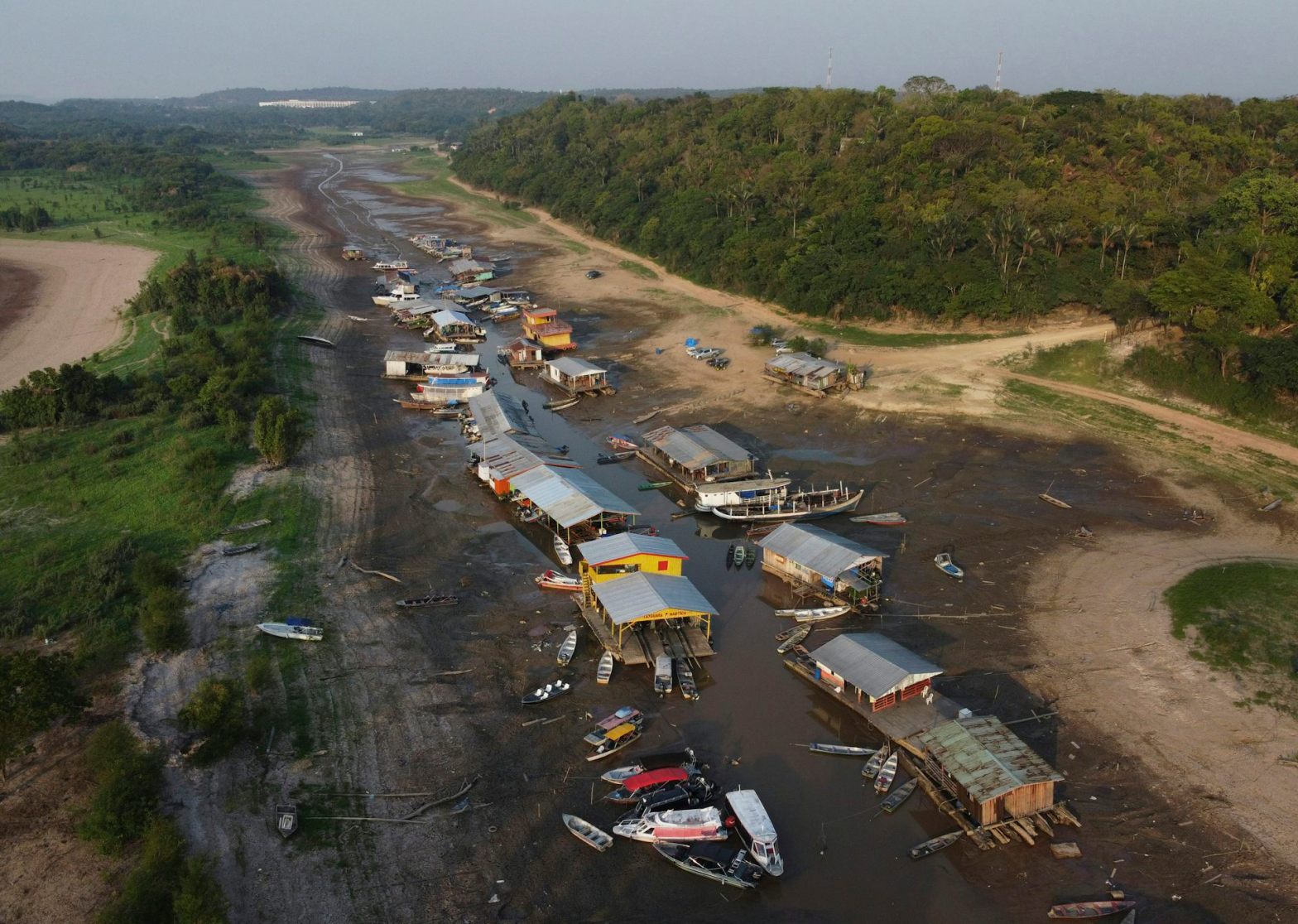
The fertile lungs of our planet, the Amazon jungle faces severe drought due to El Niño, climate change, and deforestation for agriculture like palm oil, soy and meat. This along with gold mining, affects biodiversity and local indigenous communities. To combat this crisis, stronger measures against deforestation and illegal mining are essential. Global and local leaders must act now to protect the Amazon. #BoycottPalmOil #BoycottGold4Yanomami #Boycott4Wildlife.
Indigenous Empowerment to Reverse Amazonia’s Mineral Demand
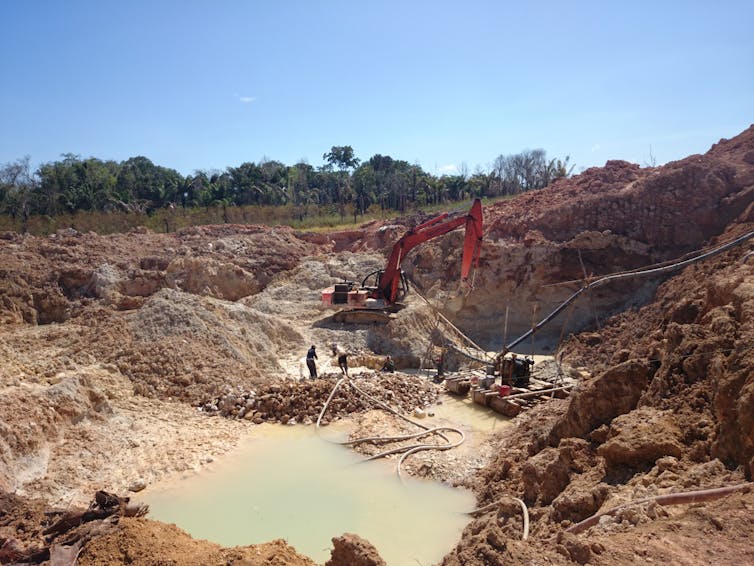
Illegal mining for minerals like gold is driving Amazonia deforestation. Empowering Indigenous peoples to care for biodiversity-rich areas is the key!
New Research: Indigenous Communities Reduce Amazon Deforestation by 83%”
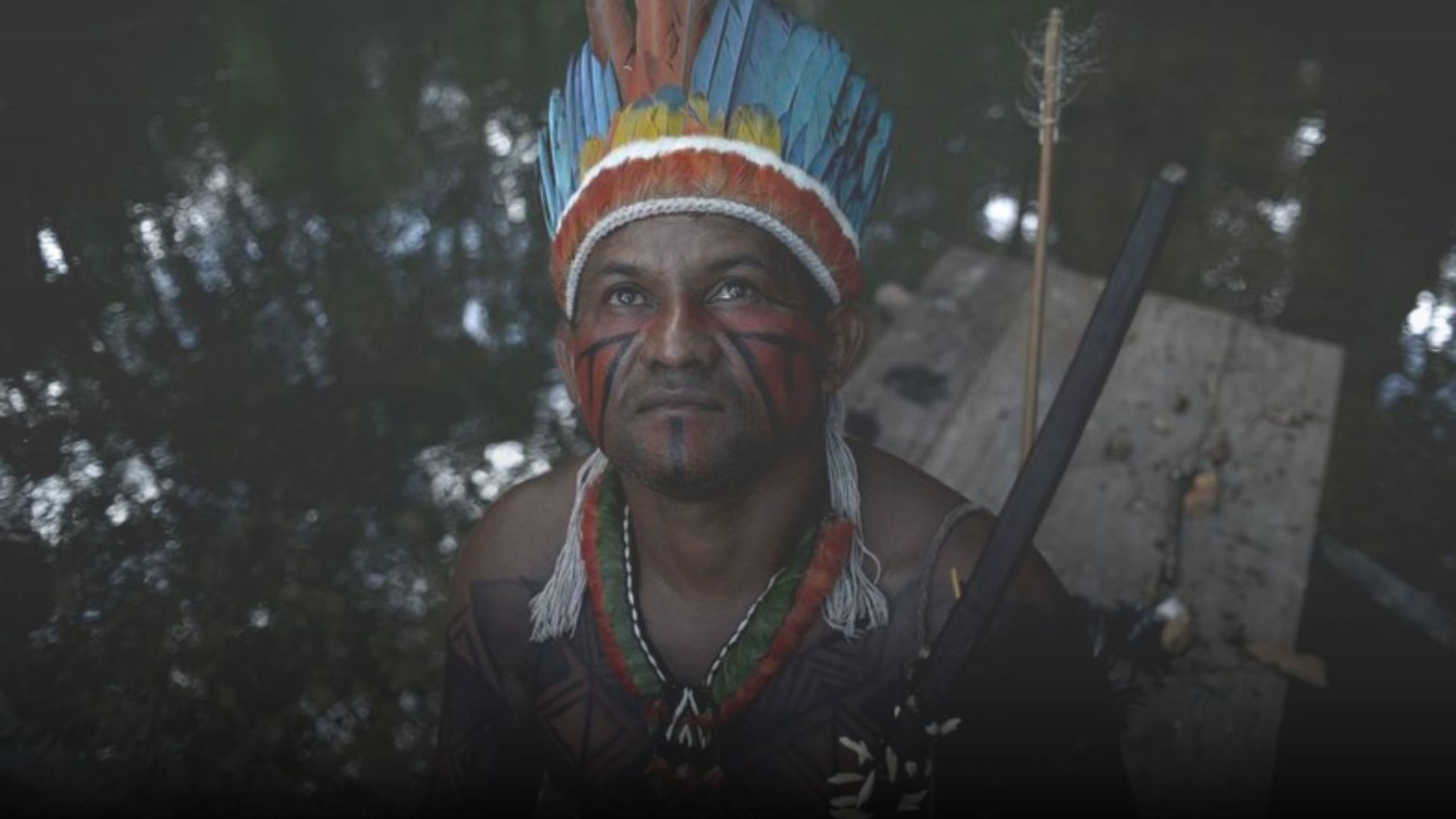
Although #deforestation rates in the Brazilian #Amazon have halved, this globally critical biome is still losing more than 5,000km² every year. That’s an area three times larger than Greater London. By combining satellite imagery for the entire Amazon region with data from the Brazilian national census, our new study found that deforestation in areas protected by #Indigenous communities was up to 83% lower compared to unprotected areas.
Results demonstrate that returning lands to Indigenous communities can be extremely effective at reducing deforestation and boosting #biodiversity to help address #climatechange. Yet, forest conservation should not come at an economic cost to people living in Indigenous-managed lands.
Dung Beetles Are Rainforests’ Diligent Regrowth Soldiers
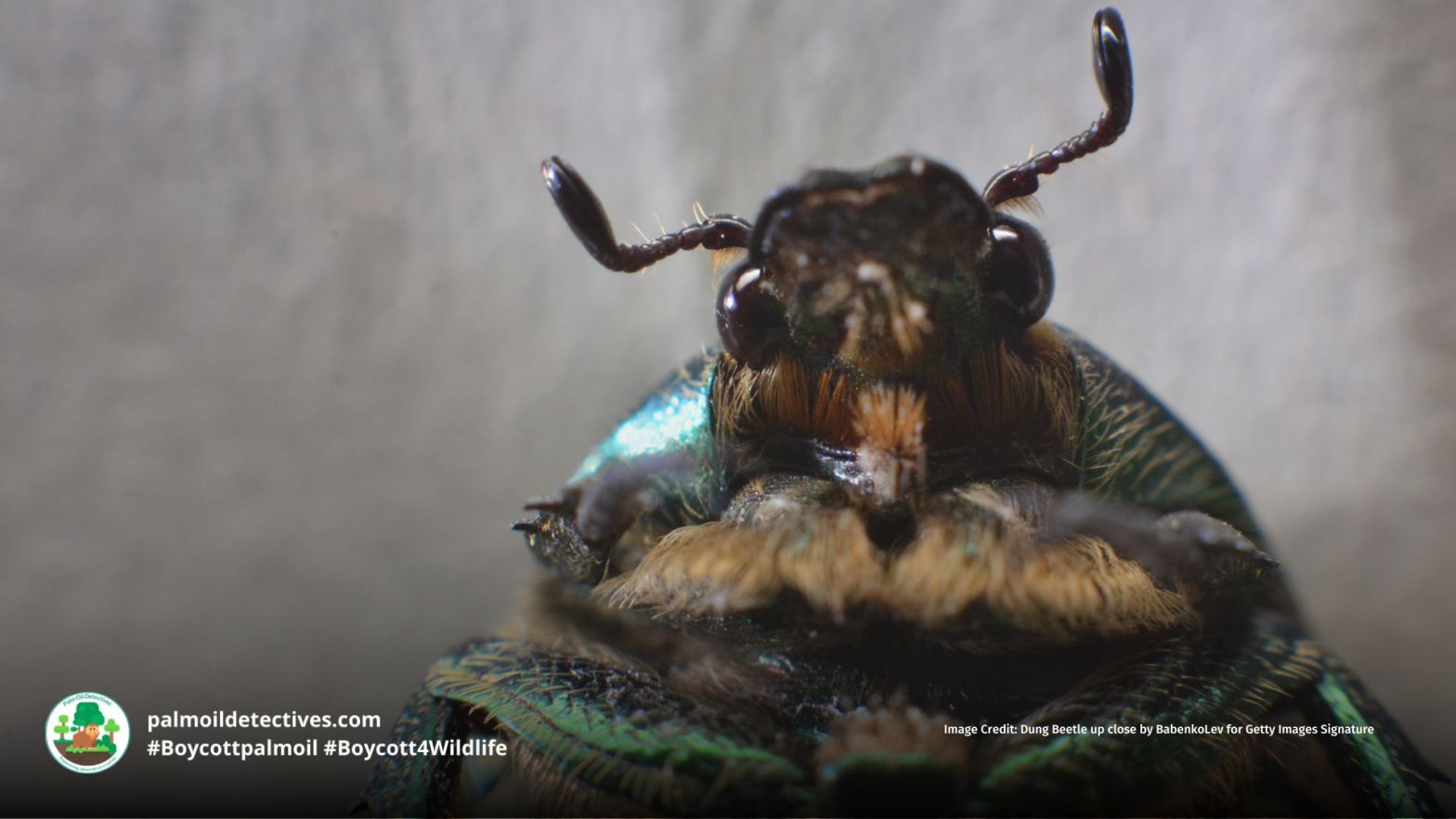
The dung beetle may eat and nest in poop, but their role in nature is anything but humble. These hardshelled scarabs live on every continent except Antarctica, recycling feces and suppressing parasites that could otherwise harm people and animals. Dung beetles also spread both seeds and nutrients into the soil, helping to maintain a healthy ecosystem. Help them and #Boycottpalmoil #BoycottGold and #Boycott4Wildlife
Ten Victories and Challenges to Indigenous Rights in 2024
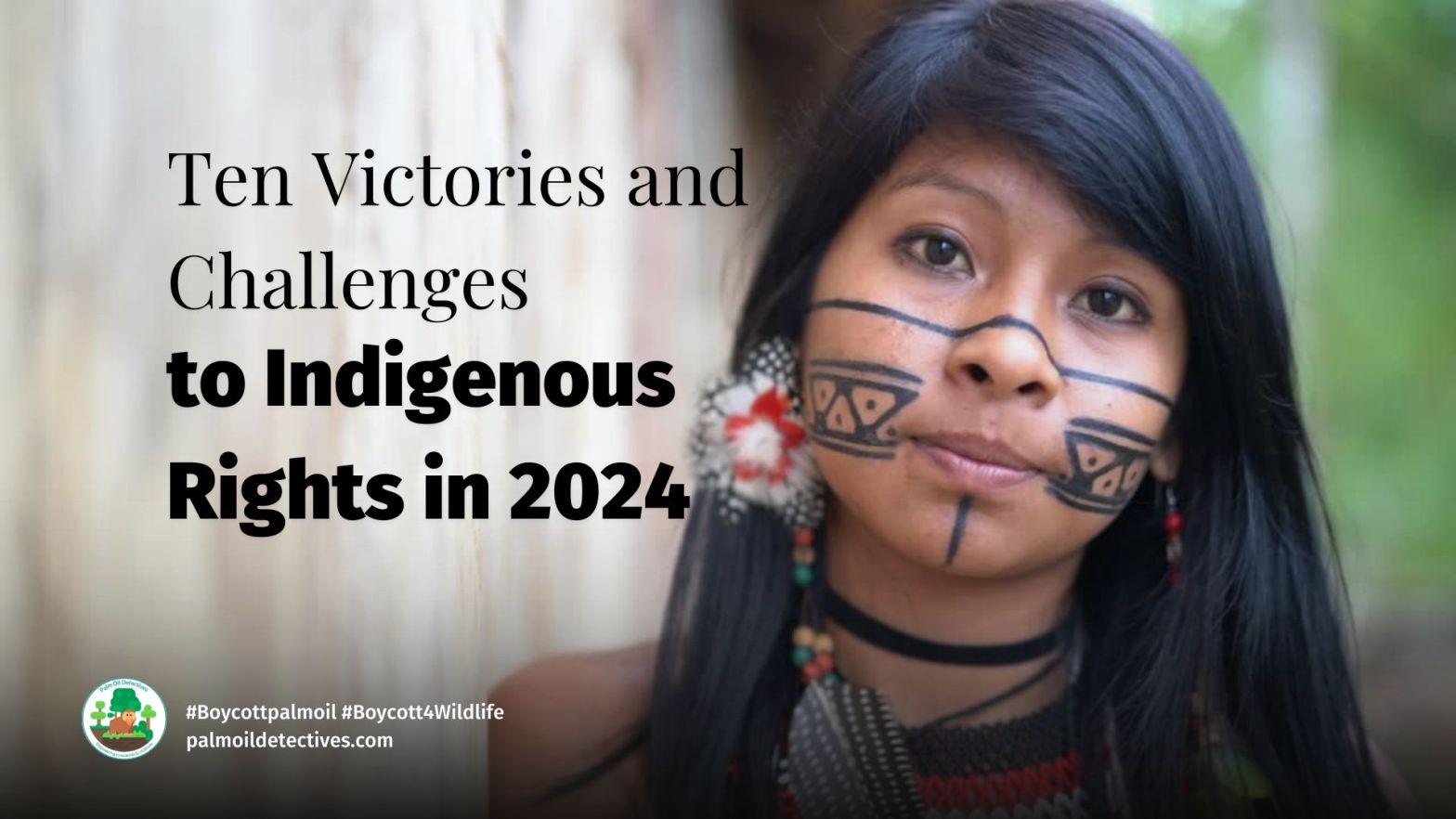
From Brazil’s action against illegal gold miners to the Sacred Headwaters Alliance defending the Amazon, these top Indigenous stories of 2024 highlight resilience and challenges. The year of 2024 underscored the importance of Indigenous sovereignty in tackling environmental and social issues. #IndigenousRights #LandBack #BoycottPalmOil #BoycottGold
Amazon Clarion Call: Pandemics Emerging in the Rainforest

The Amazon’s diverse ecosystem is under threat from rampant deforestation, degradation, a biodiversity crisis, and the climate crisis – jeopardising its ability to act as a carbon sink. This degradation increases the likelihood of zoonotic diseases emerging and spreading, posing a significant public health risk for Brazil and the world. #BoycottPalmOil #Boycott4Wildlife
Researchers find direct links between deforestation and reduced dietary quality
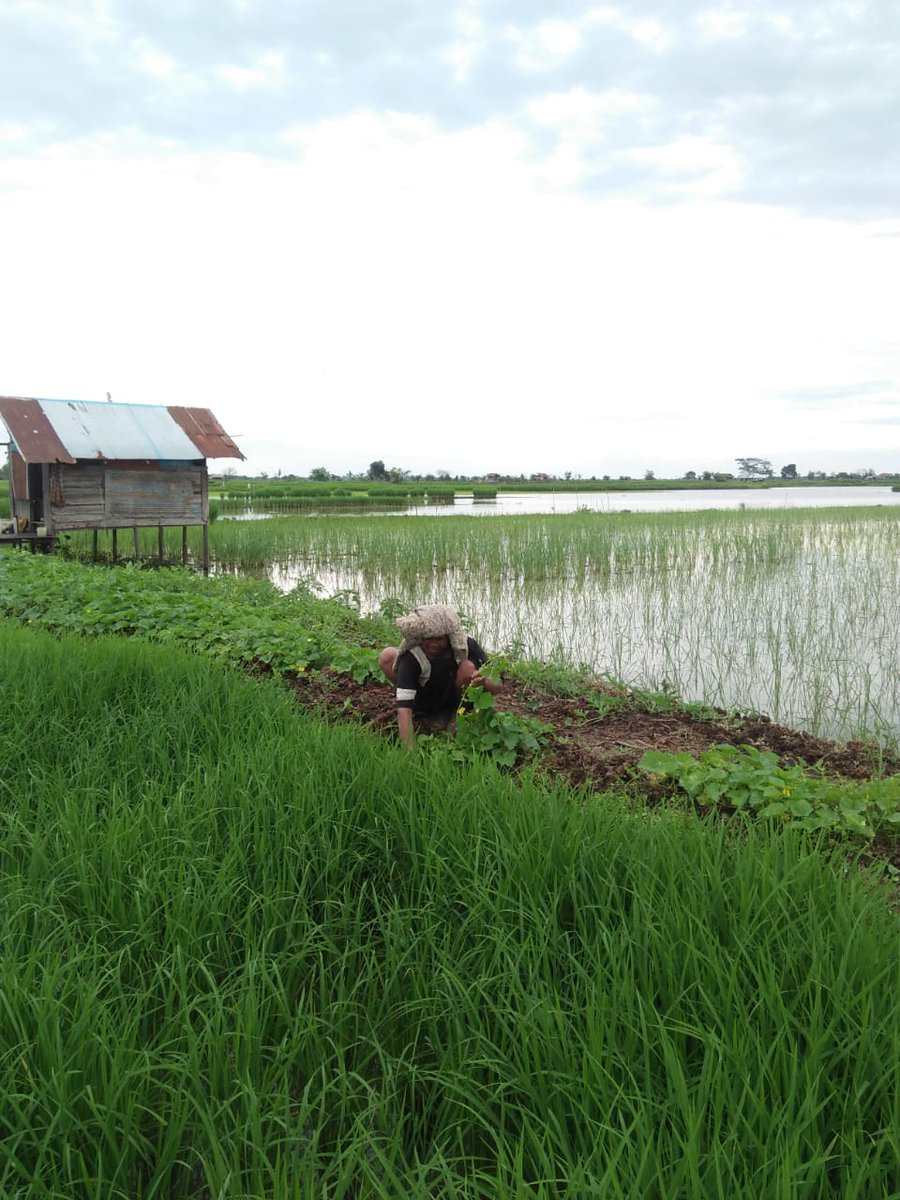
#Forests 🌳🌿🍃play a critical role in helping #indigenous communities who rely on wild #food to diversify their #diet and meet their nutritional needs. Resist in solidarity for them #Boycottpalmoil 🌴🪔🧐⛔️#Boycott4Wildlife
Without Tropical Forests, The World Would Be 1°c Warmer
#Research reveals the most comprehensive and detailed evidence to date that #forests are more important to the #climate (globally and locally) than we think due to the way in which they physically transform the atmosphere. The first-ever research to pinpoint the local, regional and global non-carbon dioxide benefits of specific forest zones worldwide finds that the entire world gains the most benefits from the band of tropical rainforests spanning Latin America, Central Africa and Southeast Asia. Help #rainforests, rainforest animals and indigenous peoples every time you shop, make sure you #BoycottPalmOil #BoycottGold #Boycott4Wildlife
Deforestation Raises Temperatures Up To 4.5℃

Forests directly cool the planet, like natural evaporative air conditioners. So what happens when you cut them down? In tropical countries such as #Indonesia, #Brazil and the #Congo, rapid #deforestation may have accounted for up to 75% of the observed surface #climatechange and warming between 1950 and 2010. Our new research took a closer look at this phenomenon.
The Amazonian Royal Flycatcher: A flurry of feathers

The Amazonian Royal Flycatcher is a member of a family of birds called the tyrant flycatchers, which occur throughout North and South America. This is the biggest family of birds in the world, with more than 400 species. As the name implies, the majority of tyrant flycatchers are entirely insectivorous (though they do not necessarily specialise in flies), while the ‘tyrant’ part comes from the noisy, aggressively territorial behaviour of some species in the group. Help them to survive every time you shop and #BoycottPalmOil #Boycott4Wildlife.
Climate Explained: what would happen if we cut down the Amazon rainforest?
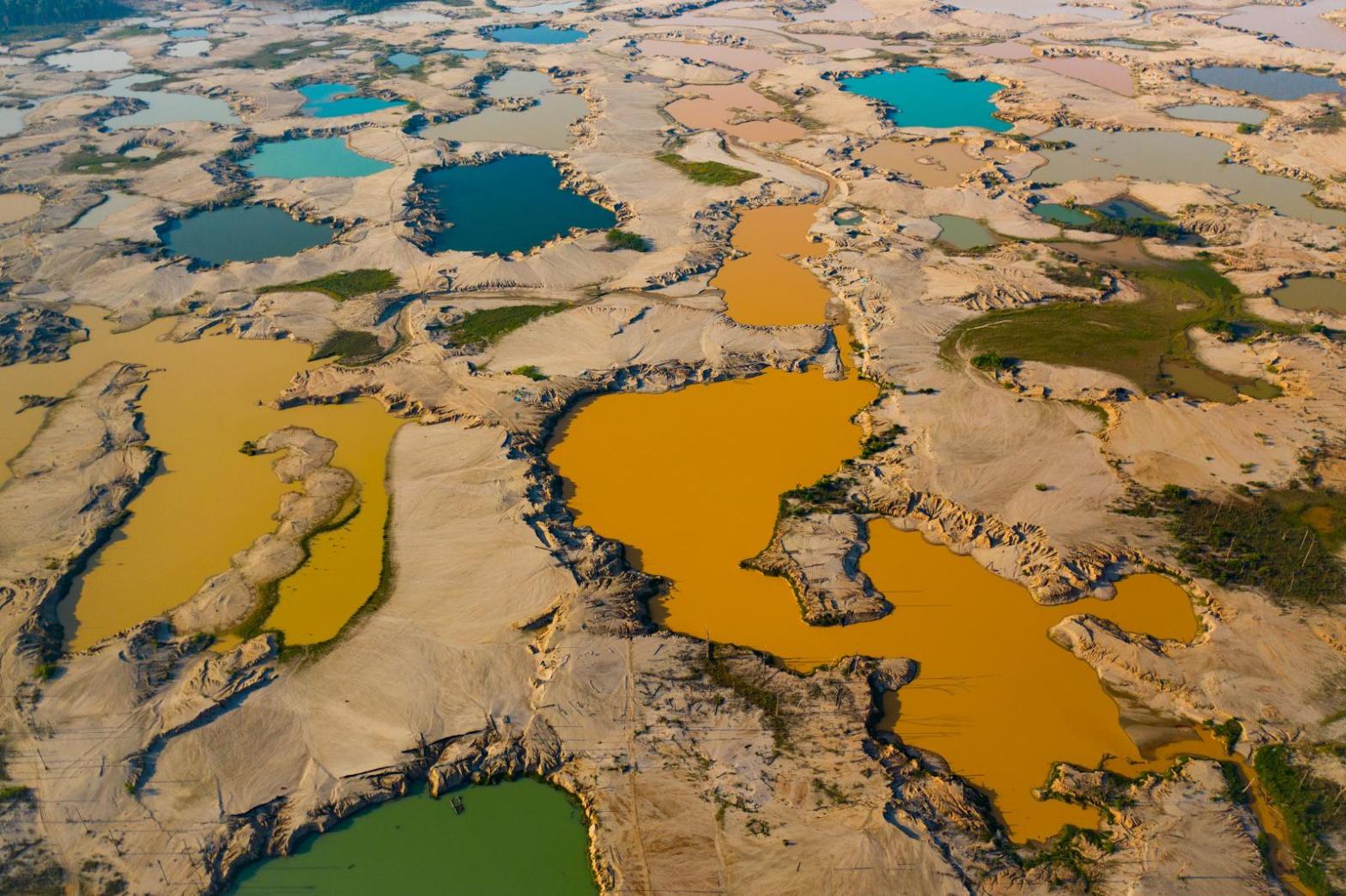
What would happen if we cut down the entire Amazon rainforest? Could it be replaced by an equal amount of reforestation elsewhere? Removing the entire Amazon rainforest would have myriad consequences, with the most obvious ones possibly not the worst. Most people will first think of the carbon currently stored in the Amazon, the world’s largest rainforest. But the consequences would be far-reaching for the climate as well as biodiversity and ecosystems — and, ultimately, people. Fight for animals, indigenous peoples and the planet itself #BoycottPalmOil #BoycottGold and #Boycott4Wildlife
Rainbow Cliffs: Why Parrots in the Amazon Eat Clay
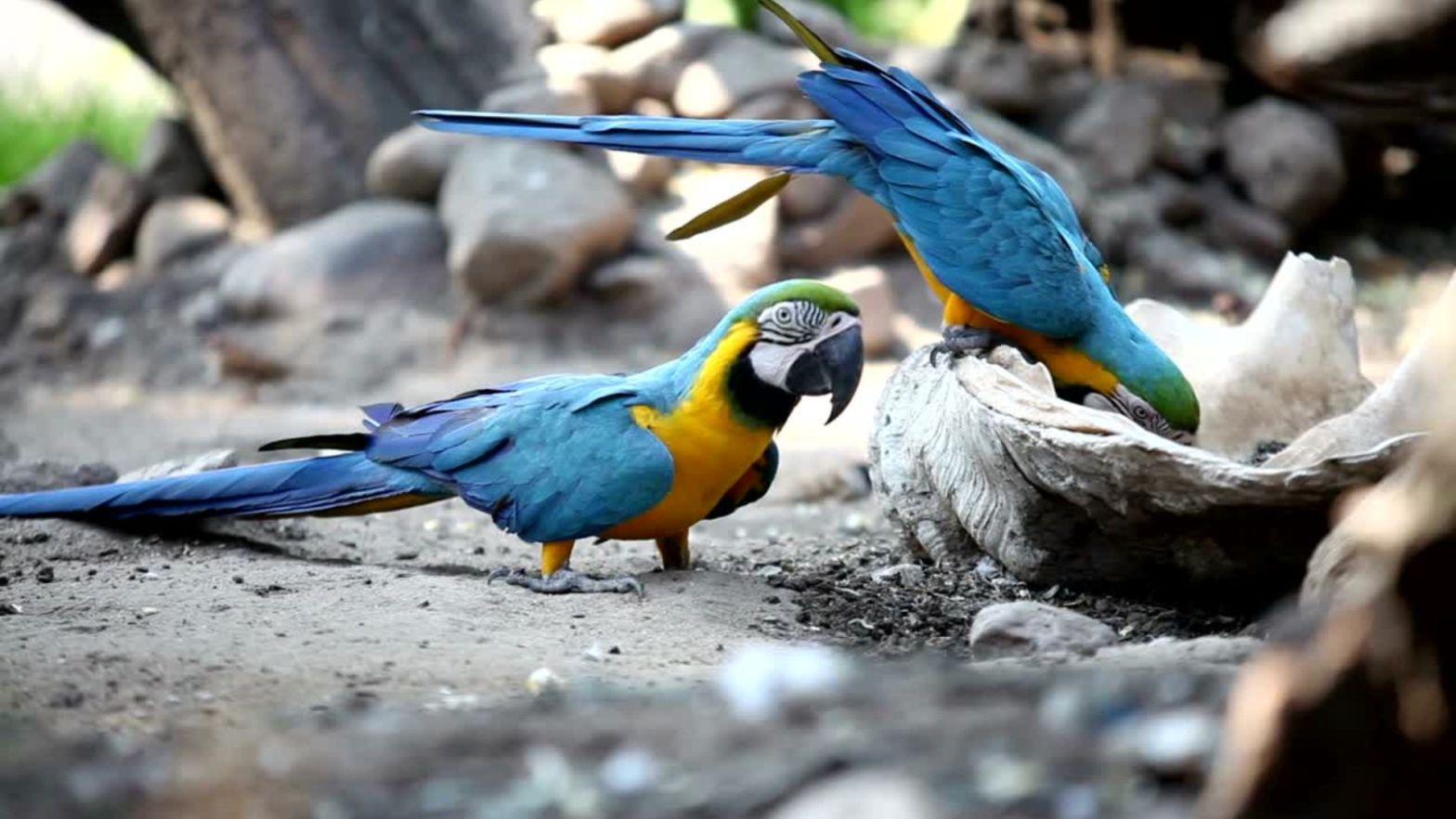
Our world holds a whole host of glorious natural spectacles, from great starling murmurations to the ethereal display of coral reef spawning. But none is more thrilling than catching a glimpse of a majestic #macaw.
Screeching their way through the #Amazon rainforest, leaving scattered fruit, broken branches, and a considerable quantity of parrot poop in their wake, #parrots are simply animals like no other. But high in the treetops, flying far above the dense, dark foliage below, how can you ensure that you see their bright colours? A safe bet is to find a clay lick.
 Palm Oil Detectives