
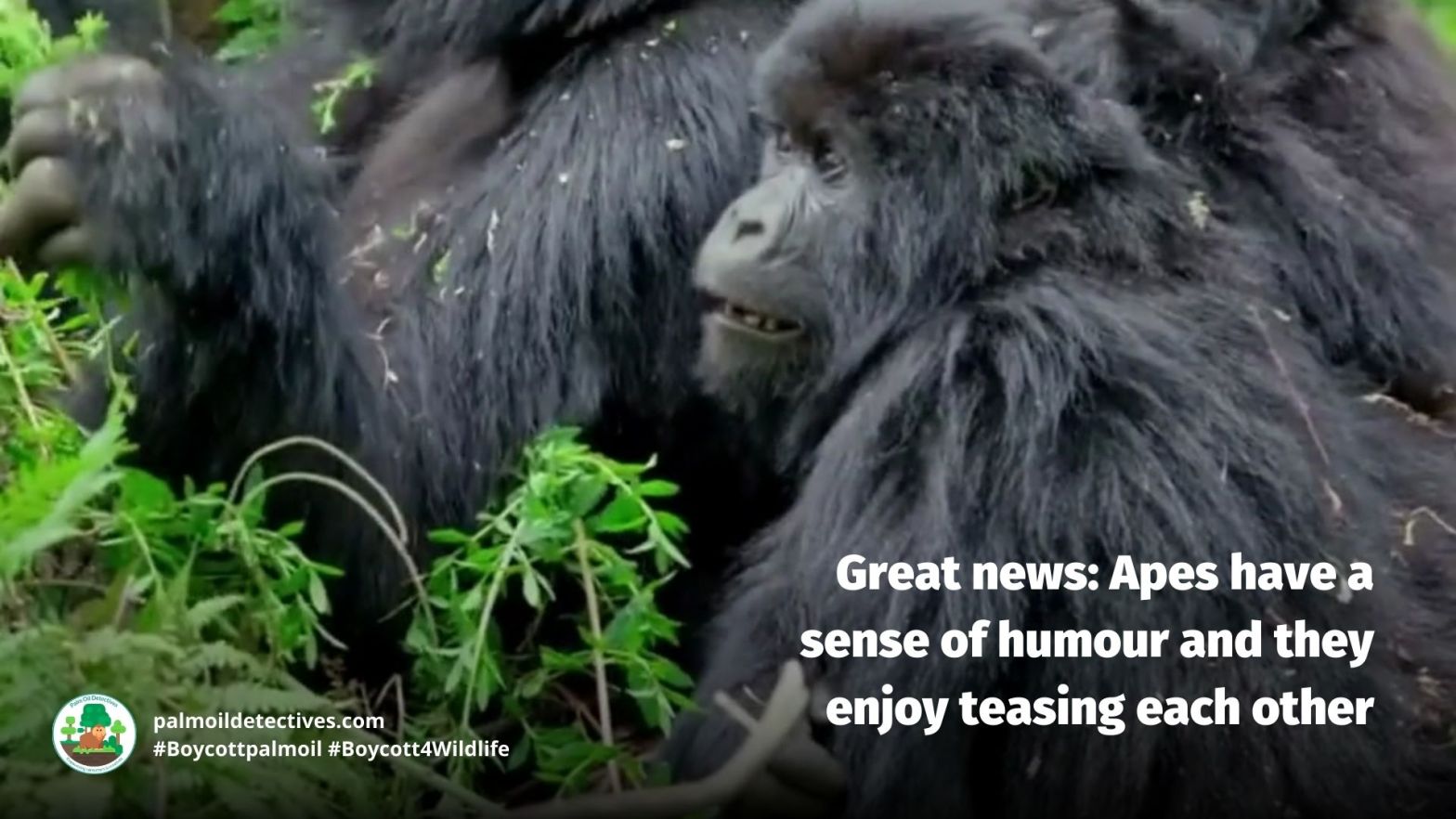
New research finds that it’s not only human babies who love to playfully tease each other. Researchers reasoned that since language is not required for this behaviour, similar kinds of playful teasing might be present in non-human animals such as chimpanzees, bonobos, gorillas and orangutans. Now cognitive biologists and primatologists have documented playful teasing in four species of great apes. Like joking behaviour in humans, ape teasing is provocative, persistent, and includes elements of surprise and play. Because all four great ape species used playful teasing, it is likely that the prerequisites for humour evolved in the human lineage at least 13 million years ago.
Tag Archives: Animal Biodiversity News
Palm Oil Increases Deaths of Baby Macaques
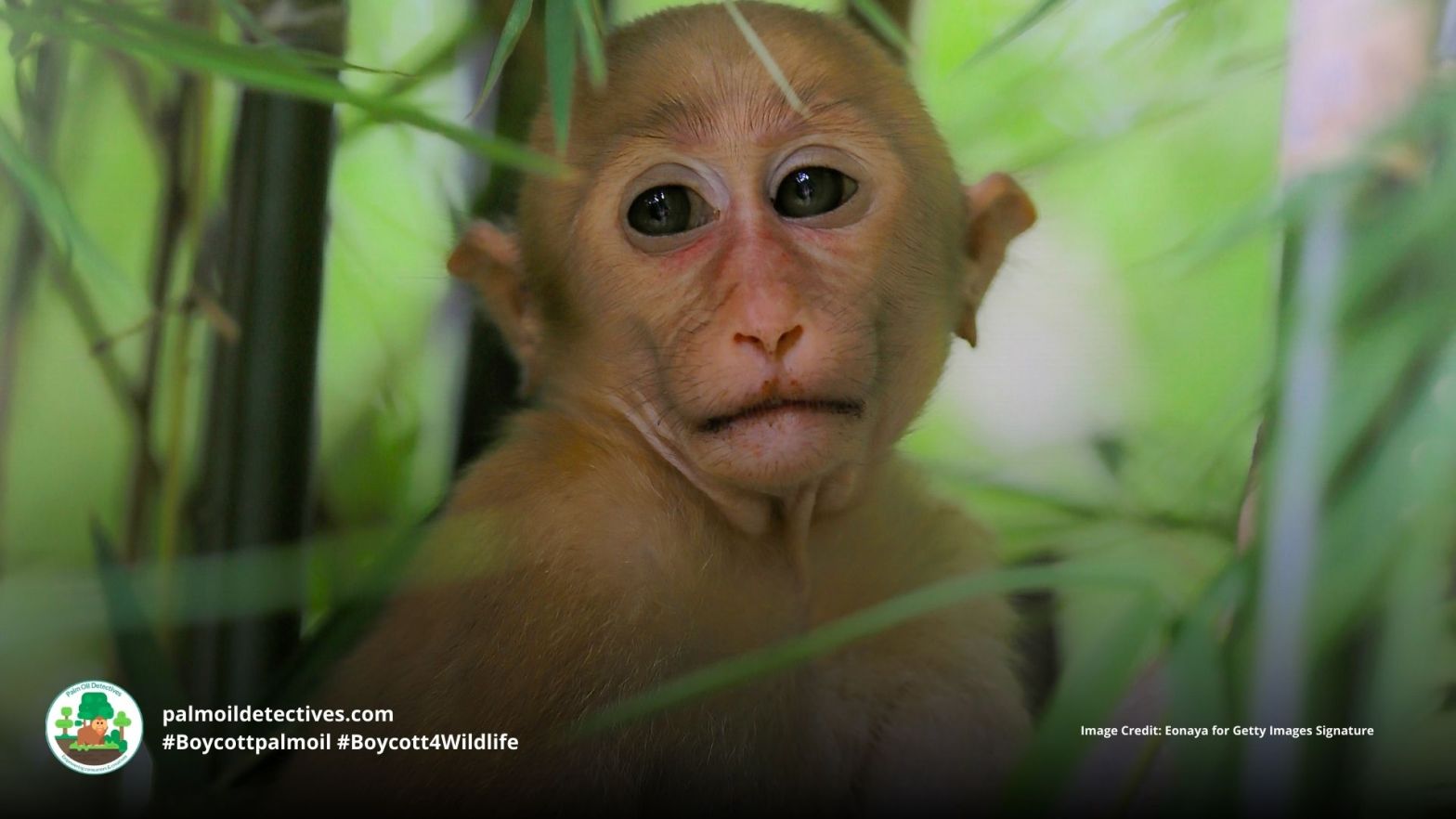
In Peninsular Malaysia, a new study published in Cell Biology by a team led by Dr Anna Holzner of German Centre for Integrative Biodiversity Research (iDiv) Halle-Jena-Leipzig has found that infant mortality rates among wild southern pig-tailed macaques are alarmingly high due to frequent visits to oil palm plantations.
These plantations expose the infants to increased risks from predators, human encounters, and harmful agricultural chemicals, potentially affecting the development and survival of infant macaques. The study, conducted in collaboration of international researchers, observed that prolonged exposure to these plantations during infancy triples the likelihood of death.
The study suggests that pesticides used in agriculture could cross the placental barrier or be transmitted through breastmilk, impacting fetal development and health. This significant research underlines the urgent need for eco-friendly agricultural practices to protect wildlife and human communities near plantations. Take action and join the movement to #Boycottpalmoil and #Boycott4Wildlife every time you shop!
Reptiles Facing Extinction: How to Help
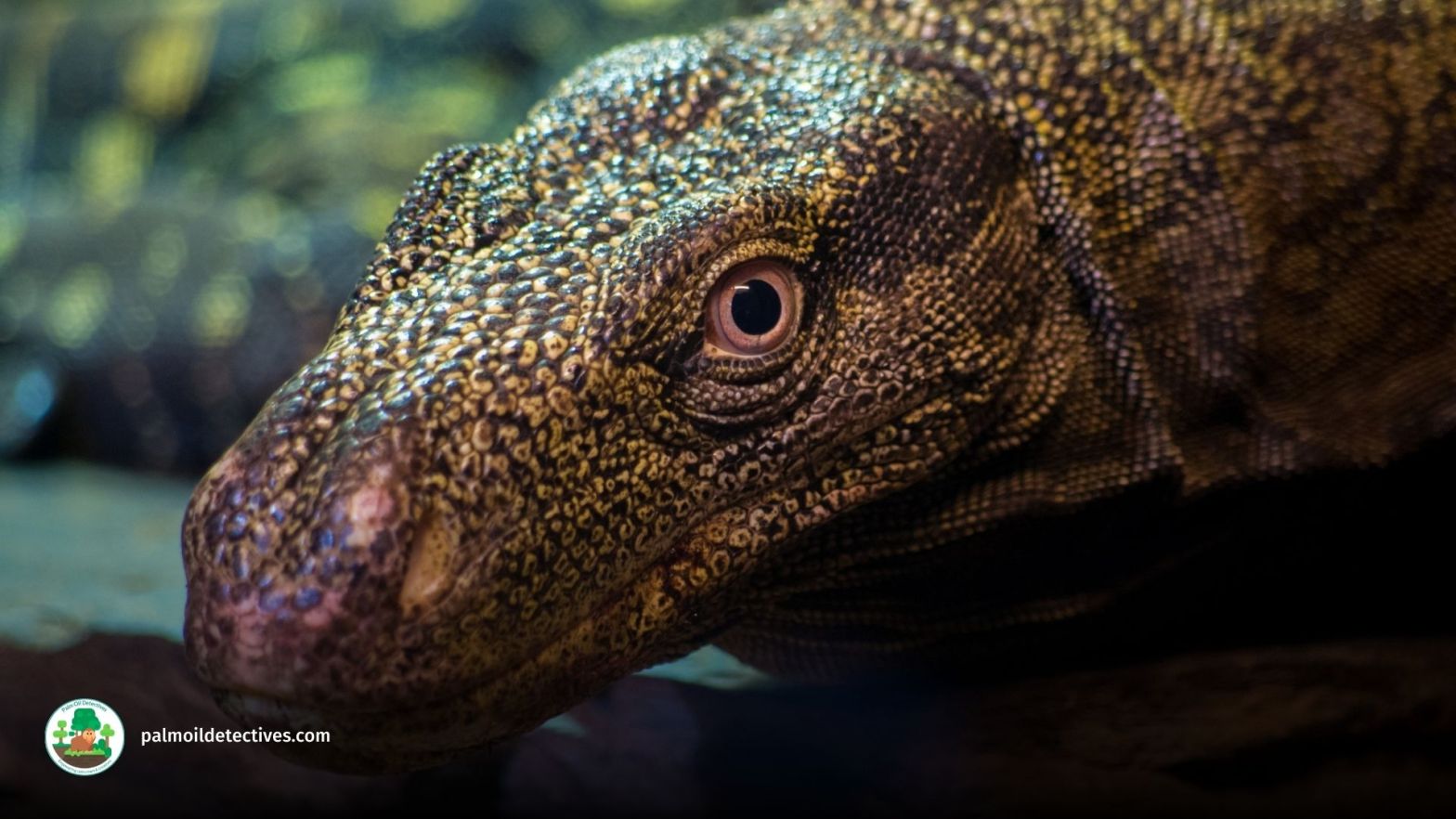
#Reptiles are fascinating creatures who are sadly feared, misunderstood and persecuted by humans. It is high time that we stand up for #lizards, #snakes, #terrapins, #crocodiles, caimans, #turtles and more.
Many of these fascinating creatures are feared by humans and inhabit hard-to-traverse places such as swamps. Compared with birds, amphibians and mammals, there is little data available on the distribution, population size and extinction risk of reptiles. This has meant that wildlife conservationists have largely helped reptiles indirectly in the past by meeting the needs of other animals (for food and habitat for example) living in similar places. Here’s how we stand up for them #Boycottpalmoil #Boycott4Wildlife
Caring for Siamese crocodiles in Cambodia
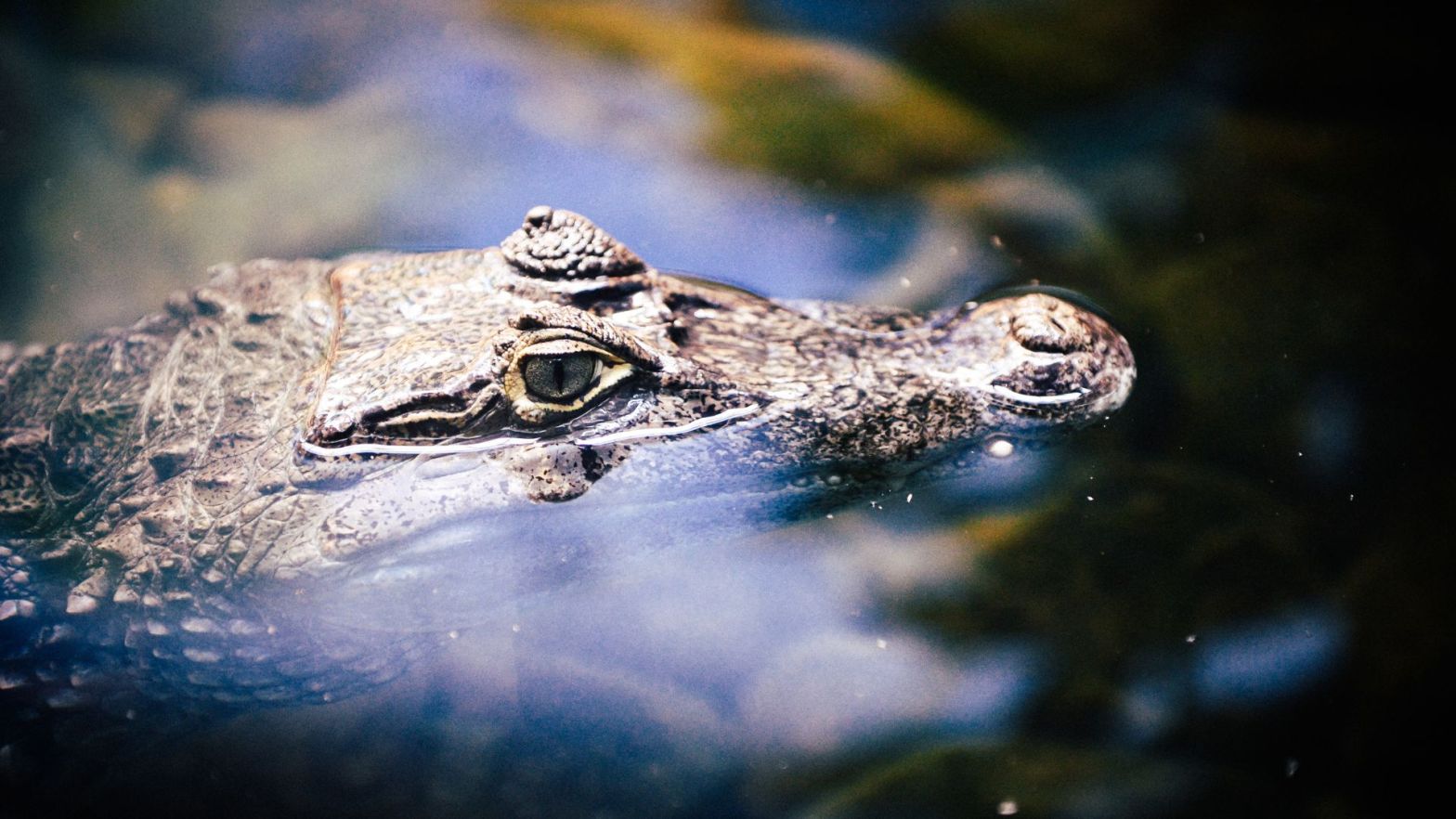
Researchers travel into the remote wilderness of #Cambodia to study the world’s most endangered #crocodile, the placid, cryptic and little-known Siamese crocodile. Help their survival in the supermarket and be #vegan, boycott crocodile leather and #Boycott4Wildlife
A Broken Record on Repeat – Animal Extinction Likely if Palm Oil Expands in North East India

As with the forest kingdoms of Borneo and the Amazon rainforest, the Indian forest kingdom of the Golden Langurs and Pygmy Hogs is under siege by palm oil in the north east of India. The region is home to some of the most endangered wildlife in the world. Situated in the foothills of the Himalayas, the whole area is one of the most fertile and diverse places on the planet. This region is earmarked for destruction for palm oil. Renowned British wildlife photographer Craig Jones went there to photograph pygmy hogs and report on their dwindling home.
News stories about spiders are unfairly negative – here’s how to tell the truth about spiders
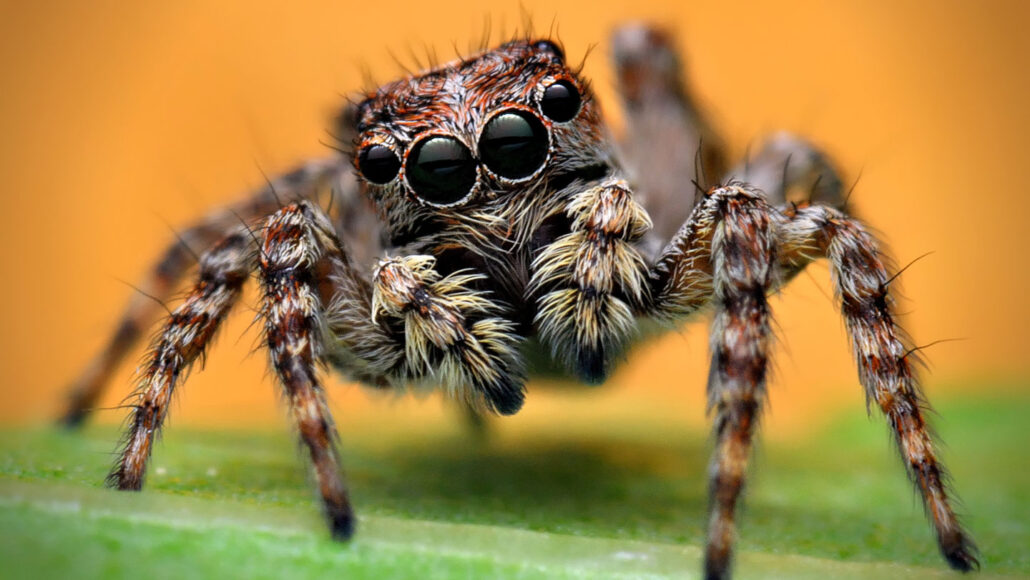
Frequent errors in news reports likely contribute to the animals’ undeserved bad reputation Spiders are pretty remarkable. They live almost everywhere, from rainforests to deserts. Some even spend most of their lives underwater. They are smarter than you think, with some able to make plans and count. Scientists think they might even dream when theyContinue reading “News stories about spiders are unfairly negative – here’s how to tell the truth about spiders”
Uncovering The Glasswing Butterfly’s See-through Wings

Most butterflies sport colourful, eye-catching wings. But some species flit about using mostly transparent wings. Researchers have now uncovered the tricks that one of these — the glasswing butterfly (Greta oto) — uses to hide in plain sight. The tricks of their transparency include sparse, spindly scales and a waxy coated membrane. Many thousands of insect species are threatened by large-scale deforestation for agriculture and especially pesticides. Help them to survive and #BoycottPesticides #BoycottPalmOil!
India’s Palm Oil Goals Raise Extinction Fears

A corporate monopoly for control over land and resources for palm oil must be dismantled immediately to give humanity, animals and our natural world a fighting chance for survival and to reverse the climate crisis. In Asia, many indigenous peoples are now joining forces and rising up to resist this corruption and ecocide.
Palm Oil: A Recipe for Disaster in India

Given the widespread destruction of rainforests and native biodiversity caused by oil palm plantations in Southeast Asia, environmental experts and politicians are warning that the move to promote palm oil cultivation in India’s northeastern States and in the Andaman and Nicobar Islands could be disastrous, writes Priscilla Jerbaraj in The Hindu.
Do humans really need other species?
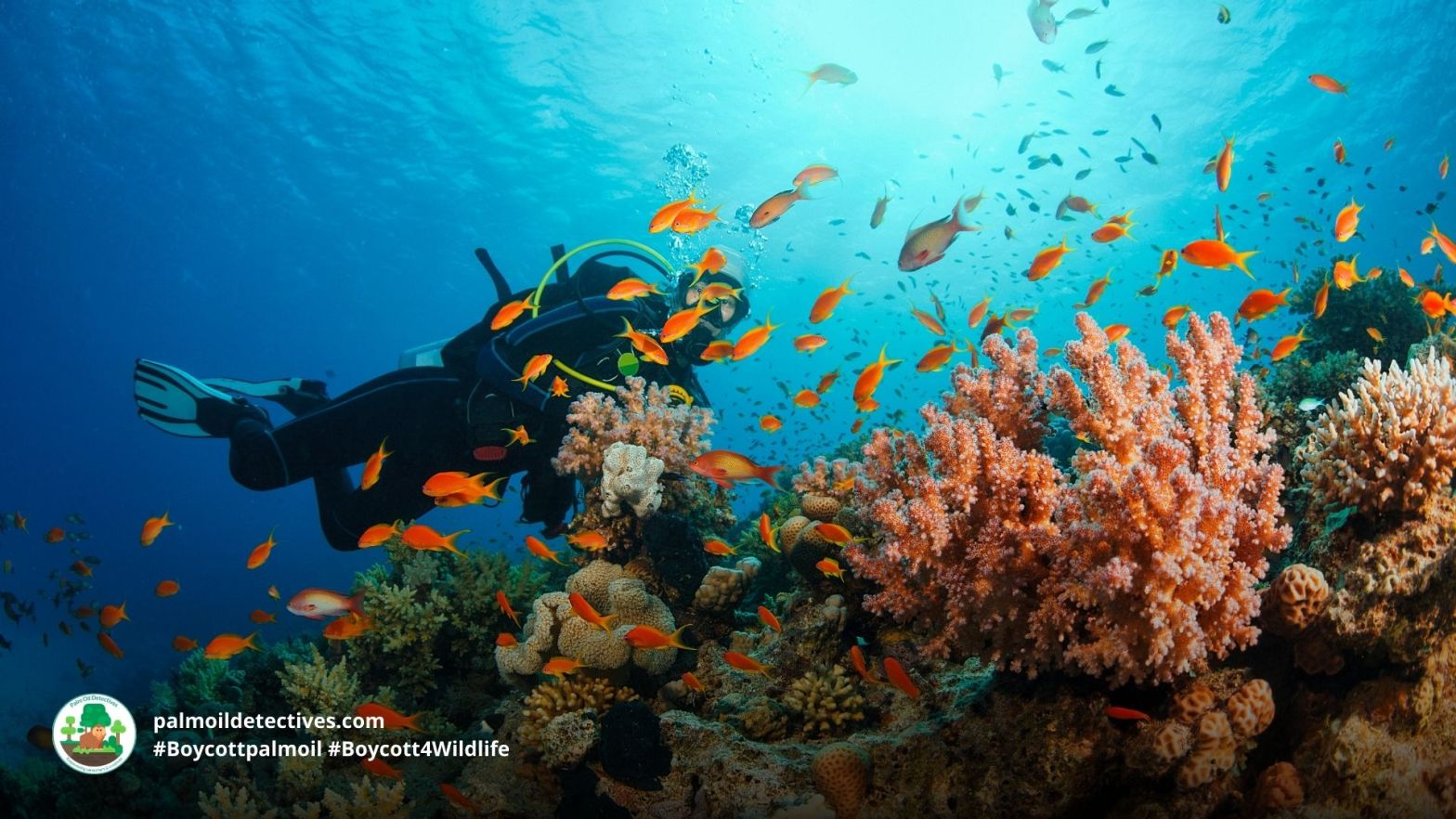
Do humans need other #species? Yes! millions of organisms are needed to keep #ecosystems in balance and ensure everyone can survive. Most importantly, #research shows other species make us happy! Be 🐱🐷🐎🐕🐠 #Vegan for the animals 🍅🥦 #BoycottPalmOil #Boycott4Wildlife
Thousands more species at risk of extinction than currently recorded, suggests new study
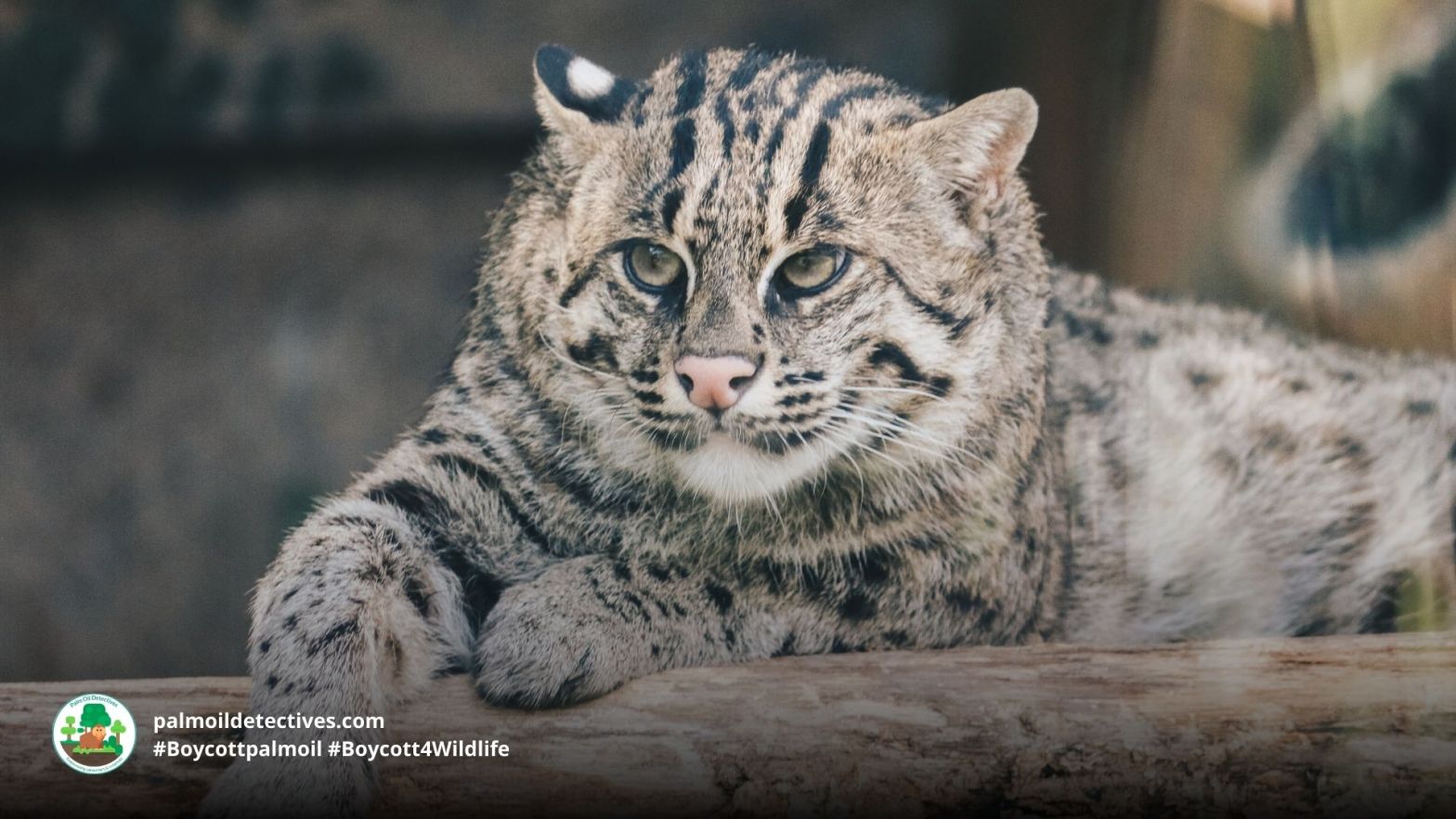
New research suggests the #extinction crisis may be even worse than we thought. More than half of species that have so far evaded any official conservation assessment are threatened with extinction. Some species that are not yet classified and are “data deficient” make up around 17% of the nearly 150,000 species currently assessed. according to predictions by researchers from the Norwegian University of Science and Technology. Help them to survive! #BoycottPalmOil #Boycott4Wildlife
Caecilians: Secretive Underground Dwellers
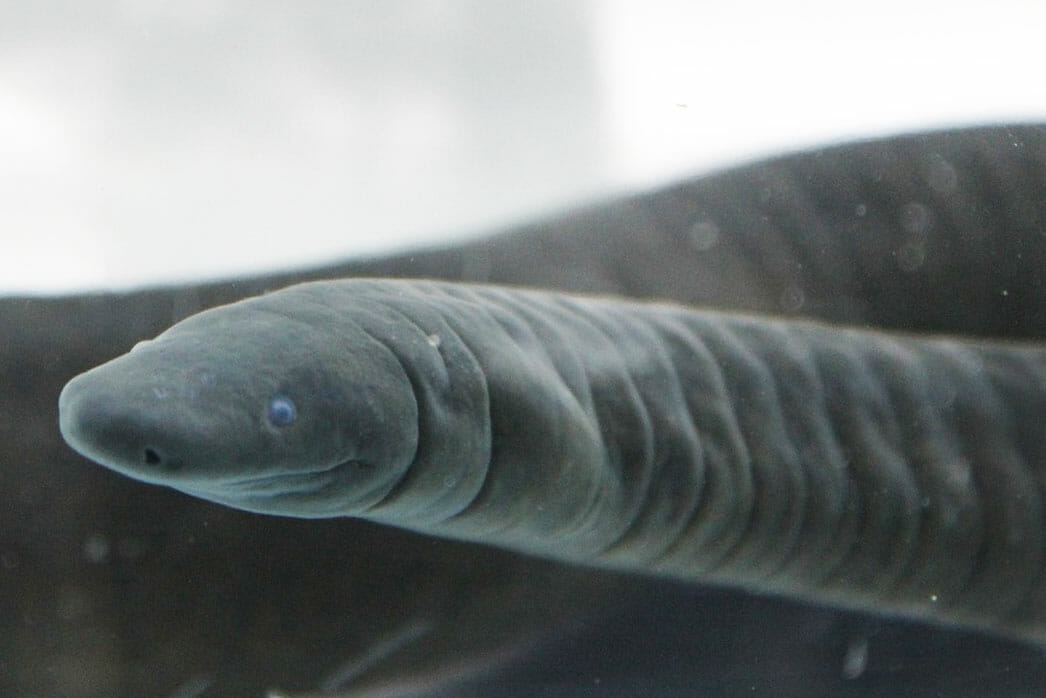
OK, Ok…I know this is quite a scary photo but hear me out. Caecilians are legless, eyeless creatures live secretive, strange lives underground and underwater. Not quite snakes, not quite worms and not quite amphibians either.
Once you know more about them they may still come to you in dreams, but you might just love them too.
They belong to the same group of animals that includes frogs and salamanders. But unlike other amphibians, caecilians lack legs. Some caecilians are as short as a pencil, while others grow as long as a child. Their eyes are tiny and hidden beneath skin and sometimes bone. And they have a pair of tentacles on their face that can sniff out chemicals in the environment.
Climate change is forcing human and non-human beings to become climate refugees
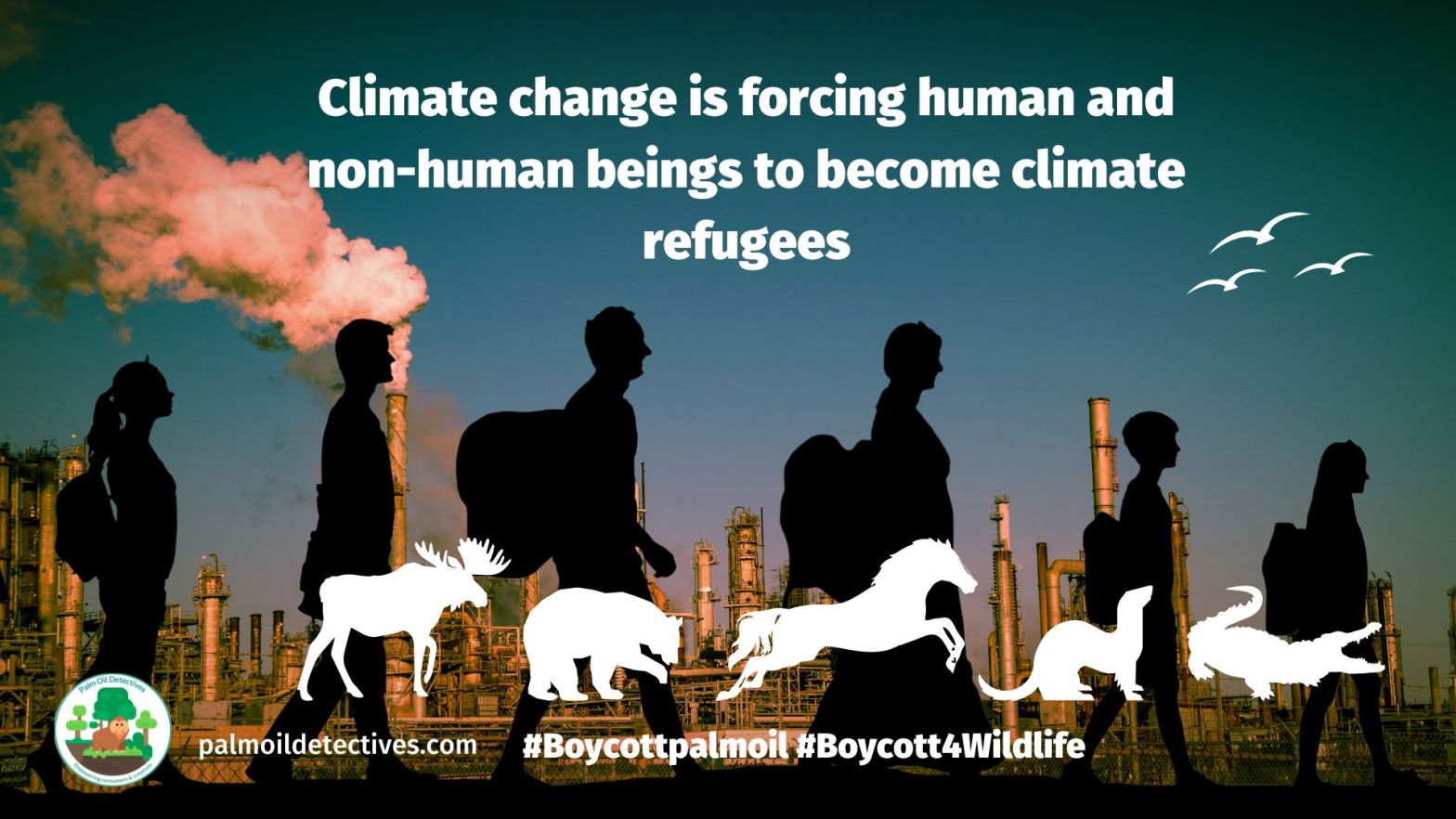
Climate change. Climate denial. Global warming. Call it what you will, the planet is shouting at us. We have ignored the warning signs for decades, but we can no longer ignore what is happening right now.
Back from extinction: a world first effort to return threatened pangolins to the wild
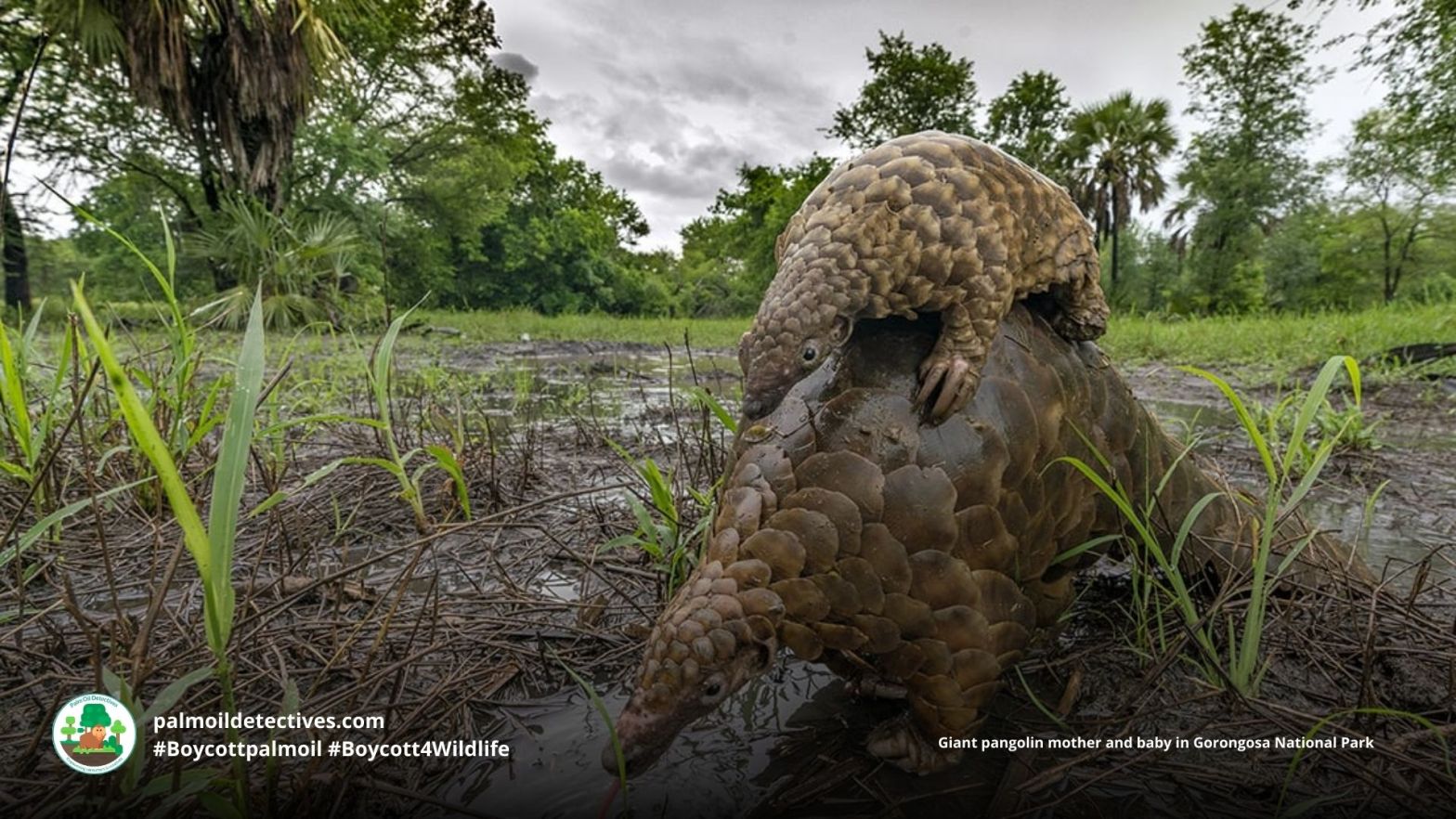
Pangolins are one of the most illegally trafficked animals on the planet and are suspected to be linked to the current coronavirus pandemic. Pangolins are also one of the world’s most threatened species but new efforts are underway to reintroduce pangolins to parts of Africa where the animal has been extinct for decades. Help these remarkable armoured wonders to survive and call out wildlife trafficking when you see it online, also #BoycottPalmOil 🌴🪔🚜🔥☠️⛔️ #Boycott4Wildlife in the supermarket!
Insect decline in the Anthropocene: Death by a thousand cuts
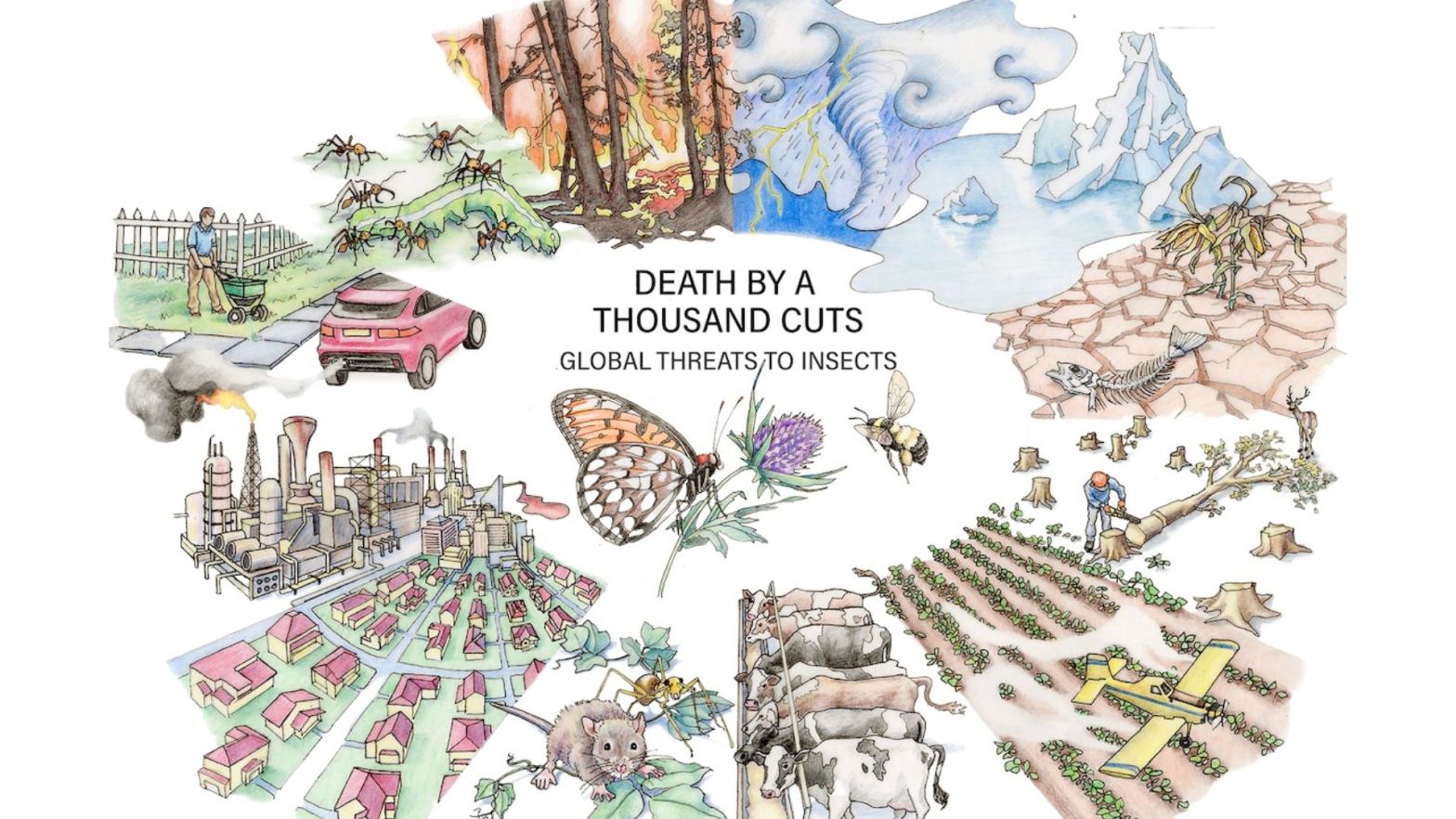
#Insects 🪰🦋🪳🪲🐞🐛💌😻🌿 are the incredible engine room of the planet ensuring ecosystems work. They’re under siege by human-caused #climatechange #deforestation #pollution. Report via @PNASnews. #BoycottPalmOil 🌴⛔️ #Boycott4Wildlife @palmoildetect https://palmoildetectives.com/2022/06/23/insect-decline-in-the-anthropocene-death-by-a-thousand-cuts/
Nigeria’s nature reserves need more help to protect biodiversity

Apart from conserving species, #wetlands help to control floods, replenish groundwater, stabilise shorelines, retain nutrients and purify water. The park will join Nigeria’s protected area of 445 forest reserves, 29 game reserves, 12 strict nature reserves, 11 Ramsar sites, 7 national parks and one biosphere reserve.
Primates are facing an impending extinction crisis – but we know very little about what will actually protect them
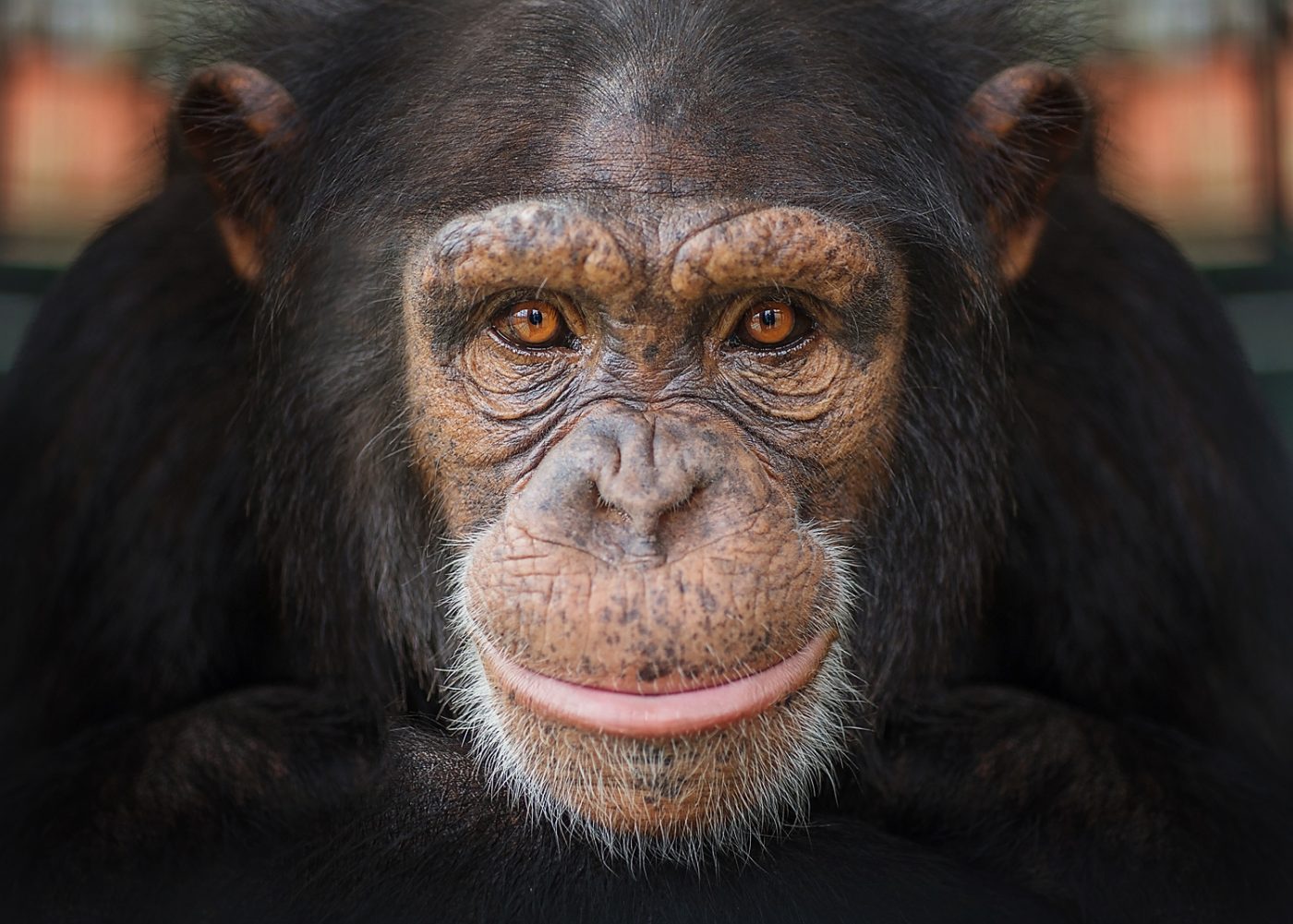
From lemurs to orangutans, tarsiers to gorillas, primates are captivating and sometimes unnervingly similar to us. So it’s not surprising that this group of more than 500 species receives a great deal of research and conservation attention. 60% of primates 🦍🦧🐒🐵 are threatened by #extinction 🙊🙈😿 Without direct action, the number of endangered #primates willContinue reading “Primates are facing an impending extinction crisis – but we know very little about what will actually protect them”
Ecocide: why establishing a new international crime would be a step towards interspecies justice
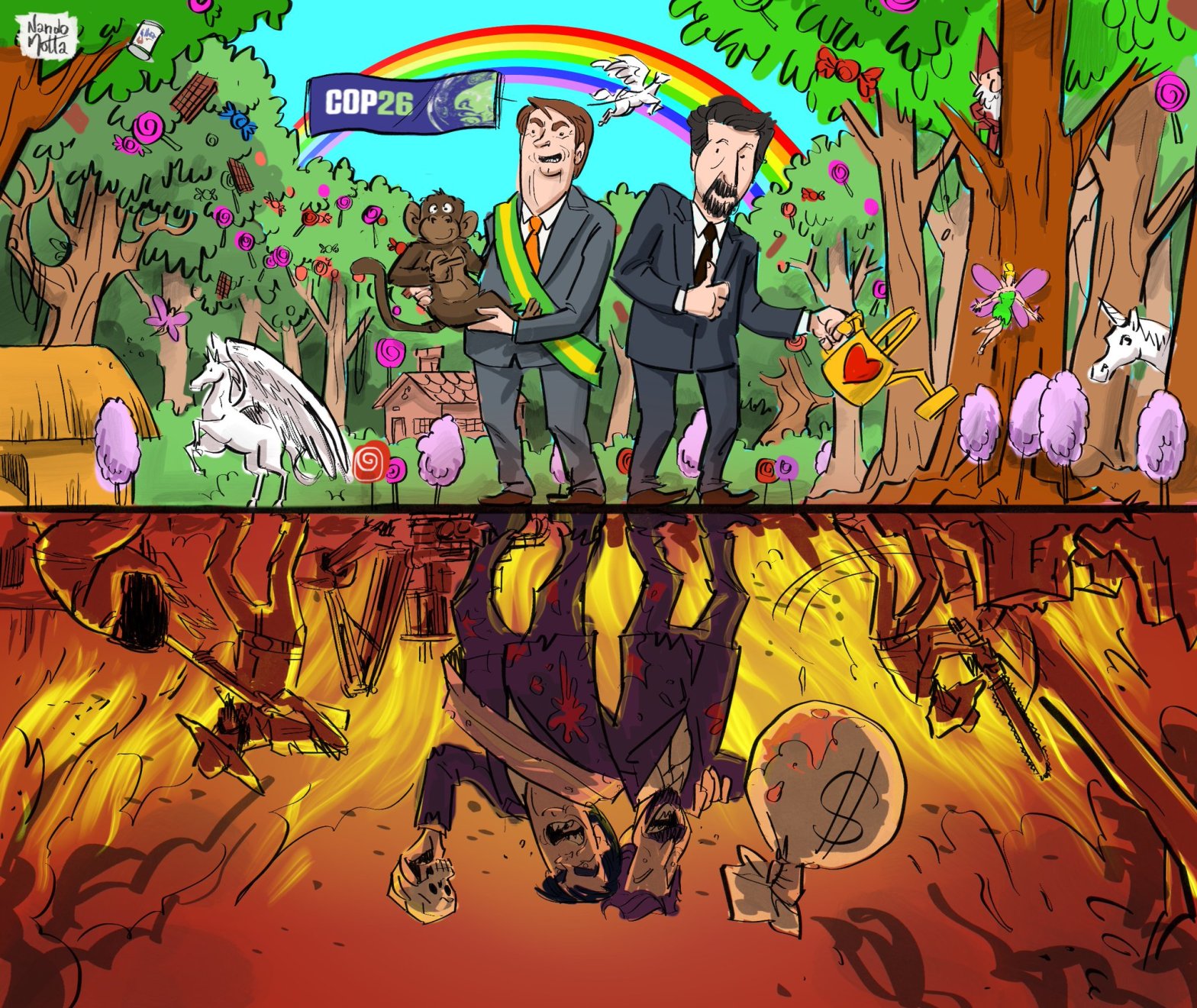
A movement of activists and legal scholars is seeking to make “ecocide” an international crime within the jurisdiction of the International Criminal Court (ICC). The Stop Ecocide Foundation has put together a prestigious international panel of experts that has just proposed a new definition of the term. Protect all animals and go #Vegan #BoycottPalmOil #Boycott4Wildlife
The mimics among us — birds pirate songs for personal profit
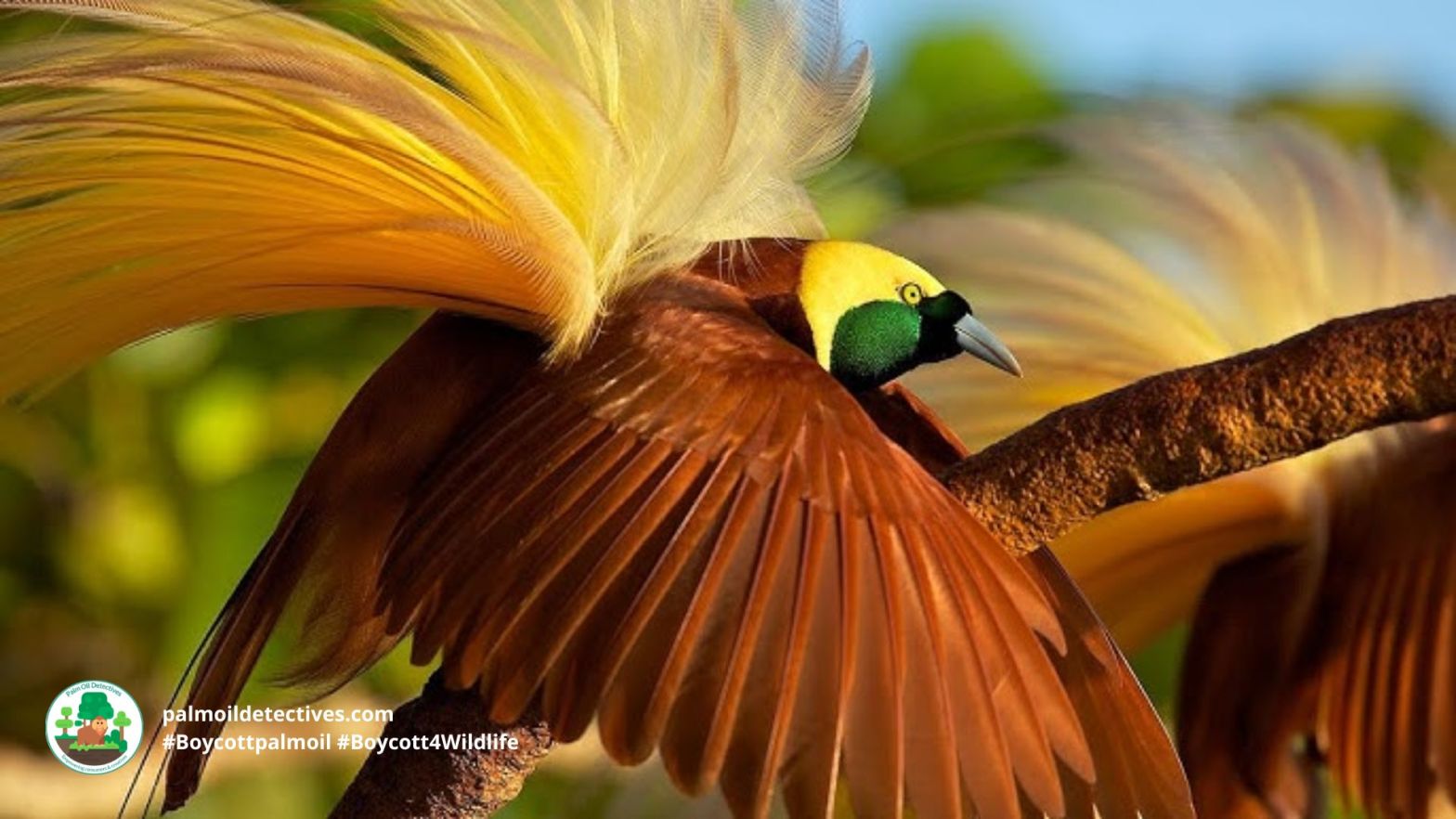
From Roman classics to British tabloids, humans have long celebrated the curious and remarkable ability of #birds and other #animals to imitate the sounds of humans and other animals. A recent surge of research is revealing how and why birds use vocal mimicry to further their own interests. Far from being merely a biological curiosity,Continue reading “The mimics among us — birds pirate songs for personal profit”
A fascinating history of warrior turtles: from ancient myths, warships and teenage mutants
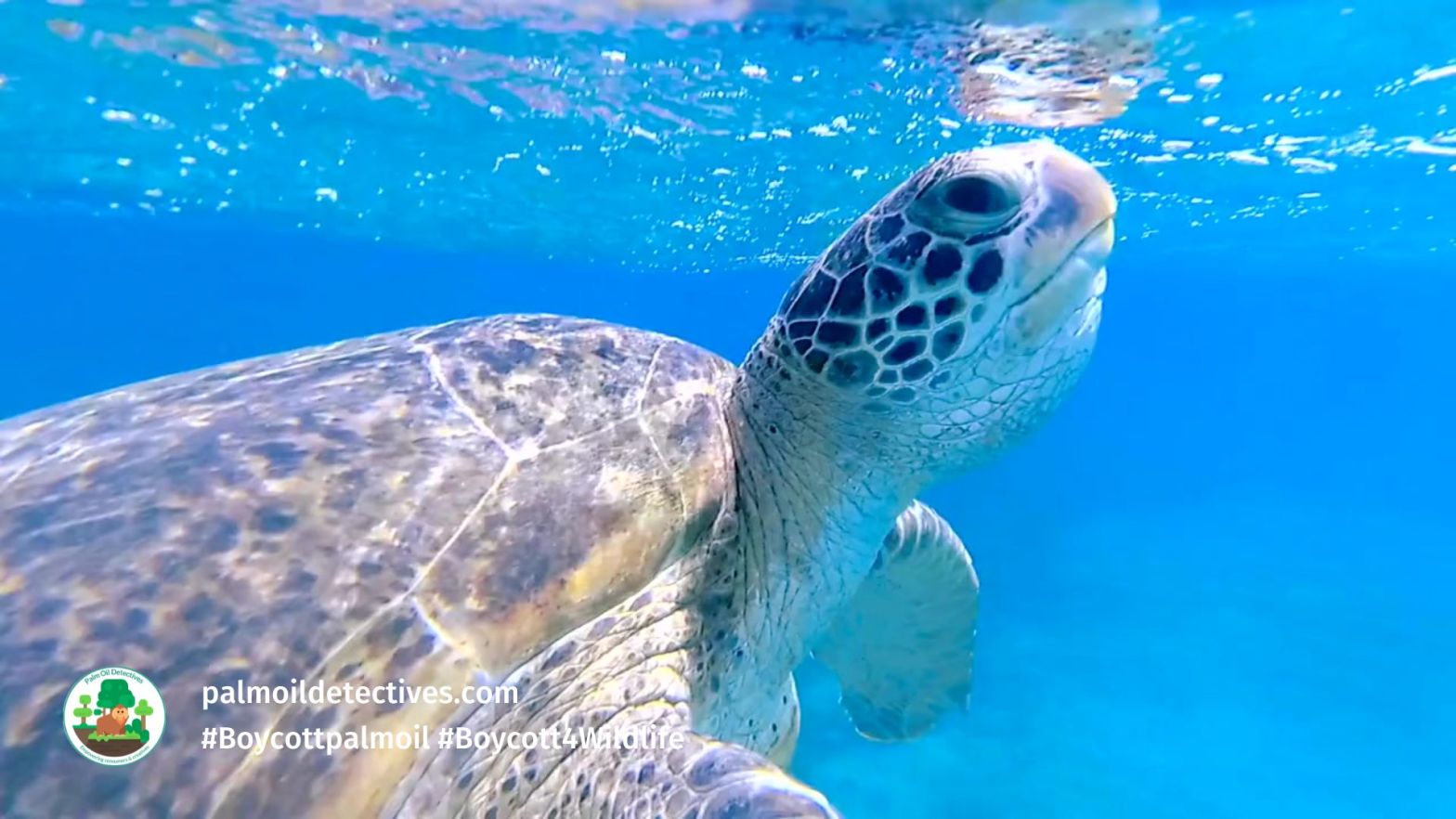
Ask anyone the identity of the world’s most famed turtles, and the answer is likely to be those legendary heroes in a half-shell, the Teenage Mutant Ninjas. Since first appearing in comic book form in 1984, the pizza-eating, nunchuk-wielding characters have shown the world the tougher side of turtles. Help them to survive every time you shop and Boycott Seafood, #BoycottPalmOil #Boycott4Wildlife
Deforestation Allows for Deadly Viruses to Jump Species
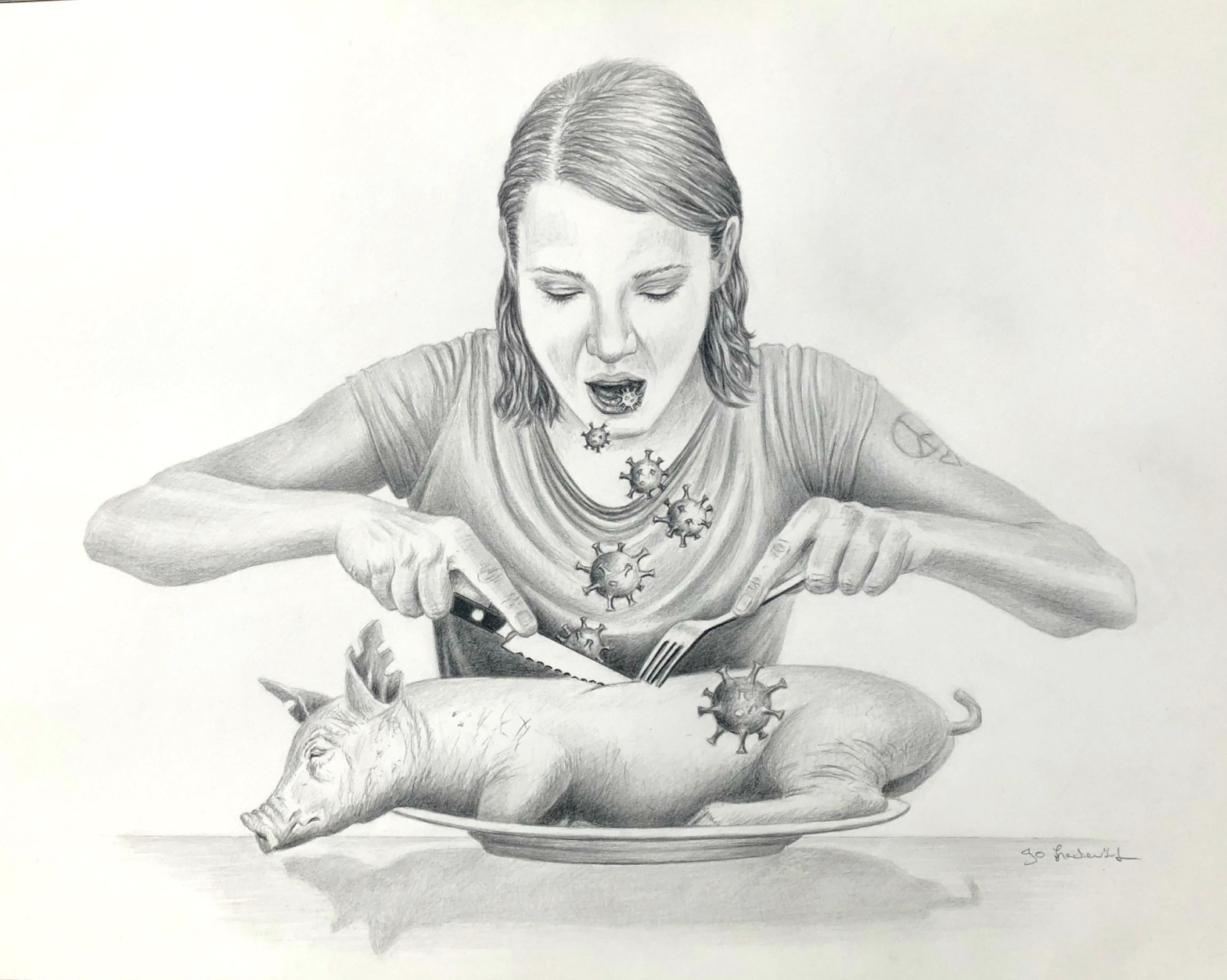
Many pandemics originate from wildlife that jumps from animal to human. These leaps often happen at the edges of the world’s tropical forests, where #deforestation is increasingly bringing people into contact with animals’ natural habitats. Yellow fever, #malaria, Venezuelan equine encephalitis, #Ebola – all of these pathogens have spilled over from one species to another at the margins of forests. This has many scientists concerned. The next pandemic is likely to originate from either the rainforest, meat or dairy agriculture where humans have most contact with animals.
Bonobo mothers meddle in their sons’ sex lives – making them three times more likely to father children
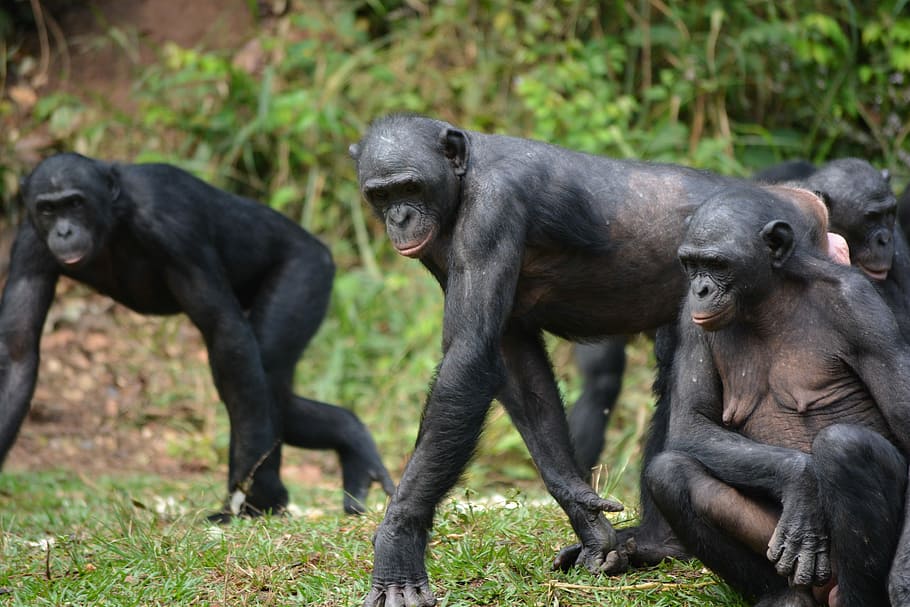
New research shows that for #bonobos, sex really is often a family affair. What’s more, rather than being an embarrassing hindrance, motherly presence greatly benefits bonobo sons during the deed.
Along with #chimpanzees (Pan troglodytes), bonobos (Pan paniscus) are our closest living relatives. Restricted to a 500,000 km² thickly-forested zone of the #Congo Basin, these endangered great apes were only formally discovered in 1928, which until 2017 made them the most recently-described living great ape species.
Operating in female-led social systems, bonobos are capable of showing a wide range of what were long held as human-specific feelings and emotions, such as sensitivity, patience, compassion, kindness, empathy and altruism. Help them to survive every time you shop #BoycottPalmOil #Boycott4Wildlife
Almost 90% of the world’s animal species will lose some habitat to agriculture by 2050
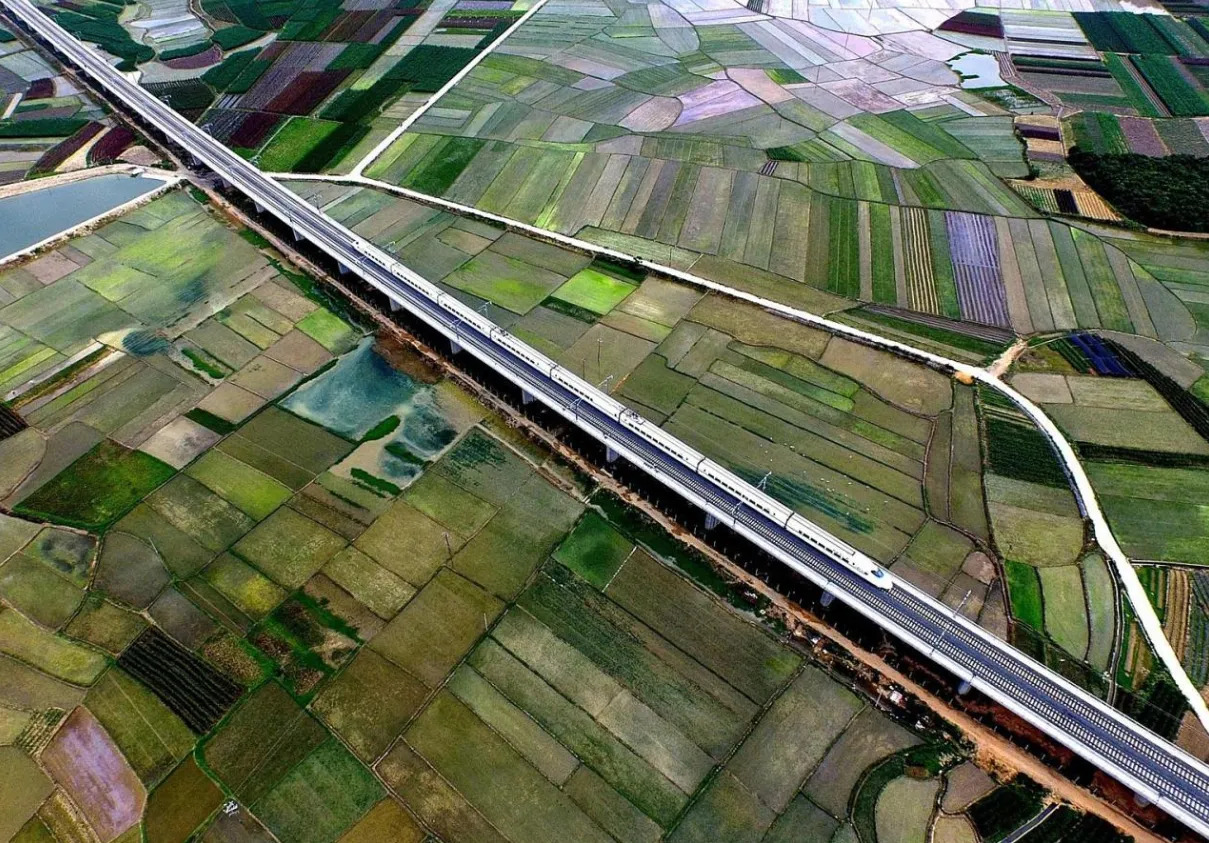
Scientists know that #biodiversity is declining across much of the world although less universally and dramatically than we feared. We also know that things are likely to get worse in the future, with a combination of #deforestation, #climatechange and overexploitation set to drive species and habitats ever closer to #extinction. Help them every time you shop and be #vegan #BoycottPalmOil #Boycott4Wildlife
Bonobos Can Inspire More Peaceful Democracies
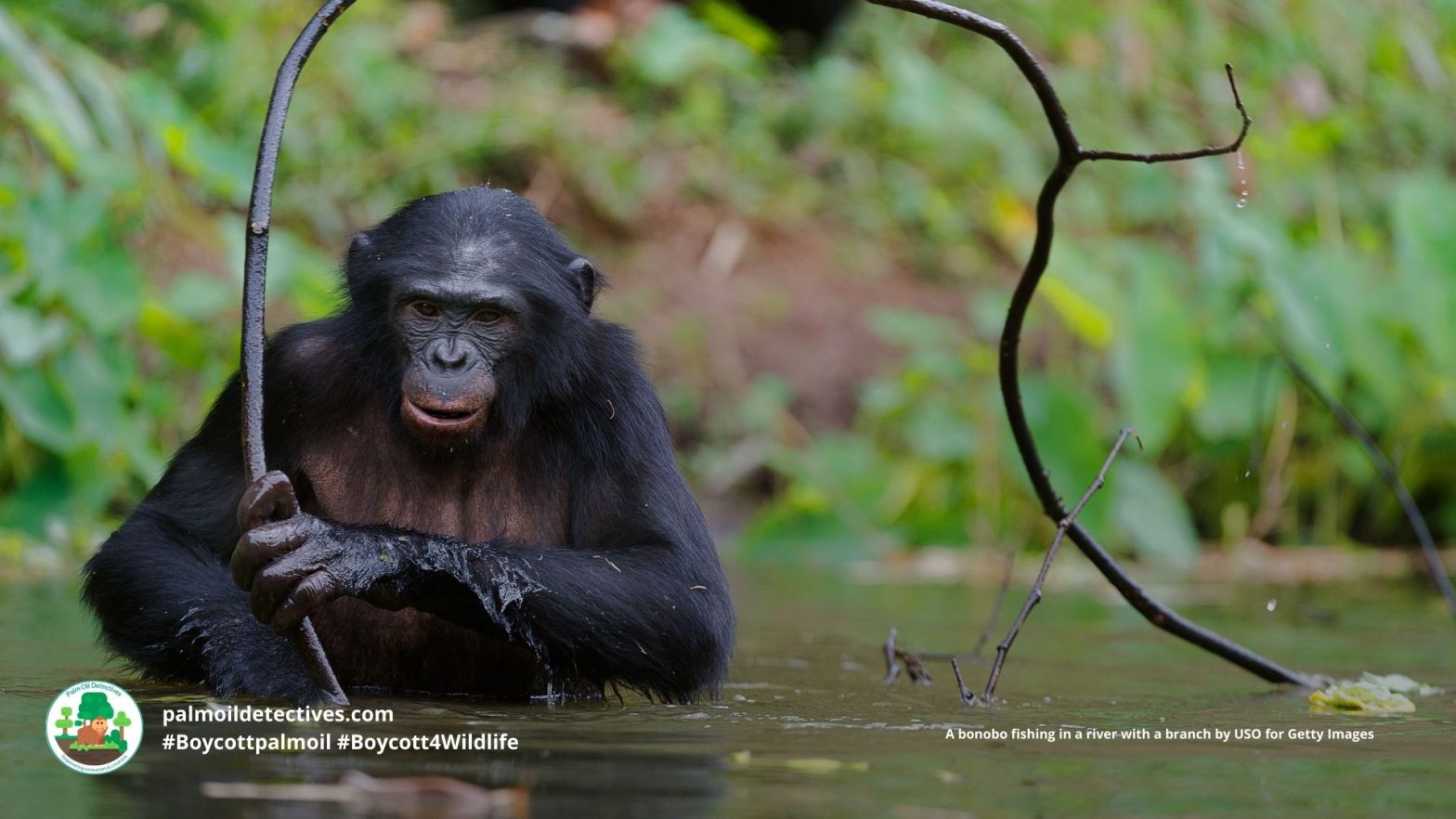
Bonobos can inspire a more peaceful democracy. Primatologists explain the fascinating lives of these mostly peaceful primates. Boycott palm oil when you shop!
Humans and Bonobos Share Contagious Yawn Behaviour
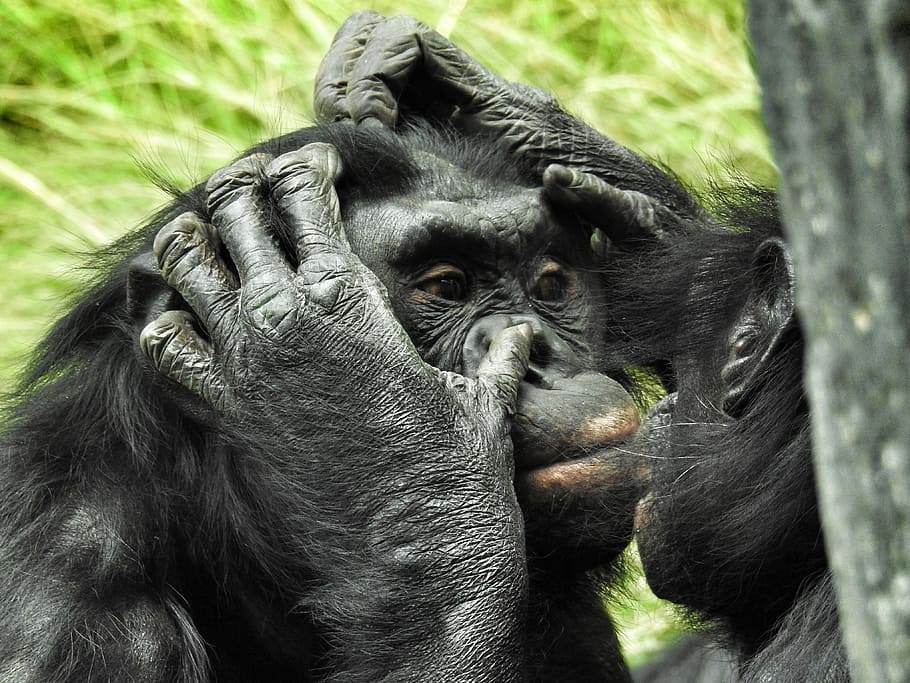
Most of us have experienced the overwhelming urge to yawn in response to another person yawning – but we’re not the only species to do this. Research published in PeerJ shows that bonobos – our closest evolutionary cousins – also experience “yawn contagion”. Similarly to how yawning occurs in human beings, the effects of yawn contagion in bonobos is influenced by the quality of relationships shared between individuals.
The tendency for humans to mirror the behaviours and emotions of another – sometimes referred to as “emotional contagion” – is also thought to reflect our heightened capacity for empathy. Help all non-human primates to survive extinction and be #Vegan #BoycottPalmOil #Boycott4Wildlife.
African Forest Elephants’s Movements Depend on Their Personalities
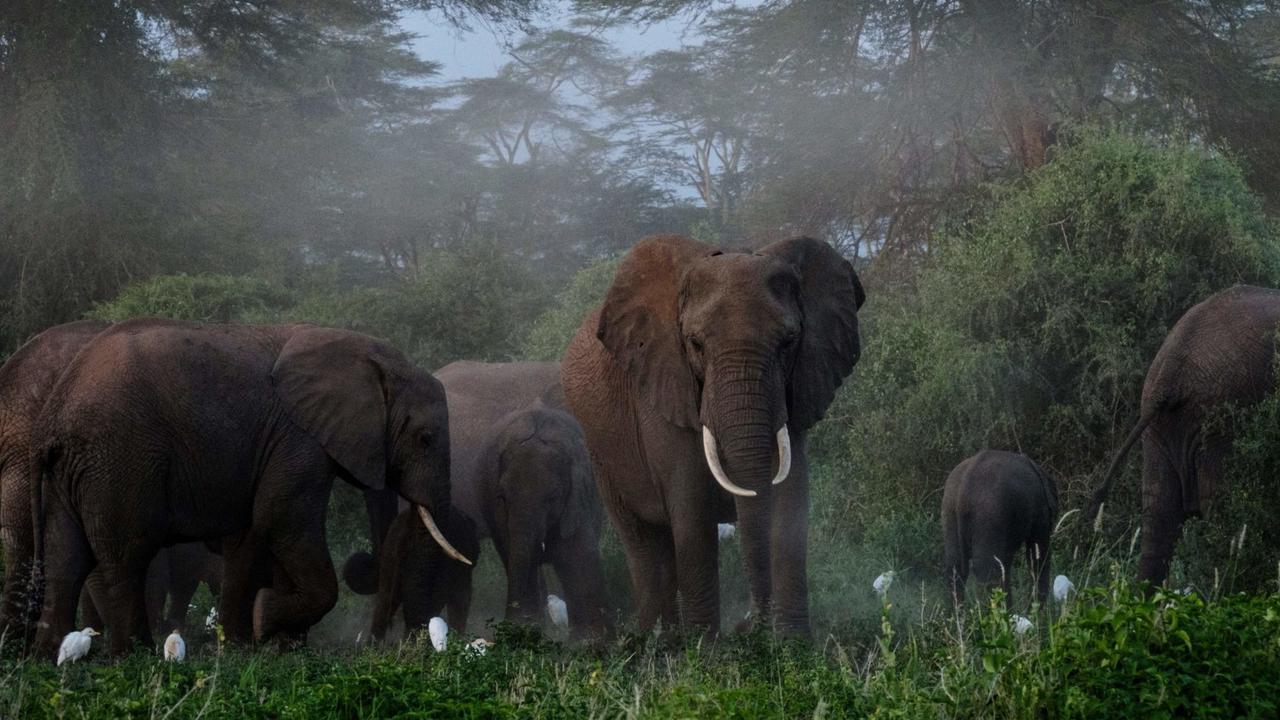
African forest #elephants roam the dense rainforests of West and Central Africa where they subsist largely on a diet of fruit. They shape forests by dispersing fruit and seeds, browsing, and creating an extensive trail network. But because it’s difficult to track animals in thick forest, little is known about the movements of the AfricanContinue reading “African Forest Elephants’s Movements Depend on Their Personalities”
In the Atlantic Forest, the lowland tapir is at risk of extinction
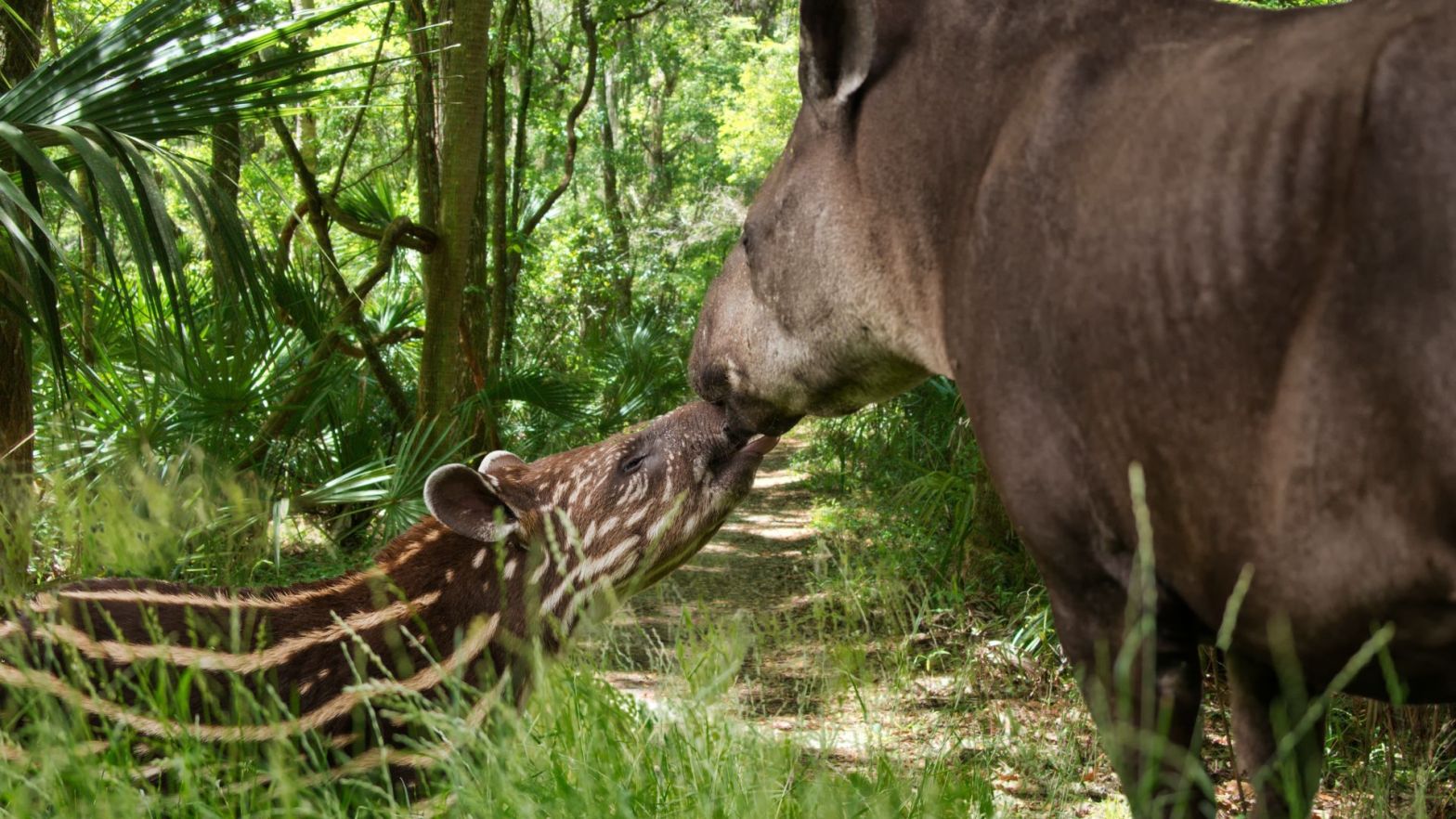
Lowland tapir populations in the Atlantic Forest in South America are at risk of almost complete disappearance, scientists have estimated. Weighing up to 250 kg, the animal can adapt to most habitats in South America—but its populations continue to decline across their range. Take action for these beautiful irreplaceable animals every time you shop, be #vegan for forests, farmed animals and wild animals and #BoycottPalmOil #Boycott4Wildlife
Meet Chimbu, the blue-eyed, bear-eared tree kangaroo
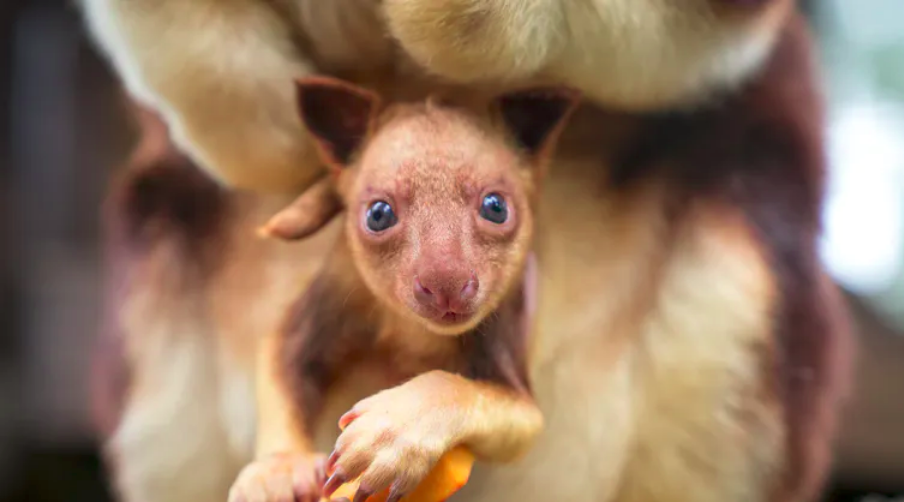
Tree kangaroos are so unusual that when Europeans first encountered them in Australia in 1872, back on the continent they were sceptical if they were real! Who would believe a #kangaroo could climb a tree? The Goodfellow’s tree kangaroo is an endangered species of the genus dendrolagus living in the Central Cordillera mountain ranges ofContinue reading “Meet Chimbu, the blue-eyed, bear-eared tree kangaroo”
Laughs, Cries and Deception: The Complex Lives of Birds
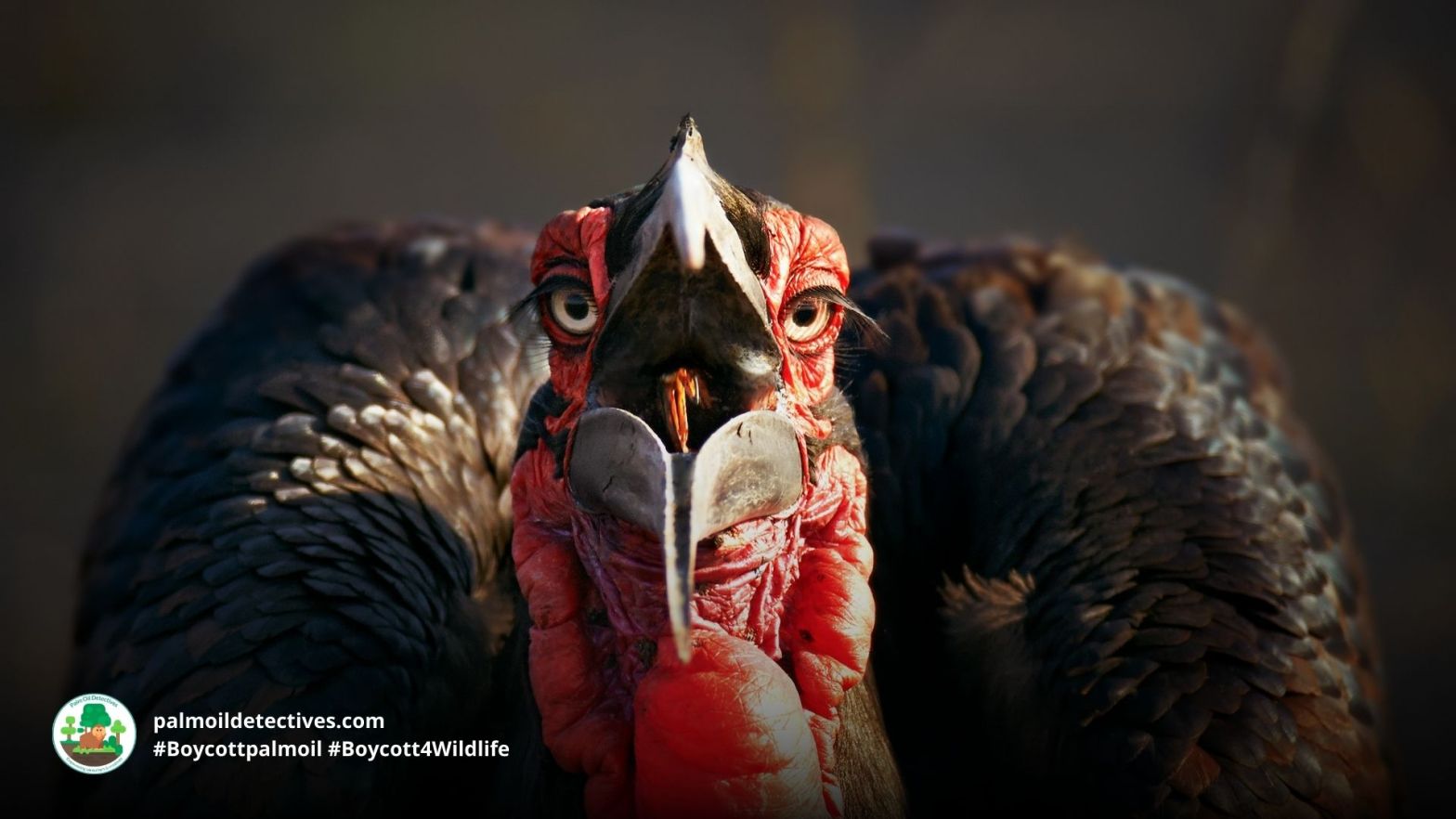
#Birds can certainly get very angry – and the owner of a galah or corella would be well advised not to get near this bird when the head feathers are raised — but birds can be joyful and playful, can get depressed and, as studies have shown, a neglectful or bare environment can even make them pessimistic.
Birds may feel for others (have empathy) and even console them, may have a sense of justice, may show deep affection for their partner and grieve for their loss. I witnessed the mate of a fatally injured tawny frogmouth not moving from the spot next to their dead partner for three days, and then dying on the fourth. 🌴🩸🧐 Be #vegan for them! ❌ #BoycottPalmOil #Boycott4Wildlife
Species Extinction: just how bad is it and why should we care?
This is arguably society’s biggest challenge, and arguably its biggest failure: the continuing loss of species from Earth. The massive impact we are having on the planet has firmly entrenched us in a period of our history commonly called the Anthropocene.
Background or “normal” rates of extinction vary through time but are typically in the order of one to two species per year. Current rates of extinction, however, are estimated to have reached 1000 to 10,000 times this rate. Help animals to survive when you shop and be #Vegan 🌿🍌🍇 #Boycottpalmoil 🌴🩸🤮☠️#Boycott4Wildlife
 Palm Oil Detectives