
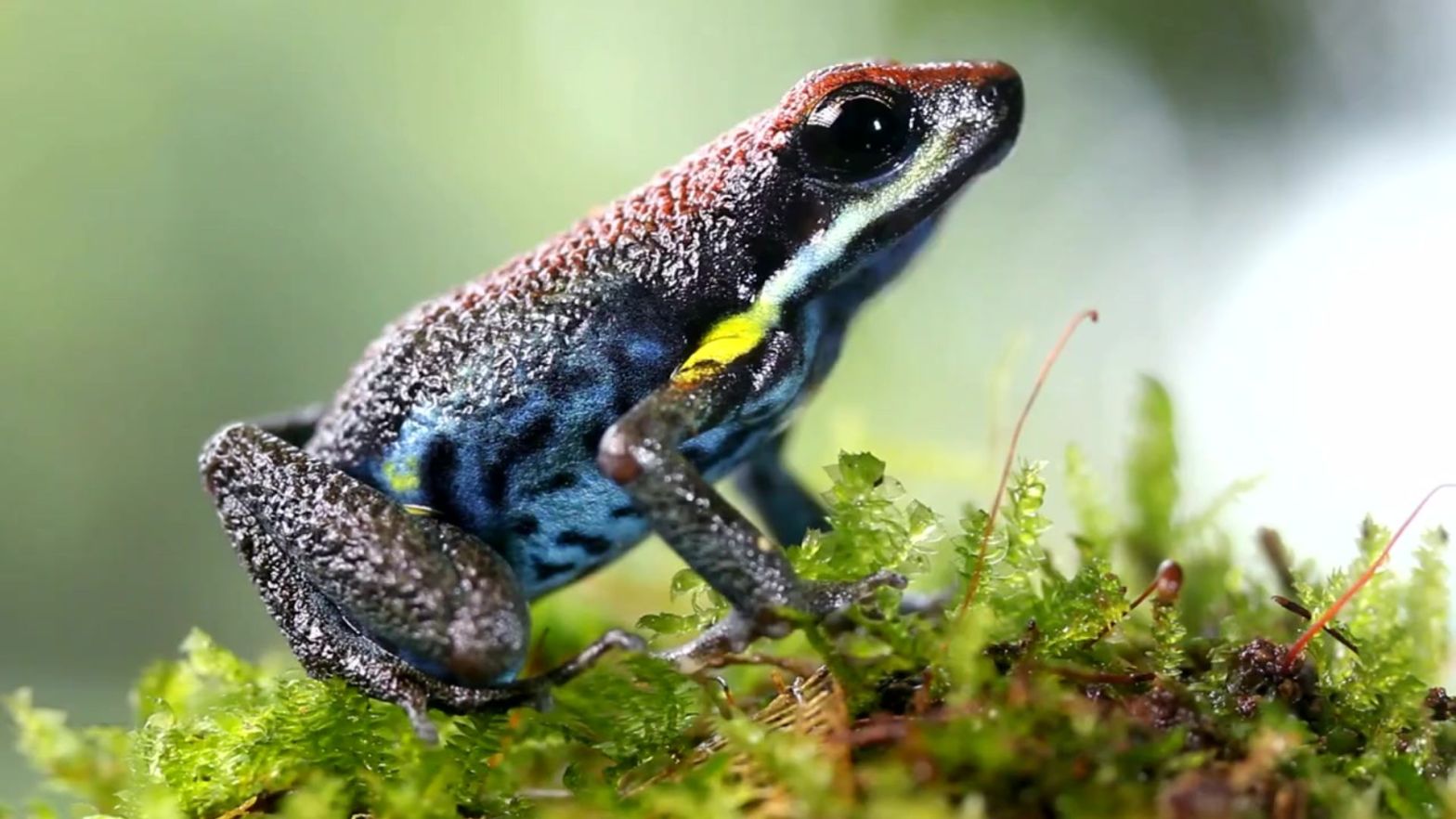
Capturing people’s attention about the #climate and #extinction crises is a challenge. Causes mostly move slowly, without the flashy drama that can focus our minds in the midst of 24-hour news cycles and social media distractions. The Netflix film Don’t Look Up cleverly captures humans’ inability to come together to counter such a common existential threat. To change this, we must develop a “slow memory” that can help us care about and act on slow change. Help to fight against extinction when you shop and #Boycottpalmoil #Boycott4Wildlife
Tag Archives: animal extinction
Reptiles Facing Extinction: How to Help
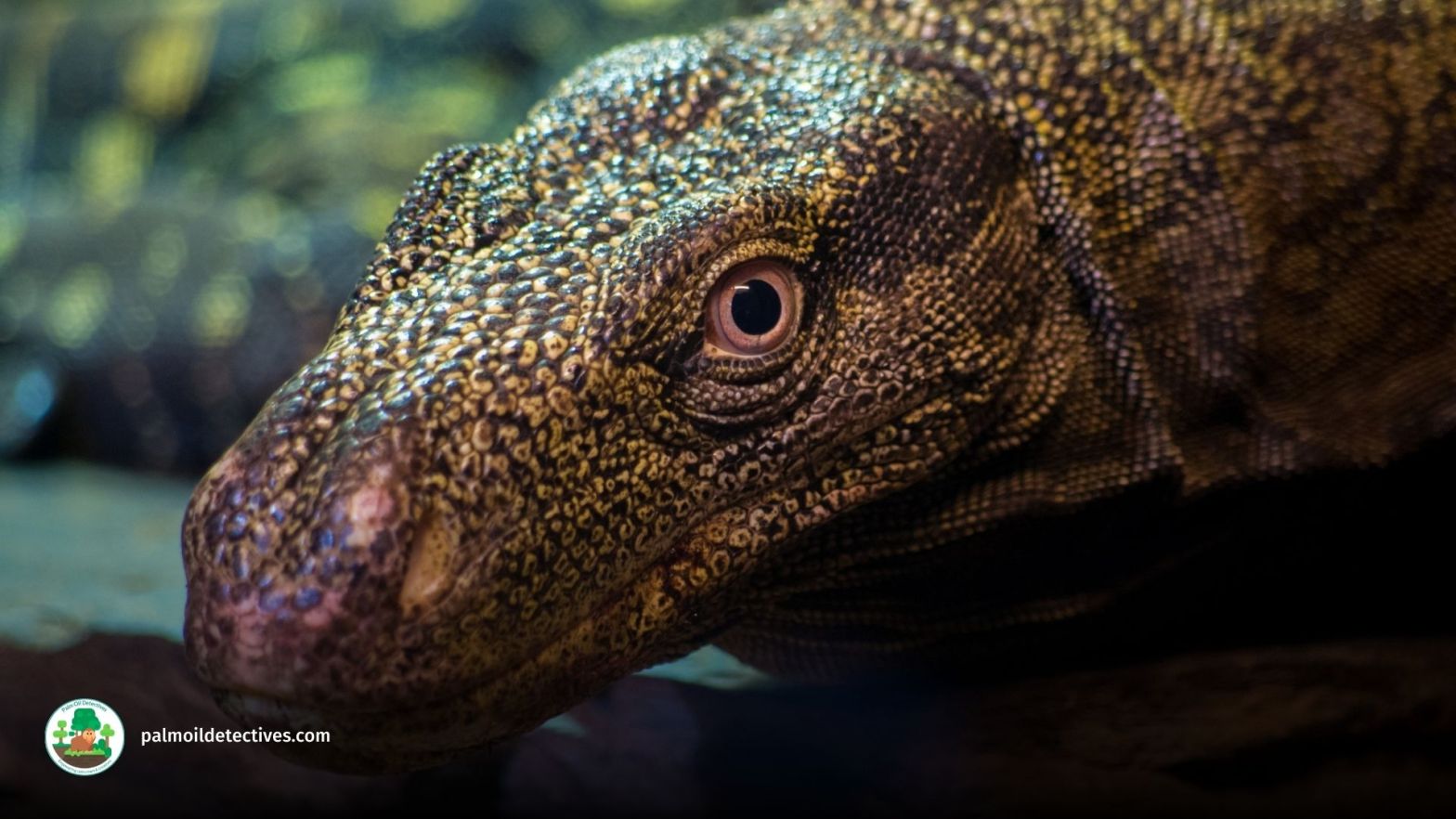
#Reptiles are fascinating creatures who are sadly feared, misunderstood and persecuted by humans. It is high time that we stand up for #lizards, #snakes, #terrapins, #crocodiles, caimans, #turtles and more.
Many of these fascinating creatures are feared by humans and inhabit hard-to-traverse places such as swamps. Compared with birds, amphibians and mammals, there is little data available on the distribution, population size and extinction risk of reptiles. This has meant that wildlife conservationists have largely helped reptiles indirectly in the past by meeting the needs of other animals (for food and habitat for example) living in similar places. Here’s how we stand up for them #Boycottpalmoil #Boycott4Wildlife
Preventing Pandemics: Cheaper Than Controlling Them
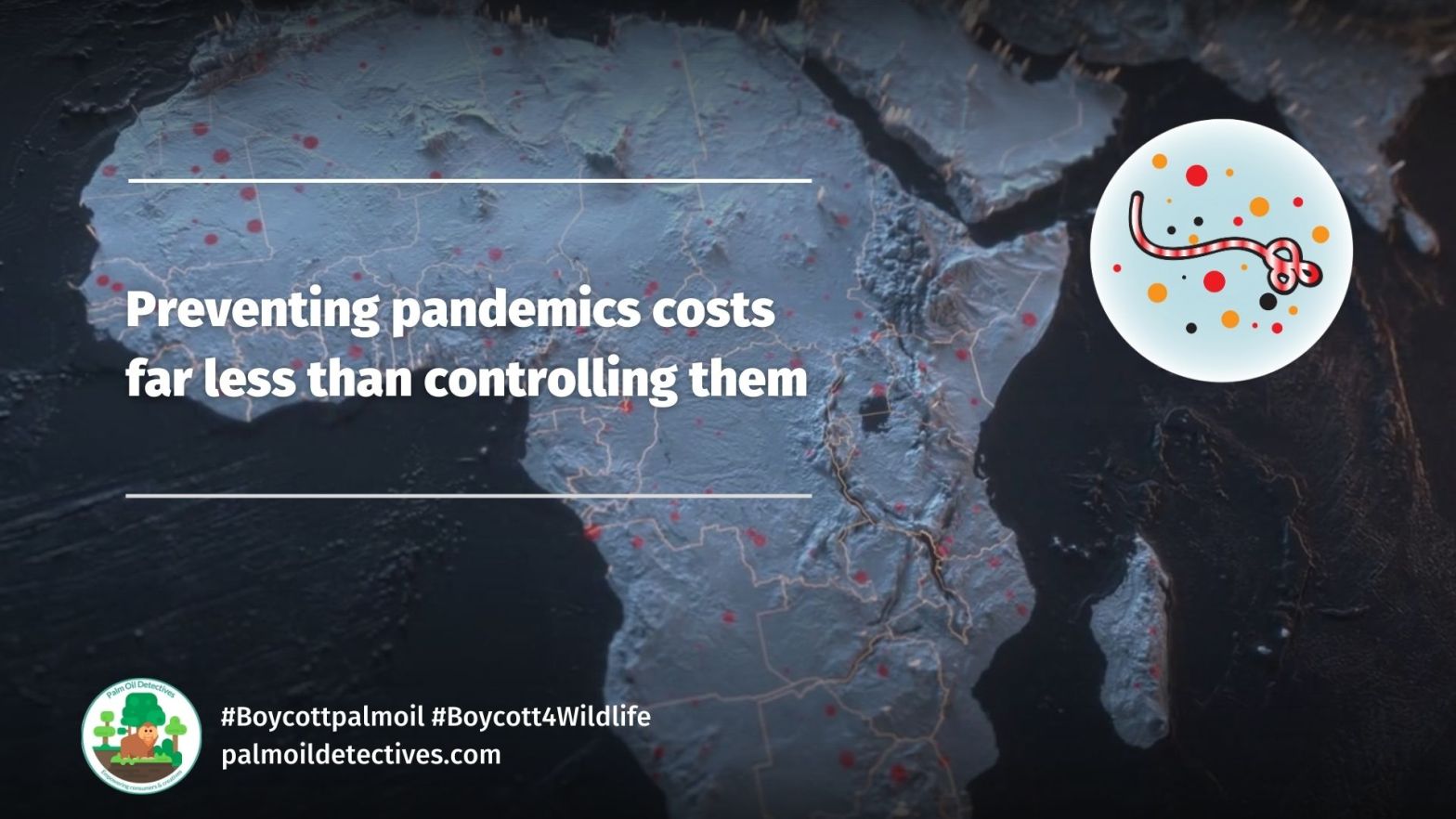
“It turns out prevention of #pandemics really is the best medicine. We estimate we could greatly reduce the likelihood of another pandemic occuring by investing as little as 1/20th of the losses incurred so far from COVID into [#wildlife and #rainforest] conservation measures designed to help stop the spread of these viruses from wildlife to humans in the first place.” Professor Stuart Pimm, Doris Duke Professor of Conservation Ecology at Duke University, who was co-lead author of the study. Fight against extinction every time you shop #BoycottPalmOil #Boycott4Wildlife
The right for nature to simply exist is clear – the movement to enshrine this into law is growing

The idea that nature — forests , rivers, mountains — could have rights, in the same way that human rights, or corporate rights exist has been building momentum. A historic global agreement has been reached to try to protect the plants and animals of this world from further demise.
A Broken Record on Repeat – Animal Extinction Likely if Palm Oil Expands in North East India

As with the forest kingdoms of Borneo and the Amazon rainforest, the Indian forest kingdom of the Golden Langurs and Pygmy Hogs is under siege by palm oil in the north east of India. The region is home to some of the most endangered wildlife in the world. Situated in the foothills of the Himalayas, the whole area is one of the most fertile and diverse places on the planet. This region is earmarked for destruction for palm oil. Renowned British wildlife photographer Craig Jones went there to photograph pygmy hogs and report on their dwindling home.
India’s Palm Oil Goals Raise Extinction Fears

A corporate monopoly for control over land and resources for palm oil must be dismantled immediately to give humanity, animals and our natural world a fighting chance for survival and to reverse the climate crisis. In Asia, many indigenous peoples are now joining forces and rising up to resist this corruption and ecocide.
Sumatran elephants: Surrounded by palm oil and nobody knows how many are left alive!
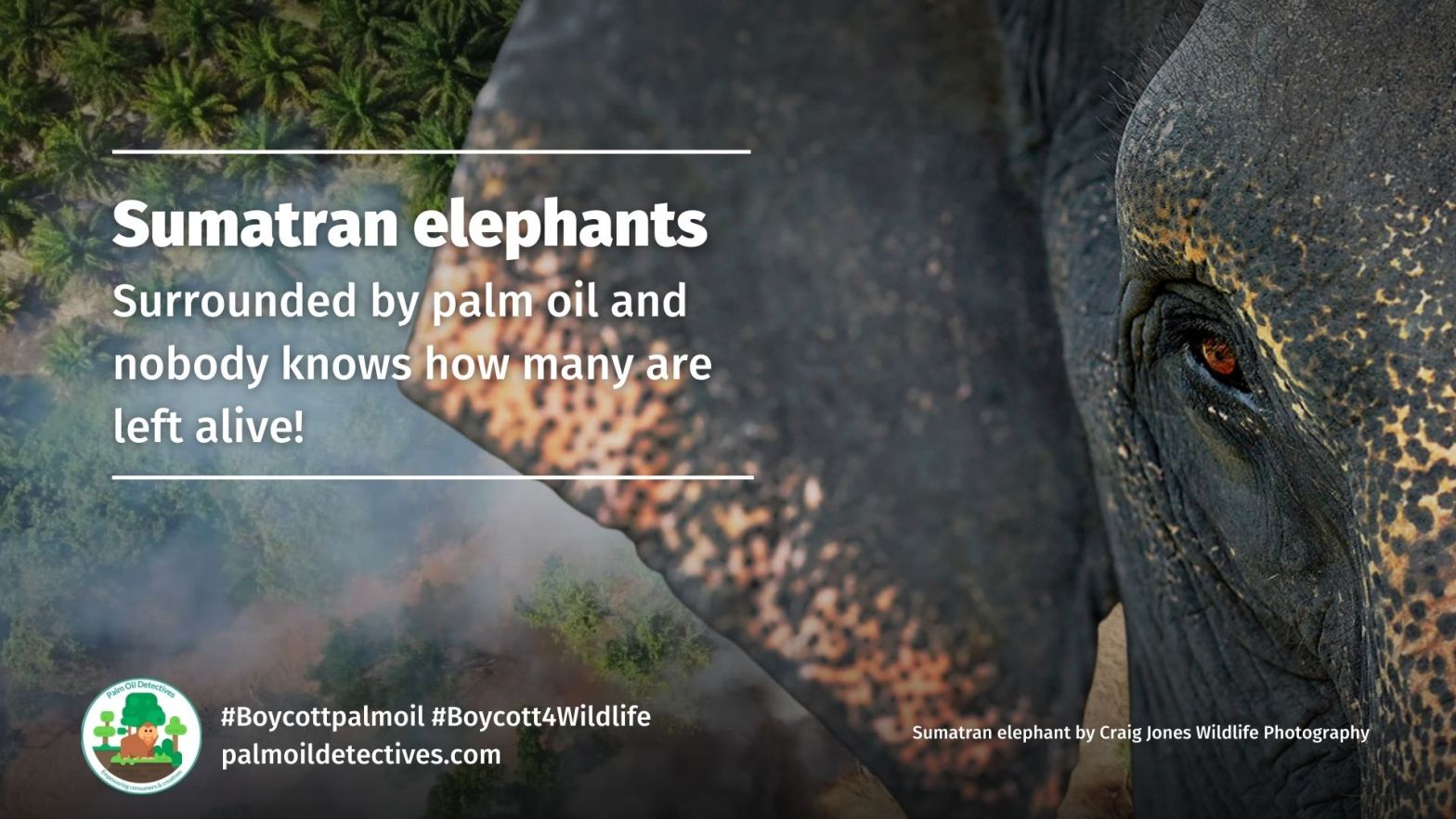
Sumatran elephants in Indonesia’s North Aceh district are being increasingly encircled by shrinking patches of forest. Their home is being destroyed primarily for oil palm plantations.
Ongoing attempts of scientists to take a measure of their population have been hampered and oppressed by the Indonesian government, which has also attempted to prevent media coverage of the issue. Help these irreplacable beings every time you shop, #BoycottPalmOil #Boycott4Wildlife
Palm Oil: A Recipe for Disaster in India

Given the widespread destruction of rainforests and native biodiversity caused by oil palm plantations in Southeast Asia, environmental experts and politicians are warning that the move to promote palm oil cultivation in India’s northeastern States and in the Andaman and Nicobar Islands could be disastrous, writes Priscilla Jerbaraj in The Hindu.
Helmeted Hornbill Rhinoplax vigil

Helmeted #Hornbills are spectacular, large and intelligent #birds native to SE Asia, known for their substantial helmet-like structure on their head called a casque made of ivory. This hefty head accounts for 11% of their 3kg body weight. They are found on the Malay Peninsula: #Sumatra, #Borneo, #Myanmar and #Thailand. They are #criticallyendangered. Their main threats are illegal hunting and wildlife trade for their ivory casques along with palm oil and timber deforestation. Help them each time you shop and #Boycottpalmoil #Boycott4Wildlife
Thousands more species at risk of extinction than currently recorded, suggests new study
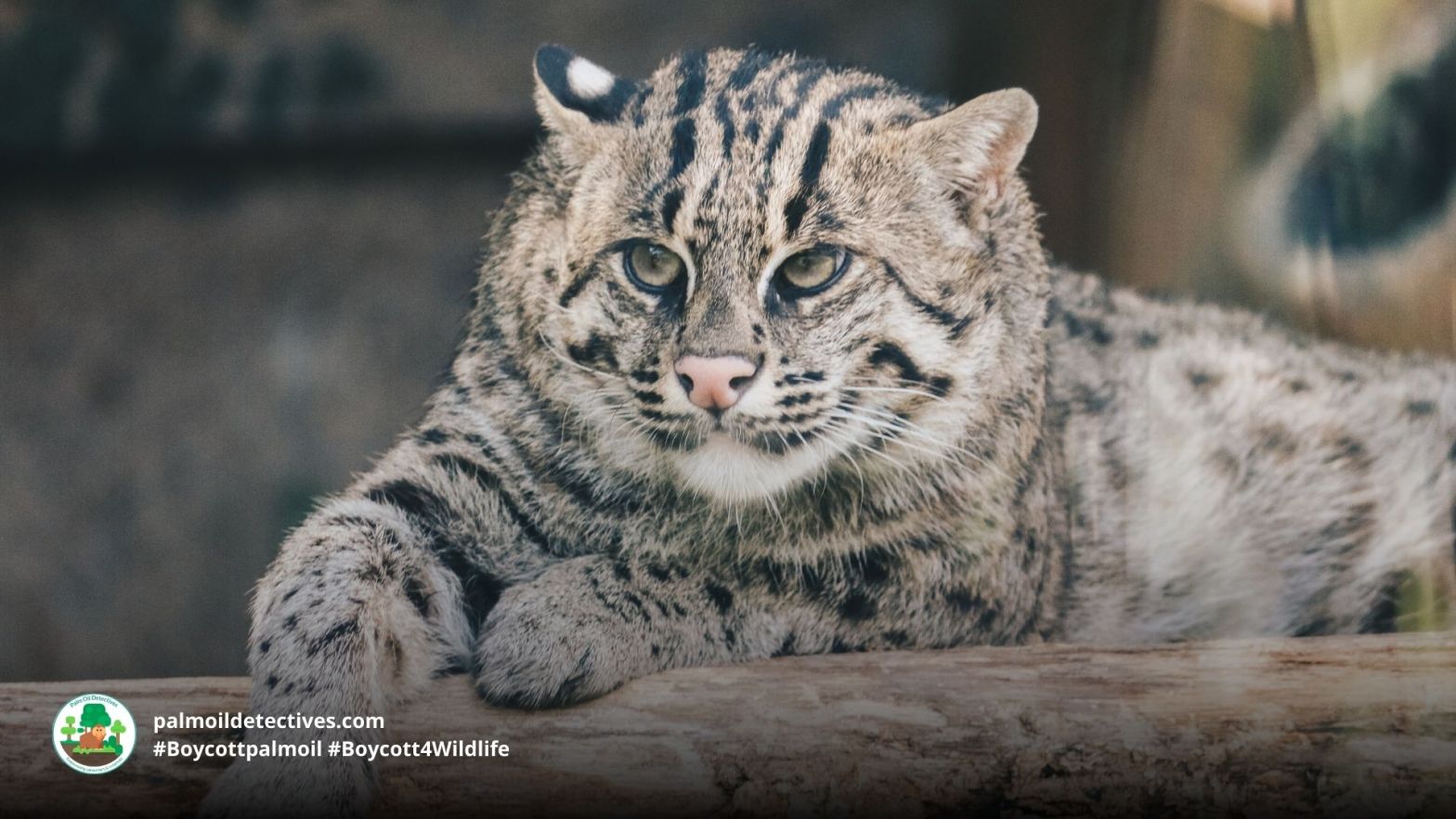
New research suggests the #extinction crisis may be even worse than we thought. More than half of species that have so far evaded any official conservation assessment are threatened with extinction. Some species that are not yet classified and are “data deficient” make up around 17% of the nearly 150,000 species currently assessed. according to predictions by researchers from the Norwegian University of Science and Technology. Help them to survive! #BoycottPalmOil #Boycott4Wildlife
What is causing the latest outbreak of Ebola in Uganda?

In light of the most recent Ebola outbreak in Uganda (over the past month), many people are experiencing a sense of déjà vu. The rapacious destruction of rainforests for palm oil, soy, meat and dairy by multinational corporations is deeply linked to the spread of infectious zoonotic diseases, such as Ebola. These diseases are becoming more and more commonplace with the destruction of the environment and growth of animal agriculture. This has enormous implications for human #health, food security, animal conservation and planetary health. #BoycottPalmOil #Boycott4Wildlife
Celebrate #WorldRhinoDay by leaving the forests alone and #Boycottpalmoil in the supermarket to save Rhinos
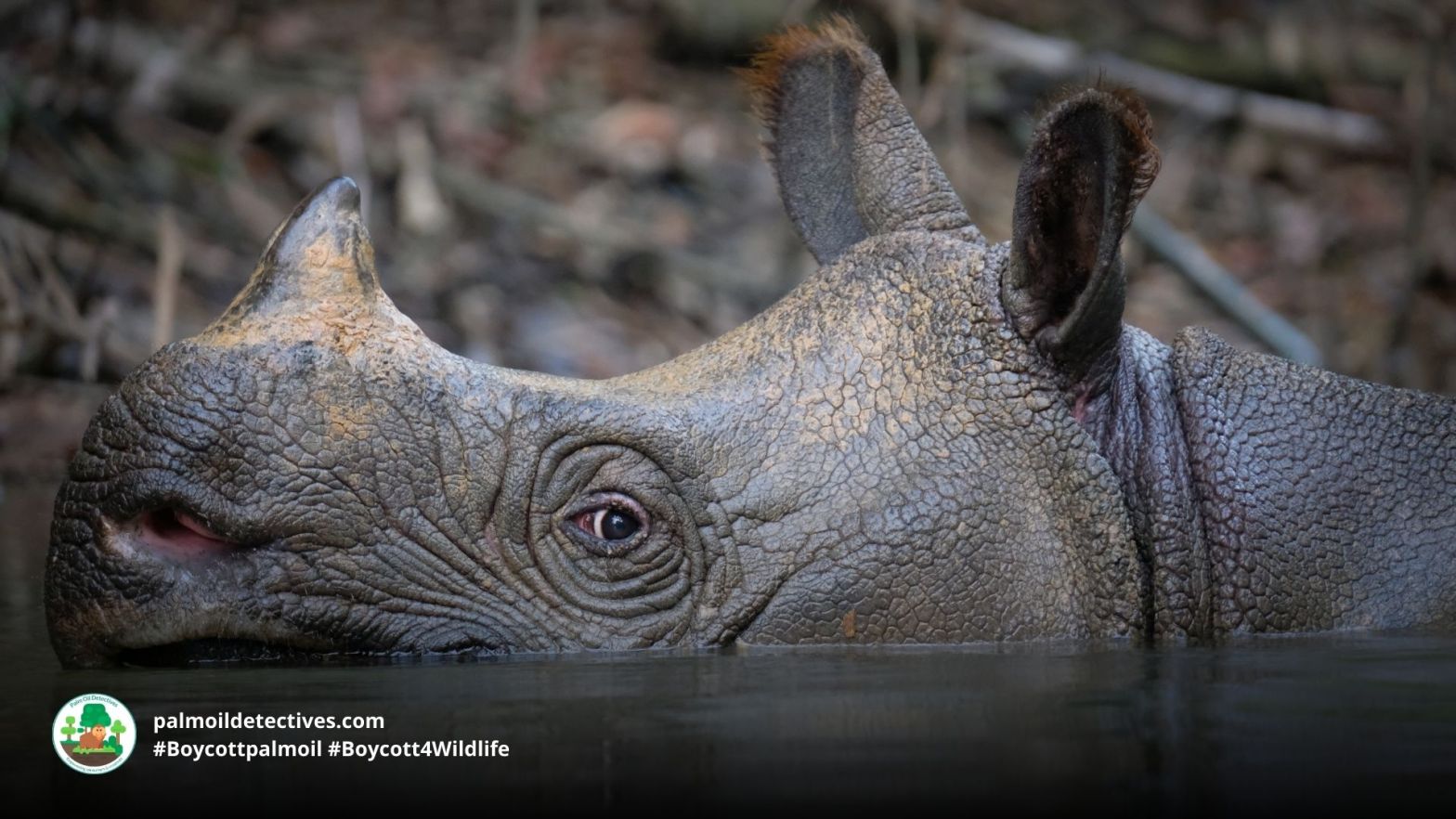
Indonesia is home to two of the world’s five rhinoceros species. Both the Javan rhino Rhinoceros sondaicus and the Sumatran rhino Dicerorhinus sumatrensis still exist today, uniquely only in the country. In India’s north east, the Indian Rhino hangs on to survival. Yet their existence has become increasingly fragile due to the unrelenting growth of palm oil in both of these countries.
#WorldRhinoDay is 22nd Sept. But every day should be World Rhino Day as three of the five species of rhino may go extinct as a result of #palmoil #deforestation and illegal poaching. Fight for them each time you shop and be #vegan and #Boycottpalmoil #Boycott4Wildlife.
Anthropologist and Author Dr Sophie Chao
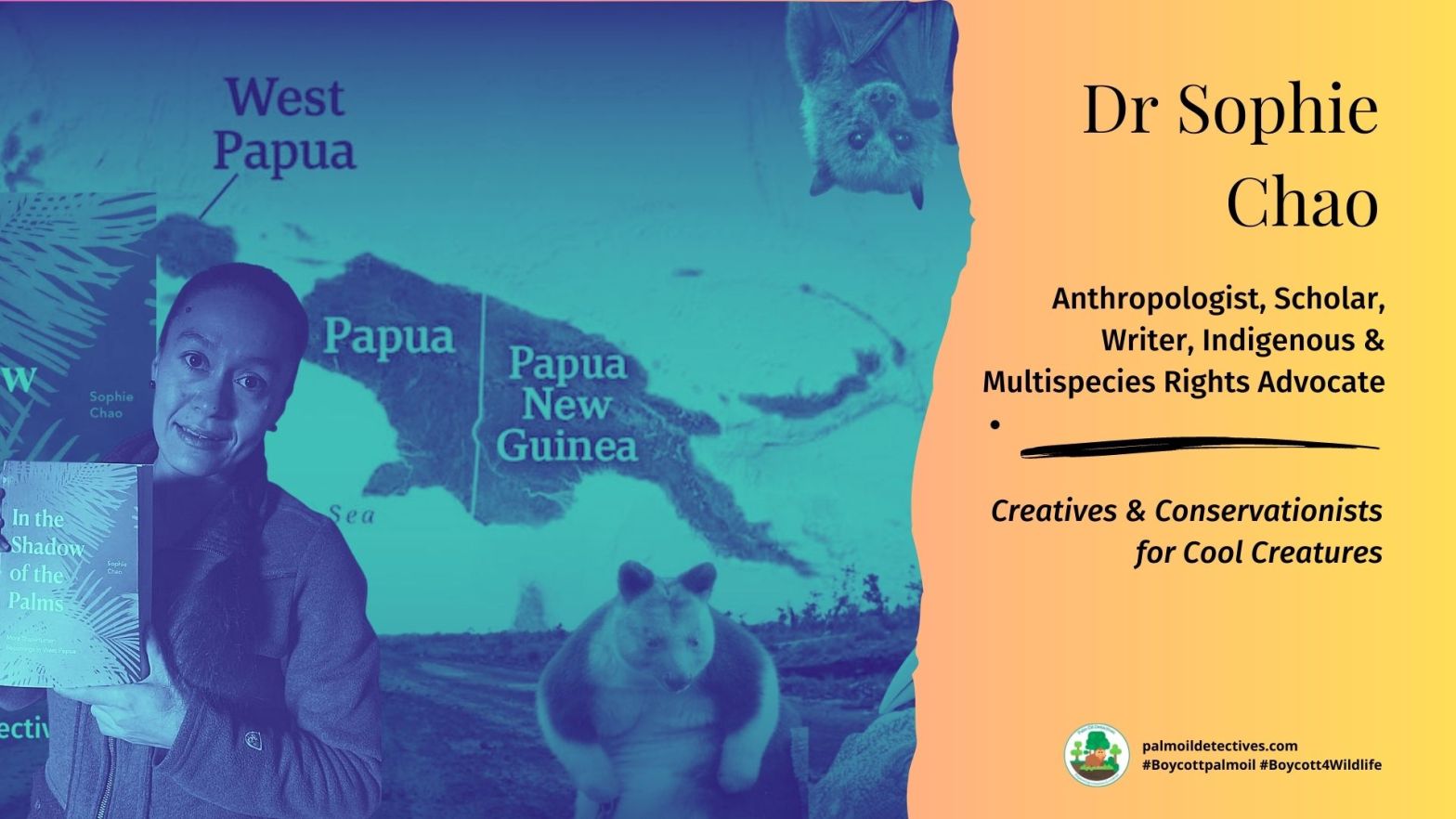
Dr Sophie Chao is an environmental anthropologist and environmental humanities scholar interested in the intersections of capitalism, ecology, Indigeneity, health, and justice in the Pacific.
Palm Oil Detectives is honoured to interview to Dr Sophie Chao about her research into the impacts of palm oil on the daily lives of Marind people and other sentient beings in West Papua.
I wrote In the Shadow of the Palms because I wanted the world to understand how deforestation and industrial oil palm expansion are undermining Indigenous ways of being in West Papua.
Climate change is forcing human and non-human beings to become climate refugees
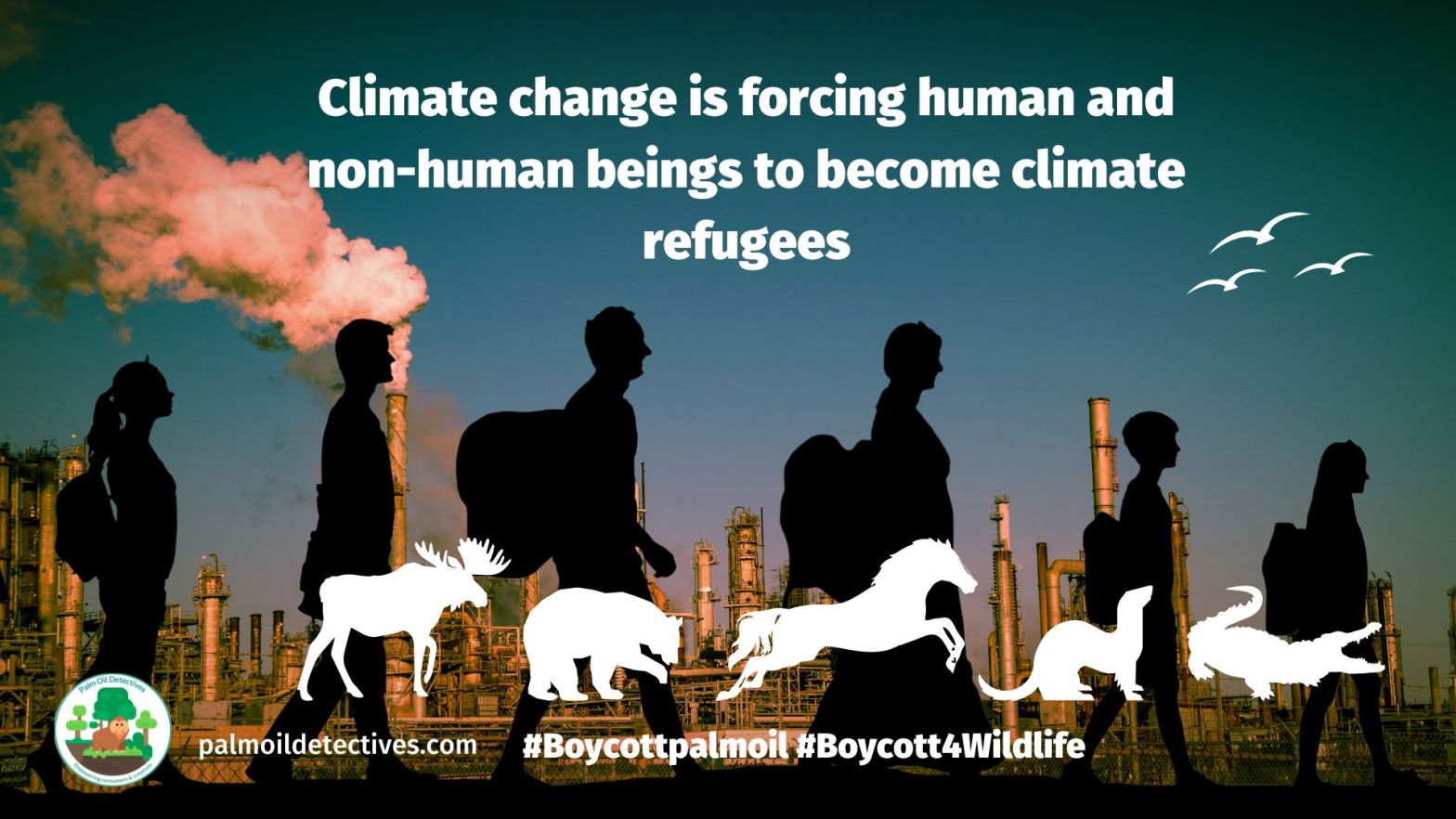
Climate change. Climate denial. Global warming. Call it what you will, the planet is shouting at us. We have ignored the warning signs for decades, but we can no longer ignore what is happening right now.
What elephants’ unique brain structures suggest about their mental abilities
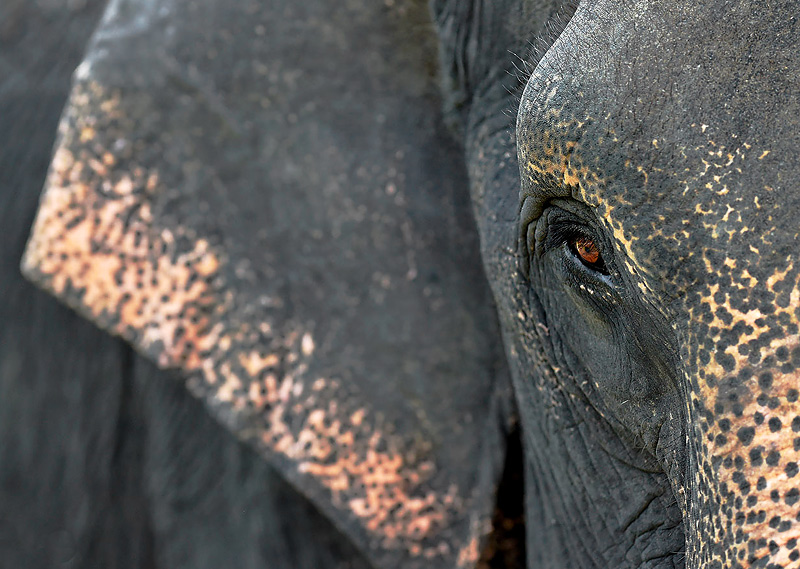
Bob Jacobs, Colorado College Conservationists have designated August 12 as World Elephant Day to raise awareness about conserving these majestic animals. Elephants have many engaging features, from their incredibly dexterous trunks to their memory abilities and complex social lives. But there is much less discussion of their brains, even though it stands to reason thatContinue reading “What elephants’ unique brain structures suggest about their mental abilities”
Back from extinction: a world first effort to return threatened pangolins to the wild
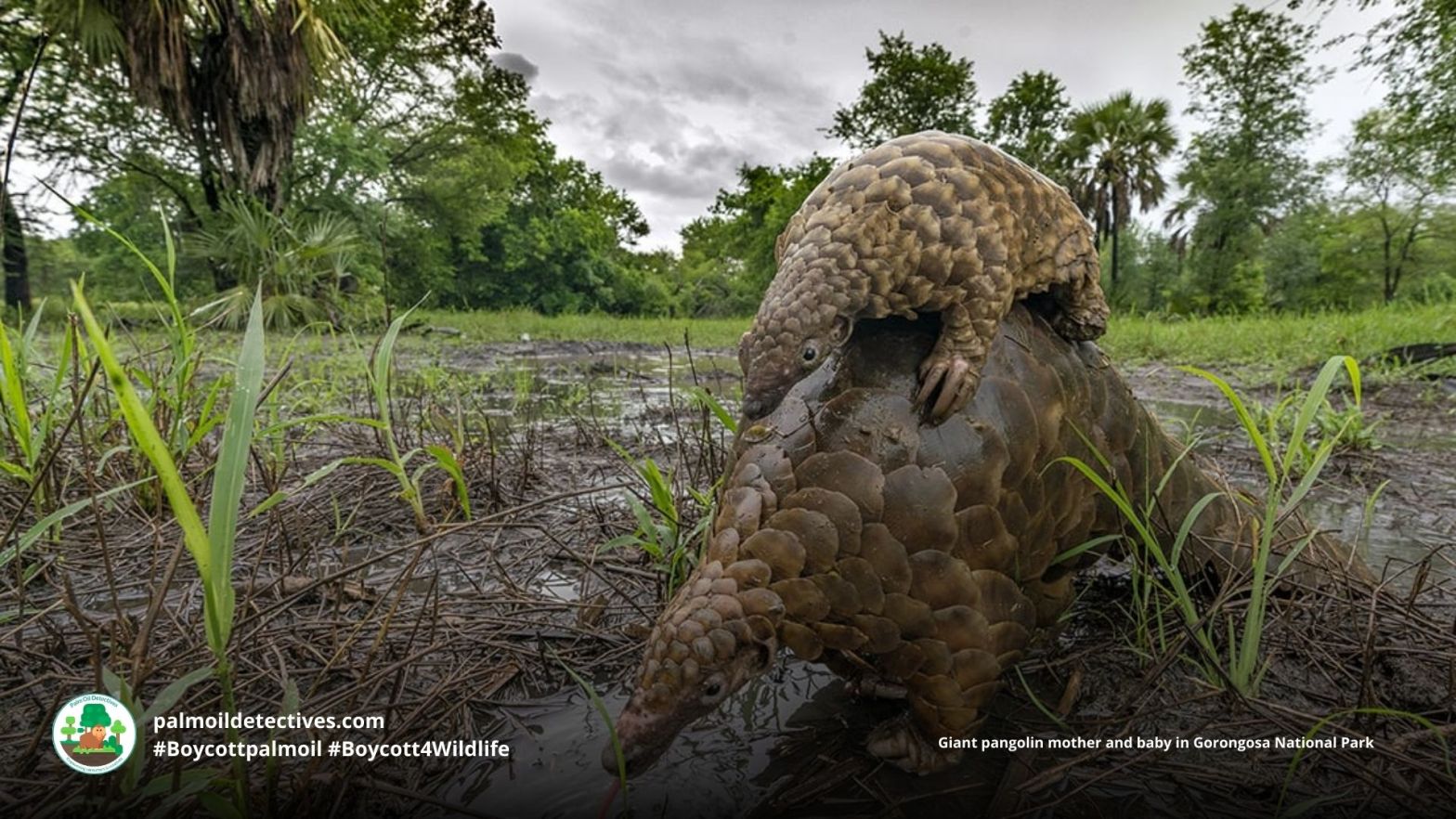
Pangolins are one of the most illegally trafficked animals on the planet and are suspected to be linked to the current coronavirus pandemic. Pangolins are also one of the world’s most threatened species but new efforts are underway to reintroduce pangolins to parts of Africa where the animal has been extinct for decades. Help these remarkable armoured wonders to survive and call out wildlife trafficking when you see it online, also #BoycottPalmOil 🌴🪔🚜🔥☠️⛔️ #Boycott4Wildlife in the supermarket!
Chimpanzees once helped African rainforests recover from a major collapse
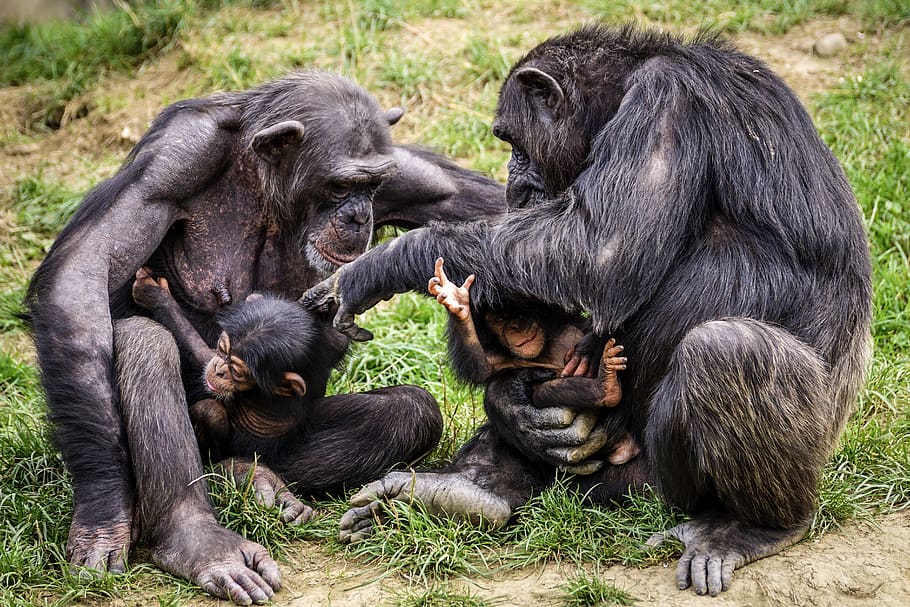
Most people probably think that the rainforest of central and west Africa, the second largest in the world, has been around for millions of years. However recent research suggests that it is mostly just 2,000 or so years old. The forest reached roughly its modern state following five centuries of regeneration after it was massively fragmented when the dry season suddenly became longer some 2,500 years ago. Help #chimpanzees to survive and #Boycottpalmoil #Boycott4Wildlife every time you shop
Insect decline in the Anthropocene: Death by a thousand cuts
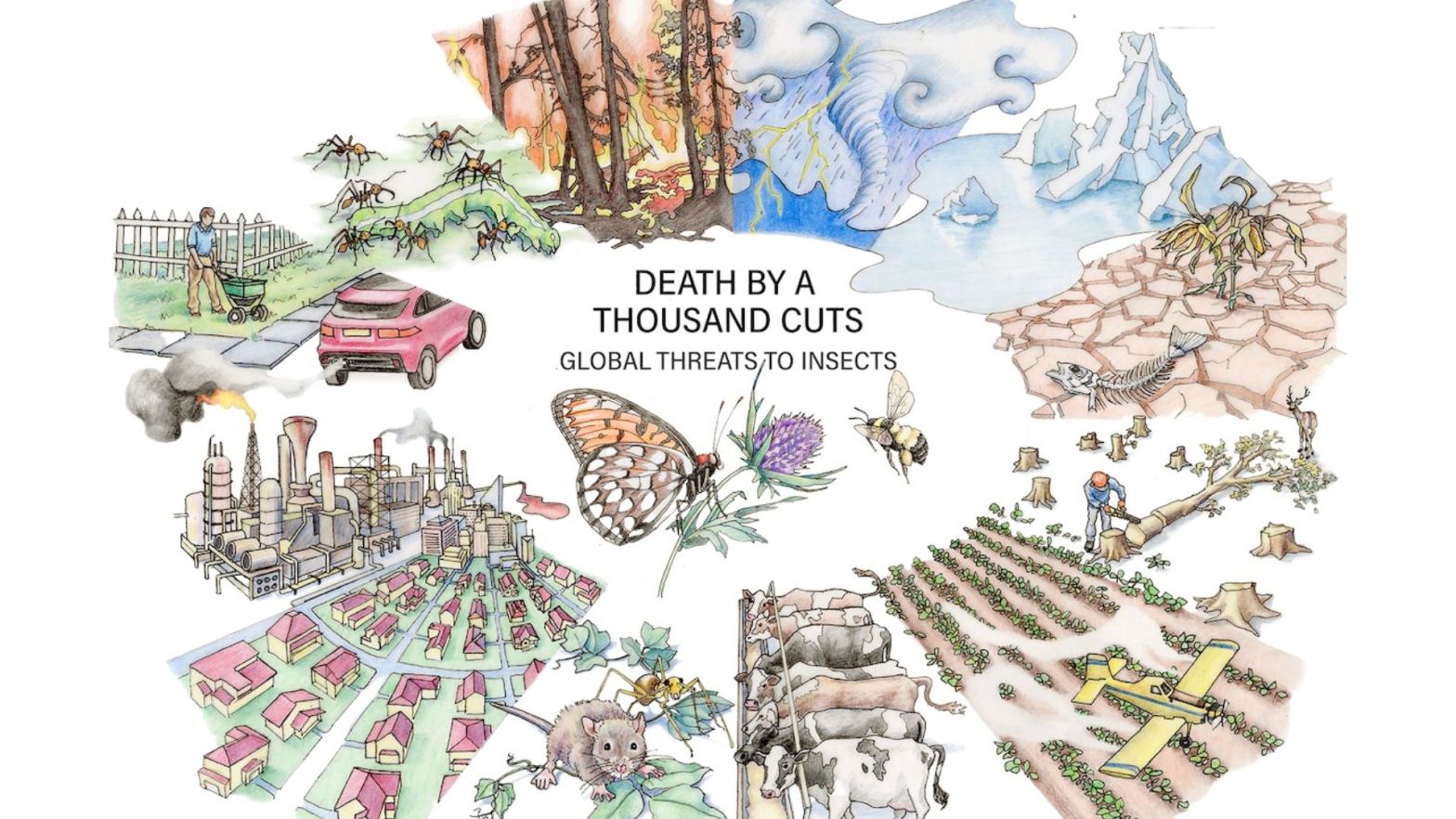
#Insects 🪰🦋🪳🪲🐞🐛💌😻🌿 are the incredible engine room of the planet ensuring ecosystems work. They’re under siege by human-caused #climatechange #deforestation #pollution. Report via @PNASnews. #BoycottPalmOil 🌴⛔️ #Boycott4Wildlife @palmoildetect https://palmoildetectives.com/2022/06/23/insect-decline-in-the-anthropocene-death-by-a-thousand-cuts/
Certification Schemes Fail to Stop Palm Oil Deforestation

71 rights groups warn that certification schemes like RSPO and FSC fail to stop deforestation and abuses. Learn why they are called tools of greenwashing.
Nigeria’s nature reserves need more help to protect biodiversity

Apart from conserving species, #wetlands help to control floods, replenish groundwater, stabilise shorelines, retain nutrients and purify water. The park will join Nigeria’s protected area of 445 forest reserves, 29 game reserves, 12 strict nature reserves, 11 Ramsar sites, 7 national parks and one biosphere reserve.
Primates are facing an impending extinction crisis – but we know very little about what will actually protect them
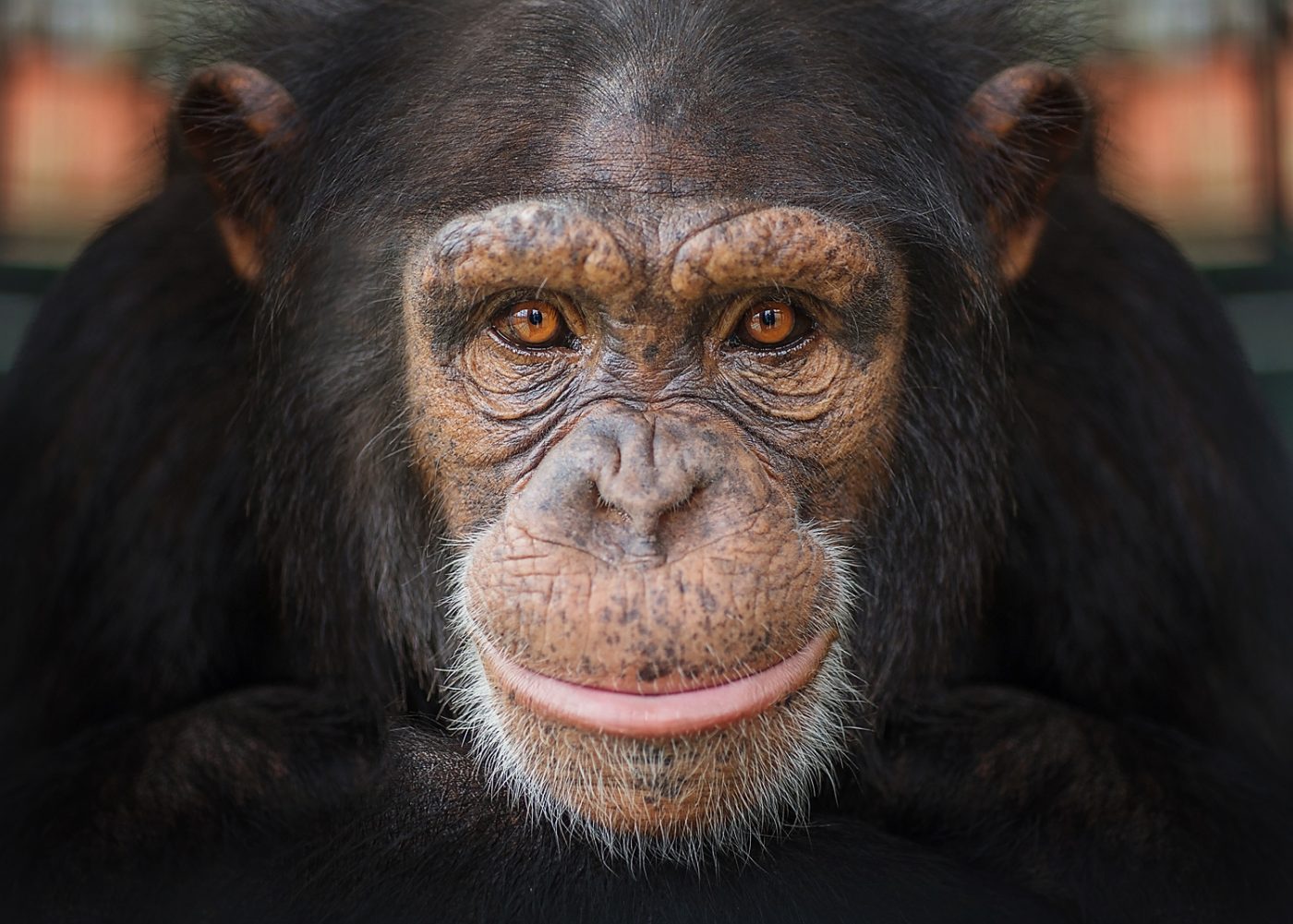
From lemurs to orangutans, tarsiers to gorillas, primates are captivating and sometimes unnervingly similar to us. So it’s not surprising that this group of more than 500 species receives a great deal of research and conservation attention. 60% of primates 🦍🦧🐒🐵 are threatened by #extinction 🙊🙈😿 Without direct action, the number of endangered #primates willContinue reading “Primates are facing an impending extinction crisis – but we know very little about what will actually protect them”
How do we protect the rapidly disappearing Javan Rhino?
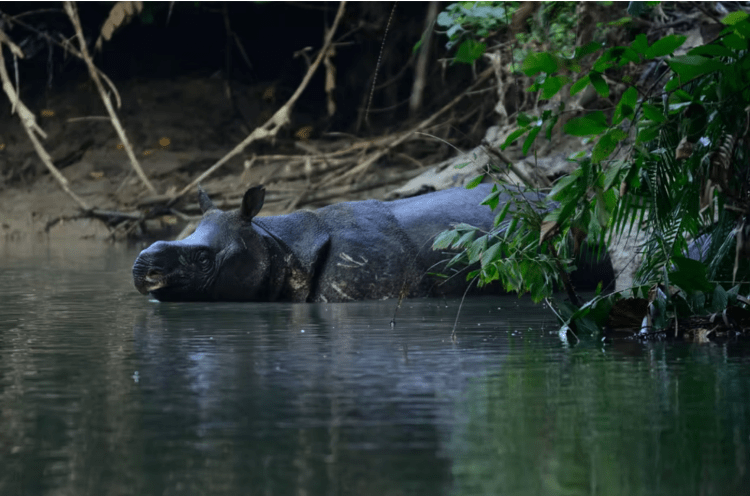
With only 74 individuals left, the remarkable and beautiful Javan Rhino is on the brink of extinction and can be found on one of the most densely populated islands in the world – Java. Boycotting palm oil is how you can help them. Sunarto, Universitas Indonesia The Javan rhino was once found throughout many partsContinue reading “How do we protect the rapidly disappearing Javan Rhino?”
Ecocide: why establishing a new international crime would be a step towards interspecies justice

A movement of activists and legal scholars is seeking to make “ecocide” an international crime within the jurisdiction of the International Criminal Court (ICC). The Stop Ecocide Foundation has put together a prestigious international panel of experts that has just proposed a new definition of the term. Protect all animals and go #Vegan #BoycottPalmOil #Boycott4Wildlife
The mimics among us — birds pirate songs for personal profit
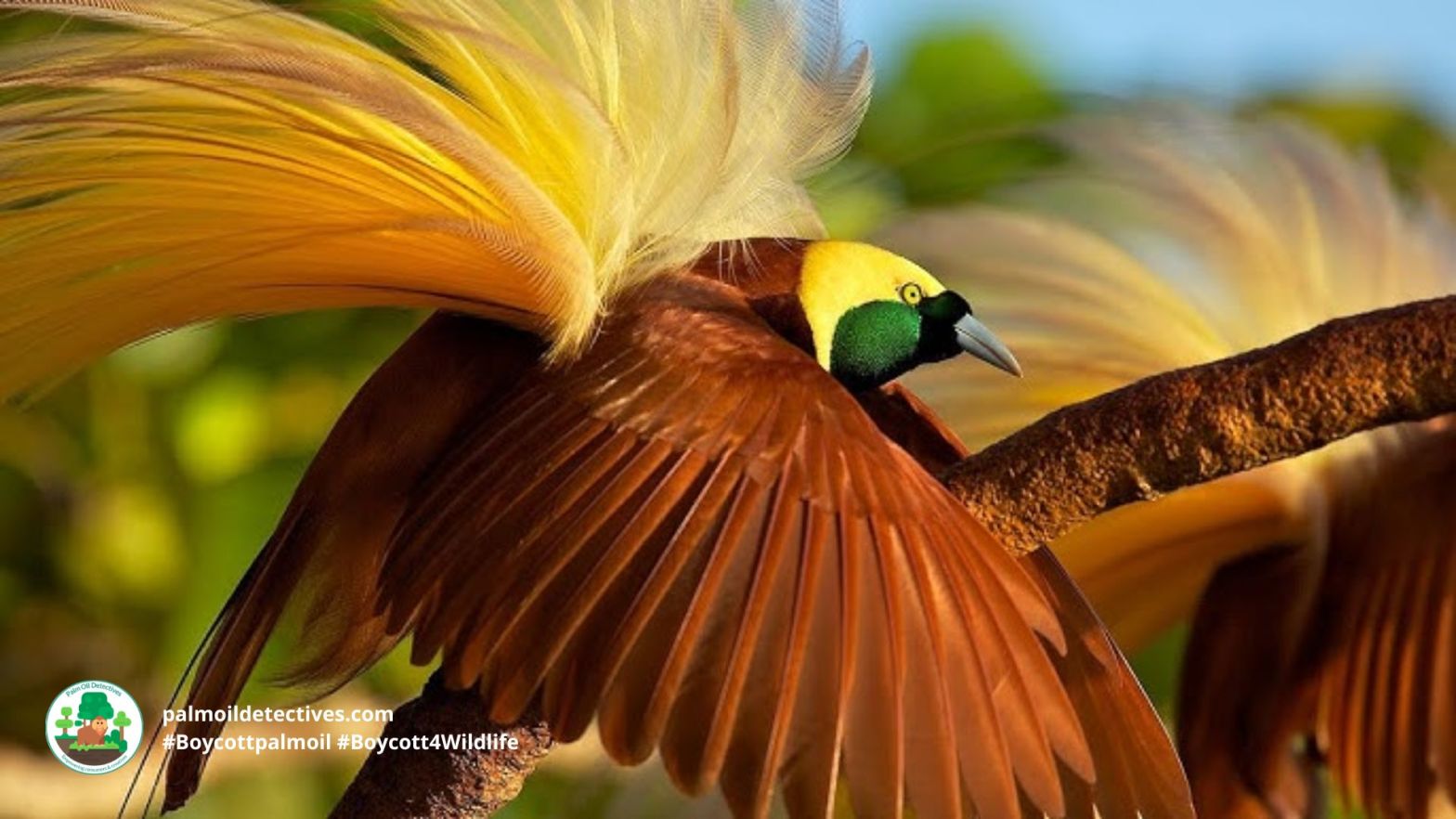
From Roman classics to British tabloids, humans have long celebrated the curious and remarkable ability of #birds and other #animals to imitate the sounds of humans and other animals. A recent surge of research is revealing how and why birds use vocal mimicry to further their own interests. Far from being merely a biological curiosity,Continue reading “The mimics among us — birds pirate songs for personal profit”
A fascinating history of warrior turtles: from ancient myths, warships and teenage mutants
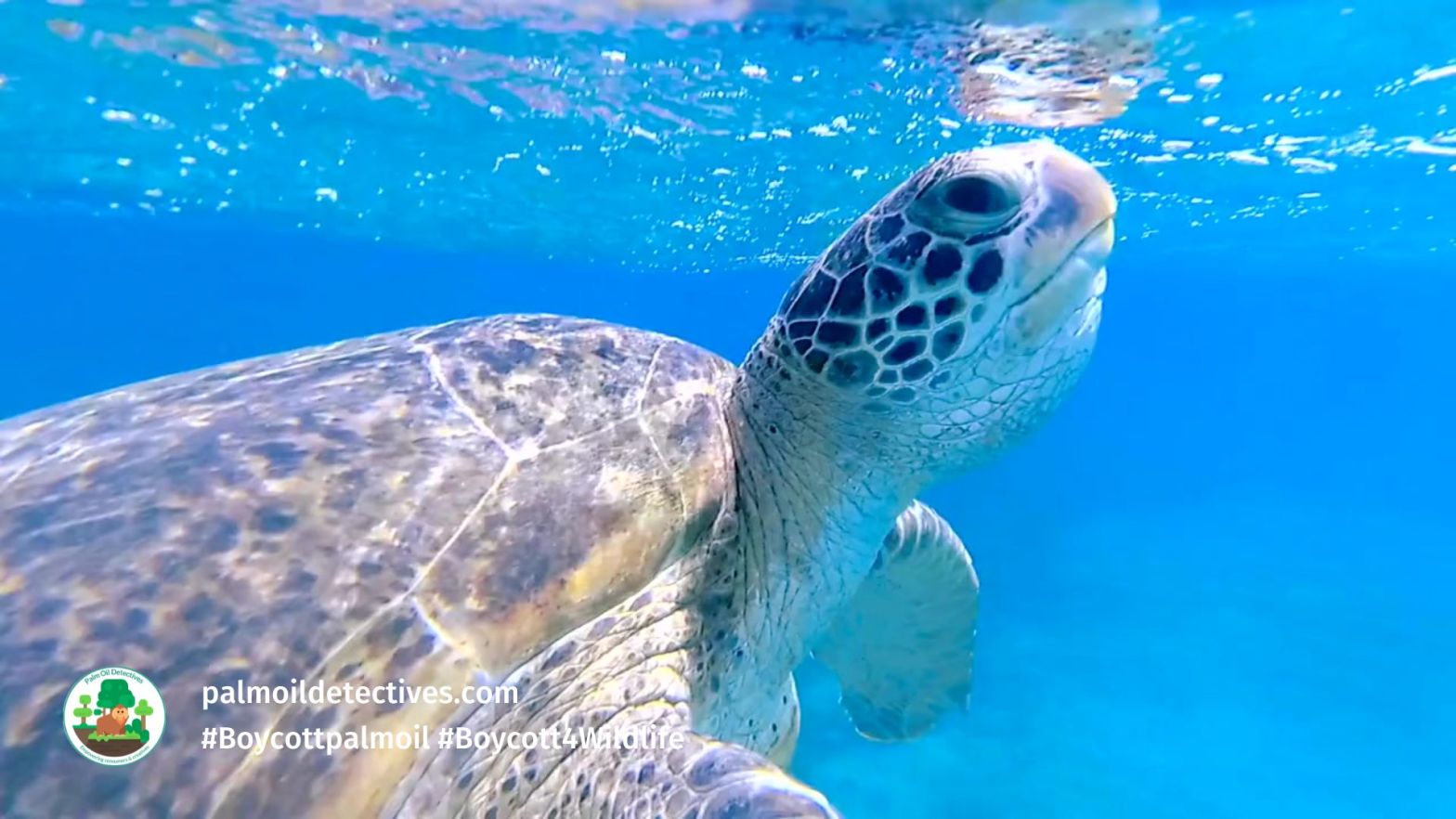
Ask anyone the identity of the world’s most famed turtles, and the answer is likely to be those legendary heroes in a half-shell, the Teenage Mutant Ninjas. Since first appearing in comic book form in 1984, the pizza-eating, nunchuk-wielding characters have shown the world the tougher side of turtles. Help them to survive every time you shop and Boycott Seafood, #BoycottPalmOil #Boycott4Wildlife
Deforestation Allows for Deadly Viruses to Jump Species

Many pandemics originate from wildlife that jumps from animal to human. These leaps often happen at the edges of the world’s tropical forests, where #deforestation is increasingly bringing people into contact with animals’ natural habitats. Yellow fever, #malaria, Venezuelan equine encephalitis, #Ebola – all of these pathogens have spilled over from one species to another at the margins of forests. This has many scientists concerned. The next pandemic is likely to originate from either the rainforest, meat or dairy agriculture where humans have most contact with animals.
Conservation activists suing Indonesian zoo could inspire global action on endangered species trade
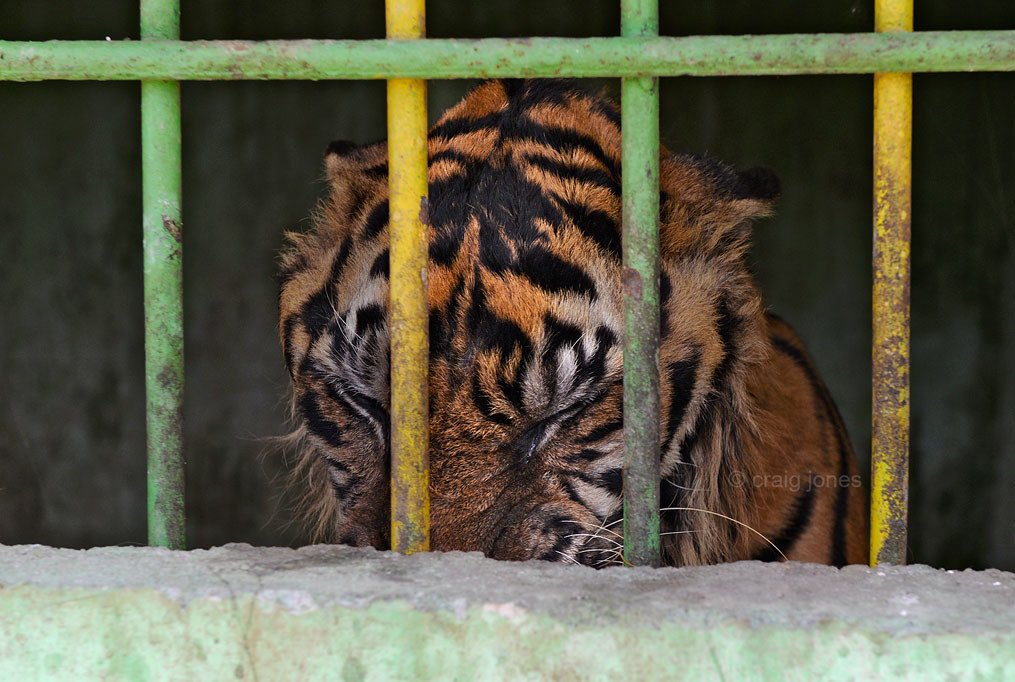
A lawsuit against a Sumatran zoo for illegally exhibiting threatened species like orangutans could inspire global action against the illegal wildlife trade
Almost 90% of the world’s animal species will lose some habitat to agriculture by 2050

Scientists know that #biodiversity is declining across much of the world although less universally and dramatically than we feared. We also know that things are likely to get worse in the future, with a combination of #deforestation, #climatechange and overexploitation set to drive species and habitats ever closer to #extinction. Help them every time you shop and be #vegan #BoycottPalmOil #Boycott4Wildlife
Deforestation Raises Temperatures Up To 4.5℃

Forests directly cool the planet, like natural evaporative air conditioners. So what happens when you cut them down? In tropical countries such as #Indonesia, #Brazil and the #Congo, rapid #deforestation may have accounted for up to 75% of the observed surface #climatechange and warming between 1950 and 2010. Our new research took a closer look at this phenomenon.
Bonobos Can Inspire More Peaceful Democracies
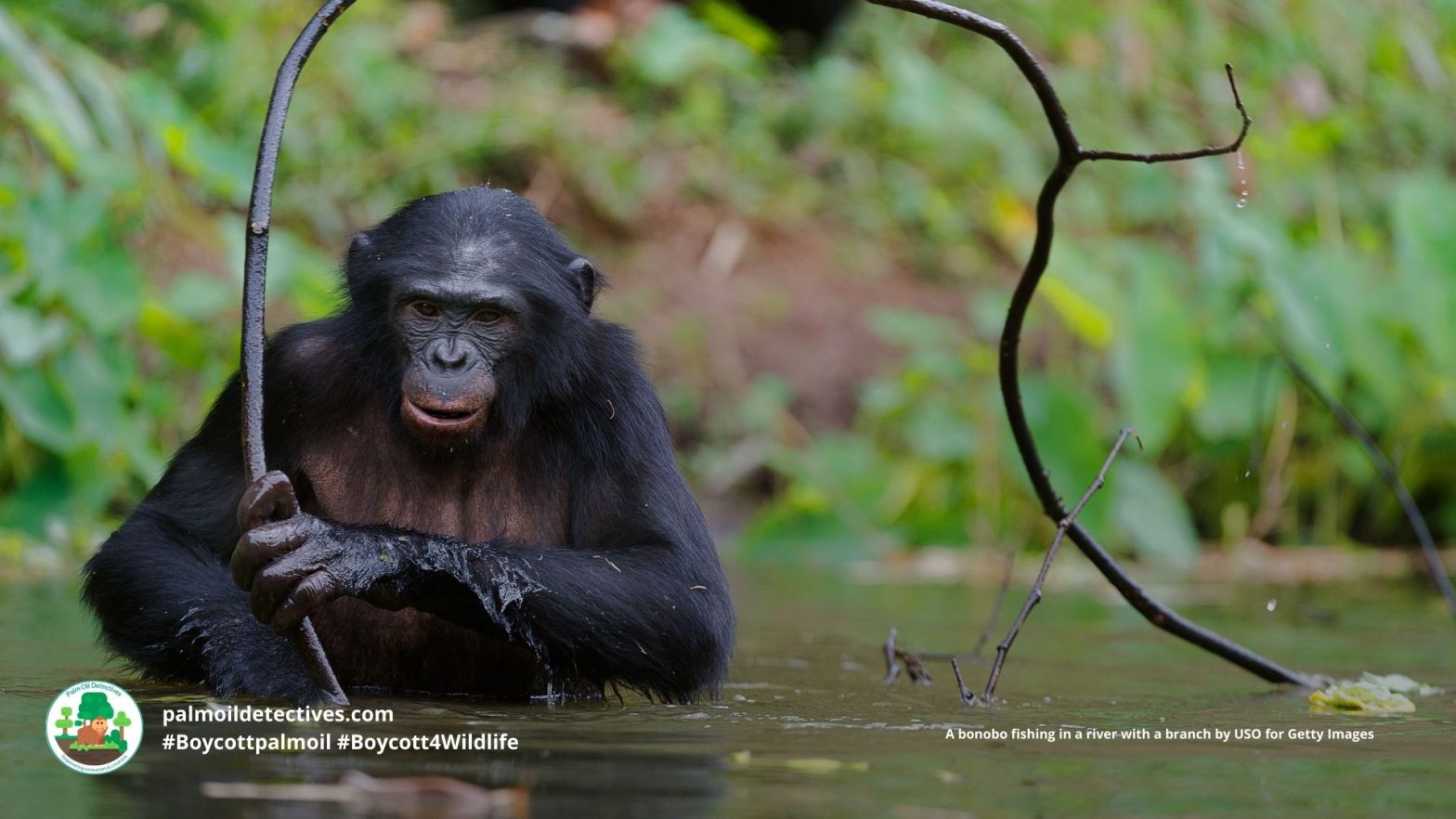
Bonobos can inspire a more peaceful democracy. Primatologists explain the fascinating lives of these mostly peaceful primates. Boycott palm oil when you shop!
 Palm Oil Detectives