
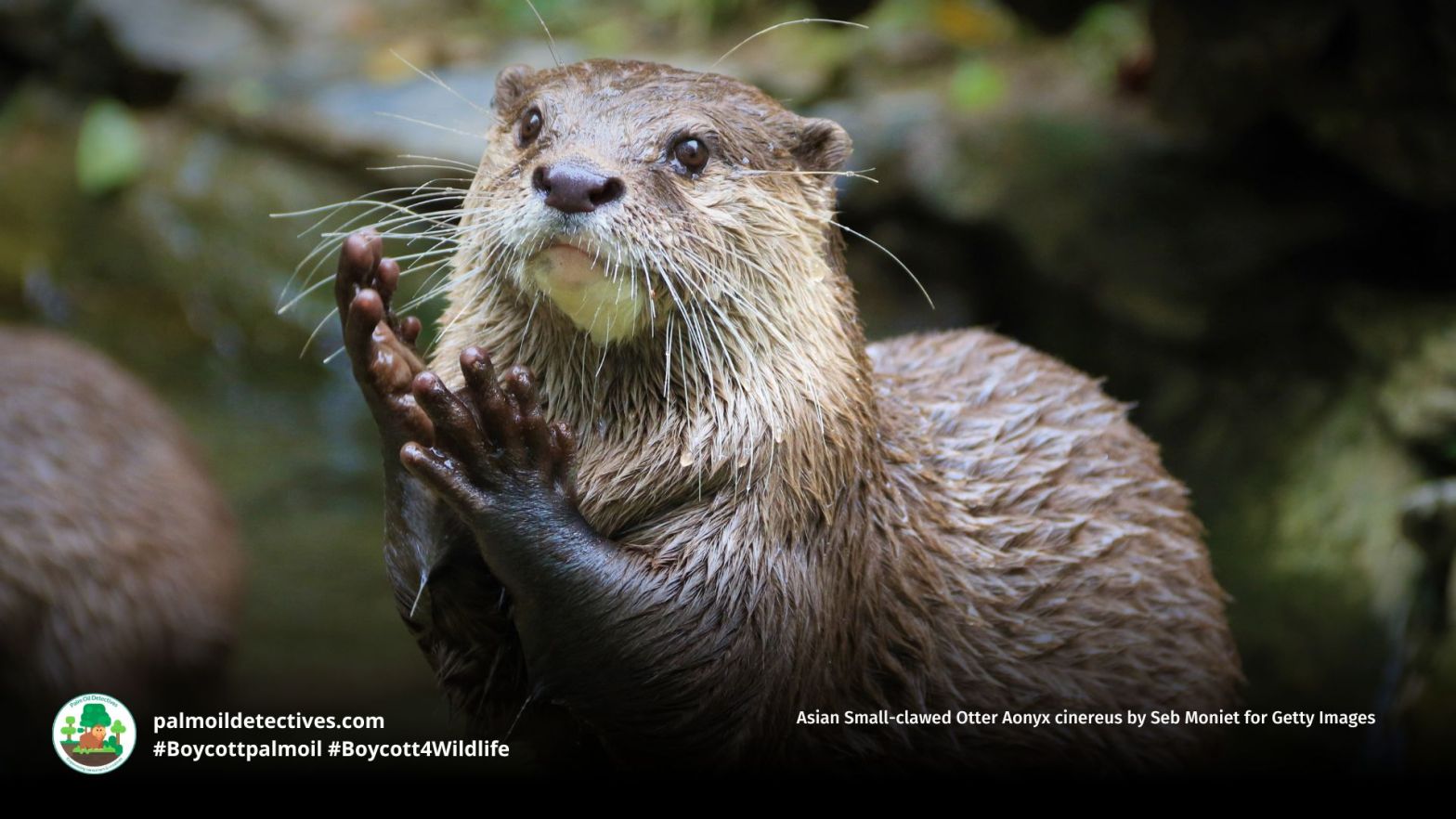
Asian Small-clawed Otters are the world’s smallest otter species and are Vulnerable from palm oil tea and coffee deforestation. Protect them, boycott palm oil!
Tag Archives: palmoil
So-called ‘Net Zero’ Flights Flush Rainforest Carbon Into the Sky

Virgin Atlantic airlines now uses ‘sustainable aviation fuel’ however experts call it greenwashing and industry spin causing climate change. Boycott palm oil!
Gursky’s Spectral Tarsier Tarsius spectrumgurskyae
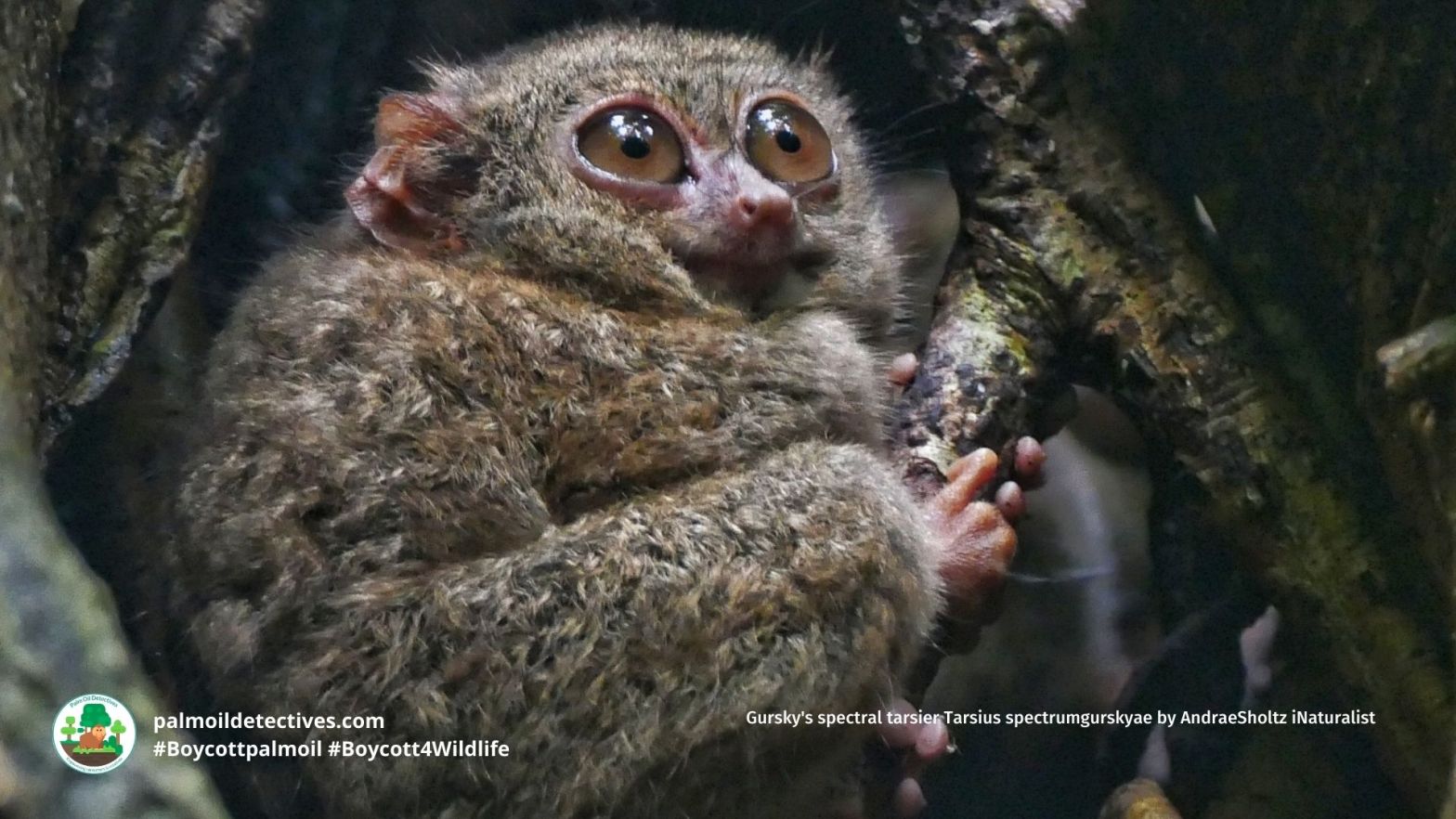
Gursky’s spectral tarsiers AKA Wusing of North Sulawesi are vulnerable due to palm oil and timber deforestation. Take action for them and boycott palm oil!
Beautiful and Doomed: Saving Bangladesh’s Langurs From Extinction
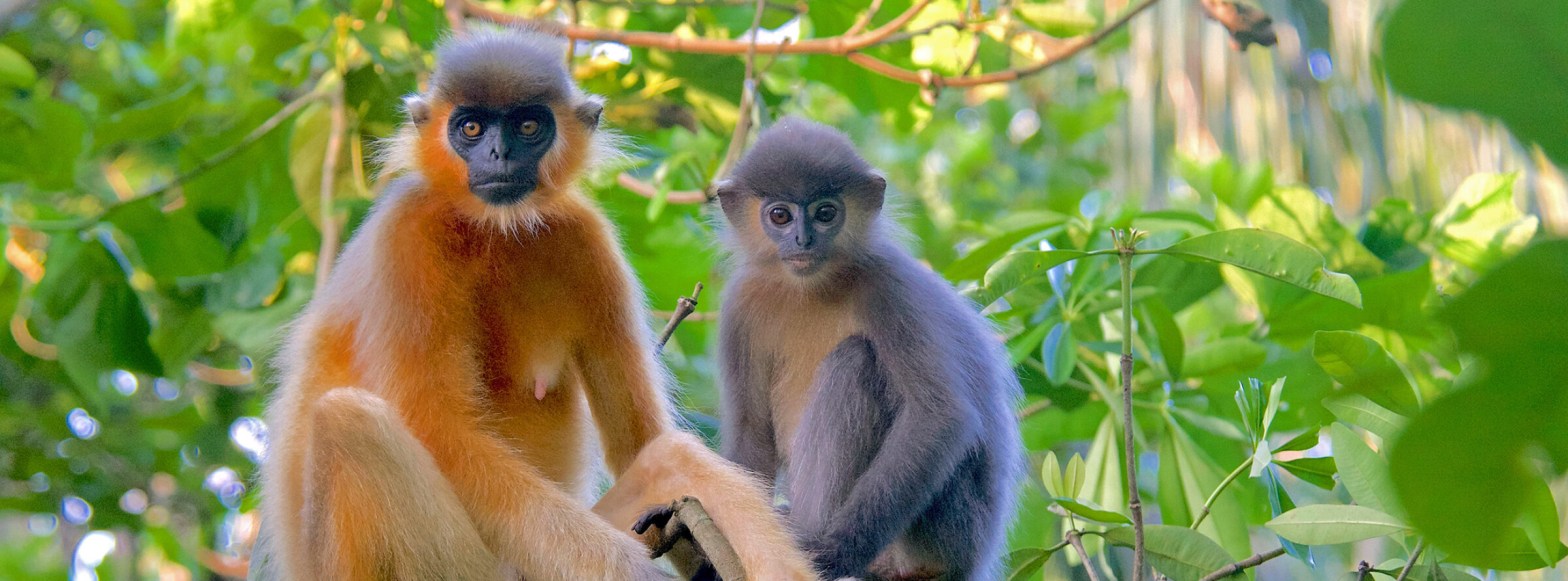
Critically endangered Phayre’s langurs and endangered capped langurs of Bangladesh, are interbreeding raising concerns about their survival, take action!
Sunda Flying Lemur Galeopterus variegatus
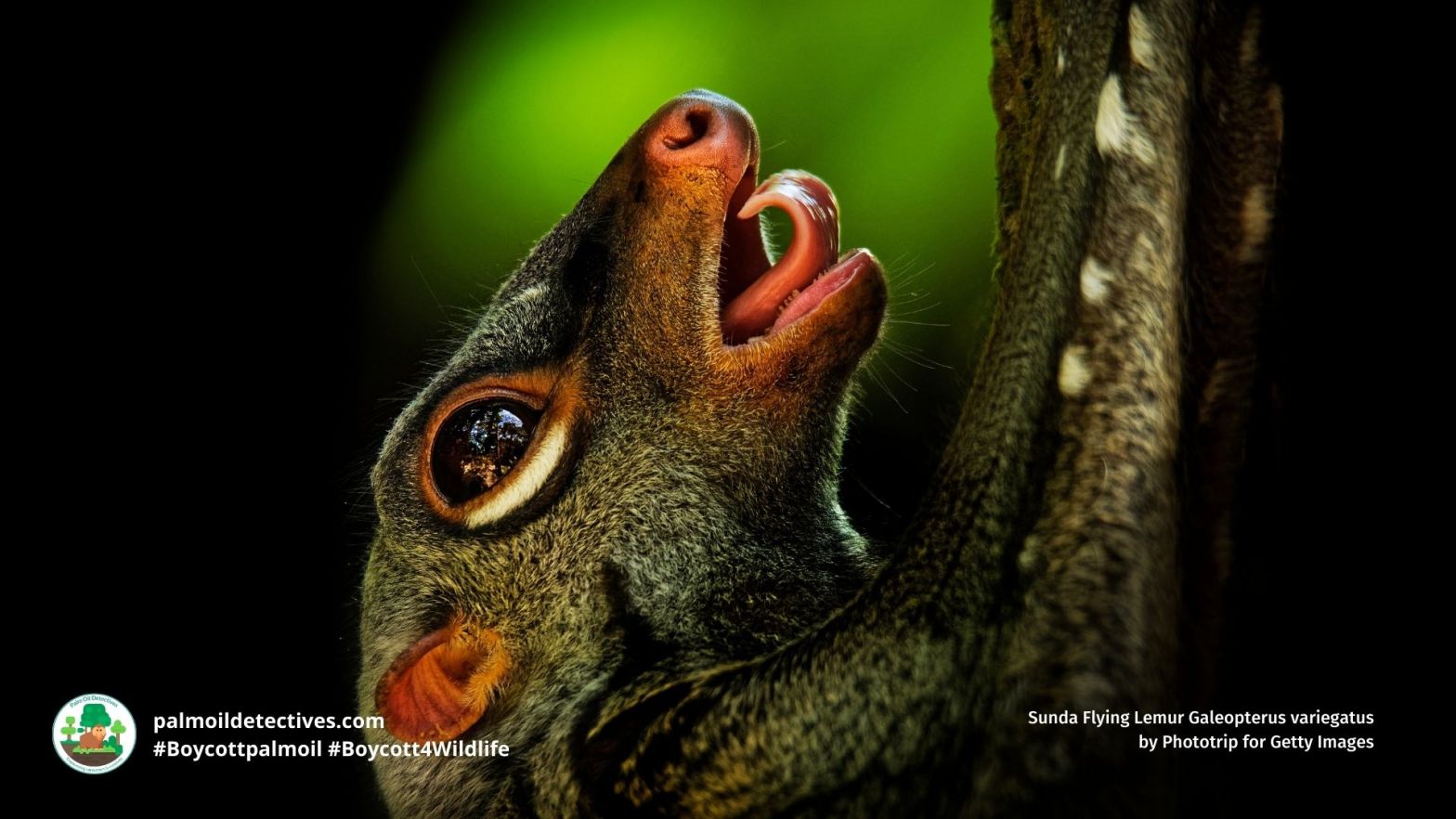
Sunda flying lemurs AKA Malayan colugos rely on ancient forests to survive, despite being skilful gliders, palm oil is a major threat, boycott palm oil!
Oreo Maker Linked to Ongoing Deforestation and Human Rights Abuses
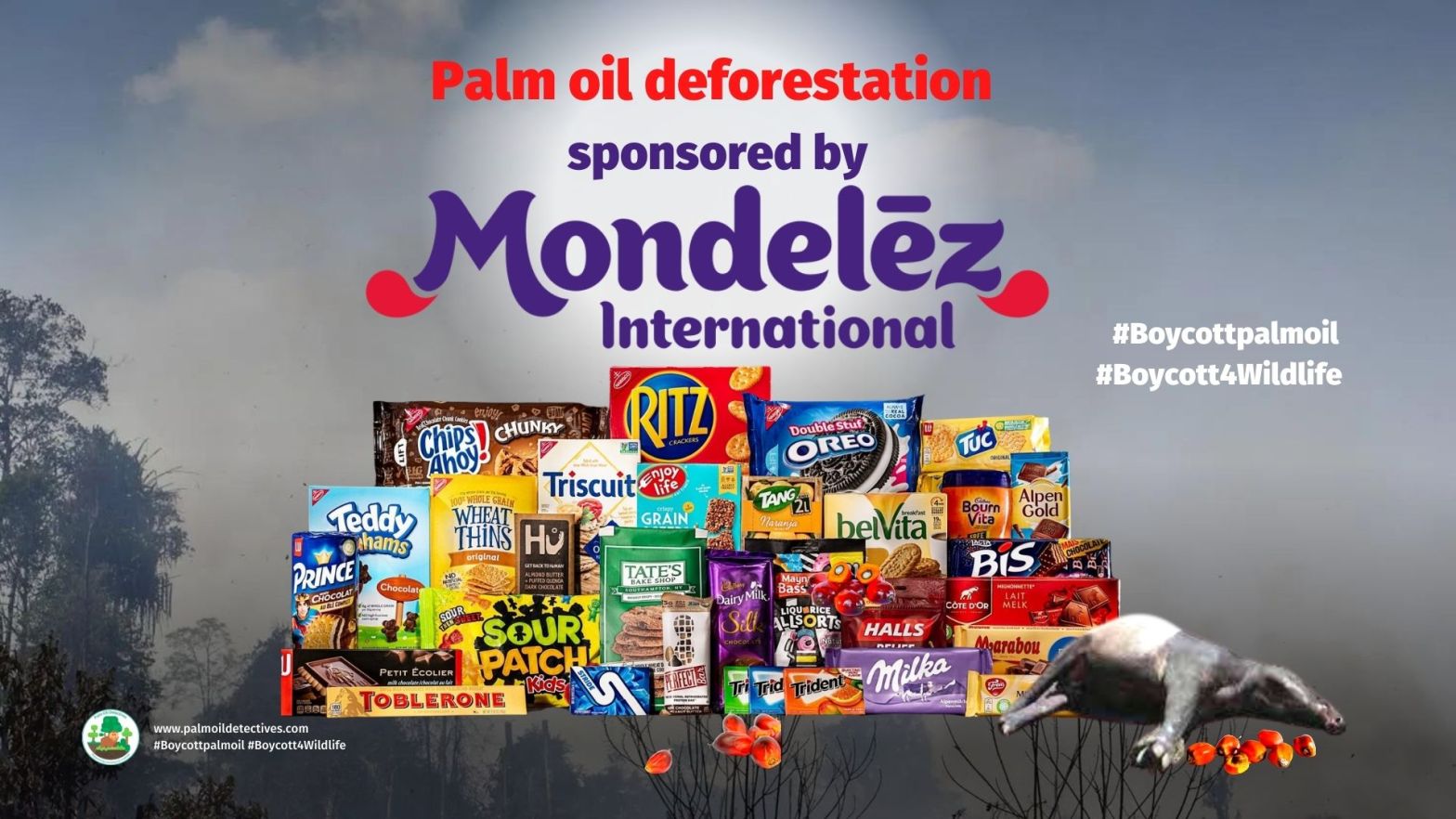
Mondelēz International who make Oreos keep sourcing palm oil from suppliers linked to violence and deforestation. Their RSPO certification is pure greenwash!
Meat-Stinking Giant Flower Has A Delectable Aroma For Pollinators
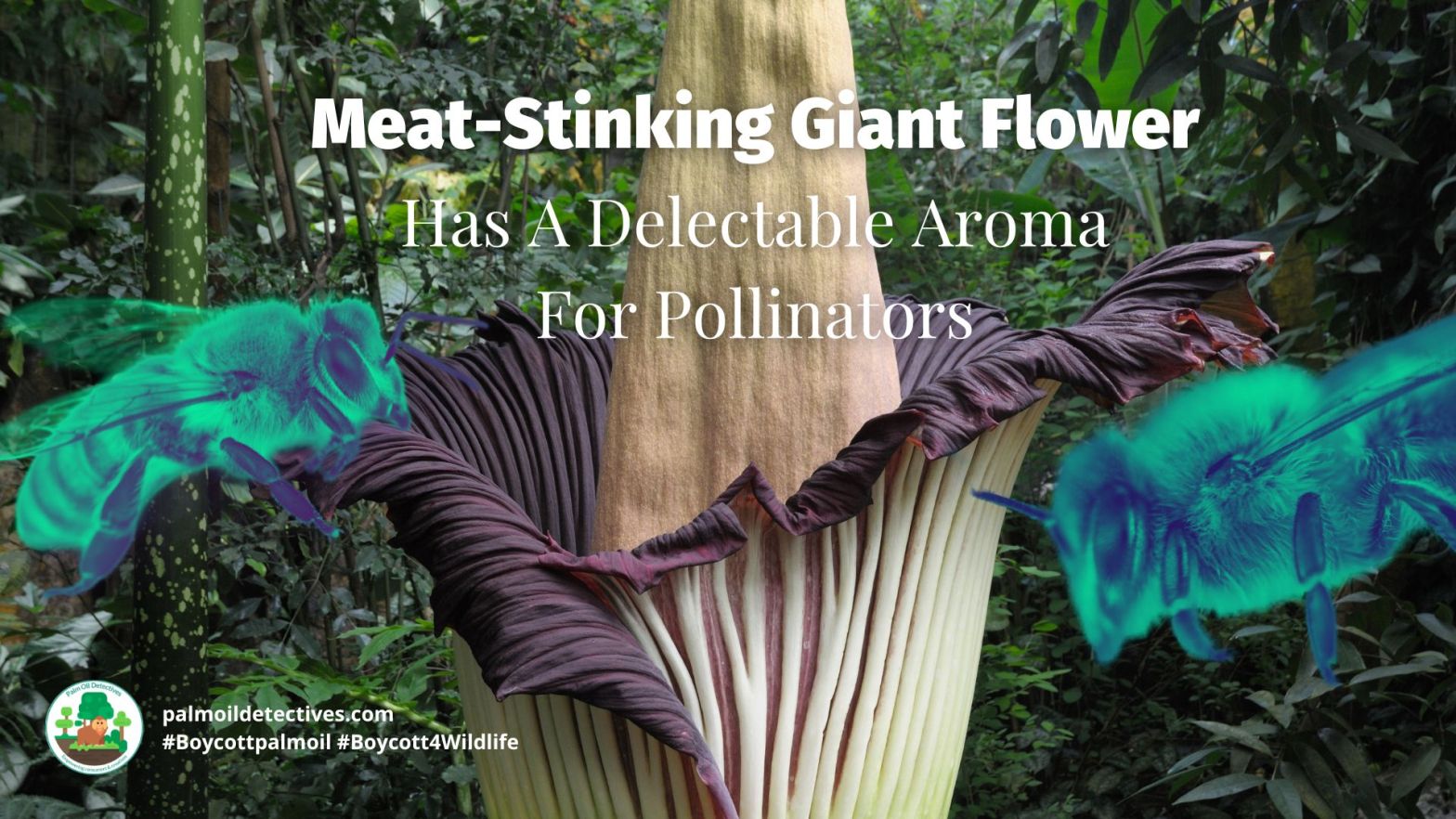
Titan Arum AKA ‘Corpse Flowers’ is famous for its repulsive meat smell. Palm oil agriculture is a massive threat to these rare stinky plants. Take action!
Western Parotia Parotia sefilata
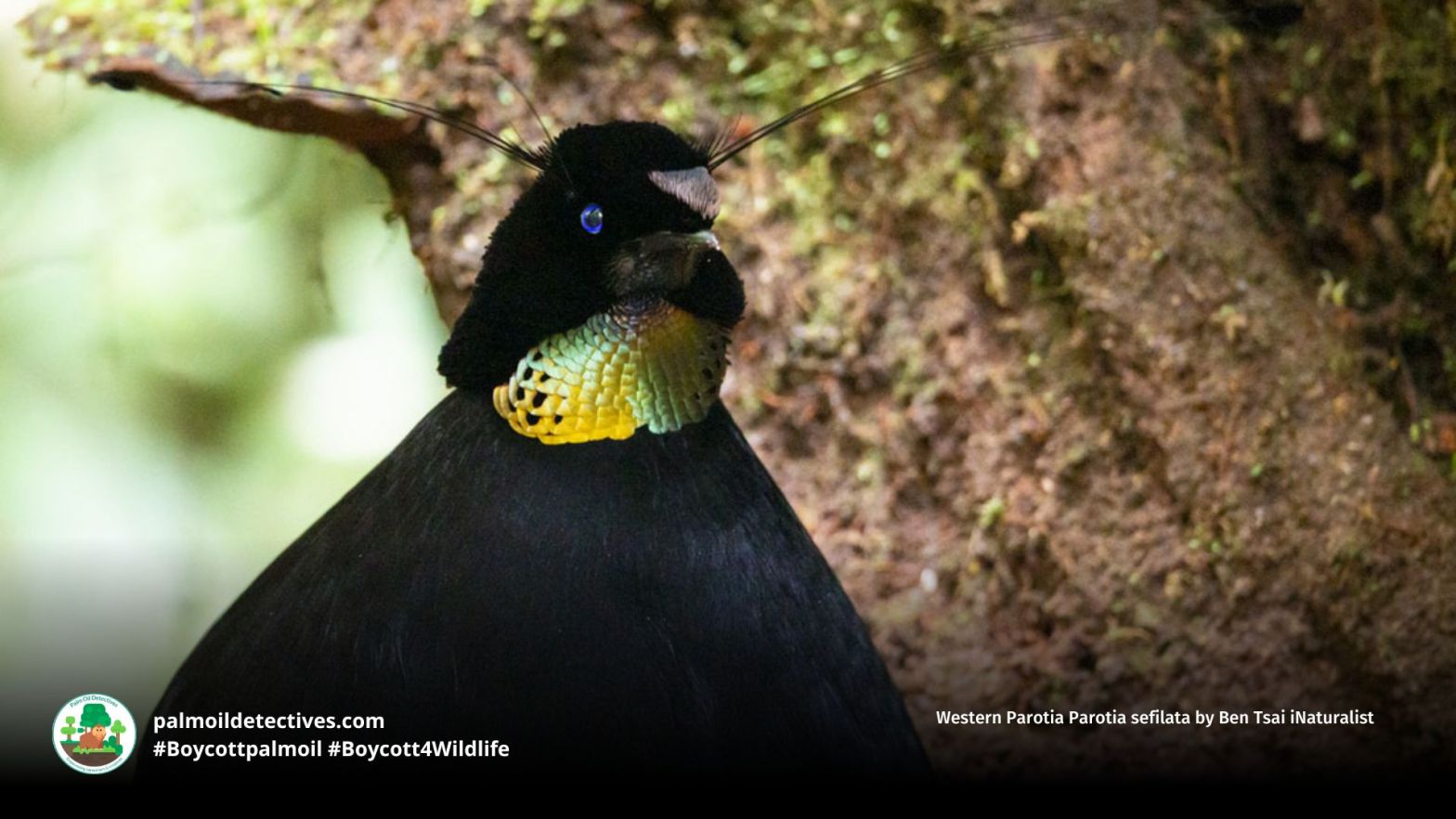
Western Parotias AKA Arfak Parotias are stunning bird-of-paradise of West Papua known for their mesmerising dances. Palm oil and mining ecocide are threats
Capped Langur Trachypithecus pileatus
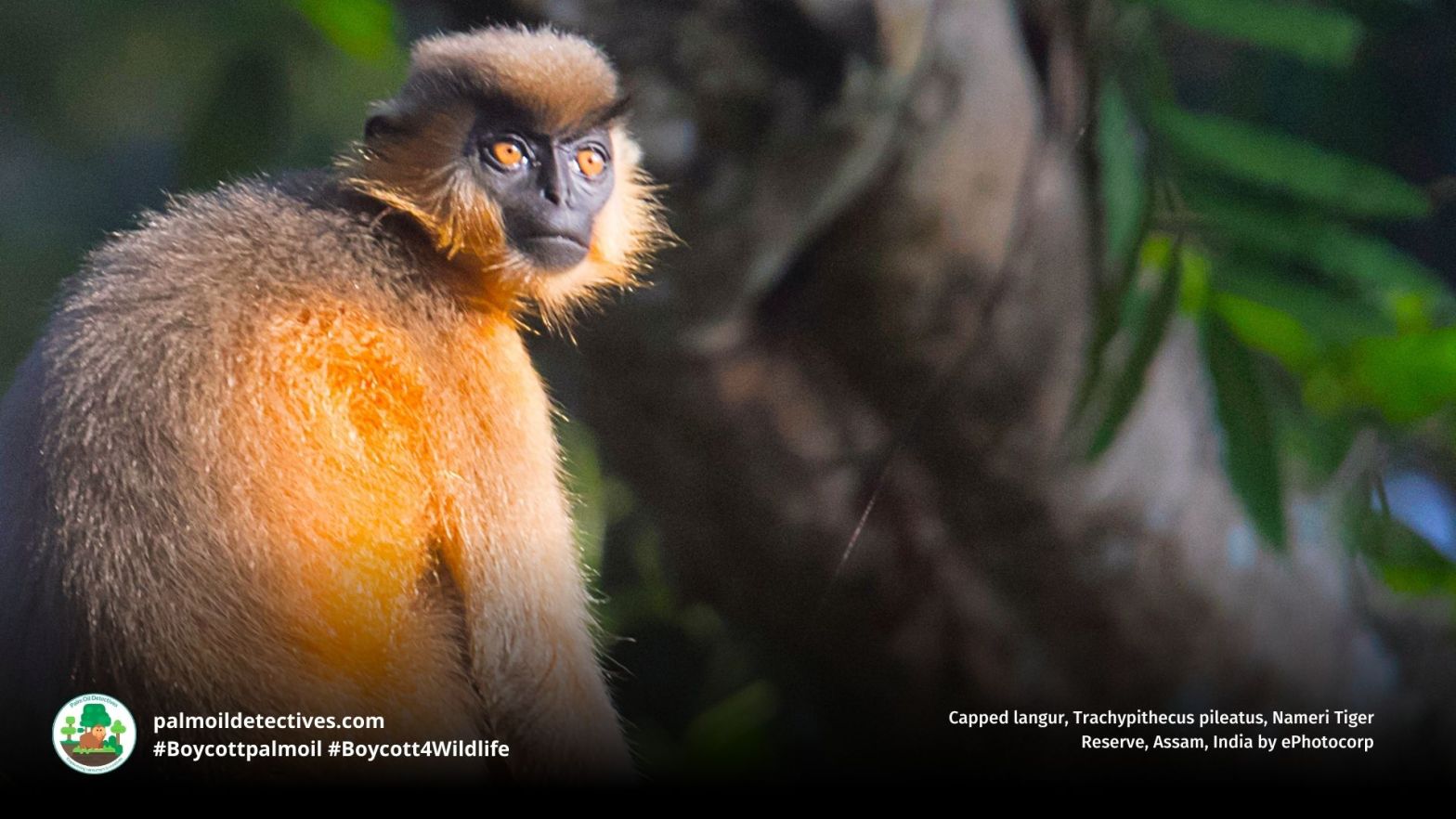
Capped langurs are found in India Bhutan Bangladesh and Myanmar, they are vulnerable from palm oil and other forms of deforestation. Take action for them!
Jaguars and Pumas Eat More Monkeys in Damaged Forests
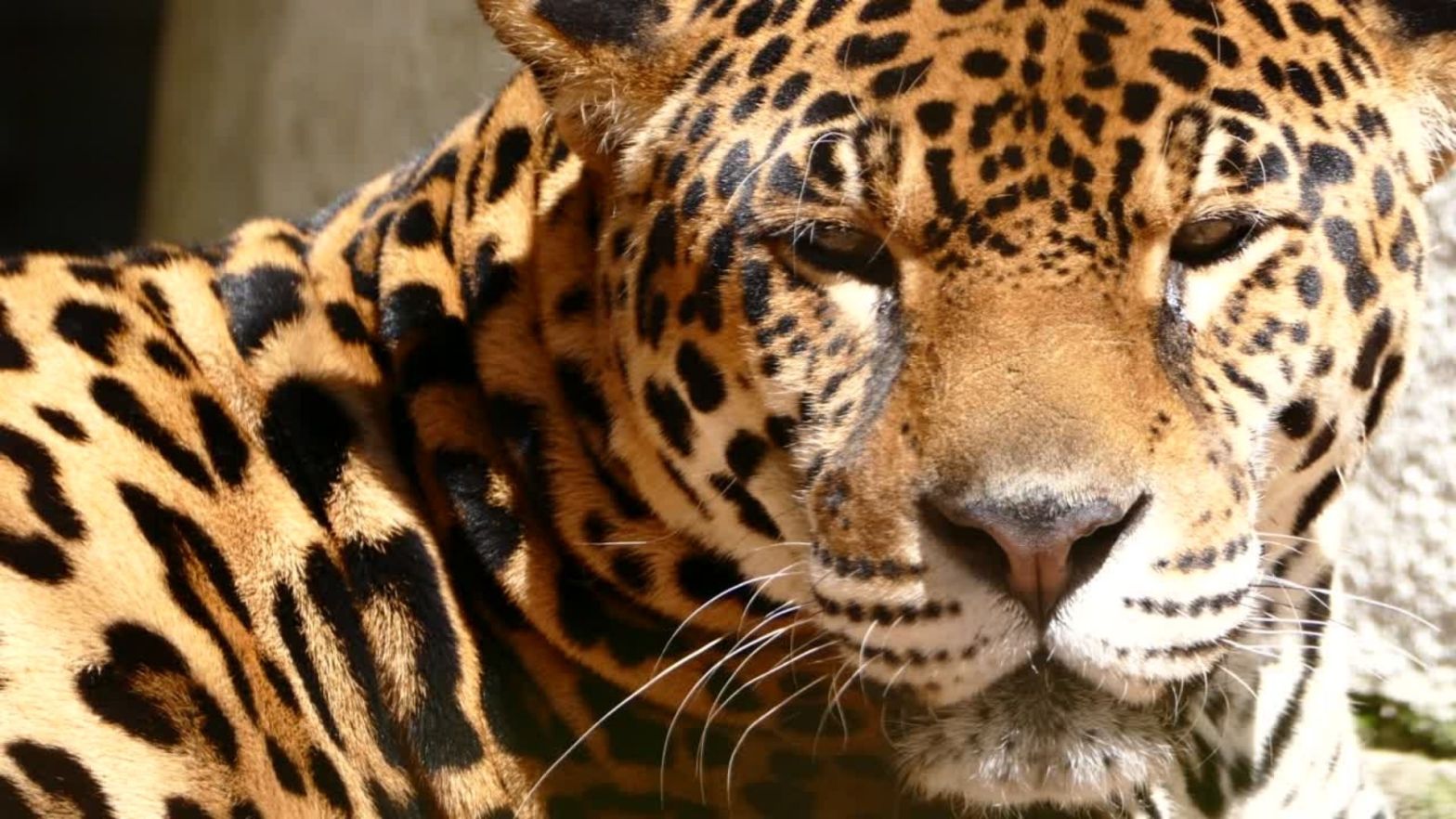
In fragmented forests of Mexico, big cats find it hard to locate prey ungulates instead seeking tree-dwelling #monkeys – that’s bad news for primates!
Mountain Tapir Tapirus pinchaque

Mountain Tapirs are the most threatened large mammals of the northern Andes, hunting, climate change and mining are threats, take action and boycott gold!
Finance giants fuel $8.9 trillion deforestation economy
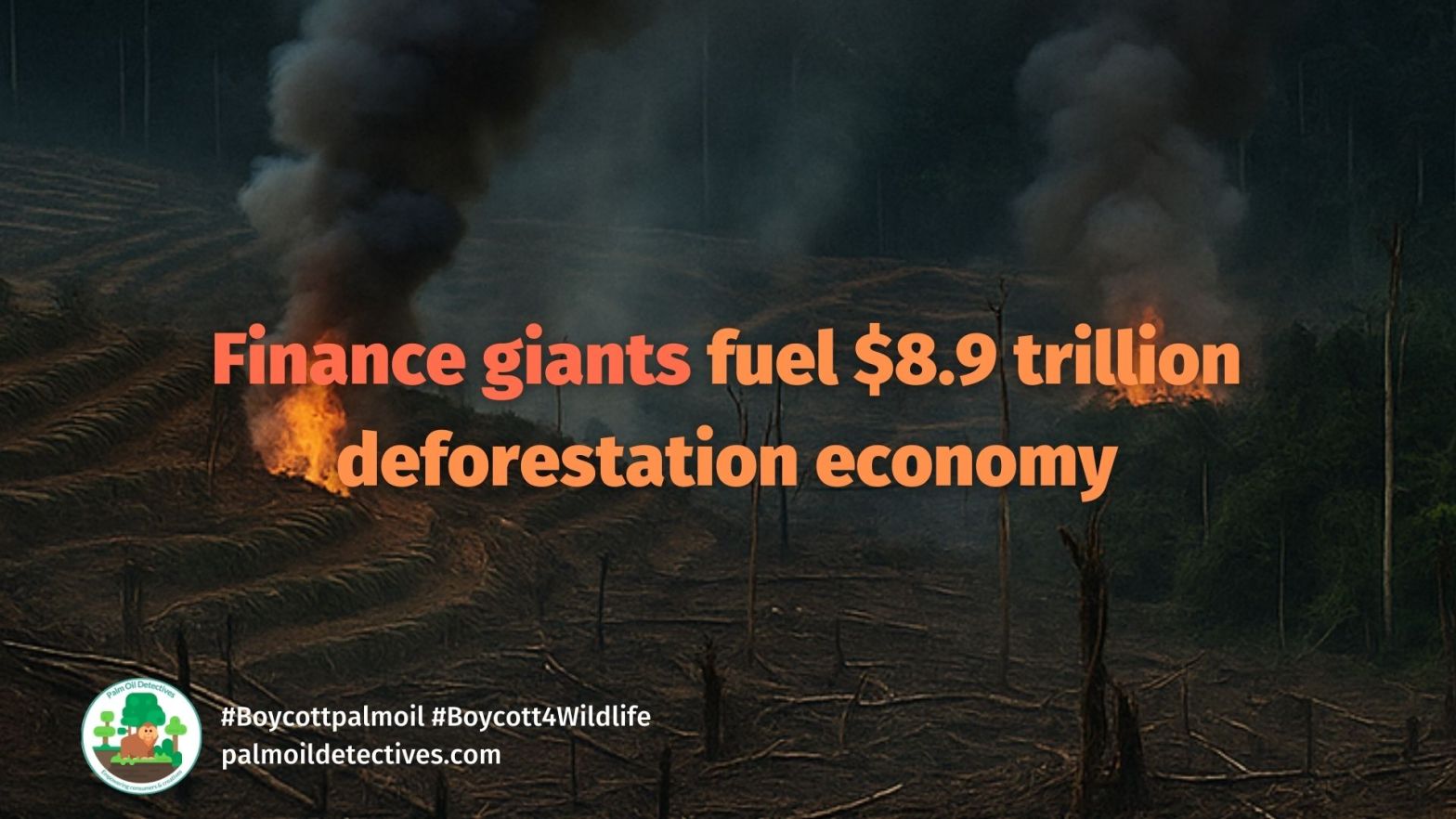
Forest 500 report shows 150 of the world’s largest financial institutions invested nearly $9 trillion in deforestation-linked industries. Support EUDR!
Why Pangolins Are So Special

Pangolins get their name from the Malay ‘pengguling’ meaning rolling up. These special critically endangered animals deserve a break from savage poaching
Tucuxi Sotalia fluviatilis

Tucuxi, small freshwater dolphins of Peru Ecuador Colombia and Brazil are Endangered due to fishing nets, deforestation, mercury poisoning from gold mining.
Protecting Peru’s Grasslands Vital for Spectacled Bears
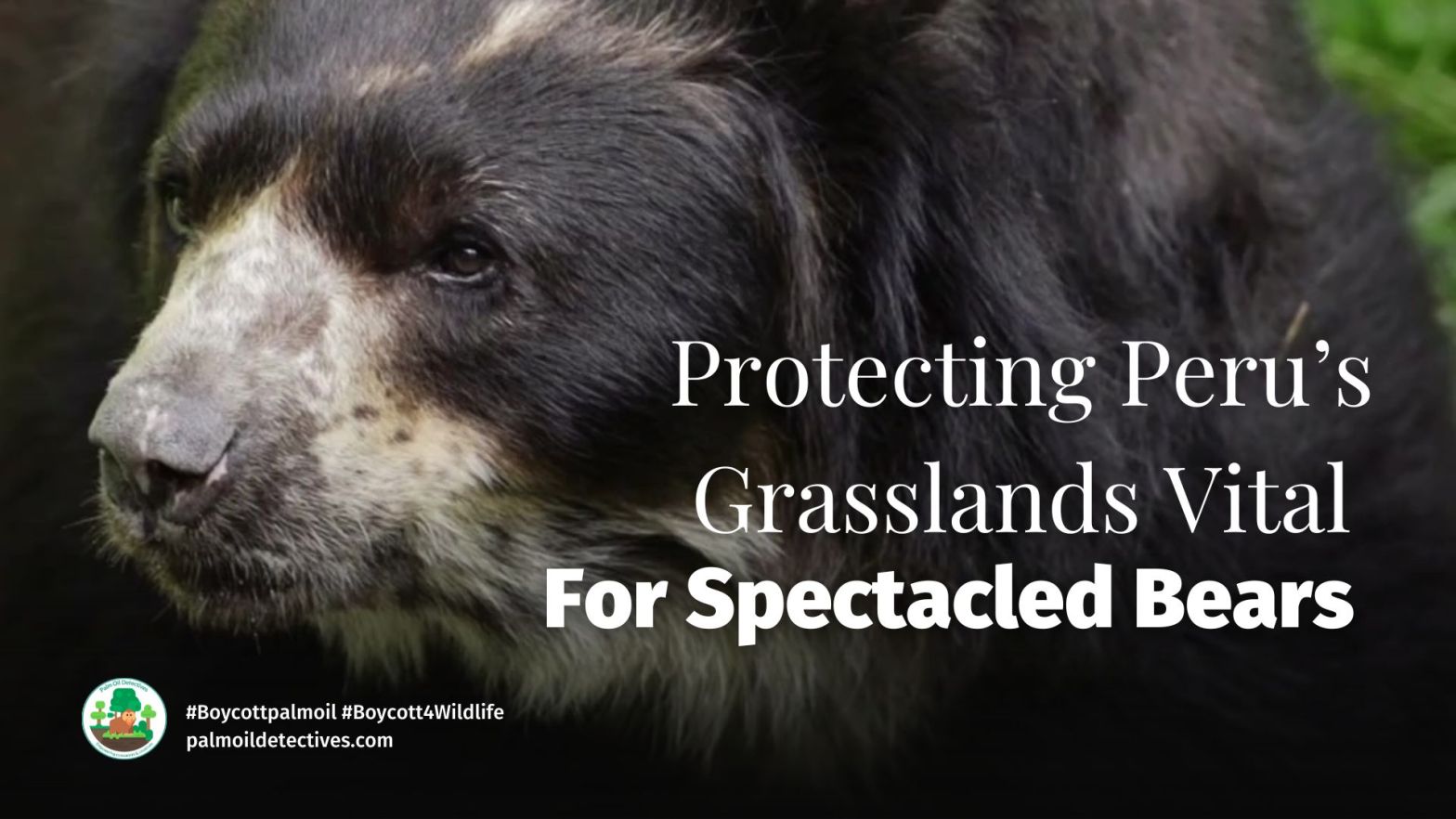
Peru’s alpine puna grasslands supports foraging of vulnerable Andean bears AKA Spectacled Bears. They prefer young bromeliad plants, Take action for them!
Beef, Palm Oil and Timber: How Wealthy Nations Fuel Deforestation
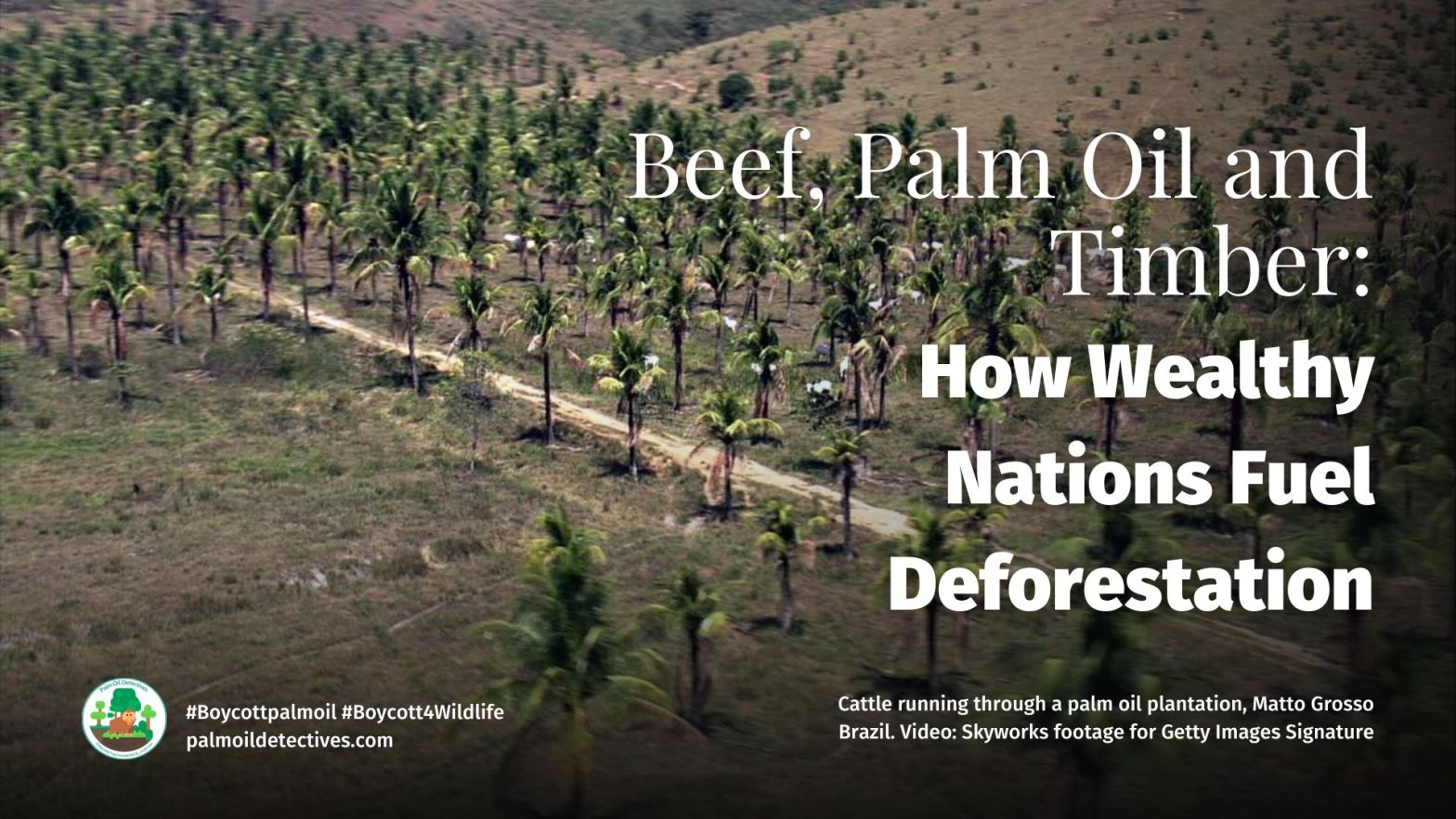
Beef palm oil, and timber consumption in wealthy nations is driving mass deforestation and species extinction in tropical regions. EUDR is vital to stop this!
Around 25% of Africa’s Land is Damaged: This is How We Fix It!
Almost 25% of all land in Africa has been damaged driven by climate change and deforestation for mining palm oil and cocoa. Take action and protect forests!
Grey Crowned Crane Balearica regulorum

Endangered Grey Crowned Cranes are a regal and graceful bird of Uganda, Tanzania, DRC, and Namibia. Help them to survive and join the boycott4wildlife
SOCFIN’s African Empire of Colonial Oppression: Billionaires Profit from Palm Oil and Rubber Exploitation
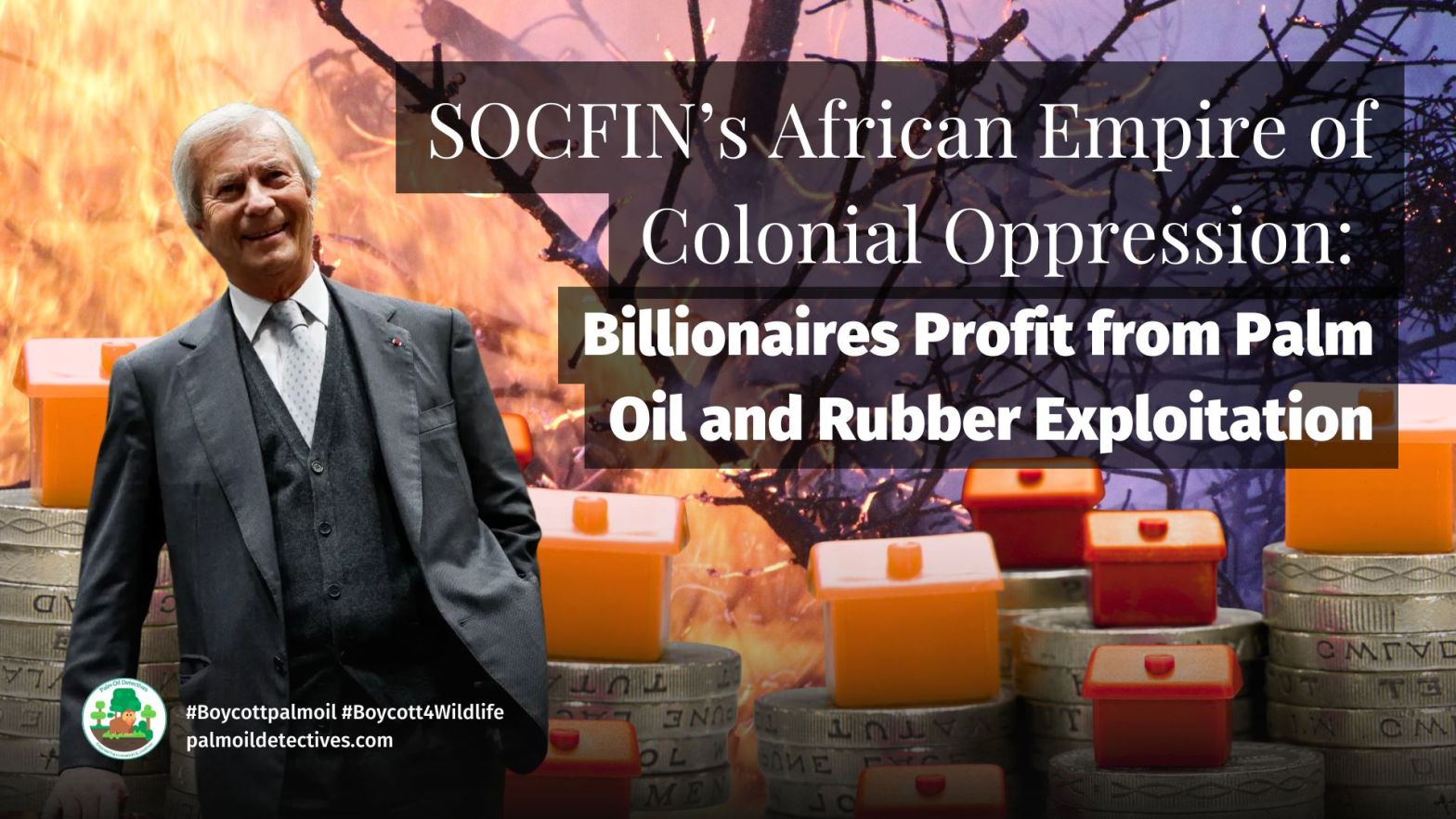
Investigation by Bloomberg exposes that despite being RSPO members, #SOCFIN plantations in #WestAfrica are the epicentre of #humanrights abuses, sexual coercion, environmental destruction, and #landgrabbing. Operating in #Liberia, #Ghana, #Nigeria, and beyond, SOCFIN’s #rubber and #palmoil plantations continue historical colonial legacies of exploitation. Despite widespread evidence of abuse and deforestation, SOCFIN and its partners benefit from weak sustainability certifications such as #FSC and #RSPO. Europe and the US buy products directly linked to these violations, greenwashing the destruction in the process. Indigenous communities and workers are actively resisting this huge injustice —They seek proper redress in the form of stricter #EUDR regulations and better protections of their health, livelihoods and families. Consumers can boycott palm oil and rubber in solidarity. #BoycottPalmOil #Boycott4Wildlife
Climate Change Driving Mass Bird Deaths in the Amazon
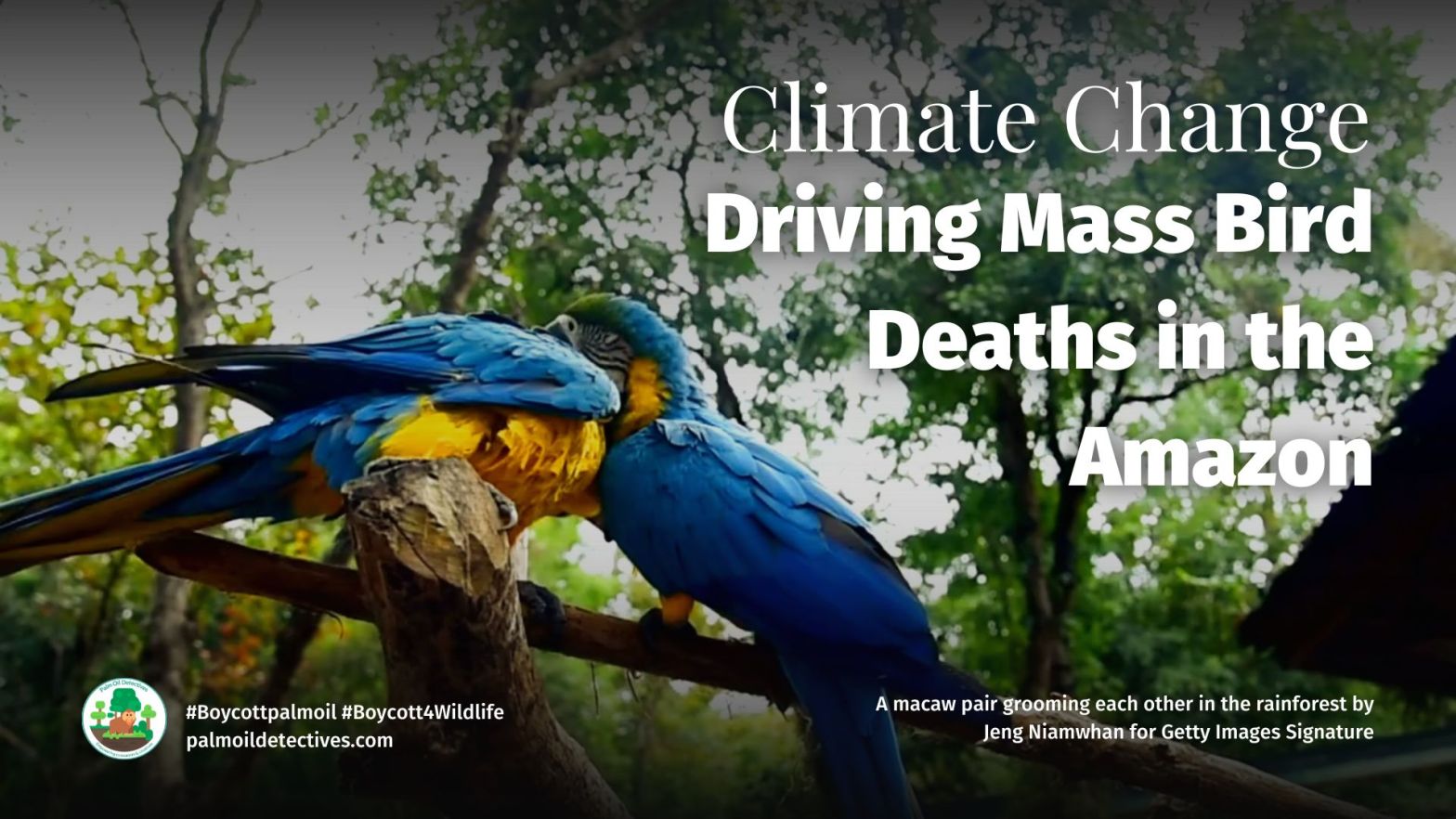
A recent #study has revealed that even in the most isolated parts of the #Amazon, bird #populations are collapsing due to #climatechange. Research published in Science Advances found that a 1°C increase in temperature led to a 63% drop in bird survivability, proving that climate change is pushing avian species towards #extinction. Avoiding deforestation-linked products like #palmoil and #meat is crucial in the fight for their survival. As is calling out corporate greenwashing, be #Vegan and #BoycottPalmOil #Boycott4Wildlife
Declining primate numbers are threatening Brazil’s Atlantic forest
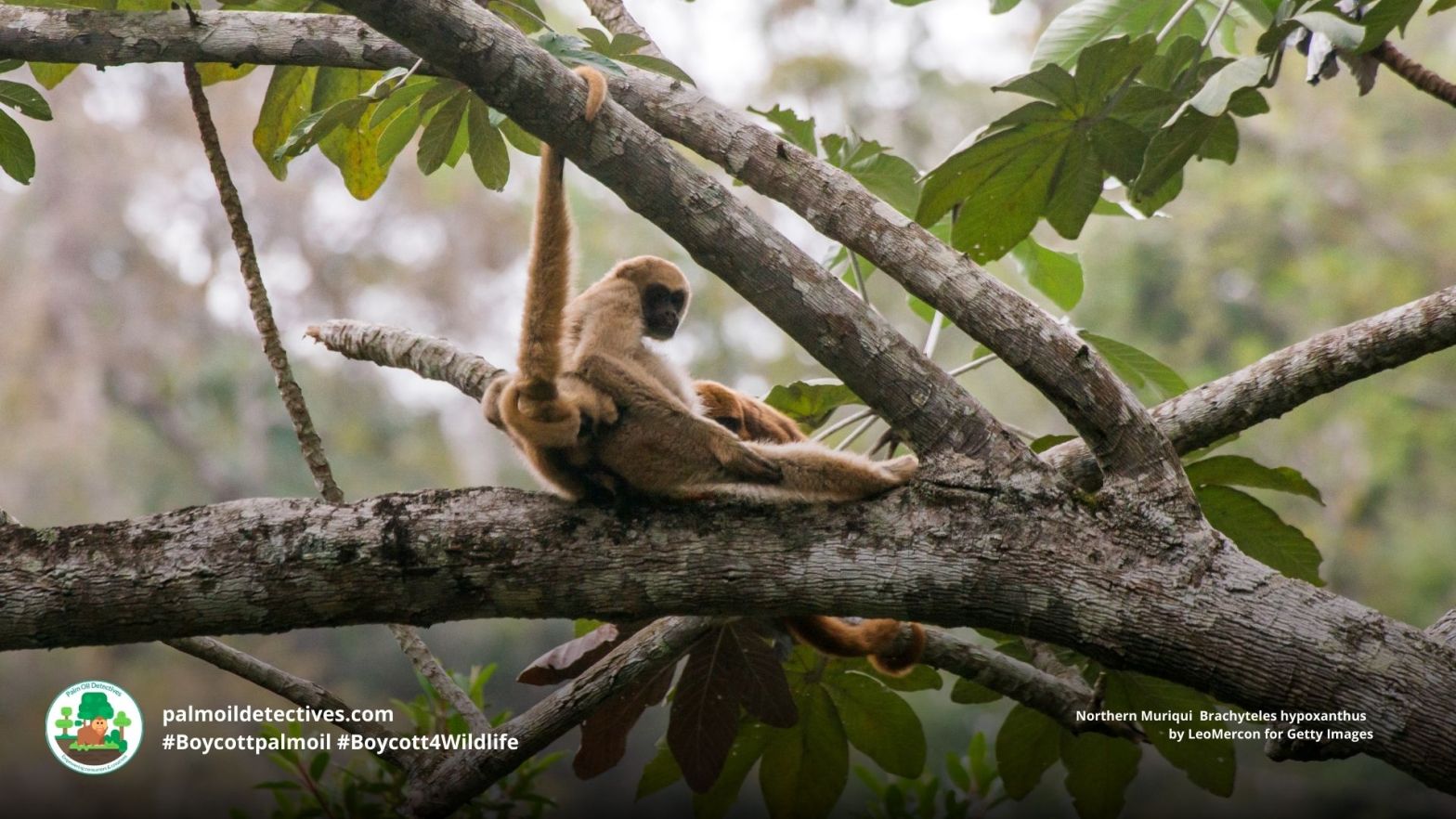
#Brazil’s Atlantic Forest, one of the most biodiverse ecosystems in the world, is facing severe threats due to deforestation and habitat fragmentation. This has led to a sharp decline in primate species, including the critically endangered southern and northern muriqui. The loss of these #primates, essential for seed dispersers in the Atlantic forest, is further destabilising the forest ecosystem. As human-driven deforestation escalates, the #extinction debt continues to rise, endangering both wildlife and the forest itself. You can take action to help their survival. Be #vegan for the animals and forests and #BoycottPalmOil #BoycottGold #Boycott4Wildlife.
Palm Oil Threatens Ancient Noken Weaving in West Papua
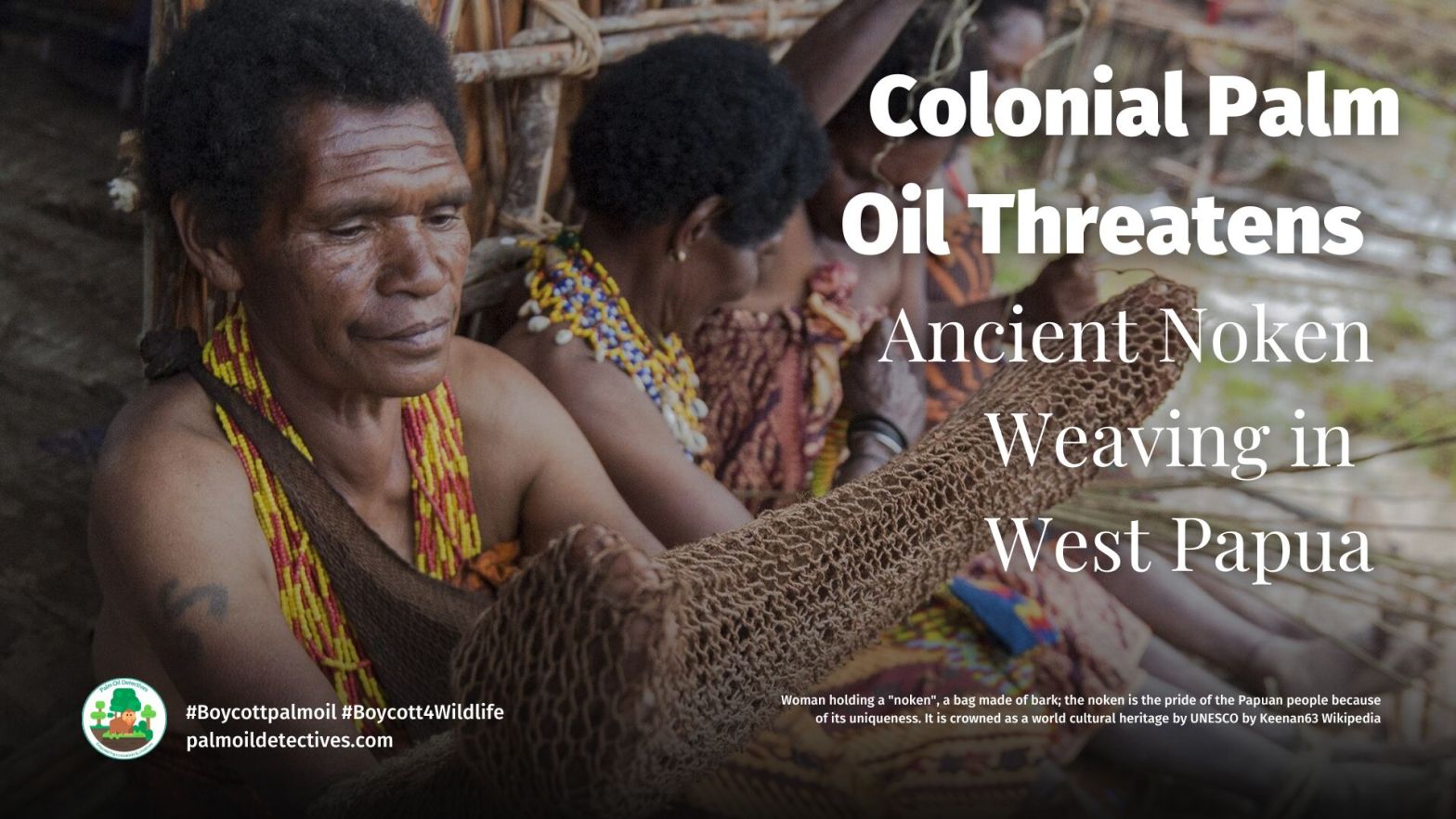
Colonial palm oil and sugarcane causing the loss of West Papuans’ cultural identity. Land grabs force communities from forests, threatening Noken weaving
Family Ties Expose Deforestation and Rights Violations in Indonesian Palm Oil

An explosive report by the Environment Investigation Agency (EIA) details how Indonesia’s Fangiono family, through a wide corporate web, is linked to ongoing #deforestation, #corruption, and #indigenousrights abuses for #palmoil. Calls mount for governments to act immediately to strengthen the #EUDR. Consumers can act when we #BoycottPalmOil #Boycott4Wildlife #HumanRights
Blue-streaked Lory Eos reticulata

Brilliantly coloured and full of energy, the Blue-streaked Lory (Eos reticulata) is a striking and unique #parrot living in the forests of the Banda Sea Islands, #Indonesia. Their scarlet plumage is decorated with iridescent blue streaks, creating a dazzling and electrifying colours both when they’re at rest and in flight. With a sharp, hooked beak adapted for nectar-feeding, these #birds flit from flower to flower, playing a vital role in rainforest #pollination.
Despite their adaptability, habitat destruction and the pet trade threaten their survival. These birds have been heavily trapped for the illegal bird trade, with over 3,000 individuals captured annually in the 1980s. Although they remain relatively common in their range, continued #deforestation and capture for the caged #pettrade and bird market may be pushing them towards decline. If these mesmerising lories are to have a future in the wild, their habitat must be protected, and the demand for keeping them as pets must end. #BoycottPalmOil #Boycott4Wildlife
West Papuan Indigenous Women Fight Land Seizures
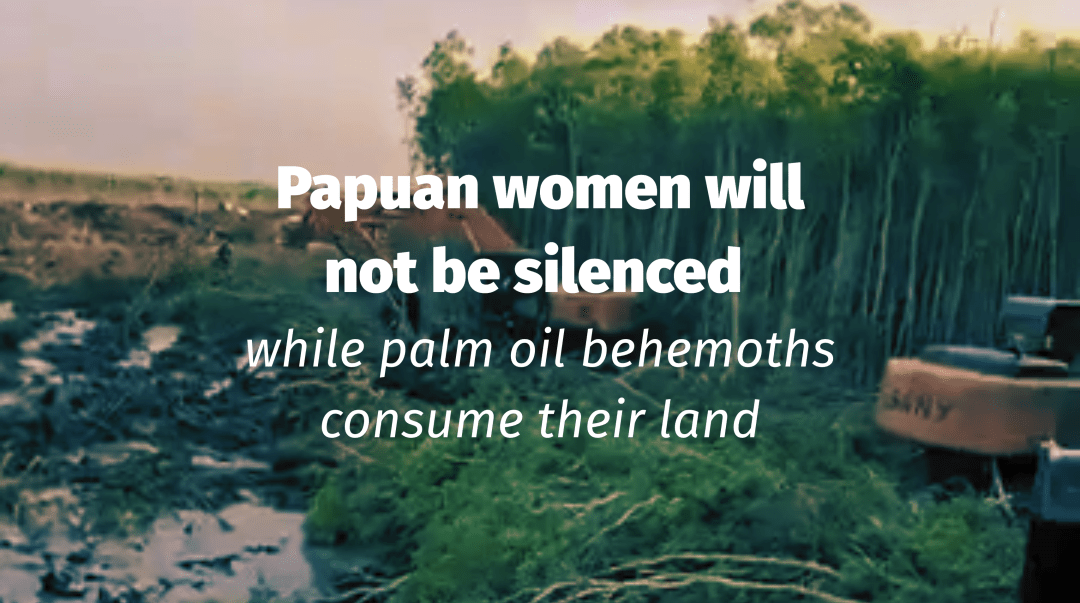
Indigenous Melanesian women in West Papua fight land seizures for palm oil and sugar plantations, protecting their ancestral rights. Join #BoycottPalmOil
Blonde Capuchin Sapajus flavius

Only rediscovered in 2006, Blonde Capuchins are highly intelligent critically endangered primates of Brazil threatened by palm oil and meat deforestation
Deforestation Devastates Tesso Nilo National Park’s Endangered Creatures
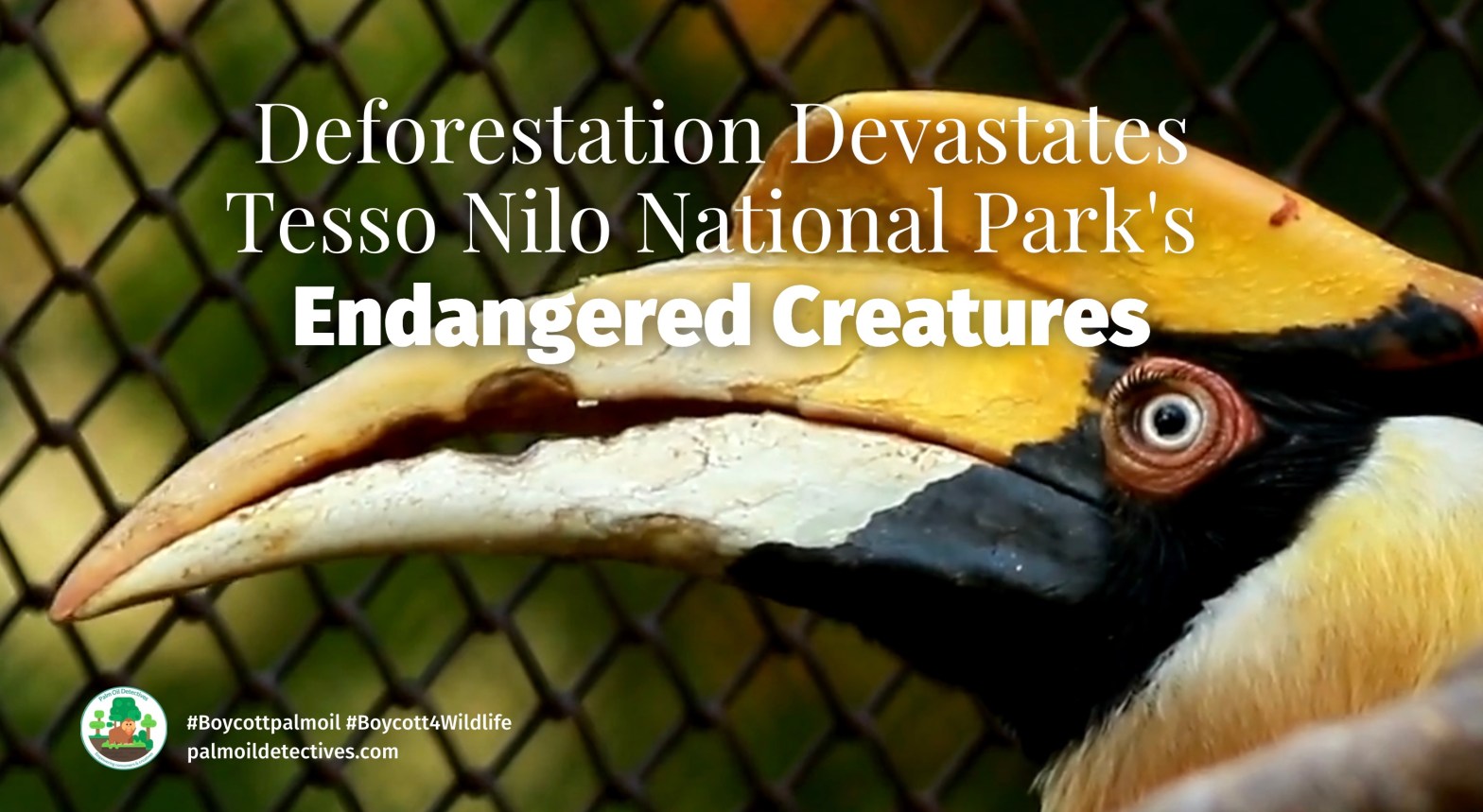
Act now to save Tesso Nilo Park. This vital Indonesian park has lost 78% of its primary forest, threatening the habitat of Sumatran tigers and elephants
Protecting India’s Tigers Saves One Million Tonnes of CO2
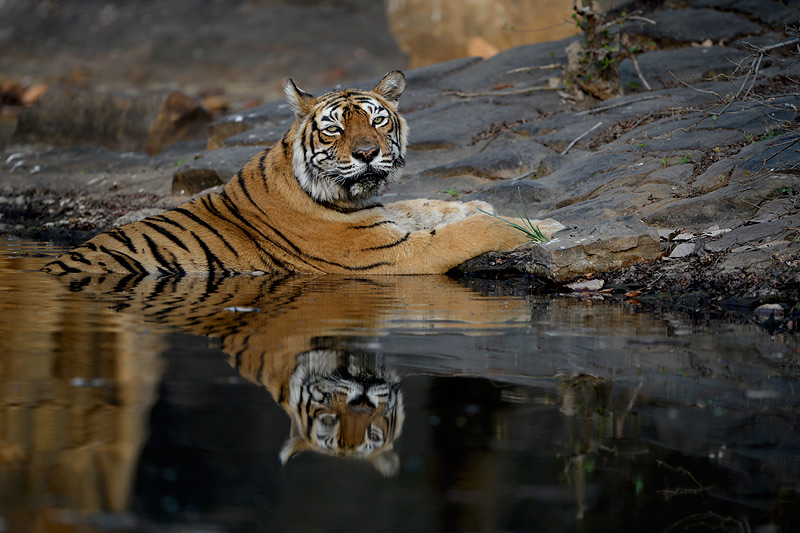
#India’s fifty year long Project #Tiger has been a successful conservation project. A new research study finds that protecting tigers and their rainforest home has additional benefits to #carbonemissions, saving 1 million tonnes of CO2 from being spewed into the atmosphere. Conserving tigers as an iconic and legendary species is deeply ingrained into the world’s collective imagination. #BoycottPalmOil #Boycott4Wildlife
Savage’s Glass Frog Centrolene savagei
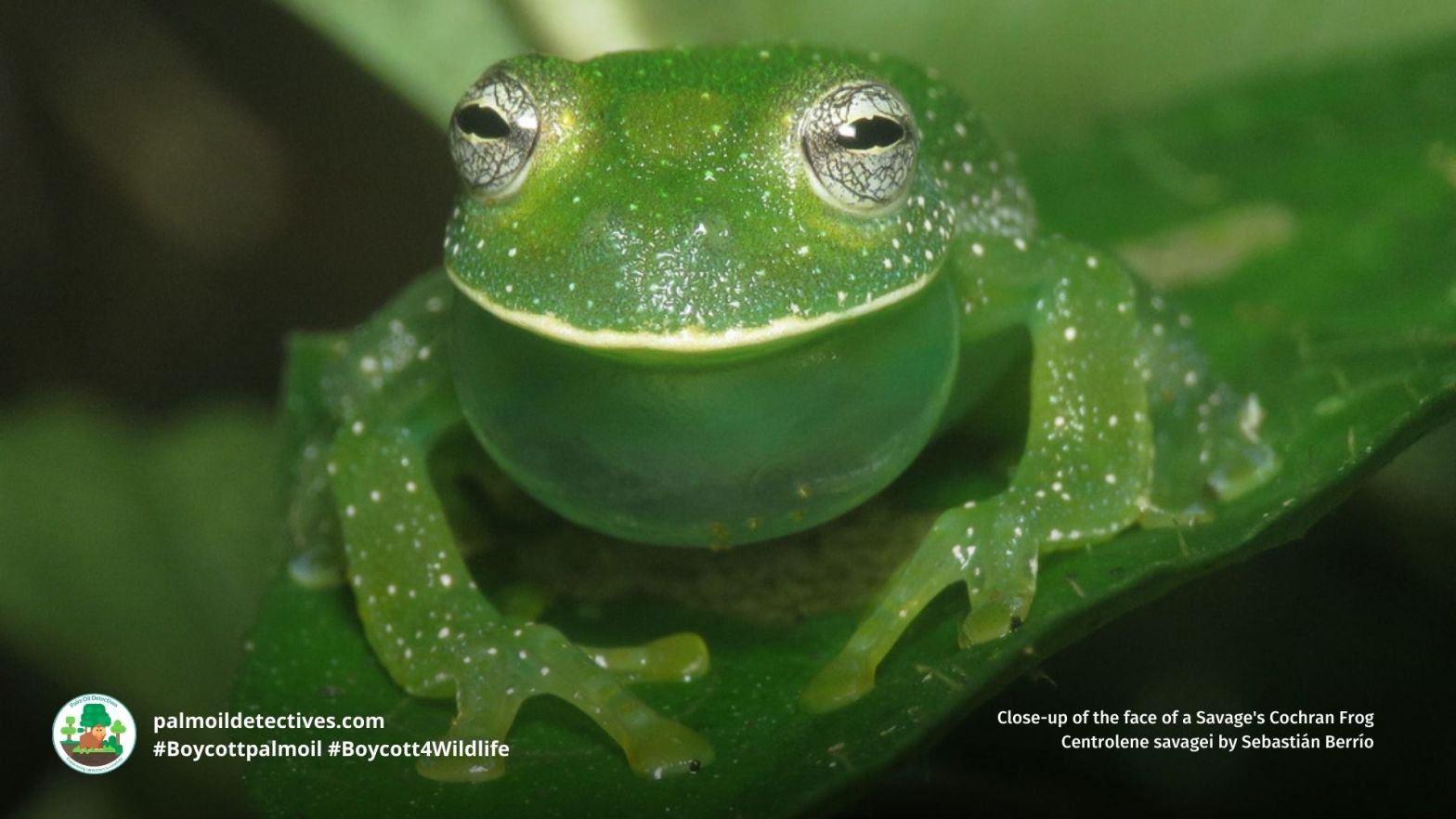
Perched on delicate leaves above rushing mountain streams, Centrolene savagei is a rare frog of wonder. The Savage’s Glass Frog, also known as the Savage’s Cochran Frog has translucent emerald skin that shimmers under moonlight, revealing a celestial map of organs and veins. These appear like a tiny universe of stars glowing beneath their skin. This remarkable adaptation serves as camouflage, allowing them to blend seamlessly into their misty rainforest habitat. Male frogs fiercely protect a clutch of around 30 eggs while females gather food. Tragically these magnificent #frogs face mounting threats from #deforestation for #palmoil #soy #meat along with #climatechange which is disrupting the delicate balance of their cloud forest home. Protecting the cloud forests of #Colombia is essential to ensuring their continued survival. #BoycottPalmOil #Boycott4Wildlife.
Pesquets Parrot Psittrichas fulgidus

The beguiling Pesquet’s #parrots are sometimes known as ‘Dracula parrots’ due to their unique appearance. This includes black facial features, black feathers and bright red patches that reminiscent of a Dracula-like cloak. This striking combination lends them a slightly eerie and dramatic look, making them truly a sight to behold.
They inhabit the lush #rainforests of #WestPapua and #PapuaNewGuinea and make gentle gliding flights. They have a specialised diet of figs and face significant threats from #deforestation and #hunting. These magnificent birds are classified as vulnerable, and their population is decreasing. You can make a difference by choosing products that protect their rainforest habitat. Make sure you #BoycottPalmOil and #Boycott4Wildlife in the supermarket!
 Palm Oil Detectives