
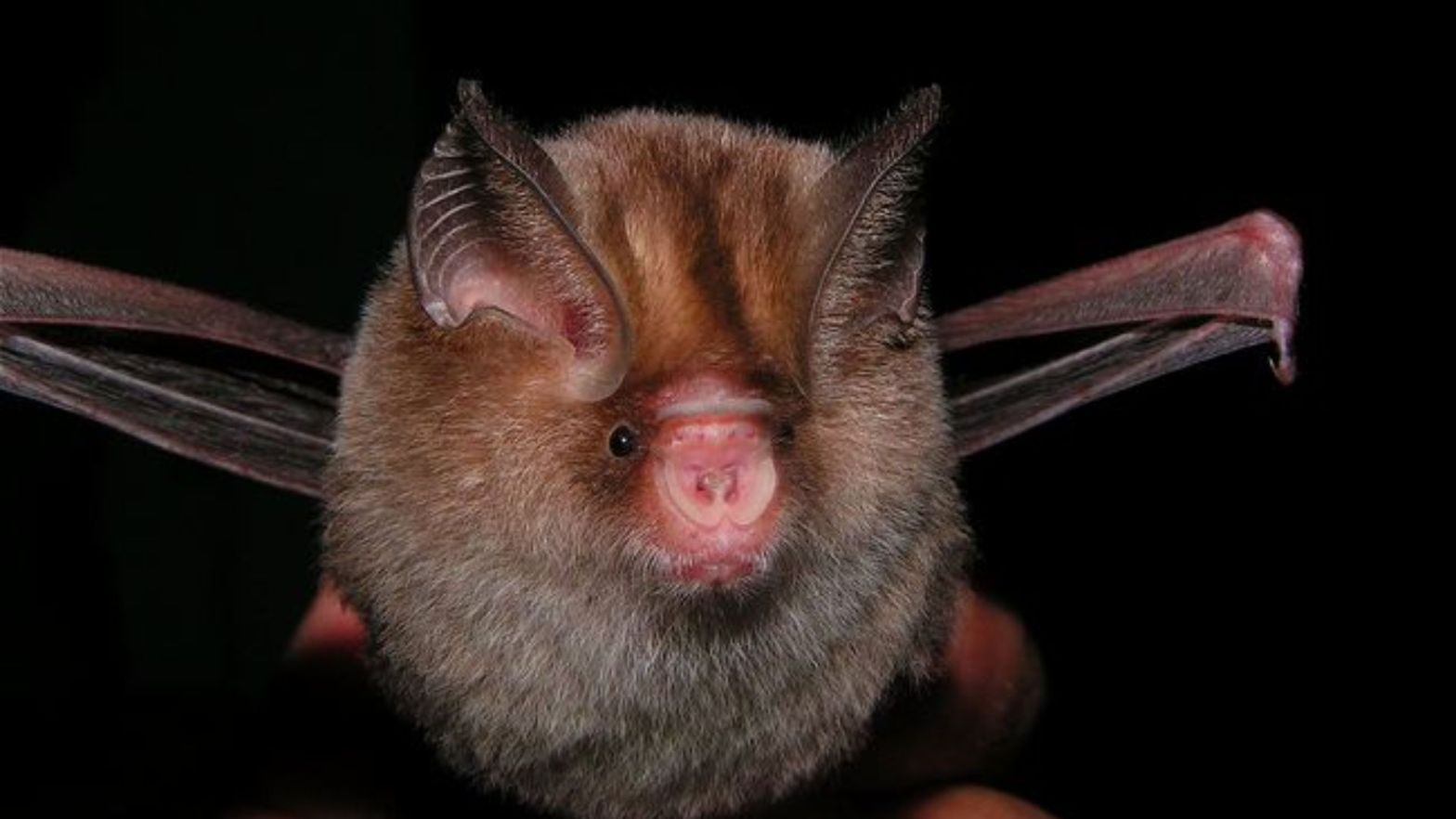
Vulnerable Thailand Leaf-nosed Bats live in limestone caves in Thailand and Malaysia. Threats include mining, palm oil and pesticide use. Take action now!
Tag Archives: vegan
Thomas’s Langur Presbytis thomasi
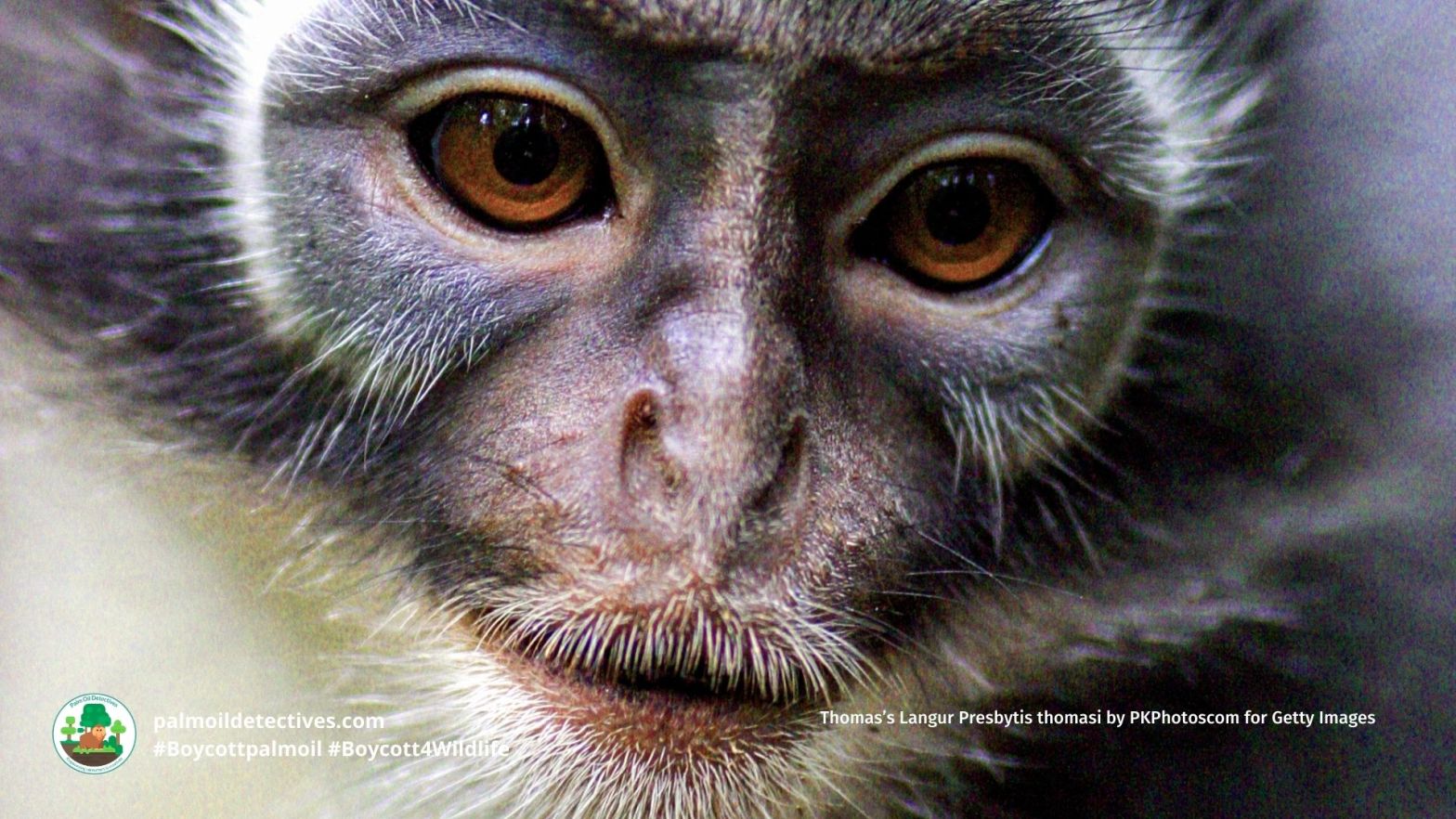
Thomas’s Langur, also known as the North Sumatran Leaf #Monkey is famous for their bold facial stripes giving them a handsome profile. These monkeys are endemic to the lush forests of northern Sumatra, Indonesia. Listed as Vulnerable by the Red List, this striking species is facing serious population declines due to habitat loss, primarily driven by illegal logging and oil palm deforestation. Though not as globally known as some of its neighbours, such as the Sumatran Orangutan, Thomas’s Langur plays an equally vital role in forest regeneration and seed dispersal. You can help protect them by using your consumer power: always choose palm oil-free products.#BoycottPalmOil #Boycott4Wildlife #Vegan
Sumatran Cochoa Cochoa beccarii
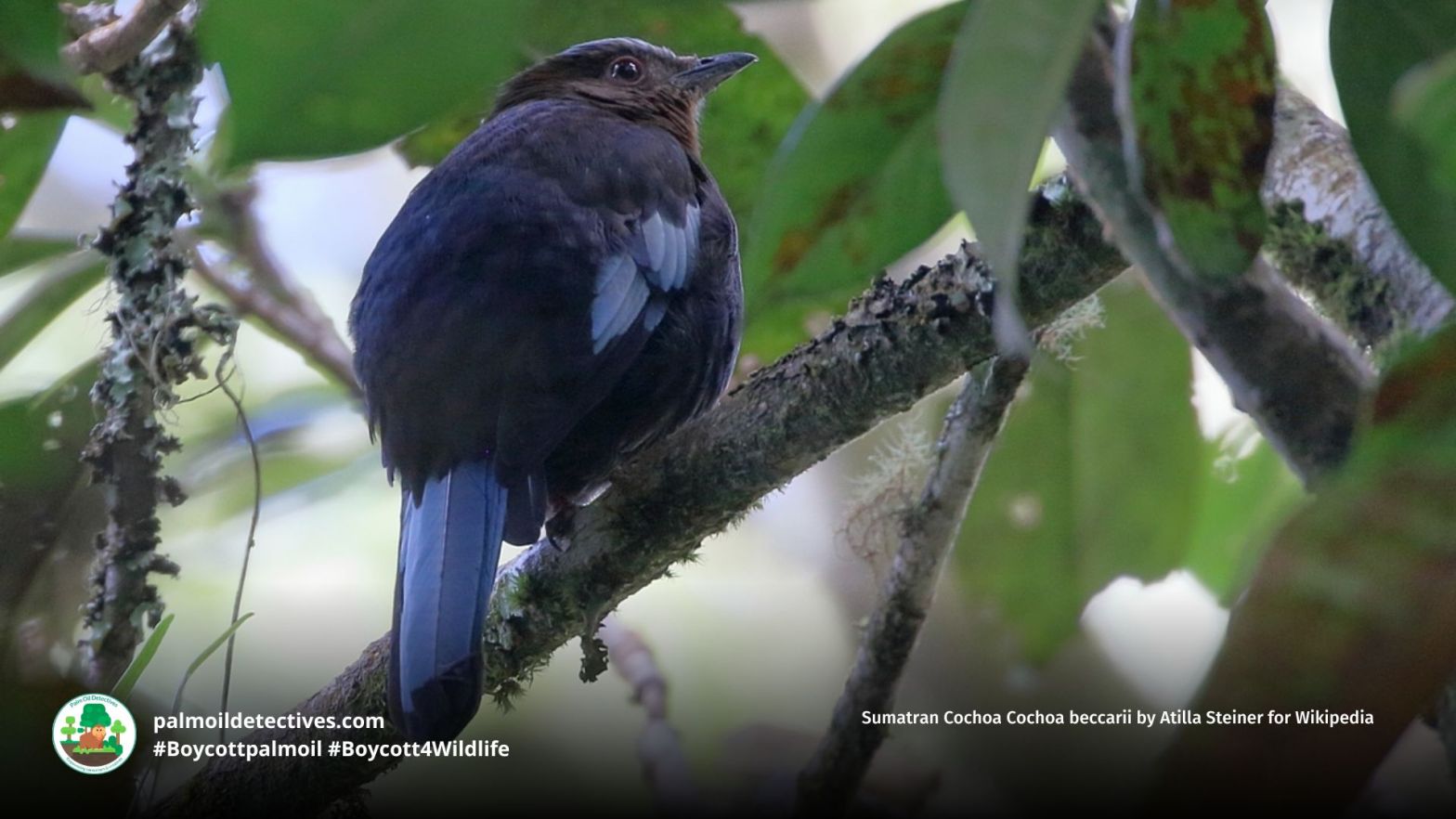
The Sumatran Cochoa Cochoa beccarii is a rare and secretive forest-dwelling #songbird found only in the highland rainforests of #Sumatra #Indonesia. With their shimmering electric blue and smoky black plumage and elusive behaviour, this species of songbird moves in a melodic symphony of song through the middle and upper canopy, often remaining hidden from view. Although currently listed as #Vulnerable, the species is experiencing a slow but steady decline caused by #deforestation and trapping for the illegal bird trade. As demand for exotic songbirds grows, especially online, the Sumatran Cochoa faces a very real risk of disappearing from the wild. Use your wallet as a weapon. Say no to palm oil and never support the illegal wildlife trafficking and illegal songbird trade. Campaign against wildlife trafficking and #BoycottPalmOil #Boycott4Wildlife #Vegan
Blue-backed Parrot Tanygnathus everetti

The Blue-backed #Parrot, also known as Müller’s Parrot or Burbridge’s Parrot, is a striking yet elusive #bird native to the #Philippines. Their shimmering blue and green plumage allows them to blend seamlessly into the forest canopy, making sightings of this rare species increasingly difficult. Despite once being common, the relentless destruction of their rainforest home and rampant #poaching for the #pettrade have pushed this parrot to the brink. They are now classified as #Endangered, they face ongoing population declines, with some local populations feared to be extinct. Without urgent conservation efforts, this vibrant parrot may vanish forever. Help them every time you shop and #BoycottPalmOil #Boycott4Wildlife
Tiger Panthera tigris
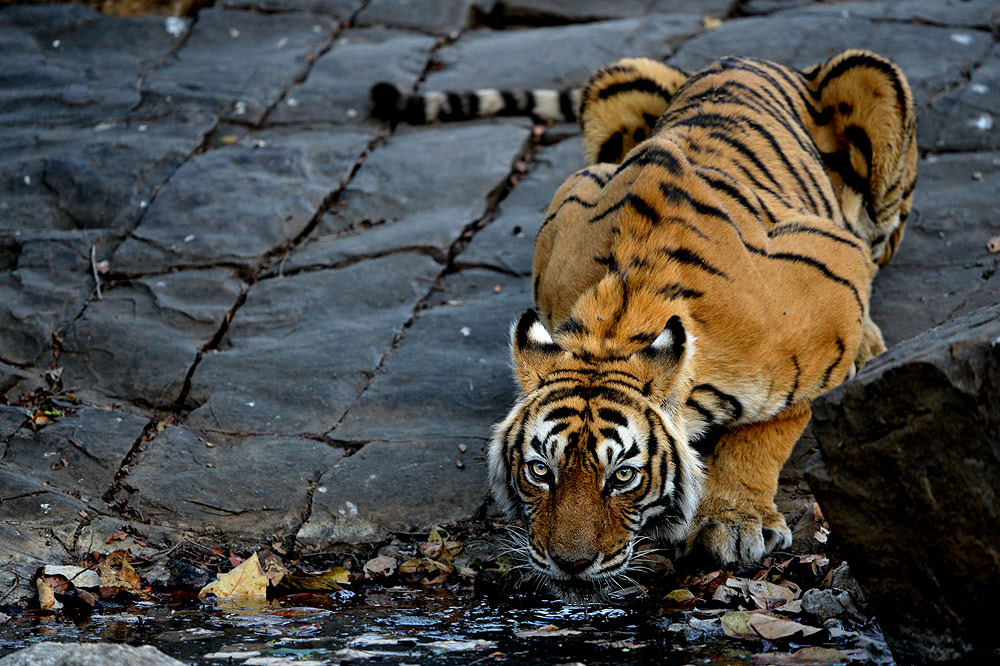
Fewer than 400 tigers remain in Sumatra due to deforestation for palm oil. Help save this endangered species. #Boycottpalmoil #Boycott4Wildlife
Sumatran Rhino Dicerorhinus sumatrensis

Sumatran rhinoceros are the hairiest of all rhinos, known as living fossils and related to the extinct woolly rhinoceros, only 80 are left! Boycott palm oil!
Sumatran Orangutan Pongo abelii

Iconic and super smart Sumatran Orangutans reproduce slowest of all mammals and are critically endangered by palm oil and mining. Boycott palm oil for them!
White-bellied Pangolin Phataginus tricuspis
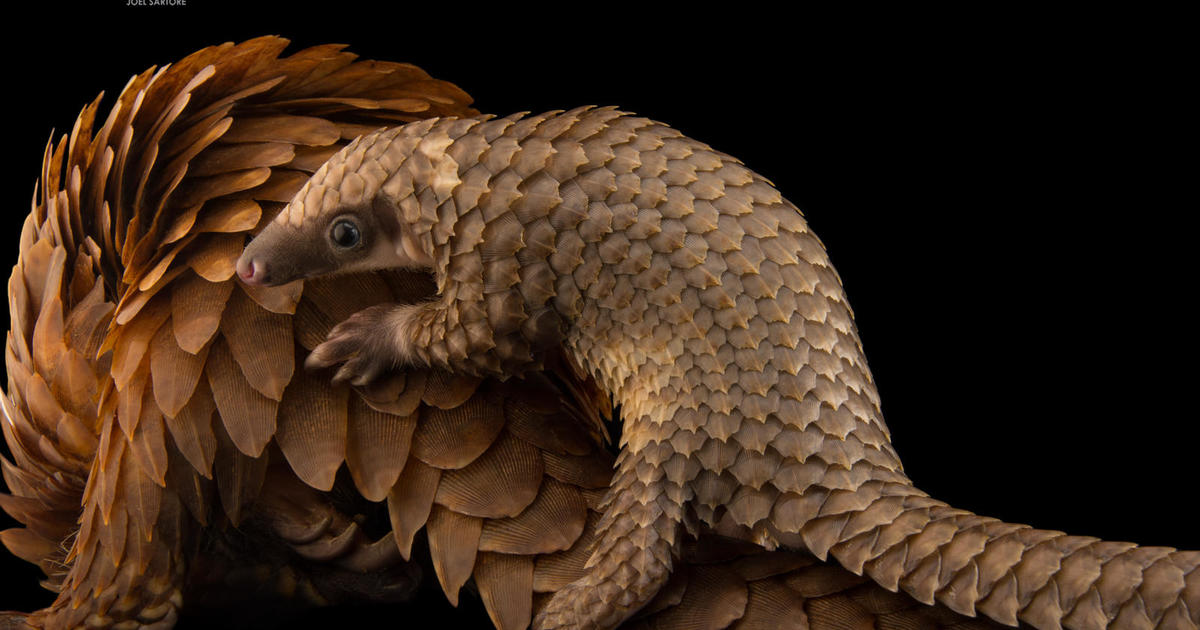
The White-bellied Pangolin also commonly known as the Tree Pangolin are fascinating creatures akin to giant pest controllers, estimated to consume around 70 million insects per year. #Pangolins don’t have teeth, rather they have scales lining their stomachs which aid them in the digestion of food that is swallowed whole. Baby pangolins often ride on their mother’s backs and and are known as pango pups. They are able to use their tails to support their body weight and can walk upright on their hind legs.
They are often captured and killed for the illegal #poaching trade in abandoned palm oil plantations in their native homelands in #WestAfrica. Now classified as #Endangered by the IUCN, White-bellied Pangolins face a terrifying future. The dual threats of industrial-scale trafficking and rampant #deforestation for agriculture—especially #palmoil plantations—are pushing them towards extinction Help them every time you shop and #Boycottpalmoil #Boycott4Wildlife
 Palm Oil Detectives