

Golden-headed Lion Tamarin Leontopithecus chrysomelas
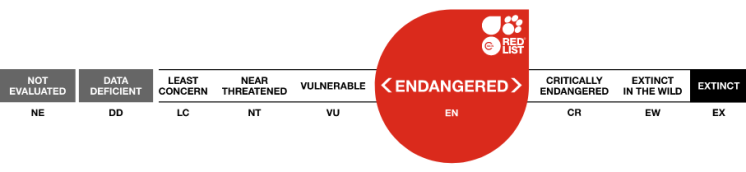
Endangered
Brazil
Red List Status: Endangered — Red List criteria confirm continued decline linked to the near-total destruction of Brazil’s Atlantic coastal forests.
Locations: Restricted to fragmented forest remnants in southern Bahia state, Brazil. Most populations persist in lowland mesophytic and semideciduous forest patches near Una Biological Reserve, Santa Cruz, Ilhéus, and Itabuna, occasionally in cabruca (shade-cacao agroforestry landscapes).
Appearance & Behaviour
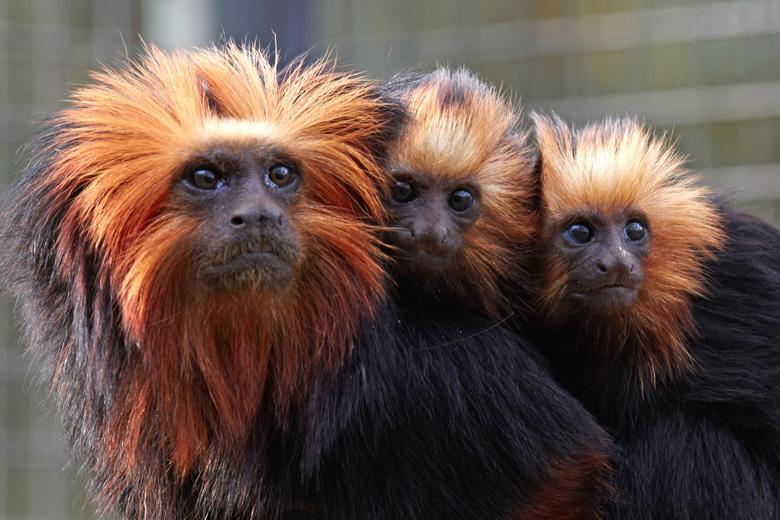
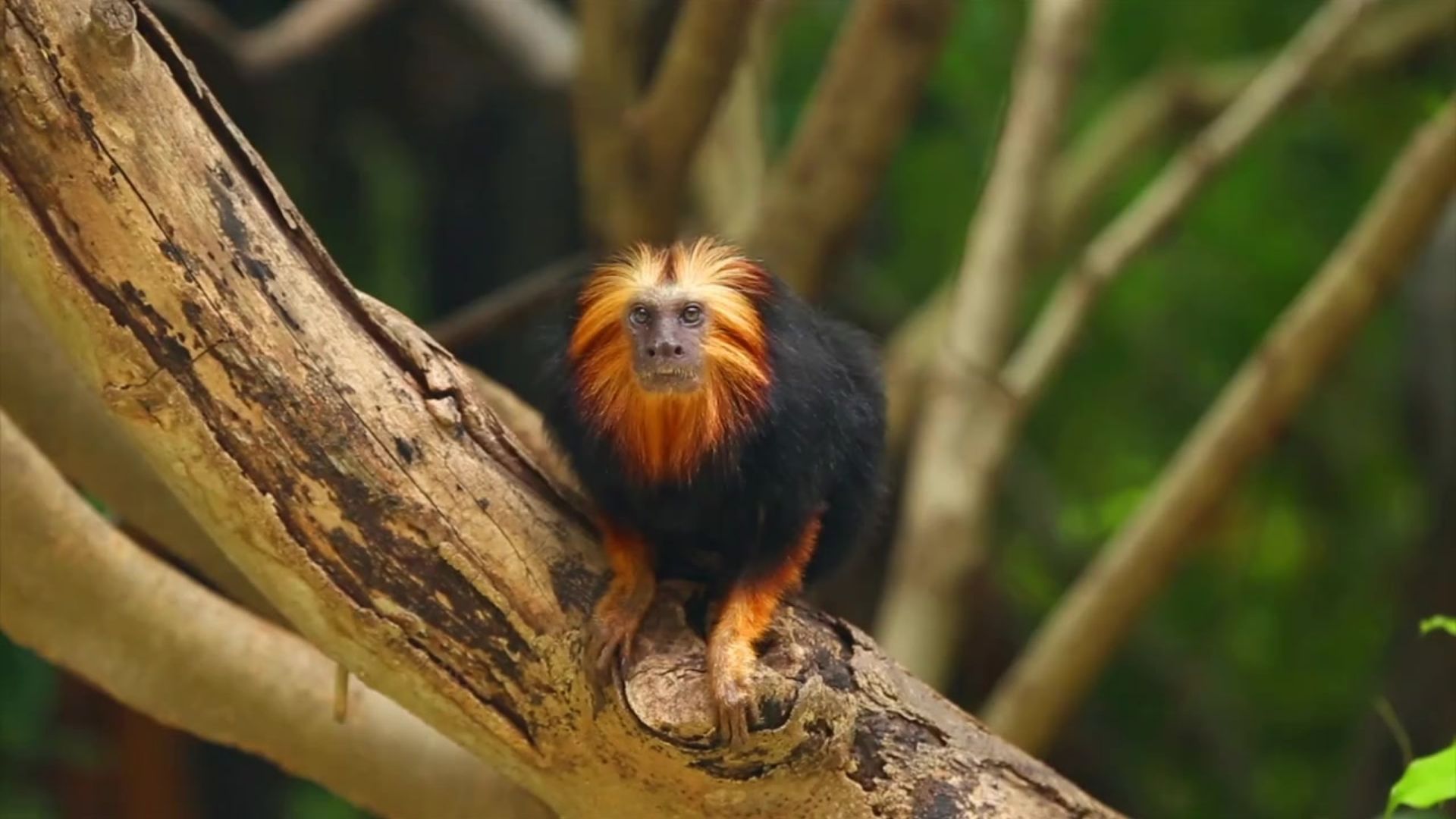
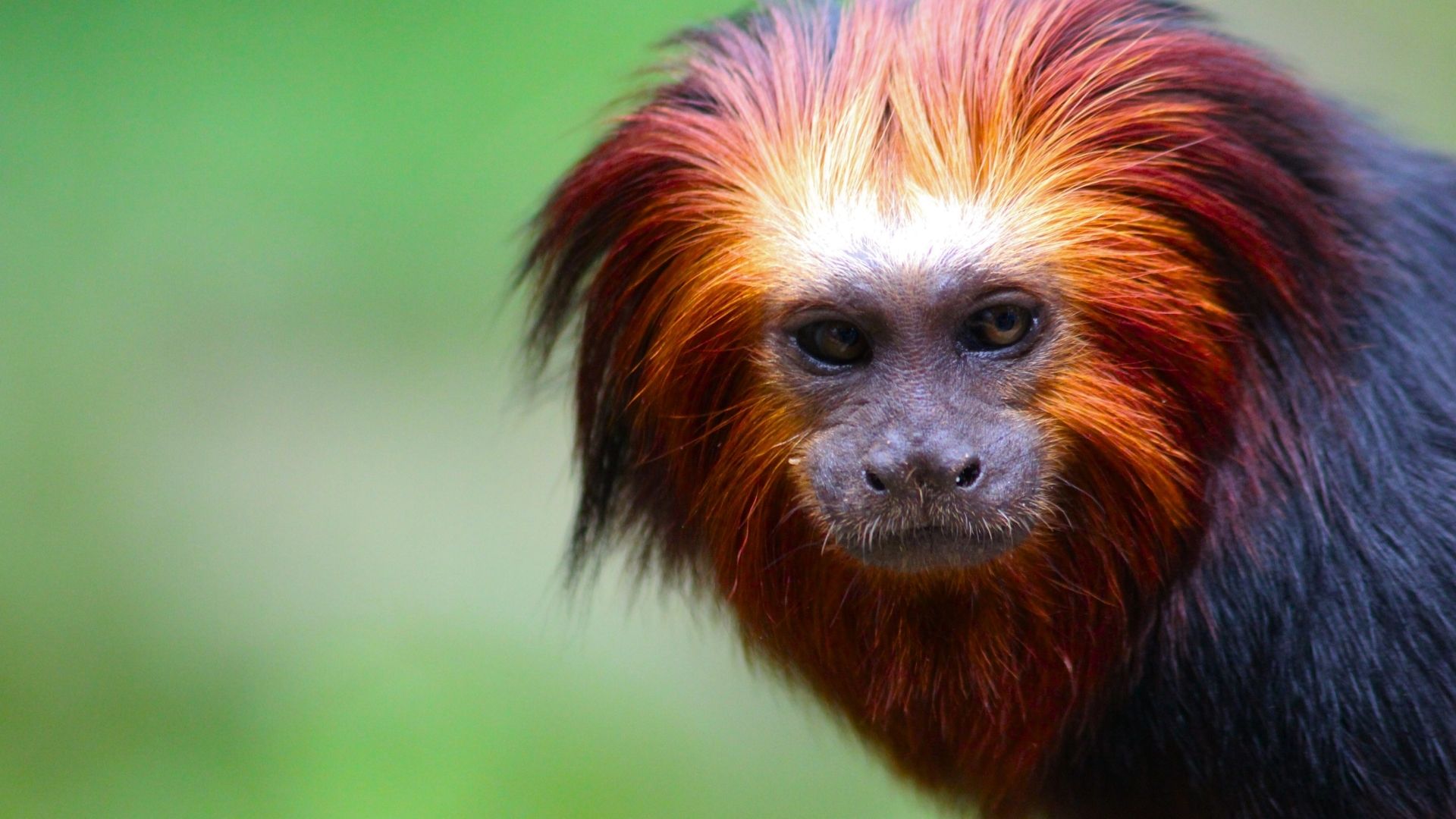
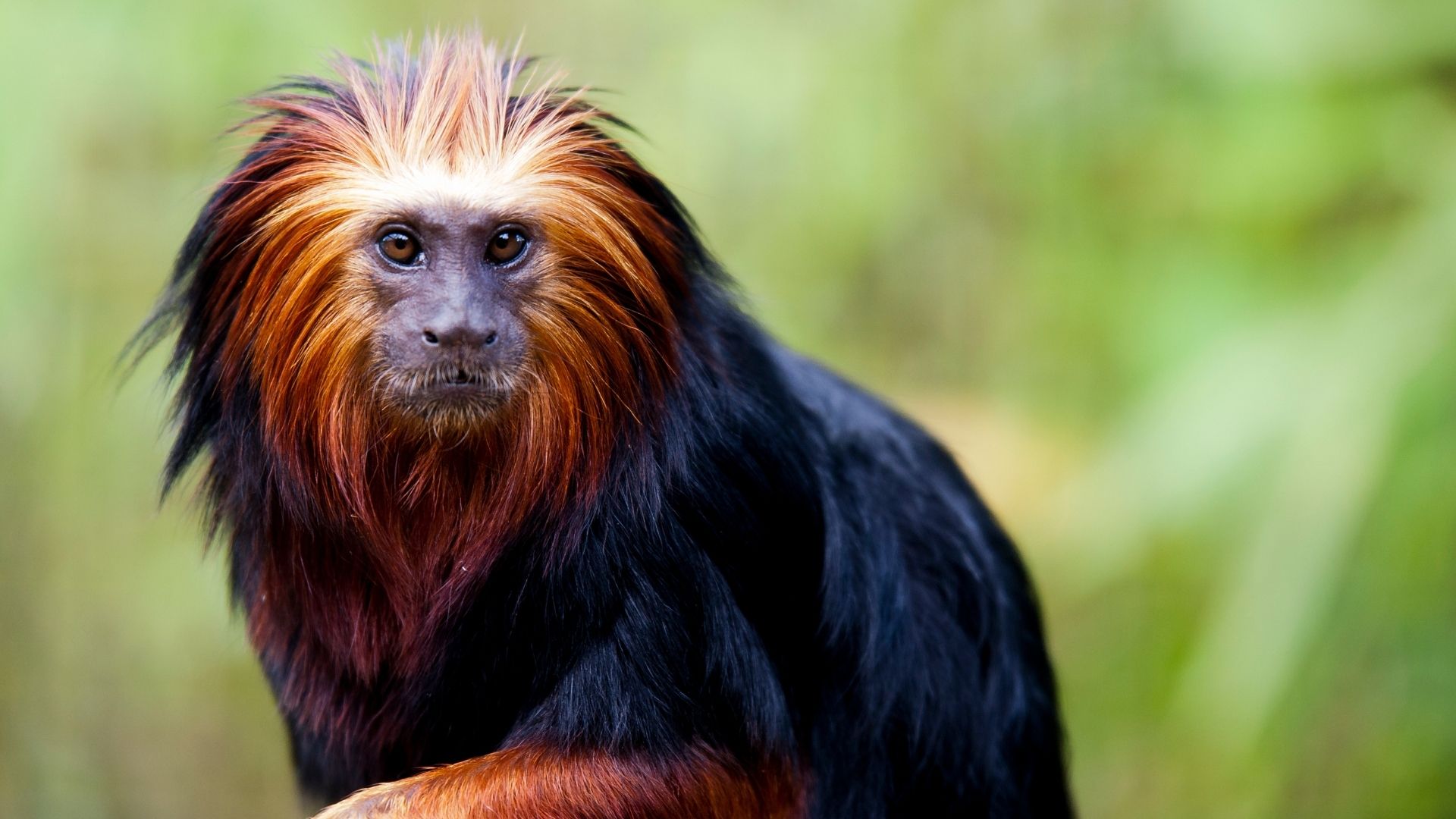
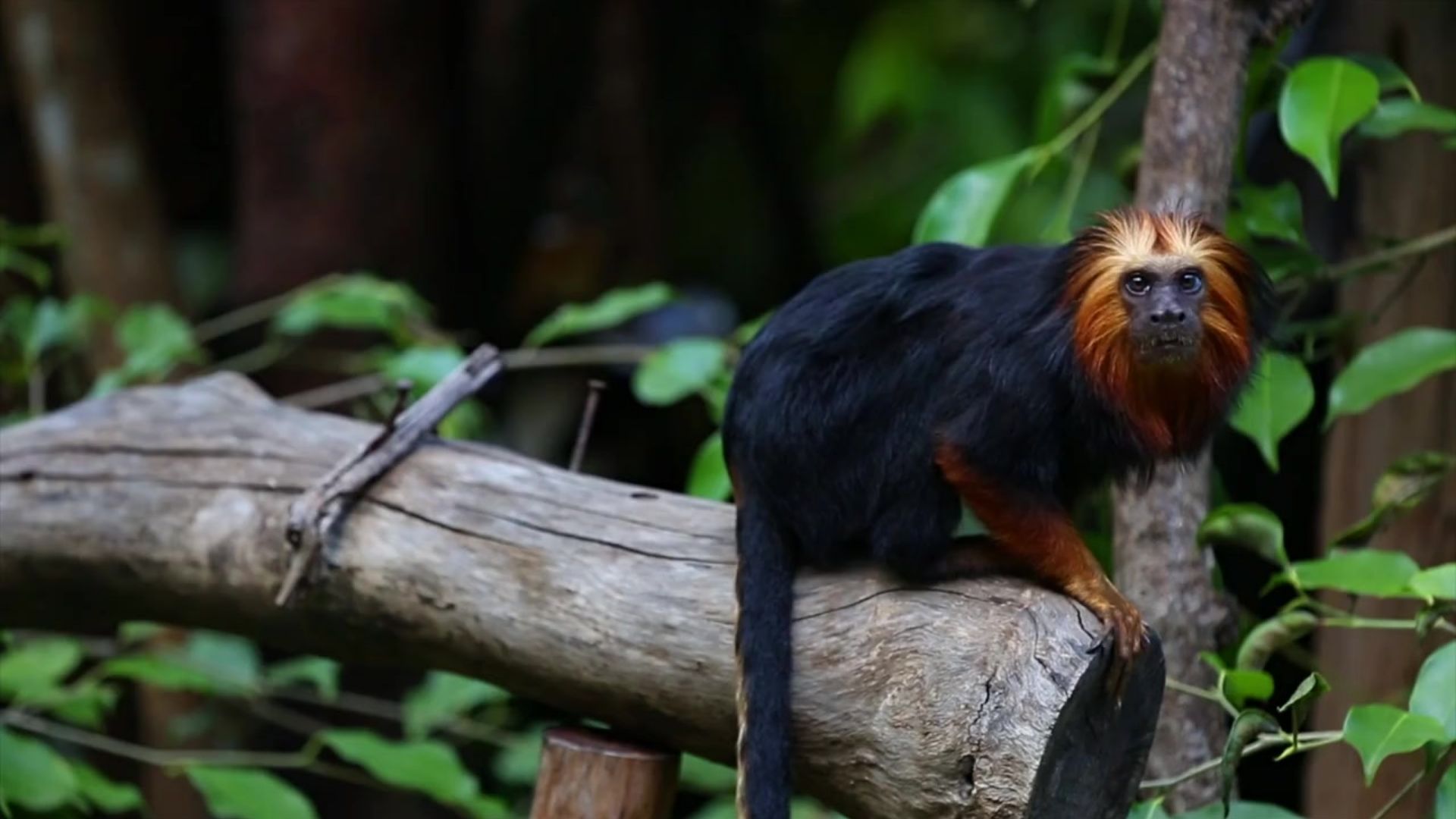
Golden-headed Lion Tamarins radiate brilliance in the form of fiery red manes giving them a leonine appearance. Once a common sight in Brazil’s endangered Atlantic Forest and Bahian lowlands, their world has shrunk enormously to become scattered forest islands besieged by palm oil, cocoa, and cattle. Resourceful, social, and fiercely territorial, these primates nurture group cohesion through communal care and complex calls. Support indigenous sovereignty and safeguarding of ecosystems — use your wallet as a weapon and #BoycottPalmOil #Boycott4Wildlife.
Known for their vivid fiery mane of gold and red, Golden Headed Lion #Tamarins are endangered in #Brazil due to #deforestation for gold #mining, #palmoil, soy and #meat. Help them survive #BoycottGold #Boycottpalmoil, be #vegan for them #Boycott4Wildlife https://wp.me/pcFhgU-17z
Known as fire-faced small #primates, Golden Headed Lion Tamarins are #endangered from forest #ecocide for #meat #cocoa and #palmoil! Help them every time you shop and #Boycottpalmoil #Boycott4Wildlife and remember – all gold is blood gold https://wp.me/pcFhgU-17z
Appearance and behaviour
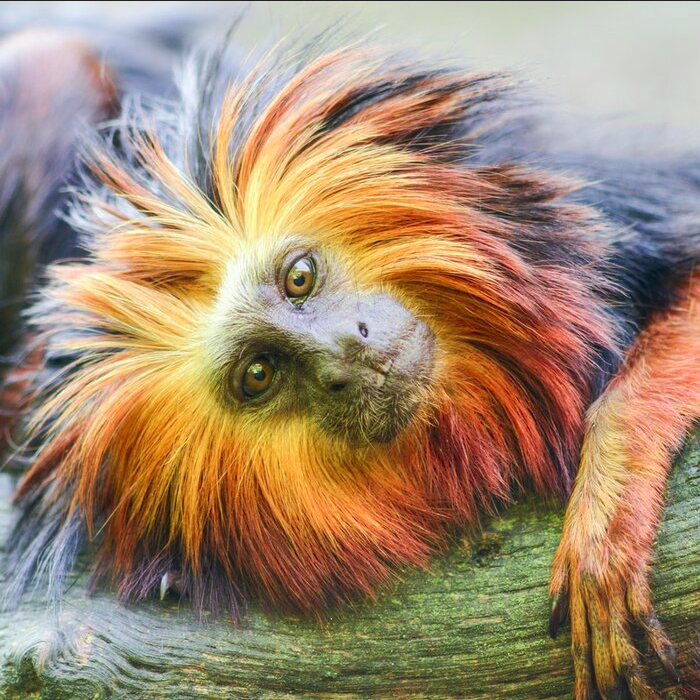
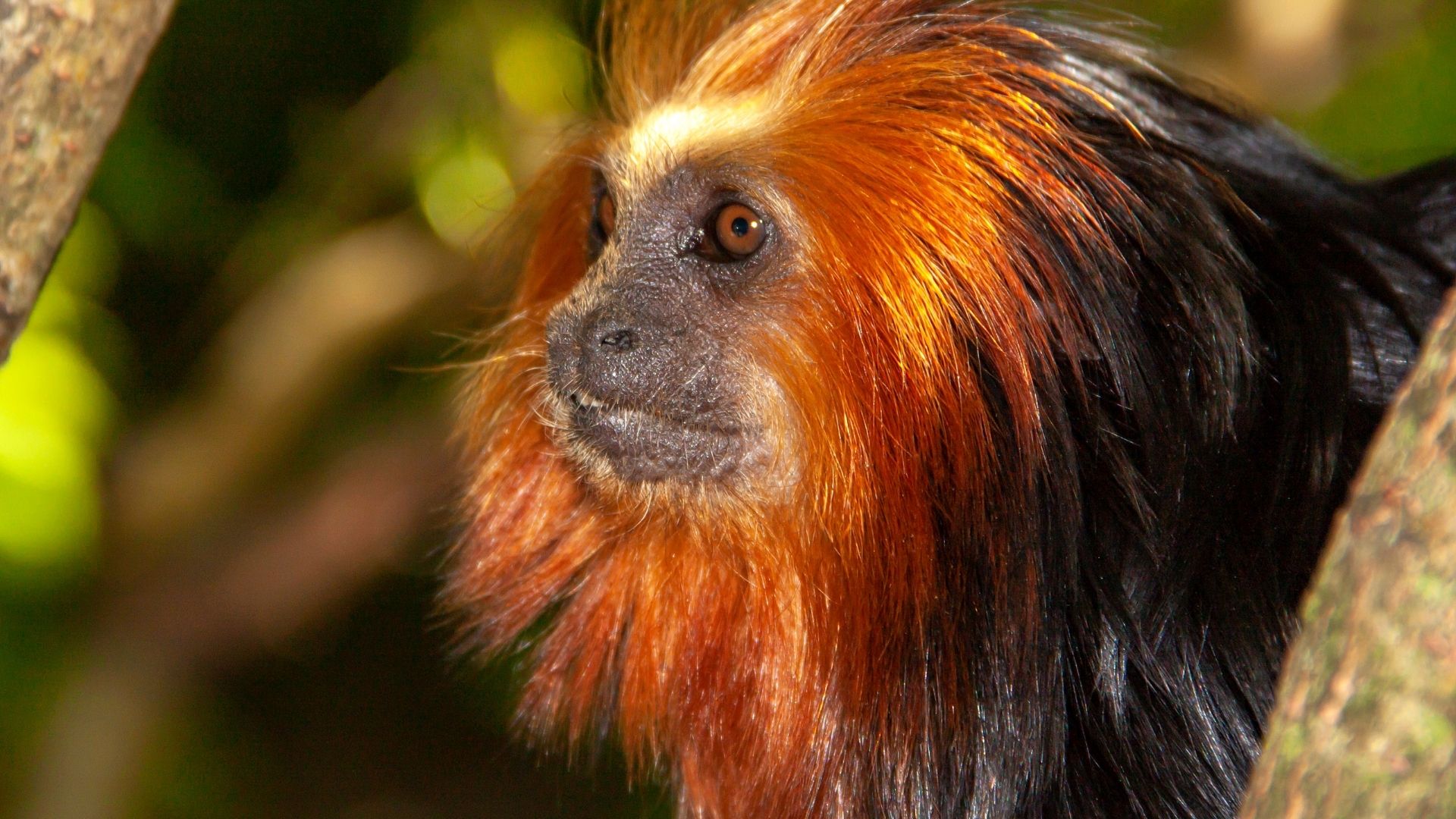
The Golden-Maned Lion Tamarin, a fascinating creature, is distinguished by their striking golden-orange mane, which encircles their faces and extends down their backs, reminiscent of a lion’s mane. This mane not only serves as a majestic feature but also plays a crucial role in social communication among these primates. Inhabiting the Atlantic coastal forests of Brazil, this species leads an arboreal lifestyle, navigating the tree canopies with grace and agility.
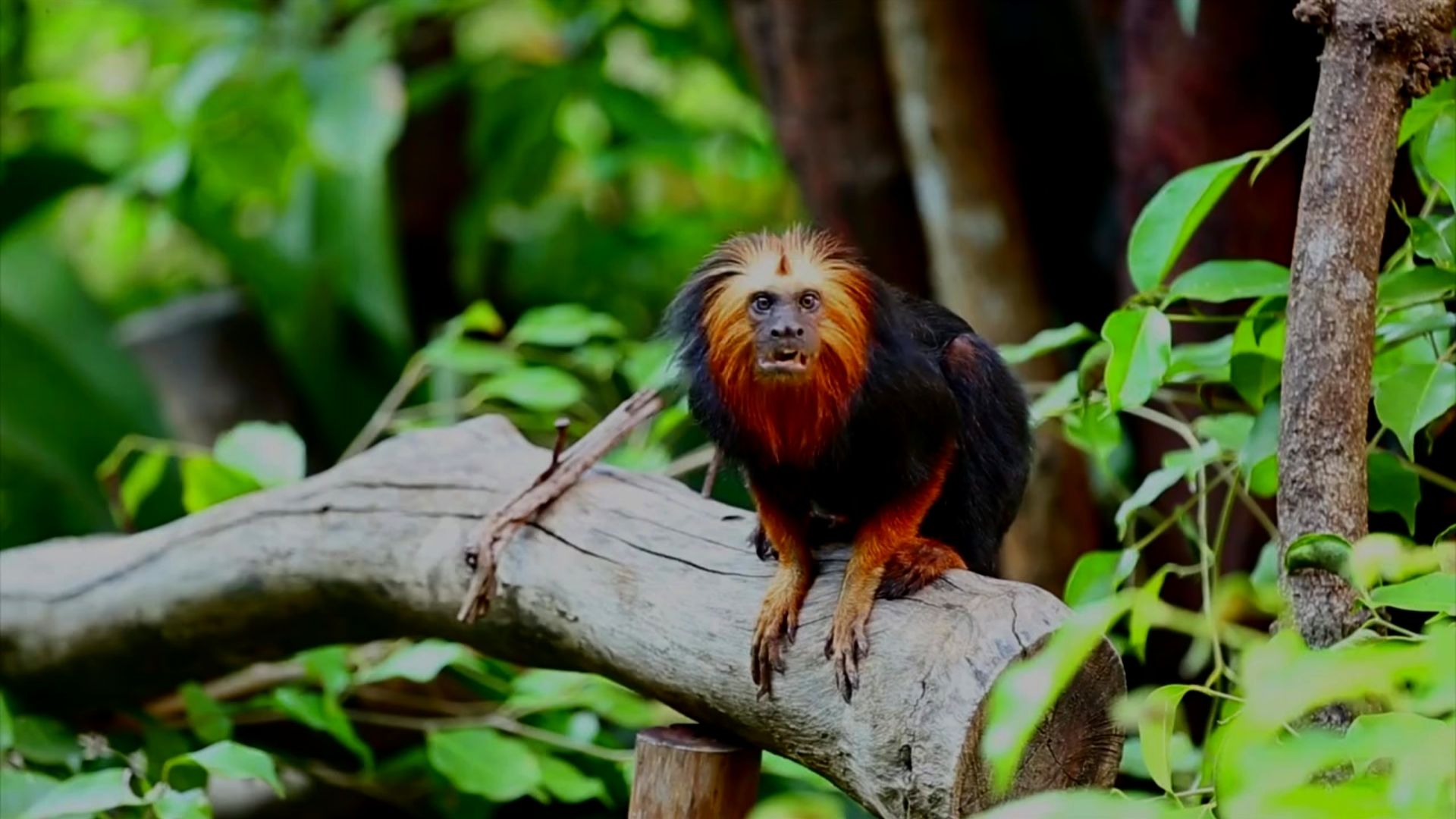
Their striking golden-orange manes framing solid black bodies, with both males and females measuring 26–30cm in body length, and tails of up to 35cm. Weighing 500–700g, they epitomise agility: leaping, dashing, and threading through high canopies with dextrous, clawed digits. Family groups range from 2–8, forging strong bonds through communal grooming, play, and food sharing. Their calls, including long-distance territorial whoops and soft foraging trills, maintain group unity and mark territory. Tree hollows and, occasionally, giant bromeliads serve as sleeping refuges — reused for several nights before abandonment, a strategy to avoid predators. Adaptable yet cautious, Golden-headed Lion Tamarins sometimes share upper canopy hunting grounds with Wied’s black-tufted-ear marmosets, undisturbed due to different microhabitat preferences.
They exhibit remarkable social habits, living in tightly-knit family groups that communicate through a rich repertoire of vocalisations, facial expressions, and body postures. Their diet is varied, including fruits, insects, and small invertebrates, demonstrating their adaptability in foraging within the dense foliage.
Golden-maned lion tamarins are active during the day and are known for their agile movements and dexterity, which are essential for their survival in the complex ecosystem of the tropical forest. Conservation efforts are crucial for this species, as habitat loss poses a significant threat to their survival, highlighting the need to protect the vibrant biodiversity of their environment.
Threats
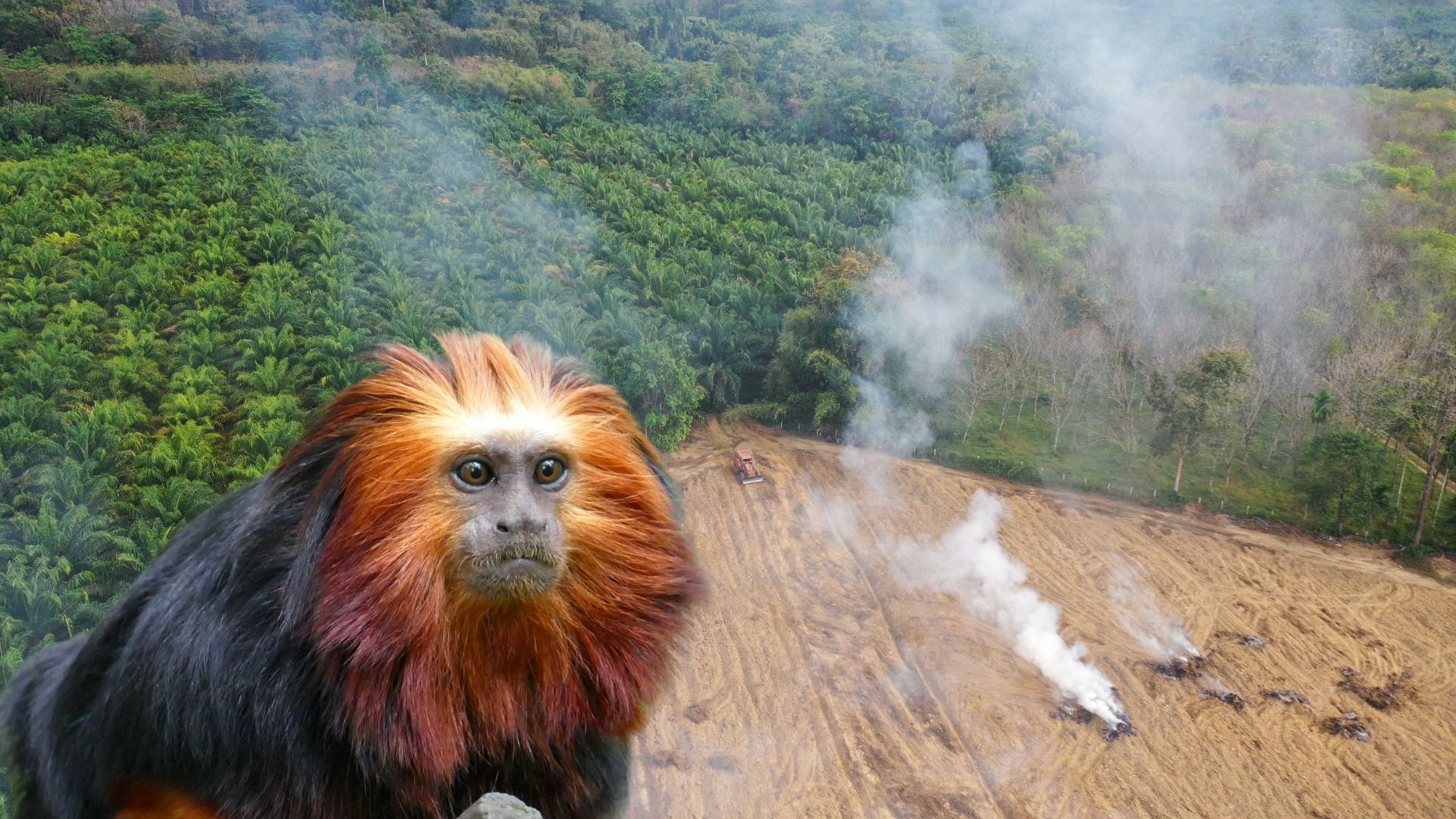
Palm oil, cocoa, and cattle deforestation
Golden-headed Lion Tamarins are confronted by catastrophic loss of primary forest, with over 92% of original habitat destroyed for palm oil, cocoa, and cattle expansion. Logging and burning of mature forest, especially for monoculture crops and pasture, fragments populations and reduces vital connections between habitat patches. Palm oil is particularly unsustainable, as conversion follows the collapse of the cocoa economy, leaving only degraded or regrown land for wildlife. Genetic isolation and decreased group sizes are now recognised in formerly robust zones.
The Illegal pet trade
These visually striking animals are often captured and sold illegally as exotic pets, which not only diminishes wild populations but also subjects individuals to stress, disease, and mortality during capture and transportation. Illegal capture disrupts group social structures, often leading to high mortality rates.
Population isolation
Small, isolated groups are especially vulnerable to predation, disease outbreaks, and environmental stress, amplified by irregular rainfall, temperature extremes, and human pressure.
Urban expansion
The primary threat to the Golden-Maned Lion Tamarin is the destruction of their natural habitat, primarily due to urban expansion, agricultural development, and especially the logging of forests for timber.
Palm oil deforestation
A significant and growing threat, palm oil plantations are leading to the deforestation of vast areas of the Atlantic coastal forests in Brazil. The expansion of palm oil cultivation results in the loss of critical habitat for the tamarins, reducing their living spaces and food sources.
Predation
While natural predation is a normal ecological pressure, habitat fragmentation makes tamarins more vulnerable to predators. Smaller, isolated patches of forest allow predators easier access to the tamarins’ territories.
Disease
Fragmented populations are more susceptible to the spread of diseases, which can have devastating effects on small, isolated groups of tamarins.
Climate Change
Alterations in climate change patterns can affect the availability of food resources and the quality of the tamarins’ habitat, potentially leading to further population declines.
Diet
Fruit forms the bulk of the Golden-headed Lion Tamarin’s diet; over 70% of foraging time is spent seeking and consuming ripe, soft fruits, mainly in the morning. Insects, spiders, snails, small lizards, and the occasional frog or bird egg supplement the diet, especially in the dry season or in more degraded forests. Long, dexterous fingers extract animal prey concealed in bromeliads, tree bark, and rotting wood. Unlike some callitrichines, tamarins consume tree gums and exudates only occasionally, relying instead on the stability of fruit and animal prey resources year-round in forest refuges. Bromeliads, as microhabitats, provide key sources of both fruit and invertebrate prey during seasonal scarcity.
Mating & Reproduction
Breeding synchronises with the wet season, between October and April, when food is most abundant. After a gestation period of approximately 4.2 months (125 days), females usually give birth to twins, occasionally triplets or singletons. Each infant receives intensive alloparental care — fathers and older siblings actively help carry and protect the young. Males increase vigilance and proximity during the female’s fertile phase, often displaying mounting behaviour and mate-guarding. In the wild, group flexibility and cooperation directly enhance infant survival and allow small groups to persist despite fragmentation.
Geographic Range
Golden Lion Tamarins occupy remnants of Atlantic lowland forest in southern Bahia, including core strongholds in Una Biological Reserve and several fragmented cabruca mosaics. Most groups inhabit elevations below 400m, where contiguous canopy persists. Only 8% of remaining habitat is officially protected, and occurrence is highest in the eastern edge of their range, where forests are larger and more connected. The species’ range has contracted by 42% over the past three decades; creation of ecological corridors through reforestation is urgently needed to prevent further genetic and demographic collapse.
FAQs
Are Golden Lion Tamarins extinct?
Golden Lion Tamarins are not extinct, but they remain at extreme risk of localised extinction in several regions. Recent field surveys confirm approximately 2,500 mature individuals in fragmented forest patches. Continued palm oil, cocoa, and cattle expansion could force entire populations to disappear.
What makes Golden-headed Lion Tamarins ecologically important?
As primary seed dispersers and insect predators, Golden-headed Lion Tamarins sustain forest regeneration and complexity. Their foraging shapes the composition of native tree species, influencing broader ecosystem health. Loss of these tamarins can reduce plant diversity, harm canopy structure, and threaten other dependent wildlife.
How do Golden-headed Lion Tamarins adapt to fragmented forests?
Exceptional ecological flexibility characterises this species. Tamarins use a mosaic of old-growth, regrowth, and agroforestry forest, adjusting diet and activity to locally available resources. Bromeliads and cabruca landscapes offer crucial foraging and movement corridors. However, without sufficient canopy connections and forest core, genetic isolation remains a persistent risk.
What are the main threats to Golden-headed Lion Tamarins’ survival?
The greatest threats are rapid expansion of palm oil, cocoa, and cattle deforestation, the illegal pet trade, population isolation, and genetic erosion. Fragmentation exposes small groups to greater predation and disease, imperilling long-term survival.
Take Action!
Use your wallet as a weapon and #BoycottPalmOil #Boycott4Wildlife. Demand transparency and support indigenous-led agroecology, reforestation, and land rights movements. Protect and restore the Atlantic Forest for future generations of tamarins, other animals, plants and people.
Support the conservation of this species
Merazonia wildlife rescue and sanctuary rehabilitate tamarins and marmosets some of the most trafficked animals in the world. Donate to them here
Further Information
Aliaga-Samanez, G.G., Lima, D.P., de Carvalho, F.S., & Bueno, J.C.C. (2023). Genetic diversity in ex situ populations of the endangered Leontopithecus chrysomelas and implications for its conservation. American Journal of Primatology, 85(9), e23670. https://doi.org/10.1002/ajp.23670
Guidorizzi, C.E. (n.d.). Ecology and Behaviour of Golden-Headed Lion Tamarin (Leontopithecus chrysomelas) in a Mesophytic Forest in Southern Bahia, Brazil. Final Report. https://media.rufford.org/media/project_reports/128.07.04%20Detailed%20Final%20Report.pdf
Kierulff, M.C.M., Mendes, S.L., Rylands, A.B. & de Oliveira, M.M. 2020. Leontopithecus chrysomelas. The IUCN Red List of Threatened Species 2020: e.T40643A17935020. https://dx.doi.org/10.2305/IUCN.UK.2020-2.RLTS.T40643A17935020.en. Downloaded on 05 March 2021.
Raboy, B. E., & Dietz, J. M. (2004). Diet, foraging, and use of space in wild golden-headed lion tamarins. American Journal of Primatology, 63(1), 1–15. https://doi.org/10.1002/ajp.20032
Teixeira, J.V.S., Bonfim, F.C.G., Vancine, M.H., Ribeiro, M.C., & Oliveira, L.C. (2023). Effect of landscape attributes on the occurrence of the endangered golden-headed lion tamarin in southern Bahia, Brazil. American Journal of Primatology, 86(1), e23588. https://doi.org/10.1002/ajp.23588

How can I help the #Boycott4Wildlife?
Take Action in Five Ways
1. Join the #Boycott4Wildlife on social media and subscribe to stay in the loop: Share posts from this website to your own network on Twitter, Mastadon, Instagram, Facebook and Youtube using the hashtags #Boycottpalmoil #Boycott4Wildlife.
2. Contribute stories: Academics, conservationists, scientists, indigenous rights advocates and animal rights advocates working to expose the corruption of the palm oil industry or to save animals can contribute stories to the website.



3. Supermarket sleuthing: Next time you’re in the supermarket, take photos of products containing palm oil. Share these to social media along with the hashtags to call out the greenwashing and ecocide of the brands who use palm oil. You can also take photos of palm oil free products and congratulate brands when they go palm oil free.
4. Take to the streets: Get in touch with Palm Oil Detectives to find out more.
5. Donate: Make a one-off or monthly donation to Palm Oil Detectives as a way of saying thank you and to help pay for ongoing running costs of the website and social media campaigns. Donate here
Discover more from Palm Oil Detectives
Subscribe to get the latest posts sent to your email.
 Palm Oil Detectives
Thank you for sharing this really appreciate your help to get the word out about the #Boycott4Wildlife
LikeLiked by 1 person