
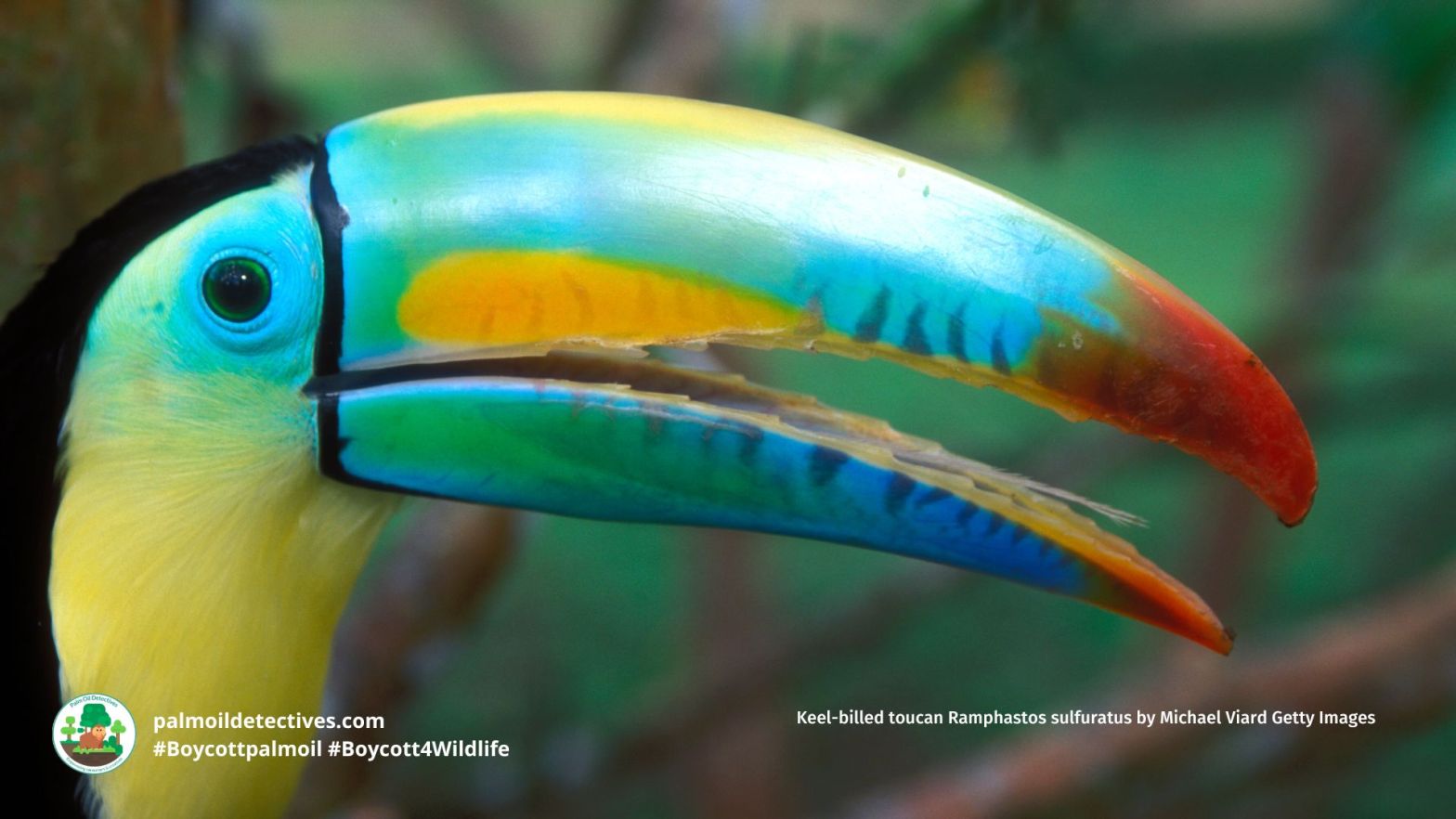
Keel-billed Toucans have dazzling rainbow-coloured bills and are iconic to South America. Threats include hunting, palm oil and meat deforestation. Take action!
Tag Archives: BoycottPalmOil
Oil palm in Latin America: monoculture and violence
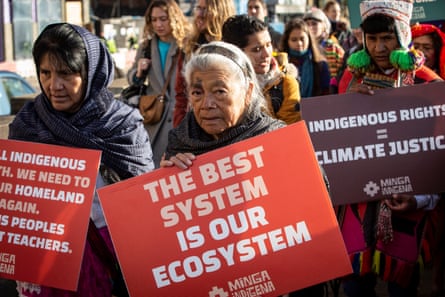
The rapid expansion of oil palm plantations across #SouthAmerica is causing significant environmental, economic and social problems. This growth is leading to #deforestation, #landgrabbing displacement of #indigenous and farming communities, and increased militarised and police #violence, particularly affecting Indigenous and Afro-descendant populations. Despite the global demand for #palmoil, the consequences of its production on peasant communities in South and Central America are raising serious questions about its viability and #humanrights rigour.
Asian Small-clawed Otter Aonyx cinereus
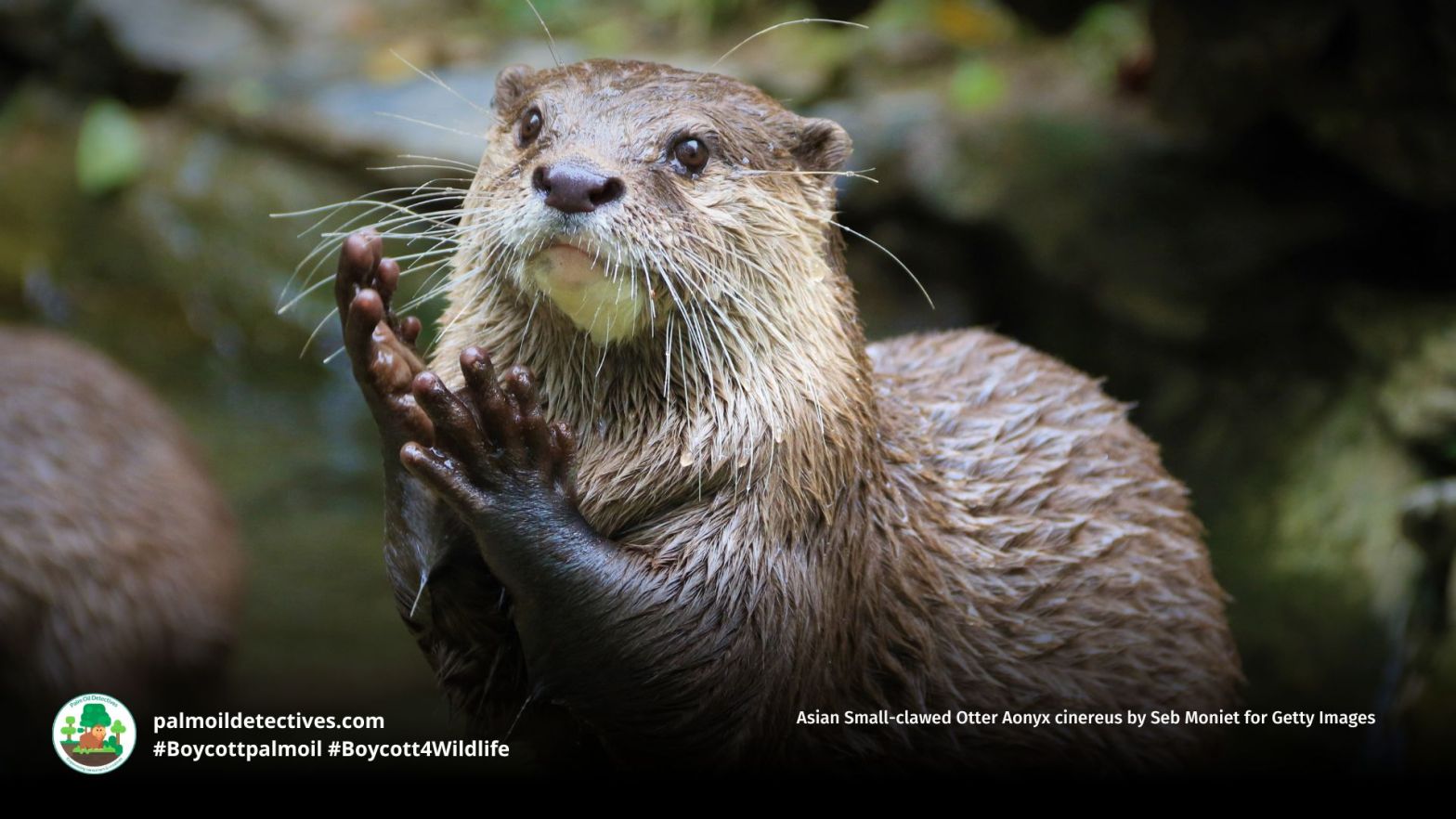
Asian Small-clawed Otters are the world’s smallest otter species and are Vulnerable from palm oil tea and coffee deforestation. Protect them, boycott palm oil!
Tapanuli Orangutan Faces Extinction From Forest Protection Rollback
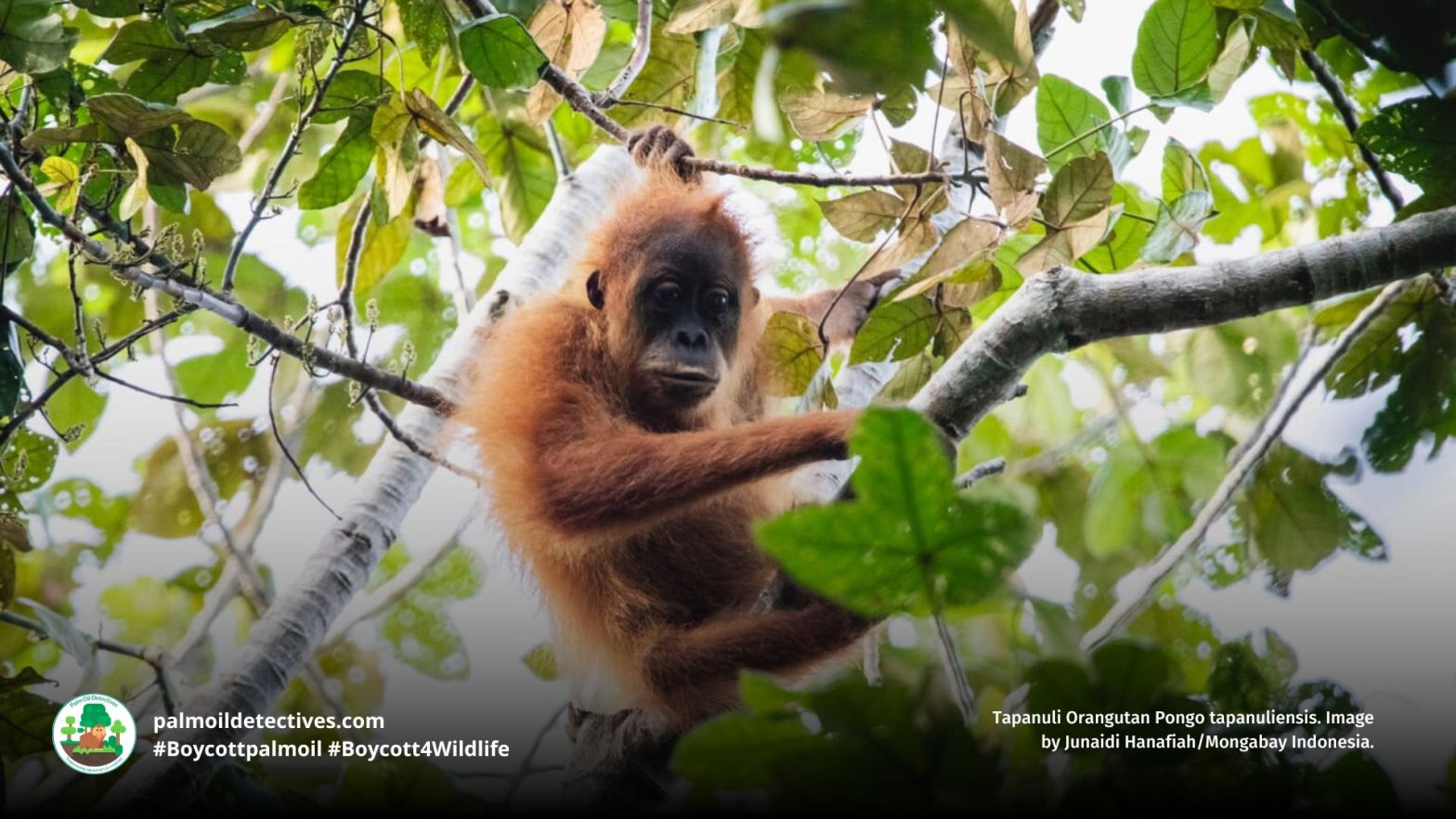
Save the Tapanuli orangutan! The rarest ape in the world faces extinction after floods, cyclones and now rezoning of their habitat in Sumatra #BoycottPalmOil!
Marsupials thought extinct for 6,000 years found in West Papua
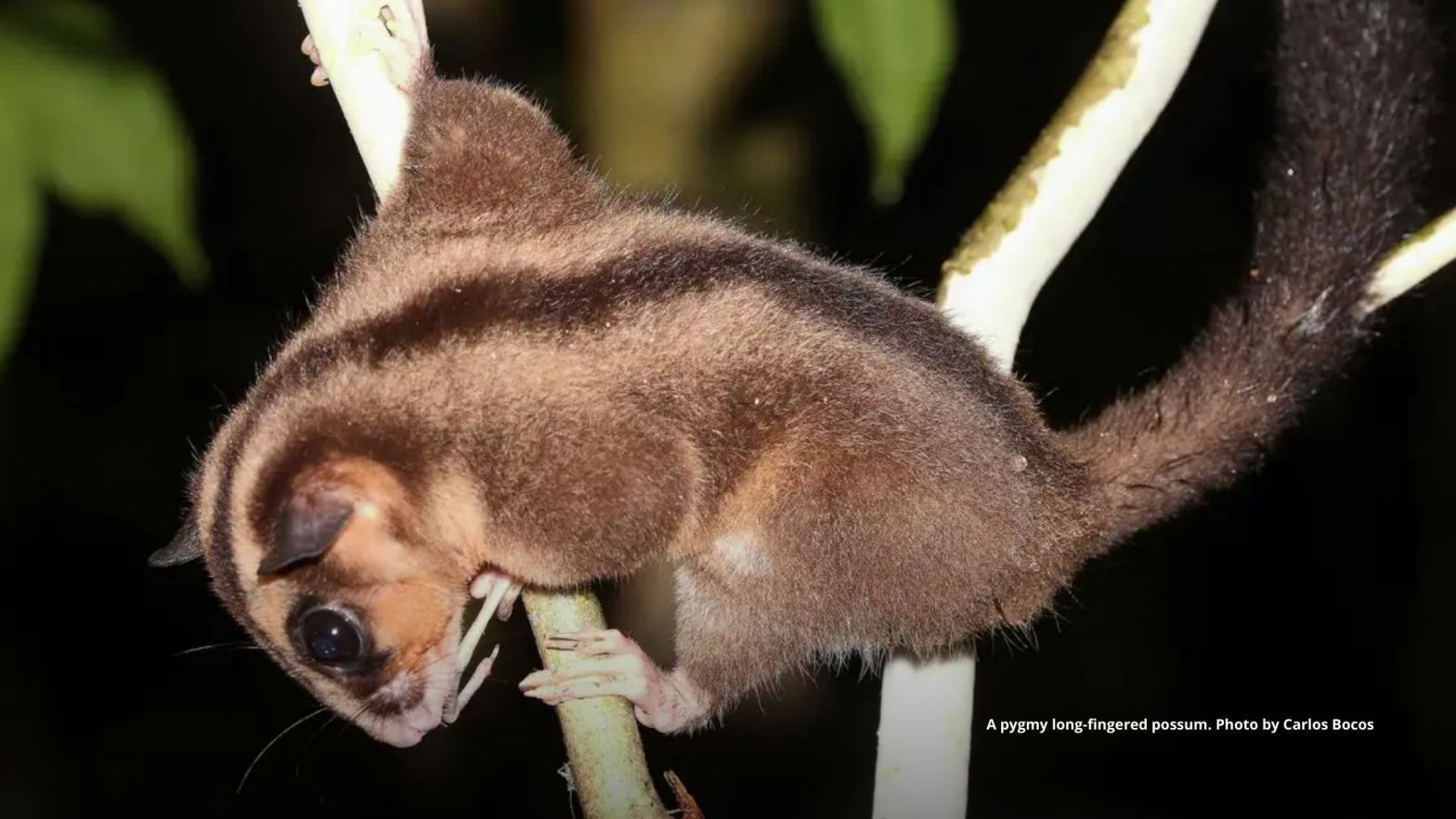
Two stunning marsupials thought extinct for 6000 years rediscovered in West Papua. Calls for rainforest protection even more urgent!
Do you love animals? Make every day #WorldWildlifeDay

This #WorldWildlifeDay take action for animals great and small! Reptiles insects, mammals and birds deserve better than palm oil ecocide and extinction. Make sure you Boycott palm oil
So-called ‘Net Zero’ Flights Flush Rainforest Carbon Into the Sky

Virgin Atlantic airlines now uses ‘sustainable aviation fuel’ however experts call it greenwashing and industry spin causing climate change. Boycott palm oil!
Gursky’s Spectral Tarsier Tarsius spectrumgurskyae
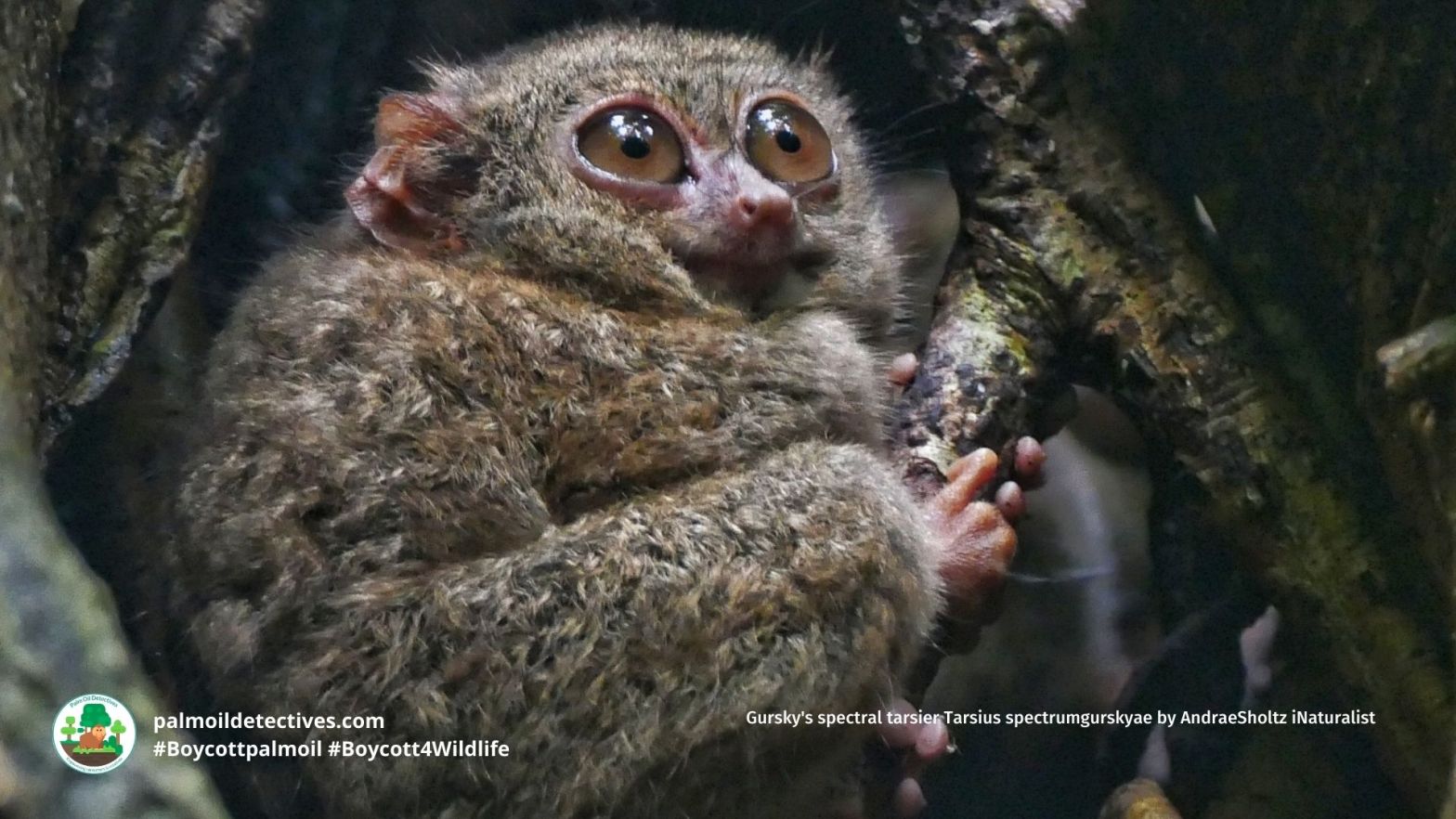
Gursky’s spectral tarsiers AKA Wusing of North Sulawesi are vulnerable due to palm oil and timber deforestation. Take action for them and boycott palm oil!
Forest Protection Equals Climate Protection

Forests offer climate protection and safeguard indigenous peoples, endangered animals and rare plants. Deforestation is a major threat. Boycott palm oil!
Beautiful and Doomed: Saving Bangladesh’s Langurs From Extinction
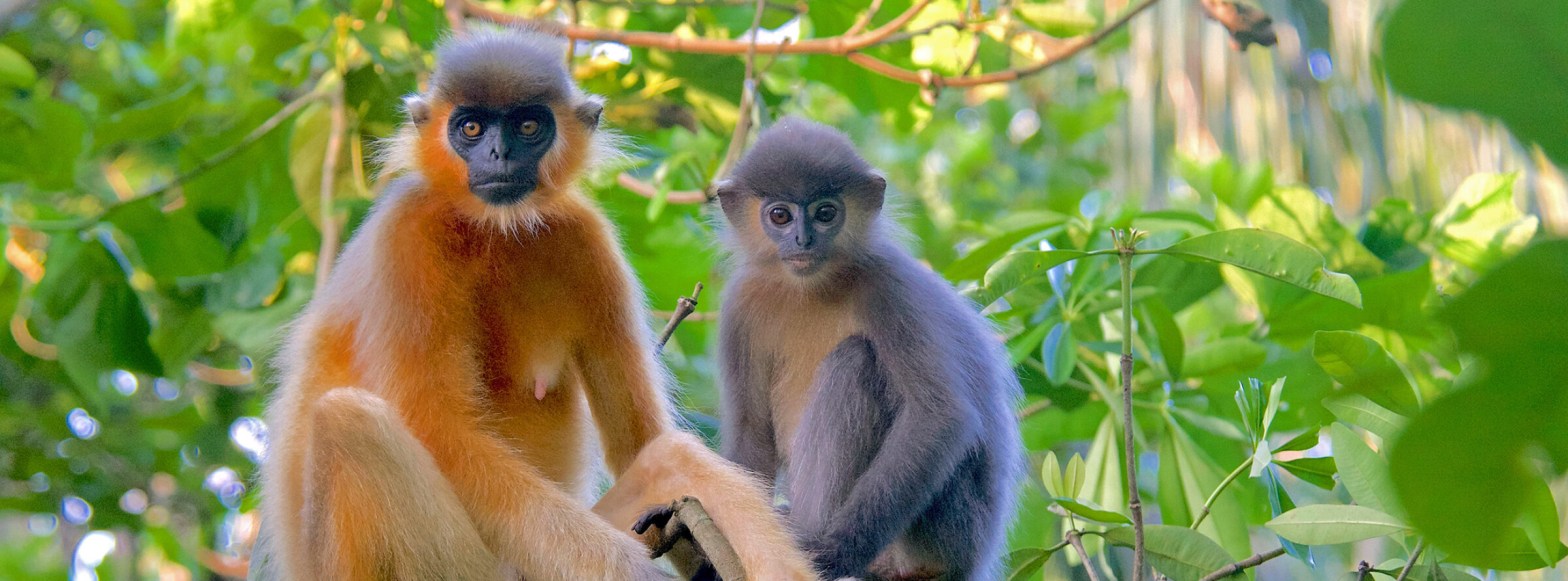
Critically endangered Phayre’s langurs and endangered capped langurs of Bangladesh, are interbreeding raising concerns about their survival, take action!
Sunda Flying Lemur Galeopterus variegatus
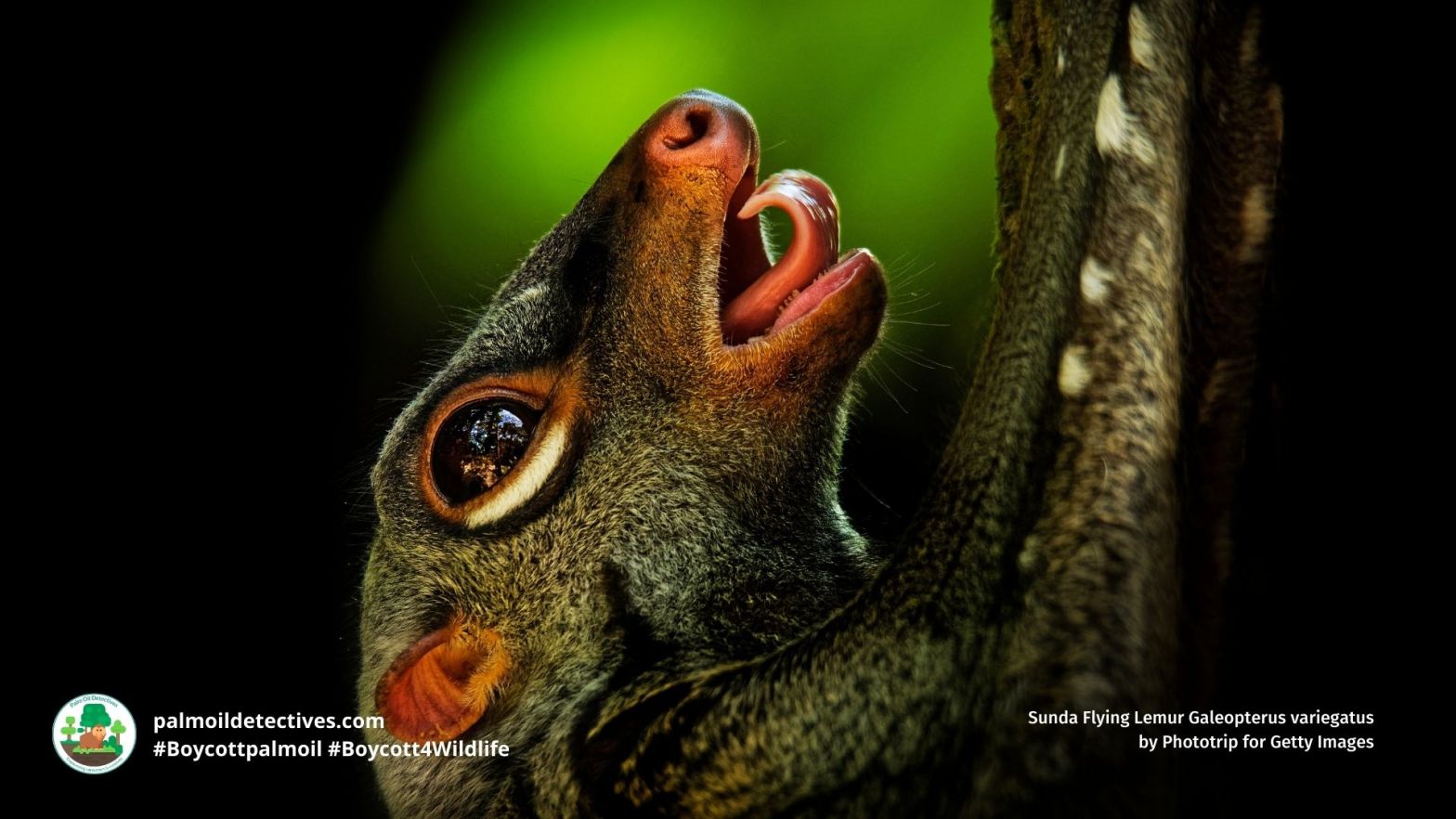
Sunda flying lemurs AKA Malayan colugos rely on ancient forests to survive, despite being skilful gliders, palm oil is a major threat, boycott palm oil!
Oreo Maker Linked to Ongoing Deforestation and Human Rights Abuses
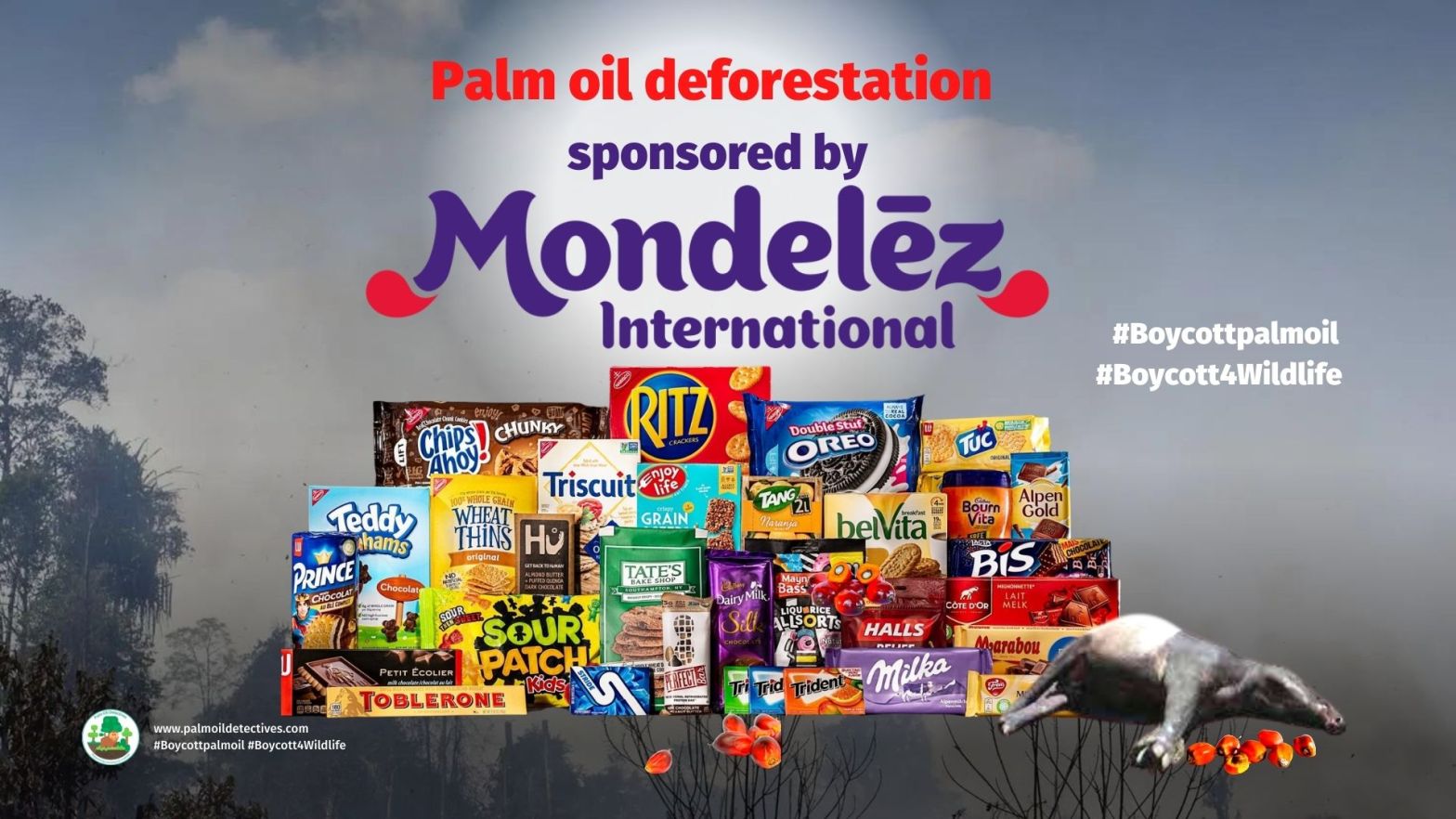
Mondelēz International who make Oreos keep sourcing palm oil from suppliers linked to violence and deforestation. Their RSPO certification is pure greenwash!
Meat-Stinking Giant Flower Has A Delectable Aroma For Pollinators
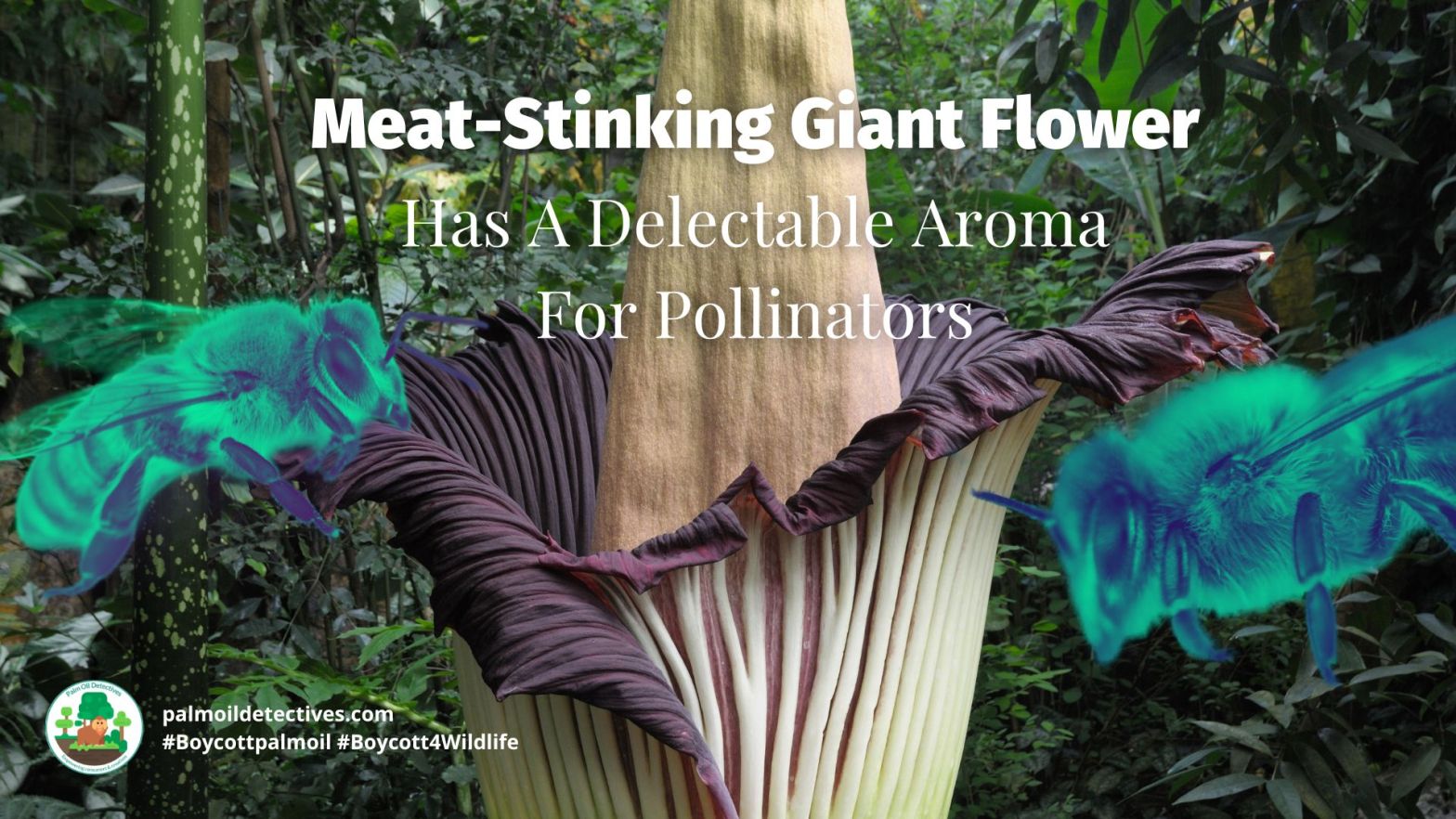
Titan Arum AKA ‘Corpse Flowers’ is famous for its repulsive meat smell. Palm oil agriculture is a massive threat to these rare stinky plants. Take action!
Western Parotia Parotia sefilata
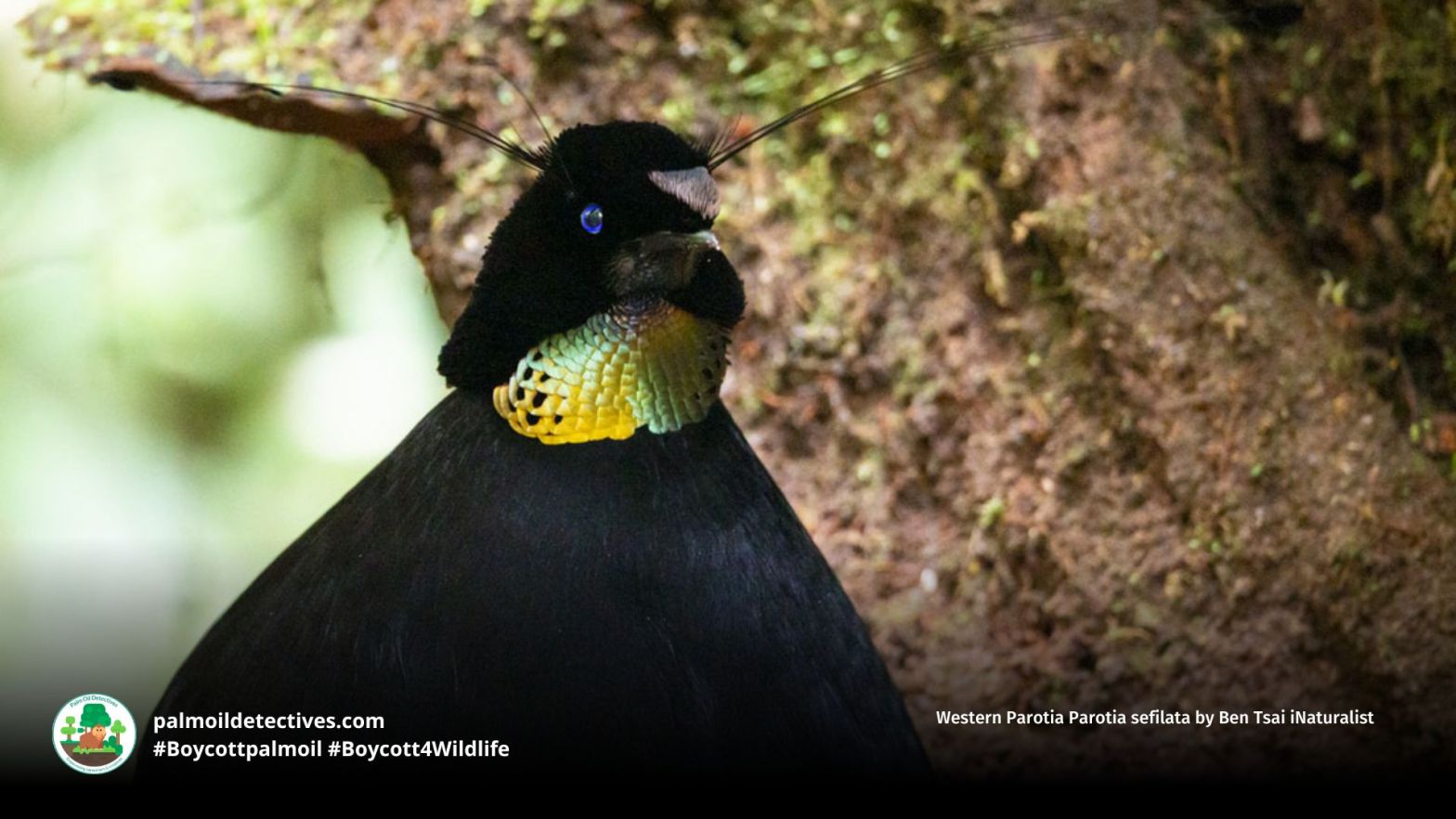
Western Parotias AKA Arfak Parotias are stunning bird-of-paradise of West Papua known for their mesmerising dances. Palm oil and mining ecocide are threats
Jaguars vs Cows: JBS Fuelling Biodiversity Collapse in Brazil’s Forests
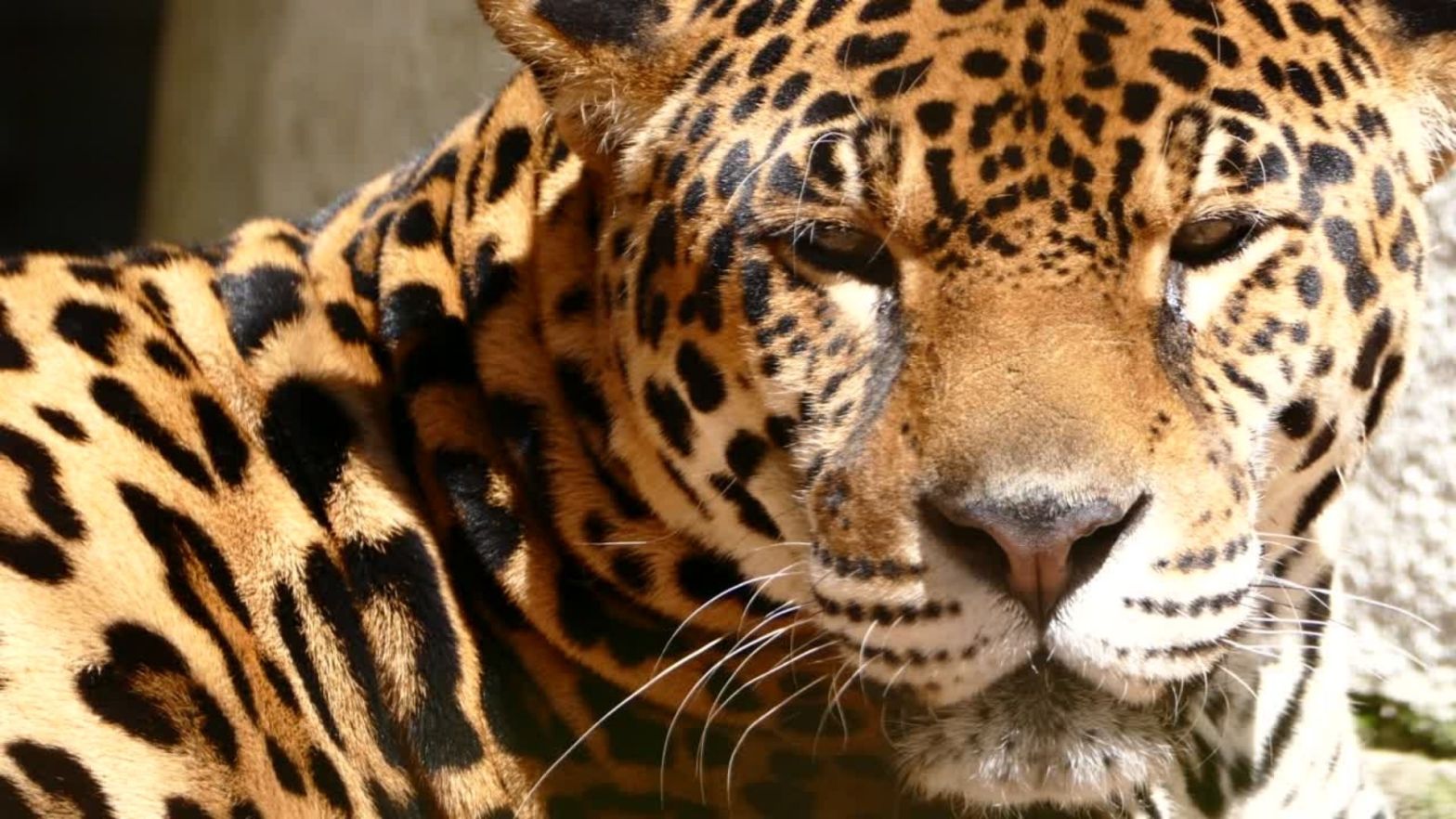
Global Witness report finds JBS, the world’s largest meat company, is directly linked to deforestation in the Amazon and Pantanal putting jaguars at risk
Parrot Deaths Highlight Urgent Need to Reform CITES
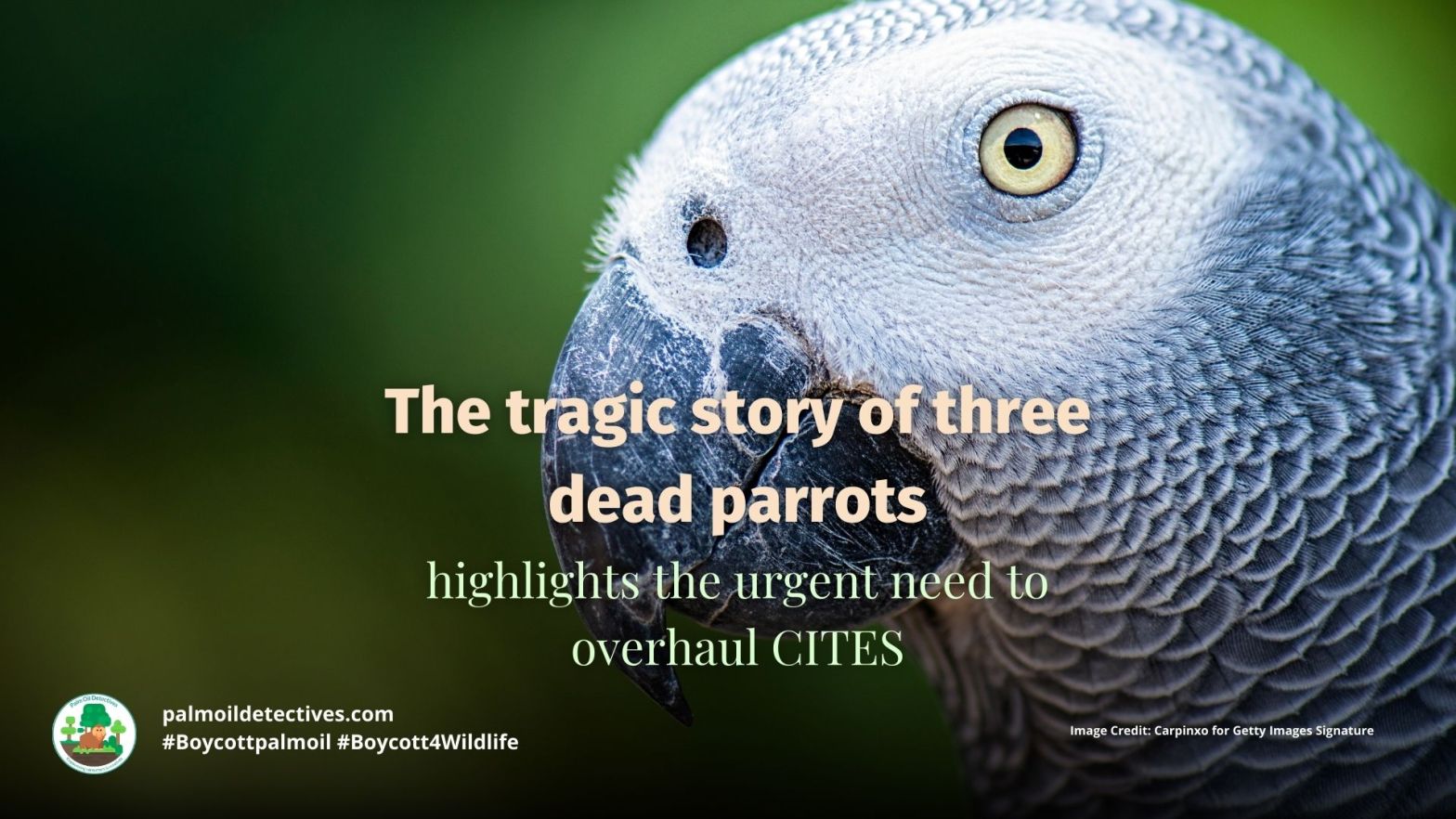
The legal trade is largely to blame for African grey parrots becoming endangered. Regulator CITES is broken allowing exploitation, massive reform needed now!
Capped Langur Trachypithecus pileatus
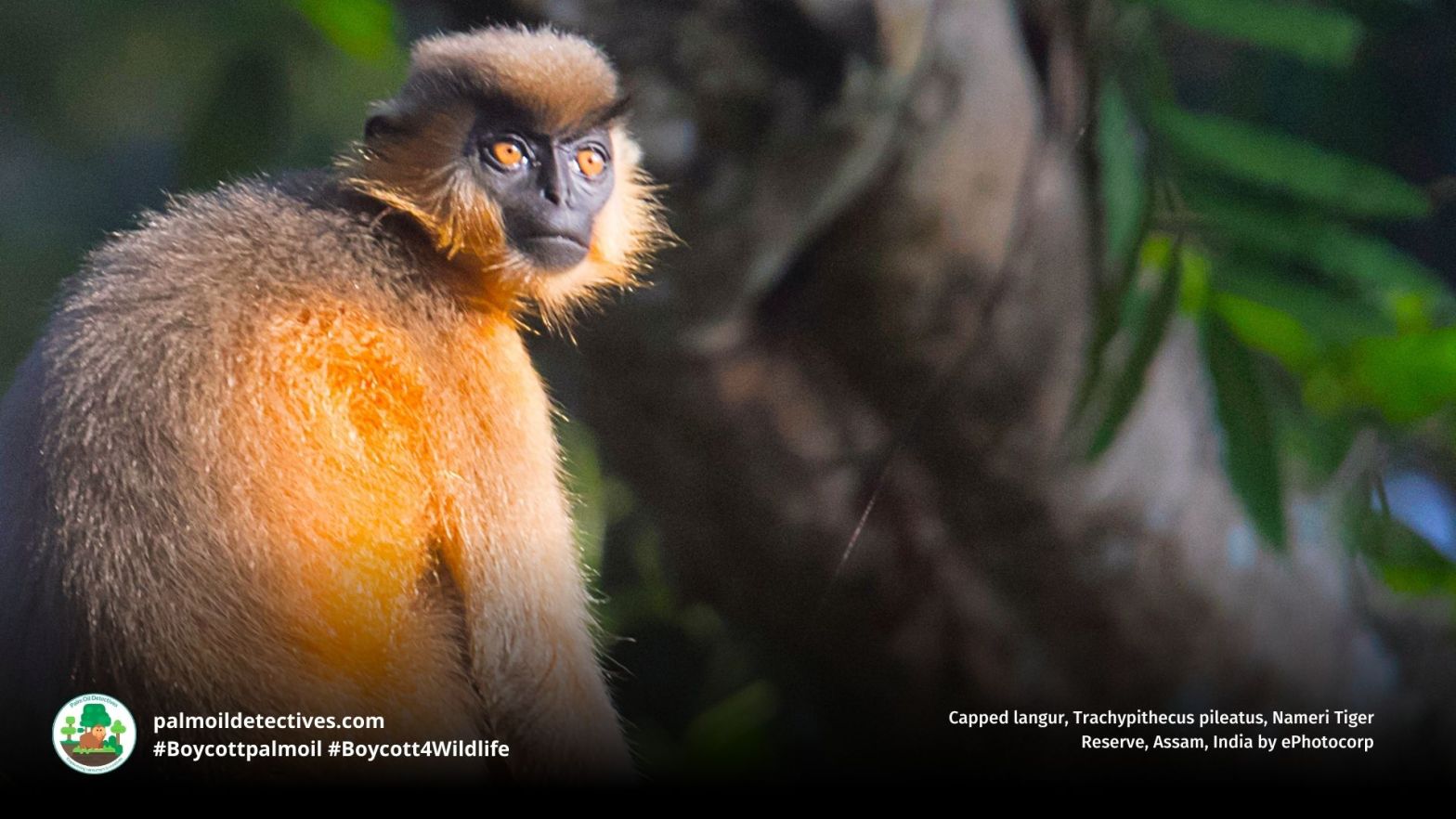
Capped langurs are found in India Bhutan Bangladesh and Myanmar, they are vulnerable from palm oil and other forms of deforestation. Take action for them!
World’s Wealthiest Drive Two Thirds of Global Warming Since 1990

Wealthiest people in USA and China responsible for 2/3 of global warming since 1990. Climate policies needed to target the richest people on the planet now!
Jaguars and Pumas Eat More Monkeys in Damaged Forests
In fragmented forests of Mexico, big cats find it hard to locate prey ungulates instead seeking tree-dwelling #monkeys – that’s bad news for primates!
Mountain Tapir Tapirus pinchaque

Mountain Tapirs are the most threatened large mammals of the northern Andes, hunting, climate change and mining are threats, take action and boycott gold!
Seeing Forest As Merely A Carbon “Commodity”: Dangerous Greenwashing
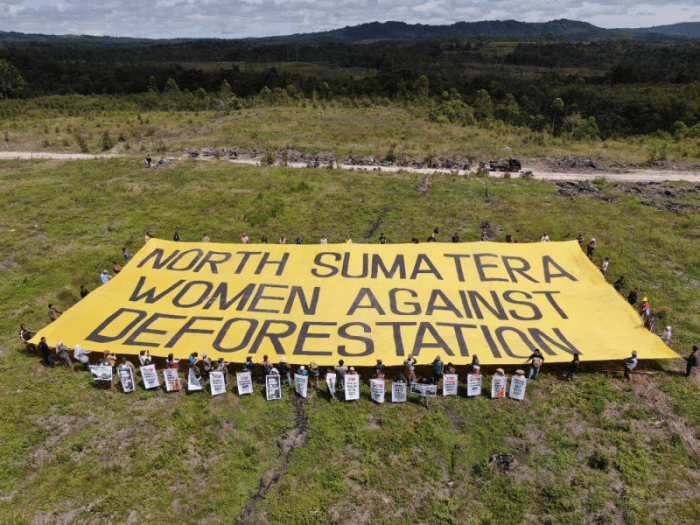
Commodifying forests as merely an investment for ‘carbon credits’ has many dangerous loopholes that human rights to indigenous peoples, take action!
Finance giants fuel $8.9 trillion deforestation economy
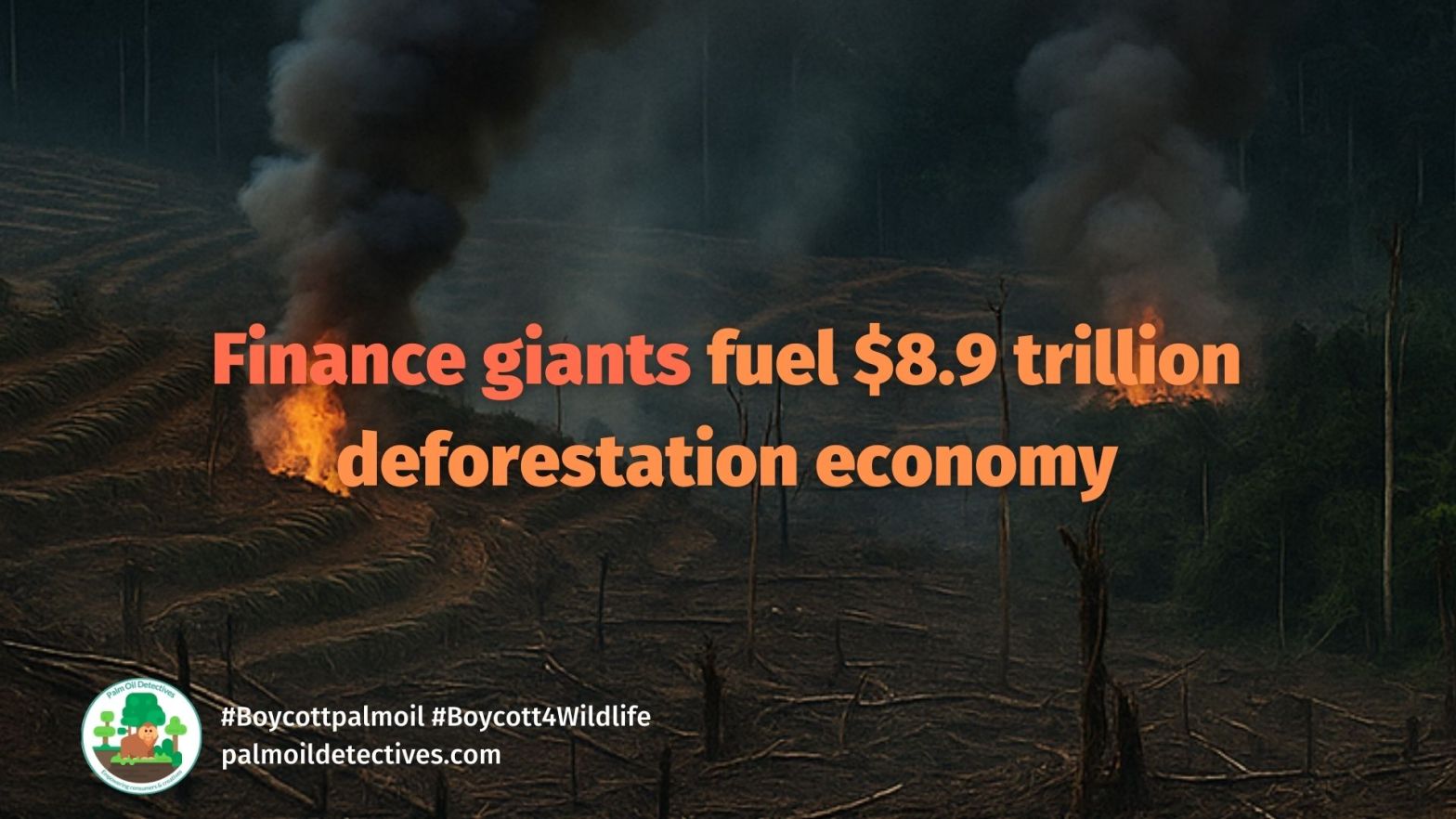
Forest 500 report shows 150 of the world’s largest financial institutions invested nearly $9 trillion in deforestation-linked industries. Support EUDR!
Saola Pseudoryx nghetinhensis
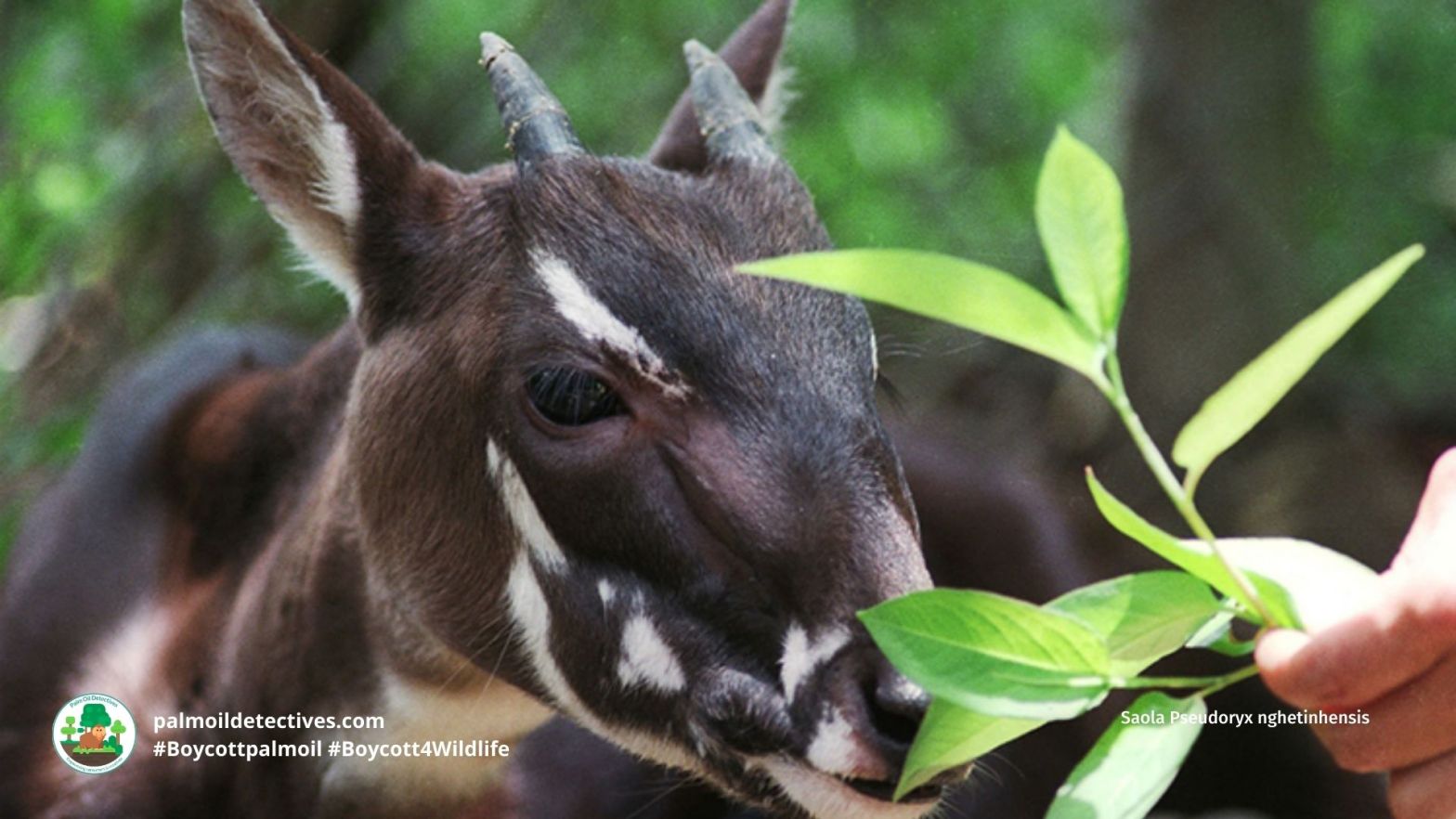
Saolas are rare and considered Southeast Asia’s ‘unicorns’, this Critically Endangered antelope is facing imminent extinction due to hunting and deforestation
Songbirds Socialise Mid-Flight During Migration
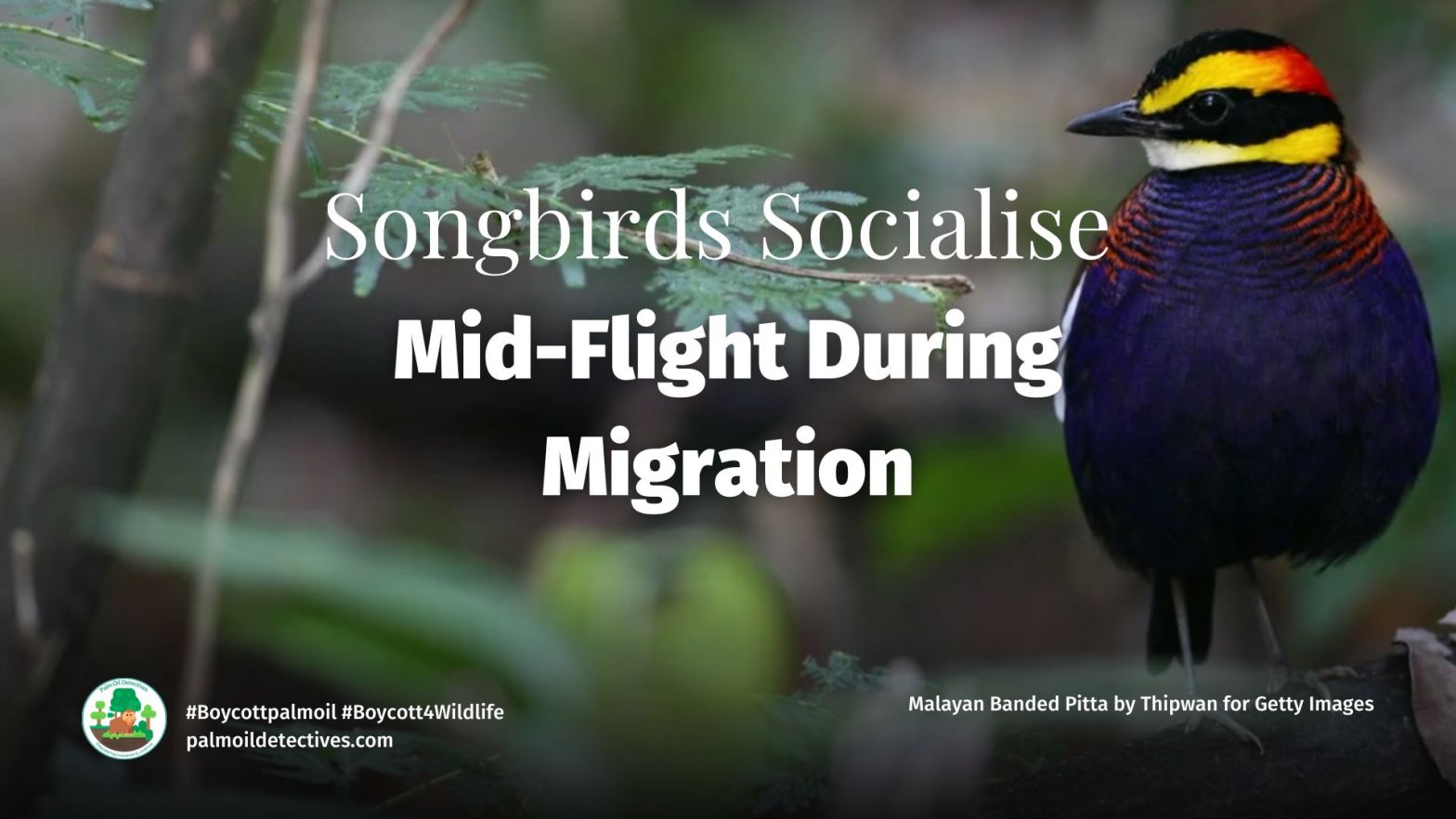
Songbirds communicate with different species during nocturnal flights sharing vital info about navigation and stopover habitats. Save their fascinating world!
Why Pangolins Are So Special

Pangolins get their name from the Malay ‘pengguling’ meaning rolling up. These special critically endangered animals deserve a break from savage poaching
Indigenous Peoples Fight Climate Change

After wildfires, Belize’s indigenous people rebuild stronger based on “se’ komonil”: reciprocity, solidarity, gender equity, togetherness and community.
Tucuxi Sotalia fluviatilis

Tucuxi, small freshwater dolphins of Peru Ecuador Colombia and Brazil are Endangered due to fishing nets, deforestation, mercury poisoning from gold mining.
Protecting Peru’s Grasslands Vital for Spectacled Bears
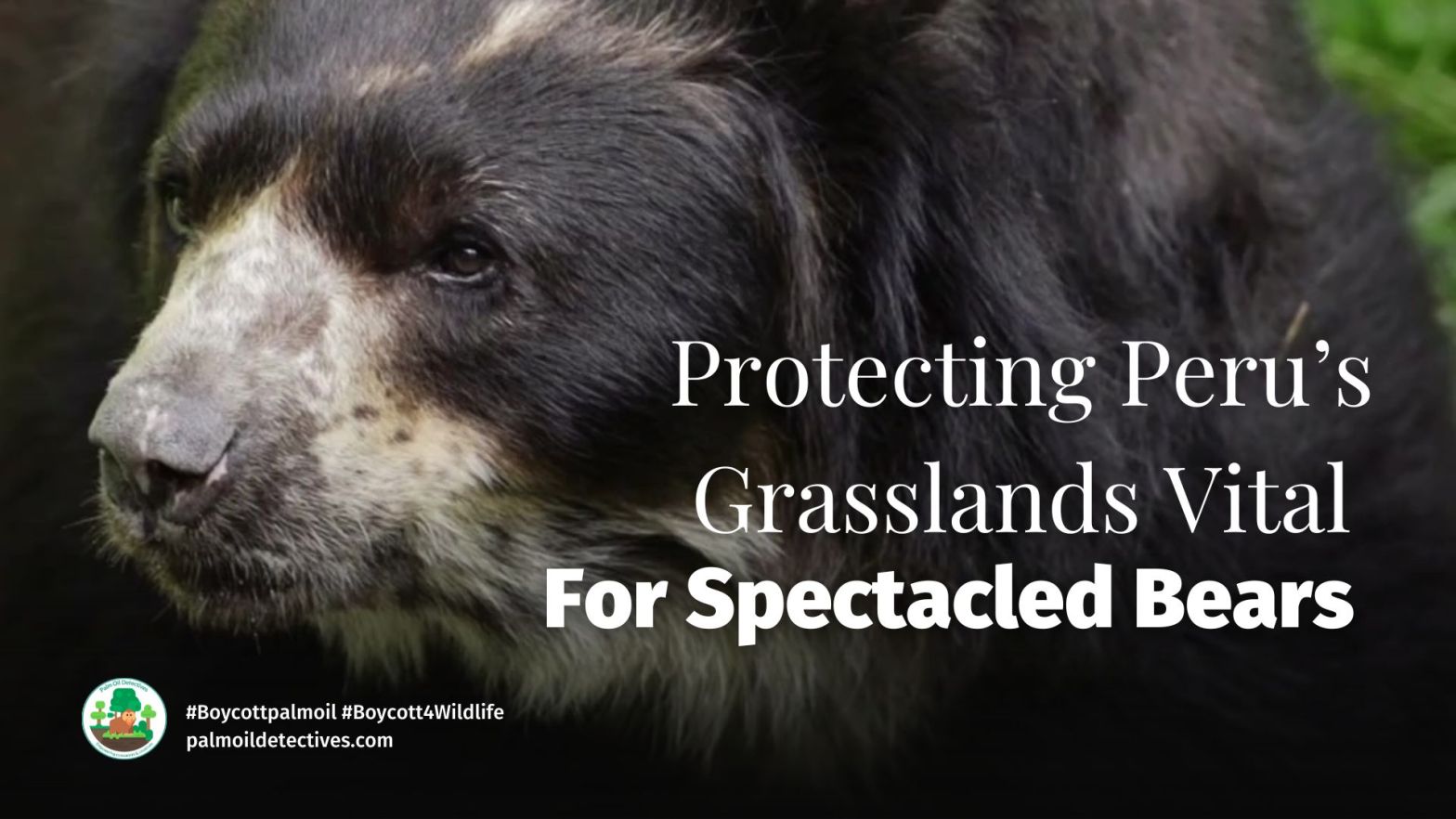
Peru’s alpine puna grasslands supports foraging of vulnerable Andean bears AKA Spectacled Bears. They prefer young bromeliad plants, Take action for them!
Javan Rhinos Not Safe from Poachers
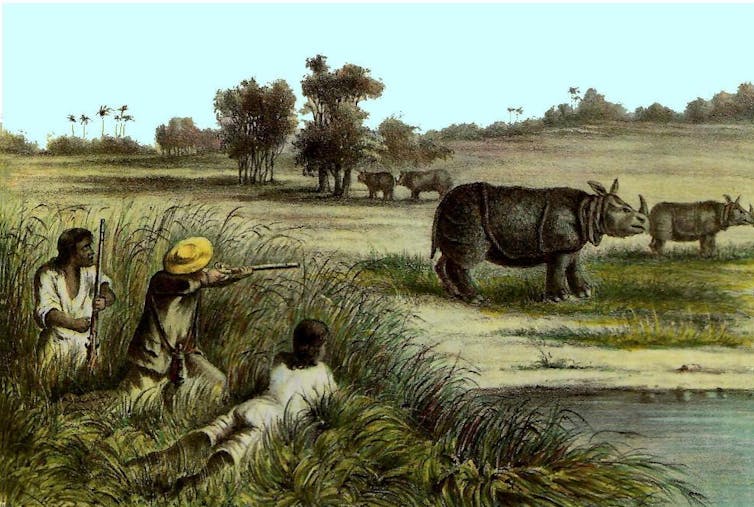
Testimony of Illegal poachers in Indonesia finds 26 of the estimated remaining 72 living Javan #Rhinos were slaughtered over the past five years. Shame!
Frill-Necked Lizard Chlamydosaurus kingii

Frill-necked lizard AKA frilled dragons are endangered in southern Papua New Guinea and Indonesian-occupied West Papua due to palm oil ecocide, take action!
 Palm Oil Detectives