

Our world is facing a huge challenge: we need to create enough high-quality, diverse and nutritious food to feed a growing population – and do so within the boundaries of our planet. This means significantly reducing the environmental impact of the global food system. Below is information about how you can identify ultra processed foods containing palm oil and other harmful ingredients in order to avoid them – for your own health and the health of the planet. Help the planet, animals and indigenous peoples – #BoycottPalmOil #Boycott4Wildlife
Tag Archives: brand boycotts
PepsiCo
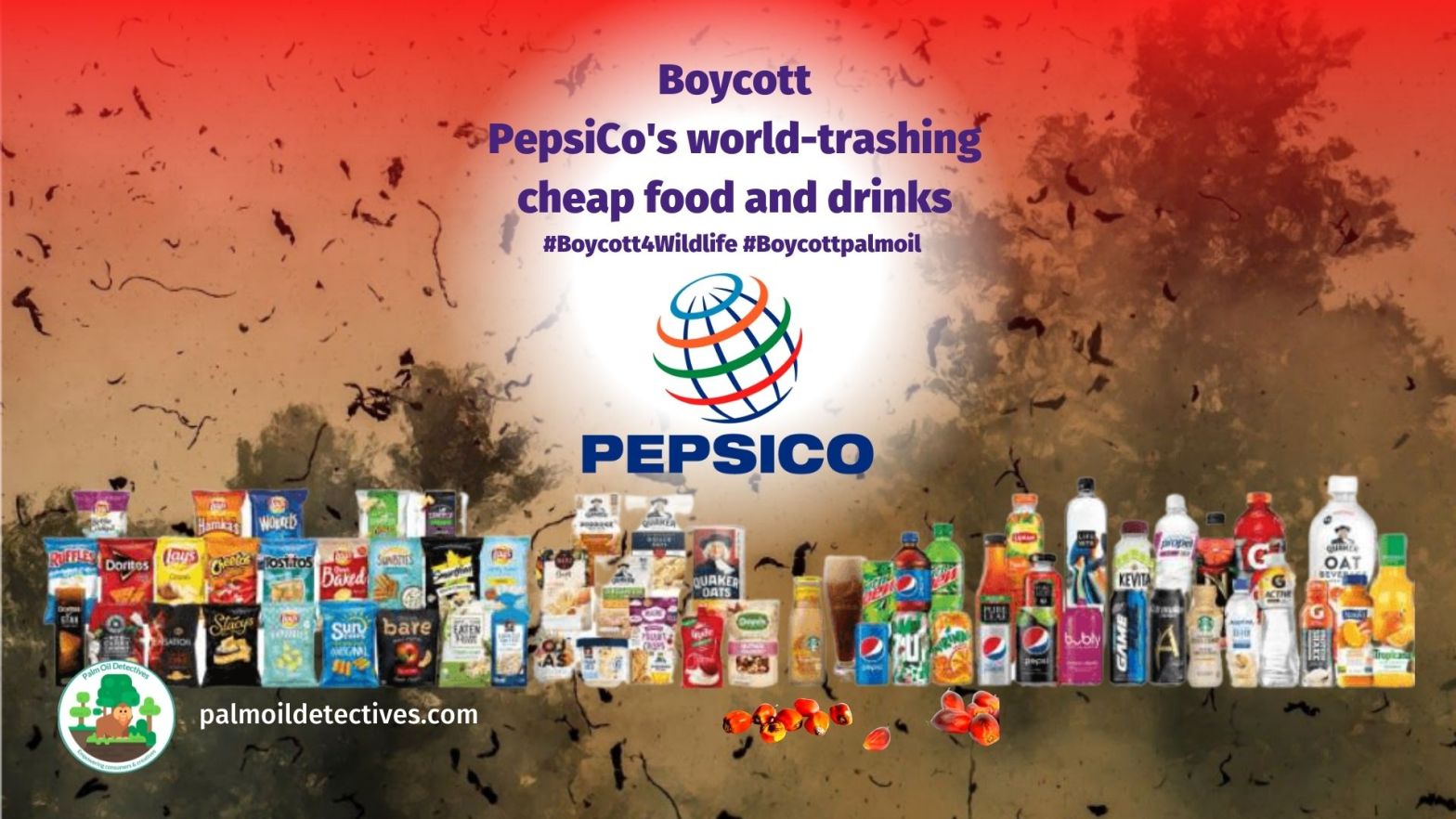
Despite decades of promises to end deforestation for palm oil PepsiCo (owner of crisp brands Frito-Lay, Cheetos and Doritos along with hundreds of other snack food brands) have continued sourcing palm oil that strongly linked to ecocide, indigenous landgrabbing, and the habitat destruction of the rarest animals on earth. All of these animals are onContinue reading “PepsiCo”
Want to avoid palm oil? You need a ‘palm oil free’ label

The most important factor determining whether consumers avoid purchasing a product containing palm oil is not how they feel about orangutans, the environment, or anything else for that matter. It’s whether they know what’s in the product. Melbourne Business School When #consumers are told about #palmoil being in products – they will avoid them accordingContinue reading “Want to avoid palm oil? You need a ‘palm oil free’ label”
Procter & Gamble
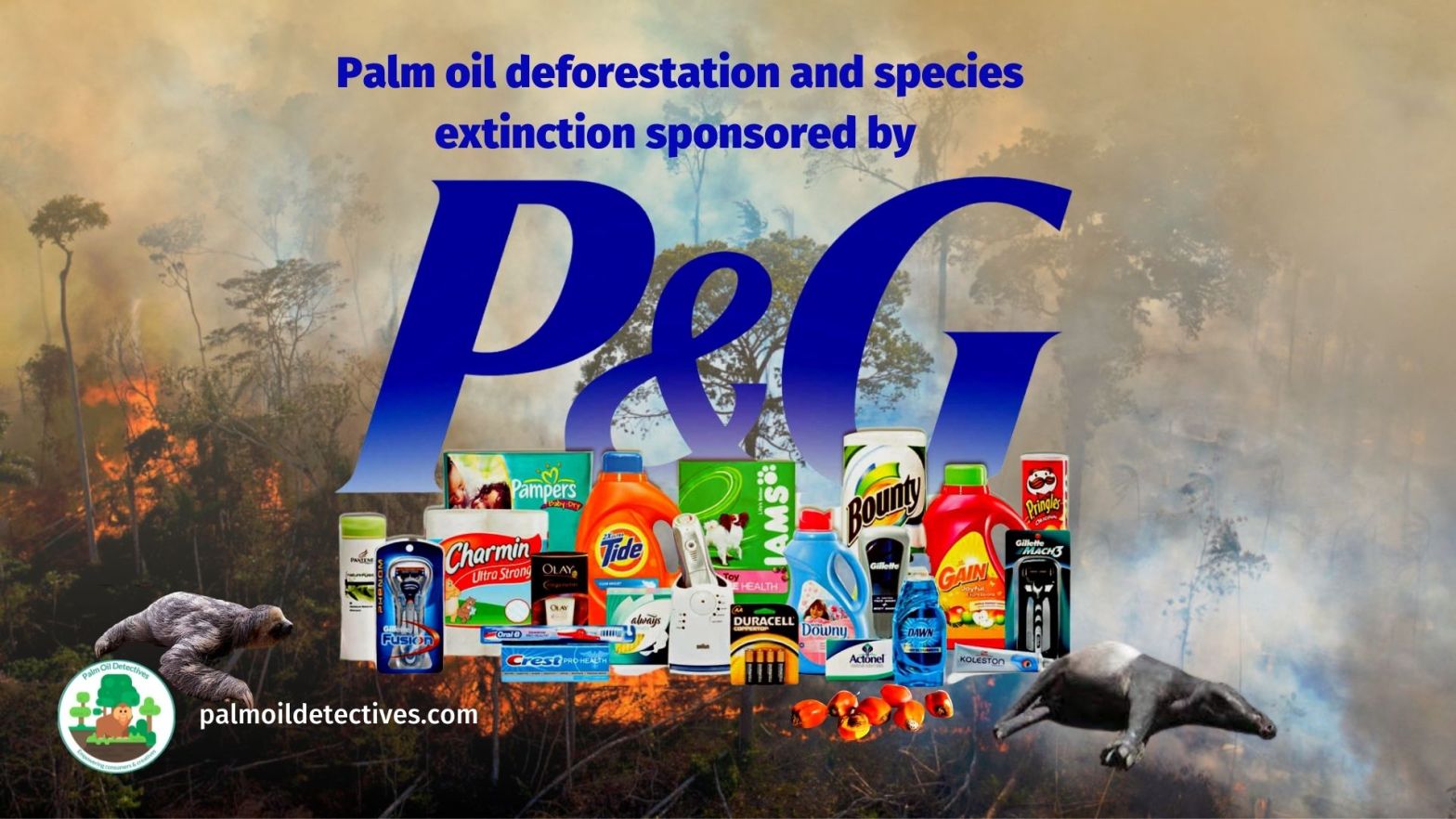
Despite decades of promises to end deforestation for palm oil Procter & Gamble or (P&G as they are also known) have continued sourcing palm oil that causes ecocide, indigenous landgrabbing, and the habitat destruction of the rarest animals on earth. All of these animals are on a knife-edge of survival. It is for this reason,Continue reading “Procter & Gamble”
Boycotts A Great Weapon to Fight Ecocidal Corporates
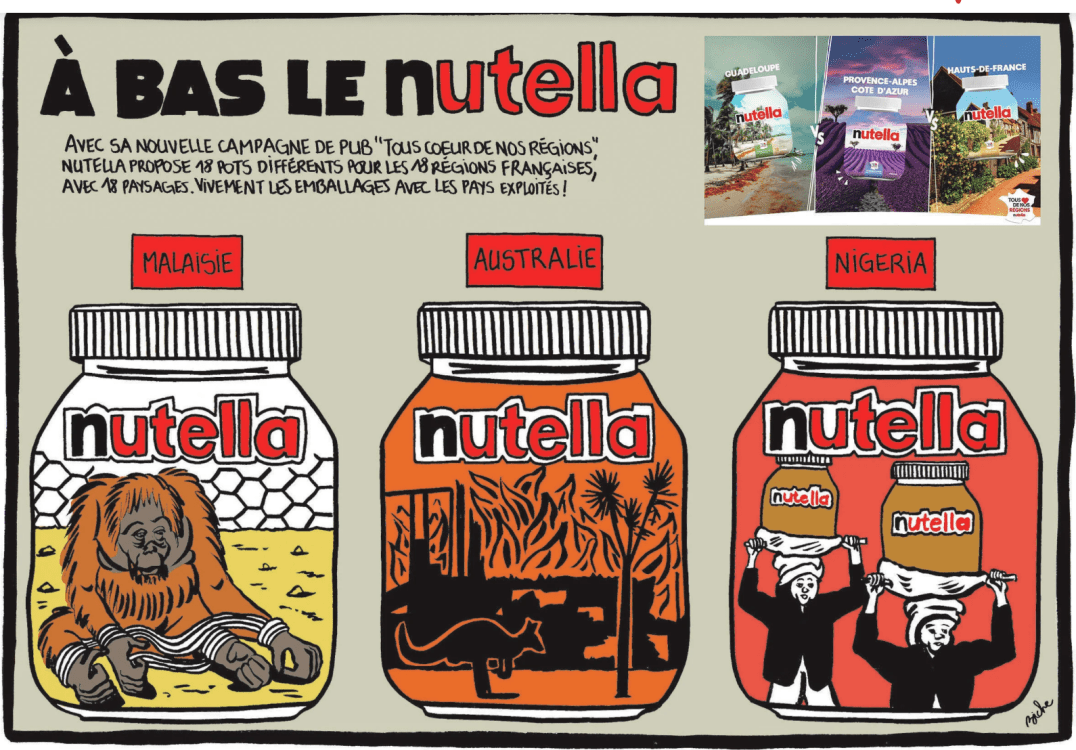
Boycotts against corrupt commodities like palm oil and meat are effective because they hit where it hurts, corporate giants’ profit margins and reputations
13 Reasons To Boycott Gold for Yanomami

Hunger for Gold in the Global North is fueling a living hell in the Global South. Here are 20 reasons why you should #BoycottGold4Yanomami
Ten Tactics of ‘Sustainable’ Palm Oil Greenwashing

Learn ten marketing and PR tactics used for “sustainble” palm oil greenwashing to justify endless growth by the palm oil industry. Boycott palm oil now!
Greenwashing Tactic #1: Hidden Trade Off
When a brand makes token changes while continuing with deforestation, ecocide or human rights abuses in another part of their business – this is ‘Hidden Trade Off’
For example, Nestle talks up satellite monitoring to stop palm oil deforestation. Yet their deforestation continues to accelerate in spite of this – this is ‘Hidden Trade-Off”
Greenwashing Tactic #2: No Proof
Greenwashing Tactic 5. Palm oil companies make environmental claims without providing proof or evidence of these claims or using spurious evidence.
Greenwashing Tactic #4: Fake Labels
Claiming a brand or commodity is green based on unreliable, ineffective endorsements or eco-labels such as the RSPO, Forest Stewardship Council (FSC) or FairTrade coffee and cocoa. Greenwashing: Fake Labels and fake certifications Ecolabels are designed to reassure consumers that they are purchasing green or sustainable products. In reality the environmental standards are no betterContinue reading “Greenwashing Tactic #4: Fake Labels”
Greenwashing Tactic #6: The Lesser of Two Evils
Claiming that a brand, commodity or industry is greener than others in the same category, in order to excuse ecocide, deforestation, human rights and animal rights abuses. Jump to section Greenwashing: Lesser of Two Evils: Palm Oil Uses Less Land Than Other Crops Greenwashing messaging is pervasive by researchers Greenwashing messaging is pervasive on socialContinue reading “Greenwashing Tactic #6: The Lesser of Two Evils”
What is greenwashing?

Learn how consumerism was engineered to fuel a hunger for more stuff and how greenwashing now masks true environmental harm. Discover the facts.
Greenwashing Tactic 9: Partnerships, Sponsorships and Research Funding
Greenwashing Tactic 9. Corporations use NGOs, Zoo partnerships, sponsorships, and research funding to give an industry or brand a ‘green image.
Greenwashing Tactic #3: Vagueness
Claiming a brand or commodity is ‘green’ or ‘sustainable’ based on broad generalisations, unclear language or vague statements Jump to section Greenwashing: Vagueness in Language Greenwashing: Vagueness in certification standards Reality: Auditing of RSPO a failure Quote: EIA: Who Watches the Watchmen 2 (2019) Quote: Greenpeace: Destruction Certified (2021) Quote: EIA: Burning Questions the CredibilityContinue reading “Greenwashing Tactic #3: Vagueness”
Greenwashing Tactic #7: Lying
Greenwashing lies are falsifying support from authorities to back up claims or using spurious research data to back up the greenwashing, boycott palm oil!
Research: Boycotts Are Worthwhile and Effective
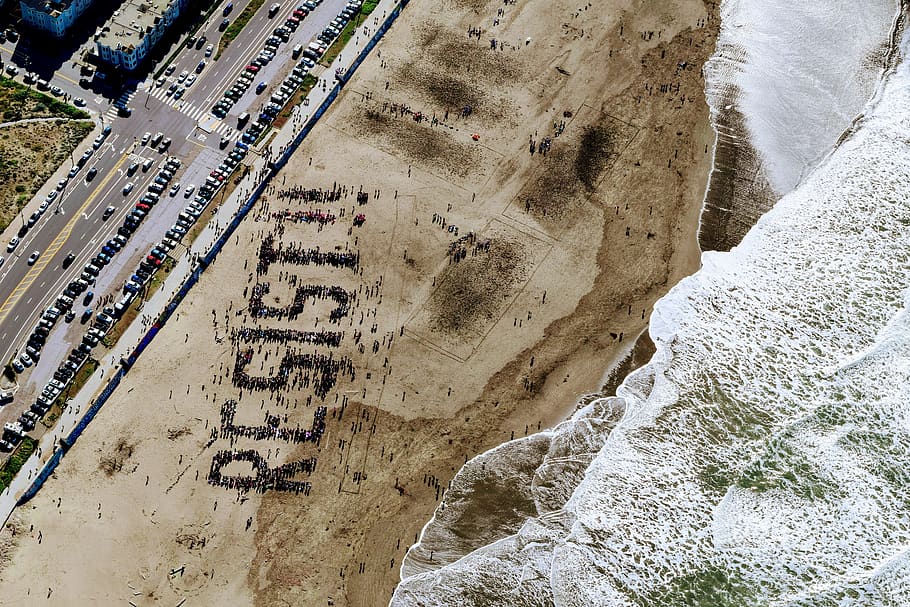
Despite sustained and vigorous attempts by corporates and industry certification schemes like RSPO, MSC and FSC to downplay the impact and effectiveness of consumer boycotts, it turns out that boycotts are impactful and drive social change. They force profit-first and greedy corporations to change their ways and do better. They also create a tangible sense of empowerment and agency for consumer-citizens who want to participate in civil society in a meaningful way in improving the world, both as individuals and in collective groups.
Greenwashing Tactic 8: Design & Words
Greenwashing Tactic 8. Companies use design principles and subliminal language to signal ‘greenness’ and trigger unconscious emotional responses in consumers
Greenwashing Tactic #5: Irrelevance and Deflection
Learn how lobbyists use irrelevant information and deflection to shift the conversation away from their environmental harms, e.g. “sustainable” palm oil.
Why join the #Boycott4Wildlife?

According to a 2021 survey by Nestle of 1001 people, 17% of millennial shoppers (25-45 years old) completely avoid palm oil in the supermarket. 25% said that they actively check to see if products contain palmoil. As a generation, we now have the opportunity to push our local communities and our children away from harmfulContinue reading “Why join the #Boycott4Wildlife?”
Palm Oil Lobbyists Getting Caught Lying Orangutan Land Trust and Agropalma
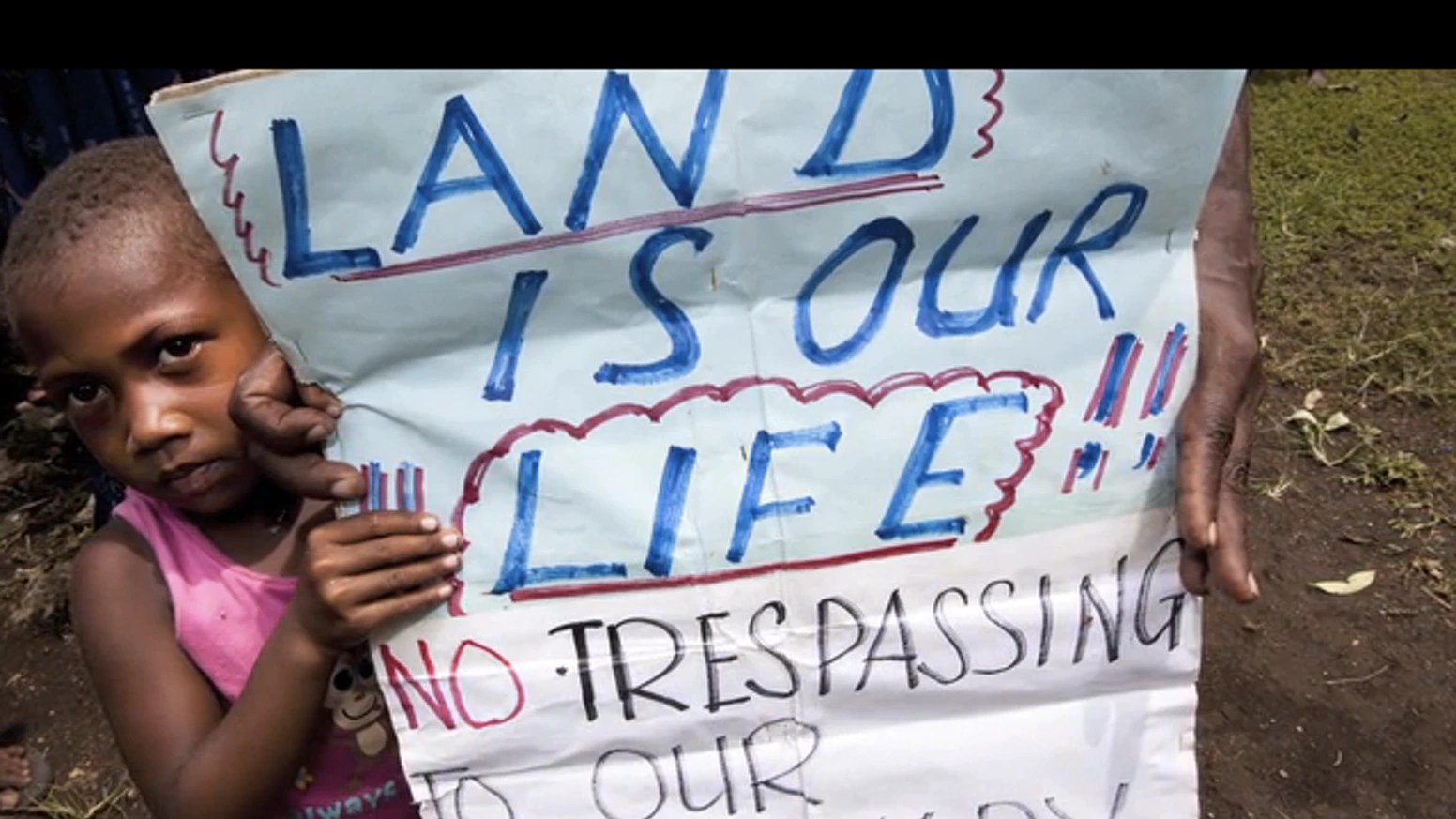
For decades, investigative journalists have been exposing that illegal land grabbing from Indigenous peoples as a regular occurrence in West Papua, South and Central America, Africa and Asia. Indigenous people’s land is being forcibly (and often violently) taken from them by predatory palm oil companies. Major supermarket brands and also palm oil producers that areContinue reading “Palm Oil Lobbyists Getting Caught Lying Orangutan Land Trust and Agropalma”
 Palm Oil Detectives