
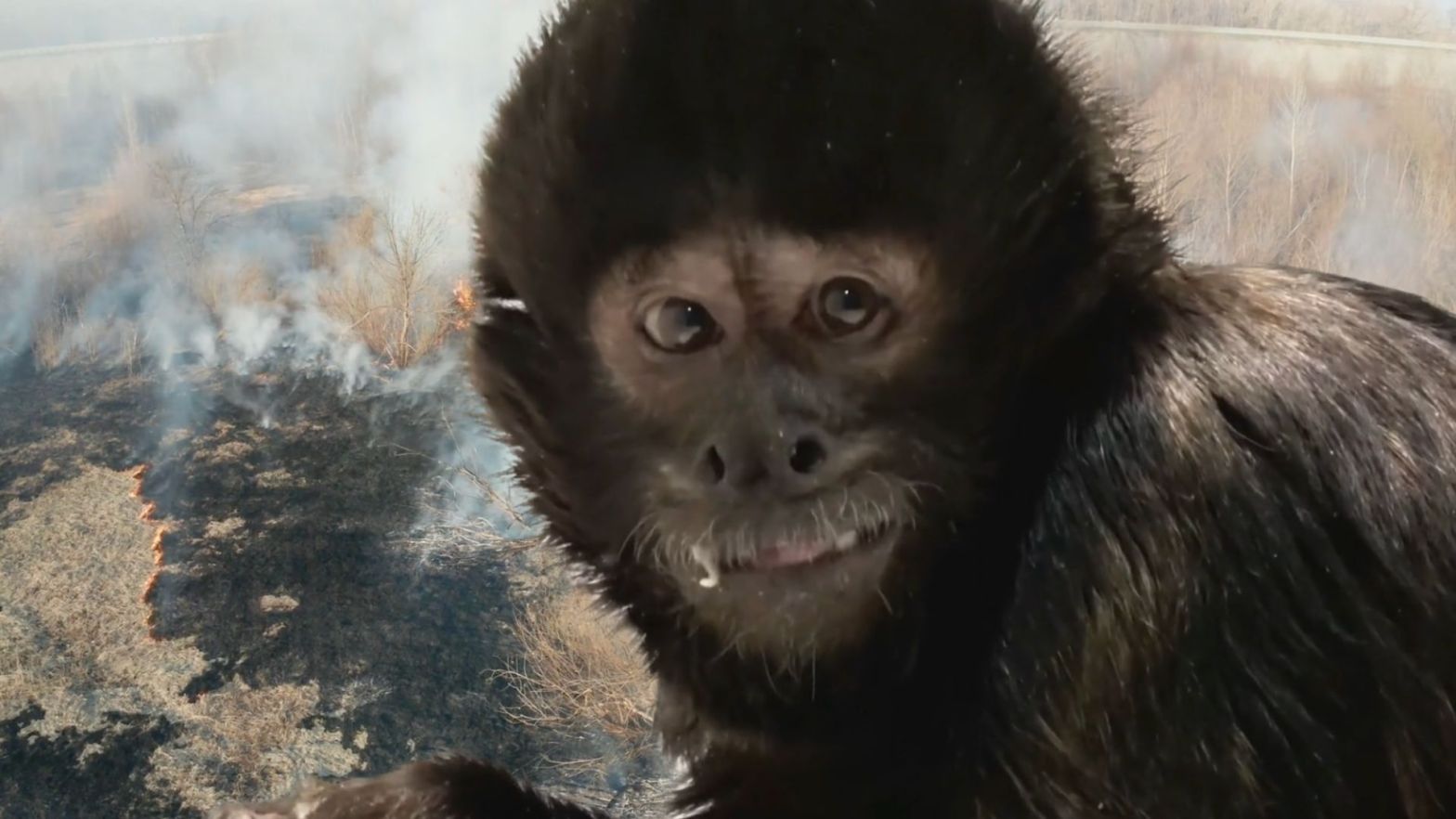
Crested Capuchins are one of Brazil’s most endangered primates. A few thousand remain, facing extinction due to palm oil, mining, soy. Take action for them!
Tag Archives: climate change
Nature’s Hidden Wealth: Conservation’s Opportunity
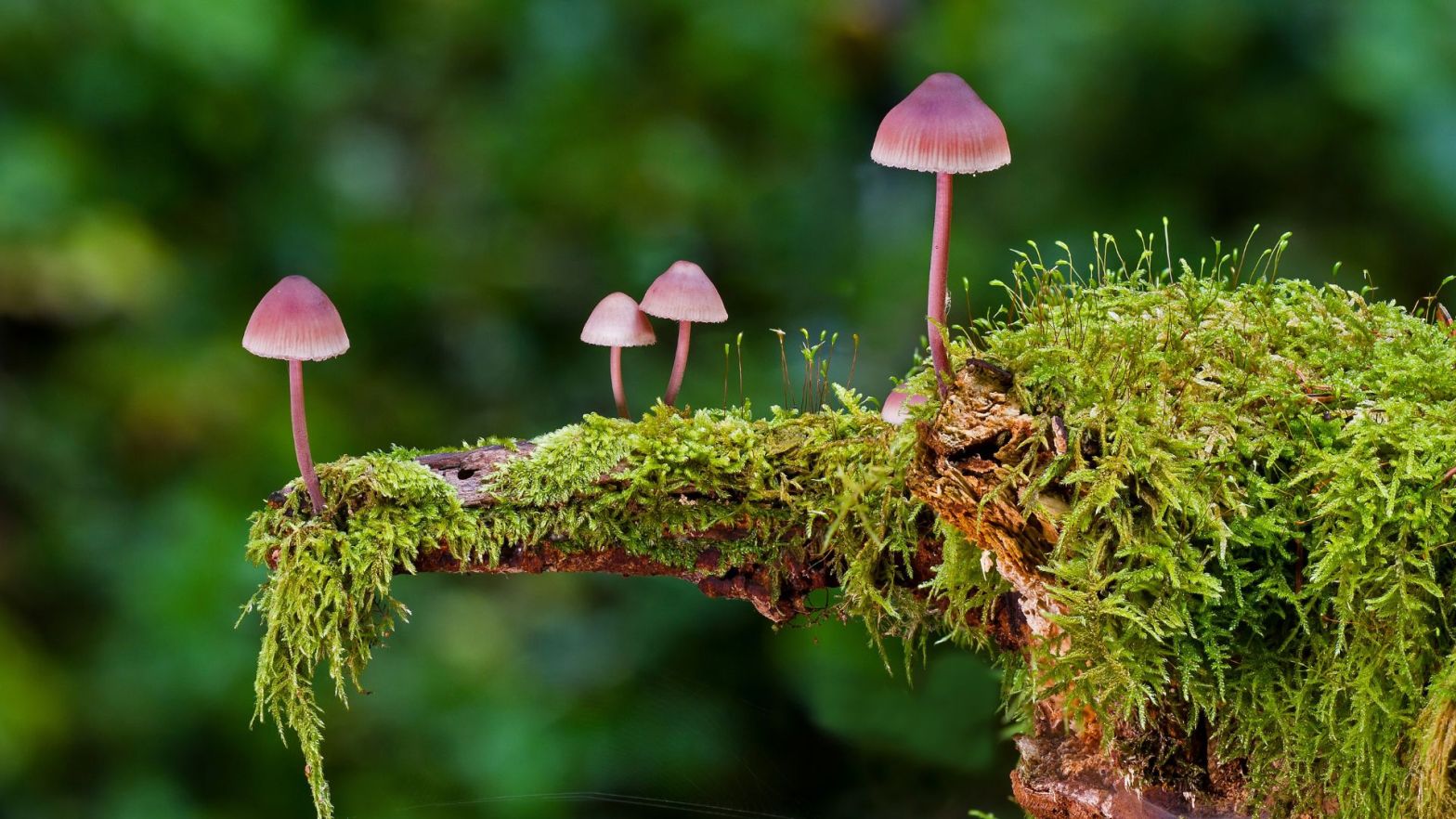
Animals and plants constitute a very small part of our native biodiversity (roughly 5%). The vast majority – fungi, bacteria and the enormous diversity of other microscopic organisms, including invertebrates – is a massive, largely unexplored economic resource.
The best known examples of commercial uses for biodiversity are the thousands of drugs secreted by bacteria and fungi. But others are examples of what is known as “bio-inspiration” and “bio-mimicry”, where wild species provide the blueprints for products. The combination of nature and biotechnology can offer us all a tentative reason to hope for the future.
The Coronavirus Crisis: How has Lockdown Impacted Nature?
I think we can all agree that 2020 has been a very strange year. Thanks to coronavirus, modern life as we know it has been put on hold. International borders have been shut, governments have ordered businesses to close their doors, and most families have been under lockdown. For anyone wondering where this infectious virusContinue reading “The Coronavirus Crisis: How has Lockdown Impacted Nature?”
Explainer: What is a tipping point, and why should we care?
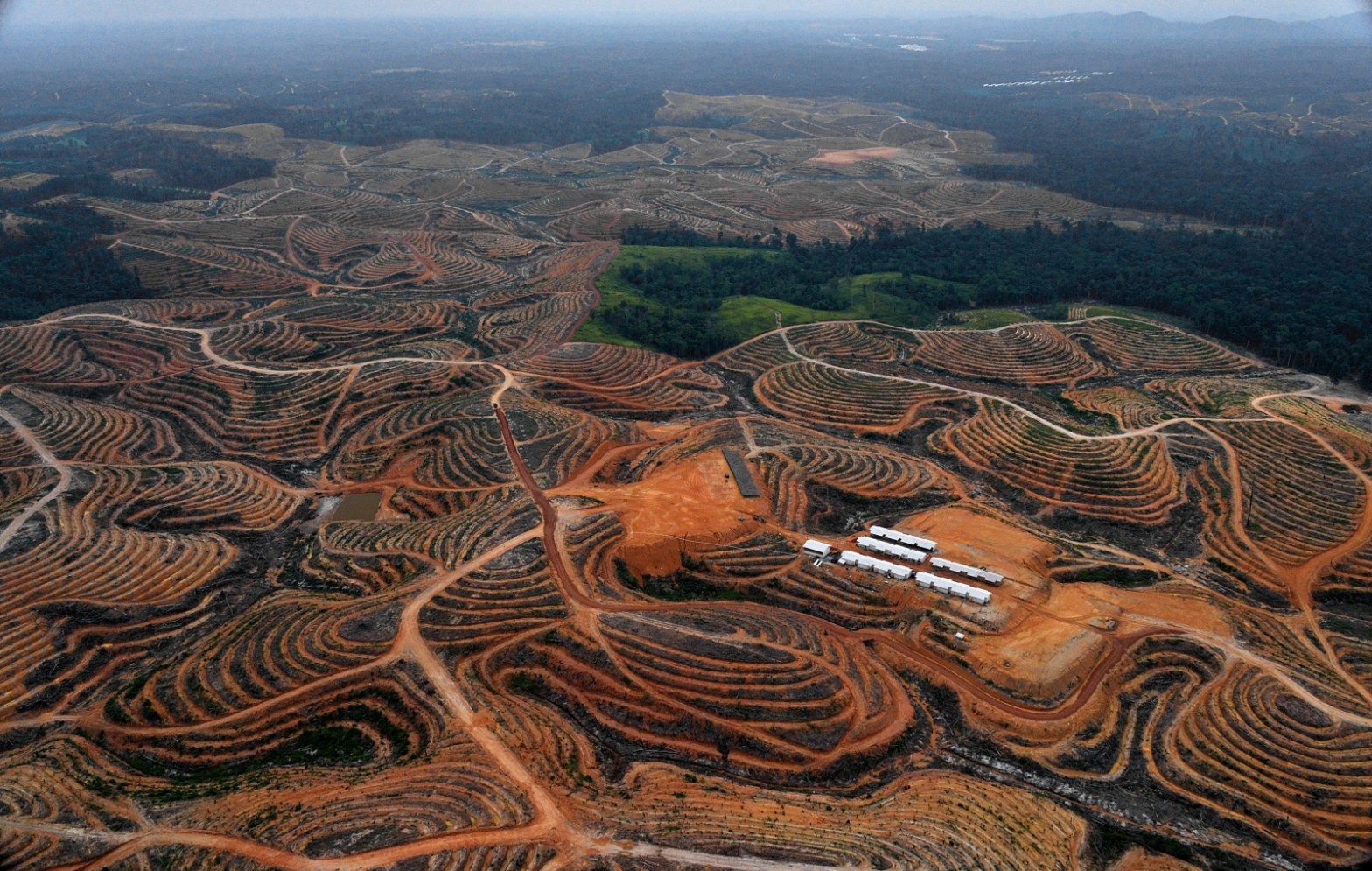
Lately, you may have heard someone say that we have reached a “tipping point.” Recently, we have witnessed dramatic shifts in our social and economic states of being. Our ability to understand and act thoughtfully around this single concept could determine the fate of life on Earth. Help reverse the upheavals and tipping points every time you shop #Boycott4Wildlife
Mass extinction: what is it and are we in one now?
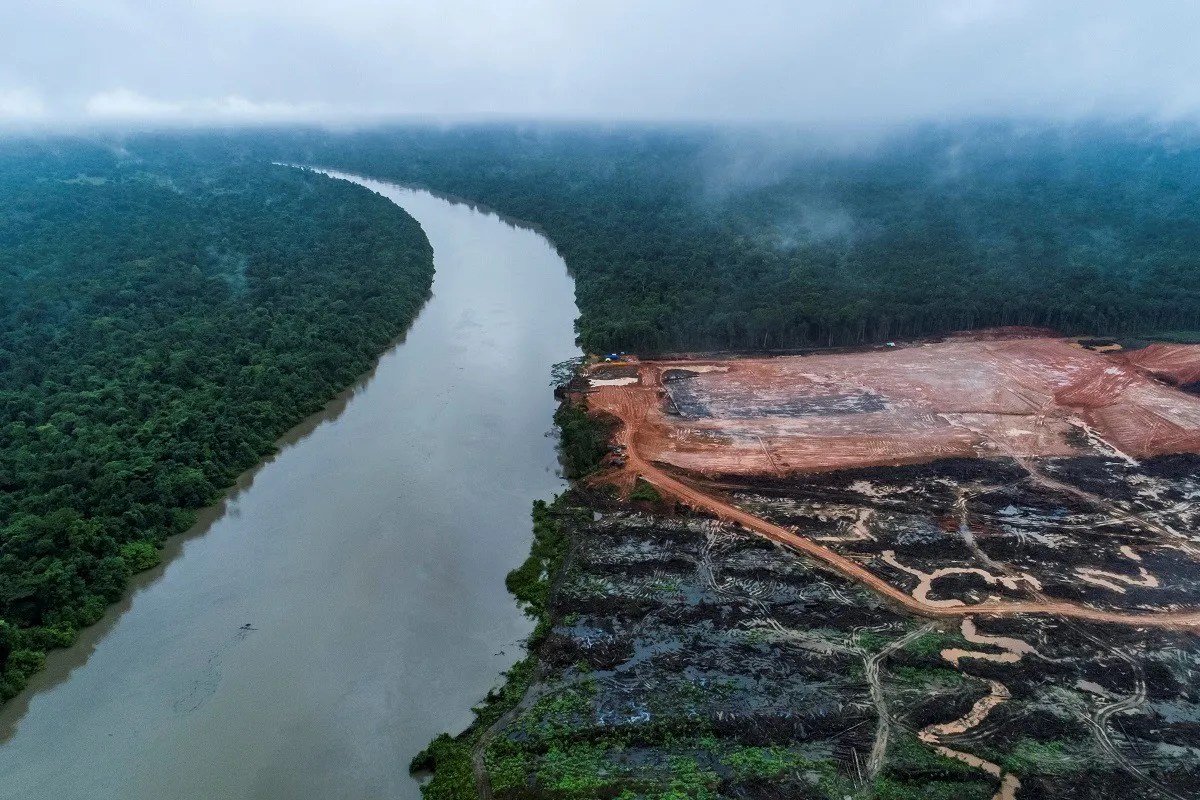
For more than 3.5 billion years, living organisms have thrived, multiplied and diversified to occupy every ecosystem on Earth. The flip side to this explosion of new species is that species extinctions have also always been part of the evolutionary life cycle.
A mass extinction is usually defined as a loss of about three quarters of all species in existence across the entire Earth over a “short” geological period of time. Given the vast amount of time since life first evolved on the planet, “short” is defined as anything less than 2.8 million years. Right now loss of species on earth is being driven by a mix of direct and indirect human activities, such as the destruction and fragmentation of habitats, direct exploitation like fishing and hunting, chemical pollution, invasive species, and human-caused global warming. Help species survive #BoycottPalmOil be #Vegan and #Boycott4Wildlife
Harlequin Poison Frog Oophaga histrionica
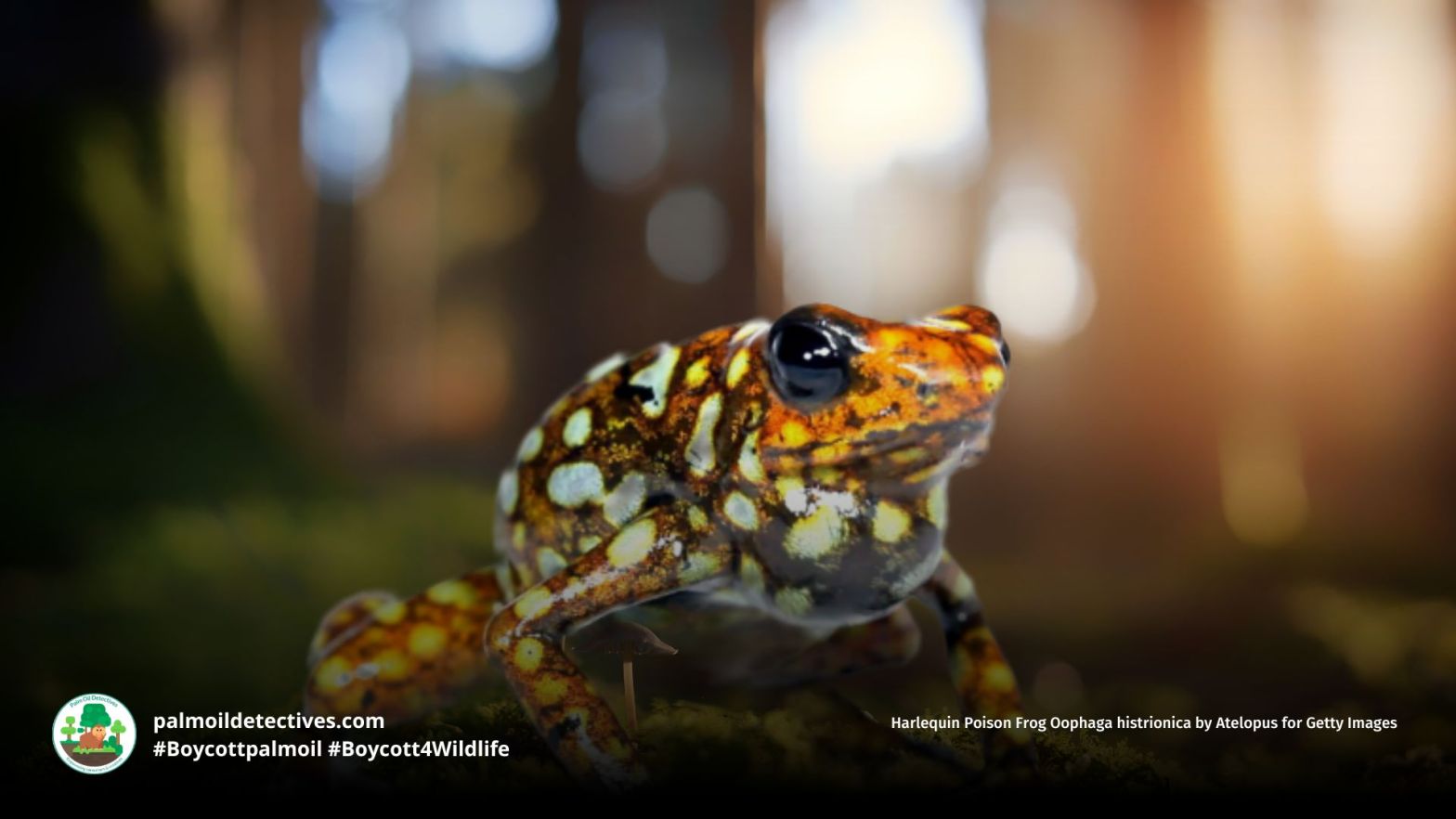
Chocó rainforests, the harlequin poison frog is as deadly as it is beautiful. Cloaked in hypnotic shades of orange, yellow, green and black, this tiny amphibian is a master of chemical warfare—their skin is infused with powerful alkaloid toxins that can paralyse or kill predators. But despite their formidable defences, they are completely helpless against human destruction.
Once thriving in the dense, misty forests of western Colombia, this critically endangered frog is now on the brink of extinction. Illegal mining, rampant deforestation for palm oil plantations, and the relentless wildlife trade have devastated their fragile rainforest home. The same vibrant colours that warn predators away have made them a prime target for smugglers supplying the exotic pet trade.
This extraordinary species is a vital part of its ecosystem, controlling insect populations and contributing to the rainforest’s delicate balance. But unless urgent action is taken, the harlequin poison frog could vanish forever.
Protect their rainforest home. Say no to palm oil, reject the illegal pet trade, and demand stronger protections for Colombia’s amphibians. #BoycottPalmOil #Boycott4Wildlife
Hoge’s Side-necked Turtle Mesoclemmys hogei
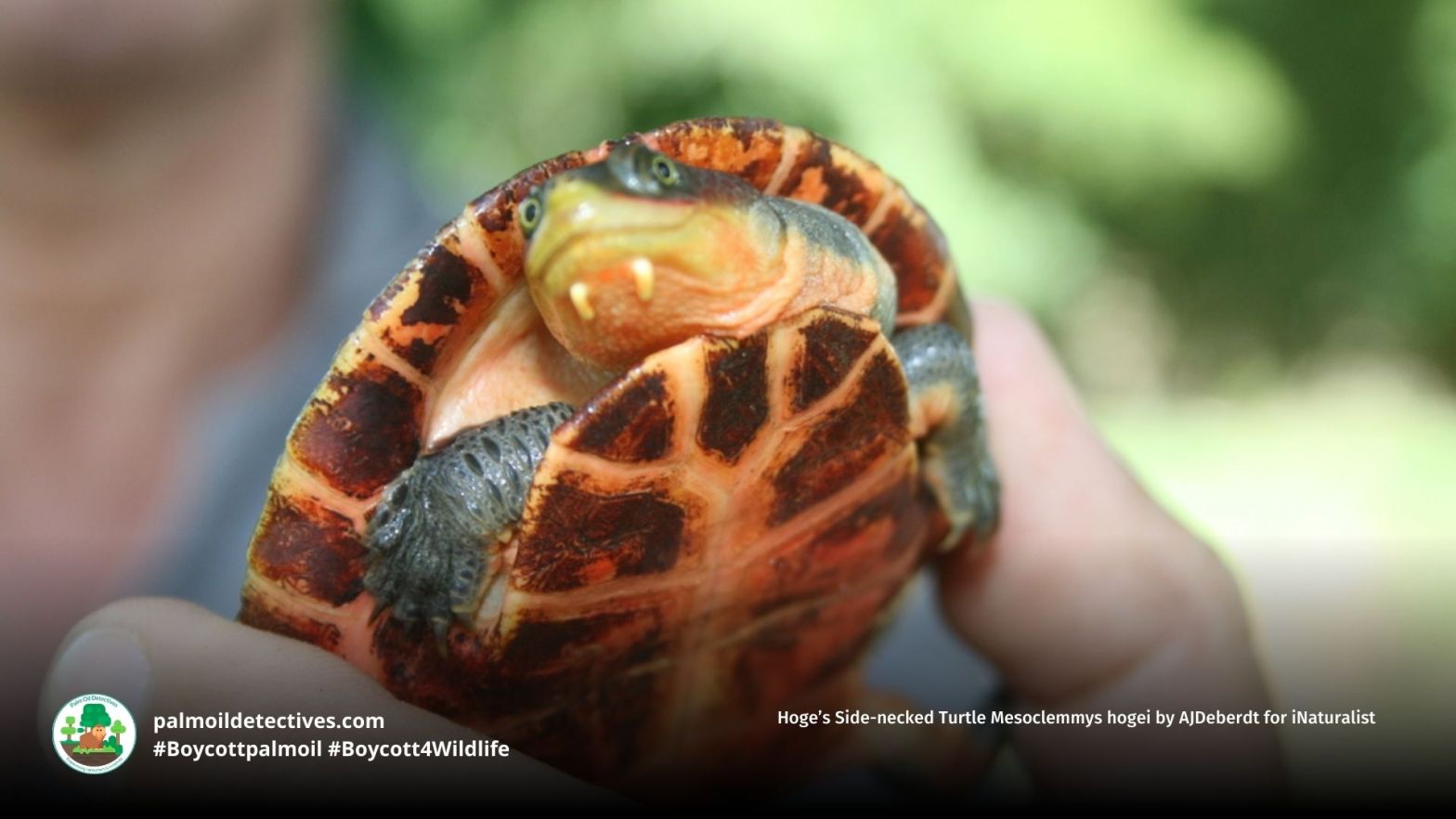
The Hoge’s Side-necked Turtle Ranacephala hogei—also known as Hoge’s Toadhead Turtle—is one of #Brazil’s rarest and most endangered reptiles. Having diverged from other turtles some 80 million years ago, they are evolutionary survivors now on the brink. With fewer than 2,000 individuals thought to remain, their populations have plummeted due to #palmoil #soy and #meat #deforestation, damming, water pollution, and incidental deaths in fisheries. Once feared lost from parts of their range, new research using citizen science and extensive fieldwork has rediscovered them in previously unknown areas, sparking renewed hope. But the threats remain. Help them every time you shop and #BoycottPalmOil #Boycott4Wildlife, be #Vegan and #BoycottMeat
Bengal Slow Loris Nycticebus bengalensis

The Bengal Slow Loris’s are wide-eyed beauties that are arboreal and nocturnal and live in tropical evergreen rainforest, semi-evergreen forest, and mixed deciduous forest. They are the largest loris species and feed predominantly on plant sap. They are now endangered in Malaysia and other parts of South East Asia, their primary threats are illegal capture for the pet trade and #palmoil #deforestation throughout their range. Help them every time you shop and #Boycottpalmoil #Boycott4Wildlife
Müller’s gibbon Hylobates muelleri
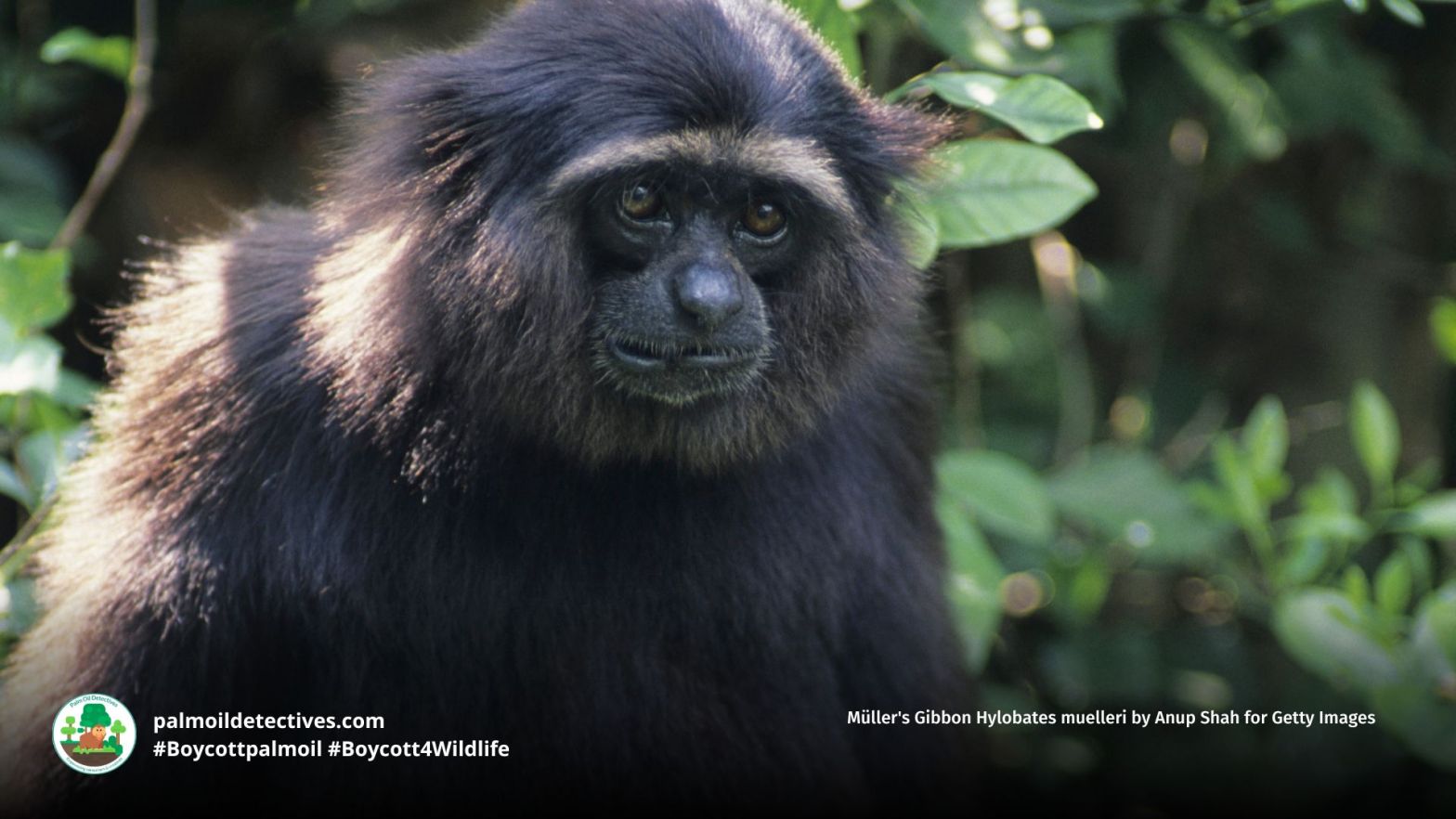
The Bornean Gibbon Hylobates muelleri, also known as Müller’s #gibbon or the Southern Grey Gibbon, is a master of the treetops and a celebrated forest singer. Their haunting duets echo across the rainforest canopy, keeping family bonds strong and warning intruders away. But these calls are growing rarer. The Müller’s gibbon is listed as #Endangered due to relentless forest loss caused by logging, #palmoil expansion, #fire, and #hunting. Their future depends on the survival of Borneo’s rainforests. Take action and use your wallet as a weapon! #BoycottPalmOil #Boycott4Wildlife be #Vegan and #BoycottMeat
Storm’s Stork Ciconia stormi
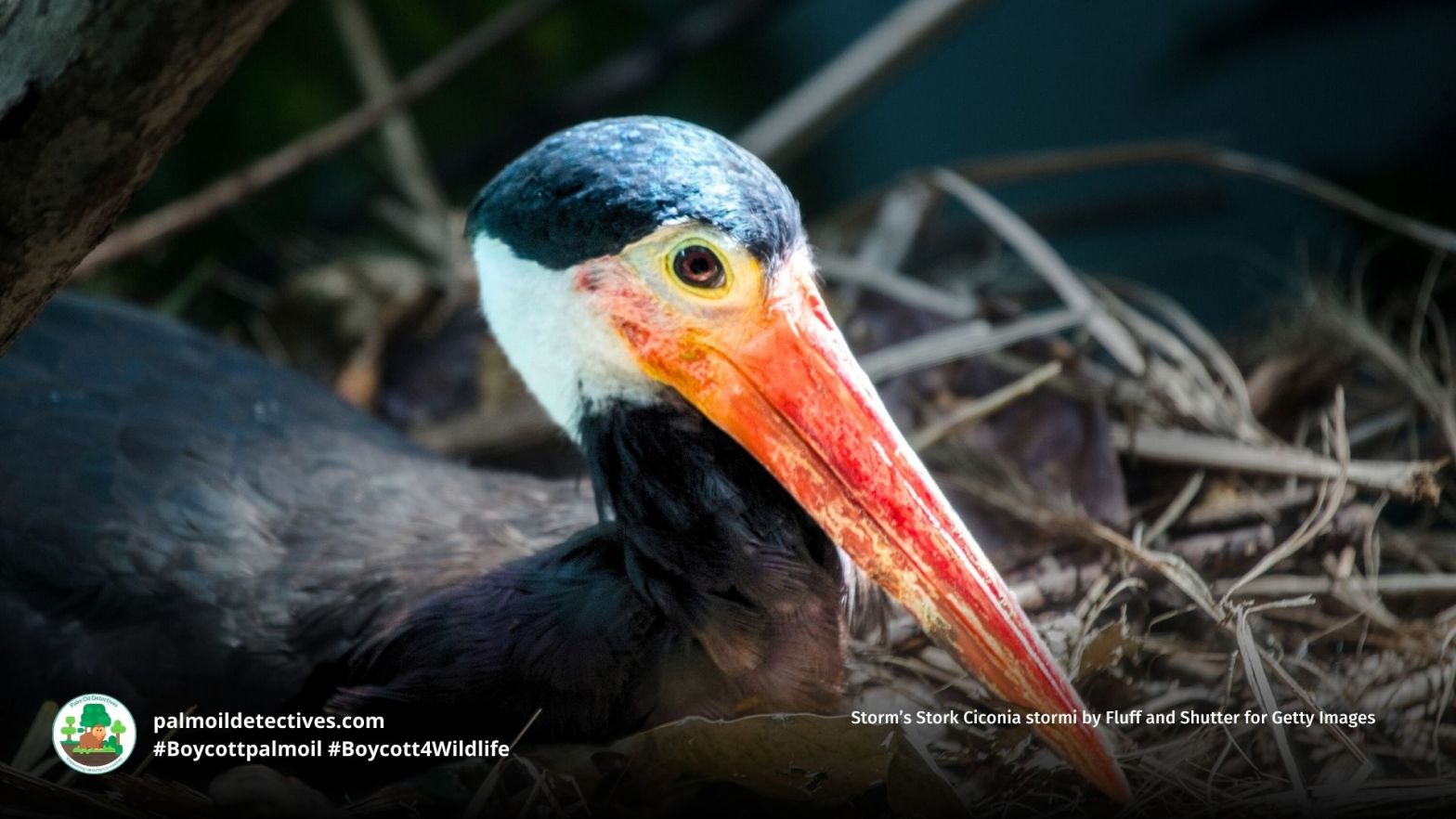
Storm’s Stork Ciconia stormi is the rarest and most elusive stork in Asia, palm oil is a threat boycott palm oil for them!
Vordermann’s Flying Squirrel Petinomys vordermanni
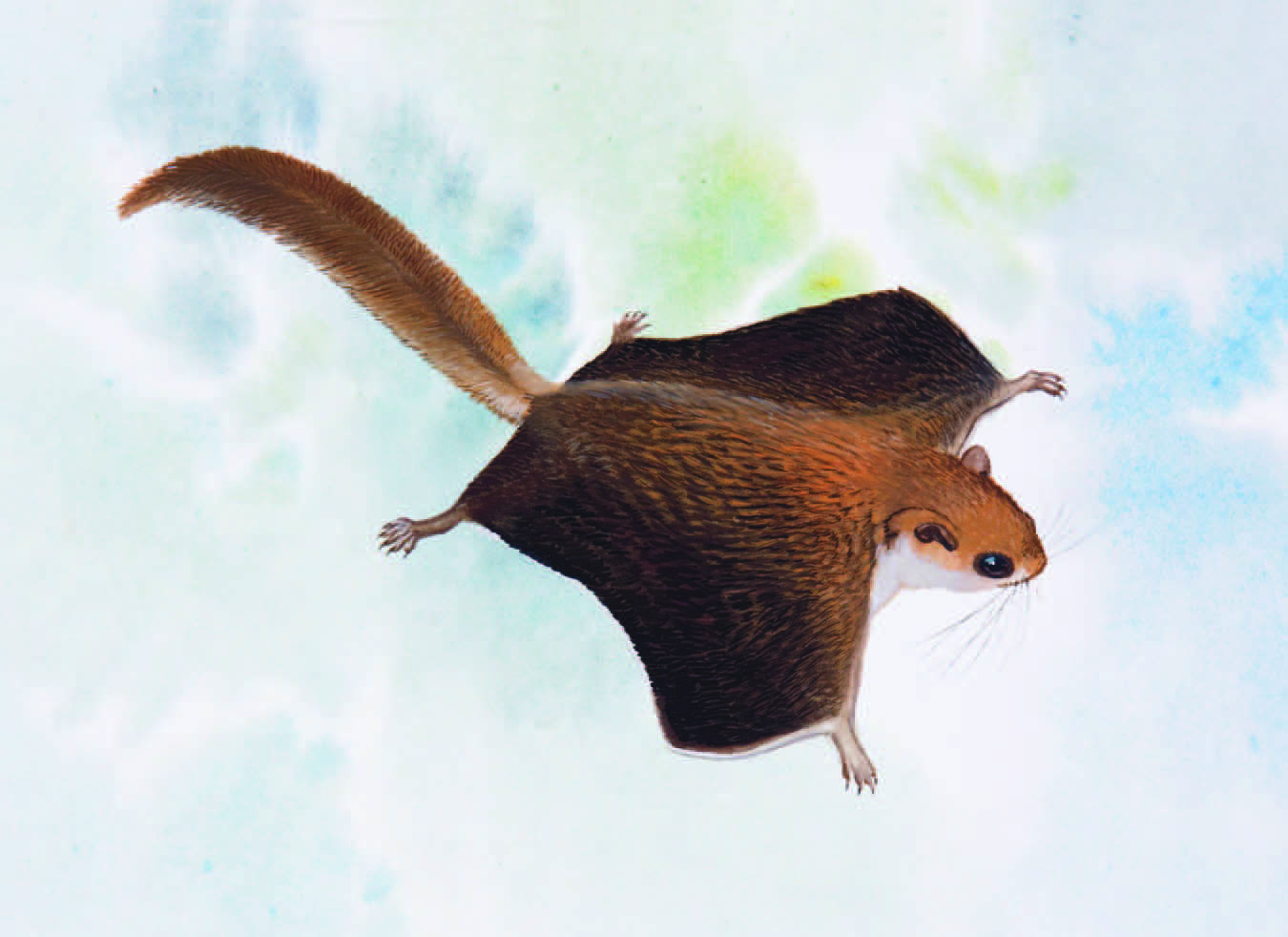
In #Borneo’s twilight, the Vordermann’s flying #squirrel emerges from her nest, resplendent with orange cheeks and black-ringed eyes. This small, #nocturnal #mammal is a master of the rainforest canopy. They use an ingenious membrane called a patagium to effortlessly glide between trees. A flying squirrel’s world is one of constant motion and quiet vigilance. Don’t let this world disappear! The forests that sustain them are vanishing at an alarming rate. Palm oil-driven deforestation, logging, and land conversion are tearing through their habitat, leaving only fragmented forest. Use your wallet as a weapon and #BoycottPalmOil #Boycott4Wildlife.
Black-naped Pheasant-pigeon Otidiphaps insularis
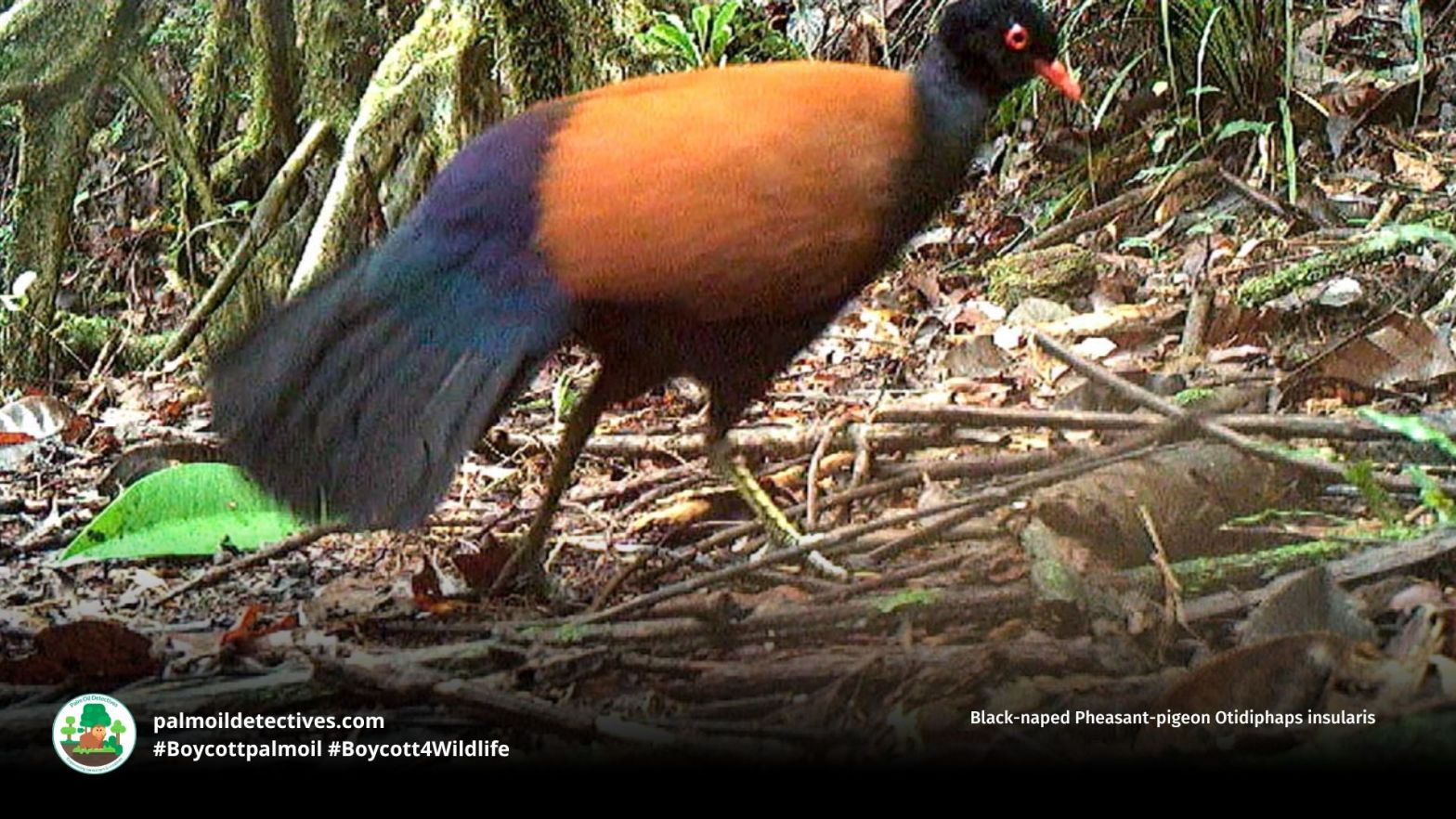
Elusive, critically endangered Black-naped Pheasant-Pigeon live on Fergusson Island, Papua and must be protected from ecocide, boycott palm oil when you shop!
 Palm Oil Detectives