

The Ifola, a rare and little-known tree kangaroo, inhabits the tropical montane forests of the Fakfak Mountains in Papua New Guinea and Indonesian-occupied West Papua. First identified as a distinct species in 1993, this remarkable marsupial is part of the genus Dendrolagus, known for their arboreal lifestyle. With their restricted range and vulnerability to habitat loss, Ifola are at significant risk due to palm oil deforestation, gold mining, and other human activities encroaching on their high-altitude homes. Their survival is tied to the preservation of the rich, biodiverse forests they call home. #BoycottPalmOil #Boycott4Wildlife
Tag Archives: Papua New Guinea: Species Endangered by Palm Oil Deforestation
Woodlark Cuscus Phalanger lullulae
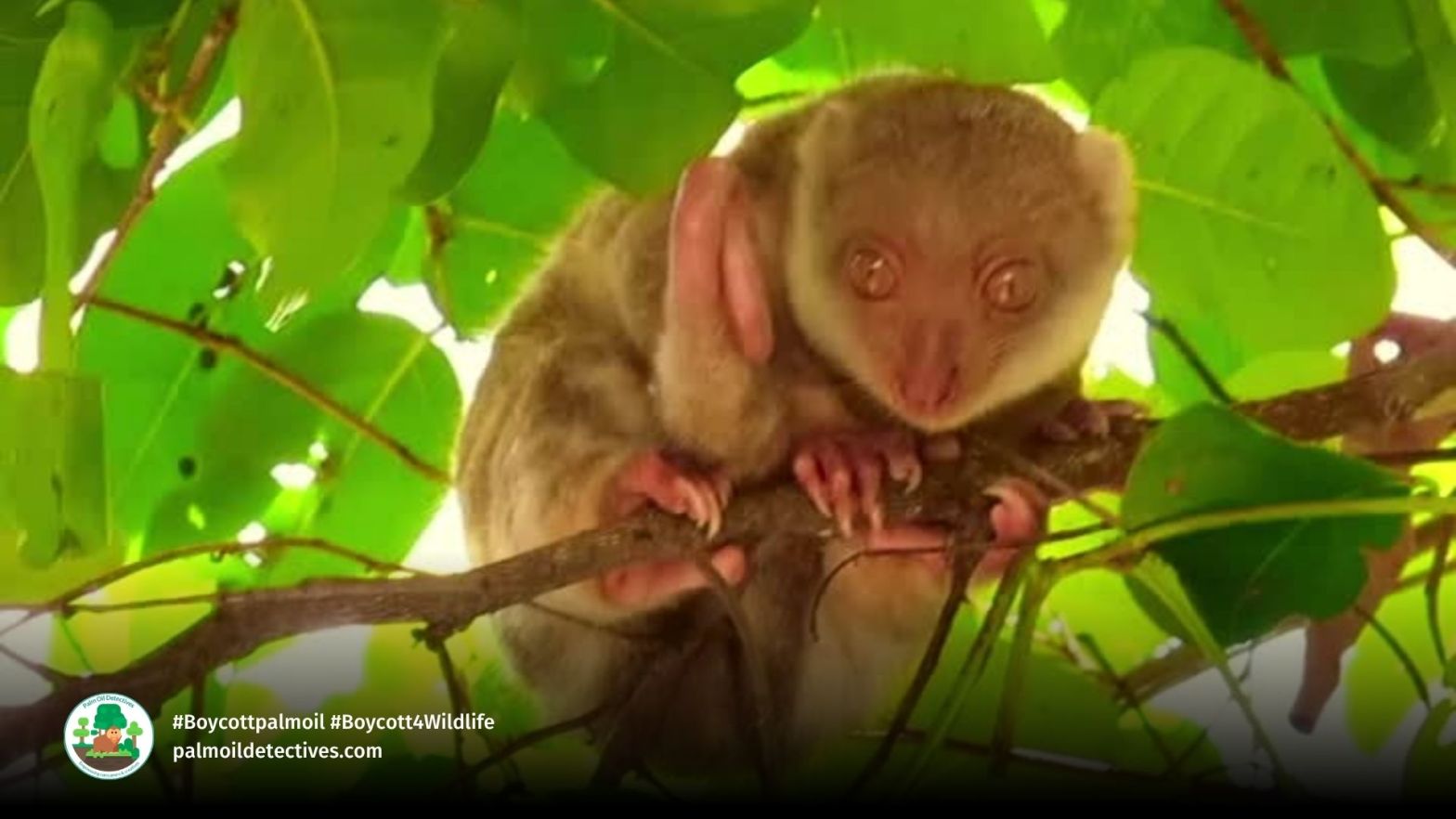
The Woodlark #Cuscus is a nocturnal marsupial found nowhere else but the forests of Woodlark, Madau, and Alcester islands. By day, the Woodlark Cuscus curls into tree hollows or buries themselves in tangles of epiphytes; by night, they move silently through the canopy, their marbled fur blending with the shifting shadows. The Woodlark Cuscus faces imminent extinction as palm oil plantations, logging, and gold mining threaten to erase the last forests of their island home. With all individual cuscuses known from less than 1,300 km² and new clearances looming, the Woodlark Cuscus’s world is shrinking fast. Stand with indigenous Melanesian sovereignty and safeguard these islands. Use your wallet as a weapon and #BoycottPalmOil #Boycott4Wildlife.
Far Eastern Curlew Numenius madagascariensis

Far Eastern Curlew Numenius madagascariensis Endangered Location: Papua New Guinea, Asia, SE Asia, Northern Australia The Far Eastern Curlew breeds on open mossy or transitional bogs, moss-lichen bogs and wet meadows, and on the swampy shores of small lakes and winters in Papua New Guinea; in the non-breeding season, this bird is essentially coastal, occurringContinue reading “Far Eastern Curlew Numenius madagascariensis”
Louisiade Woolly Bat Kerivoula agnella
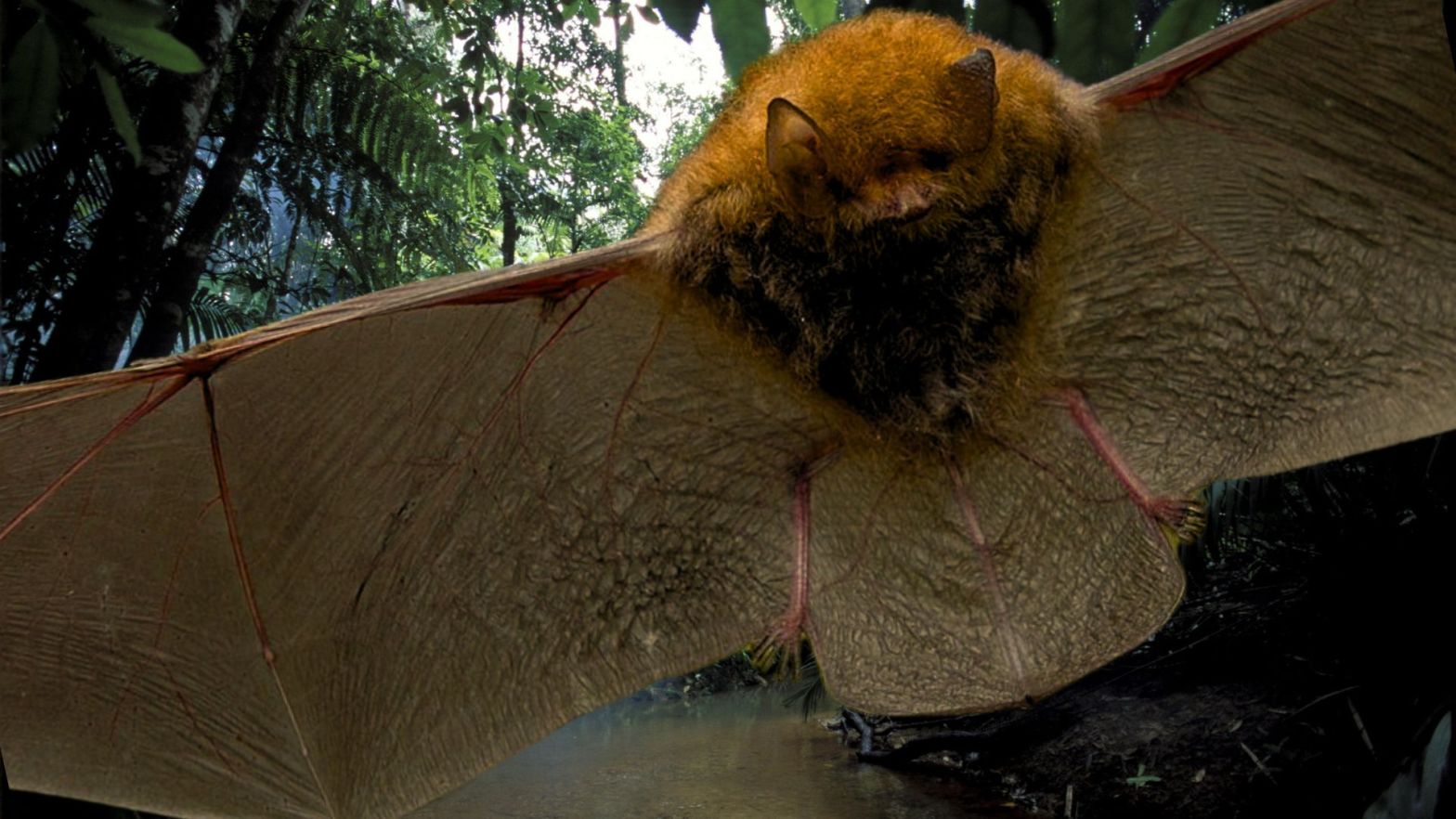
Louisiade Woolly Bat Kerivoula agnell IUCN Red List Status: Endangered Location: The Louisiade Woolly Bat is endemic to Papua New Guinea, specifically to the islands of the Louisiade Archipelago, including Sudest (Vanatinai) and Tagula. Also known as St. Aignan’s Trumpet-Eared Bat, the Louisiade Woolly Bat is a rare and enigmatic species. Recognised for their soft,Continue reading “Louisiade Woolly Bat Kerivoula agnella”
Black-naped Pheasant-pigeon Otidiphaps insularis
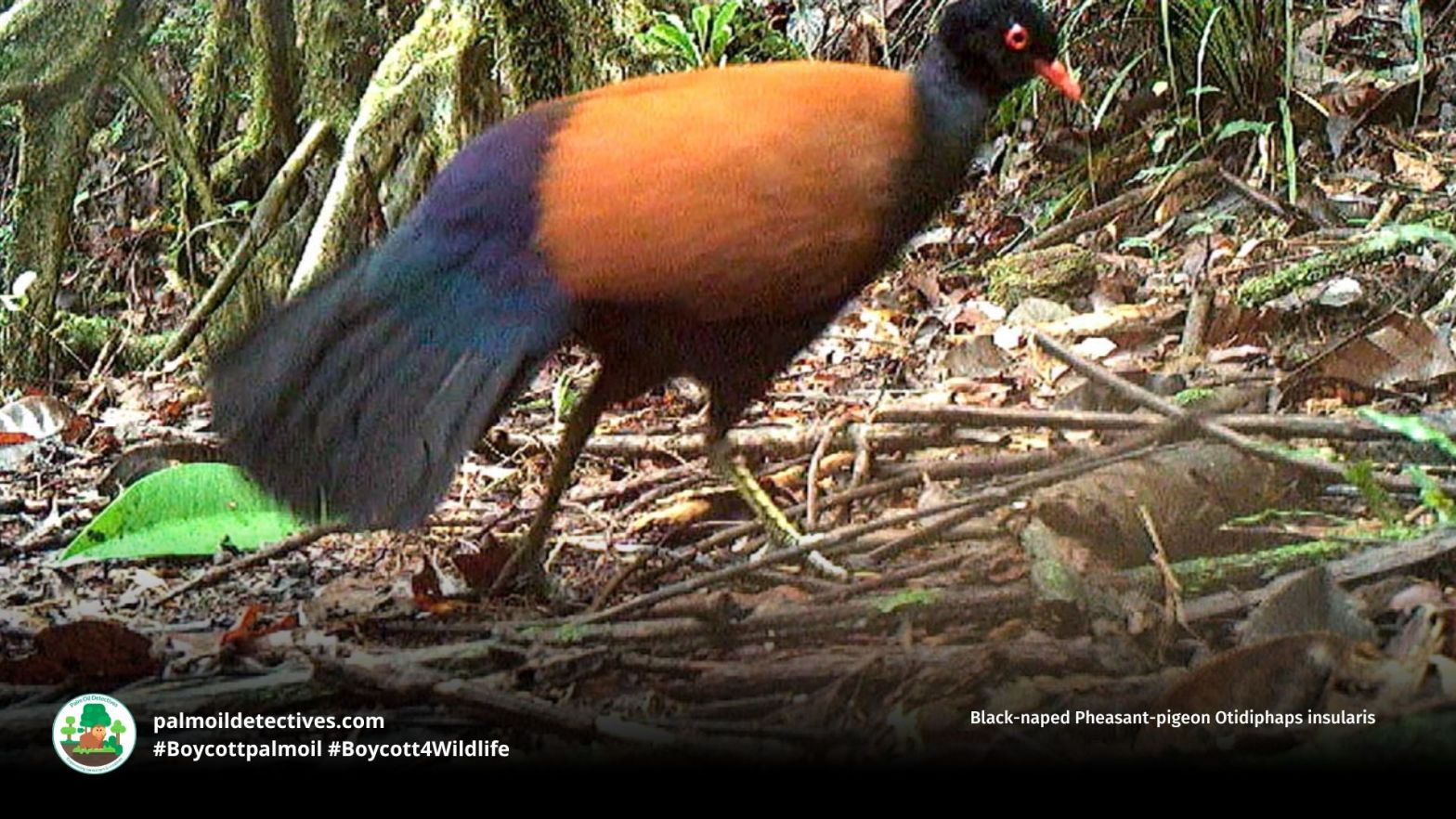
Elusive, critically endangered Black-naped Pheasant-Pigeon live on Fergusson Island, Papua and must be protected from ecocide, boycott palm oil when you shop!
Forest Rainbowfish Melanotaenia sylvatica
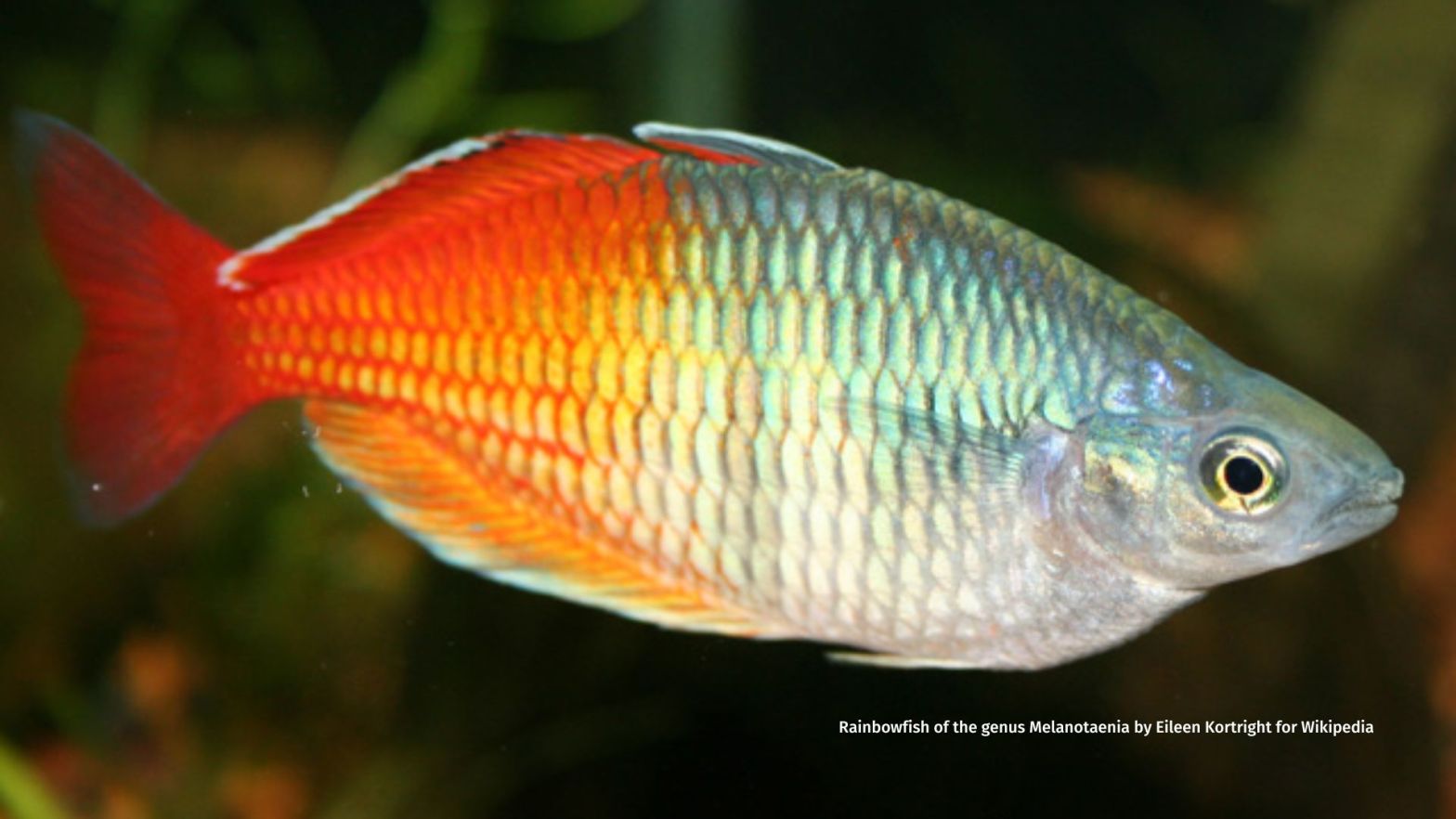
Help save the Forest Rainbowfish, shimmering, iridescent fish is under severe threat from logging and out-of-control palm oil plantations, boycott palm oil!
D’entrecasteaux Archipelago Pogonomys Pogonomys fergussoniensis
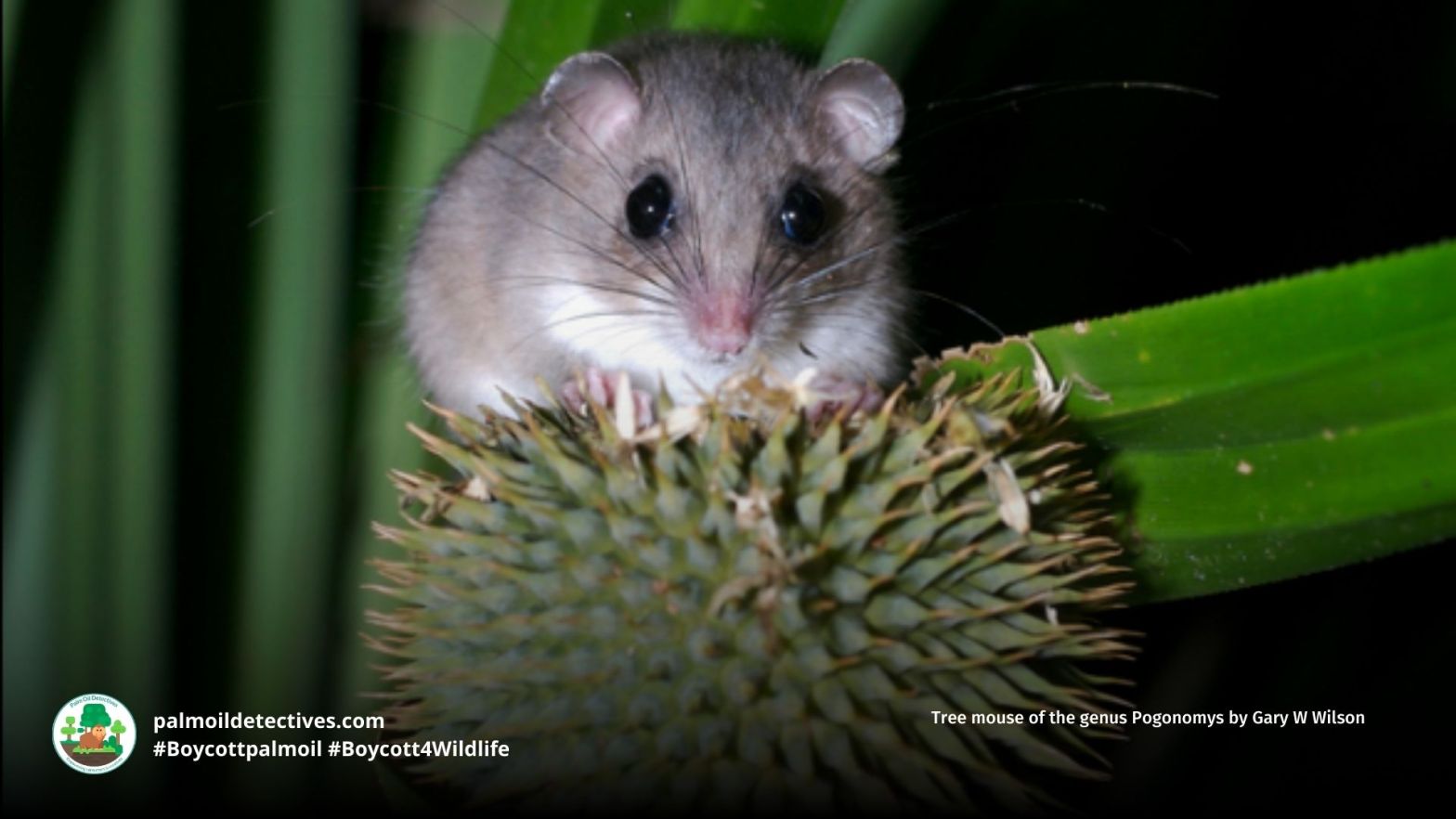
Help save D’Entrecasteaux Archipelago Pogonomys. Long named ultra cute arboreal rodents from Papua New Guinea are endangered by palm oil. Resist and boycott!
David’s Echymipera Echymipera davidi
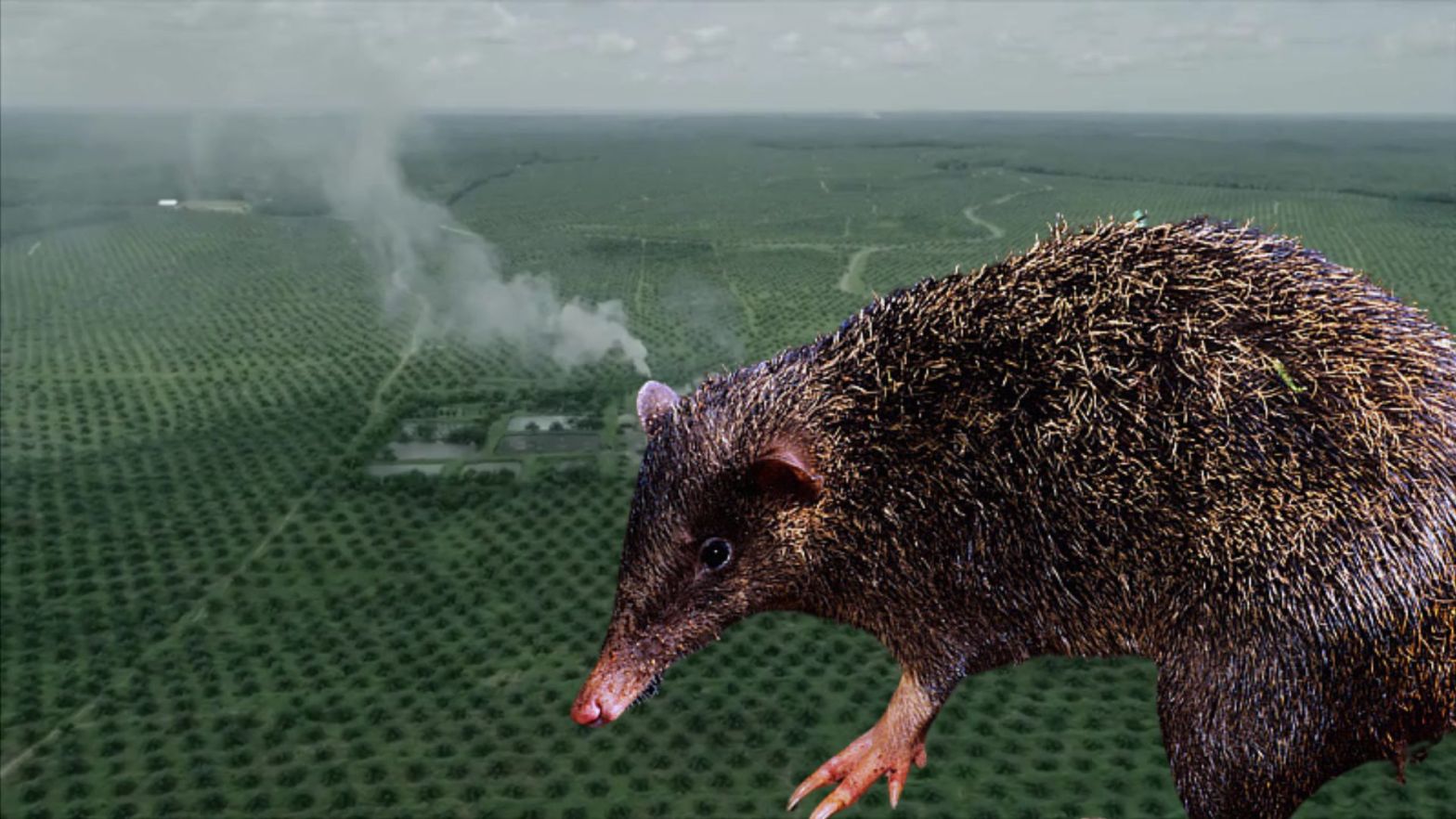
David’s Echymipera (Echymipera davidi) is an extremely rare, little-known #bandicoot endemic to Kiriwina Island in the Trobriand Islands of #PapuaNewGuinea. With a range of just 280 km², this elusive #marsupial is at significant risk due to habitat loss and human encroachment. Like other bandicoots, they are crucial for ecosystem health, aerating the soil as they dig for food. However, their survival is threatened by the pressures of #agriculture, habitat destruction, and #hunting. Without immediate conservation efforts, this species faces an uncertain future. Help this animal by raising awareness #Boycott4Wildlife
Goodfellow’s Tree Kangaroo Dendrolagus goodfellowi
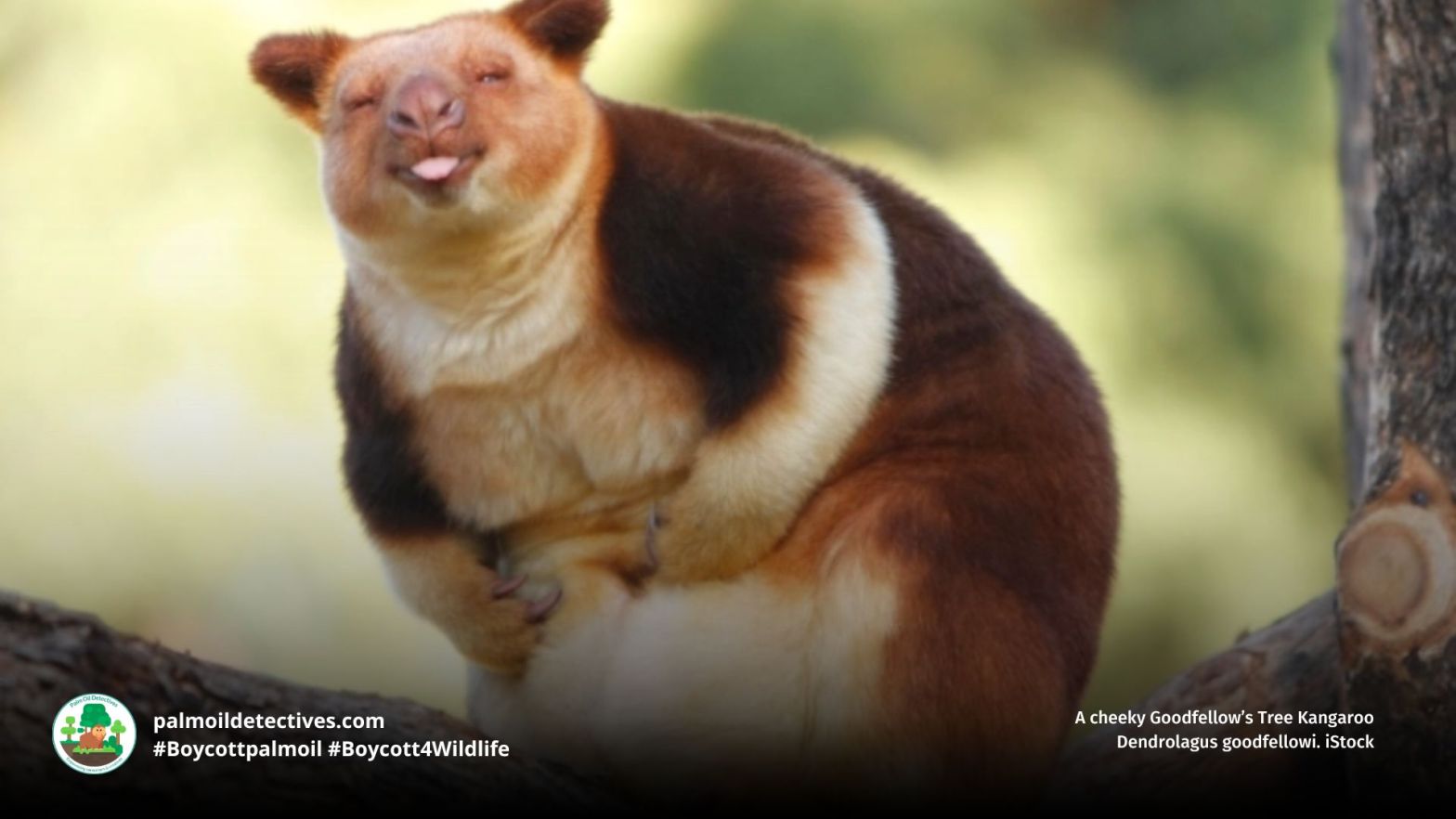
Help save Goodfellow’s Tree-Kangaroo! These enchanting marsupials live in the treetops of Papua’s rainforests and are endangered by hunting and palm oil!
Huon Tree Kangaroo Dendrolagus matschiei
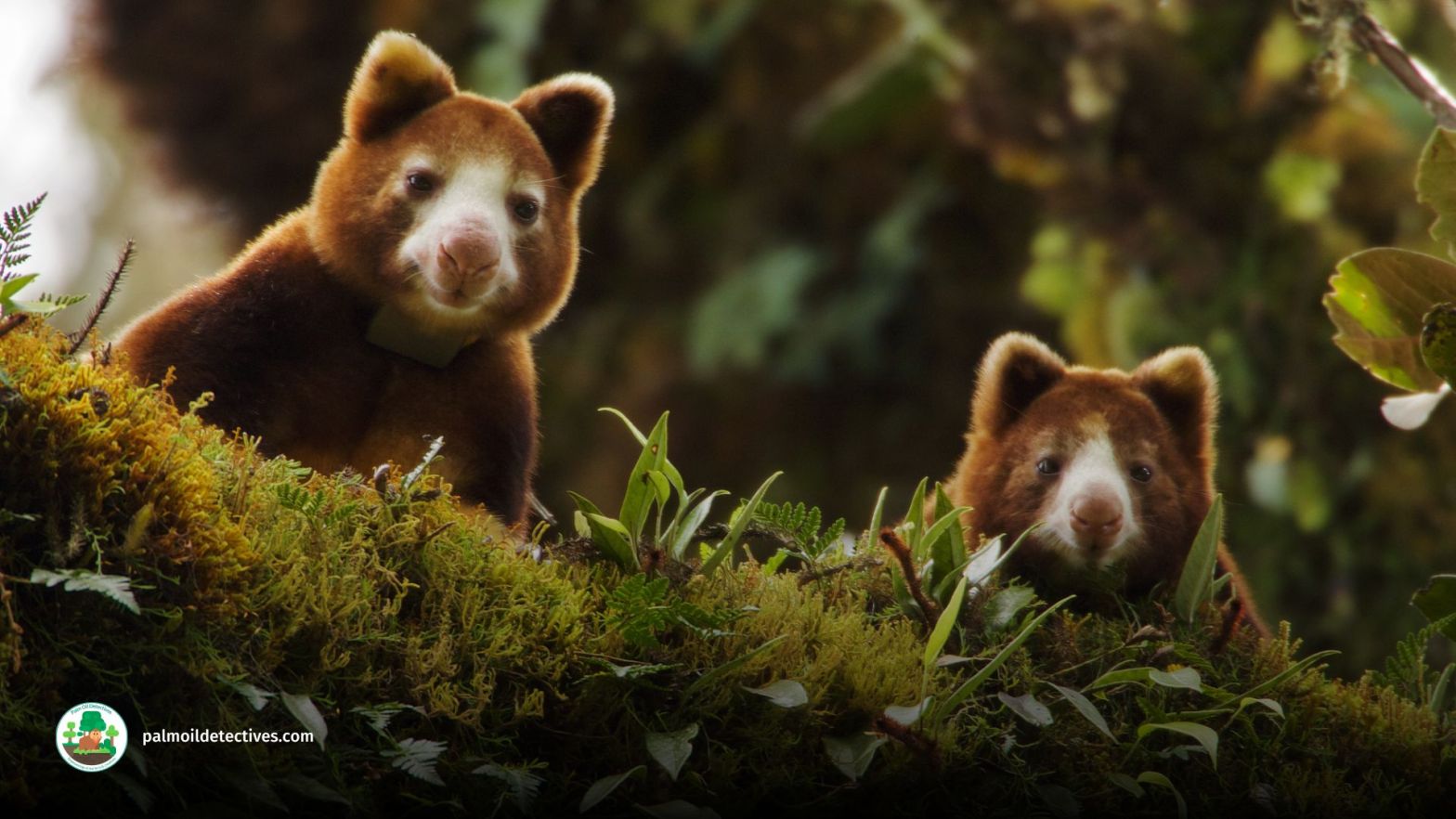
Adorable creatures with a teddy-like face and simian looking tail, Huon Tree Kangaroos live in Papua New Guinea. They are classified as endangered due to ongoing destruction of their natural rainforest home for #palmoil and #mining throughout their range. There are estimated to be <2,500 individual kangaroos left alive. Help them every time you shop and #Boycottpalmoil #Boycott4Wildlife
Arfak Ringtail Pseudochirulus schlegeli
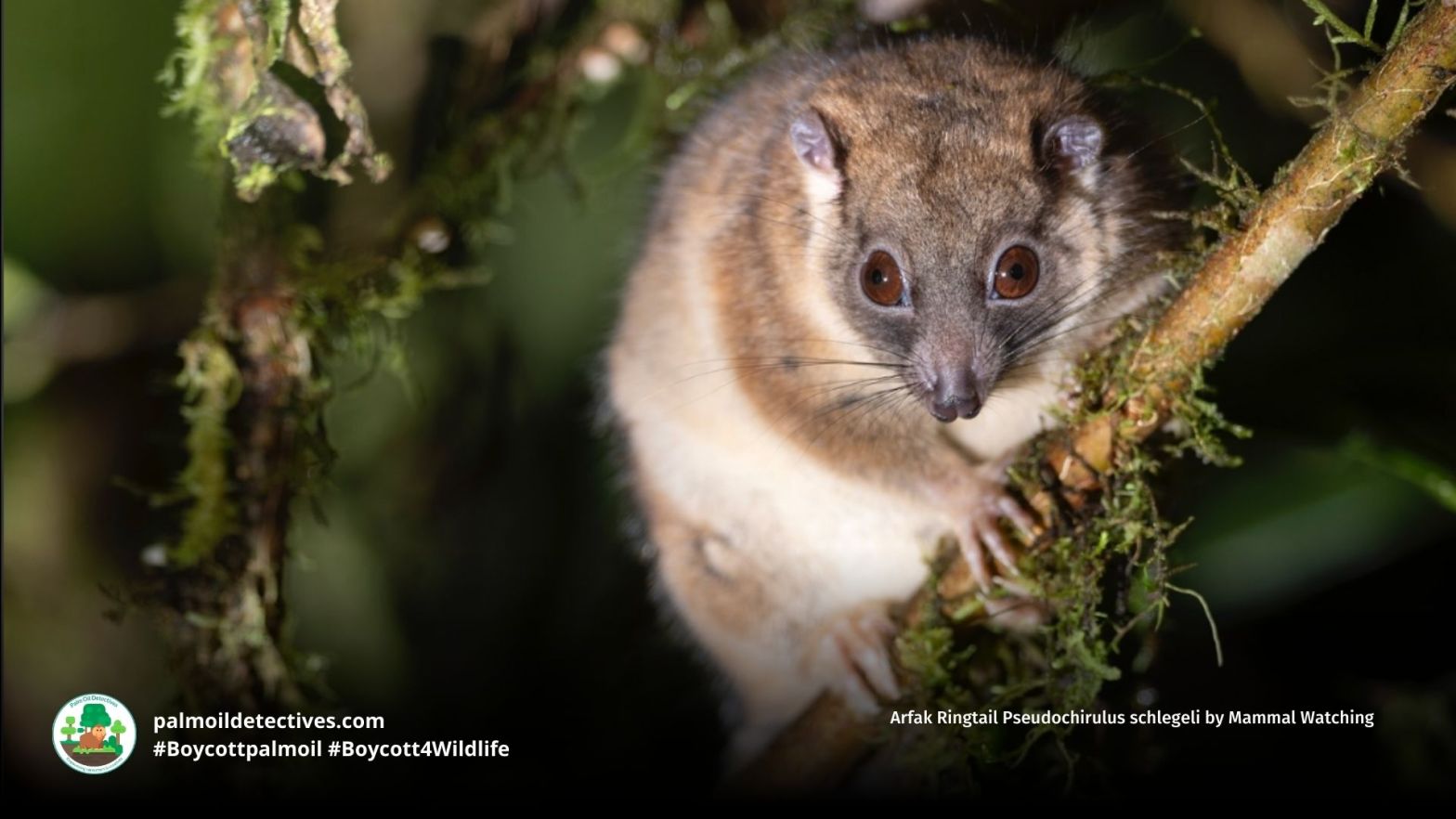
The Arfak Ringtail Pseudochirulus schlegeli is a wide-eyed and bushy tailed #possum living in the remote Arfak Mountains and cloud forests of #WestPapua. Although little is known of these tree-dwelling #marsupials, much can be gleaned from related #mammals in Australasia. These cryptic and fluffy arboreal beauties are found in the mossy, cloud-wrapped forests of the Vogelkop Peninsula’s Arfak Mountains. Listed as #Vulnerable, the species faces mounting pressure from #deforestation for #palmoil and #timber and #hunting by local communities. With fewer than five known locations and less than 20,000 km² of suitable habitat, this highland #possum could disappear quietly without urgent action. Protect #indigenous forests, say no to palm oil, and stand up against wildlife exploitation #BoycottPalmOil #Boycott4Wildlife #Vegan
Bear Cuscus Ailurops ursinus
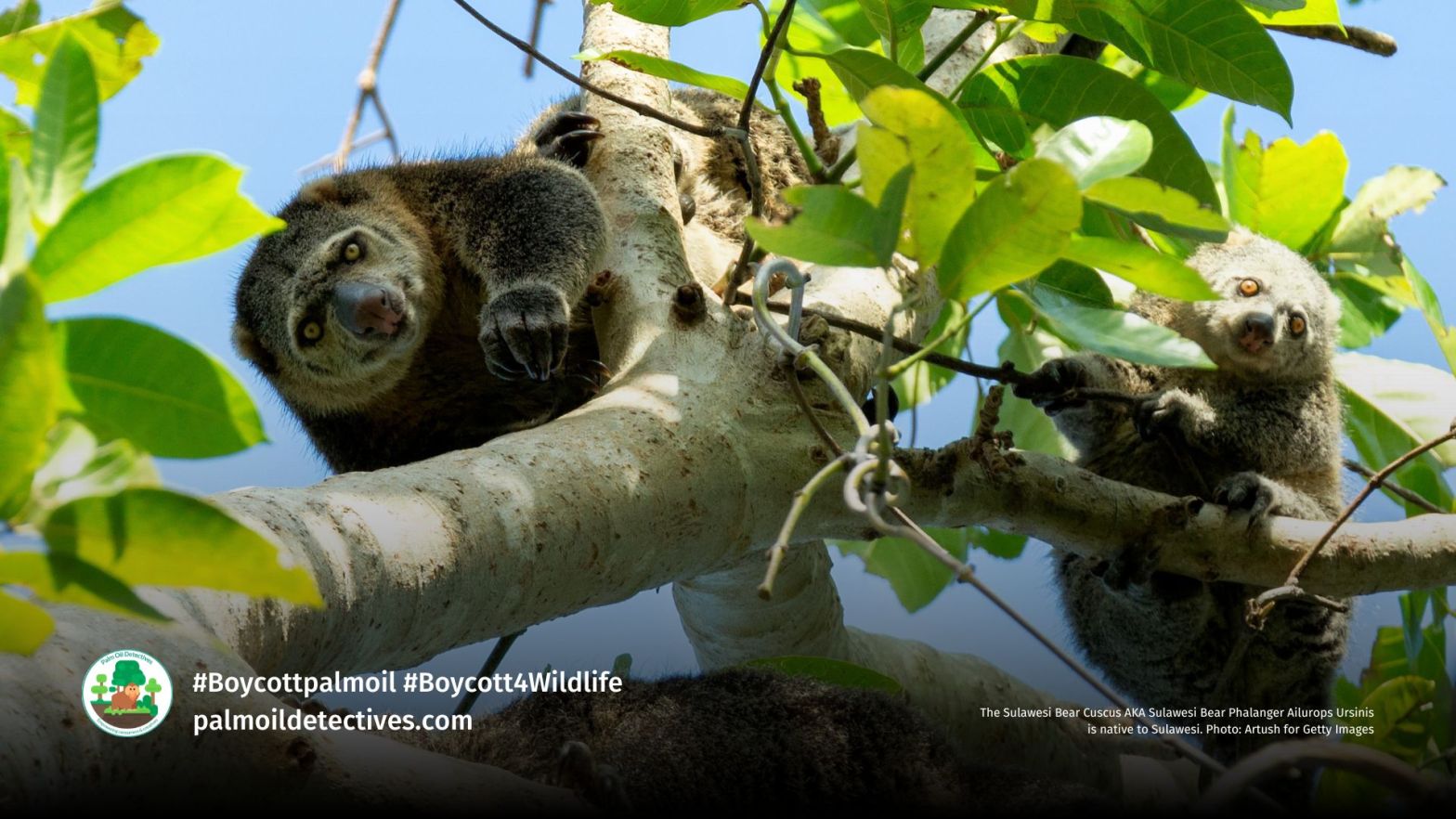
The Bear Cuscus also known as the Sulawesi bear cuscus is an unusual and charming marsupial, named for their thick, dark, bear-like fur. Found only on the island of Sulawesi and nearby islands, this slow-moving, arboreal creature spends much of their day resting in the tropical rainforests of Indonesia. The Sulawesi bear cuscus uses their elongated claws and prehensile tail to navigate the canopy, feeding on a diet of leaves, flowers, and unripe fruit. Sadly, palm oil deforestation and hunting pose serious threats to this species, resulting in a significant decline in their population. Protecting the Sulawesi bear cuscus is essential to preserving the biodiversity of Indonesia’s rainforests. Say no to palm oil and industrial agriculture every time you shop, and use the hashtags #BoycottPalmOil and #Boycott4Wildlife on social media to vocally oppose the greenwashing of “sustainable” palm oil.
Vogelkop Tree Kangaroo Dendrolagus ursinus
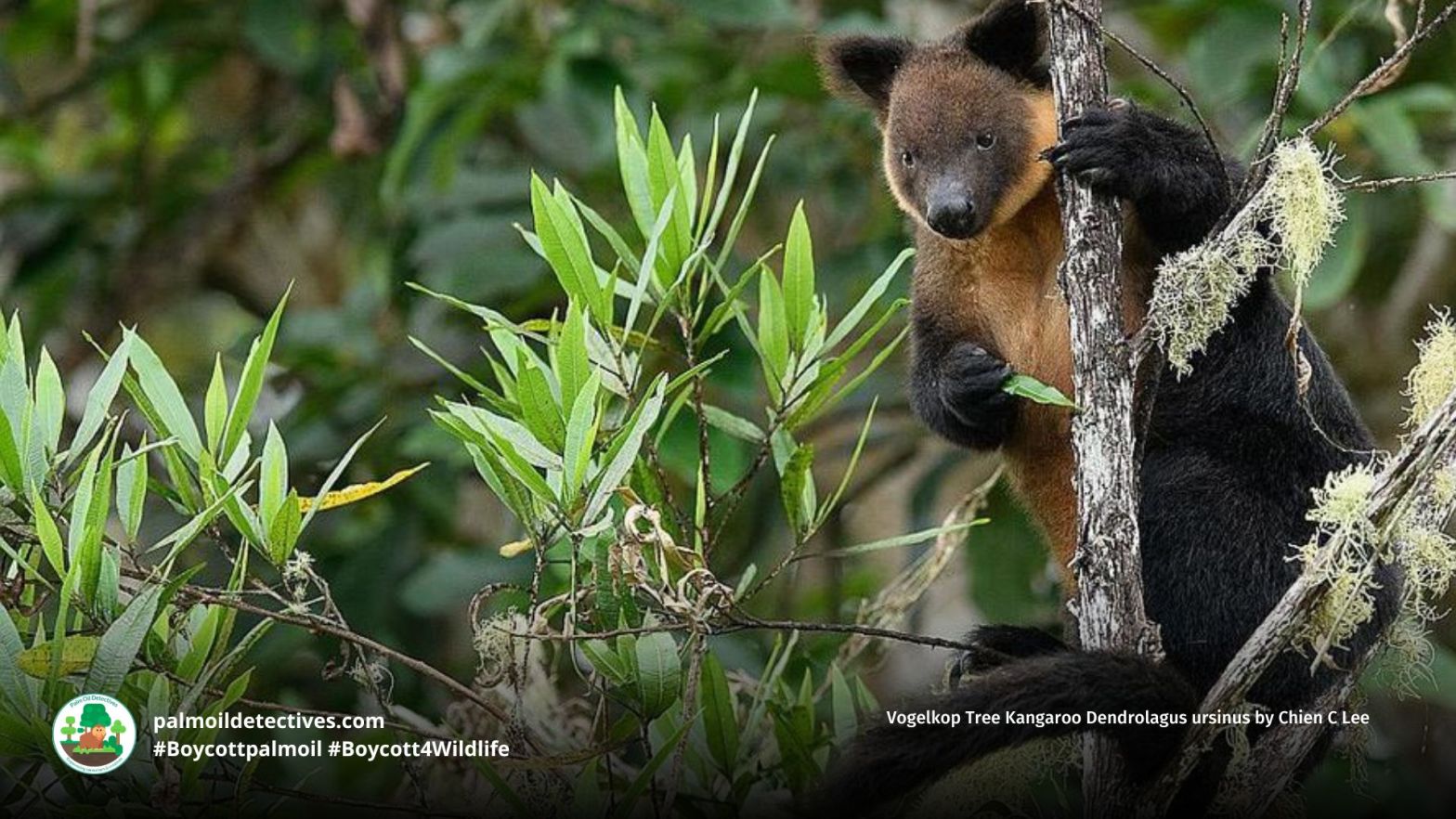
Protect stunning marsupials Vogelkop Tree Kangaroo Dendrolagus ursinus and boycott palm oil! They live in the Vogelkop and Fakfak Peninsulas of West Papua.
Dingiso Dendrolagus mbaiso
Known affectionately as the ‘Panda tree kangaroo’ for their black and white faces, dingisos are one of the rarest and most charismatic species of tree kangaroos, living only in the remote cloud forests of the Sudirman Range in Indonesian-occupied #WestPapua. While revered by the Moni people who consider them sacred and taboo to hunt, #Dingiso populations have still plummeted by over 50% due to #hunting, road construction, habitat clearing, and the expansion of industrial agriculture particularly #palmoil #deforestation. #Climatechange is now driving further habitat loss at high altitudes. Help these mysterious and gentle tree kangaroos every time you shop, use your wallet as a weapon and #BoycottPalmOil #Boycott4Wildlife
Blue-eyed Spotted Cuscus Spilocuscus wilsoni
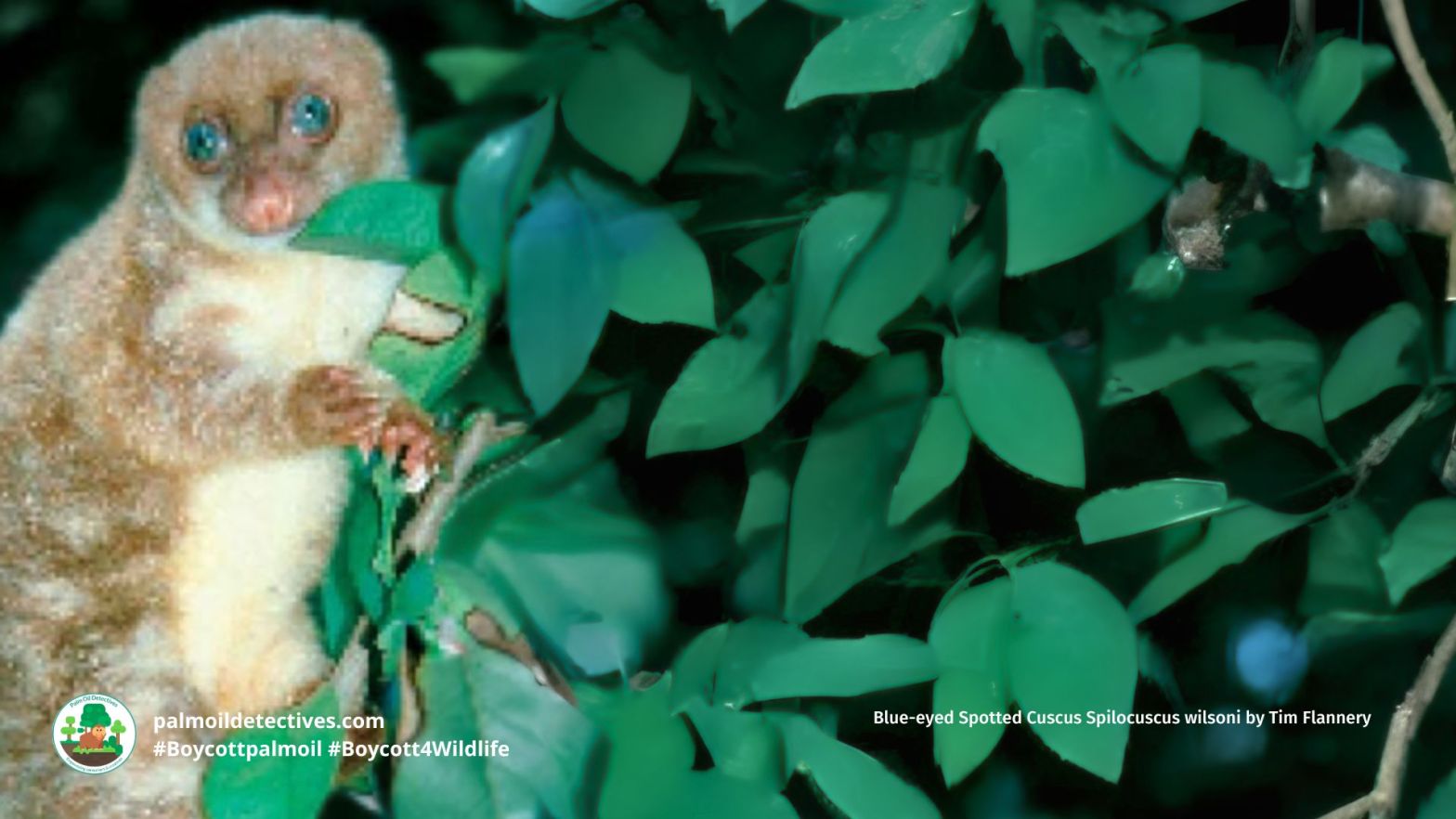
Critically Endangered Blue-eyed Spotted Cuscus lives in lowland rainforests of West Papua. Palm oil deforestation is a serious threat. Boycott palm oil!
Golden-mantled Tree Kangaroo Dendrolagus pulcherrimus
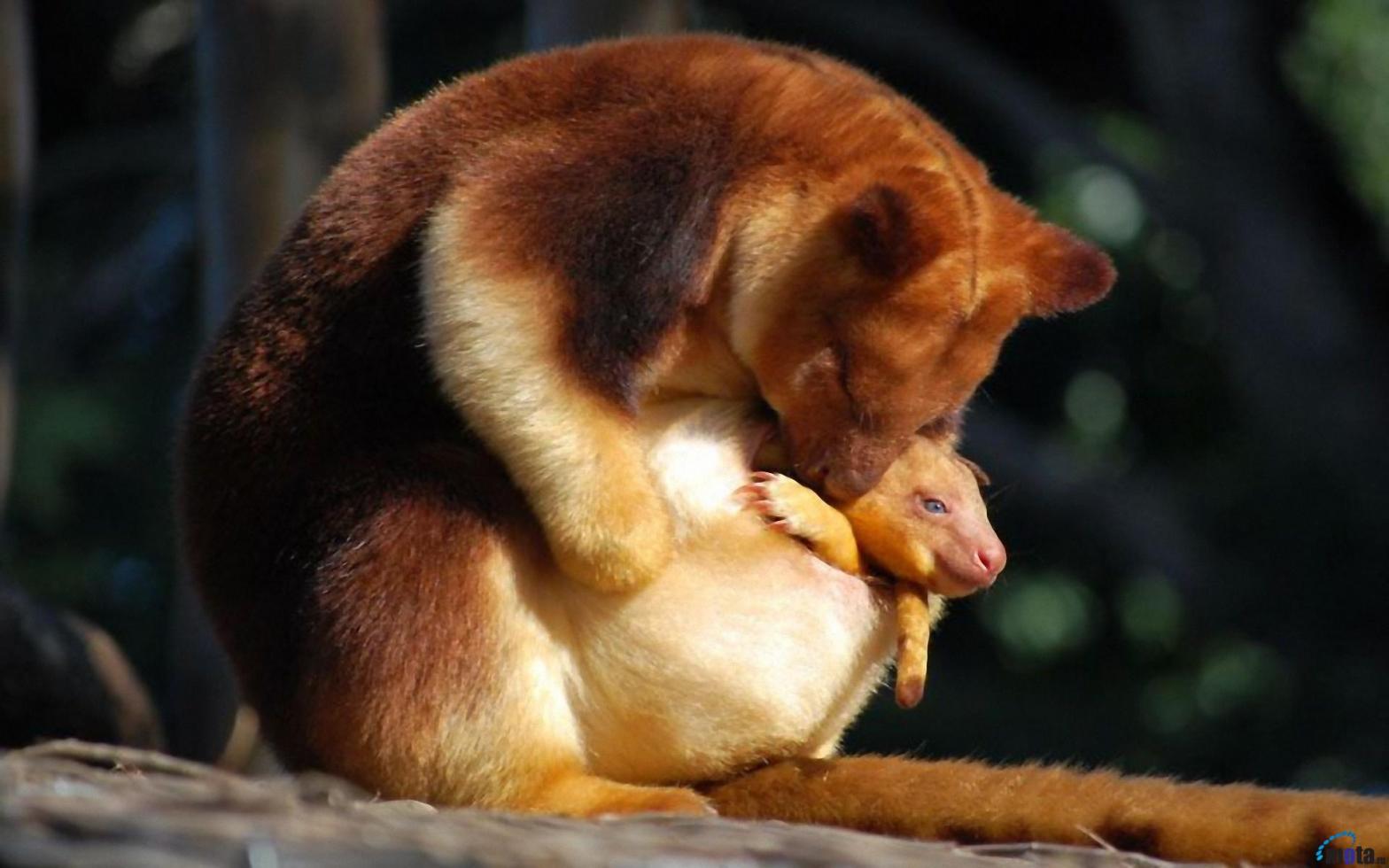
Critically Endangered Golden-mantled Tree Kangaroos are found in Papua New Guinea’s mountains. They move with grace in a vanishing world. Boycott palm oil!
Tenkile Dendrolagus scottae
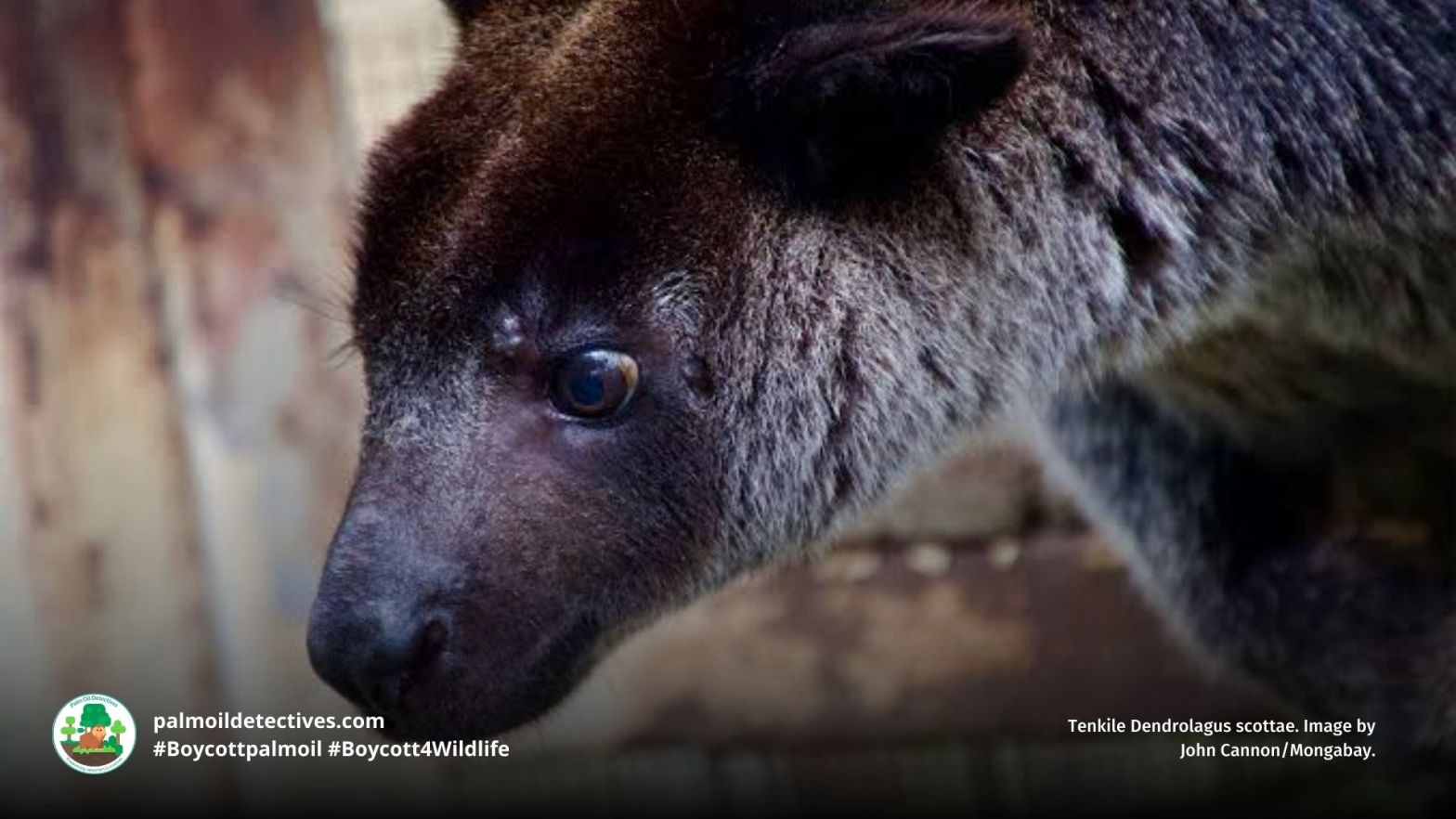
The #Tenkile, or Scott’s Tree #Kangaroo Dendrolagus scottae, is one of the most endangered #marsupials in the world, found only in the Torricelli Mountains and Bewani Range of #PapuaNewGuinea. These elusive tree kangaroos are unlike others of the #Dendrolagus genus as they spend a lot more time on the ground. These #treekangaroos were once widespread, but decades of hunting for food and deforestation for subsistence farming have driven them to the brink of extinction and they are now critically endangered. By the early 2000s, their population had plummeted to an estimated 100 individuals. However, the Tenkile Conservation Alliance (TCA) has led a community-driven conservation effort that has helped stabilise and even increase their numbers. Despite these successes, #timber and #palmoil expansion stills pose a major threat to this species’ survival. Resist and fight for their survival each time you shop—#BoycottPalmOil #Boycott4Wildlife.
Telefomin Cuscus Phalanger matanim
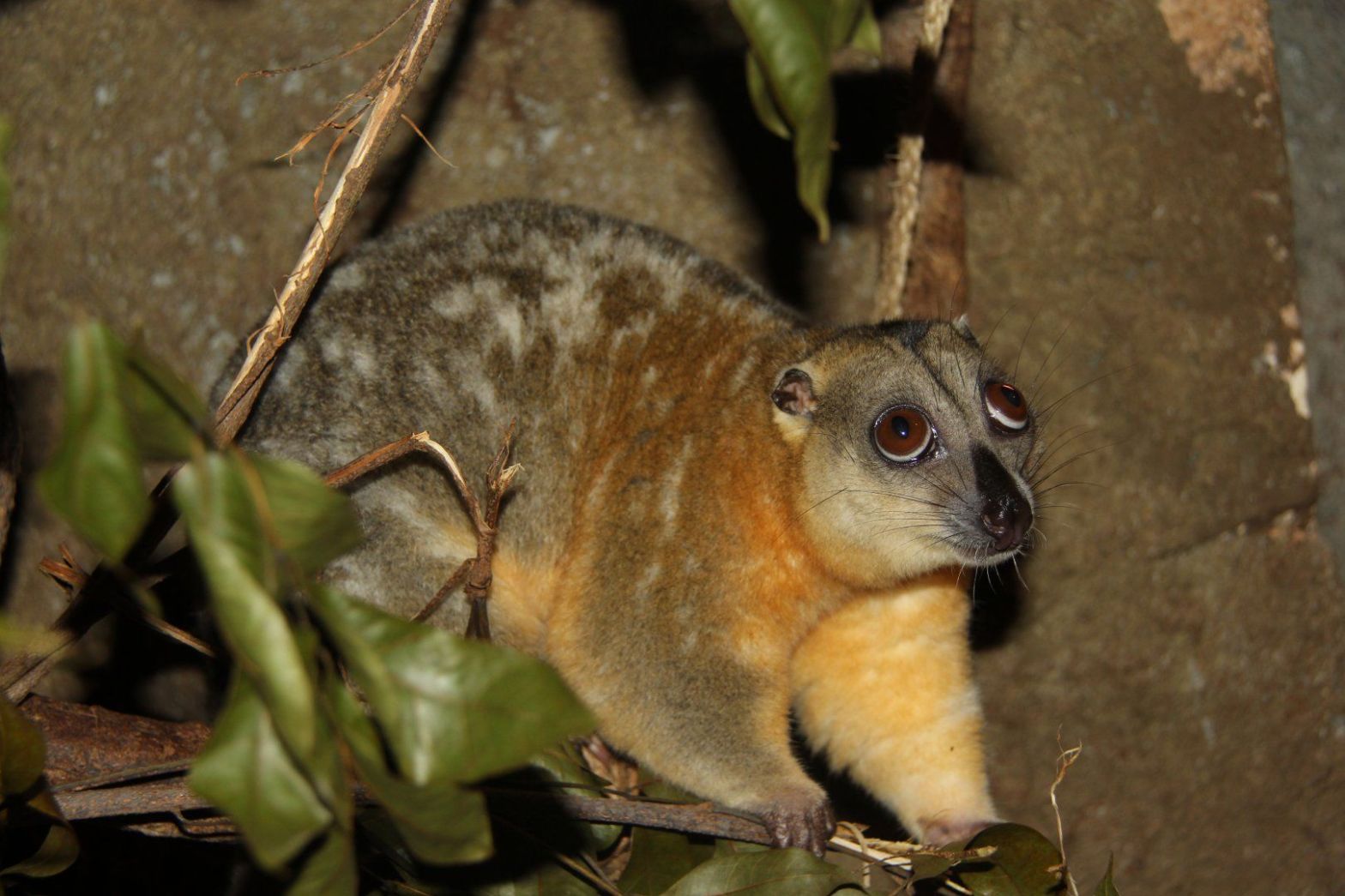
Help save the Telefomin Cuscus! These critically endangered marsupials are found only in PNG’s Nong River Valley and face an uncertain future from palm oil!
Thomas’s Big-eared Bat Pharotis imogene
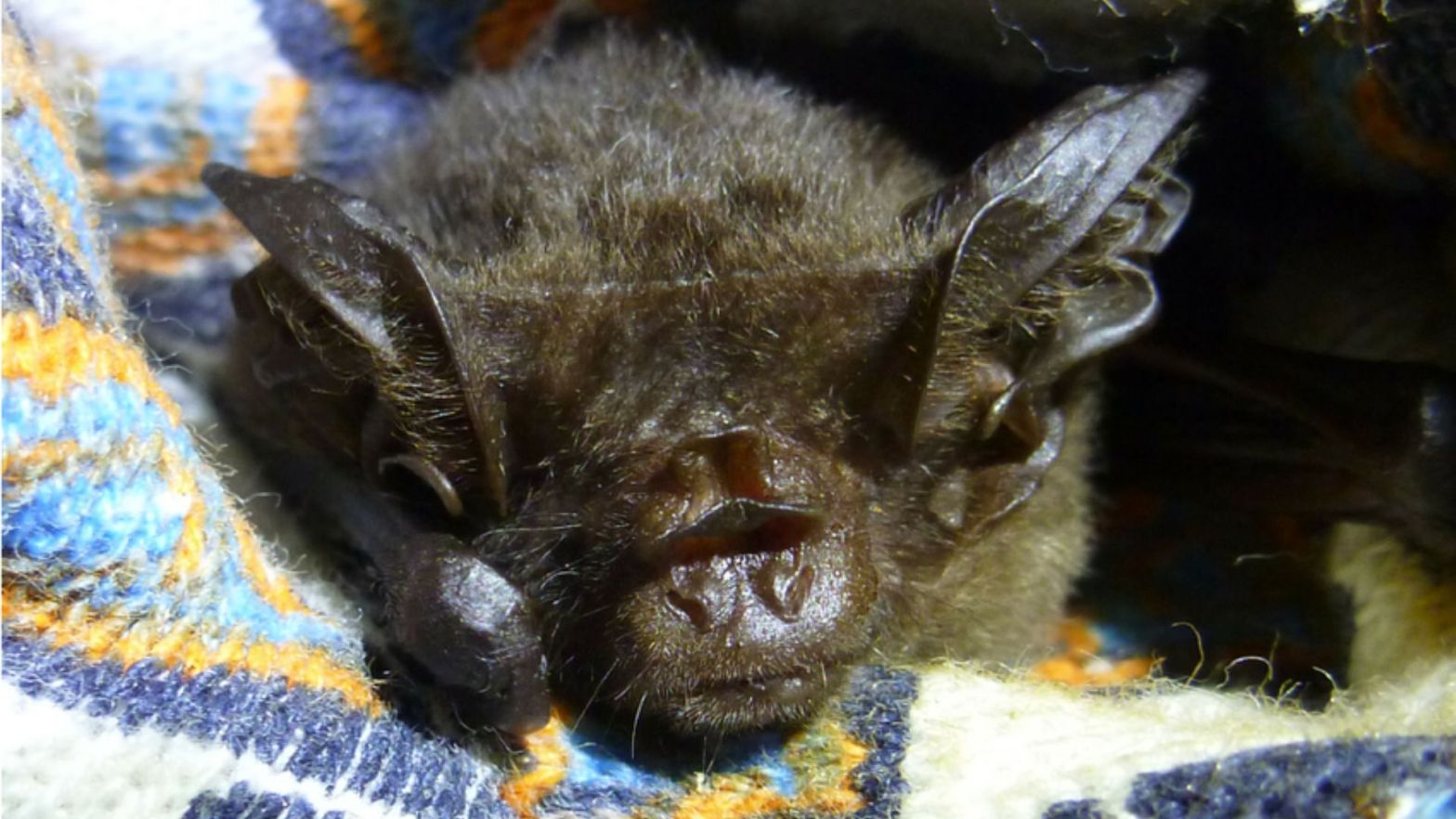
Thomas’s Big-eared #Bat Pharotis imogene, also known as the #NewGuinea Big-eared Bat, is one of the world’s rarest and most elusive #mammals- they are critically endangered by #PapuaNewGuinea. Thought to be #extinct for over a century, they were rediscovered in 2012 in Central Province, Papua New Guinea, in an area heavily impacted by palm oil deforestation, firewood collection, and land clearing for timber, mines and palm oil. Despite their rediscovery, habitat destruction due to palm oil expansion, logging, mining and human encroachment which continues to threaten their survival. Without urgent intervention, they may disappear again—this time, permanently. Help them every time you shop and #BoycottPalmOil #Boycott4Wildlife
Black Dorcopsis Dorcopsis atrata
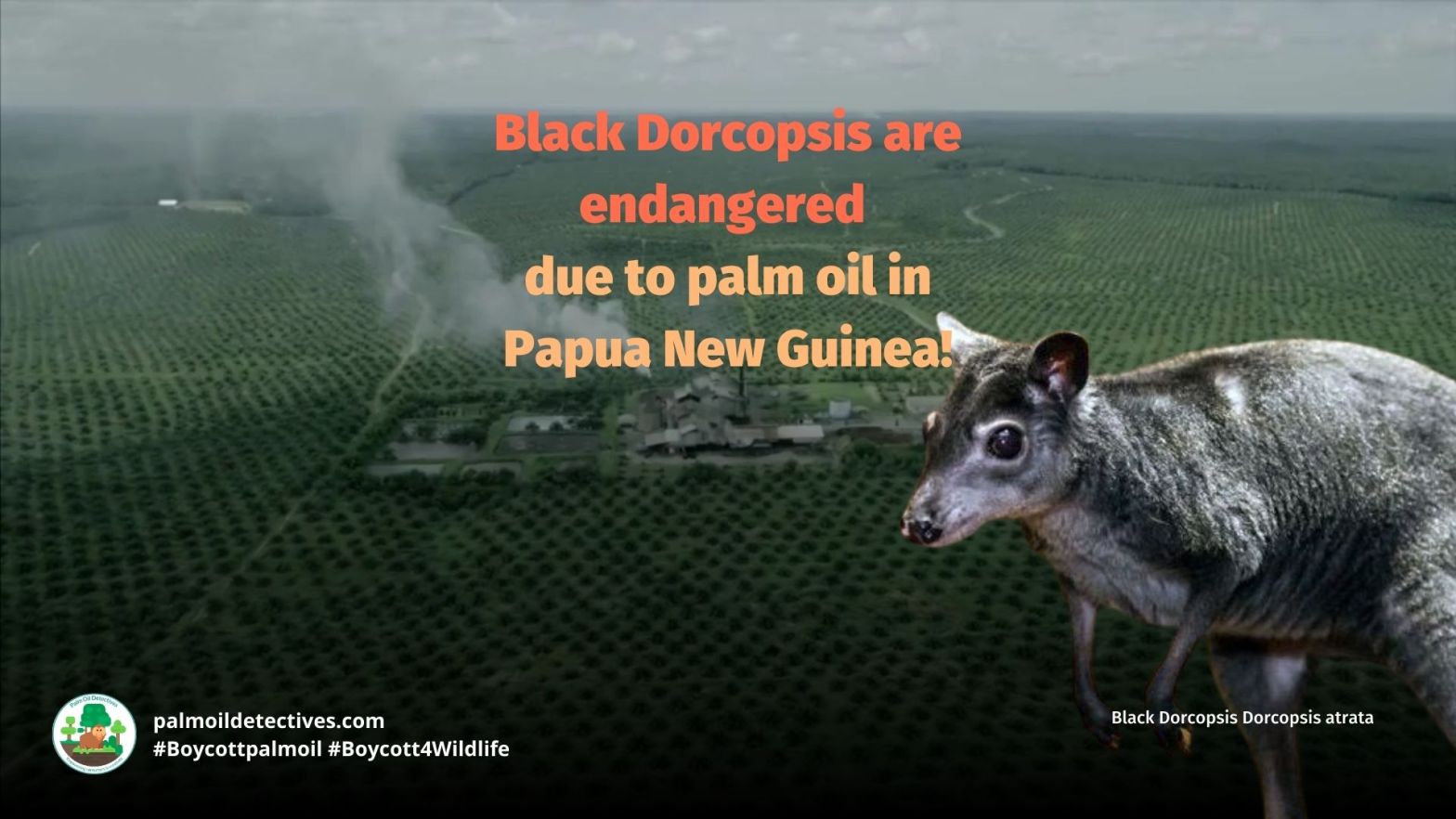
Black Dorcopsis Dorcopsis atrata IUCN Red List Status: Critically Endangered Location: The Black Dorcopsis, also known as the Black Forest Wallaby, is found only on Goodenough Island in the D’Entrecasteaux Archipelago, Papua New Guinea. They inhabit lowland and montane forests, preferring dense vegetation at elevations between 300 and 1,500 metres. The Black Dorcopsis is aContinue reading “Black Dorcopsis Dorcopsis atrata”
Papua New Guinea & West Papua: Species Endangered by Palm Oil Deforestation

As the rainforest habitats are destroyed in Indonesia, Indonesian and Chinese oil palm processing companies are switching focus towards Papua New Guinea, Africa and South America to keep up with demand for palm oil.
 Palm Oil Detectives