
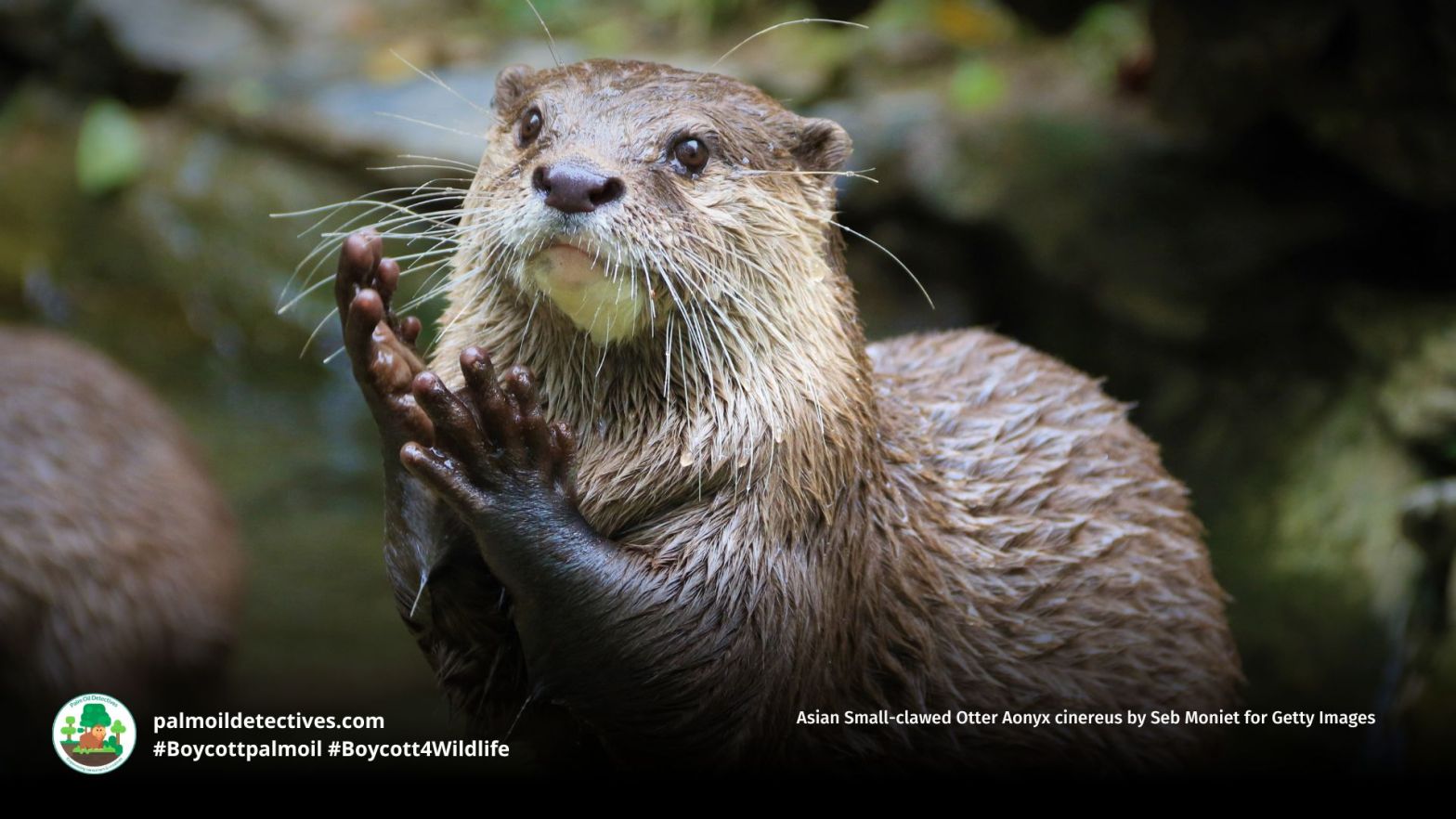
Asian Small-clawed Otters are the world’s smallest otter species and are Vulnerable from palm oil tea and coffee deforestation. Protect them, boycott palm oil!
Category Archives: Asia: Species Endangered by Palm Oil Deforestation
Gursky’s Spectral Tarsier Tarsius spectrumgurskyae
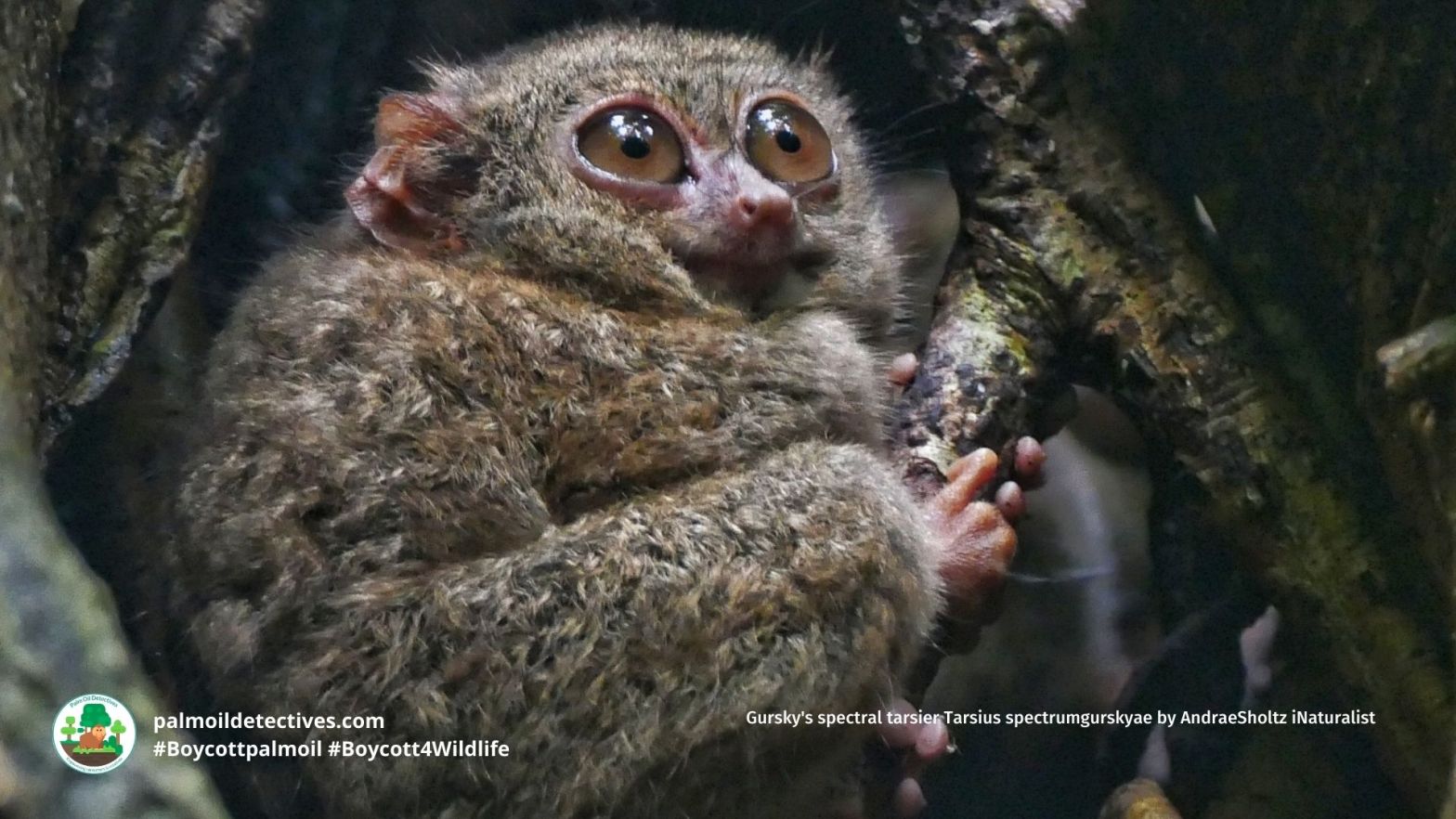
Gursky’s spectral tarsiers AKA Wusing of North Sulawesi are vulnerable due to palm oil and timber deforestation. Take action for them and boycott palm oil!
Sunda Flying Lemur Galeopterus variegatus
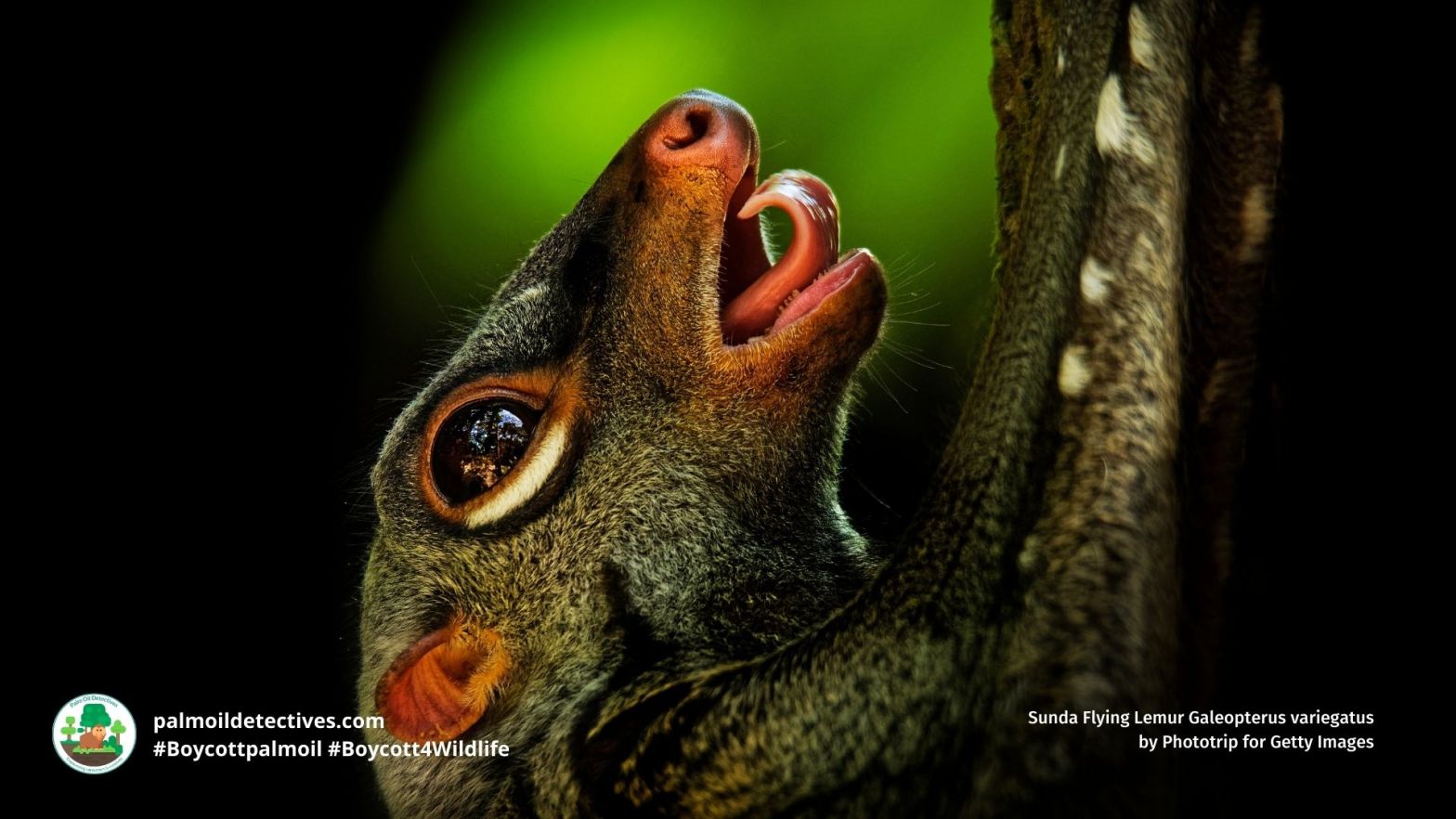
Sunda flying lemurs AKA Malayan colugos rely on ancient forests to survive, despite being skilful gliders, palm oil is a major threat, boycott palm oil!
Capped Langur Trachypithecus pileatus
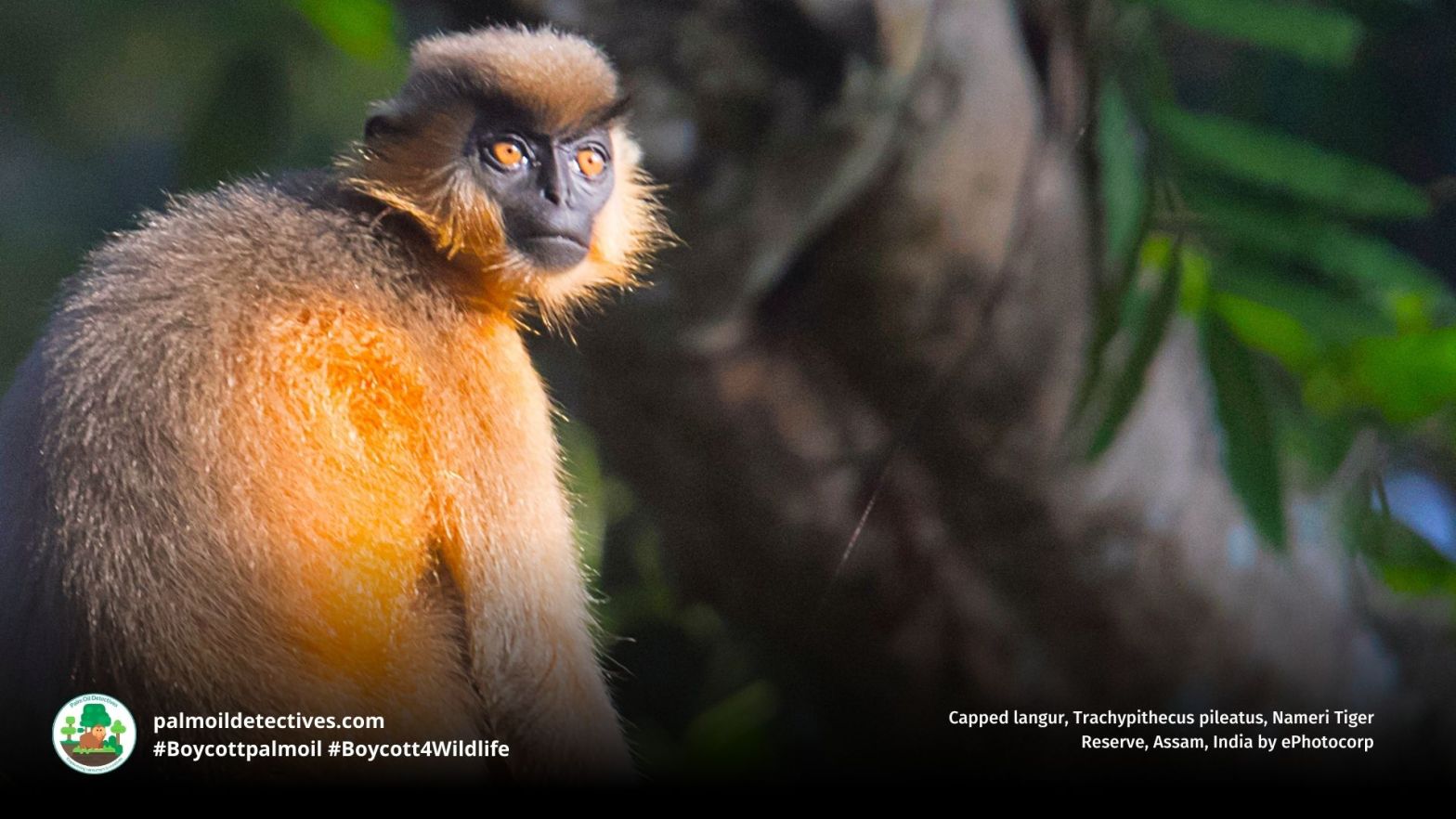
Capped langurs are found in India Bhutan Bangladesh and Myanmar, they are vulnerable from palm oil and other forms of deforestation. Take action for them!
Blue-streaked Lory Eos reticulata

Brilliantly coloured and full of energy, the Blue-streaked Lory (Eos reticulata) is a striking and unique #parrot living in the forests of the Banda Sea Islands, #Indonesia. Their scarlet plumage is decorated with iridescent blue streaks, creating a dazzling and electrifying colours both when they’re at rest and in flight. With a sharp, hooked beak adapted for nectar-feeding, these #birds flit from flower to flower, playing a vital role in rainforest #pollination.
Despite their adaptability, habitat destruction and the pet trade threaten their survival. These birds have been heavily trapped for the illegal bird trade, with over 3,000 individuals captured annually in the 1980s. Although they remain relatively common in their range, continued #deforestation and capture for the caged #pettrade and bird market may be pushing them towards decline. If these mesmerising lories are to have a future in the wild, their habitat must be protected, and the demand for keeping them as pets must end. #BoycottPalmOil #Boycott4Wildlife
Malayan Flying Fox Pteropus vampyrus
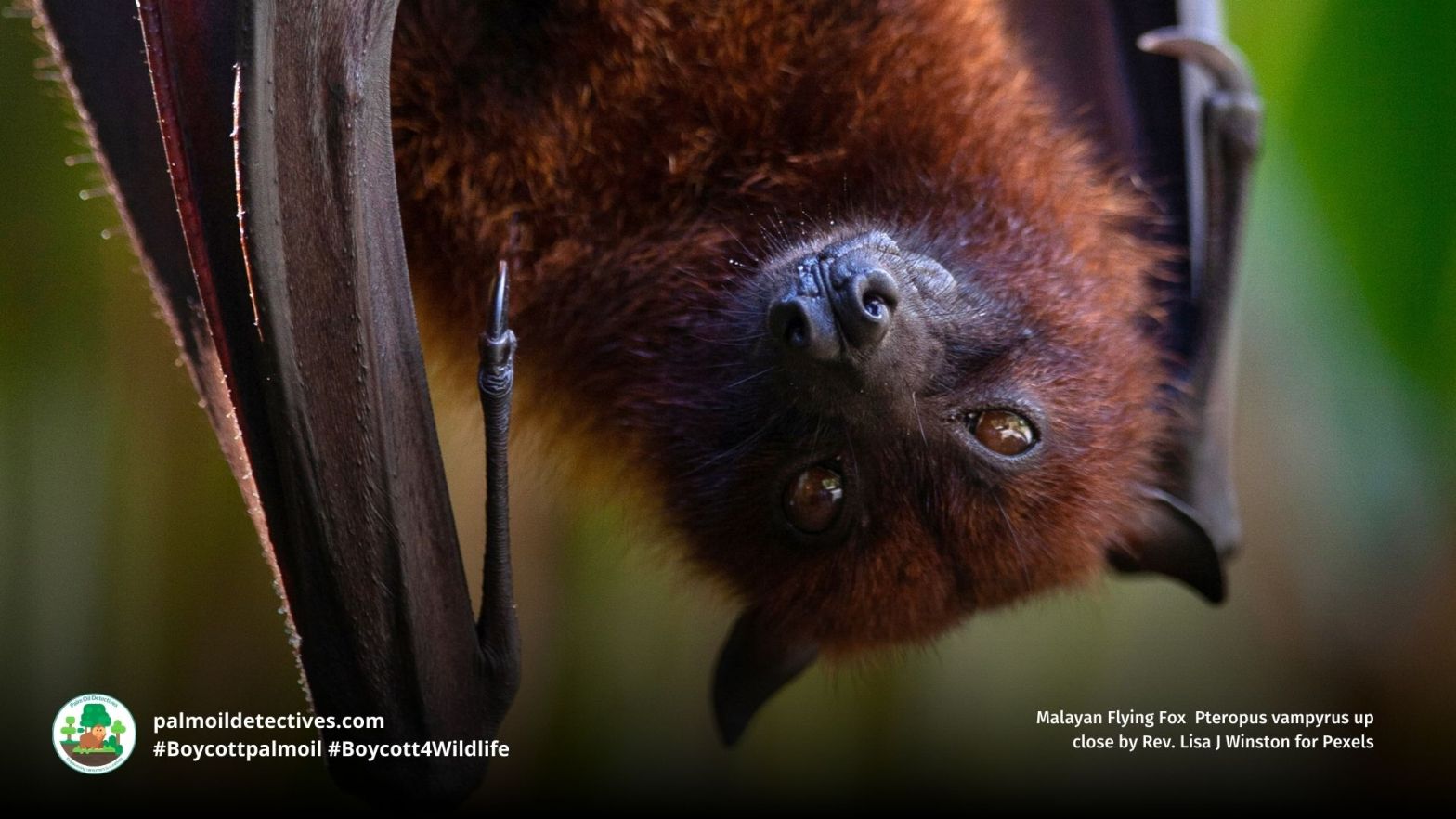
The Malayan Flying Fox, known also as the Large Flying Fox, Giant Fruit Bat, or Kalong, is an ethereal creature of the tropical Asian night. With wingspans reaching 1.7 metres, they are the largest bats in the world and glide silently through the darkness, a graceful presence in South East Asia’s moonlit forests. Their foxy almond shaped eyes and expressive faces are framed by glossy black fur and golden and russet collars, lend them a warm and mythical aura, while their immense wings are awe-inspiring to see in flight.
These nocturnal giants are the architects of tropical forests, scattering seeds and pollinating flowers as they journey across vast landscapes. Yet, despite their importance to ecosystems, they are under siege—hunted mercilessly and displaced by forests that vanish due to palm oil. Their story is a call to action: protect the guardians of the night before it is too late. #BoycottPalmOil #Boycott4Wildlife
Sumatran Tiger Panthera tigris sondaica

The Sumatran tiger Panthera tigris sondaica is a critically endangered big cat, with less than 600 of their species alive in the wild today. Once living in Java and Bali, they are now only found in Sumatra, Indonesia. The smallest tiger species, they possess darker coats and narrower stripes than their mainland counterparts. Each pattern is as unique and distinct as a fingerprint. Sumatran Tigers face serious and grave threats from palm oil habitat destruction, poaching, and human-wildlife conflict. Sumatra’s ongoing deforestation, driven by palm oil and acacia plantations, continues to shrink their habitat. While illegal poaching for the wildlife trade is decimating their population. Conservation efforts are underway, but the future of this magnificent species hangs in the balance. You can help protect the Sumatran tiger every time you shop. Learn how to boycott palm oil on the Palm Oil Detectives website. Raise awareness of them on social media using the hashtags #BoycottPalmOil #Boycott4Wildlife.
Borneo Forest Dragon Gonocephalus bornensis
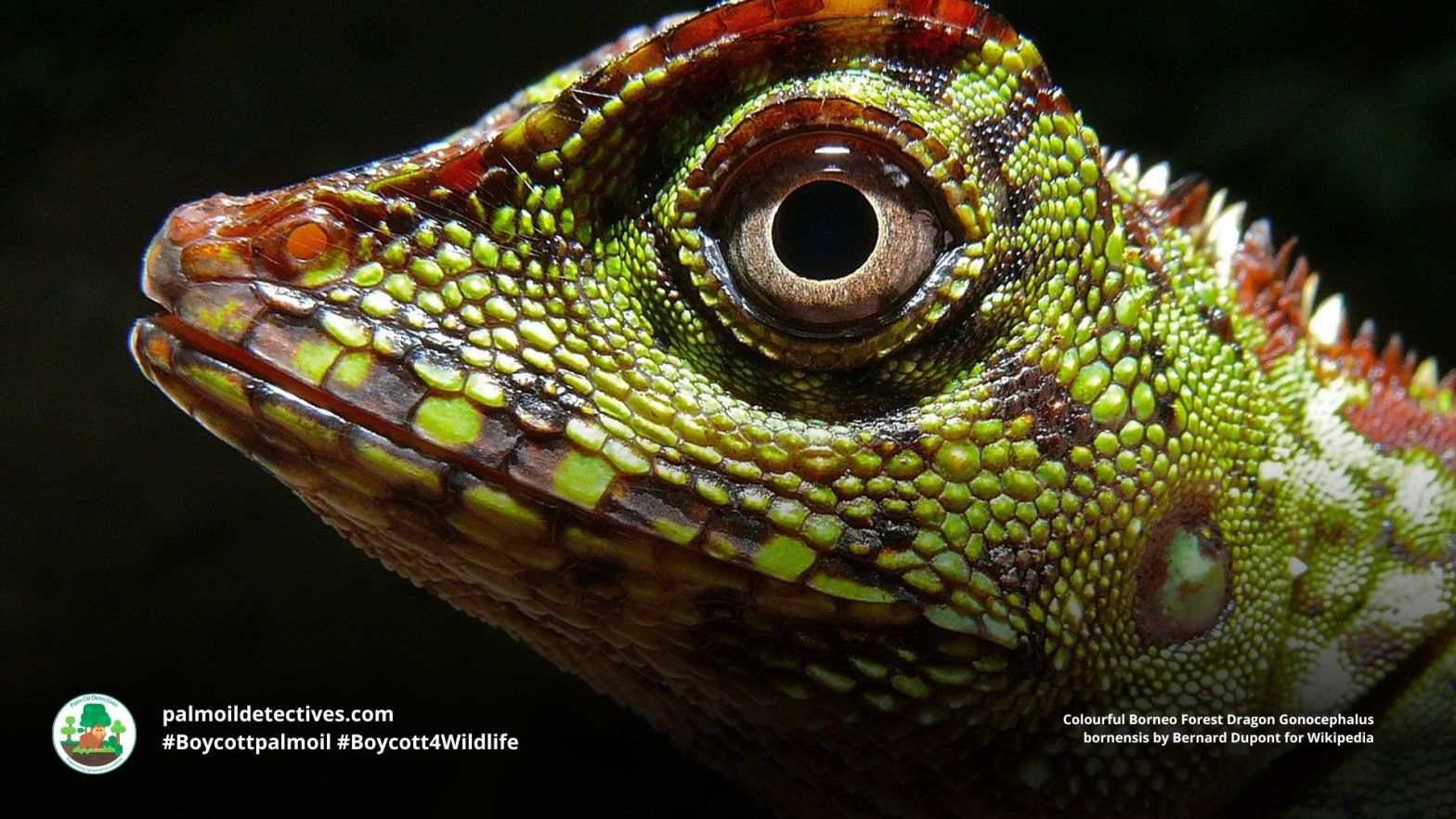
The #Borneo Forest Dragon, also known as the Borneo Anglehead #Lizard is a vividly coloured lizard native to Borneo. This arboreal #reptile is known for their prominent crest and beautifully camouflaged body, allowing them to blend seamlessly into their rainforest surroundings. Found primarily in undisturbed and secondary rainforests, the Borneo Forest Dragon thrives in humid environments, often near streams.
Although the latest assessment by IUCN Red List revealed that they are ‘least concern’, the plans to move the capital of Indonesia to Kalimantan is concerning to conservationists and animal lovers alike. Rampant habitat loss from #palmoil and #timber #deforestation on the island of Borneo posses a grave threat. Protect these striking animals and their rainforest home when you #BoycottPalmOil #Boycott4Wildlife!
Sunda Clouded Leopard Neofelis diardi
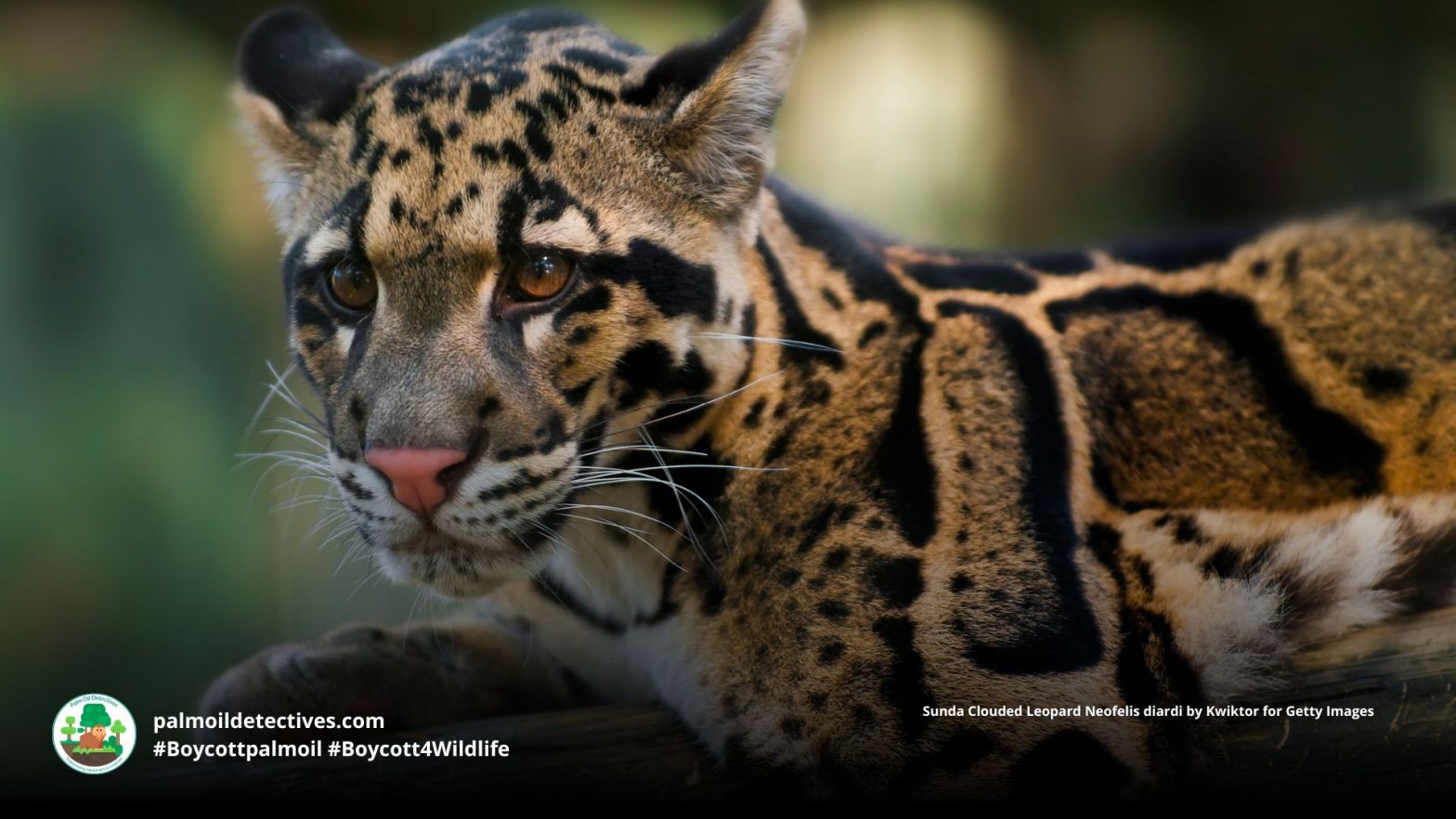
Gliding through the rainforest canopy like a phantom predator, the Sunda Clouded Leopard moves with unmatched grace, making them one of the least understood big cats in the world. Their spectacularly patterned coat, the longest canines relative to skull size of any feline, and astonishing agility in trees set these big cats apart as a truly unique species. Yet, despite these remarkable adaptations, these mysterious carnivores are now rapidly vanishing from the wild due to human-related threats.
Massive infrastructure projects, industrial-scale palm oil plantations, and poaching for the illegal wildlife trade have decimated their populations. Once thought to be a subspecies of the mainland clouded leopard, genetic studies in 2006 confirmed that they are a distinct species, found only in Borneo and Sumatra. Today, they are among the most threatened felines in the world, teetering on the edge of an uncertain future. Take action for them every time you shop and #BoycottPalmOil #Boycott4Wildlife
Tufted Ground Squirrel Rheithrosciurus macrotis
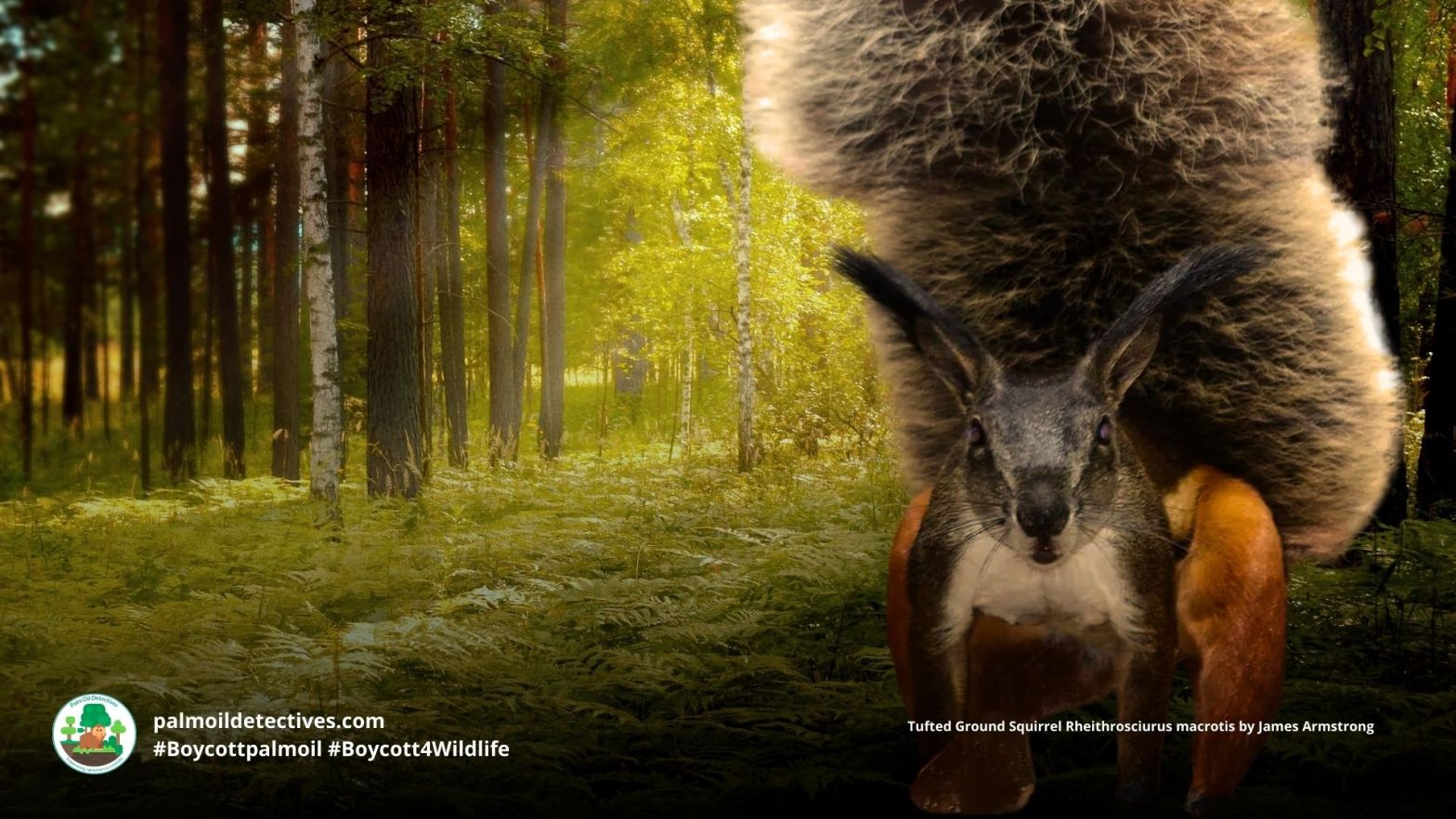
The tufted ground squirrel, or groove-toothed squirrel, is a striking nut-cracking rodent native to the island of Borneo. Sporting a voluminous, club-shaped tail, the tufted ground squirrel carries the largest tail-to-body size ratio of any mammal. Scientists believe the tail could serve to confuse predators or attract mates. They are listed as Vulnerable on the IUCN Red List and are threatened by deforestation, hunting, and forest conversion to palm oil. To protect these charismatic creatures, make sure you #BoycottPalmOil and #Boycott4Wildlife in the supermarket!
Visayan Broadbill Sarcophanops samarensis
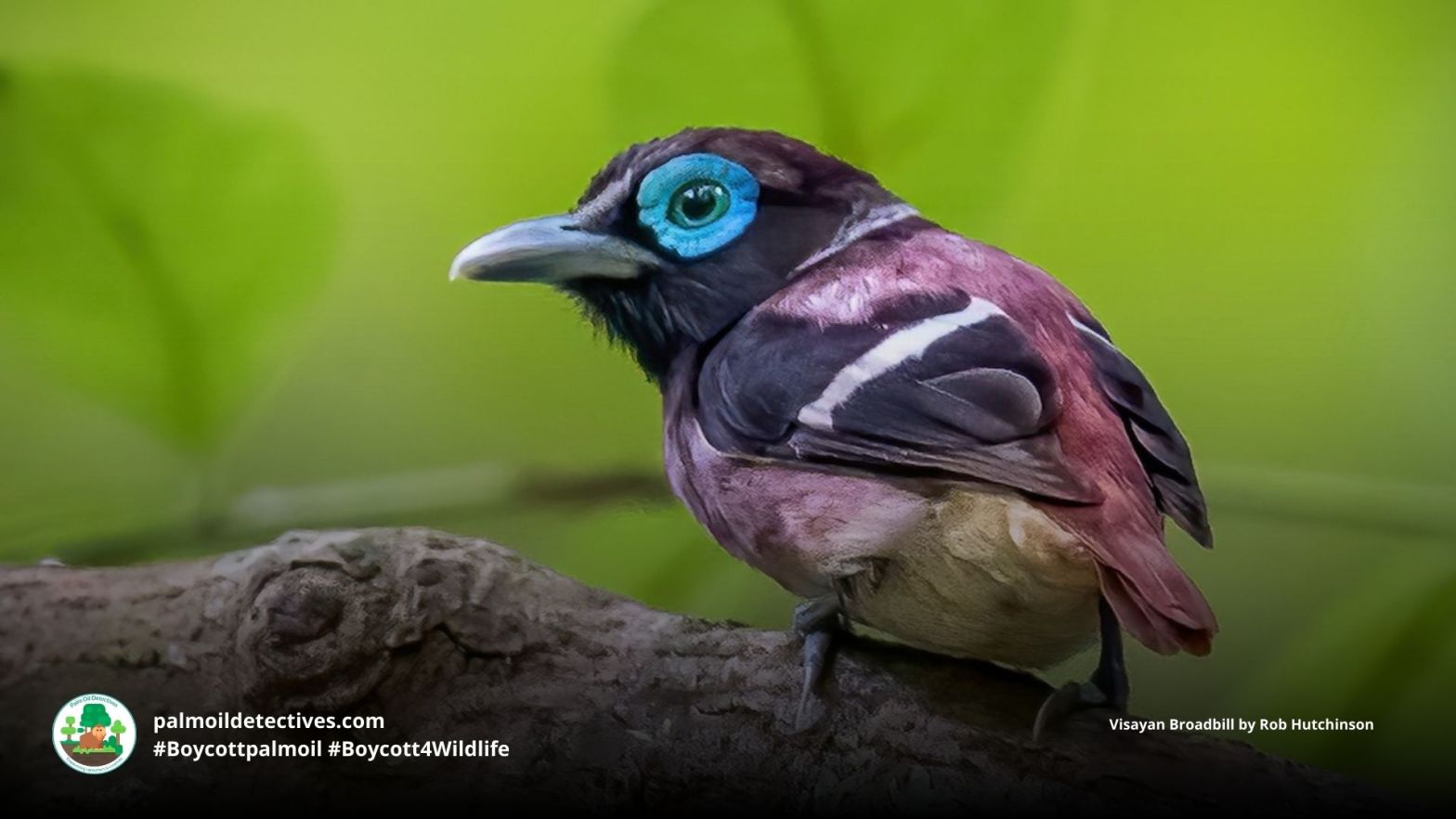
The Visayan broadbill Sarcophanops samarensis is a brightly colored bird endemic to the islands of Samar, Leyte, and Bohol in the central Philippines. Males flaunt striking reddish-pink underparts, while females are marked by a distinctive white belly and collar. Sadly, due to extensive deforestation and habitat loss for palm oil and other commodities in the Philippines, the Visayan broadbill is now classified as “Vulnerable” on the IUCN Red List. There is only an estimated population of 2,500 to 9,999 mature individuals left alive! Therefore urgent conservation measures are needed to protect this unique bird’s lowland forest habitat. Advocate for stricter protections, push back against illegal logging for palm oil #BoycottPalmOil #Boycott4Wildlife to make a difference.
Nicobar Long-Tailed Macaque Macaca fascicularis umbrosa
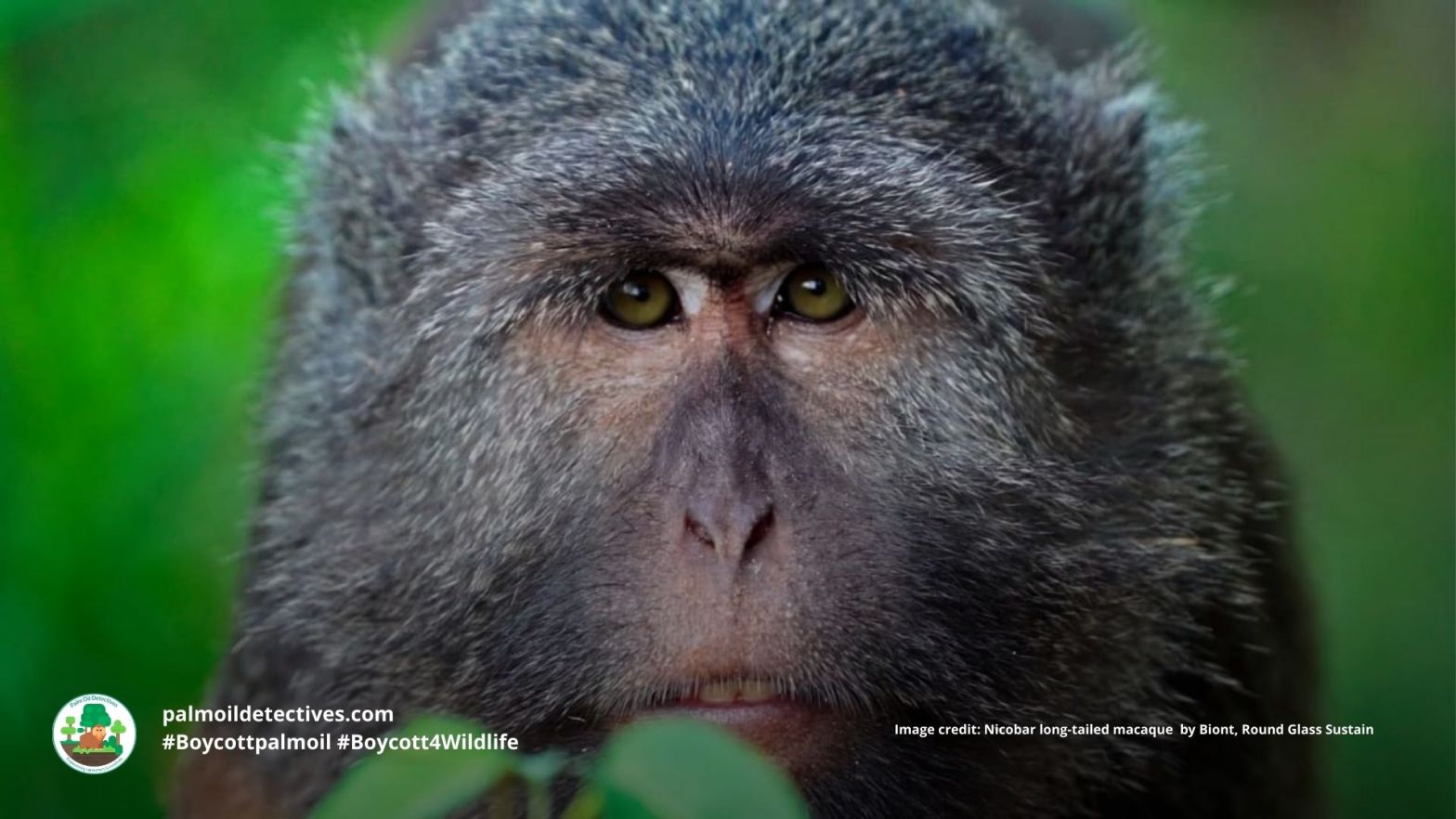
Discover the intriguing Nicobar long-tailed macaque, intelligent and highly social survivors on India’s islands, help them to survive and boycott palm oil!
Phayre’s Leaf Monkey Trachypithecus phayrei
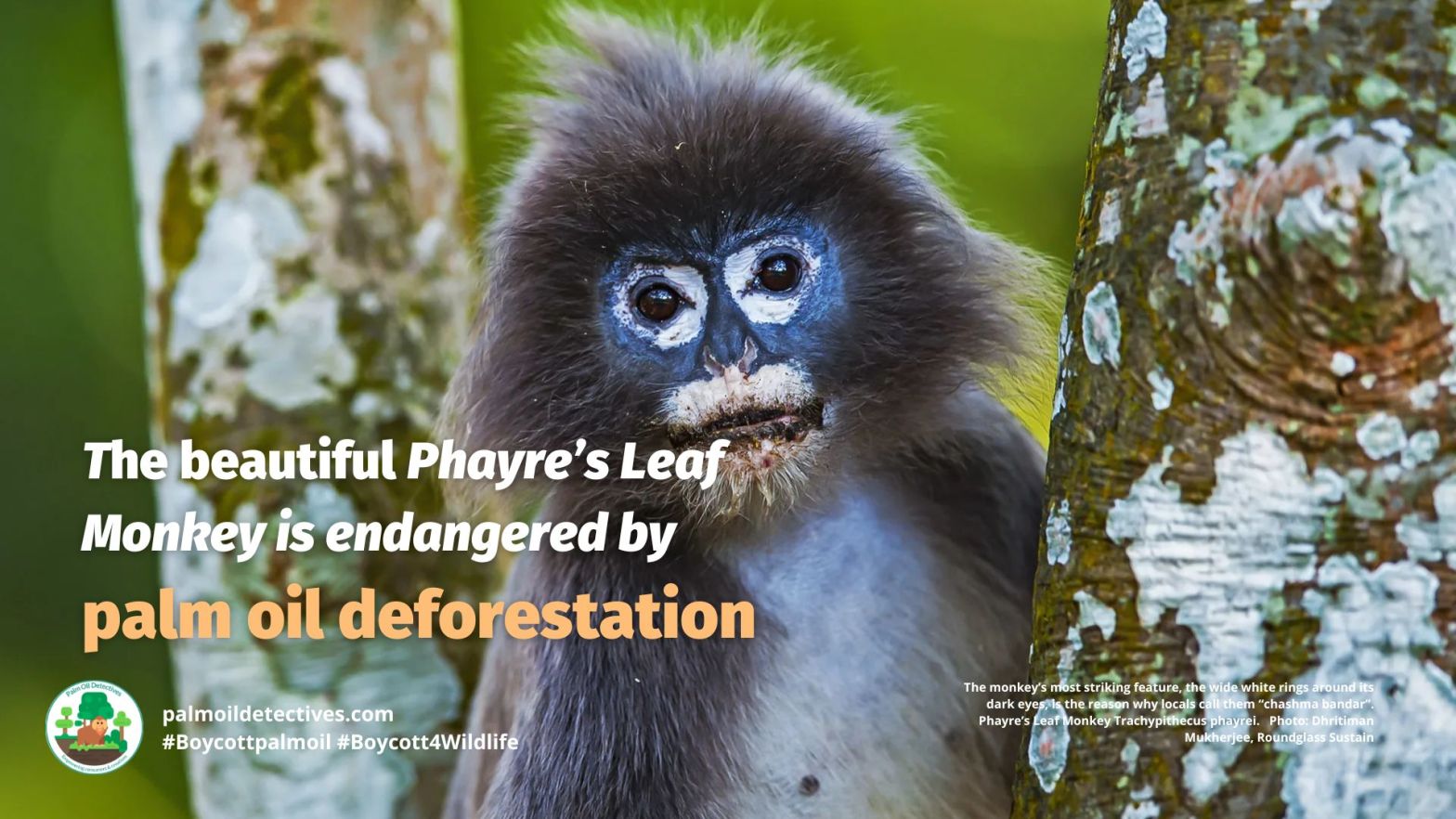
Phayre’s leaf monkey, also known as Phayre’s langur, are remarkable Old World monkeys distinguished by large, white-rimmed eyes that lend them a “spectacled” appearance. Known locally as ‘Chasma bandor’ they live mostly in the lush forests of India, Bangladesh and Myanmar. Major threats to their survival include habitat destruction from palm oil and rubber plantations, illegal hunting for traditional medicine, and habitat encroachment depleting their natural food sources. An emerging threat is interbreeding with other threatened monkey species. Join the fight to protect this unique species: #BoycottPalmOil #Boycott4Wildlife in the supermarket! If you care about animals, consider going #Vegan to protect their habitat and lives.
Irrawaddy Dolphin Orcaella brevirostris
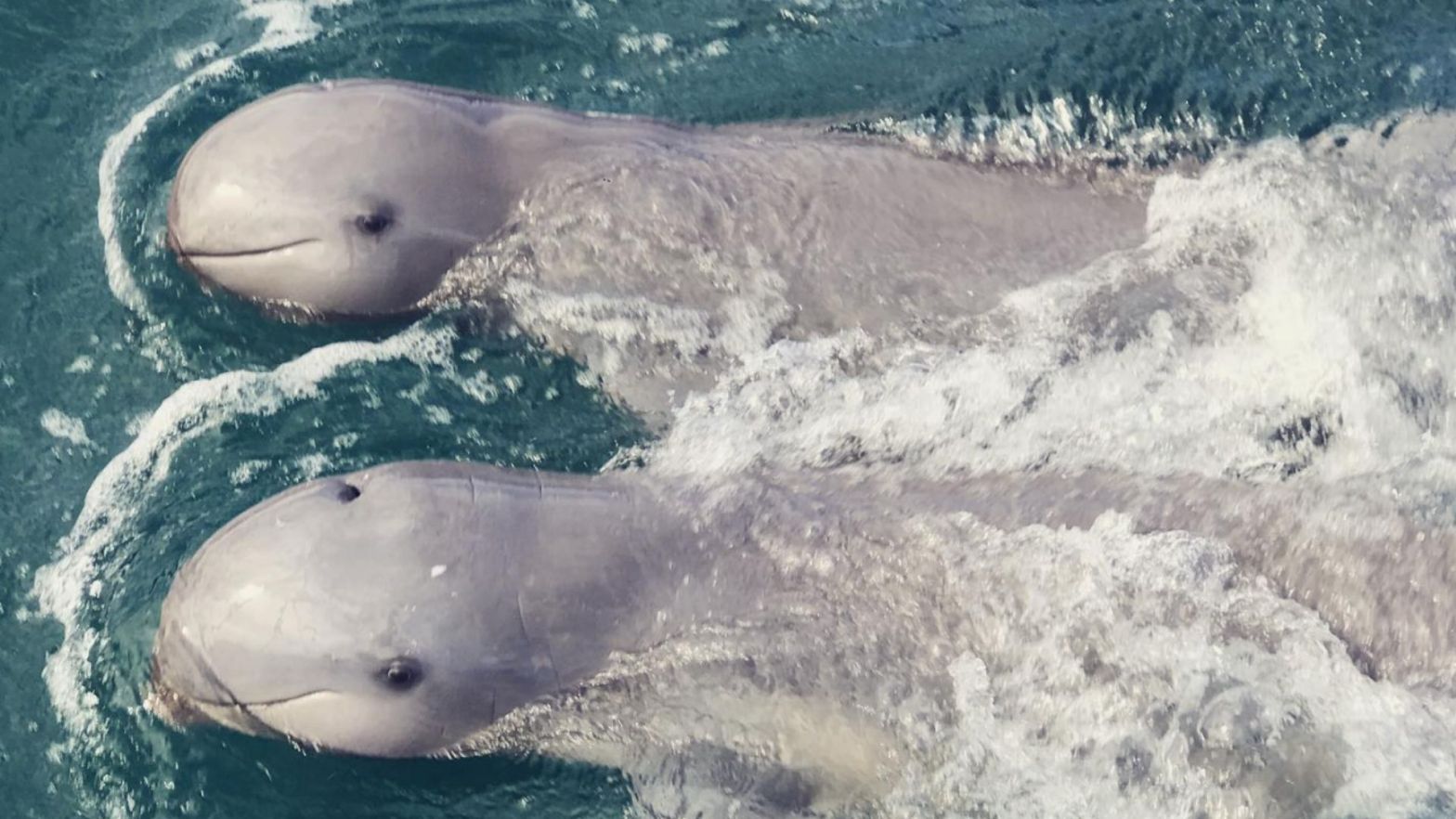
Intelligent and social Irrawaddy dolphins, also known as the Mahakam River dolphins or Ayeyarwady river #dolphins have endearing faces. Only 90 to 300 are estimated to be left living in the wild. Their rounded and expressive looking noses liken them to a baby beluga whale or the Snubfin dolphin of Australia. These shy #cetaceans are found in coastal and freshwater habitats across #SoutheastAsia, they live in small groups. Tragically, Irrawaddy dolphins face many human threats, from entanglement in fishing gear to dam construction. Palm oil deforestation, and #pesticide run-off in rivers is another major threat to their survival.
Protecting the Irrawaddy dolphin is paramount. As a keystone species, they maintain biodiversity in their fragile home. These beautiful animals are classified as endangered on IUCN Red list but are critically endangered in some ecosystems. Fight for their survival when you boycott palm oil and go vegan. Support the Boycott4Wildlife movement by using the hashtags #BoycottPalmOil and #Boycott4Wildlife on social media!
Sambar deer Rusa unicolor
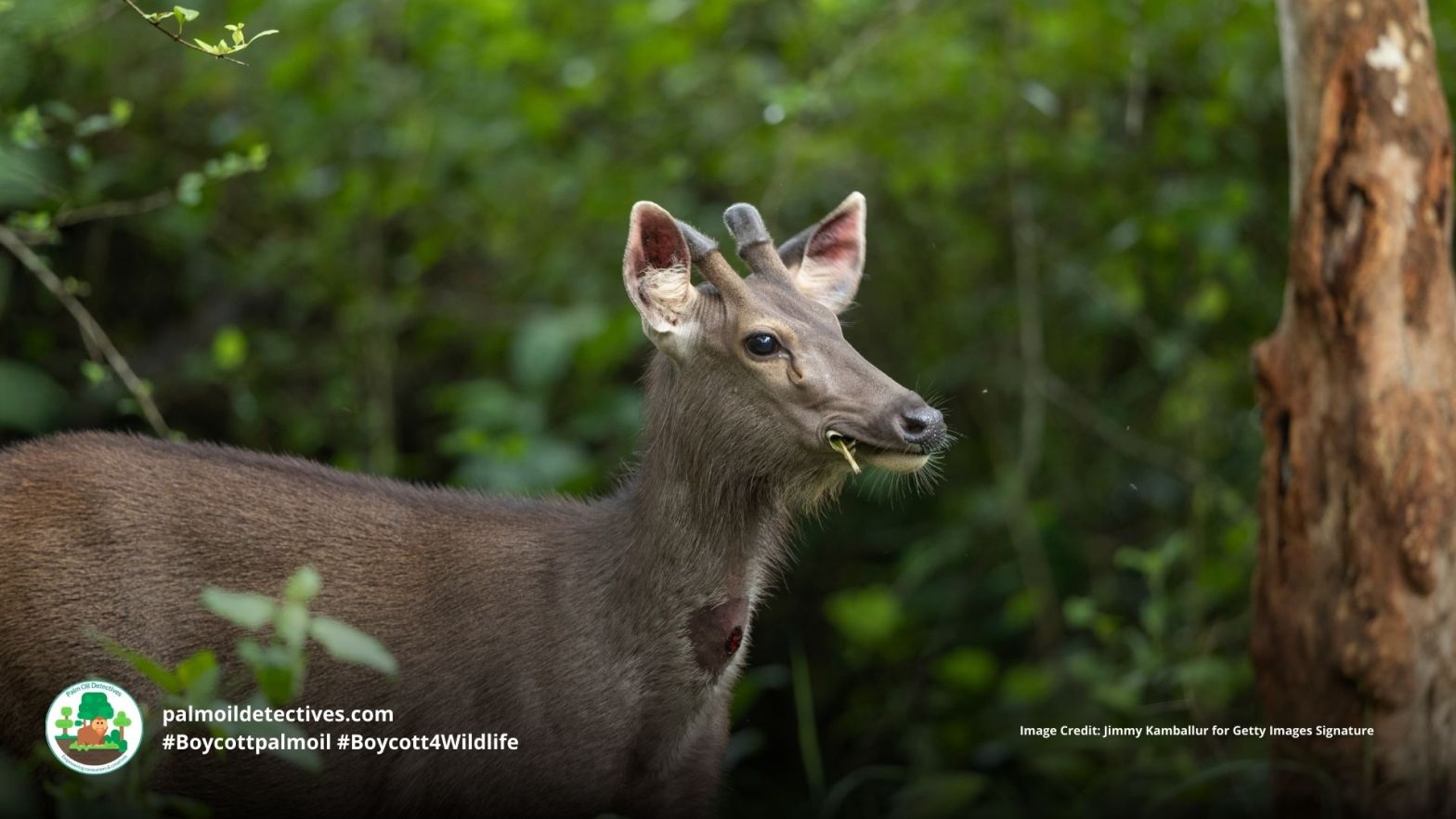
The majestic Sambar deer, cloaked in hues ranging from light brown to dark gray, are distinguished by their rugged antlers and uniquely long tails. Adorned with a coat of coarse hair and marked by a distinctive, blood-red glandular spot on their throats, these deer embody the beauty of the wild. Their adaptability is evident in their alert behavior, silent movements, and the gradual development of their unique spots. Perfectly designed for grazing, these deer use their antlers and feet deftly in defense, relying on their acute senses of hearing and smell to evade predators. To protect these splendid deer and their habitats from the impacts of deforestation and agricultural expansion, especially for palm oil, join the movement: #BoycottPalmOil and #Boycott4Wildlife to aid in their survival.
Philippine tarsier Carlito syrichta
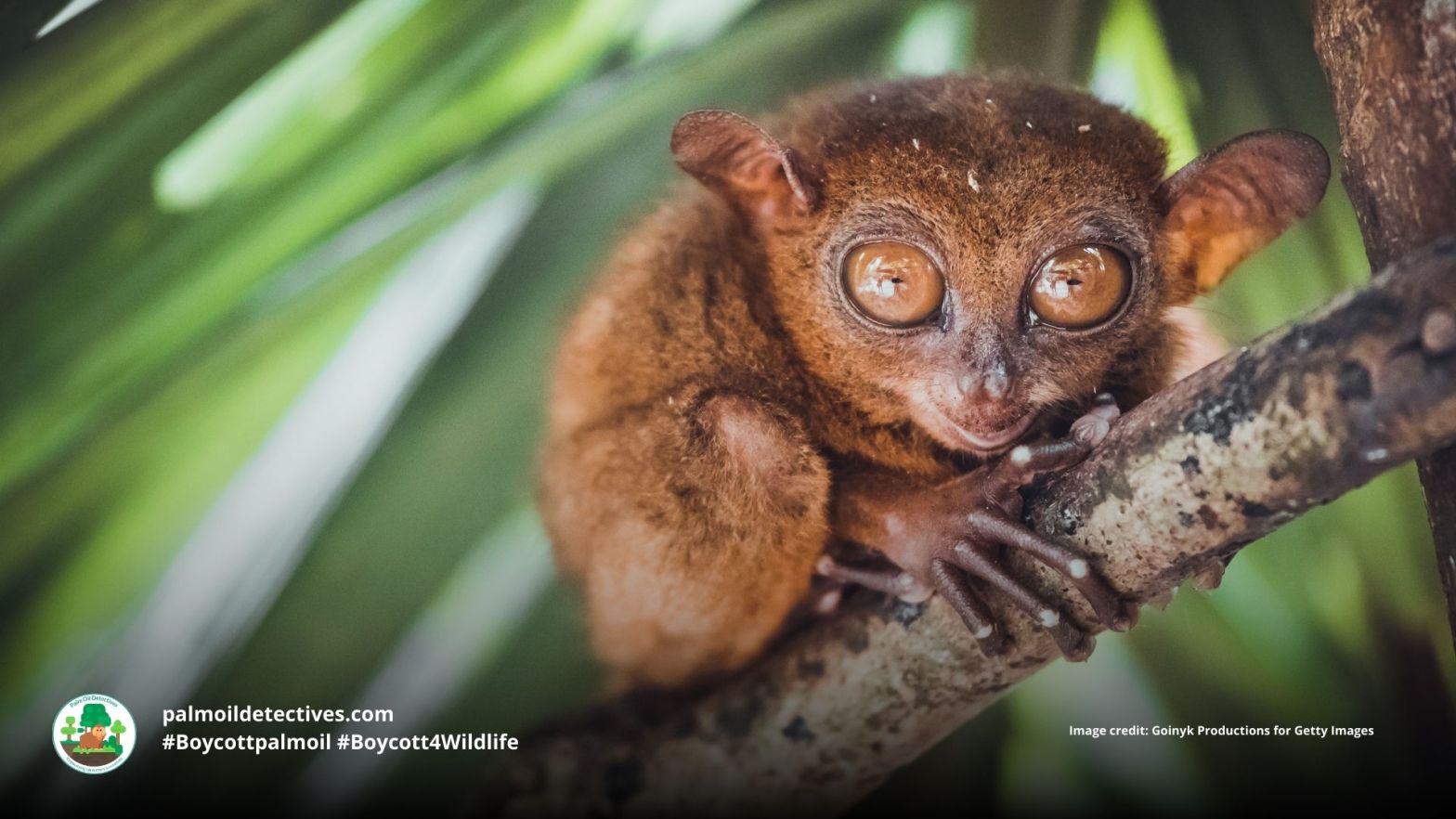
The Philippine tarsier, Carlito syrichta, epitomises nocturnal secrecy, leading a mostly concealed life in the dense recesses of impenetrable bushes and forests. They boast large and mesmerising eyes that aid in night vision, these tiny creatures have a distinct appearance. Measuring around 8 to 16 cm, their fur is soft and comes in various shades, often blending with their natural surroundings. Known for their incredible leaping abilities, tarsiers are agile hunters, relying on their keen sense of hearing to locate prey. Despite their small size, they play a vital role in maintaining the ecological balance in their habitat. They are now vulnerable due to multiple human-related threats including palm oil deforestation and the pet trade. Help them to survive #Boycottpalmoil #Boycott4Wildlife
Wallace’s Flying Frog Rhacophorus nigropalmatus

The elusive and visually stunning Wallace’s Flying #Frog are known for their mysterious nature and their ability to take flight and glide through the air like dancers. They reveal themselves only during breeding aggregations when they descend from the trees.
Recent surveys in various regions, including the Matang Range in #Sarawak, #Malaysia, and the Endau-Rompin in West Malaysia, have documented the presence of this species. However, their overall population faces a concerning decline due to the ongoing loss of habitat for #palmoil #deforestation. Urgent conservation efforts are critical to reverse this trend and to ensure the survival of this intriguing species in their natural environment. Help this frog to survive every time you shop, make sure that you #Boycottpalmoil #Boycott4Wildlife in the supermarket!
Lion-tailed Macaque Macaca silenus
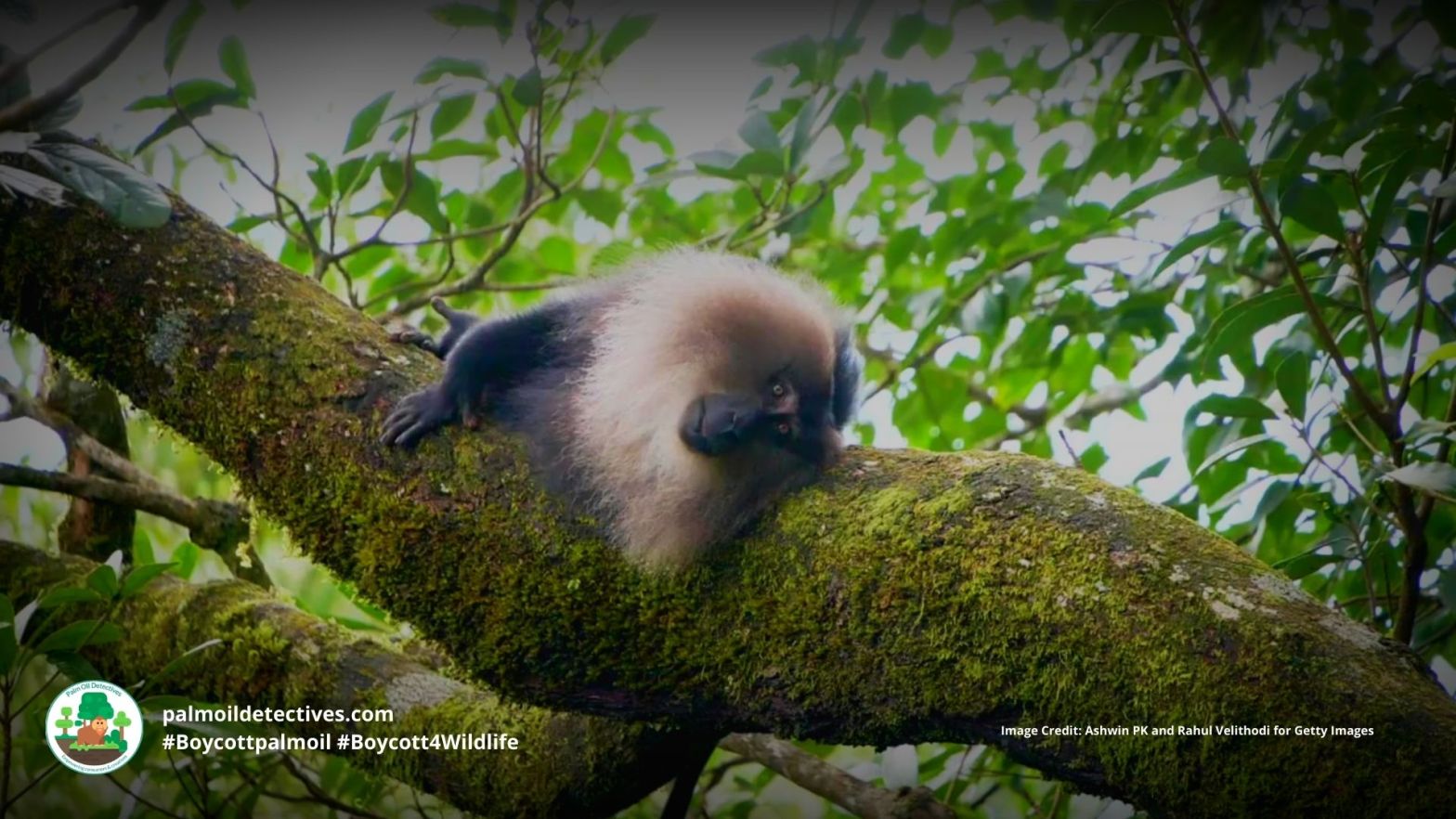
Lion-tailed macaques hold the title of one of the smallest macaque species in the world and sport a majestic lion-esque mane of hair. They exclusively call the Western Ghats in India their home. This area has been decimated in recent years for palm oil. Prior to palm oil’s arrival in the Western Ghats, populations of Lion-tailed macaques were already fragmented. Now these beautiful small macaques are in serious trouble. Read on to discover how you can boycott palm oil every time you shop #Boycottpalmoil #Boycott4Wildlife
Sulawesi Babirusa Babyrousa celebensis
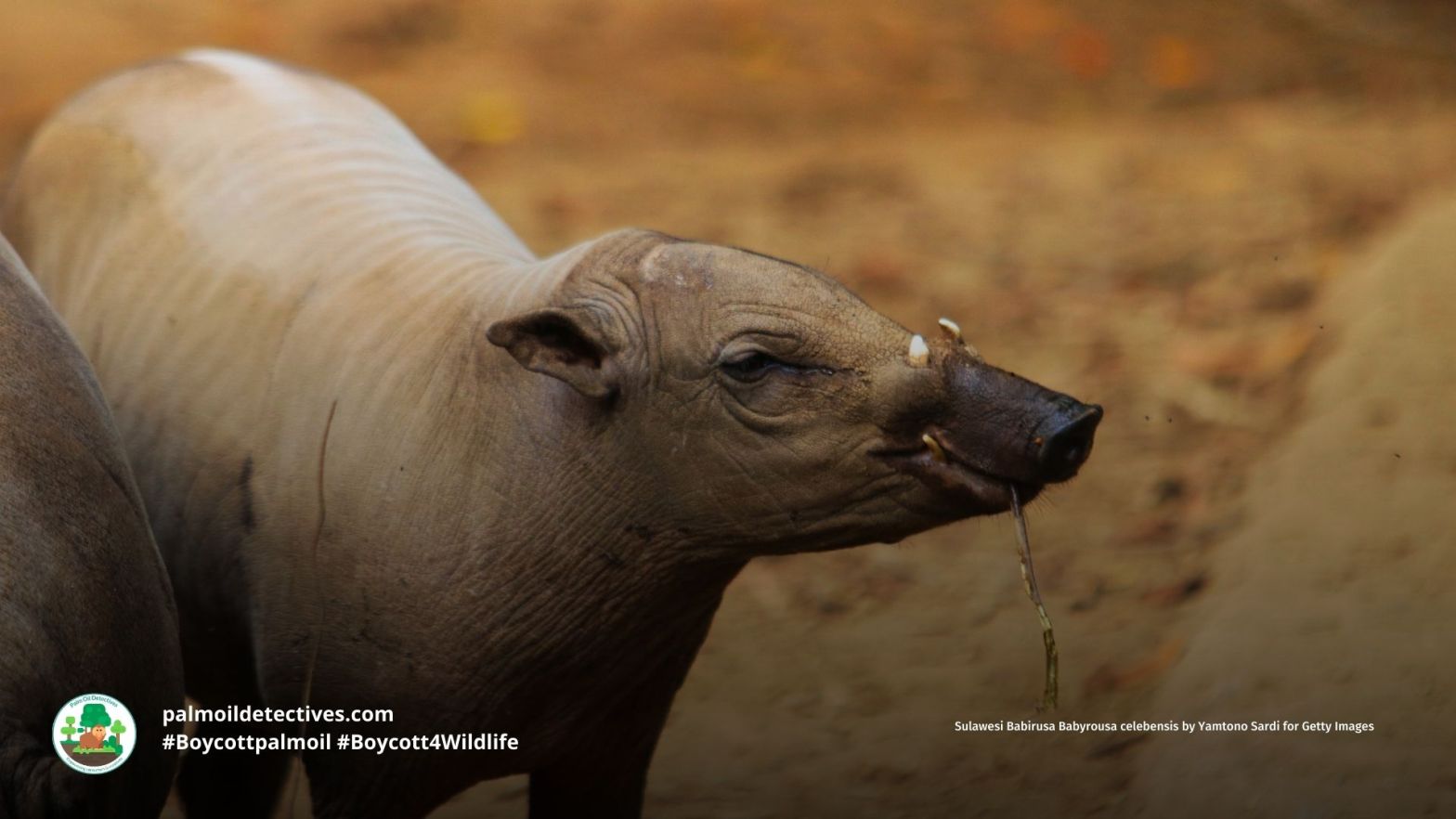
The Sulawesi Babirusa also known as the North Sulawesi Babirusa are wild pigs are found on Sulawesi Island along with nearby islands Lembeh, Buton, and Muna in #Indonesia.
They have a mottled grey-and-brown skin that helps them blend into their forested habitat. One remarkable feature of babirusas is their large tusks. They have two pairs of elongated canine teeth that curve upward and backward towards their heads.
For males, their upper canines grow so long that they protrude through holes in the flesh on the top of their snouts. Sadly, these unique creatures are threatened by deforestation caused by the palm oil and timber industries along with hunting and mining. You can help by making conscious choices. Consider going vegan to support the movement against palm oil, and join the call to boycott palm oil and protect wildlife with the hashtags #Vegan, #Boycottpalmoil, and #Boycott4Wildlife. Together, we can make a difference for the Sulawesi Babirusa and their habitat.
Jerdon’s Courser Rhinoptilus bitorquatus
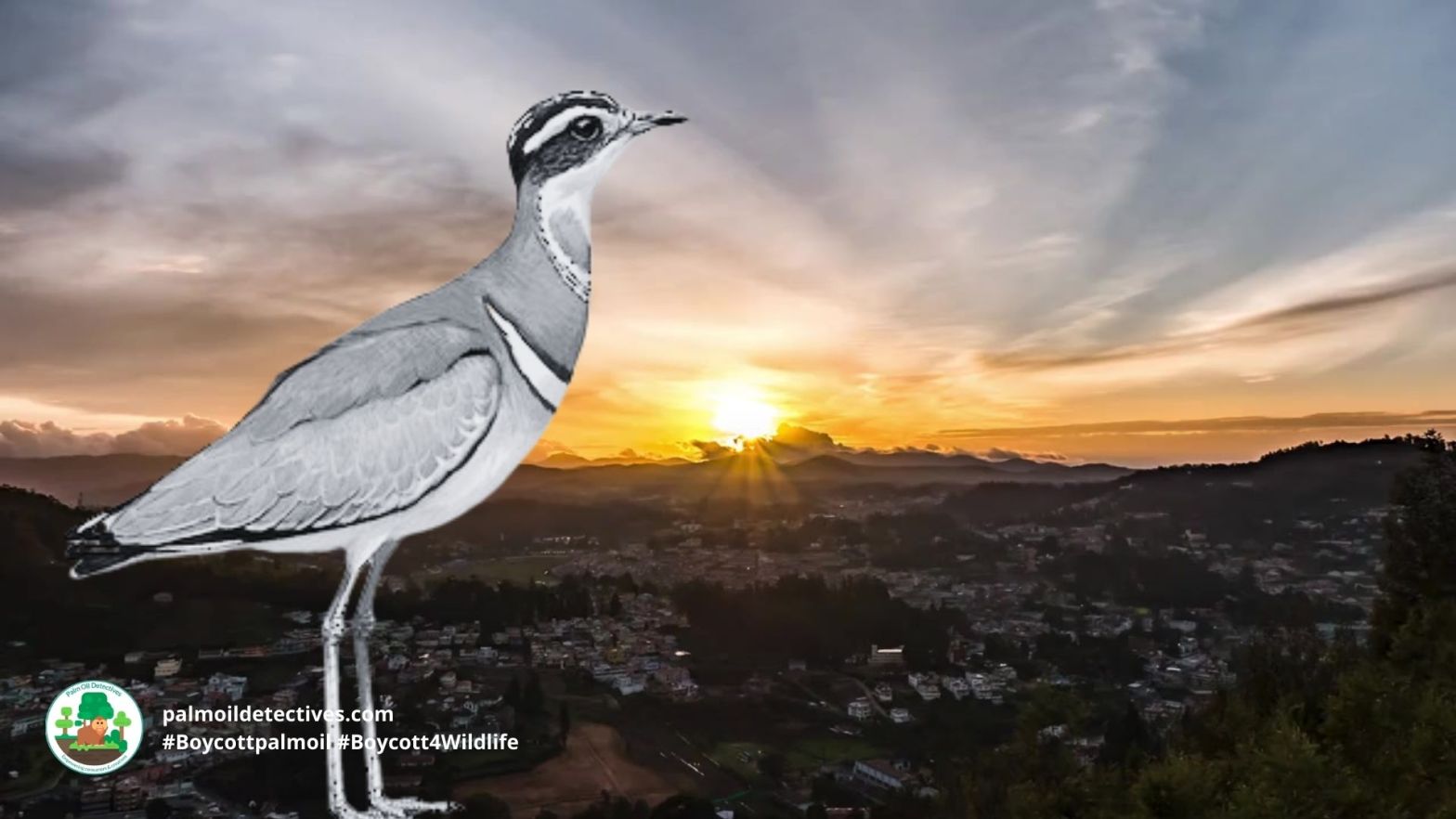
The Jerdon’s Courser is a rare and captivating nocturnal #songbird belonging to the pratincole and courser family Glareolidae. These #birds are endemic to #India in the Eastern Ghats region of Andhra Pradesh. Currently they are only known to live in the Sri Lankamalleswara Wildlife Sanctuary, where they reside in sparse scrub forest with patches of bare ground and are threatened by #palmoil #deforestation, help them to survive and #Boycottpalmoil #Boycott4Wildlife
Sulu Hornbill Anthracoceros montani
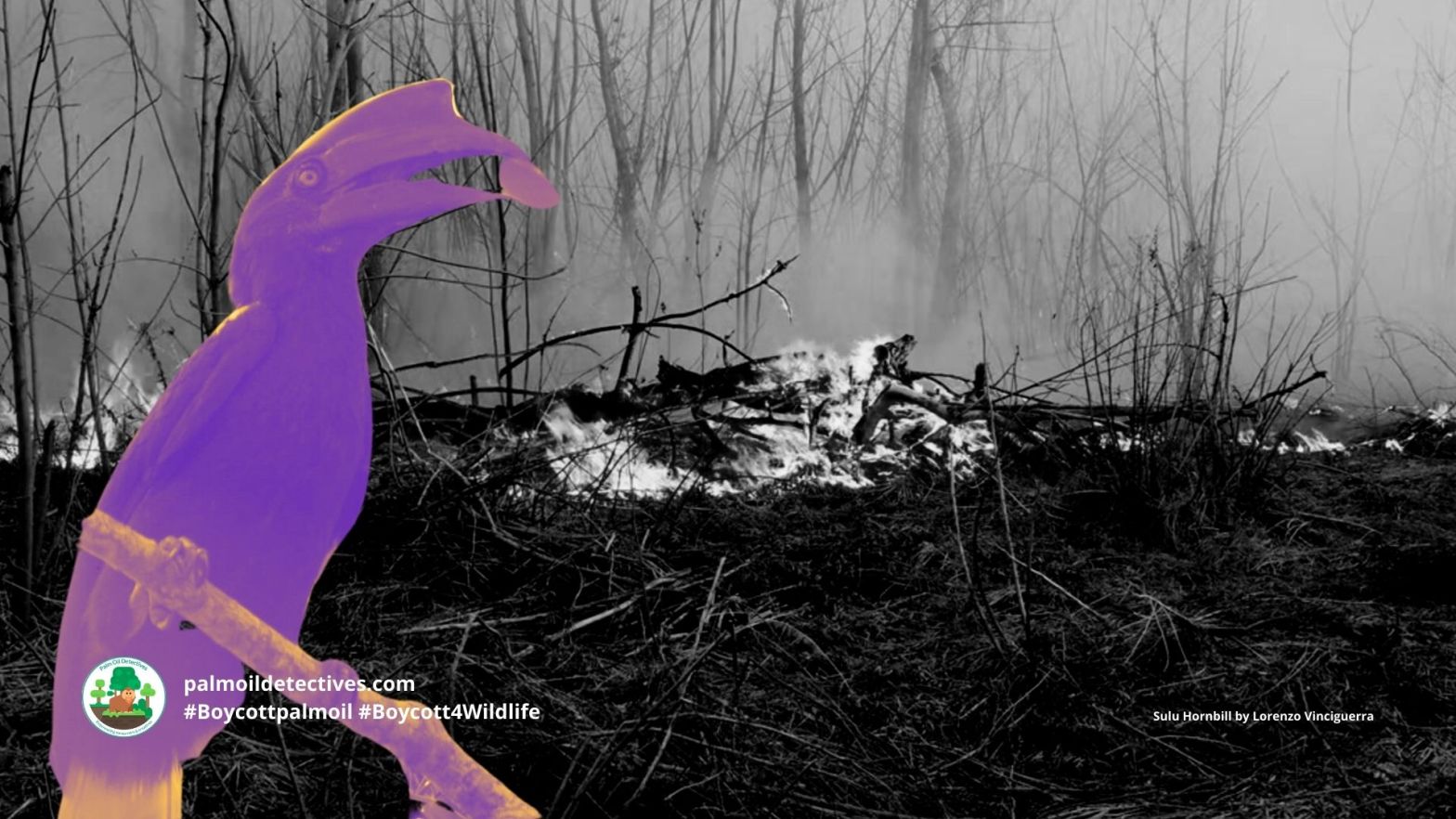
The Sulu Hornbill is one of the rarest birds in the world. They are large and almost entirely black except for a white tail, with a thick black bill, a black casque, and black skin around the eye. Males have pale eyes, females have brown eyes and a smaller casque. These striking birds are native to the Sulu Islands, possibly now only found on Tawi-Tawi due to hunting and palm oil deforestation throughout their range. In 2018 there was only a few dozen left. Help their survival and #Boycottpalmoil #Boycott4Wildlife
Green Dragontail Lamproptera meges

Green Dragontails could arguably be called the most exquisite and beautiful butterflies alive.
They flutter through sunlit patches of leaves near to streams and rivers in Indonesia, Malaysia, Thailand, Myanmar, the Philippines, and northeastern India.
They are mostly black and white with a bright turquoise or light green band running roughly parallel to their abdomens.
Their forewings feature a stunning glass-like transparent triangle known as a hyaline. Their tail features a star-like galaxy pattern that glints in sunlight.
It has been over a decade since they were last surveyed, their range overlaps significantly with areas already cleared for palm oil. Help their survival and use your wallet as a weapon! #Boycottpalmoil #Boycott4Wildlife
Nicobar pigeon Caloenas nicobarica
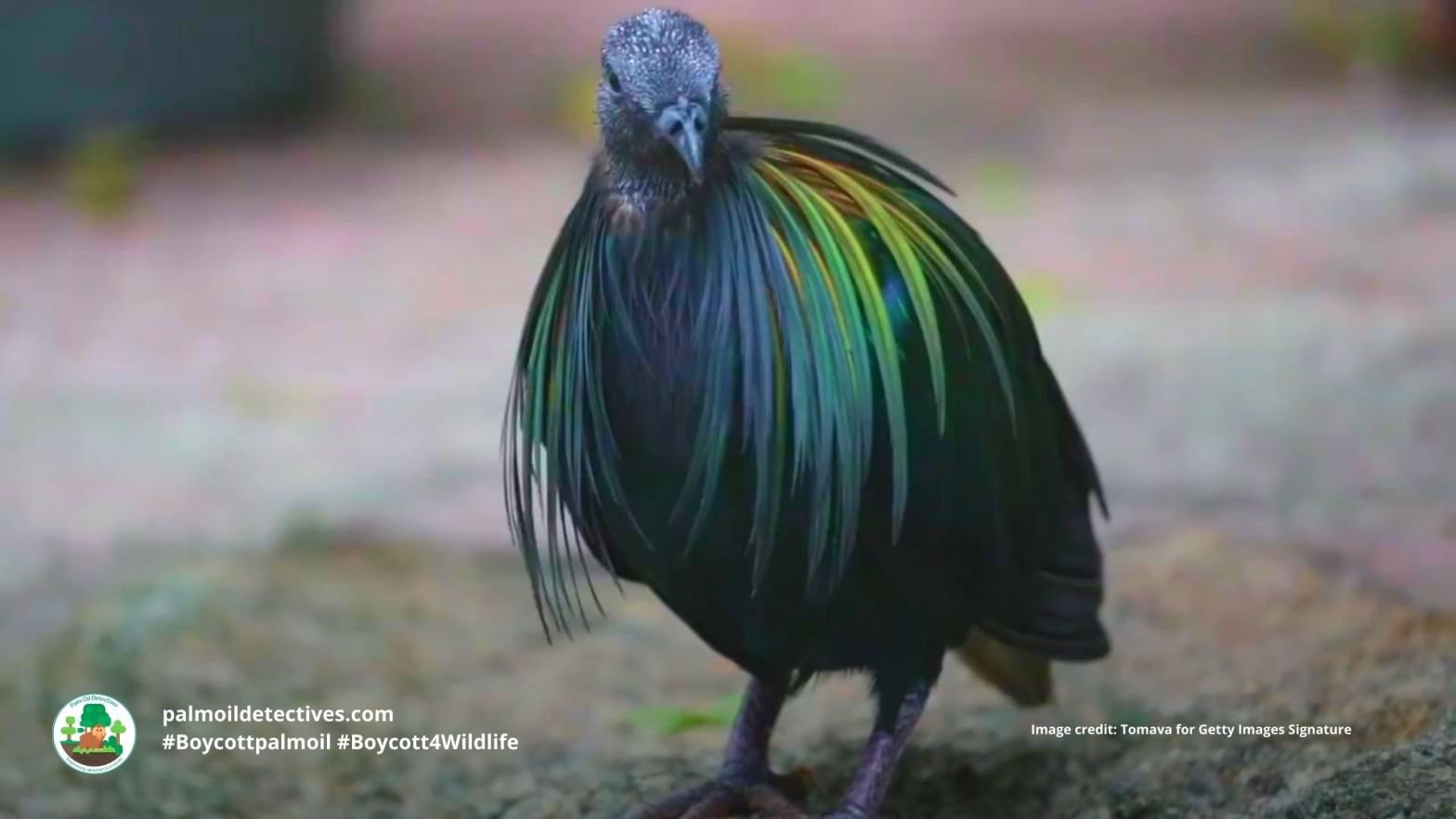
The Nicobar pigeon is the largest pigeon in the world and the closest living relative to the extinct dodo bird. They are famous for their gorgeous iridescent feathers. When threatened they make a pig-like grunt and are known for the strange way that they drink – by dunking their heads into water and sucking it up instead of sipping as other birds do. They are Near Threatened from palm oil deforestation on the Nicobar and Andaman Islands in #India along with hunting and the pet trade. Help their survival and #Boycottpalmoil #Boycott4Wildlife in the supermarket.
Philippine Sailfin Lizard Hydrosaurus pustulatus

Stunning bright coloured Philippine sailfin lizards are becoming more and more rare from palm oil deforestation across their range in #WestPapua #Philippines and eastern #Indonesia. They are also threatened by hunting and the pet trade. Males turn a dark violet colour during mating season and flare their extravagant sail-like fins to announce their mating prowess. They have a third eye on the top of their head which enables them to sense sunlight. Help them survive and #Boycottpalmoil #Boycott4Wildlife
Indian Rhinoceros (Greater One-horned Rhino) Rhinoceros unicornis
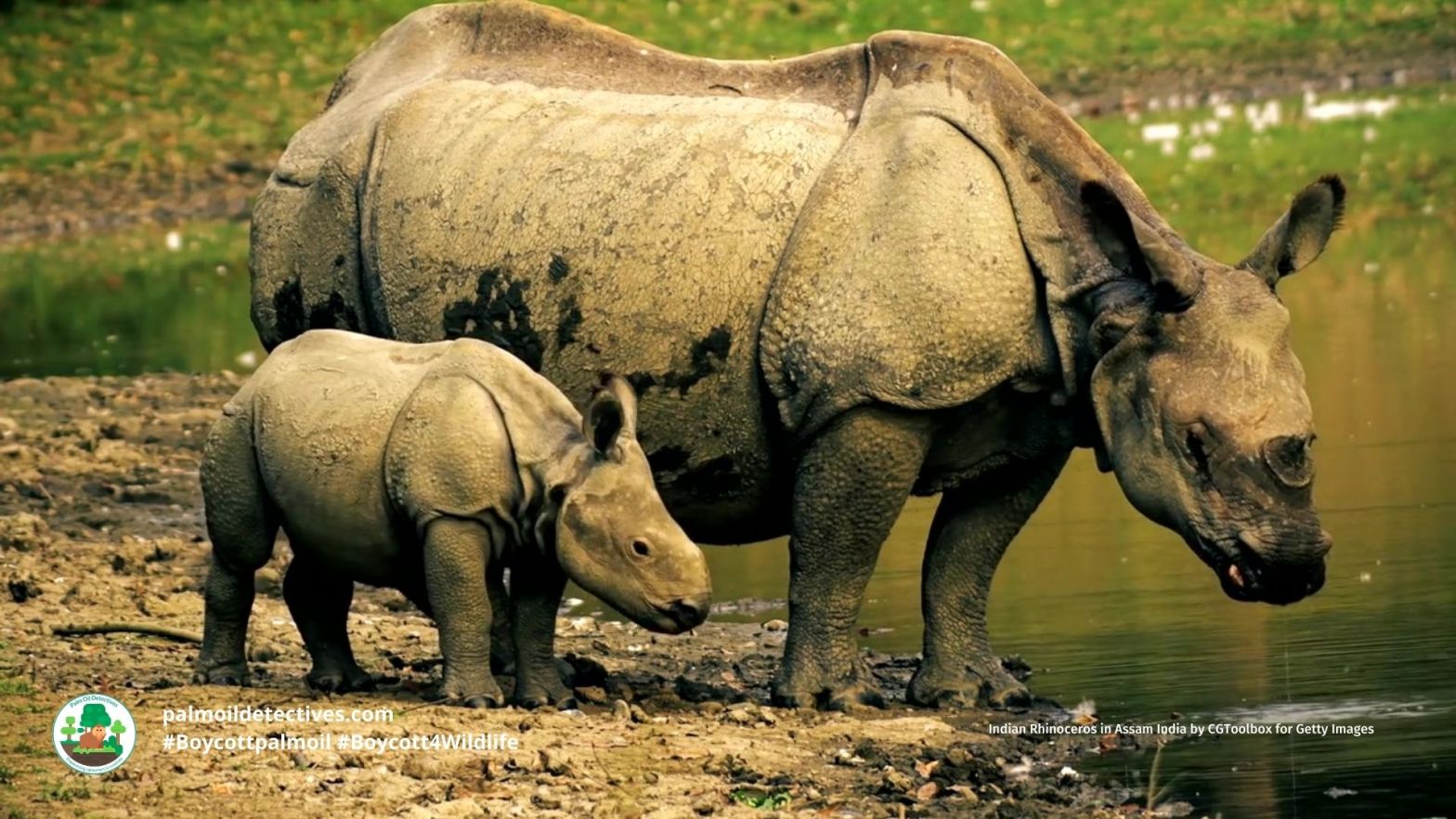
The largest of the three rhino species in Asia, the Indian Rhino has a distinctive and unique armour-plated look which lends them a fairytale quality that has captivated admirers for aeons. Although Indian rhino numbers have climbed over the past decades due to conservation, they are under imminent threat from the expansion of palm oil deforestation in the Assam region of India. A protected national park there is earmarked for destruction. Use your wallet as a weapon every time you shop and #Boycottpalmoil #Boycott4Wildlife
Sunda Pangolin Manis javanica
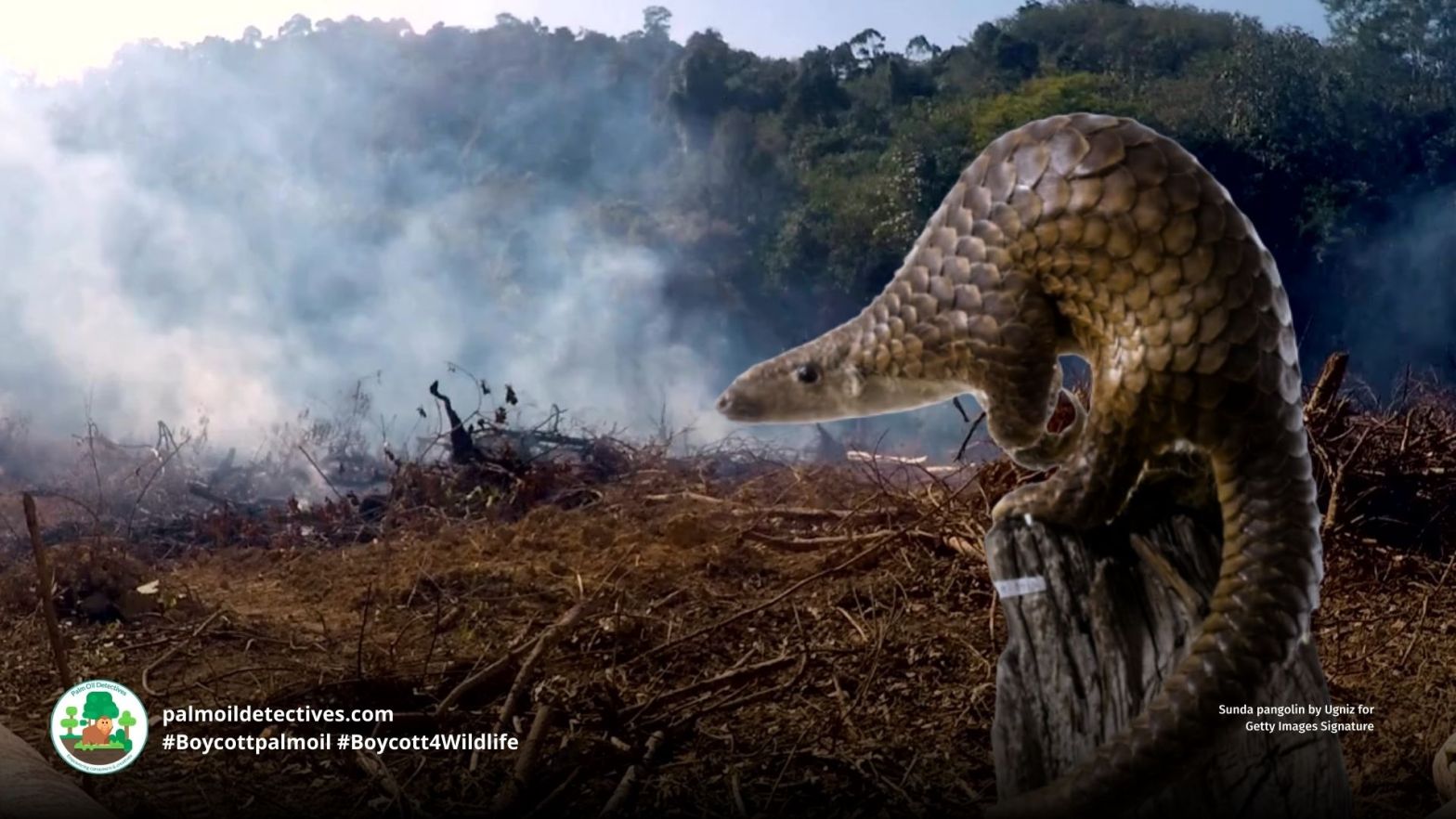
Sunda pangolins AKA Javan pangolins are capable swimmers and curl protective balls, palm oil and hunting exploitation are major threats, boycott palm oil!
Barasingha Cervus duvauceli
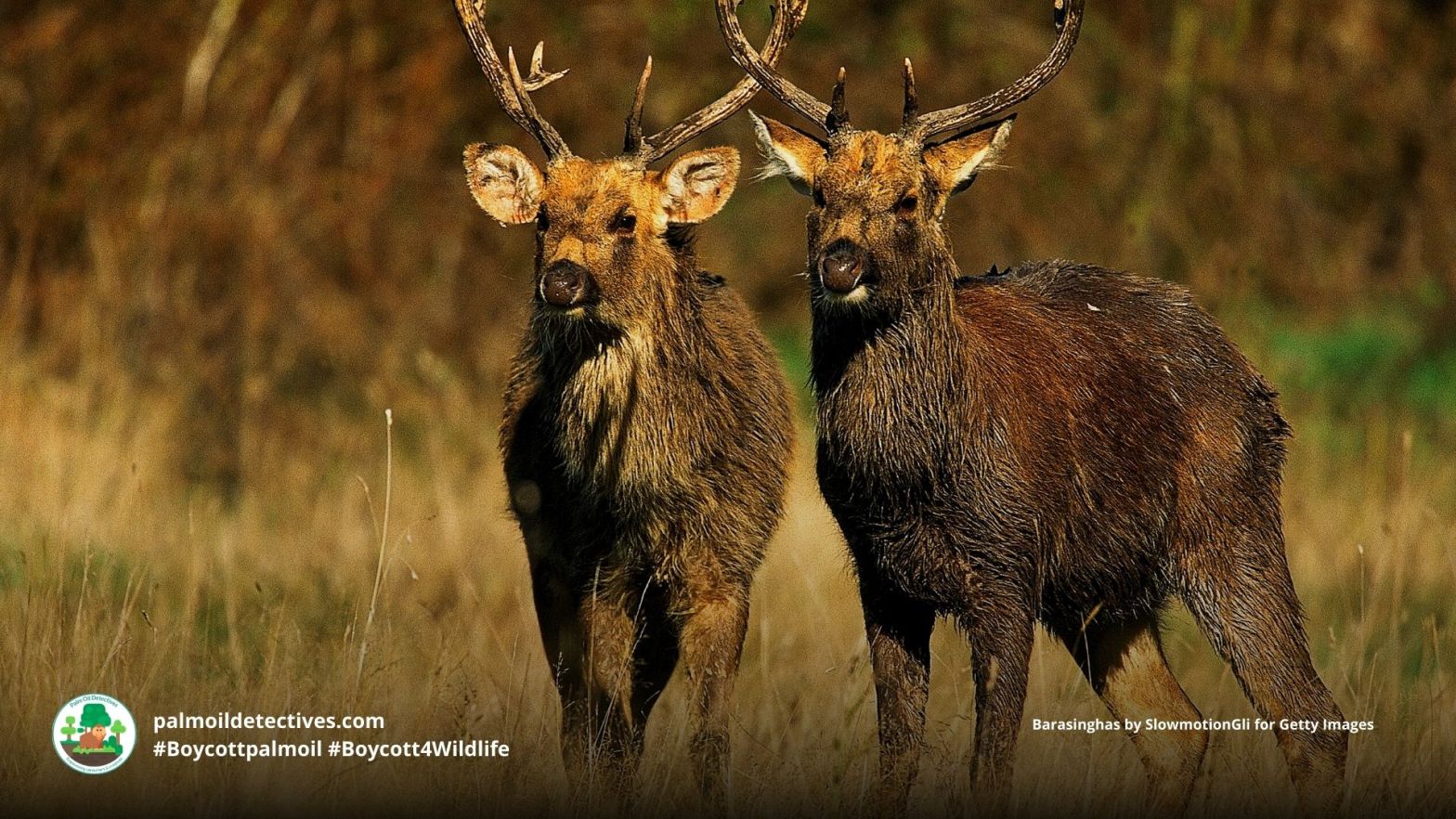
Barasinghas Cervus duvauceli also known as Swamp Deers, are instantly recognisable for their enormous handsome antlers. They can have as many as 12 antlers and their namesake Barasinghas means ’12 antlered deer’ in Hindi. They are now one of the most endangered deer species in the world due to habitat fragmentation for palm oil and beef, along with human persecution and hunting. The only remaining population live in protected sanctuaries in India and Nepal. The herd will be led by a single female and then followed by other females in a procession and then the males follow along at the rear of the group. Despite this, females are not dominant over the herd. These resilient, tough and majestic deer species are classified vulnerable on IUCN Red List. If you want to help them, adopt a #Vegan lifestyle and #BoycottPalmOil #Boycott4Wildlife in the supermarket!
Quince Monitor (Banggai Island Monitor) Varanus melinus
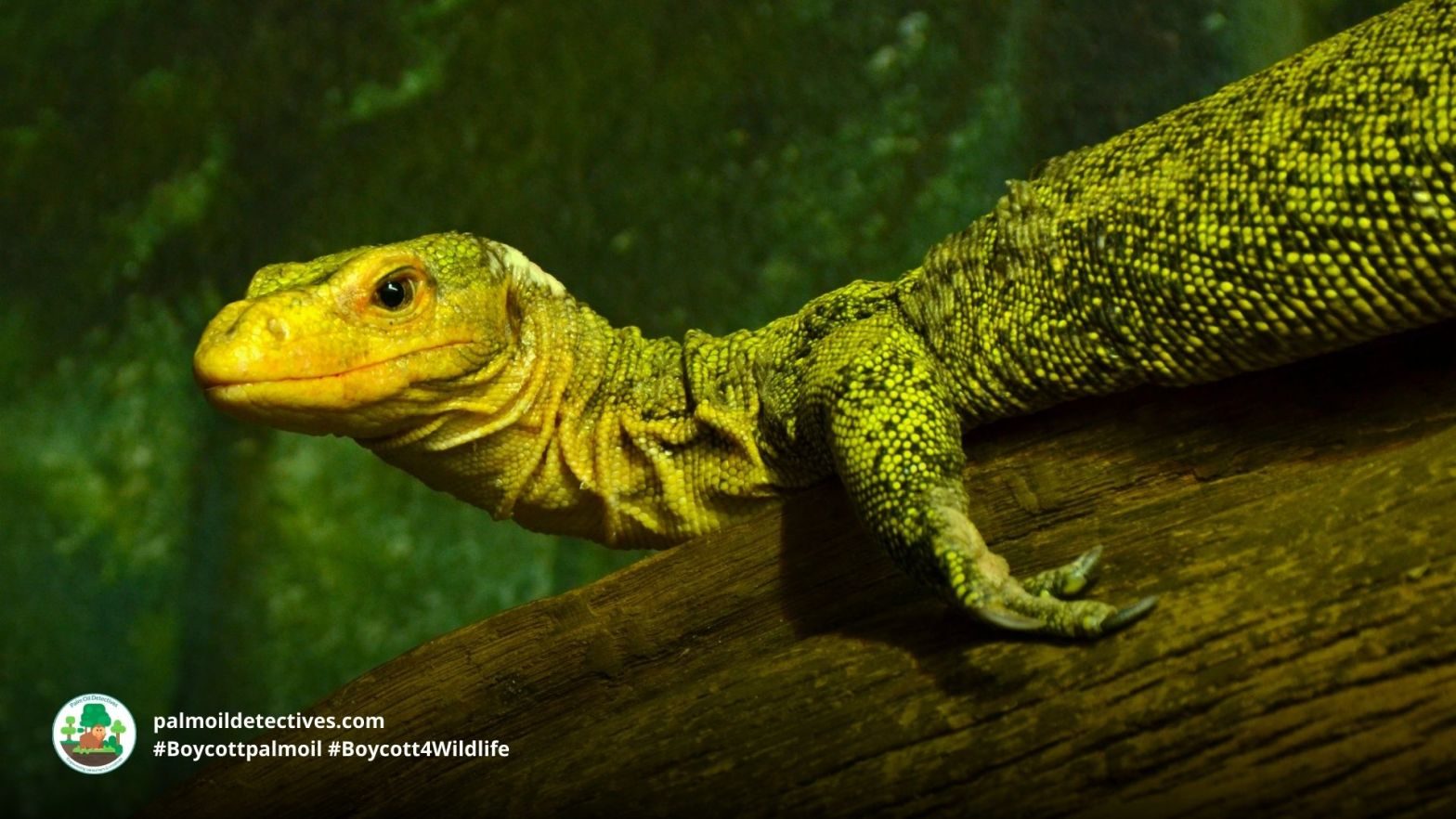
The Quince Monitor Varanus melinus get their name from the spectacular bright yellow of their skin. This is a rare and elusive species of #monitor #lizard that lives in only one location in #Indonesia – the #Maluku Islands. Their muscular, wide stance and ancient dragon-like looks make them fascinating to behold. They are endangered primarily from #palmoil #deforestation throughout their range along with collection for the illegal #pettrade. They have no known protections in place. Help them every time you shop and #BoycottPalmOil #Boycott4Wildlife in the supermarket and don’t buy these lizards as exotic pets as this is sending them extinct!
Assam Rabbit (Hispid Hare) Caprolagus hispidus
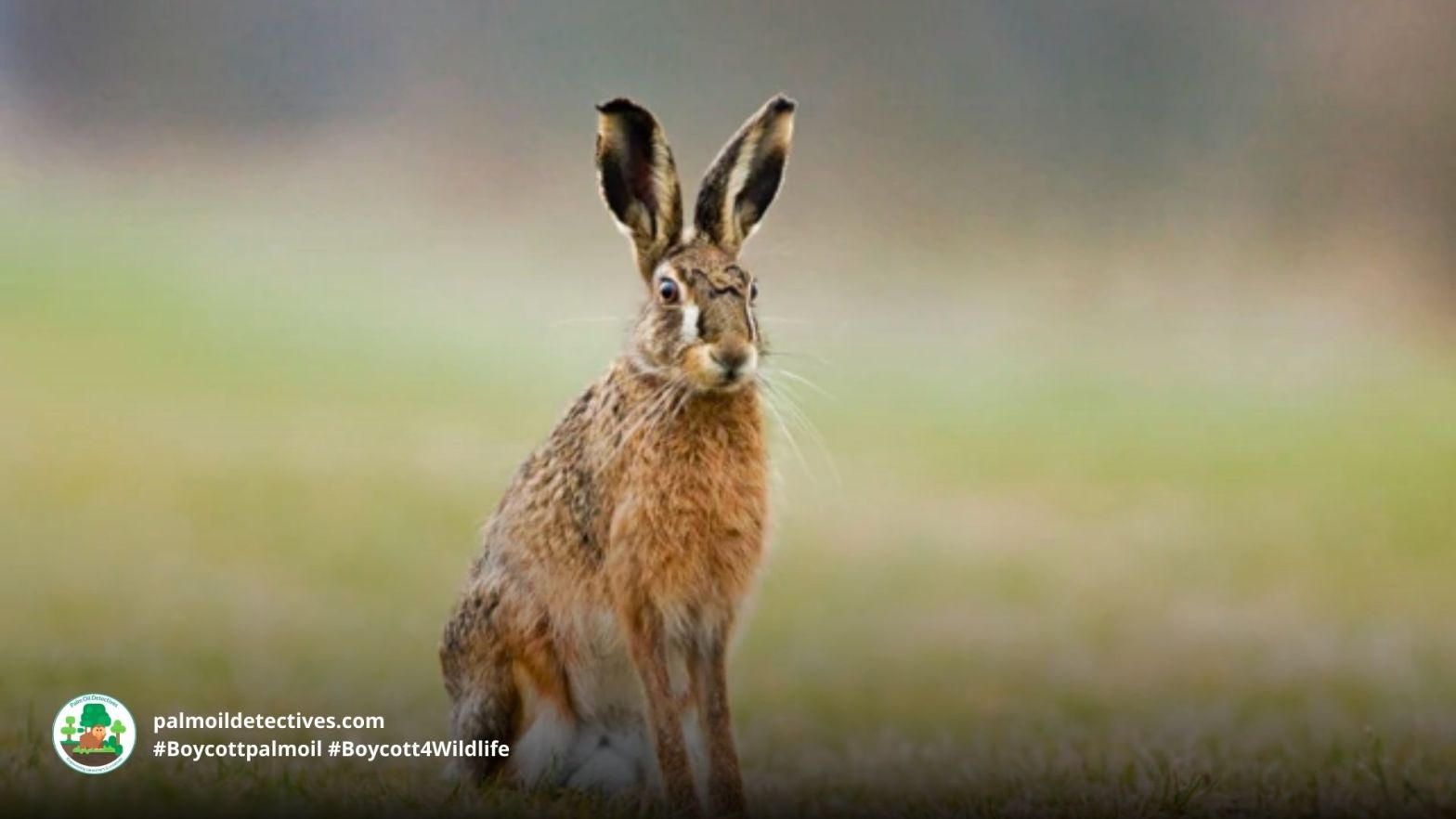
Assam Rabbit (Hispid Hare) Caprolagus hispidus Red List Status: Endangered Locations: Bhutan; India (West Bengal, Uttar Pradesh, Assam); Nepal. Presence Uncertain: Bangladesh; India (Madhya Pradesh, Bihar) Shy, solitary and wary Hispid hares are most active during dawn and dusk. They often take shelter from predation in tall grasses and the burrows of other animals. TheyContinue reading “Assam Rabbit (Hispid Hare) Caprolagus hispidus”
Banded Surili (Raffles Banded Langur) Presbytis femoralis
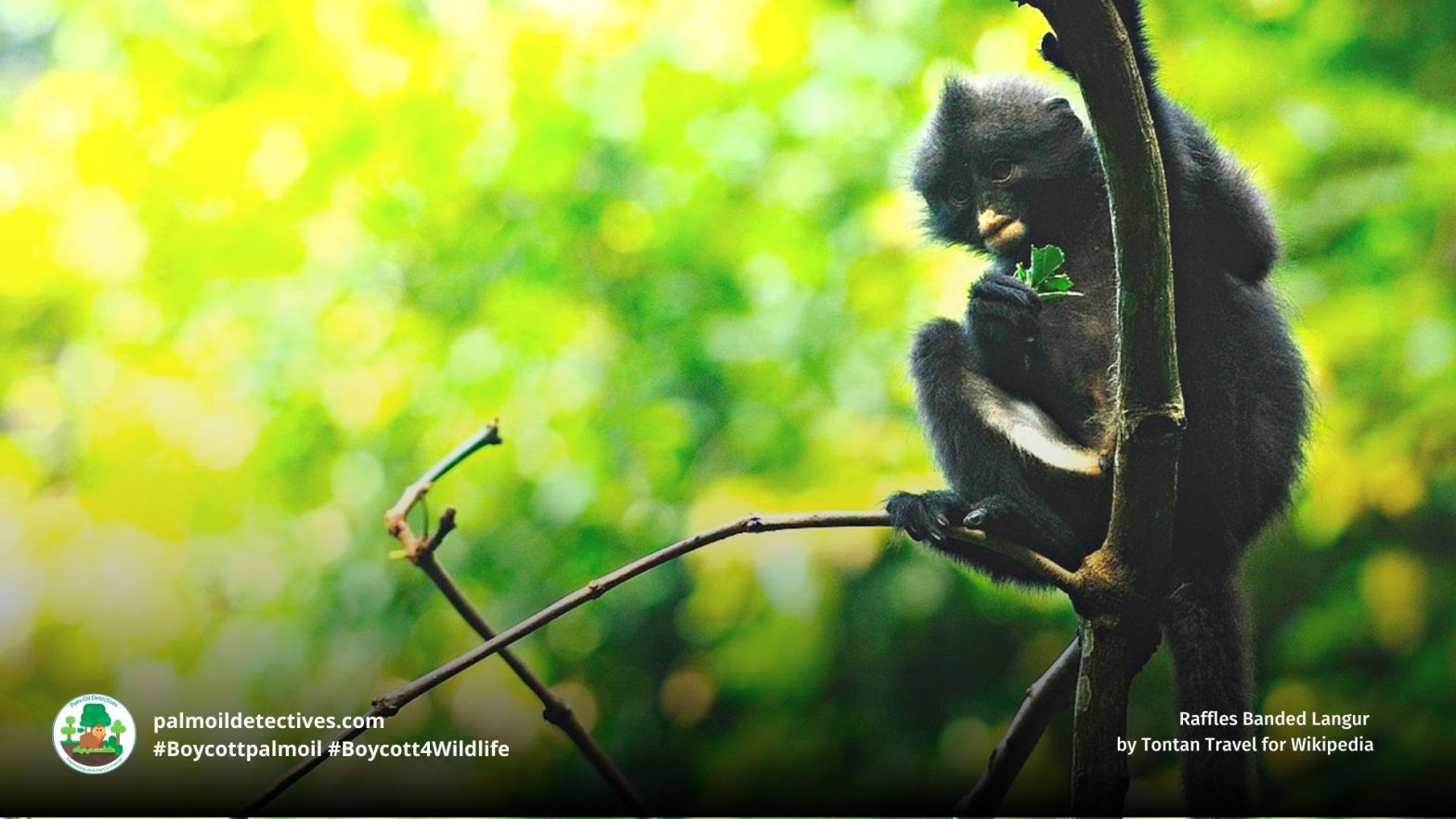
A curious and intelligent small monkey species, Raffles’ Banded Langurs are also known by their other common names: Banded Leaf Monkey or Banded Surili. Endemic to the southern Malay Peninsula and Singapore, this critically endangered monkey is now found in only a few fragmented pockets of primary and secondary forest, swamps, mangroves, and rubber plantations. Once widespread across Indonesia, Malaysia, Myanmar, Singapore, and Thailand, the banded surili’s population has plummeted—fewer than 60 individuals survive in Malaysia, with Singapore’s last wild group clinging to existence in the Central Catchment Nature Reserve. Palm oil deforestation and habitat destruction continue to erase their world. Help them survive and #BoycottPalmOil and #Boycott4Wildlife every time you shop.
 Palm Oil Detectives