
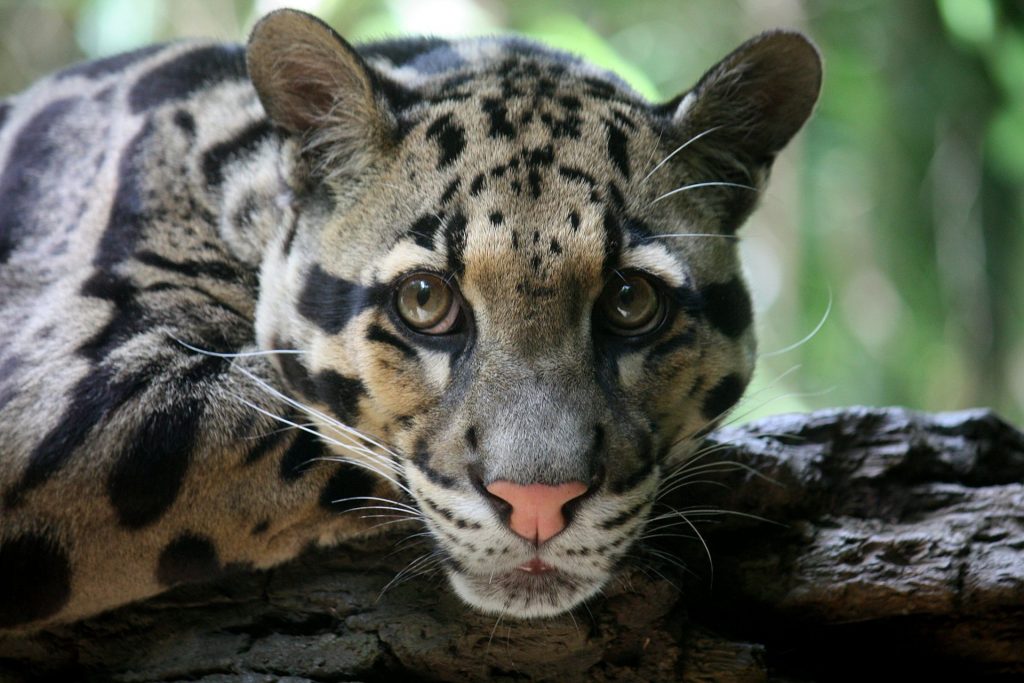
Beautiful and unique Clouded Leopards are #endangered by #palmoil, #meat #mining #deforestation and human persecution across their range. Help them every time you shop and be #vegan, #Boycottpalmoil and #Boycott4wildlife
Tag Archives: mining
Bald-headed Uacari Cacajao calvus

With their long shaggy coats and striking bright red faces, Bald-headed Uacaris are true icons of the Amazon rainforest and are found in #Brazil, #Peru and #Colombia. When a #Uacari has a bright red face this indicates they are in good health. A pale face indicates a sickly physical state. These remarkable #monkeys spend most of the year in the tree tops to avoid the seasonal flooding of their Amazonian habitat. During the dry season, they return to the ground to look for seeds. They face an existential threat from #palmoil, #soy and #meat #deforestation in the #Amazon. Once their unmistakeable scarlet faces were a common sight in the dusky green of the rainforest. Now they are rapidly disappearing, victims of a relentless drive for land, gold, and profit. Listed as Vulnerable, you can help them to survive every time you shop! #BoycottGold be #vegan for them and #BoycottPalmOil #Boycott4Wildlife
Rüppell’s Vulture Gyps rueppelli
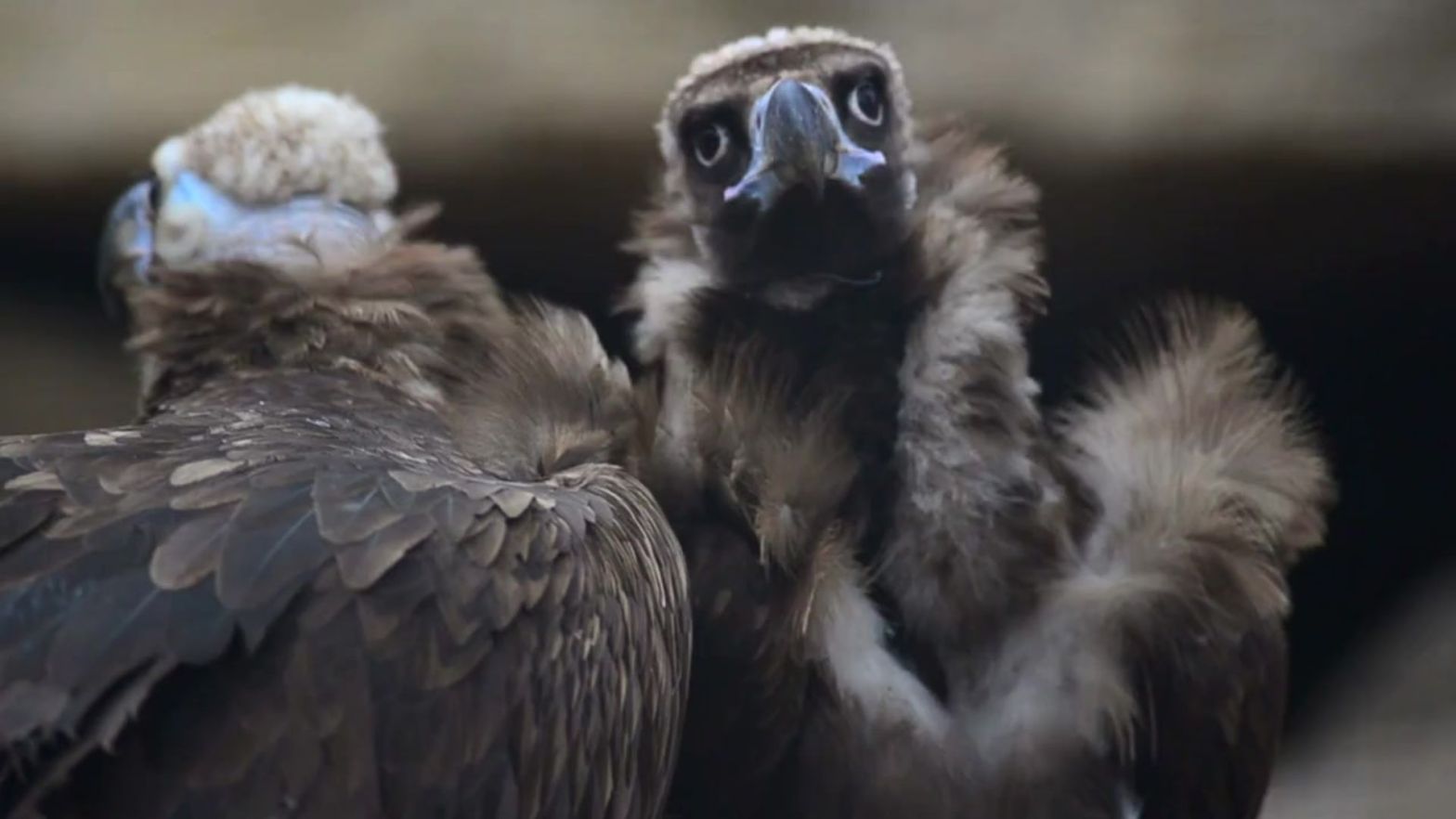
The Rüppell’s Vulture is an enigmatic avian marvel soaring the African and European skies. Their powerful wings carry them aloft on streams of air to altitudes of 11,000 metres. From far above they scan the endless landscapes for sustenance. These remarkable carrion cleaners pose no threat to humans and only eat dead animals. They now teeter on the brink of extinction, fewer than 22,000 individuals remain alive due to the depletion of their prey species, human and wildlife conflict and palm oil deforestation throughout their range. This critically endangered species, are known for their awe-inspiring high altitude flights—reaching heights seen by commercial airlines. They face a grave threat from the insidious palm oil industry, mining along with other destructive industries across their range. Help them to survive and #BoycottPalmOil and #Boycott4Wildlife every time you shop.
Pied Tamarin Saguinus bicolor

Pied #Tamarins are fascinating and vibrant black-faced #monkeys with a shock of white fur around their muzzle and chest and expressive brown eyes. They are found only in the shrinking forests of Manaus, #Brazil. As bulldozers carve roads and cities sprawl, their home is being destroyed for #palmoil, #soy, #beef farming, #gold #mining, and relentless urban expansion. These tamarins also face threats from disease, predators, and the illegal pet trade. Use your wallet as a weapon and BoycottPalmOil, Boycott4Wildlife, BoycottGold4Yanomami, and be #Vegan to help their survival.
Western Red Colobus Piliocolobus badius
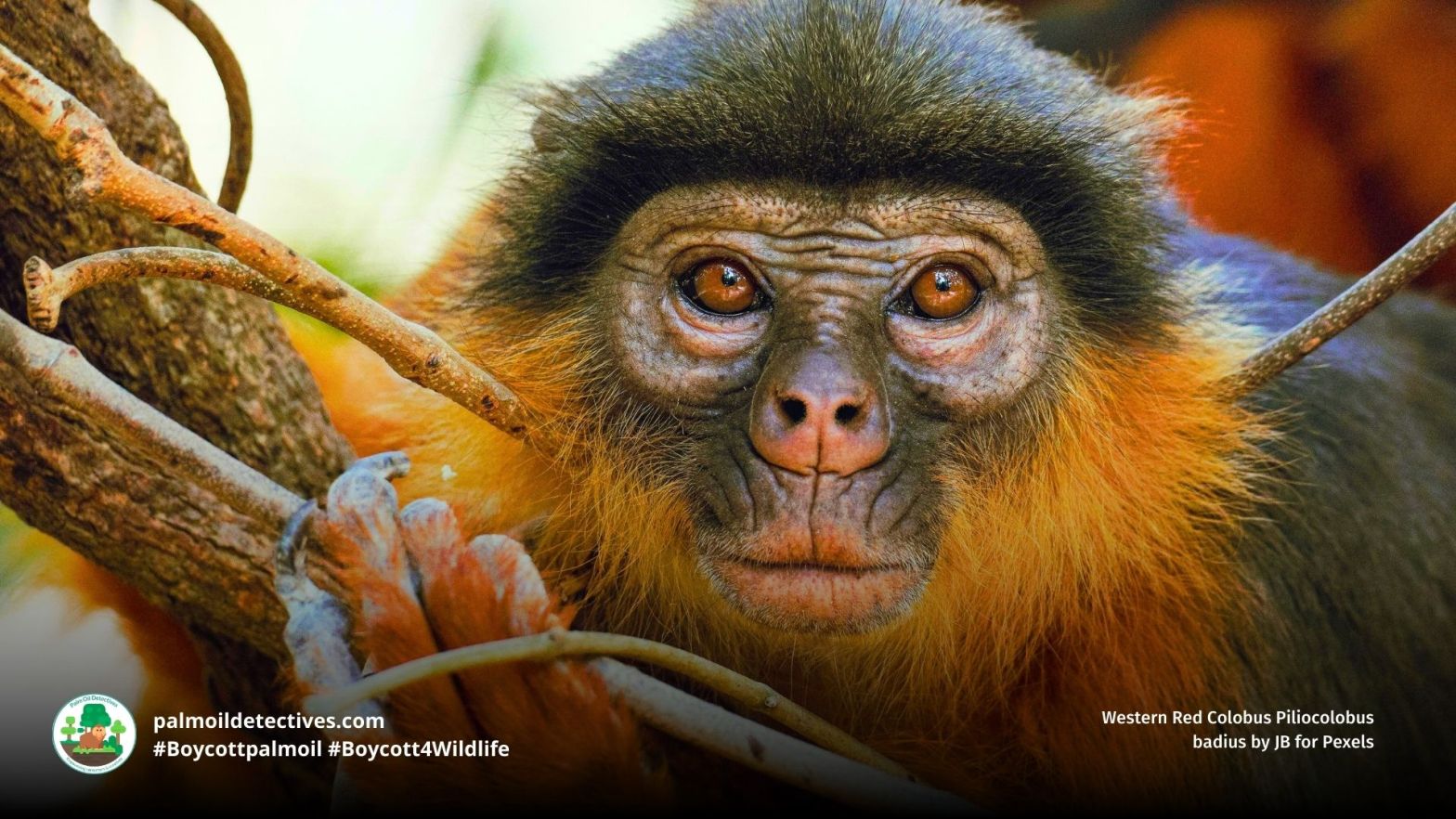
The Western Red Colobus Piliocolobus badius is one of West Africa’s most #endangered #primates, facing an escalating crisis of habitat loss and overhunting. Once abundant in mature forests across the region, they have been driven to the brink of #extinction by rampant deforestation for charcoal, palm oil and mining and the increasing demand for #bushmeat. Widespread clearing of forests for industrial #palmoil plantations, #mining, and #timber has fragmented their habitat, isolating populations and making them more vulnerable to #poaching. Without urgent intervention, their future remains uncertain. Help them every time you shop and be #vegan #BoycottPalmOil #Boycott4Wildlife
Timneh Parrot Psittacus timneh
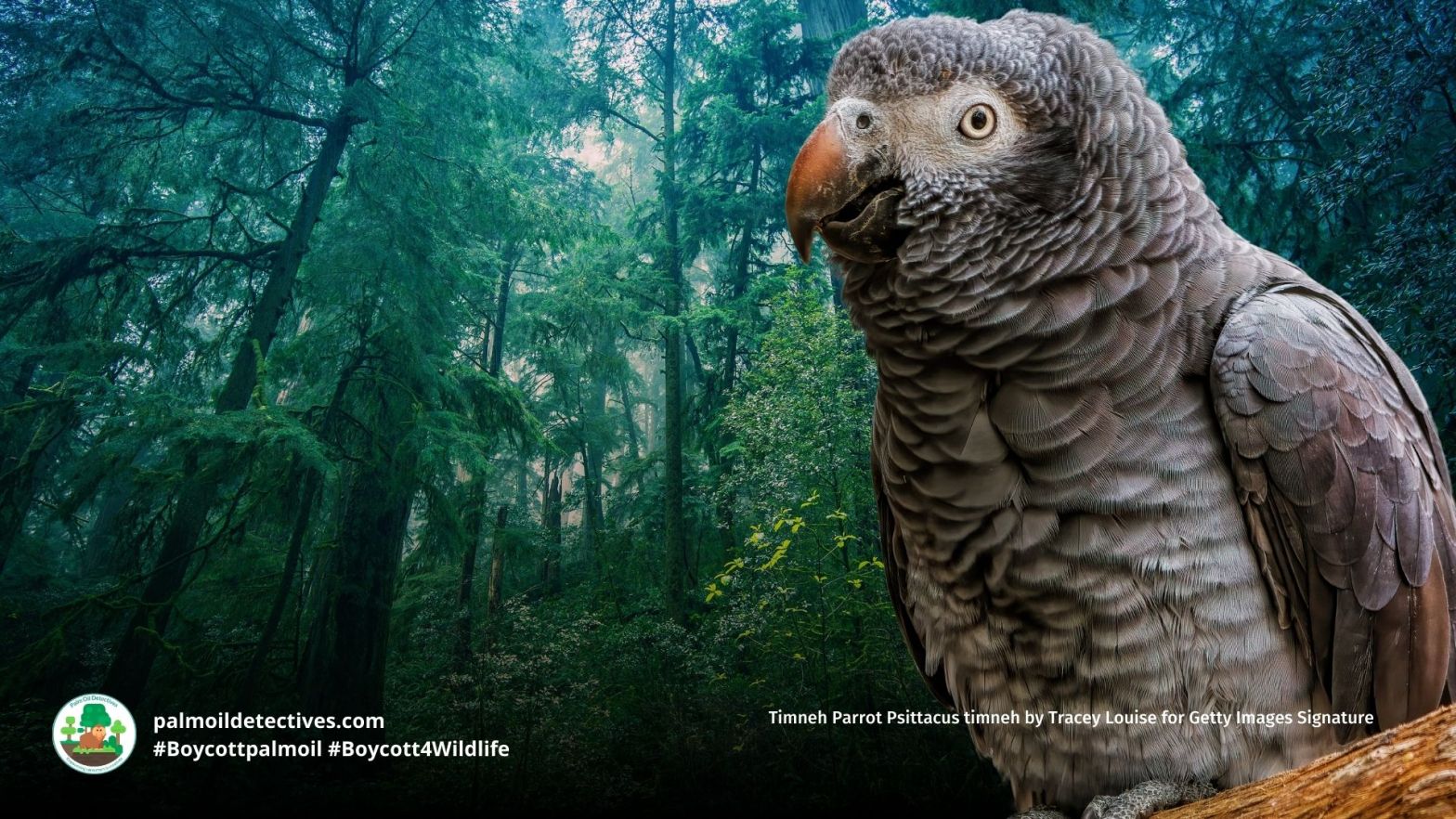
The Timneh Parrot, a smaller and darker cousin of the African Grey Parrot, captivates with their intelligence, vibrant personalities, and ability to mimic speech. However, their beauty and charm have contributed to their decline. The illegal pet trade is depleting wild populations, with poachers raiding nests to meet global demand. Meanwhile, habitat destruction driven by out-of-control palm oil plantations, meat agriculture, and crops like cocoa, coffee, and tobacco is eroding their forest homes.
Research shows that the parrot trade, facilitated by social media, has expanded into new regions like Algeria, where demand for exotic pets continues to fuel poaching. The population declines are staggering—studies in Cameroon show local reductions of up to 99% over 14 years due to trapping and habitat loss. Protecting these parrots requires ending the demand for wild-caught birds and halting deforestation in West Africa. Take action today: #BoycottPalmOil #BoycottMeat #Boycott4Wildlife.
White-thighed Colobus Colobus vellerosus
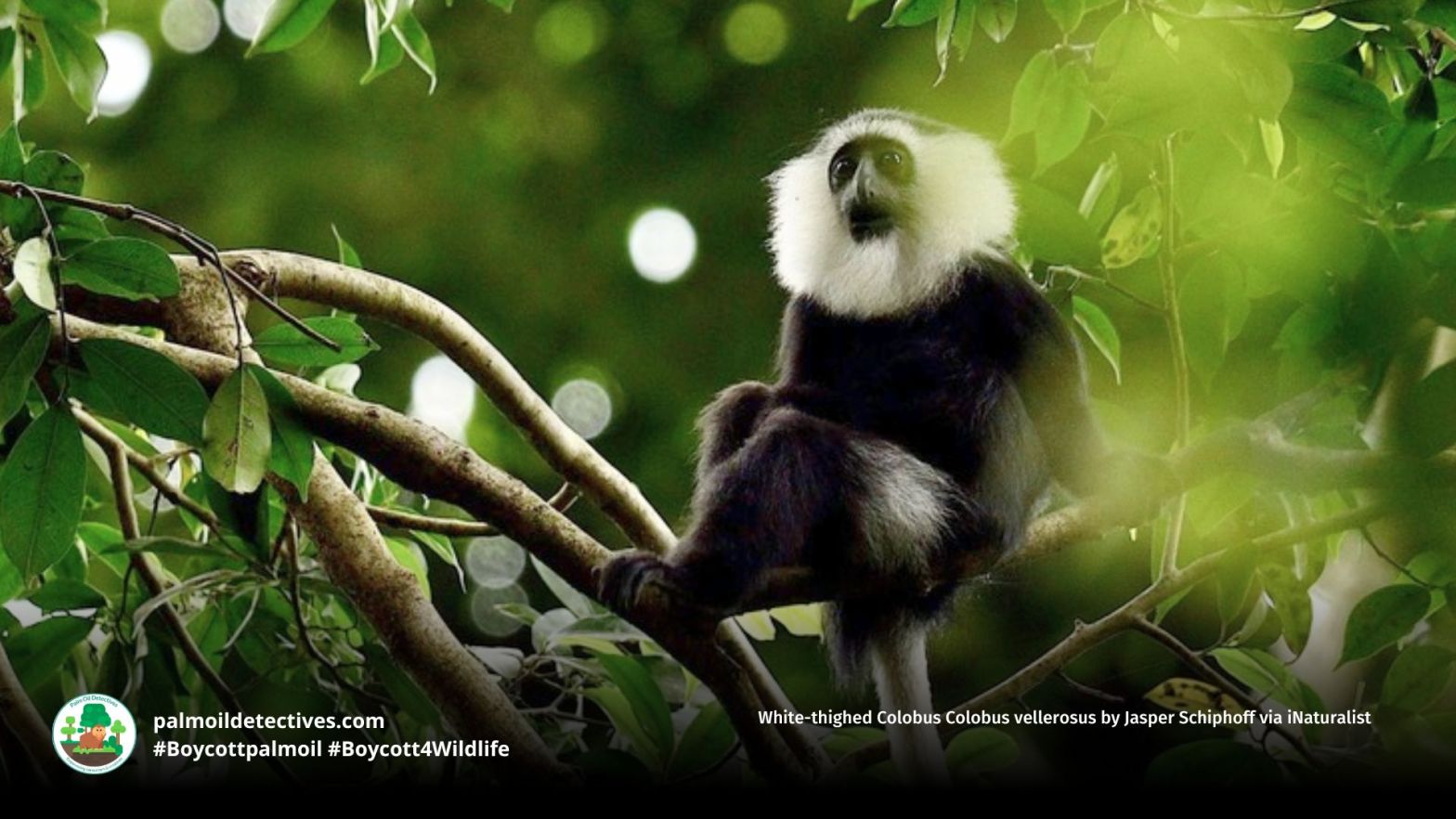
The White-thighed Colobus (Colobus vellerosus), also known as the Ursine Colobus or Geoffroy’s Black-and-White Colobus, is a striking primate of West Africa and is currently listed as Critically Endangered on the IUCN Red List. Their numbers have plummeted by over 80% in just three generations due to rampant deforestation driven by logging, agriculture, and expanding palm oil plantations. Intense bushmeat hunting and weakening traditional taboos have further accelerated their decline. With fewer than 1,500 individuals thought to remain in the wild, urgent action is needed to save them. Use your wallet as a weapon—boycott products that contain palm oil and support ethical, indigenous-led conservation. BoycottPalmOil #Boycott4Wildlife #Vegan #BoycottMeat
Roloway Monkey Cercopithecus roloway
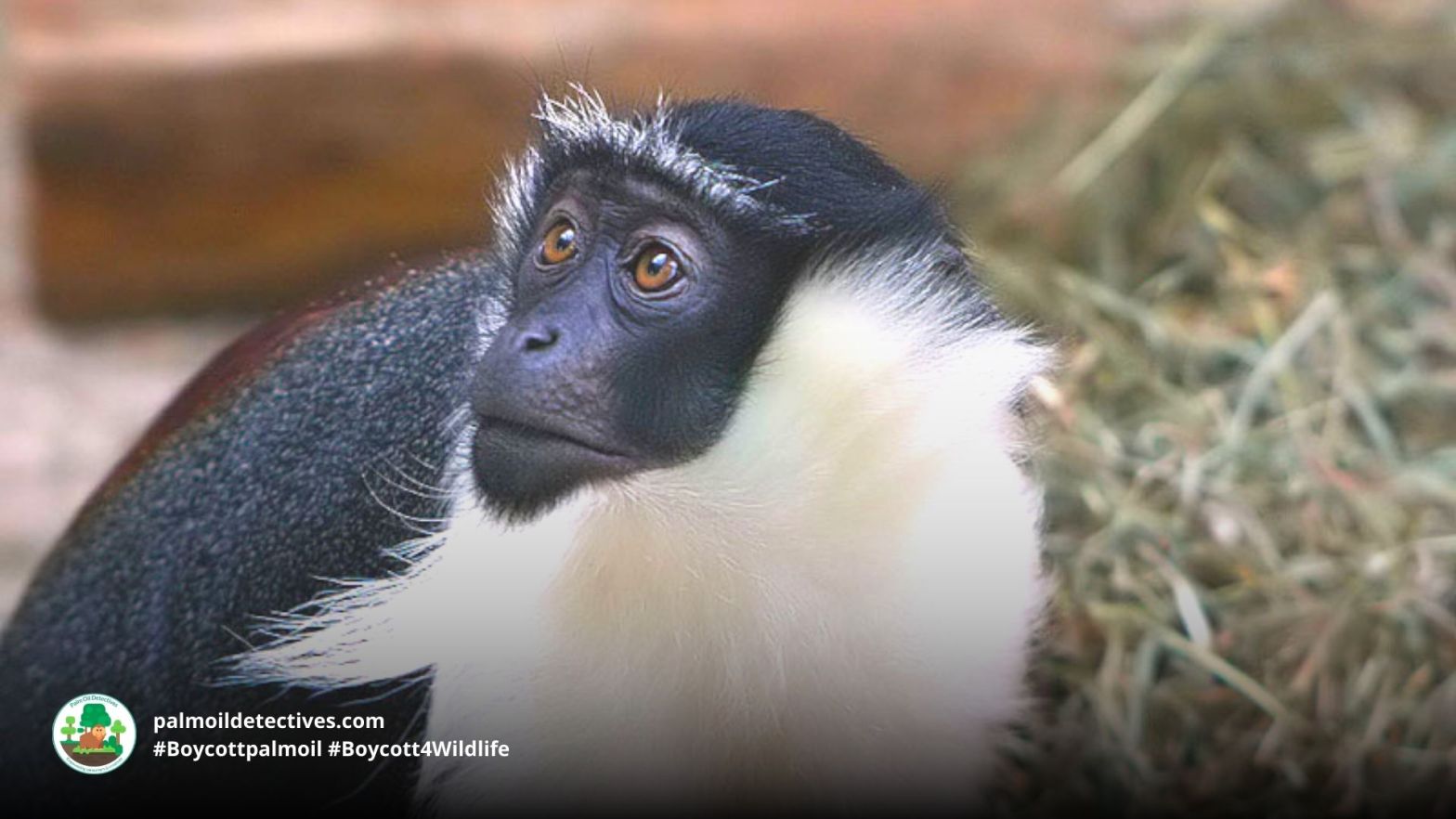
The Roloway Monkey is one of West Africa’s rarest primates, instantly recognisable by their elegant white beard and striking brow band. Once common in the lush rainforests of Ghana and Côte d’Ivoire, the Roloway Monkey now survives only in isolated pockets of old-growth forest. The Roloway Monkey’s world is shrinking rapidly—palm oil, cocoa, and logging companies clear the last ancient trees, while hunters target the Roloway Monkey for bushmeat. The air is thick with the scent of damp earth and the distant echo of chainsaws. With fewer than 2,000 Roloway Monkeys left, their future hangs by a thread. Stand with indigenous communities defending the last forests. Use your wallet as a weapon. #BoycottPalmOil #Boycott4Wildlife #Vegan
Spectral Tarsier Tarsius tarsier
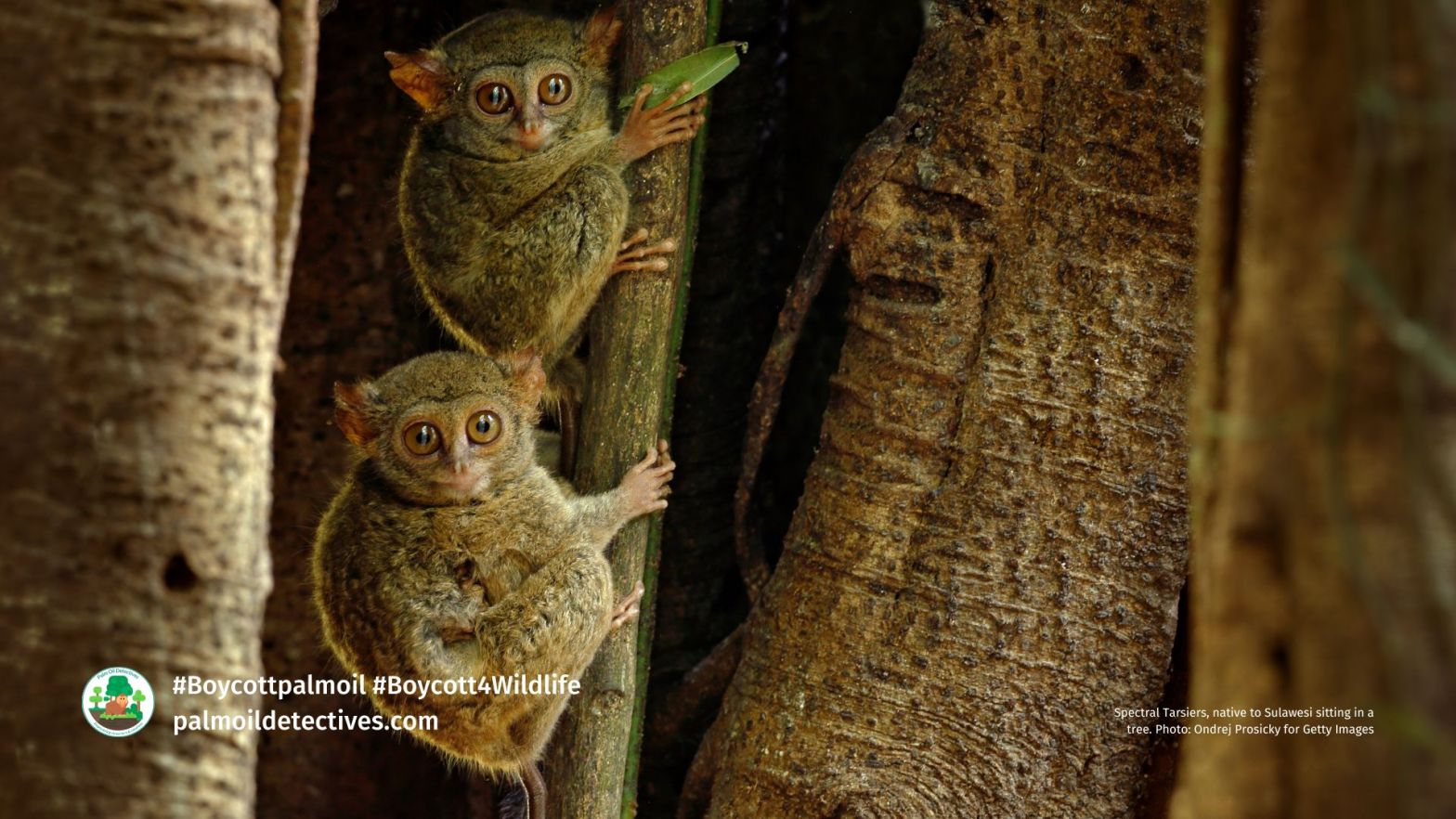
The Spectral Tarsier Tarsius tarsier is one of the smallest and most endearing #primates in the world. With the largest eye-to-body ratio of any #mammal, this wide-eyed, nocturnal #insectivore is found only in #Sulawesi and nearby Indonesian islands. Although they show some tolerance to human-altered landscapes, they are listed as #Vulnerable by the Red List due to rampant #deforestation for #palmoil and #timber agriculture, limestone #mining, #pesticide use and agricultural #pollution and the illegal pet trade. These elusive primates are declining fast. Use your wallet as a weapon: always choose products that are 100% palm oil-free and never support the exotic pet trade.#BoycottPalmOil #Boycott4Wildlife #Vegan
Storm’s Stork Ciconia stormi
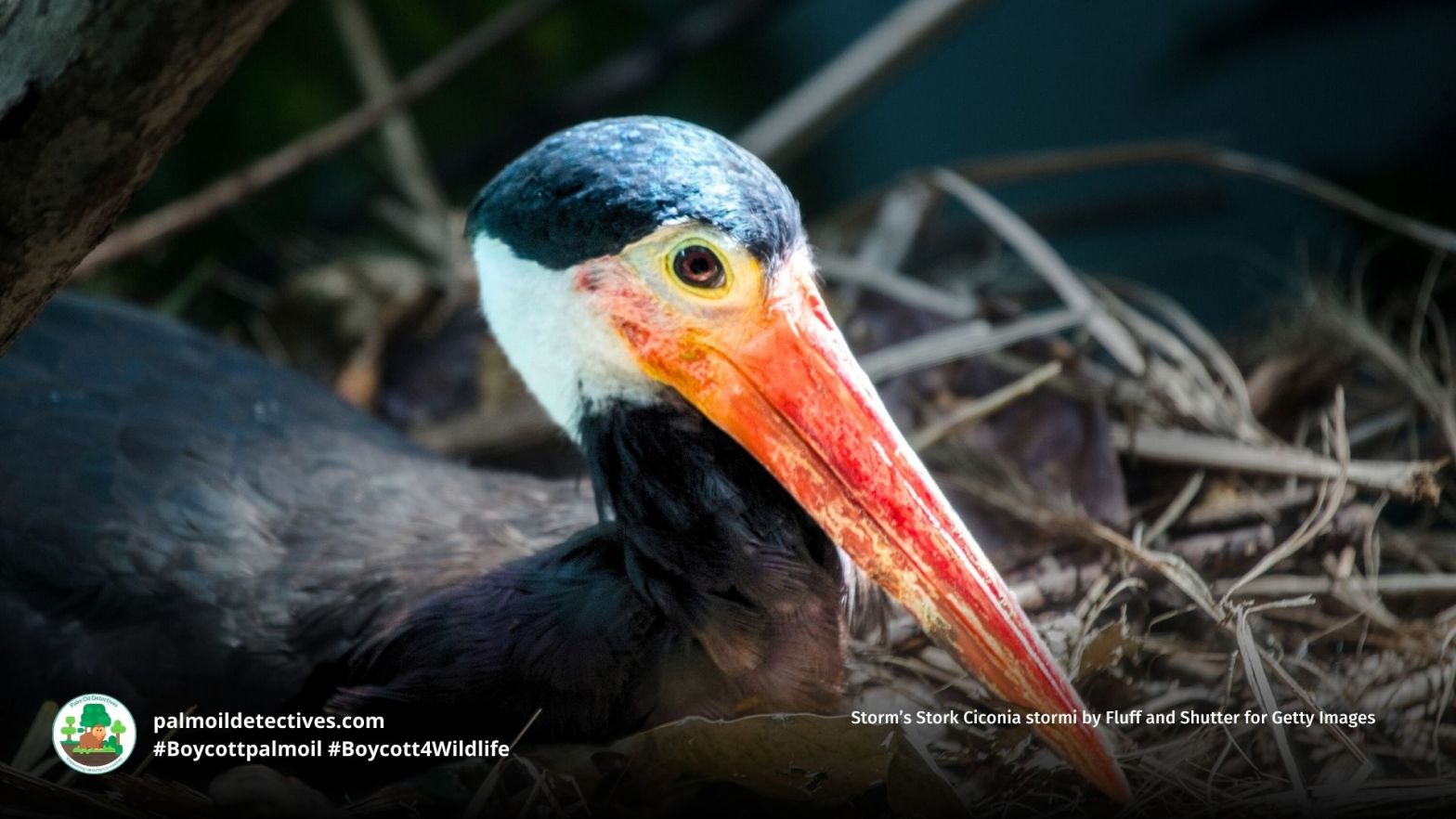
Storm’s Stork Ciconia stormi is the rarest and most elusive stork in Asia, palm oil is a threat boycott palm oil for them!
Seri’s Tree Kangaroo Dendrolagus stellarum
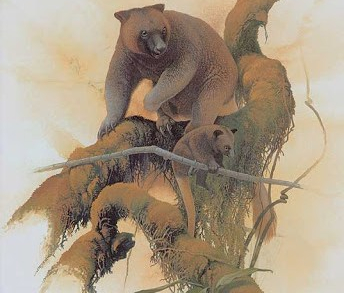
Seri’s #TreeKangaroo is one of the world’s most elusive #marsupials of the genus #Dendrolagus surviving only in the remote mountains of #PapuaNewGuinea and the contested territory of #WestPapua. In these highlands, Indigenous Papuans have resisted Indonesian rule for over half a century, while the forests themselves are threatened by commercial logging, palm oil, and hunting. The Seri’s Tree Kangaroo’s silvery coat and secretive habits help them blend into the forest, but not even the tallest trees can shield them from bulldozers. When you shop ensure that you BoycottPalmOil, Boycott4Wildlife to fight for their protection.
Doria’s Tree Kangaroo Dendrolagus dorianus
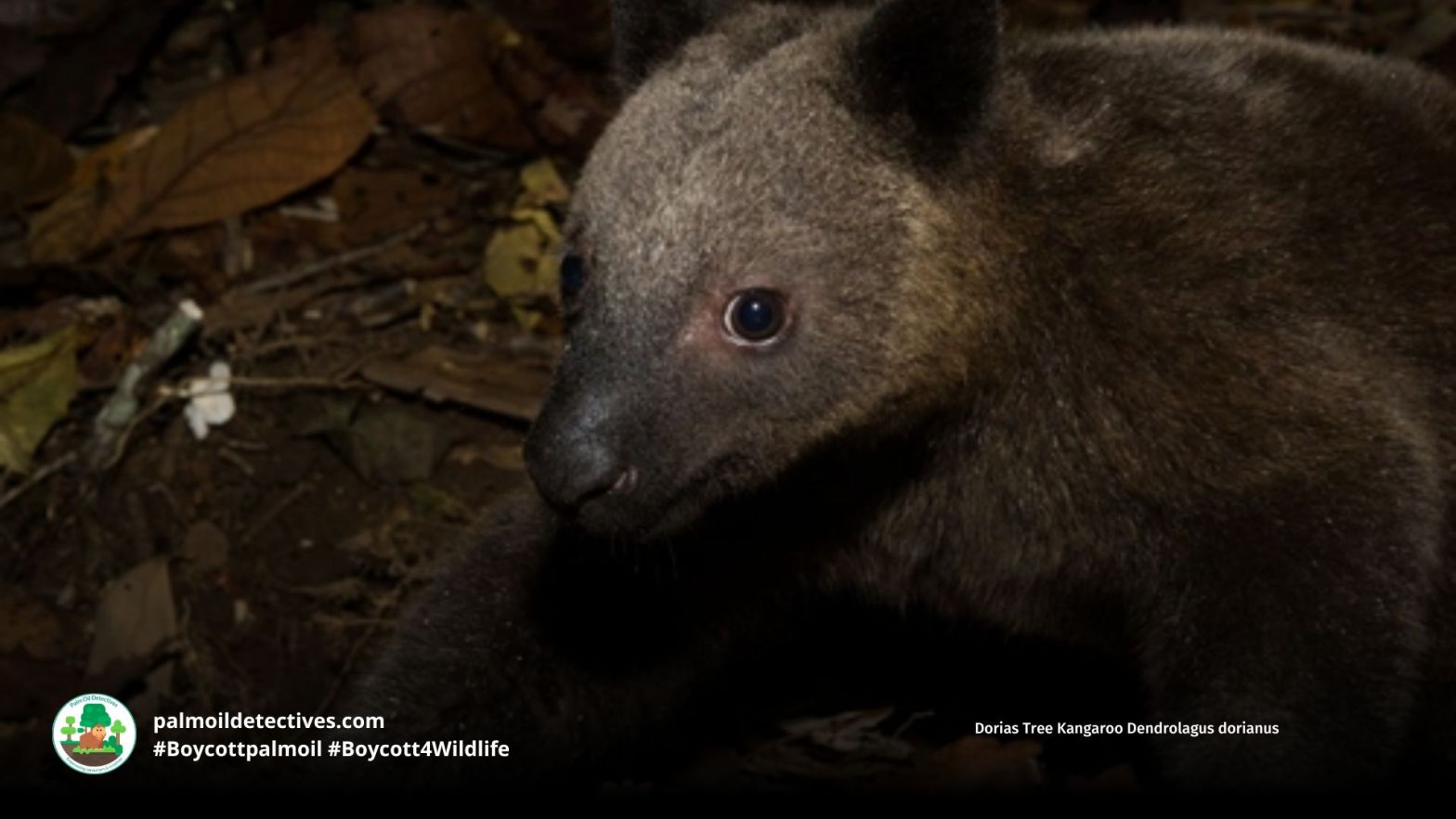
High in the misty mountain rainforests of Papua New Guinea, Doria’s Tree Kangaroo moves with deliberate agility through the dense canopy. With their thick brown fur, powerful limbs, and expressive dark eyes, these marsupials are a striking reminder of the ancient and unique wildlife of New Guinea. Unlike their terrestrial kangaroo cousins, Doria’s Tree Kangaroos have adapted to an arboreal life, leaping through tree canopies with ease and foraging among the leaves.
But their world is rapidly shrinking. Doria’s along with other tree kangaroos in the Dendrolagus genus are hunted mercilessly for bushmeat and threatened by palm oil deforestation, Gas mining and road infrastructure expansion, and land conversion, their numbers are in decline. Despite their elusiveness, they cannot escape the dangers encroaching on their rainforest home. Help them every time you shop and #BoycottPalmOil #Boycott4Wildlife
New Britain Sparrowhawk Accipiter brachyurus
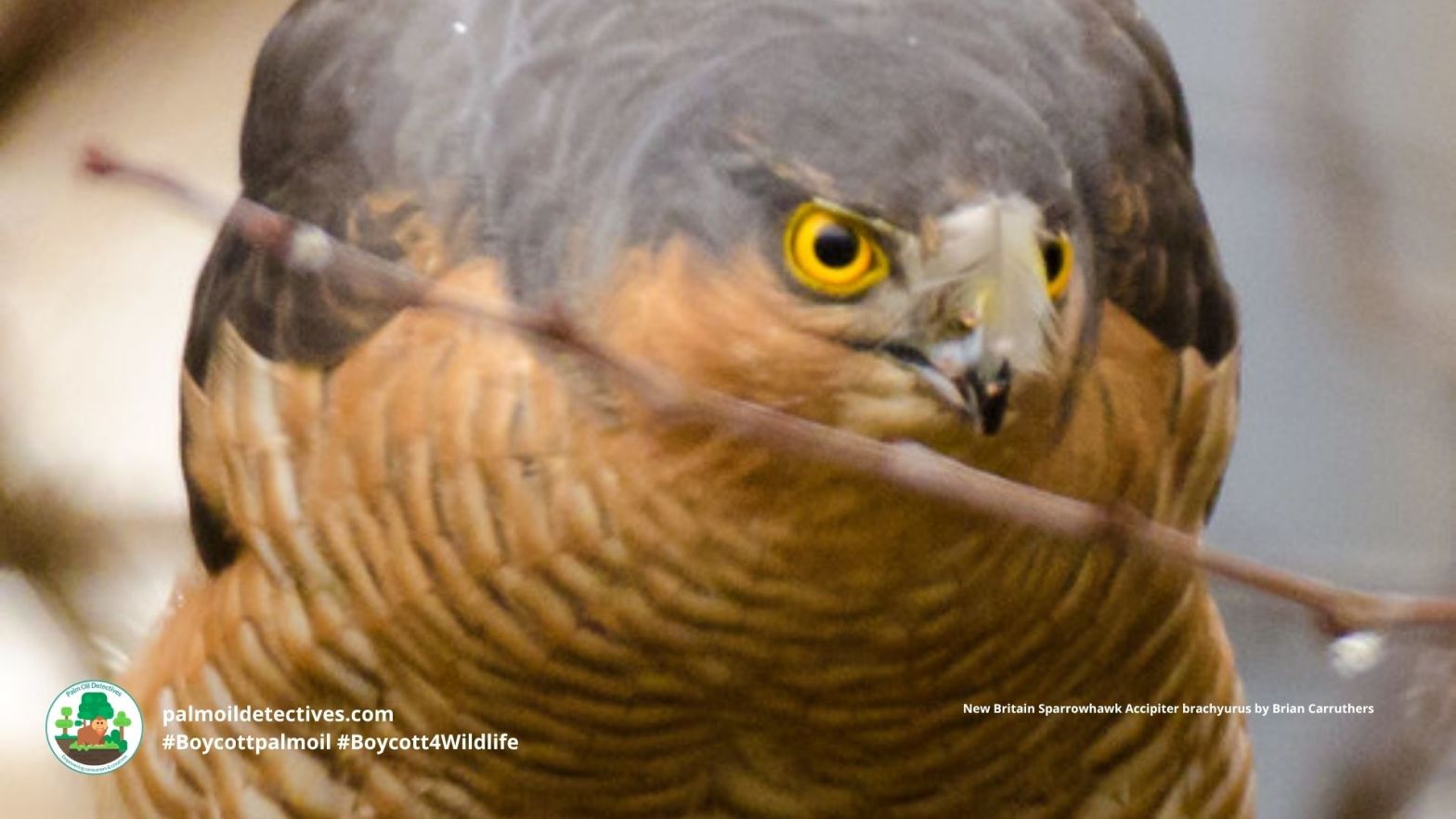
Protect the elusive New Britain Sparrowhawk. These rare birds-of-prey face extinction as palm oil deforestation and logging destroys New Guinea habitat
Lowlands Tree Kangaroo Dendrolagus spadix
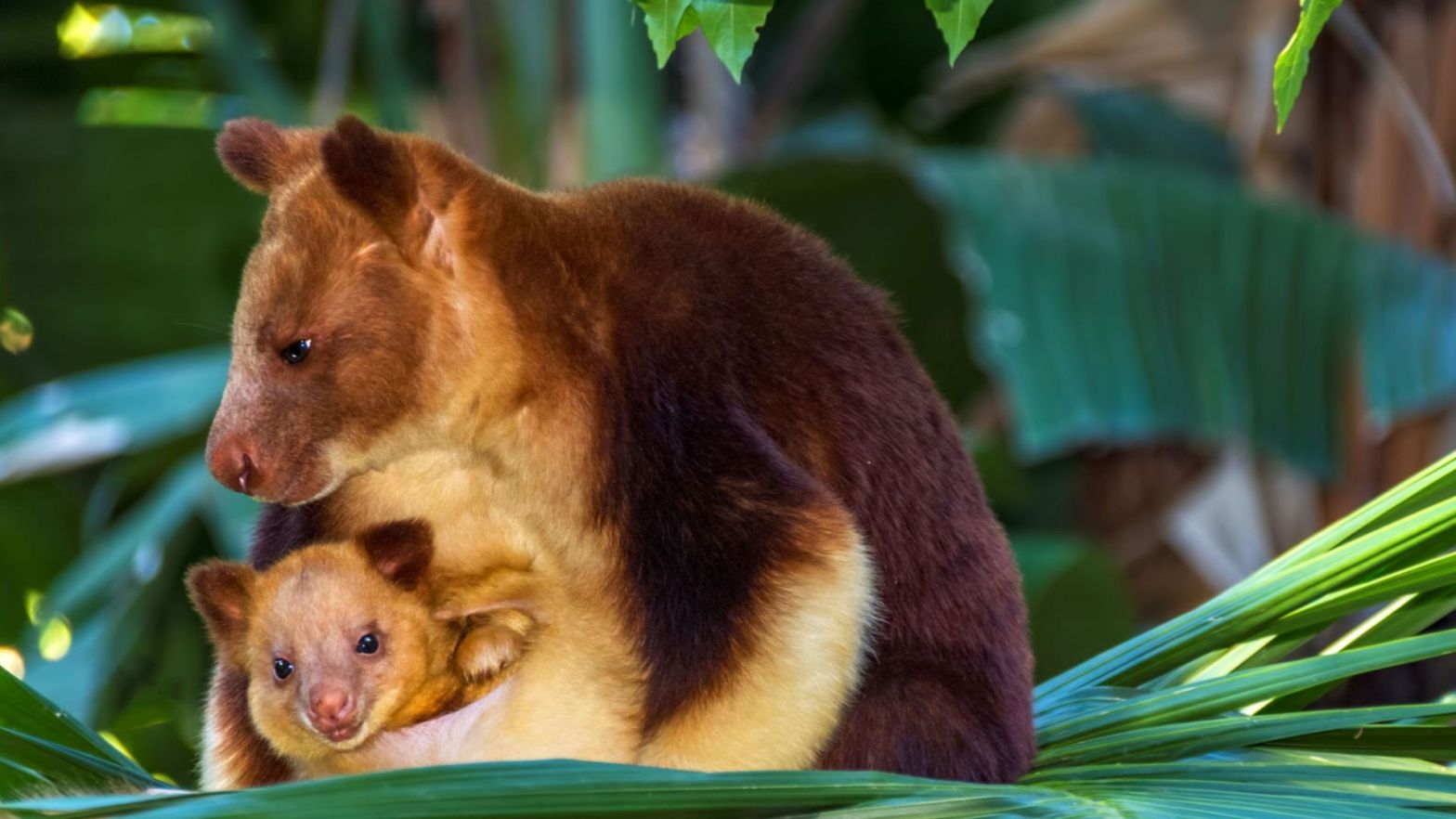
The Lowlands Tree #Kangaroo Dendrolagus spadix is a #Vulnerable species endemic to the forests of #PapuaNewGuinea. Unlike their ground-dwelling relatives, they are agile climbers, leaping through lush rainforest canopies with ease despite their bulky size. However, their survival is in peril due to widespread #deforestation driven by #palmoil plantations, #timber logging, and expansion of #roads, which has led to habitat destruction and increased #hunting pressures. If urgent action is not taken, this unique species faces further decline. Take action and resist for this species every time you shop and go #BoycottPalmOil #Boycott4Wildlife in the supermarket.
Eastern Long-beaked Echidna Zaglossus bartoni
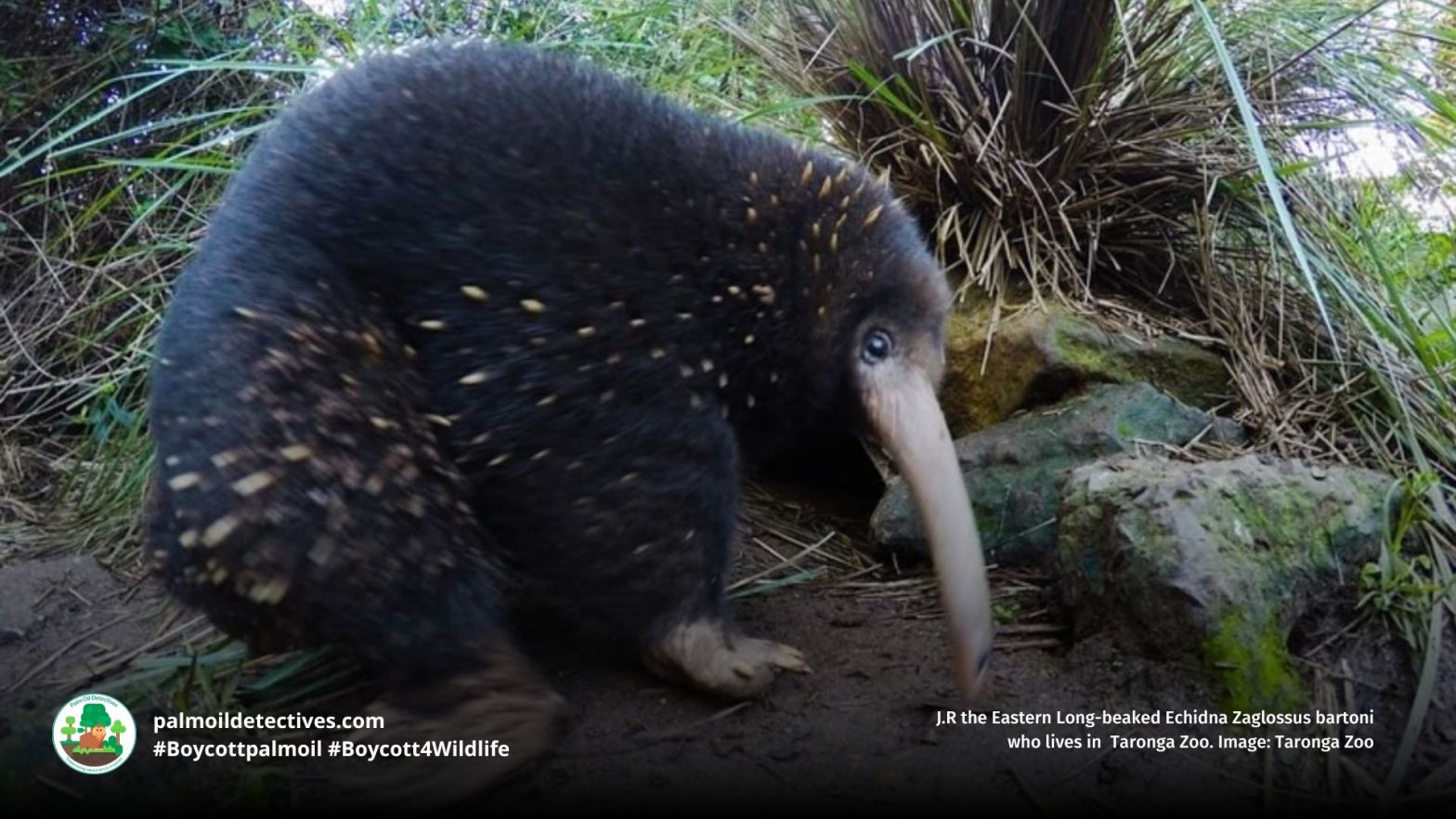
The Eastern long-beaked echidna Zaglossus bartoni is one of the planet’s most extraordinary mammals—a living relic from the dawn of mammalian evolution. Found only in the rugged, remote mountains of New Guinea, this remarkable creature is genetically and physically unlike any other animal alive today. Their existence bridges ancient evolutionary traits with the survival needs of modern species, representing a fascinating link to the distant past.
Tragically, these rare monotremes face the threat of extinction due to hunting and habitat loss for palm oil, timber and gold mining. Support indigenous-led conservation and fight for their survival. Use your wallet as a weapon and #BoycottPalmOil #Boycott4Wildlife.
Blue Bird-of-paradise Paradisornis rudolphi
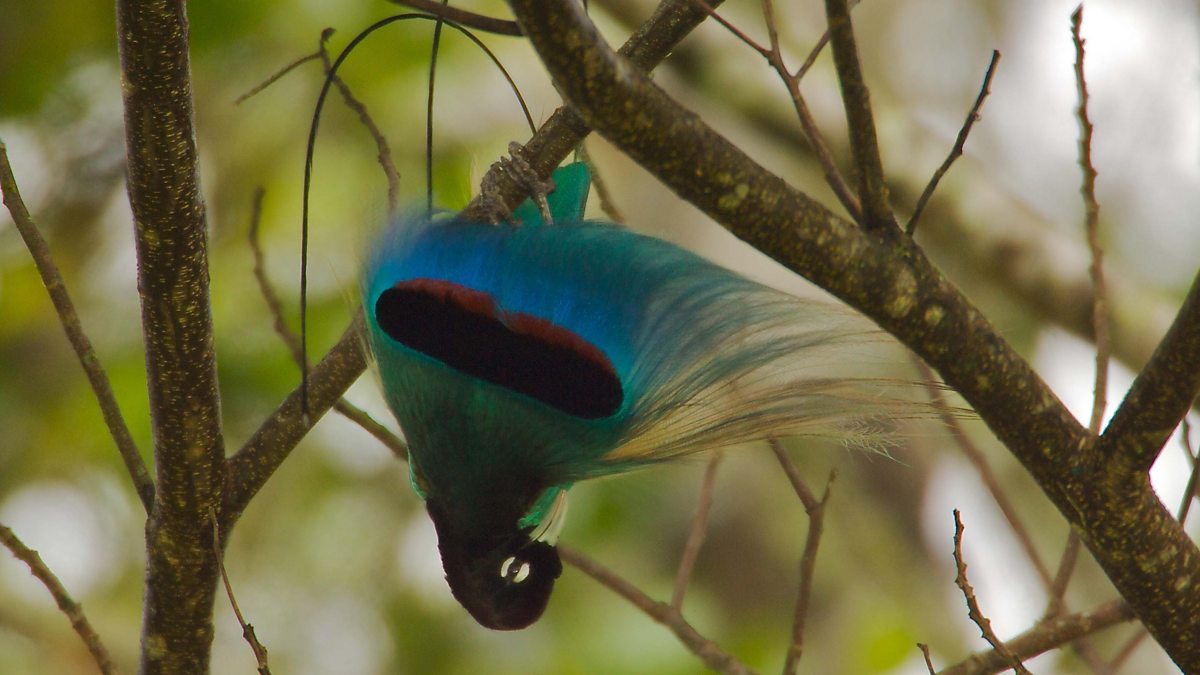
Discover the jewel-toned Blue Bird-of-Paradise, a species found only in Papua New Guinea’s mountains. These mesmerising birds are vulnerable due to palm oil
Goldie’s Bird-of-paradise Paradisaea decora
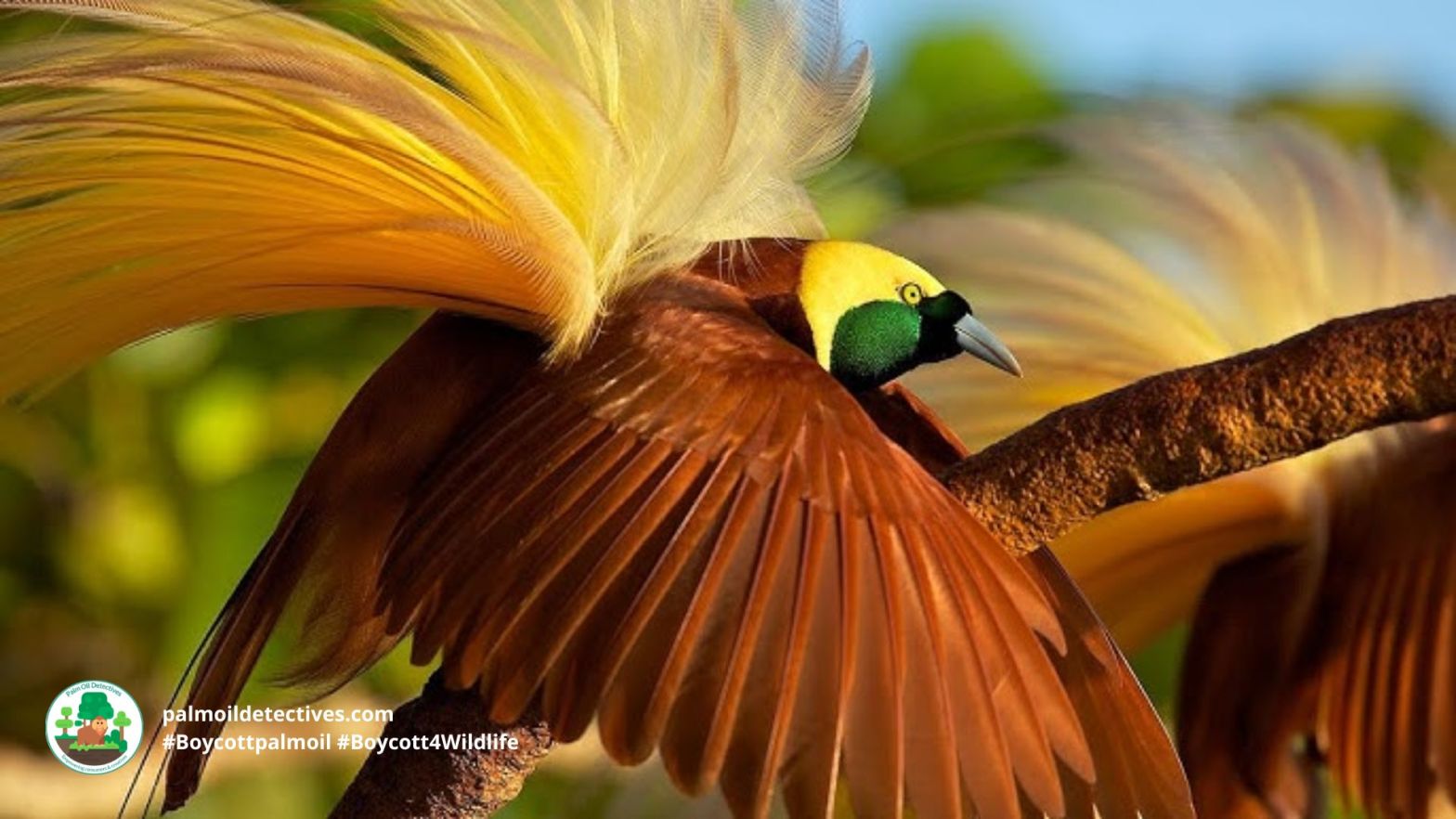
The Goldie’s Bird of Paradise is a rustling rainbow 🦜🌈 They are #vulnerable in #rainforests of #WestPapua from #mining and #palmoil #deforestation. Fight for them and #Boycottpalmoil #Boycott4Wildlife 🌴🔥👎⛔ @palmoildetect.bsky.social https://palmoildetectives.com/2021/02/03/goldies-bird-of-paradise-paradisaea-decora/
Imitator Goshawk Accipiter imitator
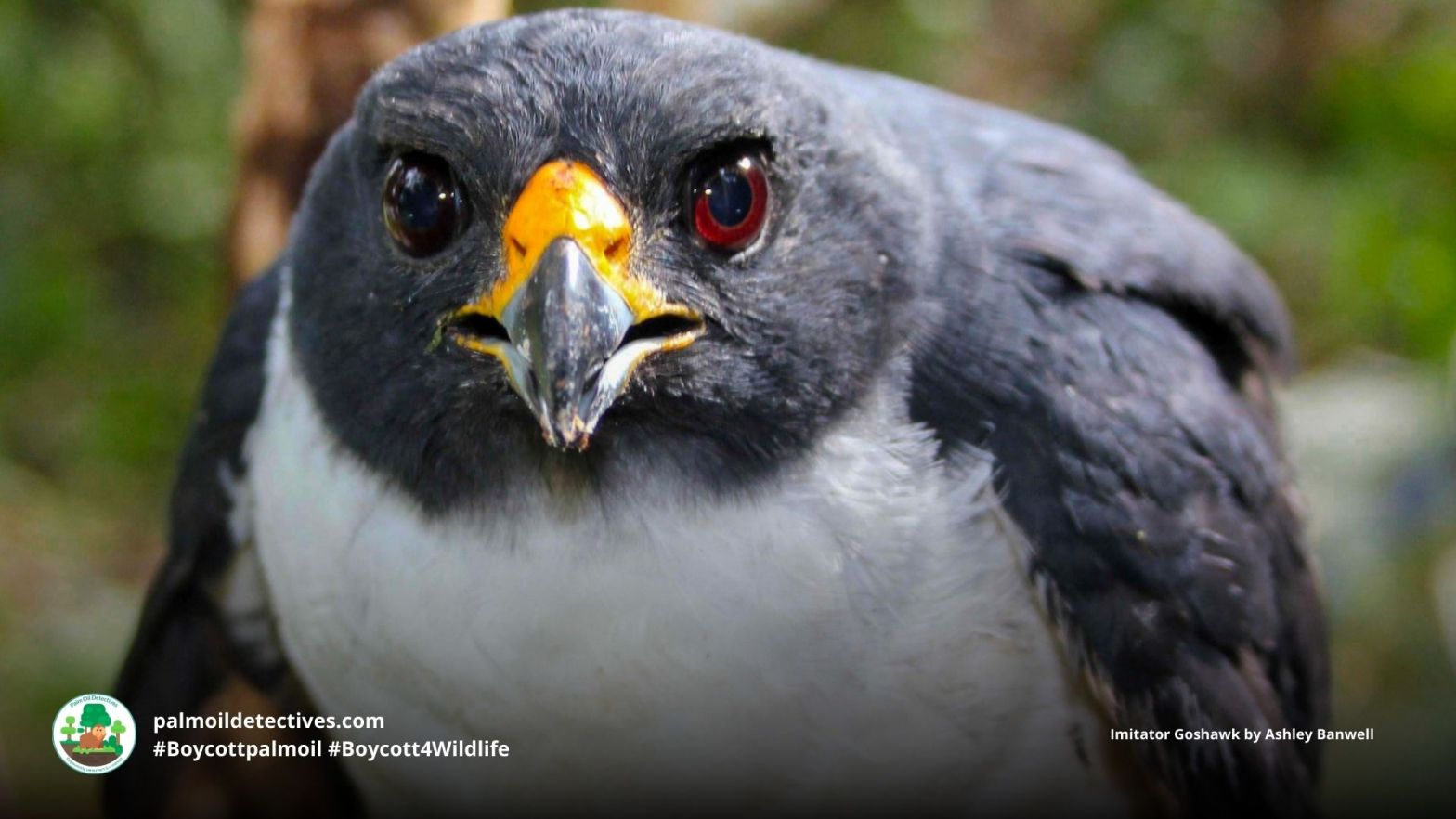
Protect the magnificent Imitator Goshawk an elusive bird of prey from Papua New Guinea is vulnerable. Just 250-999 individuals remain. Boycott palm oil!
Blue-eyed Cockatoo Cacatua ophthalmica
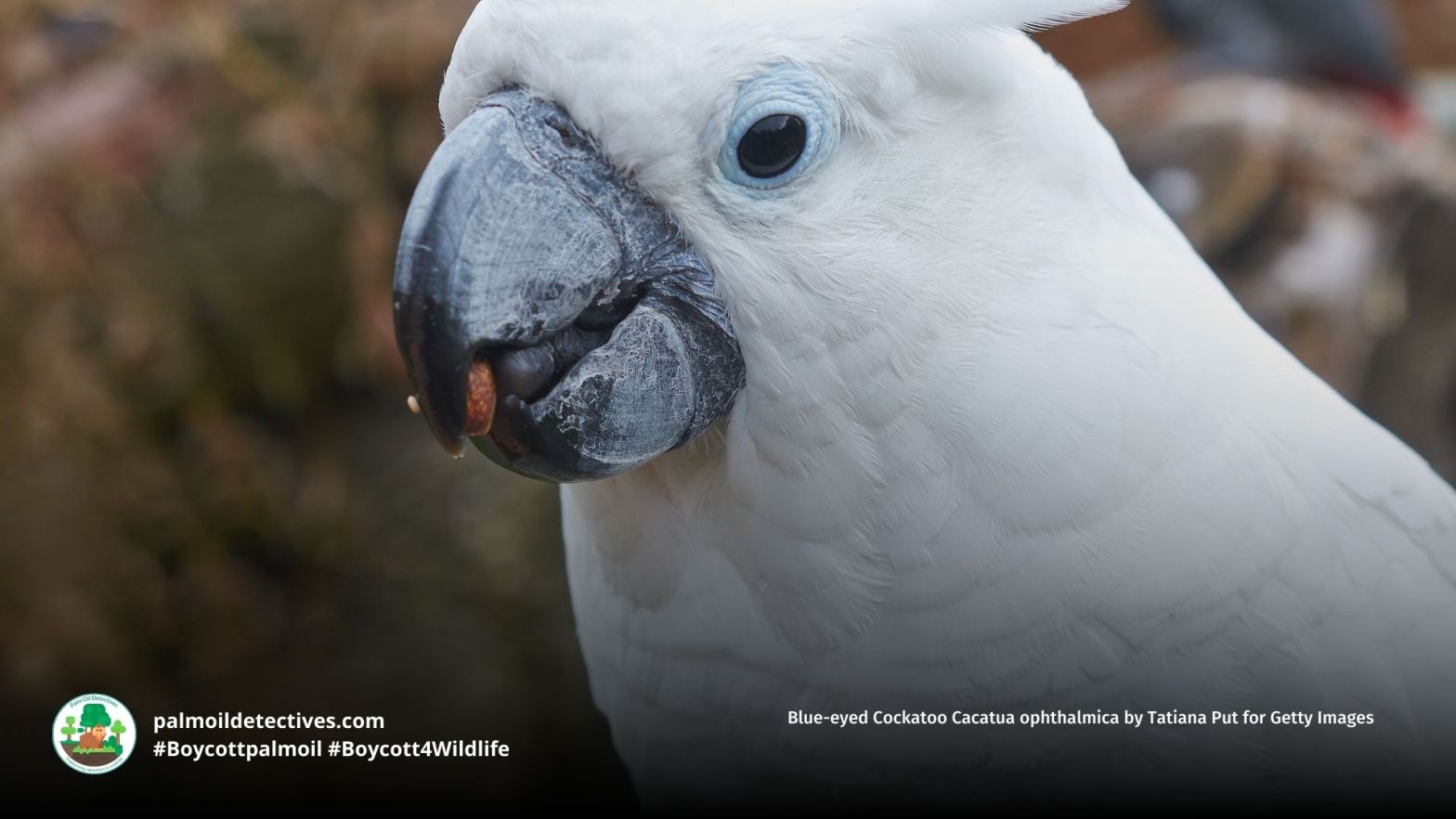
The Blue-eyed Cockatoo is a striking and charismatic bird, known for their vivid blue eye rings and expressive crests. These cockatoos depend on mature forests for nesting and food but face significant threats, including habitat destruction caused by out-of-control palm oil plantations, illegal hunting, and the illegal pet trade. Conservation efforts are critical to ensure the survival of this remarkable species. #BoycottPalmOil #Boycott4Wildlife
Cotton-headed Tamarin Saguinus oedipus
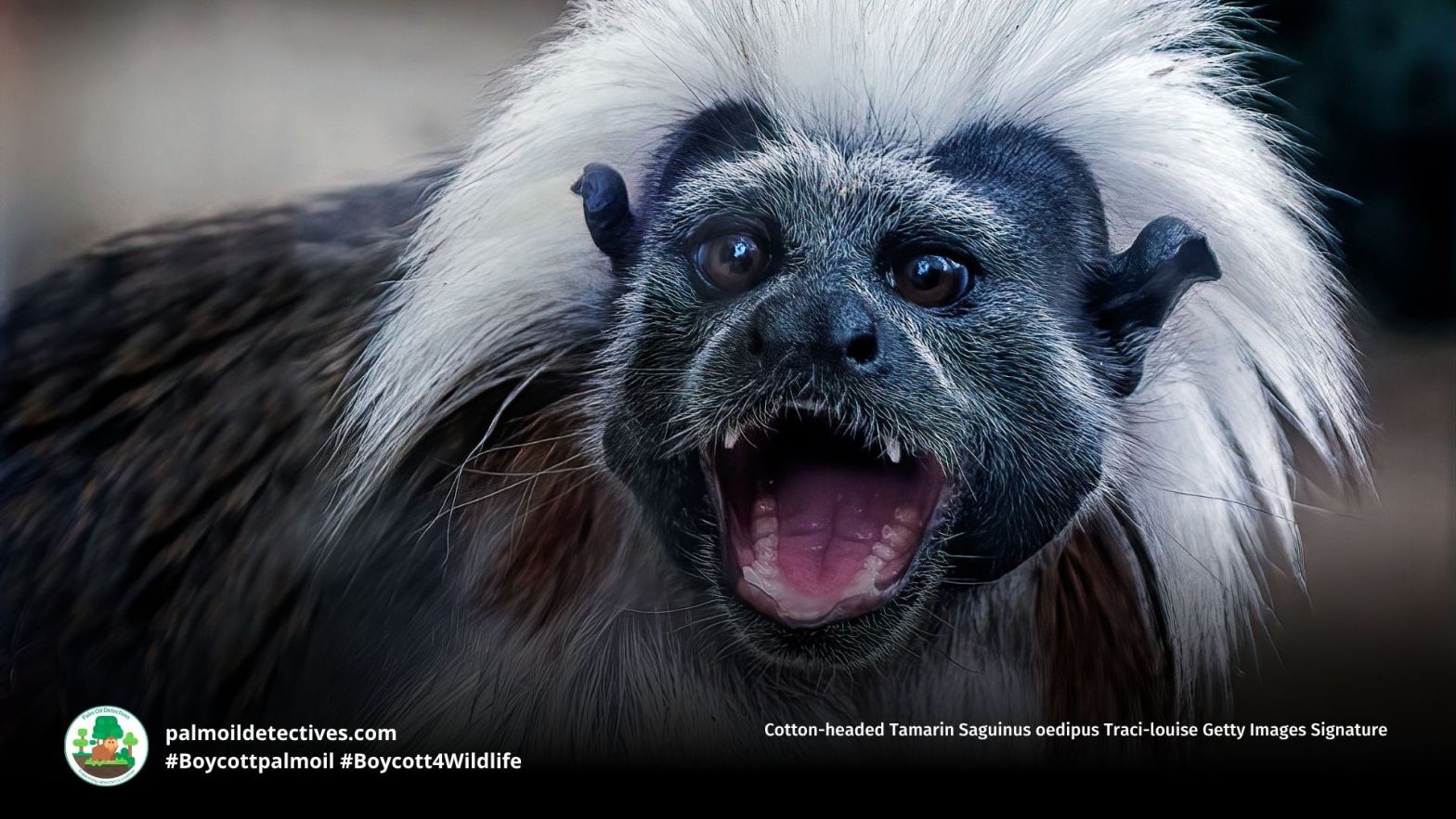
Known for the characterful head crests giving adults a plucky and “punk” look, the Cotton Top #Tamarin, also known as the Cotton-headed Tamarin is a diminuitive #monkey living in the humid forests in the south to dry deciduous forest in the north of #Colombia. They are now critically endangered and face multiple serious threats from capture for primate experiments, to the illegal pet trade and deforestation for palm oil, soy, meat deforestation and the cultivation of ilicit coca. Help these spritely and remarkable tiny primates to survive, every time you shop be #Vegan and #BoycottPalmOil #Boycott4Wildlife
Okapi Okapia johnstoni
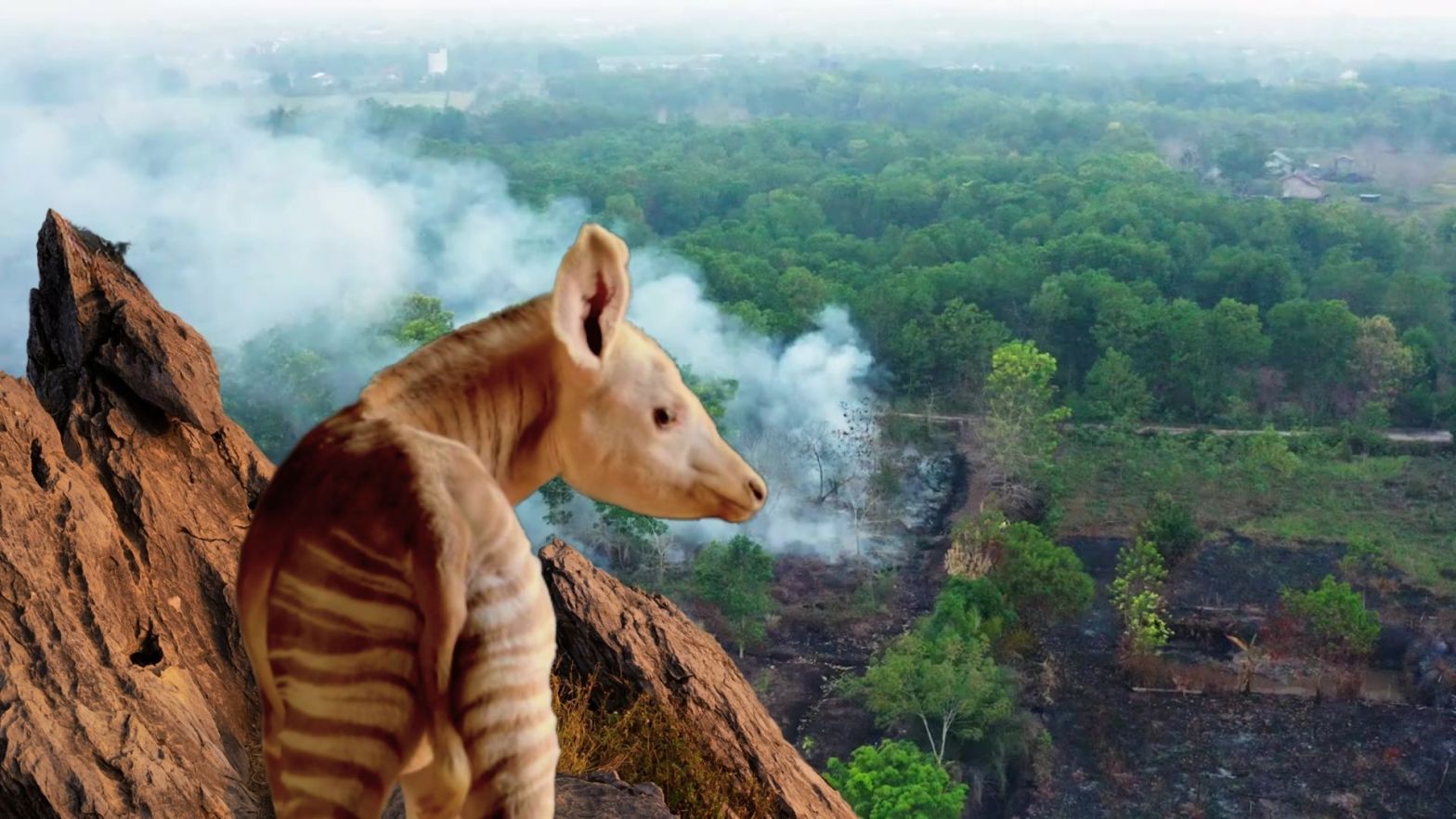
The mysterious and enchanting Okapi, also known as the forest giraffe, roams the dense rainforests of the Democratic Republic of Congo. With a large expressive eyes and ears, velvety dark brown coat adorned with striking white stripes and large – they captivate the imagination! These solitary creatures have a remarkable prehensile tongue for foraging and grooming. Okapi mothers use inaudible sounds to communicate with their young. Sadly these remarkable creatures are endangered and face severe threats from palm oil, mining and tobacco deforestation, hunting and human conflict. You can help protect them by making mindful palm oil free supermarket choices. #BoycottPalmOil and #Boycott4Wildlife to safeguard these beautiful animals.
Goodfellow’s Tree Kangaroo Dendrolagus goodfellowi
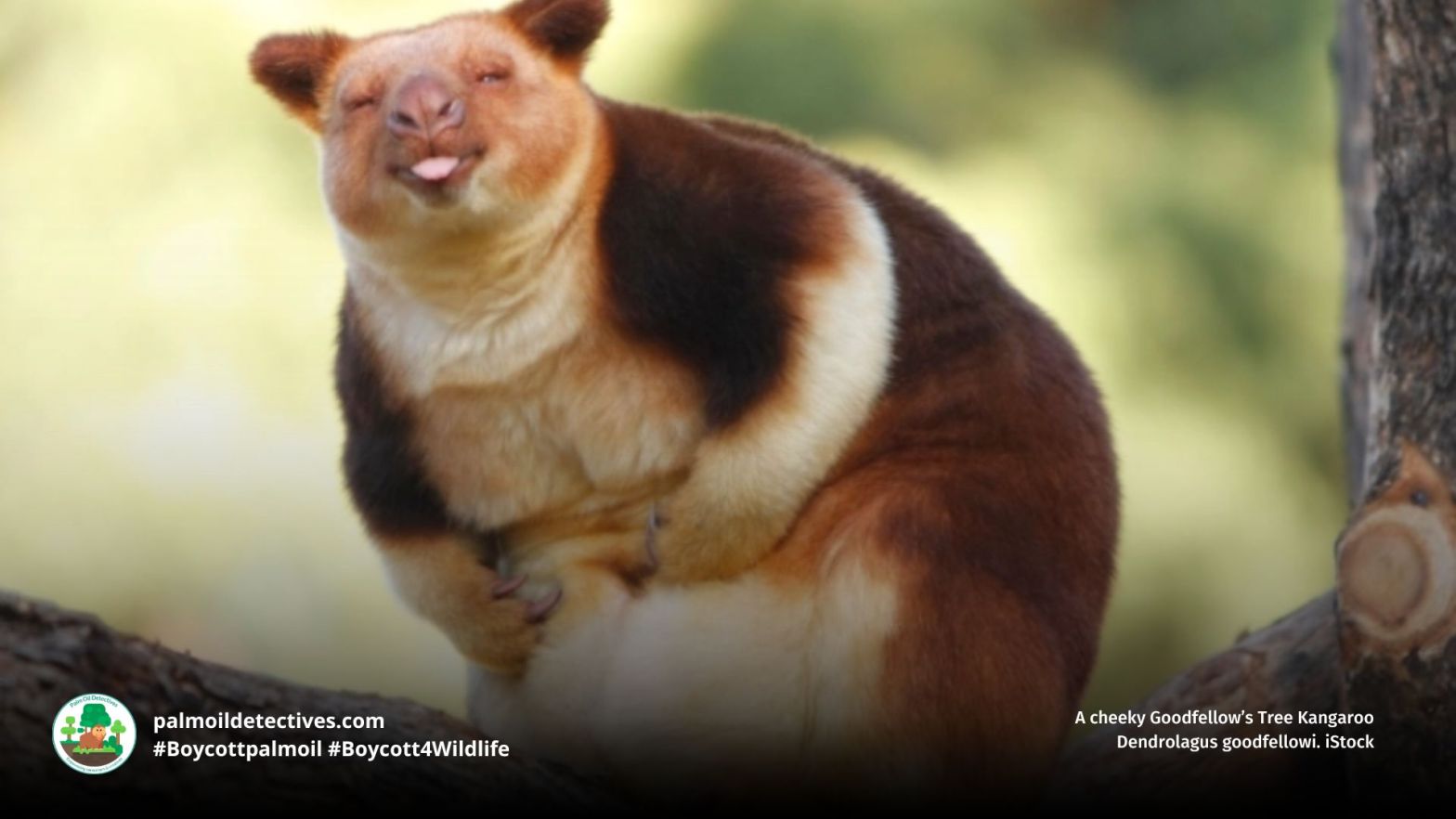
Help save Goodfellow’s Tree-Kangaroo! These enchanting marsupials live in the treetops of Papua’s rainforests and are endangered by hunting and palm oil!
Huon Tree Kangaroo Dendrolagus matschiei
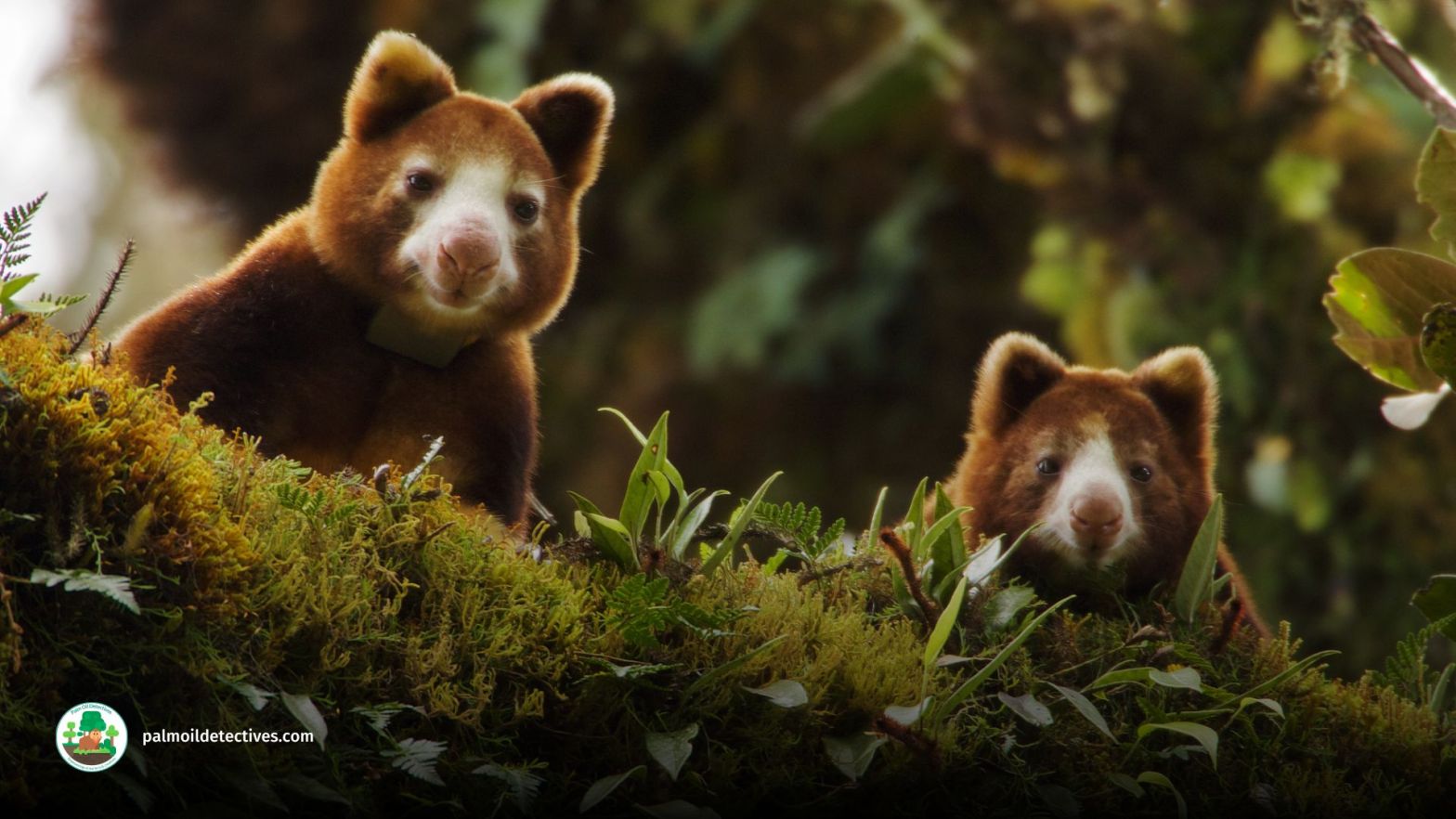
Adorable creatures with a teddy-like face and simian looking tail, Huon Tree Kangaroos live in Papua New Guinea. They are classified as endangered due to ongoing destruction of their natural rainforest home for #palmoil and #mining throughout their range. There are estimated to be <2,500 individual kangaroos left alive. Help them every time you shop and #Boycottpalmoil #Boycott4Wildlife
Arfak Ringtail Pseudochirulus schlegeli
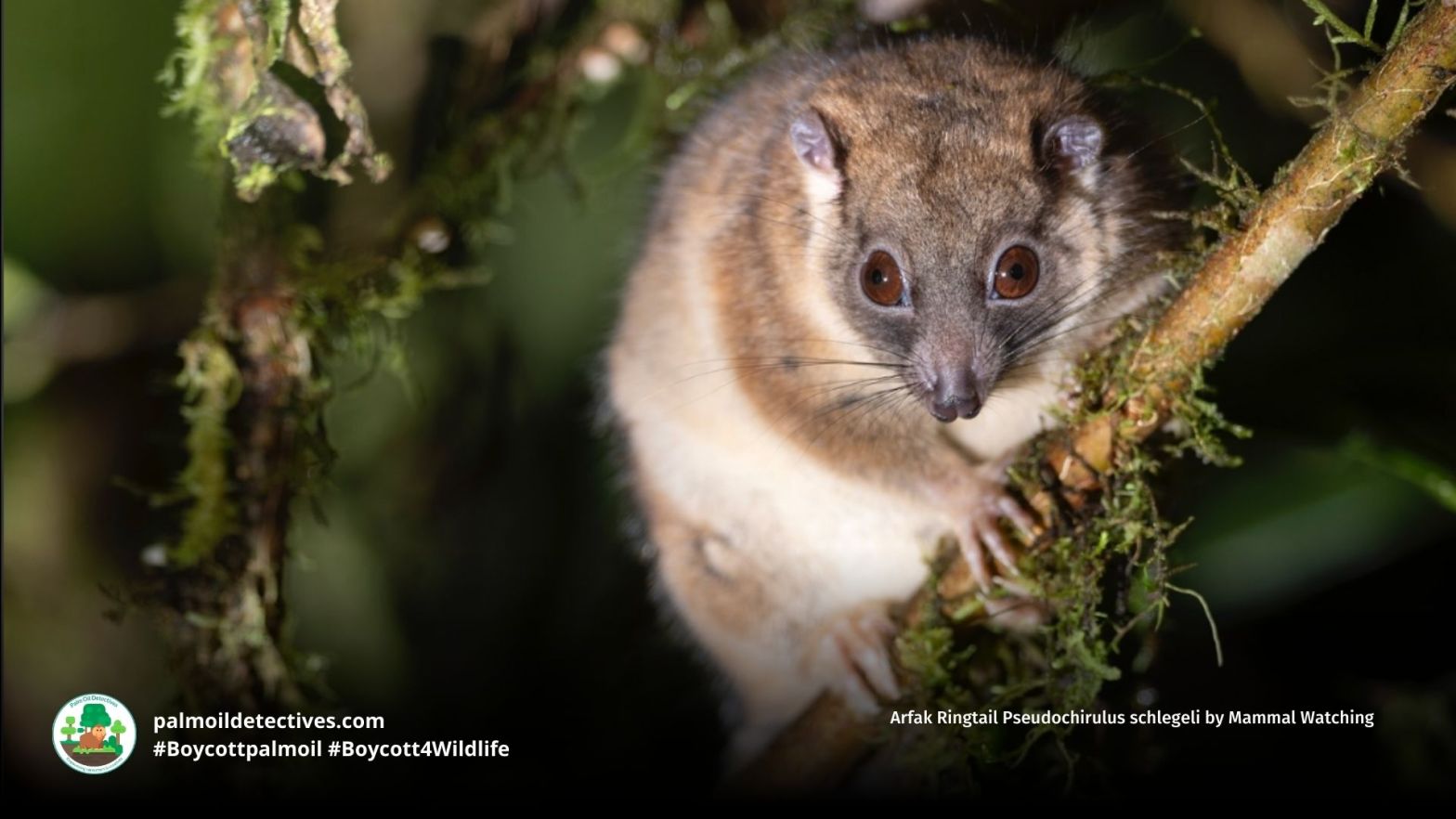
The Arfak Ringtail Pseudochirulus schlegeli is a wide-eyed and bushy tailed #possum living in the remote Arfak Mountains and cloud forests of #WestPapua. Although little is known of these tree-dwelling #marsupials, much can be gleaned from related #mammals in Australasia. These cryptic and fluffy arboreal beauties are found in the mossy, cloud-wrapped forests of the Vogelkop Peninsula’s Arfak Mountains. Listed as #Vulnerable, the species faces mounting pressure from #deforestation for #palmoil and #timber and #hunting by local communities. With fewer than five known locations and less than 20,000 km² of suitable habitat, this highland #possum could disappear quietly without urgent action. Protect #indigenous forests, say no to palm oil, and stand up against wildlife exploitation #BoycottPalmOil #Boycott4Wildlife #Vegan
Thomas’s Big-eared Bat Pharotis imogene
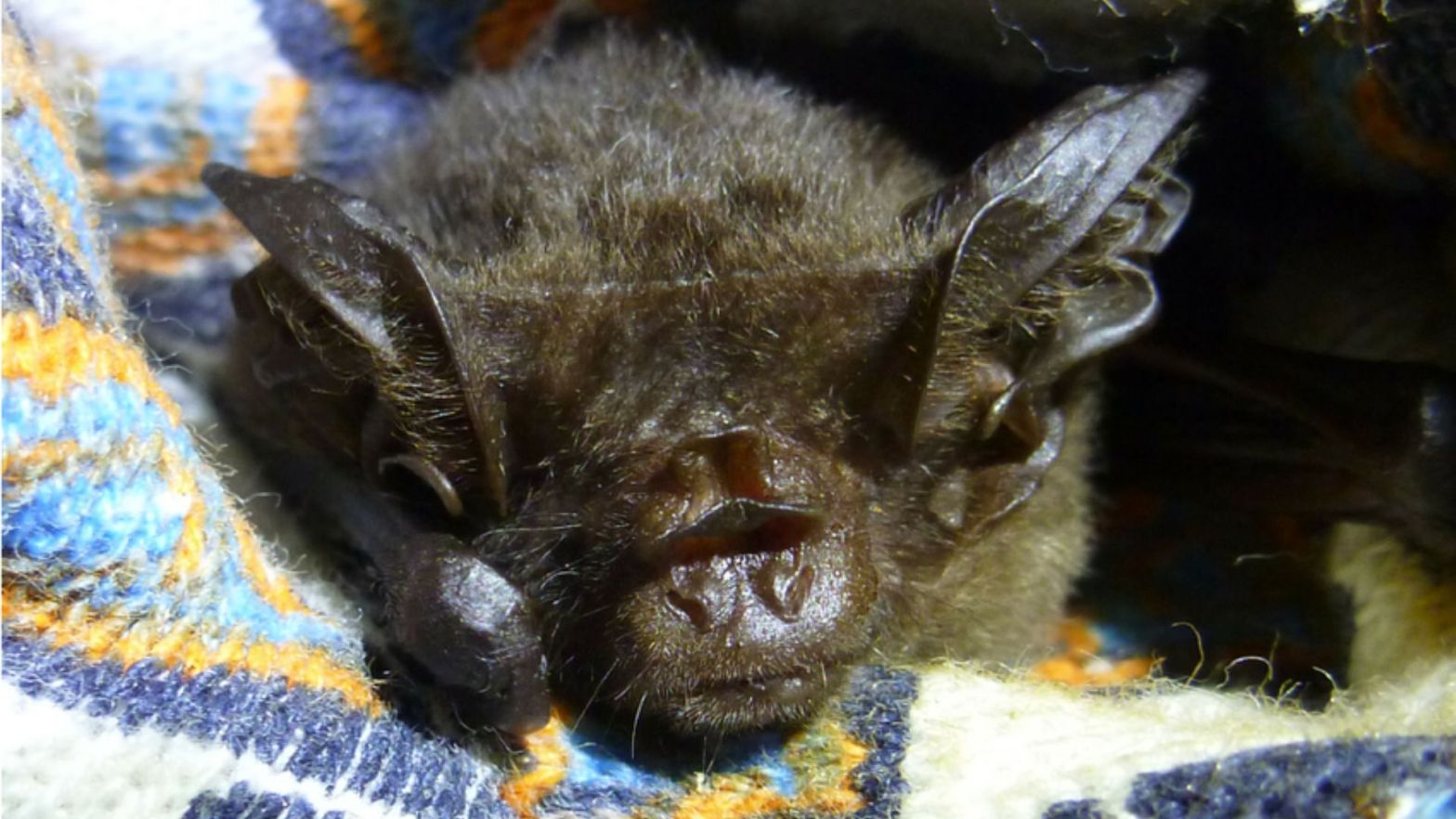
Thomas’s Big-eared #Bat Pharotis imogene, also known as the #NewGuinea Big-eared Bat, is one of the world’s rarest and most elusive #mammals- they are critically endangered by #PapuaNewGuinea. Thought to be #extinct for over a century, they were rediscovered in 2012 in Central Province, Papua New Guinea, in an area heavily impacted by palm oil deforestation, firewood collection, and land clearing for timber, mines and palm oil. Despite their rediscovery, habitat destruction due to palm oil expansion, logging, mining and human encroachment which continues to threaten their survival. Without urgent intervention, they may disappear again—this time, permanently. Help them every time you shop and #BoycottPalmOil #Boycott4Wildlife
Proboscis Monkey Nasalis larvatus
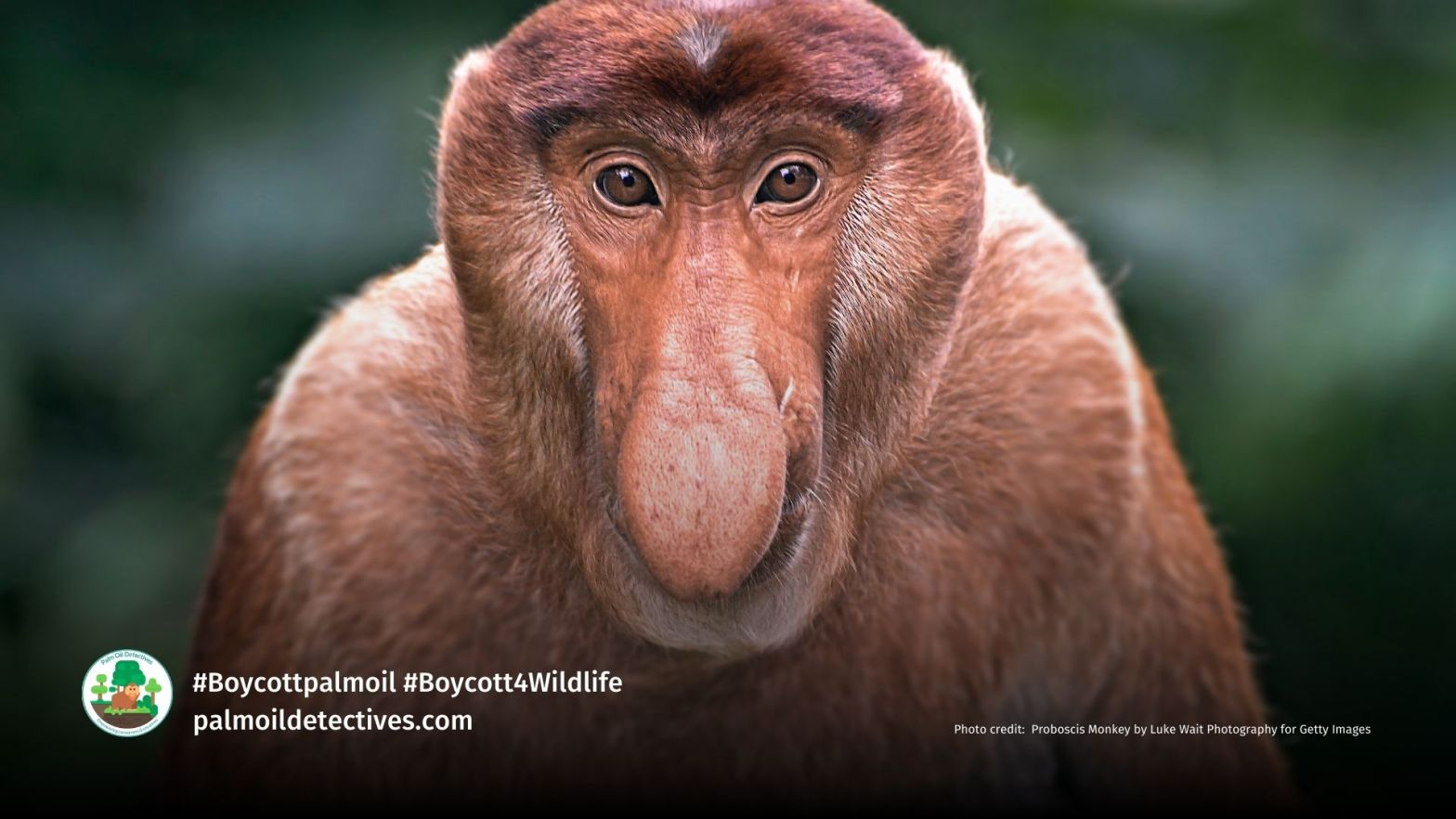
Proboscis Monkeys are known for their large noses and pot bellies. These arboreal monkeys of Borneo are great swimmers, help them when you boycott palm oil
Southern River Terrapin Batagur affinis
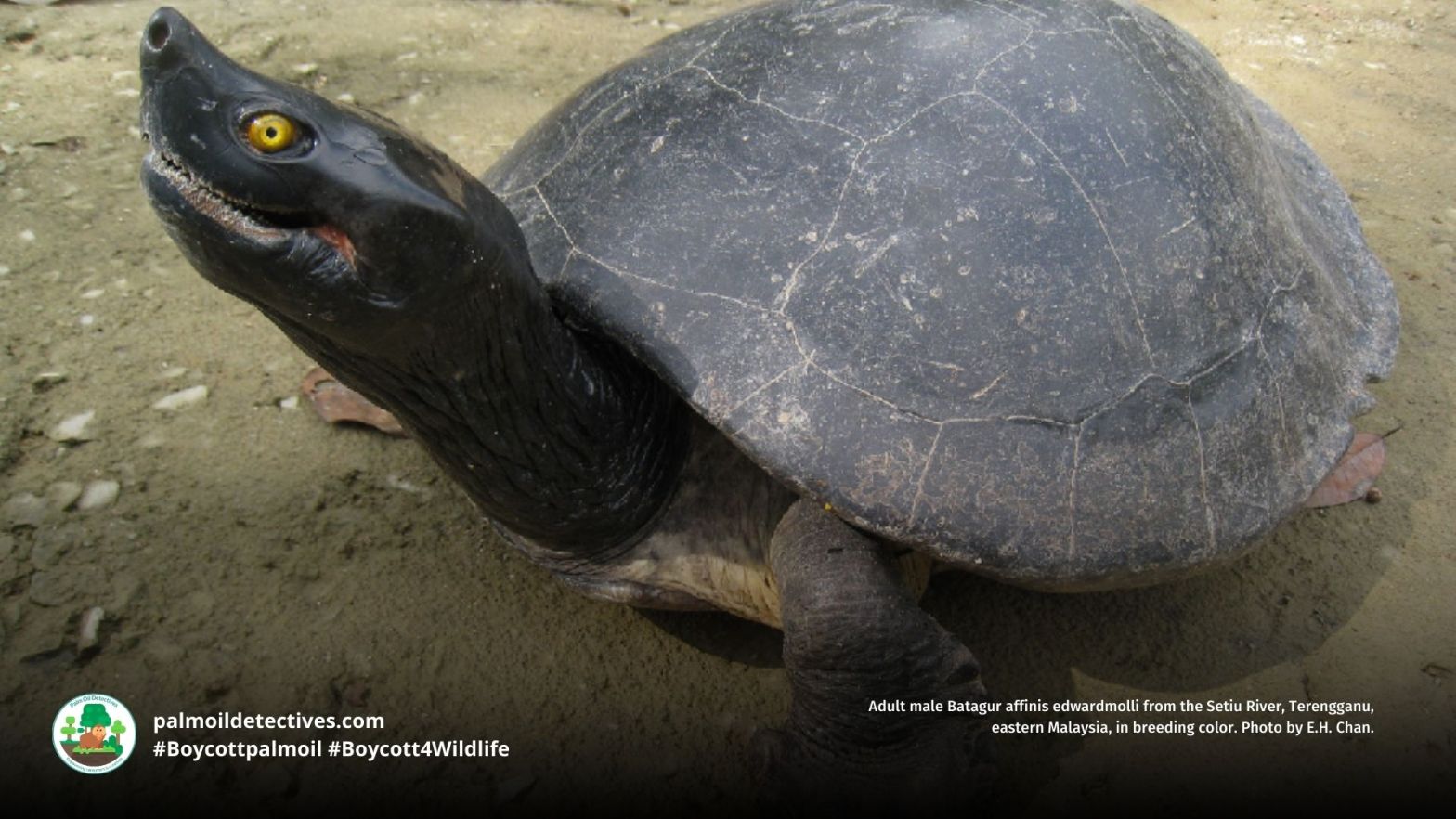
With their blazing yellow eyes, southern river terrapins cut a striking figure. They are critically endangered from #palmoil and #mining #deforestation in Indonesia and Malaysia. Fight for them and #Boycottpalmoil #Boycott4Wildlife
Thailand Leaf-nosed Bat Hipposideros halophyllus
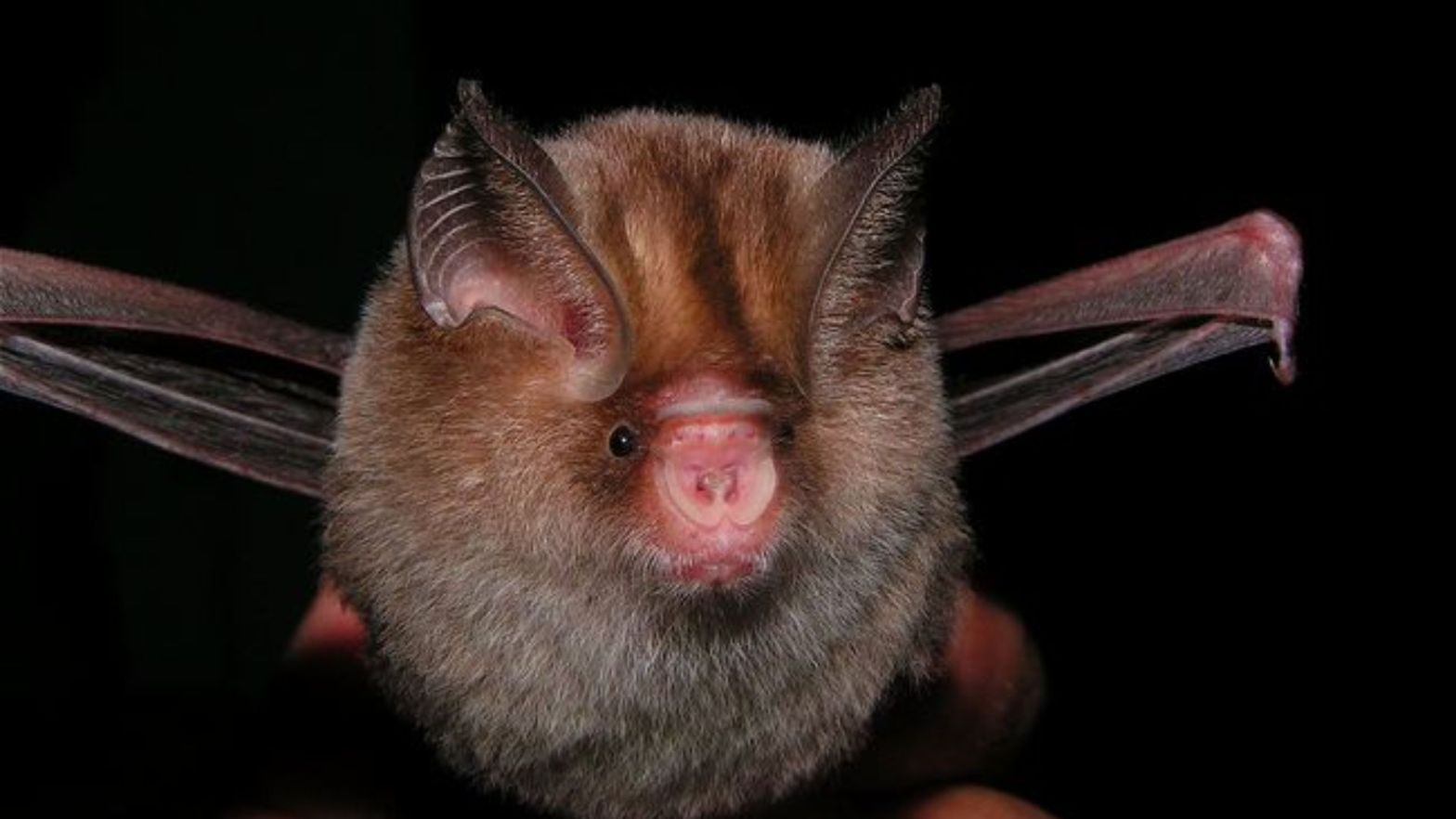
Vulnerable Thailand Leaf-nosed Bats live in limestone caves in Thailand and Malaysia. Threats include mining, palm oil and pesticide use. Take action now!
Otter Civet Cynogale bennettii
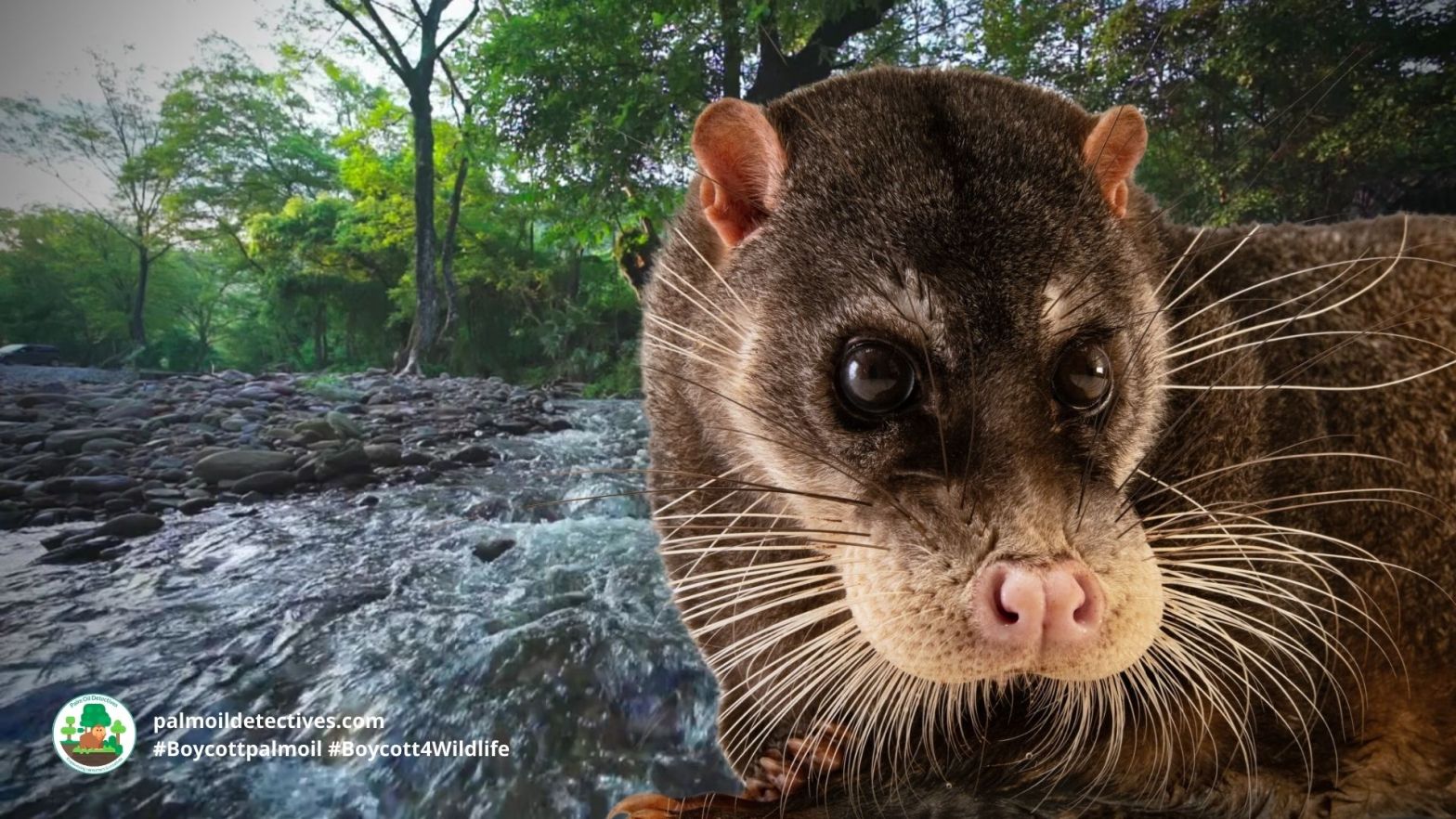
The beautiful and elusive Otter Civet lives primarily in peatland forests and riverine swamps. Their prominent snouts and long whiskers give them keen sensory understanding of their environment. They face serious ongoing threat to their survival in Borneo and are rapidly disappearing due to palm oil deforestation and gold mining pollution run-off into rivers. Help them to survive when you #BoycottPalmOil #Boycott4Wildlife.
Tiger Panthera tigris
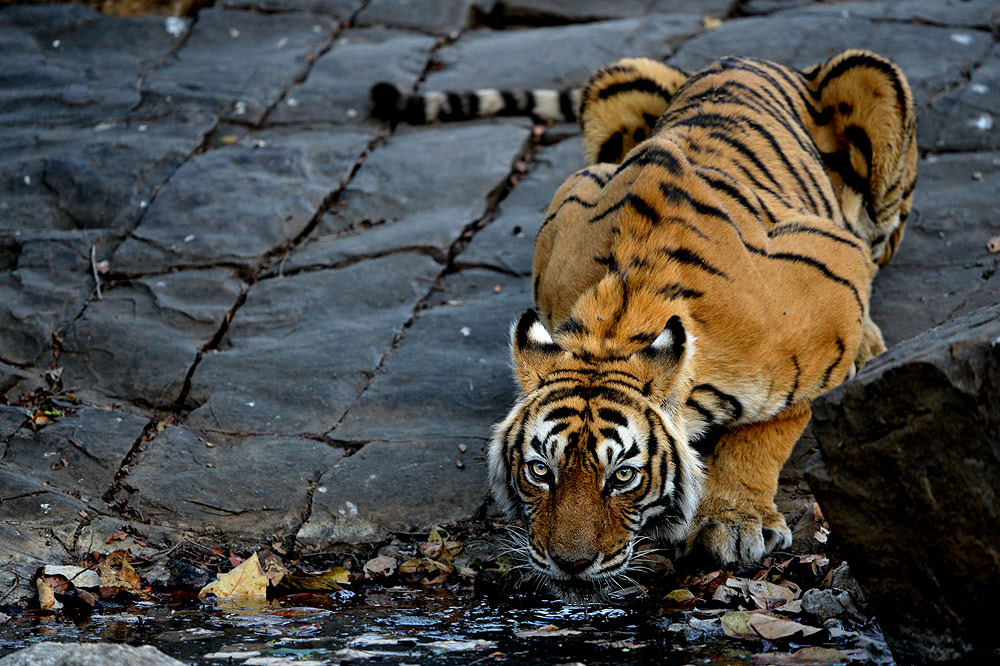
Fewer than 400 tigers remain in Sumatra due to deforestation for palm oil. Help save this endangered species. #Boycottpalmoil #Boycott4Wildlife
 Palm Oil Detectives