
The rapid expansion of oil palm plantations across #SouthAmerica is causing significant environmental, economic and social problems. This growth is leading to #deforestation, #landgrabbing displacement of #indigenous and farming communities, and increased militarised and police #violence, particularly affecting Indigenous and Afro-descendant populations. Despite the global demand for #palmoil, the consequences of its production on peasant communities in South and Central America are raising serious questions about its viability and #humanrights rigour.
Tag Archives: poverty
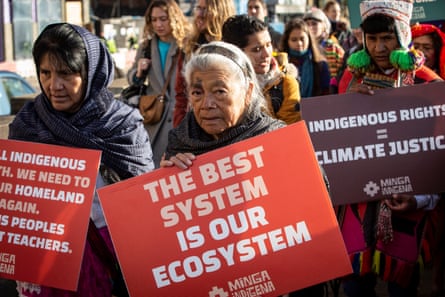
Indigenous Peoples Fight Climate Change
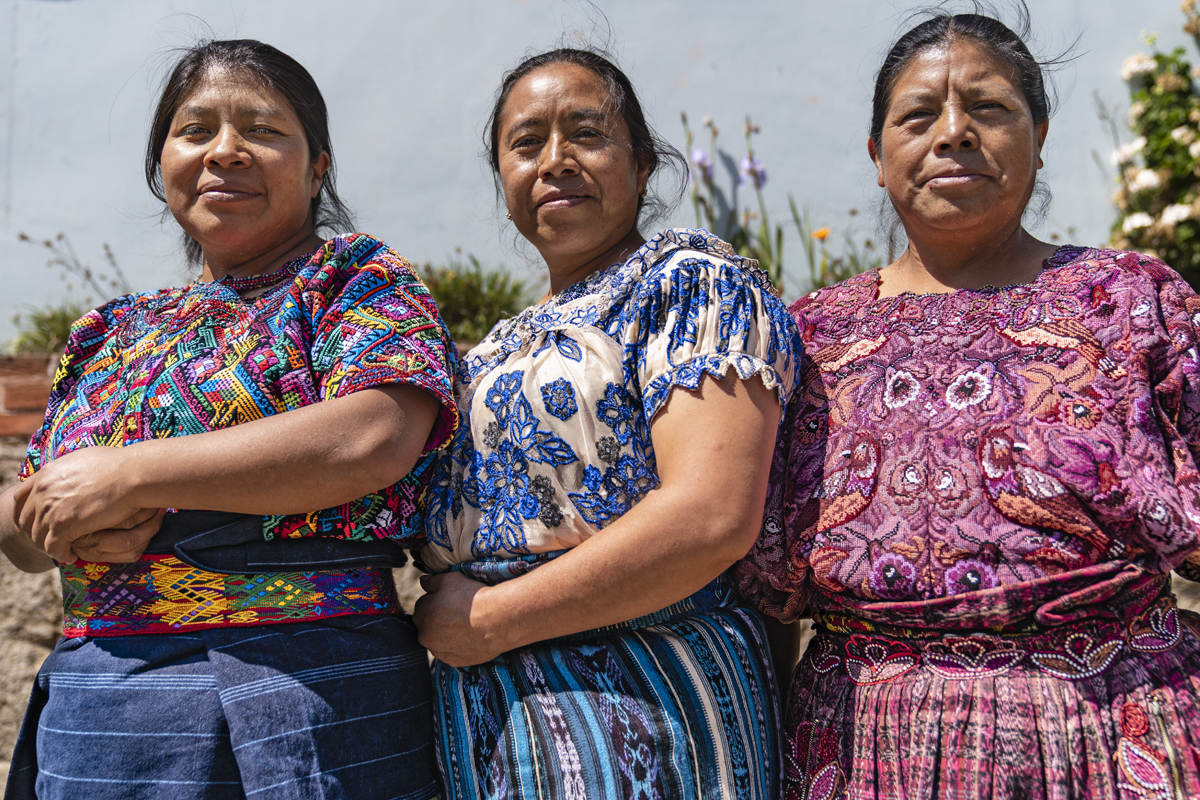
After wildfires, Belize’s indigenous people rebuild stronger based on “se’ komonil”: reciprocity, solidarity, gender equity, togetherness and community.
Corporate Control of Food Harms Us All
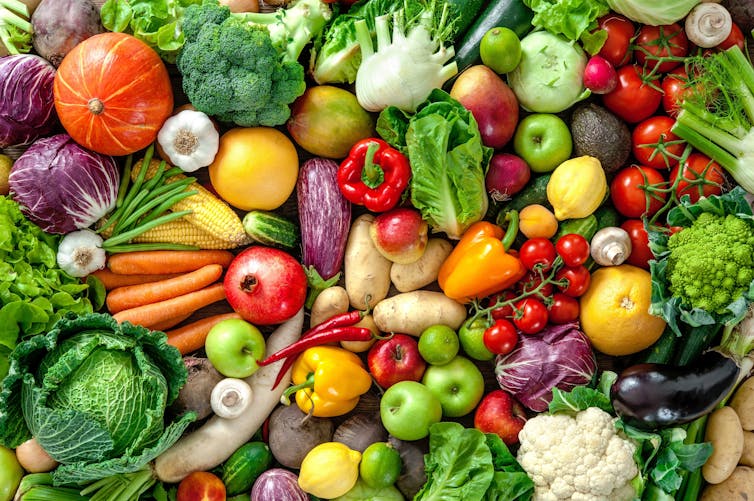
Around 800 million people in our world go hungry each day. Yet around the globe we have enough food to go around. So why the discrepancy? Market concentration and corporate monopoly of our global food system means that corporate giants control everything from access to seeds, access to land, #workersrights, #greenwashing and wages. Mergers and acquisitions take place at all stages of the global food system – from seeds and fertilisers to machinery and manufacturing. This is what contributes to bad health outcomes and food inequality. Learn how you can boycott big brands causing the corporate crush and other solutions. #Boycott4Wildlife
Guaranteeing Ecocide: The Green Lie of Palm Oil Certification
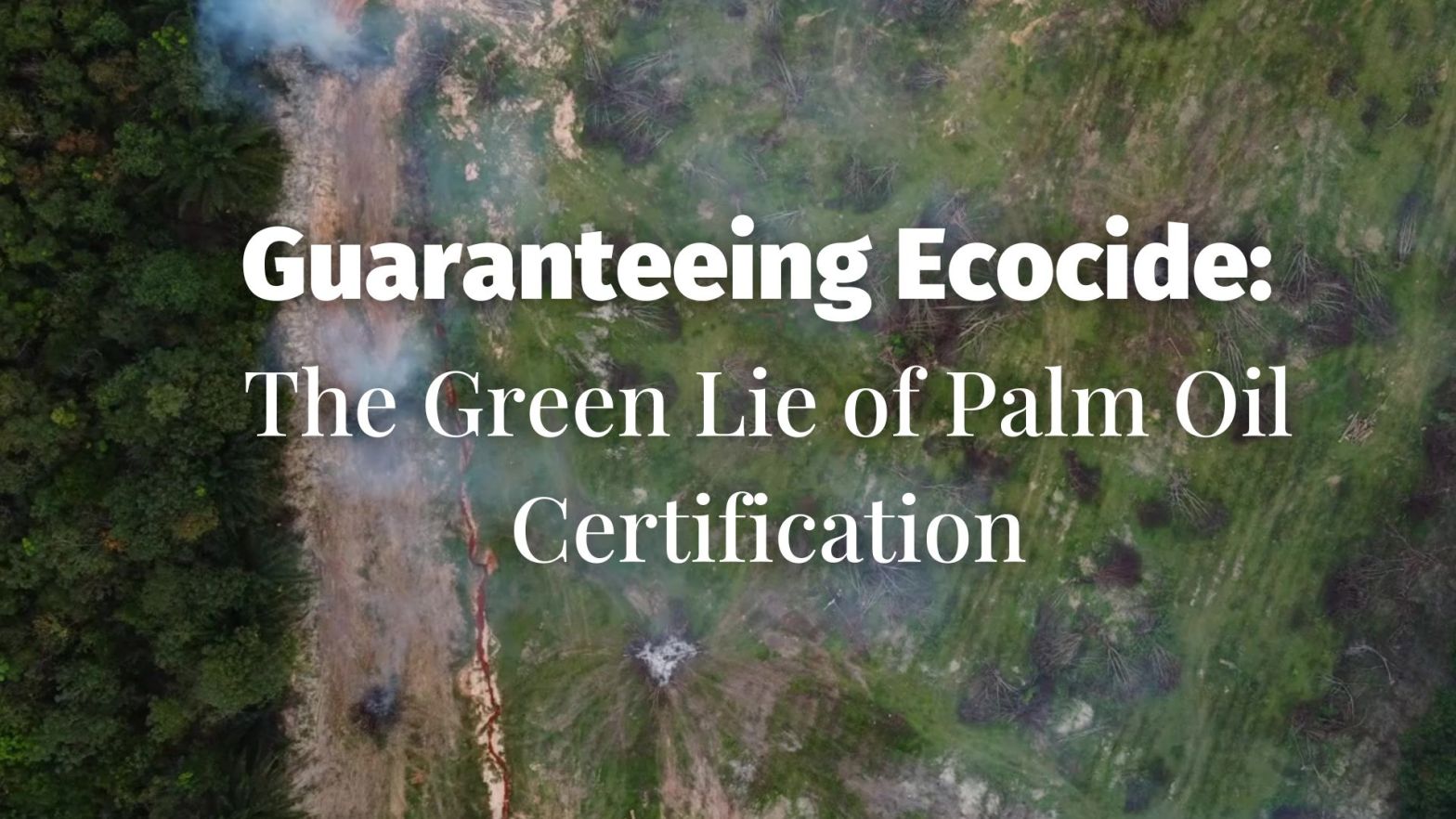
For decades, the palm oil industry, backed by the RSPO, has misled consumers with the false promise of “sustainable” palm oil. Behind this green façade lies a brutal reality of deforestation, human rights abuses, and the destruction of endangered species’ habitats. Dozens of investigations from many different industry watchdogs have exposes the RSPO’s certification as a sham, enabling continued environmental devastation under the guise of sustainability.
However it’s not only the palm oil industry that is an environmental liability, gold mining and meat deforestation also deserves to be strongly condemned for its ongoing ecocide. Read on to discover the examples of greenwashing deception from these industries, so that you don’t fall for their corporate greenwashing. Protect our planet and all human and non-human beings by refusing to support these lies—#Boycottpalmoil #BoycottGold #BoycottMeat and #Boycott4Wildlife every time you shop.
India’s Palm Oil Plans Wreak Havoc On The Ground
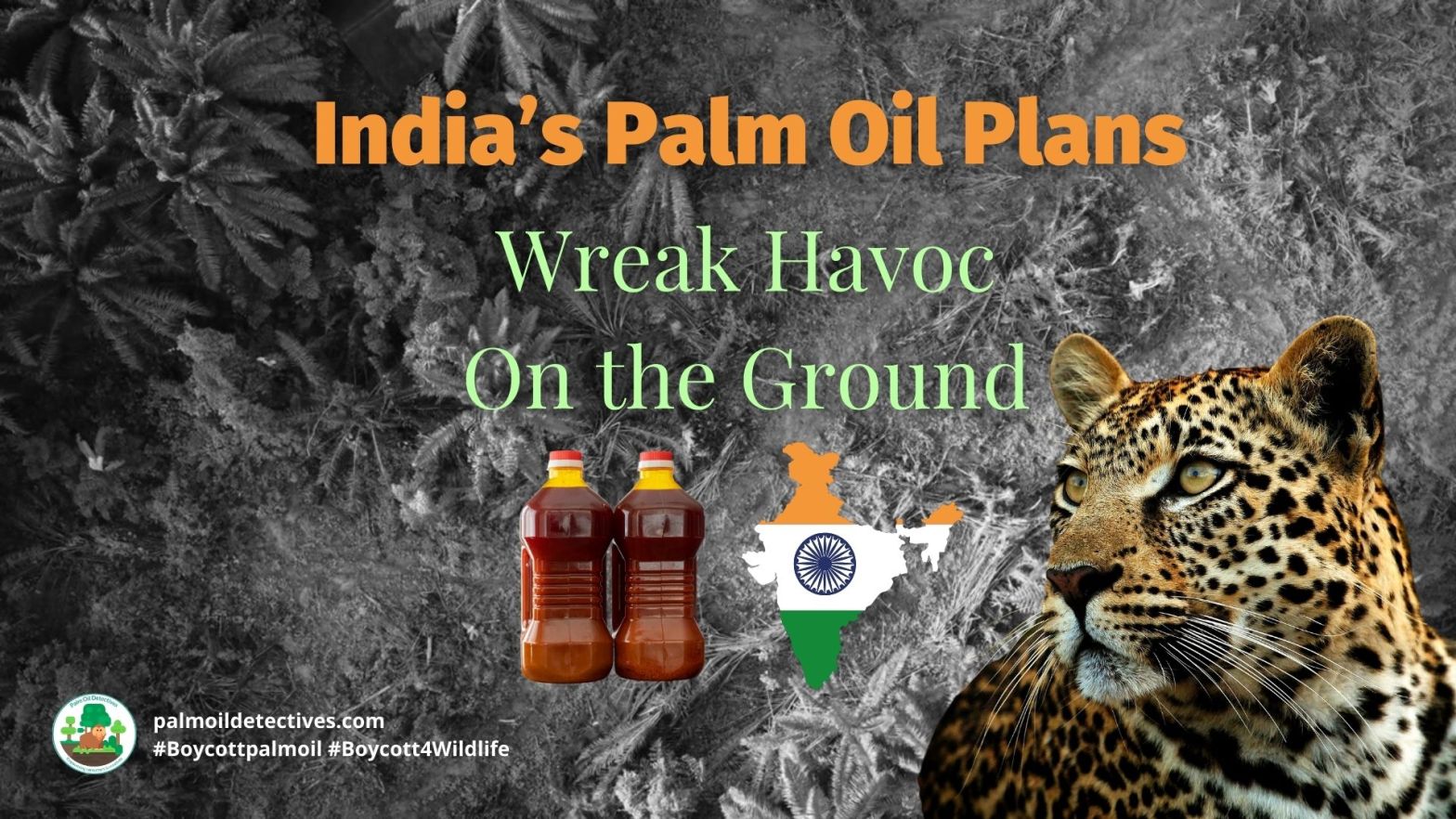
#India’s aggressive push for #palmoil plantations in #Nagaland, #Assam and #Mizoram is wreaking havoc on both the environment and local communities. The government plans to ramp up oil palm cultivation in the northeast, locking away land that could be used for diverse food production for decades. Palm oil monoculture threatens soil health, drains precious water resources, and marginalises indigenous communities. Farmers in the north east of India are facing dire challenges, from delayed subsidies to inadequate payments for their crops, leaving them questioning the viability of oil palm farming. A rethink is necessary to protect India’s ecosystems, animals and people. To help raise awareness and empower change, make sure that you #BoycottPalmOil #Boycott4Wildlife every time you shop.
Unmasking Socfin’s Destructive Palm Oil Empire in Africa
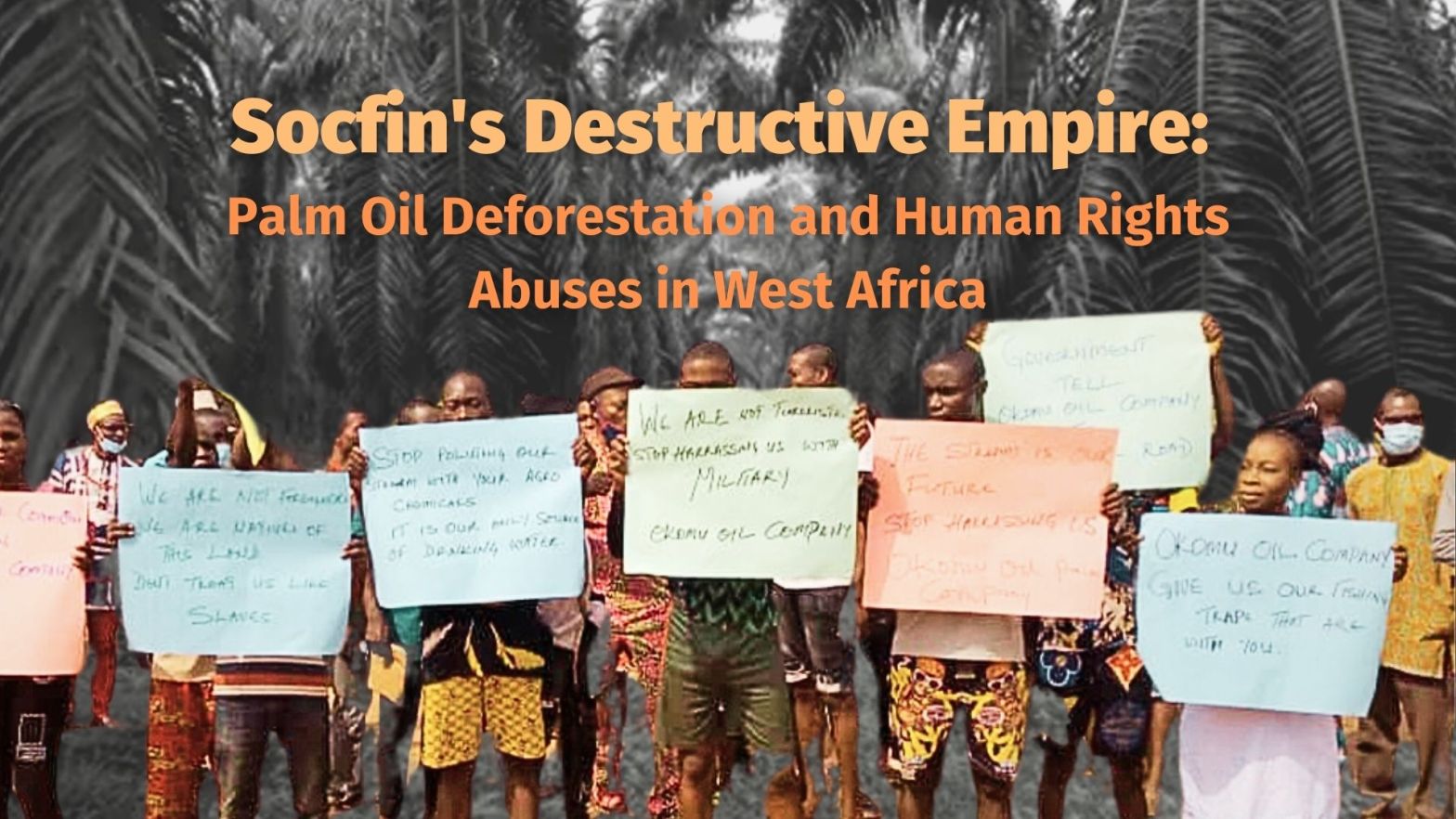
An investigation reveals Socfin’s exploitation of rubber and palm oil in West Africa, leading to deforestation, landgrabbing, and shocking human rights abuses.
Snack giant PepsiCo allegedly sourced “sustainable” palm oil from razed Indigenous land in Peru
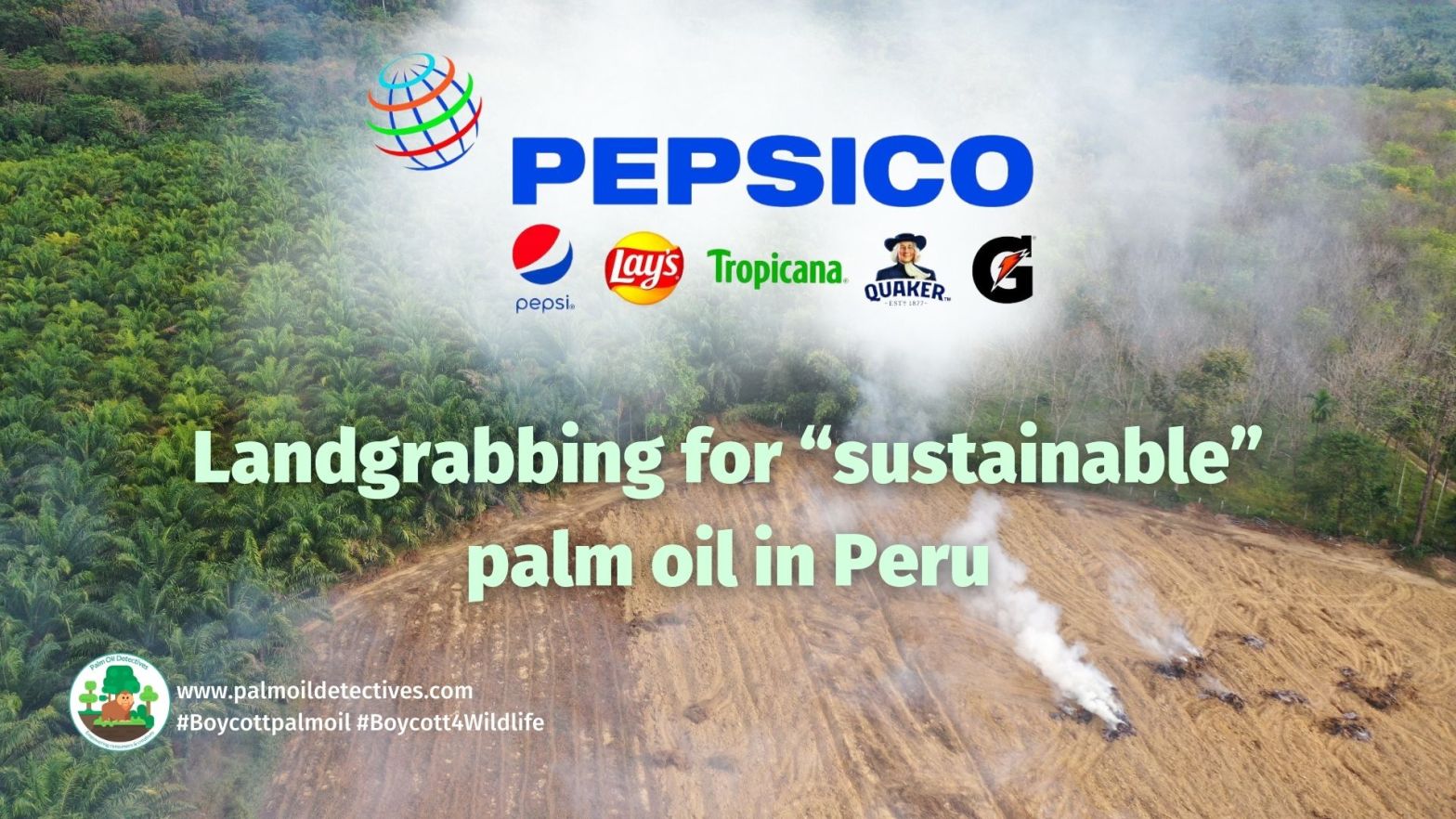
PepsiCo’s supply chain is linked to environmental and human rights violations in Peru, involving Amazon deforestation and Indigenous land invasion. For three years, palm oil from deforested Shipibo-Konibo territory has been used in products like Gatorade and Cheetos. PepsiCo sources oil from Ocho Sur, a company notorious for environmental crimes and forest loss. The palm oil industry in Peru, which doubled production in a decade, is responsible for significant illegal deforestation, violent indigenous landgrabbing, animal extinction and human rights abuses. Take action every time you shop and #Boycottpalmoil for wildlife and Indigenous people.
Child Labour and Debt Bondage: A Reality For ‘Sustainable’ Palm Oil
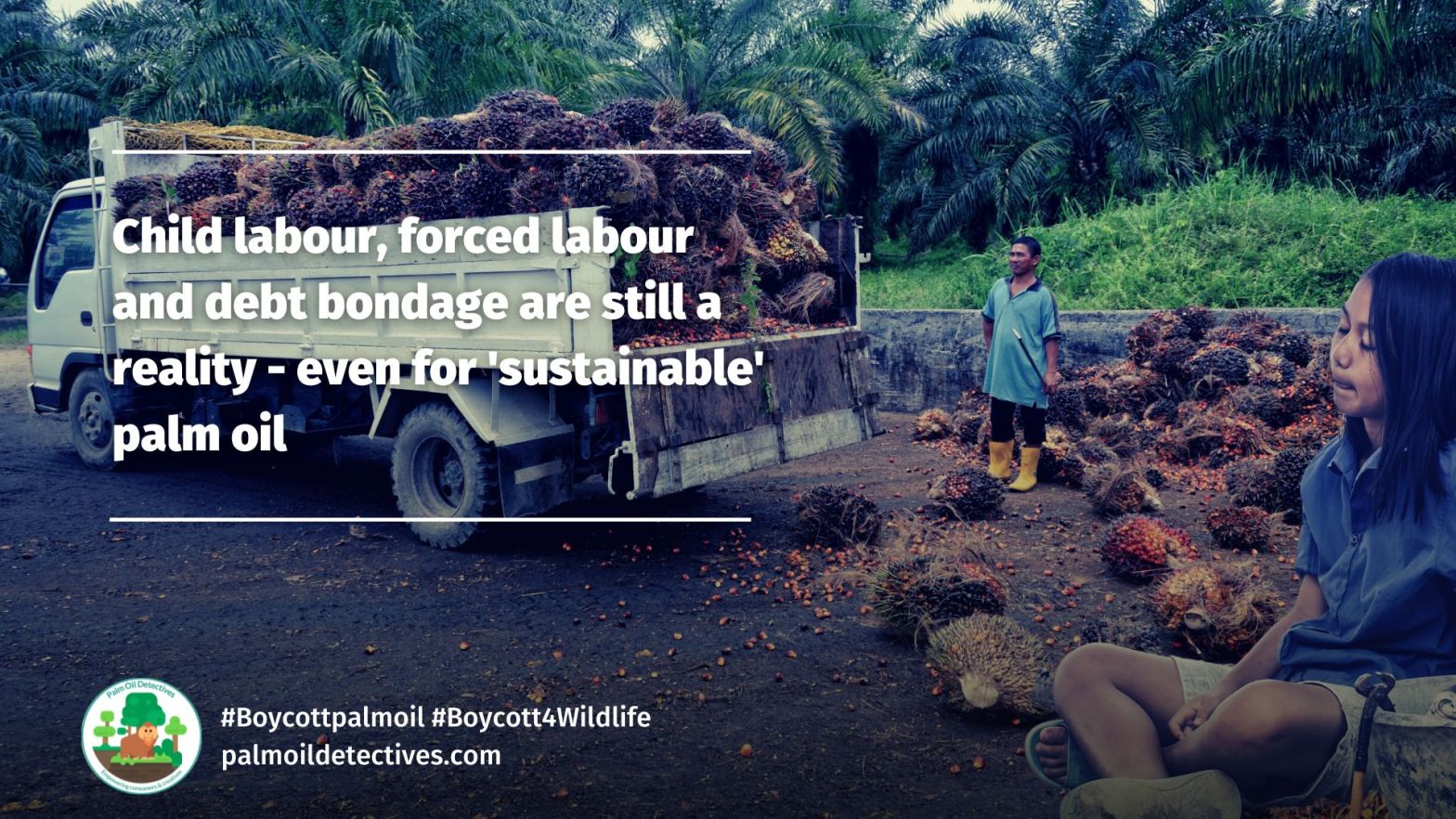
According to a new report from the Bureau for Workers’ Activities (ACTRAV) at the International Labour Organization (ILO). About 80% of the world’s poor live in rural areas where they face a myriad of human rights problems which hamper their ability to survive.
Problems include inadequate safety at work, low pay, lack of stability and security of work, and excessive working hours, with women and young workers.
Australia must not be a dumping ground for palm oil made from slavery: The Australian Greens

The recently released Global Slavery Index reveals that Australia risks importing goods amounting to US $17.4 billion, which are suspected to be produced via forced labour.
A ban of these goods from Australia was proposed by the Australian Greens, who along with several community organisations, are urging the Labor Party to prioritise this change following a report from the outgoing UN High Commissioner for Human Rights.
RSPO member SIAT leaves Nigerian farmers without food. Leases their illegally taken land for €1.23 Euros per hectare, per year
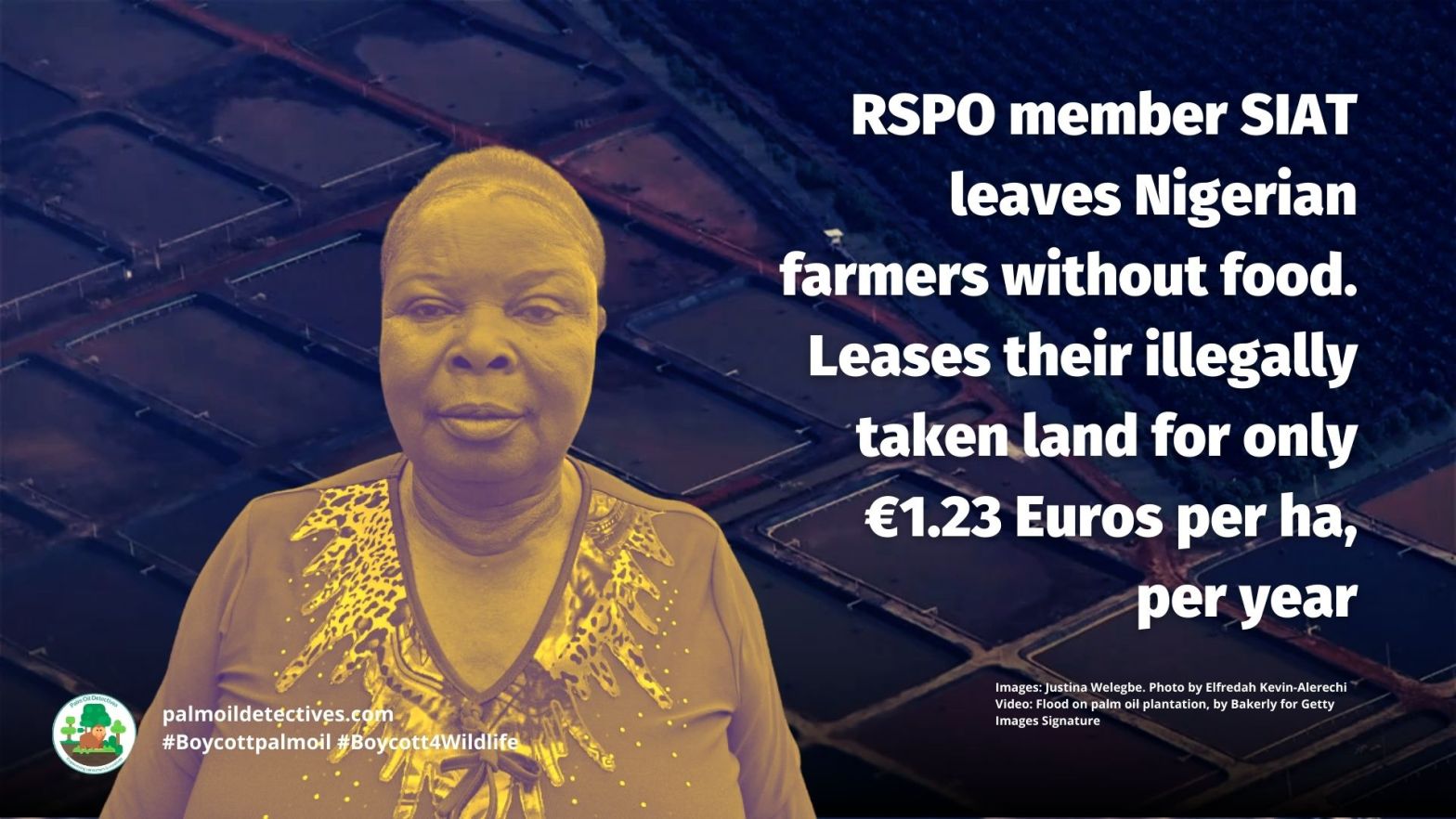
A 5-month investigation by Elfredah Kevin-Alerechi and Kevin Woke of Sahara Reporters reveals how RSPO member SIAT Nigeria Limited is involved in human rights abuses and land-grabbing on host communities’ lands. Journalists Elfredah Kevin-Alerechi and Kevin Woke also discovered that palm oil company SIAT who illegally took their land are leasing it for a mere 600 Naira (N600) per hectare annually – the equivalent of €1.23 Euros per year to lease it.
River pollution by pesticides and restriction by the company to land, where locals can grow food has meant that their food and water supply is contaminated – starvation is now an urgent problem.
All of this occurs under the guise of “sustainable” palm oil pushed by the RSPO to consumers. SIAT’s palm oil is used in consumer products by PZ Cussons (source), Nestle (source) and Danone (source). This is wh you should #Boycottpalmoil
Story via Sahara Reporters. Additional info: Chain Reaction Research
Spoiled Fruit: Land-grabbing, violence and slavery for “sustainable” palm oil
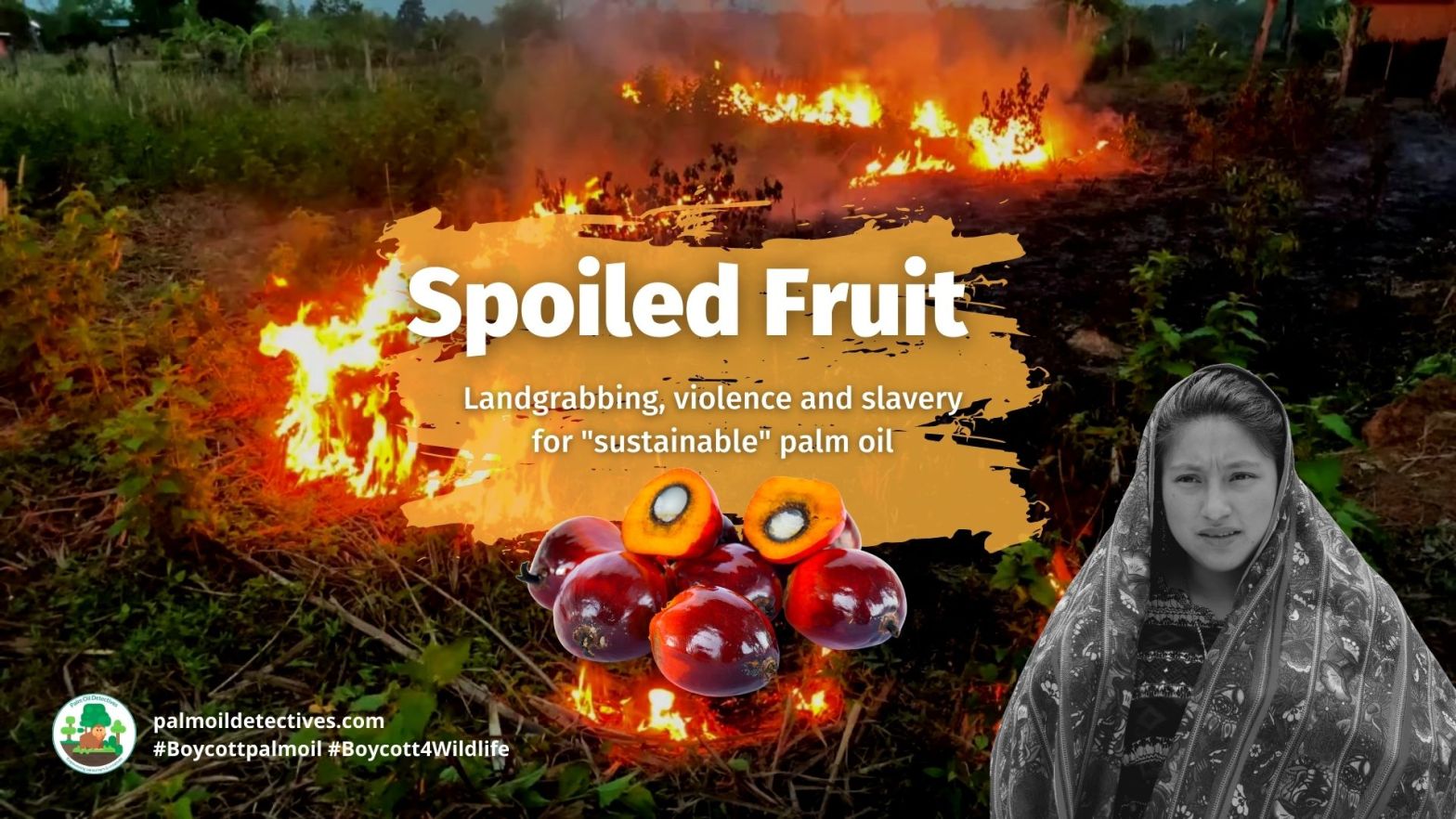
C4ADS analysis shows that the food conglomerates that feed millions—including giants such as Nestlé, Cargill, Adani Wilmar, IOI, Olenex and more —continue to enable forced labor through their indiscriminate import of tainted palm oil associated with slavery, indigenous land-grabbing, deforestation and human misery in the developing world.
Eyewitness Story: The Last Village by Dr Setia Budhi
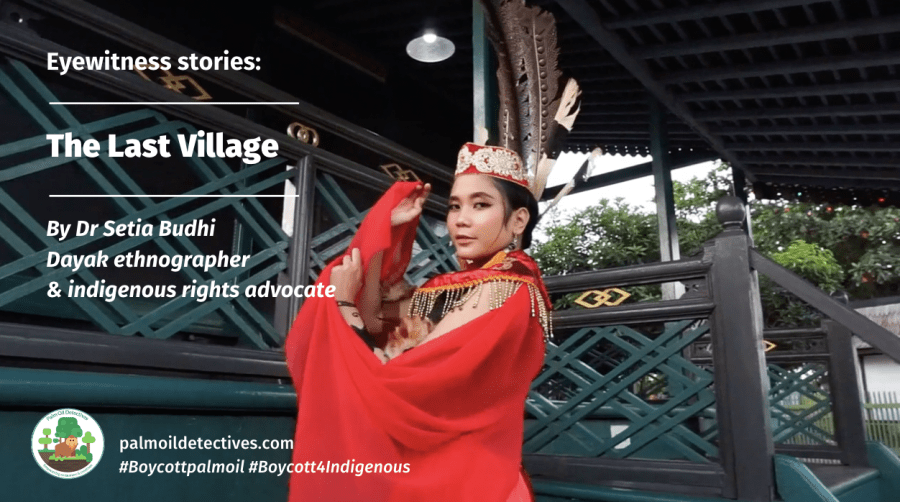
A lone Dayak village in Borneo surrounded by palm oil plantations has held out for 14 years and resisted
corporate infiltration by global palm oil giants. My name is Dr Setia Budhi, I am a Dayak ethnographer and human rights advocate. I visited this village recently to see how they were going.
 Palm Oil Detectives