
Claiming that a brand, commodity or industry is greener than others in the same category, in order to excuse ecocide, deforestation, human rights and animal rights abuses. Jump to section Greenwashing: Lesser of Two Evils: Palm Oil Uses Less Land Than Other Crops Greenwashing messaging is pervasive by researchers Greenwashing messaging is pervasive on socialContinue reading “Greenwashing Tactic #6: The Lesser of Two Evils”
Tag Archives: RSPO
What is greenwashing?

Learn how consumerism was engineered to fuel a hunger for more stuff and how greenwashing now masks true environmental harm. Discover the facts.
Greenwashing Tactic 9: Partnerships, Sponsorships and Research Funding
Greenwashing Tactic 9. Corporations use NGOs, Zoo partnerships, sponsorships, and research funding to give an industry or brand a ‘green image.
Greenwashing Tactic #3: Vagueness
Claiming a brand or commodity is ‘green’ or ‘sustainable’ based on broad generalisations, unclear language or vague statements Jump to section Greenwashing: Vagueness in Language Greenwashing: Vagueness in certification standards Reality: Auditing of RSPO a failure Quote: EIA: Who Watches the Watchmen 2 (2019) Quote: Greenpeace: Destruction Certified (2021) Quote: EIA: Burning Questions the CredibilityContinue reading “Greenwashing Tactic #3: Vagueness”
Greenwashing Tactic #7: Lying
Greenwashing lies are falsifying support from authorities to back up claims or using spurious research data to back up the greenwashing, boycott palm oil!
Research: Boycotts Are Worthwhile and Effective
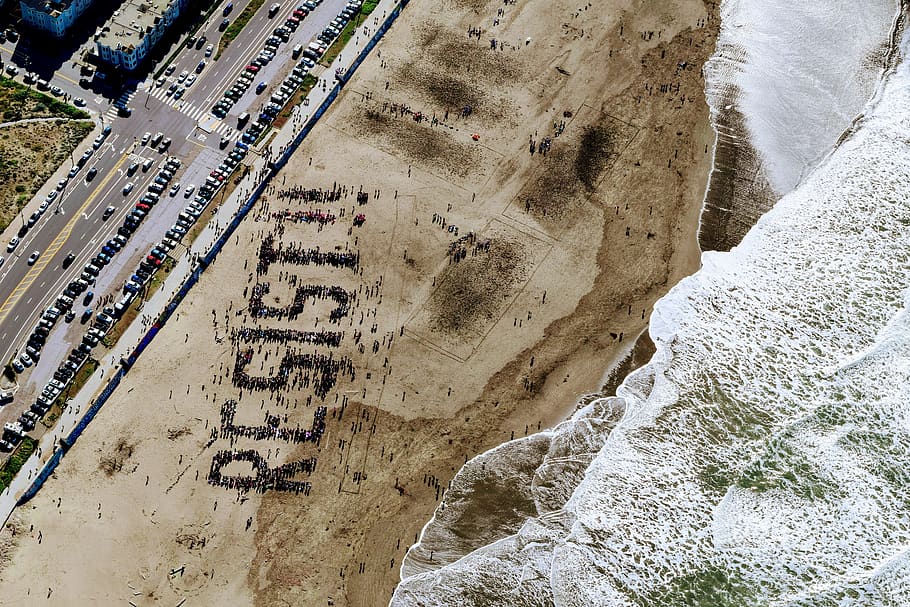
Despite sustained and vigorous attempts by corporates and industry certification schemes like RSPO, MSC and FSC to downplay the impact and effectiveness of consumer boycotts, it turns out that boycotts are impactful and drive social change. They force profit-first and greedy corporations to change their ways and do better. They also create a tangible sense of empowerment and agency for consumer-citizens who want to participate in civil society in a meaningful way in improving the world, both as individuals and in collective groups.
Greenwashing Tactic 8: Design & Words
Greenwashing Tactic 8. Companies use design principles and subliminal language to signal ‘greenness’ and trigger unconscious emotional responses in consumers
Greenwashing Tactic #5: Irrelevance and Deflection
Learn how lobbyists use irrelevant information and deflection to shift the conversation away from their environmental harms, e.g. “sustainable” palm oil.
Palm Oil Lobbyists Getting Caught Lying Orangutan Land Trust and Agropalma
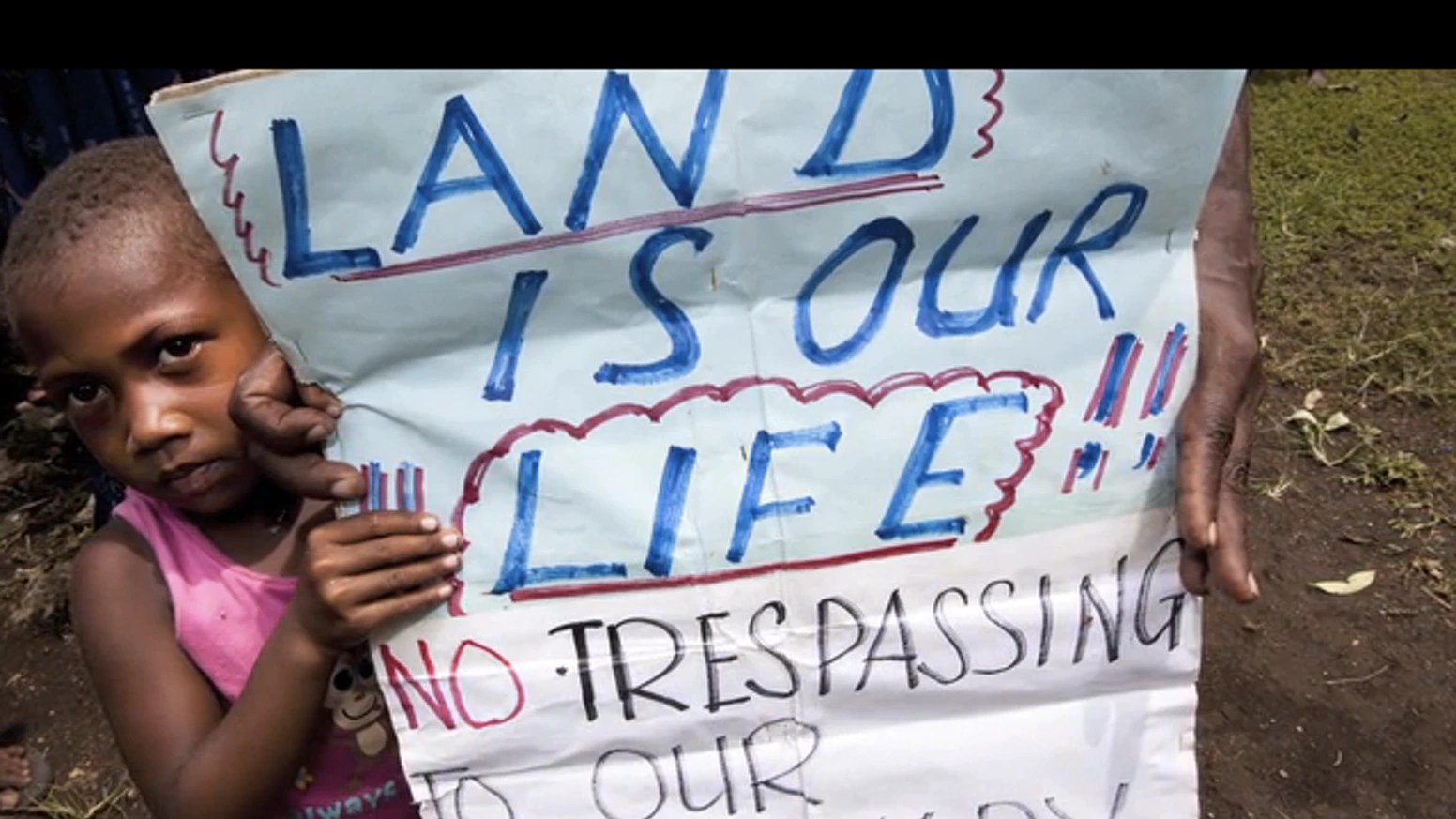
For decades, investigative journalists have been exposing that illegal land grabbing from Indigenous peoples as a regular occurrence in West Papua, South and Central America, Africa and Asia. Indigenous people’s land is being forcibly (and often violently) taken from them by predatory palm oil companies. Major supermarket brands and also palm oil producers that areContinue reading “Palm Oil Lobbyists Getting Caught Lying Orangutan Land Trust and Agropalma”
Eyewitness by Craig Jones: A mother and baby orangutan are rescued from an RSPO palm oil plantation in Sumatra

Bio: Craig Jones One of Britain’s finest wildlife photographers, Craig Jones is also one of the most humble and down-to-earth guys you will ever meet. His photography and stories capture the lives of endangered rainforest animals that we hold so dearly to our hearts: Sumatran orangutans, Sumatran tigers, Sumatran elephants, Siamangs and more. His workContinue reading “Eyewitness by Craig Jones: A mother and baby orangutan are rescued from an RSPO palm oil plantation in Sumatra”
Danone
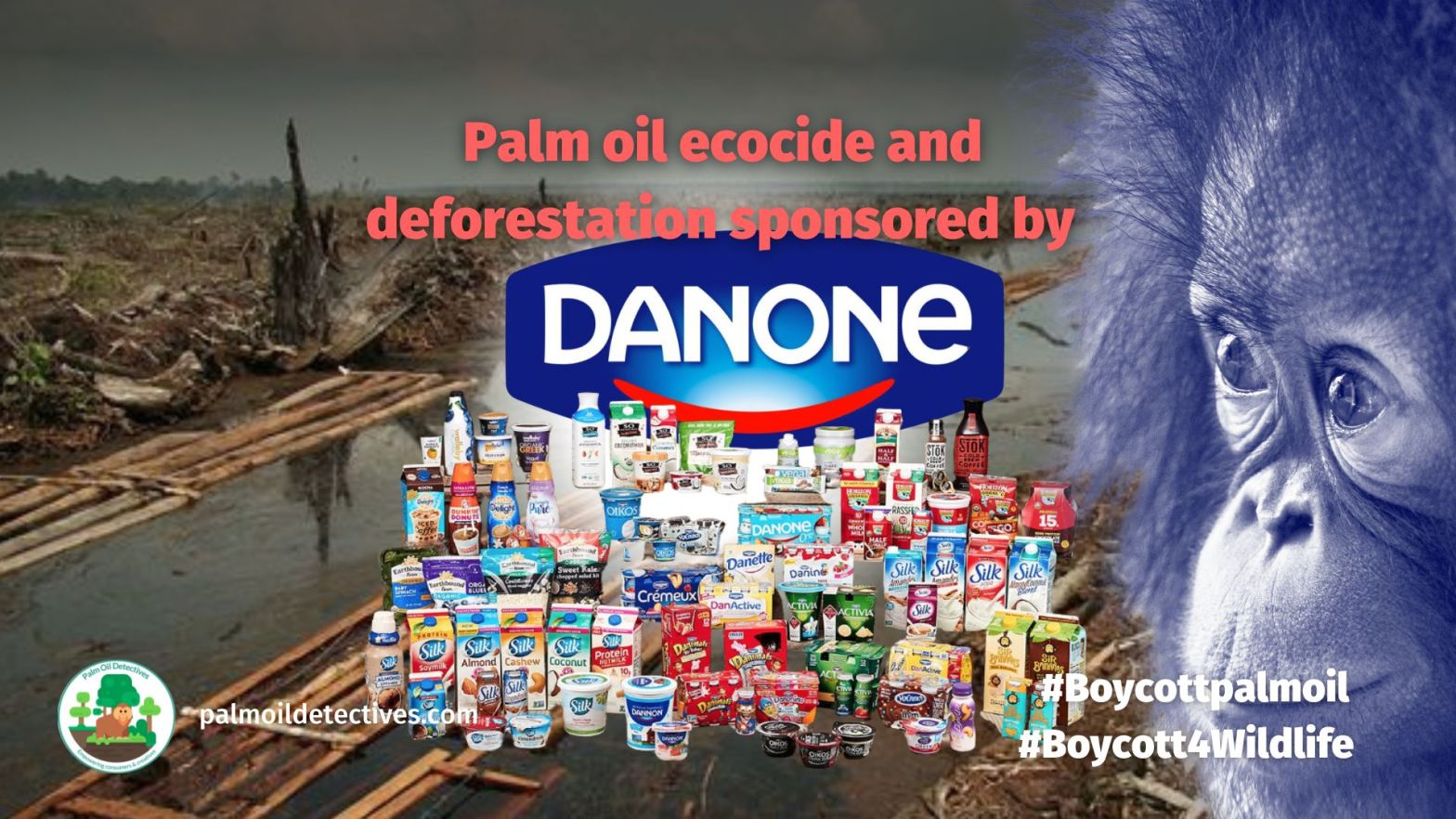
Savvy consumers have been pressuring French Dairy multinational Danone for decades to cease using deforestation palm oil. Yet they actually haven’t stopped this. From their website: ‘Danone is committed to eliminating deforestation from its supply chain by end of 2020, and to the principles of no deforestation, no development on peat, and no exploitation ofContinue reading “Danone”
South America: Species Endangered by Palm Oil Deforestation
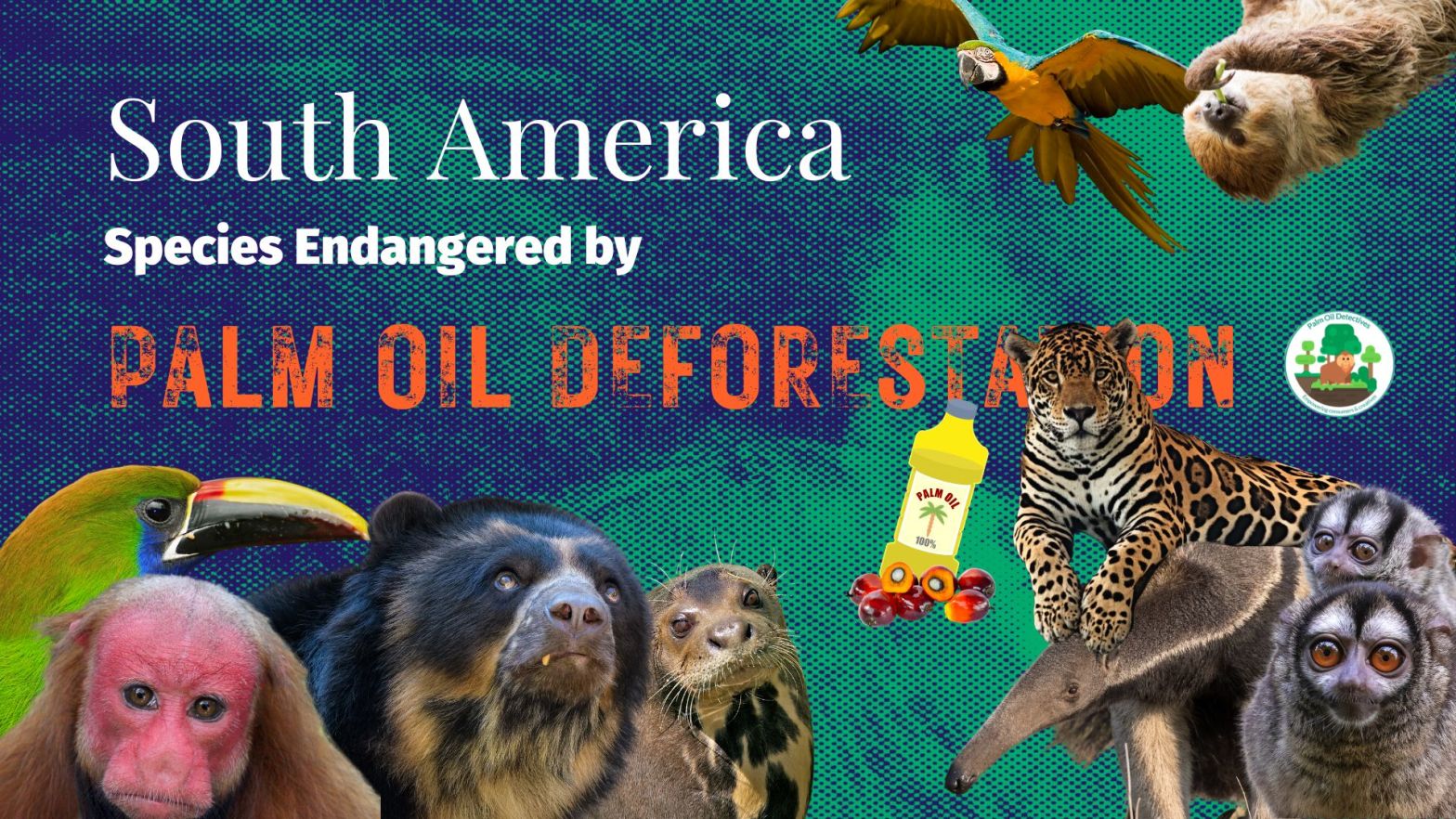
As the lush equatorial rainforests of South East Asia are exhausted, increasingly focus is being placed on parts of Central and South America. Oil Palm is a growing commodity there and is found in Colombia, Brazil, Ecuador, Guatemala and Mexico. Help the rare and beautiful animals of South and Central America to survive the scourge of palm oil and #Boycottpalmoil #Boycott4Wildlife in the supermarket. Learn more
Palm Oil Free Crisps, Snacks, Convenience Foods

Here are some palm oil free convenience food and snack brands that DO NOT use rainforest-destroying palm oil. If you are ever in doubt look for the prefixes: LAUR, STEAR, GYLC and PALM in the ingredients list on packaging – this is most likely palm oil. Another tip is to shop for locally produced products instead of mass-produced convenience foods. Take action for your health and for wildlife when you go #PalmOilFree and #BoycottPalmOil #Boycott4Wildlife
The biggest lie you were never told: “Sustainable” #RSPO #PalmOil stops #deforestation. It doesn’t! So avoid #snacks by #Mars #Kelloggs #Nestle all the big brands. Instead buy #PalmOilFree snack #food. Learn more 🌴🩸🤯🧐⛔️ #BoycottPalmOil
Brands Using Deforestation Palm Oil
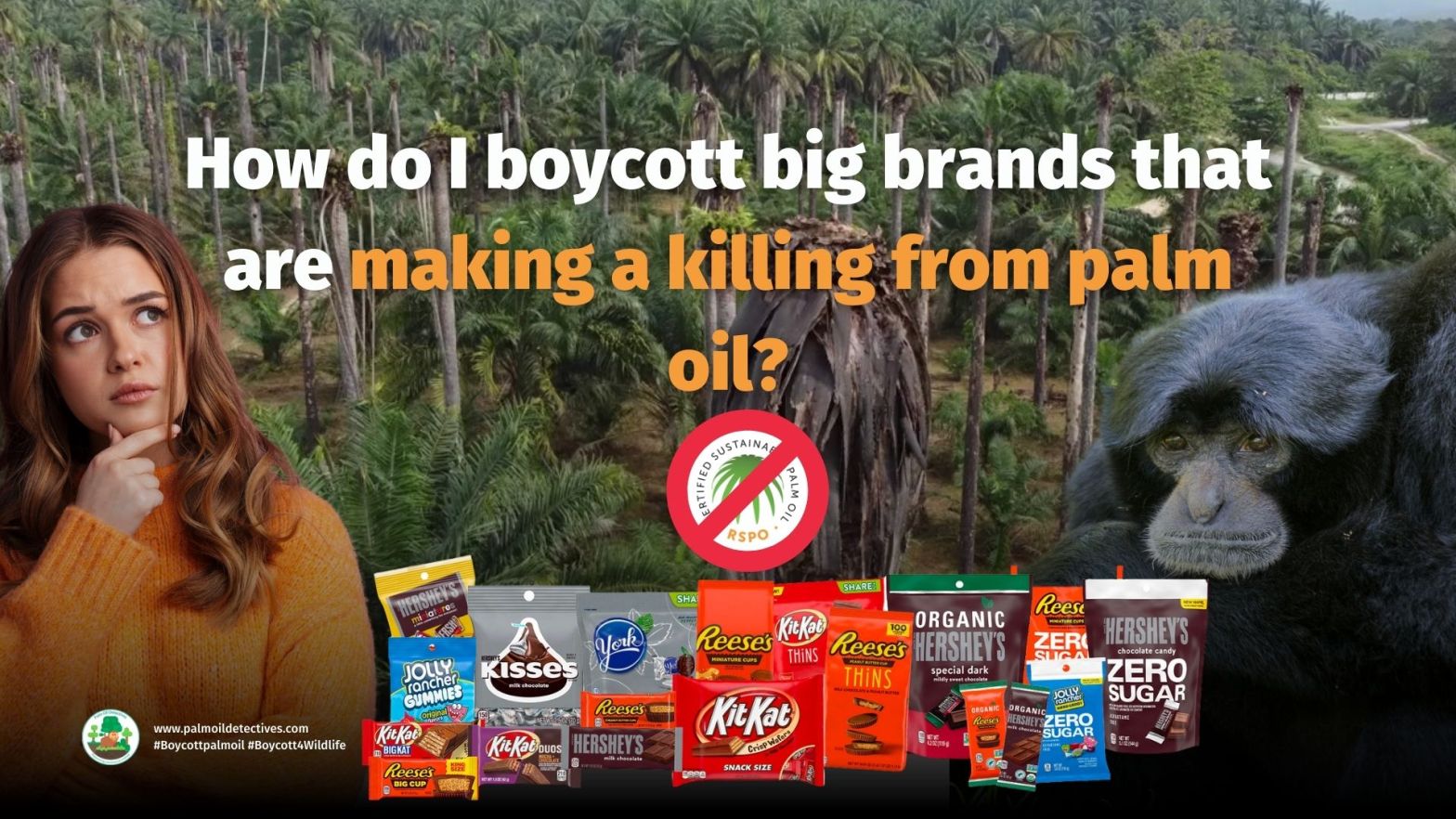
These brands have products that contain palm oil sourced from mills that are responsible for the destruction of precious habitats of endangered species. Just in 2020 alone, these brands (along with many others) contributed to the destruction of 38,000ha of rainforest in Indonesia, SE Asia and Papua New Guinea. Therefore, these brands are directly involved in the extinction of species.
Mondelēz

Mondelez destroys rainforests, sending animals extinct and release mega-tonnes of carbon into air for so-called “sustainable” palm oil. Boycott them!
Research: Palm Oil Deforestation and its connection to RSPO members/supermarket brands

Discover the truth about palm oil from experts’ reports. Research shows RSPO members still cause deforestation and human rights abuses, despite greenwashing!
 Palm Oil Detectives