
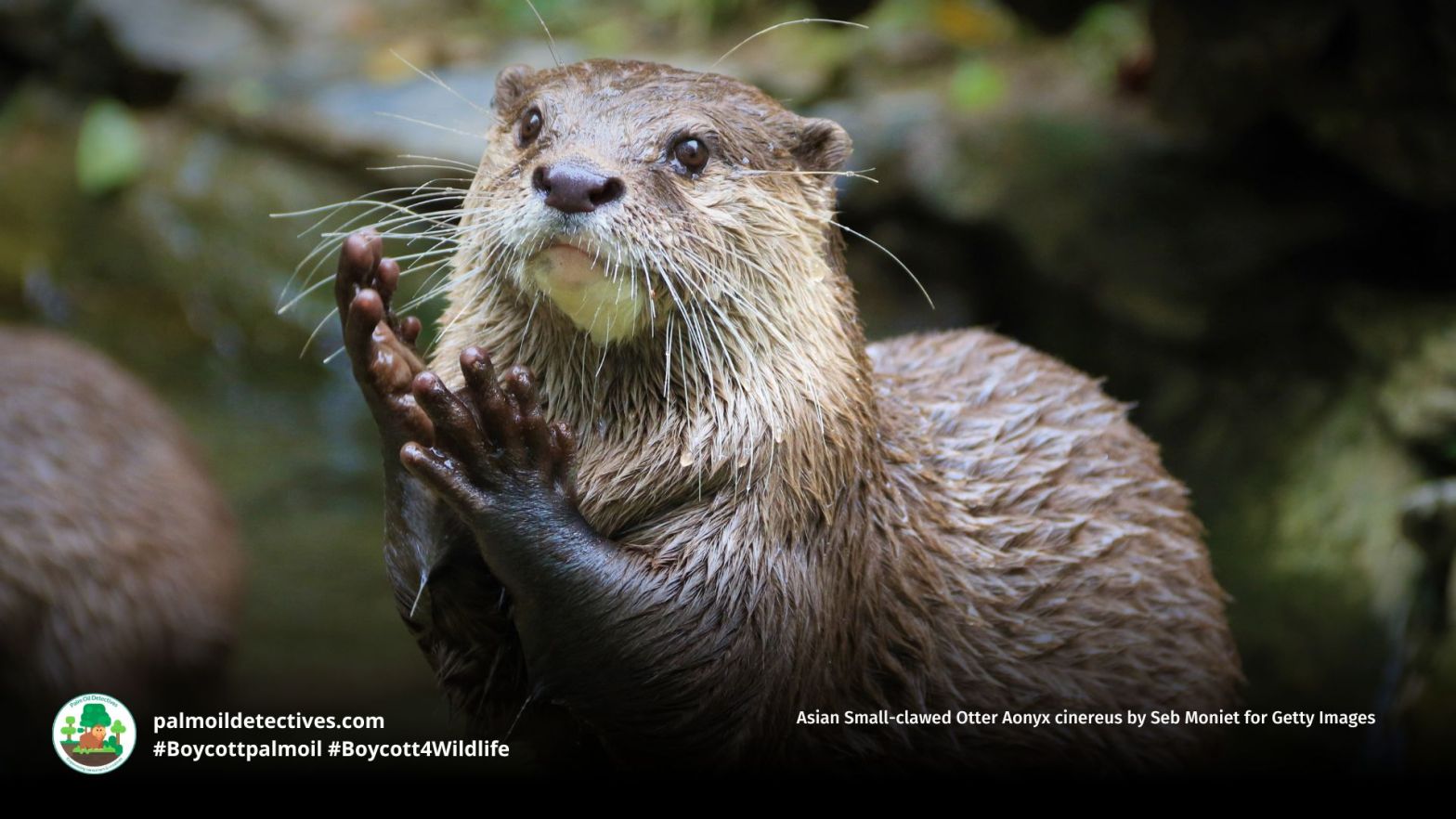
Asian Small-clawed Otters are the world’s smallest otter species and are Vulnerable from palm oil tea and coffee deforestation. Protect them, boycott palm oil!
Tag Archives: South East Asia
Rivers are still people in South East Asia despite court showdown
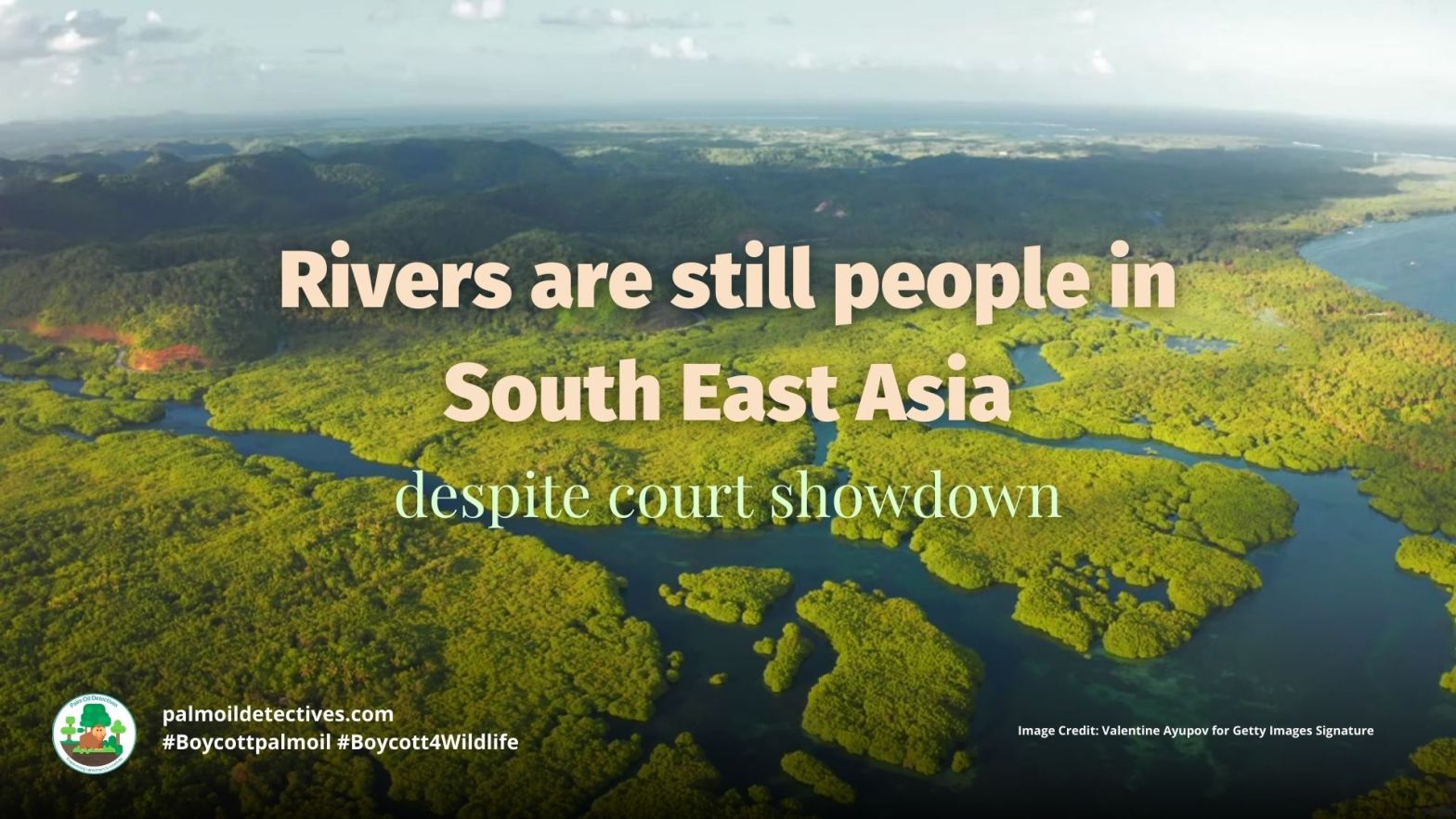
Healthy rivers are essential for community wellbeing. India and Bangladesh legally recognise rivers as natural persons with rights and powers. Take action!
Mountain Cuscus Phalanger carmelitae

The Mountain #Cuscus are fascinating and shy creatures who live in Papua New Guinea and #WestPapua. Thick, dark, woolly fur covers most of their bodies, while their bellies are white. The Mountain Cuscus has a black tail with a rough, white tip. Their skulls are medium-sized, with a short snout, large back teeth, and three small teeth on each side of their lower jaws. It’s important to note that the Mountain Cuscus can sometimes be confused with the Silky Cuscus, which has a smooth tail without rough patches, a shorter or absent white tail tip, and fewer teeth in their lower jaw. They are threatened by massive #palmoil and #timber deforestation across West Papua and Papua New Guinea, help them every time you shop and #Boycottpalmoil #Boycott4Wildlife
Sumatran Tiger Panthera tigris sondaica

The Sumatran tiger Panthera tigris sondaica is a critically endangered big cat, with less than 600 of their species alive in the wild today. Once living in Java and Bali, they are now only found in Sumatra, Indonesia. The smallest tiger species, they possess darker coats and narrower stripes than their mainland counterparts. Each pattern is as unique and distinct as a fingerprint. Sumatran Tigers face serious and grave threats from palm oil habitat destruction, poaching, and human-wildlife conflict. Sumatra’s ongoing deforestation, driven by palm oil and acacia plantations, continues to shrink their habitat. While illegal poaching for the wildlife trade is decimating their population. Conservation efforts are underway, but the future of this magnificent species hangs in the balance. You can help protect the Sumatran tiger every time you shop. Learn how to boycott palm oil on the Palm Oil Detectives website. Raise awareness of them on social media using the hashtags #BoycottPalmOil #Boycott4Wildlife.
Borneo Forest Dragon Gonocephalus bornensis
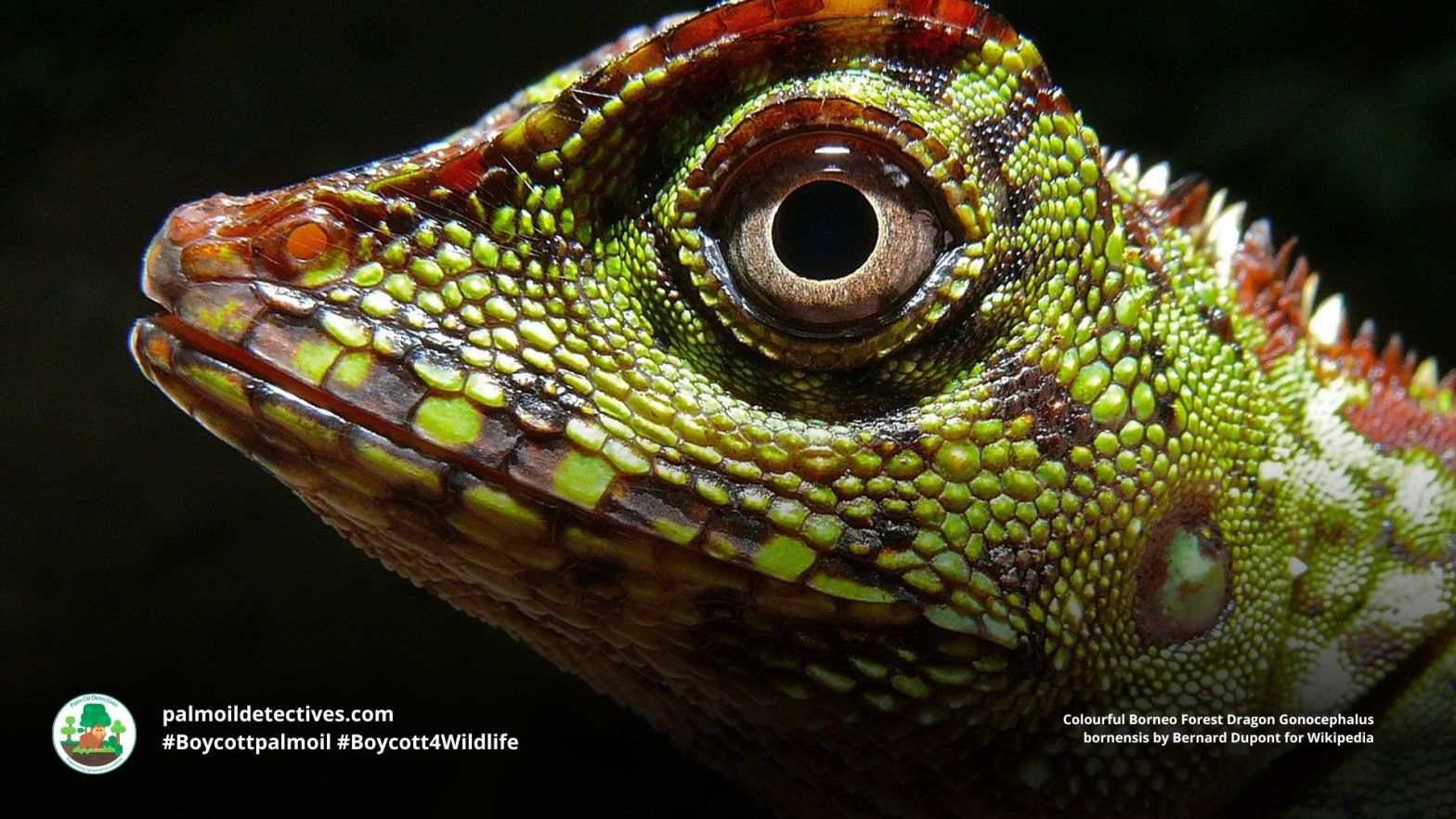
The #Borneo Forest Dragon, also known as the Borneo Anglehead #Lizard is a vividly coloured lizard native to Borneo. This arboreal #reptile is known for their prominent crest and beautifully camouflaged body, allowing them to blend seamlessly into their rainforest surroundings. Found primarily in undisturbed and secondary rainforests, the Borneo Forest Dragon thrives in humid environments, often near streams.
Although the latest assessment by IUCN Red List revealed that they are ‘least concern’, the plans to move the capital of Indonesia to Kalimantan is concerning to conservationists and animal lovers alike. Rampant habitat loss from #palmoil and #timber #deforestation on the island of Borneo posses a grave threat. Protect these striking animals and their rainforest home when you #BoycottPalmOil #Boycott4Wildlife!
Demystifying the Strange Beauty of the Proboscis Monkey’s Large Nose
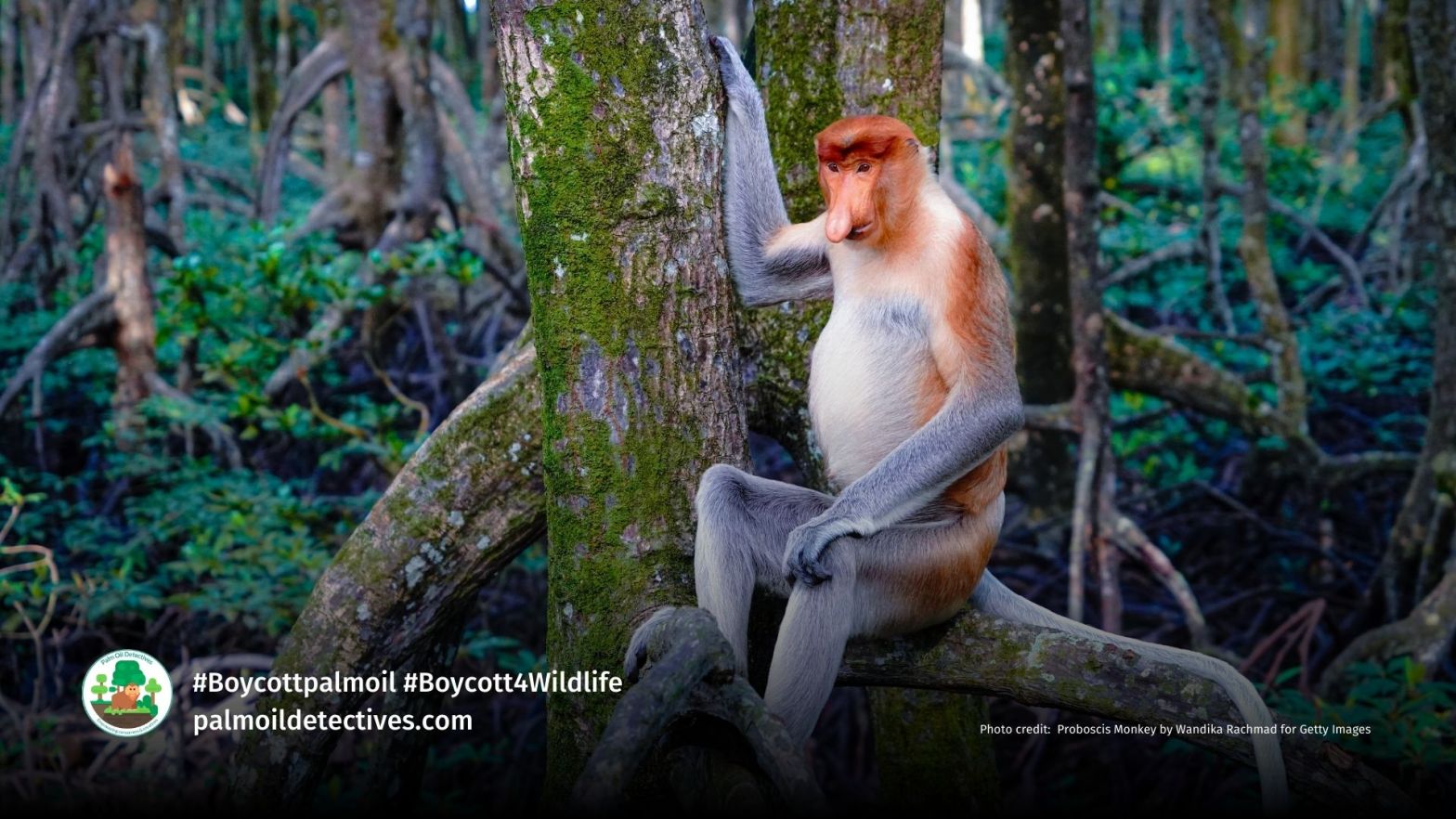
Of all the #monkey species around the world, one stands out with its large, bizarre nose. In male proboscis monkeys, their bulbous noses will often hang past their mouths.
But why did they evolve such a strange feature? Are they a visual sign of health and status to potential female mates, and to other males? Or did they evolve to help the monkeys make honks and other loud sounds? New groundbreaking #research has much to reveal about the mysterious large nose of the Proboscis Monkey!
Sunda Clouded Leopard Neofelis diardi
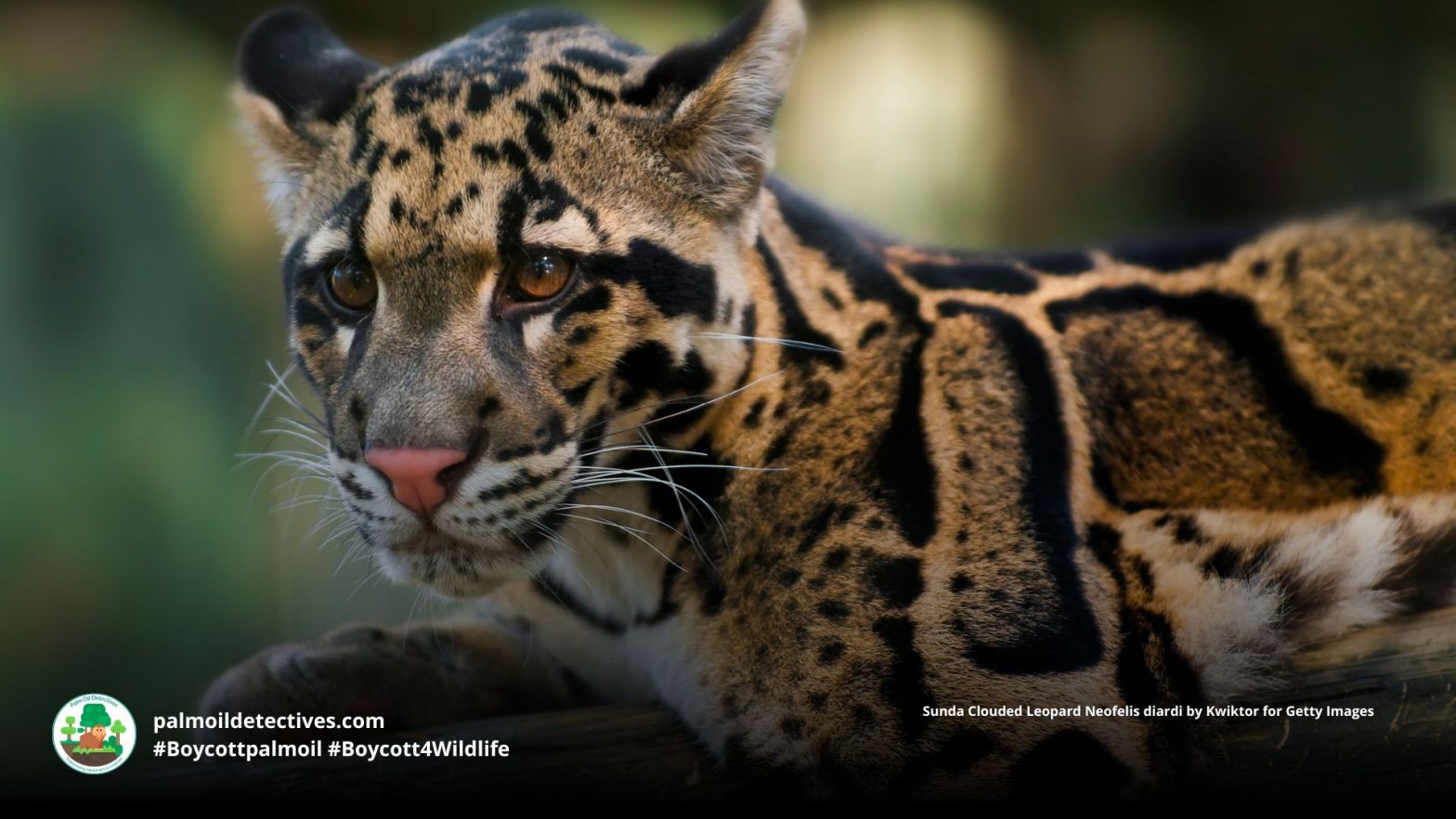
Gliding through the rainforest canopy like a phantom predator, the Sunda Clouded Leopard moves with unmatched grace, making them one of the least understood big cats in the world. Their spectacularly patterned coat, the longest canines relative to skull size of any feline, and astonishing agility in trees set these big cats apart as a truly unique species. Yet, despite these remarkable adaptations, these mysterious carnivores are now rapidly vanishing from the wild due to human-related threats.
Massive infrastructure projects, industrial-scale palm oil plantations, and poaching for the illegal wildlife trade have decimated their populations. Once thought to be a subspecies of the mainland clouded leopard, genetic studies in 2006 confirmed that they are a distinct species, found only in Borneo and Sumatra. Today, they are among the most threatened felines in the world, teetering on the edge of an uncertain future. Take action for them every time you shop and #BoycottPalmOil #Boycott4Wildlife
Five New Hedgehog Species Found in Southeast Asia

Scientists discover five new species of soft-furred hedgehogs in Southeast Asia, highlighting the need for conservation. Support #Boycottpalmoil
Attenborough’s Long-Beaked Echidna Zaglossus attenboroughi

Attenborough’s long-beaked echidna (Zaglossus attenboroughi), known locally as “Payangko,” is one of the most evolutionarily distinct mammals and is native to the Cyclops Mountains in Papua, Indonesia. This critically endangered monotreme is distinguished by its unique feeding technique and smaller size compared to other long-beaked echidnas. Despite not being recorded by scientists since 1961, a recent expedition led to its rediscovery in 2023, offering renewed hope for the species. Facing threats from hunting and habitat degradation, we must protect this elusive creature by supporting sustainable practices and community-led conservation. #BoycottPalmOil #Boycott4Wildlife
Tufted Ground Squirrel Rheithrosciurus macrotis
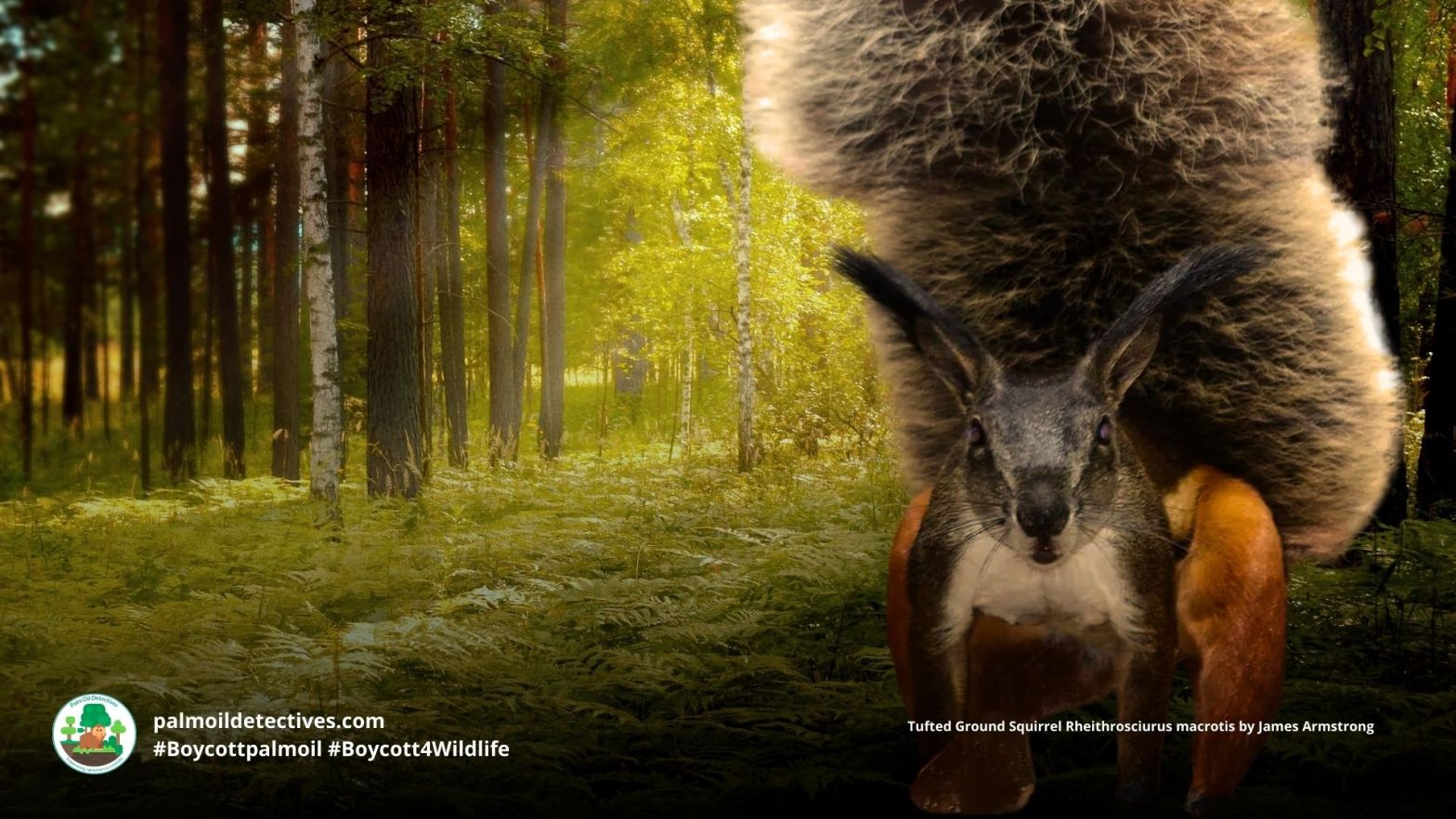
The tufted ground squirrel, or groove-toothed squirrel, is a striking nut-cracking rodent native to the island of Borneo. Sporting a voluminous, club-shaped tail, the tufted ground squirrel carries the largest tail-to-body size ratio of any mammal. Scientists believe the tail could serve to confuse predators or attract mates. They are listed as Vulnerable on the IUCN Red List and are threatened by deforestation, hunting, and forest conversion to palm oil. To protect these charismatic creatures, make sure you #BoycottPalmOil and #Boycott4Wildlife in the supermarket!
Research: Climate Change Collapsing Insect Numbers by 63%
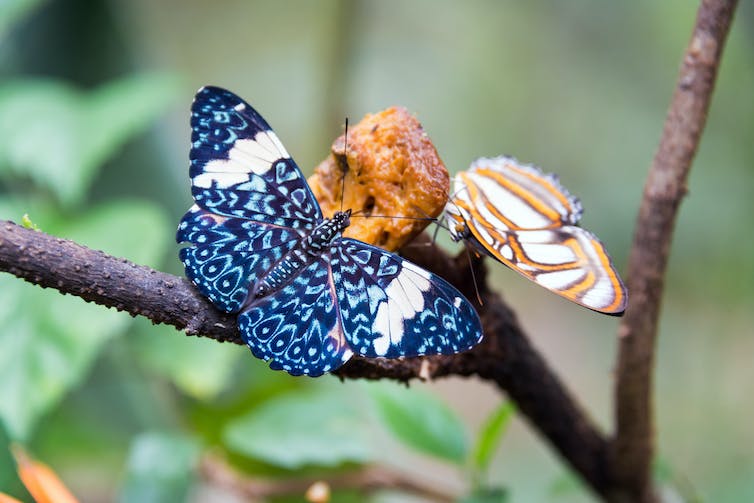
The world may be facing a devastating “hidden” collapse in insect species due to the twin threats of climate change and habitat loss. #Palmoil 🪔 #soy #meat 🥩 and #cocoa 🍫 #agriculture along with #climatechange and #habitatloss in rainforests is driving #insects to the edge of #extinction. Take action by going #vegan and #Boycottpalmoil #Boycott4WildlifeContinue reading “Research: Climate Change Collapsing Insect Numbers by 63%”
How does Indonesia’s palm oil industry fuel the climate crisis?
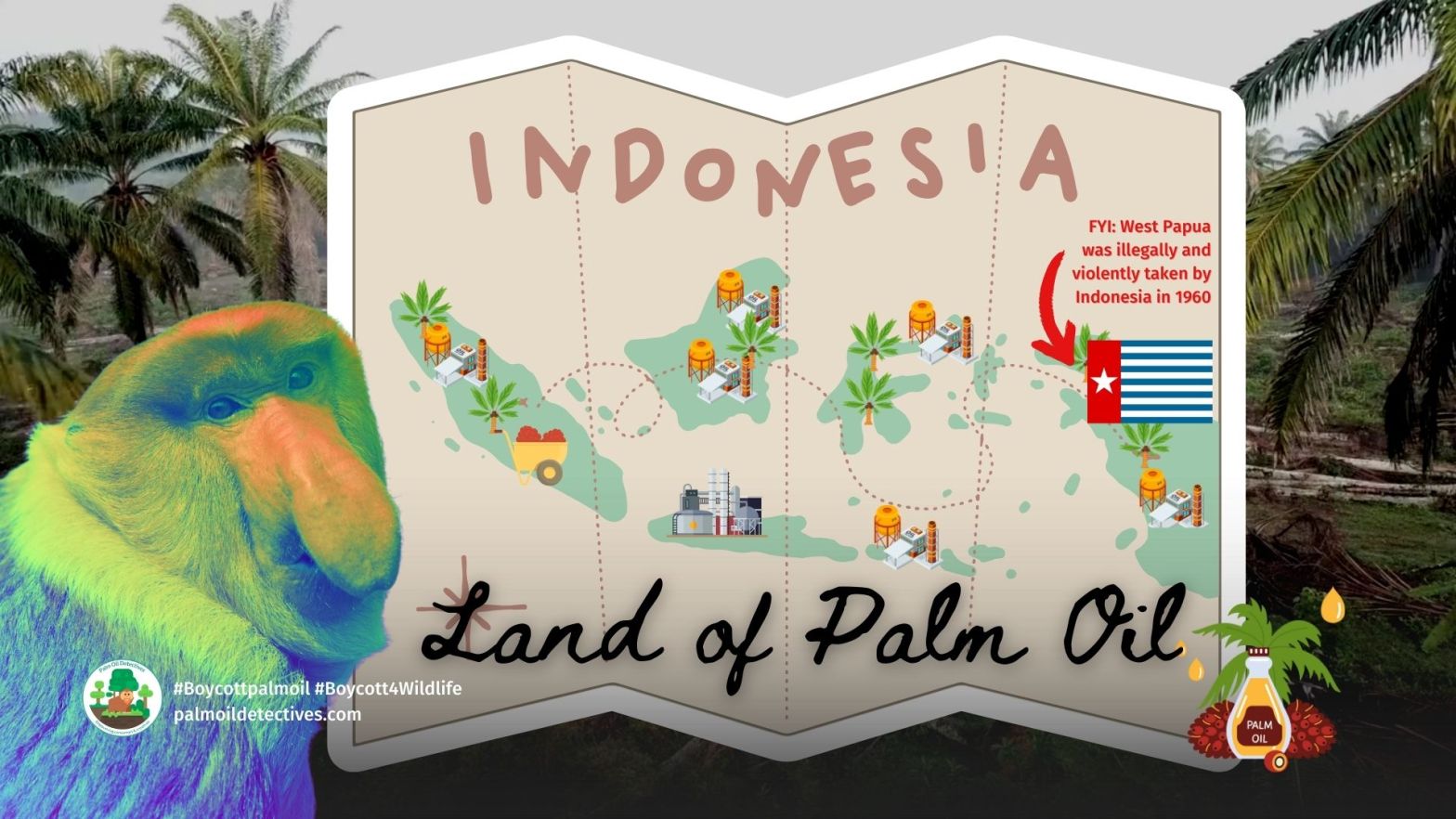
Booming global demand for the vegetable oil is spurring deforestation in Indonesia. Indonesia accounts for more than half of the global palm oil supply, the world’s most widely used vegetable oil that is found in everything from food to cosmetics to fuel.
But environmentalists fear surging demand for the product may drive mass deforestation in Indonesia, home to the world’s third-largest tropical rainforest, and exacerbate the global climate crisis.
Sambar deer Rusa unicolor
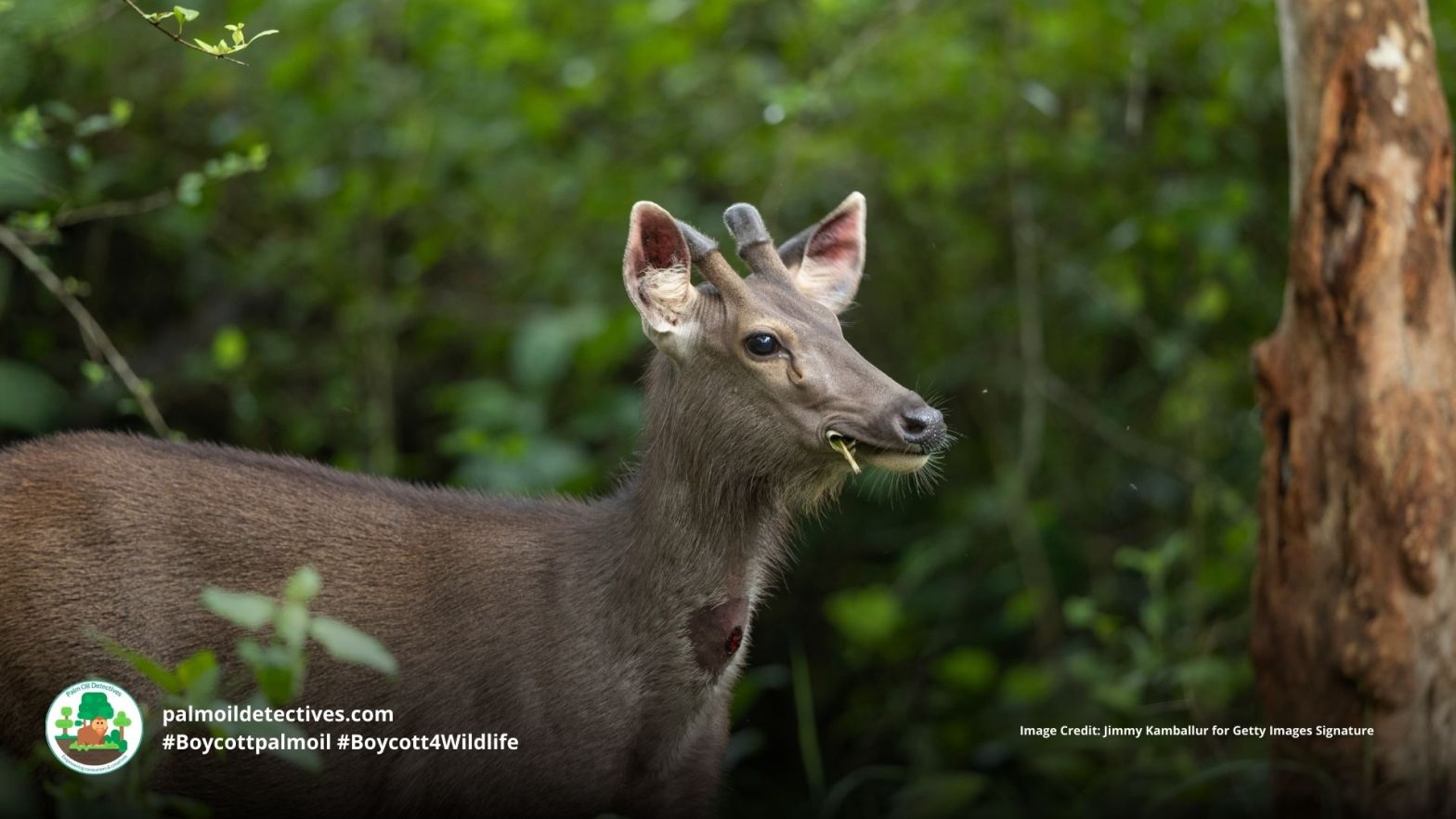
The majestic Sambar deer, cloaked in hues ranging from light brown to dark gray, are distinguished by their rugged antlers and uniquely long tails. Adorned with a coat of coarse hair and marked by a distinctive, blood-red glandular spot on their throats, these deer embody the beauty of the wild. Their adaptability is evident in their alert behavior, silent movements, and the gradual development of their unique spots. Perfectly designed for grazing, these deer use their antlers and feet deftly in defense, relying on their acute senses of hearing and smell to evade predators. To protect these splendid deer and their habitats from the impacts of deforestation and agricultural expansion, especially for palm oil, join the movement: #BoycottPalmOil and #Boycott4Wildlife to aid in their survival.
Philippine tarsier Carlito syrichta
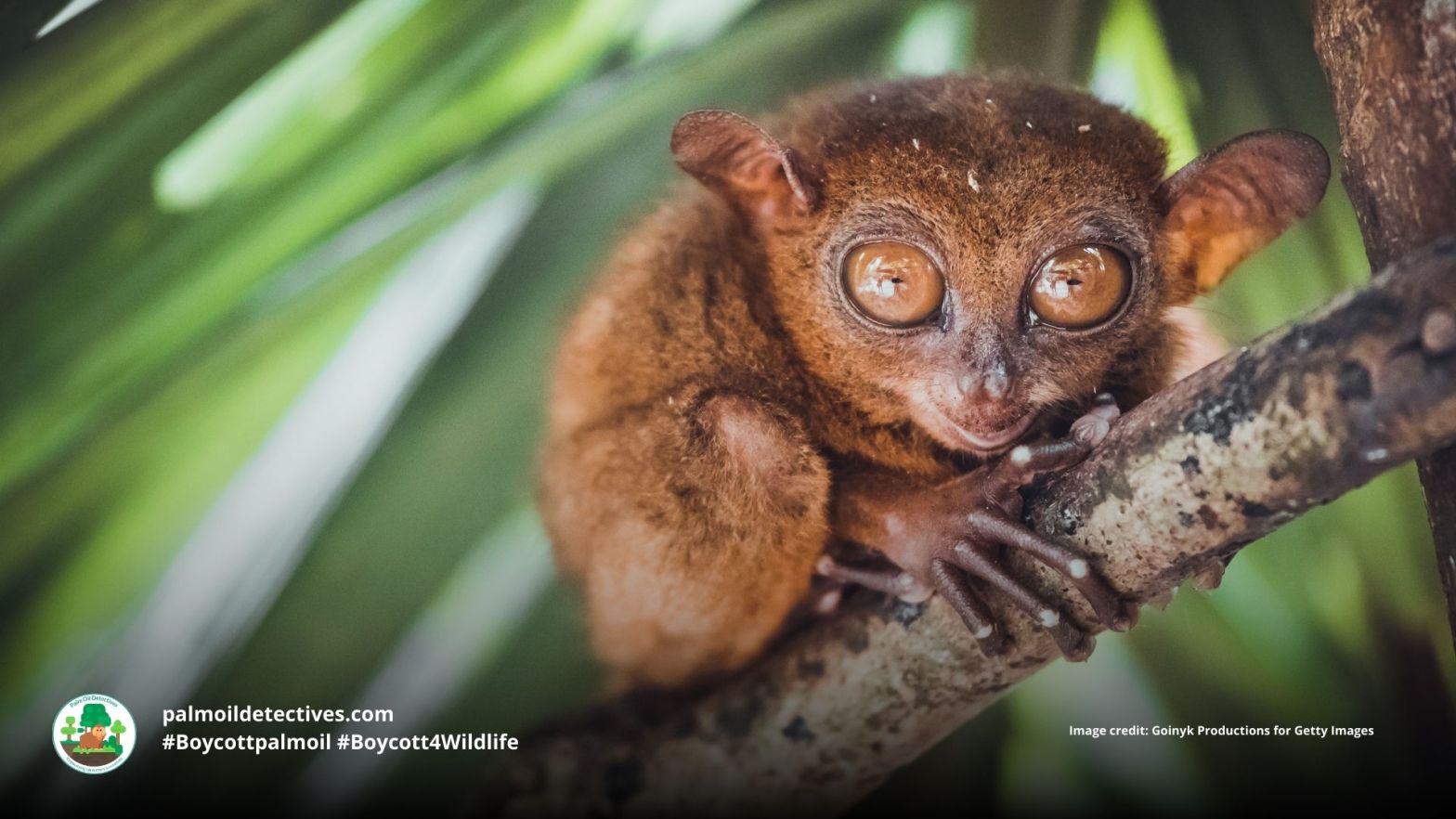
The Philippine tarsier, Carlito syrichta, epitomises nocturnal secrecy, leading a mostly concealed life in the dense recesses of impenetrable bushes and forests. They boast large and mesmerising eyes that aid in night vision, these tiny creatures have a distinct appearance. Measuring around 8 to 16 cm, their fur is soft and comes in various shades, often blending with their natural surroundings. Known for their incredible leaping abilities, tarsiers are agile hunters, relying on their keen sense of hearing to locate prey. Despite their small size, they play a vital role in maintaining the ecological balance in their habitat. They are now vulnerable due to multiple human-related threats including palm oil deforestation and the pet trade. Help them to survive #Boycottpalmoil #Boycott4Wildlife
The world’s smallest ‘fanged’ frog found in Indonesia
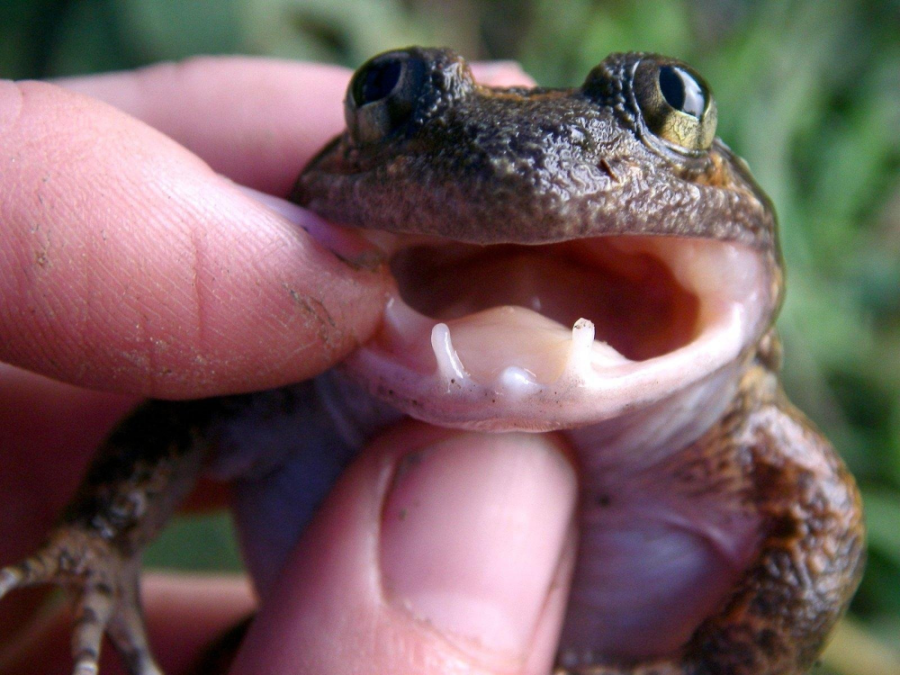
Researchers have identified a species of frog Limnonectes phyllofolia completely new to science. The tiny Indonesian amphibian is in the possession of little fangs. Researchers think that their fangs may be used to fend off would-be competitors for mating or territory. This species adopts a unique approach by laying their eggs on tree leaves. Adding to their distinct behavior, the male frogs play an active role in guarding and nurturing the nests. This discovery not only enriches our understanding of amphibian biodiversity but also highlights why it is absolutely crucial that we protect their home – rainforests in Indonesia. Help them every time you shop and #Boycottpalmoil #Boycott4Wildlife
Wallace’s Flying Frog Rhacophorus nigropalmatus

The elusive and visually stunning Wallace’s Flying #Frog are known for their mysterious nature and their ability to take flight and glide through the air like dancers. They reveal themselves only during breeding aggregations when they descend from the trees.
Recent surveys in various regions, including the Matang Range in #Sarawak, #Malaysia, and the Endau-Rompin in West Malaysia, have documented the presence of this species. However, their overall population faces a concerning decline due to the ongoing loss of habitat for #palmoil #deforestation. Urgent conservation efforts are critical to reverse this trend and to ensure the survival of this intriguing species in their natural environment. Help this frog to survive every time you shop, make sure that you #Boycottpalmoil #Boycott4Wildlife in the supermarket!
Air Pollution from Palm Oil: A Human Rights Issue

Forest-fire haze from Indonesian palm oil deforestation is a crisis! Learn how toxic air pollution is a human rights issue affecting all of Southeast Asia
Palm Oil Increases Deaths of Baby Macaques
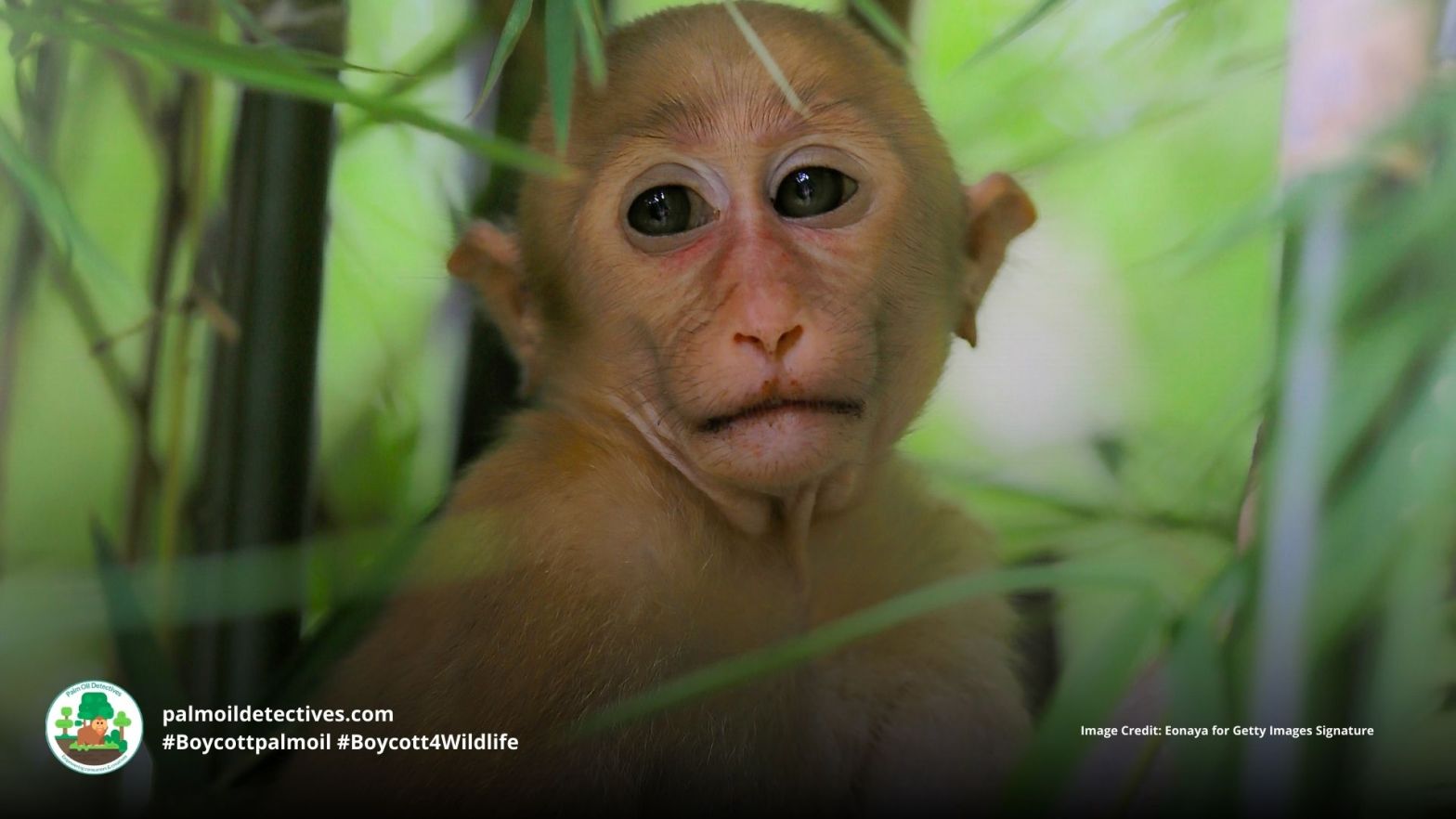
In Peninsular Malaysia, a new study published in Cell Biology by a team led by Dr Anna Holzner of German Centre for Integrative Biodiversity Research (iDiv) Halle-Jena-Leipzig has found that infant mortality rates among wild southern pig-tailed macaques are alarmingly high due to frequent visits to oil palm plantations.
These plantations expose the infants to increased risks from predators, human encounters, and harmful agricultural chemicals, potentially affecting the development and survival of infant macaques. The study, conducted in collaboration of international researchers, observed that prolonged exposure to these plantations during infancy triples the likelihood of death.
The study suggests that pesticides used in agriculture could cross the placental barrier or be transmitted through breastmilk, impacting fetal development and health. This significant research underlines the urgent need for eco-friendly agricultural practices to protect wildlife and human communities near plantations. Take action and join the movement to #Boycottpalmoil and #Boycott4Wildlife every time you shop!
Sulu Hornbill Anthracoceros montani
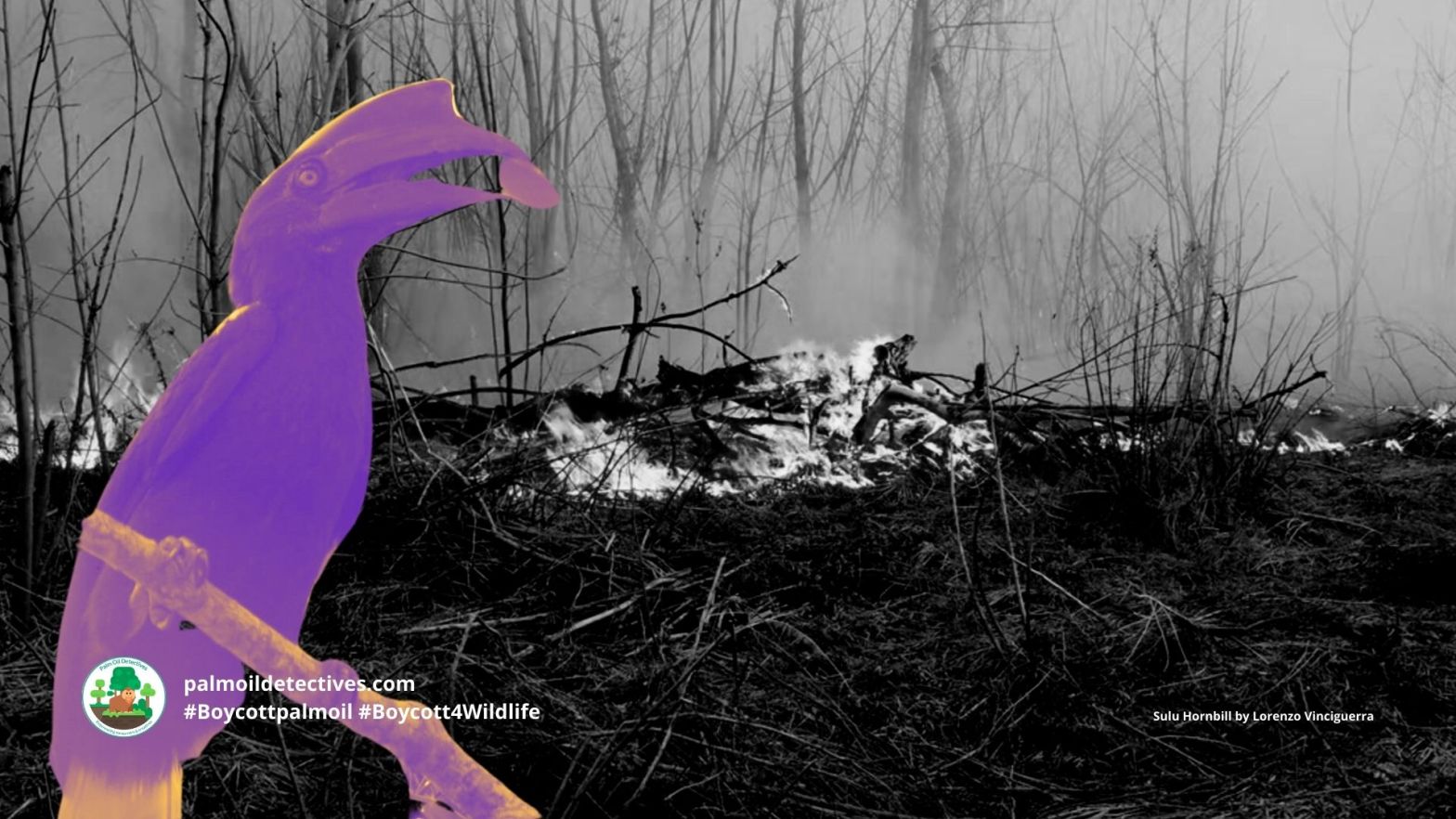
The Sulu Hornbill is one of the rarest birds in the world. They are large and almost entirely black except for a white tail, with a thick black bill, a black casque, and black skin around the eye. Males have pale eyes, females have brown eyes and a smaller casque. These striking birds are native to the Sulu Islands, possibly now only found on Tawi-Tawi due to hunting and palm oil deforestation throughout their range. In 2018 there was only a few dozen left. Help their survival and #Boycottpalmoil #Boycott4Wildlife
Green Dragontail Lamproptera meges

Green Dragontails could arguably be called the most exquisite and beautiful butterflies alive.
They flutter through sunlit patches of leaves near to streams and rivers in Indonesia, Malaysia, Thailand, Myanmar, the Philippines, and northeastern India.
They are mostly black and white with a bright turquoise or light green band running roughly parallel to their abdomens.
Their forewings feature a stunning glass-like transparent triangle known as a hyaline. Their tail features a star-like galaxy pattern that glints in sunlight.
It has been over a decade since they were last surveyed, their range overlaps significantly with areas already cleared for palm oil. Help their survival and use your wallet as a weapon! #Boycottpalmoil #Boycott4Wildlife
Philippine Sailfin Lizard Hydrosaurus pustulatus

Stunning bright coloured Philippine sailfin lizards are becoming more and more rare from palm oil deforestation across their range in #WestPapua #Philippines and eastern #Indonesia. They are also threatened by hunting and the pet trade. Males turn a dark violet colour during mating season and flare their extravagant sail-like fins to announce their mating prowess. They have a third eye on the top of their head which enables them to sense sunlight. Help them survive and #Boycottpalmoil #Boycott4Wildlife
Quince Monitor (Banggai Island Monitor) Varanus melinus
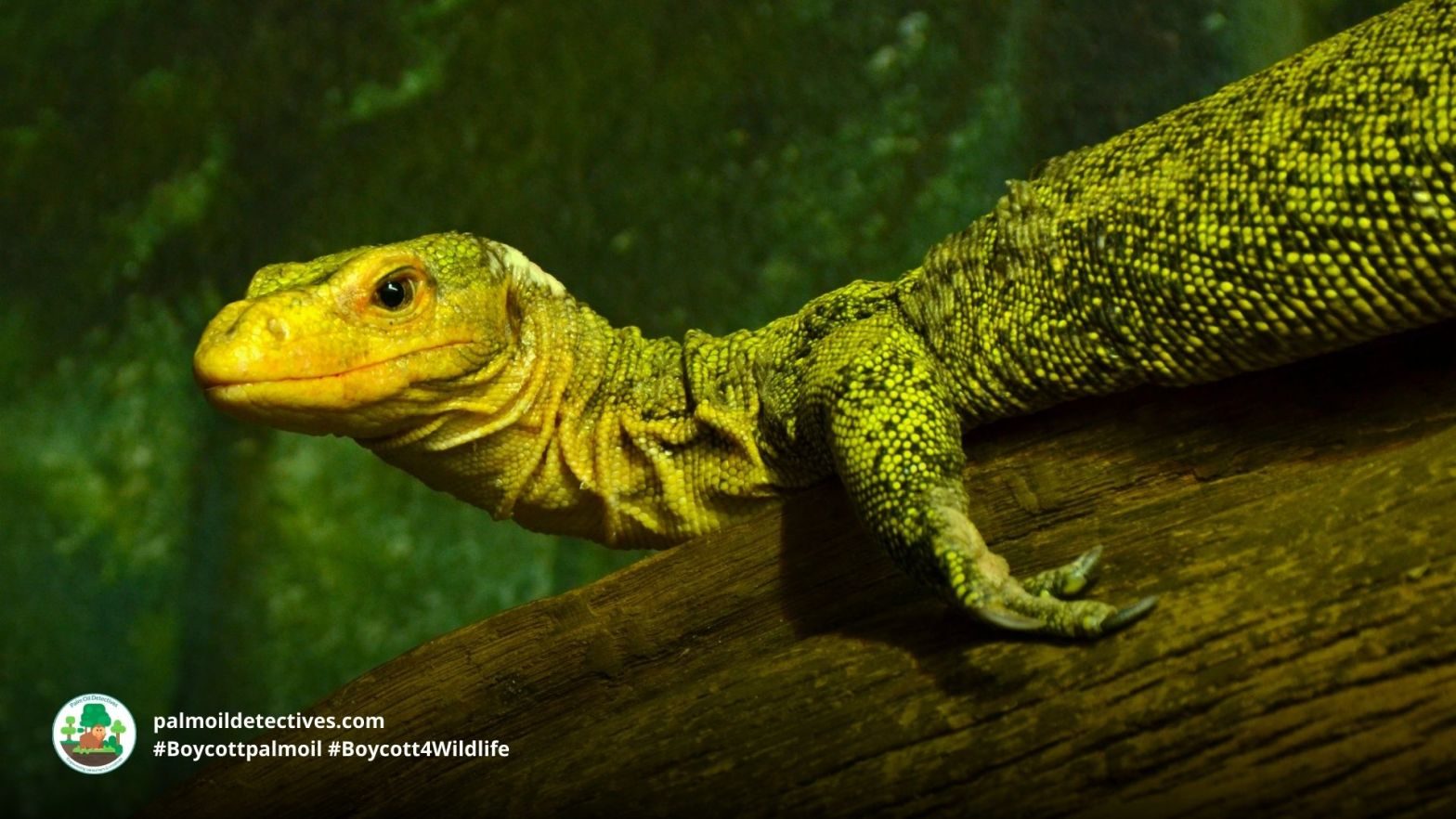
The Quince Monitor Varanus melinus get their name from the spectacular bright yellow of their skin. This is a rare and elusive species of #monitor #lizard that lives in only one location in #Indonesia – the #Maluku Islands. Their muscular, wide stance and ancient dragon-like looks make them fascinating to behold. They are endangered primarily from #palmoil #deforestation throughout their range along with collection for the illegal #pettrade. They have no known protections in place. Help them every time you shop and #BoycottPalmOil #Boycott4Wildlife in the supermarket and don’t buy these lizards as exotic pets as this is sending them extinct!
Caring for Siamese crocodiles in Cambodia
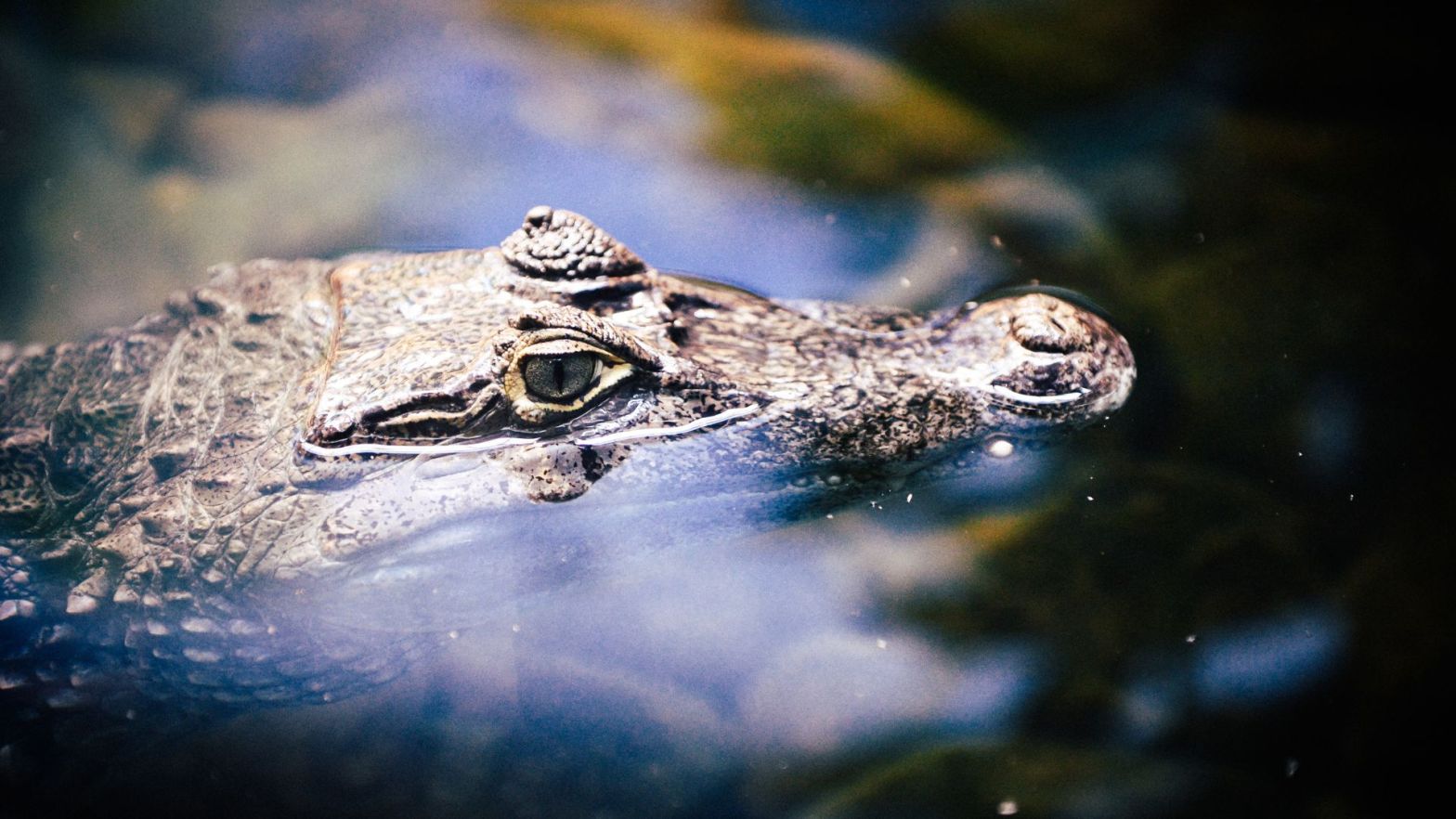
Researchers travel into the remote wilderness of #Cambodia to study the world’s most endangered #crocodile, the placid, cryptic and little-known Siamese crocodile. Help their survival in the supermarket and be #vegan, boycott crocodile leather and #Boycott4Wildlife
The CUT Campaign and its partners ask MP Kemi Badenoch to keep UK tariffs palm oil to prevent ecocide
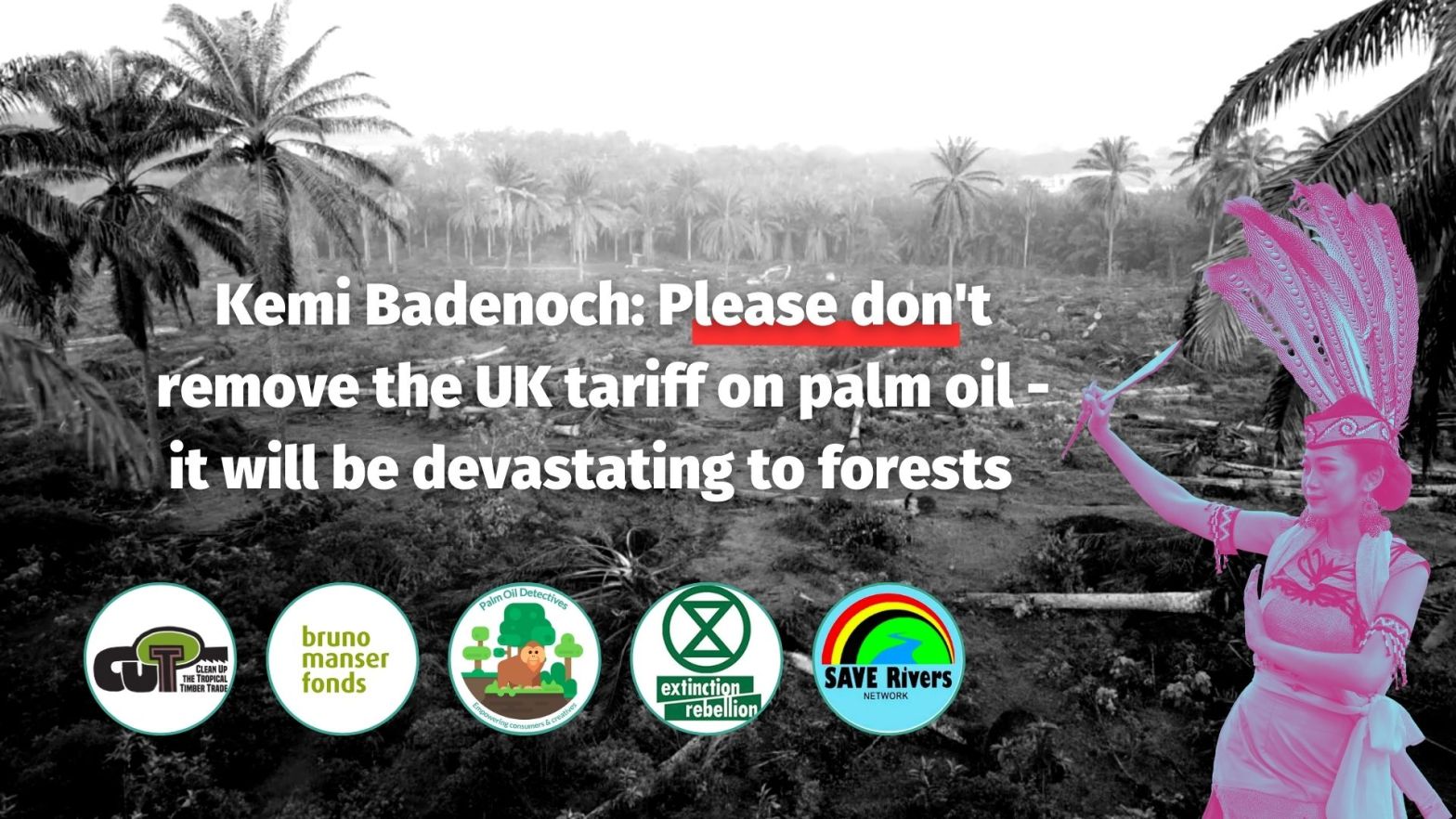
Last month UK Tory MP Kemi Badenoch announced that a new UK trade deal would cut tariffs on palm oil imports from 12% to zero.
This move will likely grease the way towards the UK importing palm oil deforestation and human rights abuses from Malaysia and Indonesia into the UK.
Environmental groups: CUT Campaign, Palm Oil Detectives, Bruno Manser Fond, Save Rivers, Extinction Rebellion and many others strongly object to this decision by the UK government. Read on below to watch the video, sign the petition and join the #Boycottpalmoil #Boycott4Wildlife movement to take action against palm oil greed and ecocide.
Dhole Canis Cuon alpinus
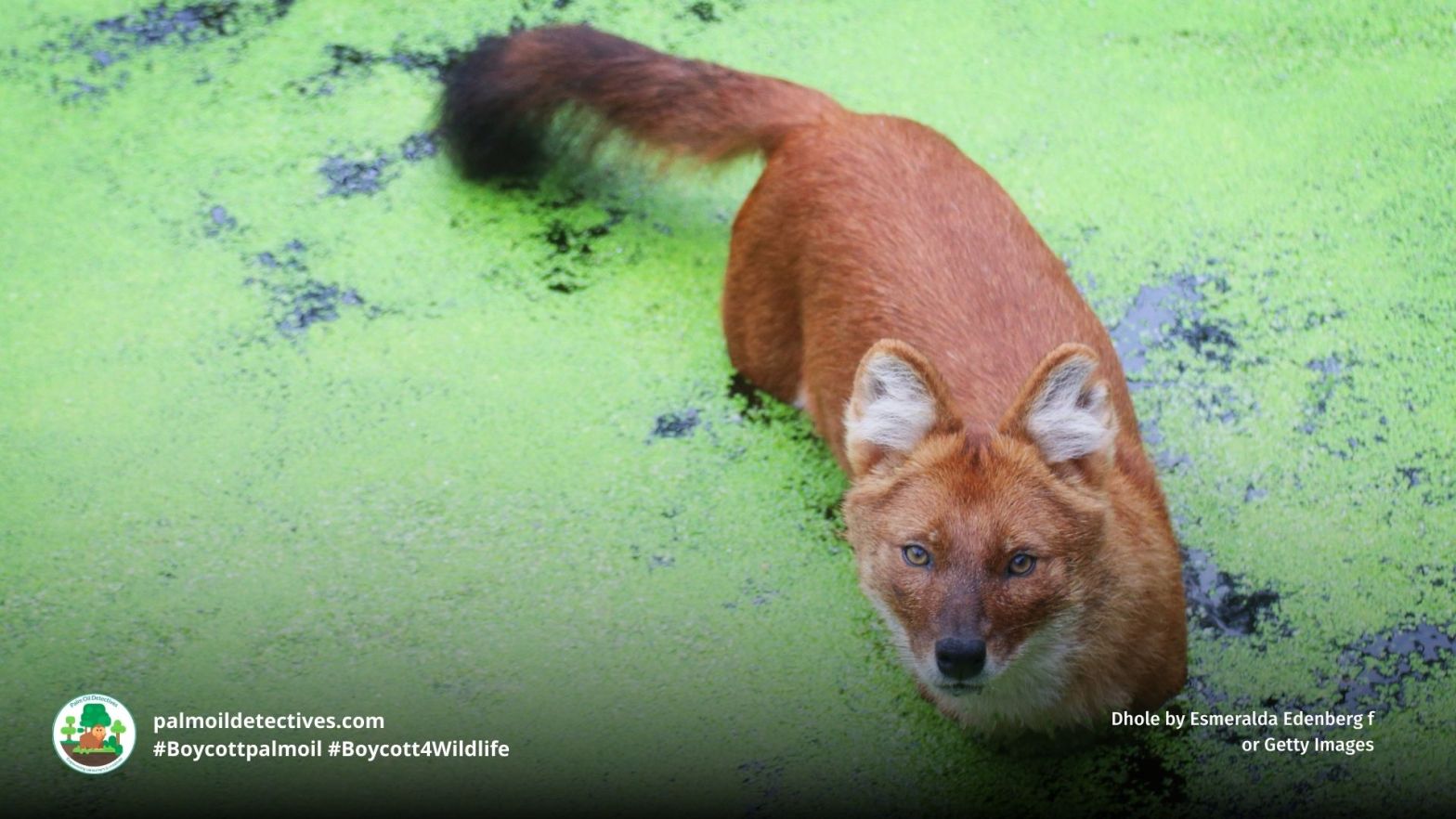
Fiercely protective, elusive and beautiful #Dholes are an ancient species of #wilddog that diverged from other dog species millions of years ago living in #Bangladesh, #Cambodia, #China, #India, #Indonesia, #Laos, #Myanmar, #Nepal and #Thailand. Dholes are also known as Asiatic Wild Dogs, Indian Wild Dogs, Red #Wolves and Mountain Wolves. Once found across the Russian Steppe, China, the Middle East and northern Asia their range has been fractured and reduced dramatically by human-related pressures and threats. Ongoing major threats are #deforestation for #meat and #palmoil along with human persecution. They are now classified as Endangered on IUCN Red List. Help them to survive, every time you shop #BoycottPalmOil #Boycott4Wildlife
Sumatran elephants: Surrounded by palm oil and nobody knows how many are left alive!
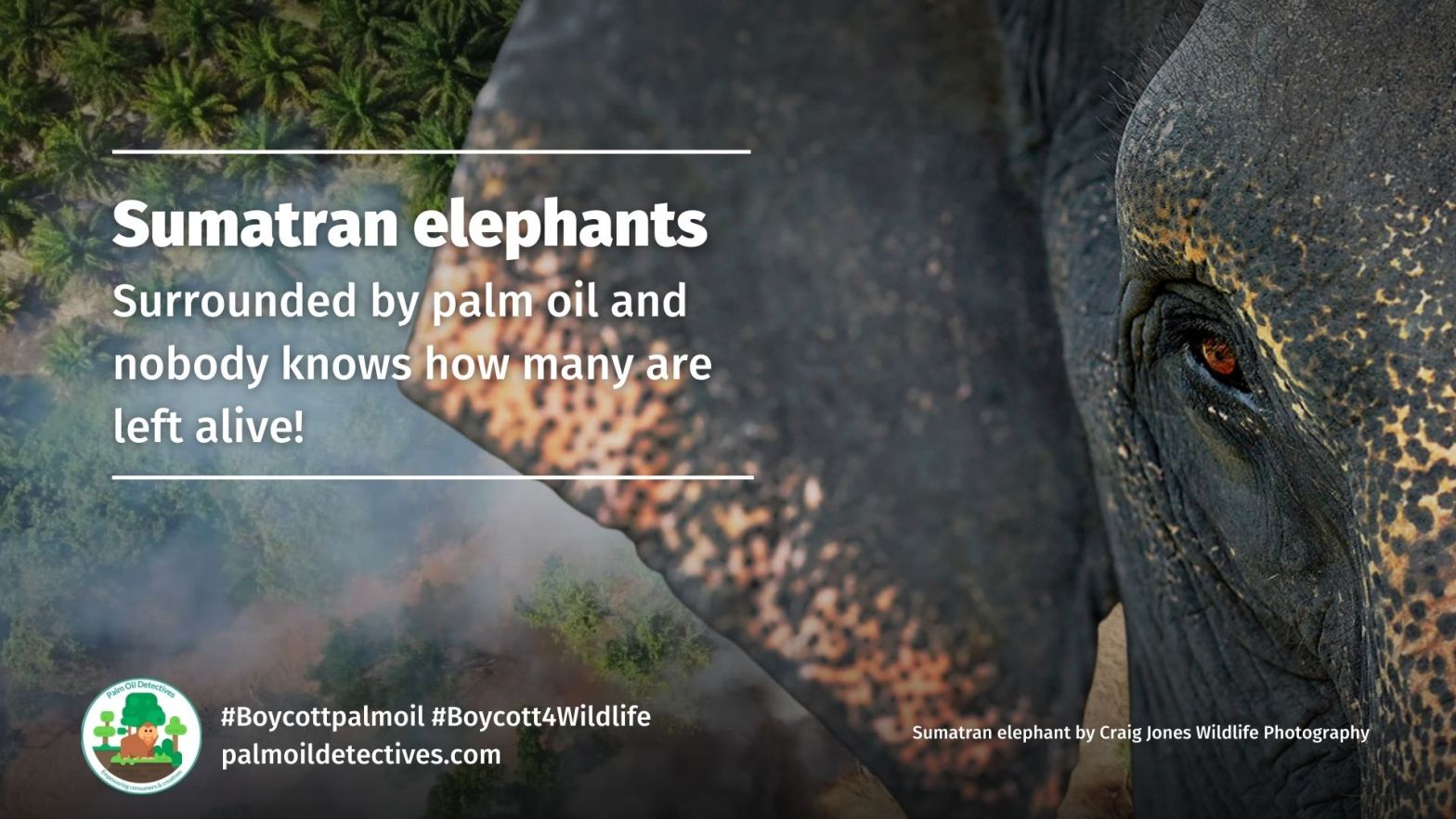
Sumatran elephants in Indonesia’s North Aceh district are being increasingly encircled by shrinking patches of forest. Their home is being destroyed primarily for oil palm plantations.
Ongoing attempts of scientists to take a measure of their population have been hampered and oppressed by the Indonesian government, which has also attempted to prevent media coverage of the issue. Help these irreplacable beings every time you shop, #BoycottPalmOil #Boycott4Wildlife
Bangka Slow Loris Nycticebus bancanus

Shy and elusive tiny #primates, Bangka Slow Lorises were last reported from the wild in 1937. If the Bangka Slow Loris is still alive then the burning of their habitat and conversion to agriculture (especially palm oil plantations) is their greatest threat.
These diminuitive and sweet-faced primates are critically endangered due to #palmoil #deforestation and the illegal pet trade. Just 20% of their rainforest remains on Bangka island, #Indonesia. Help them every time you shop, be #vegan #Boycottpalmoil #Boycott4Wildlife
Fishing Cat Prionailurus viverrinus
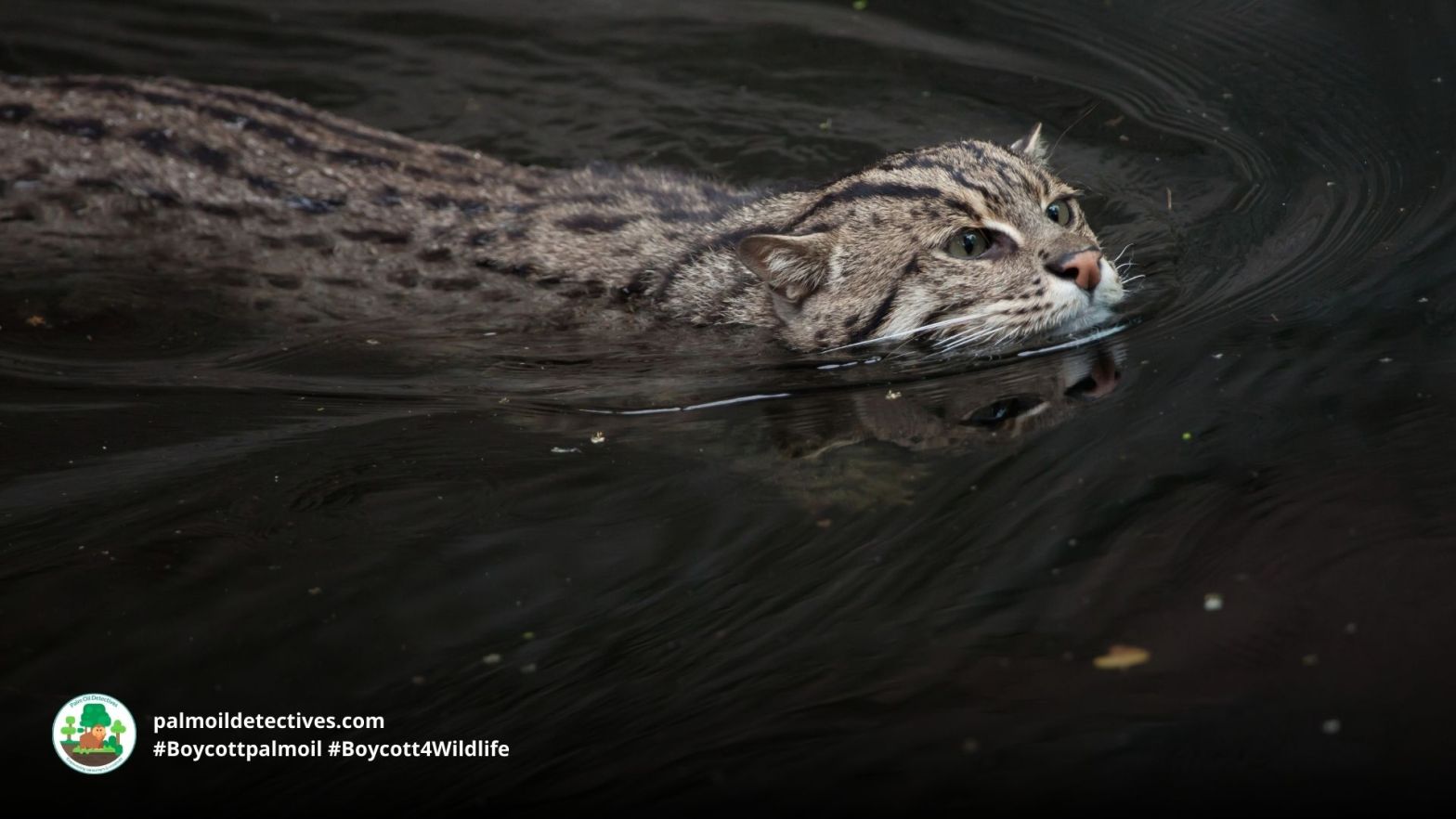
Although they look cute and cuddly, the Fishing #Cat Prionailurus viverrinus has a feisty, firecracker temper. This small to medium sized wild cat can become defensive if approached in the wild. They are around twice the size of a domestic cat and typically weigh around 5-16 kg and have stocky short legs and a short tail.
Their faces are round with elongated noses that gives them a civet-like appearance, which is why their scientific name is viverrine. They are agile and fast hunters and can reach fast speeds in pursuit of prey. They have an average lifespan of approximately 12 years. Ongoing threats include palm oil deforestation, and in Indonesia it is uncertain if their population have remained alive intact due to widespread deforestation and hunting pressures. Help these plucky little #wildcats when you shop and #BoycottPalmOil #Boycott4Wildlife
Helmeted Hornbill Rhinoplax vigil

Helmeted #Hornbills are spectacular, large and intelligent #birds native to SE Asia, known for their substantial helmet-like structure on their head called a casque made of ivory. This hefty head accounts for 11% of their 3kg body weight. They are found on the Malay Peninsula: #Sumatra, #Borneo, #Myanmar and #Thailand. They are #criticallyendangered. Their main threats are illegal hunting and wildlife trade for their ivory casques along with palm oil and timber deforestation. Help them each time you shop and #Boycottpalmoil #Boycott4Wildlife
Land-grabbing for palm oil and the climate crisis
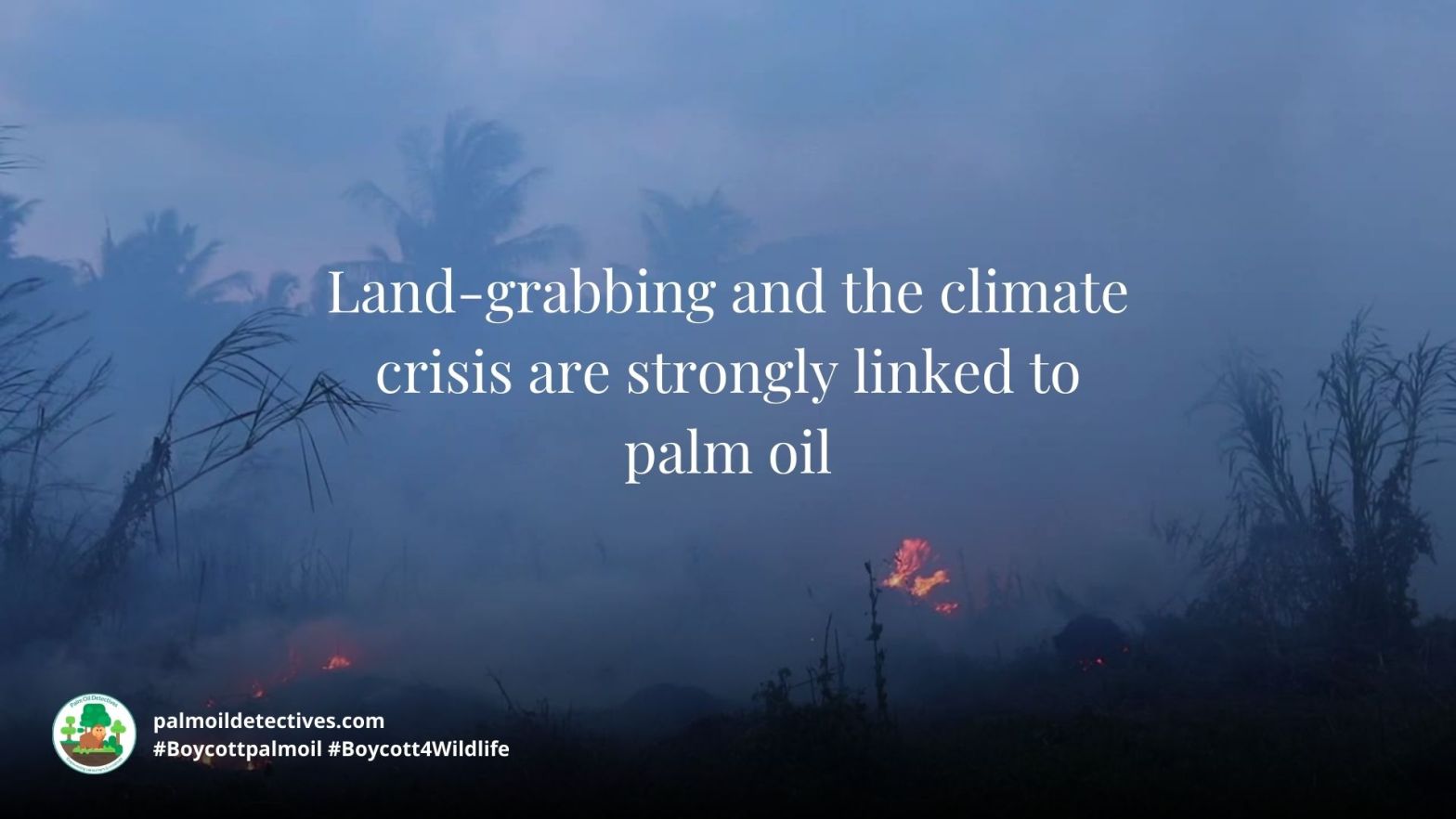
Corporate monopolies drive land grabbing for palm oil, worsening the climate crisis. Indigenous peoples in Asia resist. Join the fight. #BoycottPalmOil
 Palm Oil Detectives