
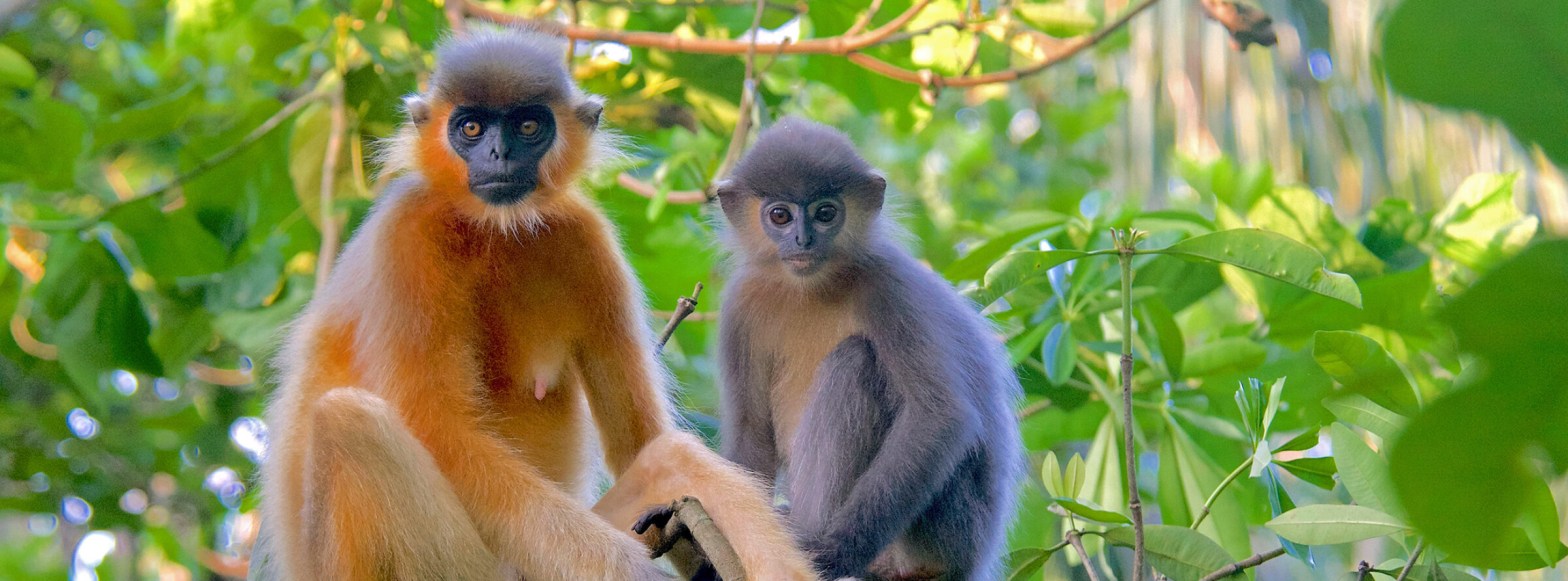
Critically endangered Phayre’s langurs and endangered capped langurs of Bangladesh, are interbreeding raising concerns about their survival, take action!
Category Archives: Palm Oil, Extinction & Animal Cruelty
Parrot Deaths Highlight Urgent Need to Reform CITES
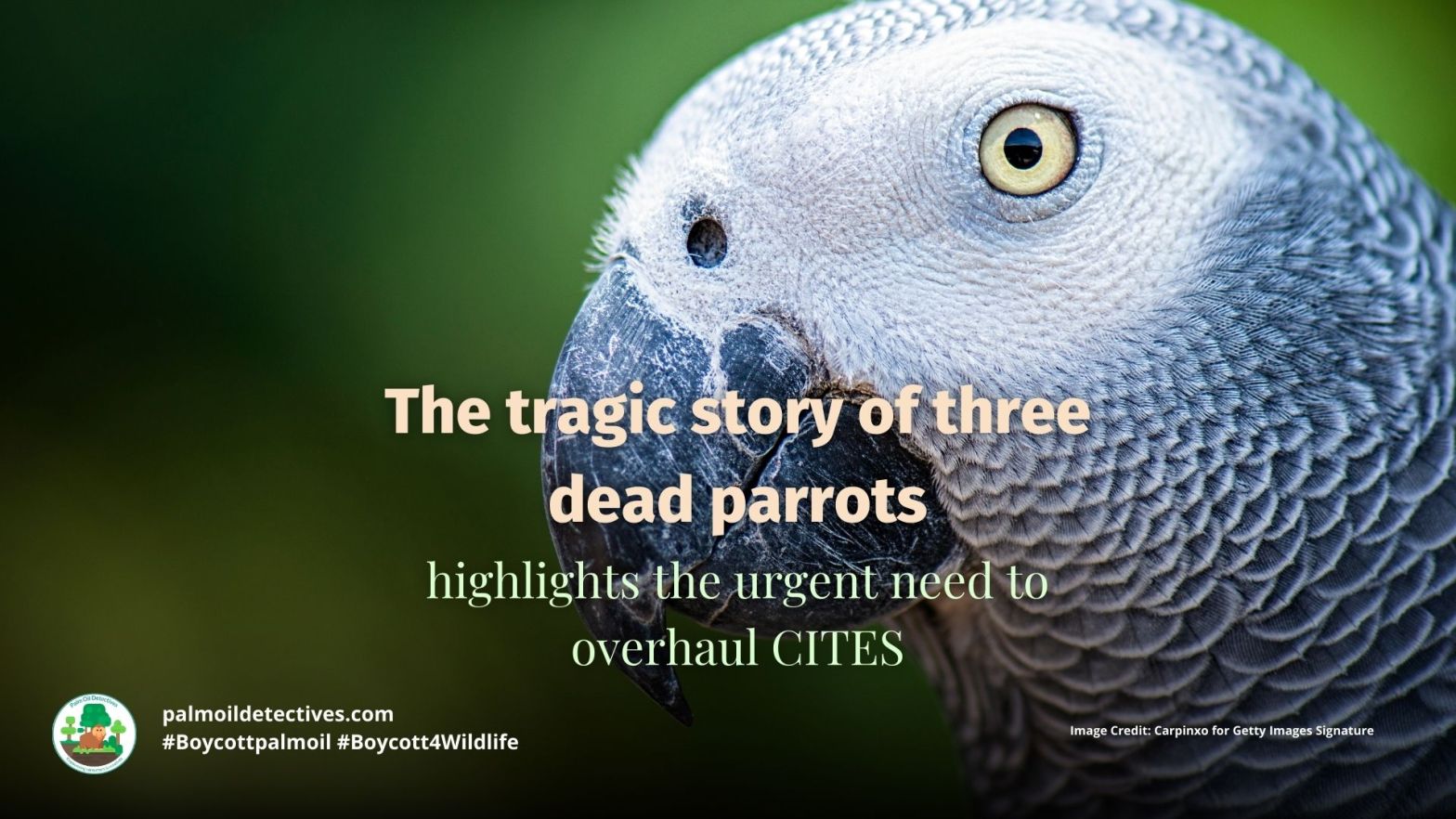
The legal trade is largely to blame for African grey parrots becoming endangered. Regulator CITES is broken allowing exploitation, massive reform needed now!
Declining primate numbers are threatening Brazil’s Atlantic forest
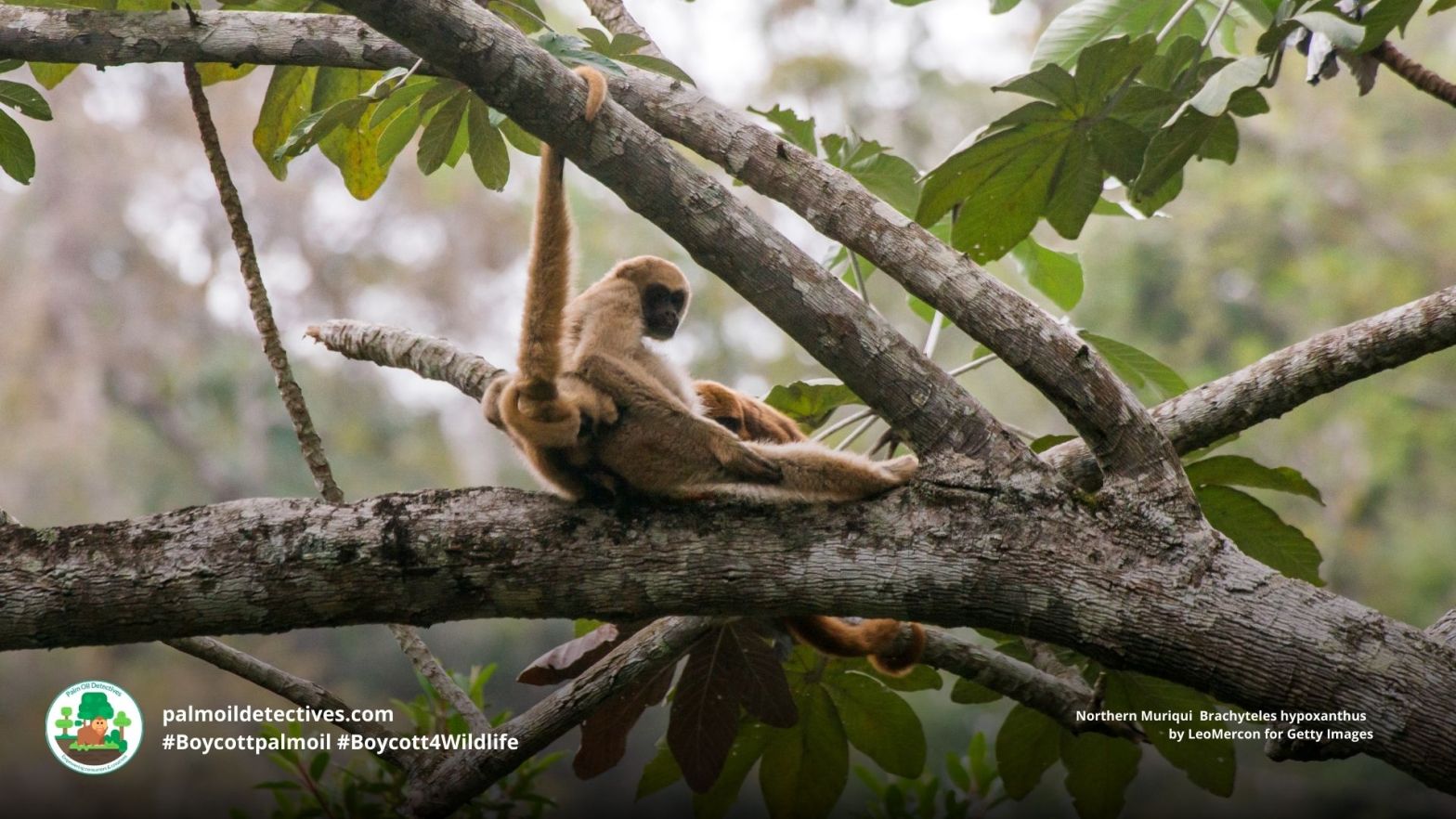
#Brazil’s Atlantic Forest, one of the most biodiverse ecosystems in the world, is facing severe threats due to deforestation and habitat fragmentation. This has led to a sharp decline in primate species, including the critically endangered southern and northern muriqui. The loss of these #primates, essential for seed dispersers in the Atlantic forest, is further destabilising the forest ecosystem. As human-driven deforestation escalates, the #extinction debt continues to rise, endangering both wildlife and the forest itself. You can take action to help their survival. Be #vegan for the animals and forests and #BoycottPalmOil #BoycottGold #Boycott4Wildlife.
How We Save Sumatra’s Last Living Tigers
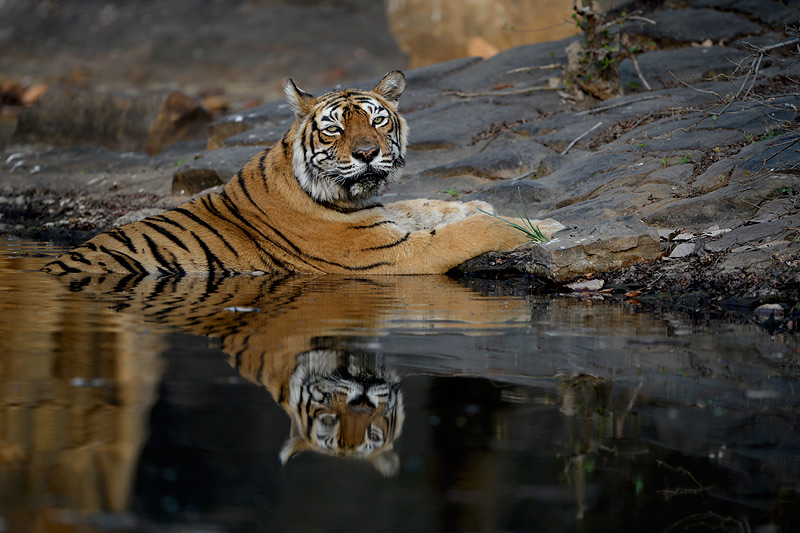
Strict global rainforest laws like #EUDR, enforcement of anti #poaching units, and a consumer boycott of #palmoil, hold the key to protecting #Sumatra’s last living #tigers.
Logged Forests Thrive, While Palm Oil Leaves Little Alive
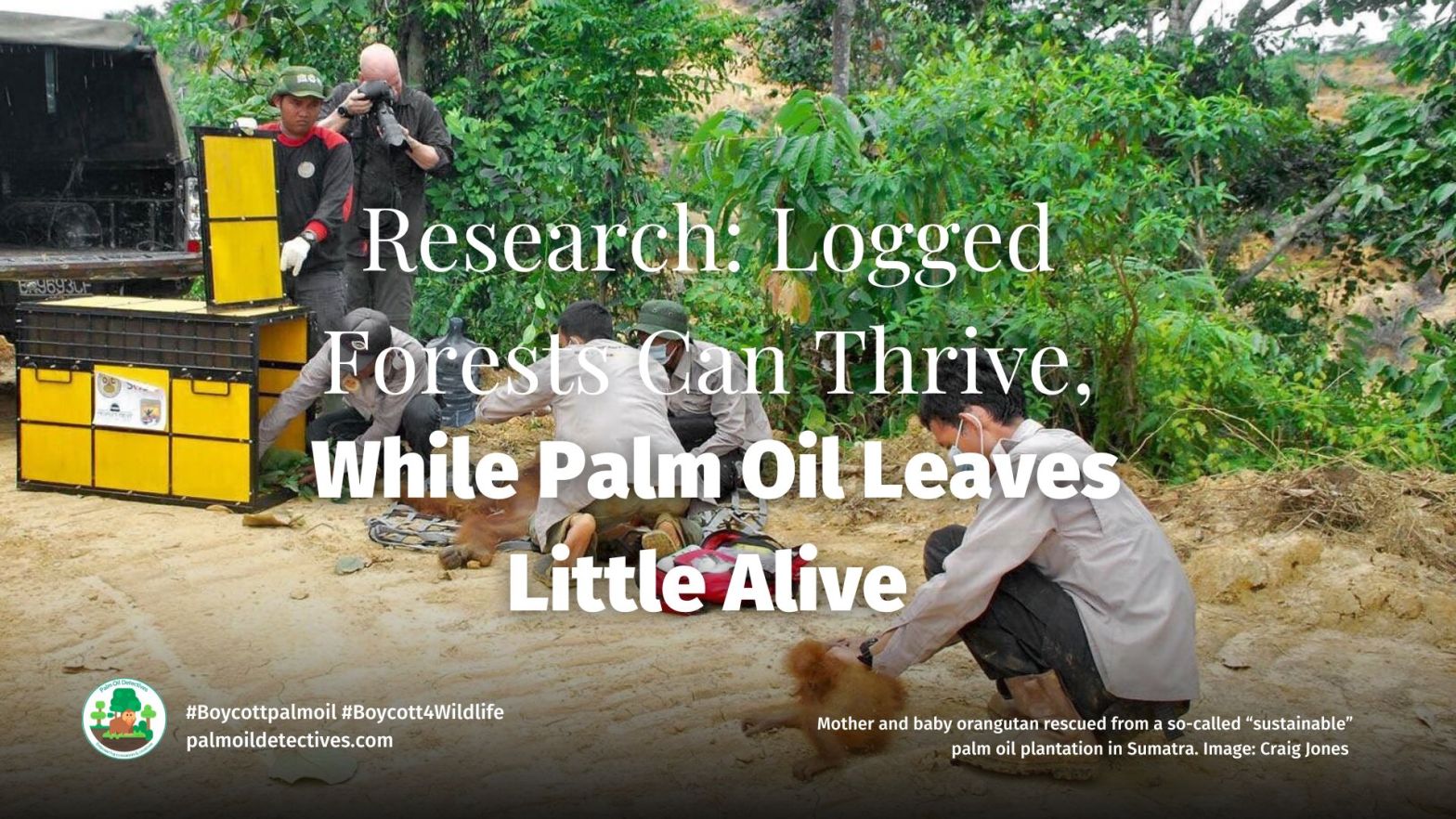
Research finds selective logging alters forest structure, but palm oil conversion causes more severe damage to biodiversity. Take action boycott palm oil!
Five New Hedgehog Species Found in Southeast Asia

Scientists discover five new species of soft-furred hedgehogs in Southeast Asia, highlighting the need for conservation. Support #Boycottpalmoil
African Savannah Elephants Use ‘Names’ to Communicate

Research reveals African savannah elephants use unique ‘names’ to call one another. This discovery highlights their advanced brains, deep social bonds.
Dung Beetles Are Rainforests’ Diligent Regrowth Soldiers
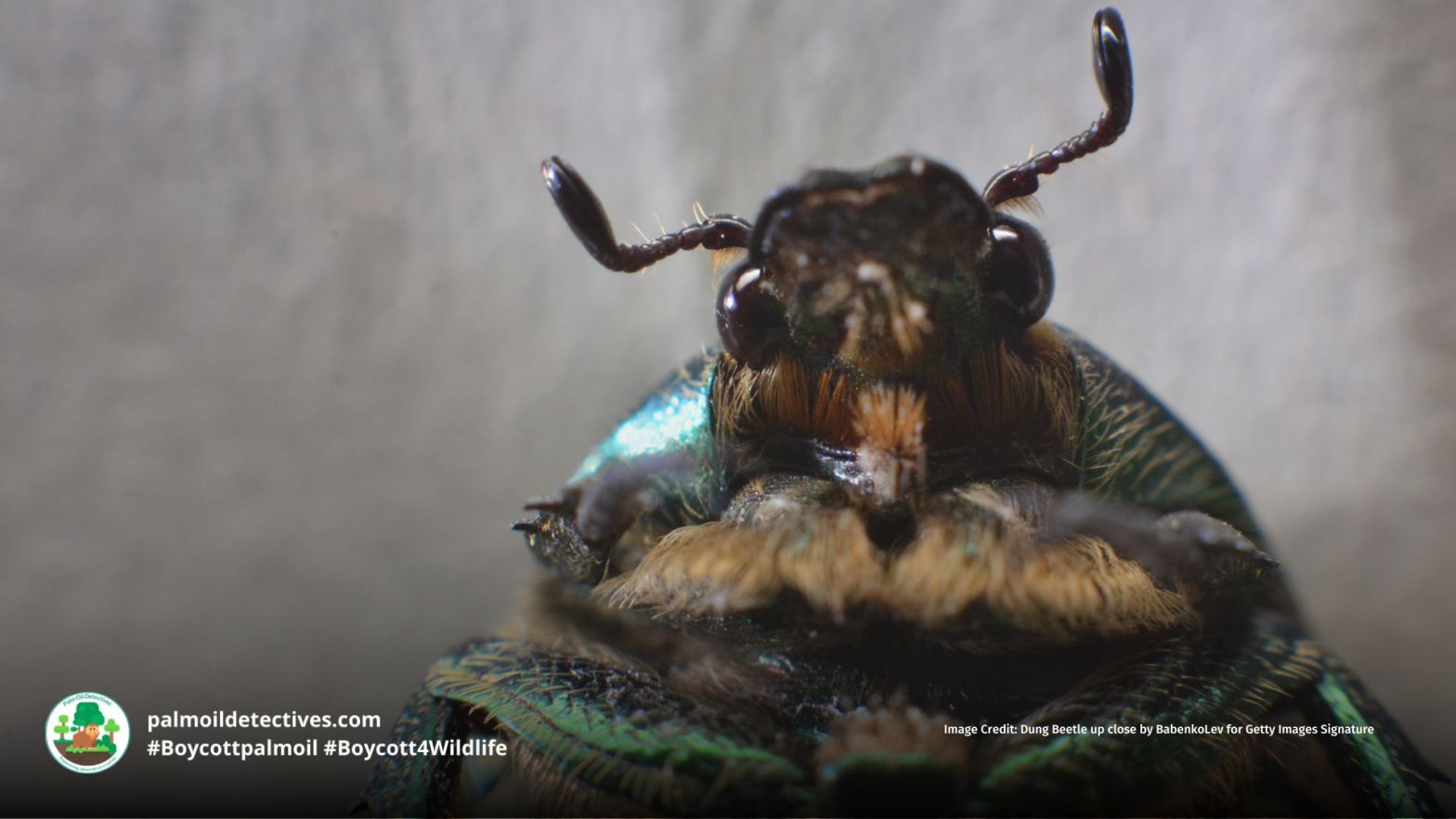
The dung beetle may eat and nest in poop, but their role in nature is anything but humble. These hardshelled scarabs live on every continent except Antarctica, recycling feces and suppressing parasites that could otherwise harm people and animals. Dung beetles also spread both seeds and nutrients into the soil, helping to maintain a healthy ecosystem. Help them and #Boycottpalmoil #BoycottGold and #Boycott4Wildlife
Research: Climate Change Collapsing Insect Numbers by 63%
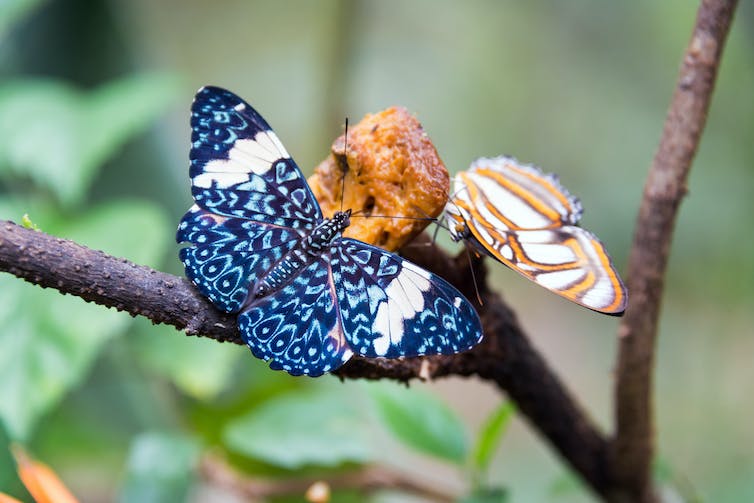
The world may be facing a devastating “hidden” collapse in insect species due to the twin threats of climate change and habitat loss. #Palmoil 🪔 #soy #meat 🥩 and #cocoa 🍫 #agriculture along with #climatechange and #habitatloss in rainforests is driving #insects to the edge of #extinction. Take action by going #vegan and #Boycottpalmoil #Boycott4WildlifeContinue reading “Research: Climate Change Collapsing Insect Numbers by 63%”
Guaranteeing Ecocide: The Green Lie of Palm Oil Certification
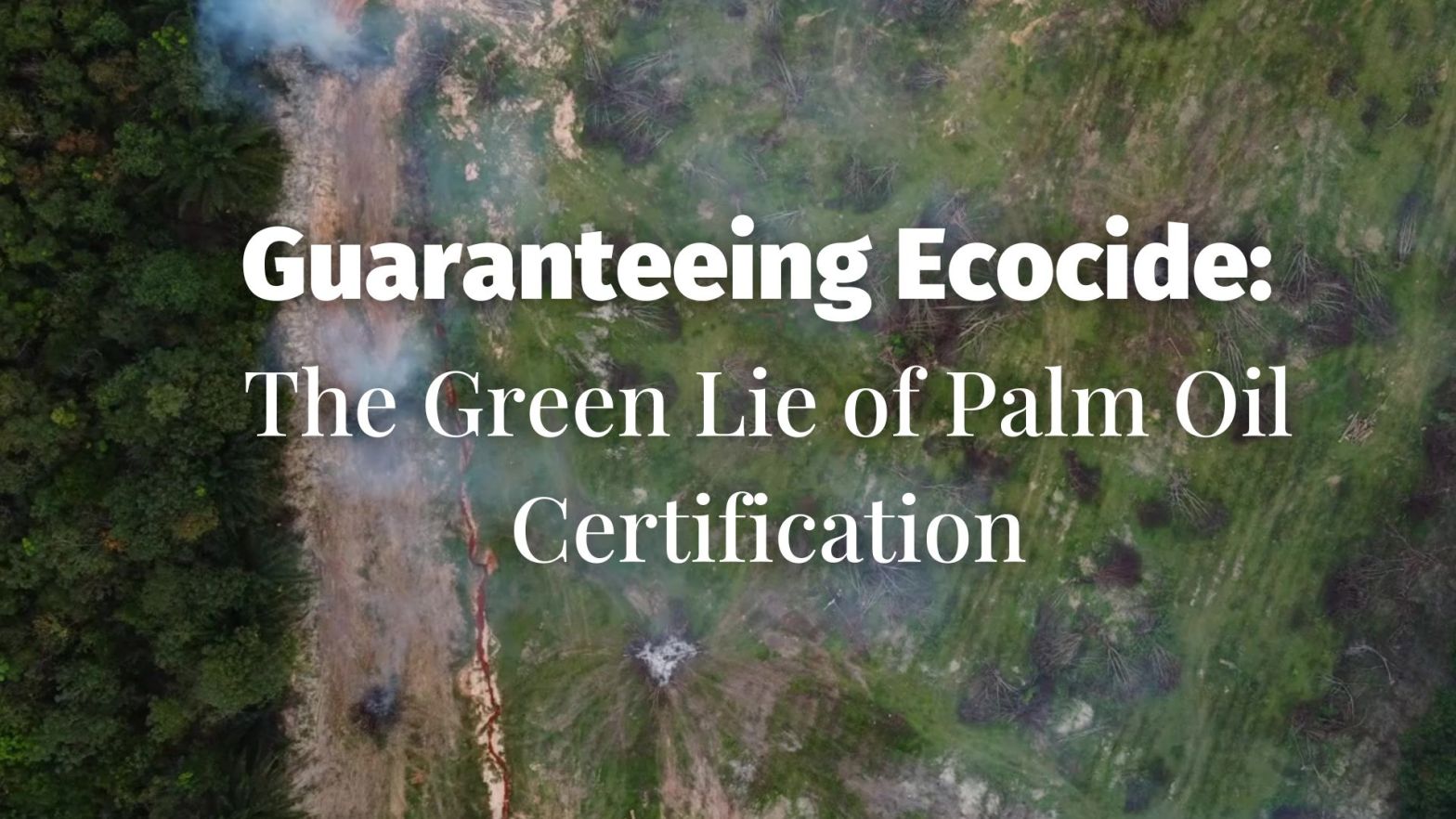
For decades, the palm oil industry, backed by the RSPO, has misled consumers with the false promise of “sustainable” palm oil. Behind this green façade lies a brutal reality of deforestation, human rights abuses, and the destruction of endangered species’ habitats. Dozens of investigations from many different industry watchdogs have exposes the RSPO’s certification as a sham, enabling continued environmental devastation under the guise of sustainability.
However it’s not only the palm oil industry that is an environmental liability, gold mining and meat deforestation also deserves to be strongly condemned for its ongoing ecocide. Read on to discover the examples of greenwashing deception from these industries, so that you don’t fall for their corporate greenwashing. Protect our planet and all human and non-human beings by refusing to support these lies—#Boycottpalmoil #BoycottGold #BoycottMeat and #Boycott4Wildlife every time you shop.
How does Indonesia’s palm oil industry fuel the climate crisis?
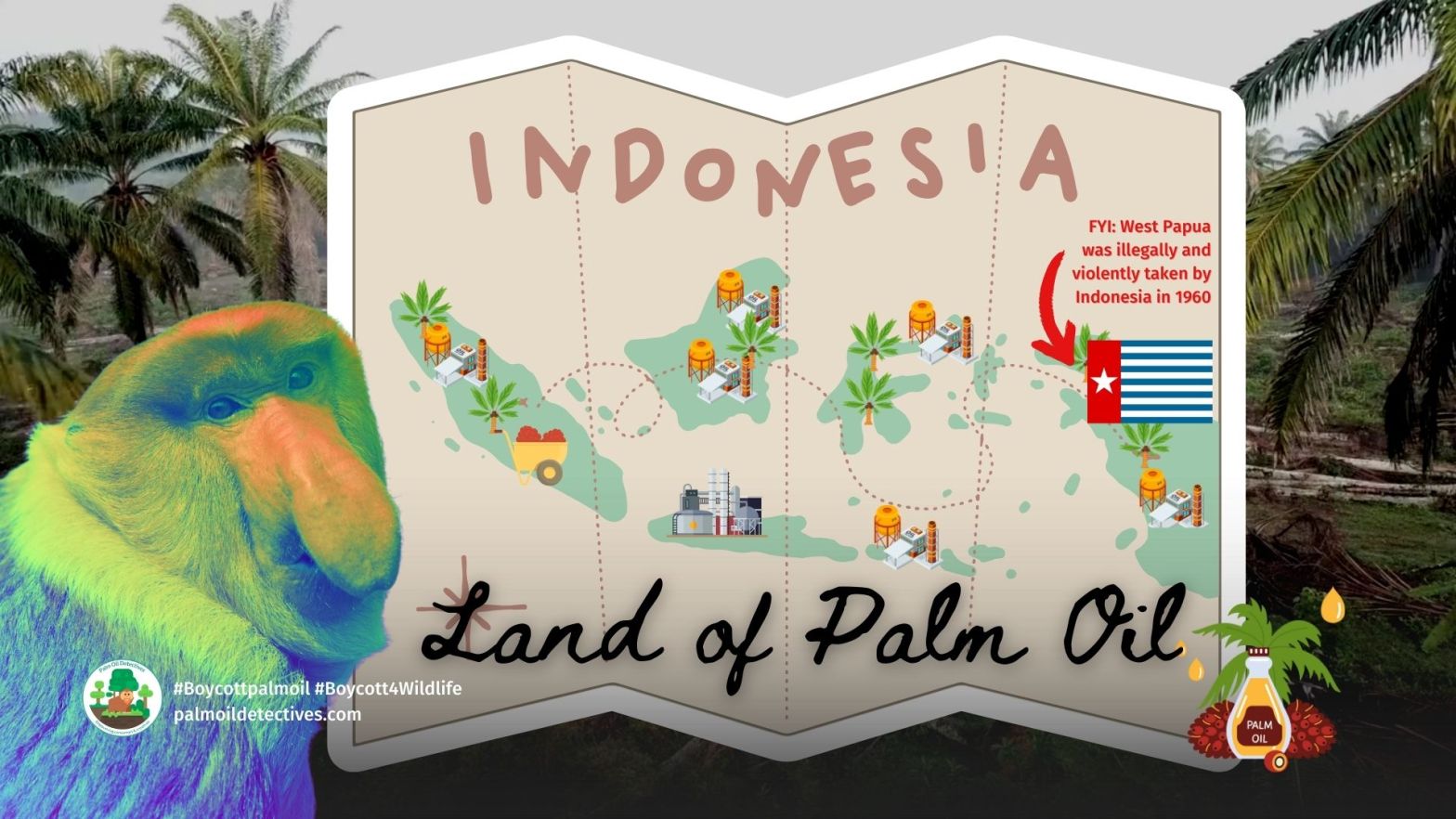
Booming global demand for the vegetable oil is spurring deforestation in Indonesia. Indonesia accounts for more than half of the global palm oil supply, the world’s most widely used vegetable oil that is found in everything from food to cosmetics to fuel.
But environmentalists fear surging demand for the product may drive mass deforestation in Indonesia, home to the world’s third-largest tropical rainforest, and exacerbate the global climate crisis.
Research: Wild cat carnivores in Borneo may adjust their schedules to avoid each other
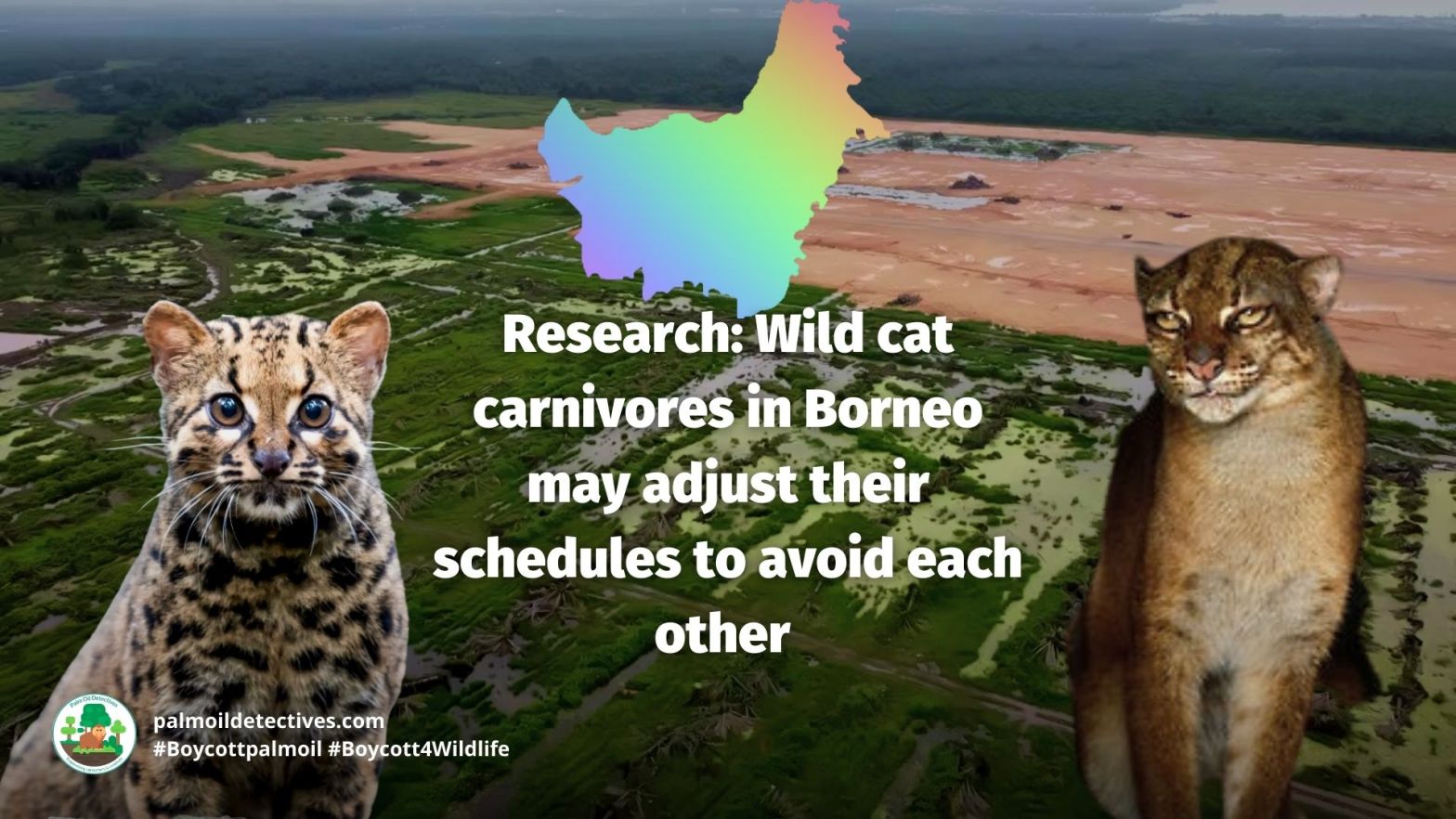
Study by Hiroshima University finds that due to increased human pressures from hunting, palm oil and other deforestation, wild cats and other carnivores in Indonesia and Malaysia may go out of their way to avoid other species – they negotiate space and resources for survival.
August 19th is #WorldOrangutanDay
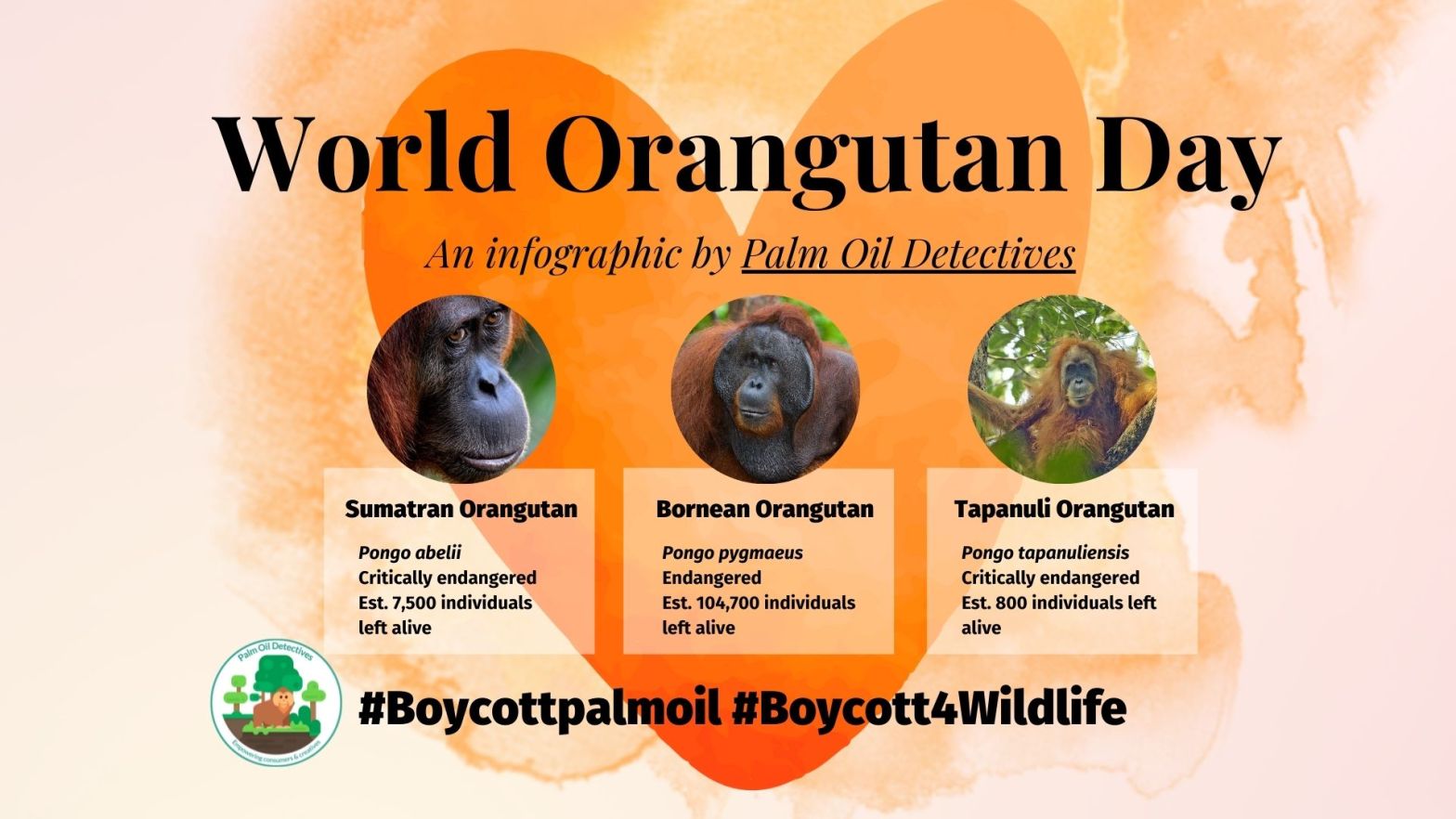
Although #WorldOrangutanDay falls on the 19th of August, every day deserves to be World Orangutan Day! So here is an infographic that you can download, print and share however you please. All three species of orangutan are classified as ‘endangered’ or ‘critically endangered’ in S.E. Asia. Their main threat is palm oil deforestation in Indonesia and Malaysia Help them and fight for their survival every time you shop! #BoycottPalmOil #Boycott4Wildlife
Bird species are facing extinction hundreds of times faster than previously thought
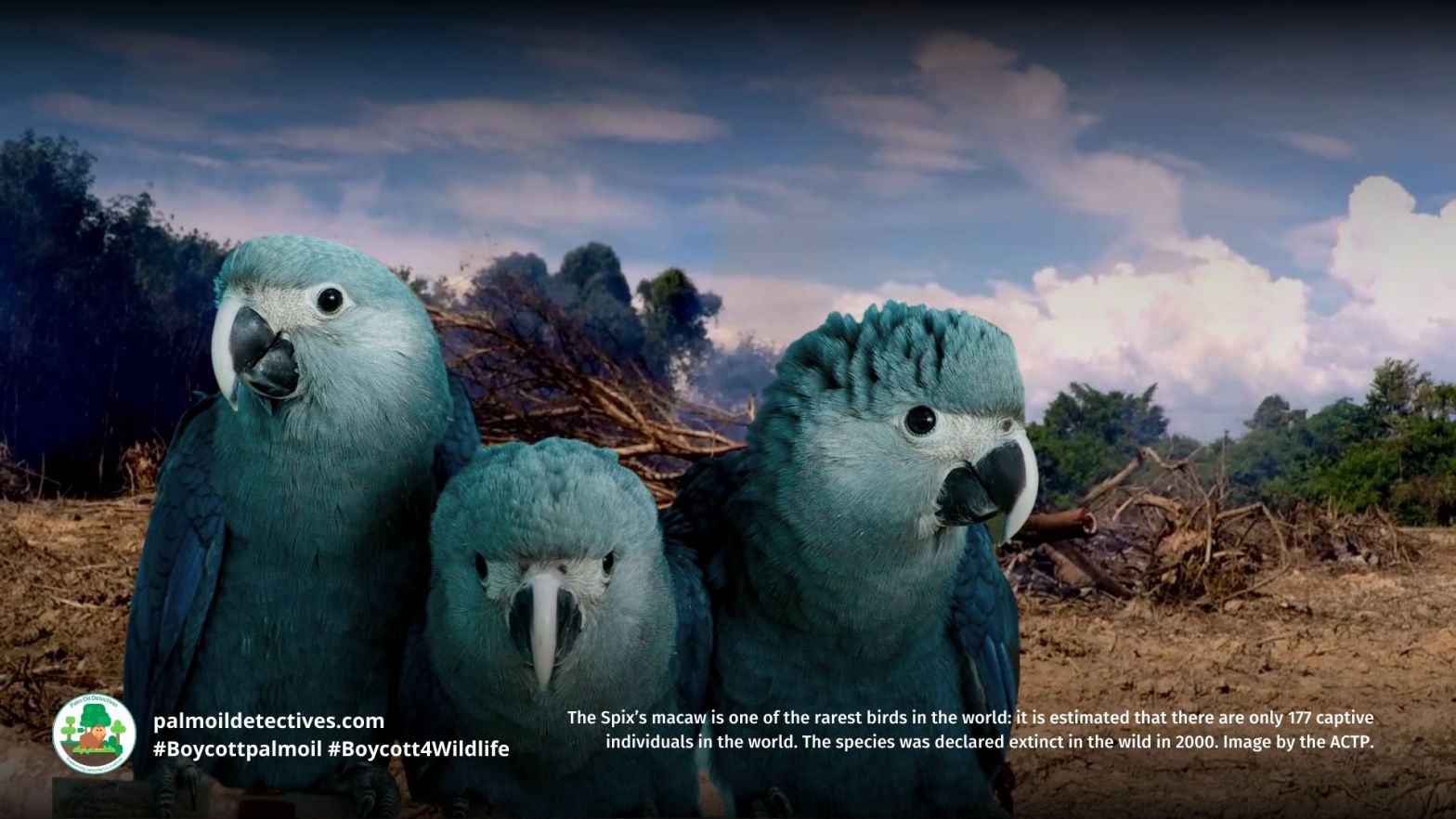
Extinction, or the disappearance of an entire species, is commonplace. Yet evidence suggests that the number of bird species going extinct, and the rate at which they are disappearing, is increasing dramatically. Conserving species at the 11th hour is difficult and expensive, the key is definitely prevention. To go hard and go early and stop species disappearing. Help rainforest animals on the verge of extinction from deforestation by changing your shopping habits. #Boycottmeat #Boycottpalmoil #Boycott4Wildlife
Encountering the World’s Most Endangered Kangaroo: The Wondiwoi Tree Kangaroo
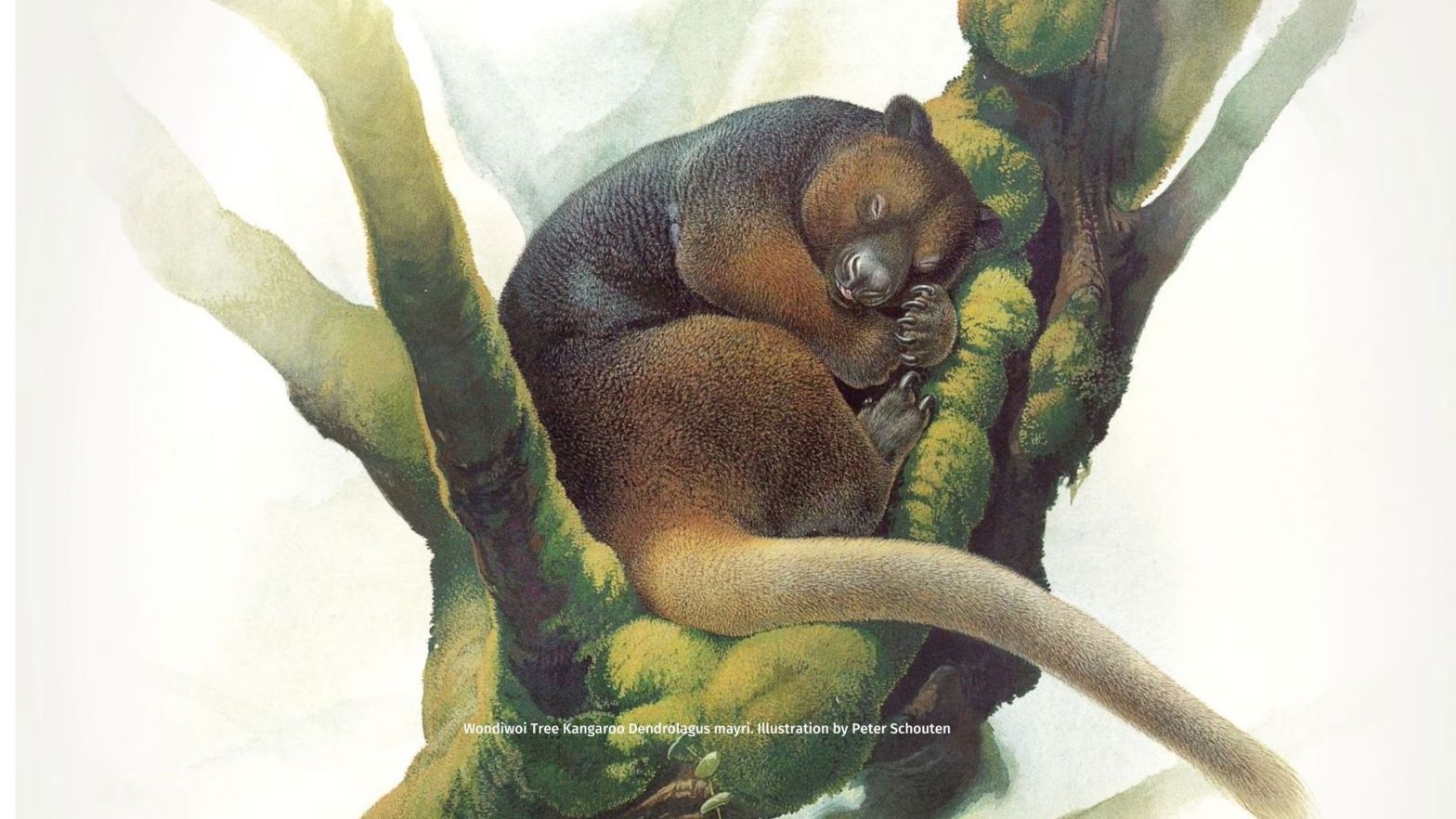
Encounter the Wondiwoi tree-kangaroo. Rediscovered in 2018, these rare marsupials from West Papua are a symbol of hope amidst threats from palm oil, hunting
Extinction On Our Plates
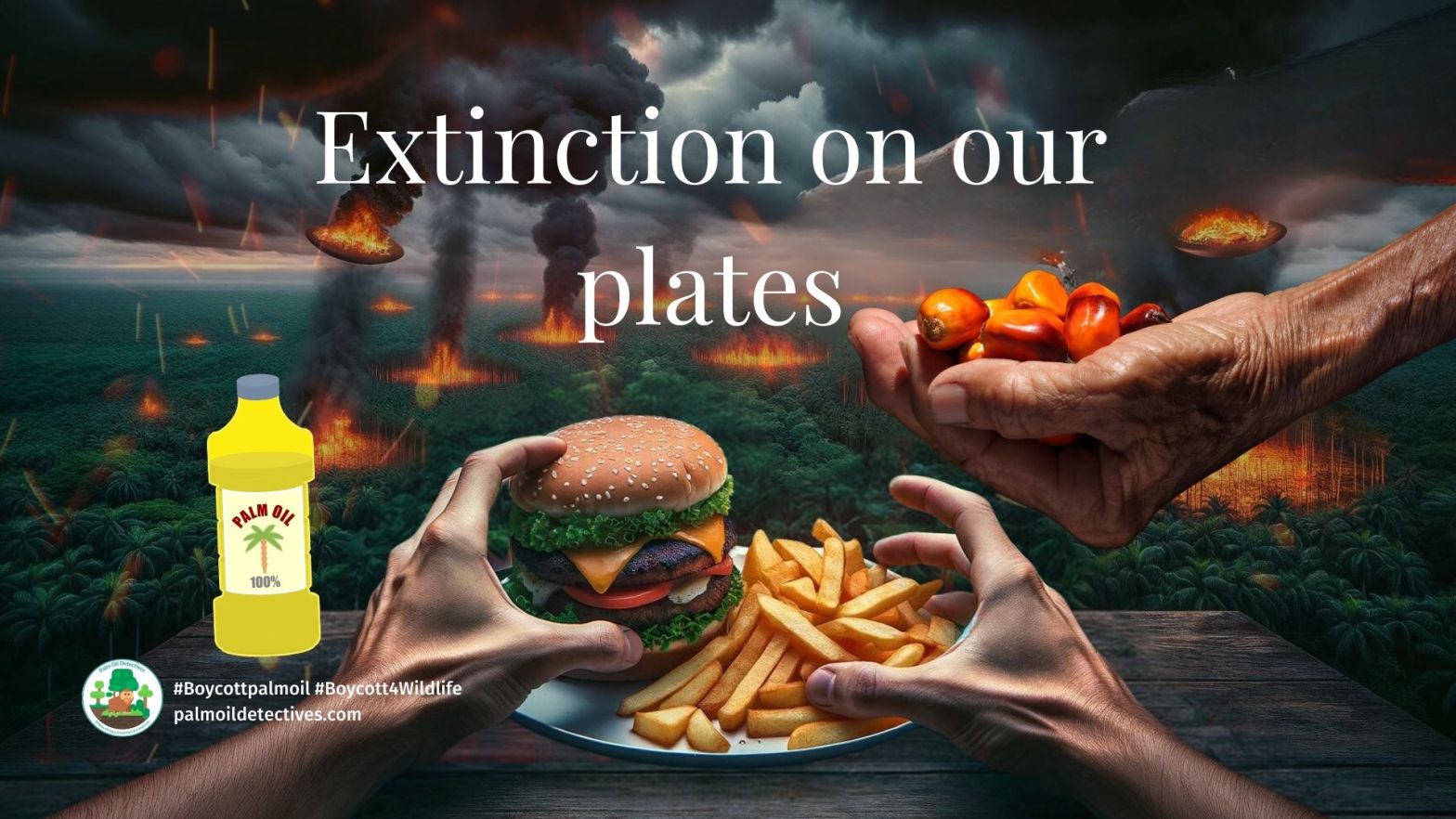
The contents of your fridge and dining table directly impacts the future of rare rainforest and ocean animals. That’s because industrial agriculture and aquaculture for commodities like meat, dairy, fish and palm oil is driving animals in the most biodiverse ecosystems on the planet closer towards extinction.
However, reducing the biodiversity footprint of global food consumption requires more than just consumer intervention. It requires immediate and widespread action from government policy-makers and law-makers as well, writes Ecologist Dr Quentin Read of North Carolina State University for 360info
African Forest Elephants Help Fight Climate Change
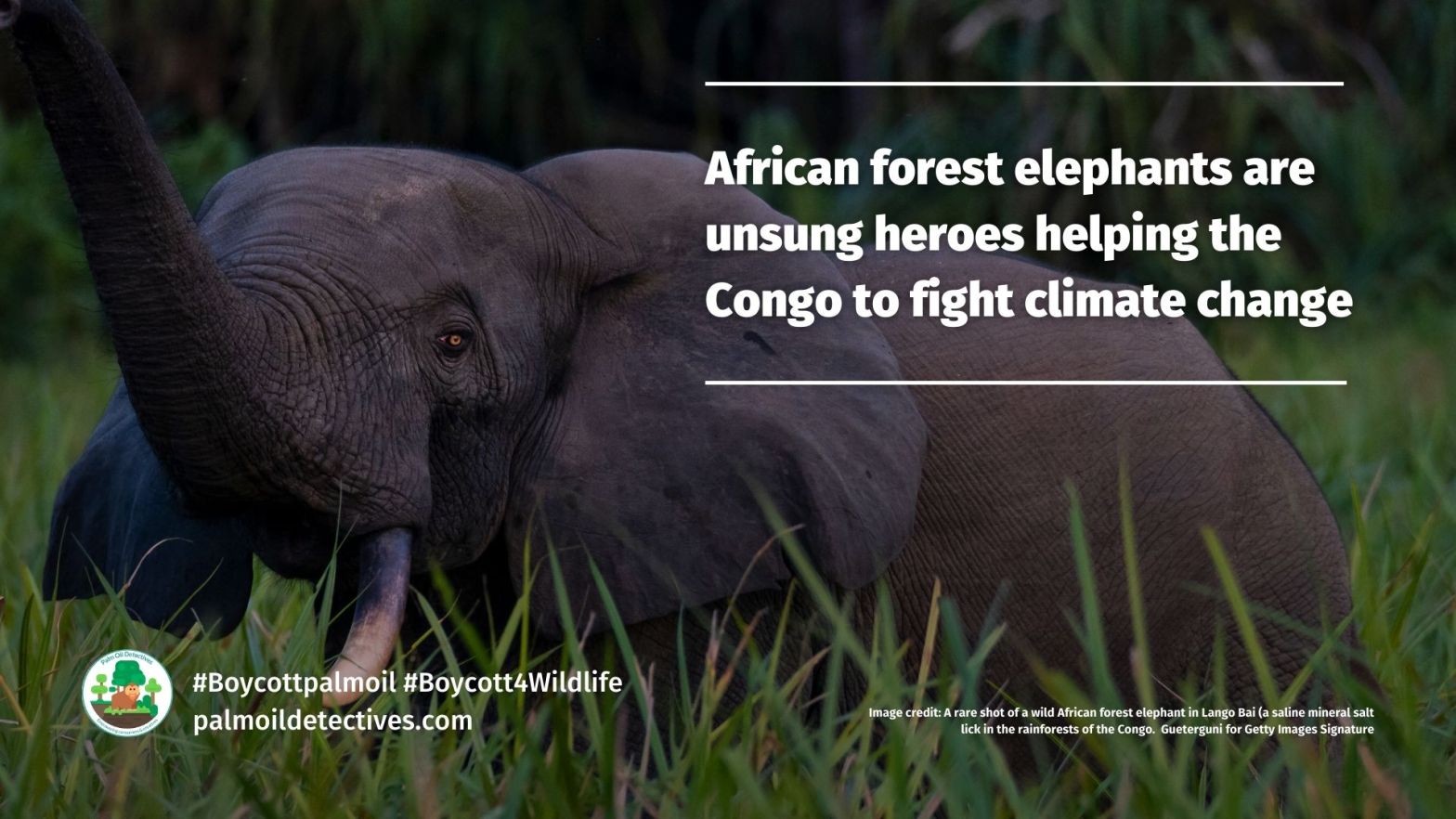
Discover the awe-inspiring role of African forest elephants in the Congo Basin—nature’s master gardeners who literally shape the world around them! These gentle giants roam through muddy, mineral-rich paradises called baïs, fostering the growth of carbon-absorbing trees that make our planet healthier. By tending to these unique landscapes, they are the unsung heroes in the fight against climate change. Want to ensure these ecological architects keep doing their vital work? Join the movement to protect their habitat—say no to palm oil and adopt a vegan lifestyle! 🐘🌳#BoycottPalmOil #BeVegan #Boycott4Wildlife
Strange Species Could Vanish Before Discovery

Scientists have described around 1.5 million species on Earth – but how many are still out there to be discovered? This is one of the most heated debates in biology. Discounting microbes, plausible estimates range from about half a million to more than 50 million species of unknown animals, plants and fungi.
Our present knowledge is just scratching the surface. Evolution has had billions of years to create biologically active compounds that can combat human diseases, generate genetic diversity that could save our food crops from disastrous pathogens, and spawn ecological innovations that can inspire marvellous new inventions. Help the rarest and most cryptic animals, plants and fungi to survive when you #BoycottPalmOil adopt a #vegan lifestyle and #Boycott4Wildlife
Palm Oil Increases Deaths of Baby Macaques
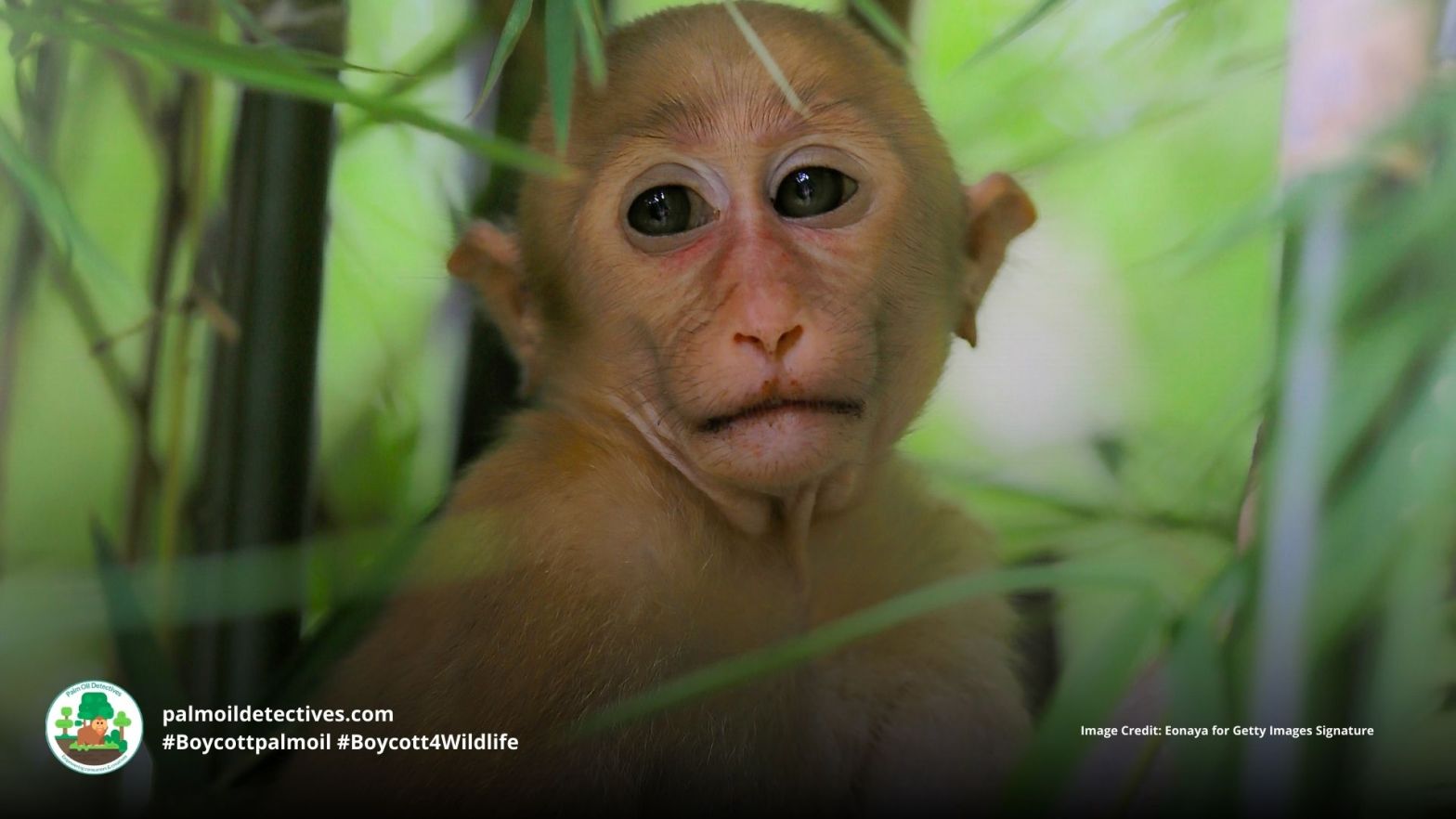
In Peninsular Malaysia, a new study published in Cell Biology by a team led by Dr Anna Holzner of German Centre for Integrative Biodiversity Research (iDiv) Halle-Jena-Leipzig has found that infant mortality rates among wild southern pig-tailed macaques are alarmingly high due to frequent visits to oil palm plantations.
These plantations expose the infants to increased risks from predators, human encounters, and harmful agricultural chemicals, potentially affecting the development and survival of infant macaques. The study, conducted in collaboration of international researchers, observed that prolonged exposure to these plantations during infancy triples the likelihood of death.
The study suggests that pesticides used in agriculture could cross the placental barrier or be transmitted through breastmilk, impacting fetal development and health. This significant research underlines the urgent need for eco-friendly agricultural practices to protect wildlife and human communities near plantations. Take action and join the movement to #Boycottpalmoil and #Boycott4Wildlife every time you shop!
Rethinking Climate and Extinction Crises
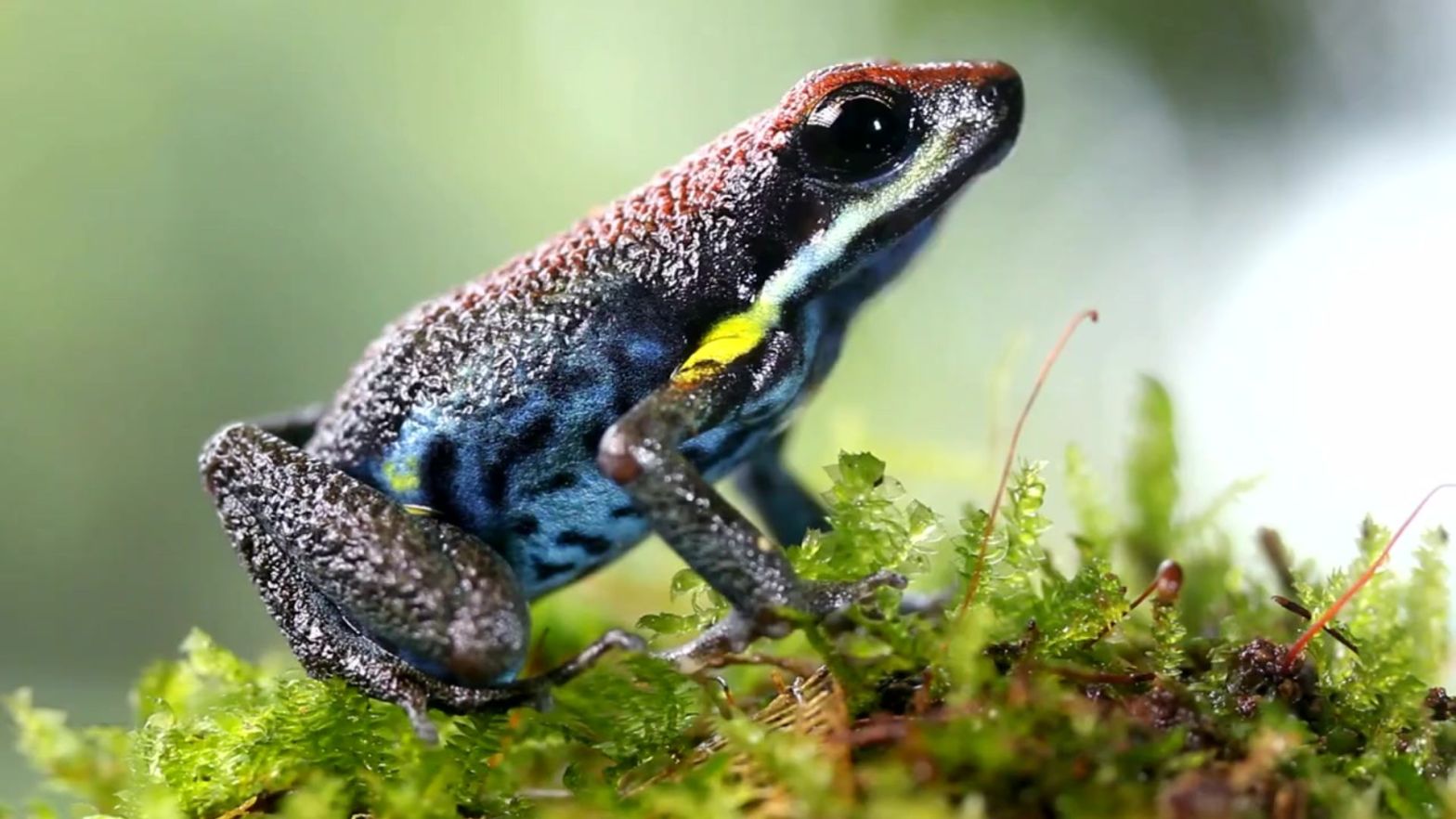
Capturing people’s attention about the #climate and #extinction crises is a challenge. Causes mostly move slowly, without the flashy drama that can focus our minds in the midst of 24-hour news cycles and social media distractions. The Netflix film Don’t Look Up cleverly captures humans’ inability to come together to counter such a common existential threat. To change this, we must develop a “slow memory” that can help us care about and act on slow change. Help to fight against extinction when you shop and #Boycottpalmoil #Boycott4Wildlife
Reptiles Facing Extinction: How to Help
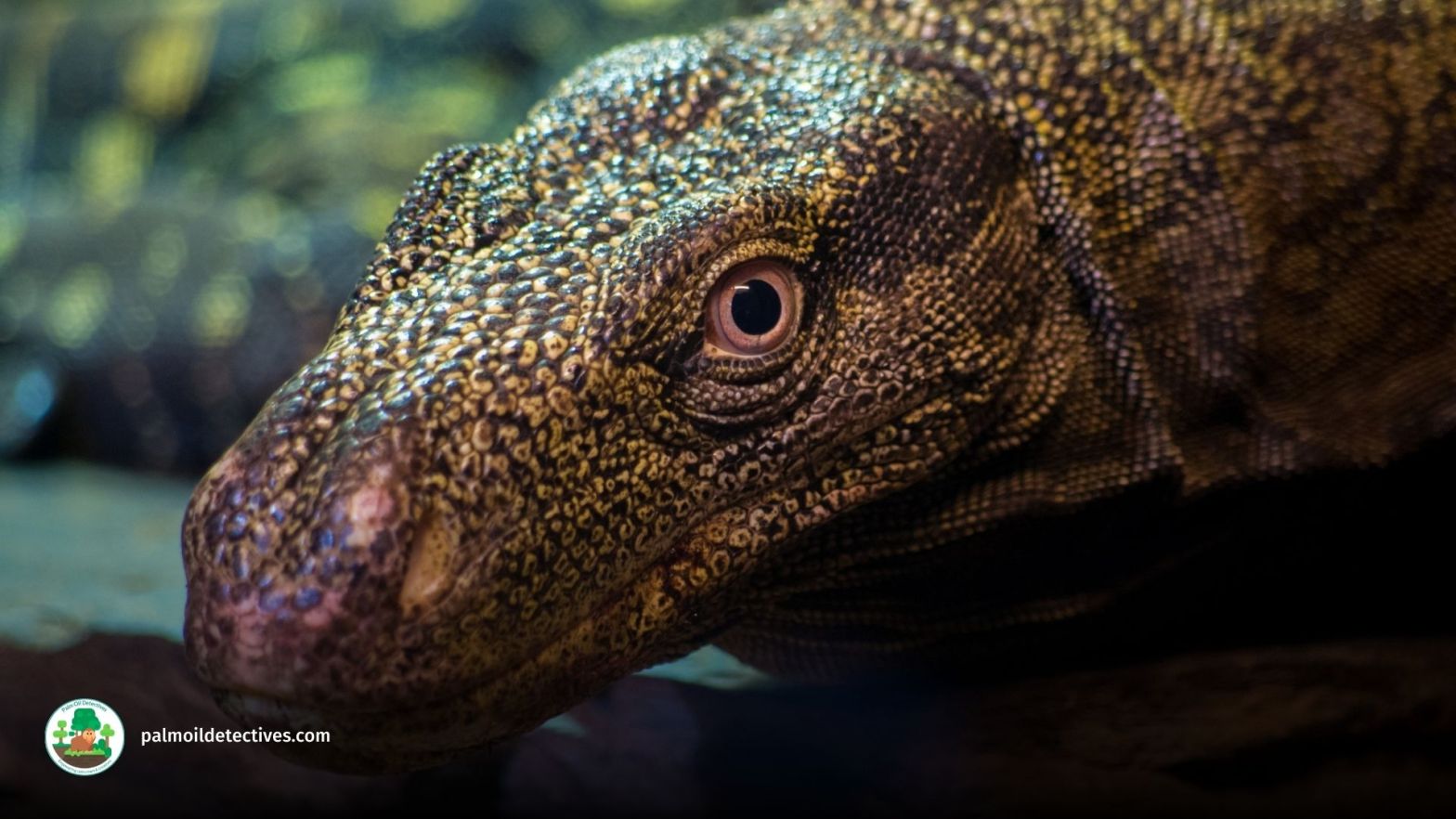
#Reptiles are fascinating creatures who are sadly feared, misunderstood and persecuted by humans. It is high time that we stand up for #lizards, #snakes, #terrapins, #crocodiles, caimans, #turtles and more.
Many of these fascinating creatures are feared by humans and inhabit hard-to-traverse places such as swamps. Compared with birds, amphibians and mammals, there is little data available on the distribution, population size and extinction risk of reptiles. This has meant that wildlife conservationists have largely helped reptiles indirectly in the past by meeting the needs of other animals (for food and habitat for example) living in similar places. Here’s how we stand up for them #Boycottpalmoil #Boycott4Wildlife
How the humble mushroom could save forests and fight climate change
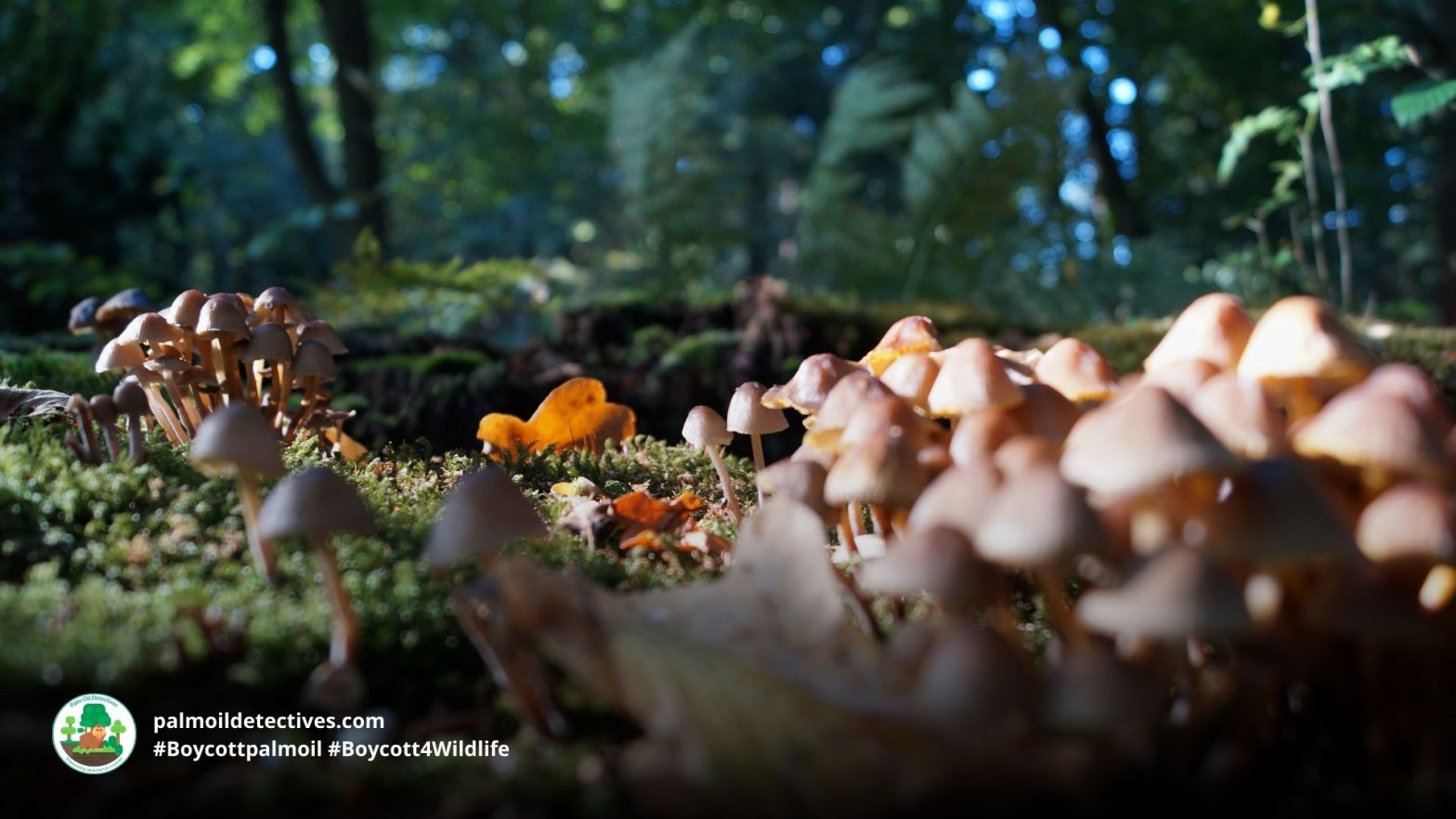
The conversion of forests to agricultural land is happening at a mind-boggling speed. Between 2015 and 2020, the rate of deforestation was estimated at around 10 million hectares every year. From a climate and carbon point of view, we know that cutting down trees at this scale is devastating. But the impacts run deeper: 75% of the world’s accessible fresh water arises from forested watersheds. Want an easy way to fight #climatechange and #deforestation? Stop #eating meat and #dairy and eat #mushrooms 🍄🥦🍅🍌 fruit and veg instead! #Boycottmeat and be #vegan #Boycott4Wildlife
Caring for Siamese crocodiles in Cambodia
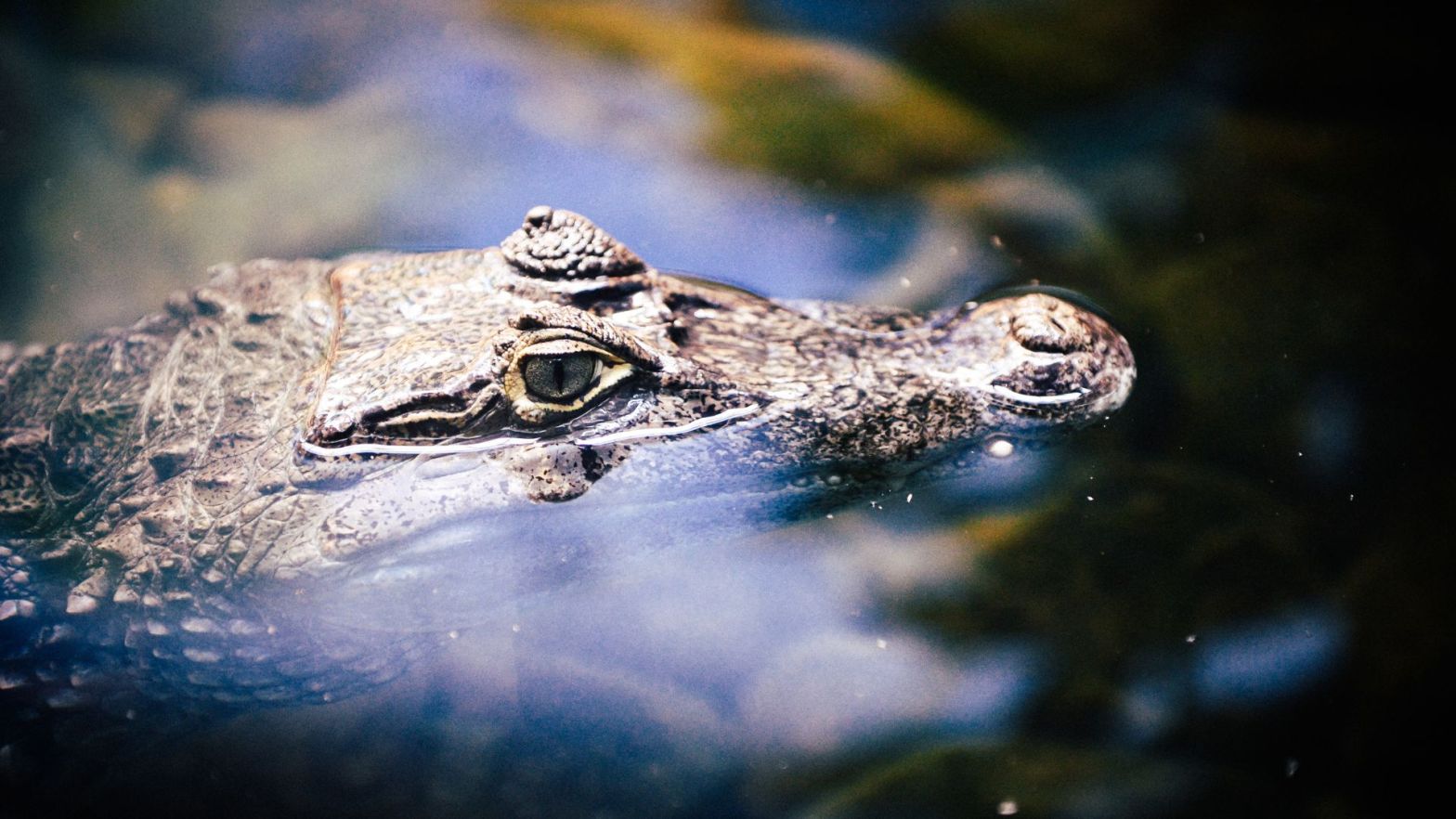
Researchers travel into the remote wilderness of #Cambodia to study the world’s most endangered #crocodile, the placid, cryptic and little-known Siamese crocodile. Help their survival in the supermarket and be #vegan, boycott crocodile leather and #Boycott4Wildlife
A Broken Record on Repeat – Animal Extinction Likely if Palm Oil Expands in North East India

As with the forest kingdoms of Borneo and the Amazon rainforest, the Indian forest kingdom of the Golden Langurs and Pygmy Hogs is under siege by palm oil in the north east of India. The region is home to some of the most endangered wildlife in the world. Situated in the foothills of the Himalayas, the whole area is one of the most fertile and diverse places on the planet. This region is earmarked for destruction for palm oil. Renowned British wildlife photographer Craig Jones went there to photograph pygmy hogs and report on their dwindling home.
Uncovering The Glasswing Butterfly’s See-through Wings

Most butterflies sport colourful, eye-catching wings. But some species flit about using mostly transparent wings. Researchers have now uncovered the tricks that one of these — the glasswing butterfly (Greta oto) — uses to hide in plain sight. The tricks of their transparency include sparse, spindly scales and a waxy coated membrane. Many thousands of insect species are threatened by large-scale deforestation for agriculture and especially pesticides. Help them to survive and #BoycottPesticides #BoycottPalmOil!
India’s Palm Oil Goals Raise Extinction Fears

A corporate monopoly for control over land and resources for palm oil must be dismantled immediately to give humanity, animals and our natural world a fighting chance for survival and to reverse the climate crisis. In Asia, many indigenous peoples are now joining forces and rising up to resist this corruption and ecocide.
Nicobar Islands Port and Palm Oil: Threatens Giant Turtles
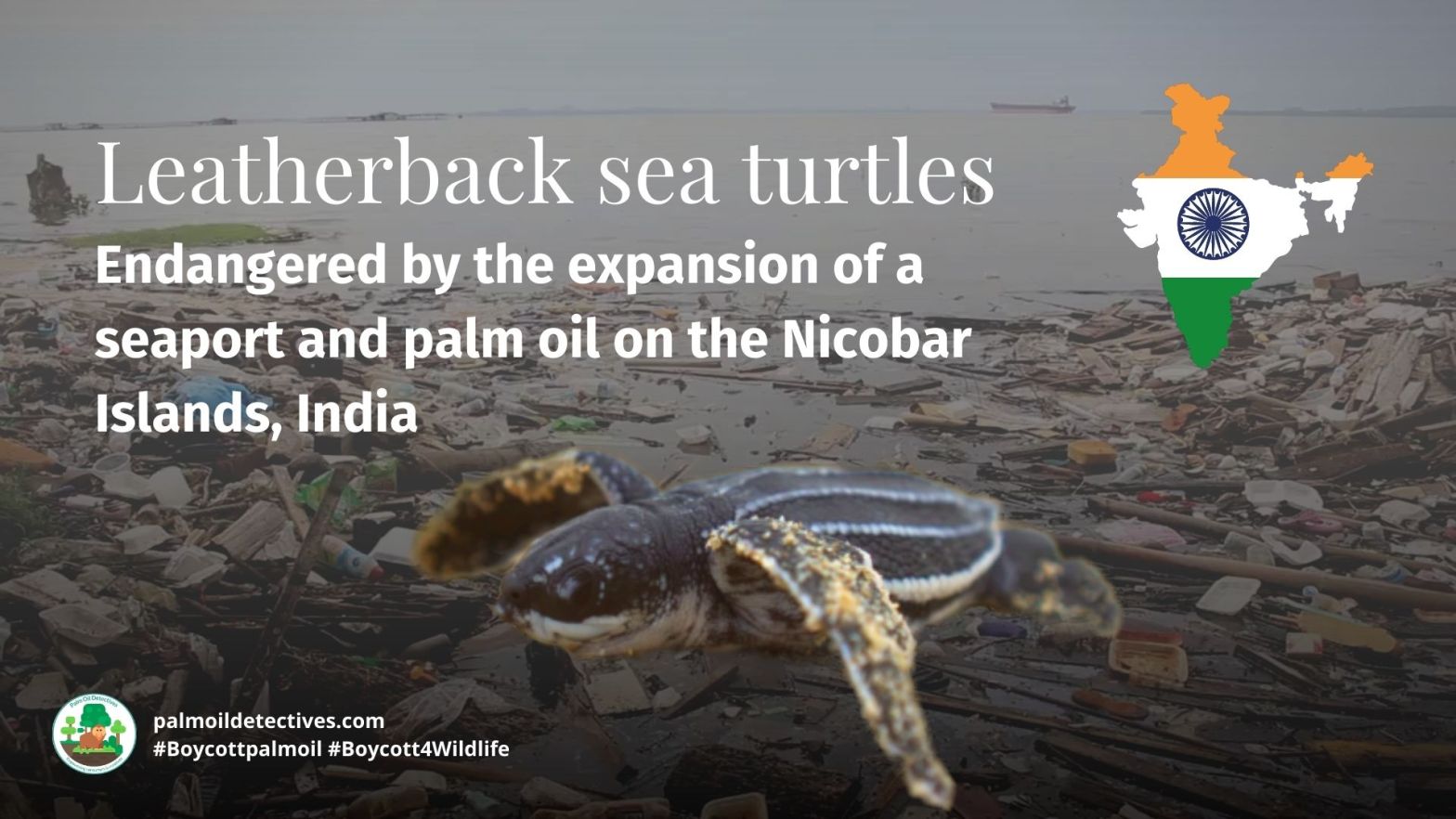
On Great Nicobar Island in the most southerly part of India, big plans are in motion to transform the island into a shipping hub and destroy its native ecosystems including mangroves, reef systems and forests, putting the already endangered leatherback sea turtle (along with 1000’s of other species) perilously close to extinction. Around one million trees are set to be felled to make way for palm oil and other monoculture crops on the islands, writes PhD Candidate Divya Narain for The Conversation. Read on after to discover how to help these beautiful animals.
Sumatran elephants: Surrounded by palm oil and nobody knows how many are left alive!
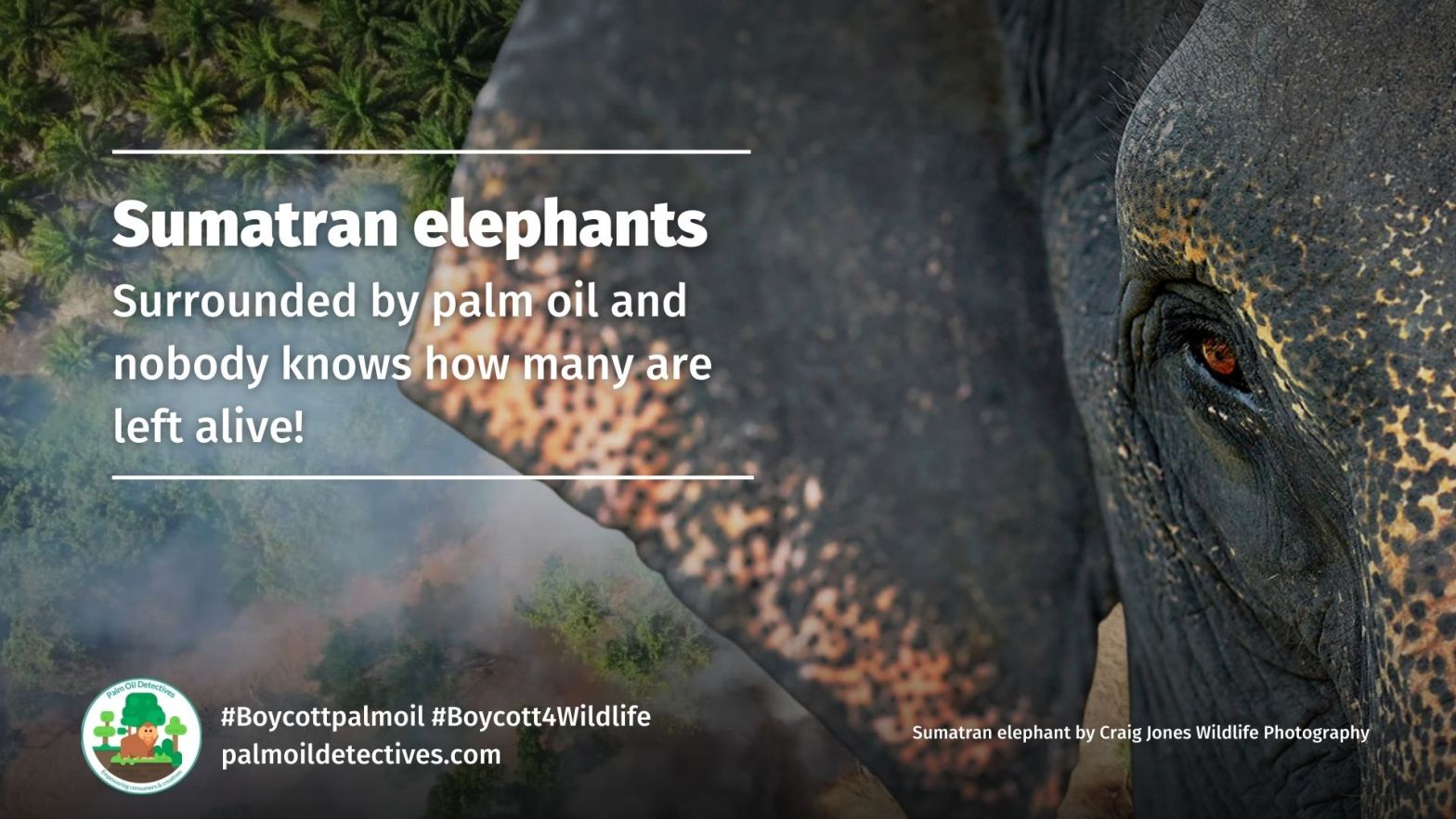
Sumatran elephants in Indonesia’s North Aceh district are being increasingly encircled by shrinking patches of forest. Their home is being destroyed primarily for oil palm plantations.
Ongoing attempts of scientists to take a measure of their population have been hampered and oppressed by the Indonesian government, which has also attempted to prevent media coverage of the issue. Help these irreplacable beings every time you shop, #BoycottPalmOil #Boycott4Wildlife
Palm Oil: A Recipe for Disaster in India

Given the widespread destruction of rainforests and native biodiversity caused by oil palm plantations in Southeast Asia, environmental experts and politicians are warning that the move to promote palm oil cultivation in India’s northeastern States and in the Andaman and Nicobar Islands could be disastrous, writes Priscilla Jerbaraj in The Hindu.
UN report says up to 850,000 animal viruses could be caught by humans, unless we protect nature
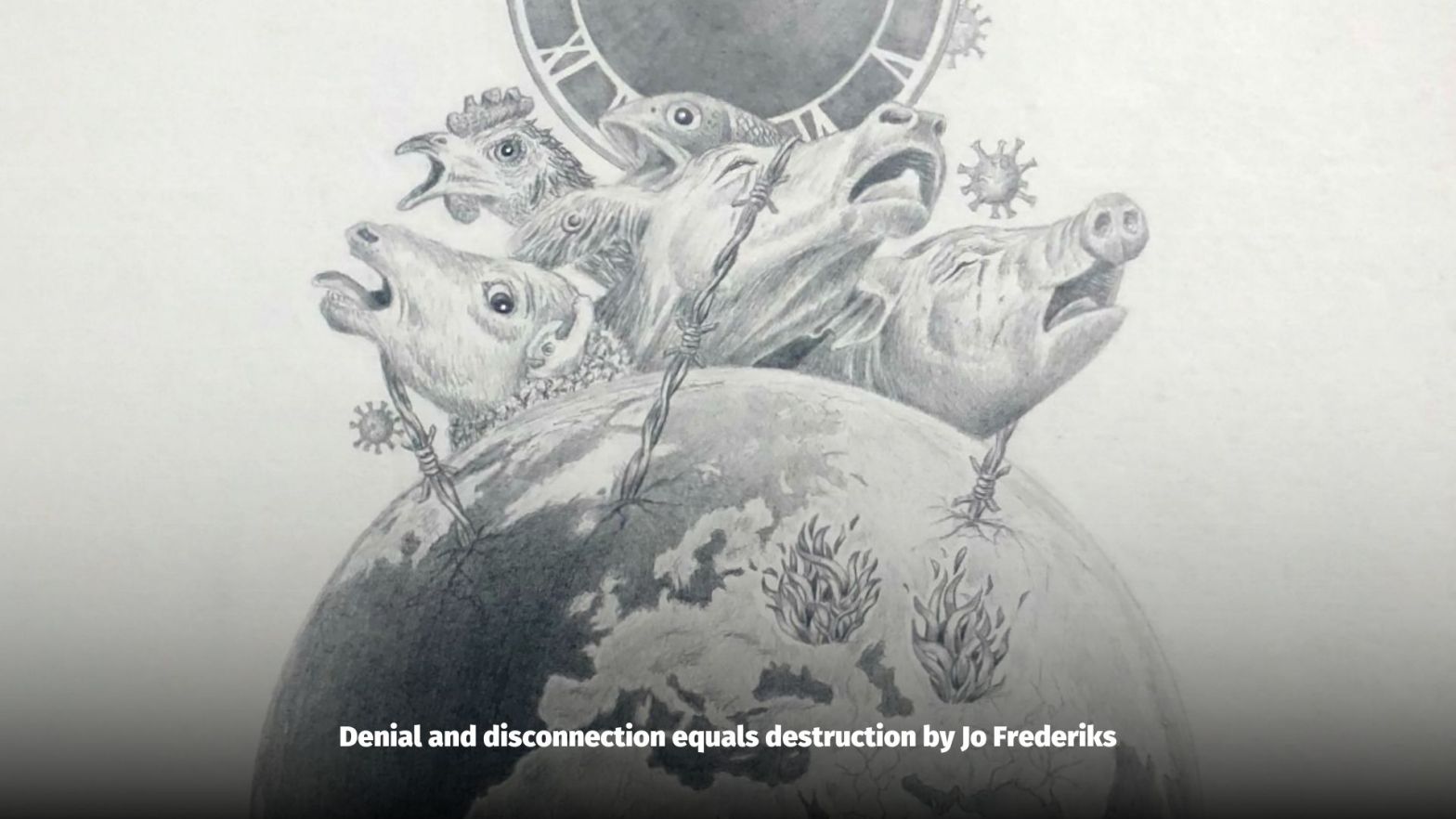
Human damage to biodiversity is leading us into a pandemic era. The virus that causes COVID-19, for example, is linked to similar viruses in bats, which may have been passed to humans via pangolins or another species.
 Palm Oil Detectives