
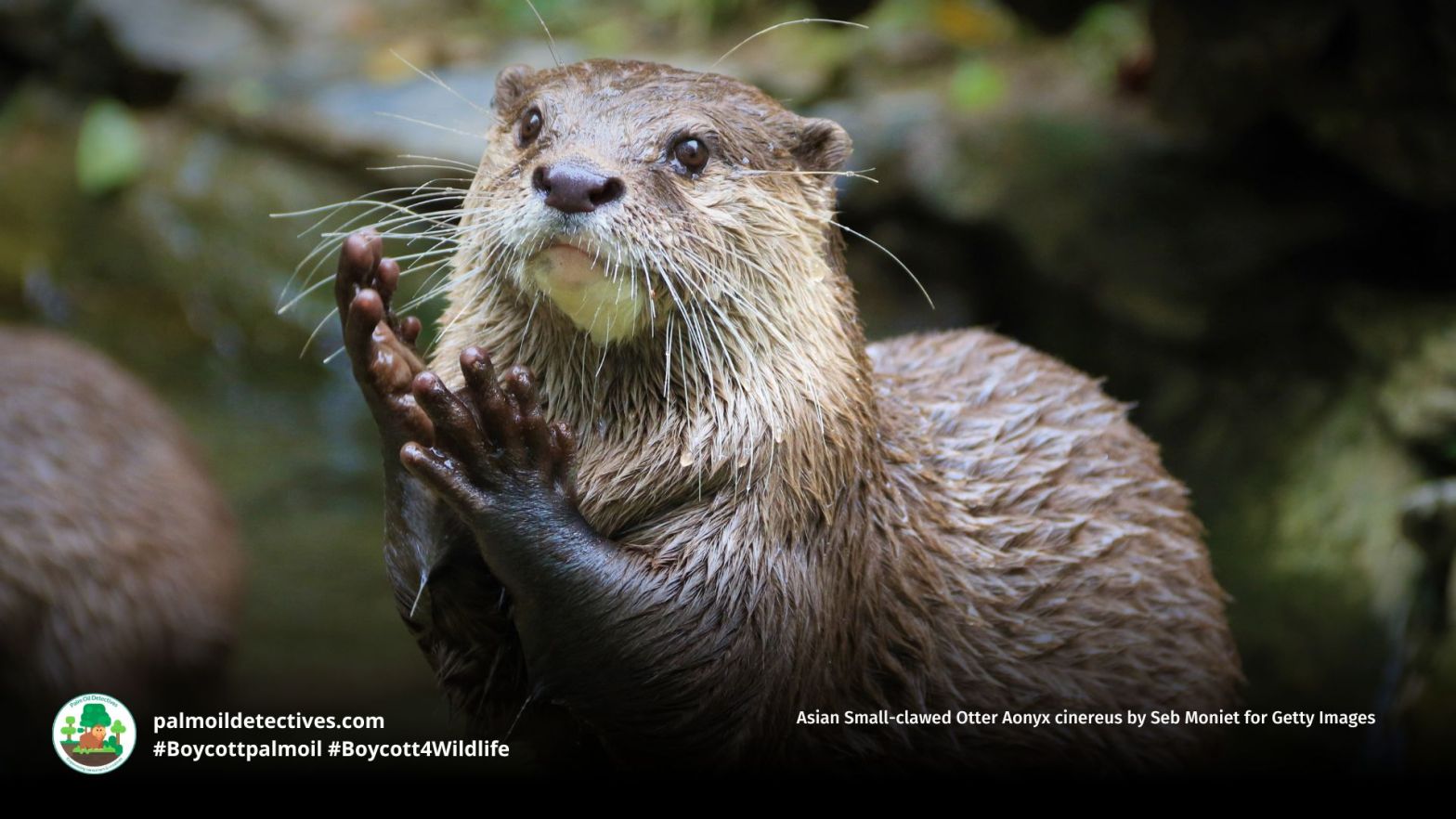
Asian Small-clawed Otters are the world’s smallest otter species and are Vulnerable from palm oil tea and coffee deforestation. Protect them, boycott palm oil!
Tag Archives: animals
Hydroelectric Dams Take a Toll on Jaguars, Tigers and Lions
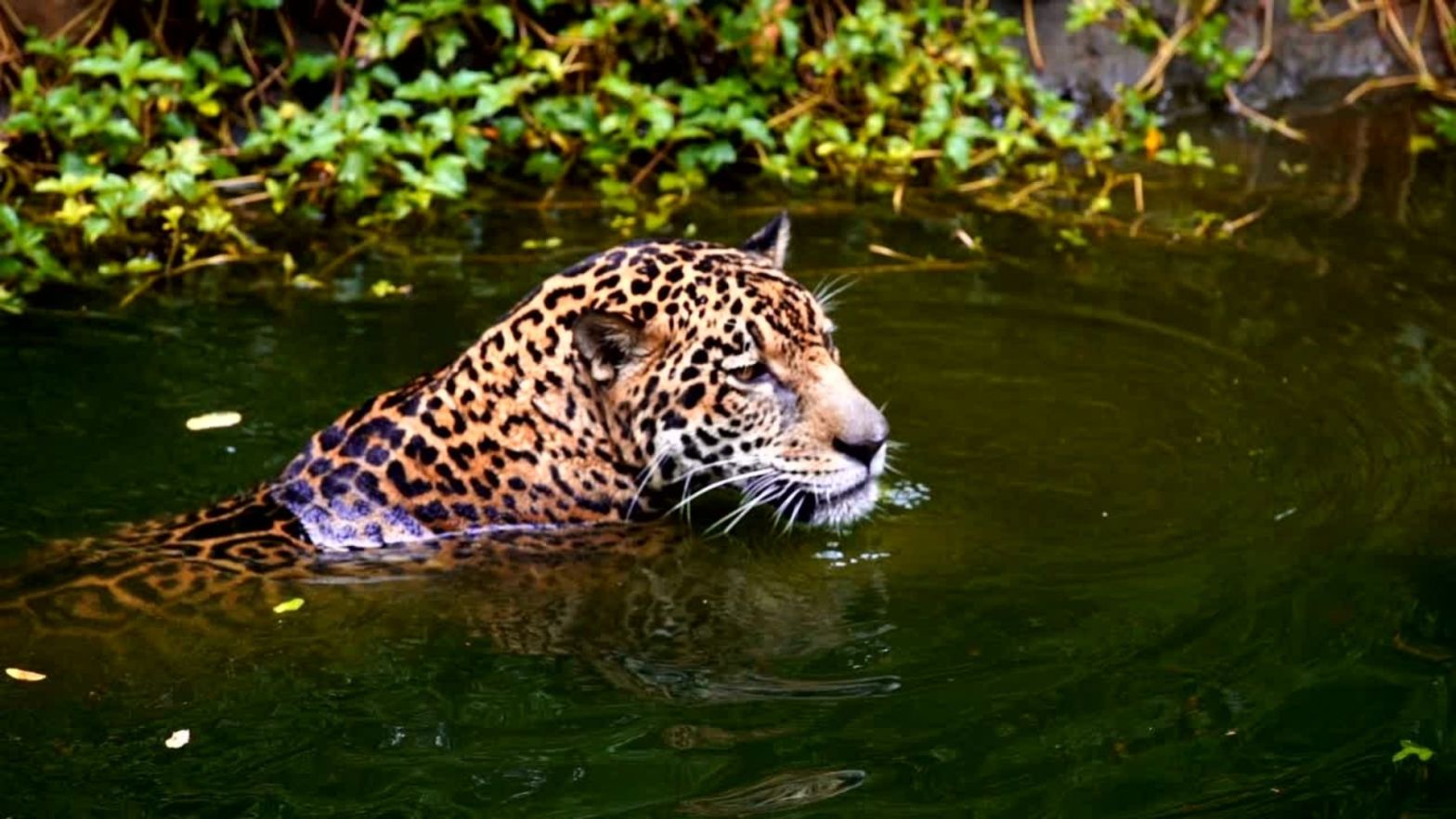
Forest loss for hydroelectric dams is a real threat to big cats contributing to climate change in South America and Asia. Help them survive and take action!
Gursky’s Spectral Tarsier Tarsius spectrumgurskyae
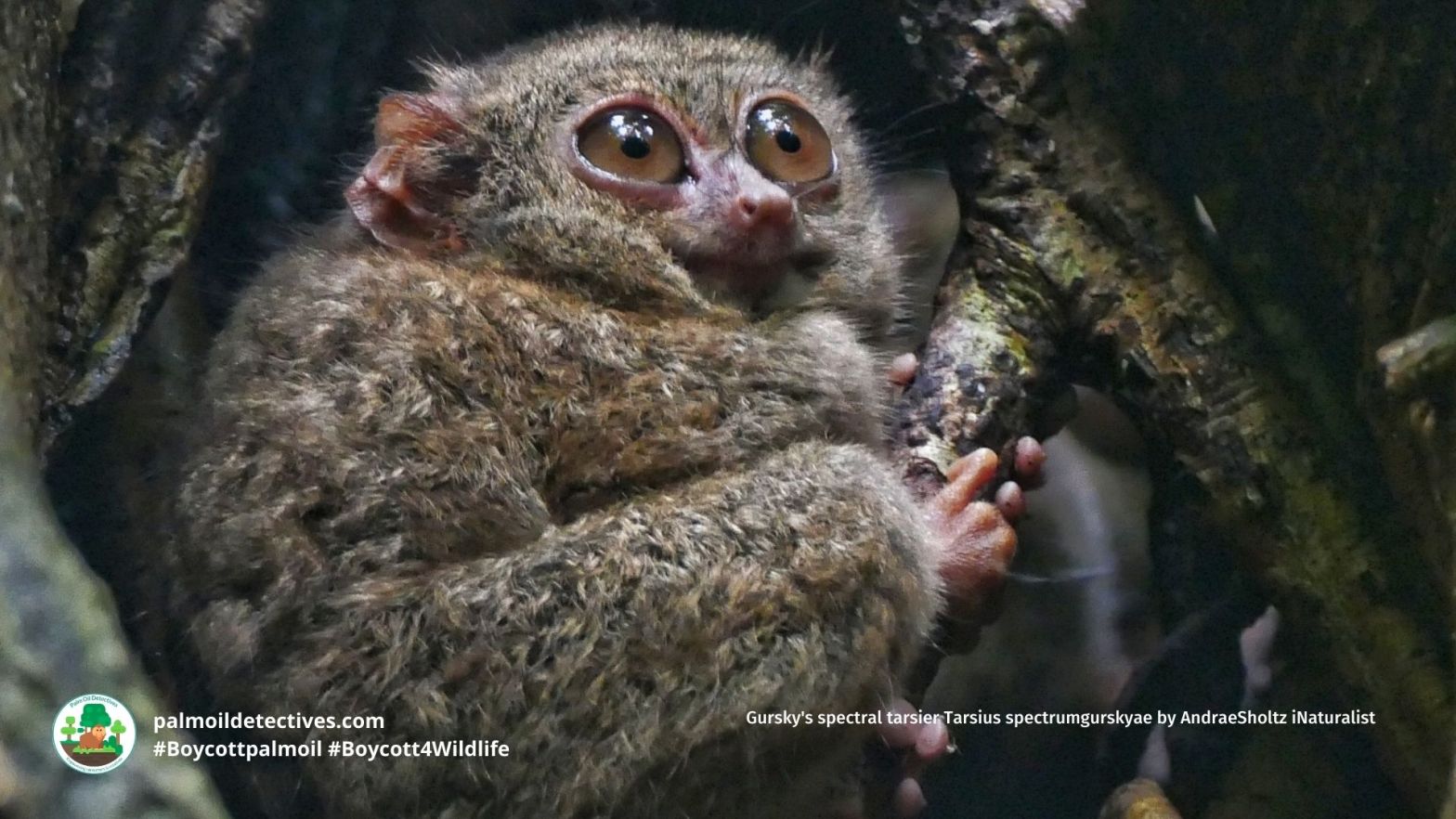
Gursky’s spectral tarsiers AKA Wusing of North Sulawesi are vulnerable due to palm oil and timber deforestation. Take action for them and boycott palm oil!
Forest Protection Equals Climate Protection

Forests offer climate protection and safeguard indigenous peoples, endangered animals and rare plants. Deforestation is a major threat. Boycott palm oil!
Beautiful and Doomed: Saving Bangladesh’s Langurs From Extinction
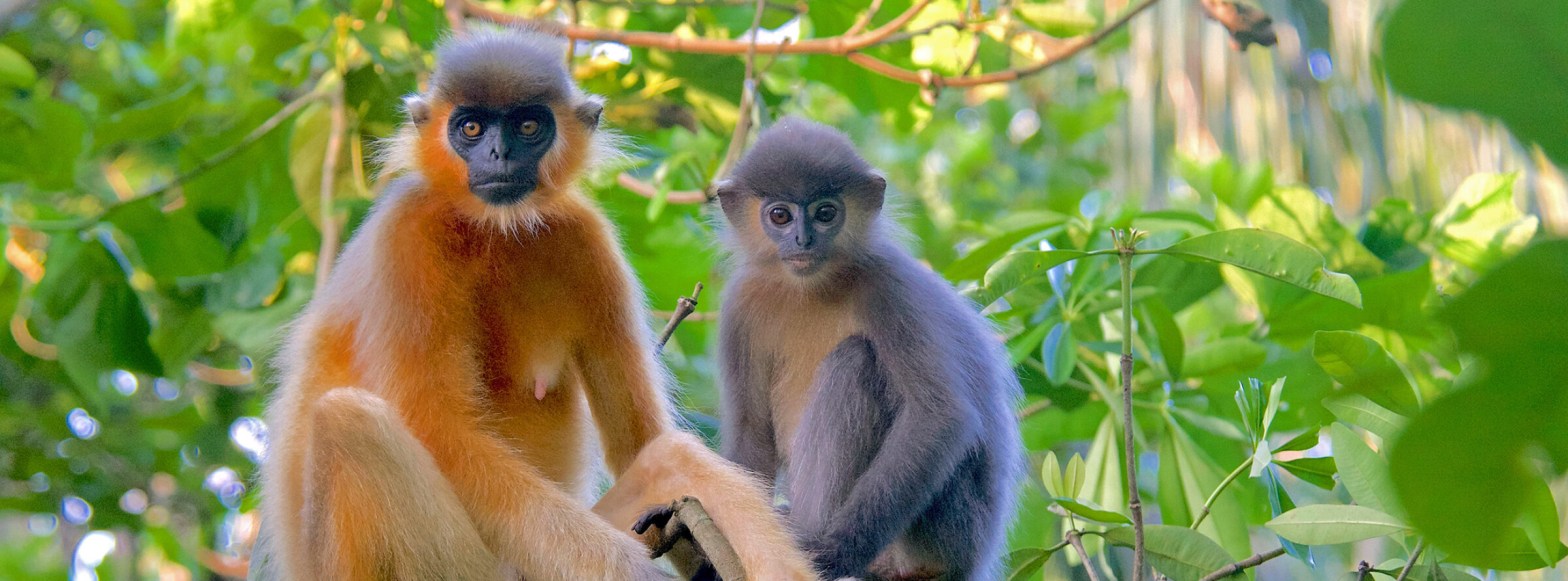
Critically endangered Phayre’s langurs and endangered capped langurs of Bangladesh, are interbreeding raising concerns about their survival, take action!
Sunda Flying Lemur Galeopterus variegatus
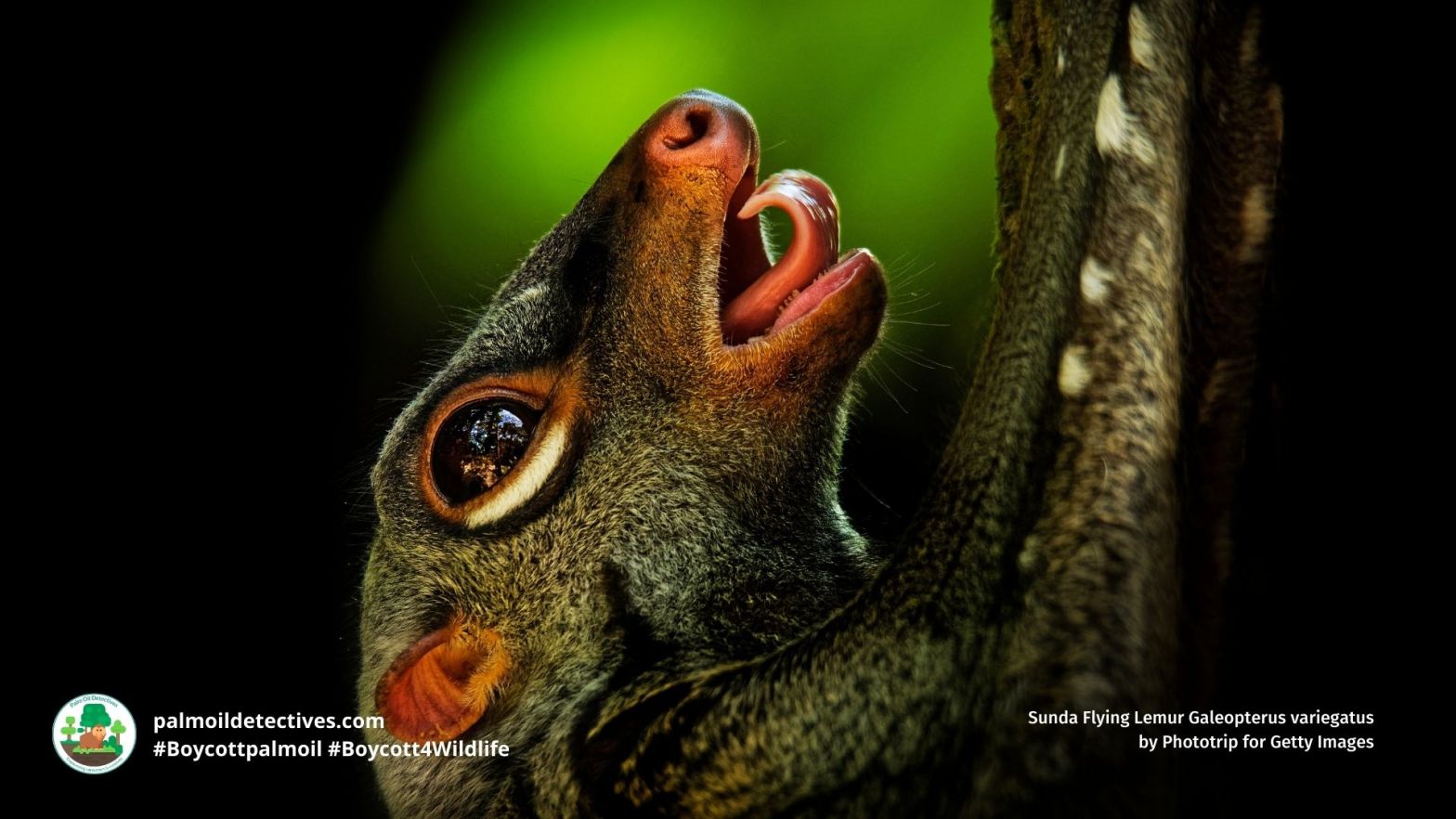
Sunda flying lemurs AKA Malayan colugos rely on ancient forests to survive, despite being skilful gliders, palm oil is a major threat, boycott palm oil!
Western Parotia Parotia sefilata
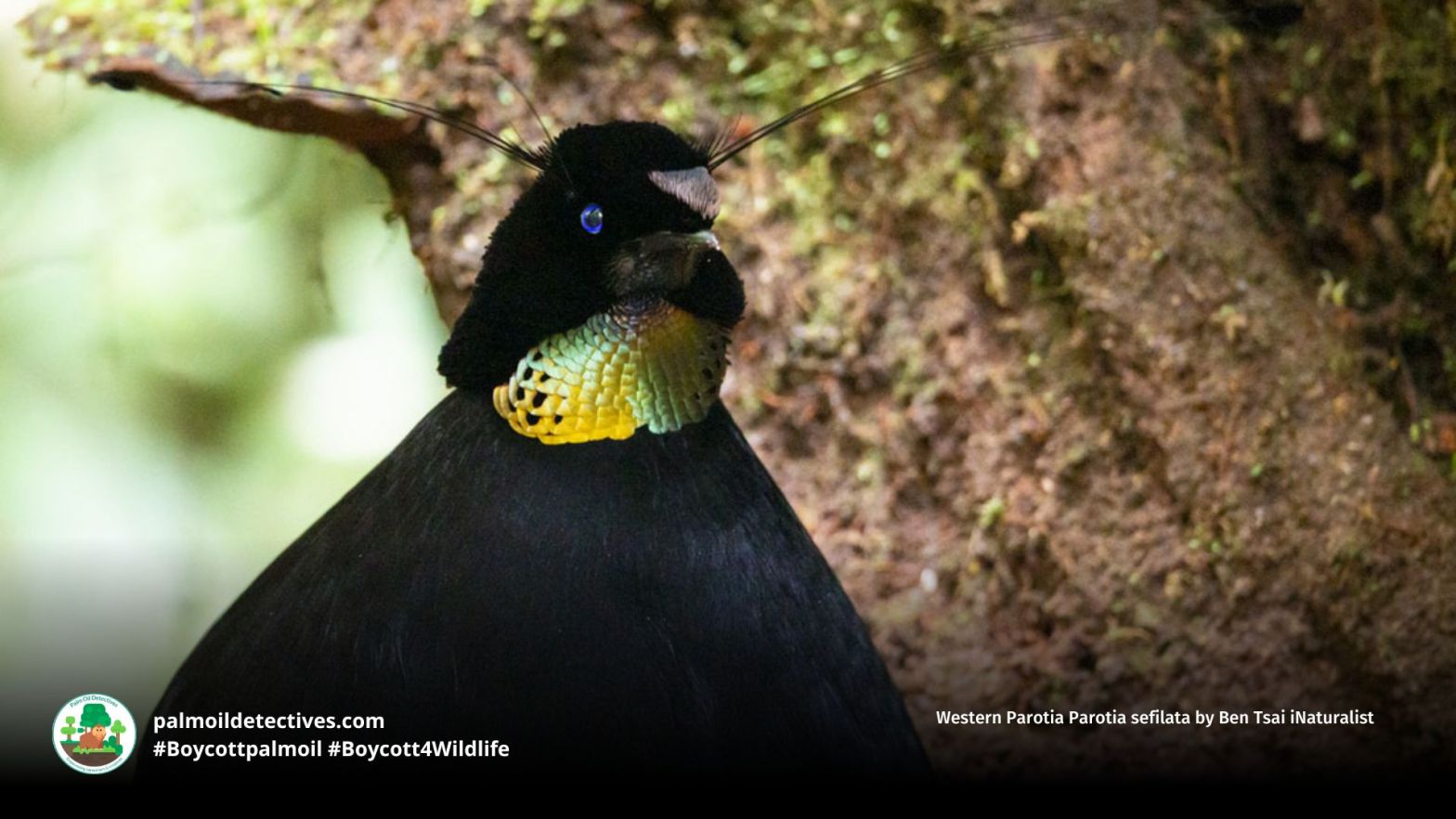
Western Parotias AKA Arfak Parotias are stunning bird-of-paradise of West Papua known for their mesmerising dances. Palm oil and mining ecocide are threats
Capped Langur Trachypithecus pileatus
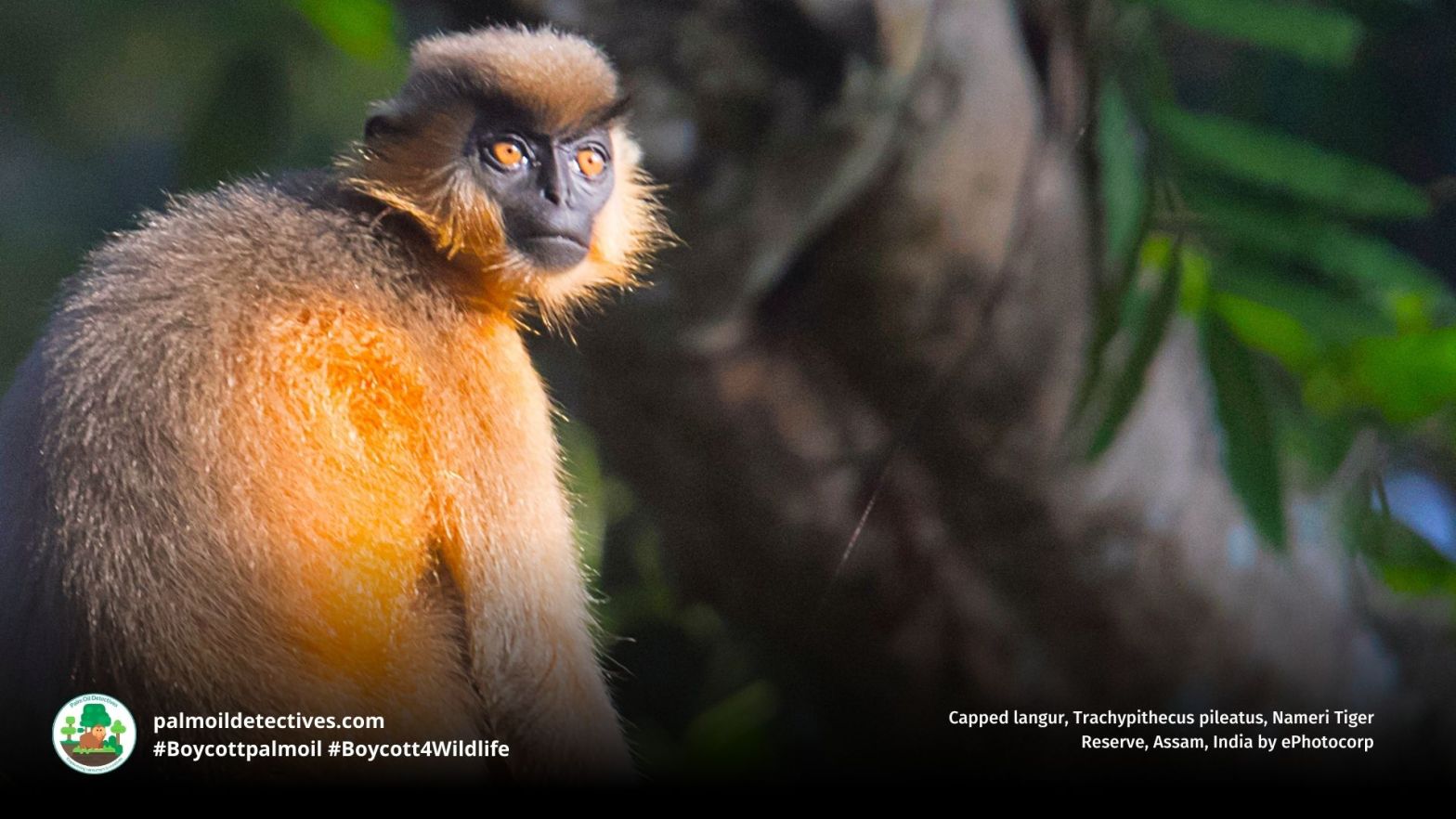
Capped langurs are found in India Bhutan Bangladesh and Myanmar, they are vulnerable from palm oil and other forms of deforestation. Take action for them!
Mountain Tapir Tapirus pinchaque

Mountain Tapirs are the most threatened large mammals of the northern Andes, hunting, climate change and mining are threats, take action and boycott gold!
Saola Pseudoryx nghetinhensis
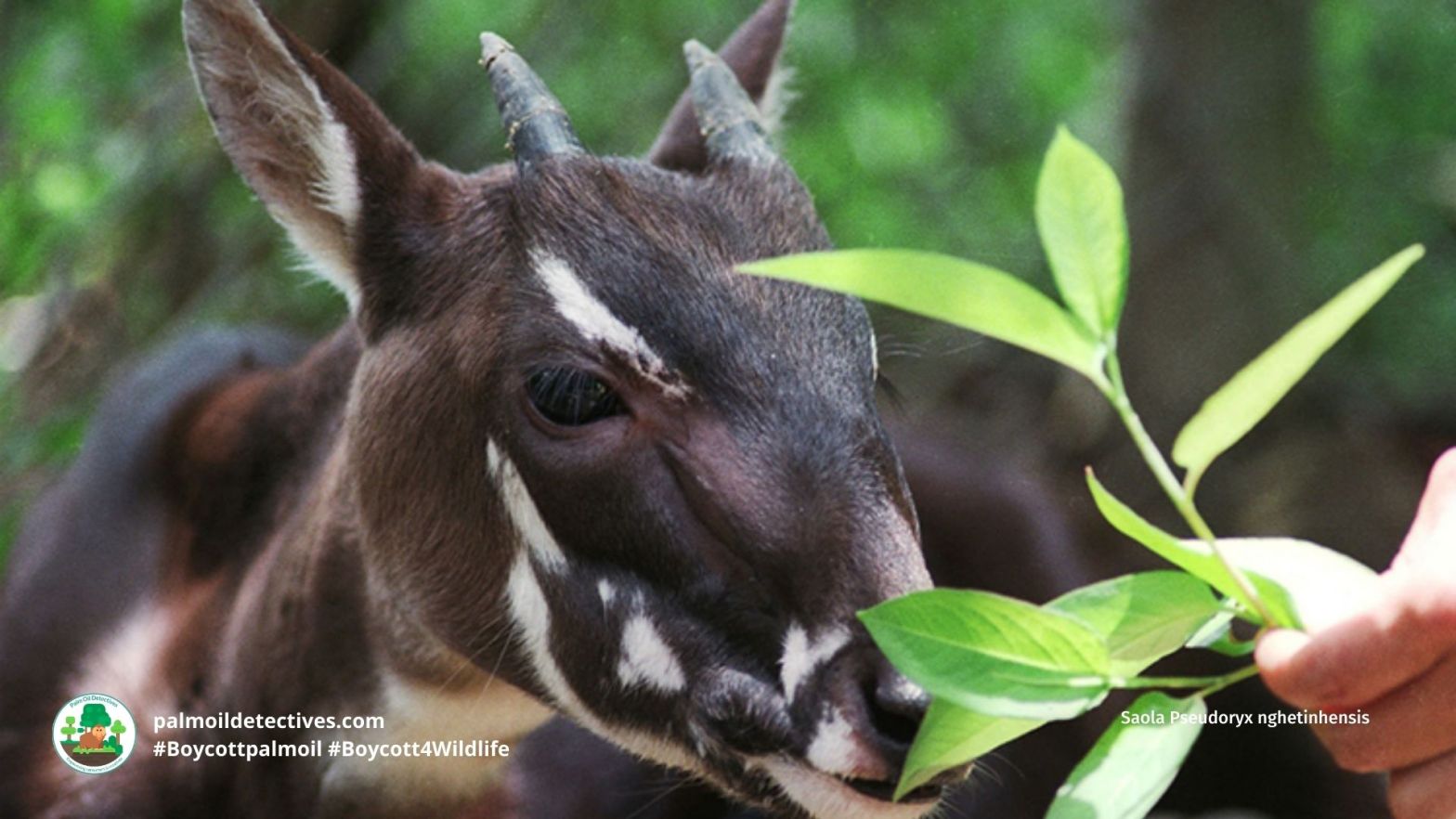
Saolas are rare and considered Southeast Asia’s ‘unicorns’, this Critically Endangered antelope is facing imminent extinction due to hunting and deforestation
Songbirds Socialise Mid-Flight During Migration
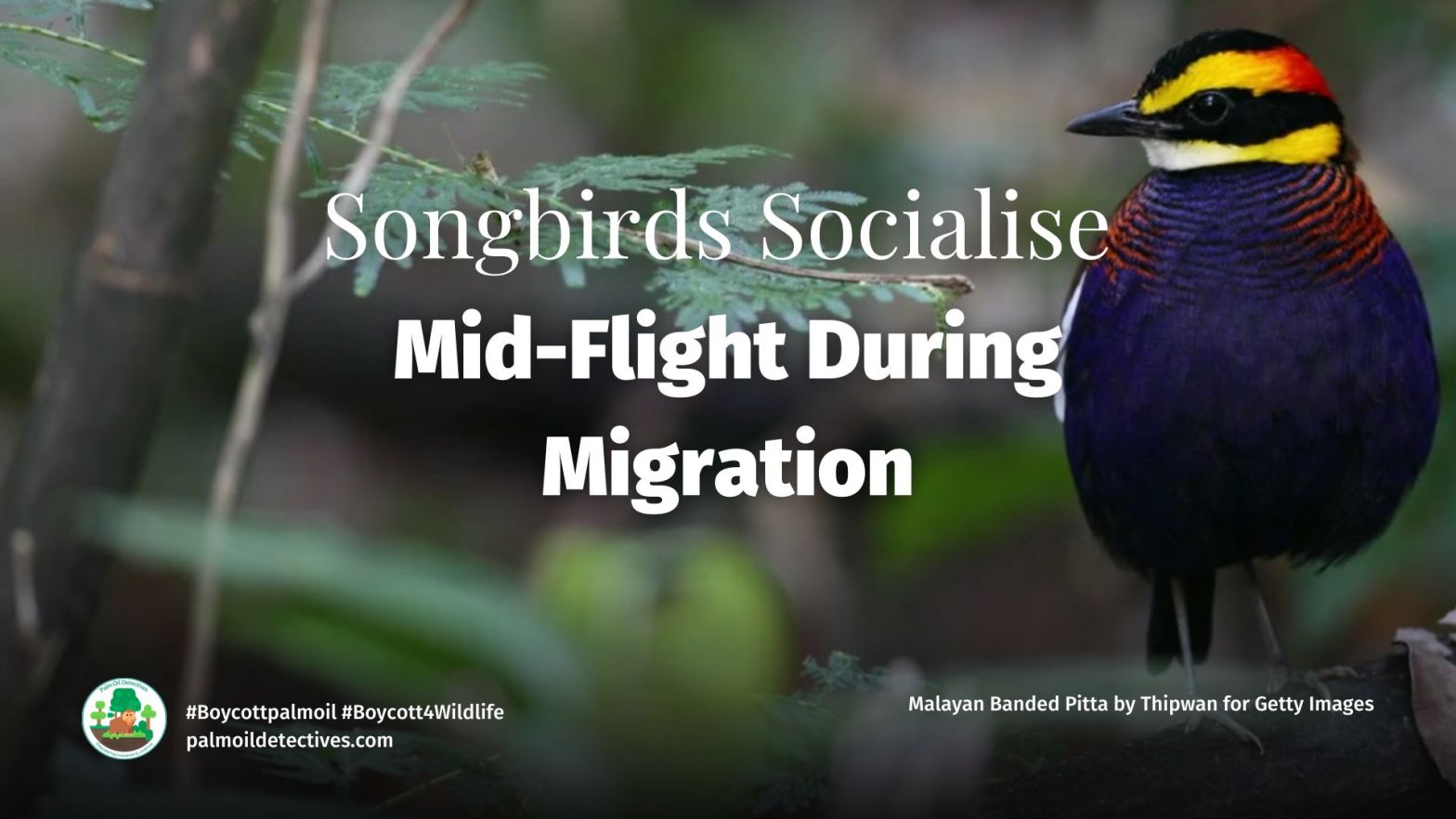
Songbirds communicate with different species during nocturnal flights sharing vital info about navigation and stopover habitats. Save their fascinating world!
Tucuxi Sotalia fluviatilis

Tucuxi, small freshwater dolphins of Peru Ecuador Colombia and Brazil are Endangered due to fishing nets, deforestation, mercury poisoning from gold mining.
Javan Rhinos Not Safe from Poachers
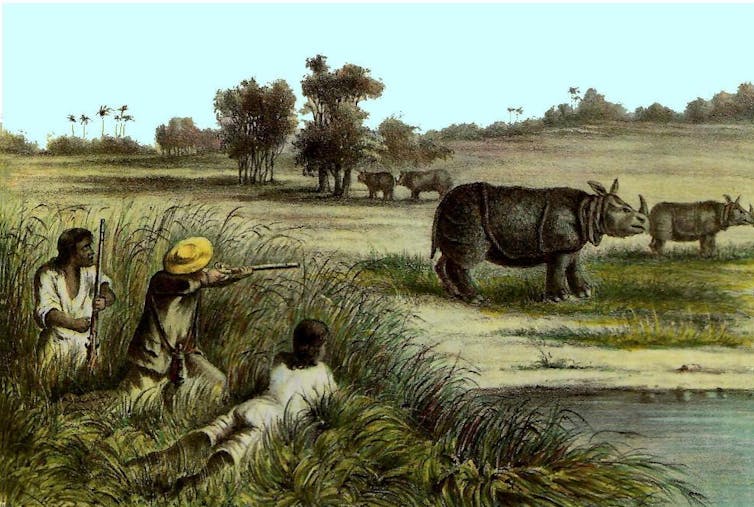
Testimony of Illegal poachers in Indonesia finds 26 of the estimated remaining 72 living Javan #Rhinos were slaughtered over the past five years. Shame!
Frill-Necked Lizard Chlamydosaurus kingii

Frill-necked lizard AKA frilled dragons are endangered in southern Papua New Guinea and Indonesian-occupied West Papua due to palm oil ecocide, take action!
Grey Crowned Crane Balearica regulorum

Endangered Grey Crowned Cranes are a regal and graceful bird of Uganda, Tanzania, DRC, and Namibia. Help them to survive and join the boycott4wildlife
Ecuadorean Viscacha Lagidium ahuacaense
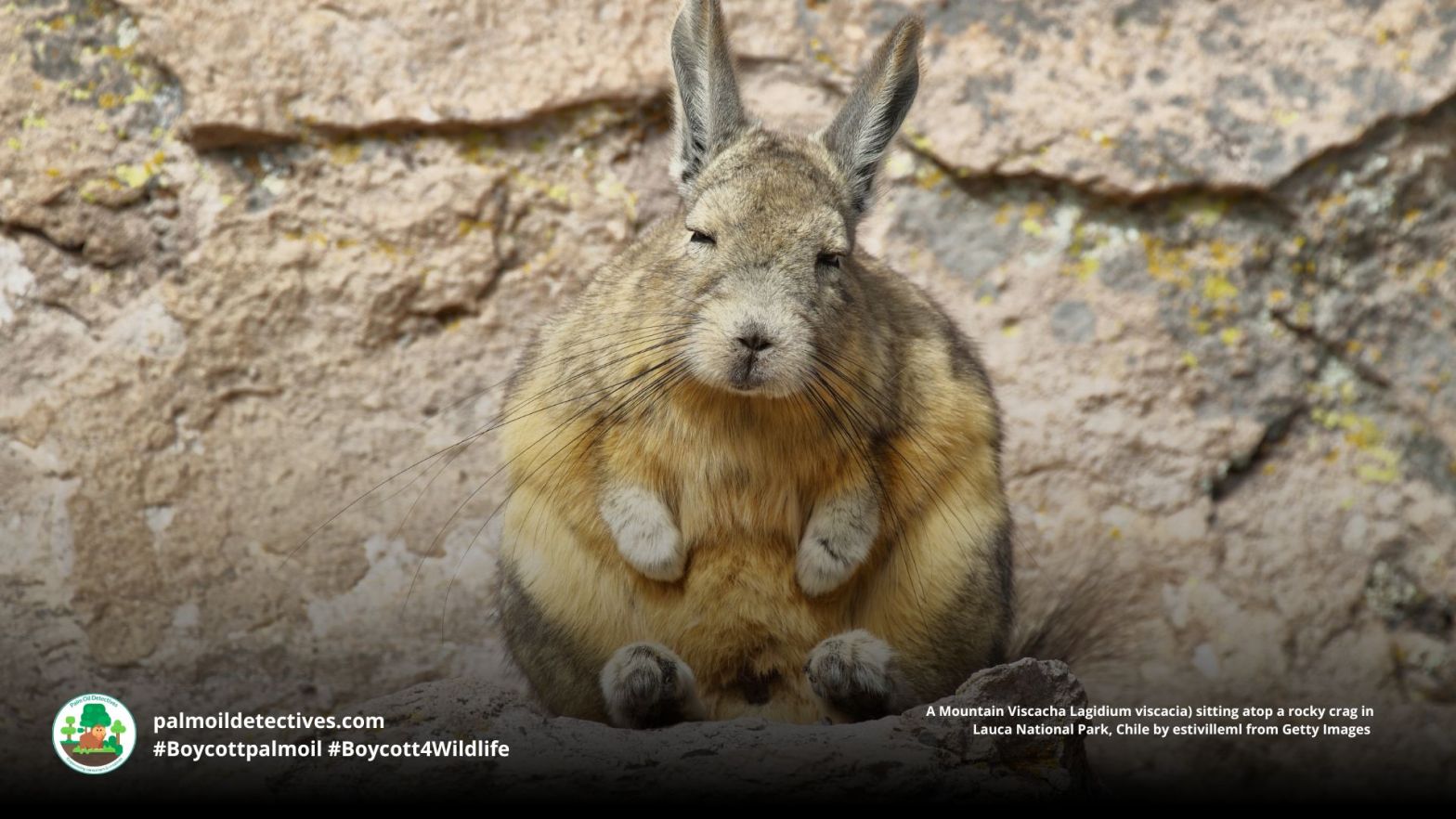
Ecuadorean Viscachas are plump and fluffy rodents with sage-like long whiskers, only a handful of them remain alive. Take action for them and boycott4wildlife!
Southern Pudu Pudu puda

Darting around and hiding on the forest floor, the Southern Pudu, known as püdü or püdu in Mapudungun (the language of the indigenous Mapuche people), is the world’s second-smallest #deer species. Weighing just 6.4 to 13.4 kg and standing at 35 to 45 cm at the shoulder, these miniature deer are remarkably adapted to their forested environments and communicate with each other through scent. Their short, spiky antlers curve slightly backward, and their thick chestnut-brown coat provides excellent camouflage in the undergrowth.
Despite their small size, Southern Pudus are resilient #ungulates in one of the world’s most biodiverse but increasingly threatened temperate forests in #Argentina and #Chile. However, habitat destruction for eucalyptus and pine monoculture, predation by invasive species, road collisions and disease transmission from farmed animals are pushing populations to the brink. Help them by raising awareness, it’s the #Boycott4Wildlife
Blue-streaked Lory Eos reticulata

Brilliantly coloured and full of energy, the Blue-streaked Lory (Eos reticulata) is a striking and unique #parrot living in the forests of the Banda Sea Islands, #Indonesia. Their scarlet plumage is decorated with iridescent blue streaks, creating a dazzling and electrifying colours both when they’re at rest and in flight. With a sharp, hooked beak adapted for nectar-feeding, these #birds flit from flower to flower, playing a vital role in rainforest #pollination.
Despite their adaptability, habitat destruction and the pet trade threaten their survival. These birds have been heavily trapped for the illegal bird trade, with over 3,000 individuals captured annually in the 1980s. Although they remain relatively common in their range, continued #deforestation and capture for the caged #pettrade and bird market may be pushing them towards decline. If these mesmerising lories are to have a future in the wild, their habitat must be protected, and the demand for keeping them as pets must end. #BoycottPalmOil #Boycott4Wildlife
Blonde Capuchin Sapajus flavius

Only rediscovered in 2006, Blonde Capuchins are highly intelligent critically endangered primates of Brazil threatened by palm oil and meat deforestation
Protecting India’s Tigers Saves One Million Tonnes of CO2
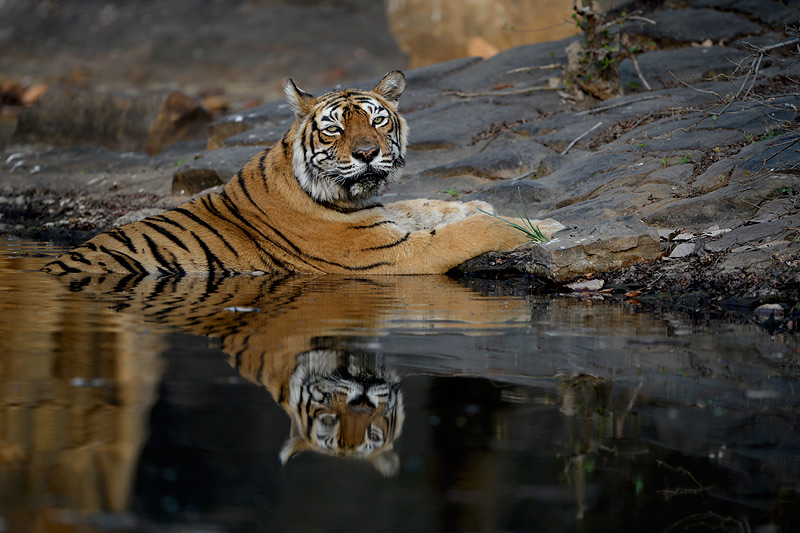
#India’s fifty year long Project #Tiger has been a successful conservation project. A new research study finds that protecting tigers and their rainforest home has additional benefits to #carbonemissions, saving 1 million tonnes of CO2 from being spewed into the atmosphere. Conserving tigers as an iconic and legendary species is deeply ingrained into the world’s collective imagination. #BoycottPalmOil #Boycott4Wildlife
Savage’s Glass Frog Centrolene savagei
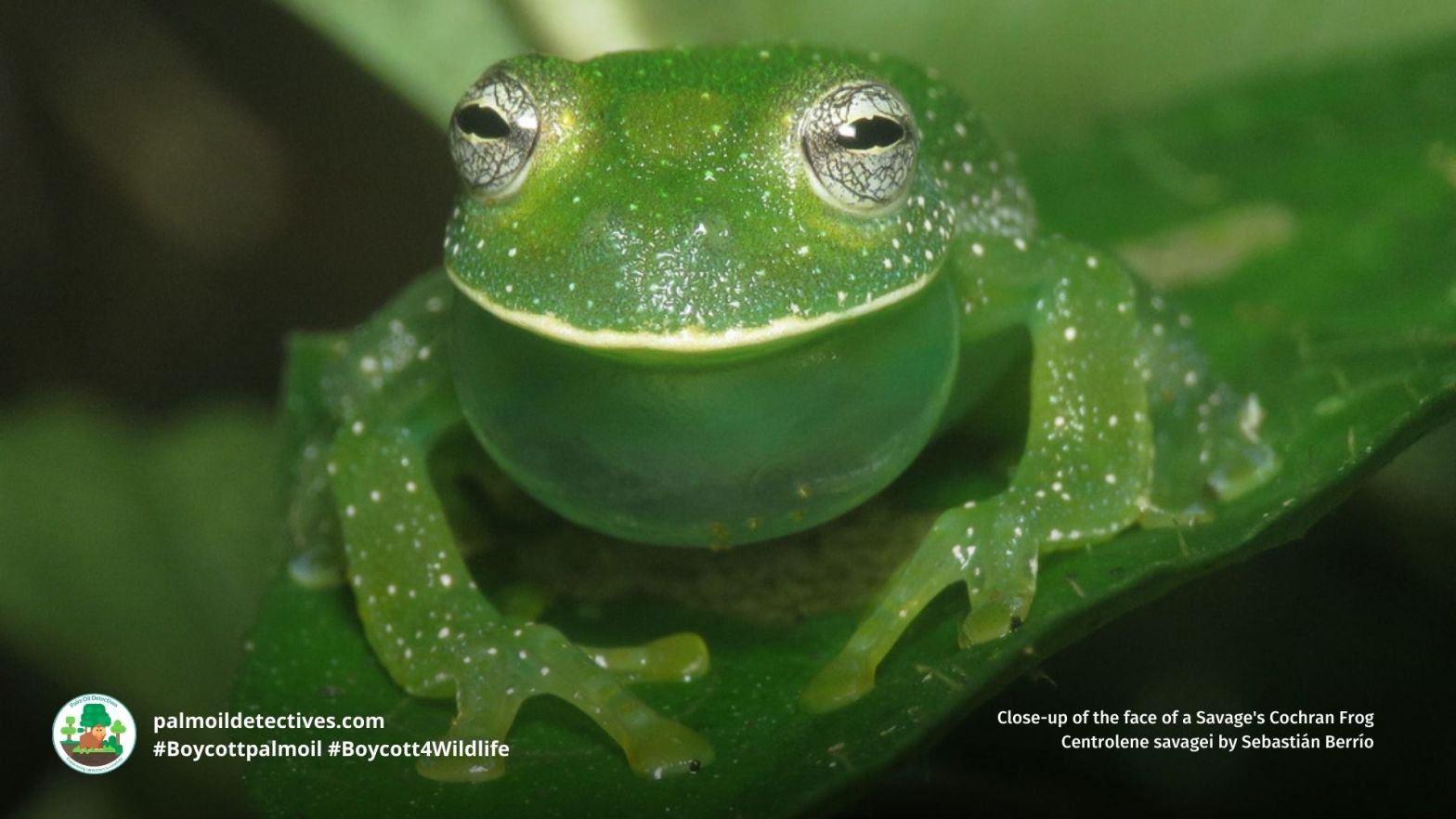
Perched on delicate leaves above rushing mountain streams, Centrolene savagei is a rare frog of wonder. The Savage’s Glass Frog, also known as the Savage’s Cochran Frog has translucent emerald skin that shimmers under moonlight, revealing a celestial map of organs and veins. These appear like a tiny universe of stars glowing beneath their skin. This remarkable adaptation serves as camouflage, allowing them to blend seamlessly into their misty rainforest habitat. Male frogs fiercely protect a clutch of around 30 eggs while females gather food. Tragically these magnificent #frogs face mounting threats from #deforestation for #palmoil #soy #meat along with #climatechange which is disrupting the delicate balance of their cloud forest home. Protecting the cloud forests of #Colombia is essential to ensuring their continued survival. #BoycottPalmOil #Boycott4Wildlife.
Pesquets Parrot Psittrichas fulgidus

The beguiling Pesquet’s #parrots are sometimes known as ‘Dracula parrots’ due to their unique appearance. This includes black facial features, black feathers and bright red patches that reminiscent of a Dracula-like cloak. This striking combination lends them a slightly eerie and dramatic look, making them truly a sight to behold.
They inhabit the lush #rainforests of #WestPapua and #PapuaNewGuinea and make gentle gliding flights. They have a specialised diet of figs and face significant threats from #deforestation and #hunting. These magnificent birds are classified as vulnerable, and their population is decreasing. You can make a difference by choosing products that protect their rainforest habitat. Make sure you #BoycottPalmOil and #Boycott4Wildlife in the supermarket!
Tanimbar Eclectus Parrot Eclectus riedeli
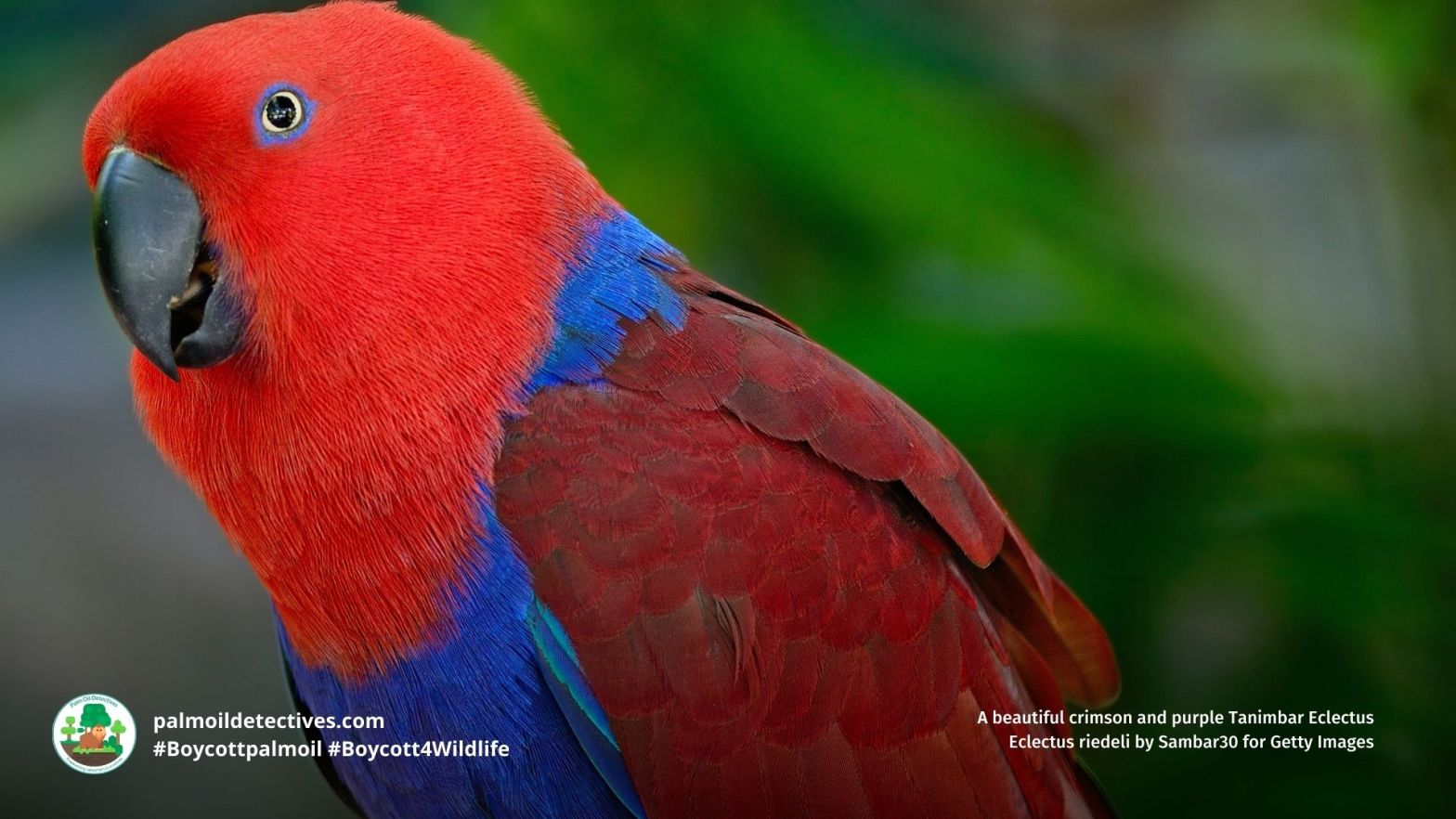
The Tanimbar Eclectus Parrot Eclectus riedeli also known as the Eclectus Parrot or Tanimbar Eclectus is a rare and striking #parrot found only on the #Tanimbar Islands of Indonesian occupied #WestPapua. Males display a brilliant emerald green plumage, while females are adorned in deep crimson and cobalt blue feathers, making them one of the most visually stunning #parrots in the world. These parrots face growing threats from habitat destruction, the pet trade, and climate change.
Forests are disappearing due to timber logging and #palmoil monoculture, while #poaching for the illegal #pettrade continues to remove individuals from the wild, disrupting their populations. #Climatechange also poses an increasing risk, with rising temperatures, storms, and unpredictable weather patterns affecting their habitat and food sources. The best way to protect these parrots is to keep them in the wild, not in cages. Use your wallet as a weapon in the supermarket and choose #PalmOilFree #BoycottPalmOil #Boycott4Wildlife.
Malayan Flying Fox Pteropus vampyrus
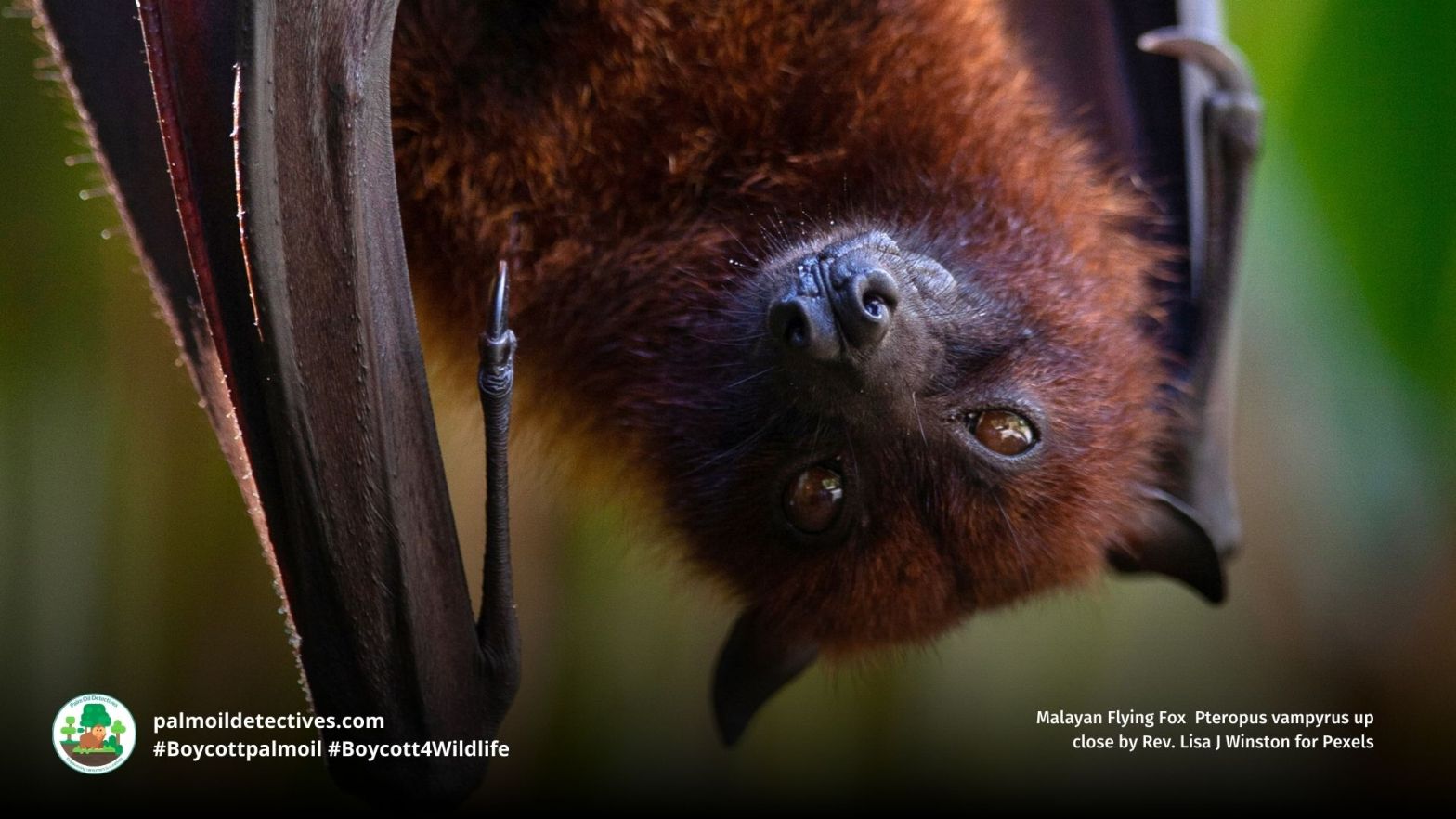
The Malayan Flying Fox, known also as the Large Flying Fox, Giant Fruit Bat, or Kalong, is an ethereal creature of the tropical Asian night. With wingspans reaching 1.7 metres, they are the largest bats in the world and glide silently through the darkness, a graceful presence in South East Asia’s moonlit forests. Their foxy almond shaped eyes and expressive faces are framed by glossy black fur and golden and russet collars, lend them a warm and mythical aura, while their immense wings are awe-inspiring to see in flight.
These nocturnal giants are the architects of tropical forests, scattering seeds and pollinating flowers as they journey across vast landscapes. Yet, despite their importance to ecosystems, they are under siege—hunted mercilessly and displaced by forests that vanish due to palm oil. Their story is a call to action: protect the guardians of the night before it is too late. #BoycottPalmOil #Boycott4Wildlife
Mountain Cuscus Phalanger carmelitae

The Mountain #Cuscus are fascinating and shy creatures who live in Papua New Guinea and #WestPapua. Thick, dark, woolly fur covers most of their bodies, while their bellies are white. The Mountain Cuscus has a black tail with a rough, white tip. Their skulls are medium-sized, with a short snout, large back teeth, and three small teeth on each side of their lower jaws. It’s important to note that the Mountain Cuscus can sometimes be confused with the Silky Cuscus, which has a smooth tail without rough patches, a shorter or absent white tail tip, and fewer teeth in their lower jaw. They are threatened by massive #palmoil and #timber deforestation across West Papua and Papua New Guinea, help them every time you shop and #Boycottpalmoil #Boycott4Wildlife
Deforestation and Mining Threaten Rare Species at Lake Poso
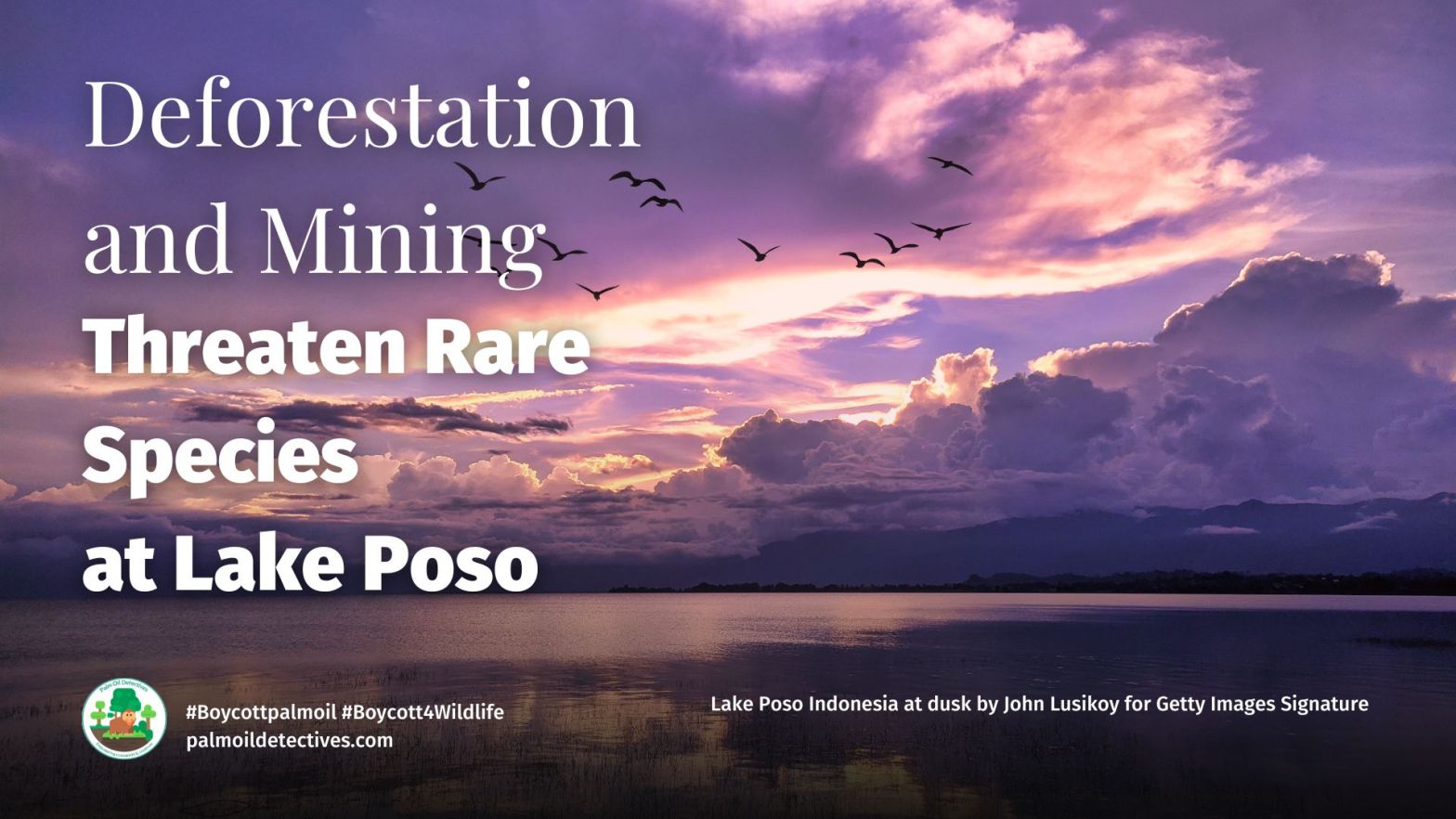
Deforestation, mining, and palm oil expansion are pushing rare endemic species at Indonesia’s Lake Poso to the brink. Urgent action needed, boycott palm oil!
Andean condor Vultur gryphus

The Andean condor Vultur gryphus is one of the largest flying #birds in the world, with a wingspan of up to 3.3 metres and a body weight of up to 15 kilograms. These amazing birds are able to soar for up to five hours and cruise for over 100 kilometres using wind currents, not flapping. They are primarily scavengers, feeding on carrion from large carcasses such as deer, cattle, and marine mammals. With a striking black plumage and distinct white ruff around their necks, they are iconic symbols of the #Andes mountains. Despite their impressive size and strength, Andean #condors are classified as #Vulnerable from human-related threats including habitat loss for #palmoil, #soy and #meat #deforestation. Farmers persecute these beautiful birds putting poison into animal carcasses. Their slow reproductive rate makes their survival even more challenging. These birds are critical for ecosystems, disposing carrion. Thus they prevent the spread of diseases. Help them to survive by simply changing your diet and buying habits. #BoycottMeat and be #vegan #Boycott4Wildlife
Brazilian three-banded armadillo Tolypeutes tricinctus

The Brazilian three-banded #armadillo Tolypeutes tricinctus, known as “tatu-bola” in Portuguese, is a rare and unique species native to #Brazil. With the ability to roll into a near-impenetrable ball, this endearing behaviour has made them an icon of conservation efforts. They are found in the dry forests and savannahs of Brazil, particularly in the #Cerrado and Caatinga biomes. These fascinating armoured creatures are Vulnerable on the IUCN Red List due to agricultural expansion for #palmoil, #soy and #meat. Fragmentation of their ecosystem is ongoing for infrastructure projects and #goldmining. With their population in sharp decline, efforts to protect their habitats are essential for their survival. Help them every time you shop and adopt a #vegan diet, and #BoycottPalmOil #BoycottGold #Boycott4Wildlife on social media!
Indigenous Empowerment to Reverse Amazonia’s Mineral Demand
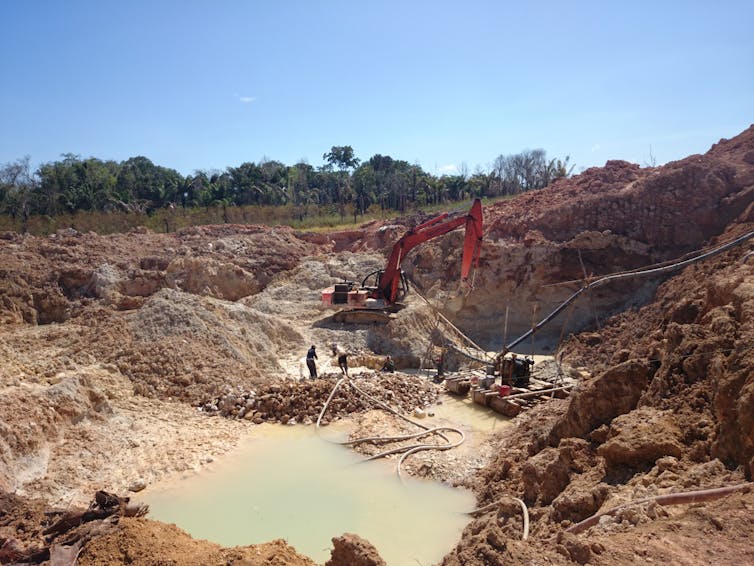
Illegal mining for minerals like gold is driving Amazonia deforestation. Empowering Indigenous peoples to care for biodiversity-rich areas is the key!
Bateleur Eagle Terathopius ecaudatus

Striking raptor Bateleur #Eagle Terathopius ecaudatus soars through #Africa’s skies with powerful red legs, a bright intelligent face and intense eyes. They are famous for their distinctive aerial and soaring skills such as a rocking flight, similar to a tightrope walker. These eagles are known to travel over 300 kilometres a day in search of food. Sadly, their numbers are plummeting due to deforestation, poisoning, and habitat destruction. The loss of their habitat to #palmoil, #mining and #meat #deforestation are some of the biggest threats they face. Help them every time you shop and boycott palm oil and go plant-based. #BoycottPalmOil and #Boycott4Wildlife!
 Palm Oil Detectives