
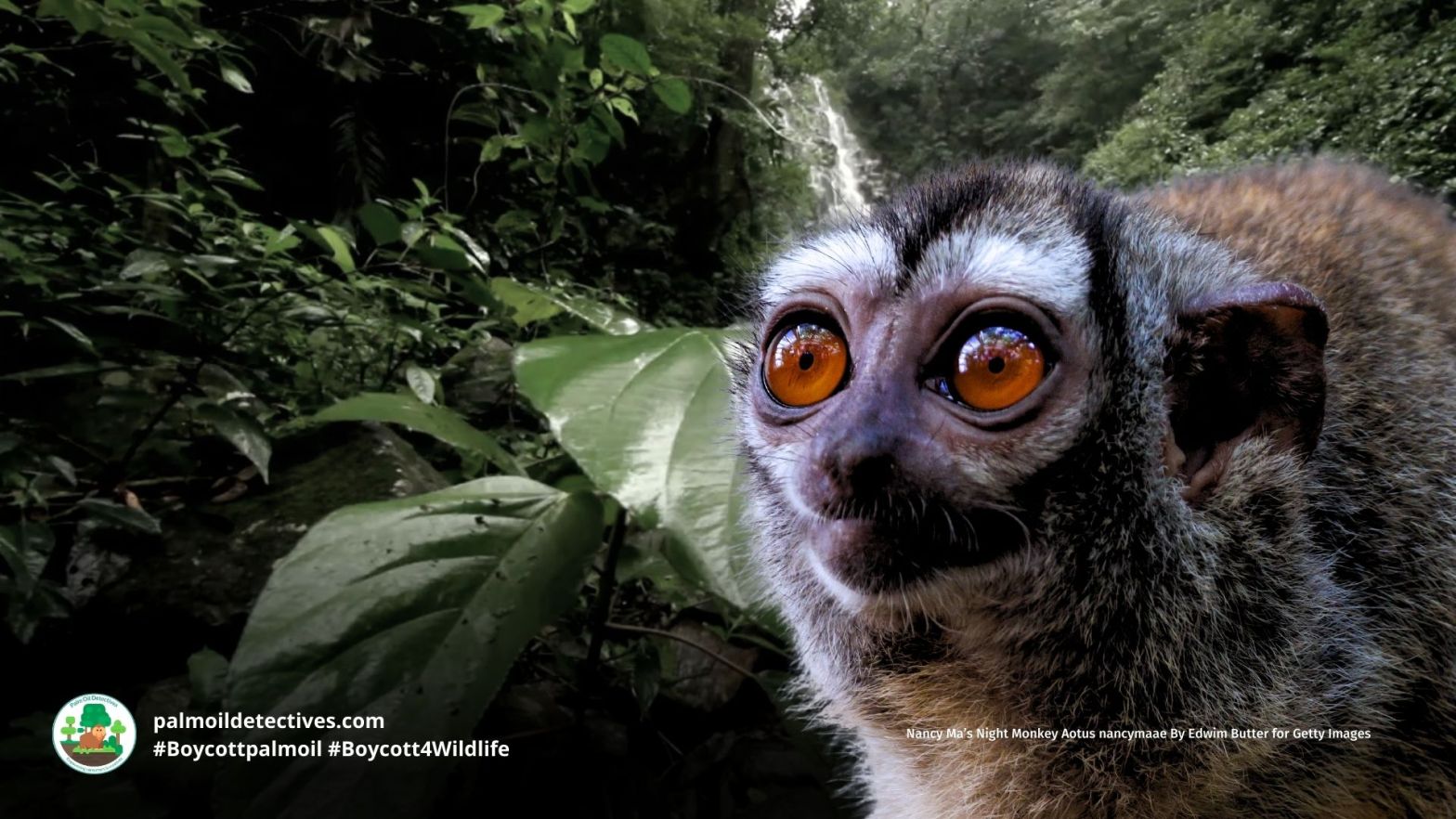
Deep in the heart of the Amazon rainforest, the Nancy Ma’s night monkeys peer out of the trees during the dusk with their large, soulful eyes and striking facial markings. Also known as the Ma’s night monkey or the Peruvian red-necked owl monkey, this nocturnal primate is named in honour of Dr. Nancy Shui-Fong Ma, who played a significant role in their genetic research. They are endemic to Brazil, Peru, and parts of Colombia, these monkeys are an essential part of their ecosystem. They now face direct threats from expansion for palm oil, soy and meat deforestation and are wild captured for scientific research – much of primate research is not even relevant to human health. Help them every time you shop and #BoycottPalmOil, be #vegan and #Boycott4Wildlife!
Tag Archives: Boycott meat
Stop Gambling Our Future for Meat Deforestation
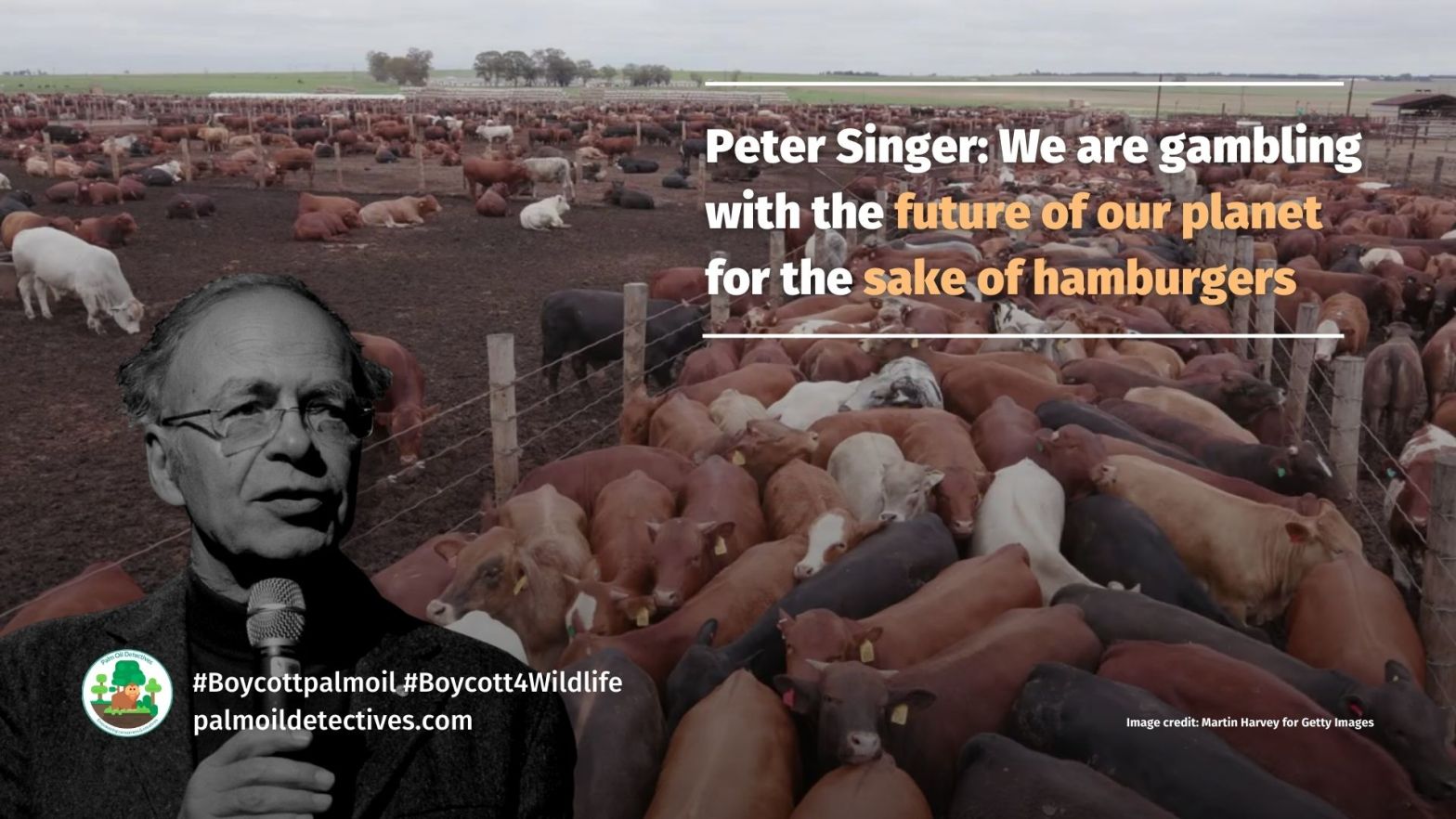
Ethicist Peter Singer warn our consumption of meat and dairy risks the planet’s future driving climate change, food security and animal extinction. Be vegan!
300,000 Trees Tracked: Are Losing Their Power to Help Us
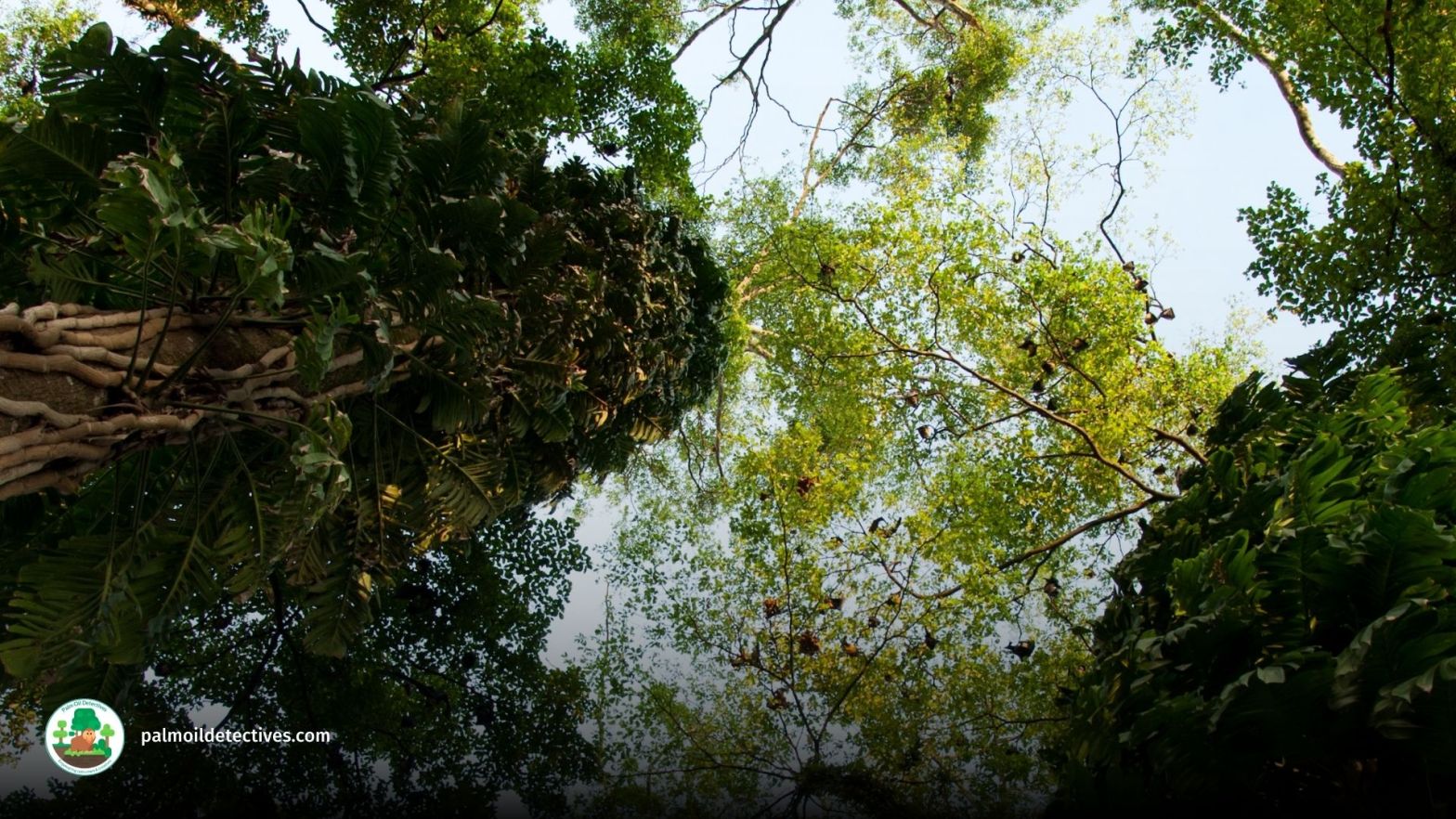
Tropical forests matter to each and every one of us. They suck colossal quantities of carbon out of the atmosphere, providing a crucial brake on the rate of climate change. Yet a statistical model in this study has estimated that by 2030 the African forests’ capacity to remove carbon will decrease by 14%, while Amazonian forests may stop removing carbon dioxide altogether by 2035. What can you do? Use our wallet as a weapon and #Boycottpalmoil #Boycottmeat #Boycott4Wildlife
Preventing Pandemics: Cheaper Than Controlling Them
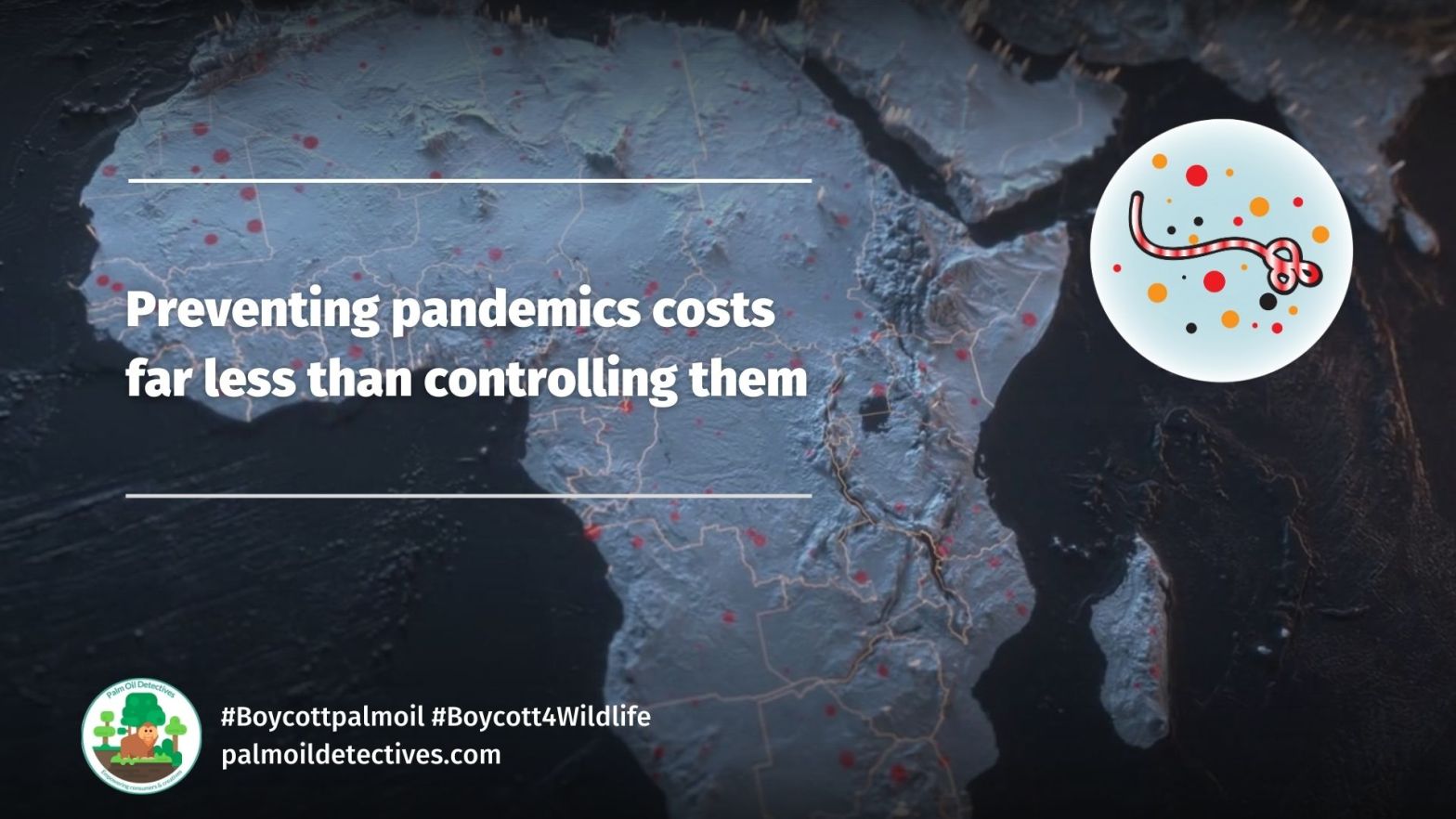
“It turns out prevention of #pandemics really is the best medicine. We estimate we could greatly reduce the likelihood of another pandemic occuring by investing as little as 1/20th of the losses incurred so far from COVID into [#wildlife and #rainforest] conservation measures designed to help stop the spread of these viruses from wildlife to humans in the first place.” Professor Stuart Pimm, Doris Duke Professor of Conservation Ecology at Duke University, who was co-lead author of the study. Fight against extinction every time you shop #BoycottPalmOil #Boycott4Wildlife
Ultra-processed Foods: Trashing Health and The Planet

Our world is facing a huge challenge: we need to create enough high-quality, diverse and nutritious food to feed a growing population – and do so within the boundaries of our planet. This means significantly reducing the environmental impact of the global food system. Below is information about how you can identify ultra processed foods containing palm oil and other harmful ingredients in order to avoid them – for your own health and the health of the planet. Help the planet, animals and indigenous peoples – #BoycottPalmOil #Boycott4Wildlife
Demand for meat is driving deforestation in Brazil – changing the soy industry could stop it
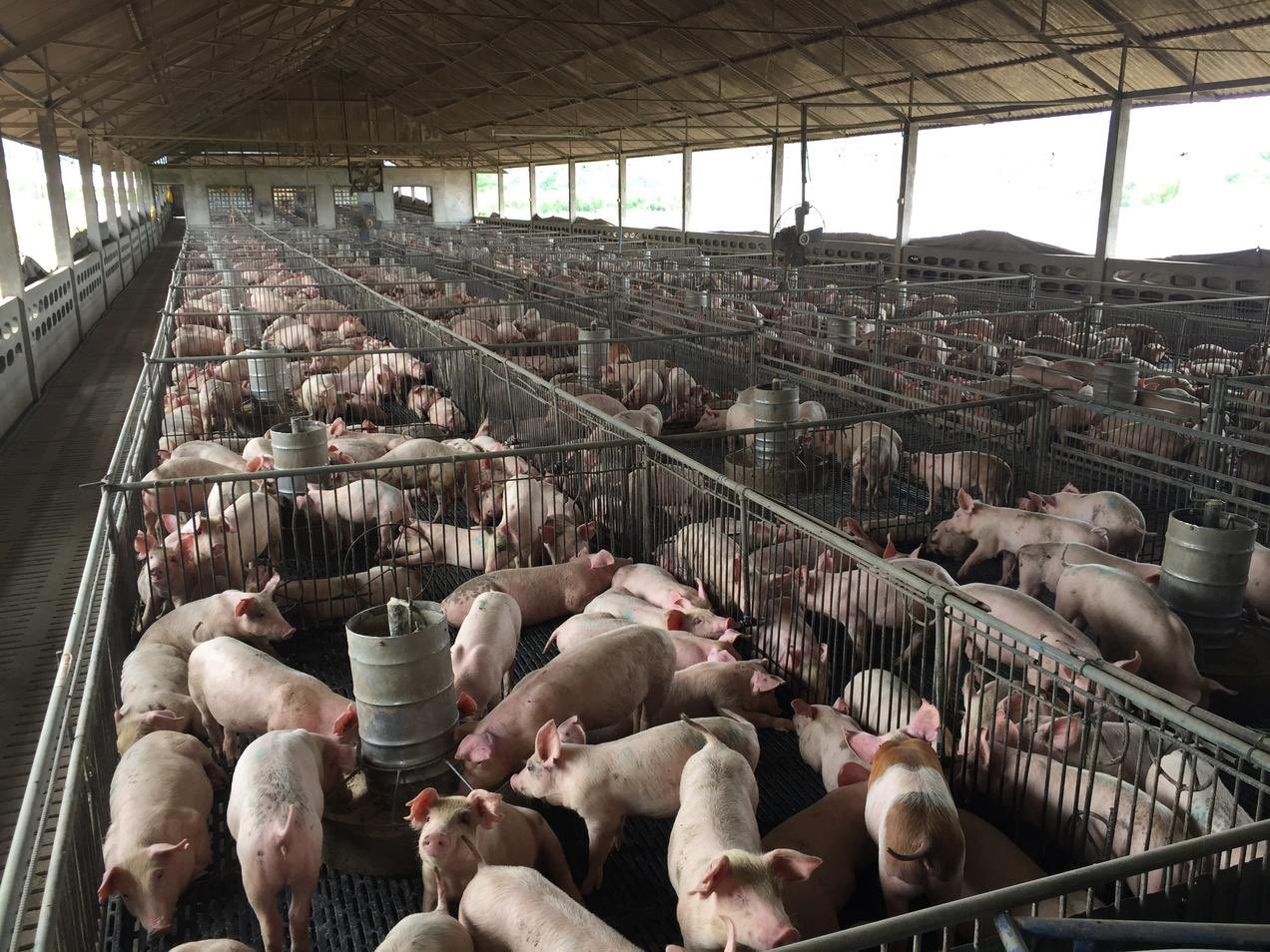
For many people, soy as a commodity has a pretty innocuous reputation thanks to its association with vegan food and meat alternatives. However don’t be fooled – crops of this pale legume are behind much of Brazil’s epidemic of deforestation. Much more #soy is fed to farm animals that people eat than is used in vegan food. Since 2000, #Brazil has doubled its total area of soy plantation to 36 million hectares and become the world’s largest producer. This expansion has erased vast swathes of forest and other habitats in some of the country’s most biodiverse regions. Soy, along with palm oil and meat deforestation are the biggest land-hungry commodities in South America and threaten the world’s largest rainforest biosphere. Help fight against this ecocide every time you shop, be #vegan #BoycottPalmOil #Boycott4Wildlife
Can we feed the world and stop deforestation? Depends what’s for dinner
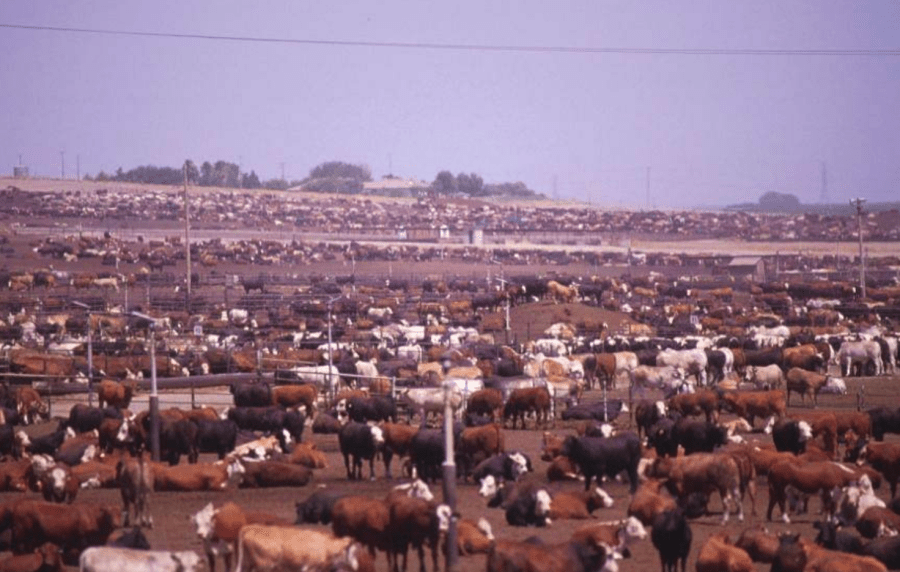
It’s a tricky thing to grow enough #food for a ballooning population without destroying the natural world. And when I say a tricky thing, I mean it’s one of the greatest challenges humanity has ever faced. Luckily for us, it is theoretically possible, and the easiest way to get there is by drastically cutting down on meat. We deforest an area the size of Panama every single year. Across the world, food is the number one cause of #deforestation, especially our taste for meat. If we all woke up #vegan in 2050, we would need less land than in 2000. We could reforest an area the size of the Amazon. 80% of deforestation is from #meat” Take action every time you shop and go plant-based #Boycott4Wildlife
 Palm Oil Detectives