
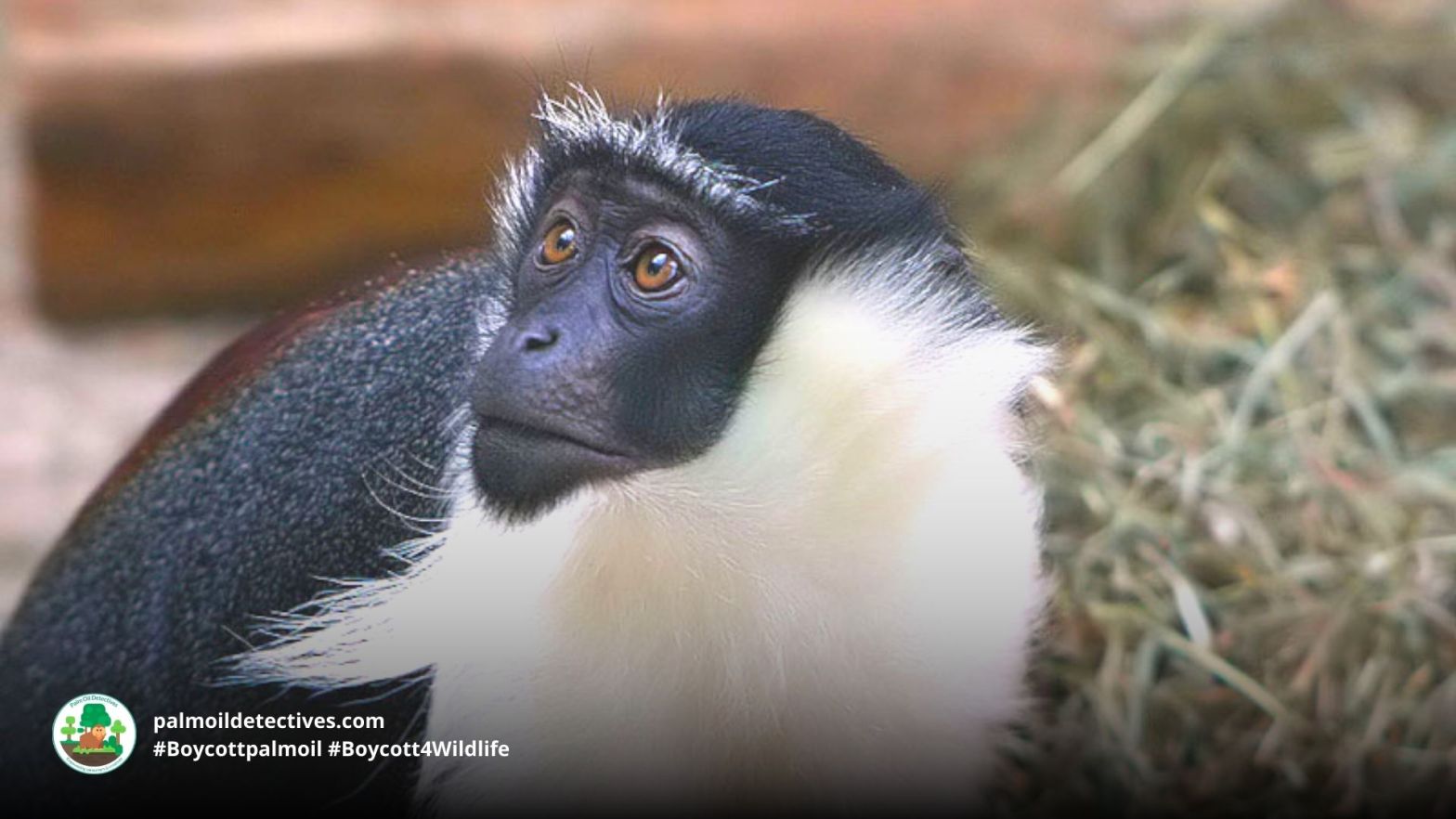
The Roloway Monkey is one of West Africa’s rarest primates, instantly recognisable by their elegant white beard and striking brow band. Once common in the lush rainforests of Ghana and Côte d’Ivoire, the Roloway Monkey now survives only in isolated pockets of old-growth forest. The Roloway Monkey’s world is shrinking rapidly—palm oil, cocoa, and logging companies clear the last ancient trees, while hunters target the Roloway Monkey for bushmeat. The air is thick with the scent of damp earth and the distant echo of chainsaws. With fewer than 2,000 Roloway Monkeys left, their future hangs by a thread. Stand with indigenous communities defending the last forests. Use your wallet as a weapon. #BoycottPalmOil #Boycott4Wildlife #Vegan
Tag Archives: palm oil deforestation
Palm Oil Deforestation Threatens Sulawesi’s Macaques

Illegal logging and palm oil destroying rainforests of Sulawesi endangering the island’s critically endangered Sulawesi black-crested macaques. Fight back!
Brands Using Deforestation Palm Oil

These brands have products that contain palm oil sourced from mills that are responsible for the destruction of precious habitats of endangered species. Just in 2020 alone, these brands (along with many others) contributed to the destruction of 38,000ha of rainforest in Indonesia, SE Asia and Papua New Guinea. Therefore, these brands are directly involved in the extinction of species.
Vordermann’s Flying Squirrel Petinomys vordermanni
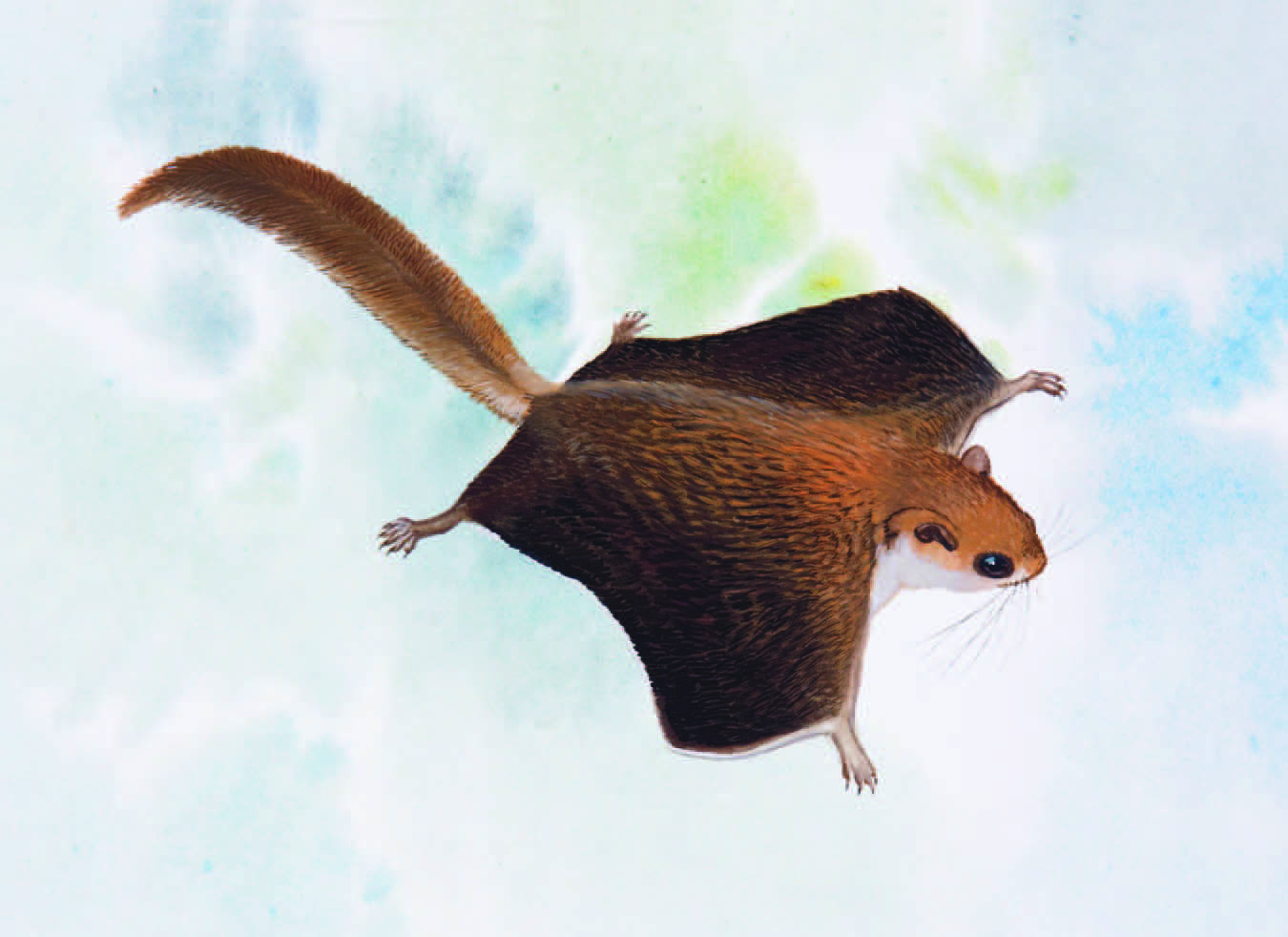
In #Borneo’s twilight, the Vordermann’s flying #squirrel emerges from her nest, resplendent with orange cheeks and black-ringed eyes. This small, #nocturnal #mammal is a master of the rainforest canopy. They use an ingenious membrane called a patagium to effortlessly glide between trees. A flying squirrel’s world is one of constant motion and quiet vigilance. Don’t let this world disappear! The forests that sustain them are vanishing at an alarming rate. Palm oil-driven deforestation, logging, and land conversion are tearing through their habitat, leaving only fragmented forest. Use your wallet as a weapon and #BoycottPalmOil #Boycott4Wildlife.
Bornean Ferret Badger Melogale everetti
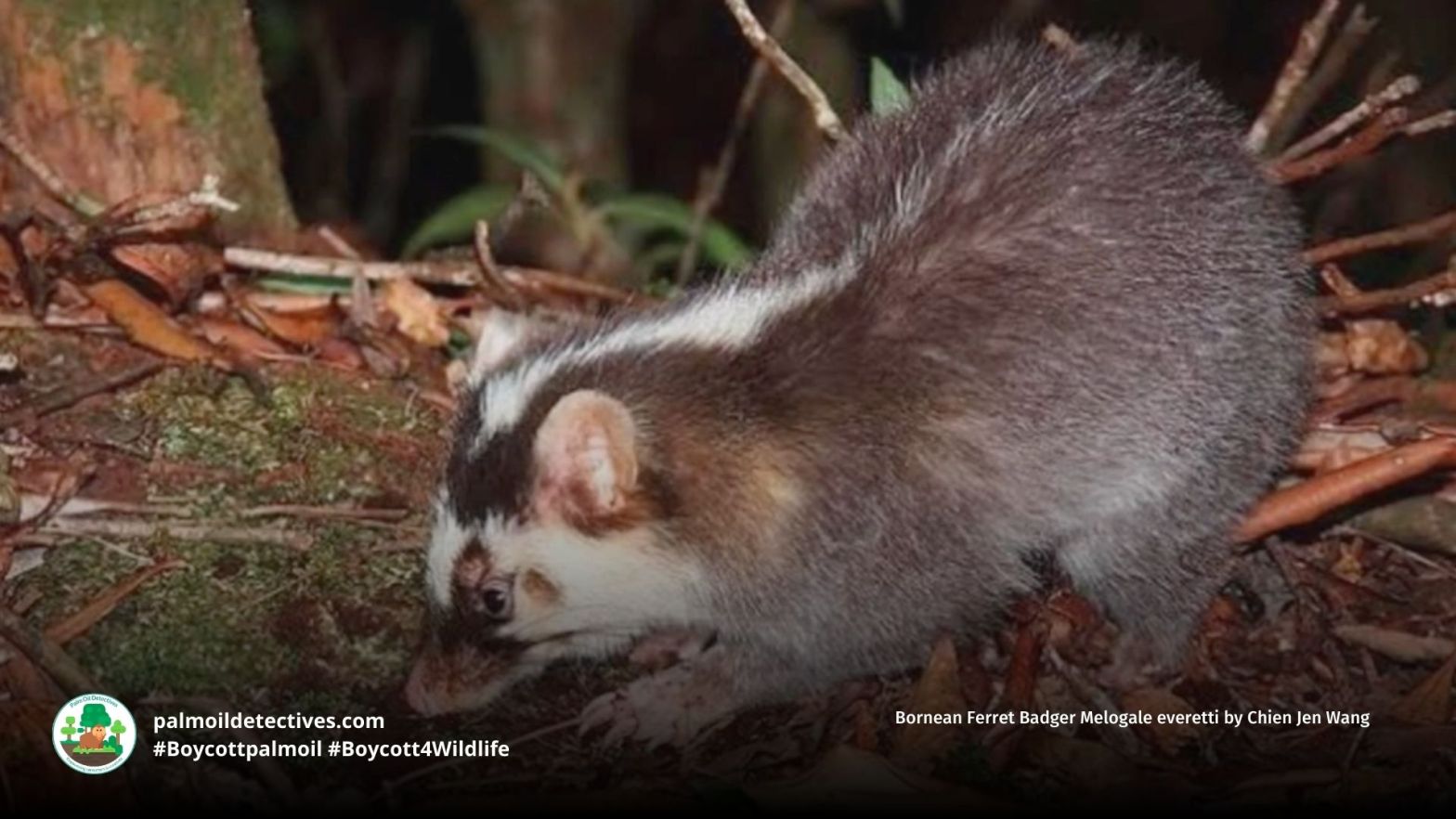
The Bornean Ferret Badger is an enigmatic nocturnal omnivore is endangered due to palm oil and timber deforestation in Malaysia, take action boycott palm oil!
New Britain Sparrowhawk Accipiter brachyurus
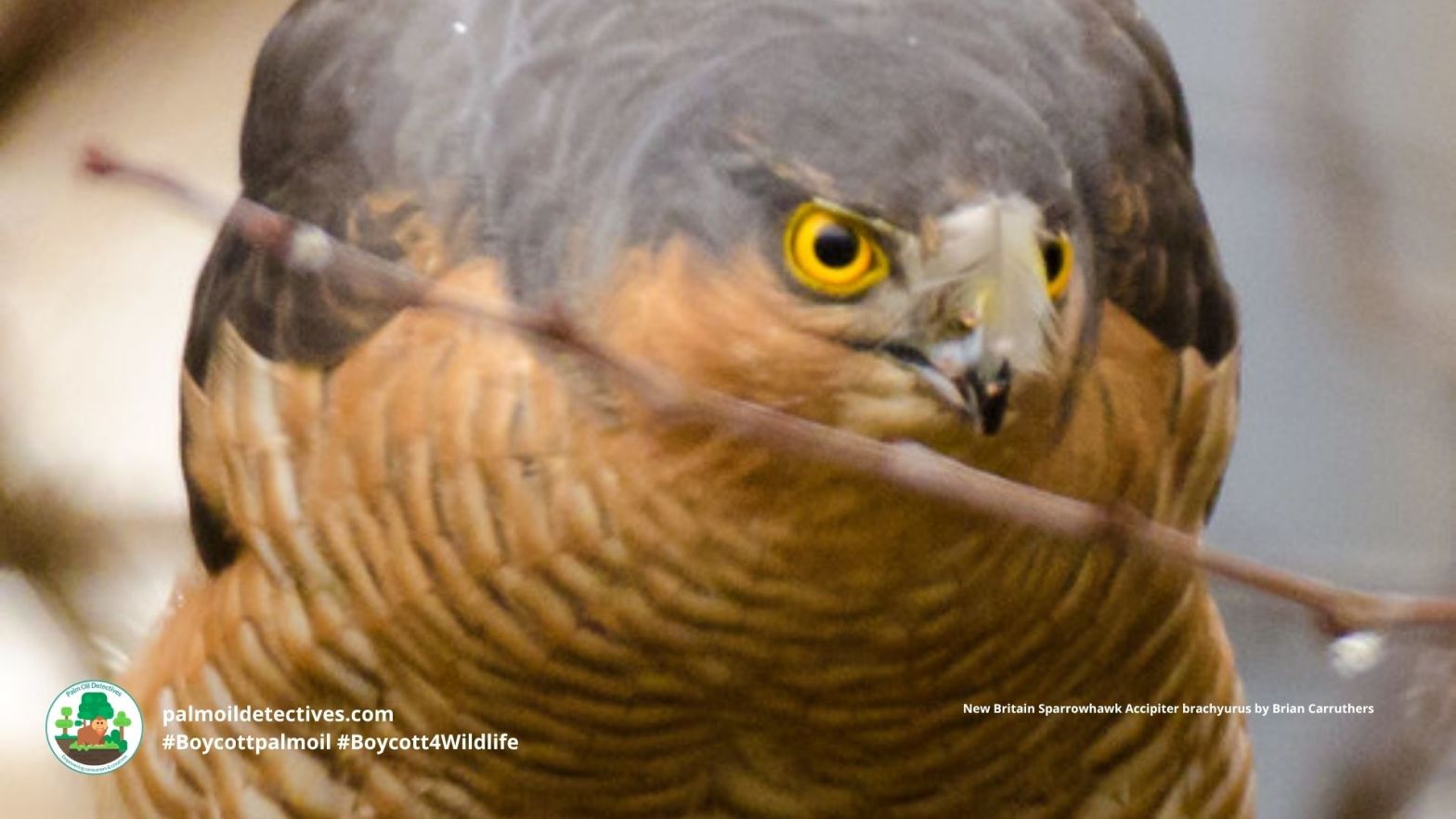
Protect the elusive New Britain Sparrowhawk. These rare birds-of-prey face extinction as palm oil deforestation and logging destroys New Guinea habitat
Woodlark Cuscus Phalanger lullulae
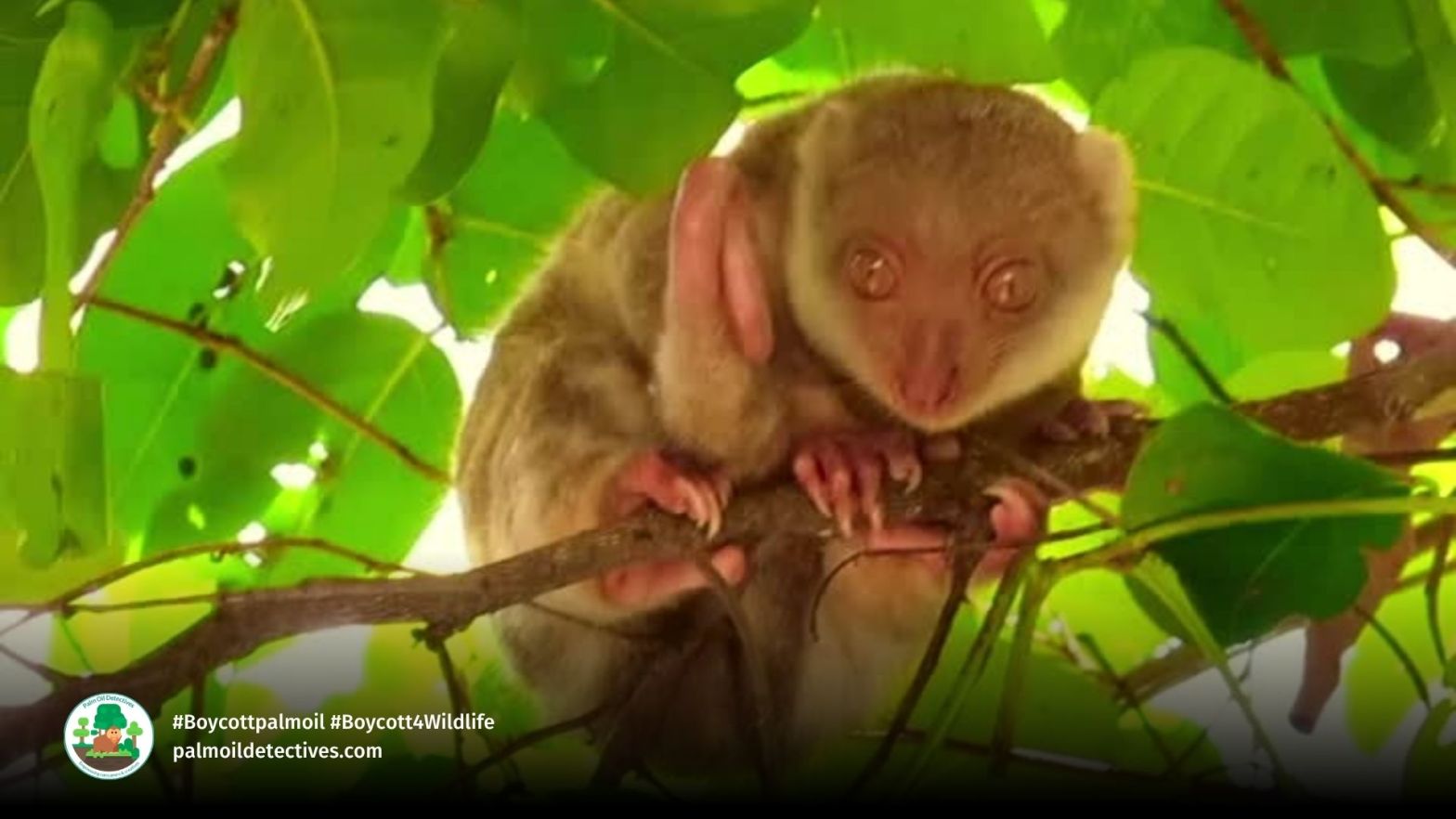
The Woodlark #Cuscus is a nocturnal marsupial found nowhere else but the forests of Woodlark, Madau, and Alcester islands. By day, the Woodlark Cuscus curls into tree hollows or buries themselves in tangles of epiphytes; by night, they move silently through the canopy, their marbled fur blending with the shifting shadows. The Woodlark Cuscus faces imminent extinction as palm oil plantations, logging, and gold mining threaten to erase the last forests of their island home. With all individual cuscuses known from less than 1,300 km² and new clearances looming, the Woodlark Cuscus’s world is shrinking fast. Stand with indigenous Melanesian sovereignty and safeguard these islands. Use your wallet as a weapon and #BoycottPalmOil #Boycott4Wildlife.
Dingiso Dendrolagus mbaiso
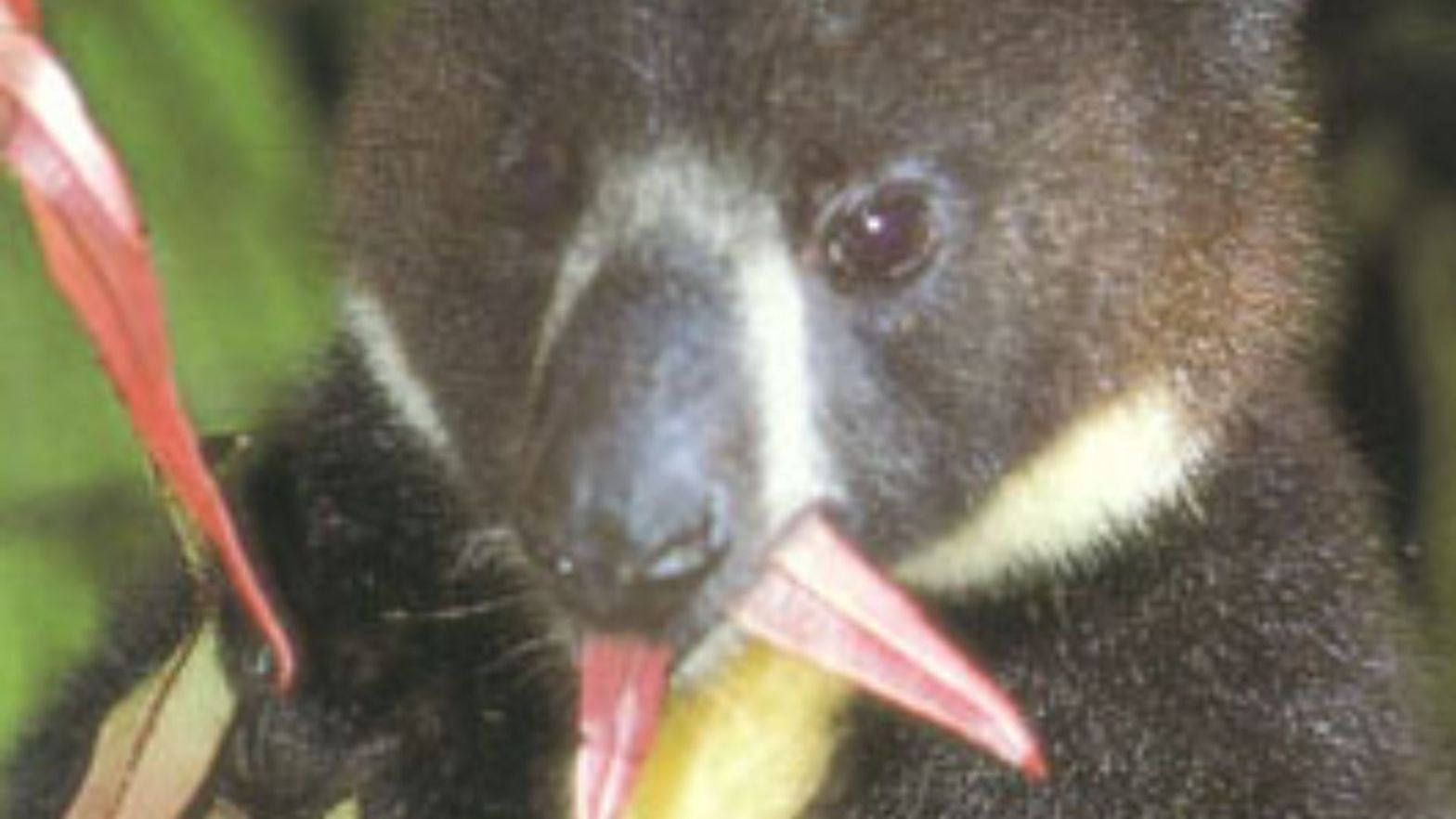
Known affectionately as the ‘Panda tree kangaroo’ for their black and white faces, dingisos are one of the rarest and most charismatic species of tree kangaroos, living only in the remote cloud forests of the Sudirman Range in Indonesian-occupied #WestPapua. While revered by the Moni people who consider them sacred and taboo to hunt, #Dingiso populations have still plummeted by over 50% due to #hunting, road construction, habitat clearing, and the expansion of industrial agriculture particularly #palmoil #deforestation. #Climatechange is now driving further habitat loss at high altitudes. Help these mysterious and gentle tree kangaroos every time you shop, use your wallet as a weapon and #BoycottPalmOil #Boycott4Wildlife
Black-spotted Cuscus Spilocuscus rufoniger
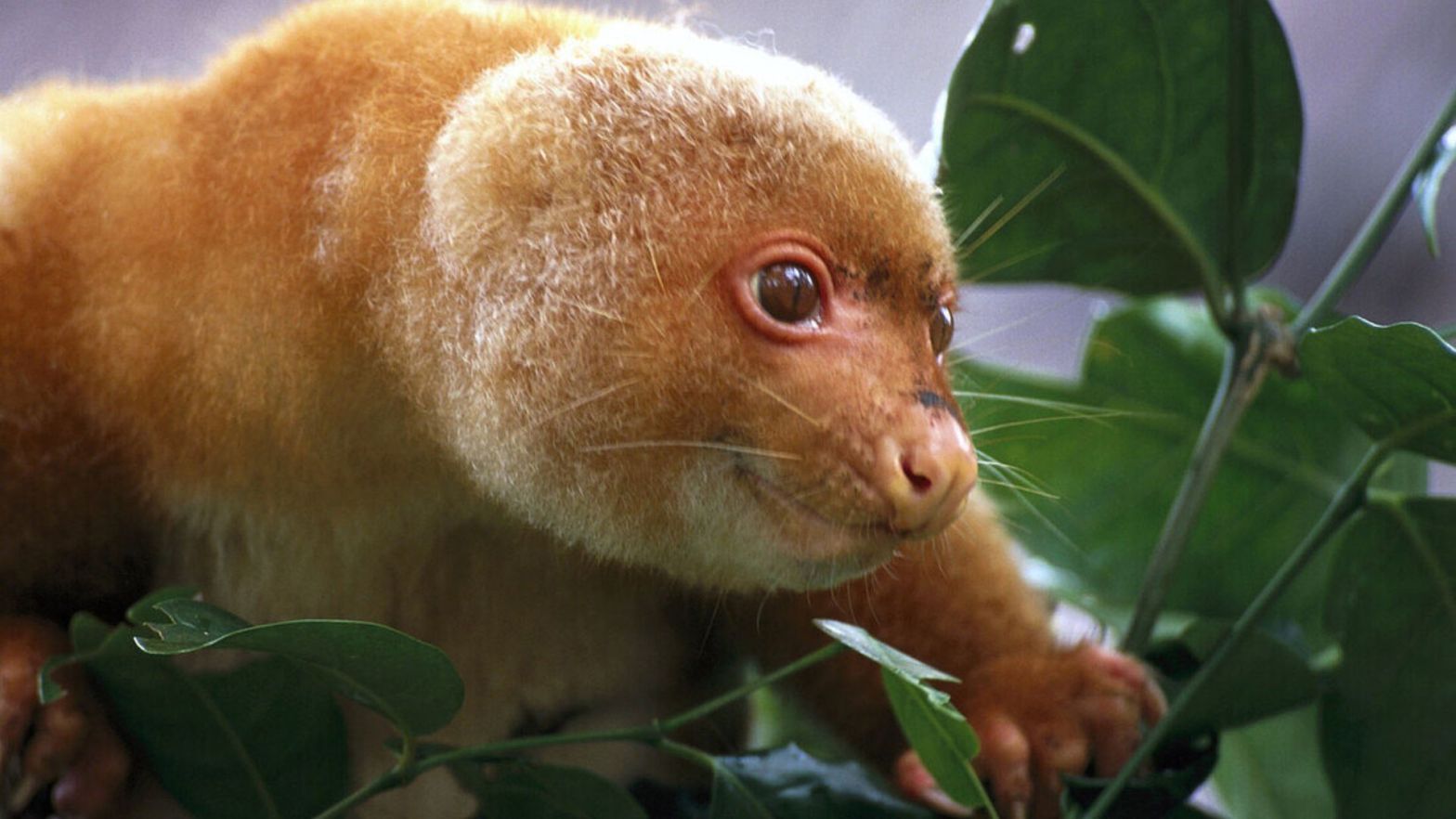
The black-spotted cuscus Spilocuscus rufoniger is one of the most striking and rare marsupials in the world. Known for their soft fur with irregular black spots on a reddish or cream background, they exemplify the biodiversity of West Papua and Papua New Guinea’s rainforests. Endemic to the island, they are incredibly elusive, primarily inhabiting dense forests.
Sadly, this arboreal species is on the brink of extinction, primarily due to habitat loss from logging and palm oil plantations. Additionally, they are hunted for bushmeat and their striking pelts, which are valued in local traditions. With their population in severe decline, urgent action is needed to save this remarkable species from disappearing. Fight for their survival and #BoycottPalmOil #Boycott4Wildlife.
Bornean Rainbow Toad Ansonia latidisca
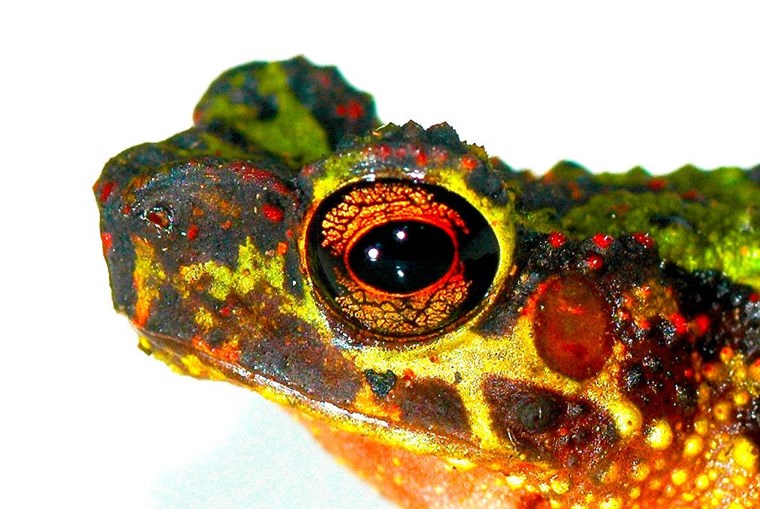
The Bornean Rainbow Toad, also known as the Sambas Stream Toad, is a vibrantly coloured amphibian native to the rainforests of Borneo. This elusive species was rediscovered in 2011 after being unseen since 1924. Endemic to the montane rainforests, these toads are nocturnal and arboreal, with long, spindly limbs and a bright, variegated dorsal skin. Their striking appearance and nocturnal habits make them a unique sight in their natural habitat. The primary threats to their survival include habitat loss due to deforestation for agriculture, particularly palm oil plantations. Protecting their habitat is crucial for their survival. Join the cause to #Boycottpalmoil and #Boycott4Wildlife.
Proboscis Monkey Nasalis larvatus
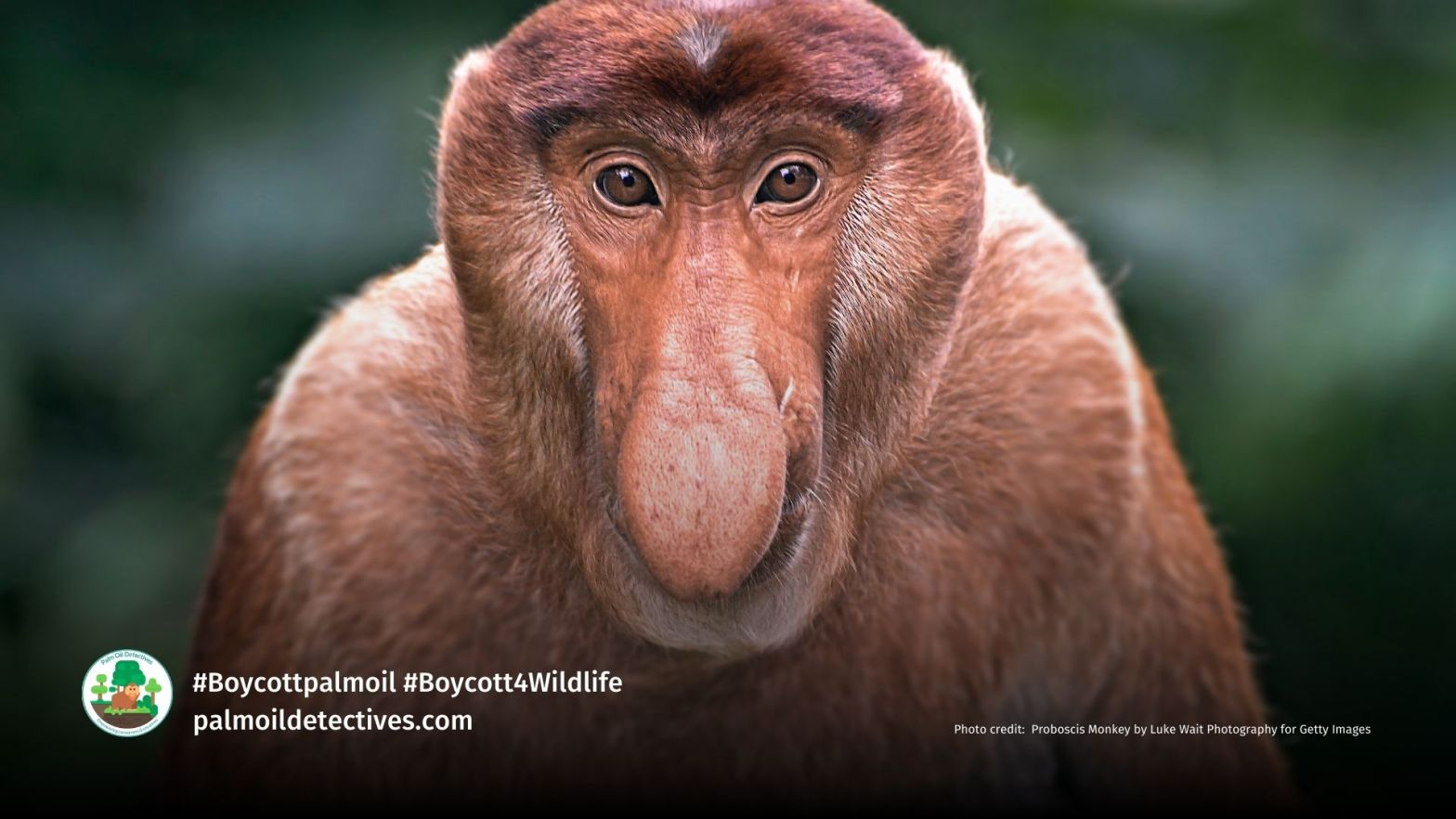
Proboscis Monkeys are known for their large noses and pot bellies. These arboreal monkeys of Borneo are great swimmers, help them when you boycott palm oil
Javan Rhinoceros Rhinoceros sondaicus
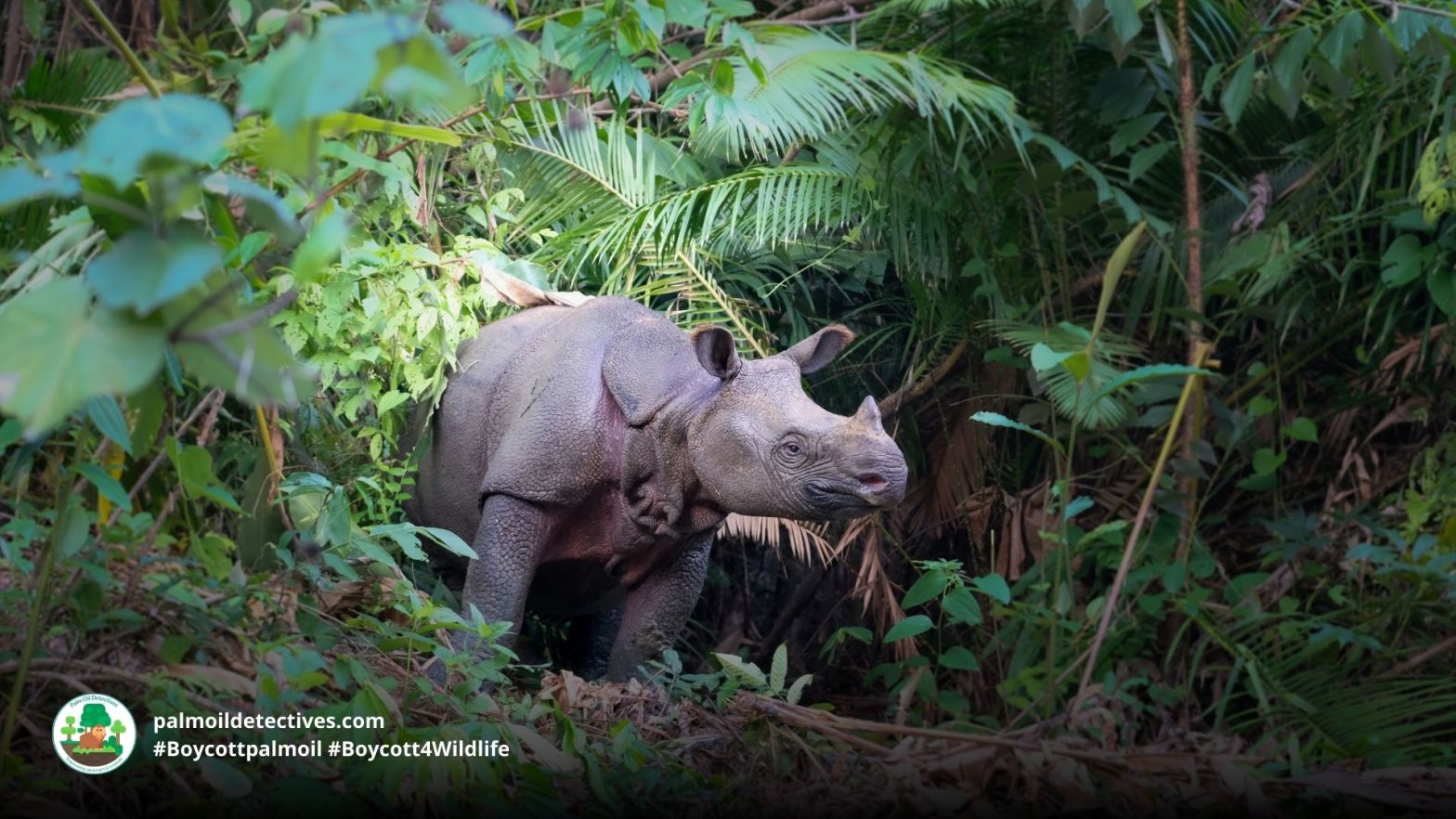
The Javan rhinoceros, also called the Sunda rhinoceros, is a critically endangered species and one of the world’s rarest large mammals. There are only a few dozen left alive in Ujung Kulon National Park in Java, Indonesia. Javan rhinos once lived throughout northeast India and Southeast Asia. Vietnam’s last Javan rhino was poached in 2010. they now survive only in Ujung Kulon National Park on the island of Java, with fewer than 75 individuals remaining.
Their decline has been driven by palm oil deforestation, poaching for their horns, and competition with invasive plant species like the Arenga palm, which reduces food availability. Saving the Javan rhinoceros is critical to preserving the biodiversity of their rainforest home. Fight for their survival by boycotting products linked to deforestation. Use your wallet as a weapon. #BoycottPalmOil #Boycott4Wildlife
Thomas’s Langur Presbytis thomasi
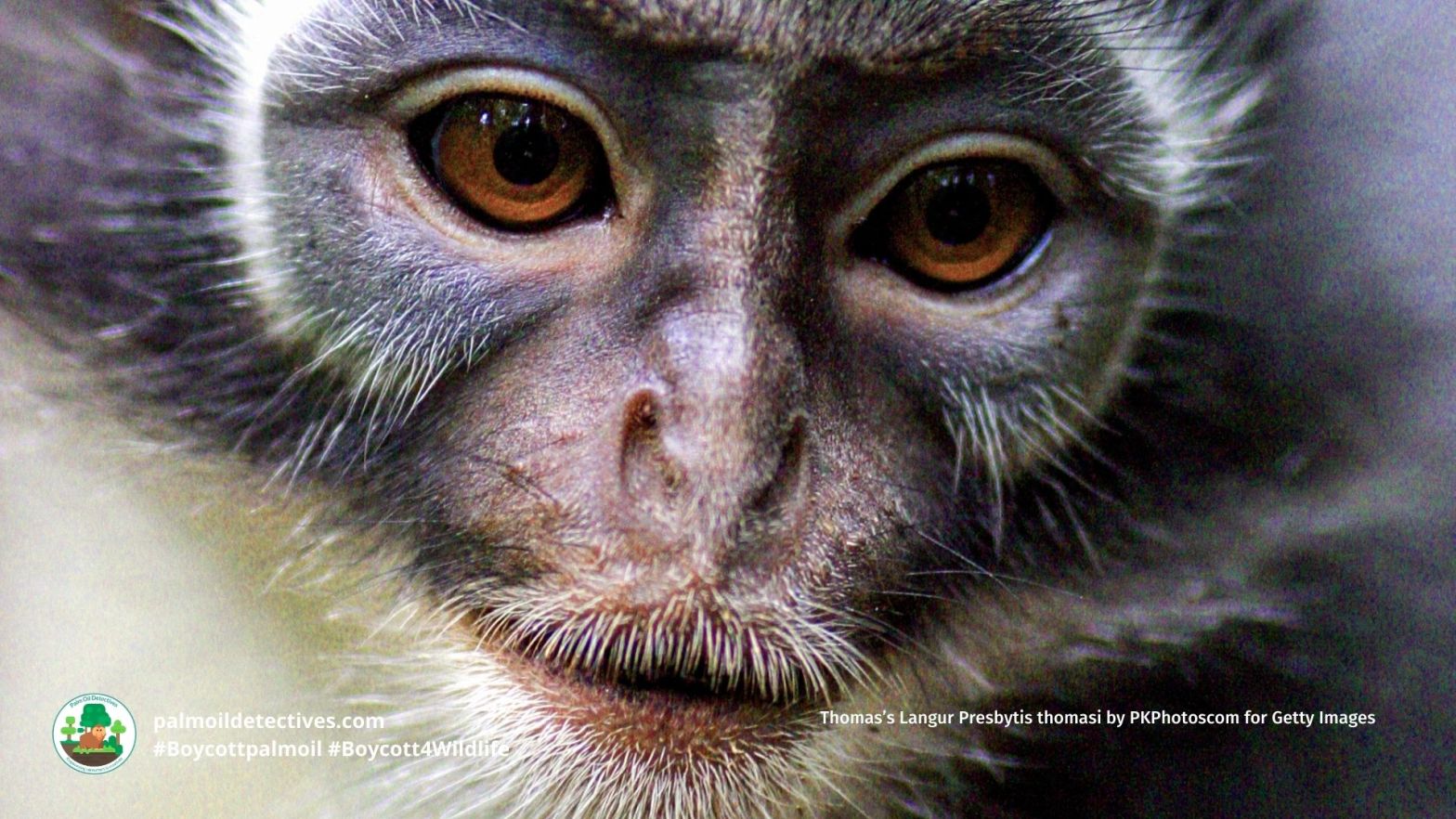
Thomas’s Langur, also known as the North Sumatran Leaf #Monkey is famous for their bold facial stripes giving them a handsome profile. These monkeys are endemic to the lush forests of northern Sumatra, Indonesia. Listed as Vulnerable by the Red List, this striking species is facing serious population declines due to habitat loss, primarily driven by illegal logging and oil palm deforestation. Though not as globally known as some of its neighbours, such as the Sumatran Orangutan, Thomas’s Langur plays an equally vital role in forest regeneration and seed dispersal. You can help protect them by using your consumer power: always choose palm oil-free products.#BoycottPalmOil #Boycott4Wildlife #Vegan
Sumatran Cochoa Cochoa beccarii
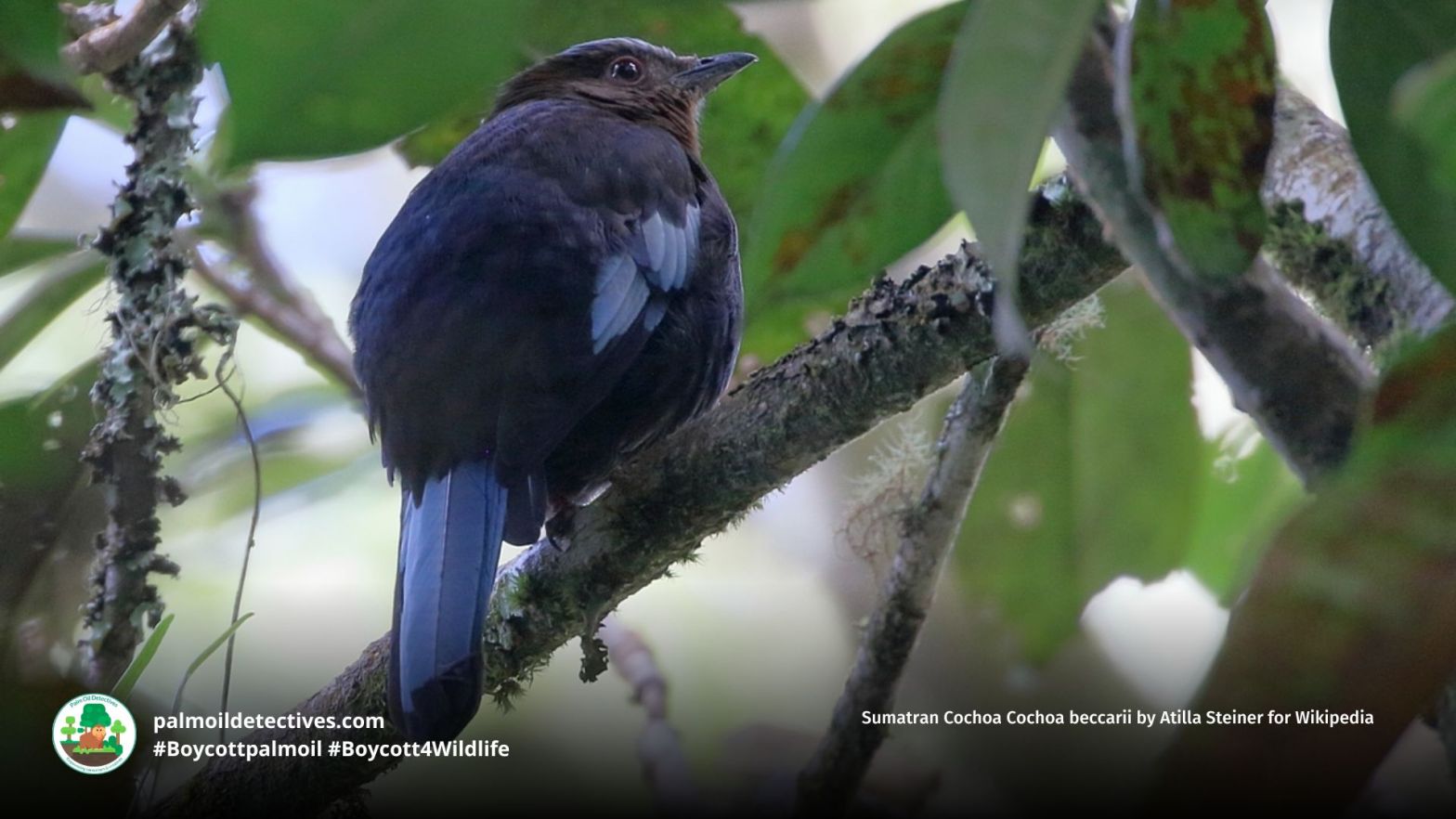
The Sumatran Cochoa Cochoa beccarii is a rare and secretive forest-dwelling #songbird found only in the highland rainforests of #Sumatra #Indonesia. With their shimmering electric blue and smoky black plumage and elusive behaviour, this species of songbird moves in a melodic symphony of song through the middle and upper canopy, often remaining hidden from view. Although currently listed as #Vulnerable, the species is experiencing a slow but steady decline caused by #deforestation and trapping for the illegal bird trade. As demand for exotic songbirds grows, especially online, the Sumatran Cochoa faces a very real risk of disappearing from the wild. Use your wallet as a weapon. Say no to palm oil and never support the illegal wildlife trafficking and illegal songbird trade. Campaign against wildlife trafficking and #BoycottPalmOil #Boycott4Wildlife #Vegan
Borneo Pygmy Elephant Elephas maximus borneensis
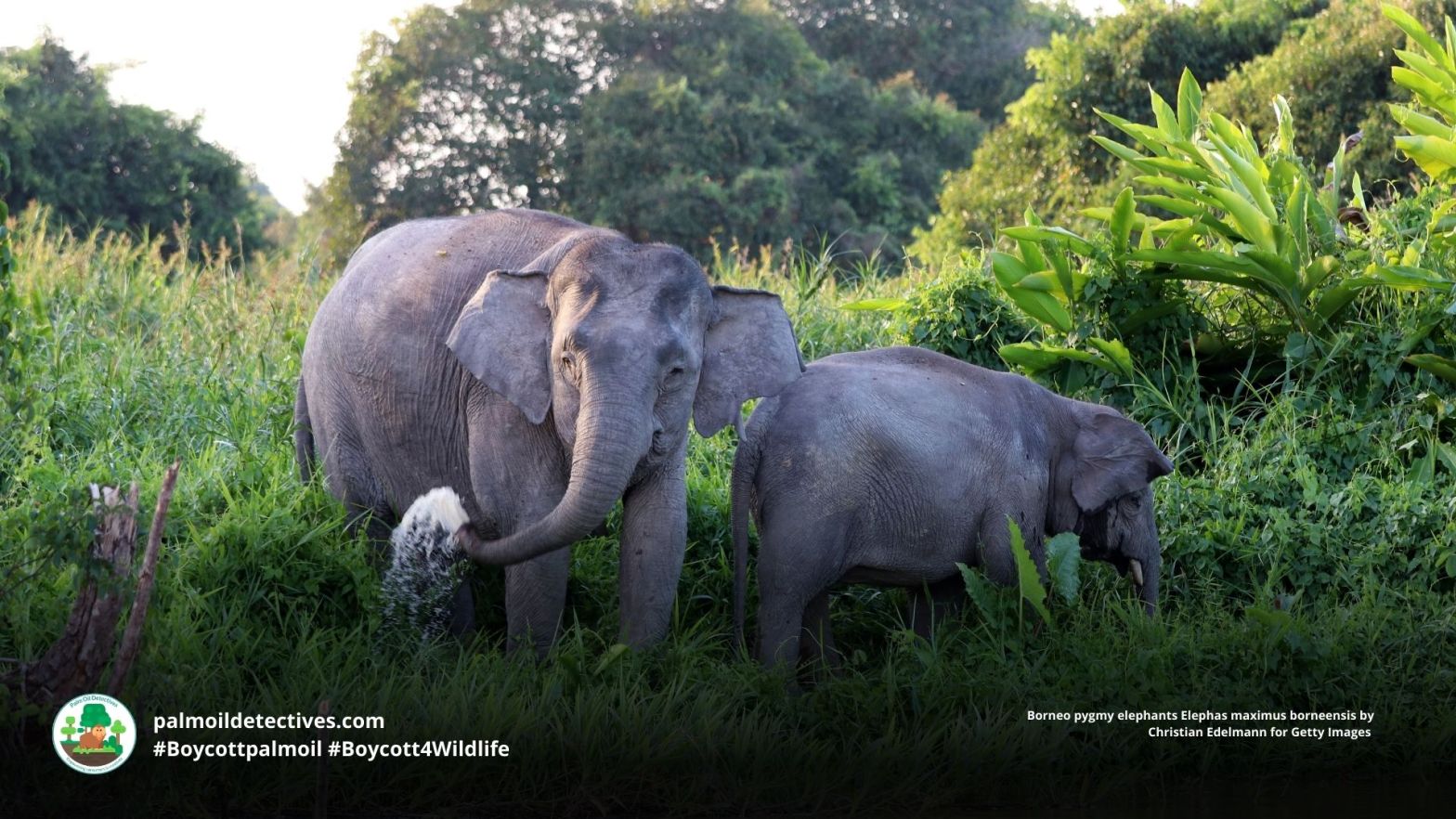
Explore the plight of the Bornean Pygmy Elephant (Elephas maximus borneensis), a vulnerable species threatened by habitat loss due to palm oil deforestation. Learn how you can help protect them. #BoycottPalmOil #Boycott4Wildlife
 Palm Oil Detectives