
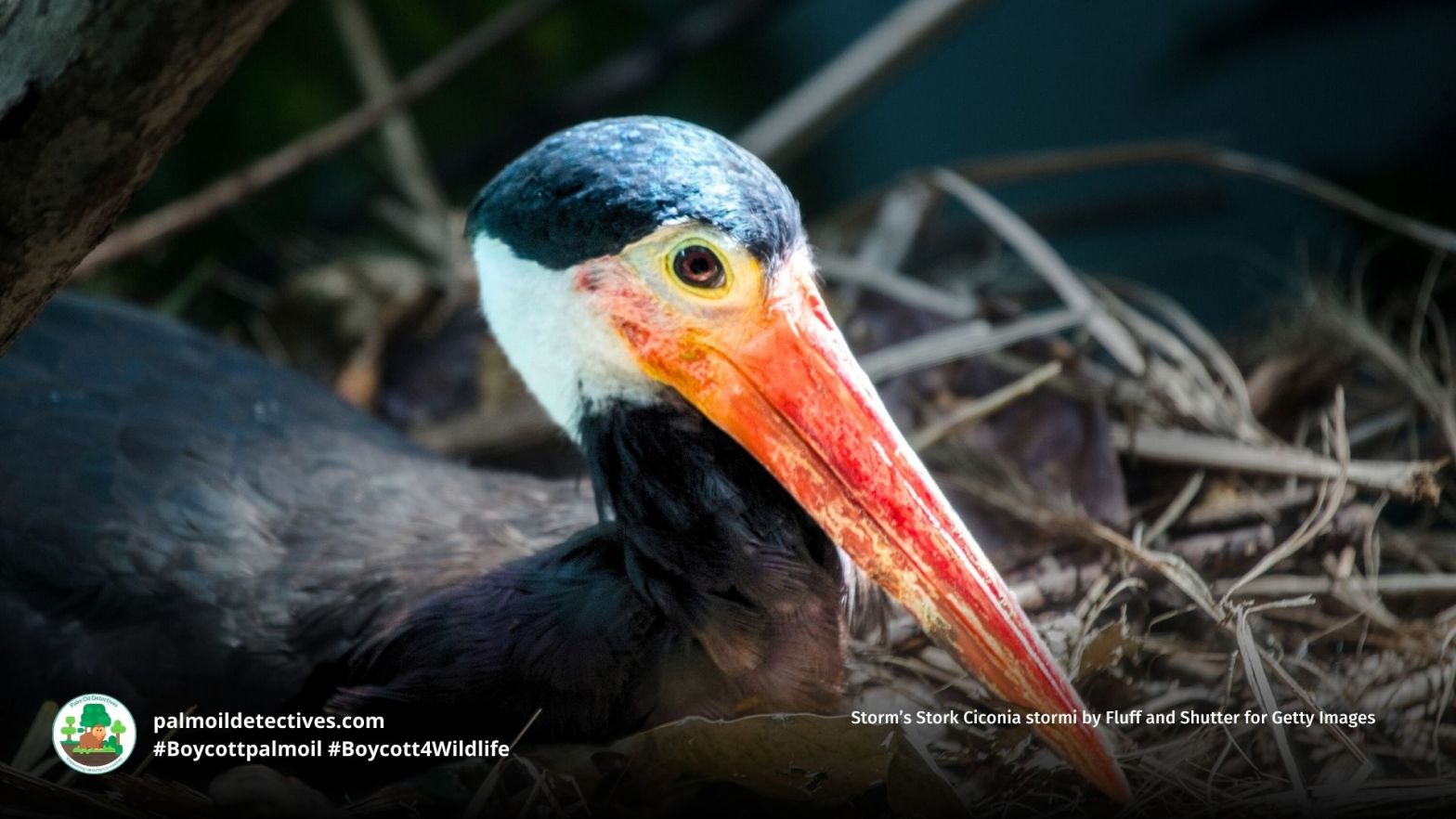
Storm’s Stork Ciconia stormi is the rarest and most elusive stork in Asia, palm oil is a threat boycott palm oil for them!
Tag Archives: poaching
Blue Bird-of-paradise Paradisornis rudolphi
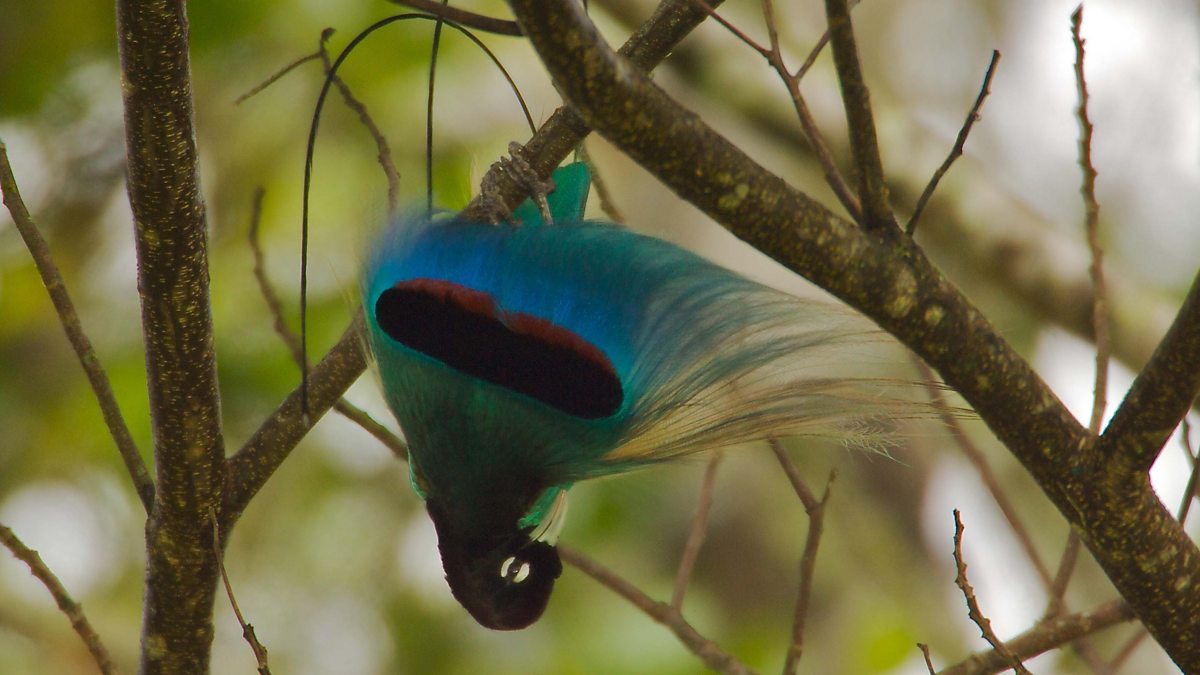
Discover the jewel-toned Blue Bird-of-Paradise, a species found only in Papua New Guinea’s mountains. These mesmerising birds are vulnerable due to palm oil
Black Crested Gibbon Nomascus concolor
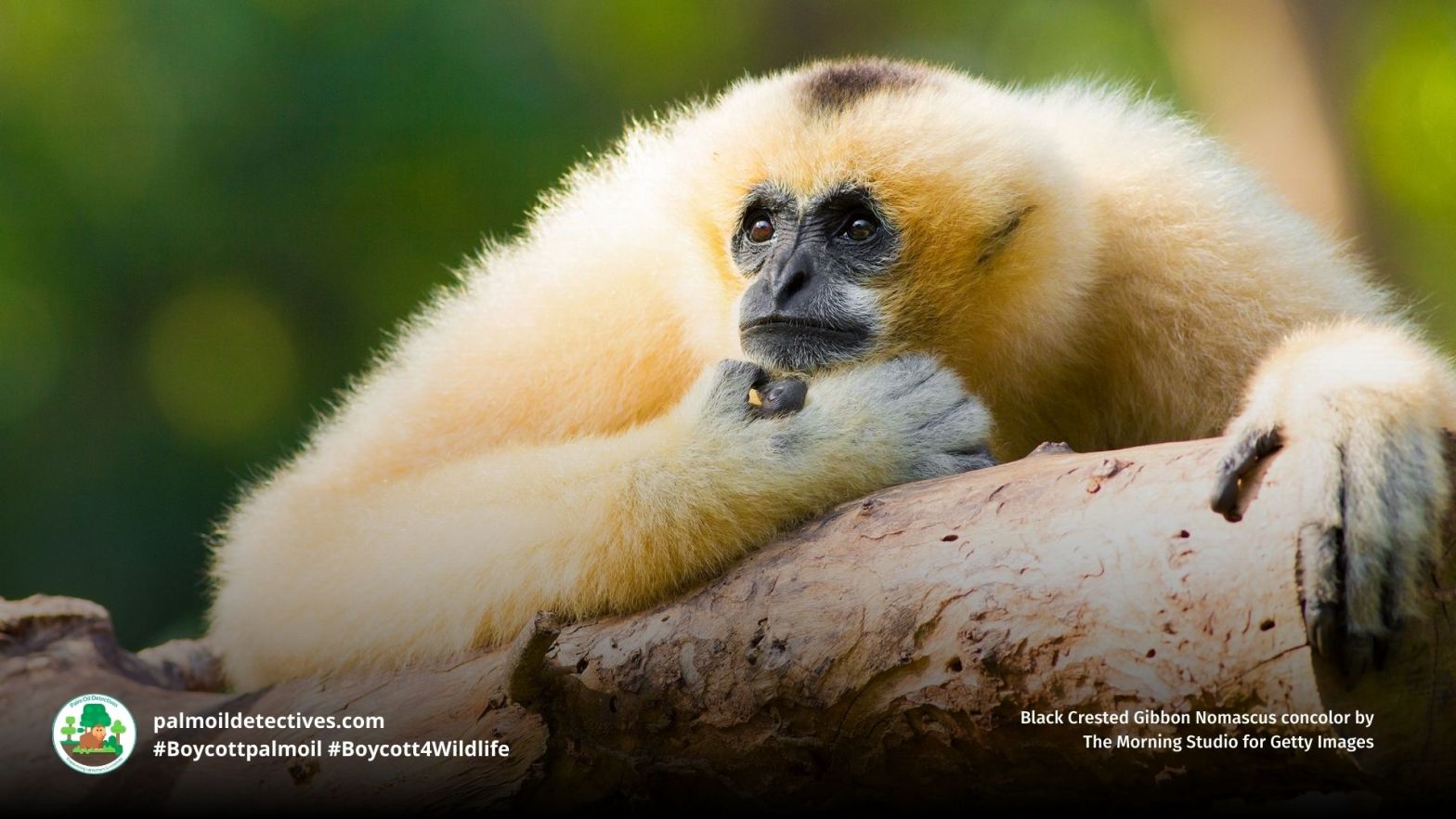
The Black-Crested Gibbon of the genus Nomascus is a truly enchanting primate, renowned for their melodic morning duets that echo through the forests of southern China, Vietnam, and Laos. What makes these calls even more remarkable is their regional variation—these gibbons sing with distinct “accents,” unique to their local populations. These complex songs not only strengthen bonds between mates but also serve as territorial markers, ensuring harmony within their fragmented forest homes.
Despite their beauty and ecological importance, Black-Crested Gibbons are at risk of extinction. Habitat destruction for agriculture, and logging, coupled with hunting for the bushmeat trade and the illegal pet trade, is rapidly shrinking their population. Protecting their future is vital for the health of their ecosystems. Take action now: Boycott the illegal wildlife trade, be #vegan and #Boycott4Wildlife.
Sabah Grizzled Langur Presbytis sabana
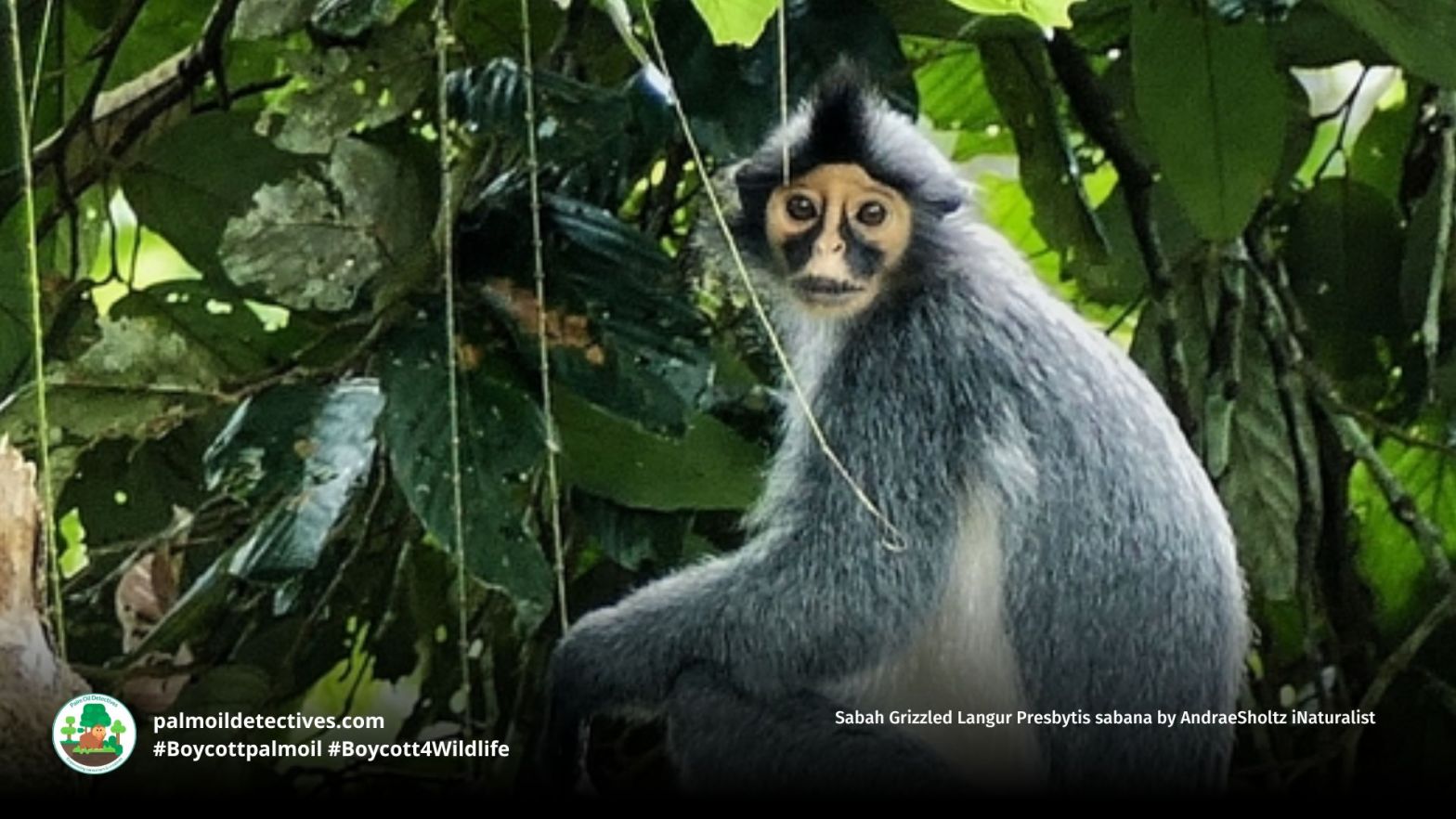
Save Sabah Grizzled Langurs AKA Crested Grizzled Langurs from palm oil! They’re endangered and urgent action is needed to prevent their extinction – boycott!
Balabac Mouse Deer Tragulus nigricans
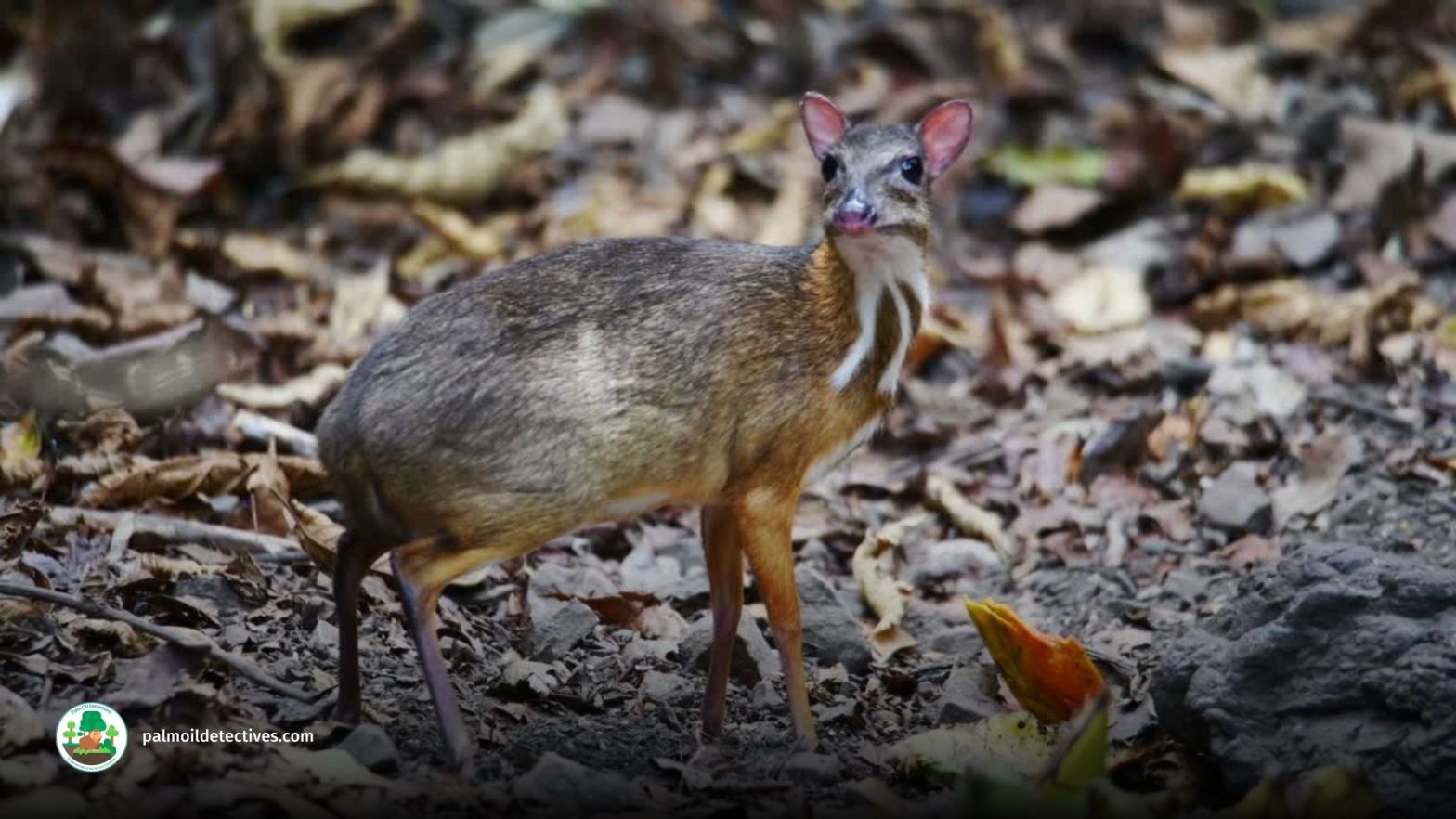
Balabac Mouse Deer Tragulus nigricans Endangered Extant (resident) Philippines; Presence Uncertain: Malaysia The Balabac Mouse-deer, also known as the Philippine Mouse-deer or locally as Pilandok, is a tiny, fragile deer most active at night. They are ruminants endemic to the Balabac Islands in the Philippines. Despite their diminutive size, the deers play a significant roleContinue reading “Balabac Mouse Deer Tragulus nigricans”
Borneo Bay Cat Catopuma badia
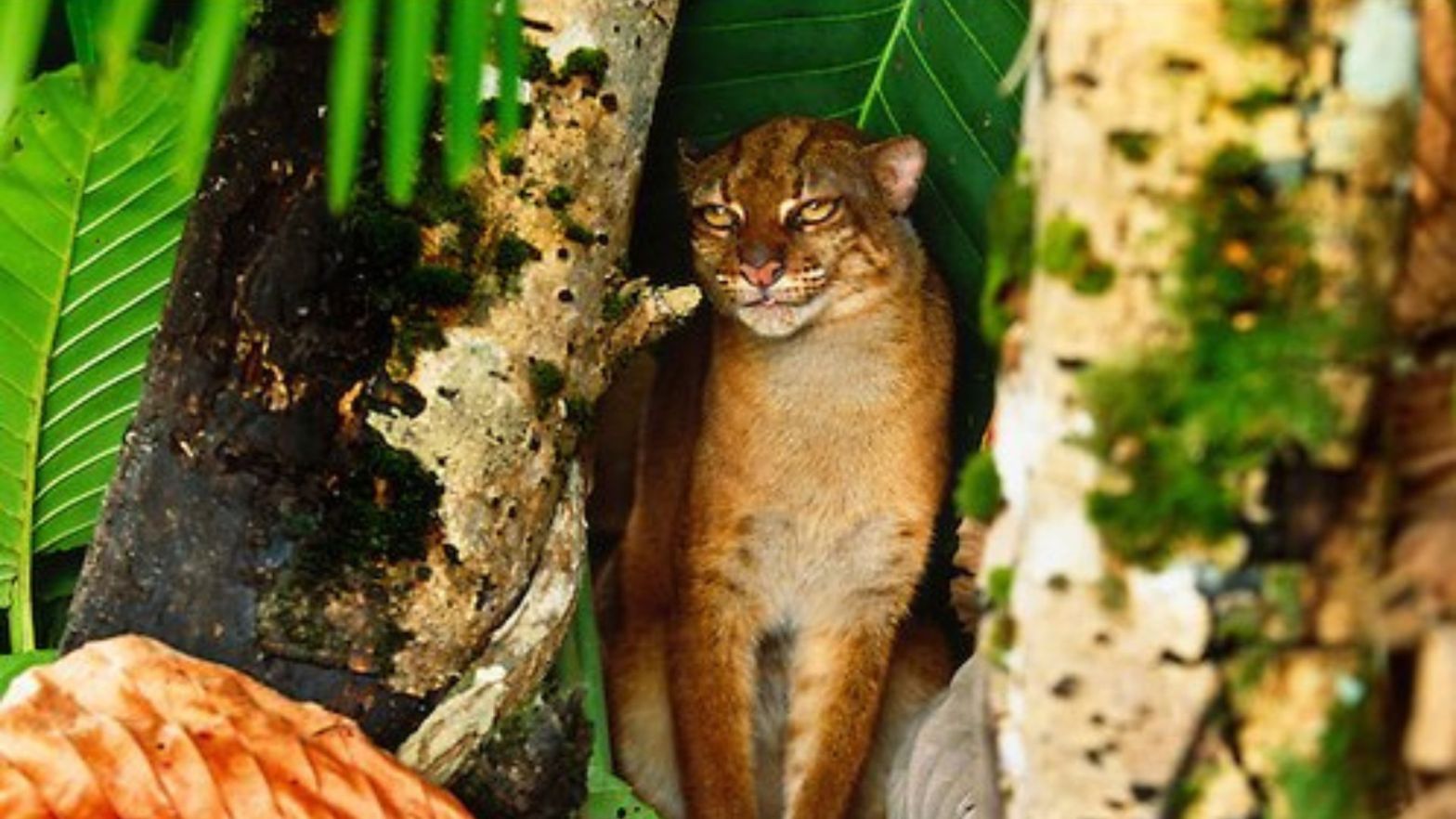
The Borneo Bay Cat, also known as the Bay Cat, is a small wildcat species endemic to the island of Borneo. Renowned for their elusive nature, they inhabit dense tropical forests and are among the least studied wild cats globally. Their rarity and the rapid deforestation of Borneo’s rainforests have raised significant conservation concerns. To protect the Borneo Bay Cat use your wallet as a weapon to fight for their survival each time you shop. #BoycottPalmOil #Boycott4Wildlife
Elongated Tortoise Indotestudo elongata
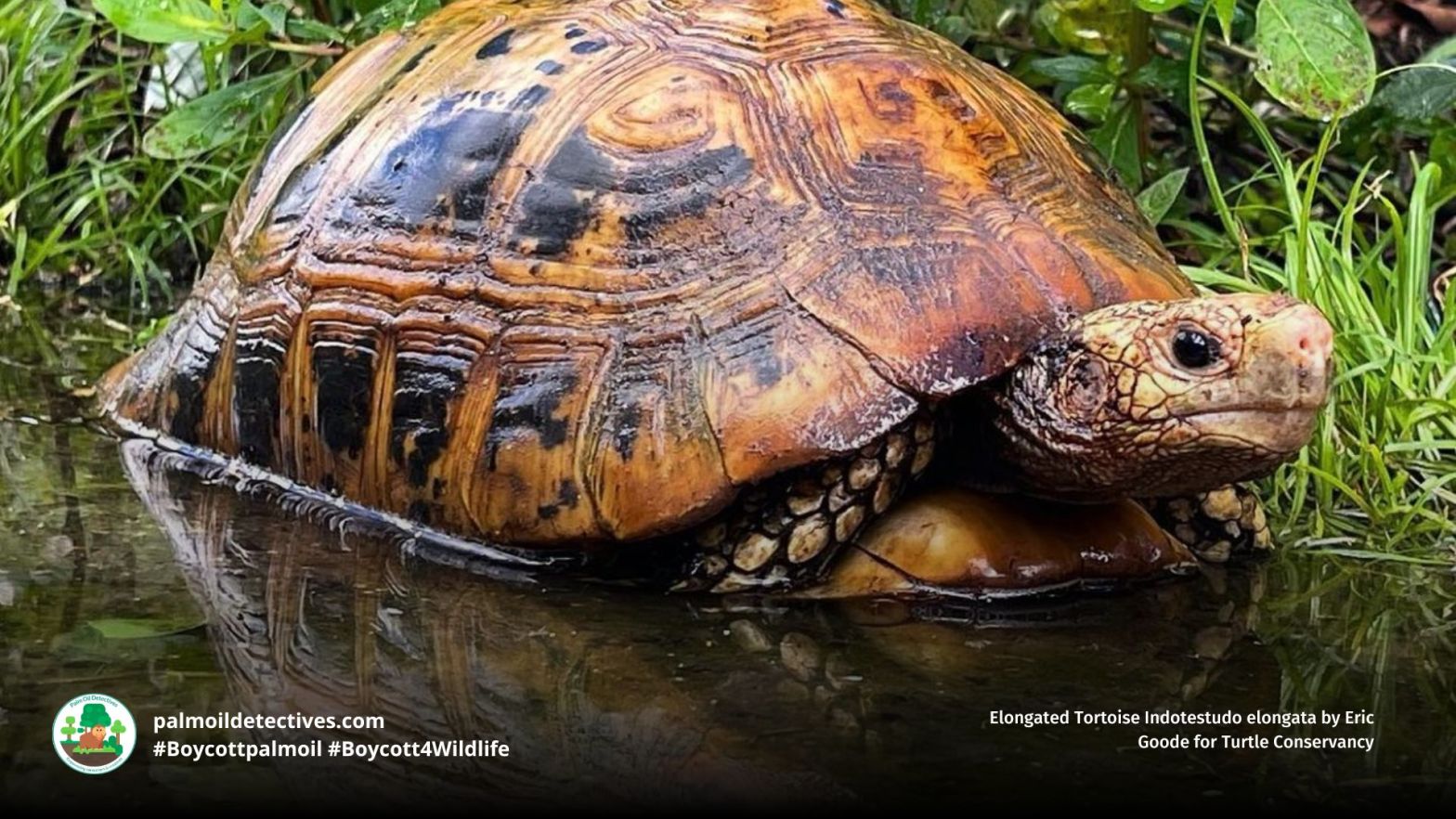
The elongated tortoise Indotestudo elongata is a Critically Endangered species native to South and Southeast Asia. They are renowned for their uniquely patterned and elongated shells and have vital roles as seed dispersers in tropical forests. However, their numbers have declined alarmingly due to palm oil deforestation, hunting, and the illegal wildlife trade.
Fewer than 20,000 mature individuals are estimated to remain in fragmented populations across their range, with significant declines reported in most countries. Deforestation for agriculture, including palm oil plantations and urbanisation has devastated their habitats, while poaching continues unabated. Fight for them every time you shop and boycott palm oil! #BoycottPalmOil #Boycott4Wildlife
Javan Rhinoceros Rhinoceros sondaicus
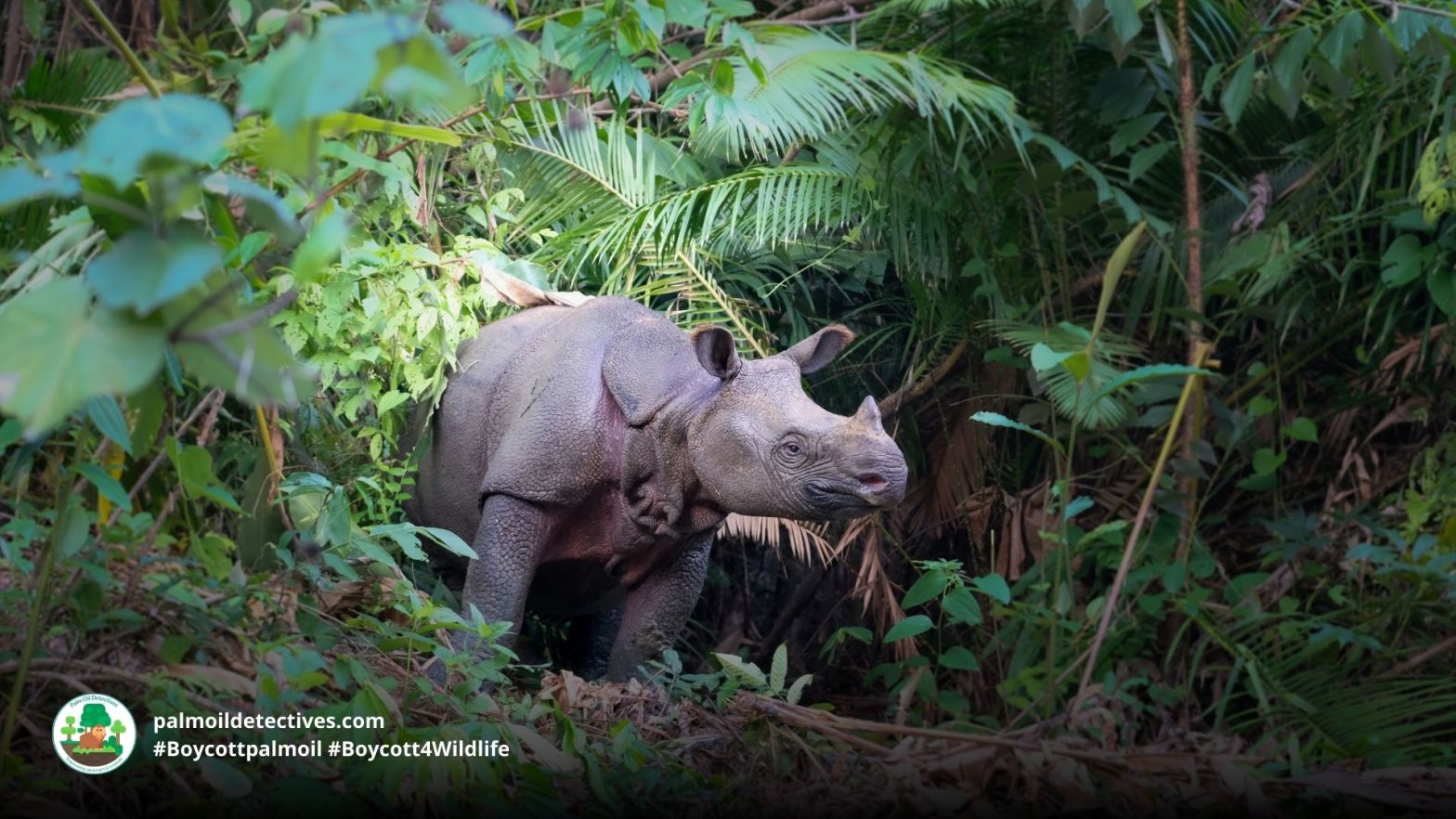
The Javan rhinoceros, also called the Sunda rhinoceros, is a critically endangered species and one of the world’s rarest large mammals. There are only a few dozen left alive in Ujung Kulon National Park in Java, Indonesia. Javan rhinos once lived throughout northeast India and Southeast Asia. Vietnam’s last Javan rhino was poached in 2010. they now survive only in Ujung Kulon National Park on the island of Java, with fewer than 75 individuals remaining.
Their decline has been driven by palm oil deforestation, poaching for their horns, and competition with invasive plant species like the Arenga palm, which reduces food availability. Saving the Javan rhinoceros is critical to preserving the biodiversity of their rainforest home. Fight for their survival by boycotting products linked to deforestation. Use your wallet as a weapon. #BoycottPalmOil #Boycott4Wildlife
Sumatran Cochoa Cochoa beccarii
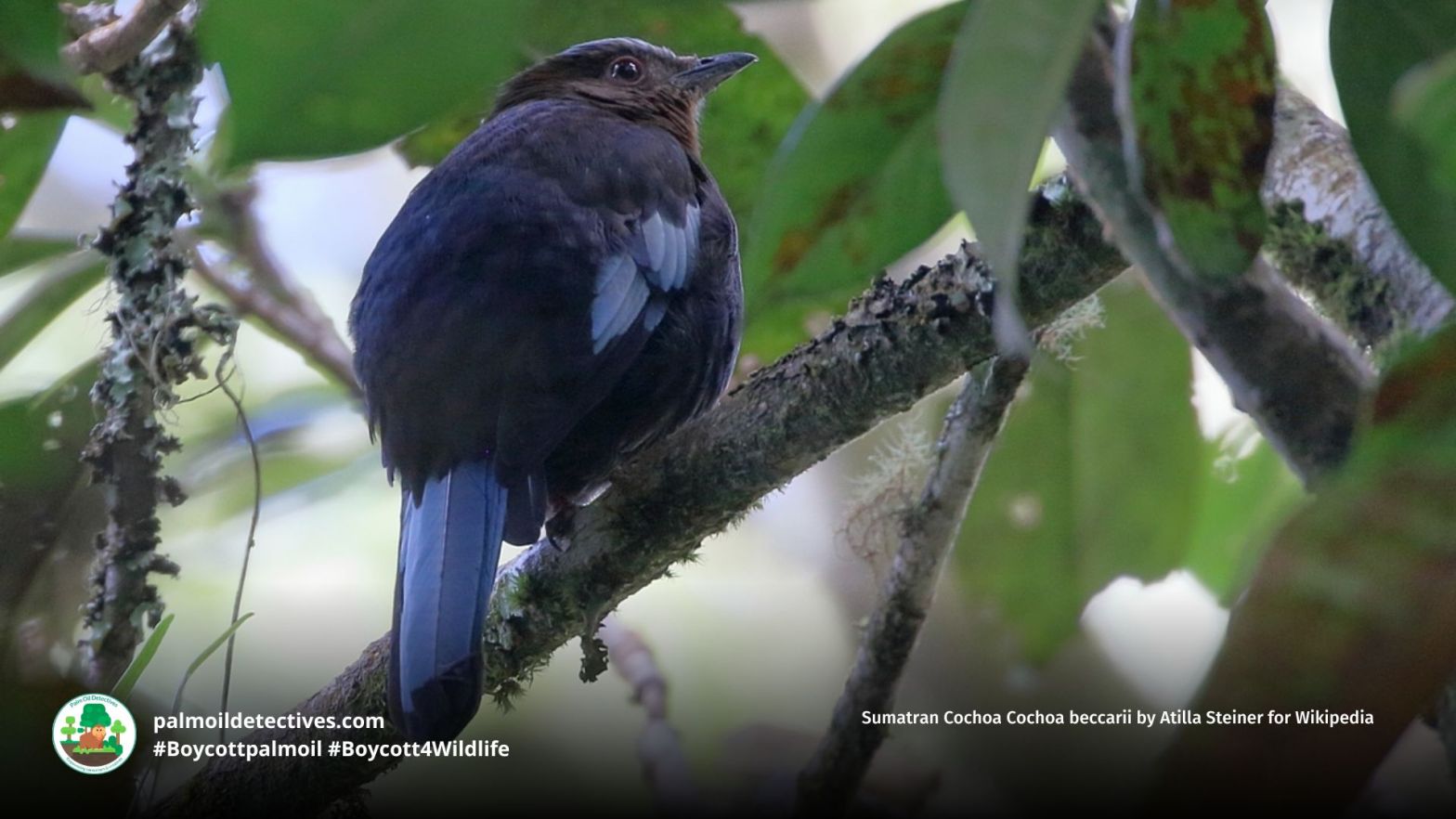
The Sumatran Cochoa Cochoa beccarii is a rare and secretive forest-dwelling #songbird found only in the highland rainforests of #Sumatra #Indonesia. With their shimmering electric blue and smoky black plumage and elusive behaviour, this species of songbird moves in a melodic symphony of song through the middle and upper canopy, often remaining hidden from view. Although currently listed as #Vulnerable, the species is experiencing a slow but steady decline caused by #deforestation and trapping for the illegal bird trade. As demand for exotic songbirds grows, especially online, the Sumatran Cochoa faces a very real risk of disappearing from the wild. Use your wallet as a weapon. Say no to palm oil and never support the illegal wildlife trafficking and illegal songbird trade. Campaign against wildlife trafficking and #BoycottPalmOil #Boycott4Wildlife #Vegan
Mainland Serow Capricornis sumatraensis
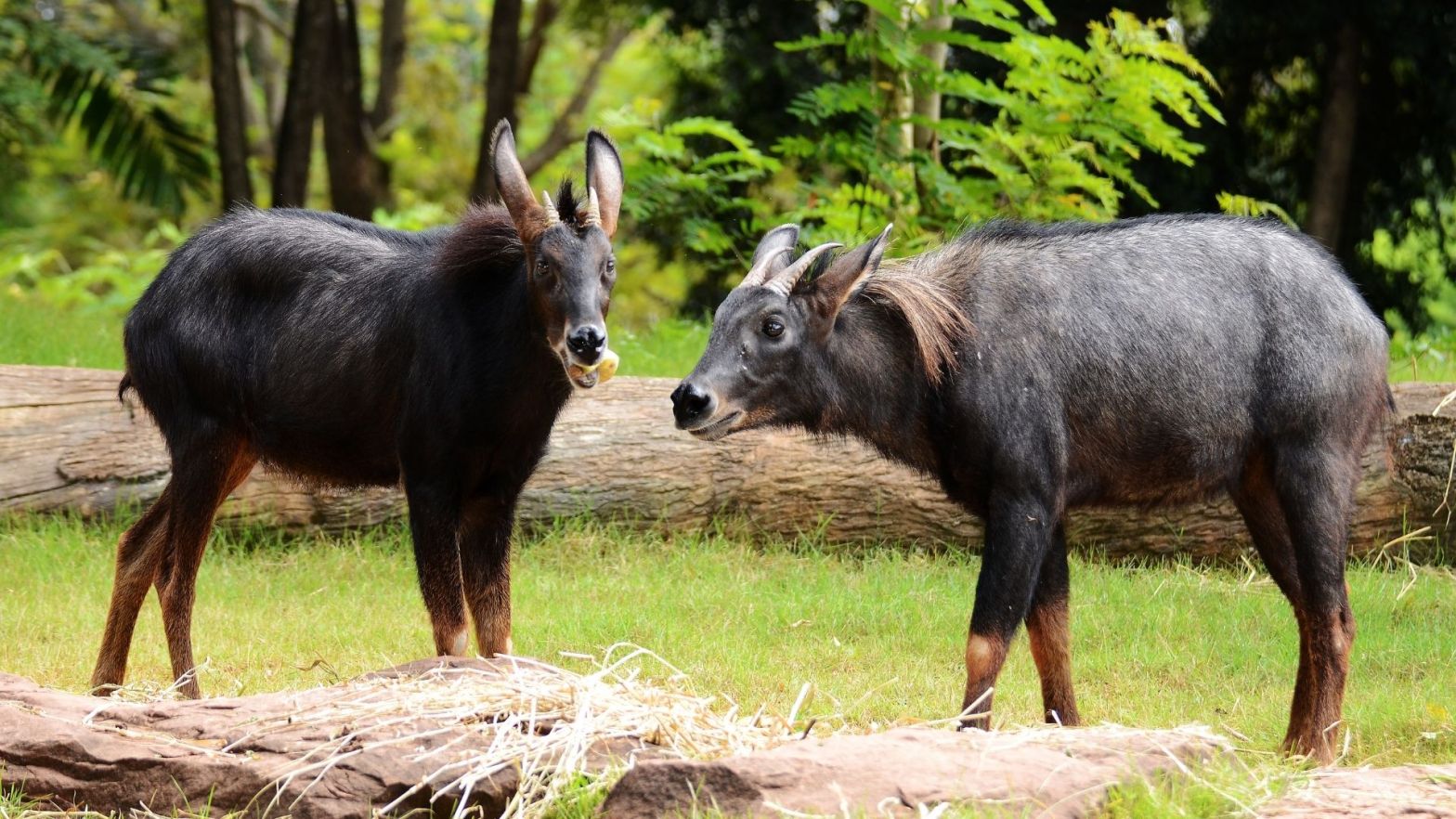
The Mainland serow, a reclusive wild goat-antelope, is a remarkable yet poorly understood resident of Southeast Asia’s rugged terrains. This enigmatic animal, with their coarse black coat and sharply curving horns, has earned a mythical status in local folklore due to their elusiveness and adaptability to steep, rocky landscapes.
However, the Mainland serow like many other ungulates is facing a precarious future. Habitat destruction from palm oil plantations, logging, and agricultural expansion has drastically reduced their numbers, leaving their population fragmented and declining. Protect these remarkable creatures and their fragile home—boycott palm oil and fight for their survival. #BoycottPalmOil #Boycott4Wildlife
Blue-backed Parrot Tanygnathus everetti

The Blue-backed #Parrot, also known as Müller’s Parrot or Burbridge’s Parrot, is a striking yet elusive #bird native to the #Philippines. Their shimmering blue and green plumage allows them to blend seamlessly into the forest canopy, making sightings of this rare species increasingly difficult. Despite once being common, the relentless destruction of their rainforest home and rampant #poaching for the #pettrade have pushed this parrot to the brink. They are now classified as #Endangered, they face ongoing population declines, with some local populations feared to be extinct. Without urgent conservation efforts, this vibrant parrot may vanish forever. Help them every time you shop and #BoycottPalmOil #Boycott4Wildlife
Tiger Panthera tigris
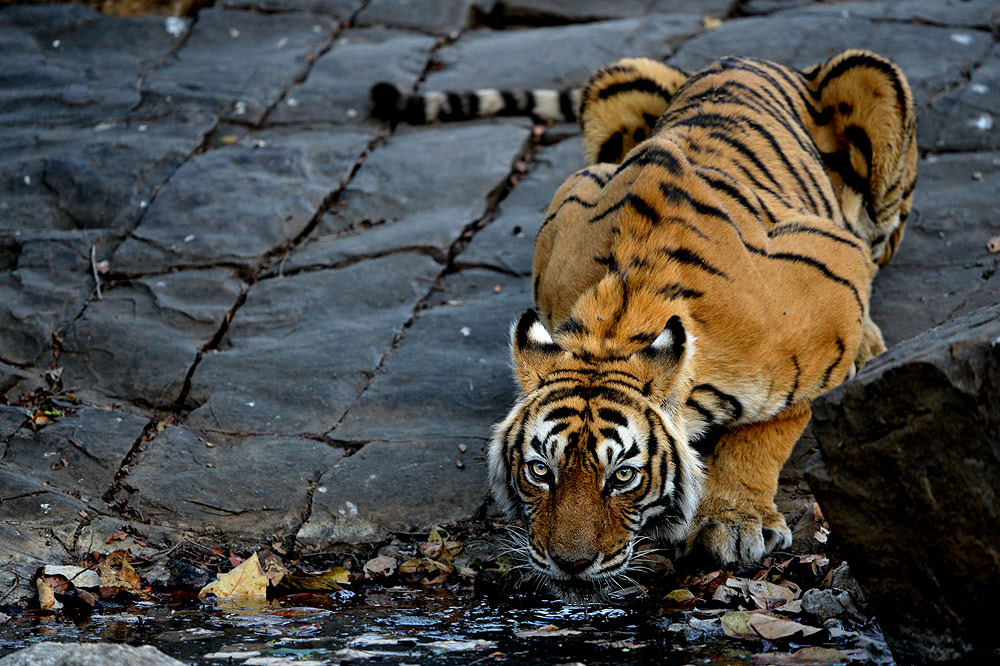
Fewer than 400 tigers remain in Sumatra due to deforestation for palm oil. Help save this endangered species. #Boycottpalmoil #Boycott4Wildlife
Sumatran Rhino Dicerorhinus sumatrensis

Sumatran rhinoceros are the hairiest of all rhinos, known as living fossils and related to the extinct woolly rhinoceros, only 80 are left! Boycott palm oil!
Borneo Pygmy Elephant Elephas maximus borneensis
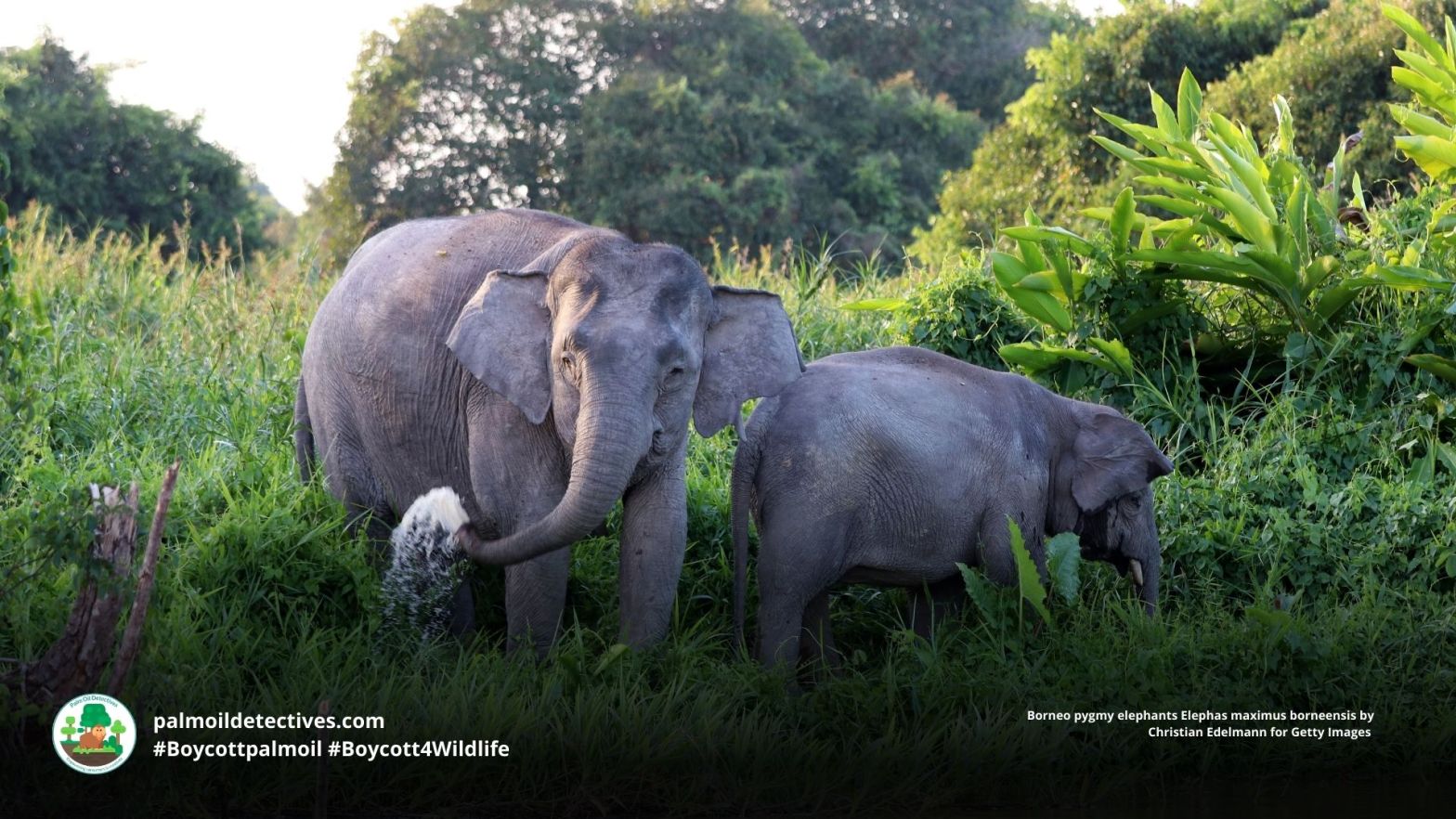
Explore the plight of the Bornean Pygmy Elephant (Elephas maximus borneensis), a vulnerable species threatened by habitat loss due to palm oil deforestation. Learn how you can help protect them. #BoycottPalmOil #Boycott4Wildlife
Sumatran Elephant Elephas maximus sumatranus
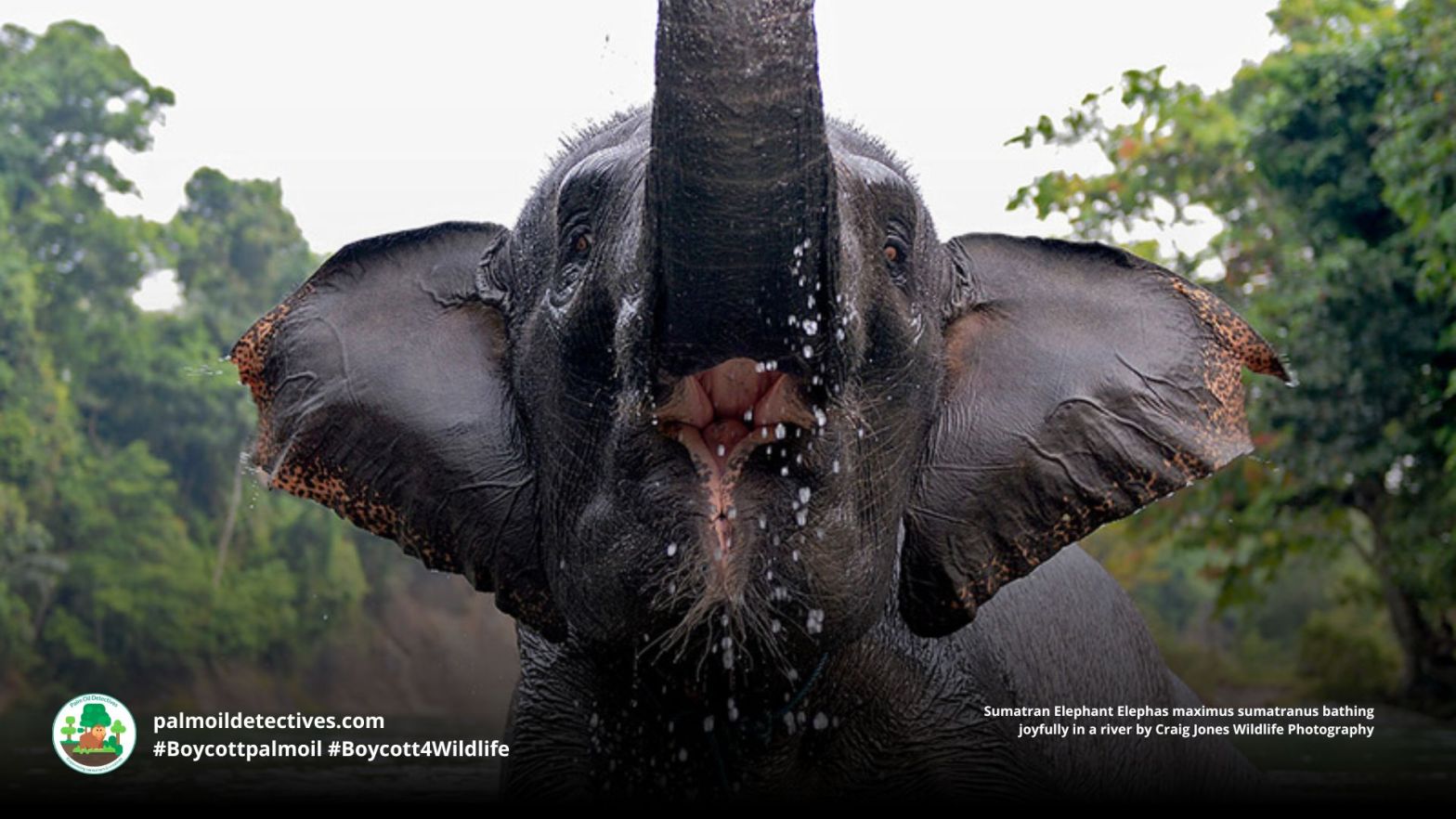
Sumatran Elephants are Critically Endangered, with populations declining by 80%. Threats include deforestation for palm oil and poaching Take action for them!
White-bellied Pangolin Phataginus tricuspis
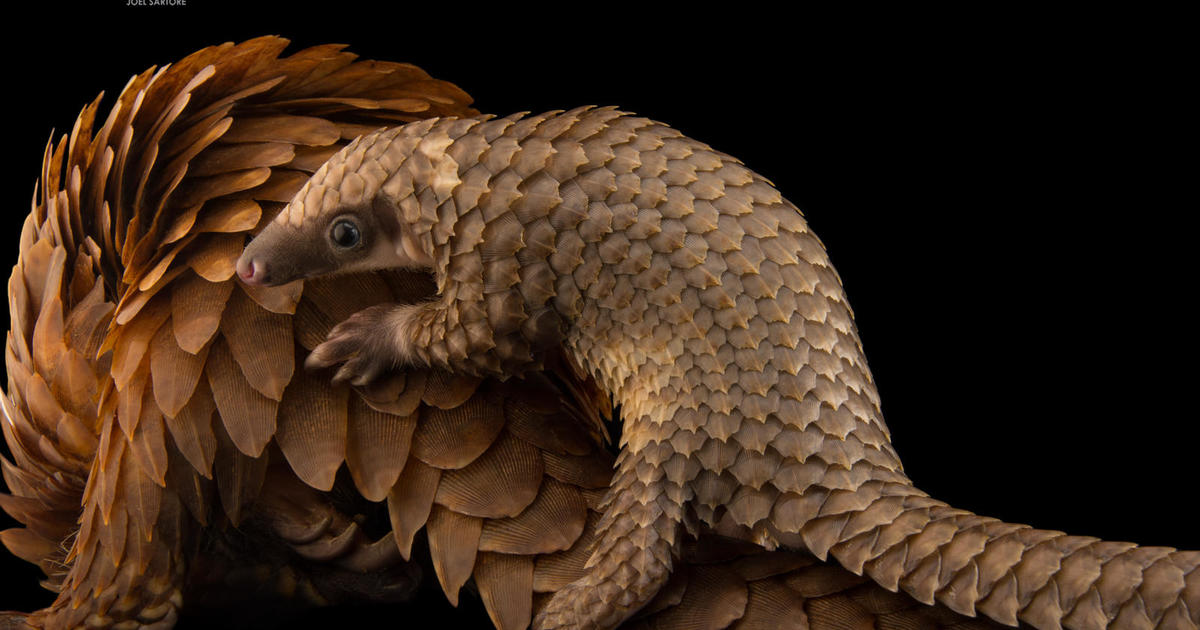
The White-bellied Pangolin also commonly known as the Tree Pangolin are fascinating creatures akin to giant pest controllers, estimated to consume around 70 million insects per year. #Pangolins don’t have teeth, rather they have scales lining their stomachs which aid them in the digestion of food that is swallowed whole. Baby pangolins often ride on their mother’s backs and and are known as pango pups. They are able to use their tails to support their body weight and can walk upright on their hind legs.
They are often captured and killed for the illegal #poaching trade in abandoned palm oil plantations in their native homelands in #WestAfrica. Now classified as #Endangered by the IUCN, White-bellied Pangolins face a terrifying future. The dual threats of industrial-scale trafficking and rampant #deforestation for agriculture—especially #palmoil plantations—are pushing them towards extinction Help them every time you shop and #Boycottpalmoil #Boycott4Wildlife
 Palm Oil Detectives