
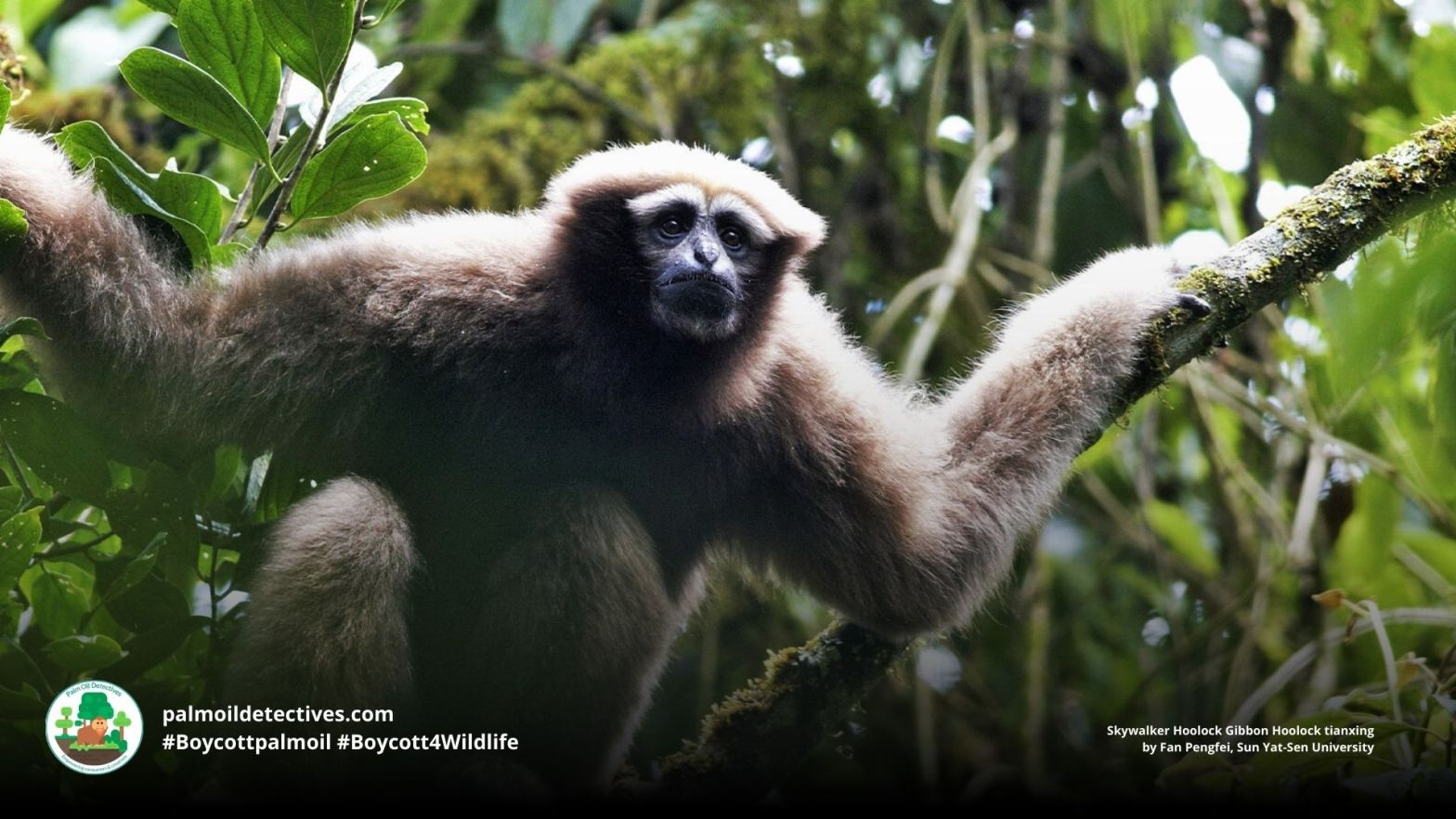
Rare Skywalker Hoolock Gibbons are Endangered primates in Myanmar and China’s forests. Described in 2017, help them survive when you shop boycott4wildlife!
Author Archives: Palm Oil Detectives
Kloss’s Gibbon Hylobates klossii
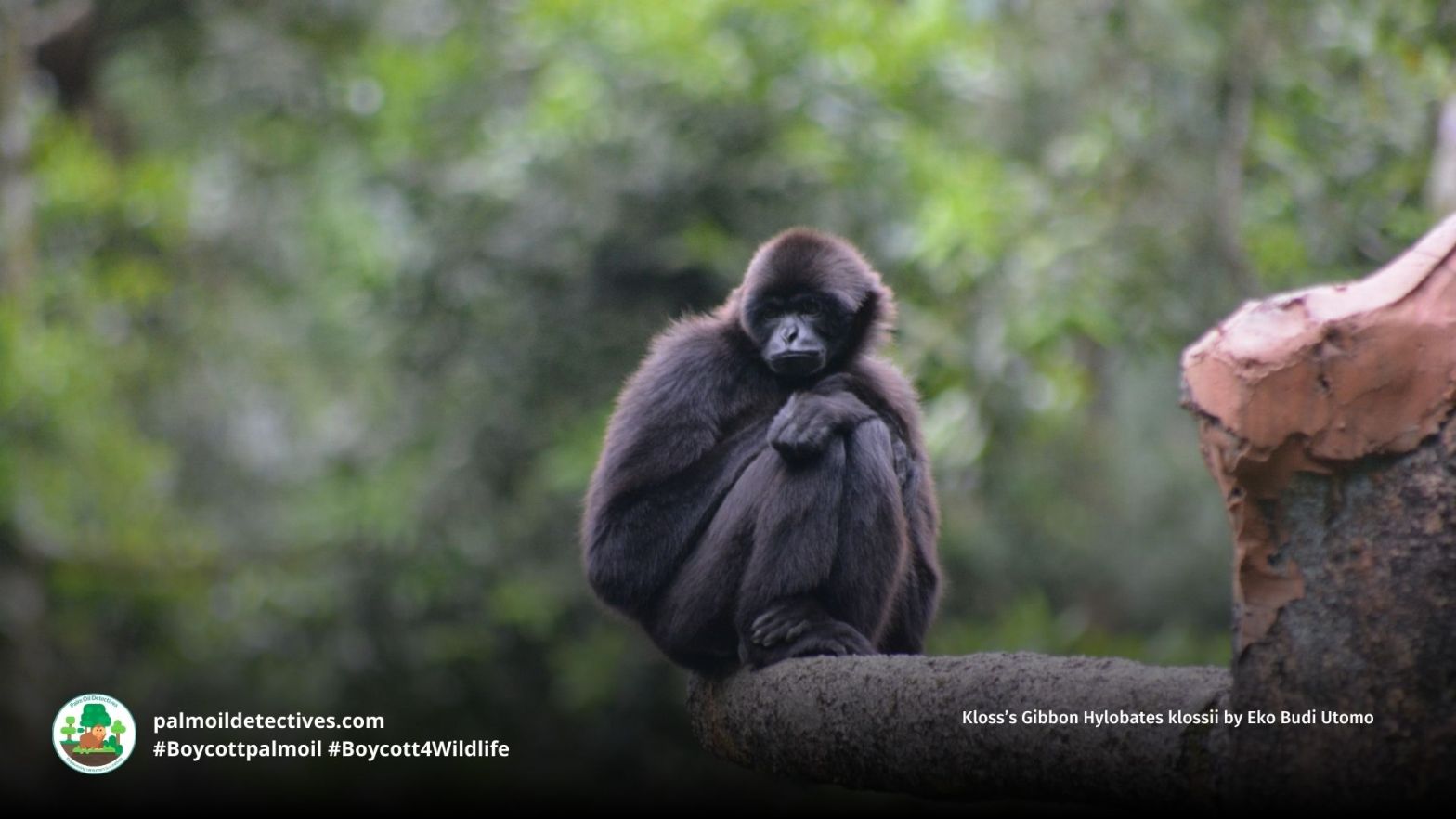
The Kloss’s gibbon Hylobates klossii, also known as the Mentawai gibbon or bilou by locals, is a small, agile primate with dark smoky grey fur and an ethereal song that resonates and echoes throughout the forests of the Mentawai Islands. These gibbons are known for their intricate vocalisations, with both males and females producing unique solo songs. Their haunting melodies play an essential role in marking territory and strengthening social bonds.
Classified as Endangered by the IUCN, Kloss’s gibbons face a relentless barrage of threats, including habitat destruction for logging and palm oil plantations, poaching for the illegal pet trade, and human encroachment. With populations declining by 50% in the past 45 years, immediate action is needed to save this unique species. Fight for their survival with indigenous-led conservation efforts and use your wallet as a weapon—boycott palm oil and support sustainable agroecology. #BoycottPalmOil #Boycott4Wildlife
Bornean White-bearded Gibbon Hylobates albibarbis
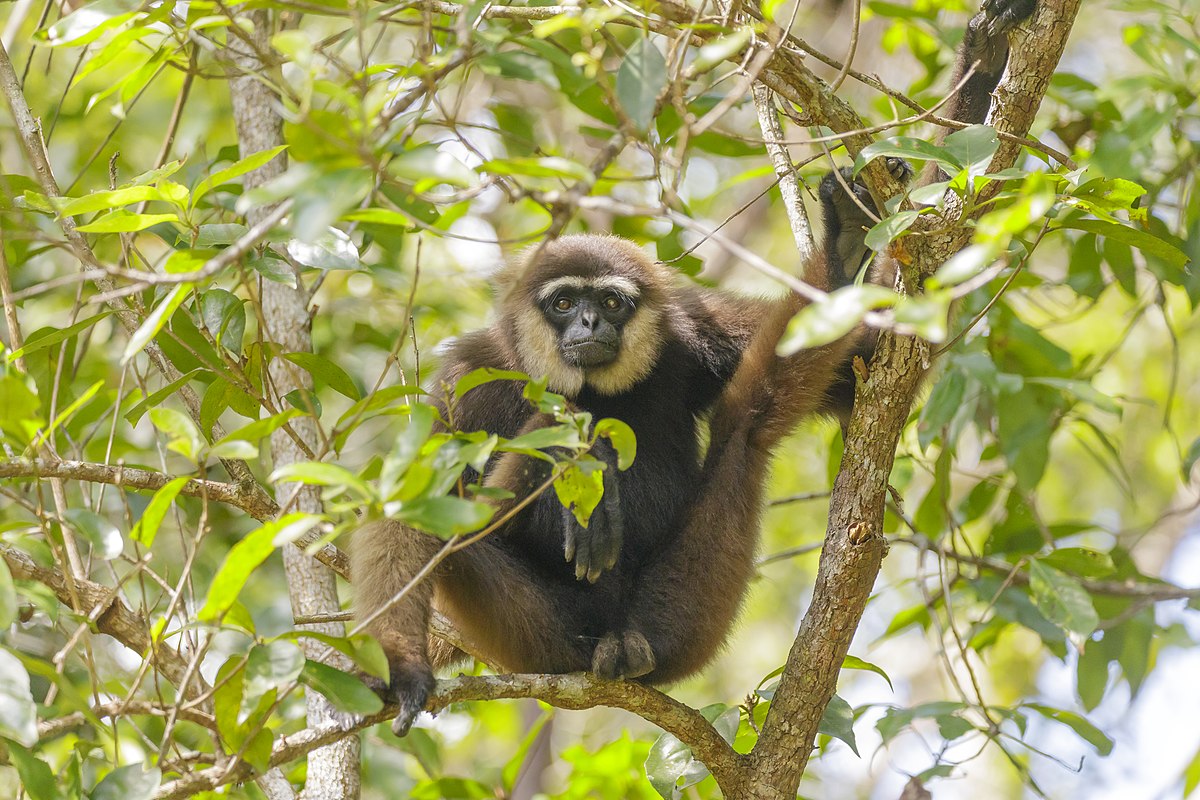
Bornean White-bearded Gibbon Hylobates albibarbis Endangered Indonesia (Kalimantan) The Bornean White-bearded Gibbon belongs to the genus Hylobates. The word Hylobates means ‘Forest Walker’ in Greek. The gibbons in this genus are known for the white circle of fur around their faces. They are known to communicate in species-specific song when defining territory or attracting mates.Continue reading “Bornean White-bearded Gibbon Hylobates albibarbis”
Müller’s gibbon Hylobates muelleri
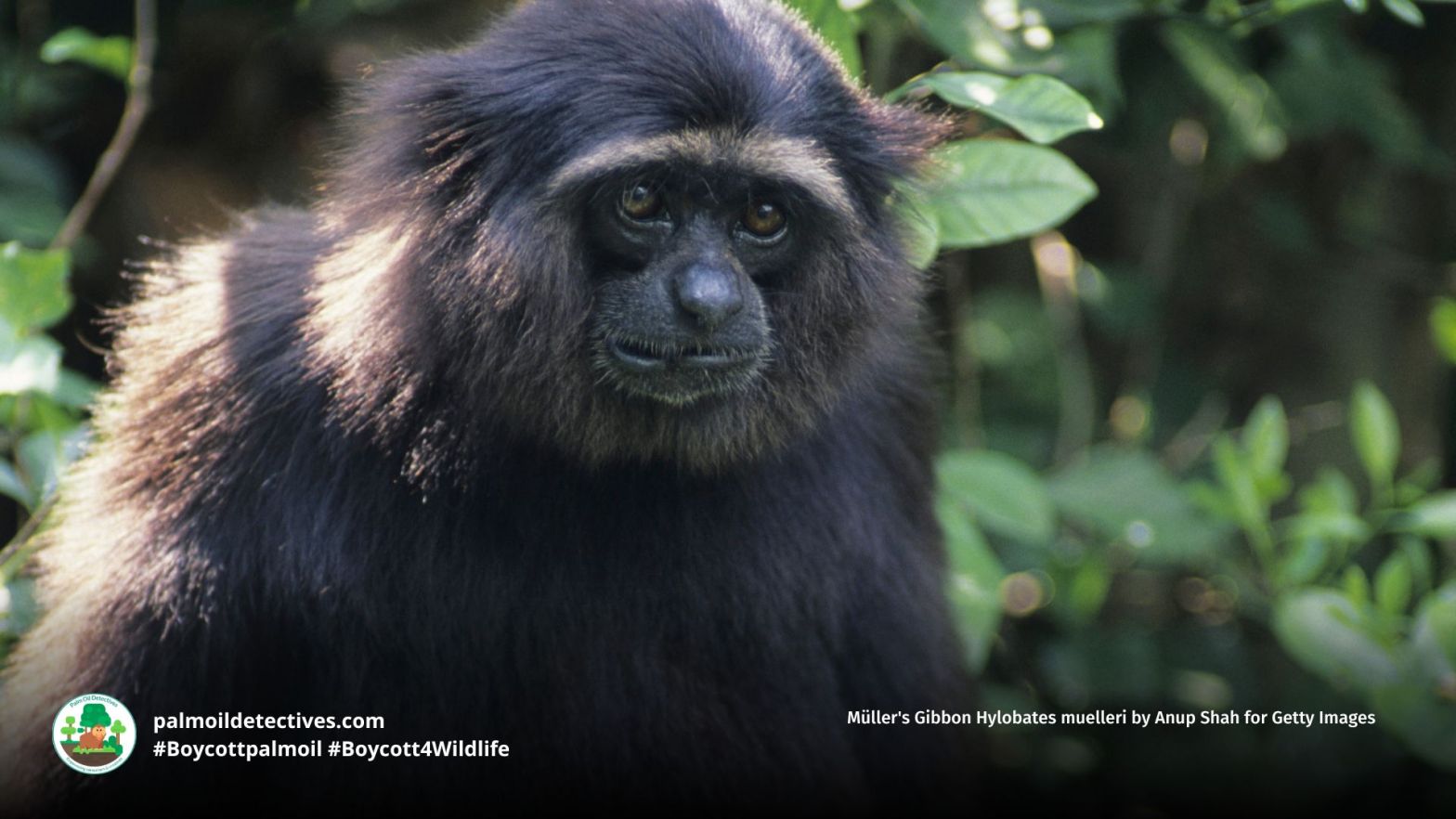
The Bornean Gibbon Hylobates muelleri, also known as Müller’s #gibbon or the Southern Grey Gibbon, is a master of the treetops and a celebrated forest singer. Their haunting duets echo across the rainforest canopy, keeping family bonds strong and warning intruders away. But these calls are growing rarer. The Müller’s gibbon is listed as #Endangered due to relentless forest loss caused by logging, #palmoil expansion, #fire, and #hunting. Their future depends on the survival of Borneo’s rainforests. Take action and use your wallet as a weapon! #BoycottPalmOil #Boycott4Wildlife be #Vegan and #BoycottMeat
Silvery Gibbon Hylobates moloch
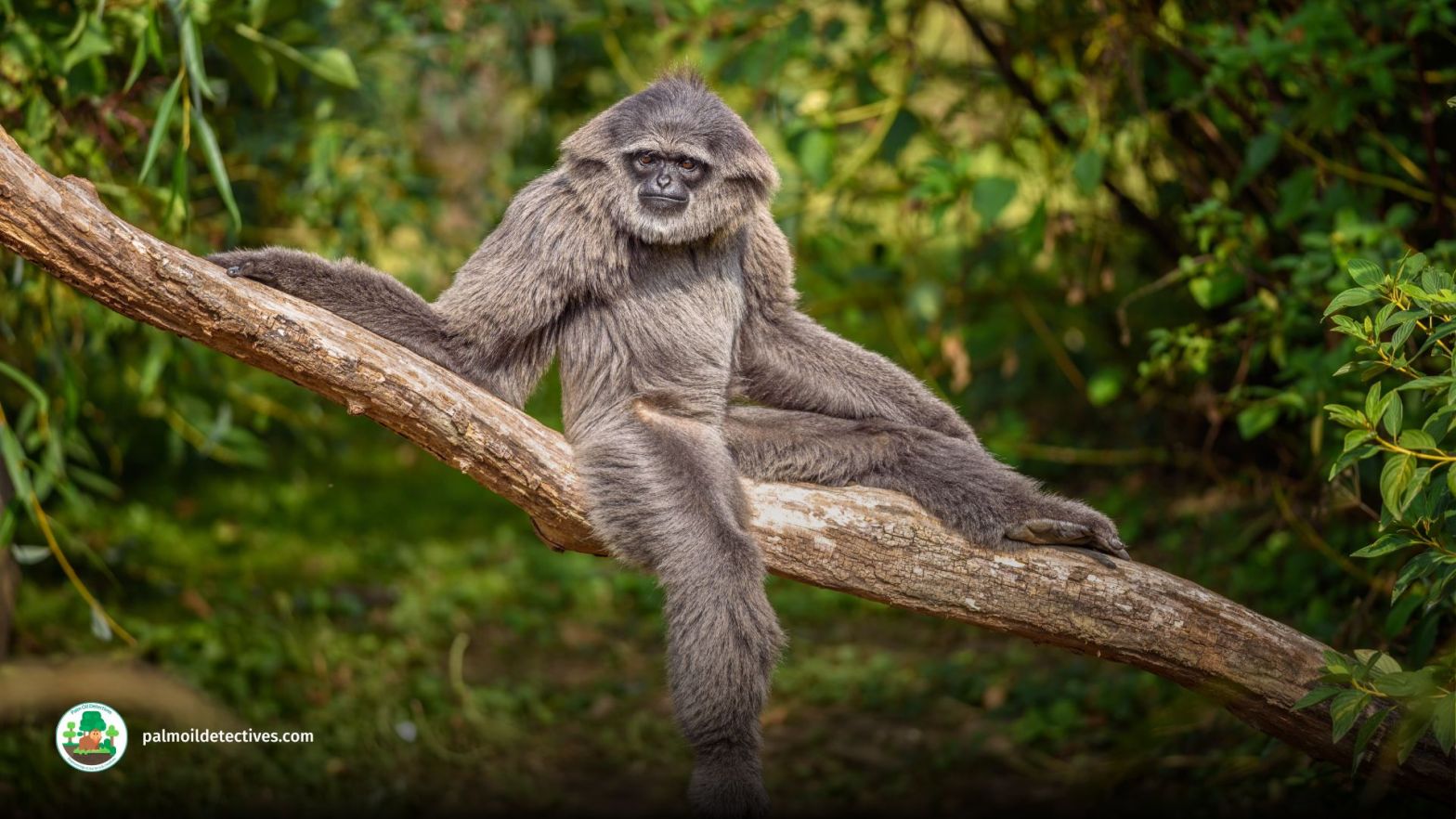
Silvery Gibbon Hylobates moloch Red List Status: Endangered Locations: Indonesia (island of Java, including provinces of Banten, West Java, and Central Java as far east as the Dieng Mountains) The Silvery #Gibbon 🩶🐒🐵 of genus ‘Hylobates’ meaning ‘Forest Walker’. They sing to each other in ‘local’ accents and do thrilling acrobatics 🤸♂️ They are #endangered,Continue reading “Silvery Gibbon Hylobates moloch”
Abbott’s Gray Gibbon Hylobates abbotti

Abbott’s Gray Gibbon Hylobates abbotti Endangered Indonesia (Kalimantan); Malaysia (Sarawak) The Abbott’s Gray Gibbon belongs to the genus Hylobates. The word Hylobates means ‘Forest Walker’ in Greek. The gibbons in this genus are known for the white circle of fur around their faces. They are known to communicate in species-specific song when defining territory orContinue reading “Abbott’s Gray Gibbon Hylobates abbotti”
Northern Gray Gibbon Hylobates funereus
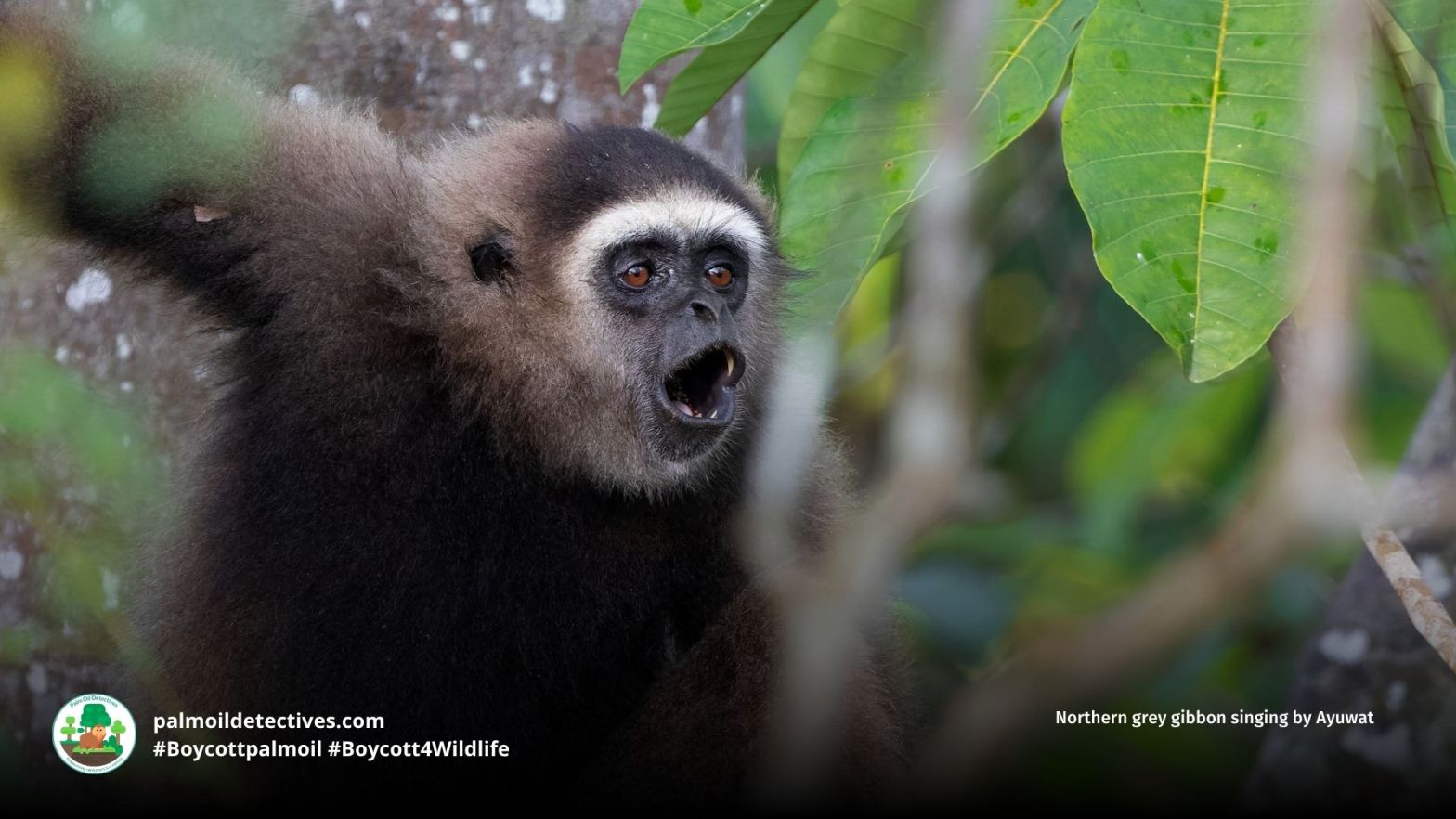
Save the sublime song and energetic lives of the Northern grey gibbons in Borneo when you boycott palm oil and boycott4wildlife in the supermarket!
Lar Gibbon Hylobates lar
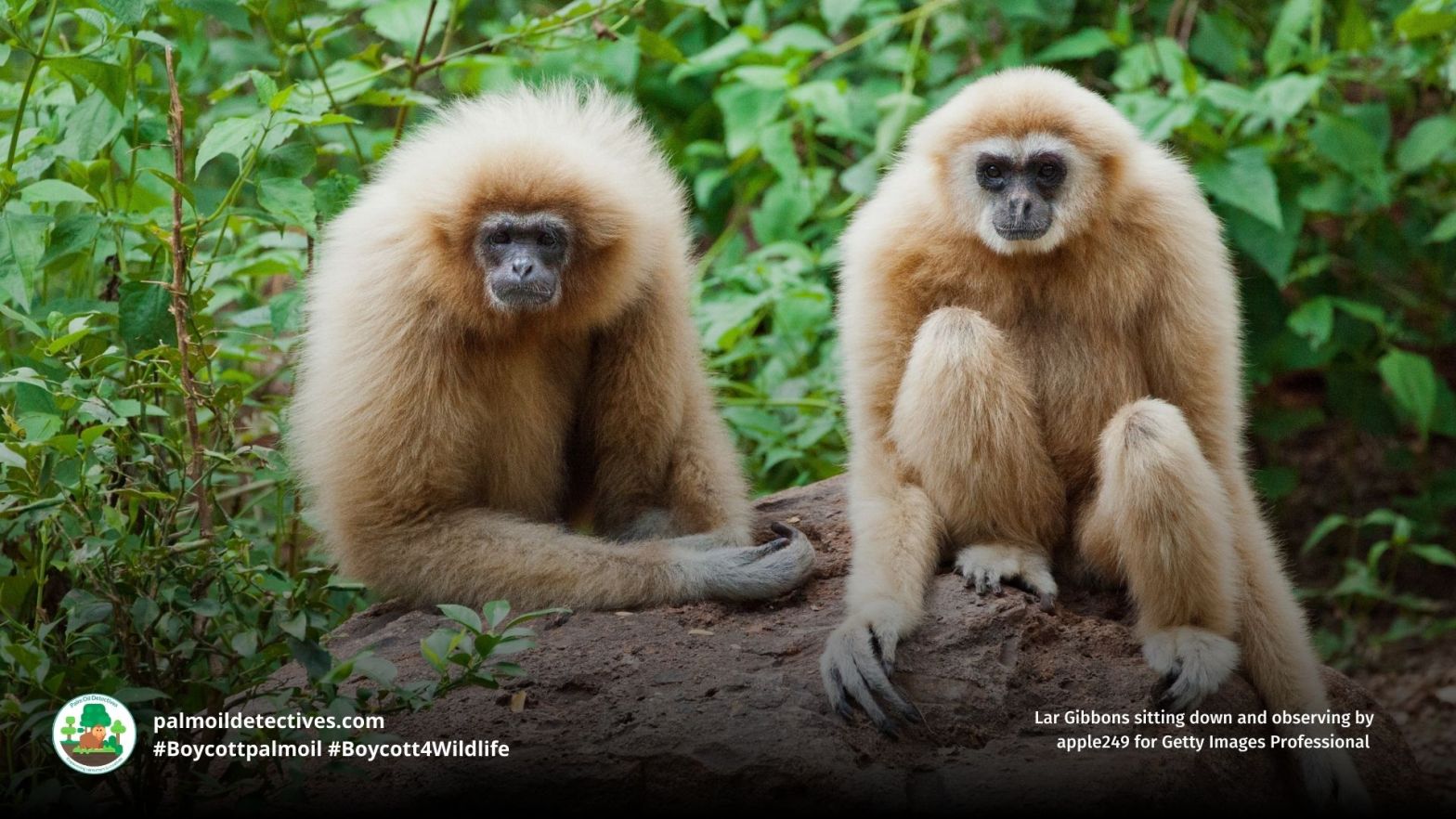
Gibbons, often called “lesser apes,” are no less than awesome! The Lar Gibbon Hylobates lar, also known as the white-handed gibbon, is a charismatic and acrobatic primate renowned for their incredible agility and melodic songs that echo through the rainforests of Southeast Asia. With their striking black or sandy-coloured fur and distinctive white markings on their hands and face, Lar Gibbons are both captivating and vital to their ecosystems.
These gibbons are Endangered according to the IUCN Red List, facing rapid population declines due to habitat loss, poaching, and the illegal wildlife trade. Protecting these extraordinary primates means addressing deforestation, logging, and other threats head-on. Fight for their survival every time you shop. Use your wallet as a weapon, demand palm oil free and #BoycottPalmOil #Boycott4Wildlife.
Storm’s Stork Ciconia stormi
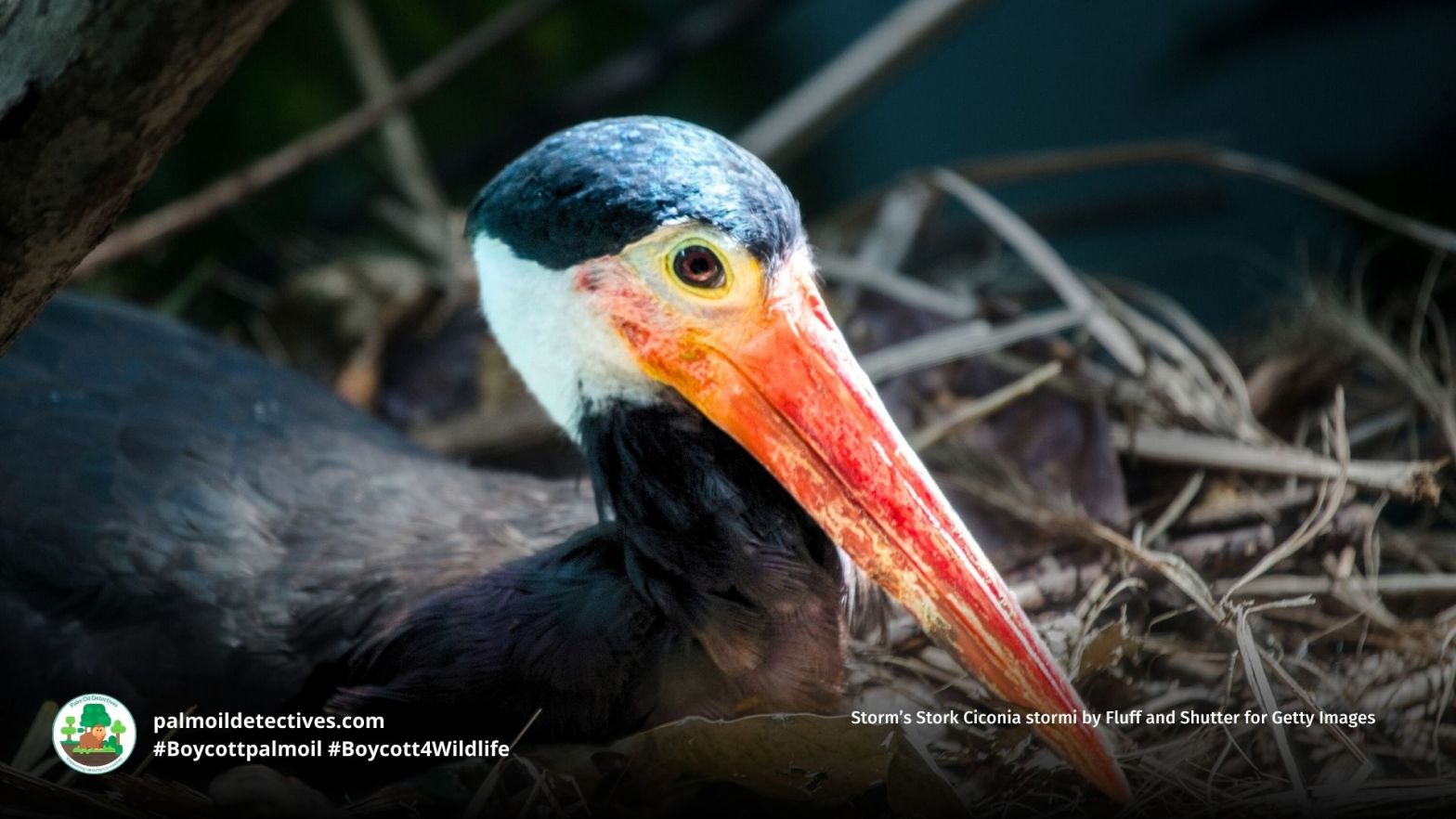
Storm’s Stork Ciconia stormi is the rarest and most elusive stork in Asia, palm oil is a threat boycott palm oil for them!
Wild Water Buffalo Bubalus arnee
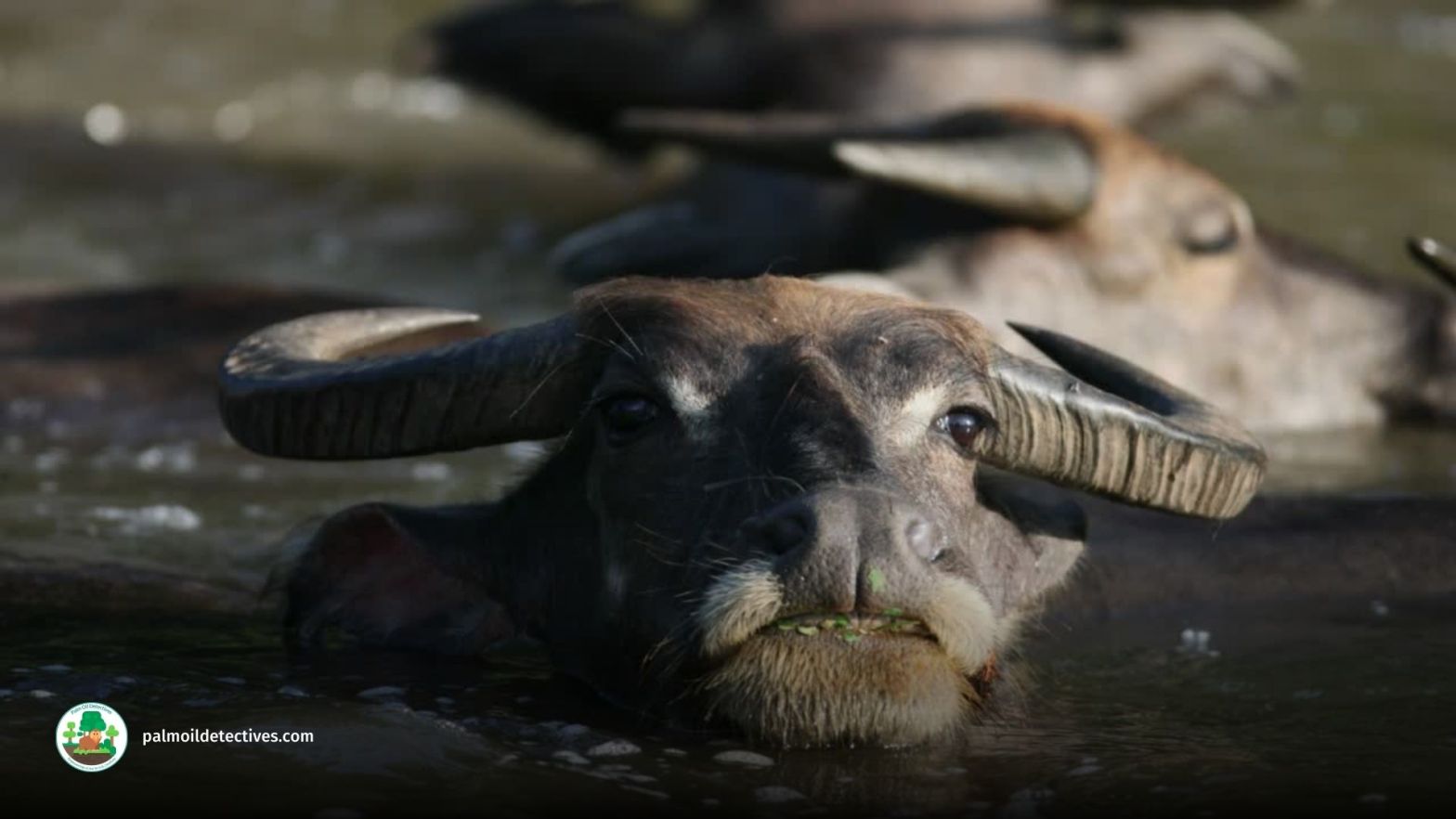
Massive, muscular, and critically under threat, the Wild Water Buffalo Bubalus arnee is the endangered ancestor of all domestic buffalo breeds. Once roaming vast swathes of South and Southeast Asia, fewer than 4,000 individual buffaloes remain today, scattered across shrinking habitats in India, Nepal, Cambodia, and a handful of neighbouring nations. Their decline is driven by interbreeding with domestic buffalo species, habitat destruction from farming and palm oil plantations, hunting, and disease transmission from livestock. This ancient grazer of flooded grasslands and braided rivers is vanishing before our eyes. Speak out for them and support indigenous-led efforts to restore their ecosystems. #BoycottPalmOil #Boycott4Wildlife
Siamang Symphalangus syndactylus

Siamang Symphalangus syndactylus Endangered Indonesia, Thailand, Sumatra The siamang is the largest and most vocal of all gibbons, known for their spectacular morning calls that resonate across the forests of Sumatra and Peninsular Malaysia. Their complex vocalisations, amplified by a throat sac, serve as a hallmark of their species and a testament to their socialContinue reading “Siamang Symphalangus syndactylus”
Sipora Flying Squirrel Hylopetes sipora
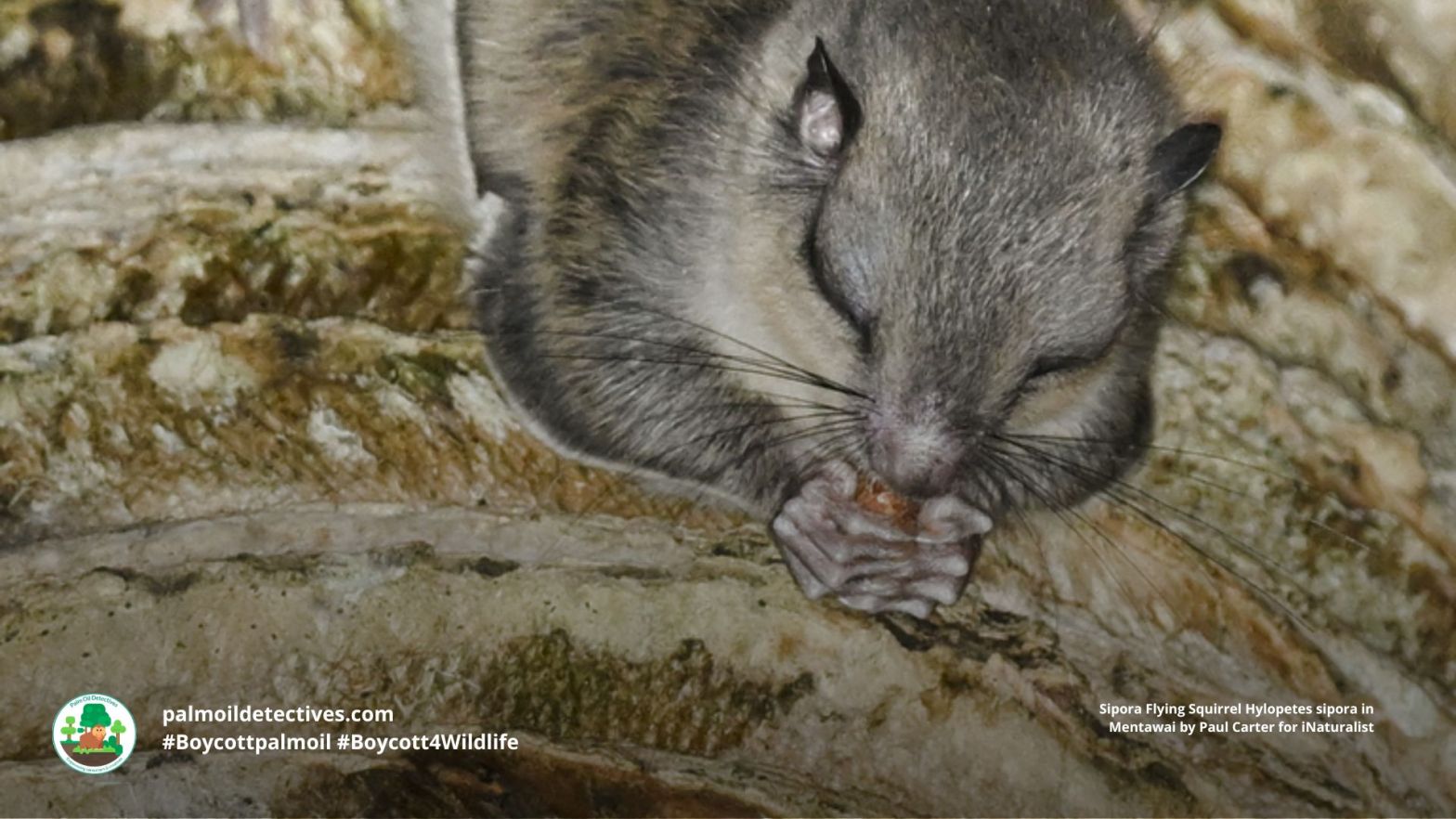
On the small, forested island of #Sipora, #Indonesia the Sipora flying #squirrel Hylopetes sipora drifts silently between ancient trees. This rare squirrel is found nowhere else on earth. At night, the Sipora flying squirrel emerges from the hollows of towering trees, their large eyes scanning the dim canopy. With a sudden leap, they unfold their patagium—a membrane stretching from wrist to ankle—and glide effortlessly through the air, landing on a distant branch with barely a sound. The forests of Sipora are being cleared for #timber, charcoal and #palmoil, leaving the Sipora flying squirrel with fewer places to hide. Use your wallet as a weapon and #BoycottPalmOil #Boycott4Wildlife.
Woolly Flying Squirrel Eupetaurus cinereus
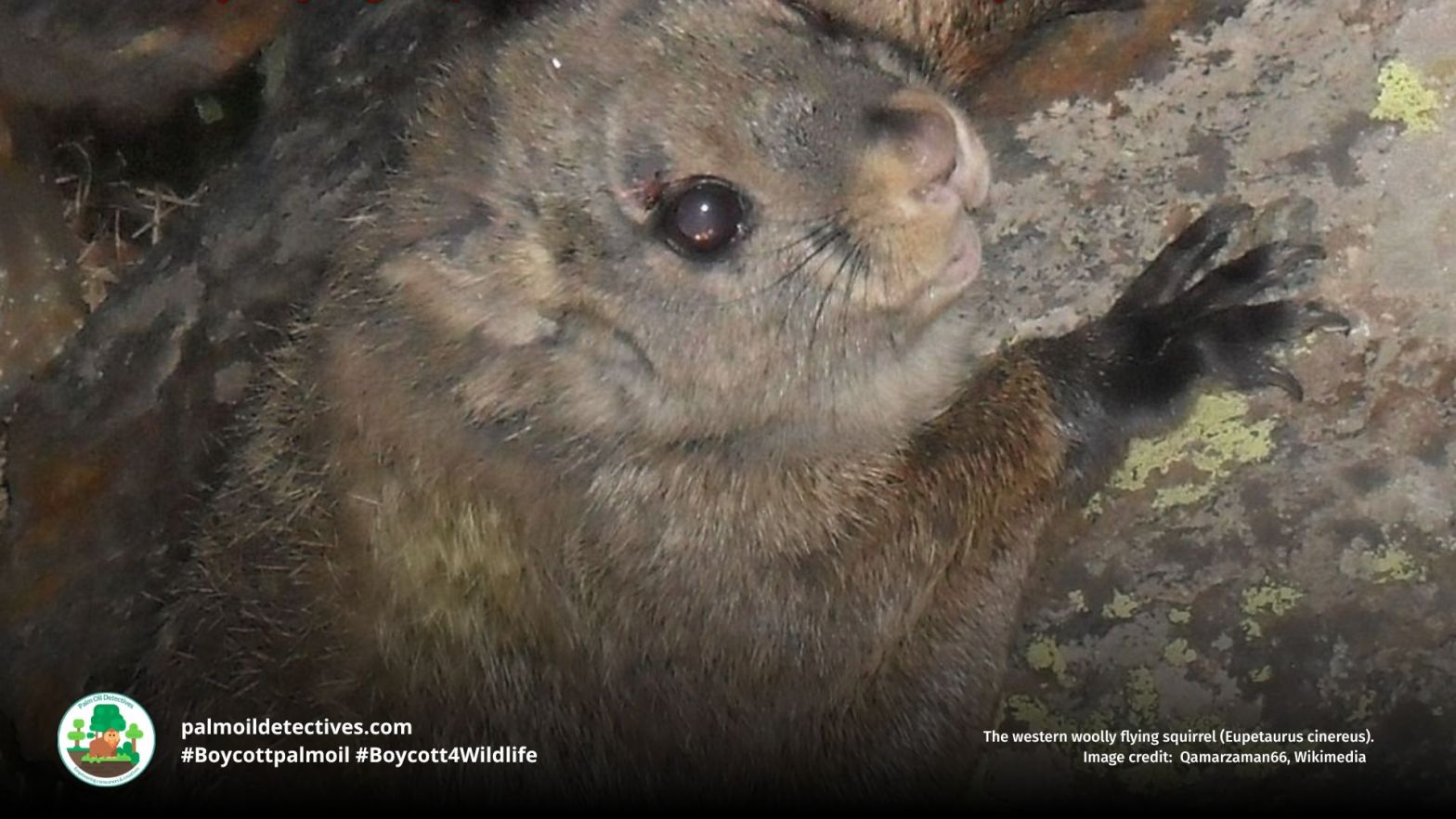
The Western Woolly Flying #Squirrel Eupetaurus cinereus is one of the world’s largest and least understood gliding mammals. Once thought extinct for nearly 70 years, they were rediscovered in the remote mountainous forests of northern #Pakistan and #India in 1994. This remarkable species inhabits high-altitude cliffs and coniferous forests, where they glide with effortless grace between trees despite their large size. However, their survival is under severe threat from habitat destruction, #deforestation, and human persecution. Help them by sharing out this campaign and calling out exploitative industries, it’s the #Boycott4Wildlife
Mentawi Flying Squirrel Iomys sipora
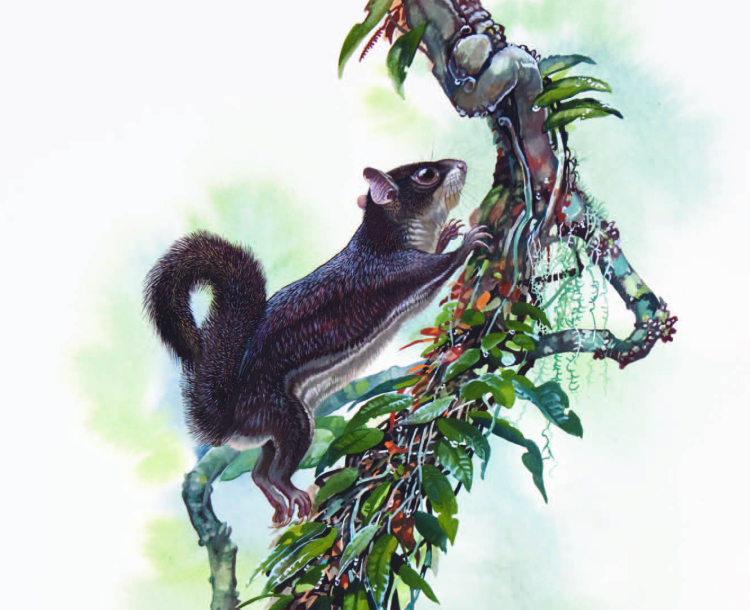
Endemic to Indonesia’s Mentawai Islands, these rare and beautiful gliding mammals are endangered due to deforestation. Boycott palm oil for their survival
Northern Glider Petaurus abidi
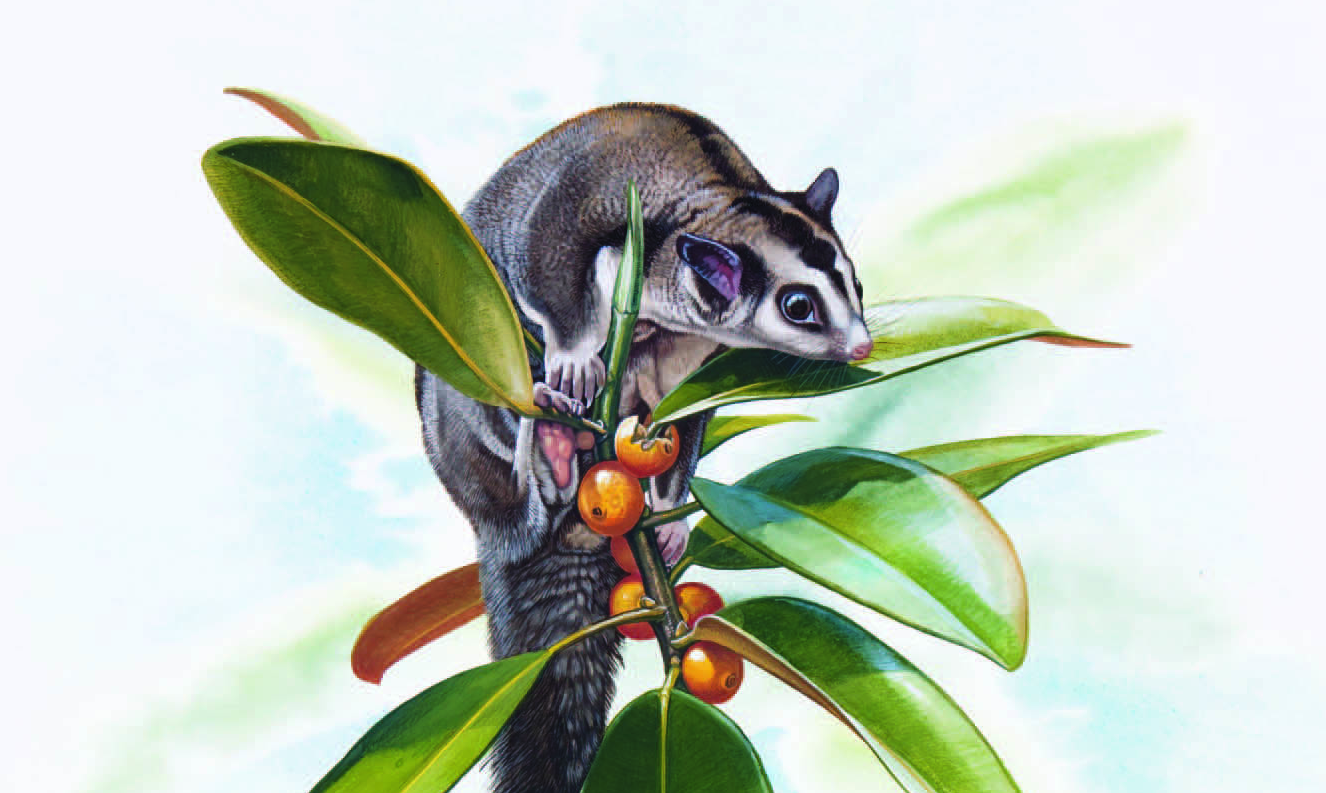
The Northern Glider is a Critically Endangered species of gliding #marsupial found only in the Torricelli Mountains of #PapuaNewGuinea. First described in 1981, they remain one of the rarest and least studied members of the Petauridae family. Their population is in steep decline due to deforestation, habitat destruction for #palmoil, and #hunting for #bushmeat. With an estimated range of less than 100 square kilometres, the Northern Glider is at extreme risk of #extinction unless urgent conservation efforts are made to protect their habitat. Take action and resist for this species every time you shop and go #BoycottPalmOil #Boycott4Wildlife in the supermarket.
Malayan Tapir Tapirus indicus
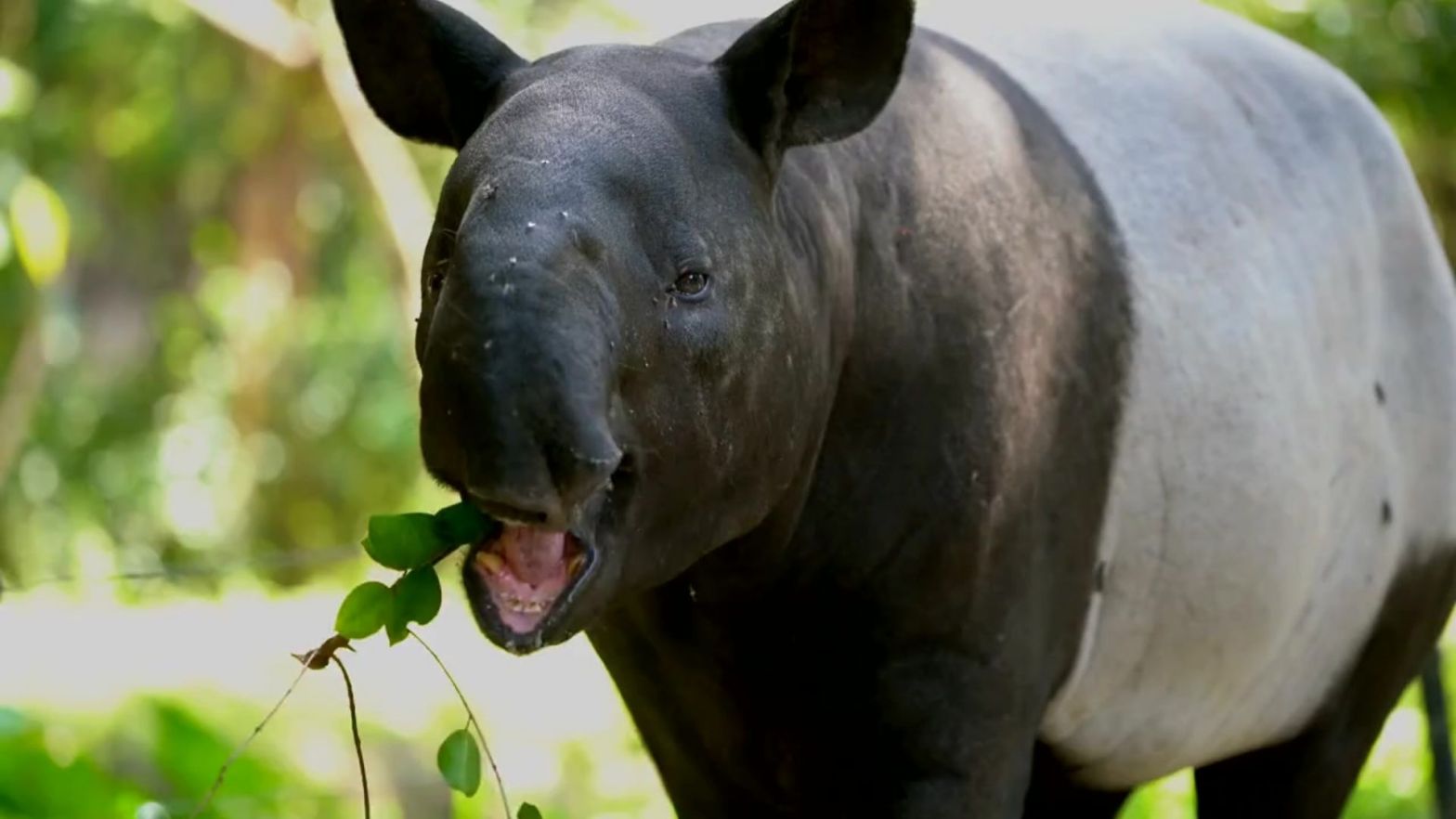
The endangered Malay Tapir faces habitat loss from palm oil plantations, road kills, and snares. Less than 2,500 remain. Support #BoycottPalmOil to save them.
Seri’s Tree Kangaroo Dendrolagus stellarum

Seri’s #TreeKangaroo is one of the world’s most elusive #marsupials of the genus #Dendrolagus surviving only in the remote mountains of #PapuaNewGuinea and the contested territory of #WestPapua. In these highlands, Indigenous Papuans have resisted Indonesian rule for over half a century, while the forests themselves are threatened by commercial logging, palm oil, and hunting. The Seri’s Tree Kangaroo’s silvery coat and secretive habits help them blend into the forest, but not even the tallest trees can shield them from bulldozers. When you shop ensure that you BoycottPalmOil, Boycott4Wildlife to fight for their protection.
Doria’s Tree Kangaroo Dendrolagus dorianus
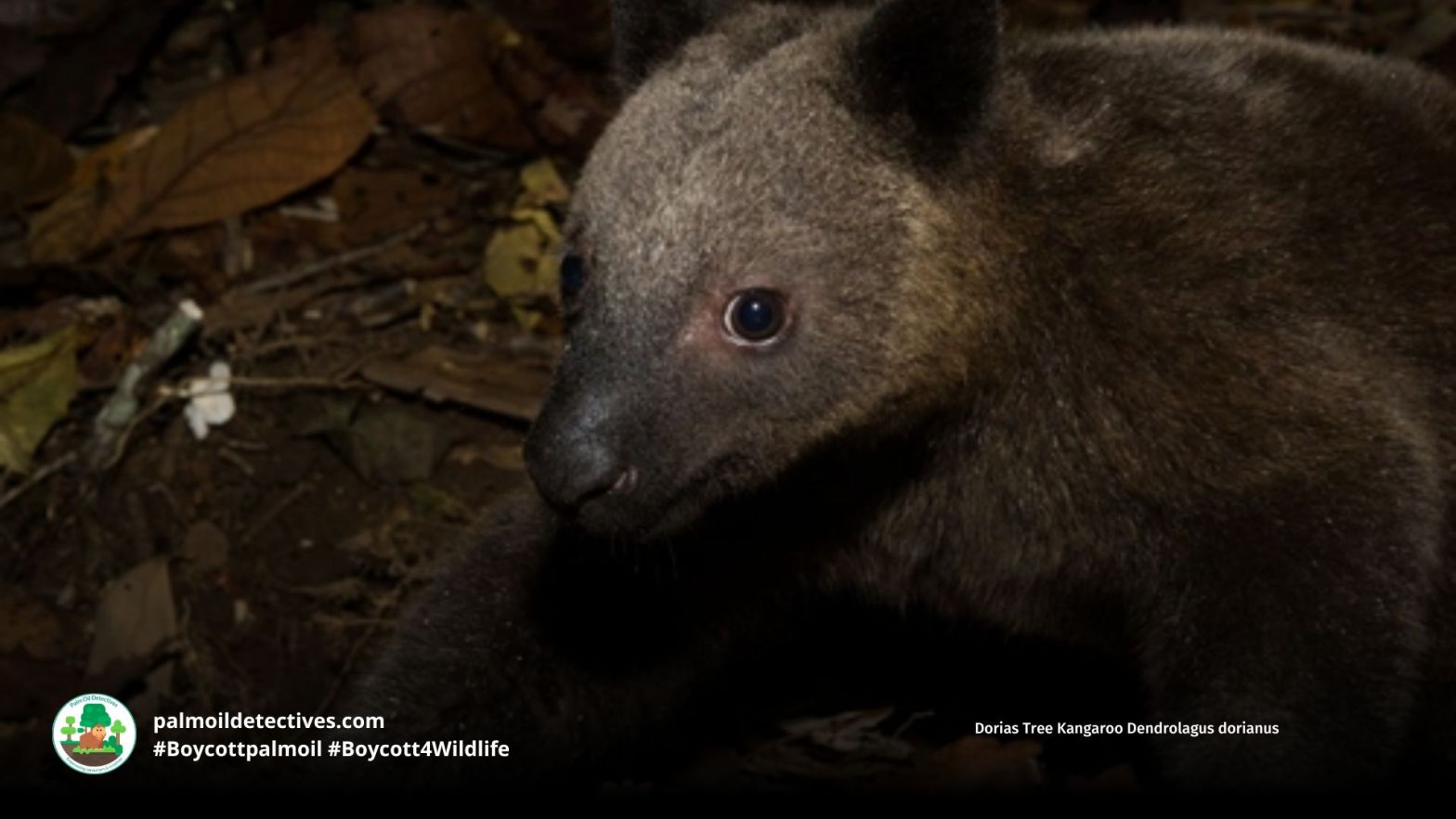
High in the misty mountain rainforests of Papua New Guinea, Doria’s Tree Kangaroo moves with deliberate agility through the dense canopy. With their thick brown fur, powerful limbs, and expressive dark eyes, these marsupials are a striking reminder of the ancient and unique wildlife of New Guinea. Unlike their terrestrial kangaroo cousins, Doria’s Tree Kangaroos have adapted to an arboreal life, leaping through tree canopies with ease and foraging among the leaves.
But their world is rapidly shrinking. Doria’s along with other tree kangaroos in the Dendrolagus genus are hunted mercilessly for bushmeat and threatened by palm oil deforestation, Gas mining and road infrastructure expansion, and land conversion, their numbers are in decline. Despite their elusiveness, they cannot escape the dangers encroaching on their rainforest home. Help them every time you shop and #BoycottPalmOil #Boycott4Wildlife
New Britain Sparrowhawk Accipiter brachyurus
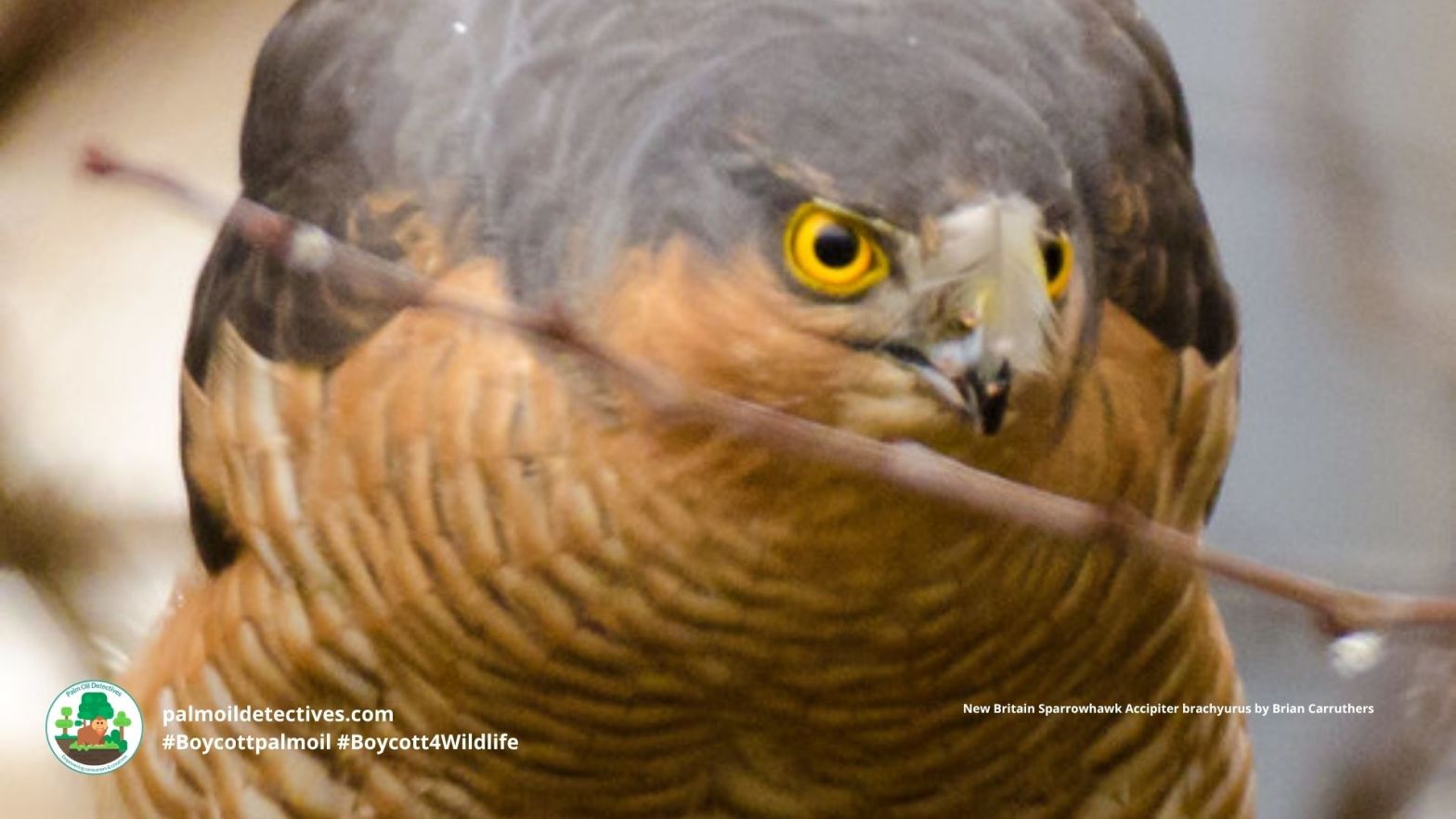
Protect the elusive New Britain Sparrowhawk. These rare birds-of-prey face extinction as palm oil deforestation and logging destroys New Guinea habitat
Blue Bird-of-paradise Paradisornis rudolphi
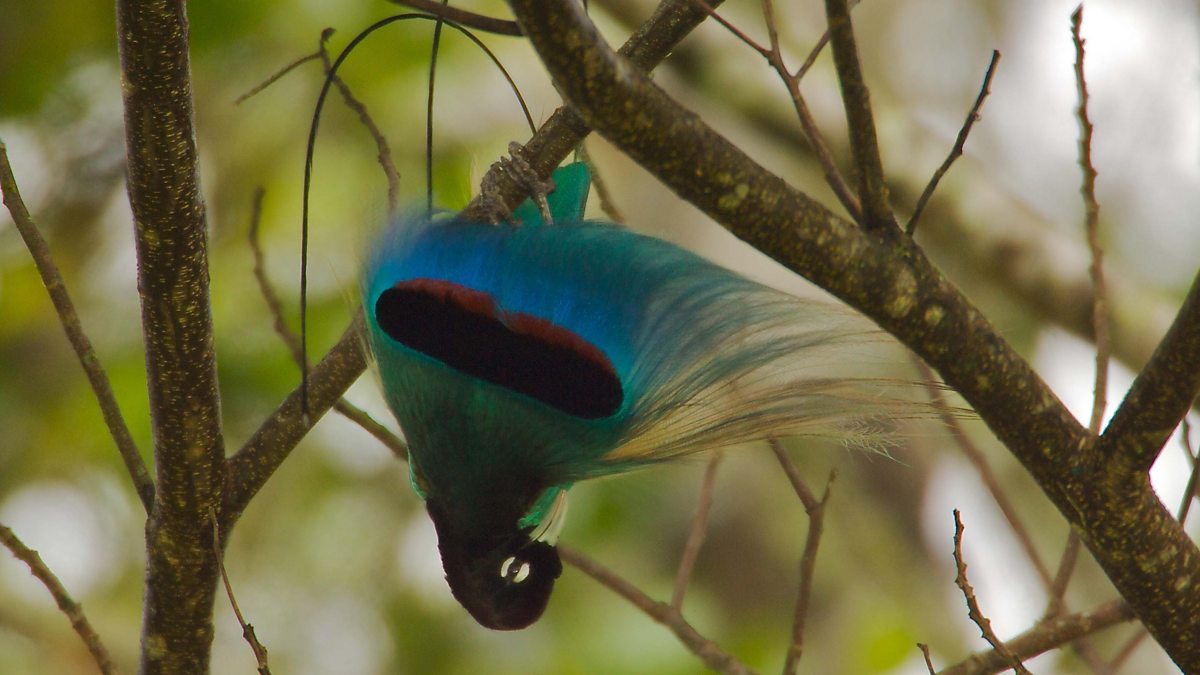
Discover the jewel-toned Blue Bird-of-Paradise, a species found only in Papua New Guinea’s mountains. These mesmerising birds are vulnerable due to palm oil
Goldie’s Bird-of-paradise Paradisaea decora
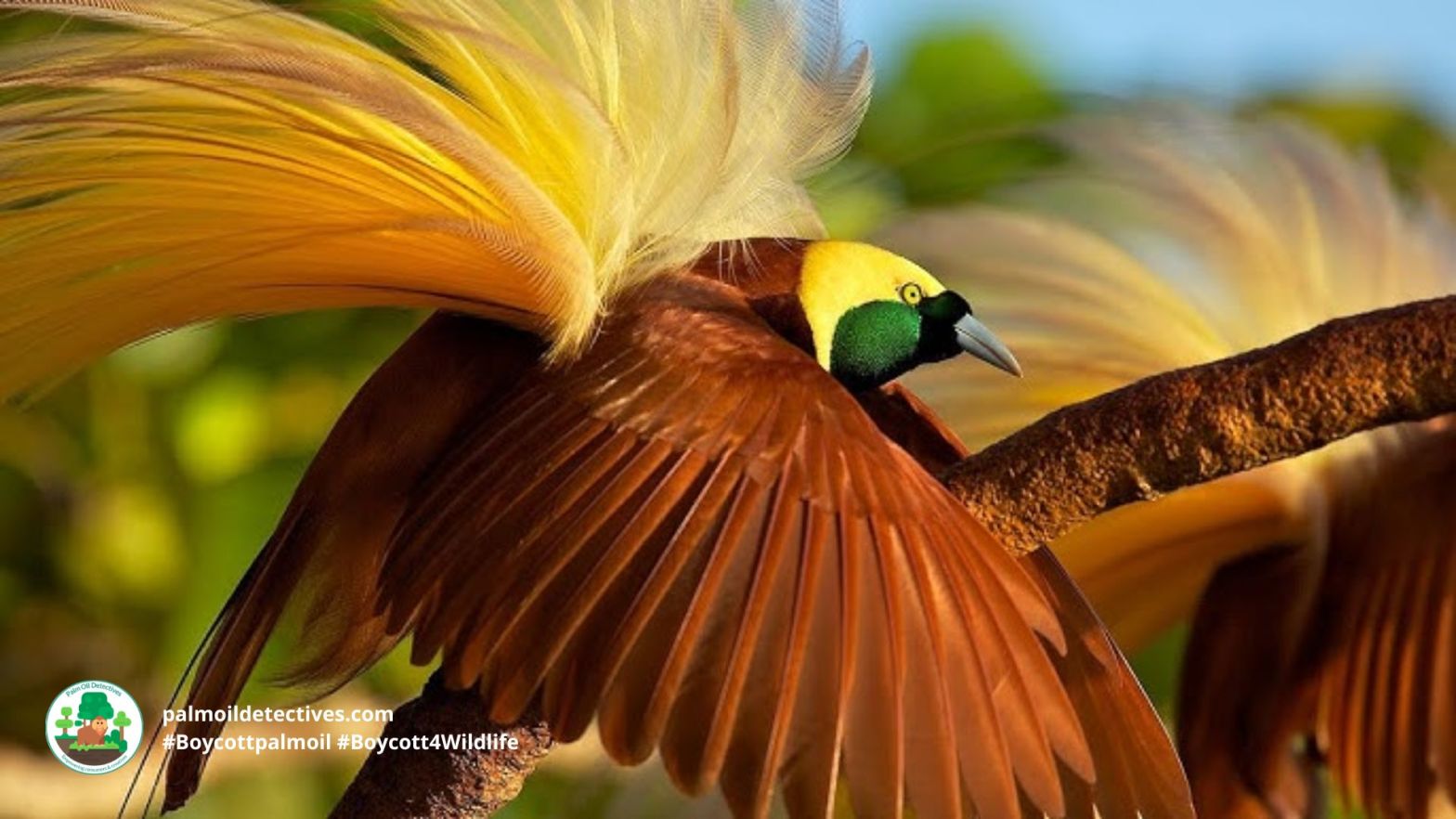
The Goldie’s Bird of Paradise is a rustling rainbow 🦜🌈 They are #vulnerable in #rainforests of #WestPapua from #mining and #palmoil #deforestation. Fight for them and #Boycottpalmoil #Boycott4Wildlife 🌴🔥👎⛔ @palmoildetect.bsky.social https://palmoildetectives.com/2021/02/03/goldies-bird-of-paradise-paradisaea-decora/
Imitator Goshawk Accipiter imitator
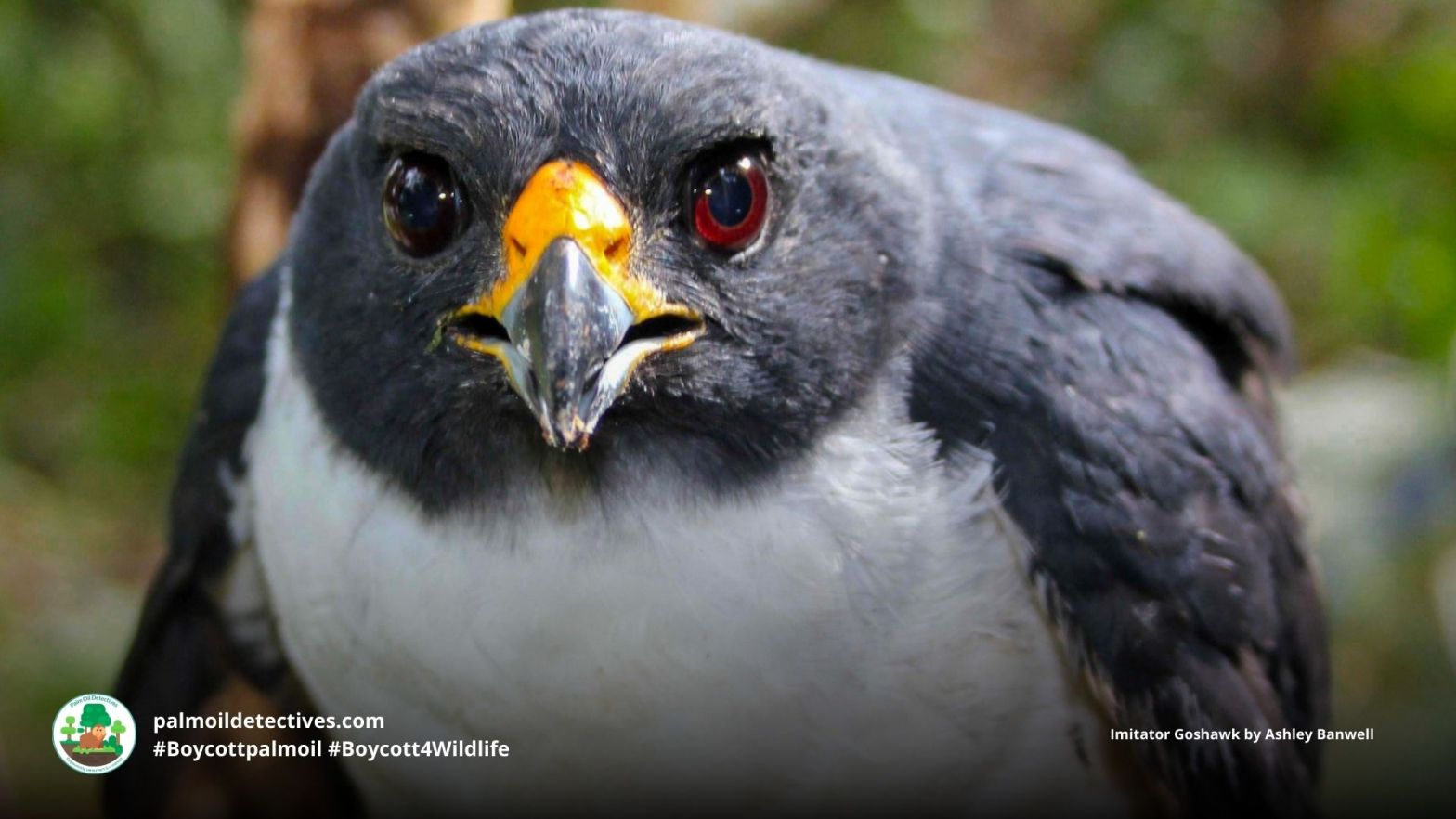
Protect the magnificent Imitator Goshawk an elusive bird of prey from Papua New Guinea is vulnerable. Just 250-999 individuals remain. Boycott palm oil!
Grizzled Tree Kangaroo Dendrolagus inustus
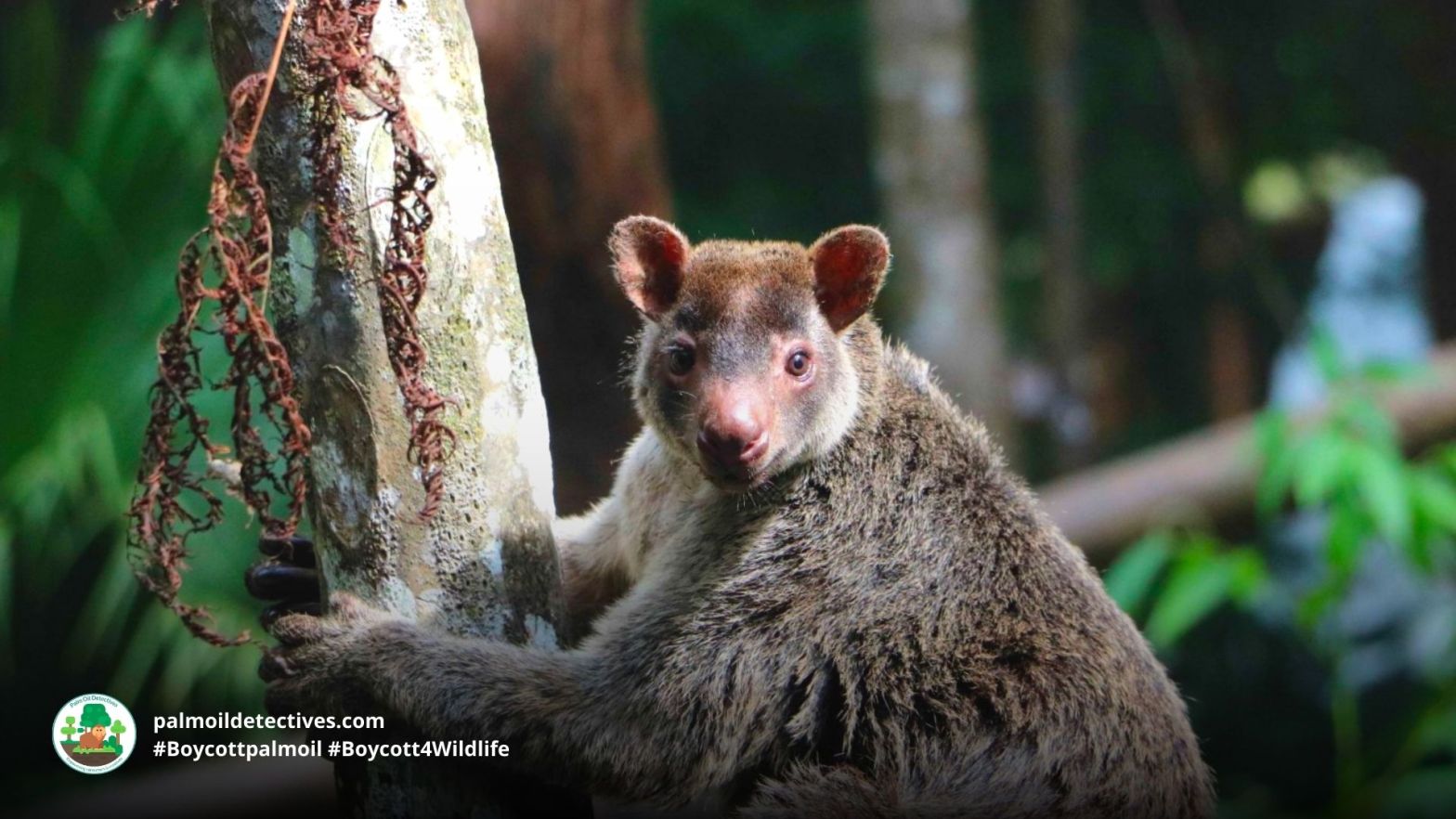
Where the forest rises steeply from the rivers and the mist hangs low over the green spires of the Foja Mountains and the Torricelli Range, the Grizzled Tree Kangaroo moves like a living memory. The Grizzled Tree Kangaroo Dendrolagus inustus and their ash-grey coats and quiet agile movements, are the ghostly figures of New Guinea’s dwindling rainforests. Listed as Vulnerable on the Red List, these rare tree kangaroos now stand at the edge of survival. Hunting dogs track their scent; chainsaws fell their towering homes. Palm oil is rapidly obliterating their forest home. Without urgent action, these shy, elusive creatures will vanish into the mist forever. Boycott palm oil and go #vegan for them. Protect their ancient world. #BoycottPalmOil #Boycott4Wildlife
Blue-eyed Cockatoo Cacatua ophthalmica
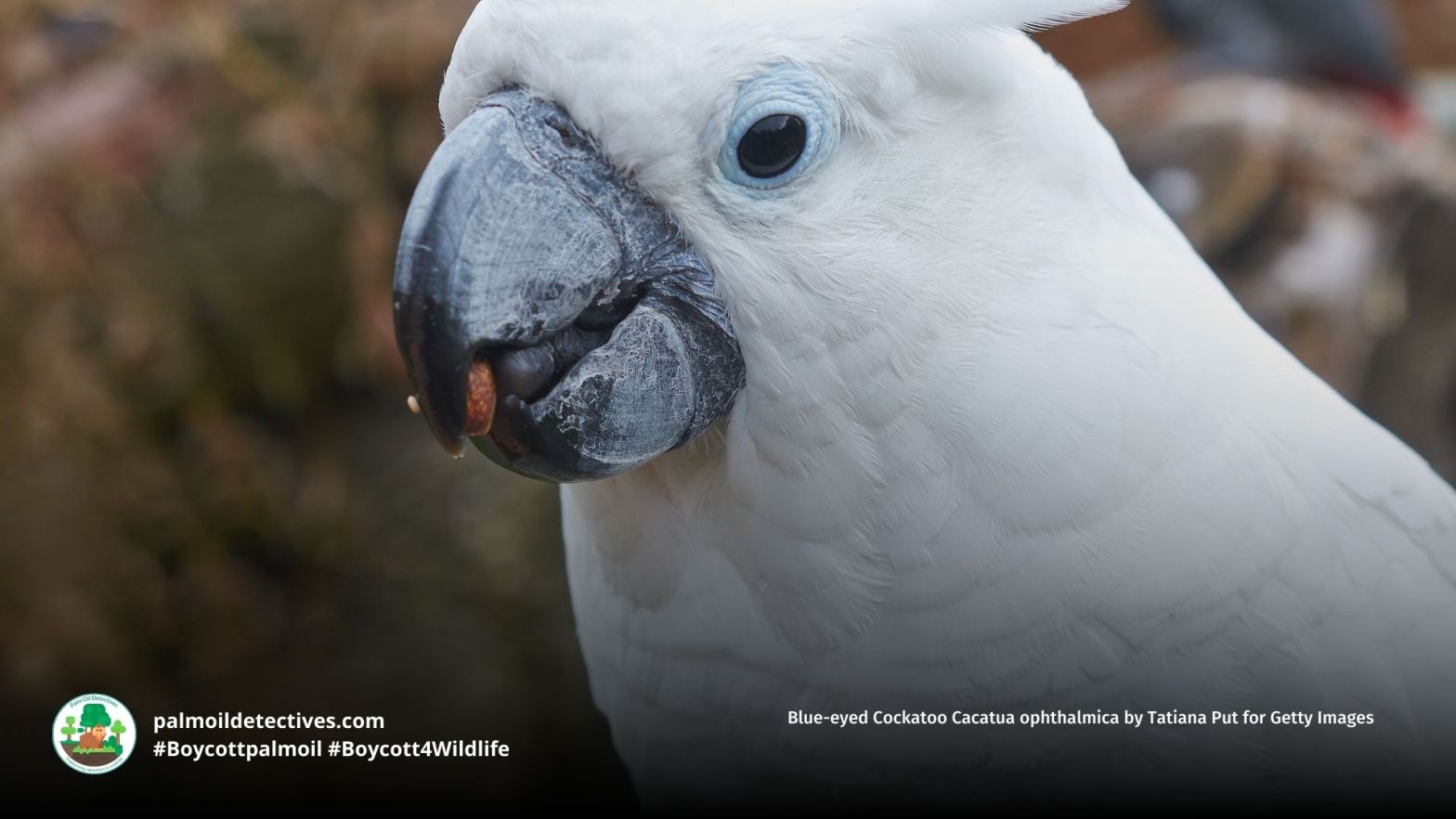
The Blue-eyed Cockatoo is a striking and charismatic bird, known for their vivid blue eye rings and expressive crests. These cockatoos depend on mature forests for nesting and food but face significant threats, including habitat destruction caused by out-of-control palm oil plantations, illegal hunting, and the illegal pet trade. Conservation efforts are critical to ensure the survival of this remarkable species. #BoycottPalmOil #Boycott4Wildlife
Bougainville Moustached Kingfisher Actenoides bougainvillei
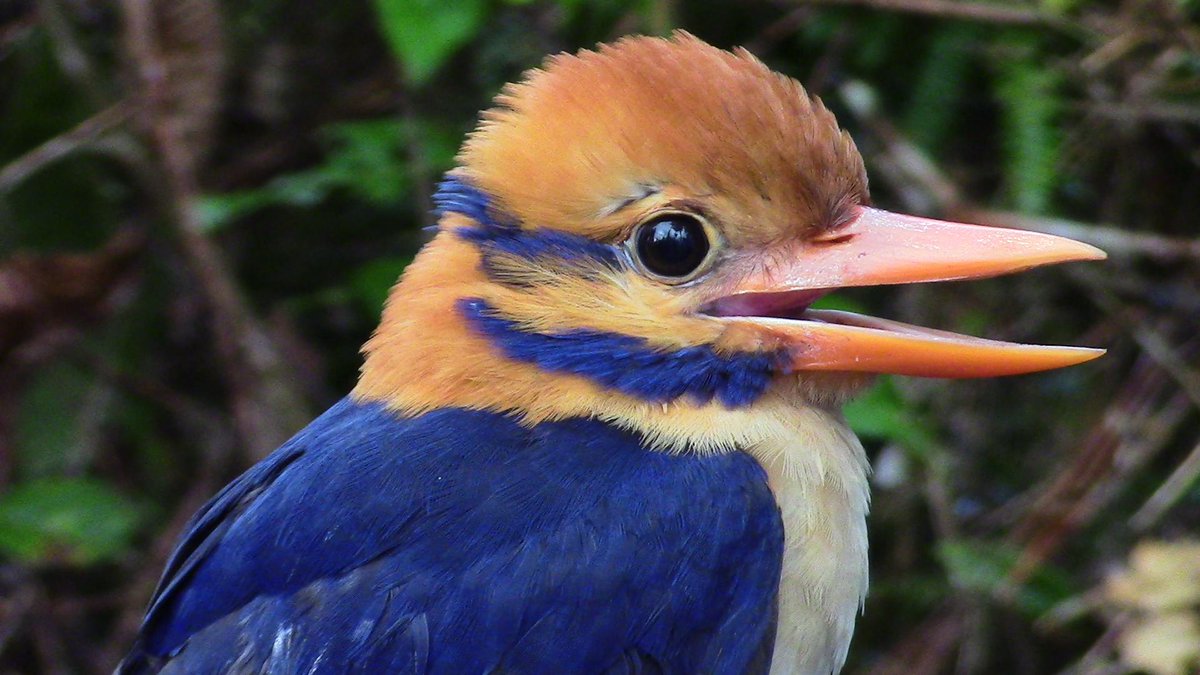
Protect the Bougainville Moustached Kingfisher from palm oil and timber ecocide. Fewer than 2.5K remain alive in Papua, boycott palm oil for their survival!
Spectacled Flying Fox Pteropus conspicillatus
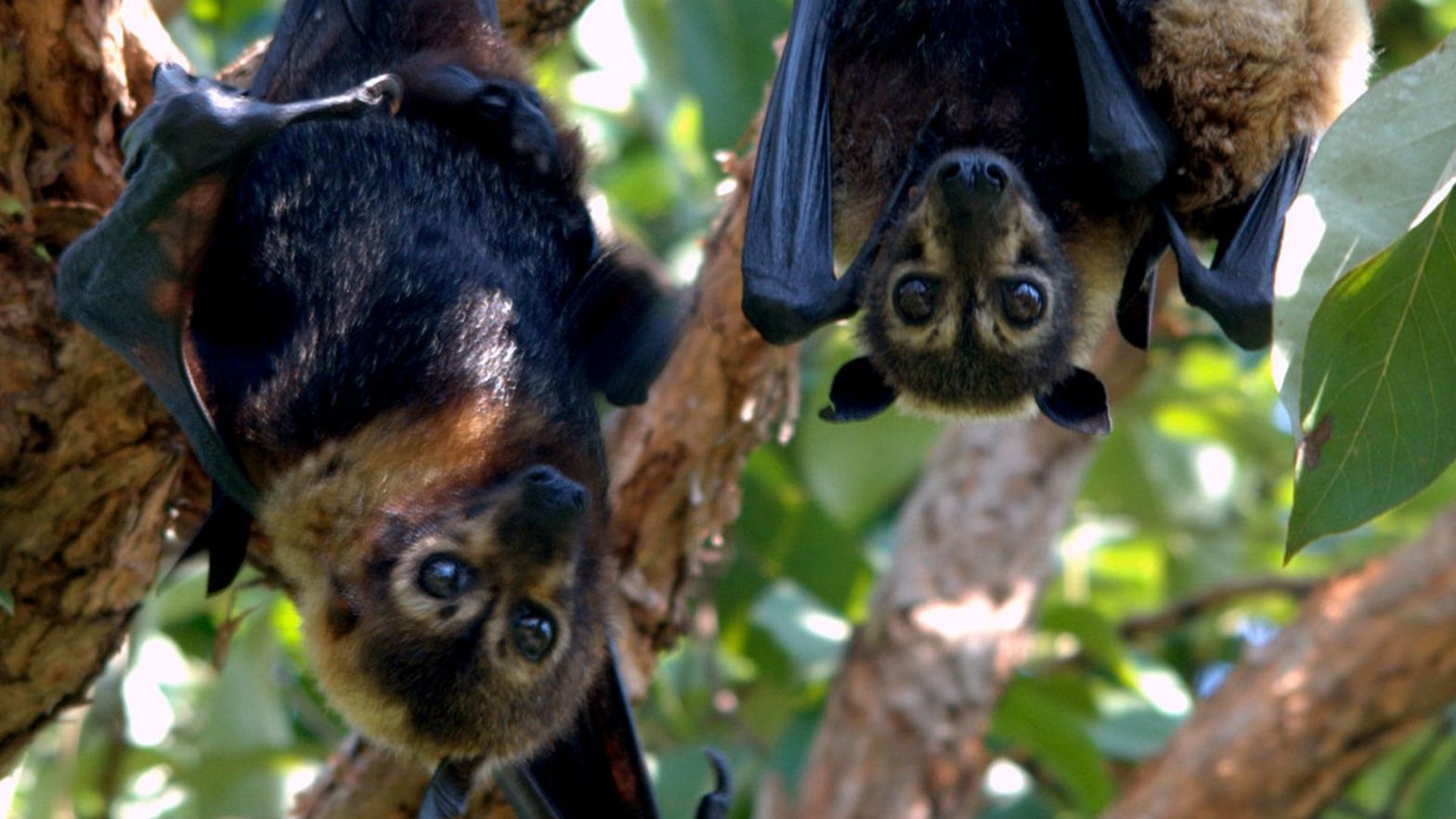
The Spectacled Flying Fox (Pteropus conspicillatus) is a large, highly mobile fruit #bat native to the tropical rainforests of Australia’s Wet Tropics and Papua New Guinea’s offshore islands including Woodlark Island, Alcester Island, Kiriwina, and Halmahera. Named for the distinctive pale rings around their eyes, they play a crucial role in pollination and seed dispersal across vast forested landscapes. However, their survival is under severe threat due to rampant #palmoil #deforestation in #Papua, along with #climatechange-induced extreme heat events, and human-wildlife conflict. These bats have suffered catastrophic population declines in recent years, underscoring the urgent need for conservation action. In February 2019 the Australian government upgraded their threatened status from vulnerable to endangered, after almost a third of the bat population died in a severe heatwave in Queensland in late 2018. Take action and resist climate change and deforestation-driven #extinction every time you shop—#BoycottPalmOil #Boycott4Wildlife.
Far Eastern Curlew Numenius madagascariensis

Far Eastern Curlew Numenius madagascariensis Endangered Location: Papua New Guinea, Asia, SE Asia, Northern Australia The Far Eastern Curlew breeds on open mossy or transitional bogs, moss-lichen bogs and wet meadows, and on the swampy shores of small lakes and winters in Papua New Guinea; in the non-breeding season, this bird is essentially coastal, occurringContinue reading “Far Eastern Curlew Numenius madagascariensis”
Louisiade Woolly Bat Kerivoula agnella
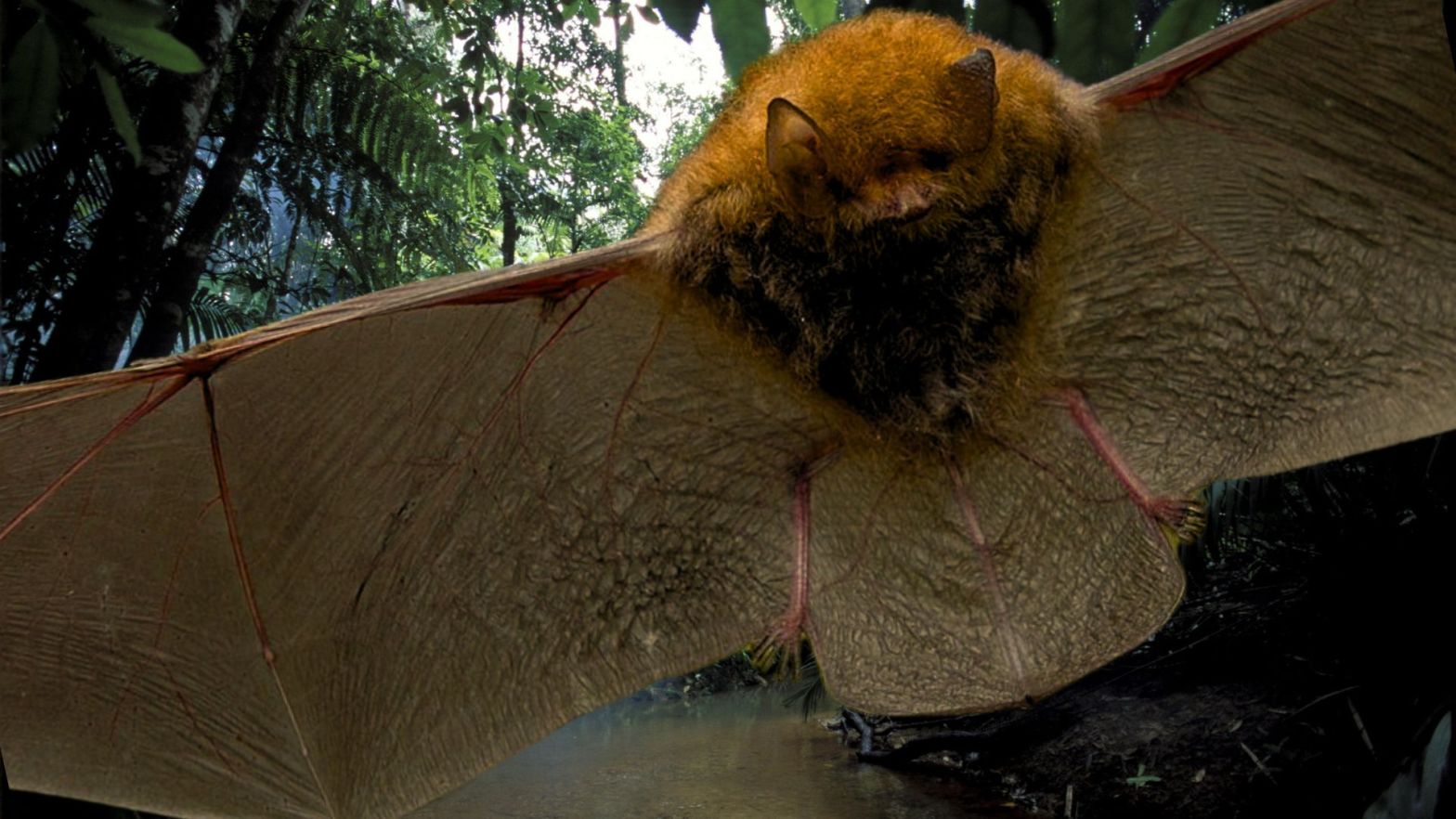
Louisiade Woolly Bat Kerivoula agnell IUCN Red List Status: Endangered Location: The Louisiade Woolly Bat is endemic to Papua New Guinea, specifically to the islands of the Louisiade Archipelago, including Sudest (Vanatinai) and Tagula. Also known as St. Aignan’s Trumpet-Eared Bat, the Louisiade Woolly Bat is a rare and enigmatic species. Recognised for their soft,Continue reading “Louisiade Woolly Bat Kerivoula agnella”
Black-naped Pheasant-pigeon Otidiphaps insularis
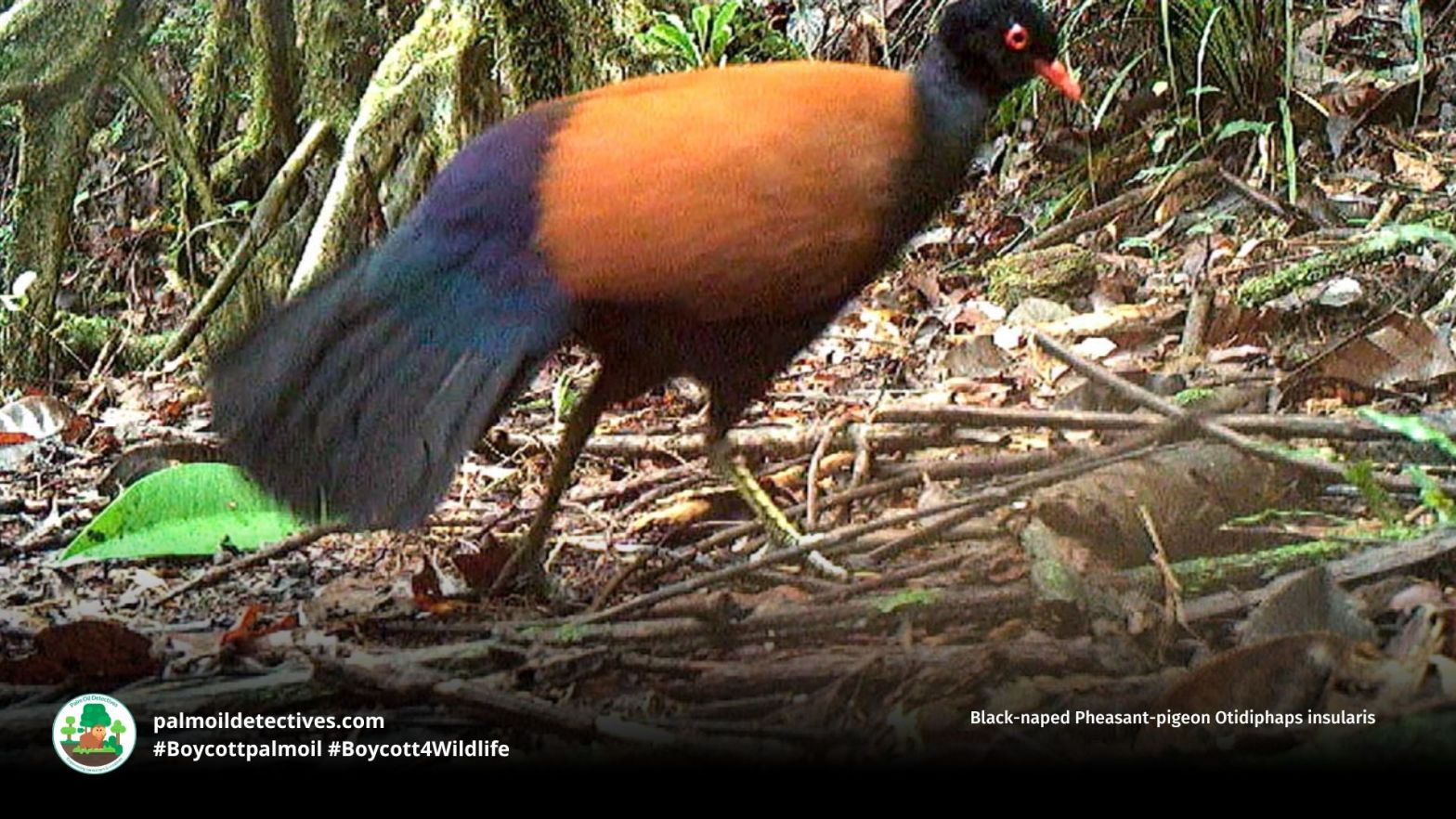
Elusive, critically endangered Black-naped Pheasant-Pigeon live on Fergusson Island, Papua and must be protected from ecocide, boycott palm oil when you shop!
Forest Rainbowfish Melanotaenia sylvatica
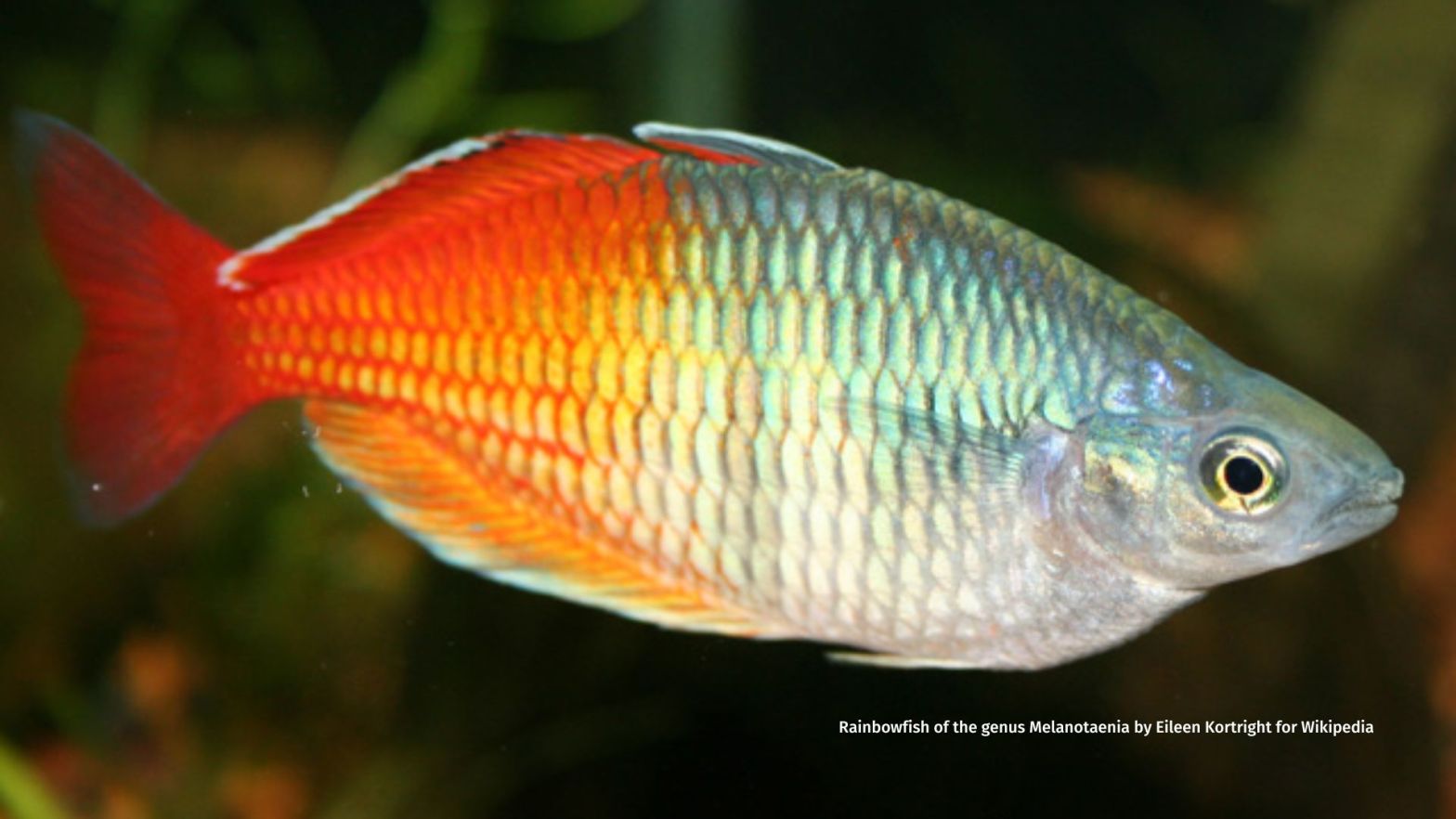
Help save the Forest Rainbowfish, shimmering, iridescent fish is under severe threat from logging and out-of-control palm oil plantations, boycott palm oil!
 Palm Oil Detectives