

Alana James, Northumbria University, Newcastle The fashion industry is one of the most polluting industries in the world, producing 20% of global wastewater and 10% of global carbon emissions – and it’s estimated that by 2050 this will have increased to 25%. A staggering 300,000 tonnes of clothes are sent to British landfills each year.Continue reading “Why you should stop buying new clothes”
Author Archives: Palm Oil Detectives
How plywood started the destruction of Indonesia’s forests
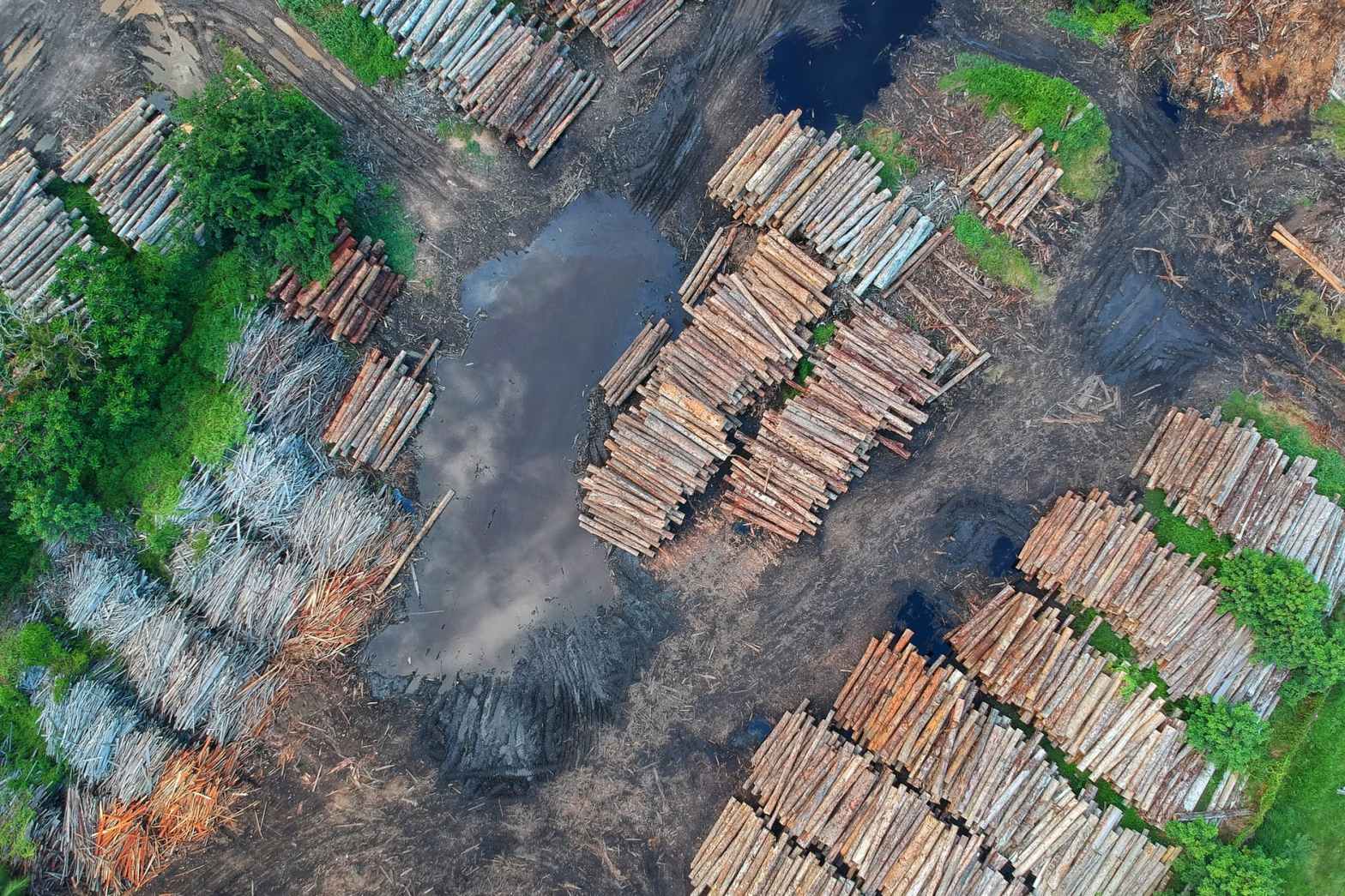
Indonesia now has the has the fastest rate of deforestation in the world, driven largely by clearing for palm oil plantations. But the process began long ago, with one of the most common building materials: plywood. As far as commodities are concerned, it was plywood that defined the rainforests of Borneo in the 1970s andContinue reading “How plywood started the destruction of Indonesia’s forests”
Video: Slowing deforestation is the key to preventing the next pandemic – but what does that cost?
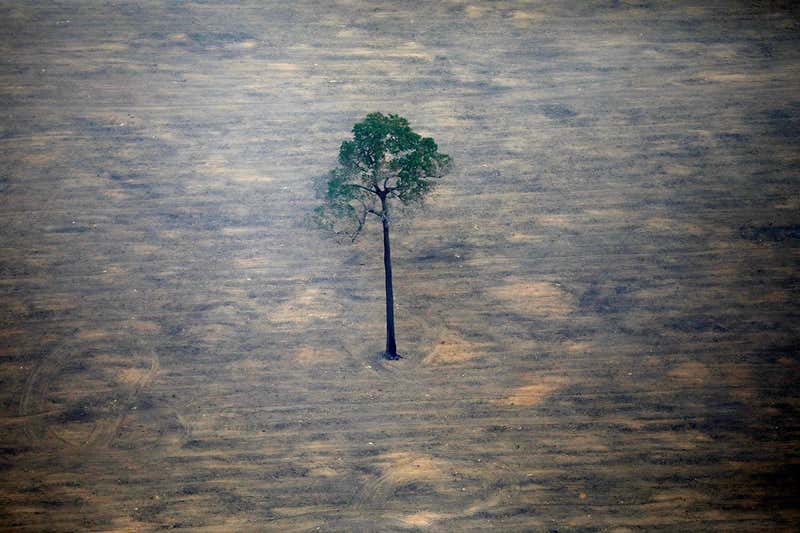
Les Kaufman, Boston University In a recent journal article, a team of biologists, medical scientists, environmental scientists and conservationists proposed a number of measures to reduce the likelihood of future pandemics, many of which originate with wild animals such as bats. They argue that spending billions of dollars per year – a fraction of theContinue reading “Video: Slowing deforestation is the key to preventing the next pandemic – but what does that cost?”
Explainer: What is a tipping point, and why should we care?
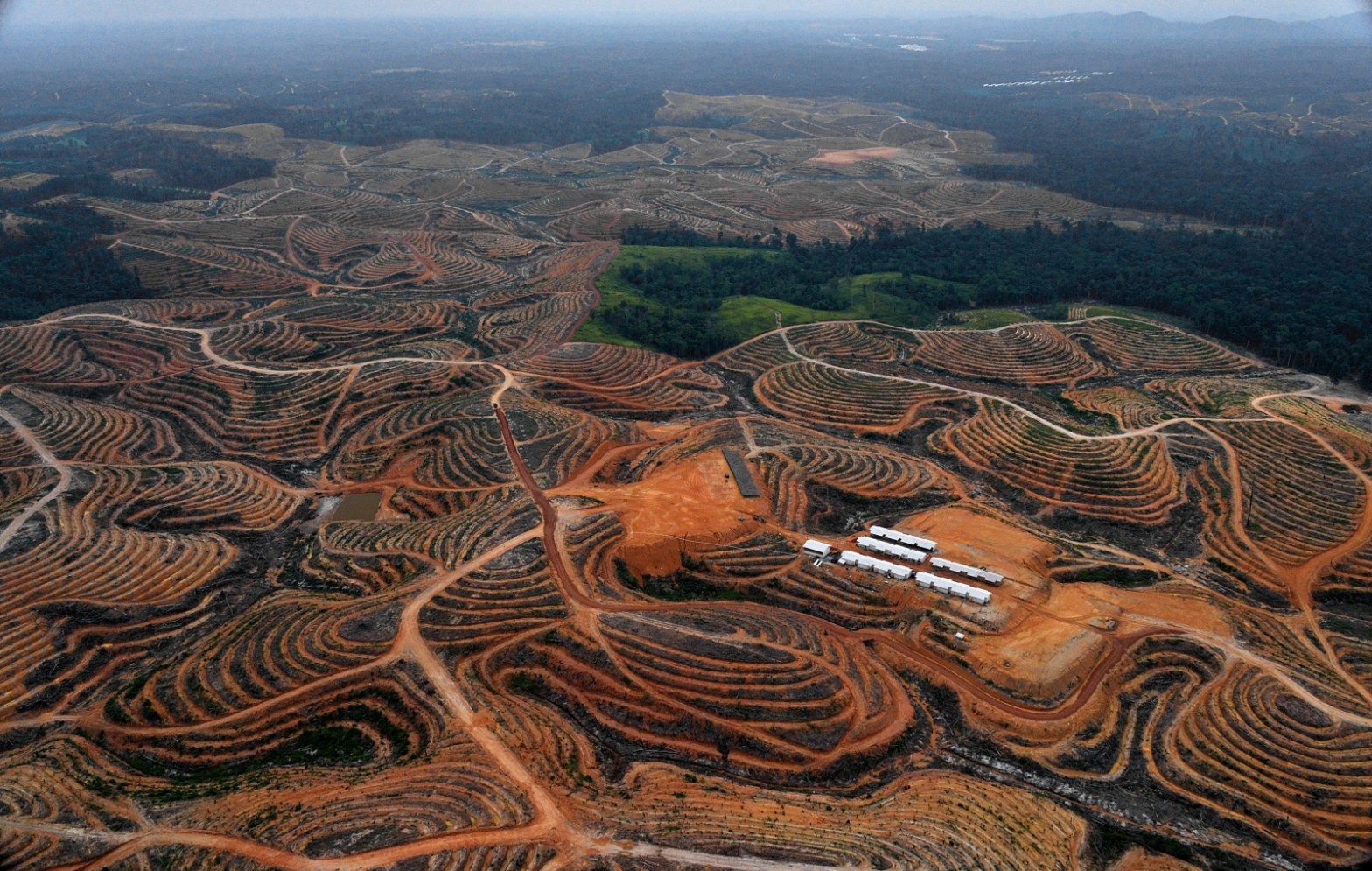
Lately, you may have heard someone say that we have reached a “tipping point.” Recently, we have witnessed dramatic shifts in our social and economic states of being. Our ability to understand and act thoughtfully around this single concept could determine the fate of life on Earth. Help reverse the upheavals and tipping points every time you shop #Boycott4Wildlife
Can we feed the world and stop deforestation? Depends what’s for dinner
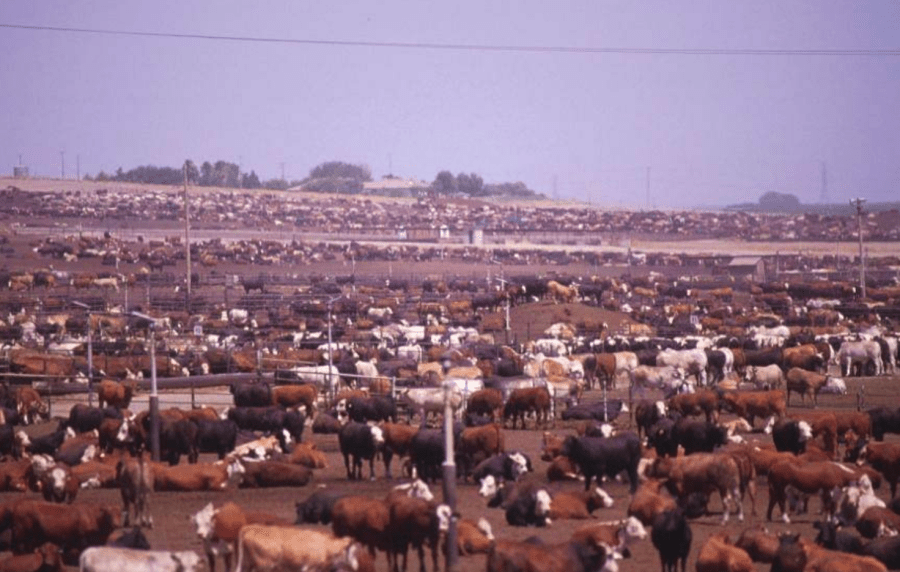
It’s a tricky thing to grow enough #food for a ballooning population without destroying the natural world. And when I say a tricky thing, I mean it’s one of the greatest challenges humanity has ever faced. Luckily for us, it is theoretically possible, and the easiest way to get there is by drastically cutting down on meat. We deforest an area the size of Panama every single year. Across the world, food is the number one cause of #deforestation, especially our taste for meat. If we all woke up #vegan in 2050, we would need less land than in 2000. We could reforest an area the size of the Amazon. 80% of deforestation is from #meat” Take action every time you shop and go plant-based #Boycott4Wildlife
African Greys: How politics killed the parrot
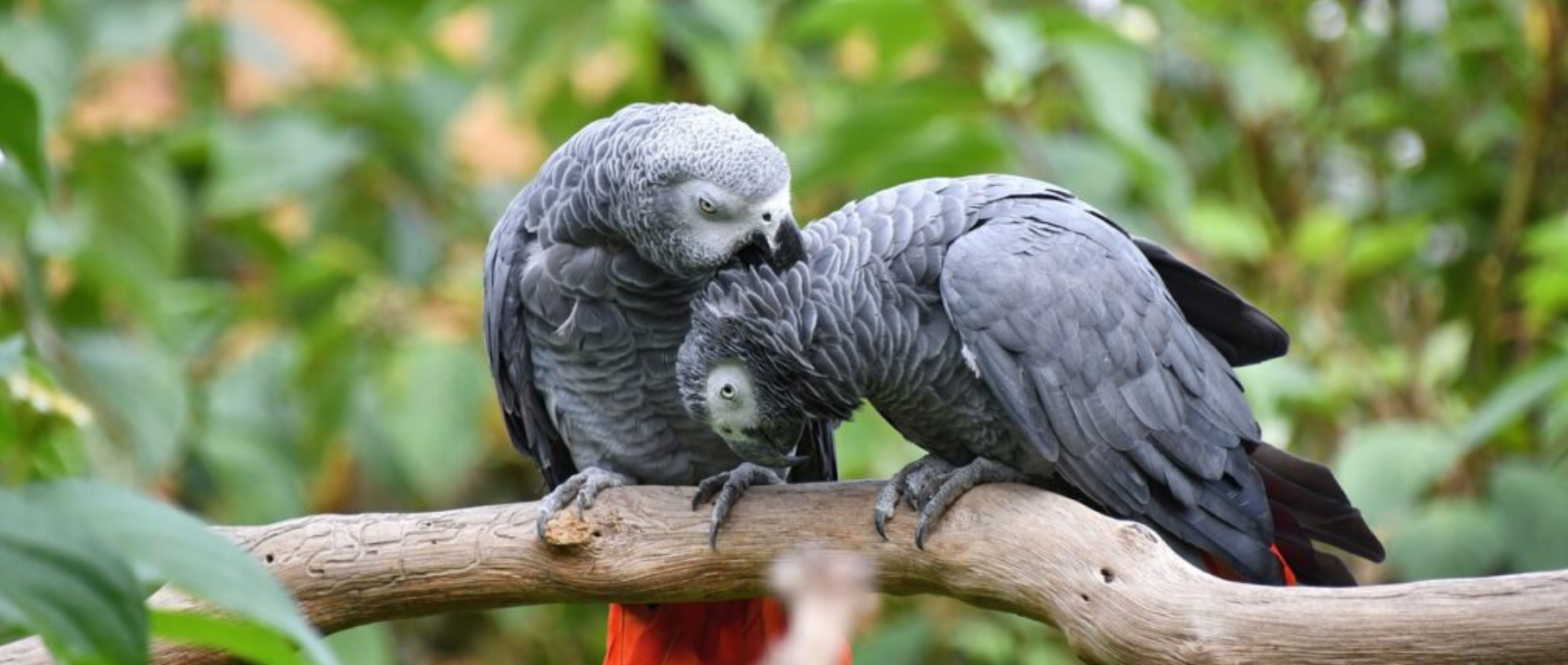
The African Grey Parrot of the Congo is an understated beauty sporting ash-grey plumage, which partially conceals the red flash of their short tails – not to be confused with the smaller and darker Timneh grey parrot. This species is found, as their name suggests, in the Democratic Republic of the Congo (DRC), along with Kenya, Tanzania and parts of Angola. Already globally threatened, any self-described bird lover must understand jus how the political environment in the DRC is threatening this gorgeous parrot. One of the most pervasive threats for these rare birds is poaching for the illegal pet trade, which, in the past 40 years alone, has resulted in almost three million birds being snatched from their homes. That’s three million birds who will never reproduce in the wild and ensure continuity of this species. Help these birds every time you shop and be #Vegan, #BoycottPalmOil #Boycott4Wildlife.
How does COVID-19 affect Wildlife Conservation?
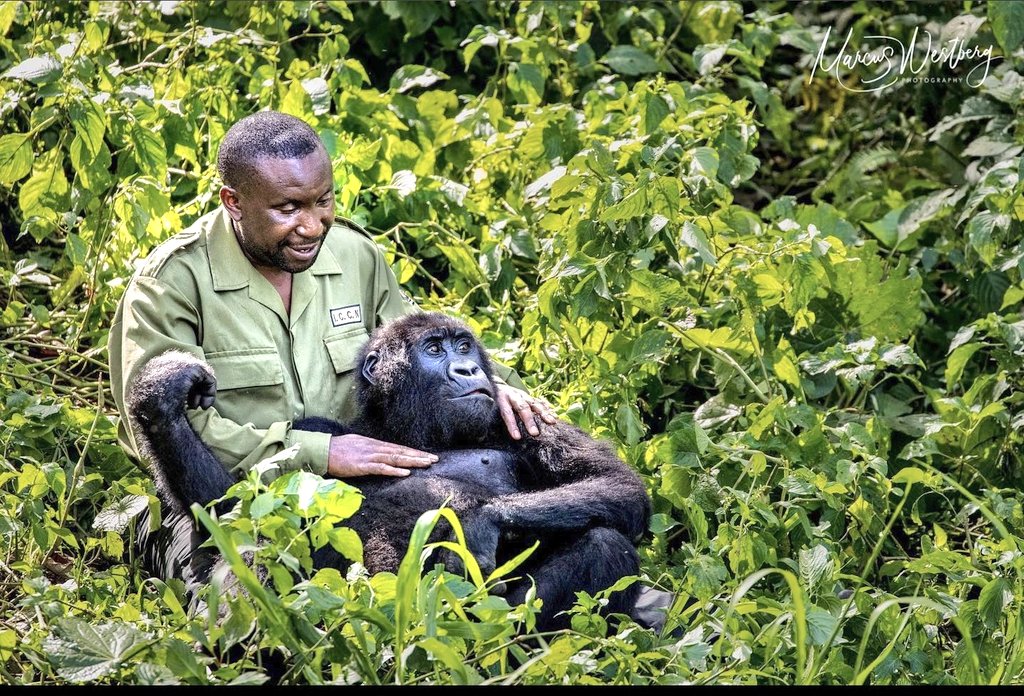
How does COVID 19 affect Wildlife Conservation? This pandemic has affected several continents, and everyone seems to be at its mercies. It’s sad to see people lose lives, property, jobs, among others. It’s crippling the economy and results to be a pandemic pushing us to a very difficult corner. No Money = No Tourism ApartContinue reading “How does COVID-19 affect Wildlife Conservation?”
Mass extinction: what is it and are we in one now?
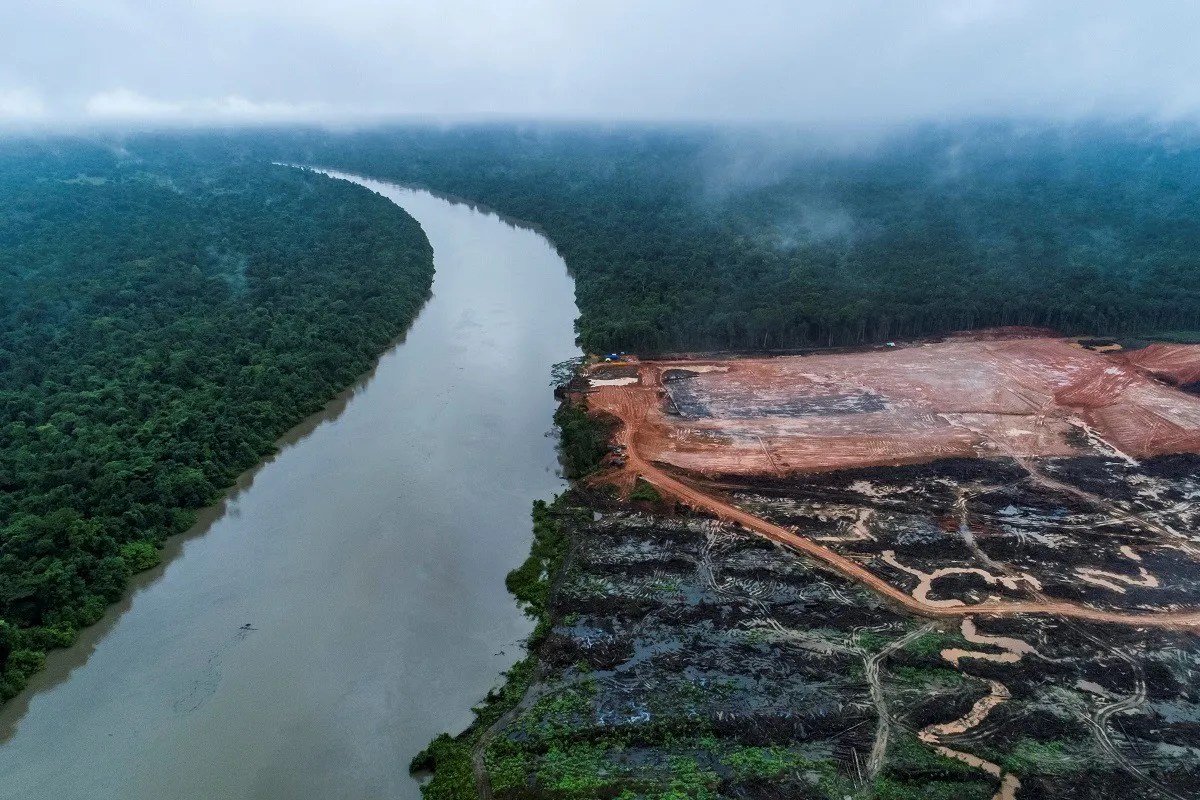
For more than 3.5 billion years, living organisms have thrived, multiplied and diversified to occupy every ecosystem on Earth. The flip side to this explosion of new species is that species extinctions have also always been part of the evolutionary life cycle.
A mass extinction is usually defined as a loss of about three quarters of all species in existence across the entire Earth over a “short” geological period of time. Given the vast amount of time since life first evolved on the planet, “short” is defined as anything less than 2.8 million years. Right now loss of species on earth is being driven by a mix of direct and indirect human activities, such as the destruction and fragmentation of habitats, direct exploitation like fishing and hunting, chemical pollution, invasive species, and human-caused global warming. Help species survive #BoycottPalmOil be #Vegan and #Boycott4Wildlife
On Overcoming Activism Exhaustion and Burn-Out
It’s Okay Not To Be Okay, But Not Okay to Remain That Way We all go through stuff that makes us feel no okay, maybe a phase/season/period/stage, etc. It’s okay for this to happen, and our feelings are totally valid. There’s nothing wrong with that. Just allow yourself to outgrow the situations. Remember, you areContinue reading “On Overcoming Activism Exhaustion and Burn-Out”
Inside the colourful world of animal vision
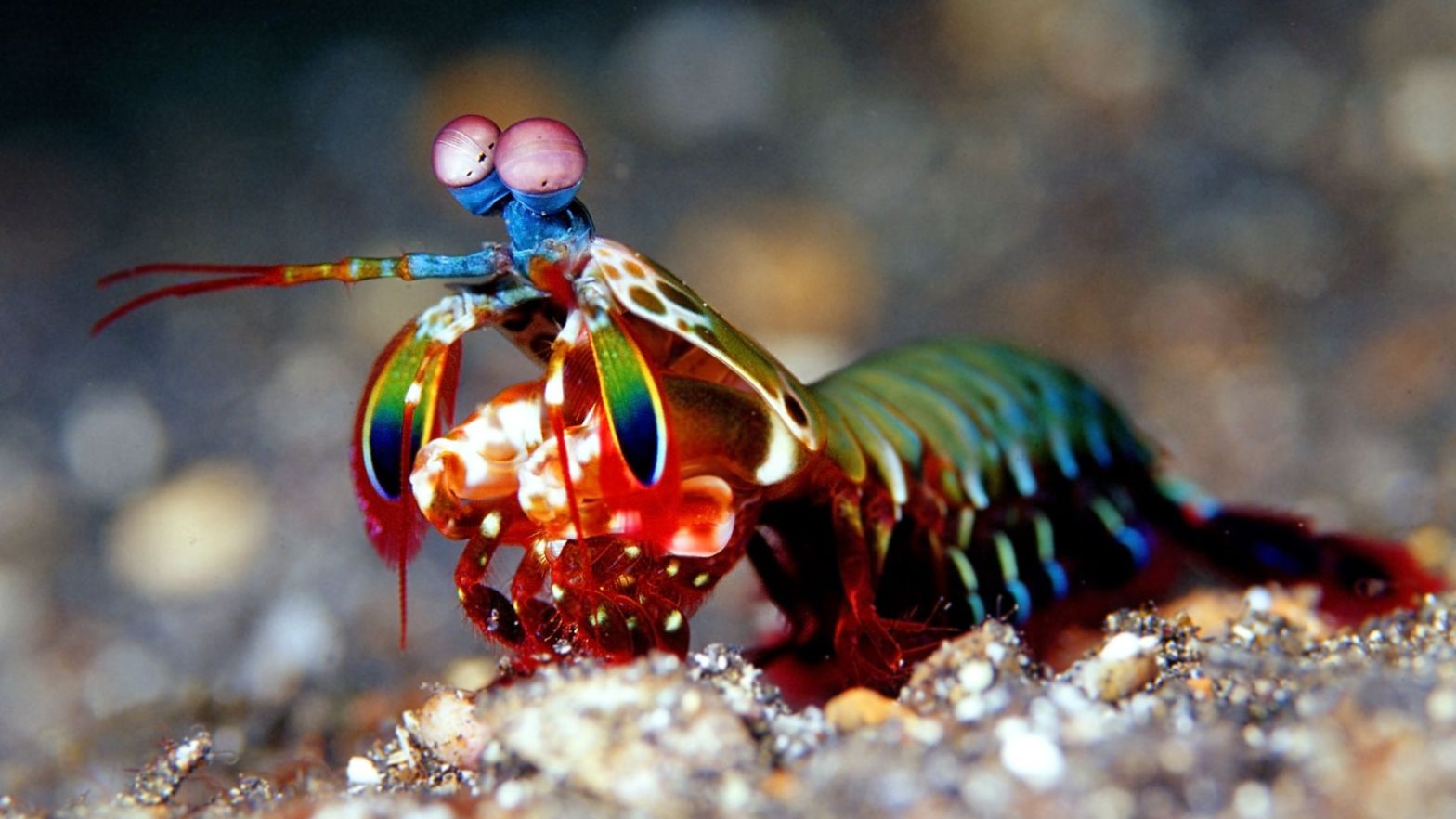
Want to hear something trippy? Unlike other aspects of an object such as its size or mass, colour is not an inherent property. Perceiving colour is a function of an organism’s sensory system. In other words, colour is a construct of the mind. But whose minds? Aside from the human experiences of colour, other-than-human eyes perceive colour in radically different ways.
The Rarest Rhino: The Two Last Northern White Rhinos of Kenya
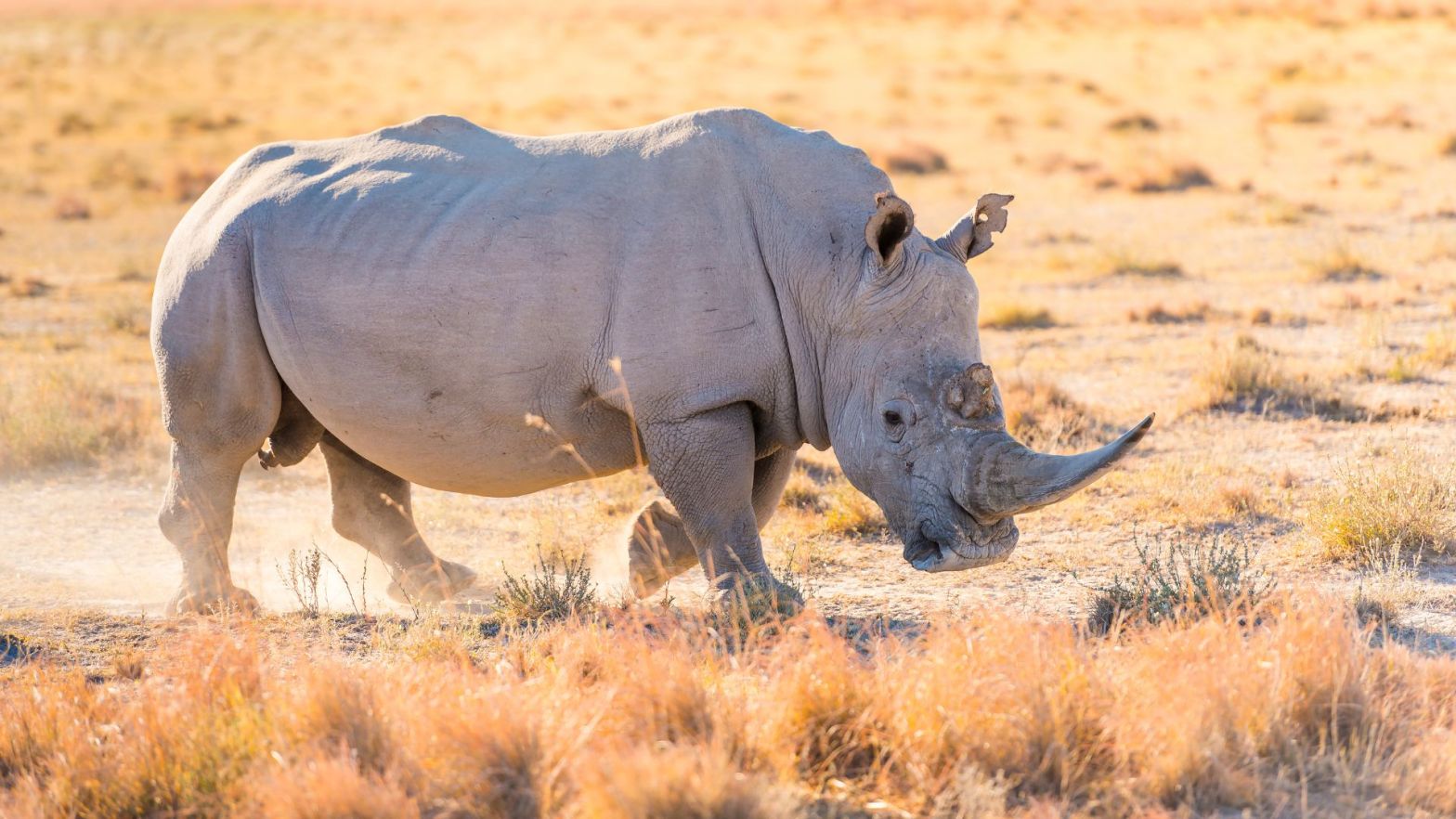
The rarest rhino in the world can be found wallowing in the mud at the Ol Pejeta Nature Conservancy in Kenya. Constantly guarded by vigilant rifle-clad guards, these two animals have no idea that they are the last members of their kind. They are northern white rhinos – the very last northern white rhinos anywhere on Earth. They have been poached to the very edge of extinction, with virtually no hope for recovery. Could this be the saddest story ever told? Likely! Vehemently and strongly oppose all forms of trophy hunting and poaching wherever you see it and #Boycott4Wildlife
Where There’s Smoke There’s Fire: Let’s Sort the Plastic Menace
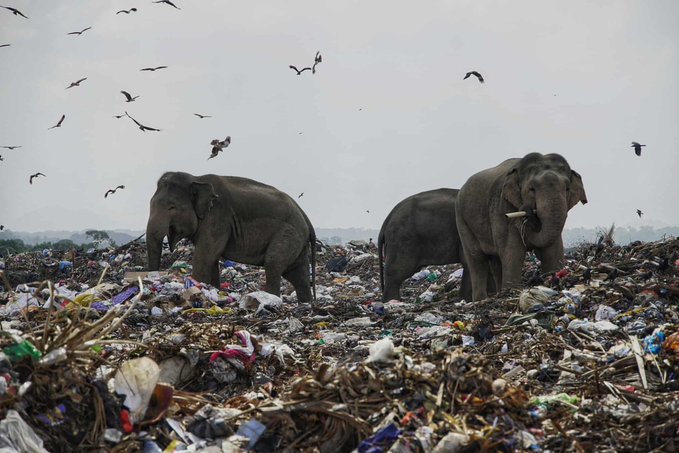
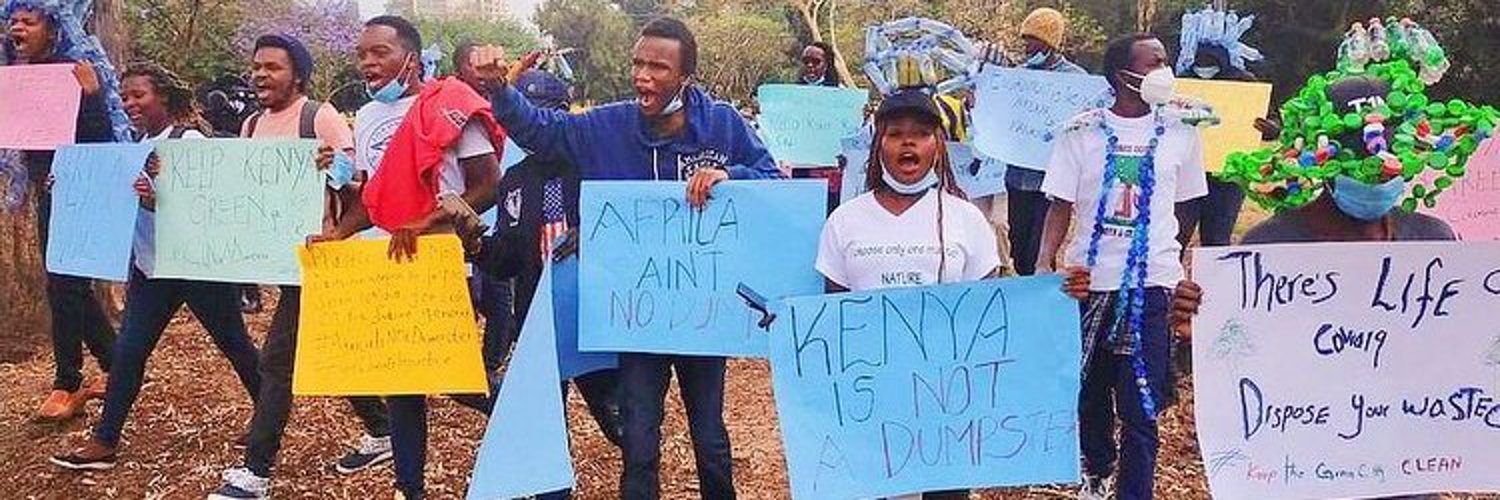
Smoke is a clear sign of something brewing up. The decision taken afterward determines the outcomes. If ignored, the fire may destroy everything. But if we bother to check out, we may save the day. It has been more than a month now since we heard the rumors of Kenya being used as a hubContinue reading “Where There’s Smoke There’s Fire: Let’s Sort the Plastic Menace”
The lengthy childhood of endangered orangutans is written in their teeth
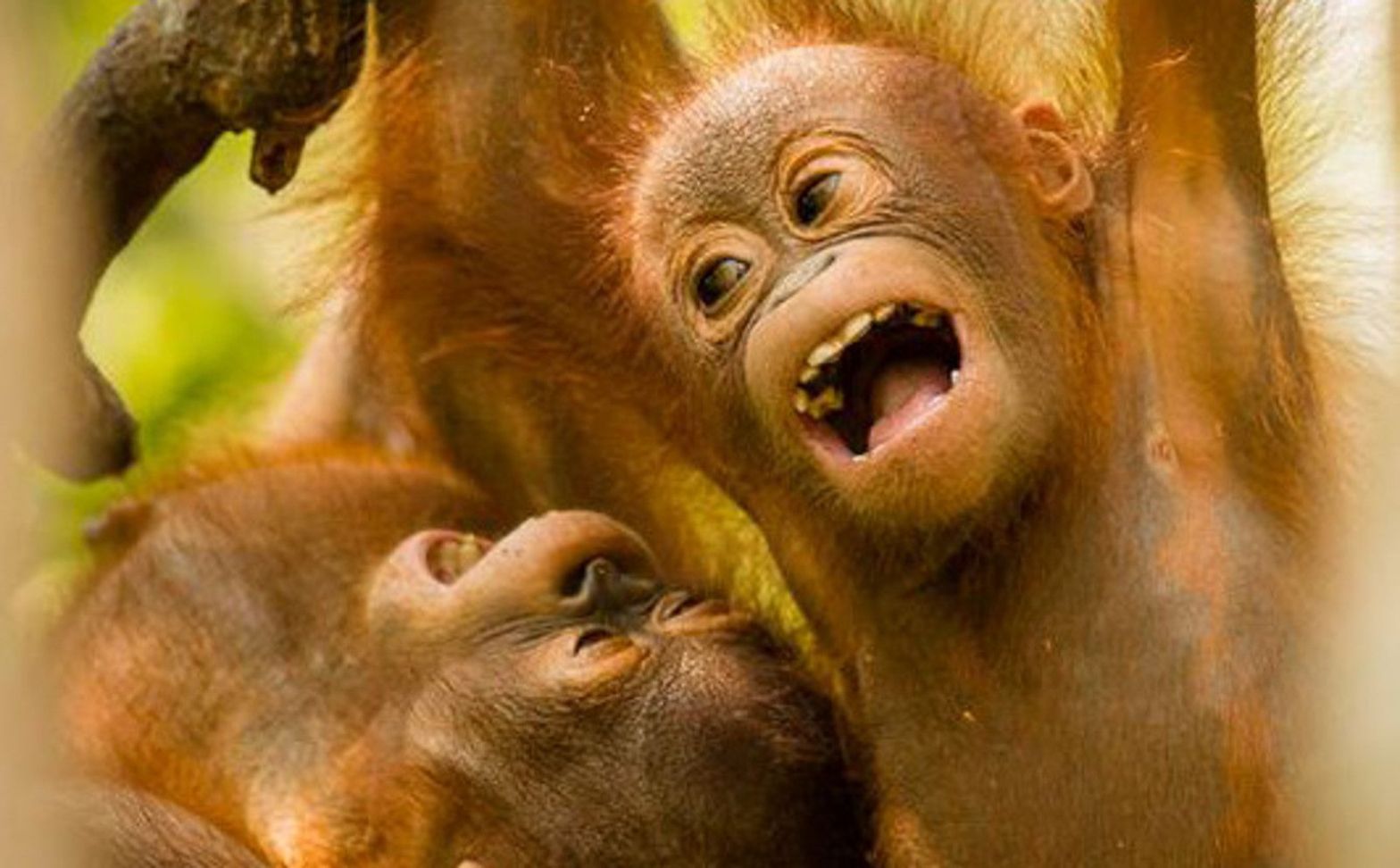
Orangutan populations of all three species are critically endangered in the wild. One of the things that may hamper their survival is the time they take to rear new generations.
Just like human mothers, primate mothers raise only a few slow-growing offspring during their reproductive years. An orangutan mother will not give birth again until she’s finished providing milk to her previous offspring. Nursing can take a long time and vary across seasons, as found in research published in Science Advances. Help these beautiful and rare great apes to survive when you #BoycottPalmOil #Boycott4Wildlife in the supermarket!
Every Living Organism Has a Way of Communicating
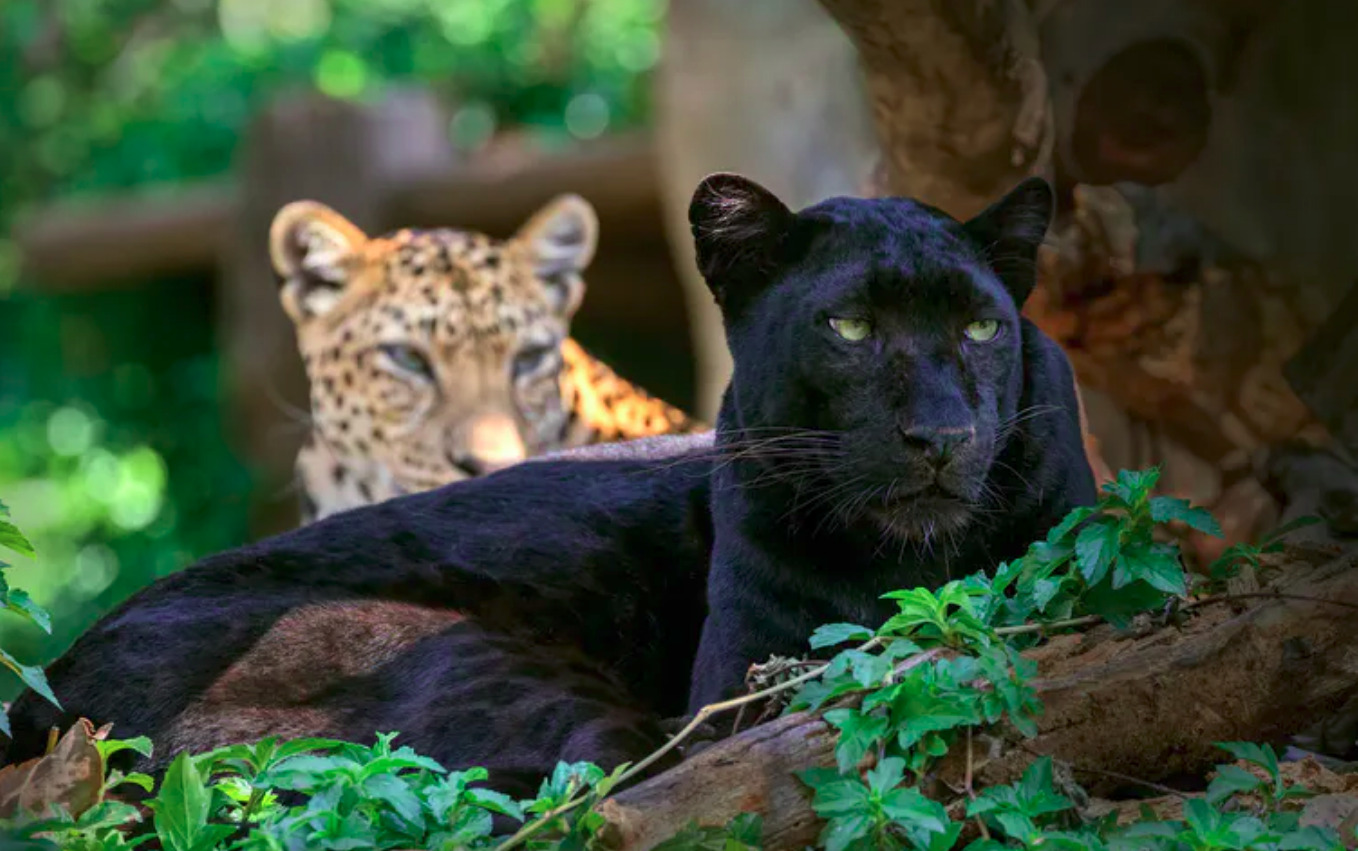
Every living organism has a way of communicating. We may not be able to understand each other’s language. But its there and communication get passed from one organism to another. How do forests speak to us? If you have ever been into the woods and feel different ways nature talks to us. From the windContinue reading “Every Living Organism Has a Way of Communicating”
Wildlife and Environmental Advocate Winnie Cheche
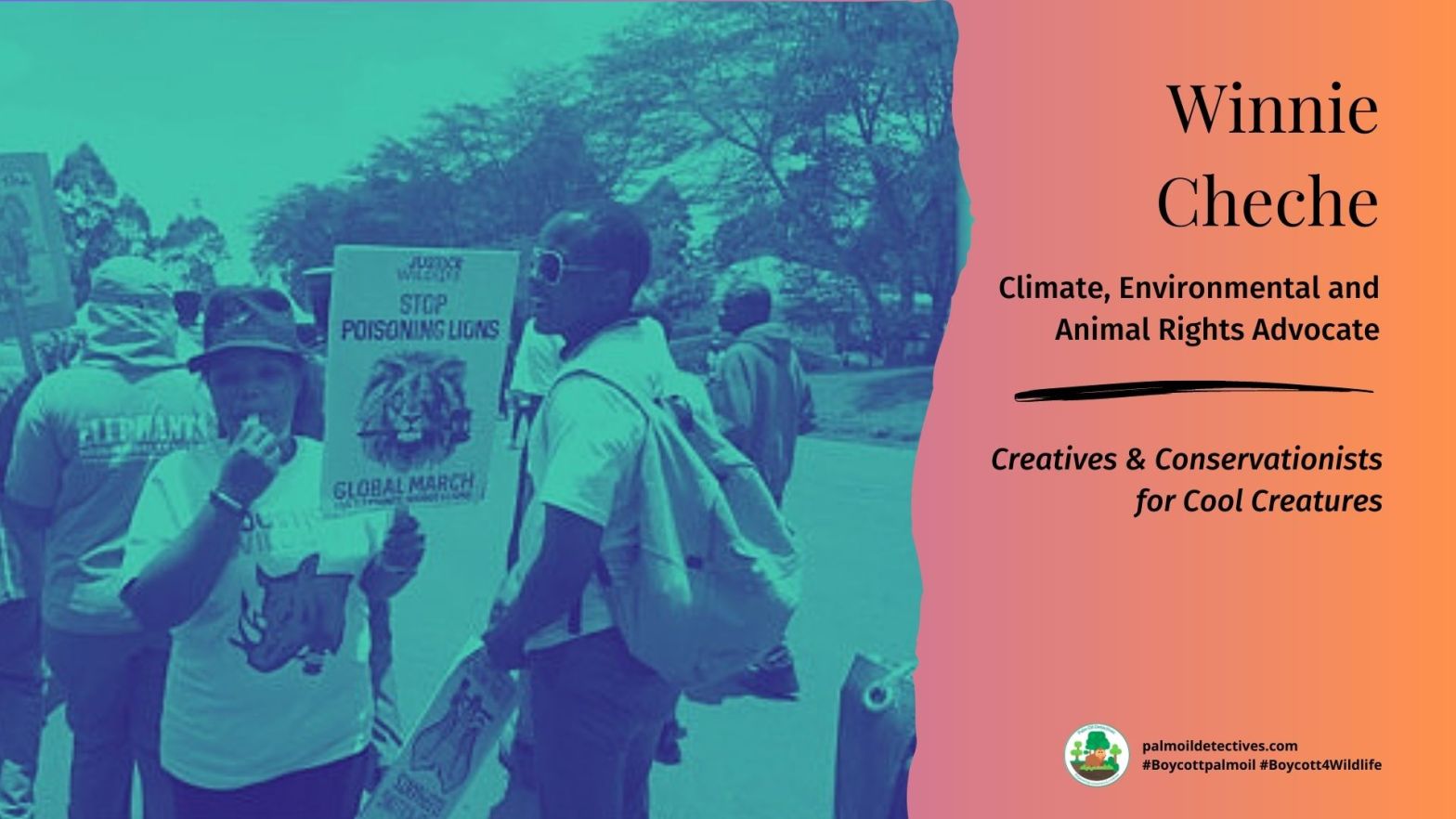
I love wildlife and I am ready to do whatever I can to ensure that future generation get to see animals. Poaching and conservation area encroachment continue to be a threat to wildlife existence, and something needed to be done. Knowledge is power and a good start to ensure things change. Extinction is already taking them away, and humans contribute to that. Helping them know how they play that part will help stop the reaction. If you want to get involved in conservation, look at the many ways that humans are driven crazy out of our greed and selfishness. Then work to find fixes and solutions for that. We can allow our humanity and compassion to guide us towards advocating for the right thing for animals and for the natural world.
Dangers of wildlife mass death in this era
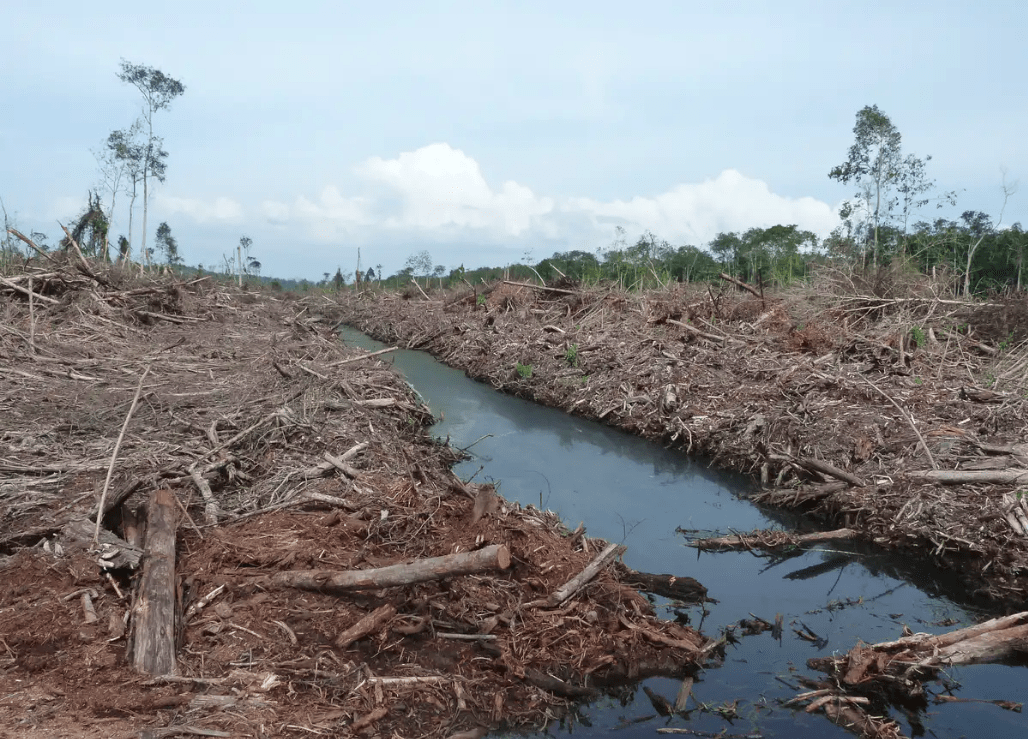
For a while now, we have been labeled as a generation promoting mass extinction of other species as a result of some negative activities we do for developments. We have occupied and displaced these species, as our population continues to expand. Cheche Winnie The mass death of elephants in the Okavango Delta A few daysContinue reading “Dangers of wildlife mass death in this era”
How forest loss has changed biodiversity across the globe over the last 150 years
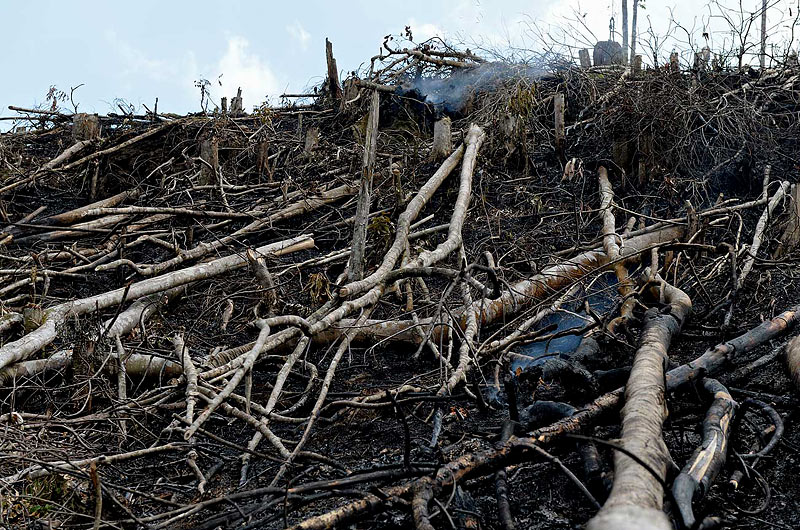
The Earth’s forests have been changing ever since the first tree took root. For 360 million years, trees have grown and been felled through a dynamic mix of hurricanes, #fires and natural regeneration. But with the dawn of the 17th century, humans began replacing large swathes of forest with farms and cities. The global pace of #deforestation has slowed in the 21st century, but #forests are still disappearing – albeit at different rates in different parts of the world. In the tropics, forest loss is accelerating in previously pristine wilderness. Help rainforests, wild animals and indigenous peoples to survive #BoycottPalmOil #Boycott4Wildlife
Rüppell’s Vulture Gyps rueppelli
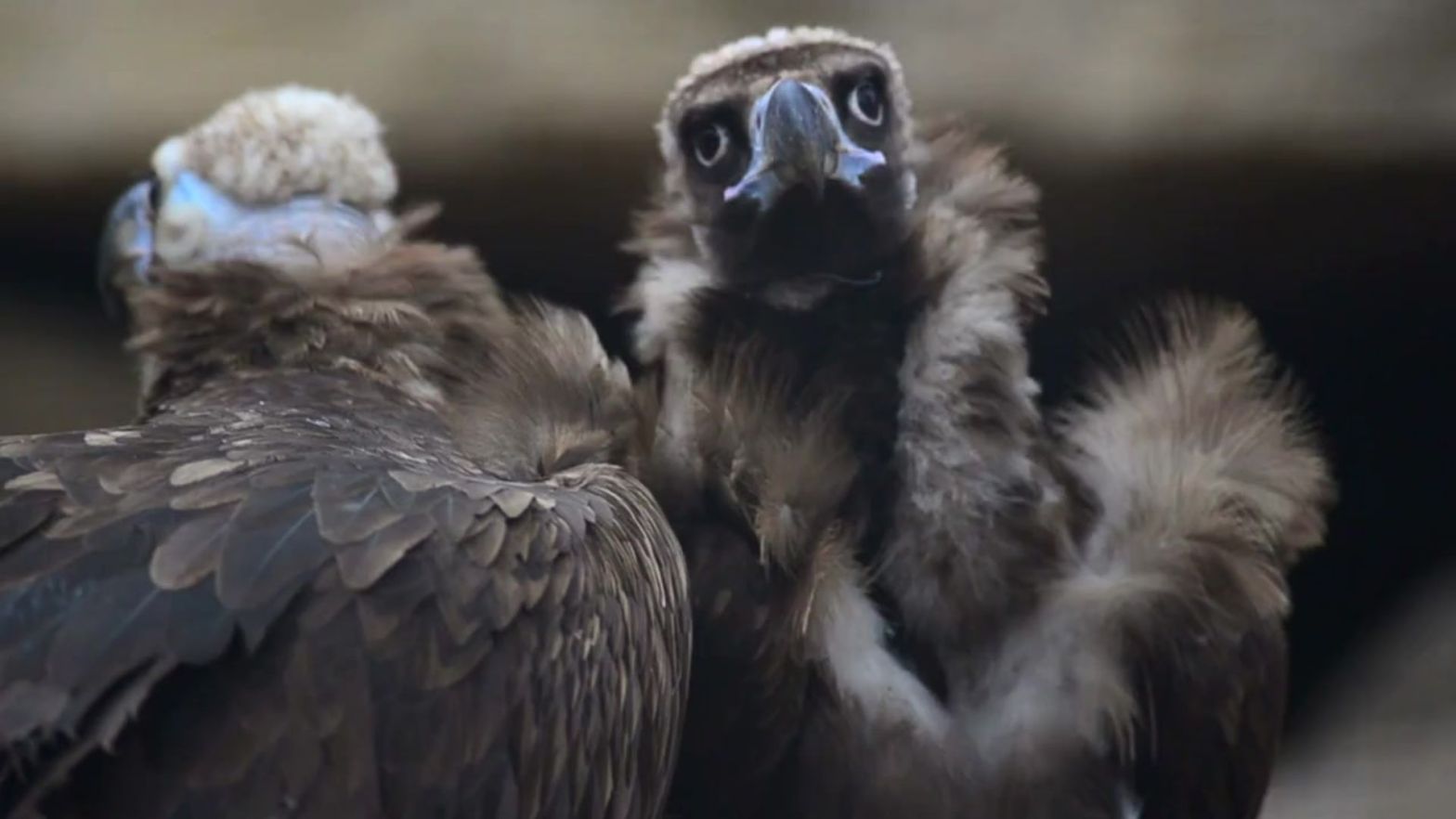
The Rüppell’s Vulture is an enigmatic avian marvel soaring the African and European skies. Their powerful wings carry them aloft on streams of air to altitudes of 11,000 metres. From far above they scan the endless landscapes for sustenance. These remarkable carrion cleaners pose no threat to humans and only eat dead animals. They now teeter on the brink of extinction, fewer than 22,000 individuals remain alive due to the depletion of their prey species, human and wildlife conflict and palm oil deforestation throughout their range. This critically endangered species, are known for their awe-inspiring high altitude flights—reaching heights seen by commercial airlines. They face a grave threat from the insidious palm oil industry, mining along with other destructive industries across their range. Help them to survive and #BoycottPalmOil and #Boycott4Wildlife every time you shop.
The Plight of the Pangolin

My favourite animal changes all the time. When I was younger, I cycled through various large, majestic cats such as tigers, jaguars and snow leopards. At one point, I considered the polar bear among my favourites; another time, the hippo. But now I much prefer stranger, more obscure, more underappreciated animals. And a weird, elusive,Continue reading “The Plight of the Pangolin”
Gibbon song may be music to the ears of human language students

#Gibbons and humans have more in common than might immediately seem apparent. Among many behavioural traits shared by our two species is singing. Not just that – the songs of gibbons have the potential to teach us about the origin of our own human capacities. Many are threatened by #palmoil #deforestation 🌳✨ #Boycottpalmoil #Boycott4Wildlife 🎶Continue reading “Gibbon song may be music to the ears of human language students”
South America: Species Endangered by Palm Oil Deforestation
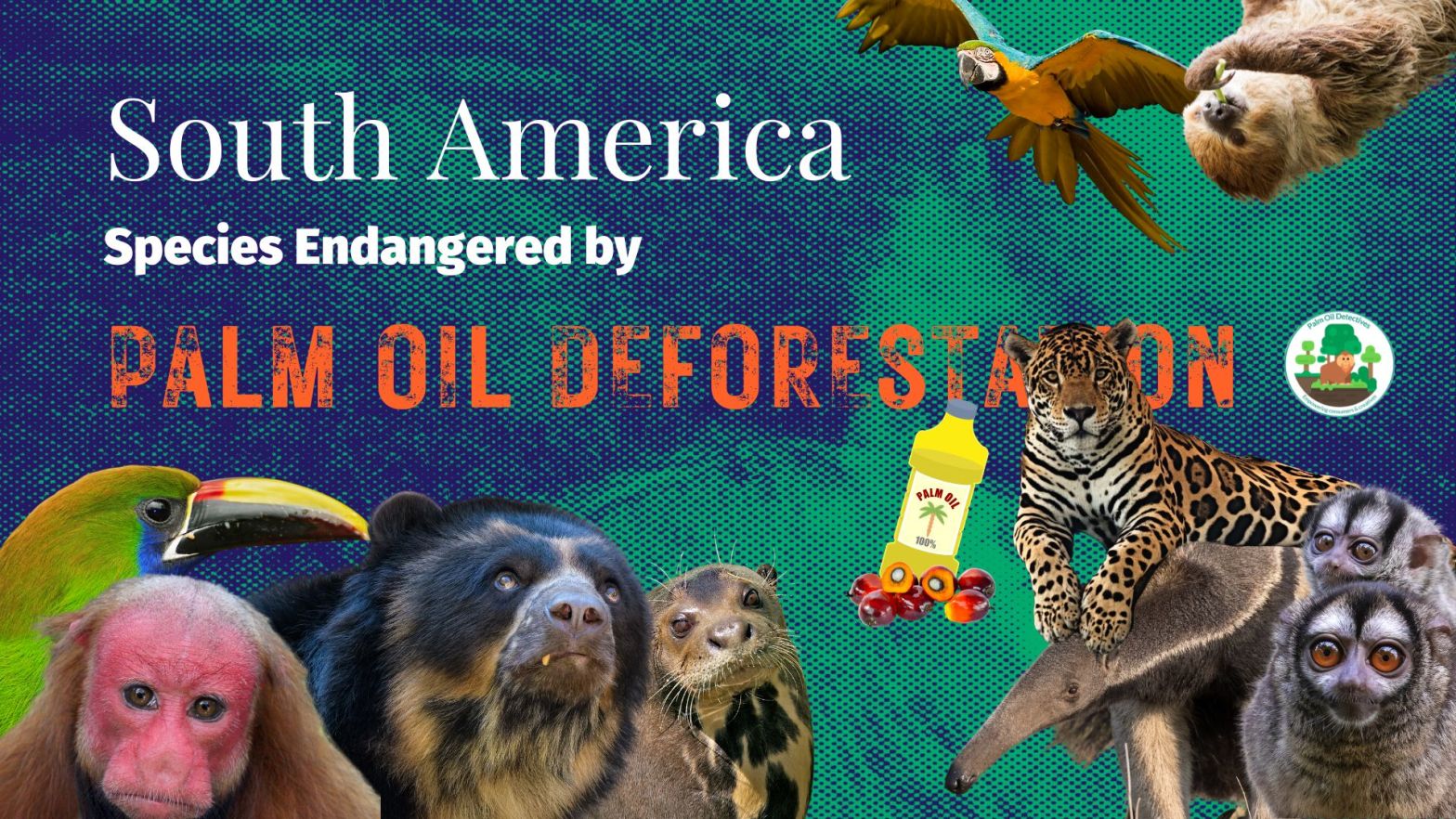
As the lush equatorial rainforests of South East Asia are exhausted, increasingly focus is being placed on parts of Central and South America. Oil Palm is a growing commodity there and is found in Colombia, Brazil, Ecuador, Guatemala and Mexico. Help the rare and beautiful animals of South and Central America to survive the scourge of palm oil and #Boycottpalmoil #Boycott4Wildlife in the supermarket. Learn more
Pernambuco Pygmy-owl Glaucidium mooreorum
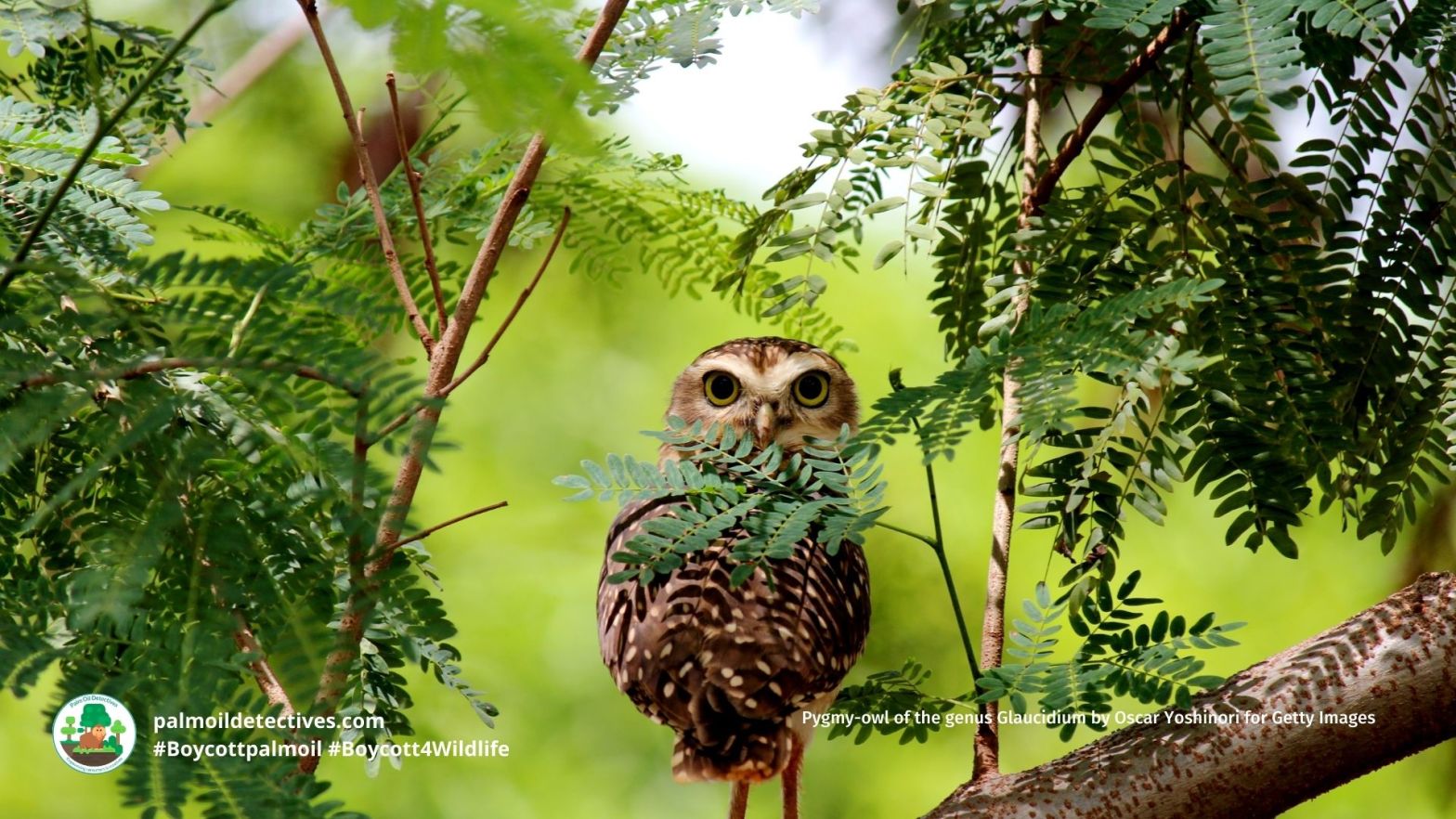
The Pernambuco Pygmy Owl Glaucidium mooreorum is among the rarest birds on Earth, known from just two museum specimens and a few recorded vocalisations. Officially described in 2002, this tiny owl is no larger than 13 cm and is likely the rarest bird in the world. They have not been sighted since 2001, and may already be extinct. Rampant #deforestation for sugarcane plantations, #palmoil, #soy and #meat and ongoing habitat destruction have decimated their native range. If this species still survives, fewer than 50 adults remain. The continued decimation of #Brazil’s Atlantic Forest leaves no margin for error. Act now to protect what remains. Help them every time you shop and #BoycottPalmOil #Boycott4Wildlife #Vegan #BoycottMeat
Pied Tamarin Saguinus bicolor

Pied #Tamarins are fascinating and vibrant black-faced #monkeys with a shock of white fur around their muzzle and chest and expressive brown eyes. They are found only in the shrinking forests of Manaus, #Brazil. As bulldozers carve roads and cities sprawl, their home is being destroyed for #palmoil, #soy, #beef farming, #gold #mining, and relentless urban expansion. These tamarins also face threats from disease, predators, and the illegal pet trade. Use your wallet as a weapon and BoycottPalmOil, Boycott4Wildlife, BoycottGold4Yanomami, and be #Vegan to help their survival.
Blue-billed Curassow Crax alberti
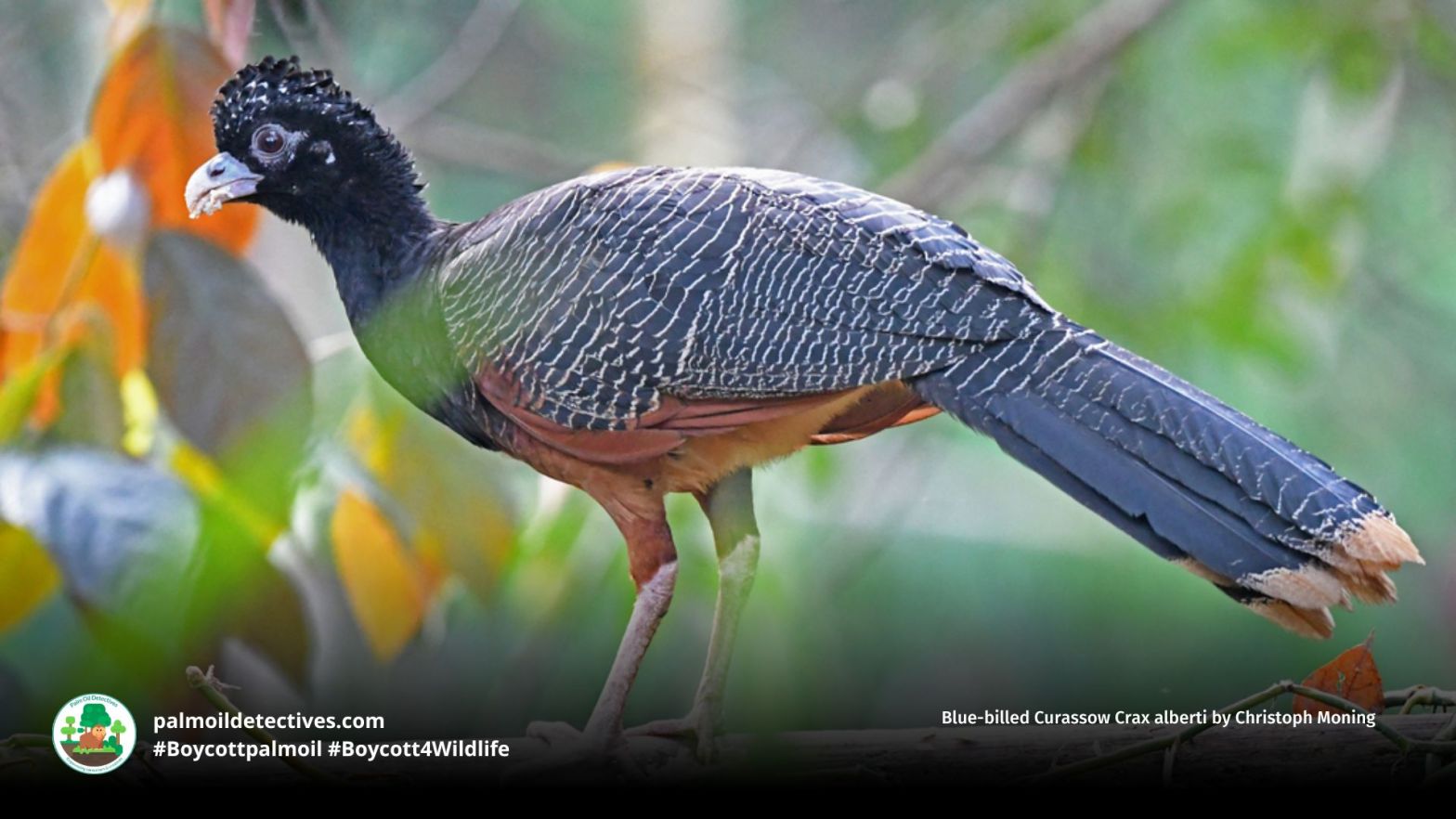
Help save Colombia’s Blue-billed Curassow, a critically endangered bird facing extinction from habitat loss due to palm oil and coca plantations!
Western Red Colobus Piliocolobus badius
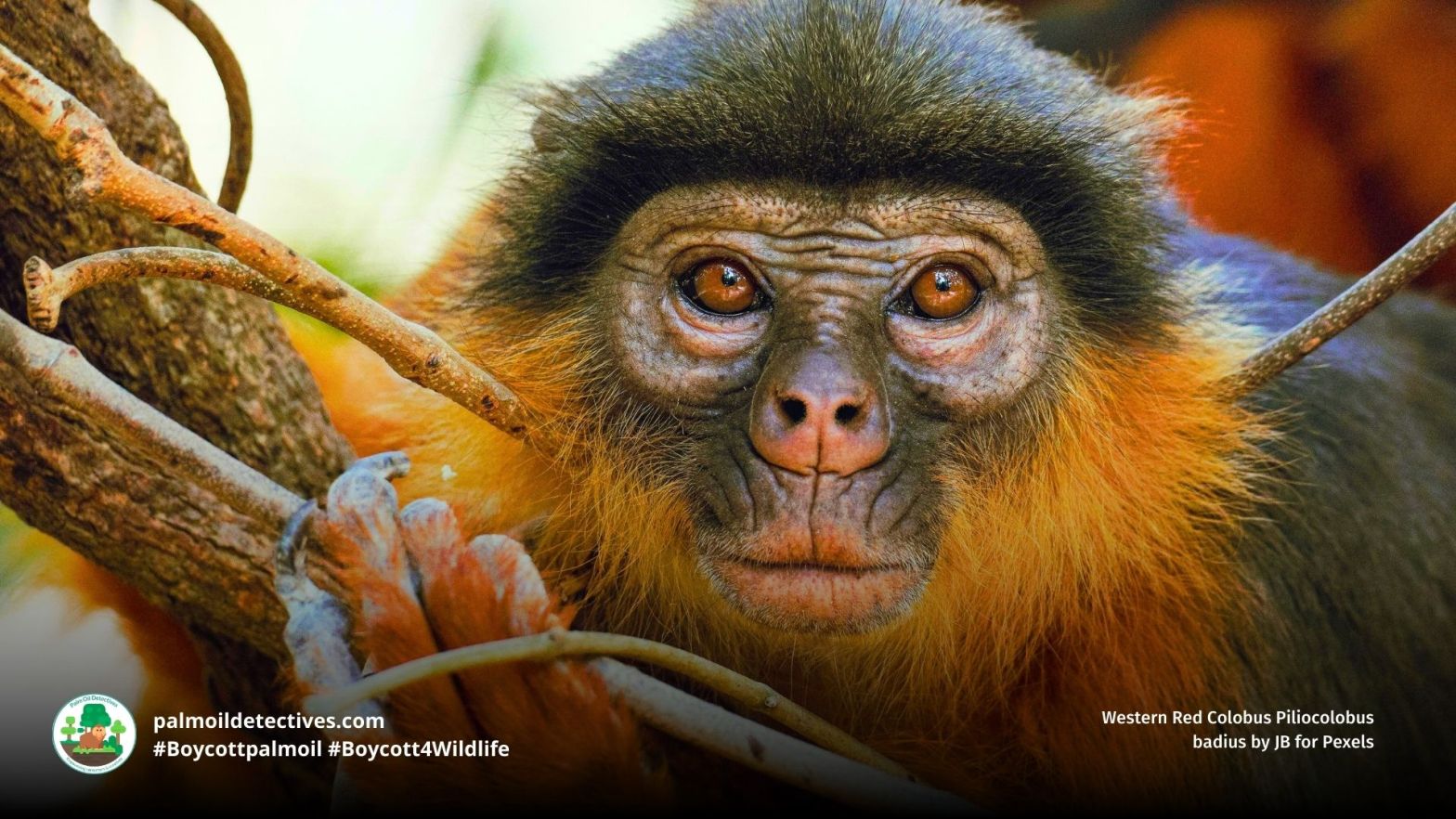
The Western Red Colobus Piliocolobus badius is one of West Africa’s most #endangered #primates, facing an escalating crisis of habitat loss and overhunting. Once abundant in mature forests across the region, they have been driven to the brink of #extinction by rampant deforestation for charcoal, palm oil and mining and the increasing demand for #bushmeat. Widespread clearing of forests for industrial #palmoil plantations, #mining, and #timber has fragmented their habitat, isolating populations and making them more vulnerable to #poaching. Without urgent intervention, their future remains uncertain. Help them every time you shop and be #vegan #BoycottPalmOil #Boycott4Wildlife
Timneh Parrot Psittacus timneh
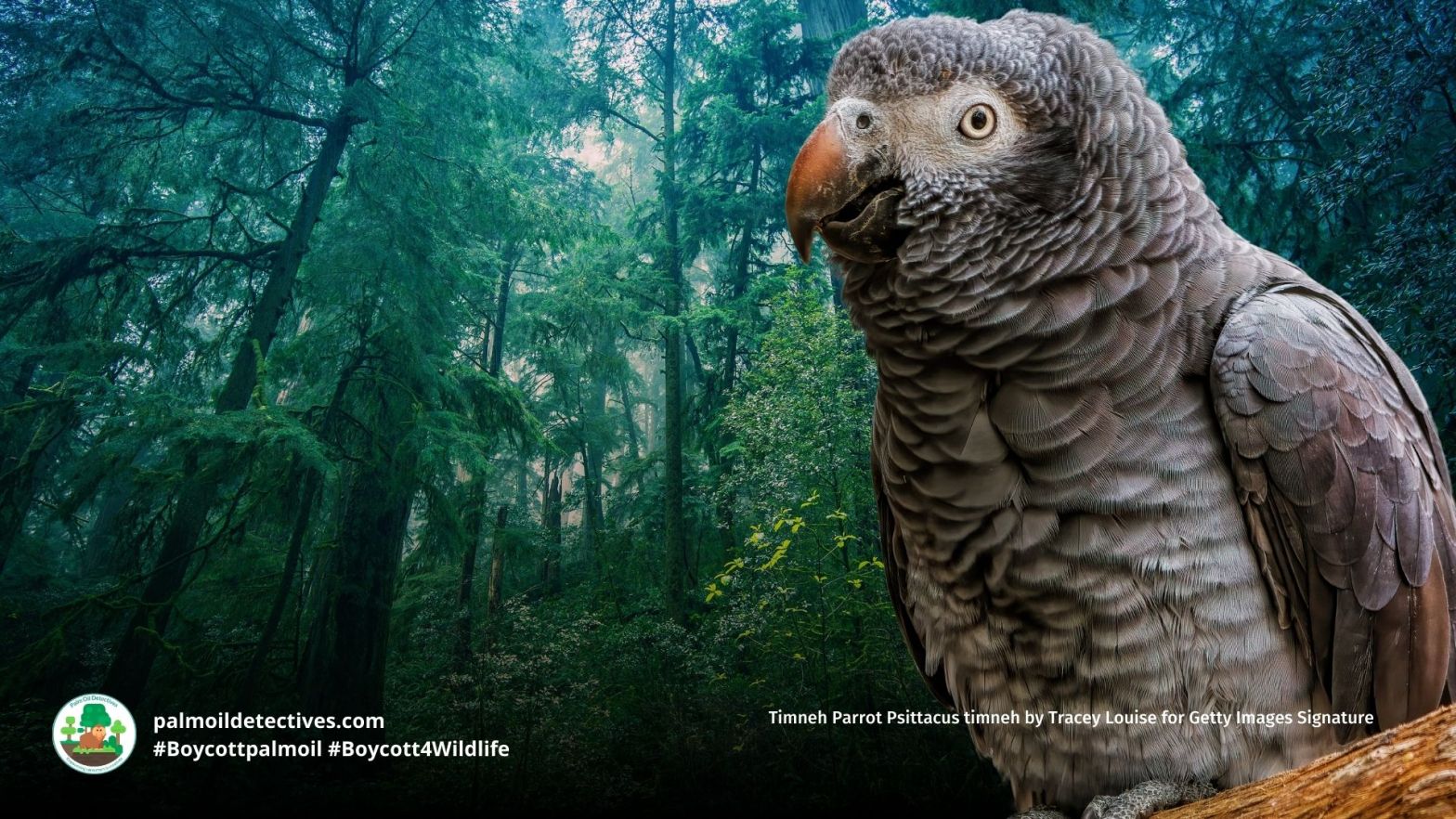
The Timneh Parrot, a smaller and darker cousin of the African Grey Parrot, captivates with their intelligence, vibrant personalities, and ability to mimic speech. However, their beauty and charm have contributed to their decline. The illegal pet trade is depleting wild populations, with poachers raiding nests to meet global demand. Meanwhile, habitat destruction driven by out-of-control palm oil plantations, meat agriculture, and crops like cocoa, coffee, and tobacco is eroding their forest homes.
Research shows that the parrot trade, facilitated by social media, has expanded into new regions like Algeria, where demand for exotic pets continues to fuel poaching. The population declines are staggering—studies in Cameroon show local reductions of up to 99% over 14 years due to trapping and habitat loss. Protecting these parrots requires ending the demand for wild-caught birds and halting deforestation in West Africa. Take action today: #BoycottPalmOil #BoycottMeat #Boycott4Wildlife.
White-thighed Colobus Colobus vellerosus
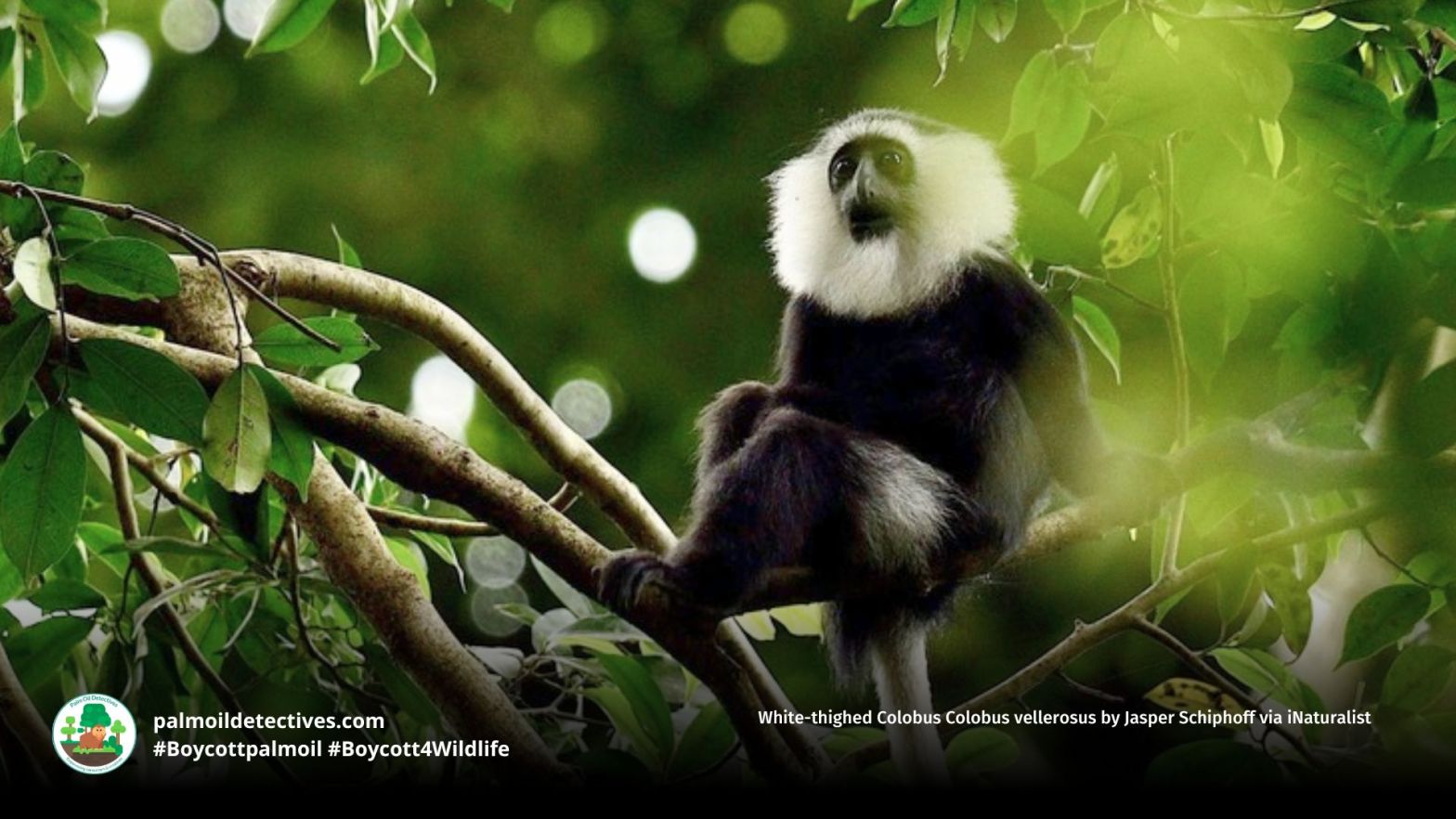
The White-thighed Colobus (Colobus vellerosus), also known as the Ursine Colobus or Geoffroy’s Black-and-White Colobus, is a striking primate of West Africa and is currently listed as Critically Endangered on the IUCN Red List. Their numbers have plummeted by over 80% in just three generations due to rampant deforestation driven by logging, agriculture, and expanding palm oil plantations. Intense bushmeat hunting and weakening traditional taboos have further accelerated their decline. With fewer than 1,500 individuals thought to remain in the wild, urgent action is needed to save them. Use your wallet as a weapon—boycott products that contain palm oil and support ethical, indigenous-led conservation. BoycottPalmOil #Boycott4Wildlife #Vegan #BoycottMeat
Krokosua Squeaking Frog Arthroleptis krokosua
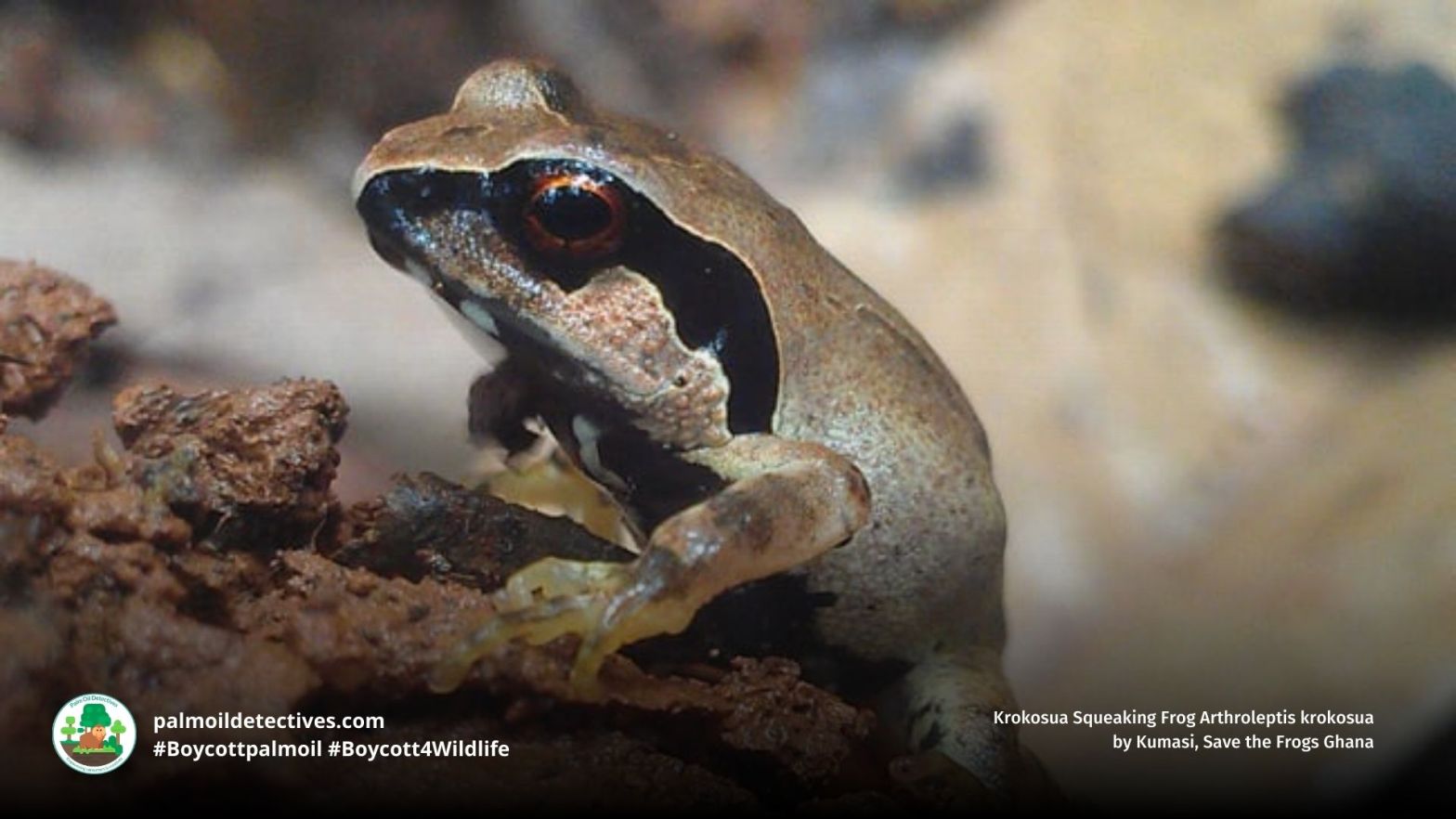
Help save one of Africa’s most endangered amphibians, the Krokosua Squeaking Frog from logging and palm oil deforestation. Take action, boycott palm oil
Miss Waldron’s Red Colobus Piliocolobus waldroni
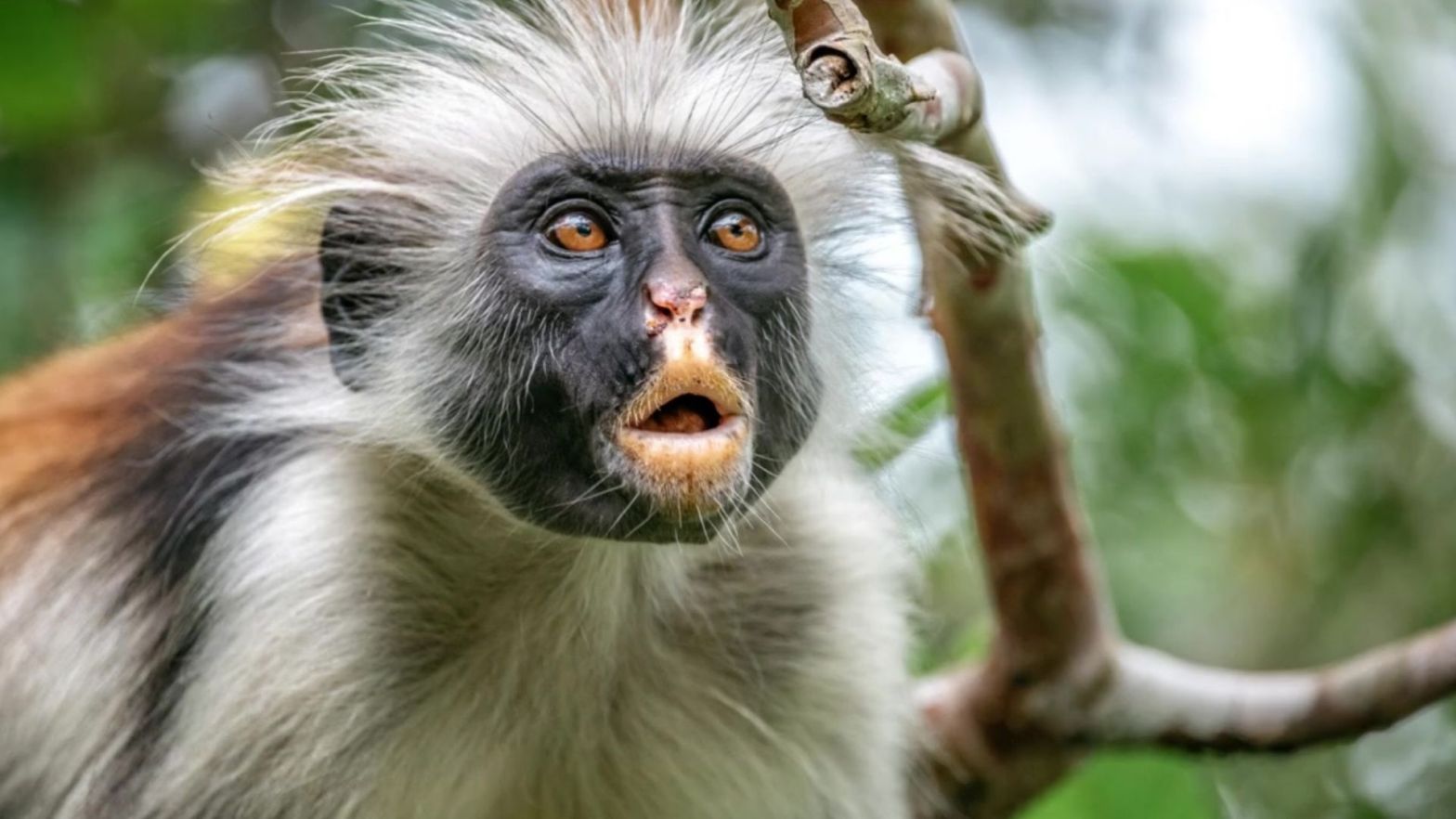
xMiss Waldron’s Red Colobus, a secretive old world primate sport chestnut, black, and white white fur that surrounds their expressive faces. They live in the dense canopies of West Africa’s dwindling forests. Their story is one of ever-increasing fragility, on the edge of survival. Sightings of these magnificent primates have faded away since 1978. The last evidence, a skin, emerged in 2002.
These monkey species have been driven towards the extinction by palm oil, cocoa, and rubber plantations along with hunting for bushmeat. Their calls, once a common cacophony are now nearly permanently silenced. Miss Waldron’s Red Colobus serve as a living warning for forest health. They disappear before most other mammals wherever the forests fall. Support indigenous sovereignty and safeguarding of ecosystems—use your wallet as a weapon and #BoycottPalmOil #Boycott4Wildlife.
Africa’s Palm Oil Boom Threatens Forests, People, Animals
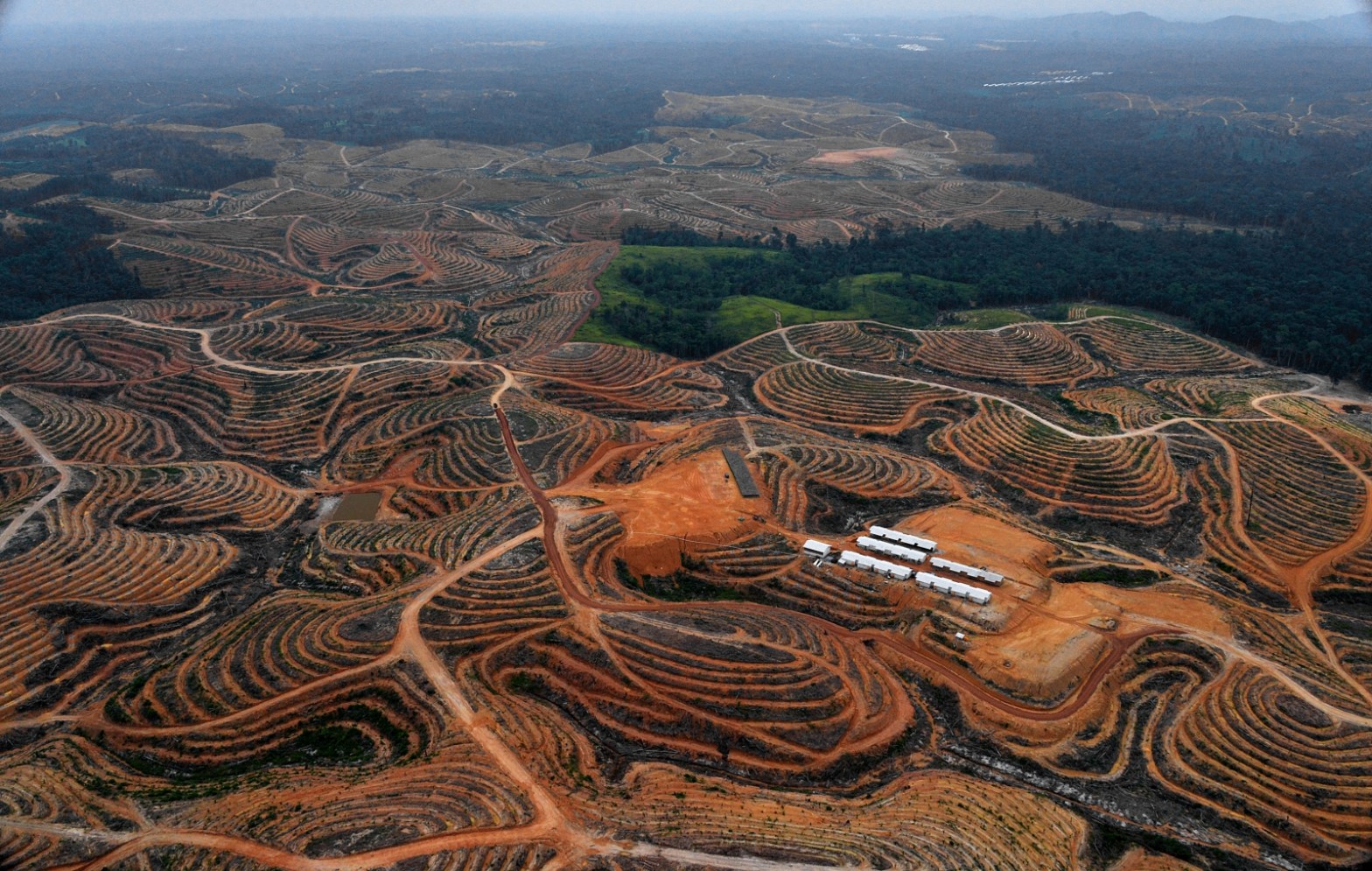
A estimated 3mil ha of community-owned rainforests in Africa are at risk from palm oil expansion, stronger protection is urgently needed for people, animals.
 Palm Oil Detectives