
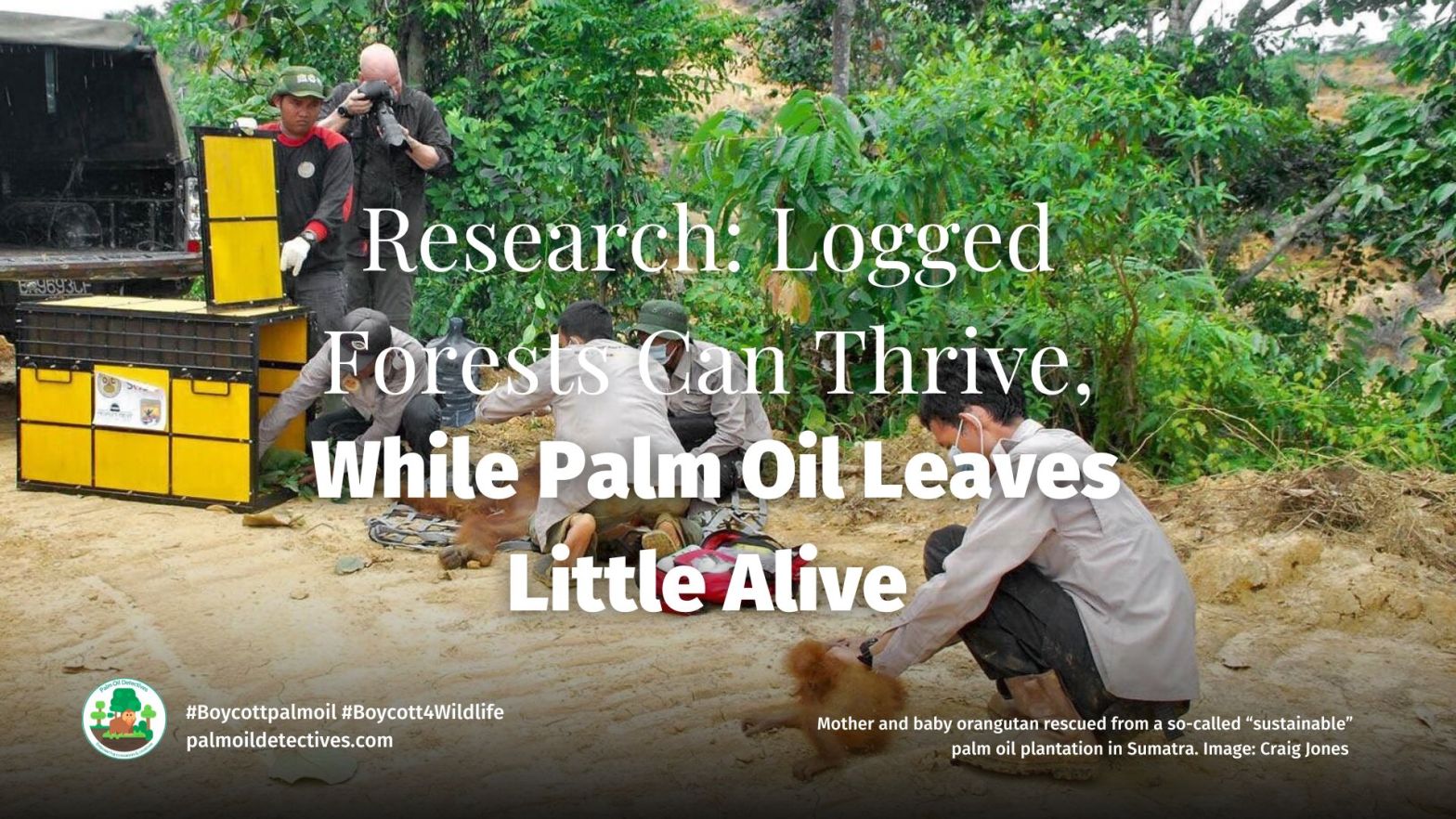
Research finds selective logging alters forest structure, but palm oil conversion causes more severe damage to biodiversity. Take action boycott palm oil!
Category Archives: Boycott Palm Oil
Five New Hedgehog Species Found in Southeast Asia

Scientists discover five new species of soft-furred hedgehogs in Southeast Asia, highlighting the need for conservation. Support #Boycottpalmoil
Violence for Palm Oil Against Peasant Communities in Honduras Meets Resistance
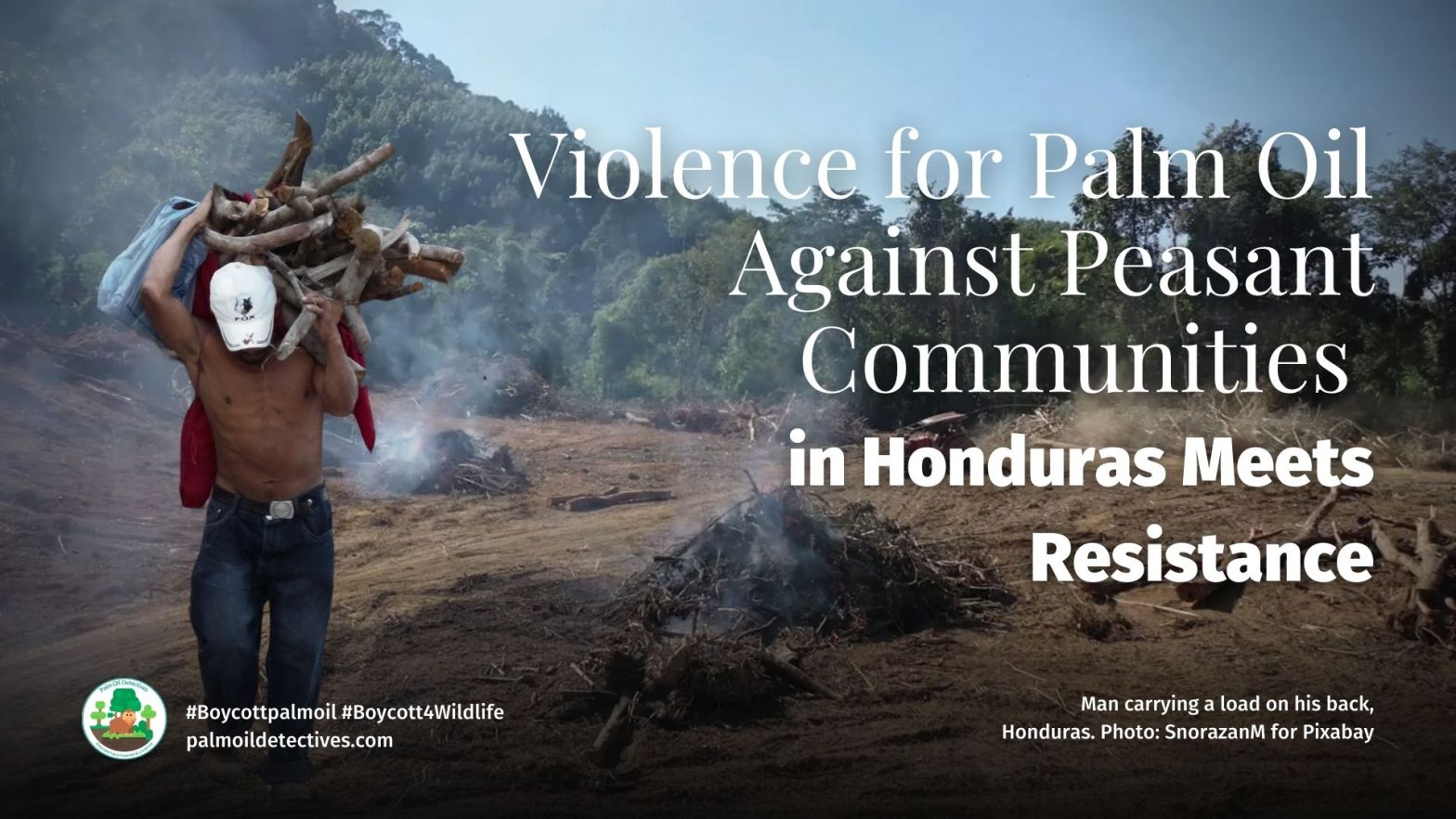
In the Aguán Valley of northern Honduras, peasant communities reclaiming ancestral lands face increasing violence and intimidation from armed groups linked to organised crime. The Dinant Corporation, a prominent palm oil producer, is accused of land theft and involvement in the murders of local activists. International organisations have condemned these human rights abuses, with a coalition of 33 organisations calling for a boycott of Dinant and for multinational companies: Pepsi, ADM, Cargill and Nestle to immediately cease business with Dinant. Despite governmental promises to address the conflict, concrete actions remain absent. You can resist for them in solidarity by boycotting their products in the supermarket! #BoycottPalmOil #LandRights #IndigenousRights #HumanRights
African Savannah Elephants Use ‘Names’ to Communicate

Research reveals African savannah elephants use unique ‘names’ to call one another. This discovery highlights their advanced brains, deep social bonds.
The Great Malaysian Timber and Palm Oil Swindle

Investigation reveals alarming deforestation in Malaysia’s Pahang caused by a large, poorly-managed palm oil plantation puts tigers at risk! Boycott Palm Oil!
Deadly Harvest: How Demand for Palm Oil Fuels Corruption in Honduras
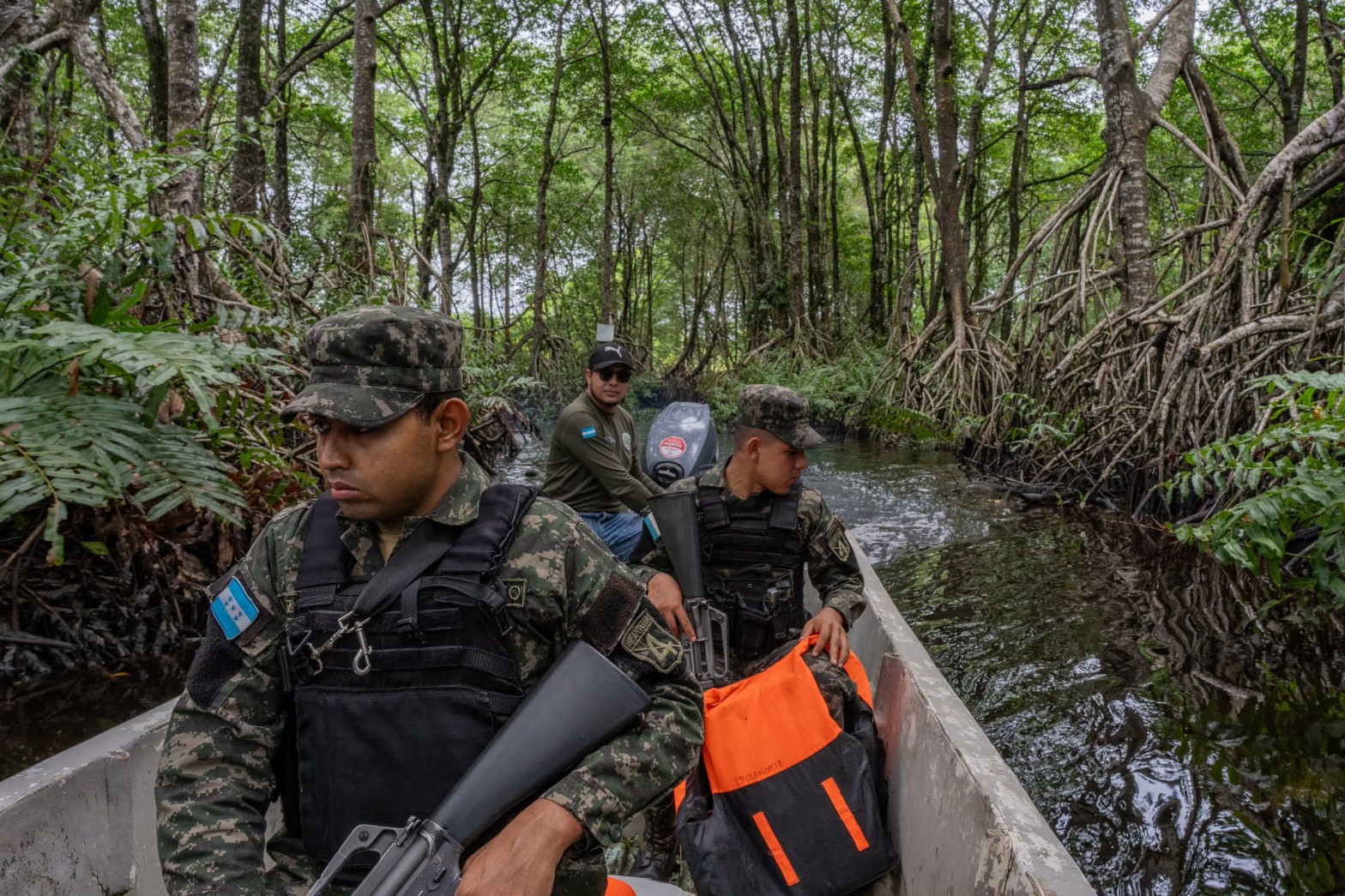
Latin America is the fastest-growing producer of palm oil, but at what price for the environment and its defenders? Park rangers in Honduras tell harrowing tales of daily threats to their lives and real dangers they face in the long-term fight for protect Honduran rainforests, indigenous peoples and animals from annihilation #BoycottPalmOil #Boycott4Wildlife
MSC and RSPO Absolutely Untrustworthy, Greenpeace Report
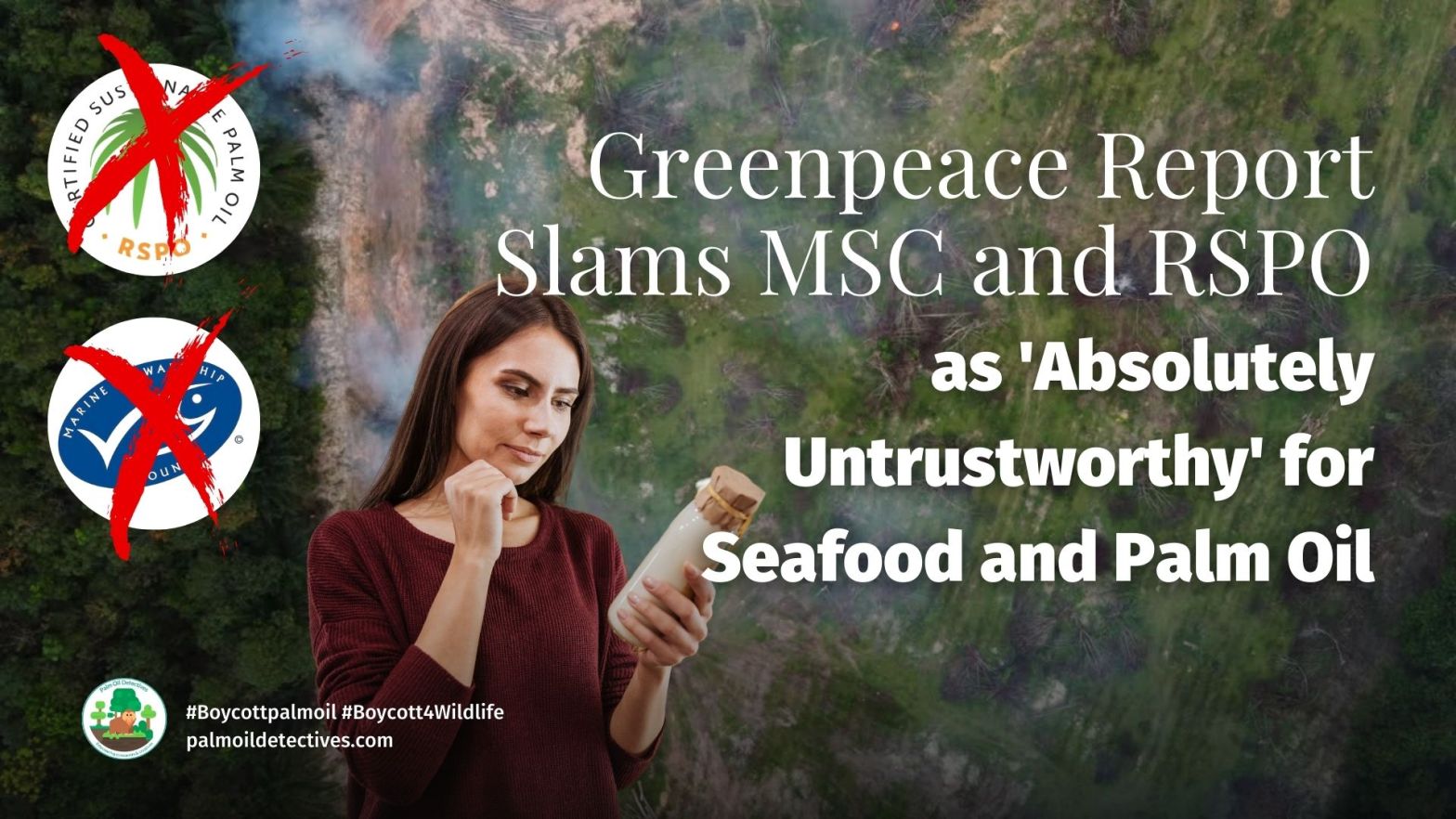
Greenpeace report reveals severe failures of ecolabel RSPO certifying palm oil and FSC certifying seafood. Consumers are being greenwashed. Boycott palm oil!
Dung Beetles Are Rainforests’ Diligent Regrowth Soldiers

The dung beetle may eat and nest in poop, but their role in nature is anything but humble. These hardshelled scarabs live on every continent except Antarctica, recycling feces and suppressing parasites that could otherwise harm people and animals. Dung beetles also spread both seeds and nutrients into the soil, helping to maintain a healthy ecosystem. Help them and #Boycottpalmoil #BoycottGold and #Boycott4Wildlife
Major Food Giants Sued Over Addictive UPFs Given To Kids
Lawsuit accuses major food companies (Kraft Heinz, PepsiCo, Nestlé) of selling addictive ultra-processed foods (UPFs) targeting children. Boycott palm oil!
Ten Victories and Challenges to Indigenous Rights in 2024
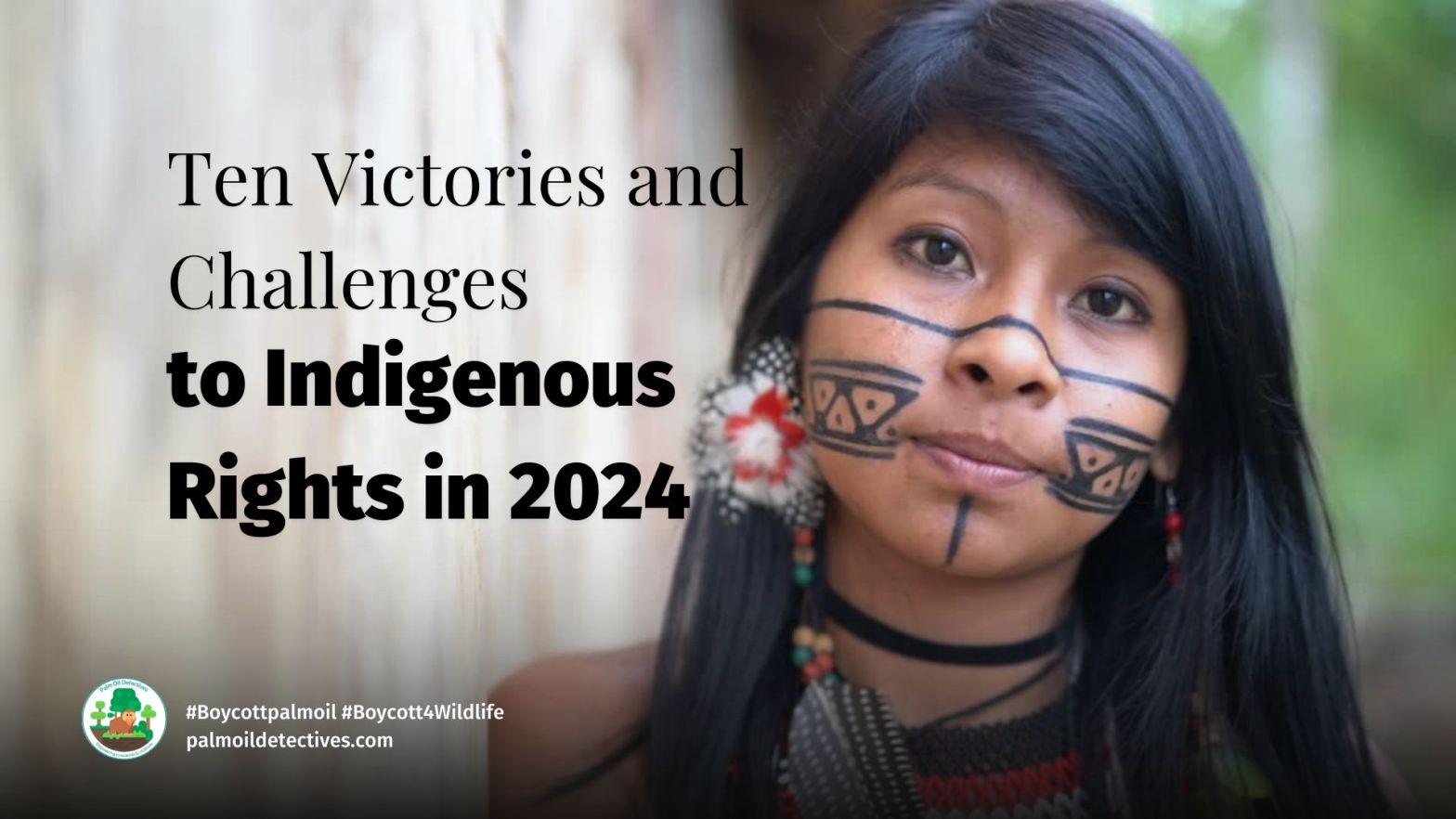
From Brazil’s action against illegal gold miners to the Sacred Headwaters Alliance defending the Amazon, these top Indigenous stories of 2024 highlight resilience and challenges. The year of 2024 underscored the importance of Indigenous sovereignty in tackling environmental and social issues. #IndigenousRights #LandBack #BoycottPalmOil #BoycottGold
Palm Oil Protesters Silenced and Arrested in Congo
Disgraceful incident in Kinshasa, DRC. During shareholder meeting for palm oil co. PHC (AKA Feronia) rights defenders were arrested, a journalist kidnapped!
How banks and investors are bankrolling extinction and ecocide
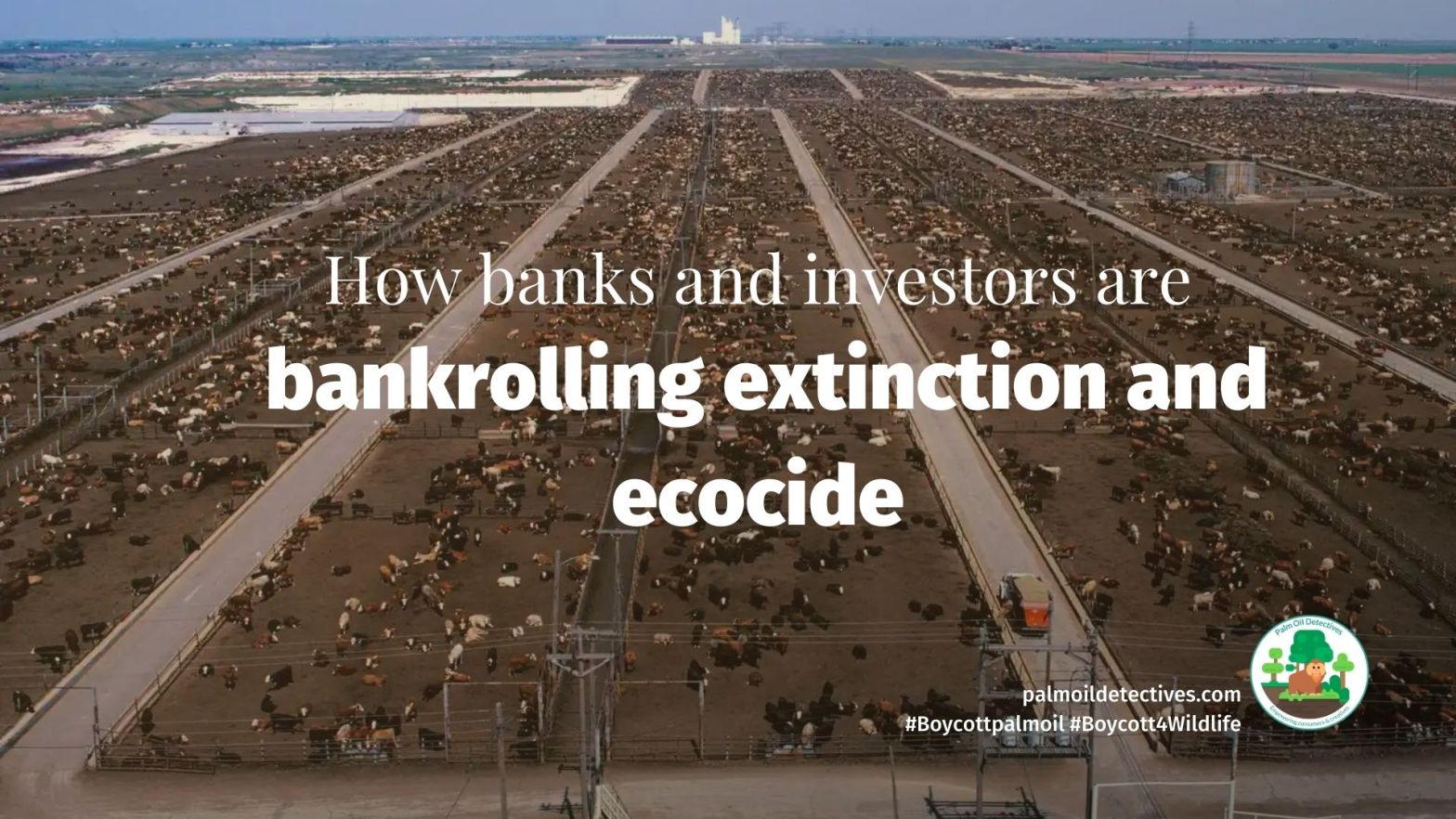
Discover the financial giants fuelling ecocide and deforestation for palm oil, meat, mining and soy in this important report about financial corruption
Deforestation-driven Climate Change and Natural Disasters
Deforestation in Indonesia worsens severe weather events: floods and landslides. Urgent policy changes are needed to mitigate ecocide and climate change
Seven practical ways to stop a species wipeout

1 million #plants 🌾🌽🎍🍅 and #animals 🦏🦒🐅 are threatened. #Wildlife and #biodiversity are at a crossroads of #extinction. Here’s 7 practical ways to stop #species wipeout. Help them survive! #Boycottpalmoil 🌴☠️🚫 #Boycott4Wildlife
Guaranteeing Ecocide: The Green Lie of Palm Oil Certification
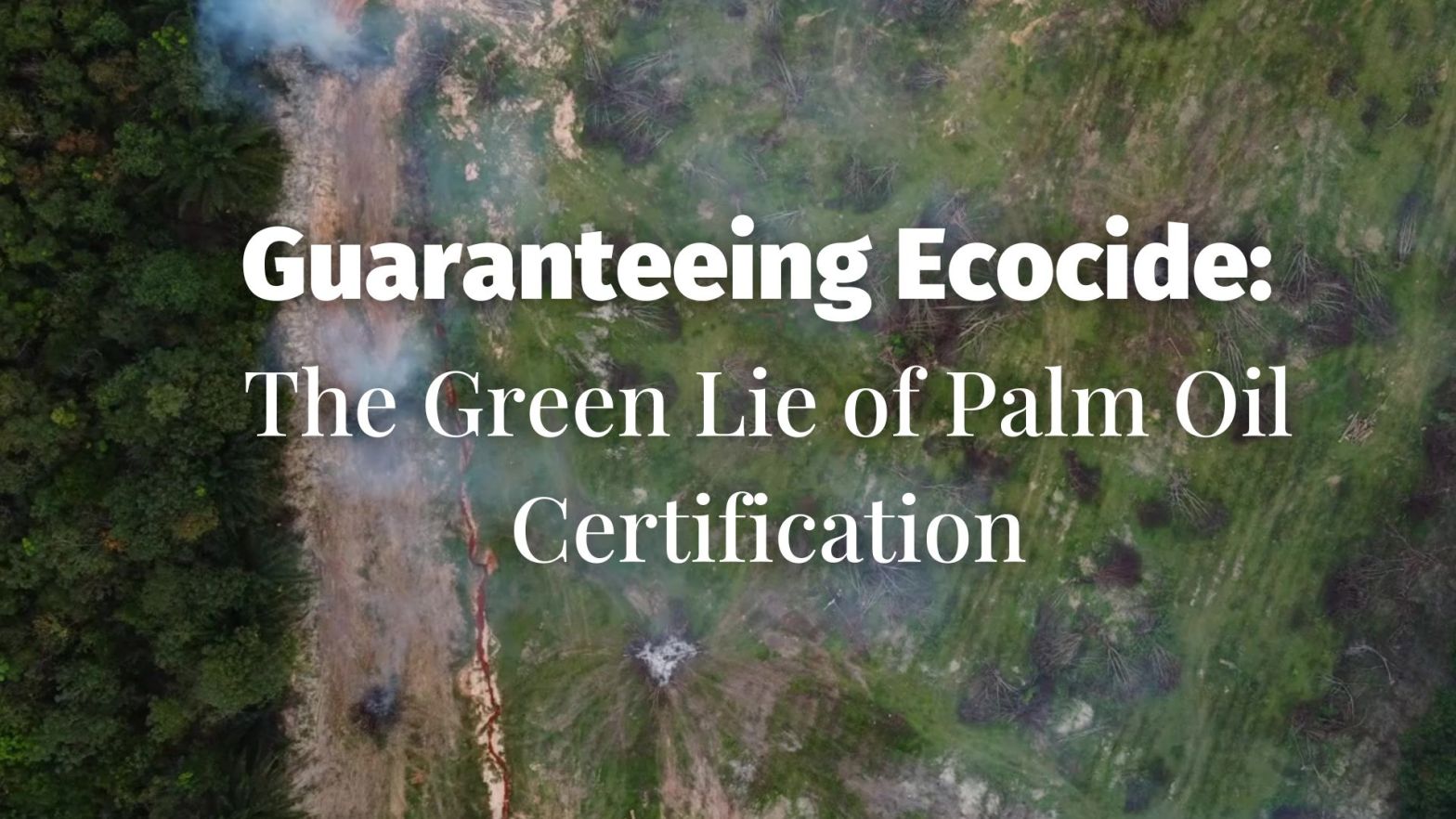
For decades, the palm oil industry, backed by the RSPO, has misled consumers with the false promise of “sustainable” palm oil. Behind this green façade lies a brutal reality of deforestation, human rights abuses, and the destruction of endangered species’ habitats. Dozens of investigations from many different industry watchdogs have exposes the RSPO’s certification as a sham, enabling continued environmental devastation under the guise of sustainability.
However it’s not only the palm oil industry that is an environmental liability, gold mining and meat deforestation also deserves to be strongly condemned for its ongoing ecocide. Read on to discover the examples of greenwashing deception from these industries, so that you don’t fall for their corporate greenwashing. Protect our planet and all human and non-human beings by refusing to support these lies—#Boycottpalmoil #BoycottGold #BoycottMeat and #Boycott4Wildlife every time you shop.
Lax Laws in Indonesia Turn Blind Eye To Animal Trafficking
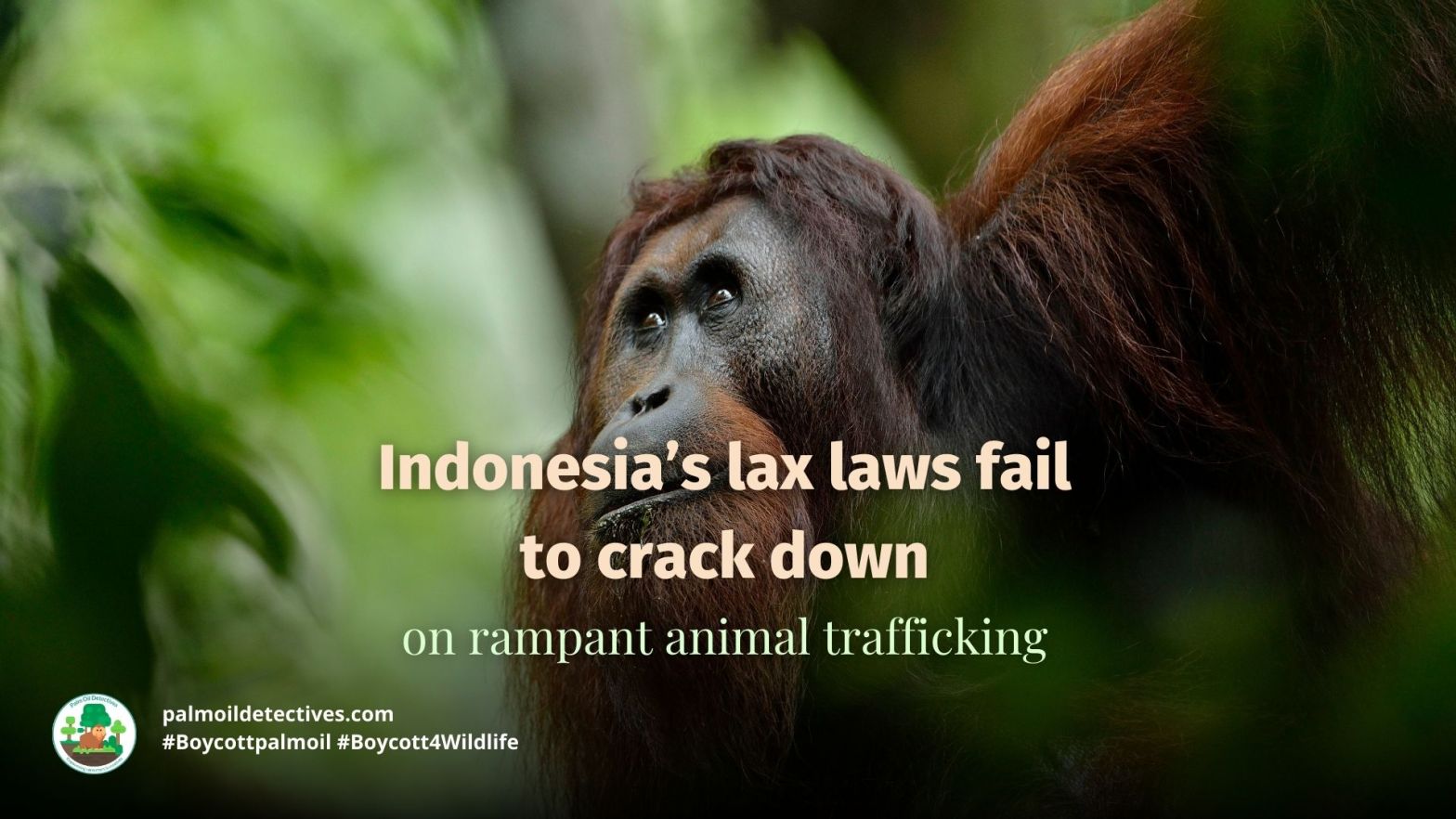
When Indonesian prosecutors went after the leader of an illegal wildlife syndicate operating near the Malacca Strait, they relied on the country’s then relatively new 2019 Quarantine Act to seek a prison sentence.
After being connected to the illegal smuggling of four lion cubs, a leopard, and 58 species of Indian Star tortoises from Malaysia to Indonesia, Irawan Shia received a four-year prison sentence and fine of IDR 1 billion (USD$65,468). If the fine is not paid, the replacement is three months imprisonment.
The sentence was the biggest ever handed out, but falls far short of what it could have been had Indonesia brought its laws in line with global conventions.
Amazon Clarion Call: Pandemics Emerging in the Rainforest

The Amazon’s diverse ecosystem is under threat from rampant deforestation, degradation, a biodiversity crisis, and the climate crisis – jeopardising its ability to act as a carbon sink. This degradation increases the likelihood of zoonotic diseases emerging and spreading, posing a significant public health risk for Brazil and the world. #BoycottPalmOil #Boycott4Wildlife
How Brands Exploit “Green” Certification
Brands and businesses may be tempted to exploit “green” certifications to garner a larger market share at the expense of integrity.
Deforestation comes ‘roaring back’ despite 140-country vow to end destruction
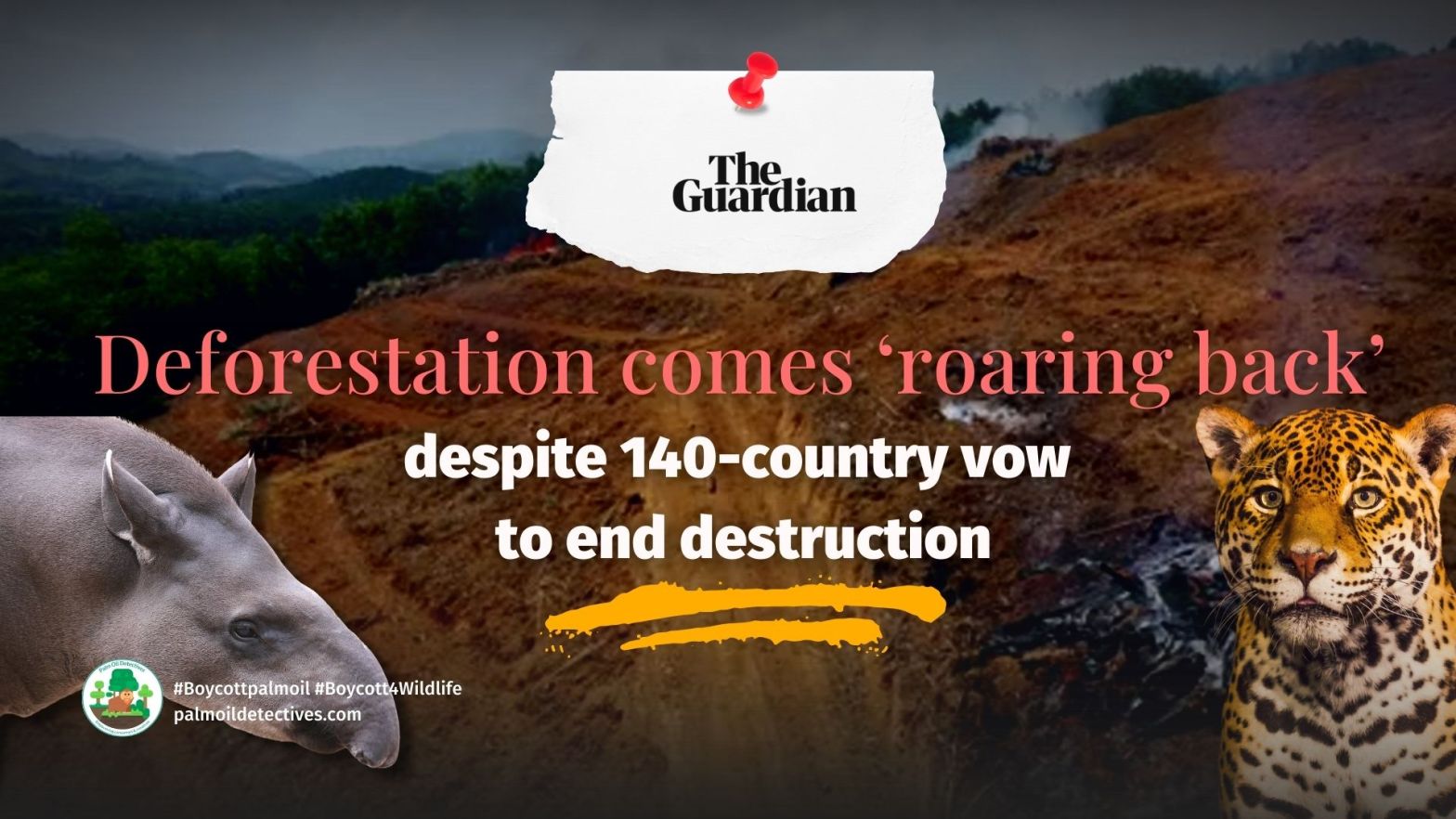
A new report has found that demand for #meat, #soy, #palmoil and nickel #mining is hindering efforts to halt #deforestation by 2030, a global report finds. The destruction of global forests increased in 2023, and is higher than when 140 countries promised three years ago to halt deforestation by the end of the decade.
The rising destruction of the forests puts ambitions to halt #climatechange and stem the huge worldwide #extinction even further from reach, the researchers warn. They found that voluntary certification of commodities alone could not stop deforestation and that strong legislation was needed to stop the ecocide and destruction.
India’s Palm Oil Plans Wreak Havoc On The Ground
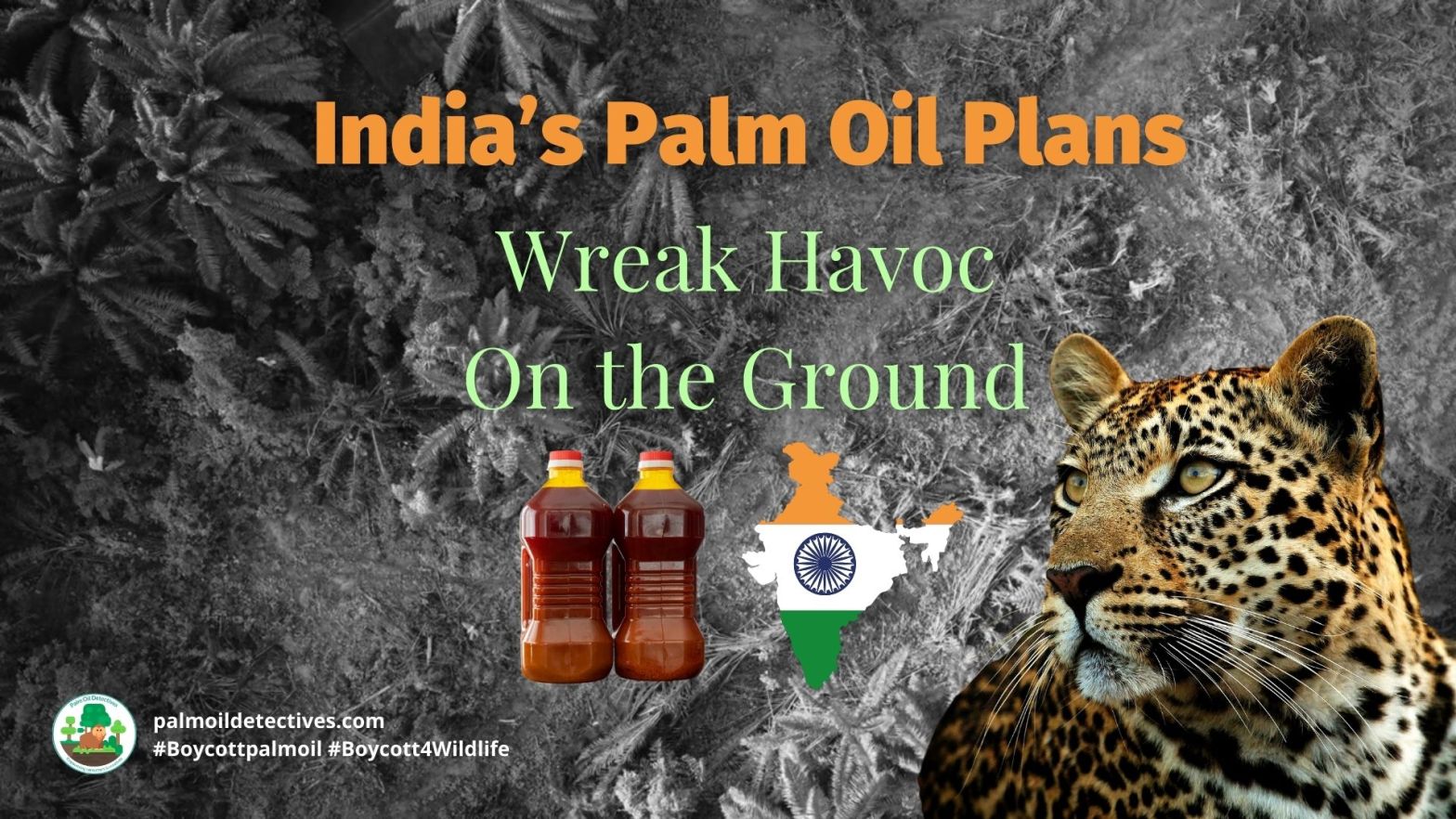
#India’s aggressive push for #palmoil plantations in #Nagaland, #Assam and #Mizoram is wreaking havoc on both the environment and local communities. The government plans to ramp up oil palm cultivation in the northeast, locking away land that could be used for diverse food production for decades. Palm oil monoculture threatens soil health, drains precious water resources, and marginalises indigenous communities. Farmers in the north east of India are facing dire challenges, from delayed subsidies to inadequate payments for their crops, leaving them questioning the viability of oil palm farming. A rethink is necessary to protect India’s ecosystems, animals and people. To help raise awareness and empower change, make sure that you #BoycottPalmOil #Boycott4Wildlife every time you shop.
Ecosystems Sell Dirt Cheap for Palm Oil Filled Snickers and KitKat
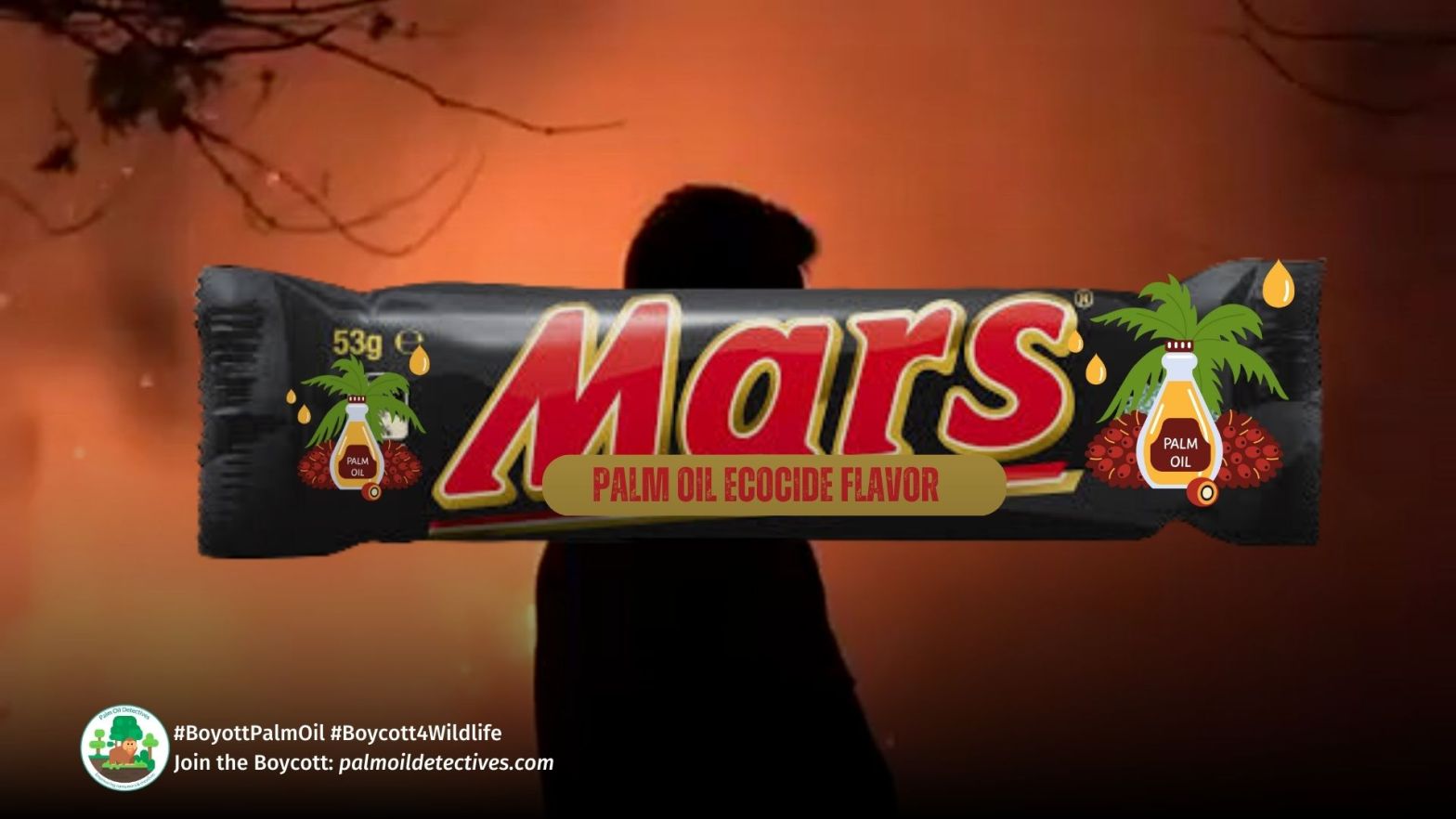
A recent report highlighted by Mongabay uncovers that deforestation-linked palm oil may still be in popular snacks like Snickers and Kit Kat, despite pledges from brands like Mars, Nestlé, and Mondelēz to use only deforestation-free palm oil. The issue lies in the palm oil-based animal feed used for dairy production, which these companies are not being transparent about. Thirteen out of the fourteen largest U.S. dairy processors, including Mars, Nestlé, and Mondelēz, fail to disclose how much palm oil-based animal feed is in their supply chains, raising concerns over hidden deforestation. If you are wanting to be kind to farmed and wild animals and ecosystems, make sure that you be #vegan #BoycottPalmOil #BoycottDairy #Boycott4Wildlife
How does Indonesia’s palm oil industry fuel the climate crisis?
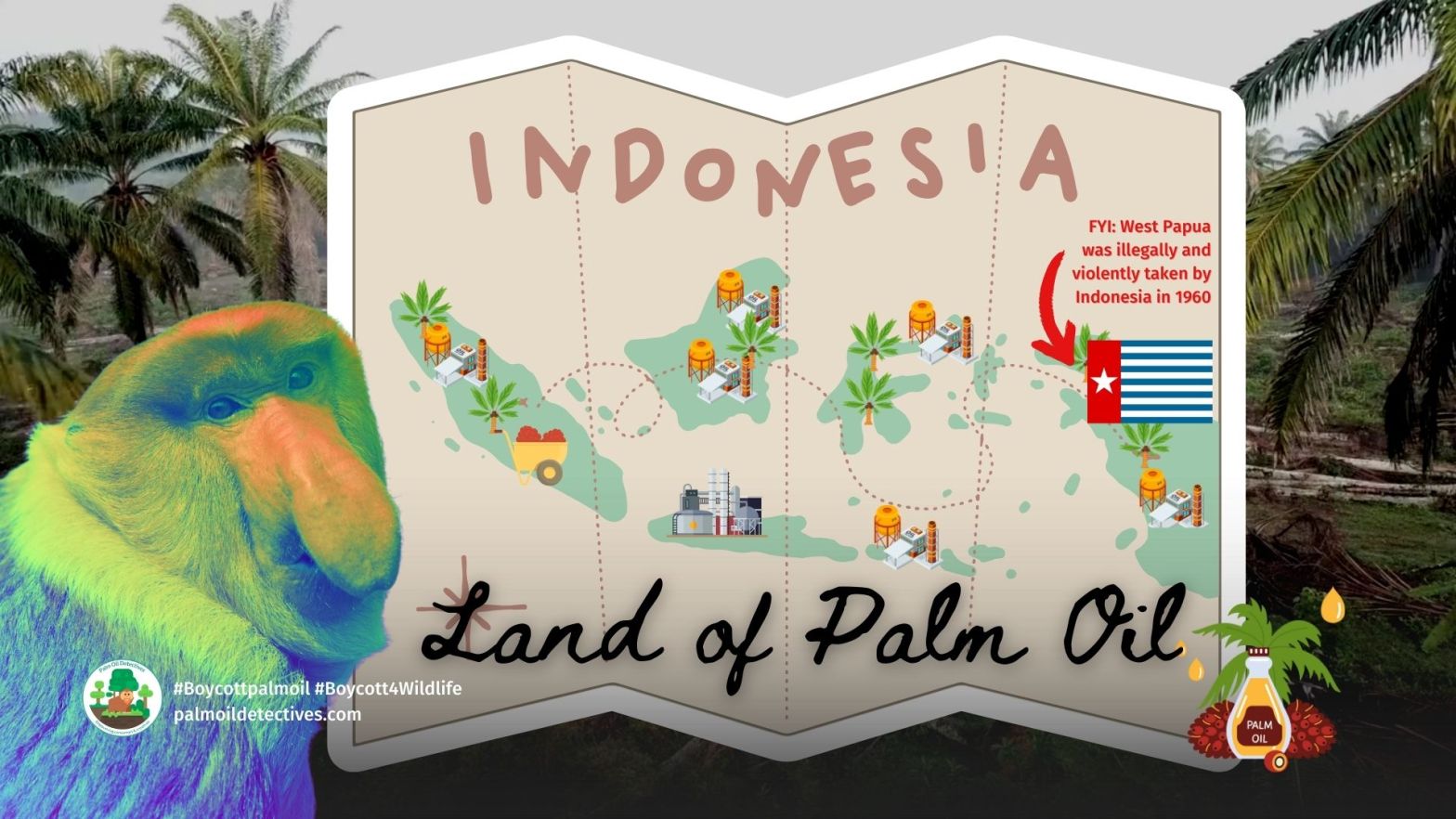
Booming global demand for the vegetable oil is spurring deforestation in Indonesia. Indonesia accounts for more than half of the global palm oil supply, the world’s most widely used vegetable oil that is found in everything from food to cosmetics to fuel.
But environmentalists fear surging demand for the product may drive mass deforestation in Indonesia, home to the world’s third-largest tropical rainforest, and exacerbate the global climate crisis.
Protect Nature to Avoid Future Pandemics
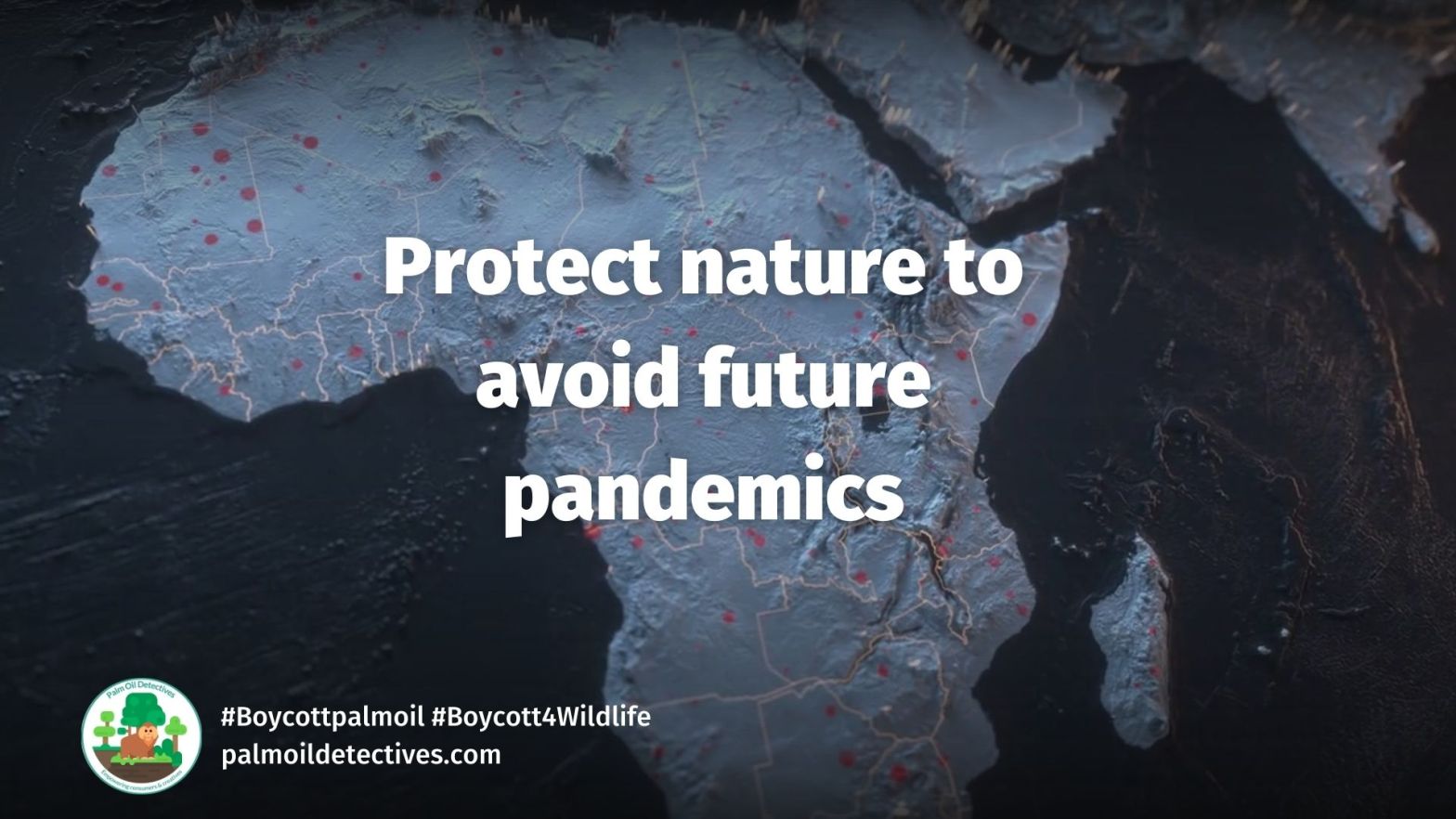
Research from University of Queensland and published in The Lancet: Planetary Health finds that the COVID-19 pandemic is linked to the decline of ecosystems and biodiversity, creating a cycle that could lead to more pandemics. The pandemic, caused by a virus jumping from animals to humans, has worsened deforestation, increasing human-wildlife contact and the risk of future disease outbreaks. The study emphasizes the need for a One Health approach, combining public health, conservation efforts and involving indigenous custodianship of land and indigenous traditional knowledge to prevent outbreaks by protecting ecosystems. We must safeguard biodiversity to prevent more pandemics. #Boycottpalmoil #Boycott4Wildlife
“Sustainable” Palm Oil No Different in Land Conflicts
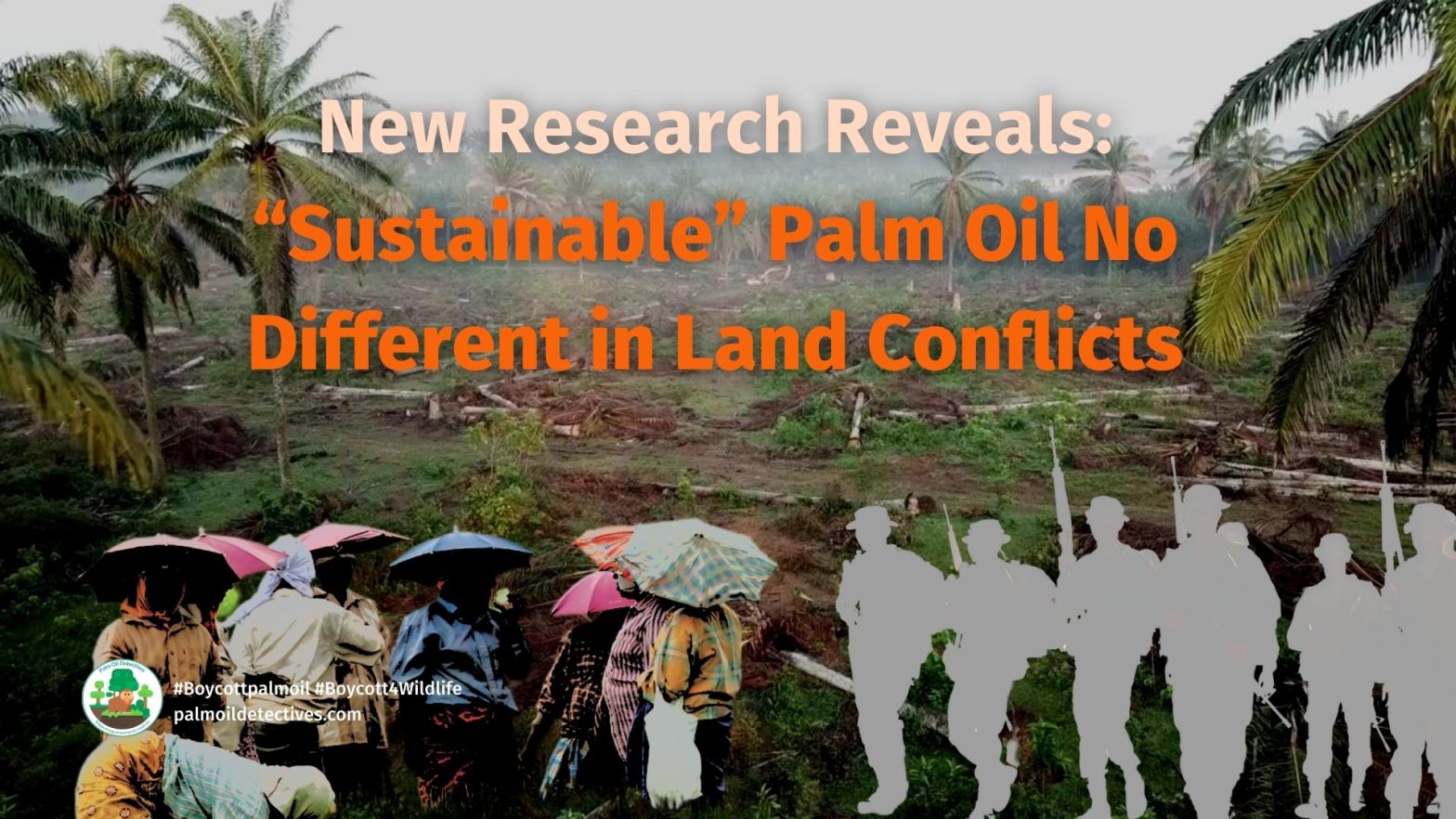
Research reveals no significant difference between RSPO-certified “sustainable” palm oil and non-certified palm in Indonesian land conflicts. Boycott palm oil!
Unmasking Socfin’s Destructive Palm Oil Empire in Africa
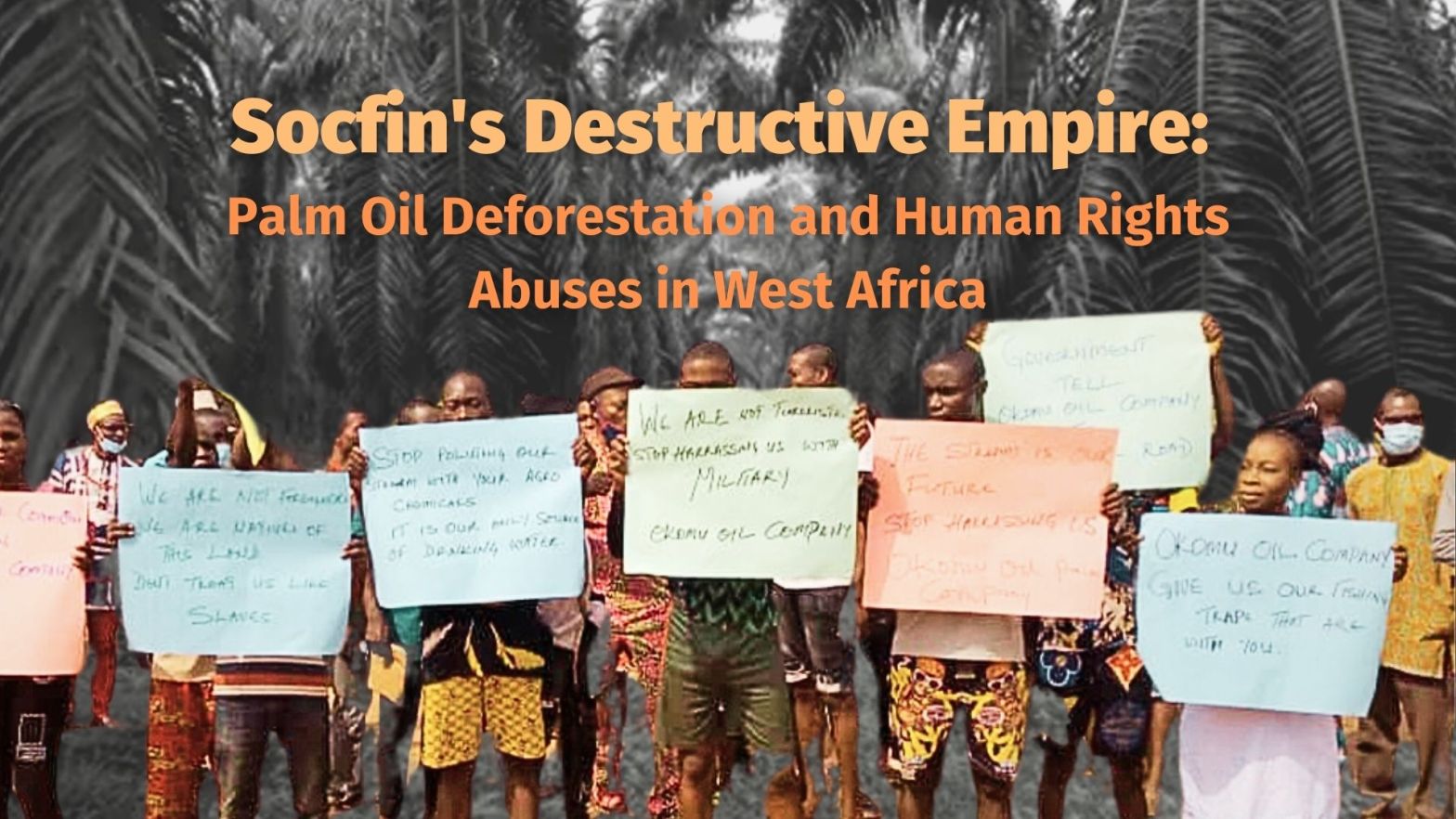
An investigation reveals Socfin’s exploitation of rubber and palm oil in West Africa, leading to deforestation, landgrabbing, and shocking human rights abuses.
Snack giant PepsiCo allegedly sourced “sustainable” palm oil from razed Indigenous land in Peru
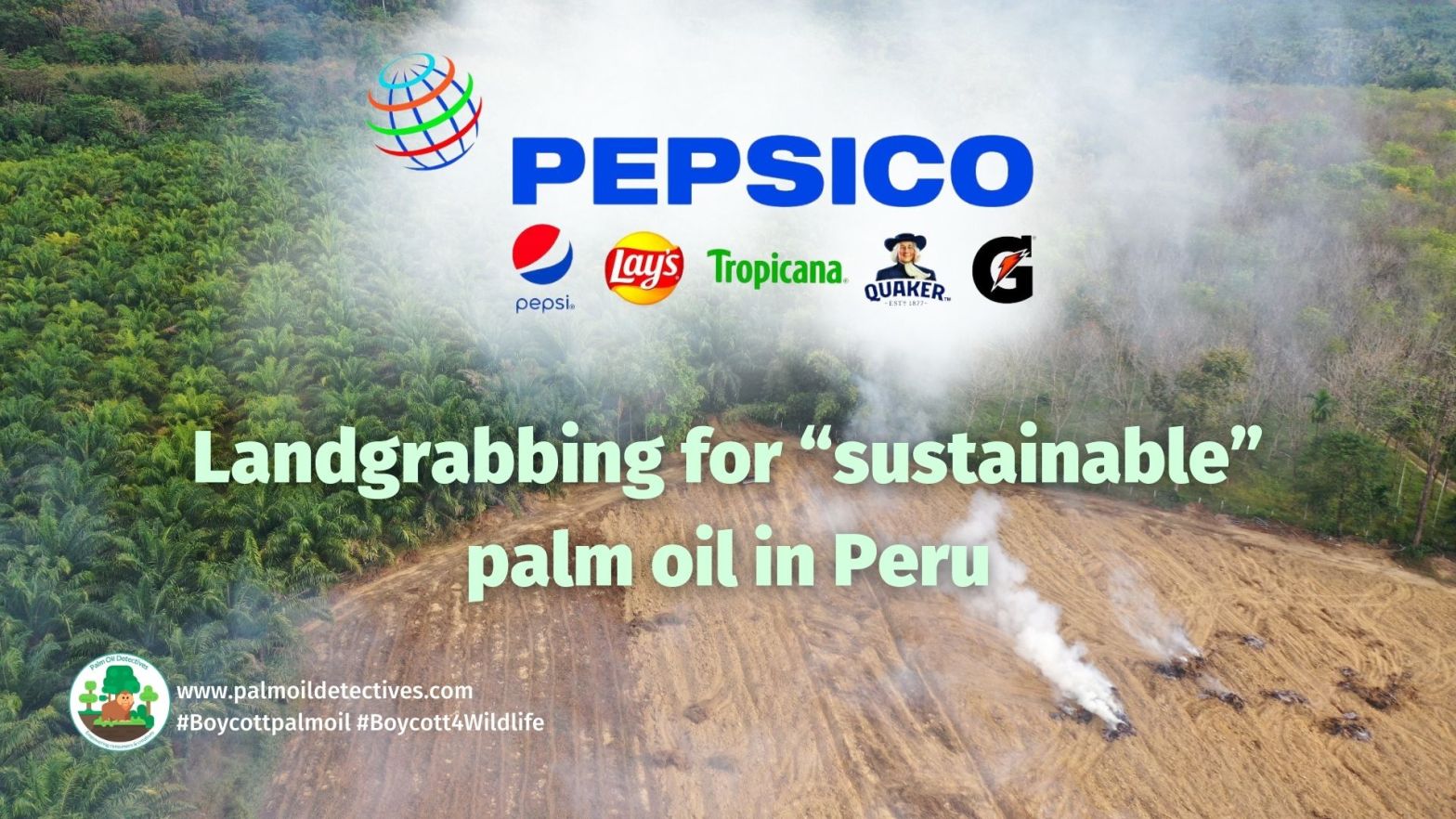
PepsiCo’s supply chain is linked to environmental and human rights violations in Peru, involving Amazon deforestation and Indigenous land invasion. For three years, palm oil from deforested Shipibo-Konibo territory has been used in products like Gatorade and Cheetos. PepsiCo sources oil from Ocho Sur, a company notorious for environmental crimes and forest loss. The palm oil industry in Peru, which doubled production in a decade, is responsible for significant illegal deforestation, violent indigenous landgrabbing, animal extinction and human rights abuses. Take action every time you shop and #Boycottpalmoil for wildlife and Indigenous people.
Paraquat: Banned in EU, Destroying Lives of Palm Oil Workers in Indonesia
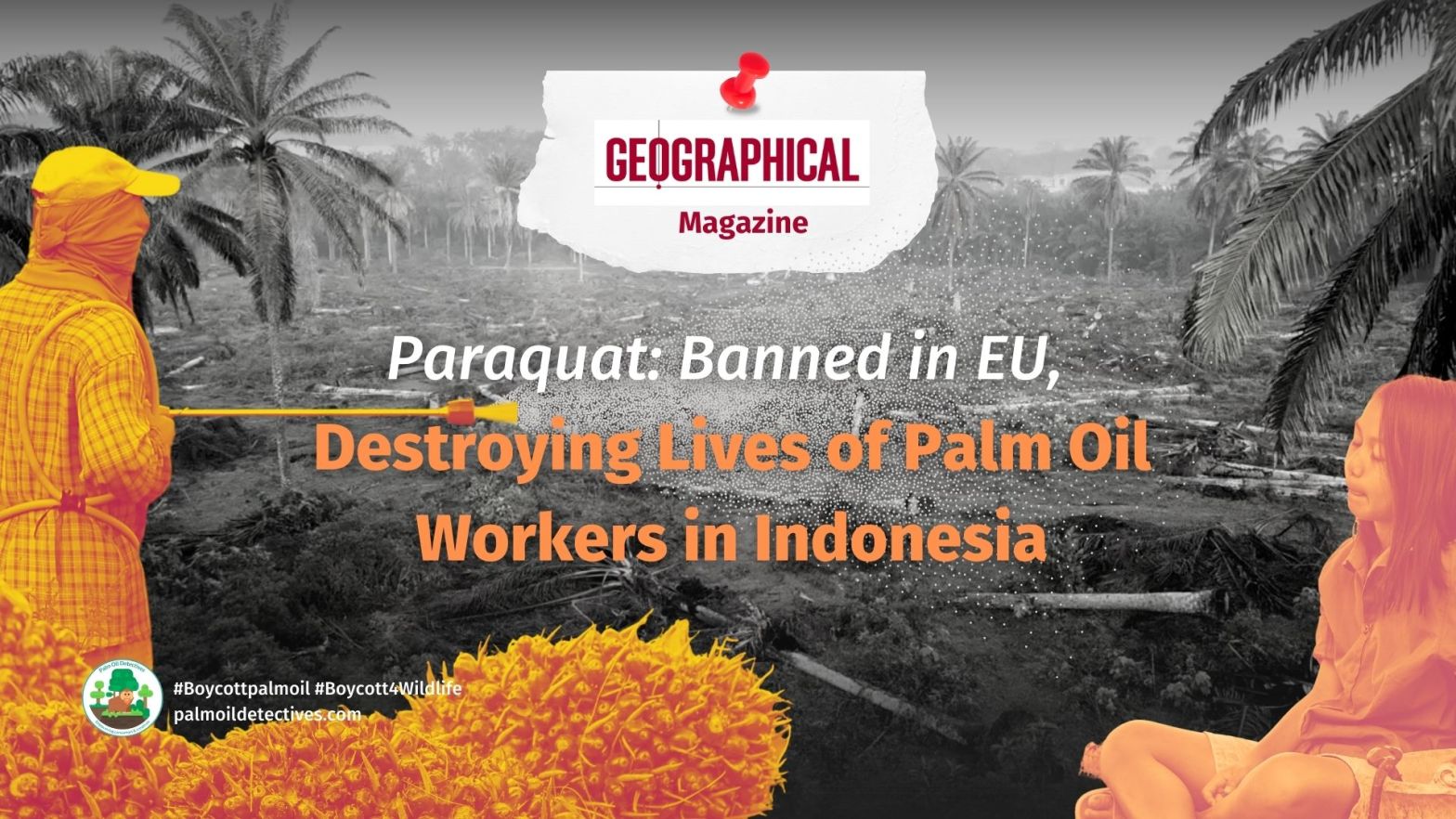
The dangerous pesticide Paraquat is banned in the EU however continues to destroy the lives of palm oil plantation workers in Indonesia. Read this story below originally published in Geographic Magazine and learn how to take action to resist the human rights abuses and ecocide below. #Boycottpalmoil #Boycott4Wildlife
Encountering the World’s Most Endangered Kangaroo: The Wondiwoi Tree Kangaroo

Encounter the Wondiwoi tree-kangaroo. Rediscovered in 2018, these rare marsupials from West Papua are a symbol of hope amidst threats from palm oil, hunting
Palm Oil Greenwashing Poised to Destroy Protected Biosphere in Chiapas, Mexico
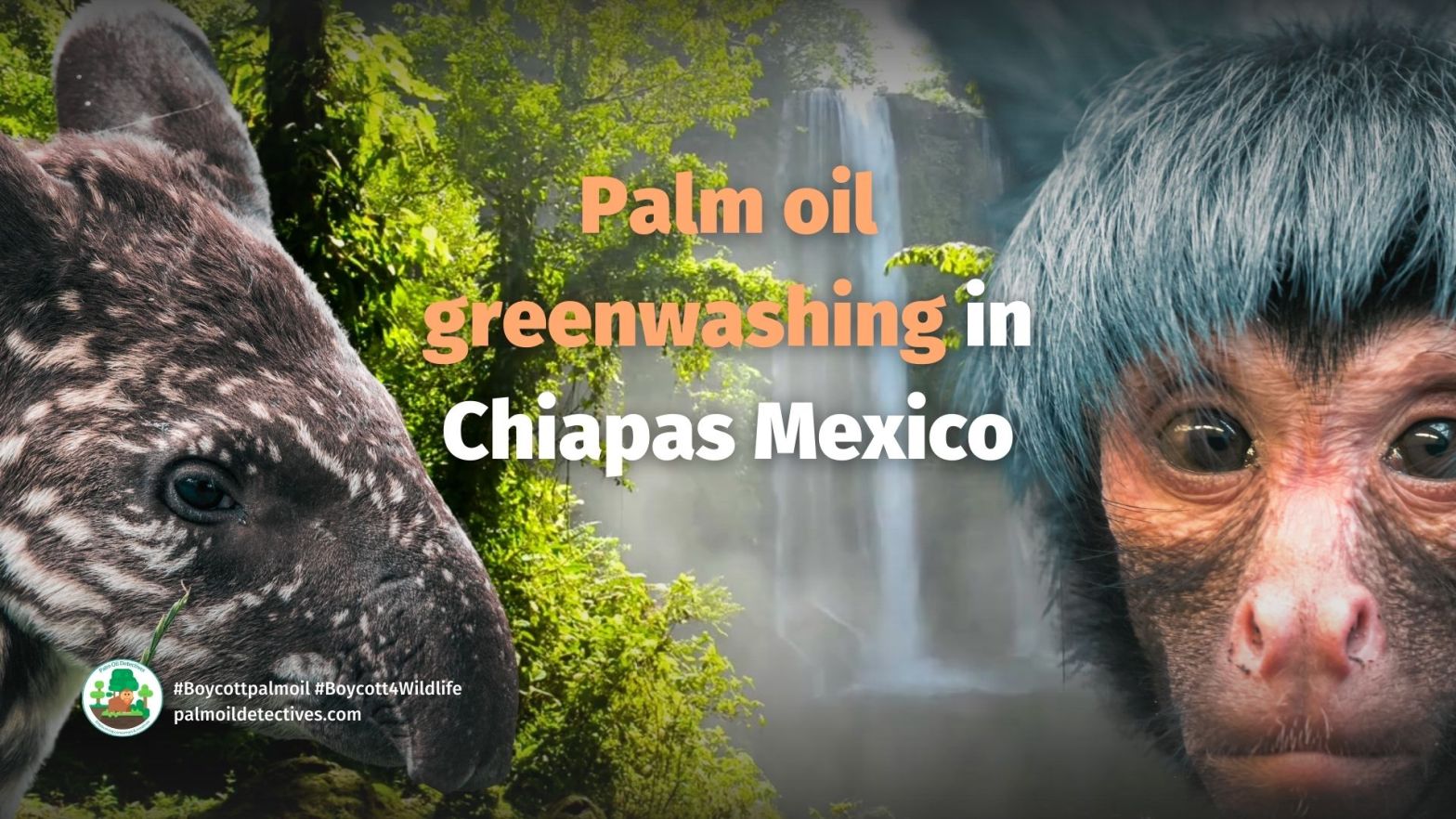
Situated on Mexico’s lush and biodiverse Pacific coast is La Encrucijada Biosphere Reserve – One of Mexico’s most spectacular natural treasures. Now the government and palm oil businesses are trying to sieze vast areas of land and legalise a huge area of illegally-cultivated oil palm, by reducing the size of this internationally significant environmental reserve. They are also using RSPO certification of a palm oil plantation close to the reserve in order to legitimise the expansion of palm oil in the area.
Extinction On Our Plates
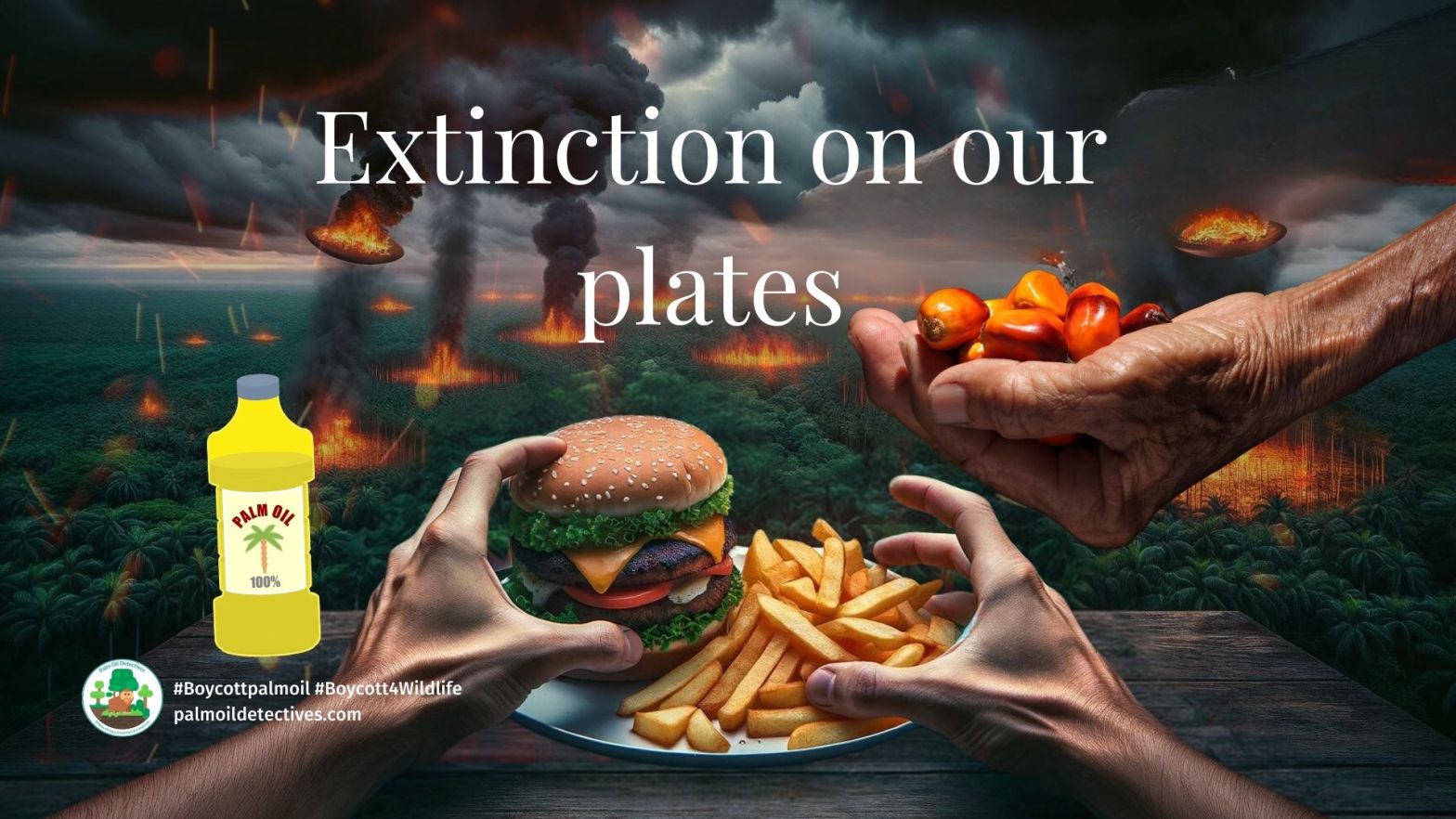
The contents of your fridge and dining table directly impacts the future of rare rainforest and ocean animals. That’s because industrial agriculture and aquaculture for commodities like meat, dairy, fish and palm oil is driving animals in the most biodiverse ecosystems on the planet closer towards extinction.
However, reducing the biodiversity footprint of global food consumption requires more than just consumer intervention. It requires immediate and widespread action from government policy-makers and law-makers as well, writes Ecologist Dr Quentin Read of North Carolina State University for 360info
 Palm Oil Detectives