

71 rights groups warn that certification schemes like RSPO and FSC fail to stop deforestation and abuses. Learn why they are called tools of greenwashing.
Category Archives: Boycott
Want to avoid palm oil? You need a ‘palm oil free’ label

The most important factor determining whether consumers avoid purchasing a product containing palm oil is not how they feel about orangutans, the environment, or anything else for that matter. It’s whether they know what’s in the product. Melbourne Business School When #consumers are told about #palmoil being in products – they will avoid them accordingContinue reading “Want to avoid palm oil? You need a ‘palm oil free’ label”
Up to 90% of Cargill, Wilmar, Musim Mas’ Palm Oil Linked To Deforestation
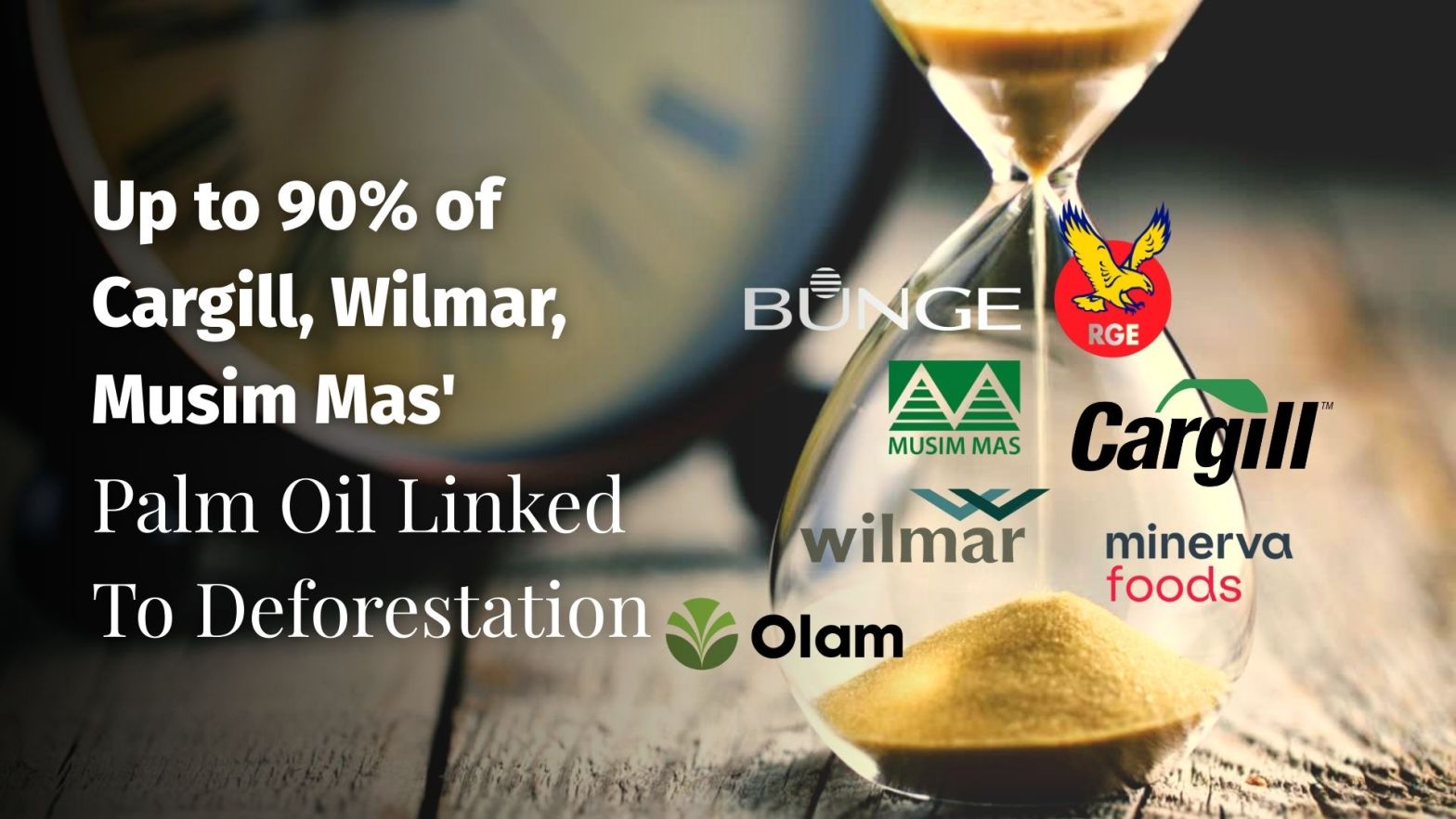
Research finds that between 15-90% of palm oil processed by global palm oil traders: #Cargill, #MusimMas and #Wilmar is unable to be adequately traced. This is due to opaque indirect sourcing and is linked to deforestation. Palm oil deforestation is sending thousands of rare, #endangered species of #animals and #plants towards #extinction and leads to the violent displacement of indigenous peoples. The loss of carbon sinks from deforestation plays a significant role in global warming and the climate emergency. Take action every time you shop and #BoycottPalmOil #Boycott4Wildlife
Almost 90% of the world’s animal species will lose some habitat to agriculture by 2050
Scientists know that #biodiversity is declining across much of the world although less universally and dramatically than we feared. We also know that things are likely to get worse in the future, with a combination of #deforestation, #climatechange and overexploitation set to drive species and habitats ever closer to #extinction. Help them every time you shop and be #vegan #BoycottPalmOil #Boycott4Wildlife
Boycotts A Great Weapon to Fight Ecocidal Corporates
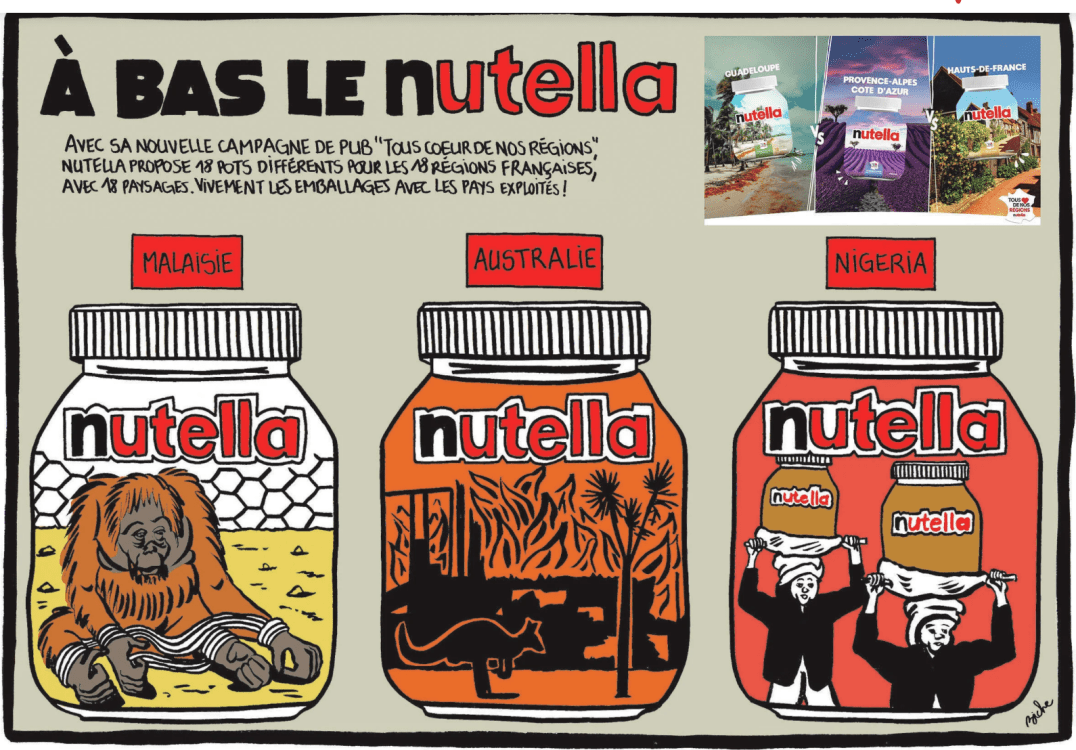
Boycotts against corrupt commodities like palm oil and meat are effective because they hit where it hurts, corporate giants’ profit margins and reputations
The World’s Most Loved Cup: A Social, Ethical & Environmental History of Coffee by Aviary Doert
Aviary Doert holds a Bachelor’s of Science in Biology and they have worked for a decade in medical and laboratory science. They are an amateur conservation scientist, with experience in field work and research. They are hoping to positively impact the environment and planet through education and increasing awareness of the consequences of people’s purchases and actions.
Organised Crime: A Top Driver of Global Deforestation
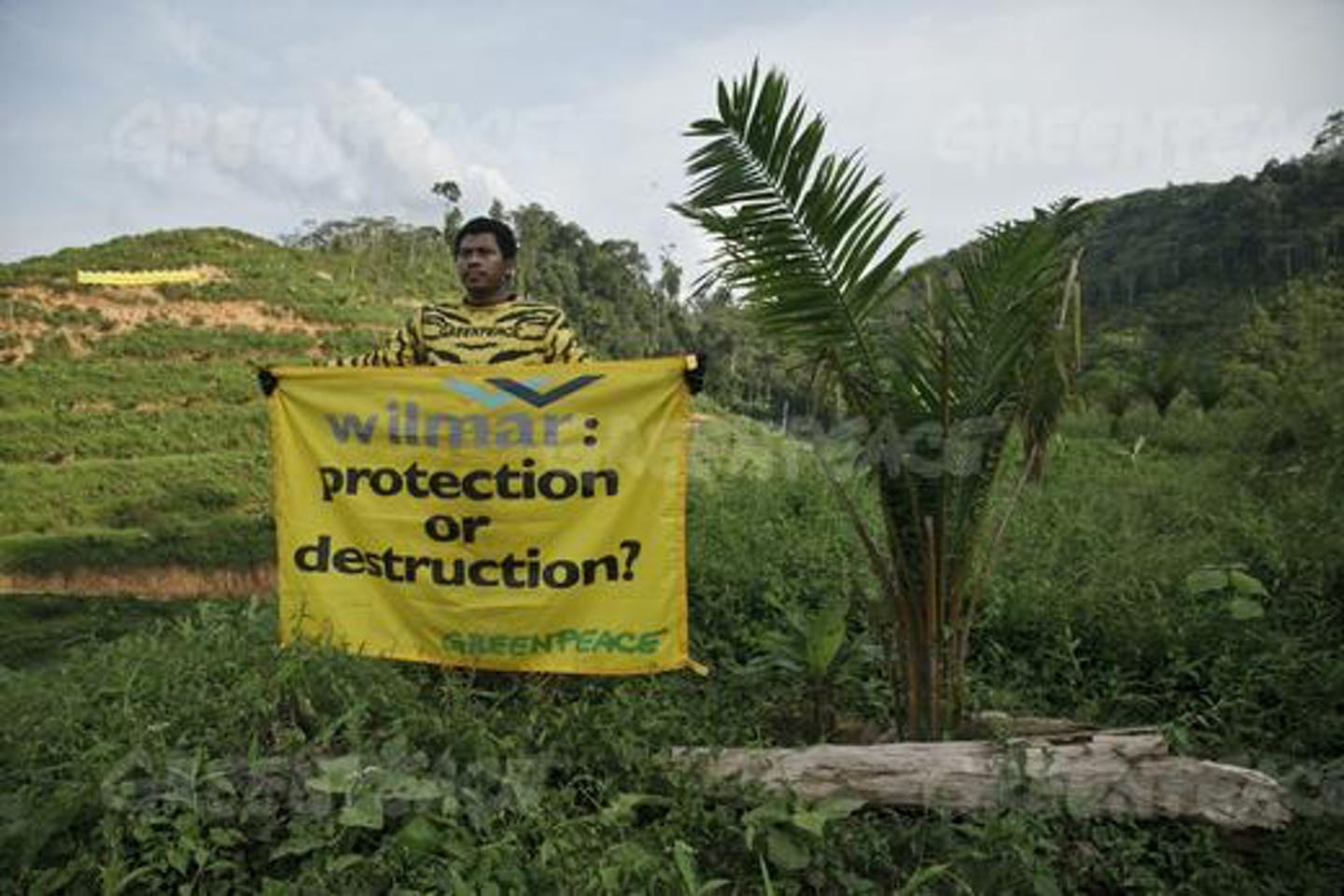
Every year the world loses an estimated 25 million acres (10 million hectares) of forest, an area larger than the state of Indiana. Nearly all of it is in the tropics. Tropical #forests store enormous quantities of carbon and are home to at least two-thirds of the world’s living species, so #deforestation has disastrous consequences for #climatechange and conservation. Trees absorb carbon dioxide as they grow, slowing its buildup in the atmosphere – but when they are burned or logged, they release their stored carbon, fueling further warming. Tropical forest loss generates nearly 50% more greenhouse gases than does the global transportation sector. Take action to help rainforests and #BoycottPalmOil #Boycott4Wildlife
Artist and Indigenous Rights Advocate Barbara Crane Navarro
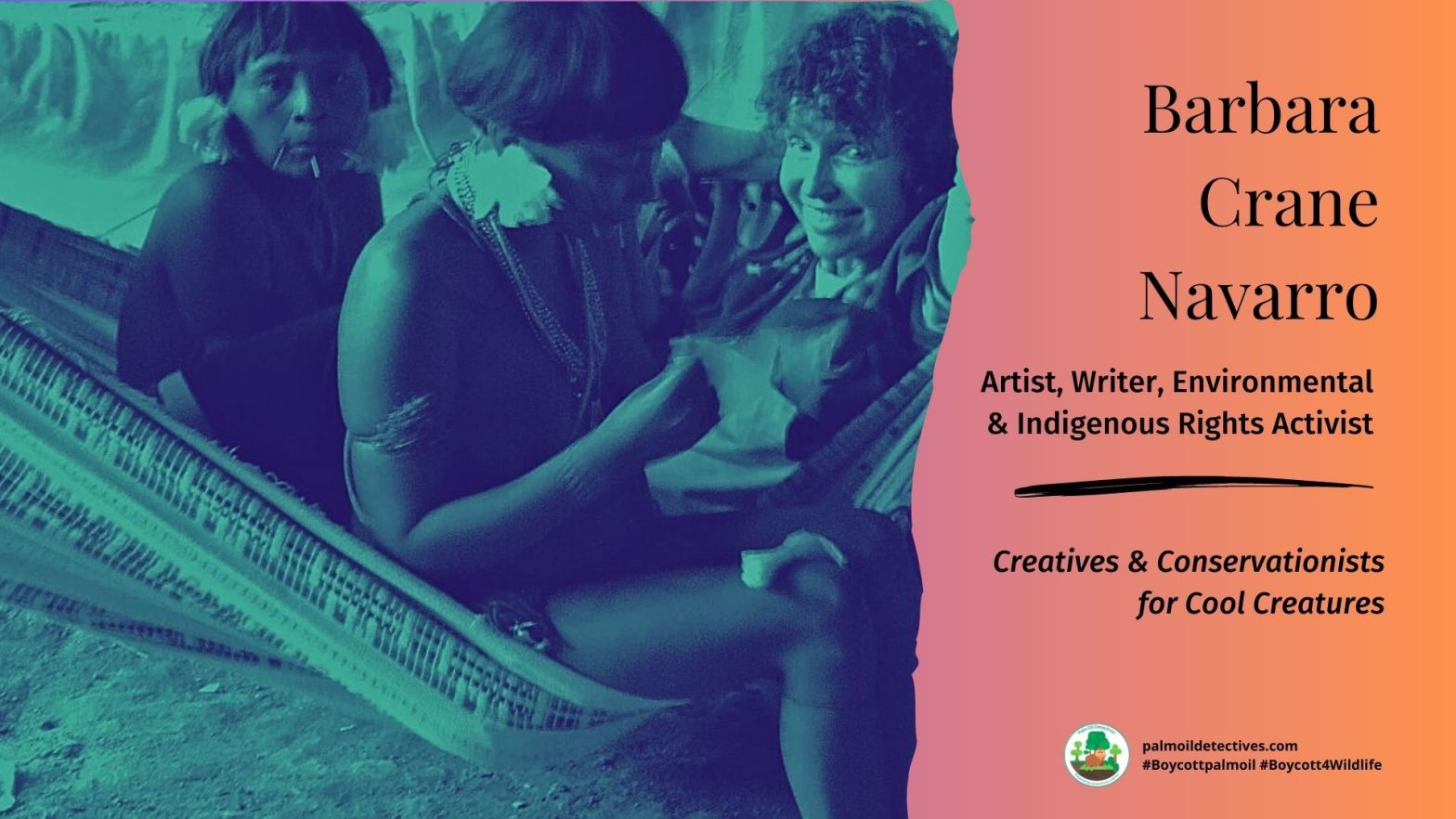
Artist Barbara Crane Navarro merges art and activism to defend the Amazon and Yanomami from destructive gold mining. Support #BoycottGold4Yanomami.
13 Reasons To Boycott Gold for Yanomami
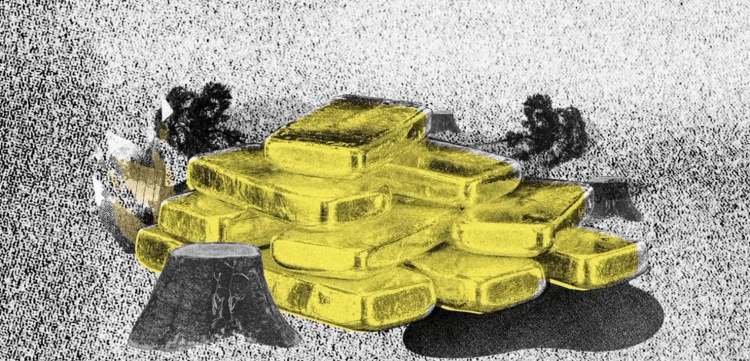
Hunger for Gold in the Global North is fueling a living hell in the Global South. Here are 20 reasons why you should #BoycottGold4Yanomami
Research: Boycotts Are Worthwhile and Effective
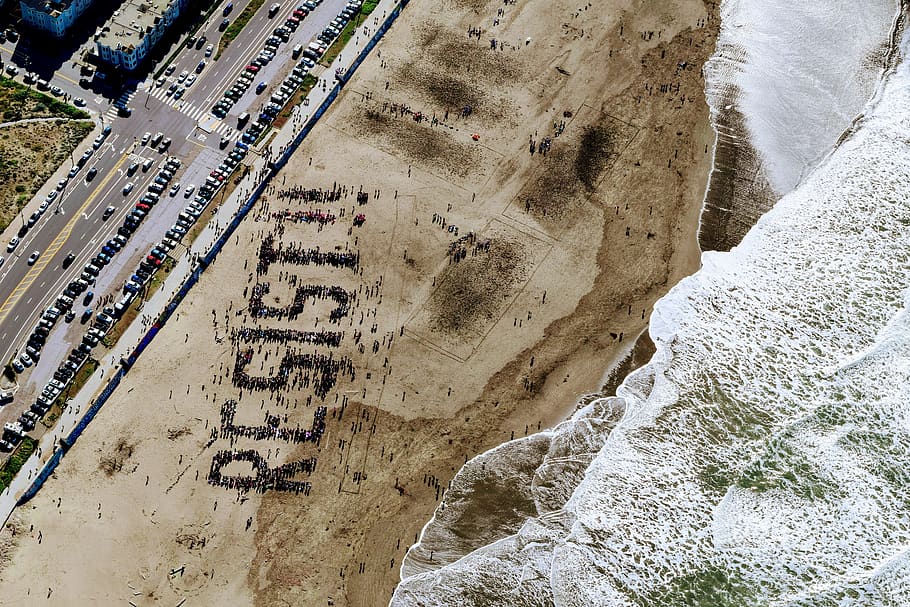
Despite sustained and vigorous attempts by corporates and industry certification schemes like RSPO, MSC and FSC to downplay the impact and effectiveness of consumer boycotts, it turns out that boycotts are impactful and drive social change. They force profit-first and greedy corporations to change their ways and do better. They also create a tangible sense of empowerment and agency for consumer-citizens who want to participate in civil society in a meaningful way in improving the world, both as individuals and in collective groups.
Why join the #Boycott4Wildlife?
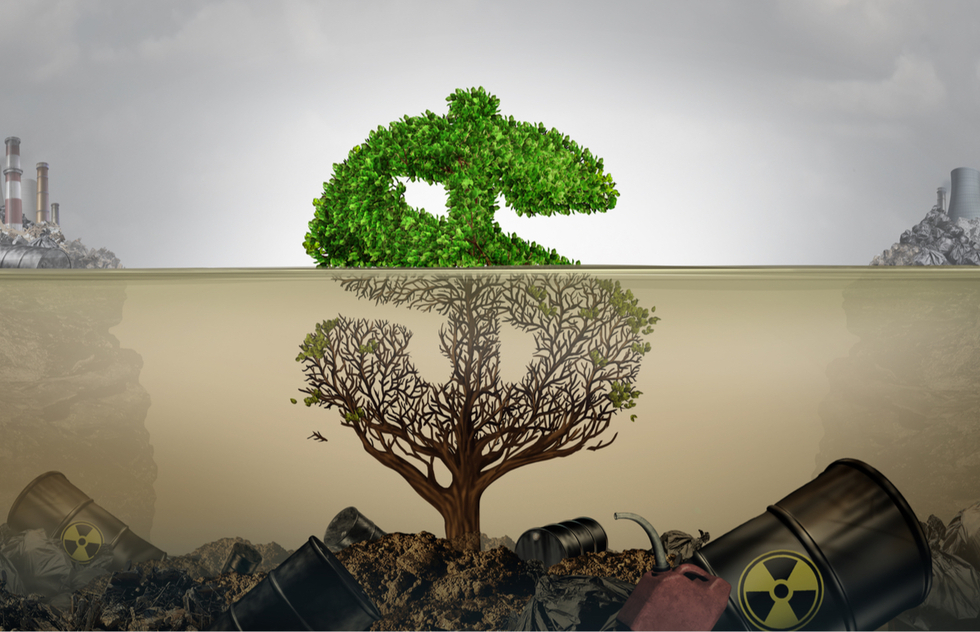
According to a 2021 survey by Nestle of 1001 people, 17% of millennial shoppers (25-45 years old) completely avoid palm oil in the supermarket. 25% said that they actively check to see if products contain palmoil. As a generation, we now have the opportunity to push our local communities and our children away from harmfulContinue reading “Why join the #Boycott4Wildlife?”
Demand for meat is driving deforestation in Brazil – changing the soy industry could stop it
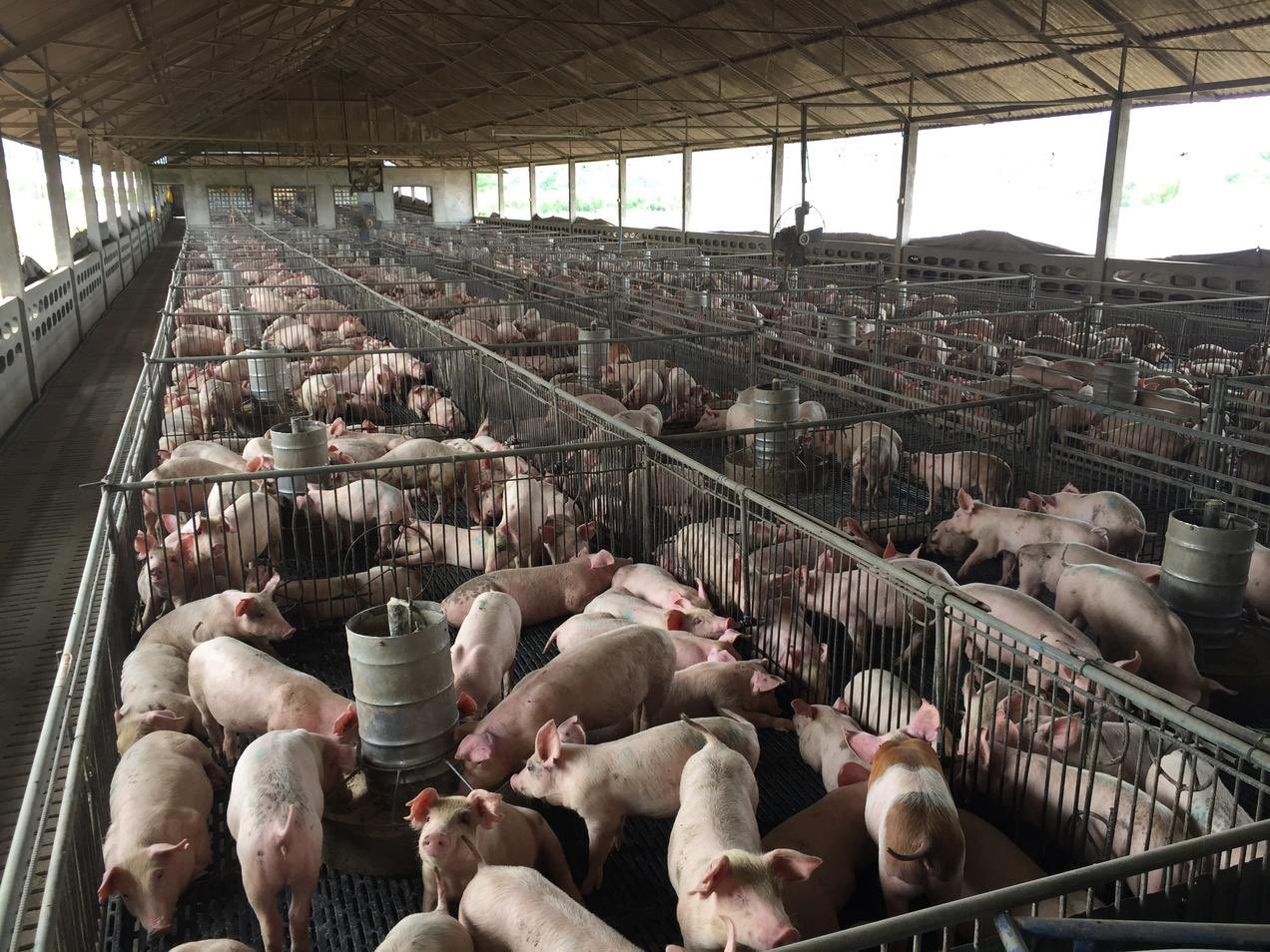
For many people, soy as a commodity has a pretty innocuous reputation thanks to its association with vegan food and meat alternatives. However don’t be fooled – crops of this pale legume are behind much of Brazil’s epidemic of deforestation. Much more #soy is fed to farm animals that people eat than is used in vegan food. Since 2000, #Brazil has doubled its total area of soy plantation to 36 million hectares and become the world’s largest producer. This expansion has erased vast swathes of forest and other habitats in some of the country’s most biodiverse regions. Soy, along with palm oil and meat deforestation are the biggest land-hungry commodities in South America and threaten the world’s largest rainforest biosphere. Help fight against this ecocide every time you shop, be #vegan #BoycottPalmOil #Boycott4Wildlife
Climate Explained: what would happen if we cut down the Amazon rainforest?
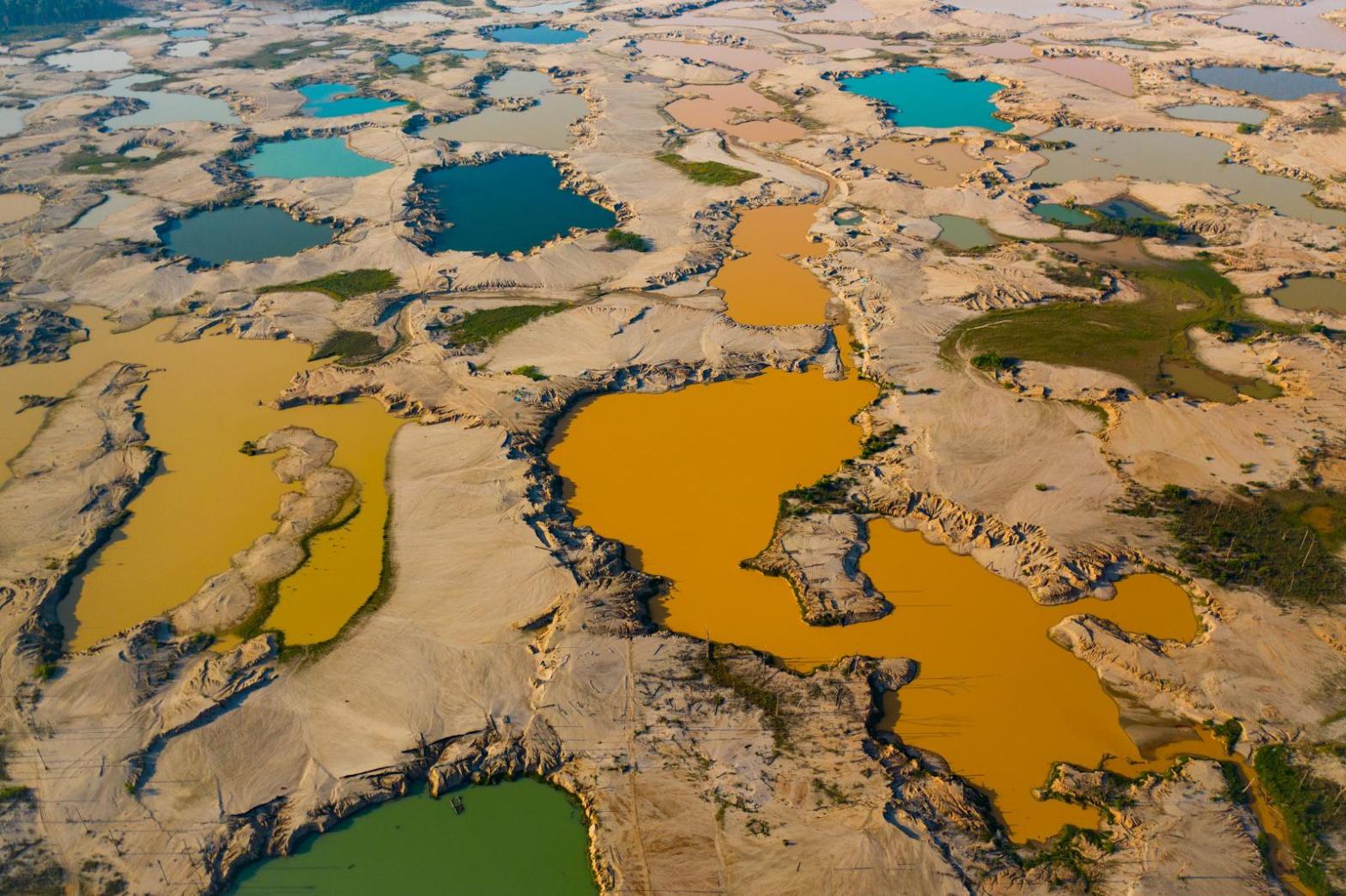
What would happen if we cut down the entire Amazon rainforest? Could it be replaced by an equal amount of reforestation elsewhere? Removing the entire Amazon rainforest would have myriad consequences, with the most obvious ones possibly not the worst. Most people will first think of the carbon currently stored in the Amazon, the world’s largest rainforest. But the consequences would be far-reaching for the climate as well as biodiversity and ecosystems — and, ultimately, people. Fight for animals, indigenous peoples and the planet itself #BoycottPalmOil #BoycottGold and #Boycott4Wildlife
Why you should stop buying new clothes

Alana James, Northumbria University, Newcastle The fashion industry is one of the most polluting industries in the world, producing 20% of global wastewater and 10% of global carbon emissions – and it’s estimated that by 2050 this will have increased to 25%. A staggering 300,000 tonnes of clothes are sent to British landfills each year.Continue reading “Why you should stop buying new clothes”
How plywood started the destruction of Indonesia’s forests
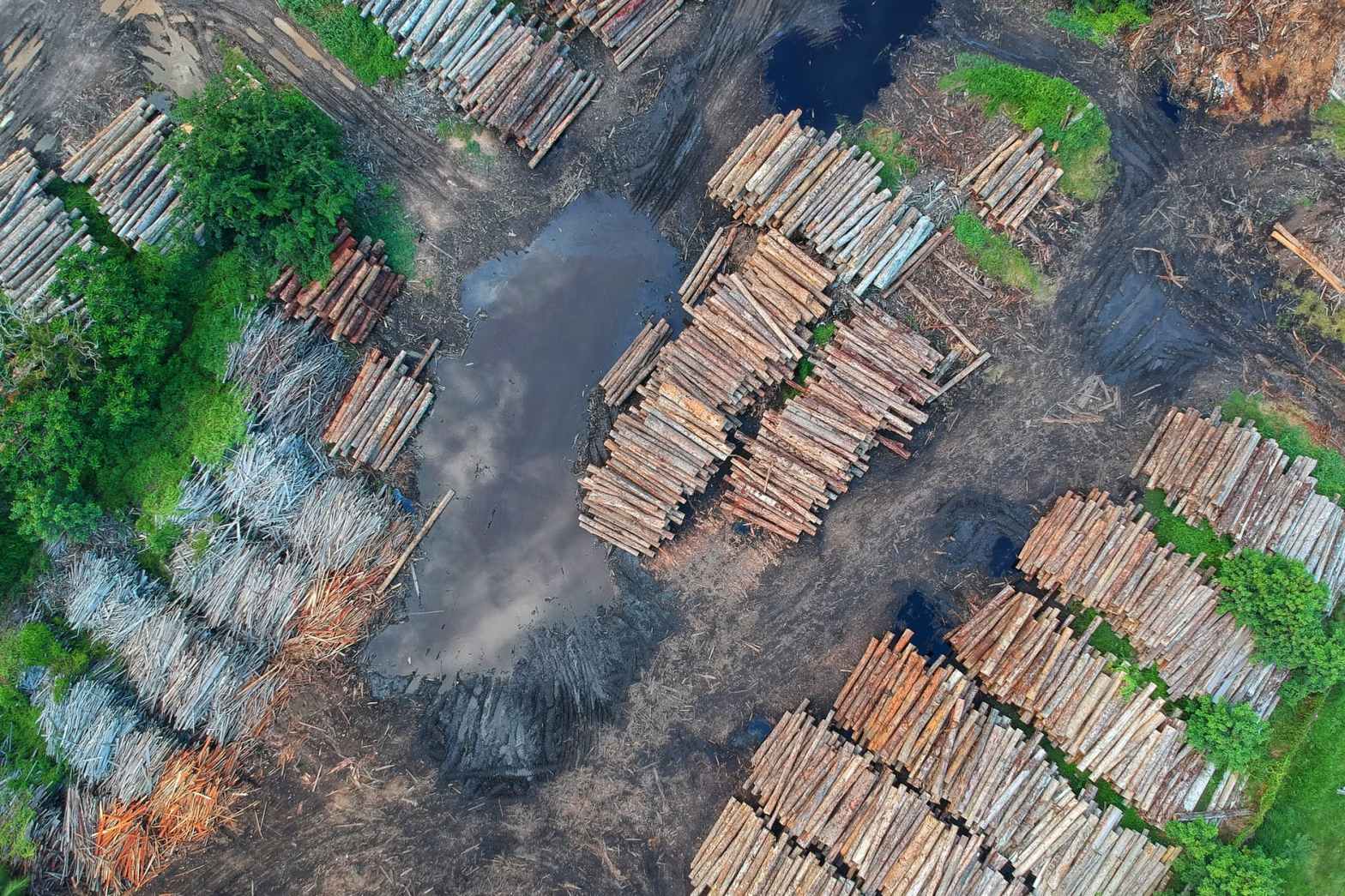
Indonesia now has the has the fastest rate of deforestation in the world, driven largely by clearing for palm oil plantations. But the process began long ago, with one of the most common building materials: plywood. As far as commodities are concerned, it was plywood that defined the rainforests of Borneo in the 1970s andContinue reading “How plywood started the destruction of Indonesia’s forests”
Can we feed the world and stop deforestation? Depends what’s for dinner
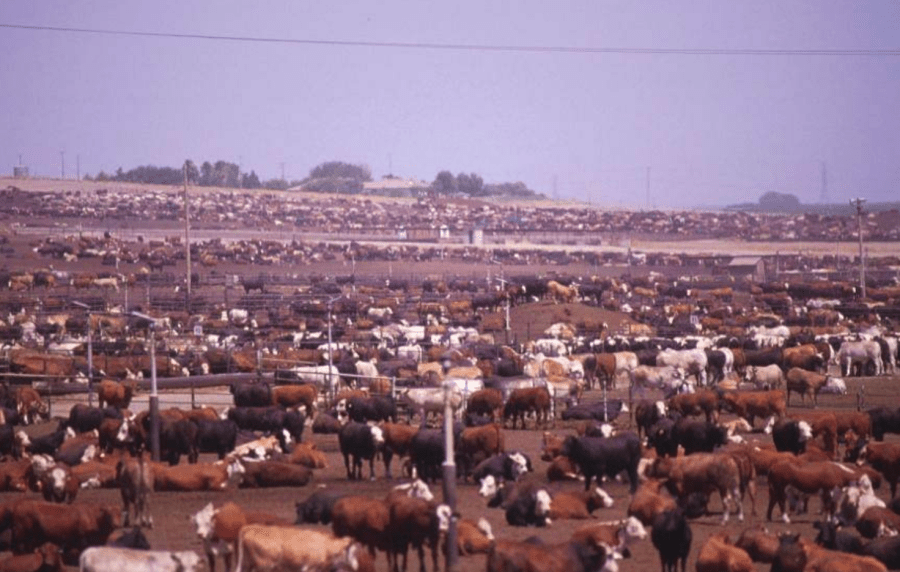
It’s a tricky thing to grow enough #food for a ballooning population without destroying the natural world. And when I say a tricky thing, I mean it’s one of the greatest challenges humanity has ever faced. Luckily for us, it is theoretically possible, and the easiest way to get there is by drastically cutting down on meat. We deforest an area the size of Panama every single year. Across the world, food is the number one cause of #deforestation, especially our taste for meat. If we all woke up #vegan in 2050, we would need less land than in 2000. We could reforest an area the size of the Amazon. 80% of deforestation is from #meat” Take action every time you shop and go plant-based #Boycott4Wildlife
Brands Using Deforestation Palm Oil
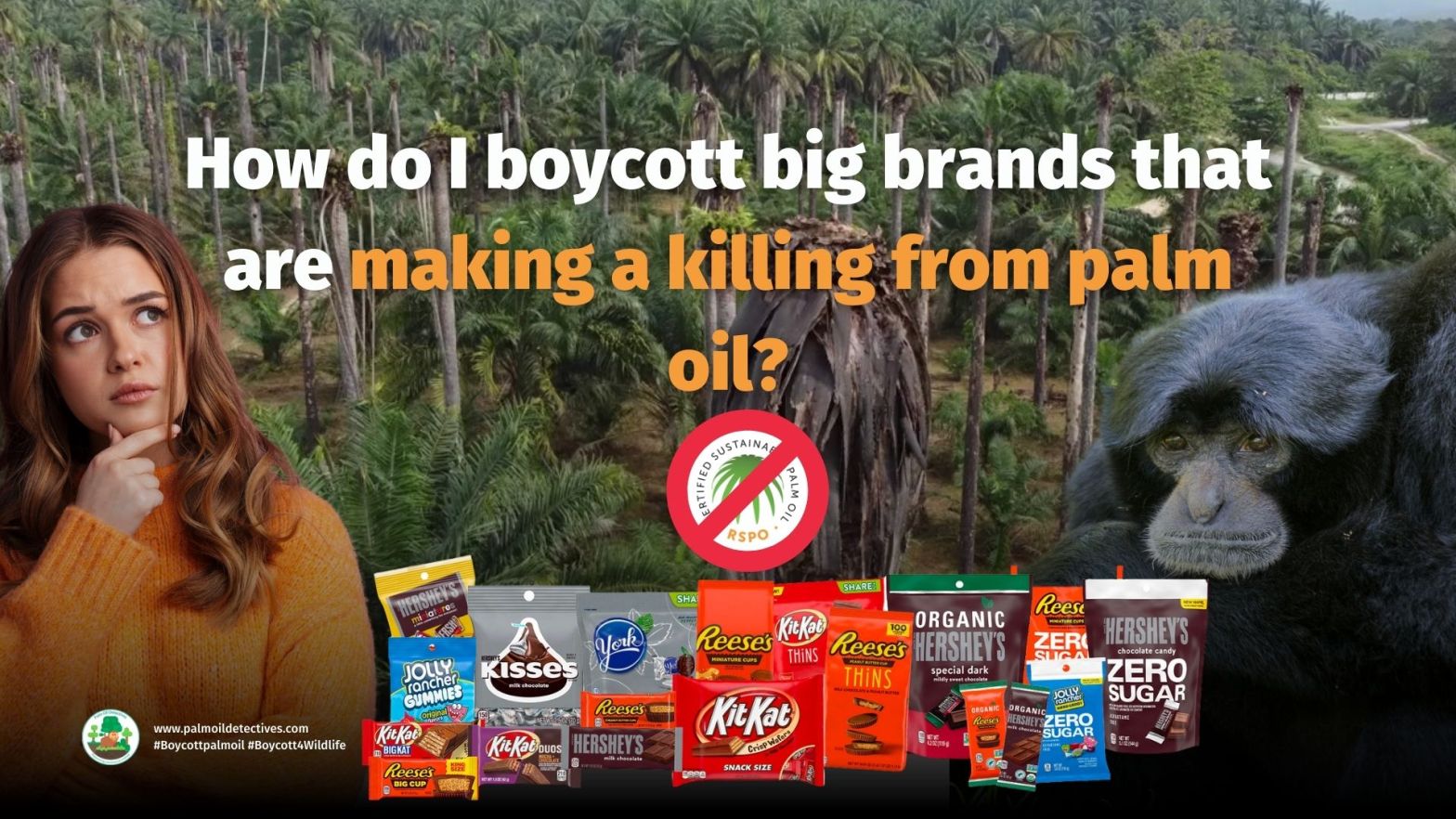
These brands have products that contain palm oil sourced from mills that are responsible for the destruction of precious habitats of endangered species. Just in 2020 alone, these brands (along with many others) contributed to the destruction of 38,000ha of rainforest in Indonesia, SE Asia and Papua New Guinea. Therefore, these brands are directly involved in the extinction of species.
The Counterpunch: Consumer Solutions To Fight Extinction

Although the world is highly complex, every person can make a difference. That previous sentence almost sounds like a cliche right? Really it’s not. If every person on the planet made a few simple lifestyle changes, it would result in less demand on land and resources and soften the impact of deforestation on endangered species.Continue reading “The Counterpunch: Consumer Solutions To Fight Extinction”
Research: Palm Oil Deforestation and its connection to RSPO members/supermarket brands

Discover the truth about palm oil from experts’ reports. Research shows RSPO members still cause deforestation and human rights abuses, despite greenwashing!
Palm Oil Problem #1 Vague Product Labelling
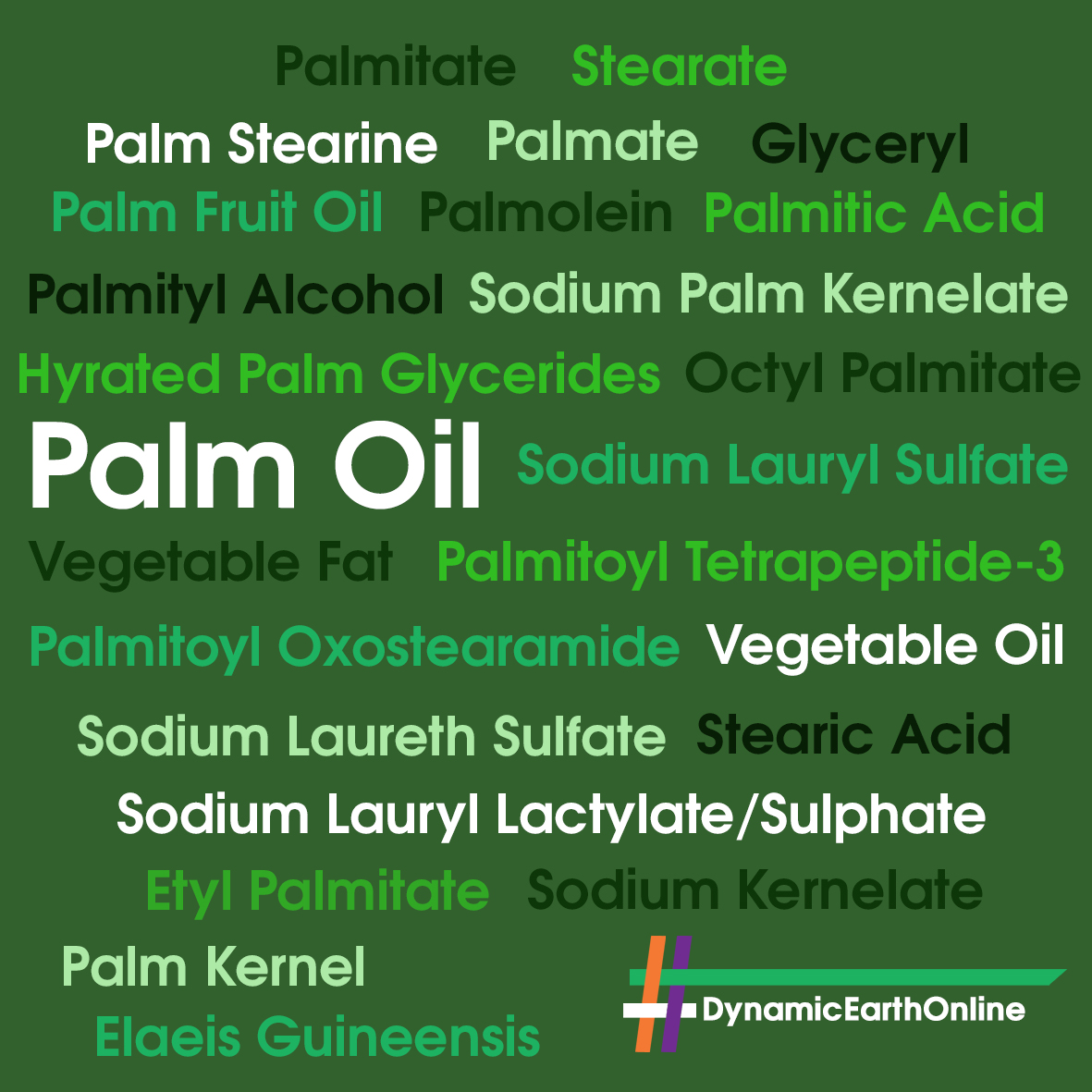
There is no legislation to stop this vague product labelling of palm oil Despite the lobbying and activism of various environmental groups and those concerned with consumer rights, palm oil remains labelled in a vague unclear way. It’s hidden in plain sight, an ingredient in everything from ice-cream to lipstick, biscuits to toothpaste. Part ofContinue reading “Palm Oil Problem #1 Vague Product Labelling”
 Palm Oil Detectives