
There is no excerpt because this is a protected post.
Tag Archives: algae
Humble Algae: The Solution to Palm Oil Ecocide
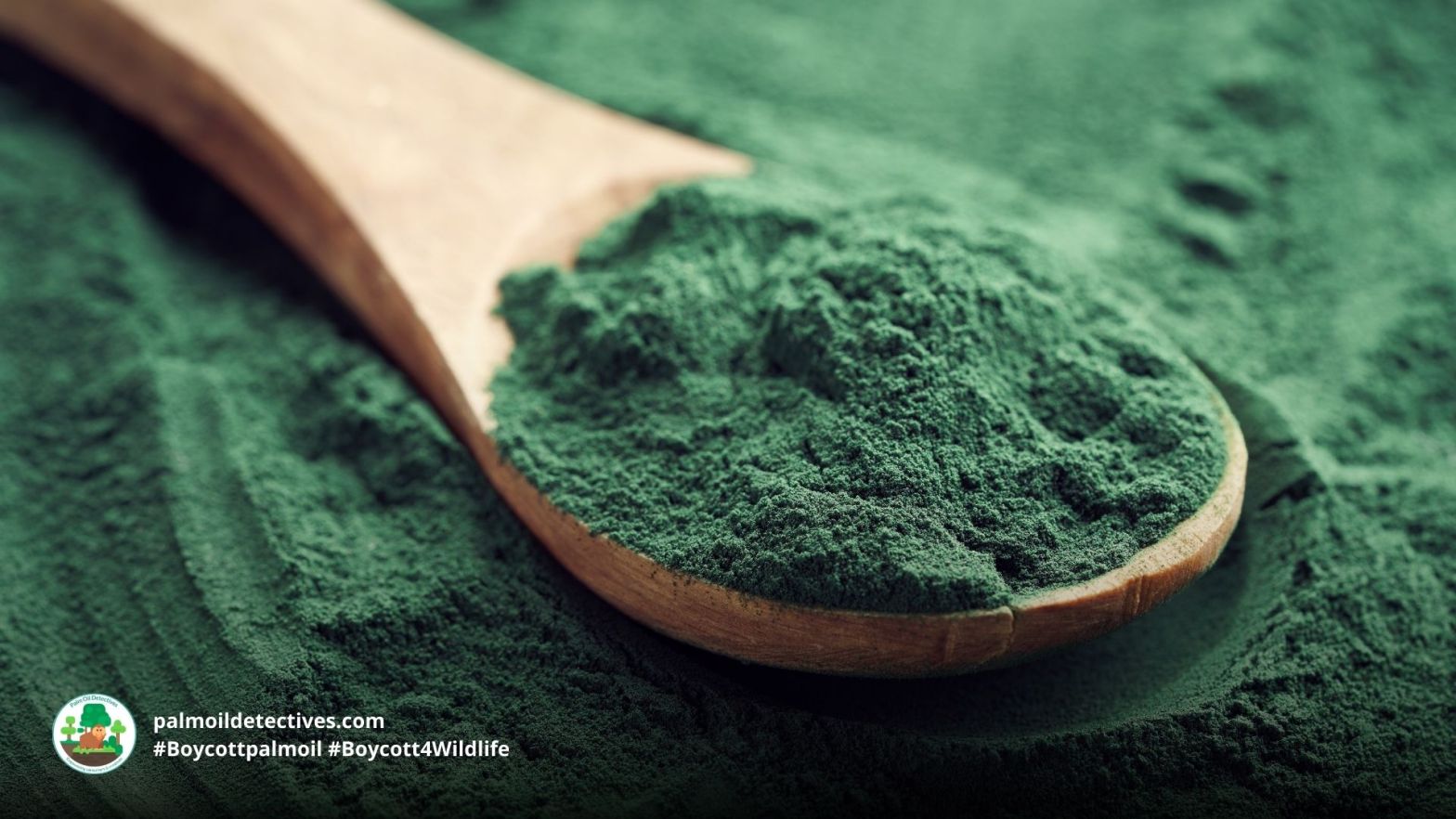
Consumers, businesses and researchers have shown growing interest in microalgae in recent years. Use of Arthrospira platensis (spirulina) as a food supplement is one example. Others include how microalgae can be used as crop support tools, bioplastics or biofuels. Take action for your health and be #vegan and #BoycottPalmOil #Boycott4Wildlife
Palm oil substitutes can offer beleaguered rainforests a fighting chance
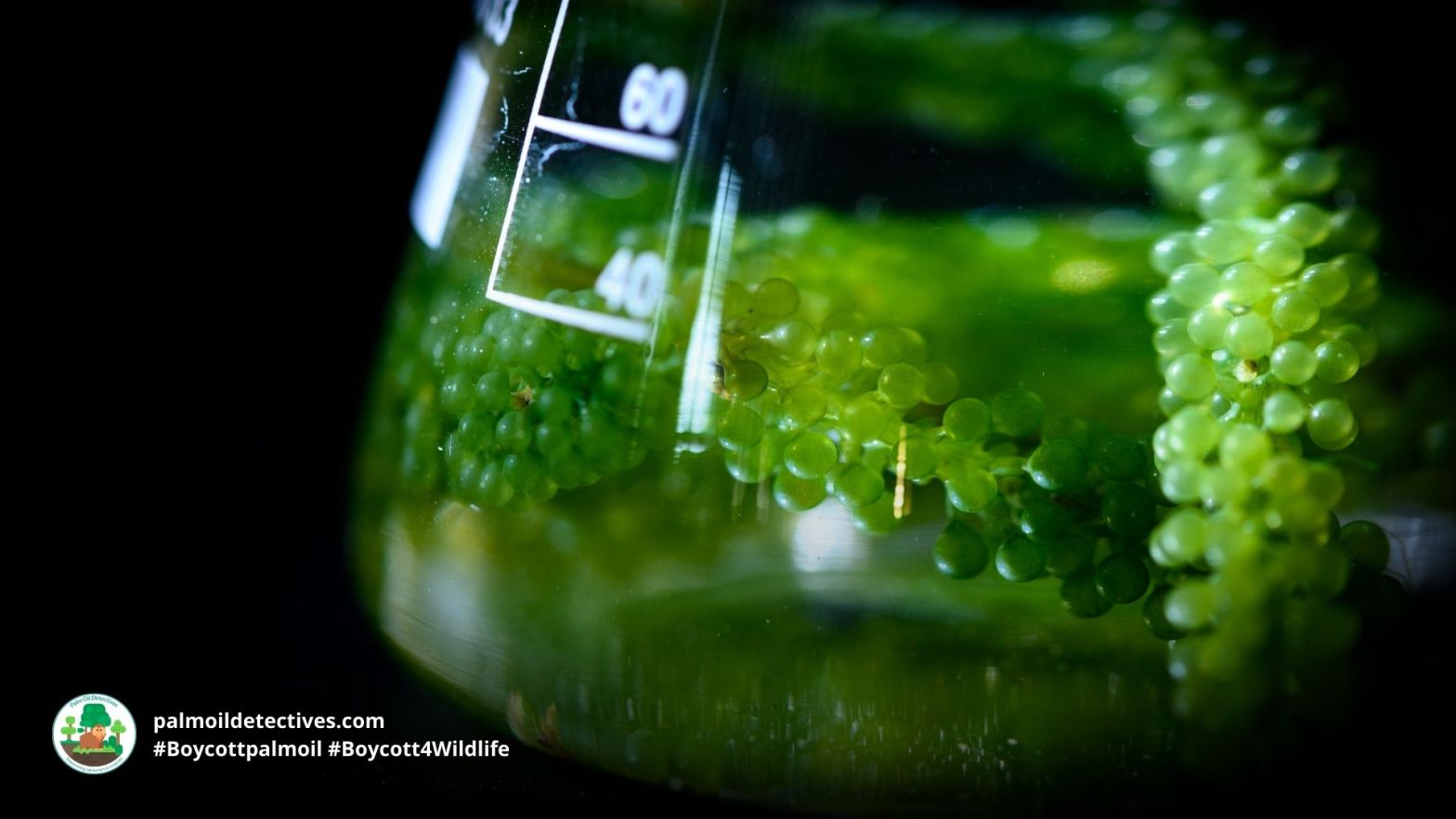
Palm oil is a versatile substance used in a wide range of products from foods to cosmetics. The trouble with it is that the cultivation of oil palm trees has caused massive enviromental harm, especially in Malaysia and Indonesia, which together account for 85% of palm oil production in the world.
But scientists from Nanyang Technological University in Singapore and the University of Malaya in Malaysia say they have an answer as to how we can wean ourselves off palm oil.
Seaweed is high in vitamins and minerals – but that’s not the only reason westerners should eat more of it
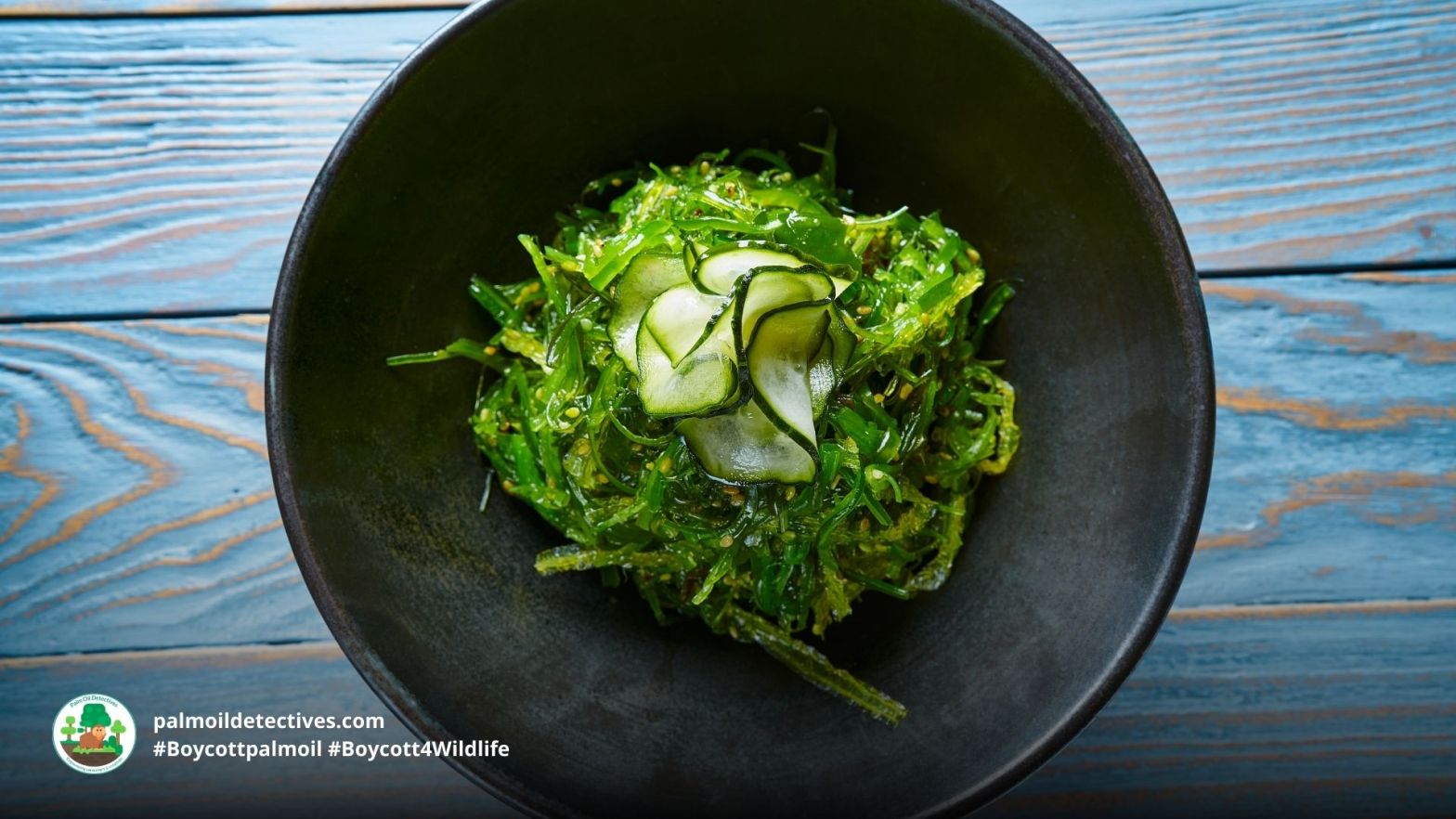
Edible seaweeds and algae – or sea vegetables – are a group of aquatic plants that are found in the ocean. Kelp, dulse, wakame and sea grapes are all types of seaweeds that are used in seaweed-based dishes. Seaweeds are a highly versatile and nutritious food source that can benefit our diet. Seaweeds are often rich in fibre and high in vitamins and minerals. This includes iodine and vitamin B12, which can be lacking in vegetarian and vegan diets.
Reasons to Hope: Palm Oil Alternatives Made Without Deforestation
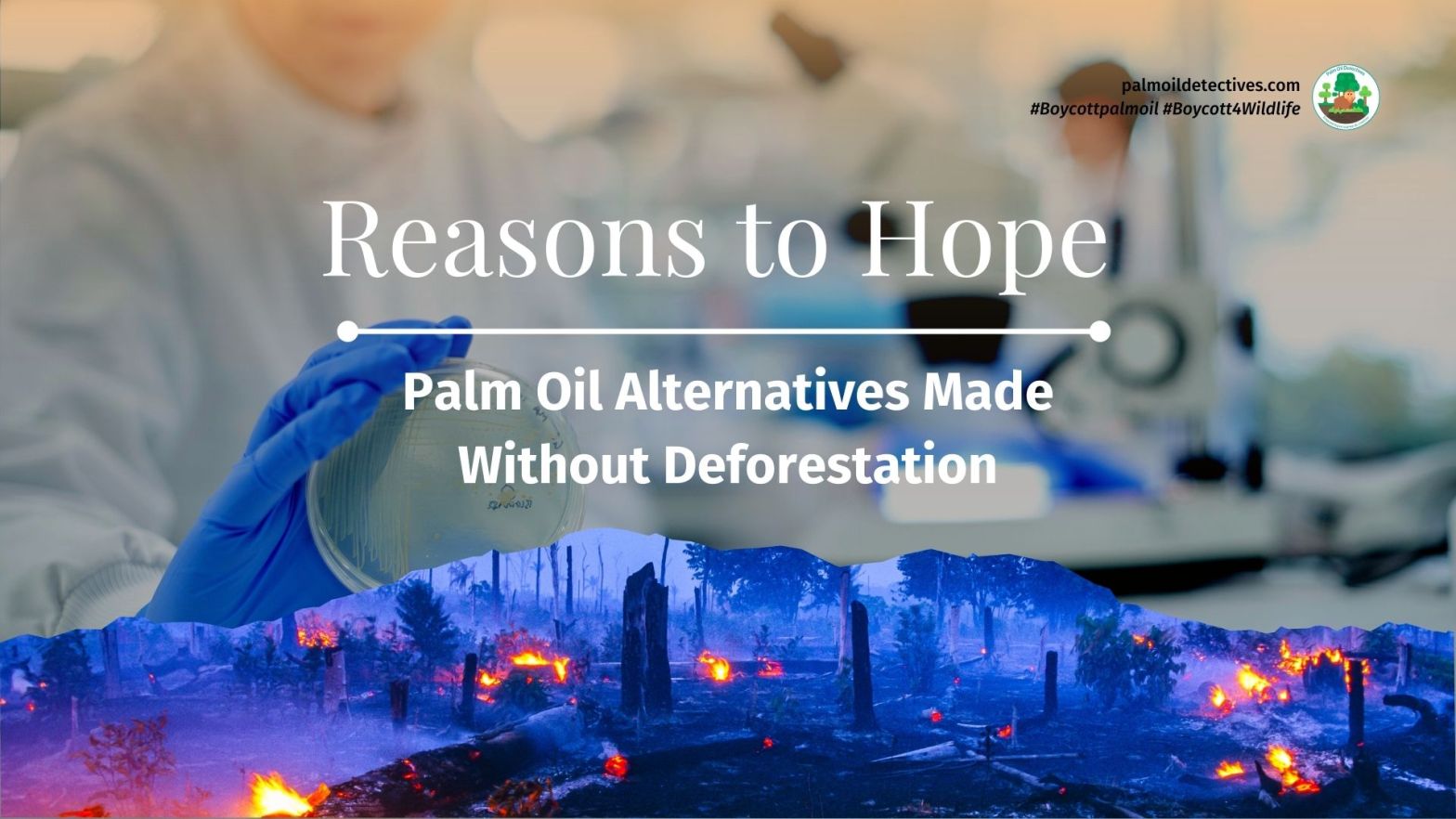
The race is on to find a real solution to stop palm oil ecocide. For several years now, several new #biotech companies have been busy generating alternatives to palm oil that are healthier for human consumption and don’t require the destruction of rainforests sending thousands of species to extinction. Learn more about palm oil grown in labs synthesized from algae, microbes, CO2 and more. #BoycottPalmOil #Boycott4Wildlife
More protein and good for the planet: 9 reasons we should be eating microalgae
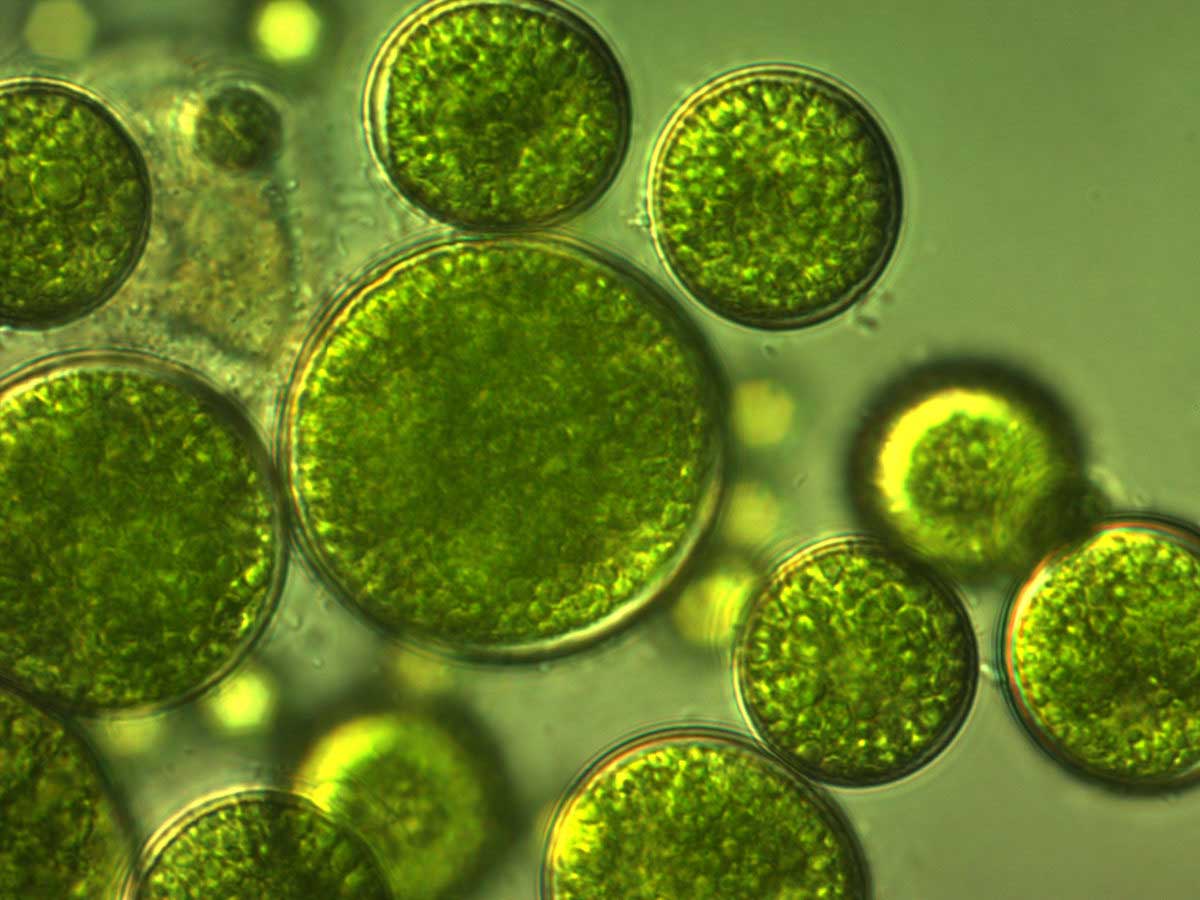
As the climate change advances and deforestation continues at pace, the land we use for growing energy-intensive crops such as wheat corn, soy and palm oil is becoming less productive. We need to find ways to feed the earth’s growing population that isn’t so burdensome on the environment. One potential solution is to cultivate microalgaeContinue reading “More protein and good for the planet: 9 reasons we should be eating microalgae”
 Palm Oil Detectives