
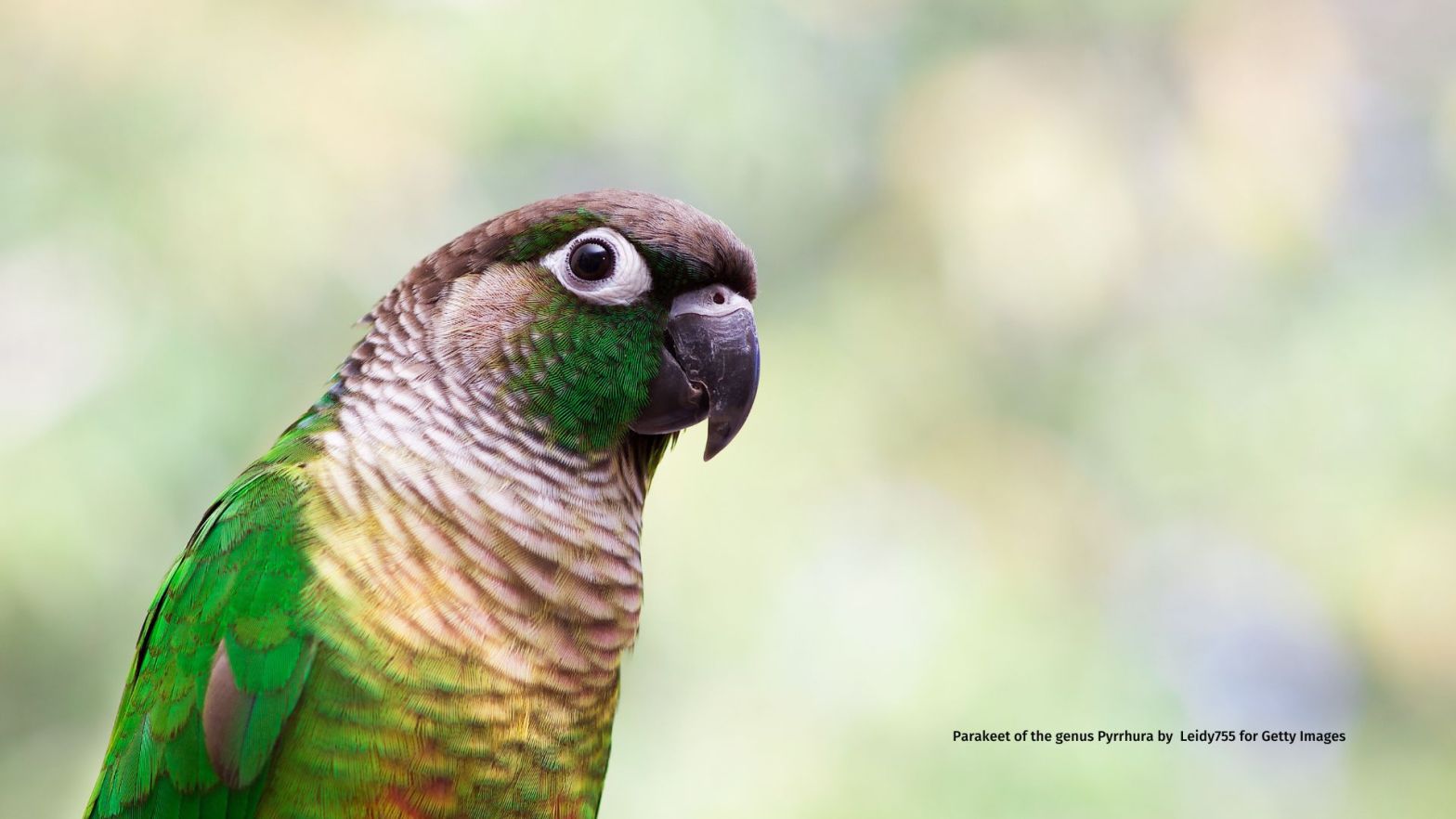
Help find the Sinu Parakeet. With no confirmed sightings since 1949, these vibrant parrots may already be extinct, victims of relentless palm oil expansion.
Tag Archives: Critically Endangered species
Brown Spider Monkey Ateles hybridus

The enigmatic blue-billed curassow (Crax alberti – local name “Paujil”), endemic to the tropical humid forests of northern Colombia, is the cracid species most threatened with extinction in the wild from #deforestation
Rüppell’s Vulture Gyps rueppelli
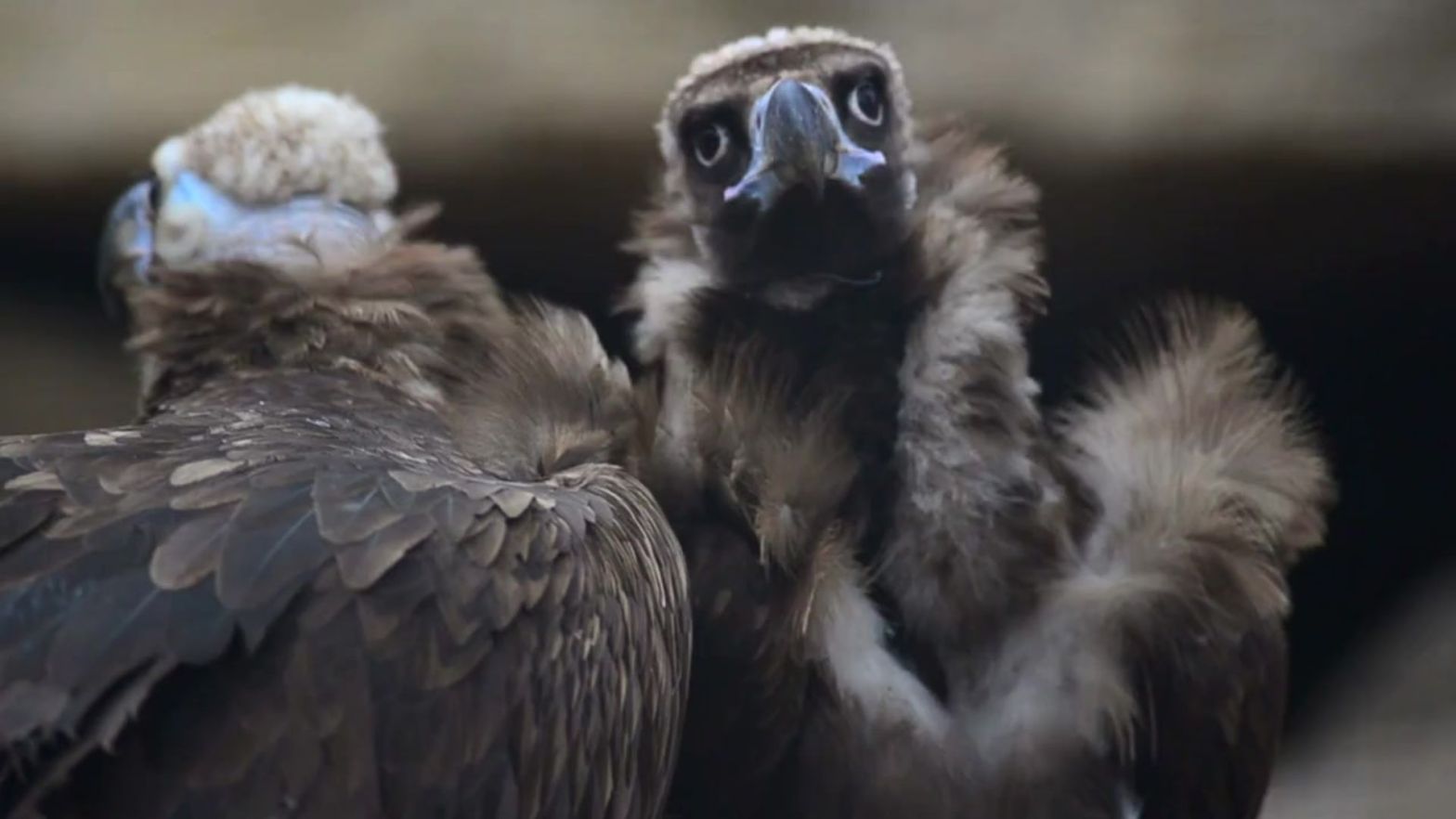
The Rüppell’s Vulture is an enigmatic avian marvel soaring the African and European skies. Their powerful wings carry them aloft on streams of air to altitudes of 11,000 metres. From far above they scan the endless landscapes for sustenance. These remarkable carrion cleaners pose no threat to humans and only eat dead animals. They now teeter on the brink of extinction, fewer than 22,000 individuals remain alive due to the depletion of their prey species, human and wildlife conflict and palm oil deforestation throughout their range. This critically endangered species, are known for their awe-inspiring high altitude flights—reaching heights seen by commercial airlines. They face a grave threat from the insidious palm oil industry, mining along with other destructive industries across their range. Help them to survive and #BoycottPalmOil and #Boycott4Wildlife every time you shop.
South America: Species Endangered by Palm Oil Deforestation
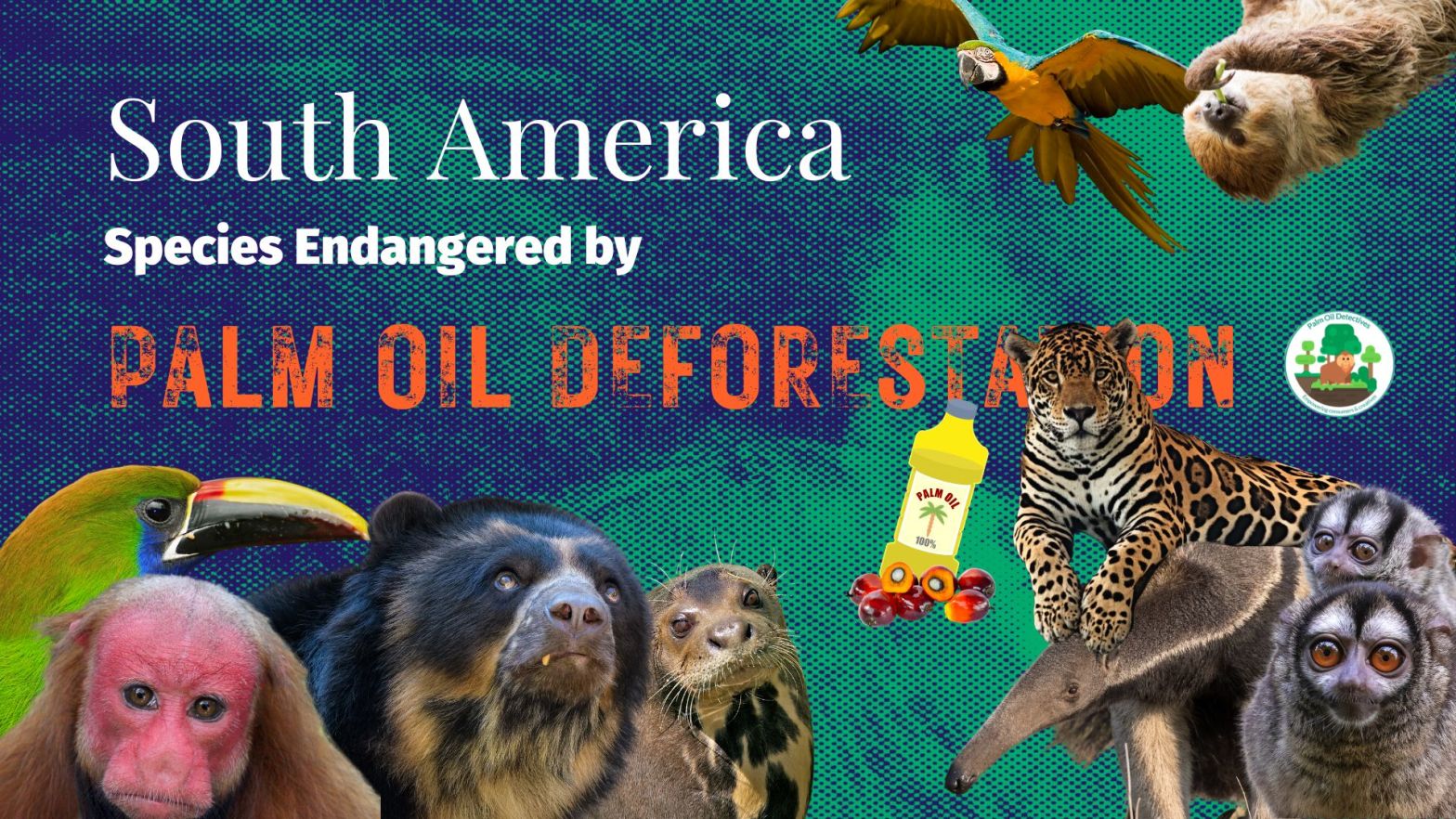
As the lush equatorial rainforests of South East Asia are exhausted, increasingly focus is being placed on parts of Central and South America. Oil Palm is a growing commodity there and is found in Colombia, Brazil, Ecuador, Guatemala and Mexico. Help the rare and beautiful animals of South and Central America to survive the scourge of palm oil and #Boycottpalmoil #Boycott4Wildlife in the supermarket. Learn more
Pernambuco Pygmy-owl Glaucidium mooreorum
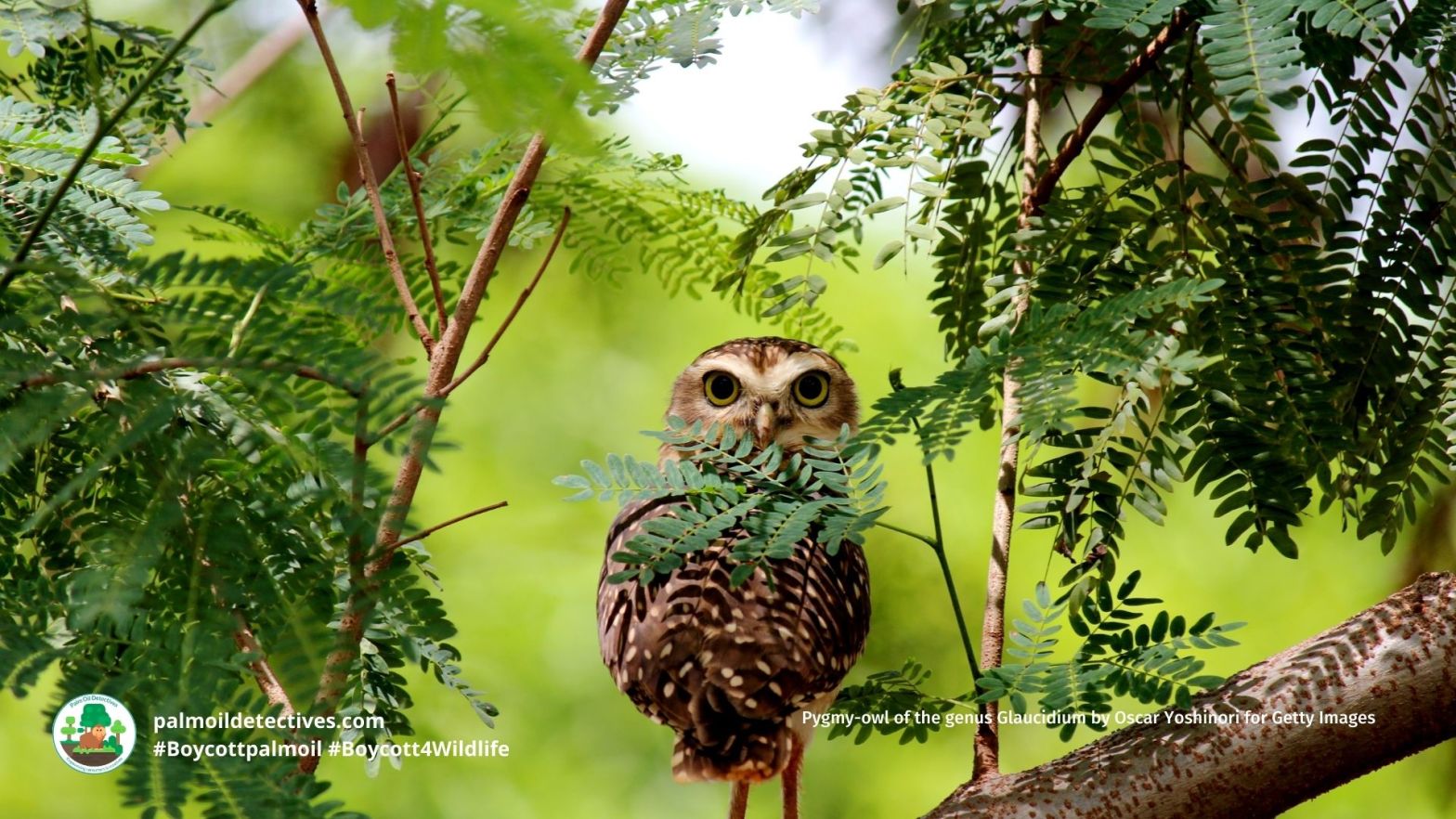
The Pernambuco Pygmy Owl Glaucidium mooreorum is among the rarest birds on Earth, known from just two museum specimens and a few recorded vocalisations. Officially described in 2002, this tiny owl is no larger than 13 cm and is likely the rarest bird in the world. They have not been sighted since 2001, and may already be extinct. Rampant #deforestation for sugarcane plantations, #palmoil, #soy and #meat and ongoing habitat destruction have decimated their native range. If this species still survives, fewer than 50 adults remain. The continued decimation of #Brazil’s Atlantic Forest leaves no margin for error. Act now to protect what remains. Help them every time you shop and #BoycottPalmOil #Boycott4Wildlife #Vegan #BoycottMeat
Pied Tamarin Saguinus bicolor

Pied #Tamarins are fascinating and vibrant black-faced #monkeys with a shock of white fur around their muzzle and chest and expressive brown eyes. They are found only in the shrinking forests of Manaus, #Brazil. As bulldozers carve roads and cities sprawl, their home is being destroyed for #palmoil, #soy, #beef farming, #gold #mining, and relentless urban expansion. These tamarins also face threats from disease, predators, and the illegal pet trade. Use your wallet as a weapon and BoycottPalmOil, Boycott4Wildlife, BoycottGold4Yanomami, and be #Vegan to help their survival.
Caquetá Tití Monkey Plecturocebus caquetensis
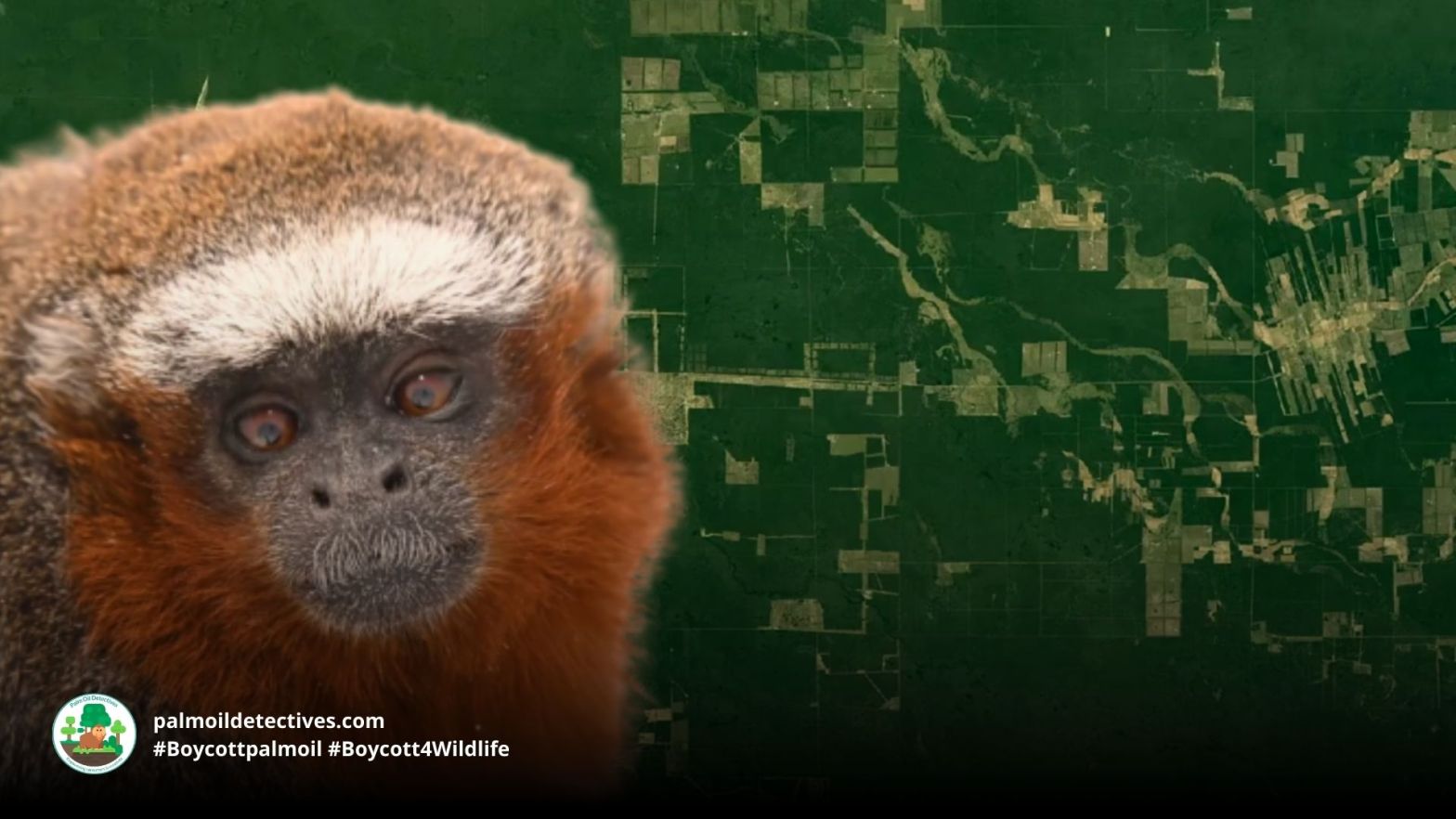
Caquetá Titi Monkeys have a distinctive song and they purr like a kitten they form monogamous partnerships. Discovered relatively recently in 2010, these beautiful and fascinating monkeys are now critically endangered due to the massive deforestation that is occurring in Colombia for palm oil and other commodities. It is believed that fewer than 100 individuals Caquetá Titi Monkeys are left in the wild and fewer than 50 mature individuals. The habitat of the Caquetá Titi Monkeys is in an advanced state of fragmentation caused by extensive cattle ranching and illegal crop cultivation. Fight for them and resist greed and greenwashing when you be #vegan #BoycottMeat #Boycott4Wildlife
Blue-billed Curassow Crax alberti
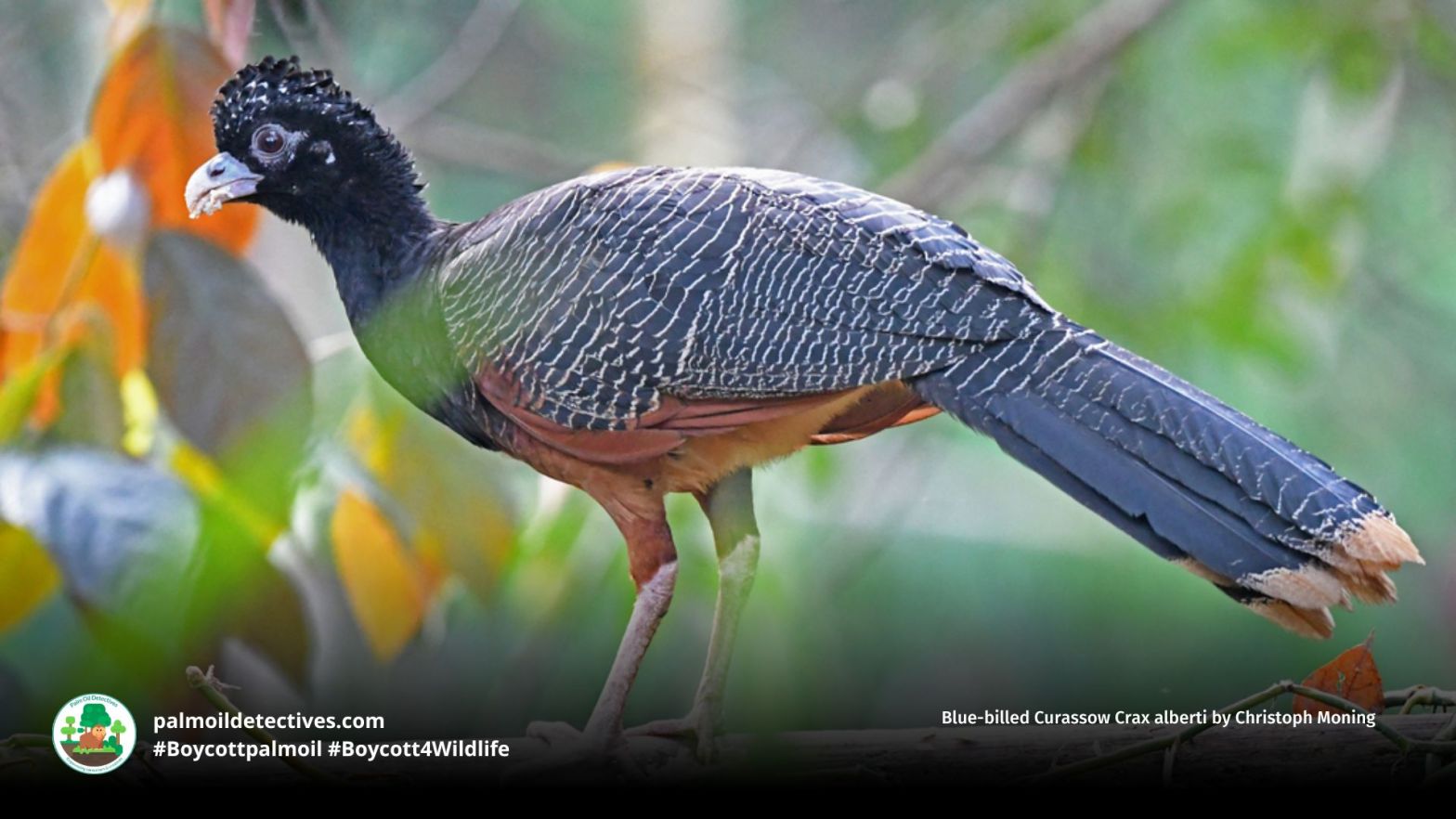
Help save Colombia’s Blue-billed Curassow, a critically endangered bird facing extinction from habitat loss due to palm oil and coca plantations!
White-thighed Colobus Colobus vellerosus
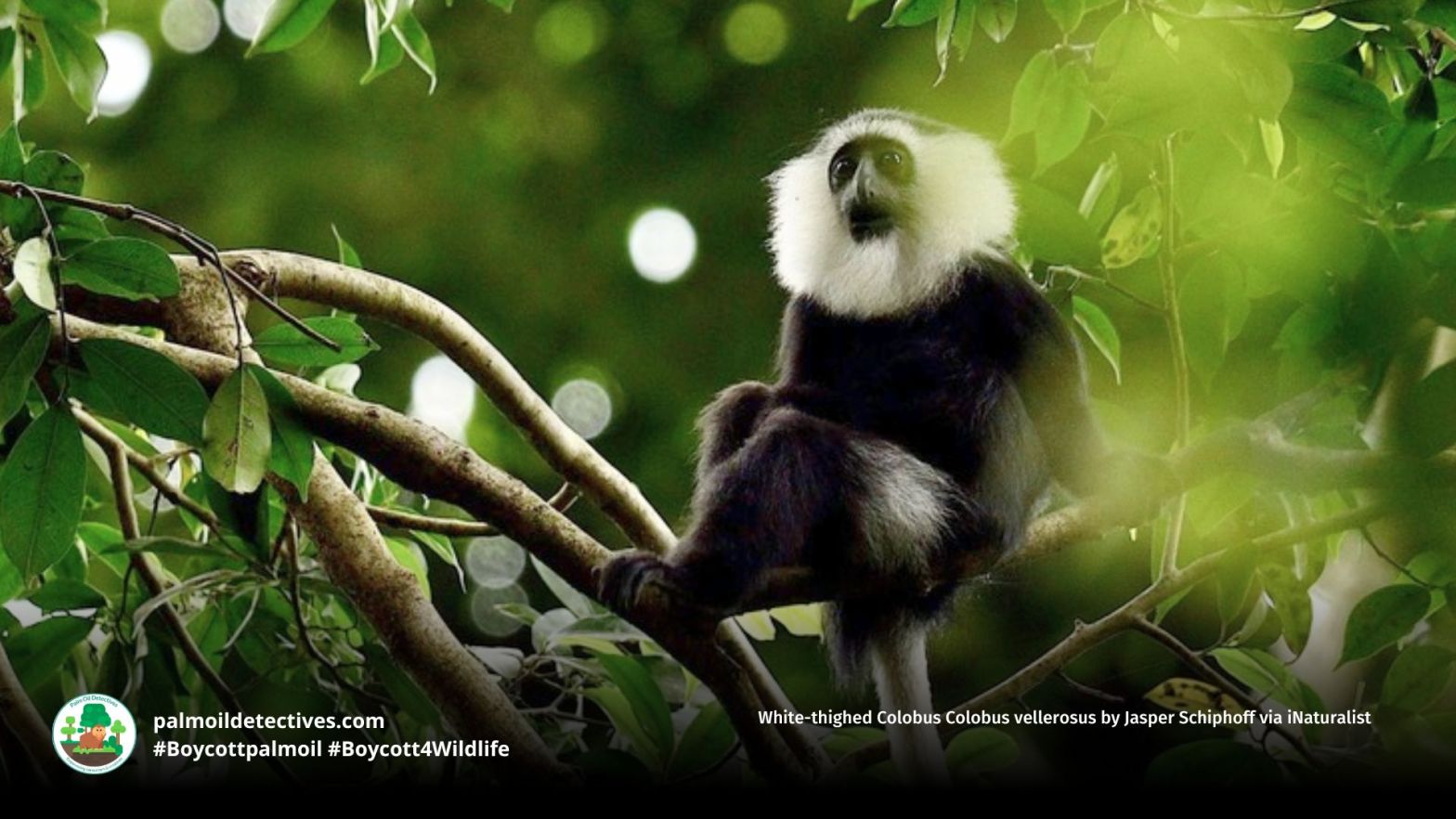
The White-thighed Colobus (Colobus vellerosus), also known as the Ursine Colobus or Geoffroy’s Black-and-White Colobus, is a striking primate of West Africa and is currently listed as Critically Endangered on the IUCN Red List. Their numbers have plummeted by over 80% in just three generations due to rampant deforestation driven by logging, agriculture, and expanding palm oil plantations. Intense bushmeat hunting and weakening traditional taboos have further accelerated their decline. With fewer than 1,500 individuals thought to remain in the wild, urgent action is needed to save them. Use your wallet as a weapon—boycott products that contain palm oil and support ethical, indigenous-led conservation. BoycottPalmOil #Boycott4Wildlife #Vegan #BoycottMeat
Krokosua Squeaking Frog Arthroleptis krokosua
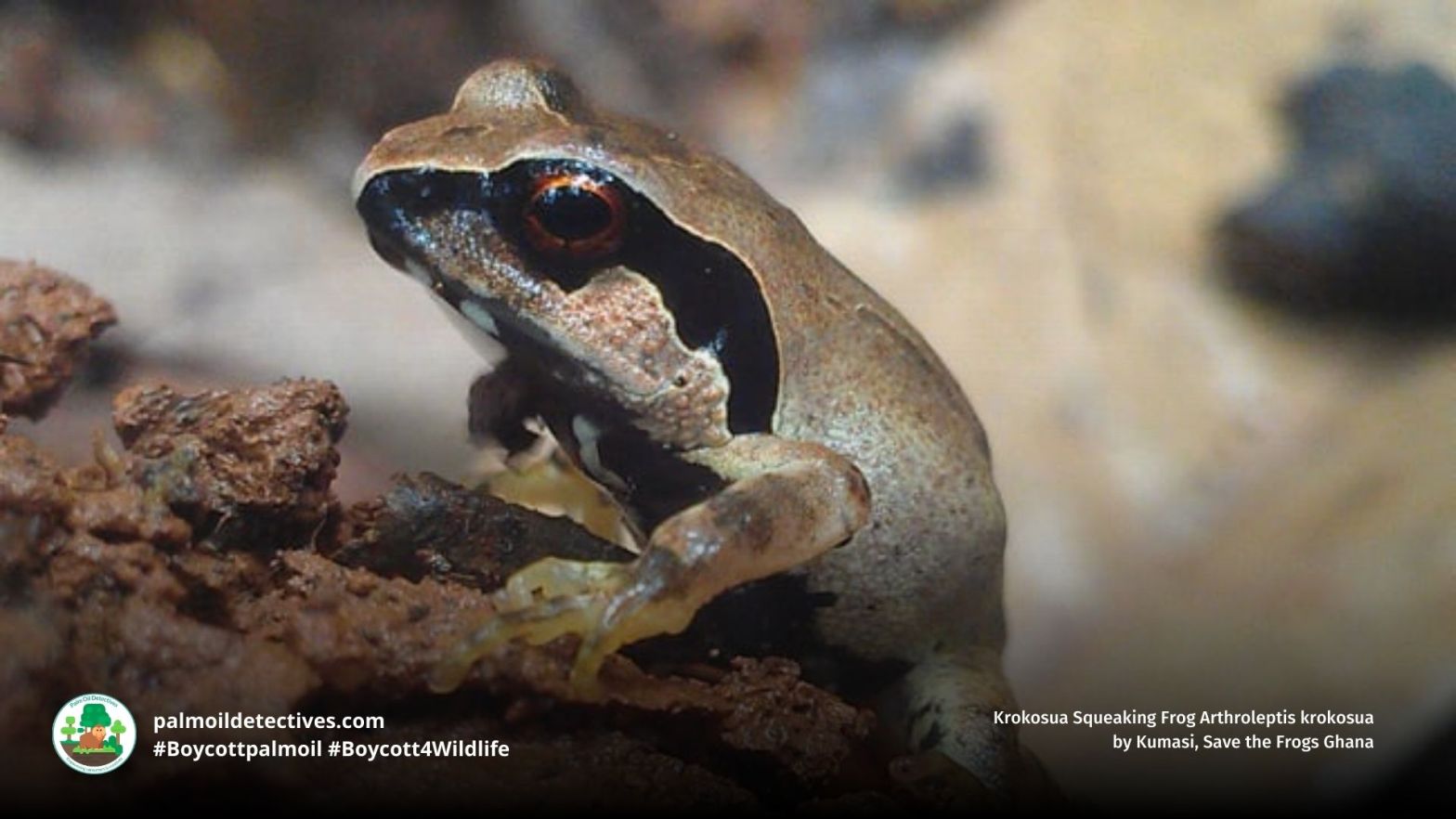
Help save one of Africa’s most endangered amphibians, the Krokosua Squeaking Frog from logging and palm oil deforestation. Take action, boycott palm oil
Roloway Monkey Cercopithecus roloway
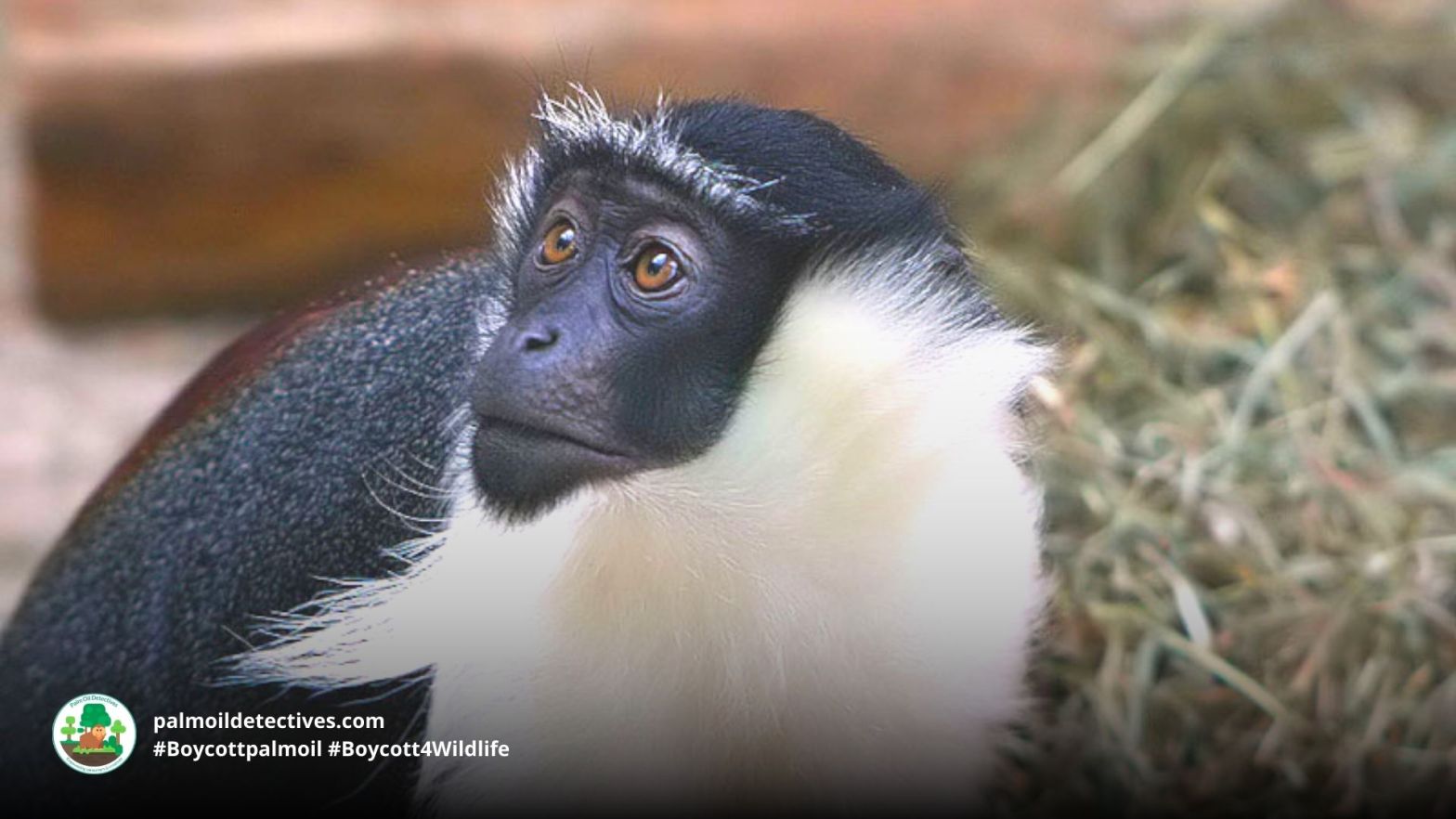
The Roloway Monkey is one of West Africa’s rarest primates, instantly recognisable by their elegant white beard and striking brow band. Once common in the lush rainforests of Ghana and Côte d’Ivoire, the Roloway Monkey now survives only in isolated pockets of old-growth forest. The Roloway Monkey’s world is shrinking rapidly—palm oil, cocoa, and logging companies clear the last ancient trees, while hunters target the Roloway Monkey for bushmeat. The air is thick with the scent of damp earth and the distant echo of chainsaws. With fewer than 2,000 Roloway Monkeys left, their future hangs by a thread. Stand with indigenous communities defending the last forests. Use your wallet as a weapon. #BoycottPalmOil #Boycott4Wildlife #Vegan
Miss Waldron’s Red Colobus Piliocolobus waldroni
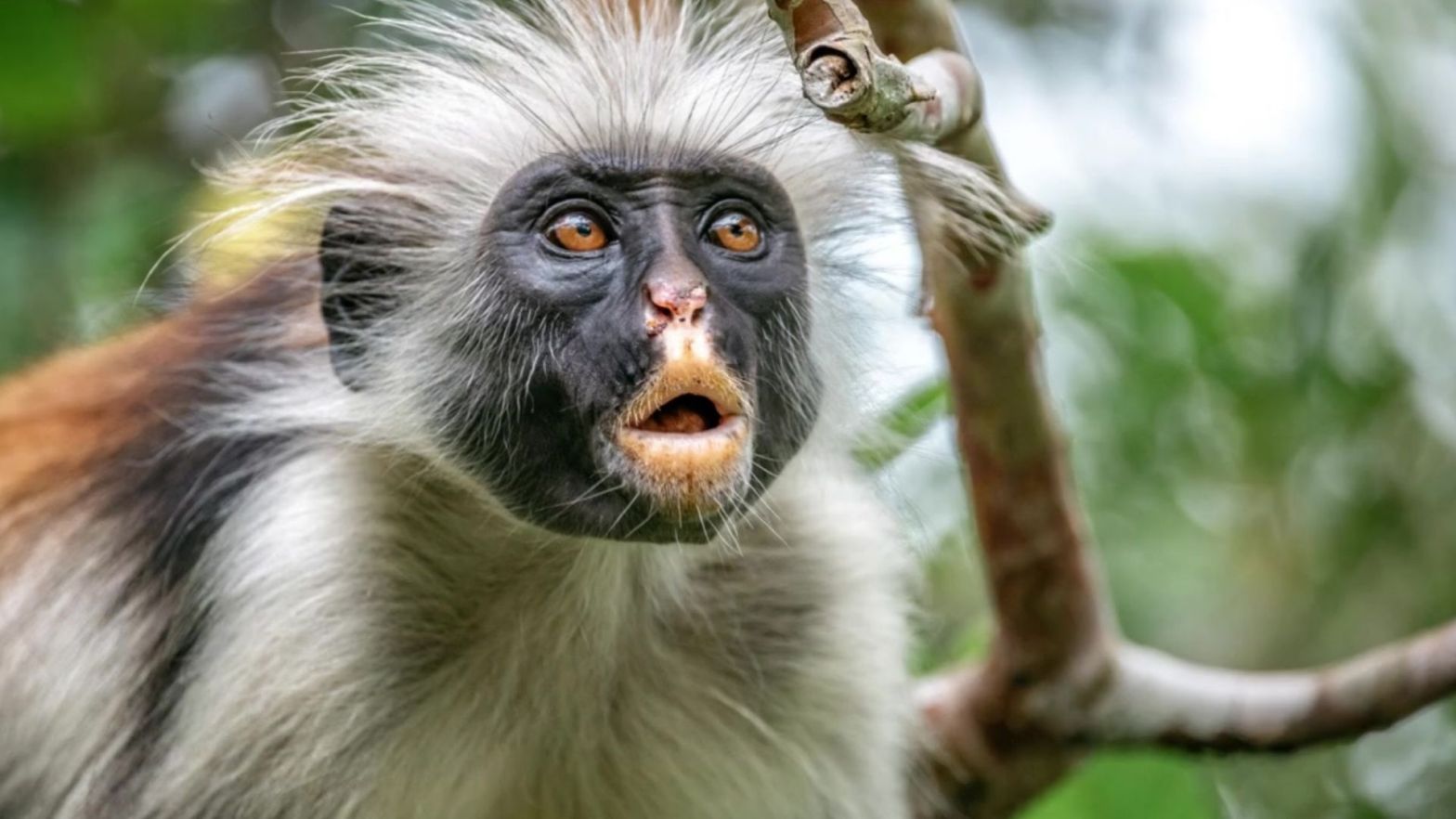
xMiss Waldron’s Red Colobus, a secretive old world primate sport chestnut, black, and white white fur that surrounds their expressive faces. They live in the dense canopies of West Africa’s dwindling forests. Their story is one of ever-increasing fragility, on the edge of survival. Sightings of these magnificent primates have faded away since 1978. The last evidence, a skin, emerged in 2002.
These monkey species have been driven towards the extinction by palm oil, cocoa, and rubber plantations along with hunting for bushmeat. Their calls, once a common cacophony are now nearly permanently silenced. Miss Waldron’s Red Colobus serve as a living warning for forest health. They disappear before most other mammals wherever the forests fall. Support indigenous sovereignty and safeguarding of ecosystems—use your wallet as a weapon and #BoycottPalmOil #Boycott4Wildlife.
Tonkin Black Crested Gibbon Nomascus concolor ssp. concolor
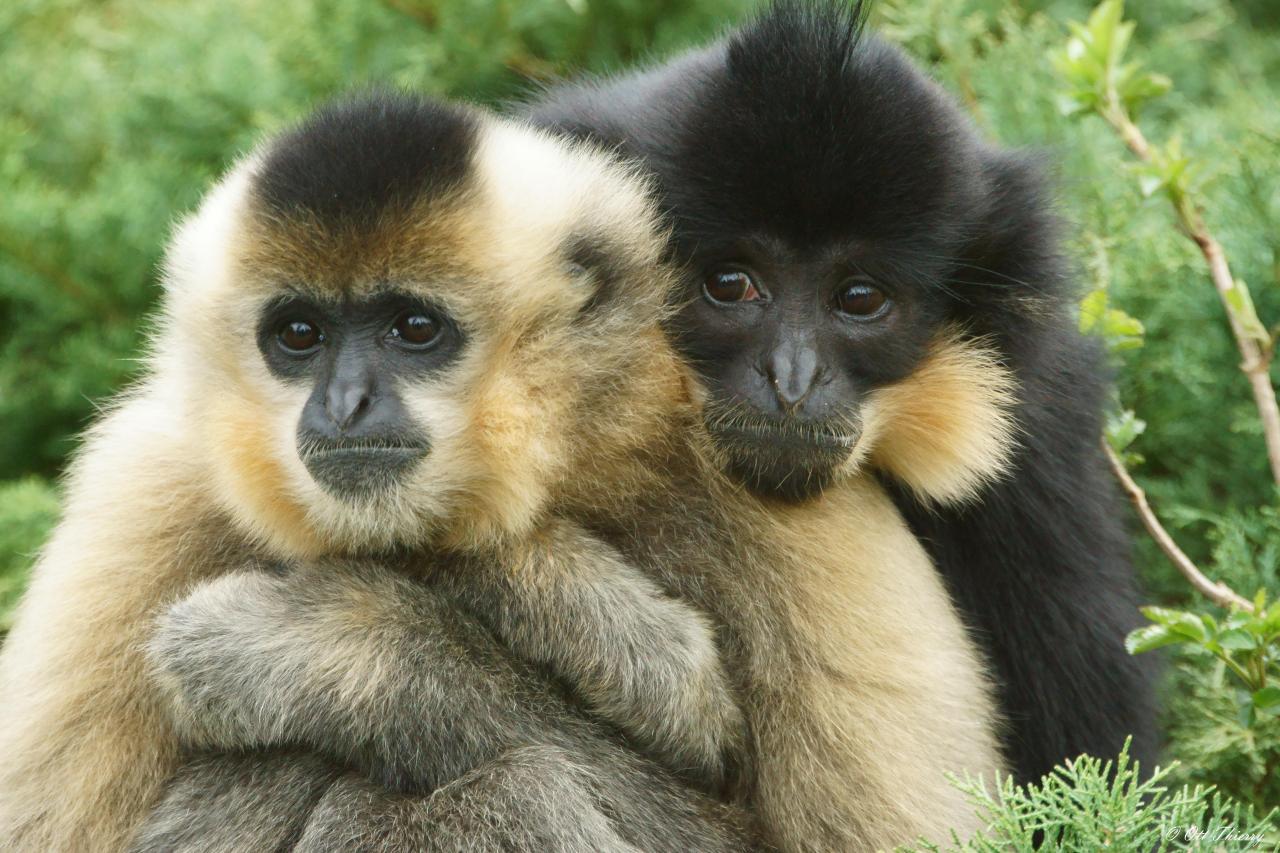
The Tonkin Black Crested #Gibbon of the genus Nomascus are also known as the Indochinese black-crested gibbon. They are critically endangered #primates native to the misty mountain forests of northern #Vietnam, southern #China, and parts of #Laos. These highly intelligent and social #primates are famous for their morning duets, with pairs singing in species specific harmony to reinforce familial bonds and mark their territory. Research has shown that different populations have unique vocal accents, much like human dialects, making their songs distinct across their range. Despite their unique and sparkling vocal range, they are tragically on the edge of extinction. Only around 300 individuals are left in the wild, their survival is threatened by deforestation for palm oil, coffee, and rubber plantations, along with hunting for the illegal pet trade and traditional medicine. Help them to survive every time you shop boycott palm oil and call-out the exotic pet trade! #BoycottPalmOil #Boycott4Wildlife
Masked Finfoot Heliopais personatus
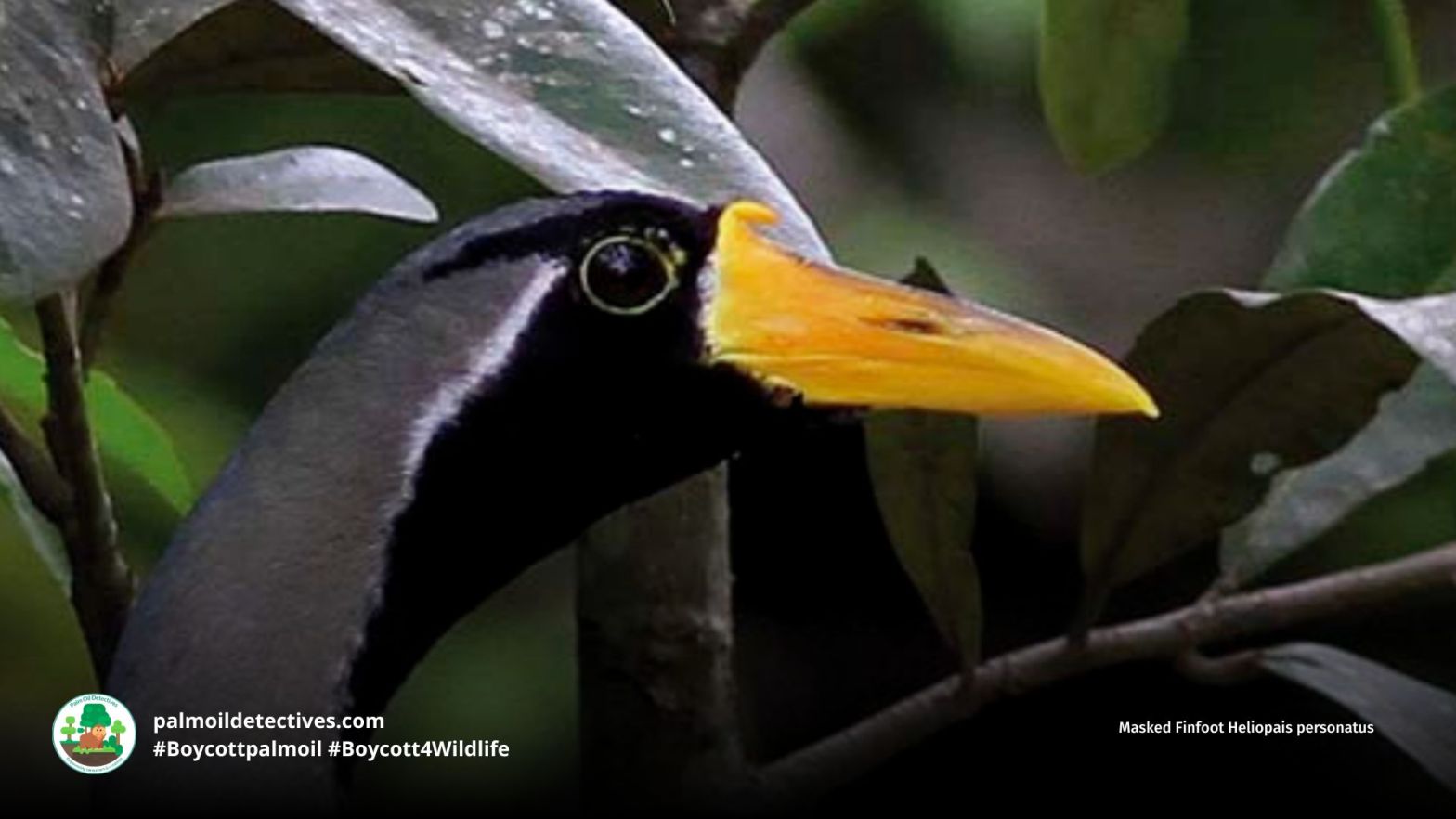
The Masked Finfoot is vanishing before our eyes. These rare and secretive waterbirds are in freefall due to palm oil expansion and habitat destruction.
Northern Glider Petaurus abidi
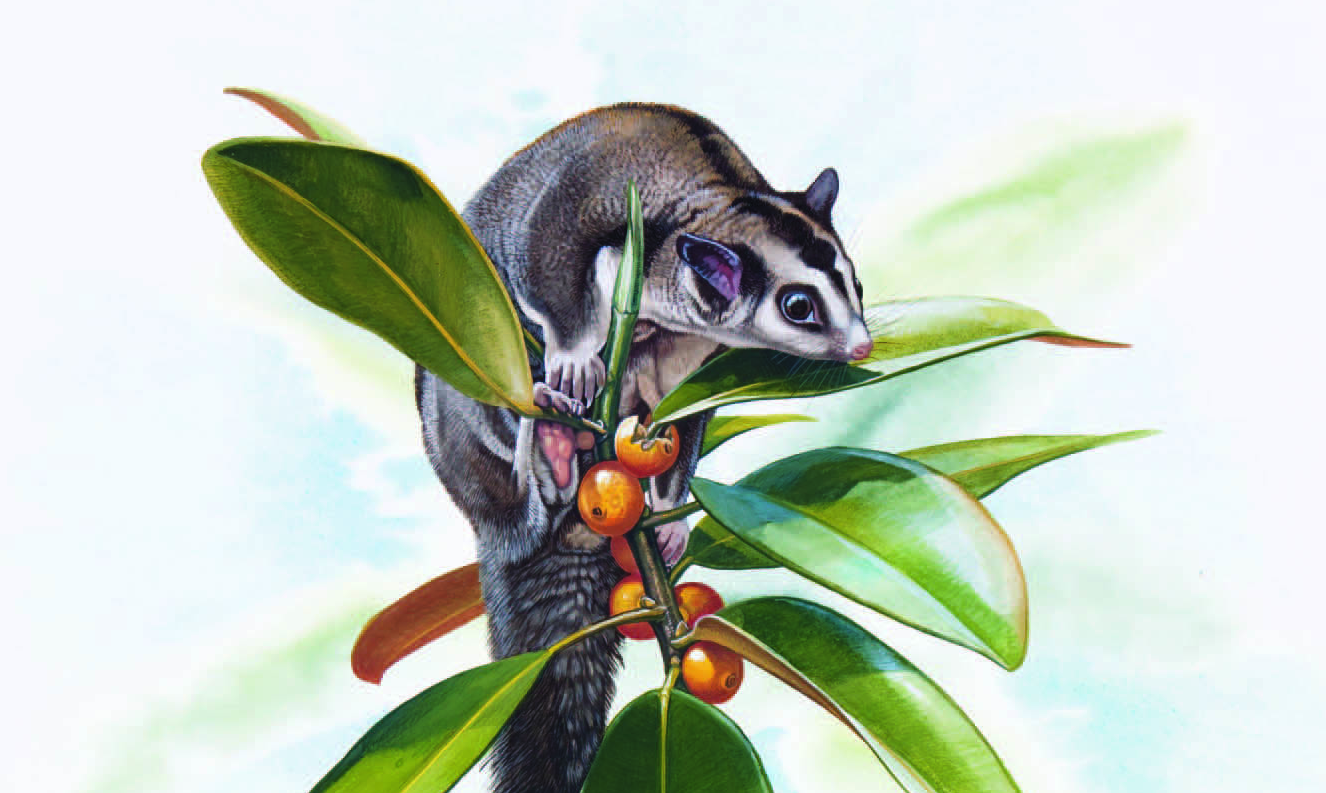
The Northern Glider is a Critically Endangered species of gliding #marsupial found only in the Torricelli Mountains of #PapuaNewGuinea. First described in 1981, they remain one of the rarest and least studied members of the Petauridae family. Their population is in steep decline due to deforestation, habitat destruction for #palmoil, and #hunting for #bushmeat. With an estimated range of less than 100 square kilometres, the Northern Glider is at extreme risk of #extinction unless urgent conservation efforts are made to protect their habitat. Take action and resist for this species every time you shop and go #BoycottPalmOil #Boycott4Wildlife in the supermarket.
Pig-tailed Snub-nosed Langur Simias concolor
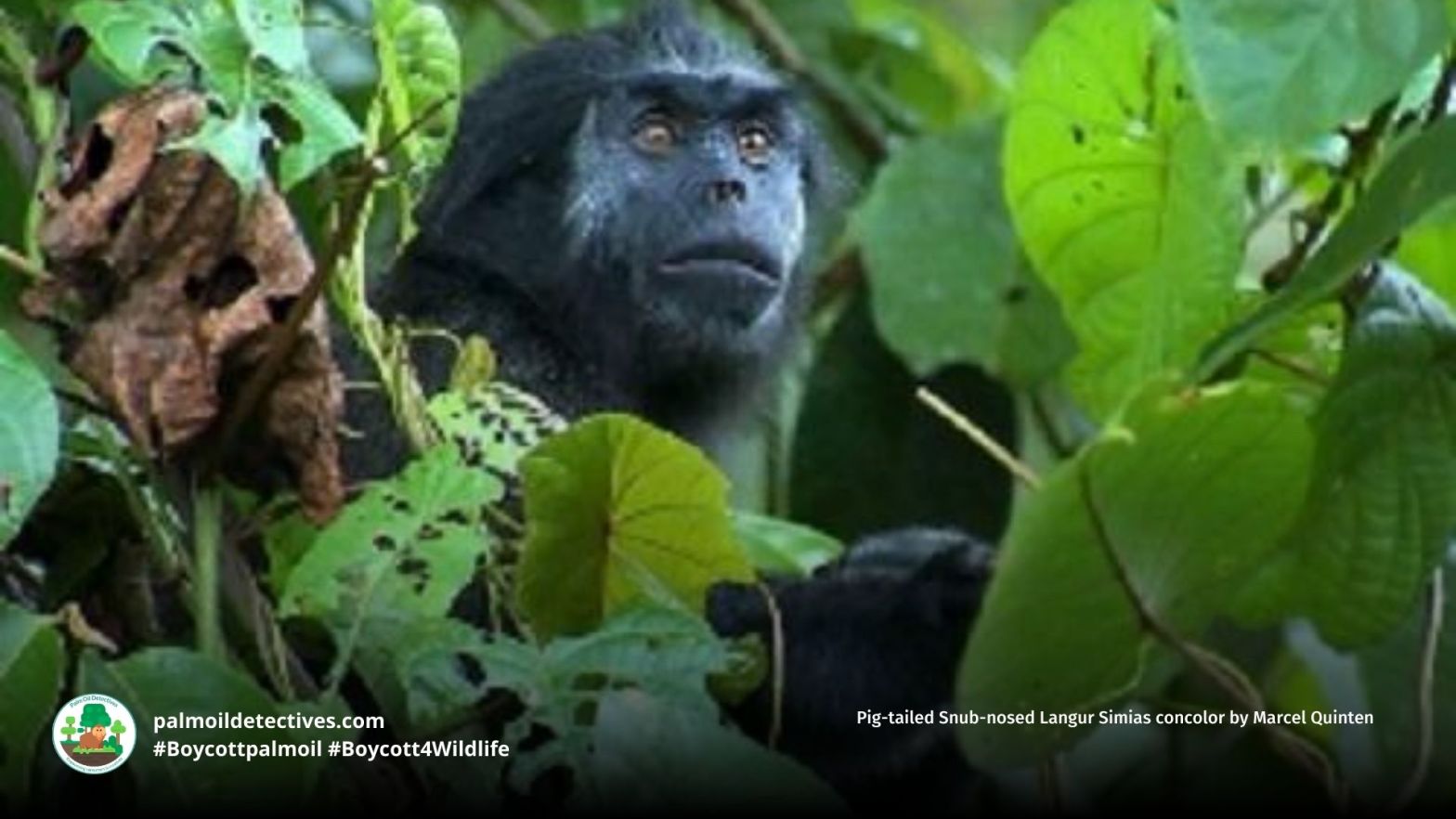
Boycott palm oil for Pig-tailed Langurs. These critically endangered monkeys face extinction from palm oil deforestation, hunting, and habitat fragmentation
Cotton-headed Tamarin Saguinus oedipus
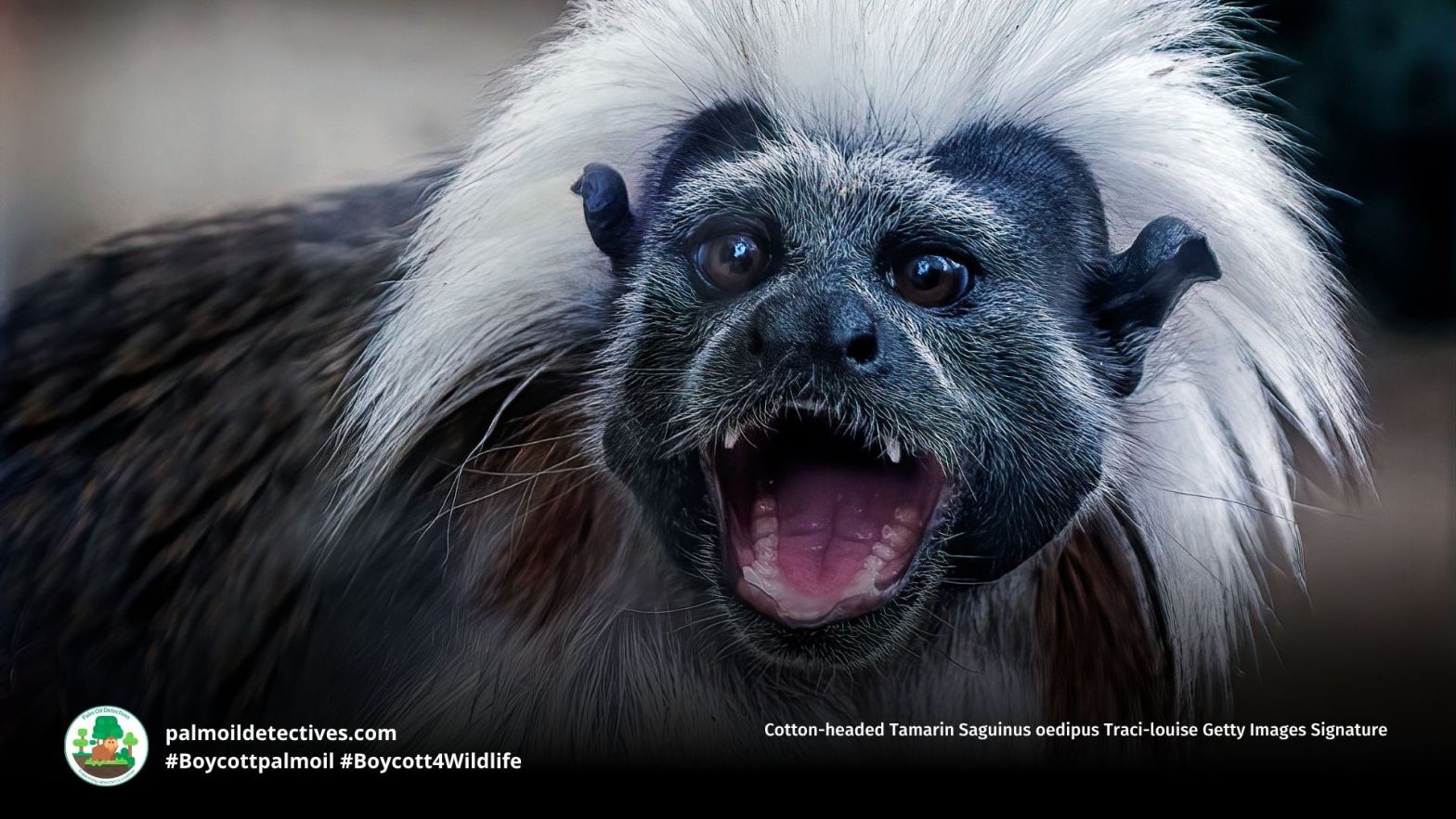
Known for the characterful head crests giving adults a plucky and “punk” look, the Cotton Top #Tamarin, also known as the Cotton-headed Tamarin is a diminuitive #monkey living in the humid forests in the south to dry deciduous forest in the north of #Colombia. They are now critically endangered and face multiple serious threats from capture for primate experiments, to the illegal pet trade and deforestation for palm oil, soy, meat deforestation and the cultivation of ilicit coca. Help these spritely and remarkable tiny primates to survive, every time you shop be #Vegan and #BoycottPalmOil #Boycott4Wildlife
Southern White-cheeked Gibbon Nomascus siki
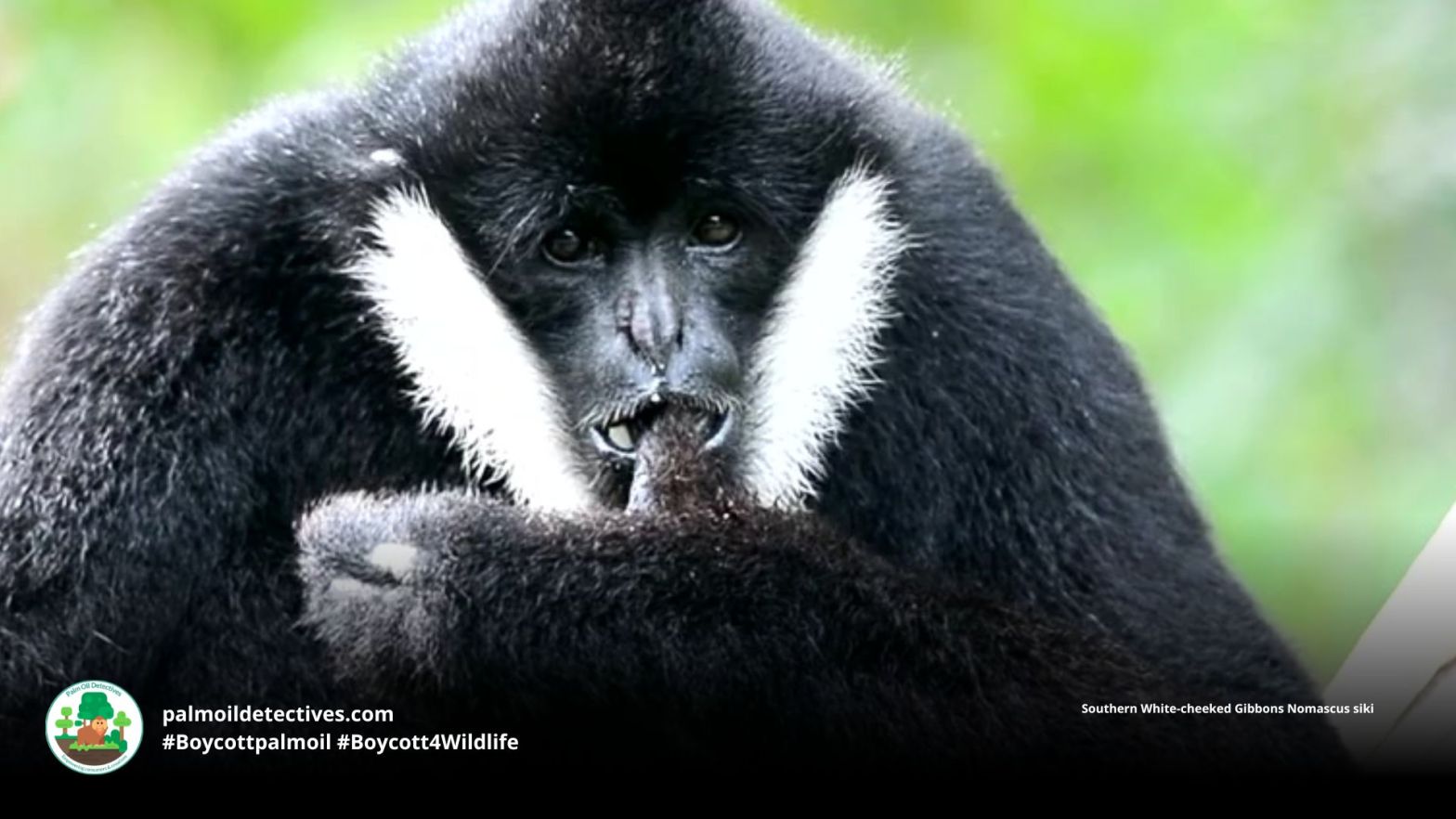
Southern White-cheeked Gibbons are melodic primates of Laos and Vietnan under threat by rubber plantations facing 80% population loss. Fight for them!
Northern White-cheeked Gibbon Nomascus leucogenys

Northern White-cheeked Gibbons are Critically Endangered in Vietnam, Laos due to hunting, pet trade, and palm oil deforestation. Take action, boycott palm oil!
Cao-vit Gibbon Nomascus nasutus
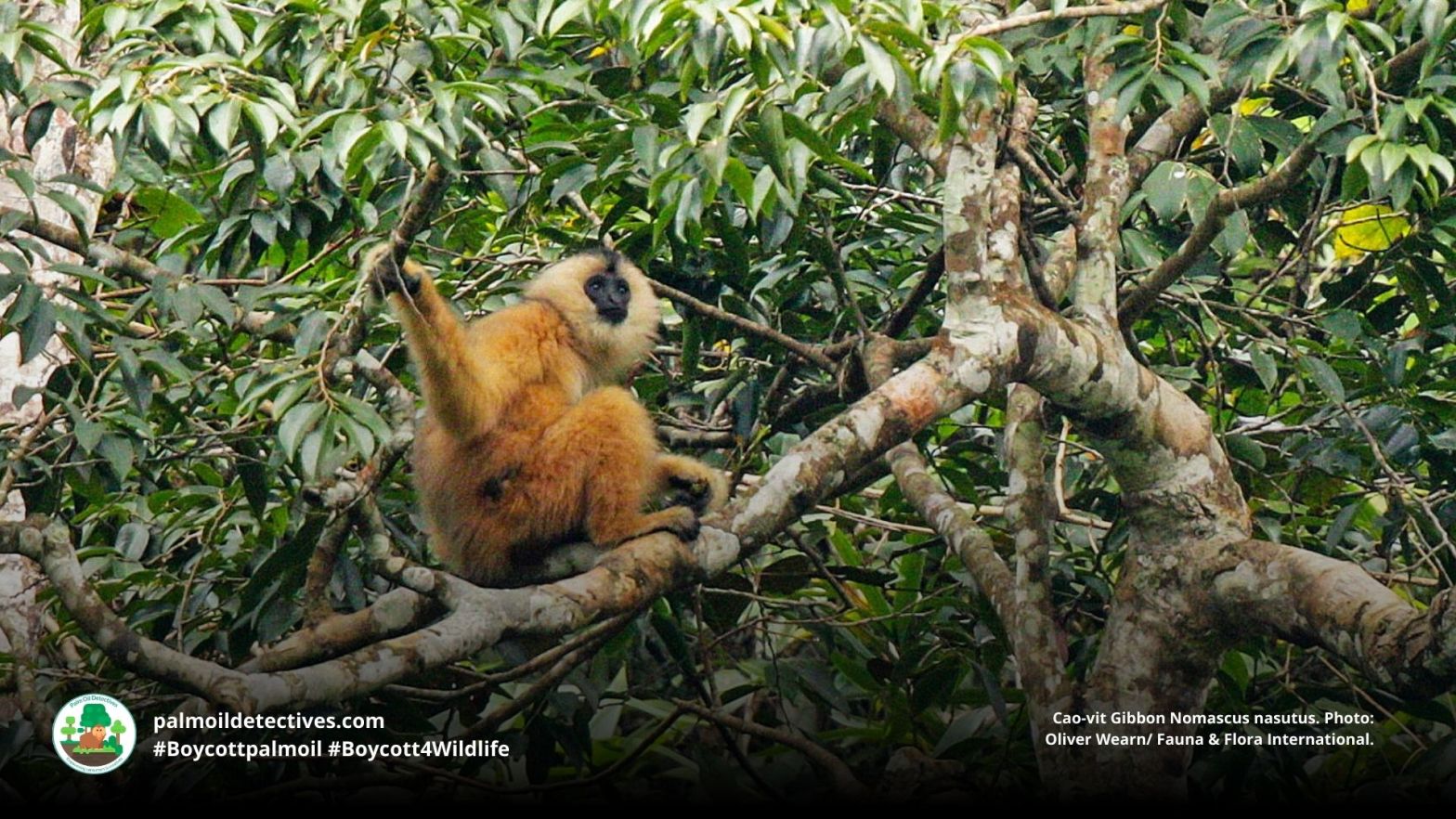
The Cao-vit gibbon, one of the world’s rarest primates, captivates the imagination with their melodic “cow-veet” calls, which echo like rainforest birdsongs. Research has found that they sing in regional accents to each other and form breeding pairs.
Arguably the world’s rarest gibbon they live in one forest patch straddling the Vietnam–China border. These critically endangered primates face myriad threats, including habitat destruction for timber and meat agriculture, inbreeding, and climate change. Immediate, concerted conservation action is essential to save these extraordinary gibbons from extinction.
Support indigenous-led conservation efforts to protect their habitat. Fight for their survival every time you shop. Use your wallet as a weapon and #BoycottMeat and be #Vegan #Boycott4Wildlife.
Black Crested Gibbon Nomascus concolor
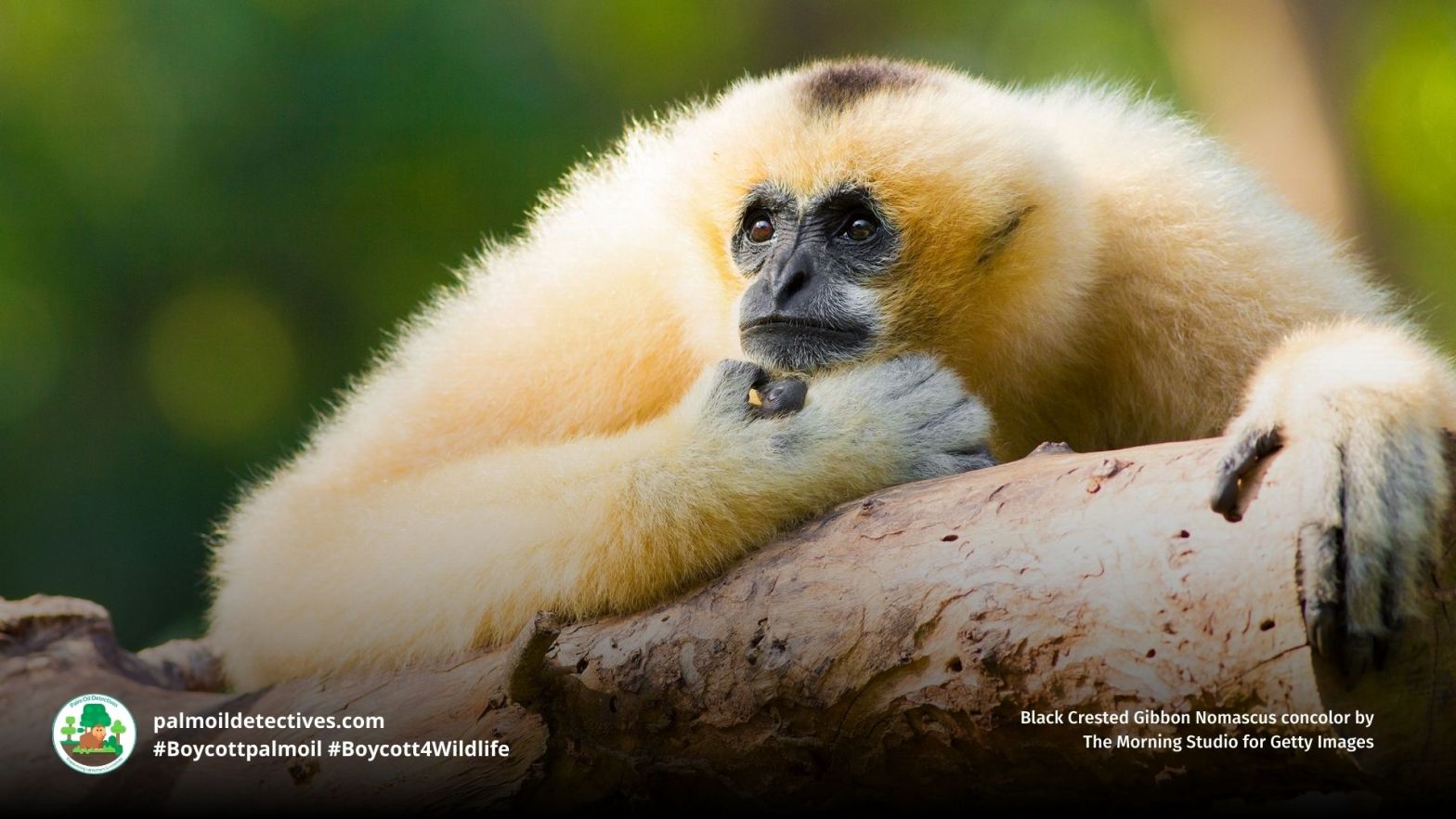
The Black-Crested Gibbon of the genus Nomascus is a truly enchanting primate, renowned for their melodic morning duets that echo through the forests of southern China, Vietnam, and Laos. What makes these calls even more remarkable is their regional variation—these gibbons sing with distinct “accents,” unique to their local populations. These complex songs not only strengthen bonds between mates but also serve as territorial markers, ensuring harmony within their fragmented forest homes.
Despite their beauty and ecological importance, Black-Crested Gibbons are at risk of extinction. Habitat destruction for agriculture, and logging, coupled with hunting for the bushmeat trade and the illegal pet trade, is rapidly shrinking their population. Protecting their future is vital for the health of their ecosystems. Take action now: Boycott the illegal wildlife trade, be #vegan and #Boycott4Wildlife.
Hainan Gibbon Nomascus hainanus

Hainan Gibbon Nomascus hainanus Critically Endangered Location: China. These small apes belong to genus Nomascus which are found in Vietnam, Laos, Cambodia and southern China. The Hainan Gibbon is known to live in a restricted area of less than 100 km2 in southern China. They are known to communicate in species-specific song when defining territoryContinue reading “Hainan Gibbon Nomascus hainanus”
Sulawesi Crested Black Macaque Macaca nigra
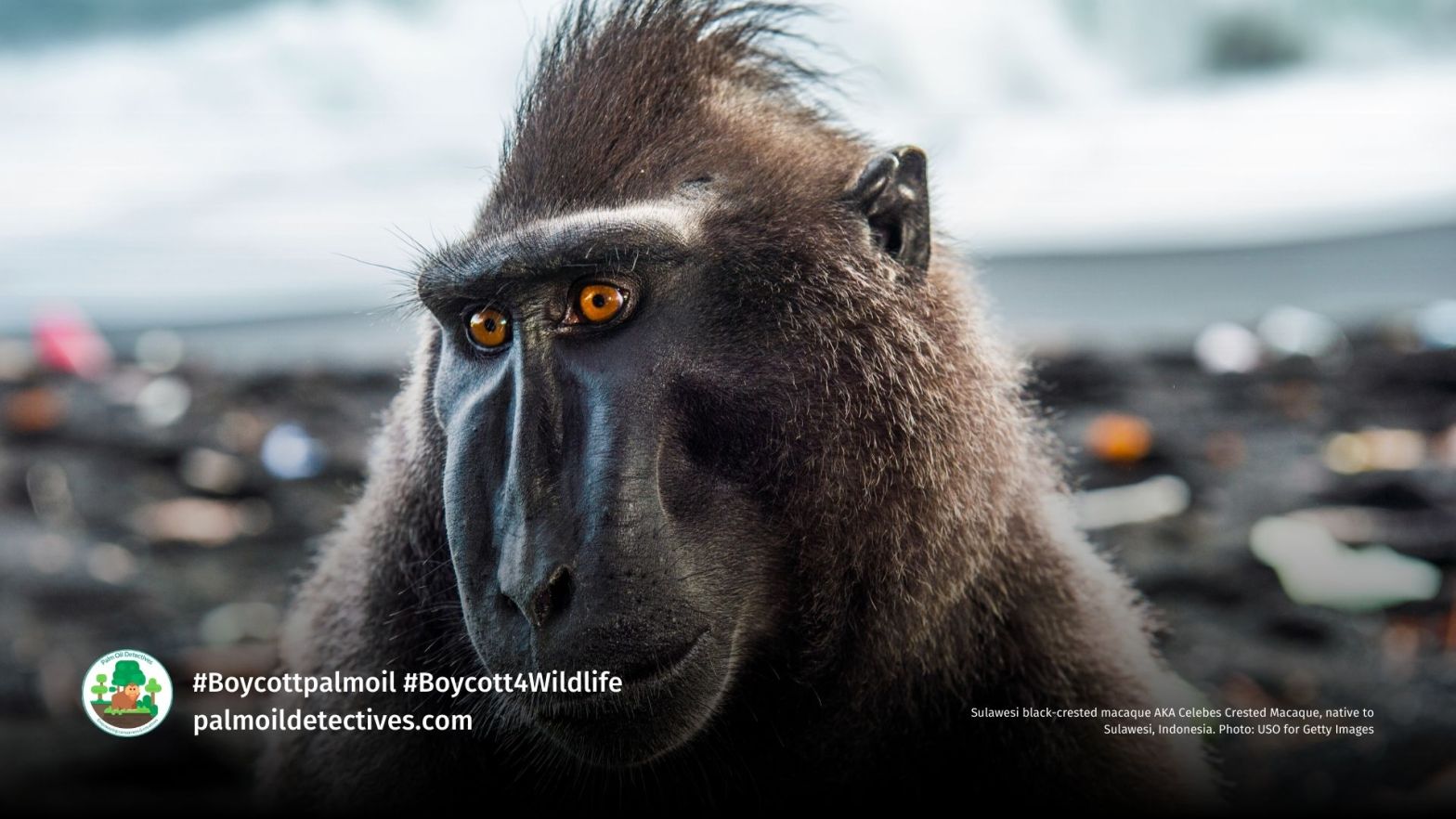
Lively, intelligent and social Sulawesi Crested Black Macaques live in large groups and are attentive and caring to those in their troupe. Also known as the Celebes Crested Macaque, the Sulawesi Crested Black Macaque Macaca nigra are Critically Endangered and face high risk of extinction due to palm oil and timber deforestation across the island of Sulawesi, along with illegal hunting for the bushmeat trade. You can help them every time you shop when you #Boycottpalmoil #Boycott4Wildlife
Talaud Bear Cuscus Ailurops melanotis
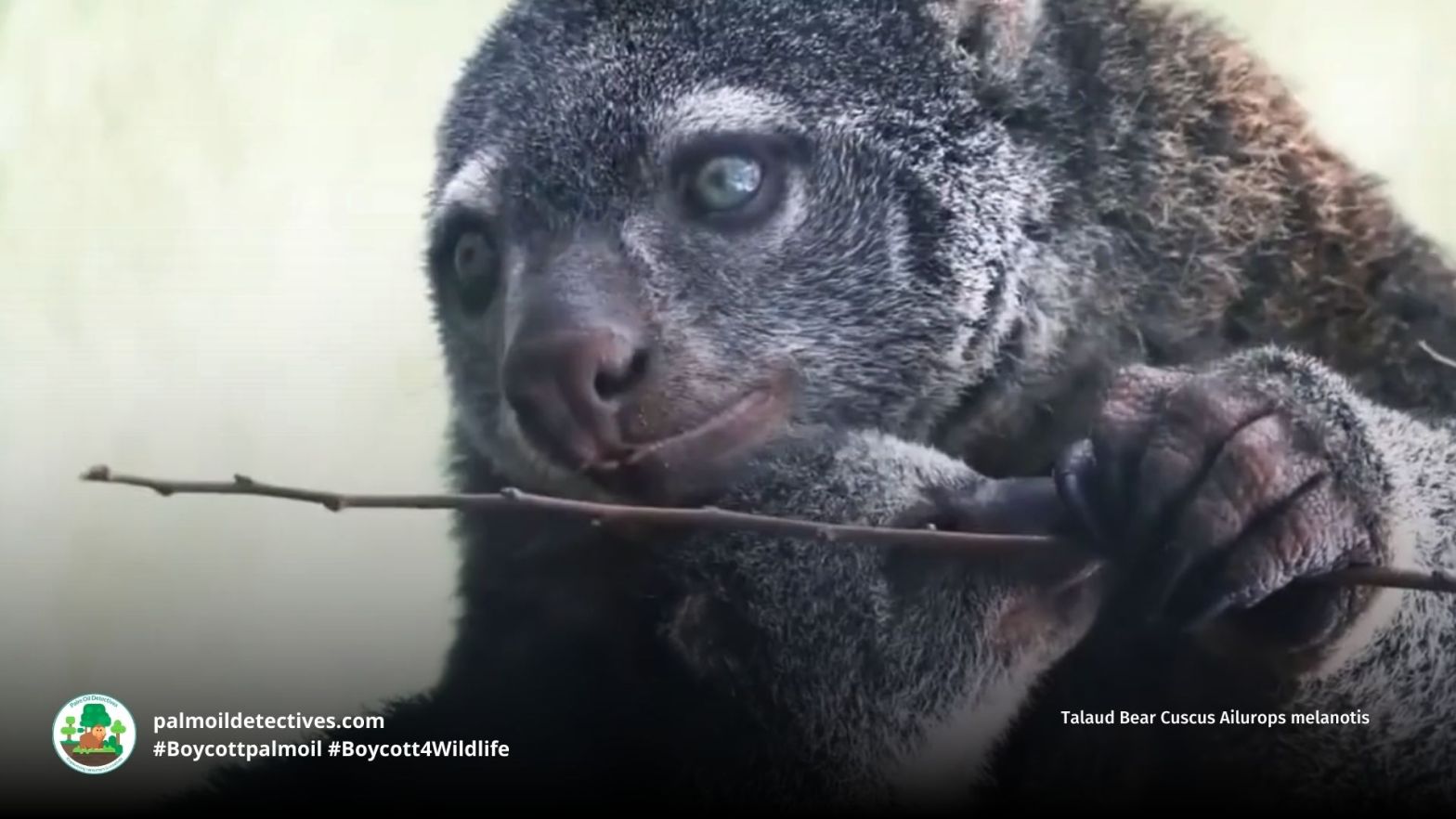
High in the canopies of #Indonesia’s remote northern islands of Salibabu, Nusa, Bukide, and Sangihe, the Talaud Bear #Cuscus Ailurops melanotis moves at a pace so slow they barely disturbs the leaves. With their round, woolly bodies, sleepy expressions, and a temperament as relaxed as a sloth, these tree-dwelling marsupials have long been a mystery to science. Relentless #hunting for #bushmeat along with #palmoil and #timber #deforestation have rendered these gentle marsupials #criticallyendangered and they are nearing #extinction. Conservationists are working alongside local communities to change perceptions of the species, replacing hunting traditions with protection efforts. You can take action every time you shop and shop #PalmOilFree #BoycottPalmOil #Boycott4Wildlife.
Blue-eyed Spotted Cuscus Spilocuscus wilsoni
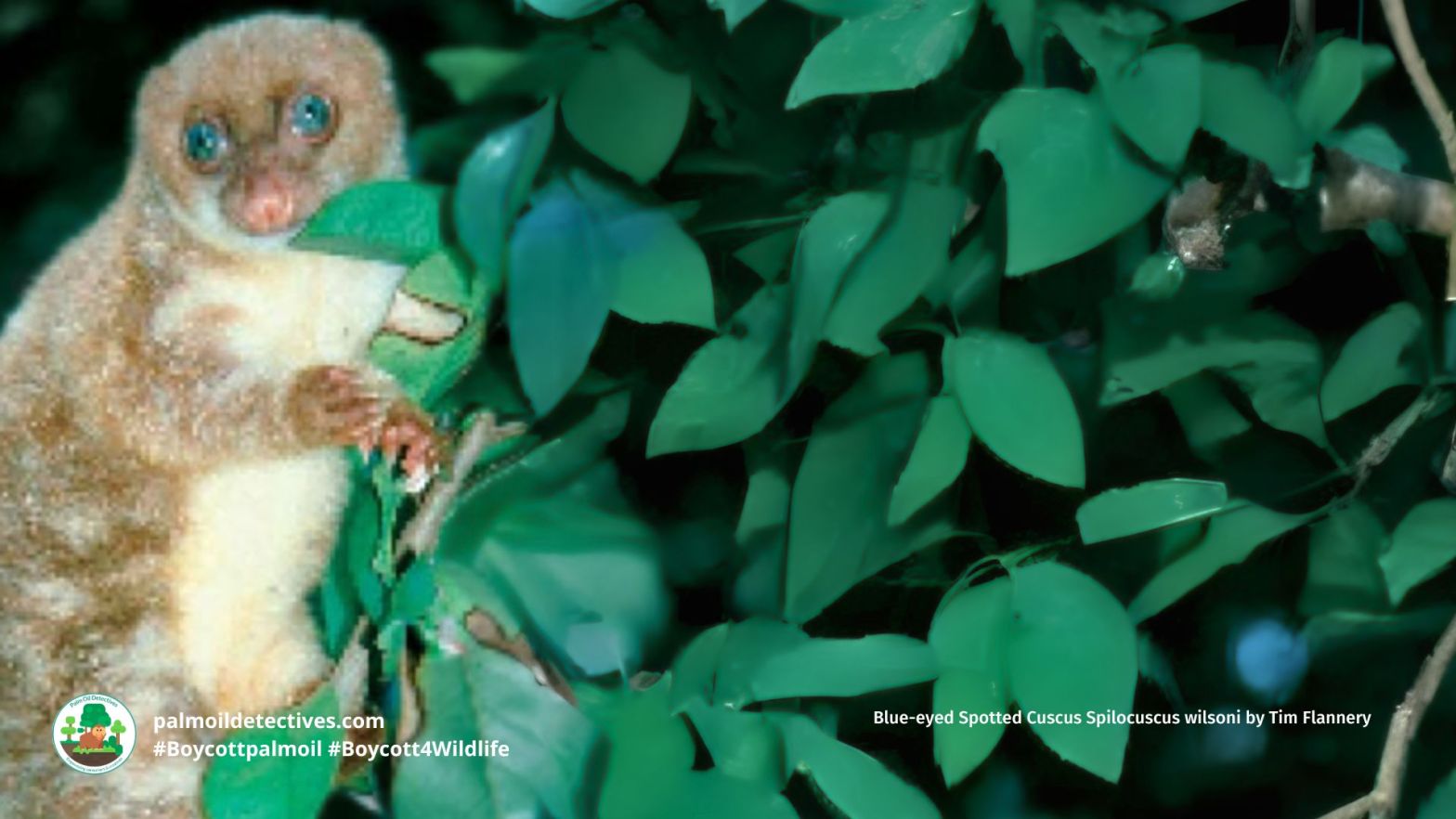
Critically Endangered Blue-eyed Spotted Cuscus lives in lowland rainforests of West Papua. Palm oil deforestation is a serious threat. Boycott palm oil!
Golden-mantled Tree Kangaroo Dendrolagus pulcherrimus
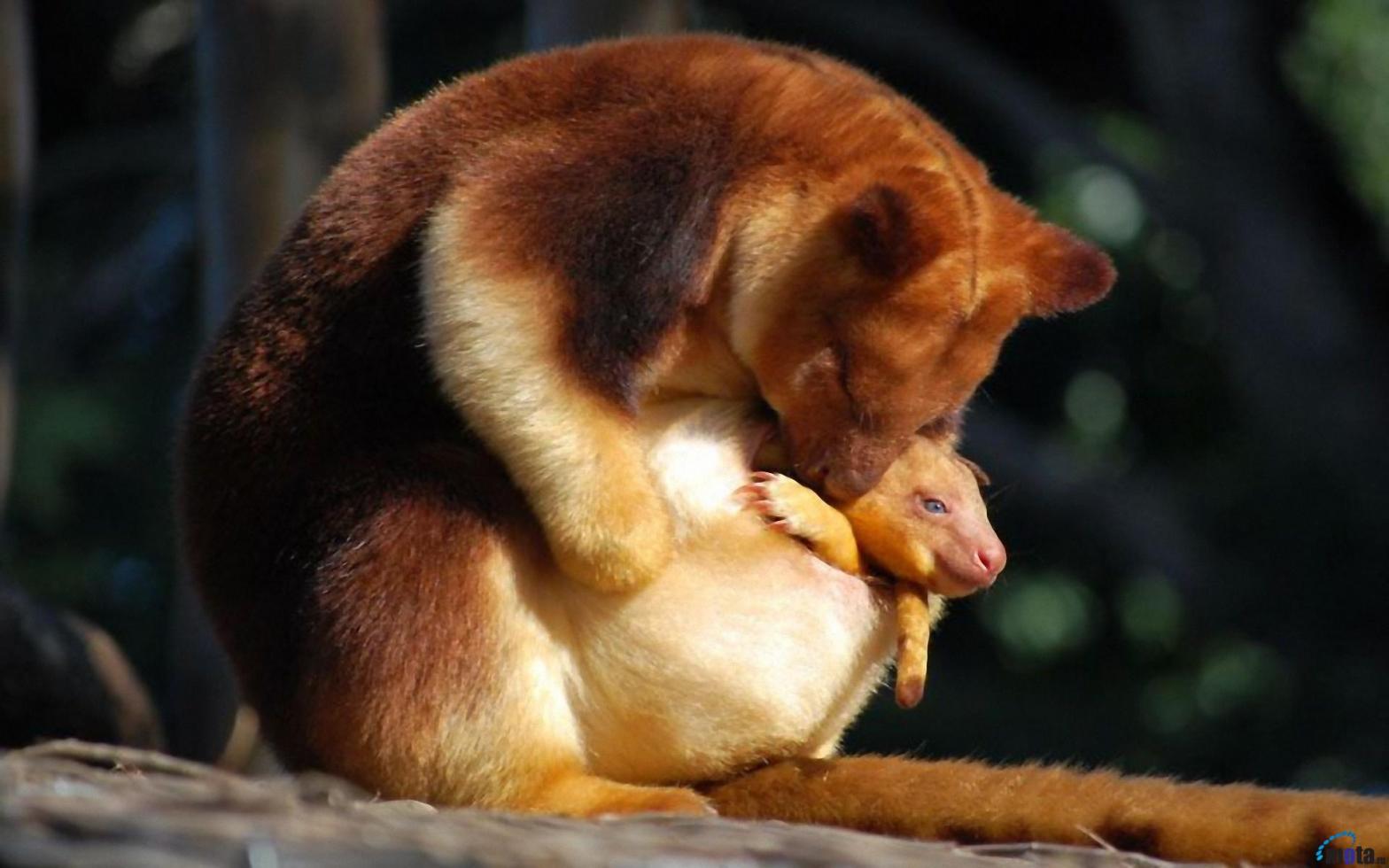
Critically Endangered Golden-mantled Tree Kangaroos are found in Papua New Guinea’s mountains. They move with grace in a vanishing world. Boycott palm oil!
Tenkile Dendrolagus scottae
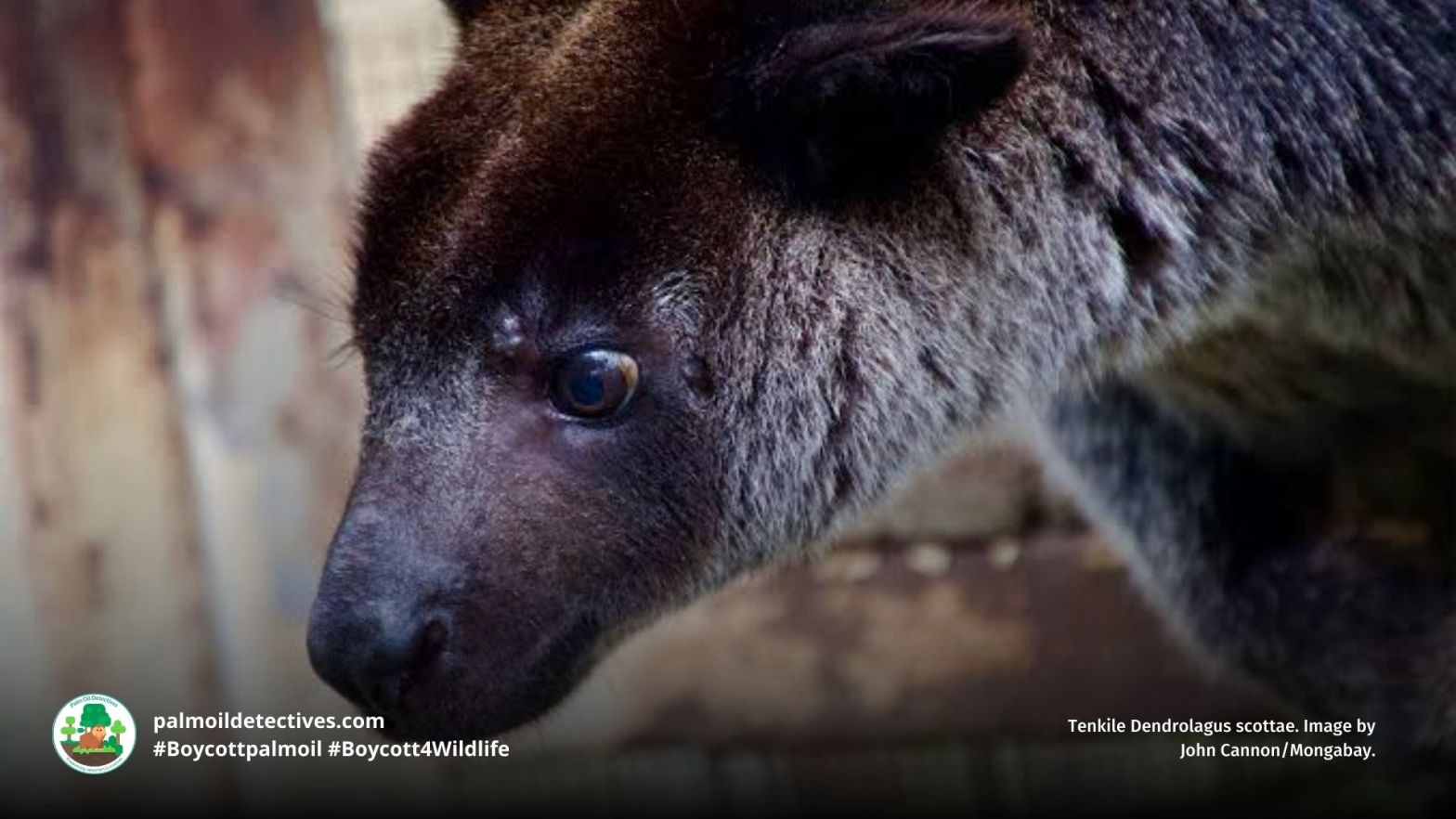
The #Tenkile, or Scott’s Tree #Kangaroo Dendrolagus scottae, is one of the most endangered #marsupials in the world, found only in the Torricelli Mountains and Bewani Range of #PapuaNewGuinea. These elusive tree kangaroos are unlike others of the #Dendrolagus genus as they spend a lot more time on the ground. These #treekangaroos were once widespread, but decades of hunting for food and deforestation for subsistence farming have driven them to the brink of extinction and they are now critically endangered. By the early 2000s, their population had plummeted to an estimated 100 individuals. However, the Tenkile Conservation Alliance (TCA) has led a community-driven conservation effort that has helped stabilise and even increase their numbers. Despite these successes, #timber and #palmoil expansion stills pose a major threat to this species’ survival. Resist and fight for their survival each time you shop—#BoycottPalmOil #Boycott4Wildlife.
Telefomin Cuscus Phalanger matanim
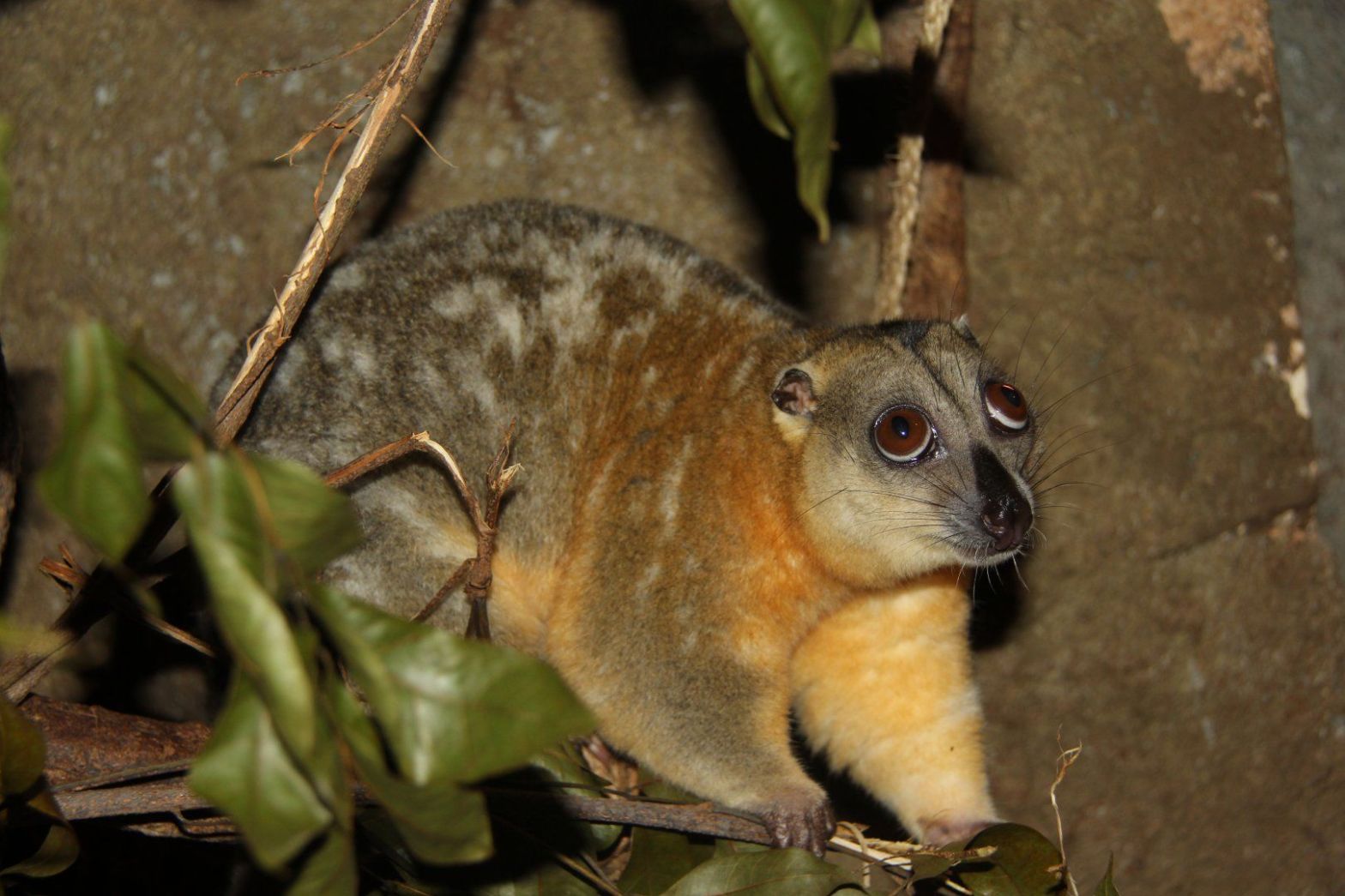
Help save the Telefomin Cuscus! These critically endangered marsupials are found only in PNG’s Nong River Valley and face an uncertain future from palm oil!
Thomas’s Big-eared Bat Pharotis imogene
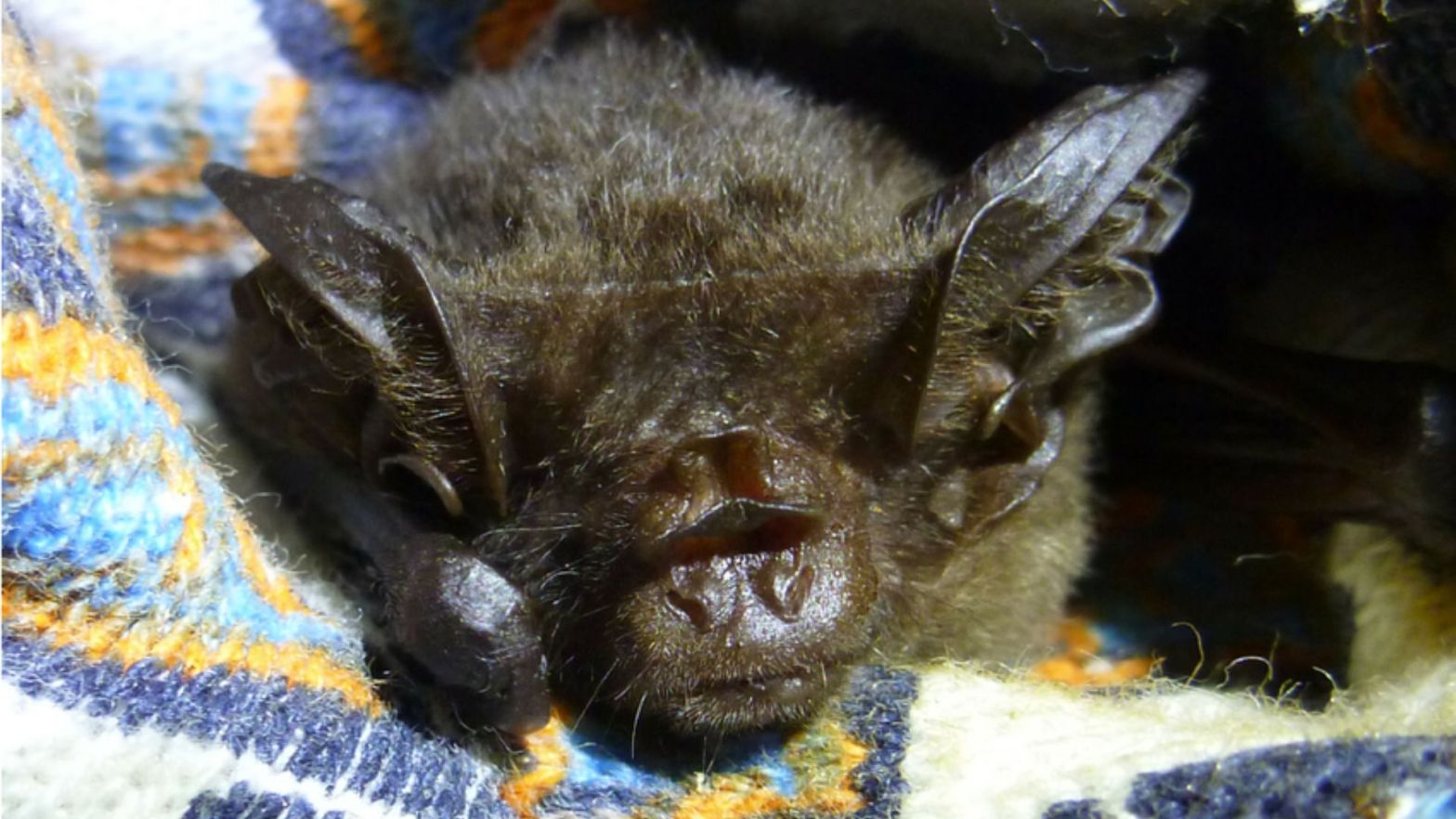
Thomas’s Big-eared #Bat Pharotis imogene, also known as the #NewGuinea Big-eared Bat, is one of the world’s rarest and most elusive #mammals- they are critically endangered by #PapuaNewGuinea. Thought to be #extinct for over a century, they were rediscovered in 2012 in Central Province, Papua New Guinea, in an area heavily impacted by palm oil deforestation, firewood collection, and land clearing for timber, mines and palm oil. Despite their rediscovery, habitat destruction due to palm oil expansion, logging, mining and human encroachment which continues to threaten their survival. Without urgent intervention, they may disappear again—this time, permanently. Help them every time you shop and #BoycottPalmOil #Boycott4Wildlife
Black Dorcopsis Dorcopsis atrata
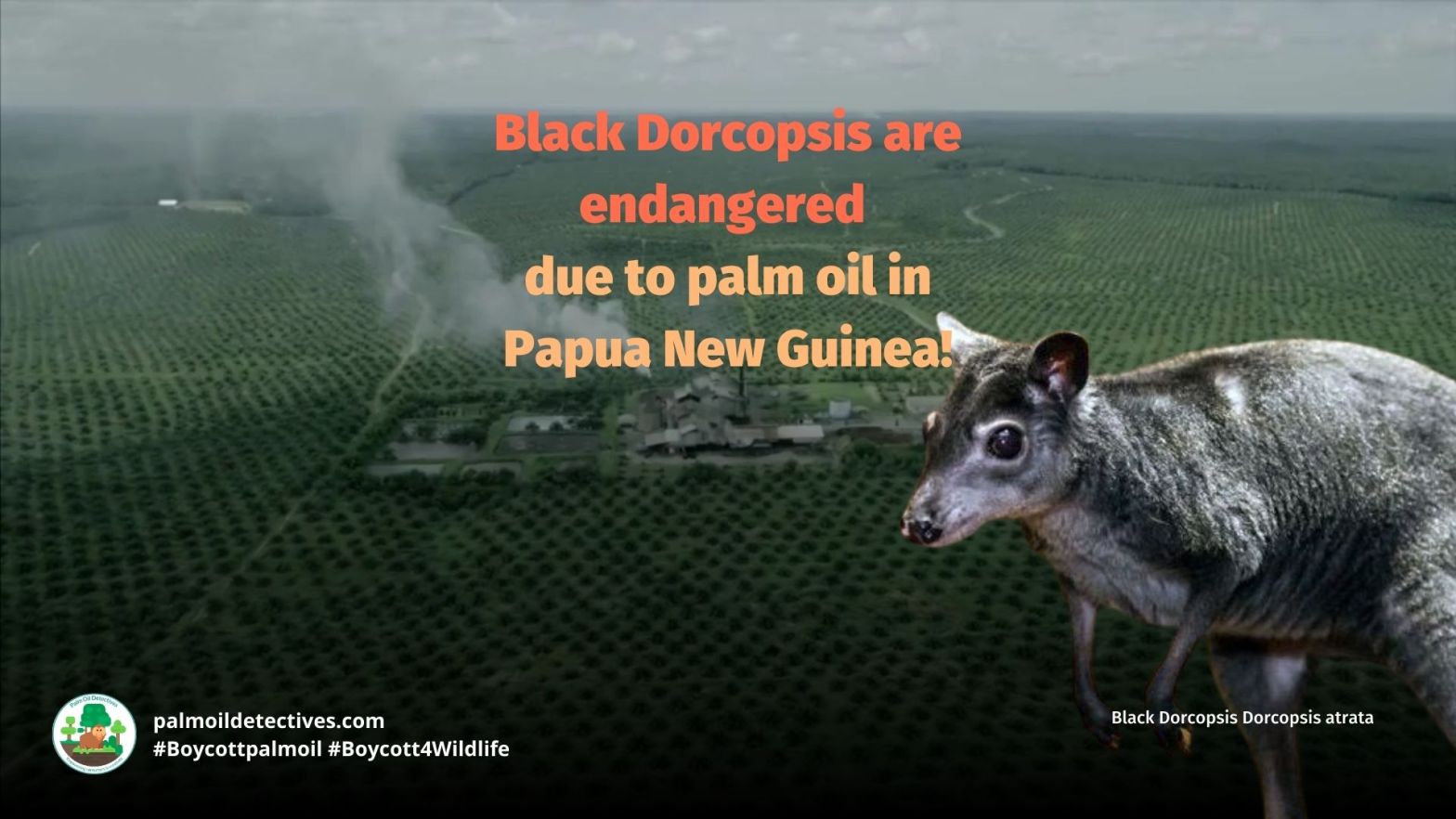
Black Dorcopsis Dorcopsis atrata IUCN Red List Status: Critically Endangered Location: The Black Dorcopsis, also known as the Black Forest Wallaby, is found only on Goodenough Island in the D’Entrecasteaux Archipelago, Papua New Guinea. They inhabit lowland and montane forests, preferring dense vegetation at elevations between 300 and 1,500 metres. The Black Dorcopsis is aContinue reading “Black Dorcopsis Dorcopsis atrata”
 Palm Oil Detectives