
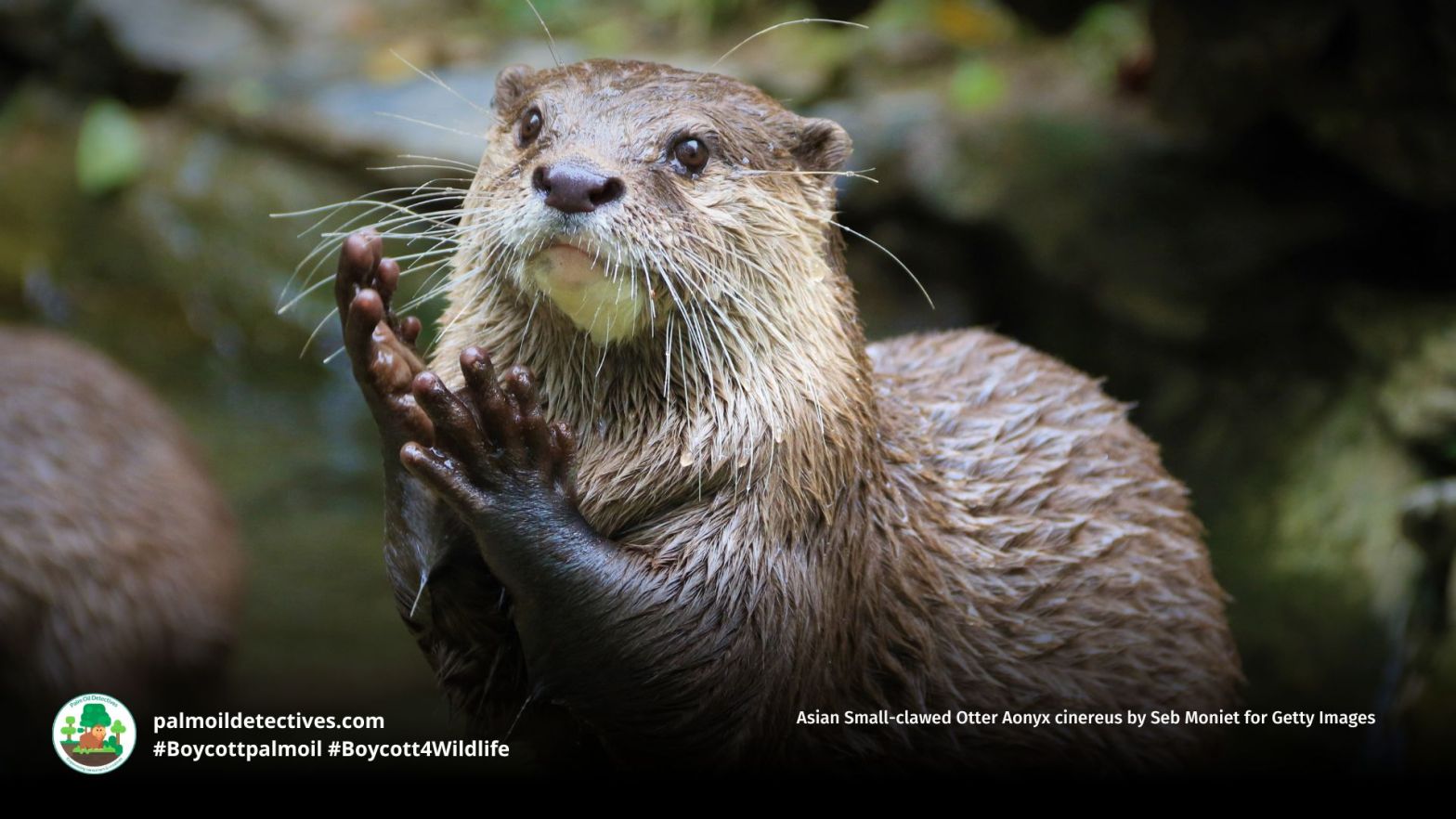
Asian Small-clawed Otters are the world’s smallest otter species and are Vulnerable from palm oil tea and coffee deforestation. Protect them, boycott palm oil!
Tag Archives: mangroves
Protecting India’s Tigers Saves One Million Tonnes of CO2
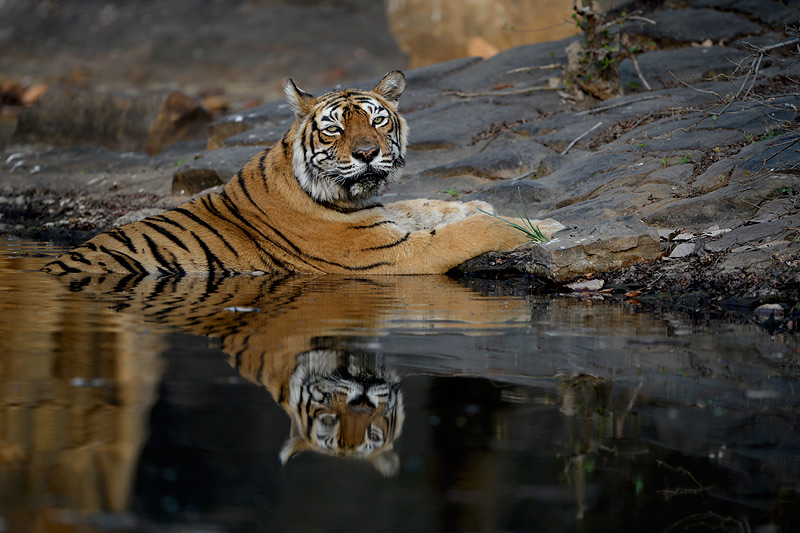
#India’s fifty year long Project #Tiger has been a successful conservation project. A new research study finds that protecting tigers and their rainforest home has additional benefits to #carbonemissions, saving 1 million tonnes of CO2 from being spewed into the atmosphere. Conserving tigers as an iconic and legendary species is deeply ingrained into the world’s collective imagination. #BoycottPalmOil #Boycott4Wildlife
Amazon River Dolphin Inia geoffrensis
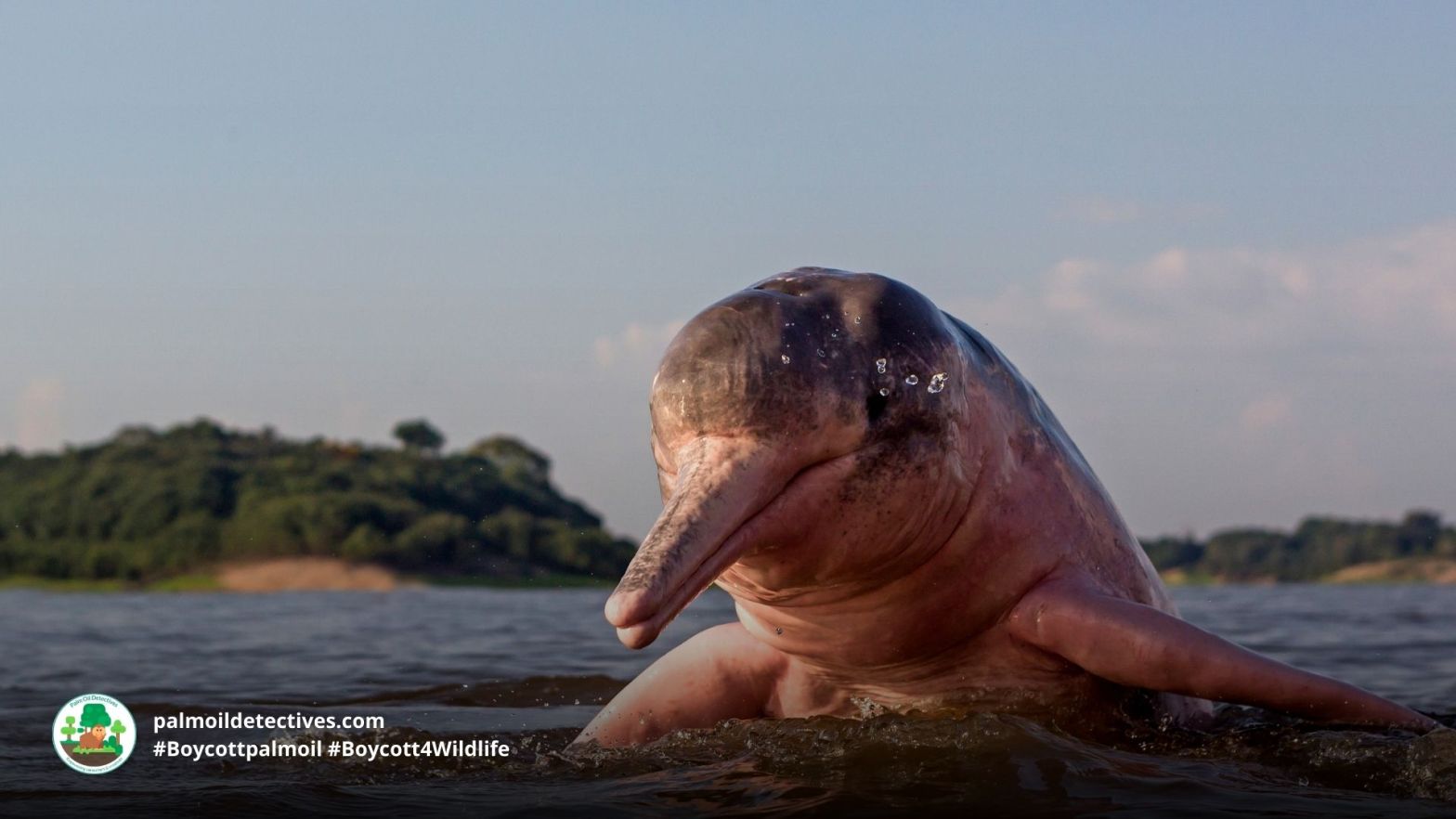
The Amazon River dolphins, also known as the Boto Dolphins or Amazon Pink River Dolphins are playful, curious and intelligent mammals, the largest river dolphin species in the world. Known for their stunning pink coloured skin they are endangered due to human-related threats like #palmoil, #meat and #soy #deforestation, #gold #mining and #pollution. Help them survive each time you shop and use your wallet as a weapon. Be #vegan, #Boycottpalmoil and #Boycott4Wildlife
Tana River Mangabey Cercocebus galeritus
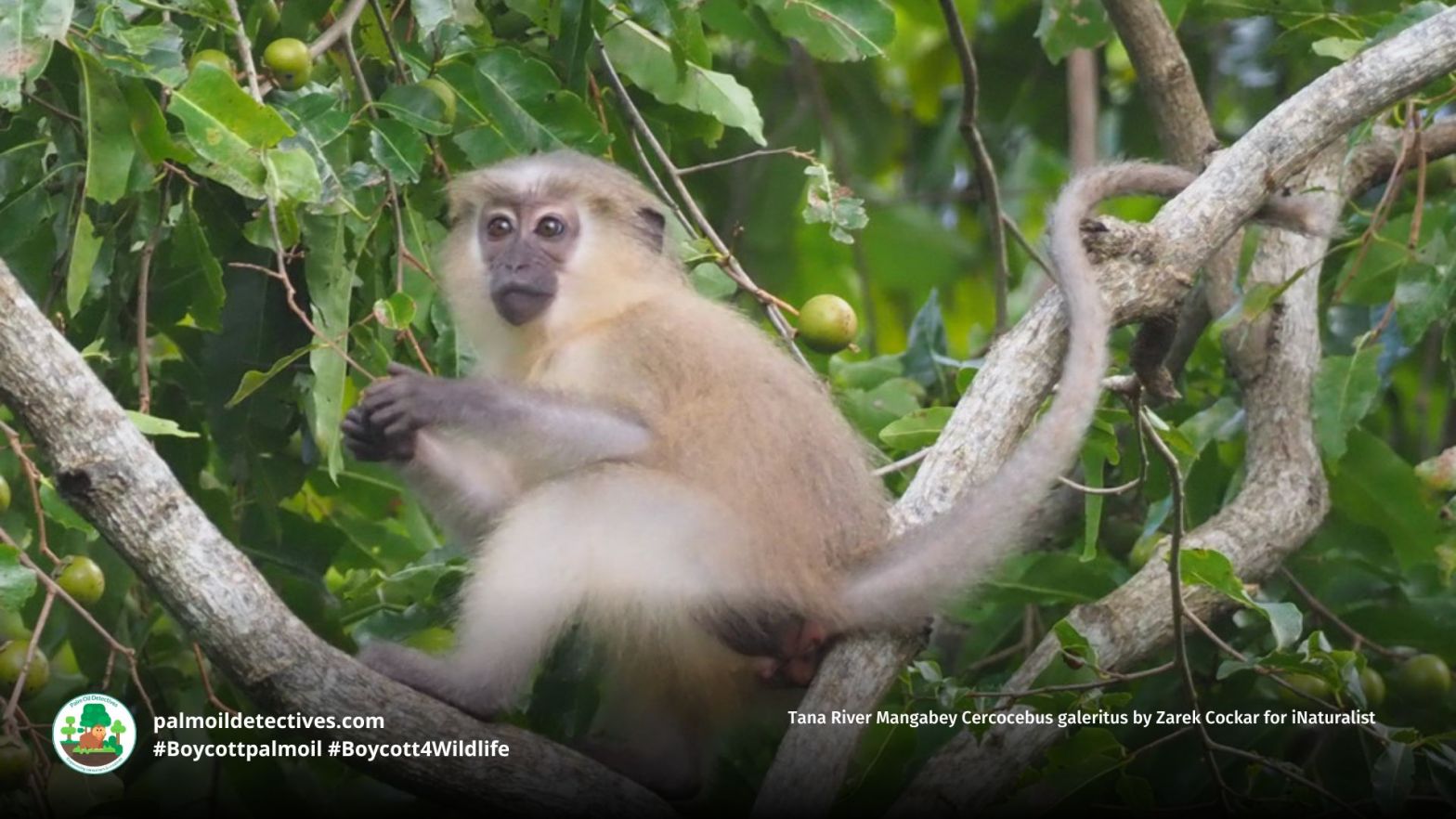
The Tana River Mangabey Cercocebus galeritus is a long-faced and slender old world monkey of #Kenya listed as Critically Endangered due to ongoing habitat destruction, dam construction, logging, and the degradation of floodplain forest ecosystems. Once protected by the Tana River #Primate Reserve, these #monkeys despite being key seed dispersers in their ecosystem are now more vulnerable than ever after the legal de-gazetting of their habitat. With only around 1,000 individuals remaining, this highly social and adaptable primate faces a devastating future unless urgent action is taken. Use your wallet as a weapon to end the destruction of their home. #BoycottPalmOil #Boycott4Wildlife #Vegan #BoycottMeat
Chimpanzee Pan troglodytes
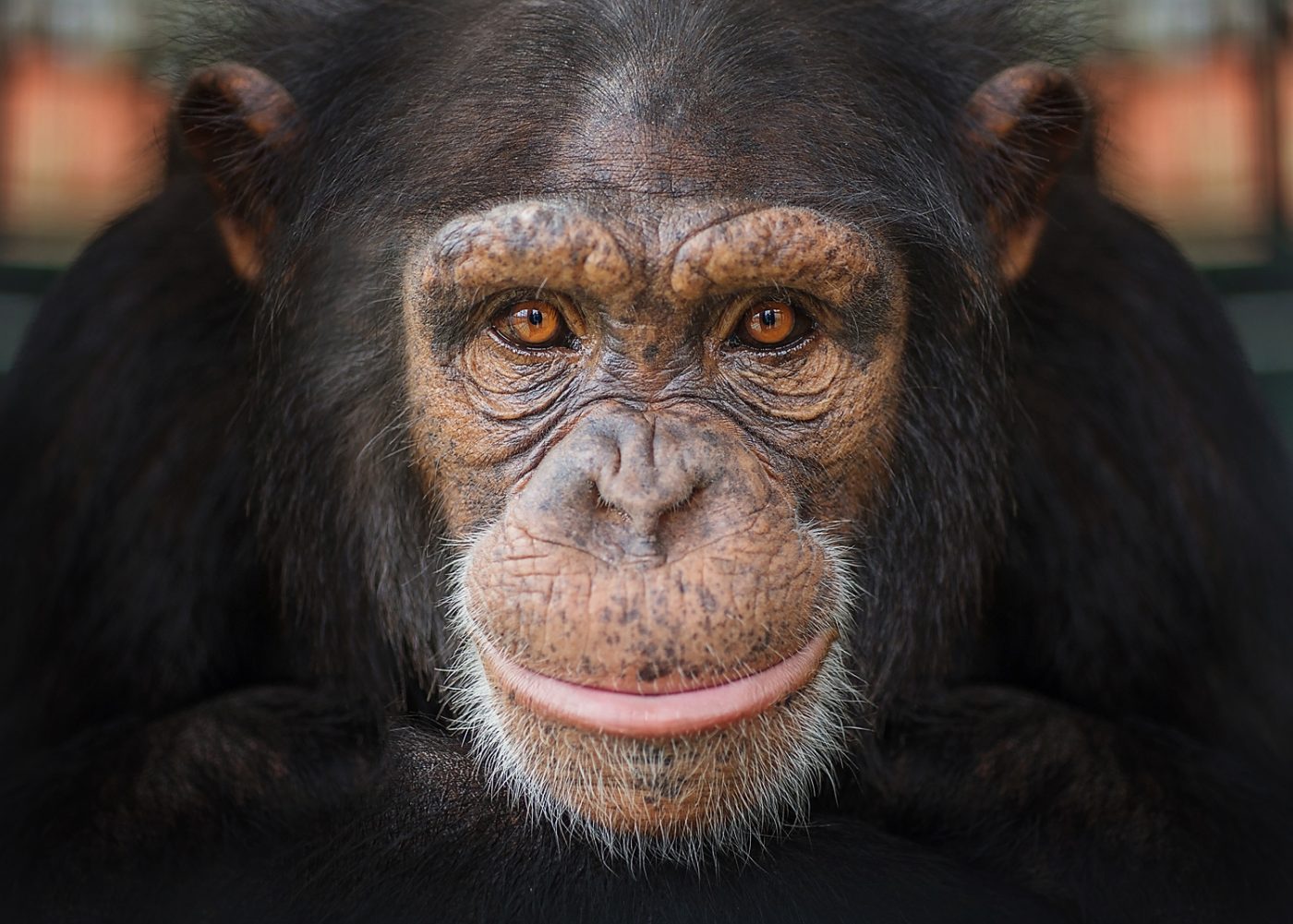
Chimpanzees (Pan troglodytes) are one of humanity’s closest living relatives and the most widespread of all great apes, with a vast historical range stretching across 21 African countries. Despite this, they are now classified as Endangered by the IUCN Red List due to catastrophic declines of more than 50% over a 75-year period, from 1975 to a projected 2050. These losses are driven by a lethal cocktail of threats: rampant poaching, habitat destruction for palm oil and logging, industrial mining, disease outbreaks like Ebola, and illegal trafficking. Subspecies such as P. t. ellioti have been reduced to only a few thousand individuals, while the once widespread P. t. verus is now Critically Endangered. Protecting them means dismantling the extractive industries that are ripping Africa’s forests apart such as the meat industry and palm oil industry. Help them when you #BoycottPalmOil #Boycott4Wildlife and be #Vegan #BoycottMeat
 Palm Oil Detectives