
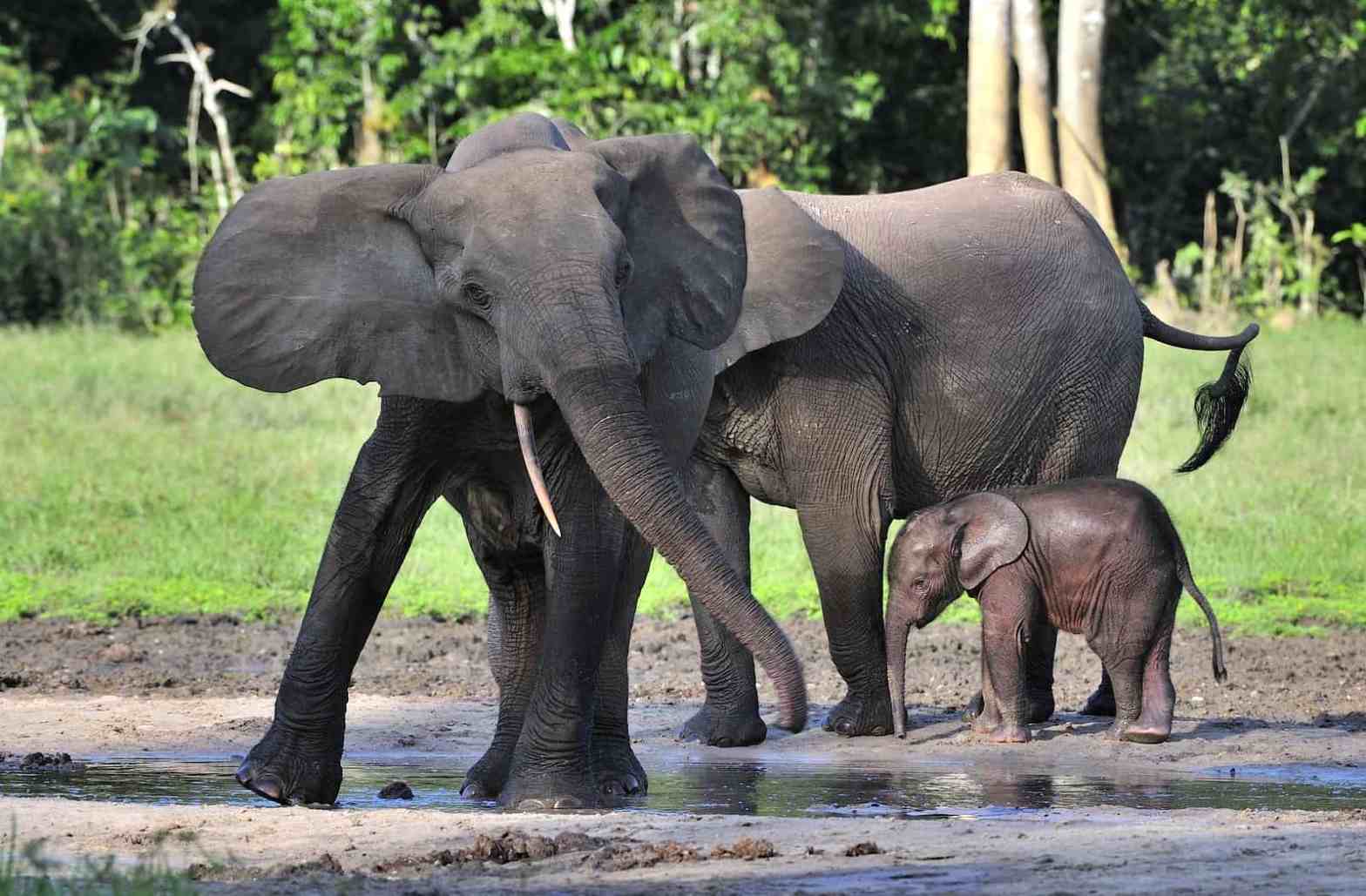
The numbers and ranges of #elephants in #Nigeria have declined greatly over time. The main cause of this has been human activity, like logging, palm oil and cocoa #agriculture, which threaten their survival by reducing their natural habitat. Some elephant populations have been lost. Others exist only in small, fragmented areas. A new study looks at what can be done to protect one of Nigeria’s most treasured #animal icons.
Tag Archives: palm oil deforestation
Logged Forests Thrive, While Palm Oil Leaves Little Alive
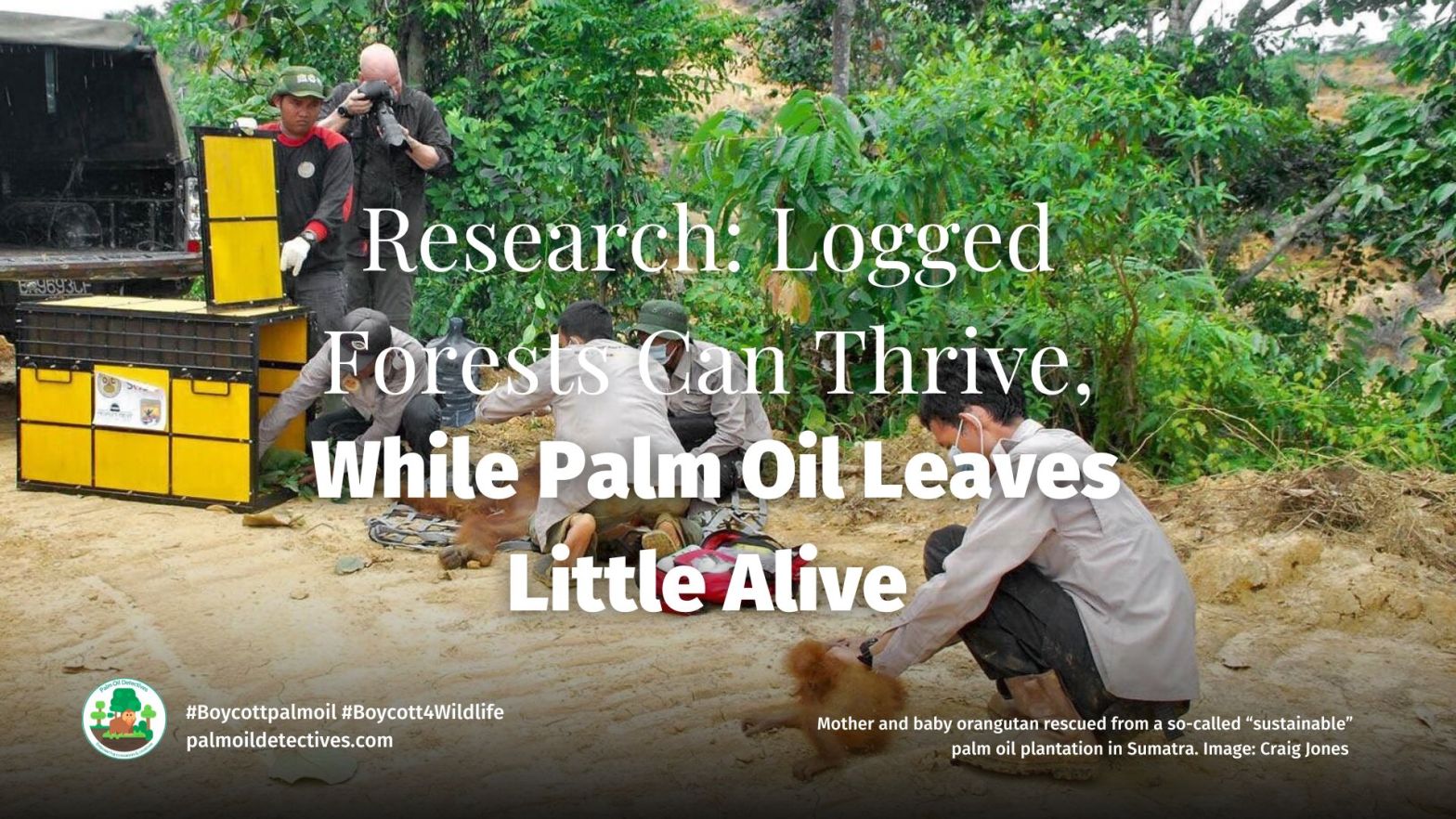
Research finds selective logging alters forest structure, but palm oil conversion causes more severe damage to biodiversity. Take action boycott palm oil!
Orange-breasted Falcon Falco deiroleucus

Help protect the Orange-breasted Falcon, vibrant birds of prey facing significant threats from palm oil, gold mining, and soy deforestation, boycott palm oil!
Demystifying the Strange Beauty of the Proboscis Monkey’s Large Nose
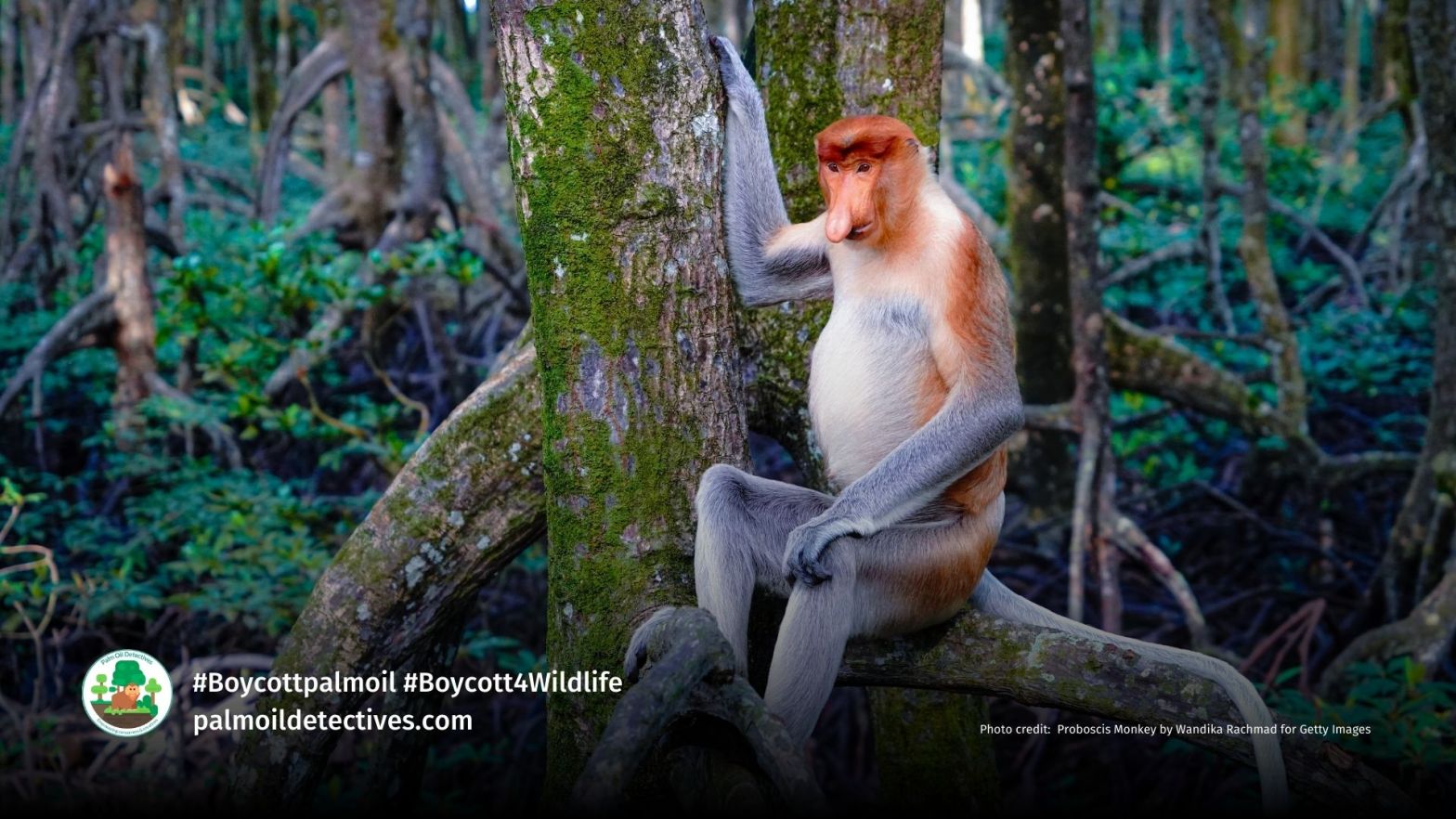
Of all the #monkey species around the world, one stands out with its large, bizarre nose. In male proboscis monkeys, their bulbous noses will often hang past their mouths.
But why did they evolve such a strange feature? Are they a visual sign of health and status to potential female mates, and to other males? Or did they evolve to help the monkeys make honks and other loud sounds? New groundbreaking #research has much to reveal about the mysterious large nose of the Proboscis Monkey!
Beyond Cute: All Animals Can Become Social Media Sensations

In the age of cutesy #mammal sensations like pygmy hippo #MooDeng the chubby, pink-cheeked pygmy #hippo baby – many people believe that social media shares are correlated to cuteness. They are wrong, according to a recent study, more obscure and unusual animals like #insects, #amphibians, #reptiles and #insects can enjoy a generous portion of the social media limelight. Help them every time you shop and #BoycottPalmOil #Boycott4Wildlife
Sunda Clouded Leopard Neofelis diardi
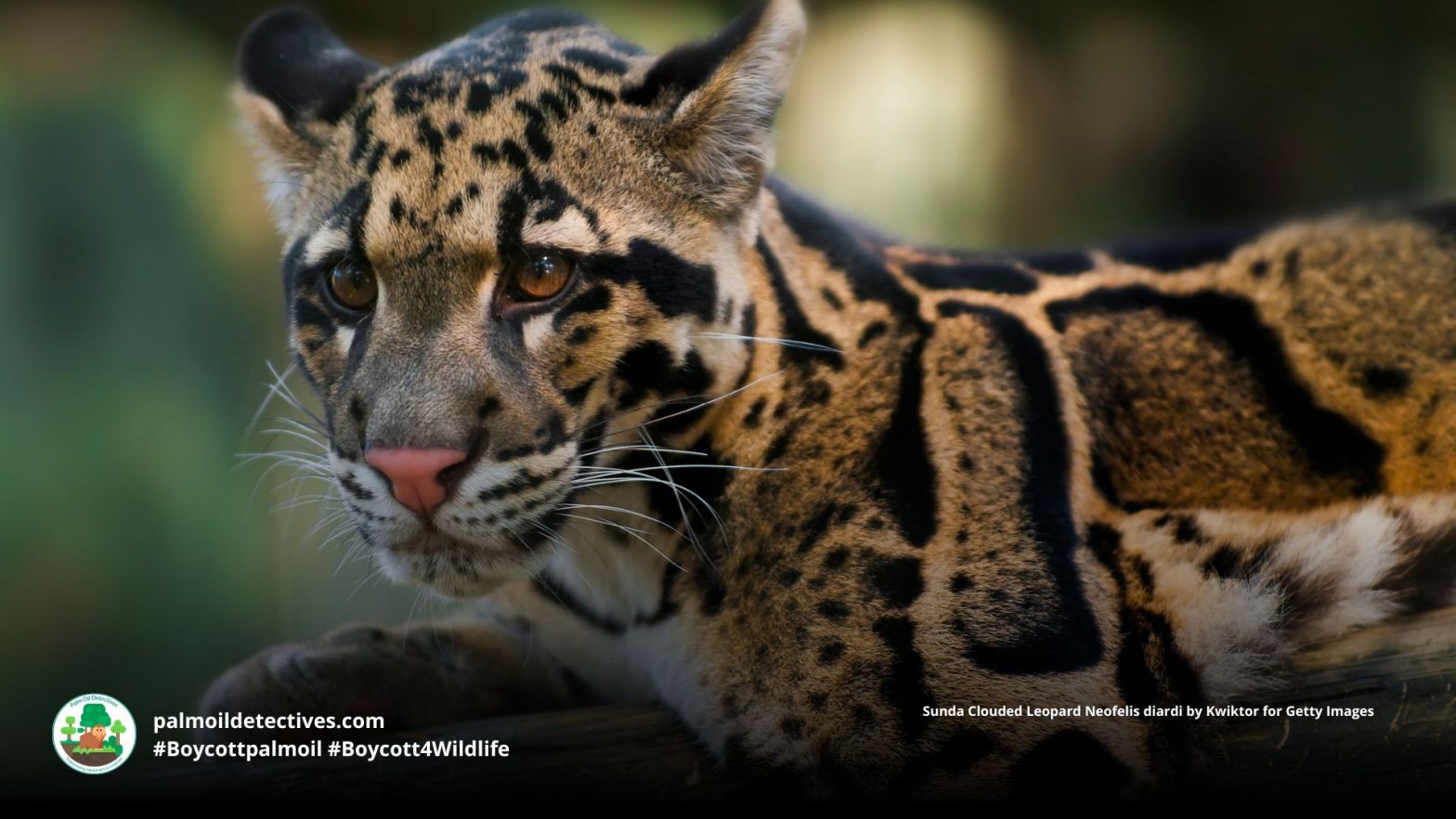
Gliding through the rainforest canopy like a phantom predator, the Sunda Clouded Leopard moves with unmatched grace, making them one of the least understood big cats in the world. Their spectacularly patterned coat, the longest canines relative to skull size of any feline, and astonishing agility in trees set these big cats apart as a truly unique species. Yet, despite these remarkable adaptations, these mysterious carnivores are now rapidly vanishing from the wild due to human-related threats.
Massive infrastructure projects, industrial-scale palm oil plantations, and poaching for the illegal wildlife trade have decimated their populations. Once thought to be a subspecies of the mainland clouded leopard, genetic studies in 2006 confirmed that they are a distinct species, found only in Borneo and Sumatra. Today, they are among the most threatened felines in the world, teetering on the edge of an uncertain future. Take action for them every time you shop and #BoycottPalmOil #Boycott4Wildlife
Glaucous Macaw Anodorhynchus glaucus
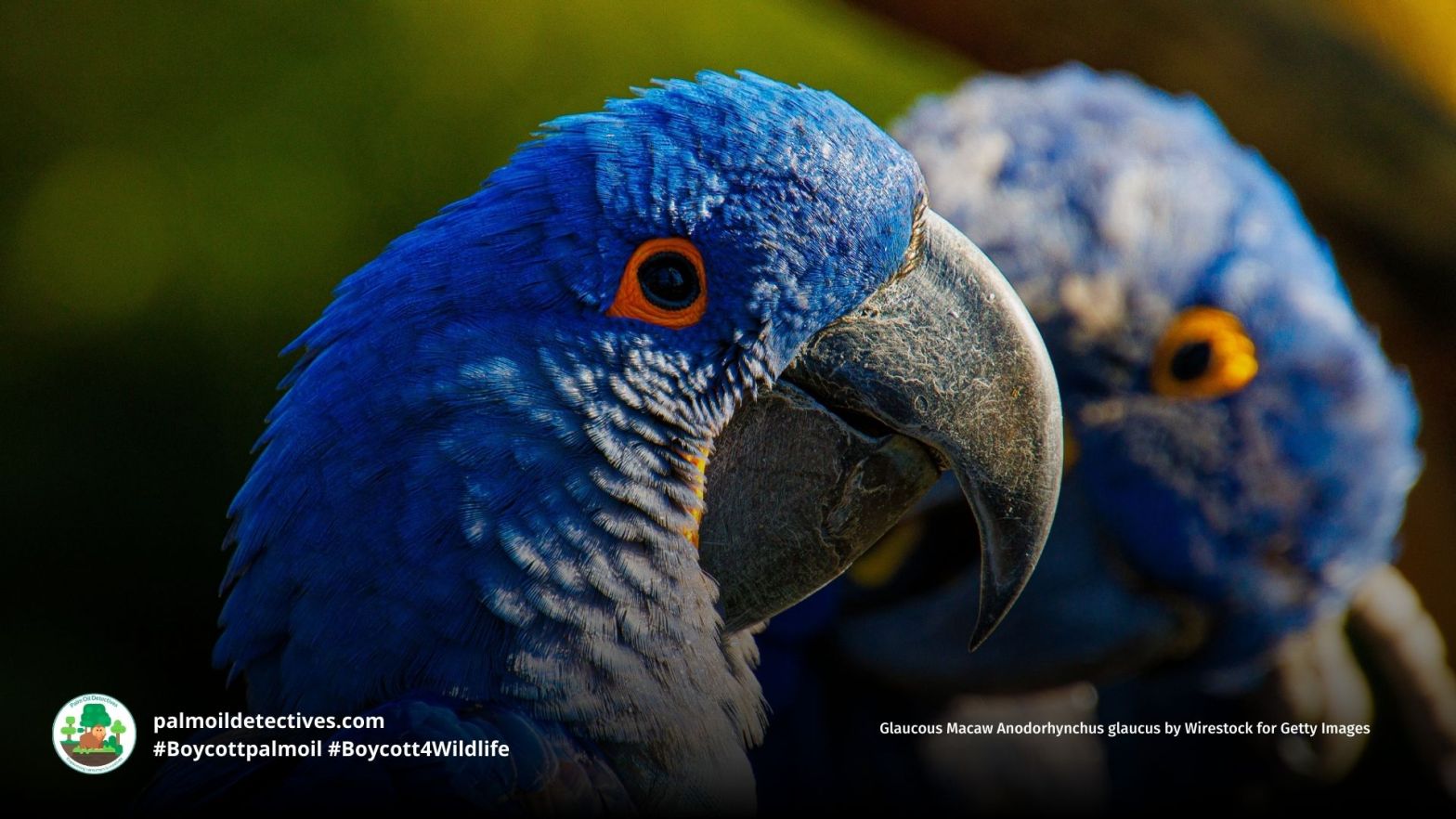
The Glaucous #Macaw stands out not only for their vibrant coloration but also for their vocalisations, which led to its Guaraní name “guaa-obi.” As part of a larger group of neotropical macaws, they are closely related to the Lear’s macaw (A. leari) and the hyacinth macaw (A. hyacinthinus). Although often confused with similar species, the Glaucous Macaw is a unique denizen of South America’s gallery forests and palm savannahs.
Use your wallet as a weapon and help the Glaucous Macaw and other rare #birds. They face many threats to their survival including forest destruction for meat, palm oil, soy and gold. Join the movement to #BoycottPalmOil #BoycottGold and #Boycott4Wildlife. Together we can empower people we know to make conscious supermarket decisions for wildlife survival.
Attenborough’s Long-Beaked Echidna Zaglossus attenboroughi

Attenborough’s long-beaked echidna (Zaglossus attenboroughi), known locally as “Payangko,” is one of the most evolutionarily distinct mammals and is native to the Cyclops Mountains in Papua, Indonesia. This critically endangered monotreme is distinguished by its unique feeding technique and smaller size compared to other long-beaked echidnas. Despite not being recorded by scientists since 1961, a recent expedition led to its rediscovery in 2023, offering renewed hope for the species. Facing threats from hunting and habitat degradation, we must protect this elusive creature by supporting sustainable practices and community-led conservation. #BoycottPalmOil #Boycott4Wildlife
Deadly Harvest: How Demand for Palm Oil Fuels Corruption in Honduras

Latin America is the fastest-growing producer of palm oil, but at what price for the environment and its defenders? Park rangers in Honduras tell harrowing tales of daily threats to their lives and real dangers they face in the long-term fight for protect Honduran rainforests, indigenous peoples and animals from annihilation #BoycottPalmOil #Boycott4Wildlife
MSC and RSPO Absolutely Untrustworthy, Greenpeace Report
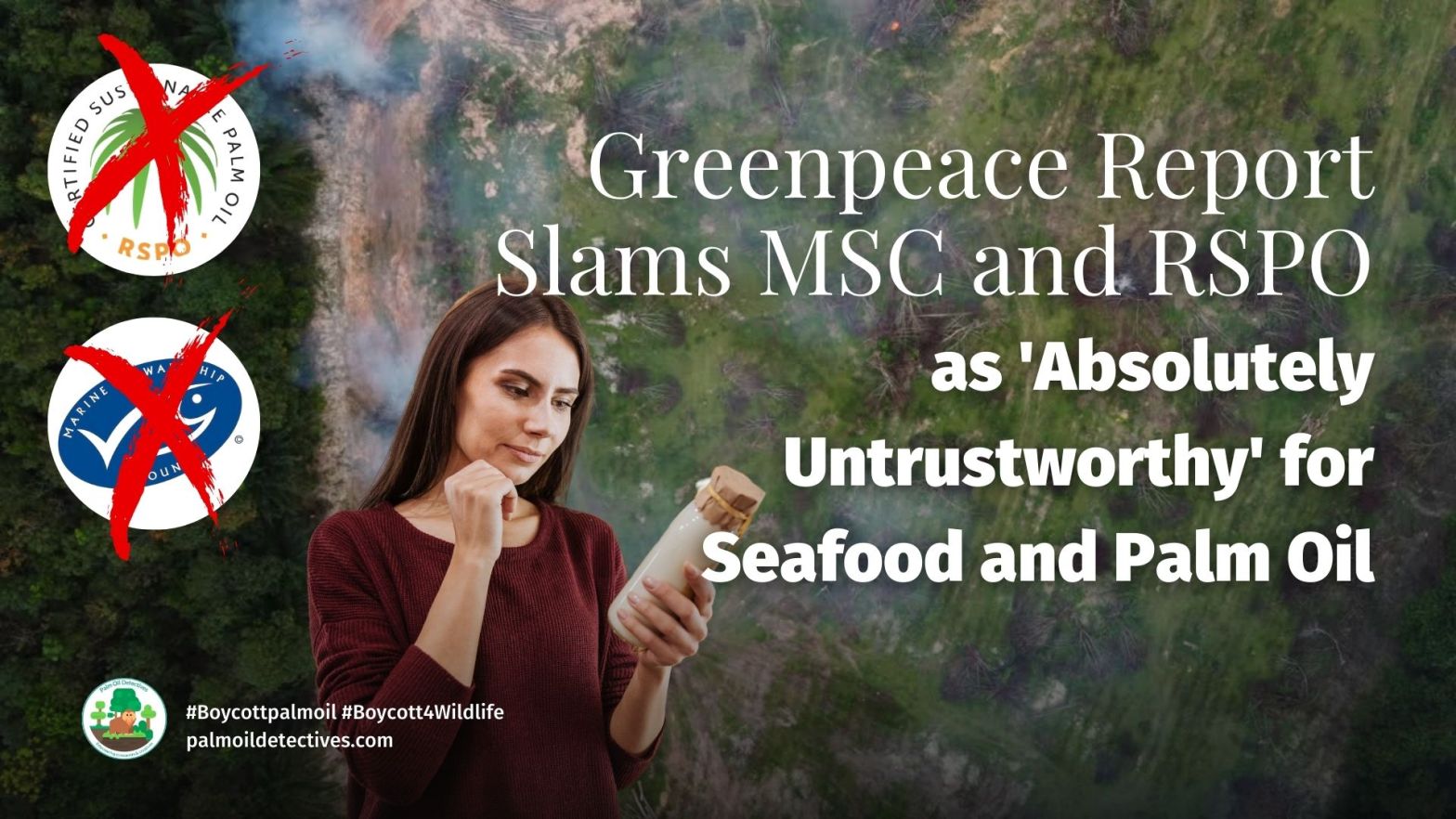
Greenpeace report reveals severe failures of ecolabel RSPO certifying palm oil and FSC certifying seafood. Consumers are being greenwashed. Boycott palm oil!
Nancy Ma’s Night Monkey Aotus nancymaae
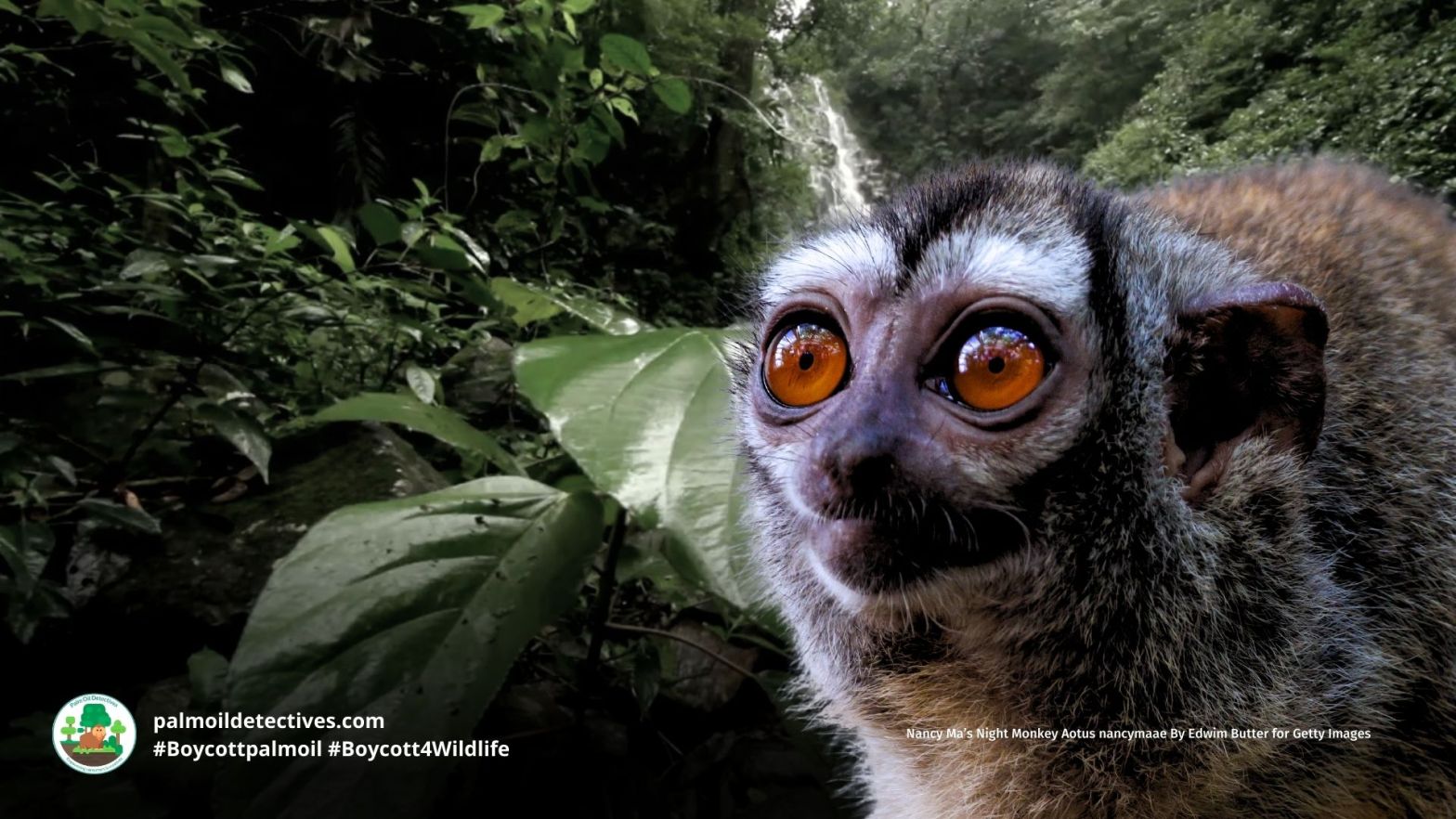
Deep in the heart of the Amazon rainforest, the Nancy Ma’s night monkeys peer out of the trees during the dusk with their large, soulful eyes and striking facial markings. Also known as the Ma’s night monkey or the Peruvian red-necked owl monkey, this nocturnal primate is named in honour of Dr. Nancy Shui-Fong Ma, who played a significant role in their genetic research. They are endemic to Brazil, Peru, and parts of Colombia, these monkeys are an essential part of their ecosystem. They now face direct threats from expansion for palm oil, soy and meat deforestation and are wild captured for scientific research – much of primate research is not even relevant to human health. Help them every time you shop and #BoycottPalmOil, be #vegan and #Boycott4Wildlife!
Marine Biologist and Illustrator Emily Underwood

Sussex-based Emily Underwood, a Marine Biologist and Illustrator, uses her art to celebrate lesser-known endangered species. Take action, boycott palm oil!
Maned Wolf Chrysocyon brachyurus
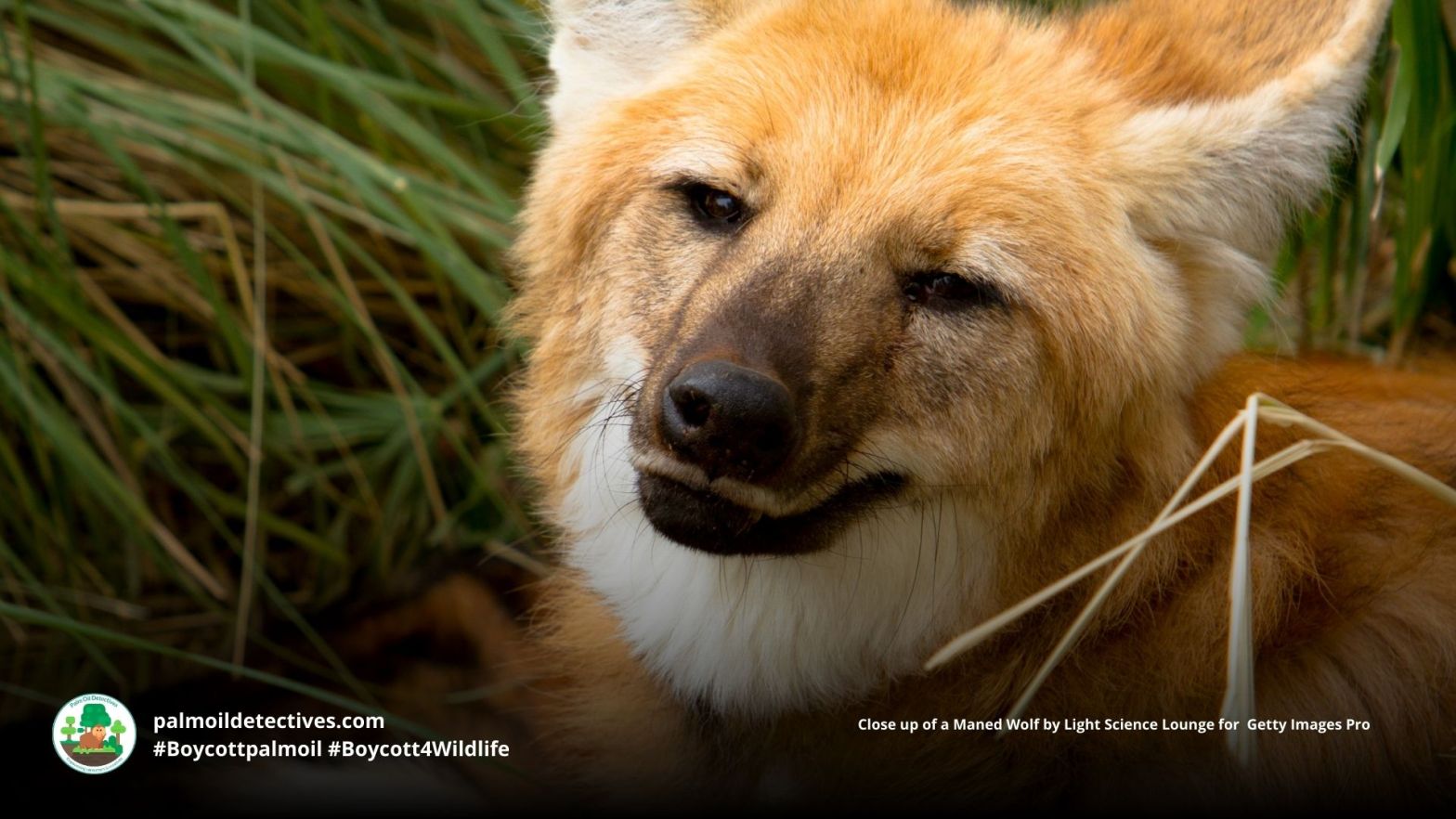
Maned Wolves are captivating “foxes on stilts” roaming South America’s grasslands, but their survival is threatened by habitat loss and human conflict.
Major Food Giants Sued Over Addictive UPFs Given To Kids

Lawsuit accuses major food companies (Kraft Heinz, PepsiCo, Nestlé) of selling addictive ultra-processed foods (UPFs) targeting children. Boycott palm oil!
Tufted Ground Squirrel Rheithrosciurus macrotis

The tufted ground squirrel, or groove-toothed squirrel, is a striking nut-cracking rodent native to the island of Borneo. Sporting a voluminous, club-shaped tail, the tufted ground squirrel carries the largest tail-to-body size ratio of any mammal. Scientists believe the tail could serve to confuse predators or attract mates. They are listed as Vulnerable on the IUCN Red List and are threatened by deforestation, hunting, and forest conversion to palm oil. To protect these charismatic creatures, make sure you #BoycottPalmOil and #Boycott4Wildlife in the supermarket!
Research: Climate Change Collapsing Insect Numbers by 63%
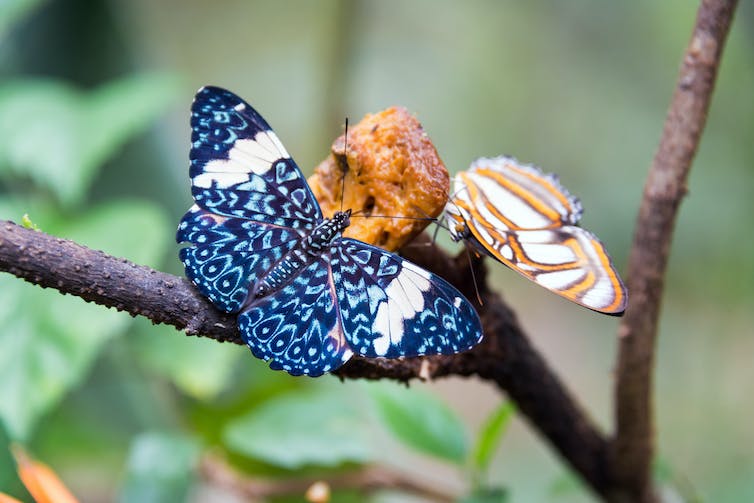
The world may be facing a devastating “hidden” collapse in insect species due to the twin threats of climate change and habitat loss. #Palmoil 🪔 #soy #meat 🥩 and #cocoa 🍫 #agriculture along with #climatechange and #habitatloss in rainforests is driving #insects to the edge of #extinction. Take action by going #vegan and #Boycottpalmoil #Boycott4WildlifeContinue reading “Research: Climate Change Collapsing Insect Numbers by 63%”
Visayan Broadbill Sarcophanops samarensis
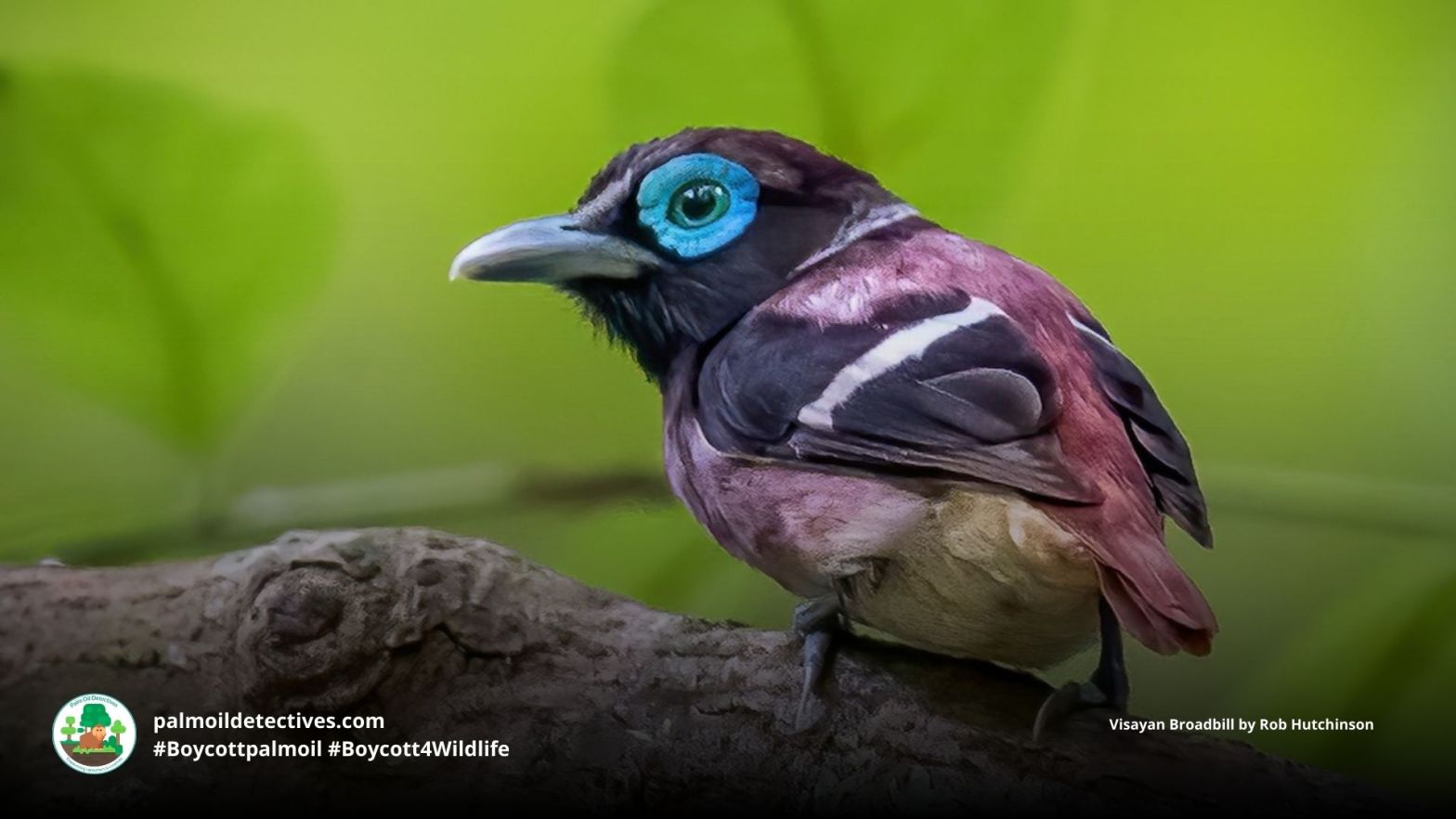
The Visayan broadbill Sarcophanops samarensis is a brightly colored bird endemic to the islands of Samar, Leyte, and Bohol in the central Philippines. Males flaunt striking reddish-pink underparts, while females are marked by a distinctive white belly and collar. Sadly, due to extensive deforestation and habitat loss for palm oil and other commodities in the Philippines, the Visayan broadbill is now classified as “Vulnerable” on the IUCN Red List. There is only an estimated population of 2,500 to 9,999 mature individuals left alive! Therefore urgent conservation measures are needed to protect this unique bird’s lowland forest habitat. Advocate for stricter protections, push back against illegal logging for palm oil #BoycottPalmOil #Boycott4Wildlife to make a difference.
How banks and investors are bankrolling extinction and ecocide
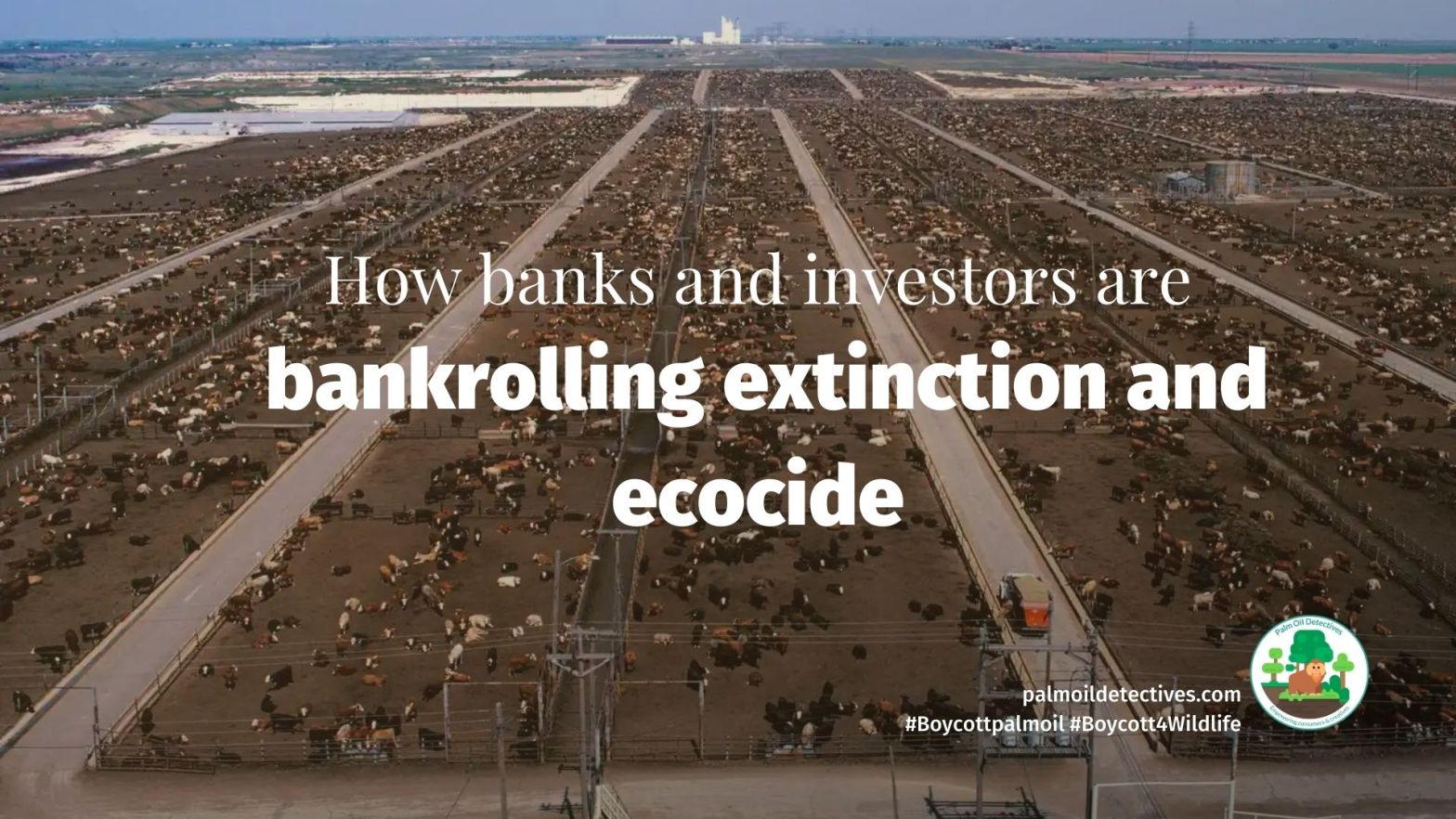
Discover the financial giants fuelling ecocide and deforestation for palm oil, meat, mining and soy in this important report about financial corruption
If You Love Moo Deng, Help to Save Her Home!
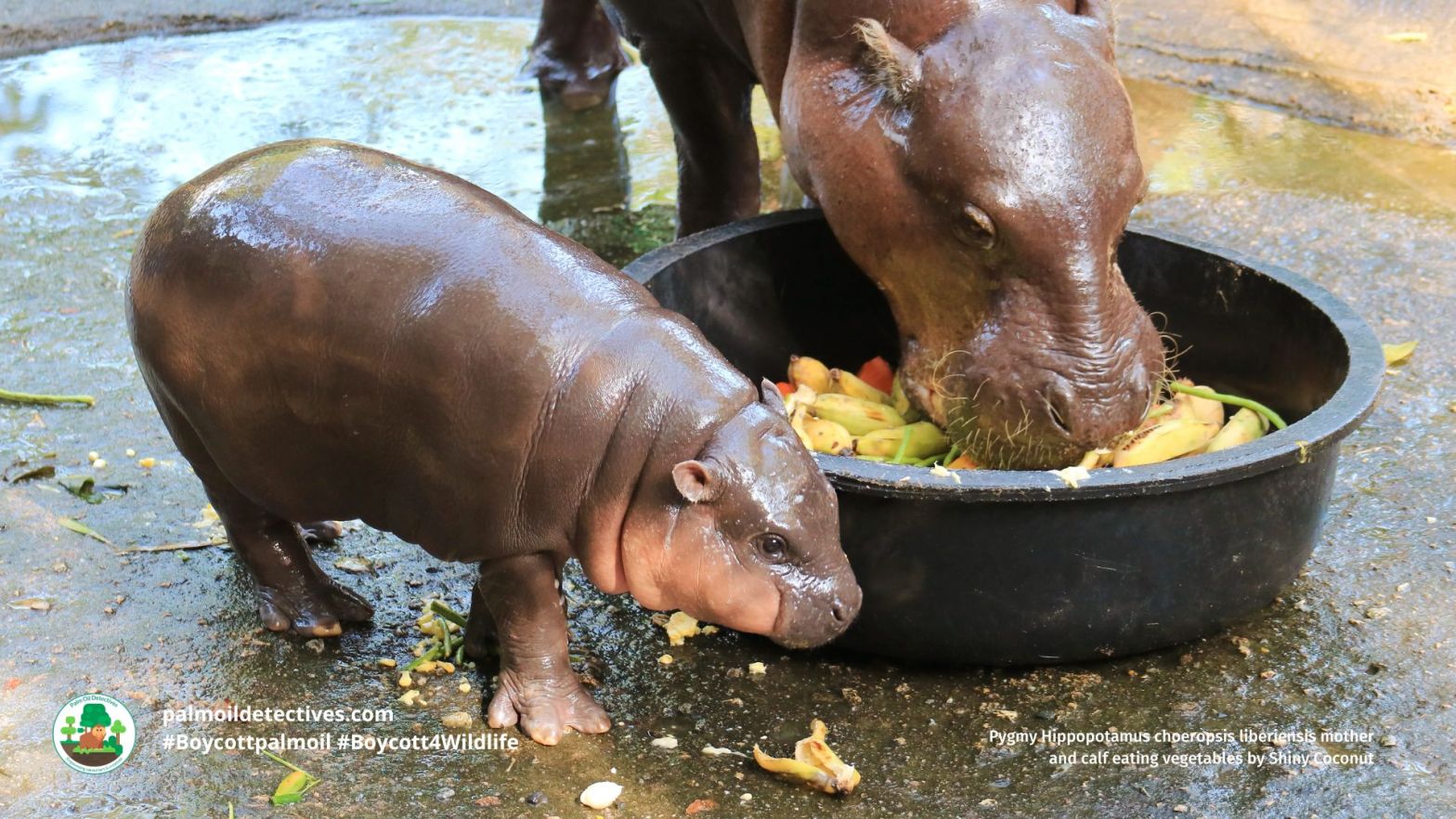
Moo Deng, the chubby, moody and adorable baby pygmy hippo has highlighted the plight of these elusive large mammals living in Africa’s rainforest and mangrove environments. The message to animal lovers is clear, if you love Moo Deng then take action for her home and boycott products coming from African deforestation like palm oil, cocoa and meat. #BoycottPalmOil #Boycott4Wildlife
Large herbivores such as elephants contribute to tree diversity

A recent study using satellite data has highlighted the critical role that large herbivores play in promoting tree diversity in forest ecosystems. The research showed that areas with abundant large herbivores had more varied tree cover and more tree diversity. This finding underscores the importance of large herbivores in many ecosystems and that they should have primary importance in conservation strategies, particularly in the context of global efforts to combat climate change and extinction. Help big herbivores every time you shop and #Boycottpalmoil and #Boycott4Wildlife in the supermarket!
Sloth Bear Melursus ursinus

The sloth bear (Melursus ursinus), with their distinctive “Y” or “V” shaped chest patch and shaggy fur, are unique bears native to the Indian subcontinent. Once exploited as ‘dancing bears’ by the Kalandar tribe, this phase of history is thankfully now over. They now roam across tropical forests and savannahs while snuffling through termite mounds and sucking up ants and honey. Tragically, these bears face severe threats from palm oil deforestation, human-wildlife conflict, and illegal poaching. You can fight for their survival by saying no to palm oil. Use your wallet as a weapon to make a difference! #BoycottPalmOil #Boycott4Wildlife
Seven practical ways to stop a species wipeout

1 million #plants 🌾🌽🎍🍅 and #animals 🦏🦒🐅 are threatened. #Wildlife and #biodiversity are at a crossroads of #extinction. Here’s 7 practical ways to stop #species wipeout. Help them survive! #Boycottpalmoil 🌴☠️🚫 #Boycott4Wildlife
Guaranteeing Ecocide: The Green Lie of Palm Oil Certification
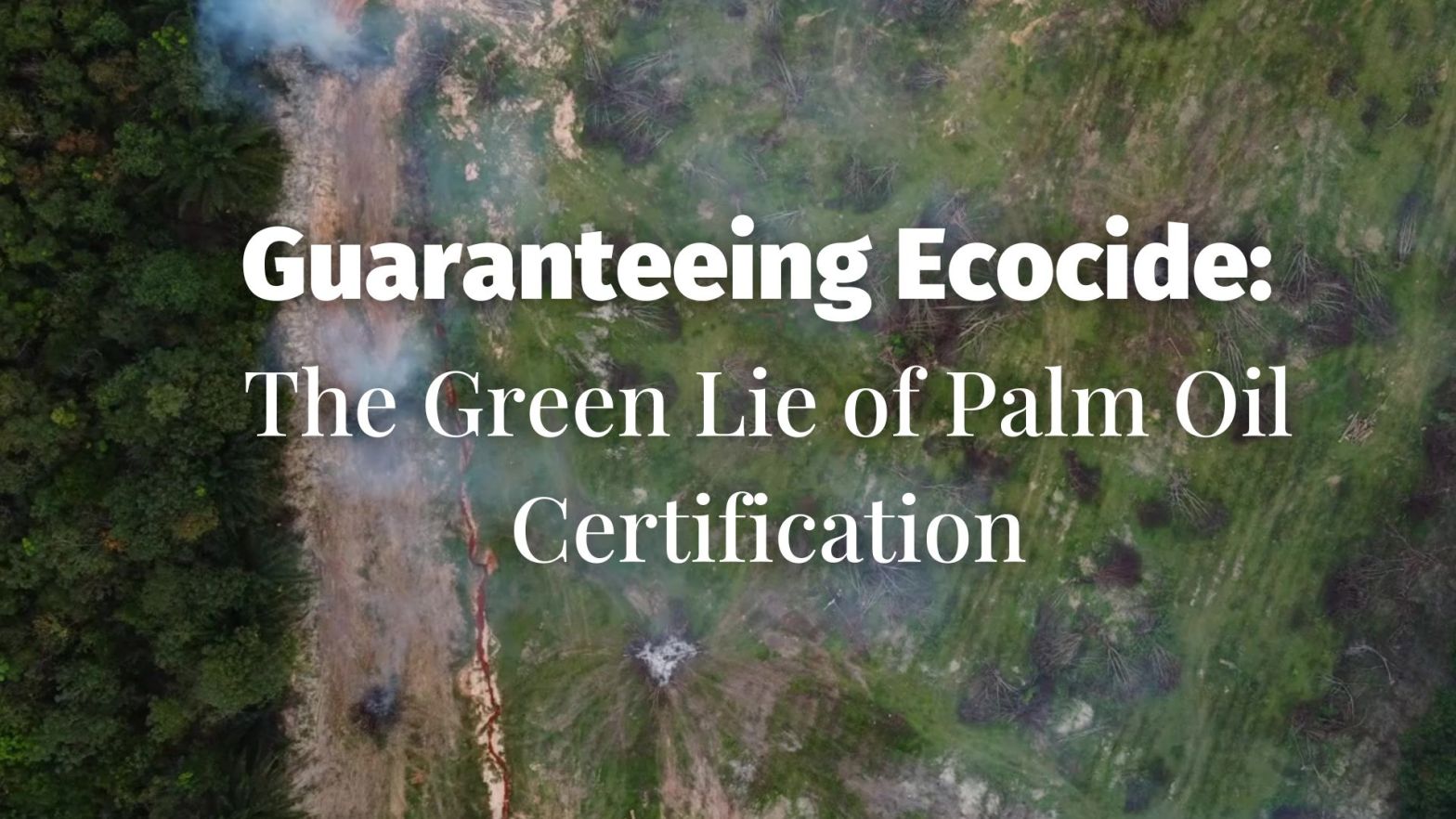
For decades, the palm oil industry, backed by the RSPO, has misled consumers with the false promise of “sustainable” palm oil. Behind this green façade lies a brutal reality of deforestation, human rights abuses, and the destruction of endangered species’ habitats. Dozens of investigations from many different industry watchdogs have exposes the RSPO’s certification as a sham, enabling continued environmental devastation under the guise of sustainability.
However it’s not only the palm oil industry that is an environmental liability, gold mining and meat deforestation also deserves to be strongly condemned for its ongoing ecocide. Read on to discover the examples of greenwashing deception from these industries, so that you don’t fall for their corporate greenwashing. Protect our planet and all human and non-human beings by refusing to support these lies—#Boycottpalmoil #BoycottGold #BoycottMeat and #Boycott4Wildlife every time you shop.
Nicobar Long-Tailed Macaque Macaca fascicularis umbrosa
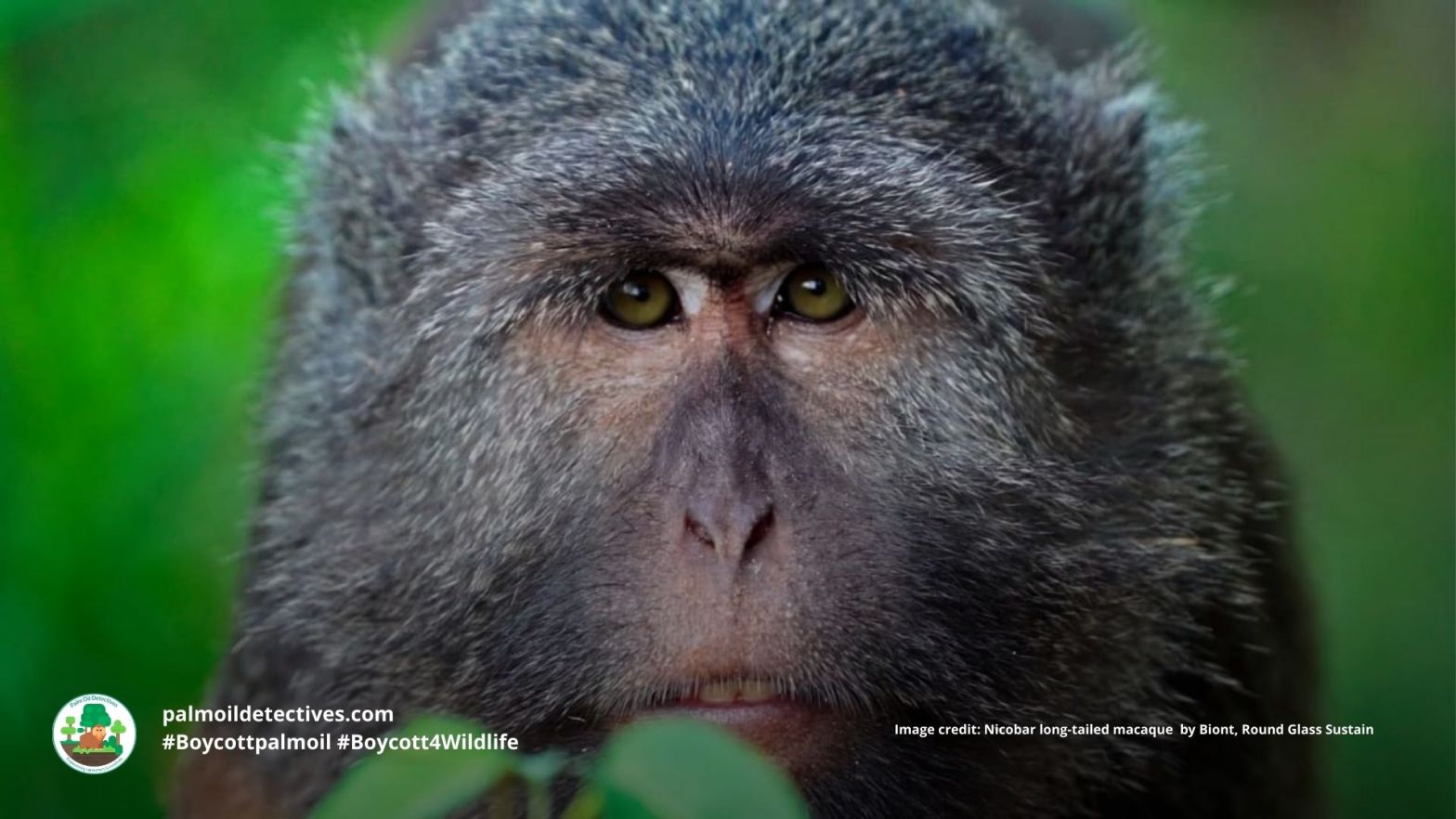
Discover the intriguing Nicobar long-tailed macaque, intelligent and highly social survivors on India’s islands, help them to survive and boycott palm oil!
Lax Laws in Indonesia Turn Blind Eye To Animal Trafficking
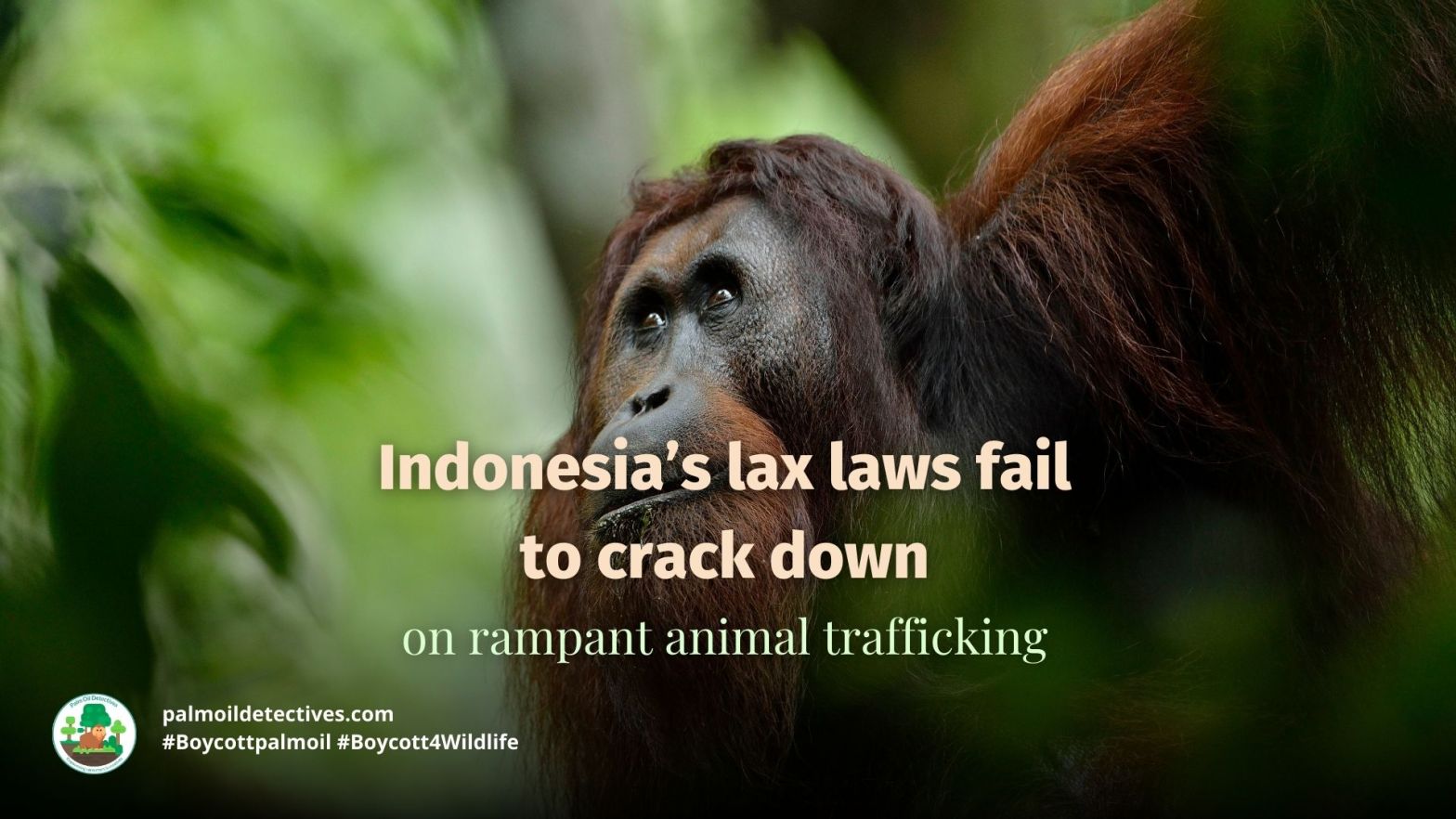
When Indonesian prosecutors went after the leader of an illegal wildlife syndicate operating near the Malacca Strait, they relied on the country’s then relatively new 2019 Quarantine Act to seek a prison sentence.
After being connected to the illegal smuggling of four lion cubs, a leopard, and 58 species of Indian Star tortoises from Malaysia to Indonesia, Irawan Shia received a four-year prison sentence and fine of IDR 1 billion (USD$65,468). If the fine is not paid, the replacement is three months imprisonment.
The sentence was the biggest ever handed out, but falls far short of what it could have been had Indonesia brought its laws in line with global conventions.
Phayre’s Leaf Monkey Trachypithecus phayrei
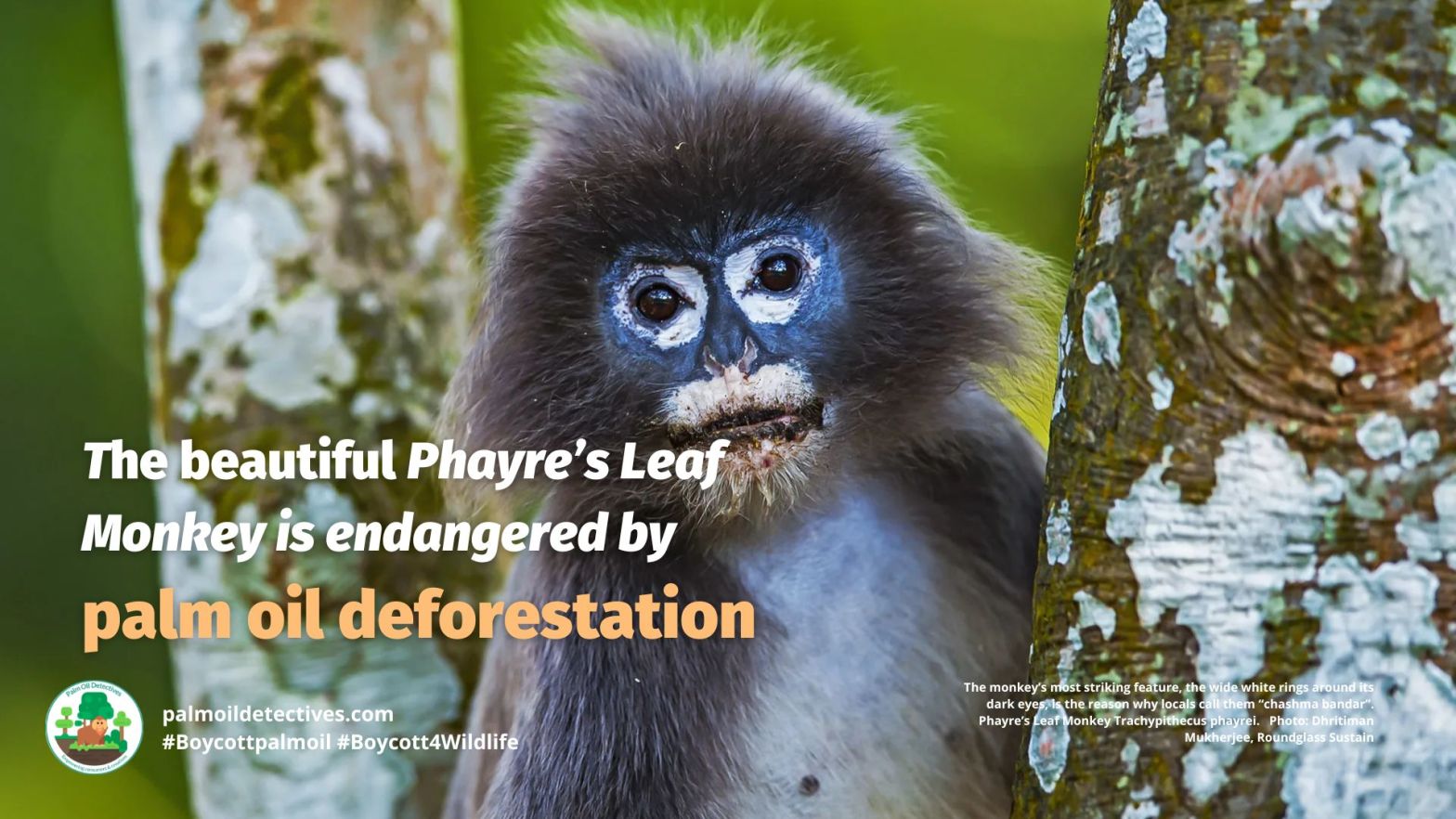
Phayre’s leaf monkey, also known as Phayre’s langur, are remarkable Old World monkeys distinguished by large, white-rimmed eyes that lend them a “spectacled” appearance. Known locally as ‘Chasma bandor’ they live mostly in the lush forests of India, Bangladesh and Myanmar. Major threats to their survival include habitat destruction from palm oil and rubber plantations, illegal hunting for traditional medicine, and habitat encroachment depleting their natural food sources. An emerging threat is interbreeding with other threatened monkey species. Join the fight to protect this unique species: #BoycottPalmOil #Boycott4Wildlife in the supermarket! If you care about animals, consider going #Vegan to protect their habitat and lives.
Giant Pangolin Smutsia gigantea

The Giant Pangolin is are the largest and heaviest of the pangolin species weighing up to 35 kilos. These majestic creature are cloaked in keratin armour and embark on nightly quests through Central and West Africa’s lush landscapes. By the light of the moon, they use their keen sense of smell to hunt down ants and termites. As they navigate a world fraught with dangers from habitat destruction, poaching and illegal hunting, the survival of these enigmatic beings hangs in balance, urging us to reflect on our impact on their dwindling world. Help them to survive every single time you shop and #Boycottpalmoil #Boycottmeat, be #vegan and #Boycott4Wildlife
How Brands Exploit “Green” Certification

Brands and businesses may be tempted to exploit “green” certifications to garner a larger market share at the expense of integrity.
Solomon Islands skink Corucia zebrata
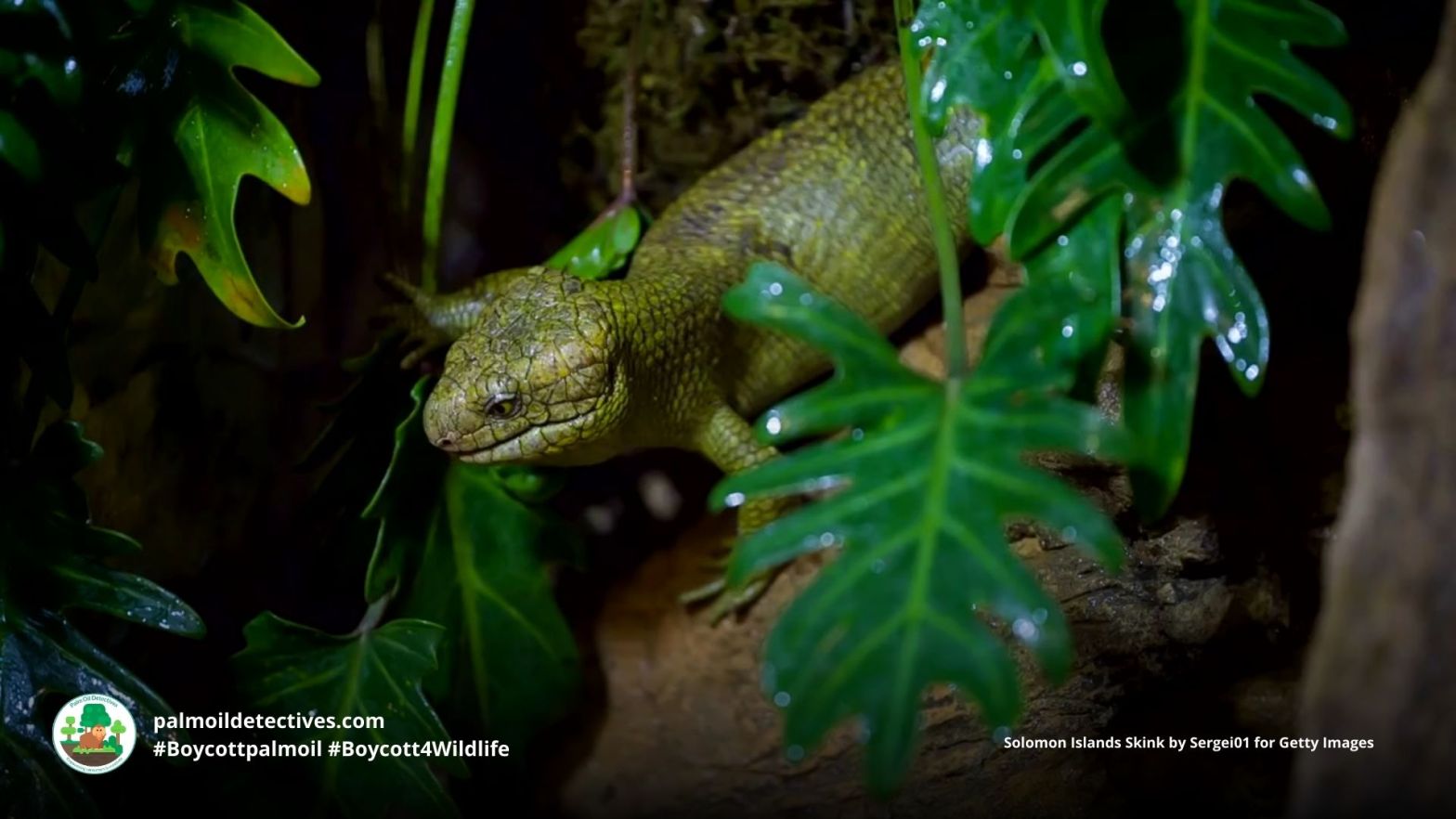
Imagine a creature straight out of a fantastical computer game – this could be the Solomon Islands skink Corucia zebrata , also affectionately known as the monkey-tailed skink. Their silhouette dances between shadows of the jungle in the Solomon Islands archipelago, to the north east of Australia. They are the largest species of skink alive and boast a long, slender body poised elegantly on short, yet robust legs. Their head forms a perfect triangle, housing small, beady and curious looking eyes. This magnificent reptile is now classified as Near Threatened due to rainforest destruction of their home for palm oil, timber and mining. Help them to survive every time you shop – #Boycottpalmoil #Boycott4Wildlife
Deforestation comes ‘roaring back’ despite 140-country vow to end destruction
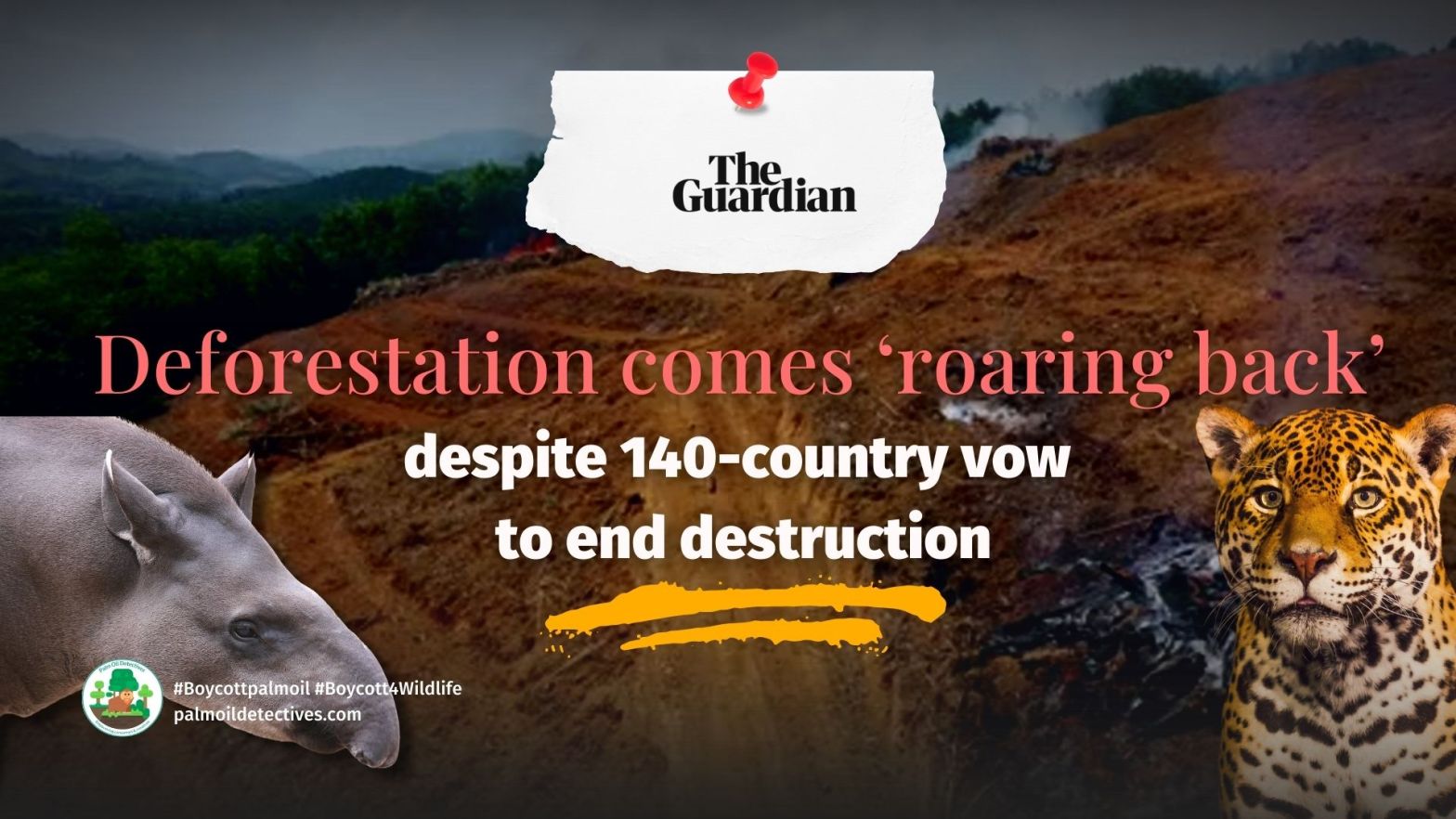
A new report has found that demand for #meat, #soy, #palmoil and nickel #mining is hindering efforts to halt #deforestation by 2030, a global report finds. The destruction of global forests increased in 2023, and is higher than when 140 countries promised three years ago to halt deforestation by the end of the decade.
The rising destruction of the forests puts ambitions to halt #climatechange and stem the huge worldwide #extinction even further from reach, the researchers warn. They found that voluntary certification of commodities alone could not stop deforestation and that strong legislation was needed to stop the ecocide and destruction.
 Palm Oil Detectives