
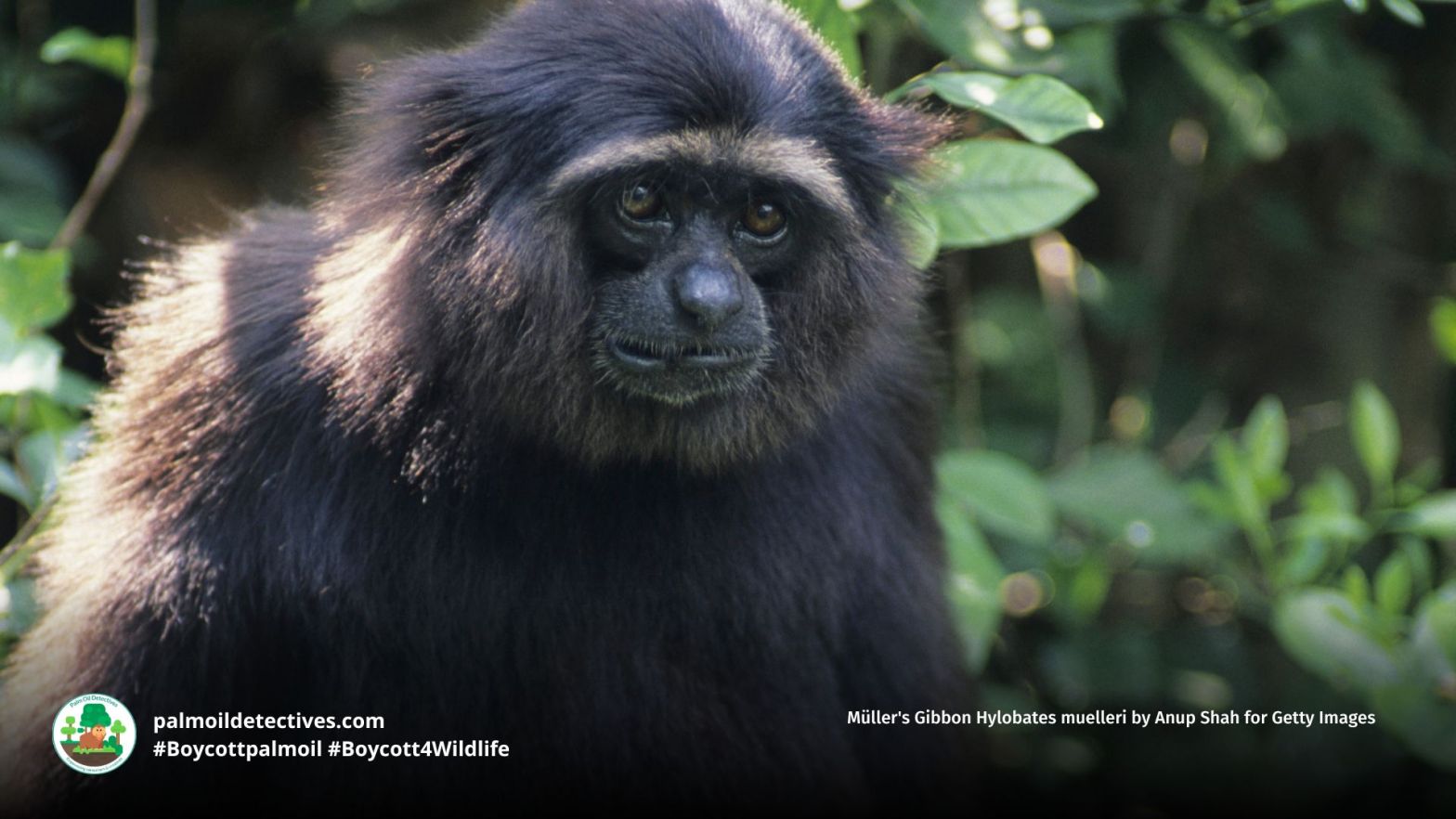
The Bornean Gibbon Hylobates muelleri, also known as Müller’s #gibbon or the Southern Grey Gibbon, is a master of the treetops and a celebrated forest singer. Their haunting duets echo across the rainforest canopy, keeping family bonds strong and warning intruders away. But these calls are growing rarer. The Müller’s gibbon is listed as #Endangered due to relentless forest loss caused by logging, #palmoil expansion, #fire, and #hunting. Their future depends on the survival of Borneo’s rainforests. Take action and use your wallet as a weapon! #BoycottPalmOil #Boycott4Wildlife be #Vegan and #BoycottMeat
Tag Archives: vegan
Silvery Gibbon Hylobates moloch
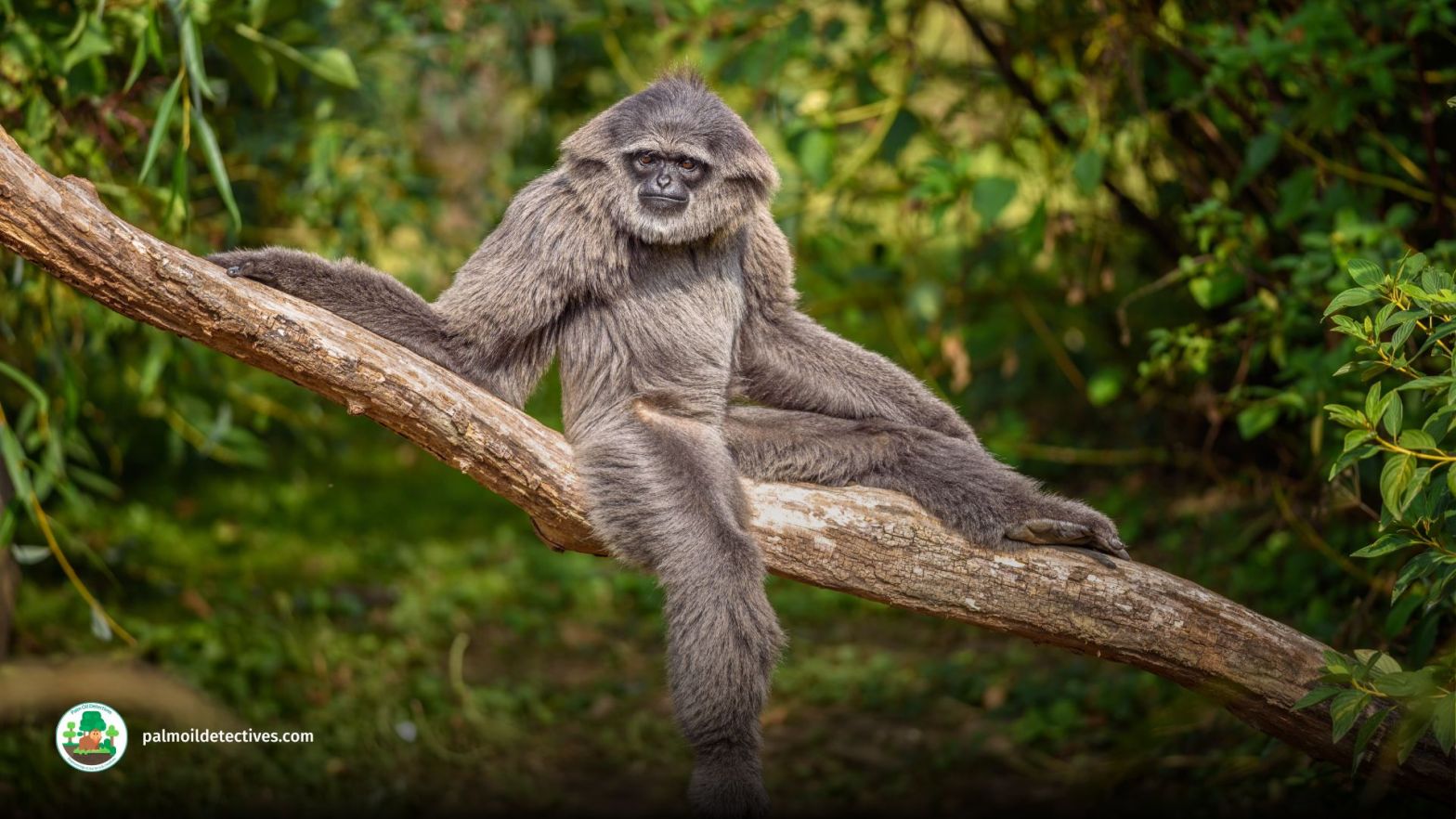
Silvery Gibbon Hylobates moloch Red List Status: Endangered Locations: Indonesia (island of Java, including provinces of Banten, West Java, and Central Java as far east as the Dieng Mountains) The Silvery #Gibbon 🩶🐒🐵 of genus ‘Hylobates’ meaning ‘Forest Walker’. They sing to each other in ‘local’ accents and do thrilling acrobatics 🤸♂️ They are #endangered,Continue reading “Silvery Gibbon Hylobates moloch”
Northern Gray Gibbon Hylobates funereus
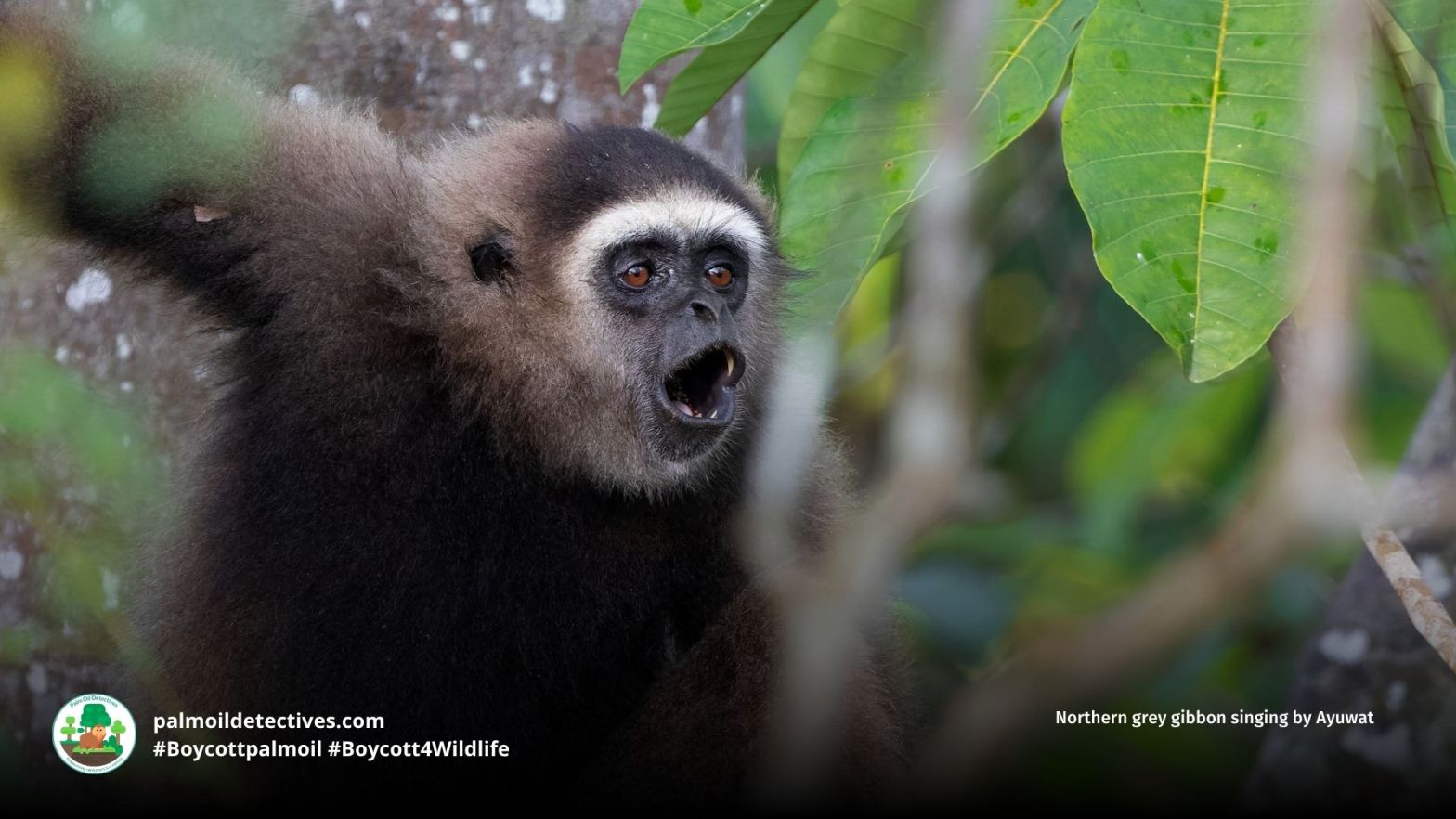
Save the sublime song and energetic lives of the Northern grey gibbons in Borneo when you boycott palm oil and boycott4wildlife in the supermarket!
Wrinkled Hornbill Rhabdotorrhinus corrugatus
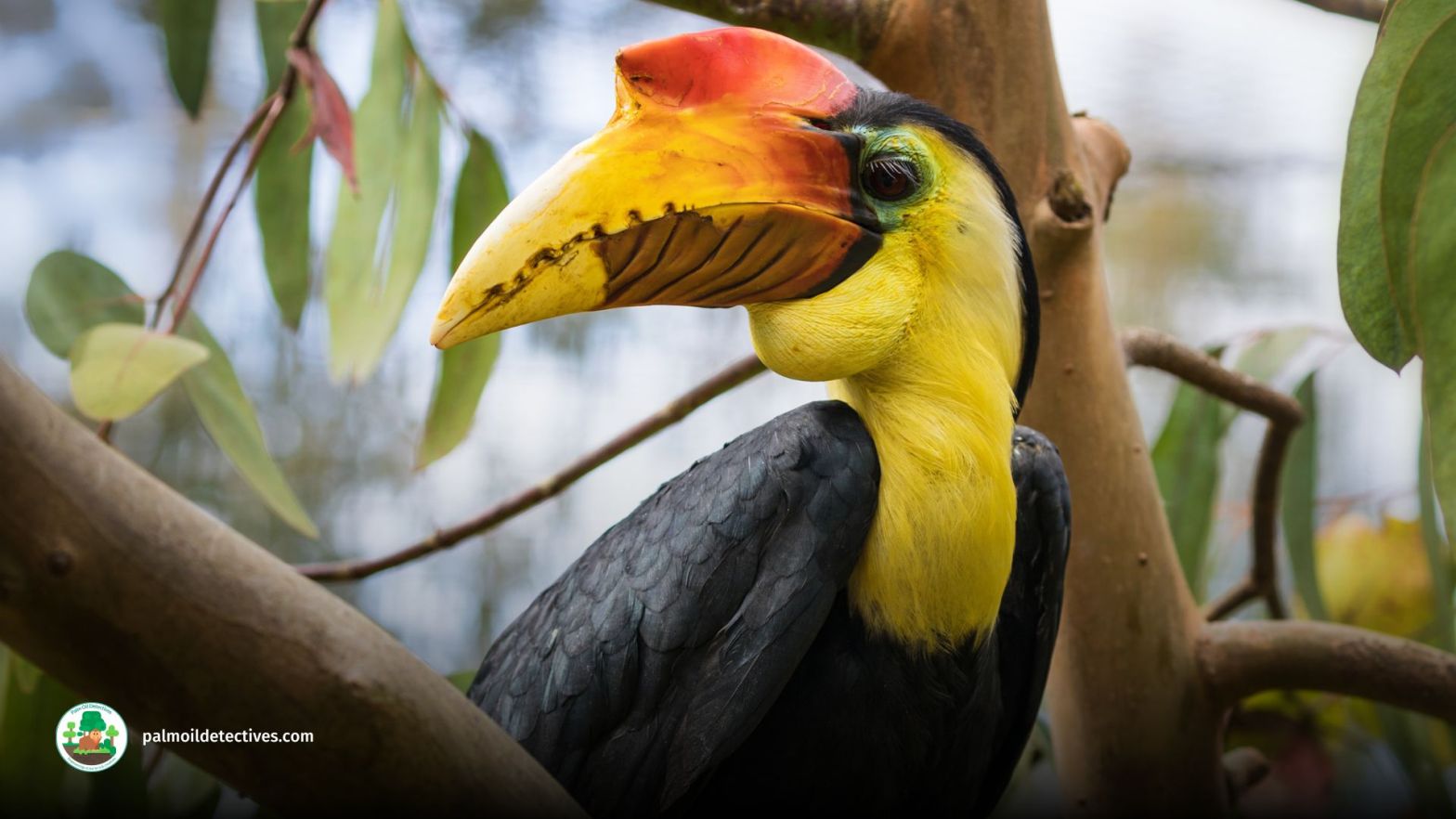
Discover the fascinating world of the Wrinkled Hornbill. These ancient and magnificent birds thriving in lush primary evergreen and swamp forests up to 1,000 meters above sea level. Unfortunately, their habitat faces threats from forest fires and the conversion of lowland forests into large-scale palm oil and rubber plantations, along with small-scale agriculture. These majestic creatures rely on large trees for nesting, putting them at risk due to logging. But we can help! By boycotting palm oil and adopting a #vegan lifestyle, we can protect the Wrinkled Hornbills and their precious home. Let’s come together and make a positive impact for wildlife preservation. 🌳🐦💚 #Boycottpalmoil #Boycott4Wildlife
Storm’s Stork Ciconia stormi
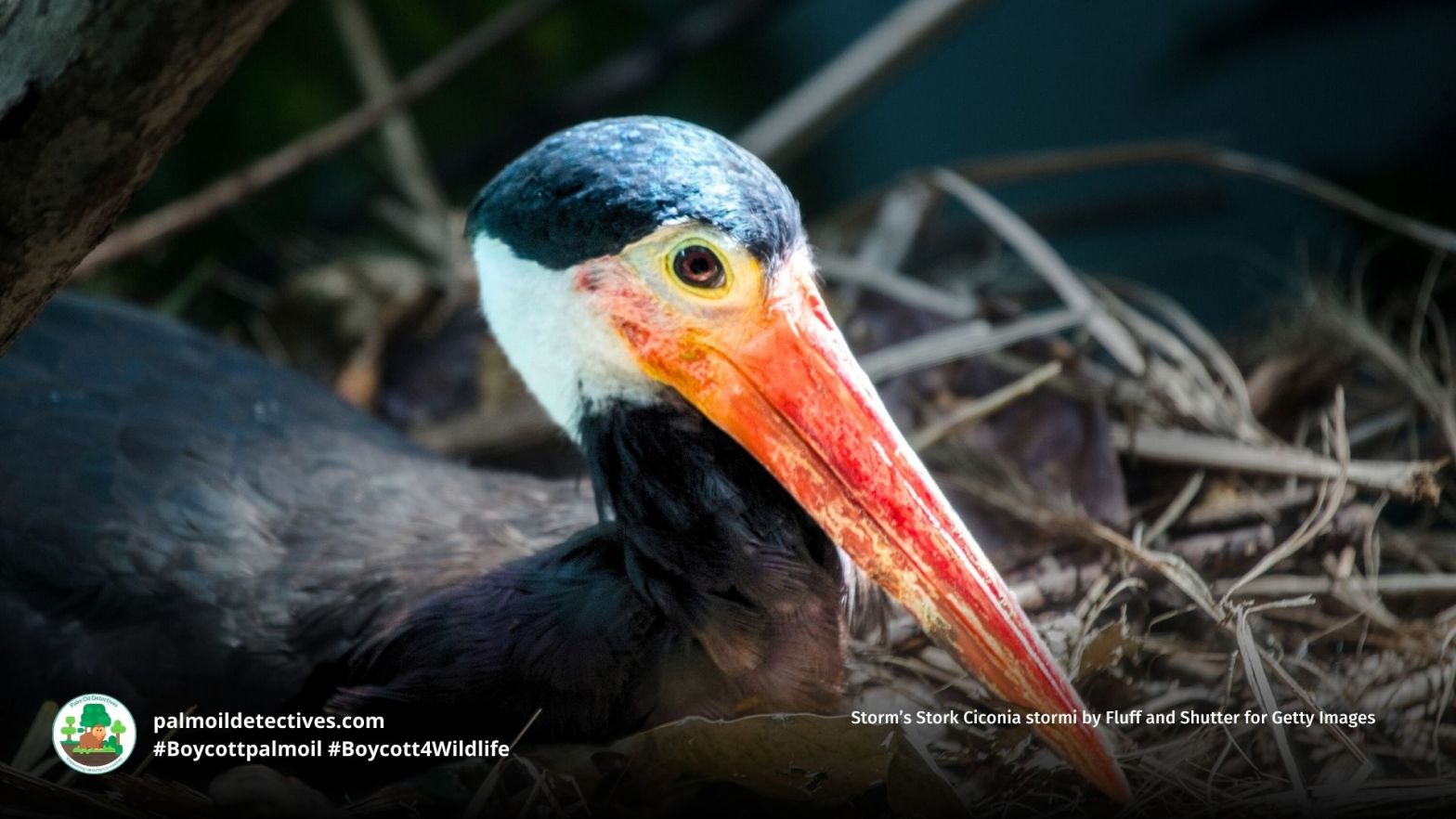
Storm’s Stork Ciconia stormi is the rarest and most elusive stork in Asia, palm oil is a threat boycott palm oil for them!
Wild Water Buffalo Bubalus arnee
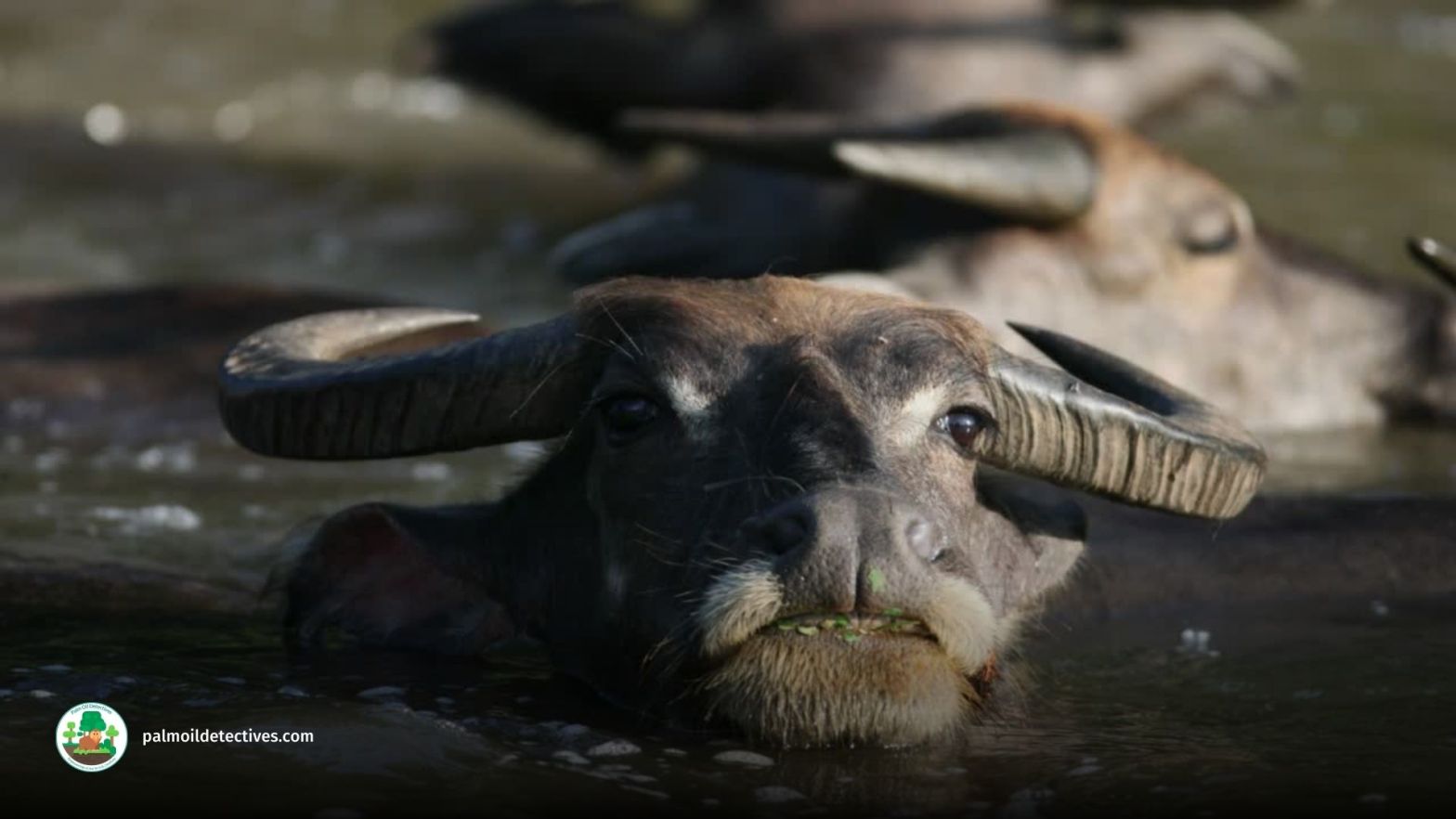
Massive, muscular, and critically under threat, the Wild Water Buffalo Bubalus arnee is the endangered ancestor of all domestic buffalo breeds. Once roaming vast swathes of South and Southeast Asia, fewer than 4,000 individual buffaloes remain today, scattered across shrinking habitats in India, Nepal, Cambodia, and a handful of neighbouring nations. Their decline is driven by interbreeding with domestic buffalo species, habitat destruction from farming and palm oil plantations, hunting, and disease transmission from livestock. This ancient grazer of flooded grasslands and braided rivers is vanishing before our eyes. Speak out for them and support indigenous-led efforts to restore their ecosystems. #BoycottPalmOil #Boycott4Wildlife
Sipora Flying Squirrel Hylopetes sipora
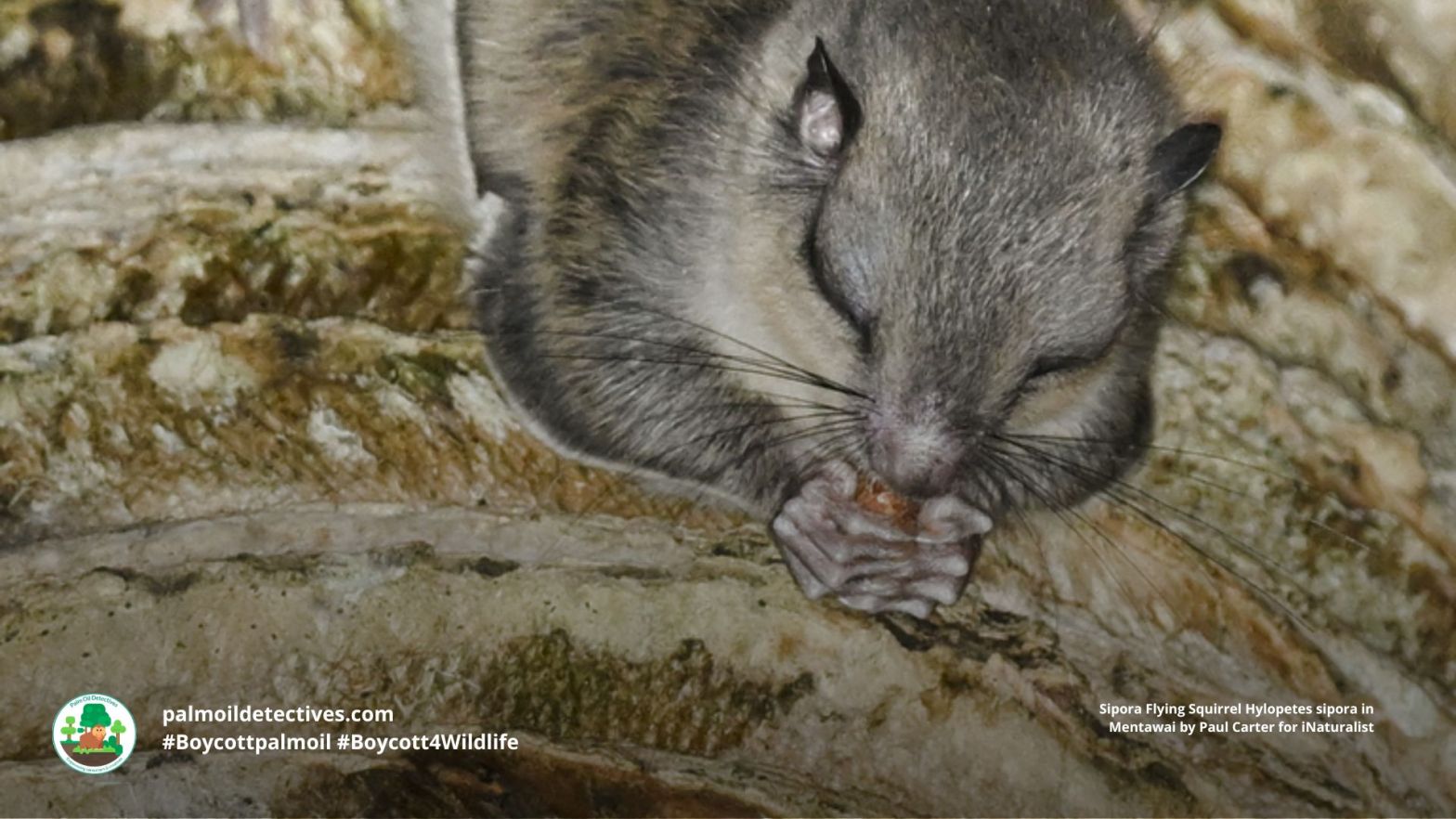
On the small, forested island of #Sipora, #Indonesia the Sipora flying #squirrel Hylopetes sipora drifts silently between ancient trees. This rare squirrel is found nowhere else on earth. At night, the Sipora flying squirrel emerges from the hollows of towering trees, their large eyes scanning the dim canopy. With a sudden leap, they unfold their patagium—a membrane stretching from wrist to ankle—and glide effortlessly through the air, landing on a distant branch with barely a sound. The forests of Sipora are being cleared for #timber, charcoal and #palmoil, leaving the Sipora flying squirrel with fewer places to hide. Use your wallet as a weapon and #BoycottPalmOil #Boycott4Wildlife.
Woolly Flying Squirrel Eupetaurus cinereus
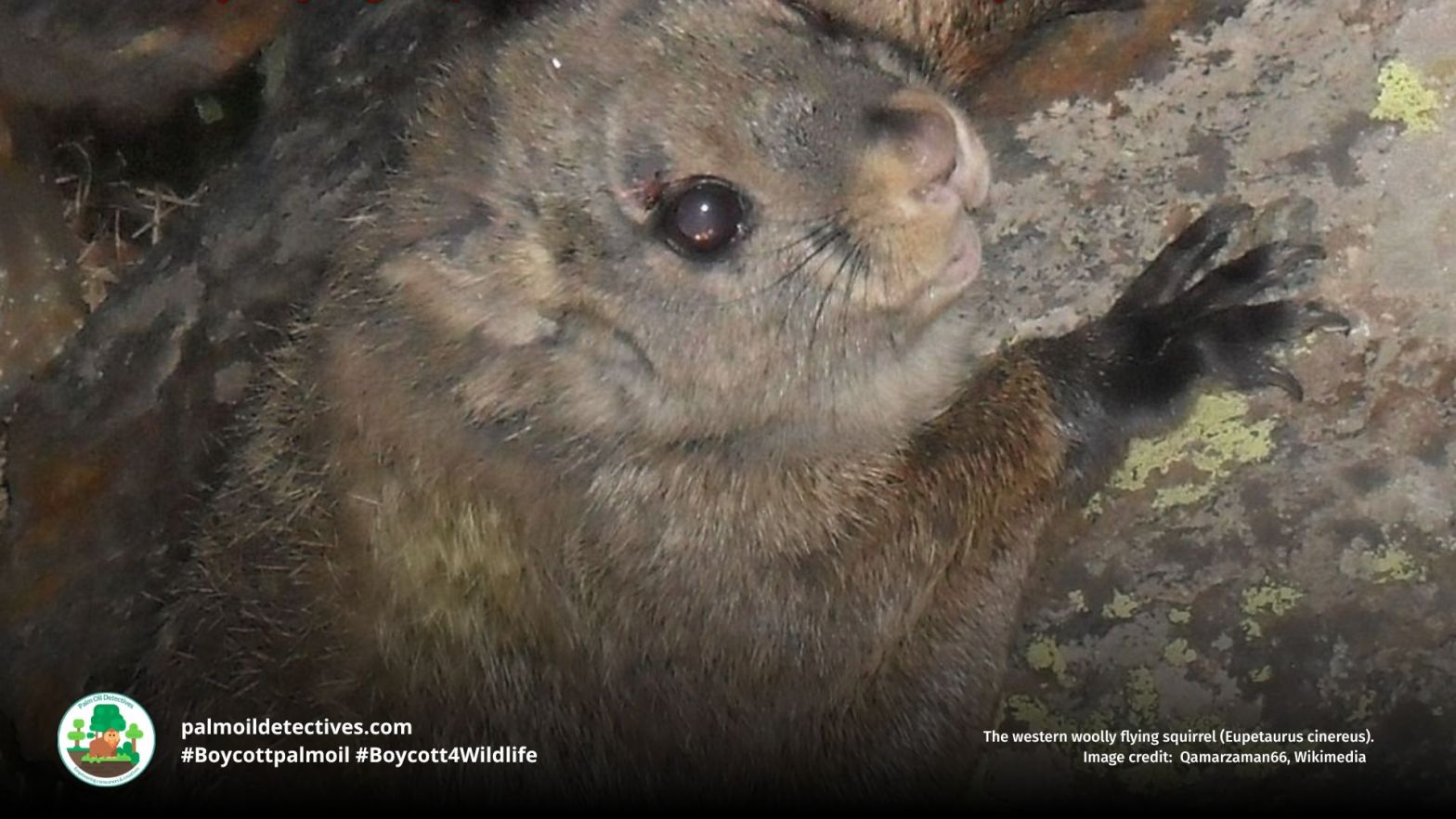
The Western Woolly Flying #Squirrel Eupetaurus cinereus is one of the world’s largest and least understood gliding mammals. Once thought extinct for nearly 70 years, they were rediscovered in the remote mountainous forests of northern #Pakistan and #India in 1994. This remarkable species inhabits high-altitude cliffs and coniferous forests, where they glide with effortless grace between trees despite their large size. However, their survival is under severe threat from habitat destruction, #deforestation, and human persecution. Help them by sharing out this campaign and calling out exploitative industries, it’s the #Boycott4Wildlife
Vordermann’s Flying Squirrel Petinomys vordermanni
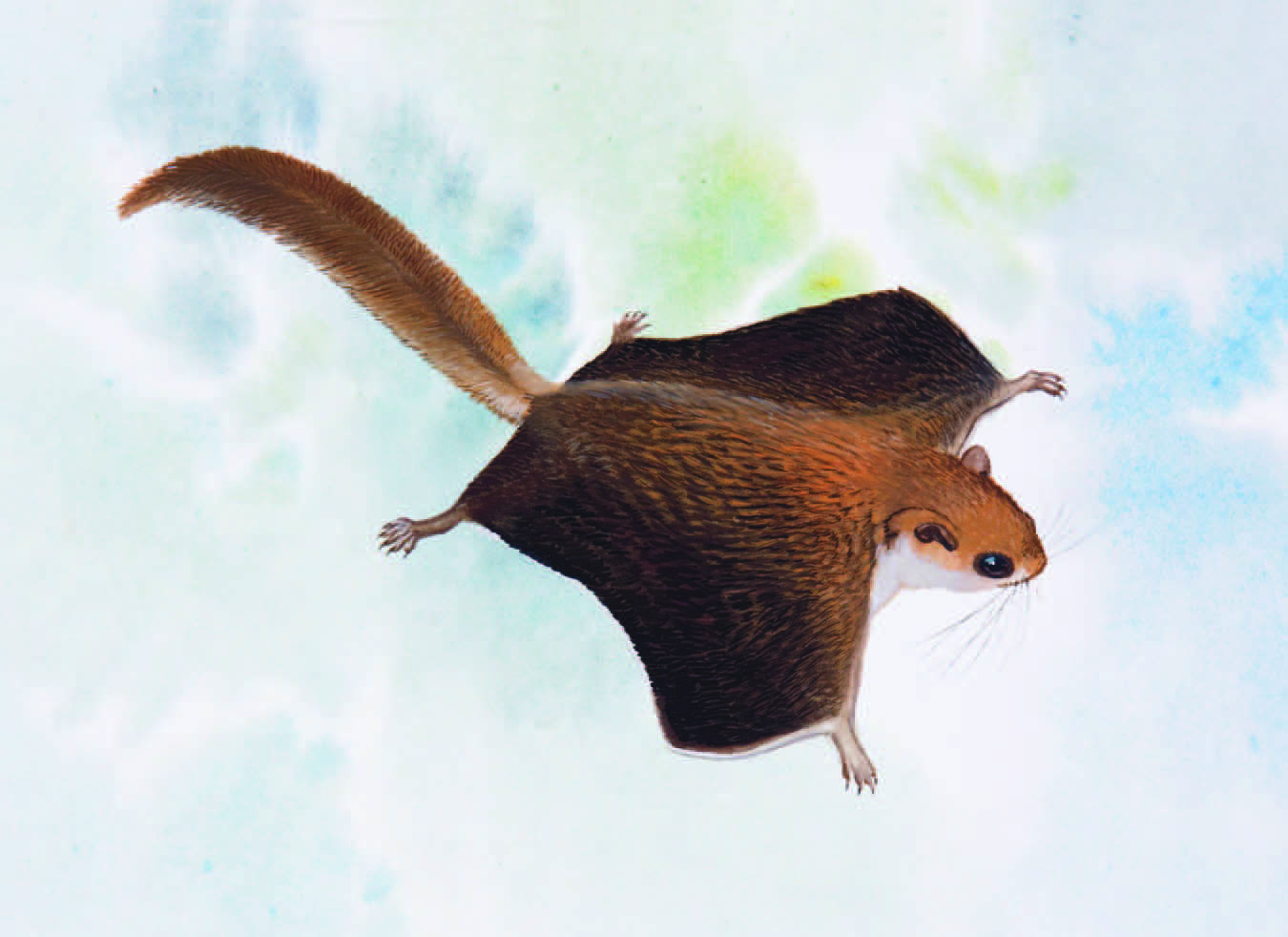
In #Borneo’s twilight, the Vordermann’s flying #squirrel emerges from her nest, resplendent with orange cheeks and black-ringed eyes. This small, #nocturnal #mammal is a master of the rainforest canopy. They use an ingenious membrane called a patagium to effortlessly glide between trees. A flying squirrel’s world is one of constant motion and quiet vigilance. Don’t let this world disappear! The forests that sustain them are vanishing at an alarming rate. Palm oil-driven deforestation, logging, and land conversion are tearing through their habitat, leaving only fragmented forest. Use your wallet as a weapon and #BoycottPalmOil #Boycott4Wildlife.
Bornean Ferret Badger Melogale everetti
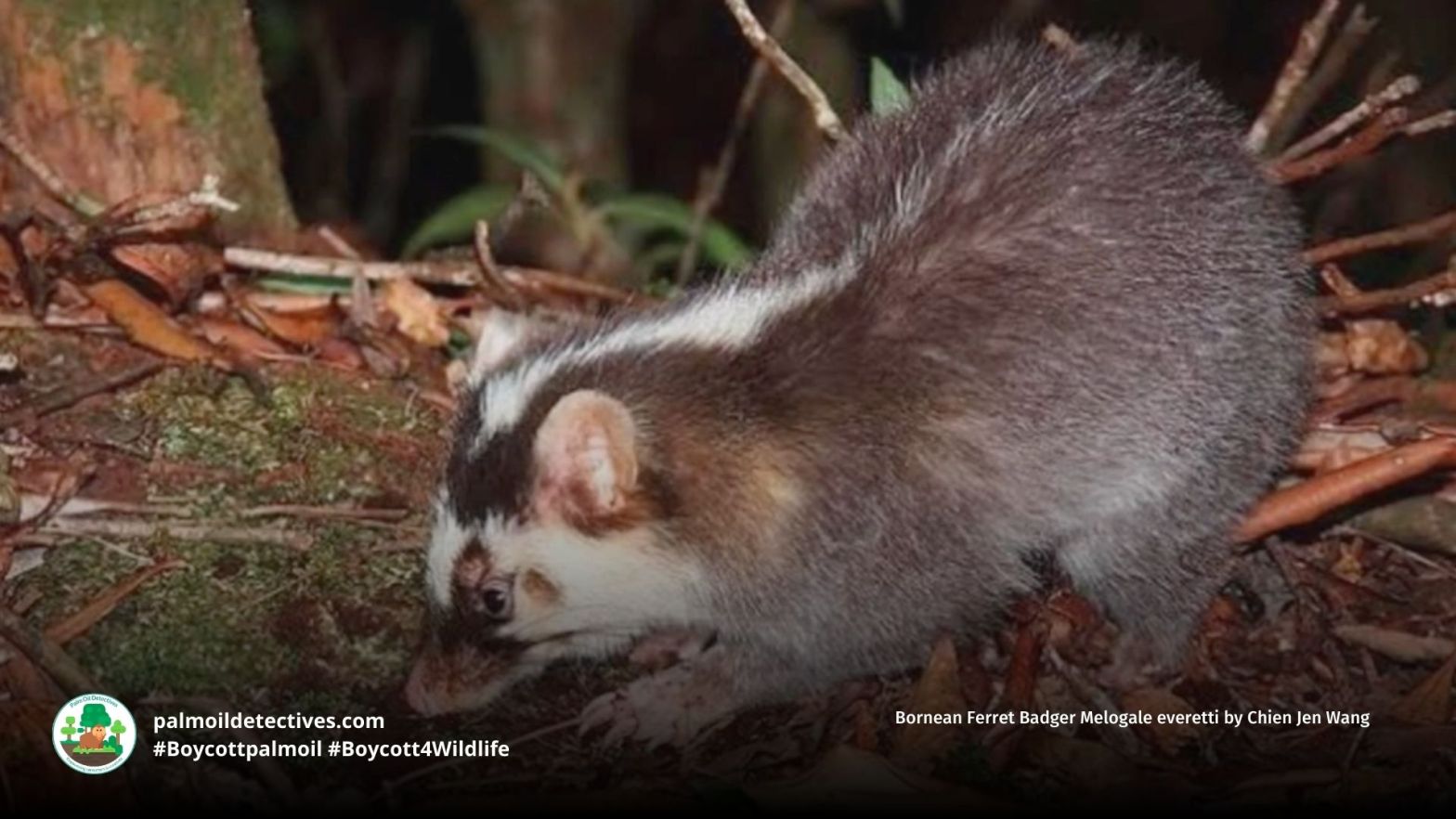
The Bornean Ferret Badger is an enigmatic nocturnal omnivore is endangered due to palm oil and timber deforestation in Malaysia, take action boycott palm oil!
Malayan Tapir Tapirus indicus
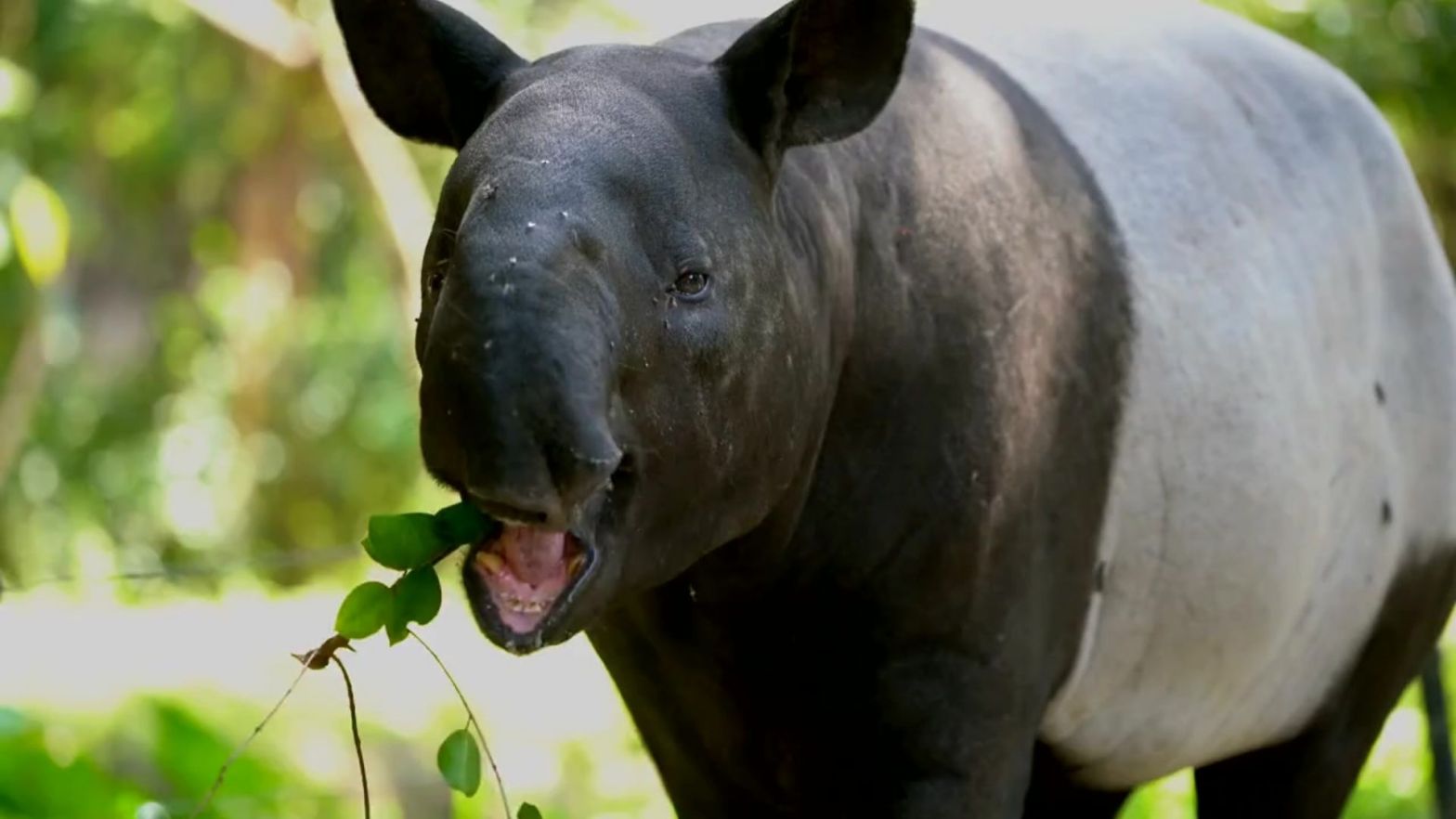
The endangered Malay Tapir faces habitat loss from palm oil plantations, road kills, and snares. Less than 2,500 remain. Support #BoycottPalmOil to save them.
Blue Bird-of-paradise Paradisornis rudolphi
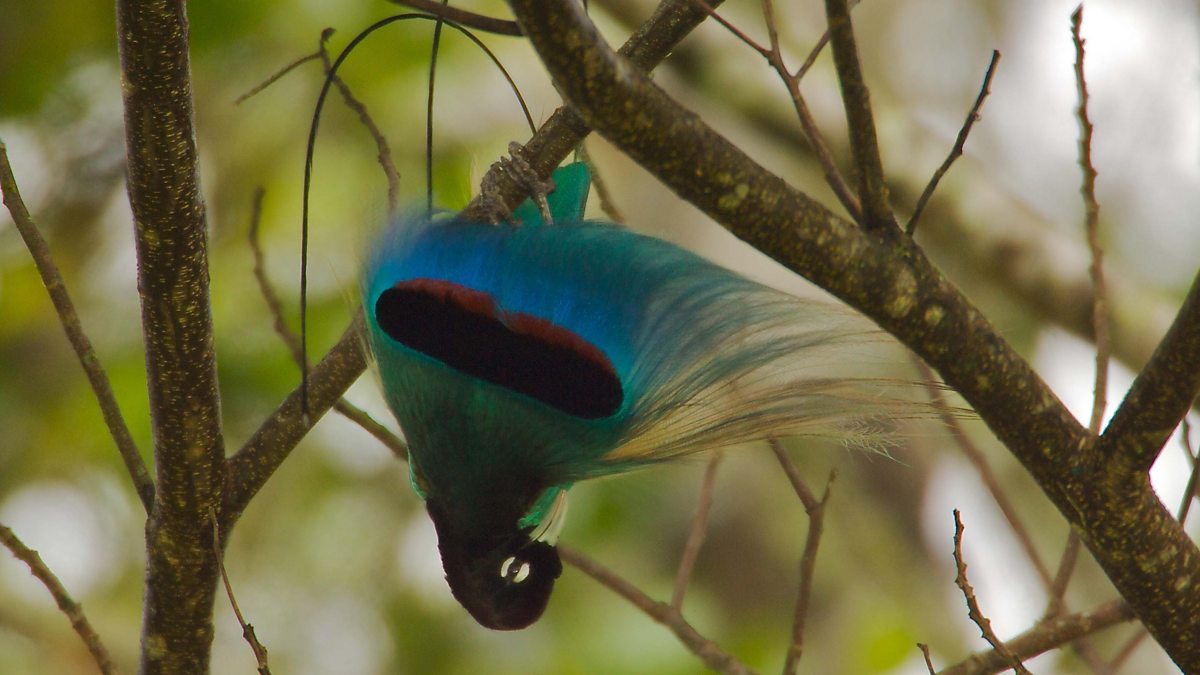
Discover the jewel-toned Blue Bird-of-Paradise, a species found only in Papua New Guinea’s mountains. These mesmerising birds are vulnerable due to palm oil
Grizzled Tree Kangaroo Dendrolagus inustus
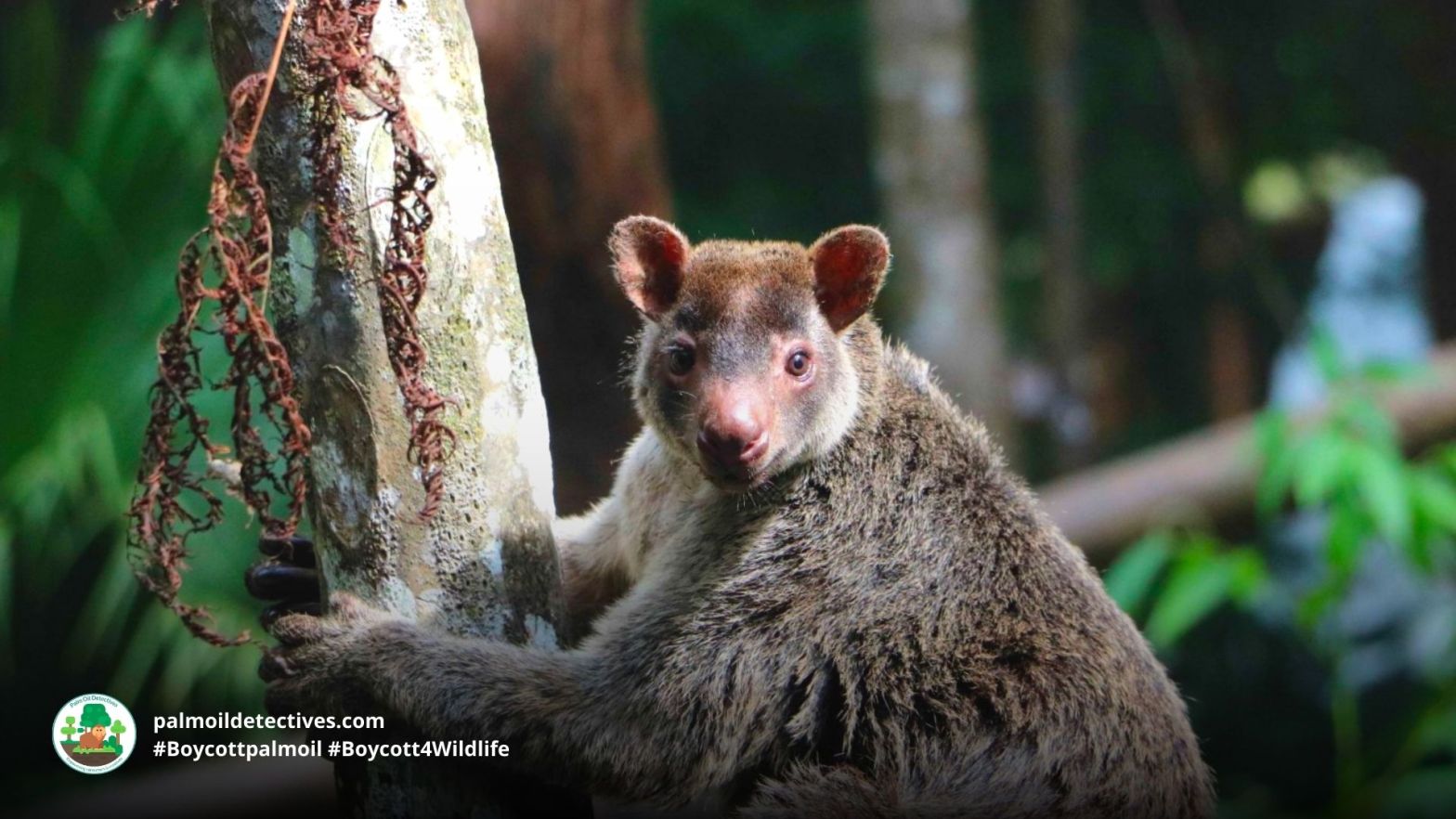
Where the forest rises steeply from the rivers and the mist hangs low over the green spires of the Foja Mountains and the Torricelli Range, the Grizzled Tree Kangaroo moves like a living memory. The Grizzled Tree Kangaroo Dendrolagus inustus and their ash-grey coats and quiet agile movements, are the ghostly figures of New Guinea’s dwindling rainforests. Listed as Vulnerable on the Red List, these rare tree kangaroos now stand at the edge of survival. Hunting dogs track their scent; chainsaws fell their towering homes. Palm oil is rapidly obliterating their forest home. Without urgent action, these shy, elusive creatures will vanish into the mist forever. Boycott palm oil and go #vegan for them. Protect their ancient world. #BoycottPalmOil #Boycott4Wildlife
Blue-eyed Cockatoo Cacatua ophthalmica
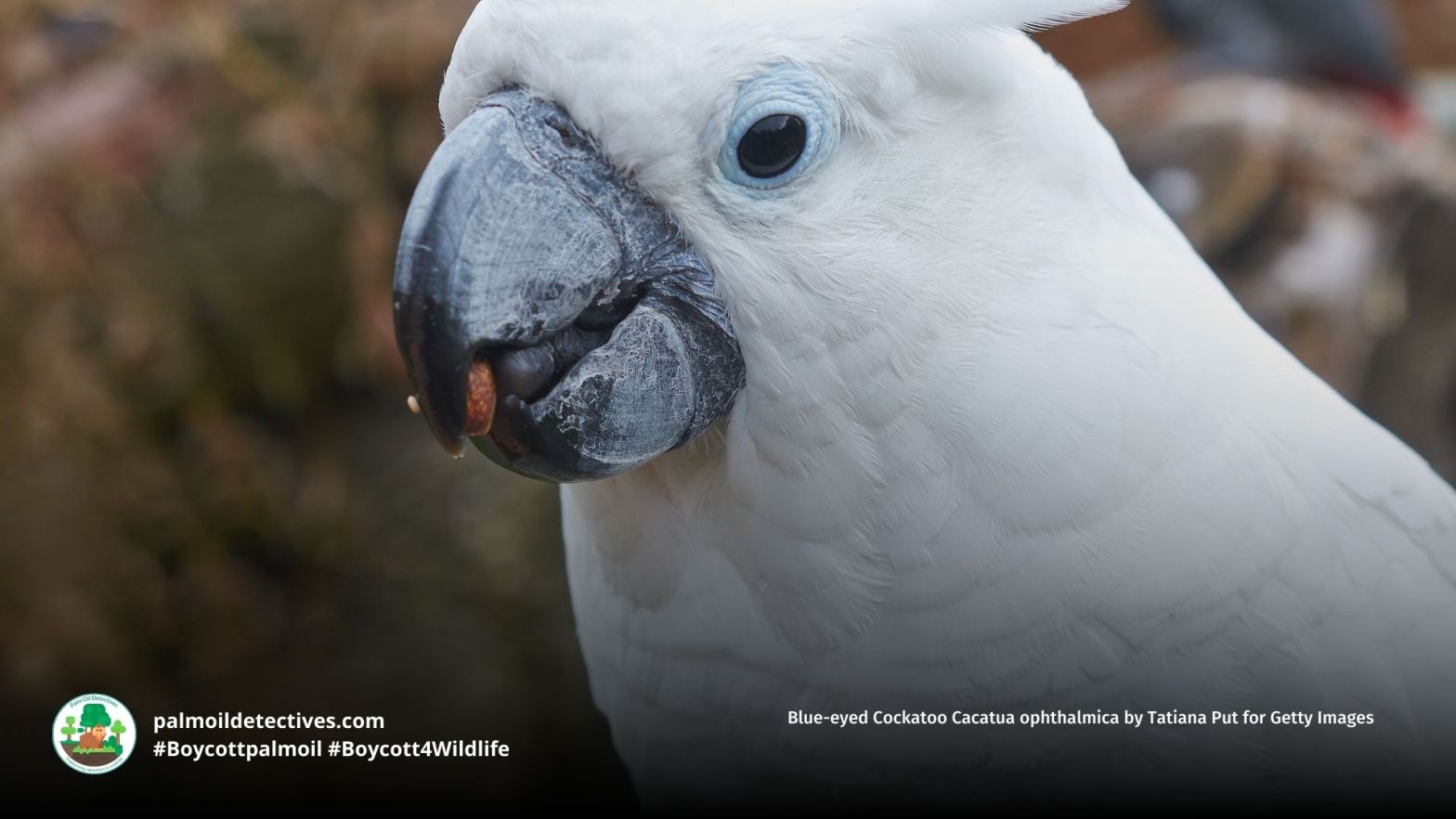
The Blue-eyed Cockatoo is a striking and charismatic bird, known for their vivid blue eye rings and expressive crests. These cockatoos depend on mature forests for nesting and food but face significant threats, including habitat destruction caused by out-of-control palm oil plantations, illegal hunting, and the illegal pet trade. Conservation efforts are critical to ensure the survival of this remarkable species. #BoycottPalmOil #Boycott4Wildlife
Ifola Dendrolagus notatus

The Ifola, a rare and little-known tree kangaroo, inhabits the tropical montane forests of the Fakfak Mountains in Papua New Guinea and Indonesian-occupied West Papua. First identified as a distinct species in 1993, this remarkable marsupial is part of the genus Dendrolagus, known for their arboreal lifestyle. With their restricted range and vulnerability to habitat loss, Ifola are at significant risk due to palm oil deforestation, gold mining, and other human activities encroaching on their high-altitude homes. Their survival is tied to the preservation of the rich, biodiverse forests they call home. #BoycottPalmOil #Boycott4Wildlife
Black-naped Pheasant-pigeon Otidiphaps insularis
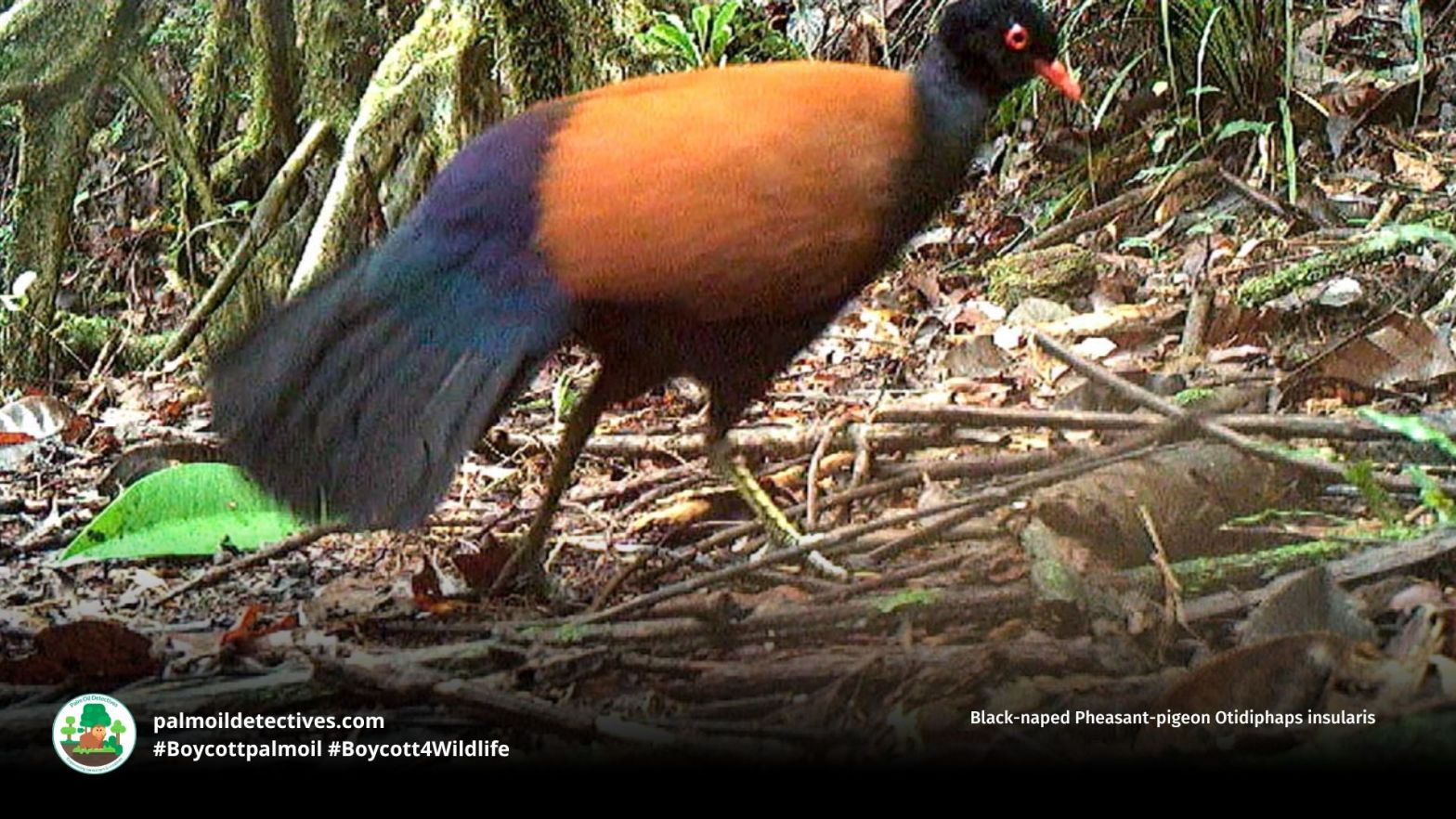
Elusive, critically endangered Black-naped Pheasant-Pigeon live on Fergusson Island, Papua and must be protected from ecocide, boycott palm oil when you shop!
D’entrecasteaux Archipelago Pogonomys Pogonomys fergussoniensis
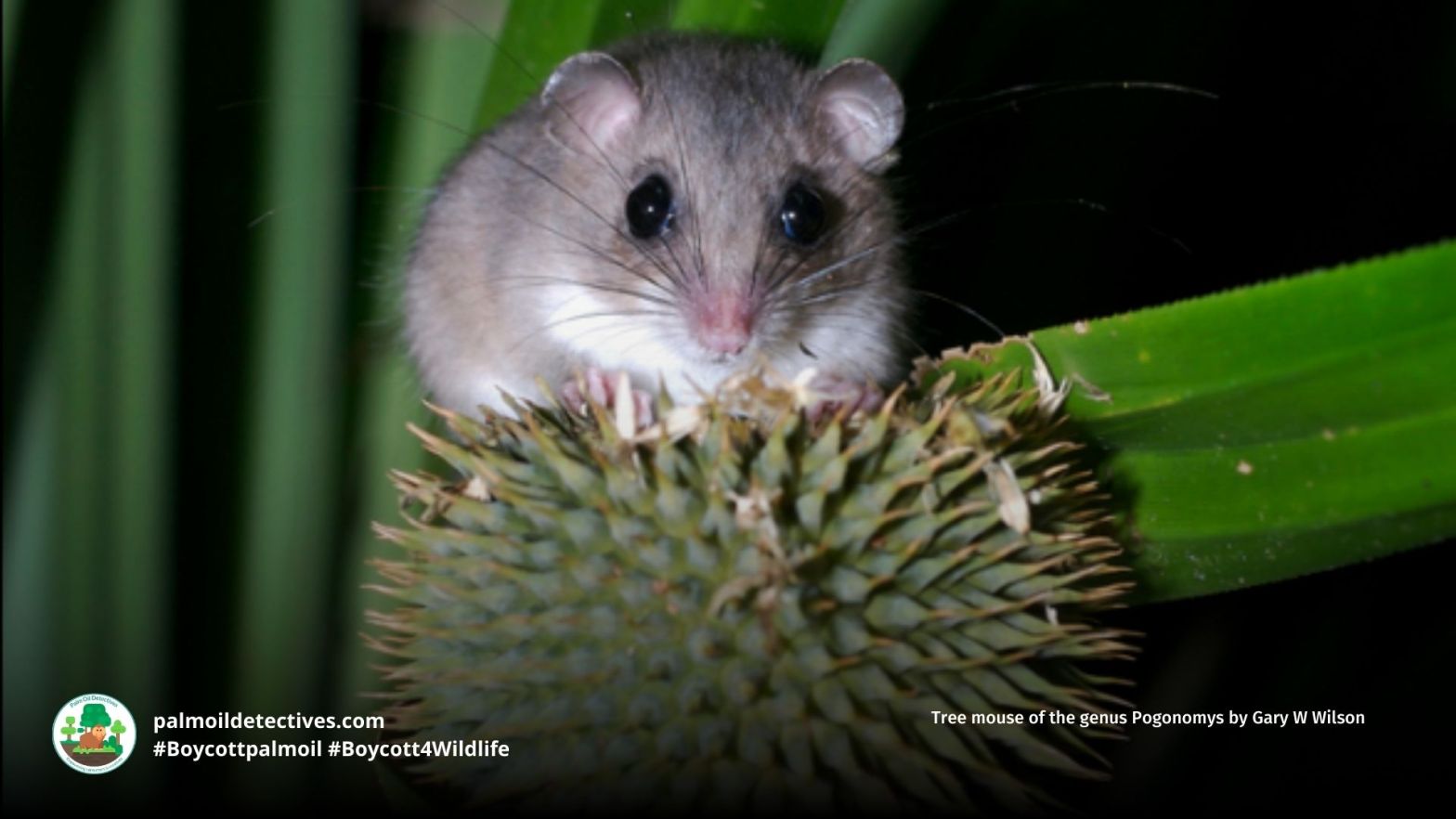
Help save D’Entrecasteaux Archipelago Pogonomys. Long named ultra cute arboreal rodents from Papua New Guinea are endangered by palm oil. Resist and boycott!
Pig-tailed Snub-nosed Langur Simias concolor
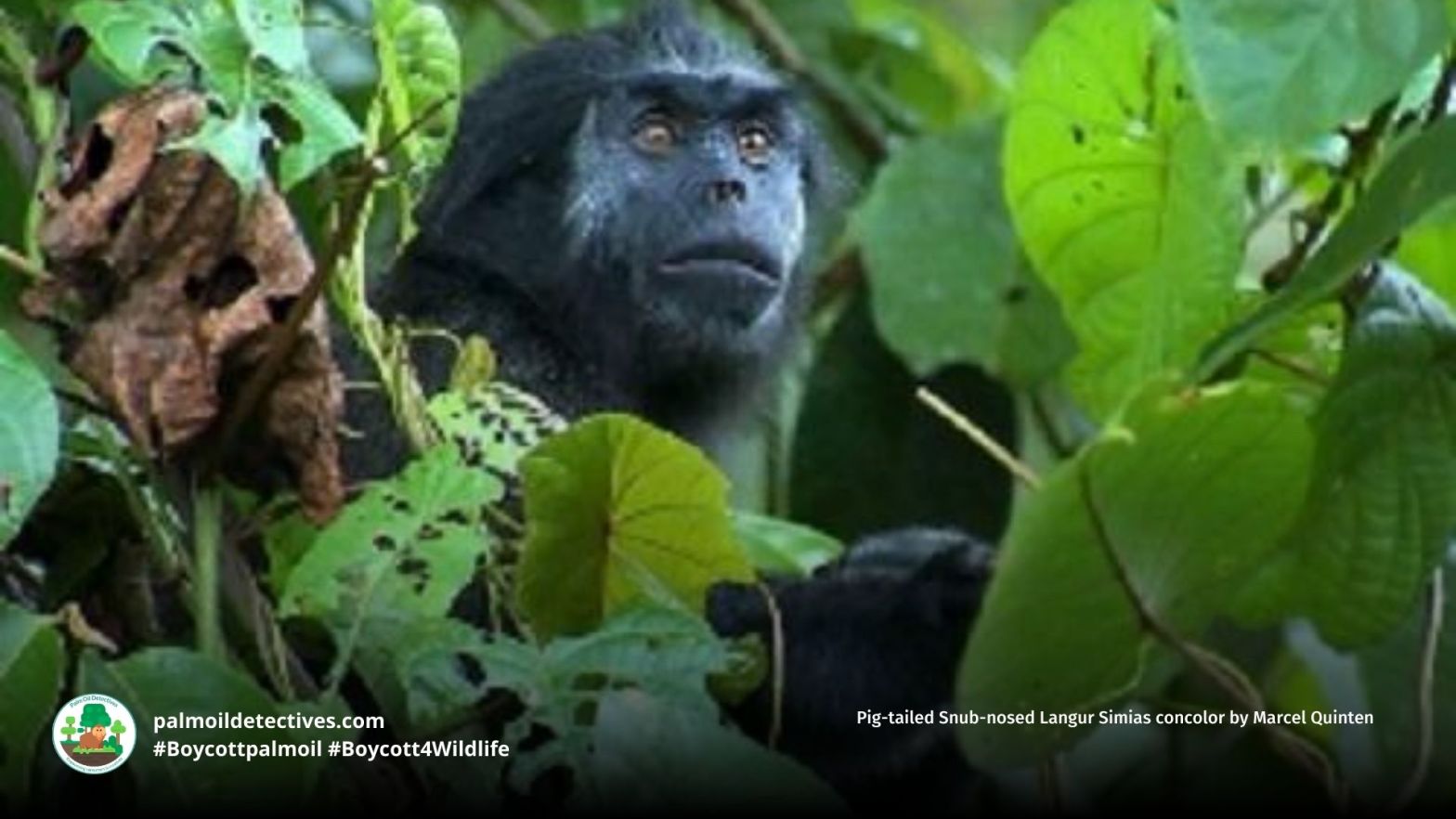
Boycott palm oil for Pig-tailed Langurs. These critically endangered monkeys face extinction from palm oil deforestation, hunting, and habitat fragmentation
Cotton-headed Tamarin Saguinus oedipus
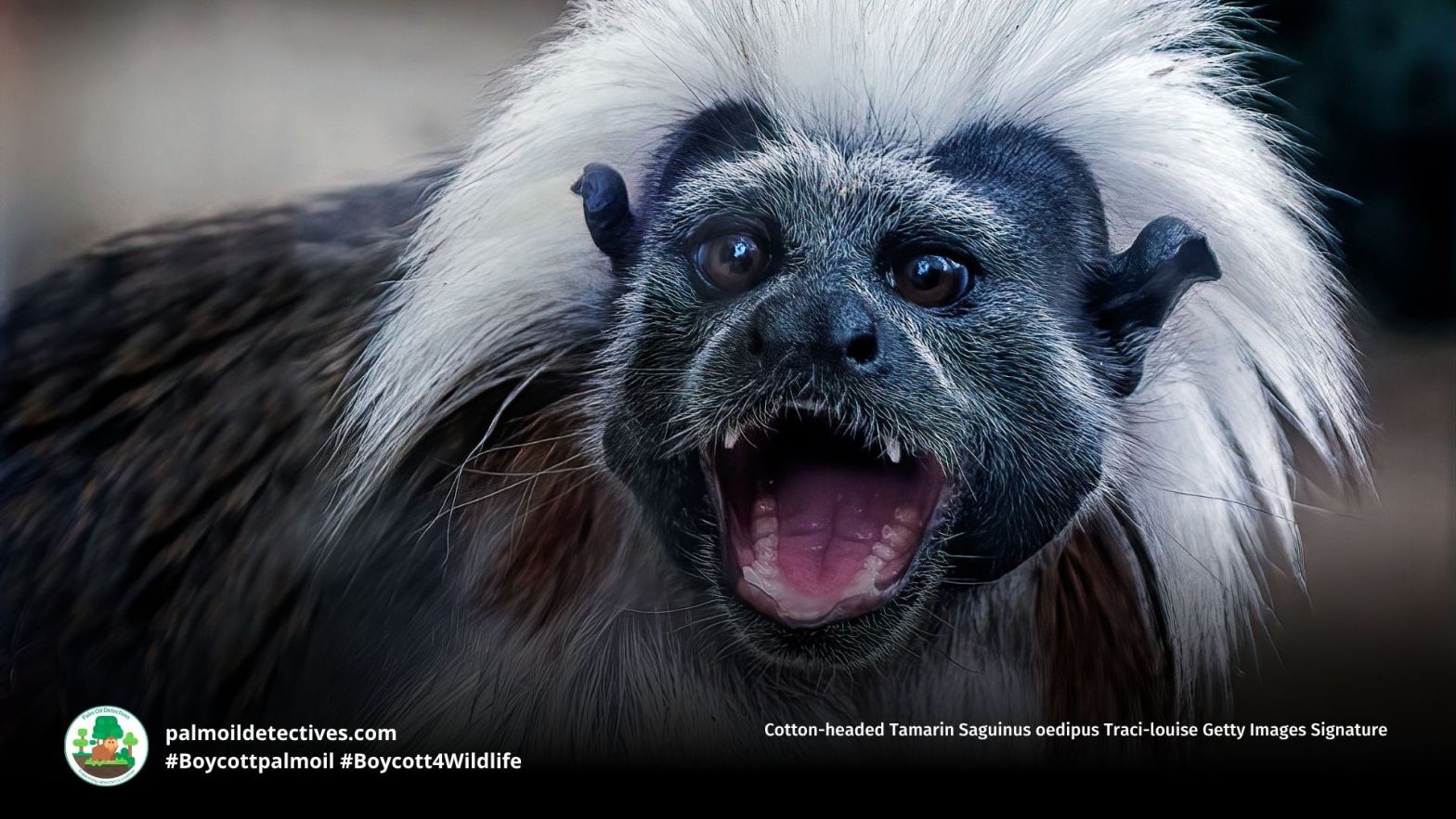
Known for the characterful head crests giving adults a plucky and “punk” look, the Cotton Top #Tamarin, also known as the Cotton-headed Tamarin is a diminuitive #monkey living in the humid forests in the south to dry deciduous forest in the north of #Colombia. They are now critically endangered and face multiple serious threats from capture for primate experiments, to the illegal pet trade and deforestation for palm oil, soy, meat deforestation and the cultivation of ilicit coca. Help these spritely and remarkable tiny primates to survive, every time you shop be #Vegan and #BoycottPalmOil #Boycott4Wildlife
Southern White-cheeked Gibbon Nomascus siki
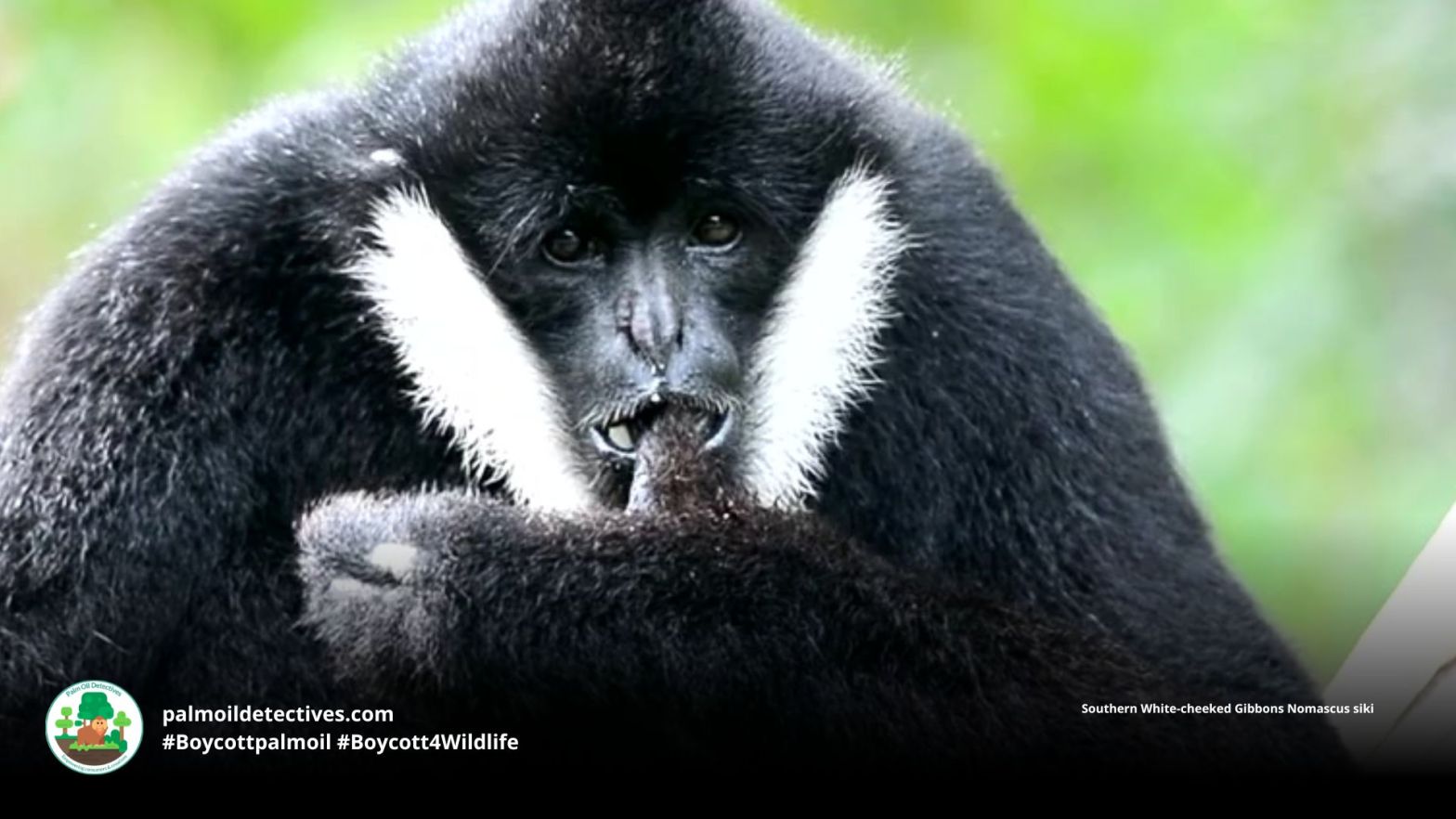
Southern White-cheeked Gibbons are melodic primates of Laos and Vietnan under threat by rubber plantations facing 80% population loss. Fight for them!
Cao-vit Gibbon Nomascus nasutus
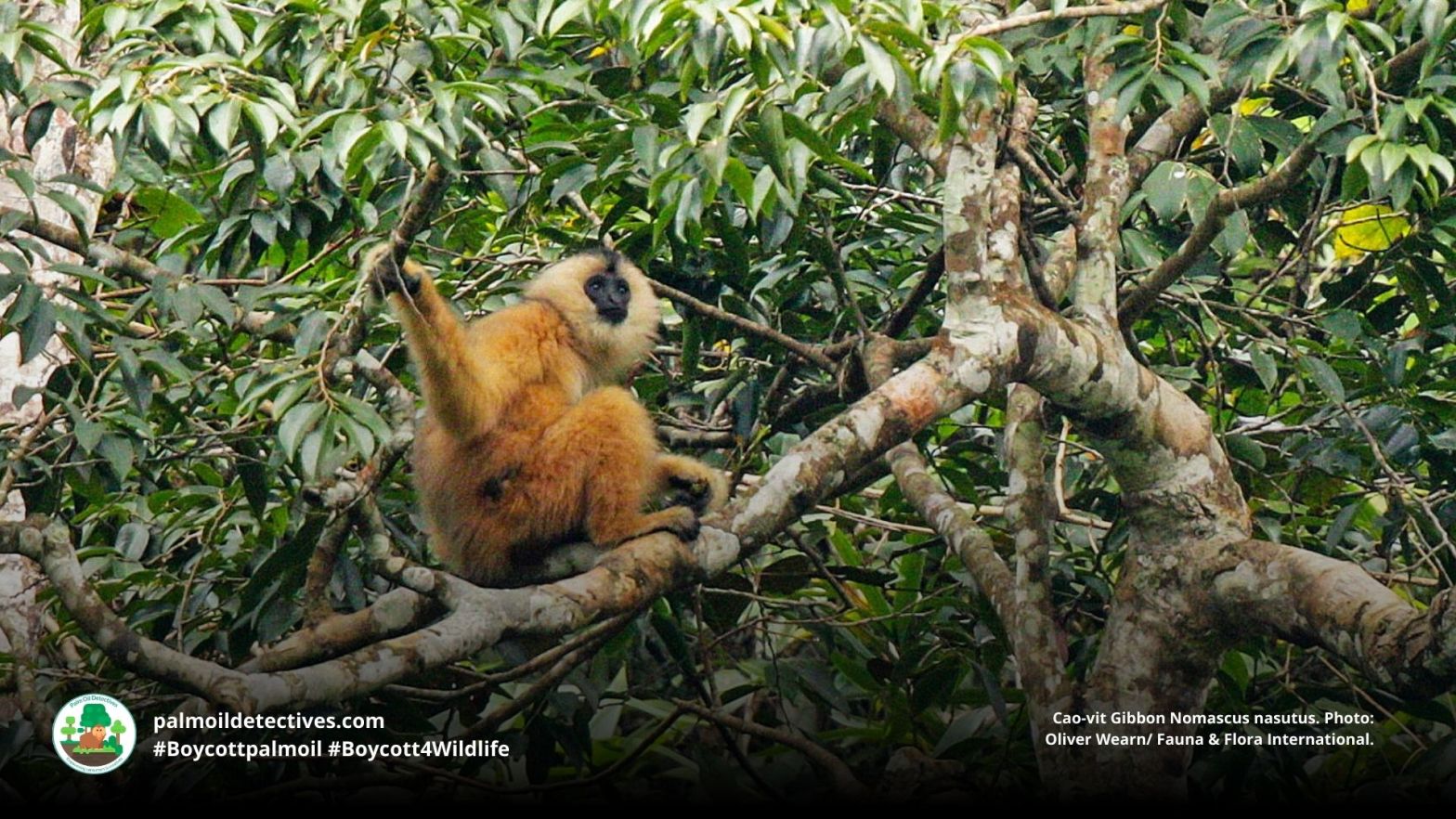
The Cao-vit gibbon, one of the world’s rarest primates, captivates the imagination with their melodic “cow-veet” calls, which echo like rainforest birdsongs. Research has found that they sing in regional accents to each other and form breeding pairs.
Arguably the world’s rarest gibbon they live in one forest patch straddling the Vietnam–China border. These critically endangered primates face myriad threats, including habitat destruction for timber and meat agriculture, inbreeding, and climate change. Immediate, concerted conservation action is essential to save these extraordinary gibbons from extinction.
Support indigenous-led conservation efforts to protect their habitat. Fight for their survival every time you shop. Use your wallet as a weapon and #BoycottMeat and be #Vegan #Boycott4Wildlife.
Black Crested Gibbon Nomascus concolor
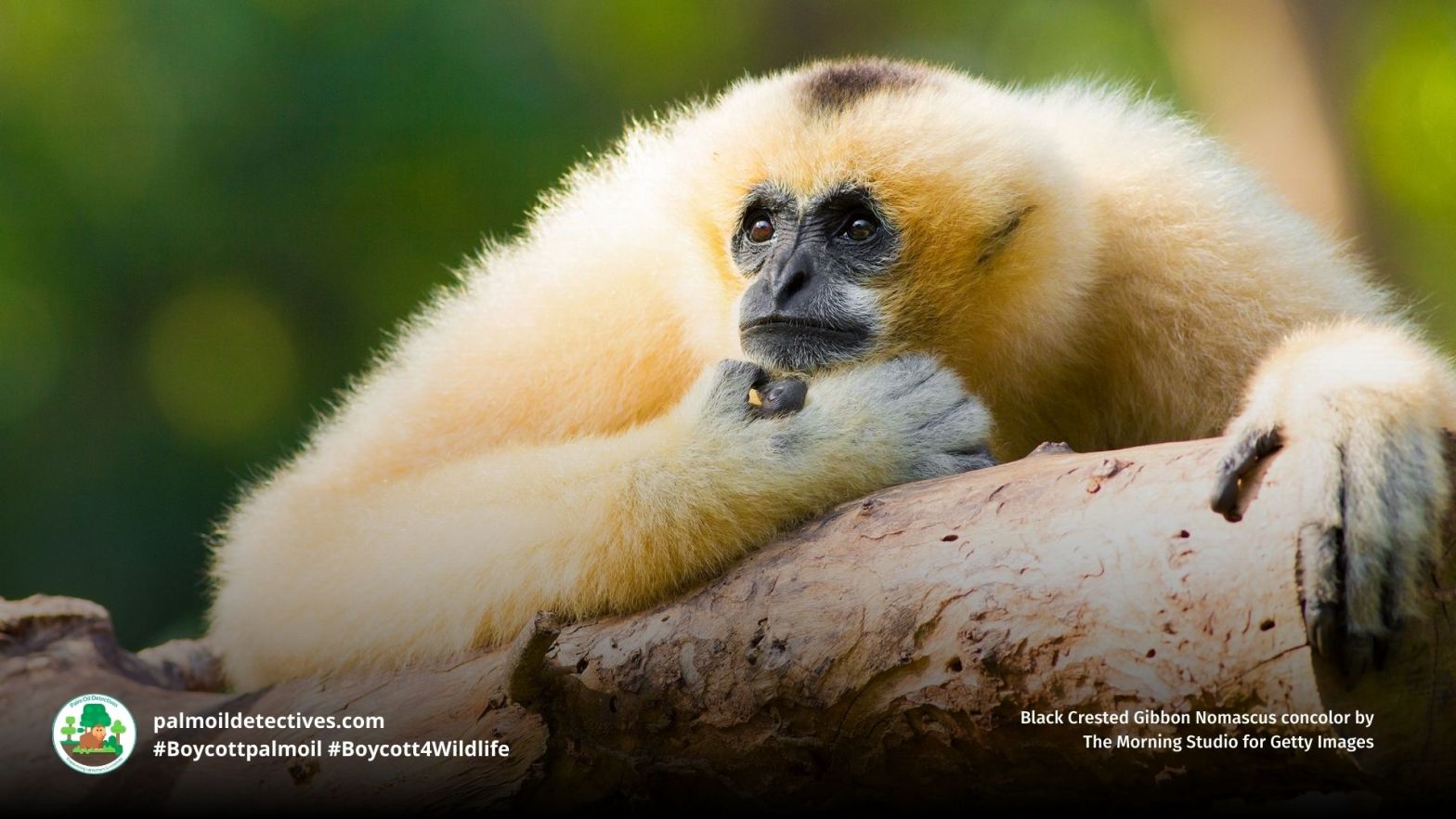
The Black-Crested Gibbon of the genus Nomascus is a truly enchanting primate, renowned for their melodic morning duets that echo through the forests of southern China, Vietnam, and Laos. What makes these calls even more remarkable is their regional variation—these gibbons sing with distinct “accents,” unique to their local populations. These complex songs not only strengthen bonds between mates but also serve as territorial markers, ensuring harmony within their fragmented forest homes.
Despite their beauty and ecological importance, Black-Crested Gibbons are at risk of extinction. Habitat destruction for agriculture, and logging, coupled with hunting for the bushmeat trade and the illegal pet trade, is rapidly shrinking their population. Protecting their future is vital for the health of their ecosystems. Take action now: Boycott the illegal wildlife trade, be #vegan and #Boycott4Wildlife.
Arfak Ringtail Pseudochirulus schlegeli
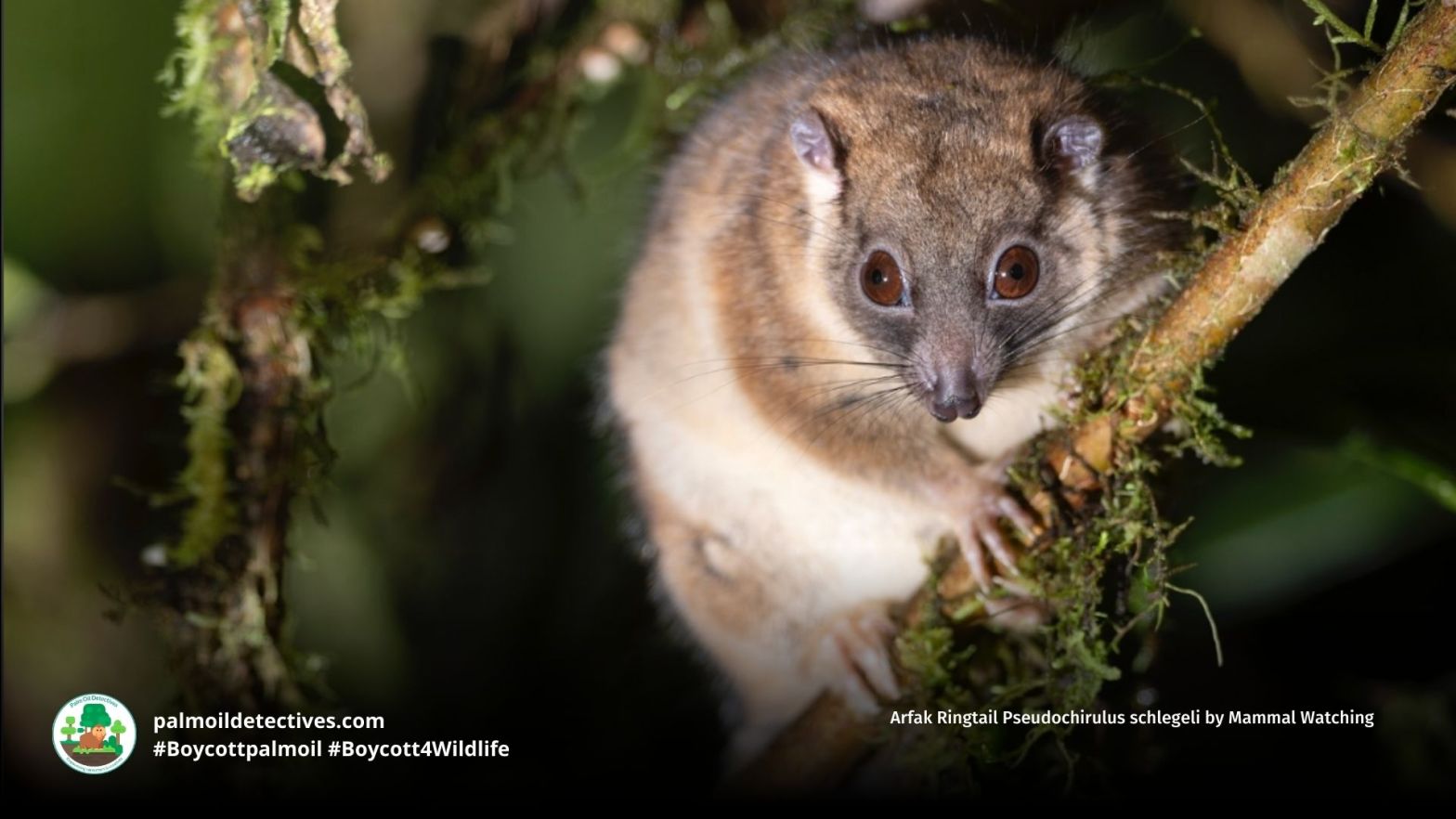
The Arfak Ringtail Pseudochirulus schlegeli is a wide-eyed and bushy tailed #possum living in the remote Arfak Mountains and cloud forests of #WestPapua. Although little is known of these tree-dwelling #marsupials, much can be gleaned from related #mammals in Australasia. These cryptic and fluffy arboreal beauties are found in the mossy, cloud-wrapped forests of the Vogelkop Peninsula’s Arfak Mountains. Listed as #Vulnerable, the species faces mounting pressure from #deforestation for #palmoil and #timber and #hunting by local communities. With fewer than five known locations and less than 20,000 km² of suitable habitat, this highland #possum could disappear quietly without urgent action. Protect #indigenous forests, say no to palm oil, and stand up against wildlife exploitation #BoycottPalmOil #Boycott4Wildlife #Vegan
Vogelkop Tree Kangaroo Dendrolagus ursinus
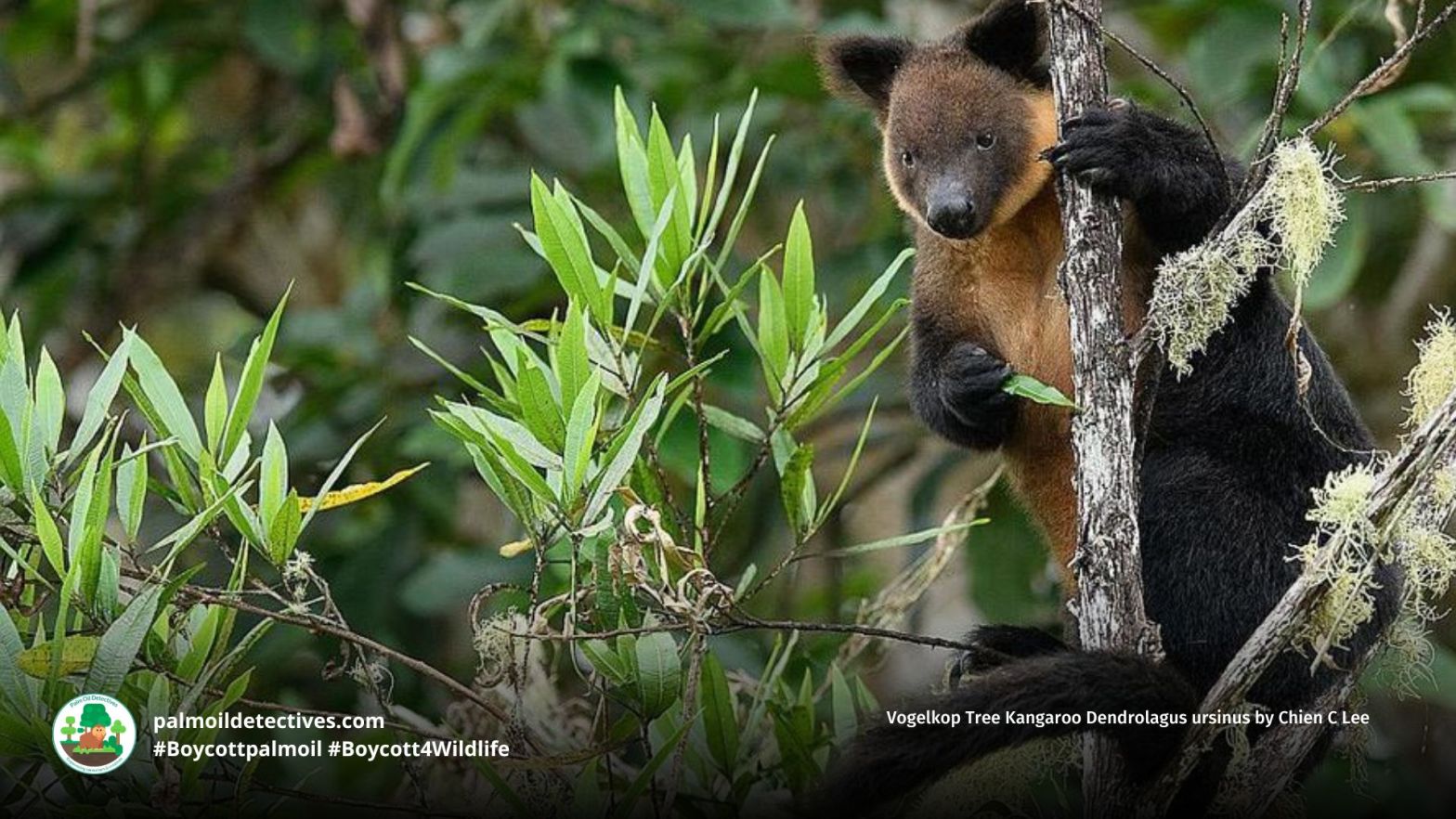
Protect stunning marsupials Vogelkop Tree Kangaroo Dendrolagus ursinus and boycott palm oil! They live in the Vogelkop and Fakfak Peninsulas of West Papua.
Dingiso Dendrolagus mbaiso
Known affectionately as the ‘Panda tree kangaroo’ for their black and white faces, dingisos are one of the rarest and most charismatic species of tree kangaroos, living only in the remote cloud forests of the Sudirman Range in Indonesian-occupied #WestPapua. While revered by the Moni people who consider them sacred and taboo to hunt, #Dingiso populations have still plummeted by over 50% due to #hunting, road construction, habitat clearing, and the expansion of industrial agriculture particularly #palmoil #deforestation. #Climatechange is now driving further habitat loss at high altitudes. Help these mysterious and gentle tree kangaroos every time you shop, use your wallet as a weapon and #BoycottPalmOil #Boycott4Wildlife
Blue-eyed Spotted Cuscus Spilocuscus wilsoni
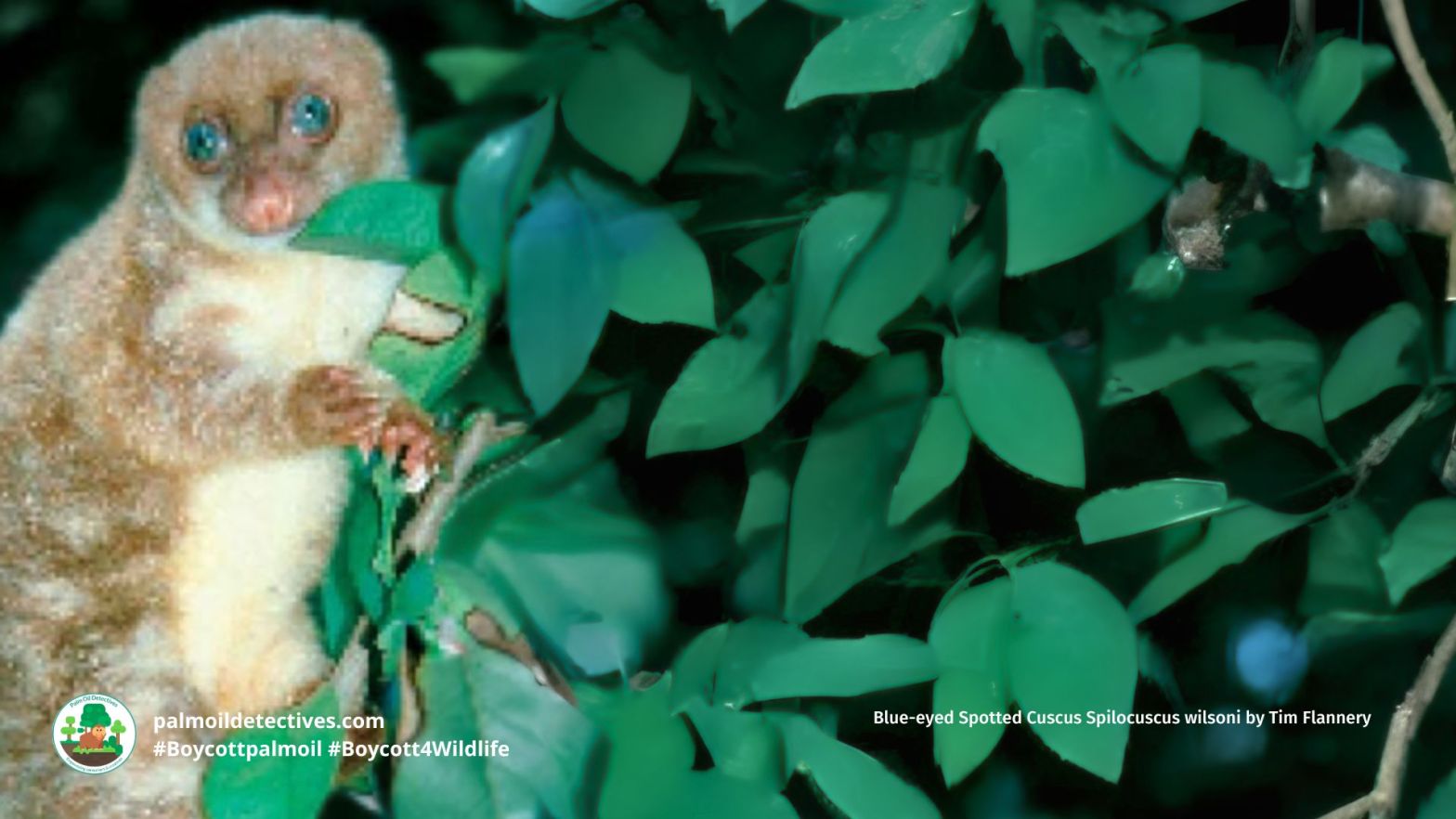
Critically Endangered Blue-eyed Spotted Cuscus lives in lowland rainforests of West Papua. Palm oil deforestation is a serious threat. Boycott palm oil!
Golden-mantled Tree Kangaroo Dendrolagus pulcherrimus
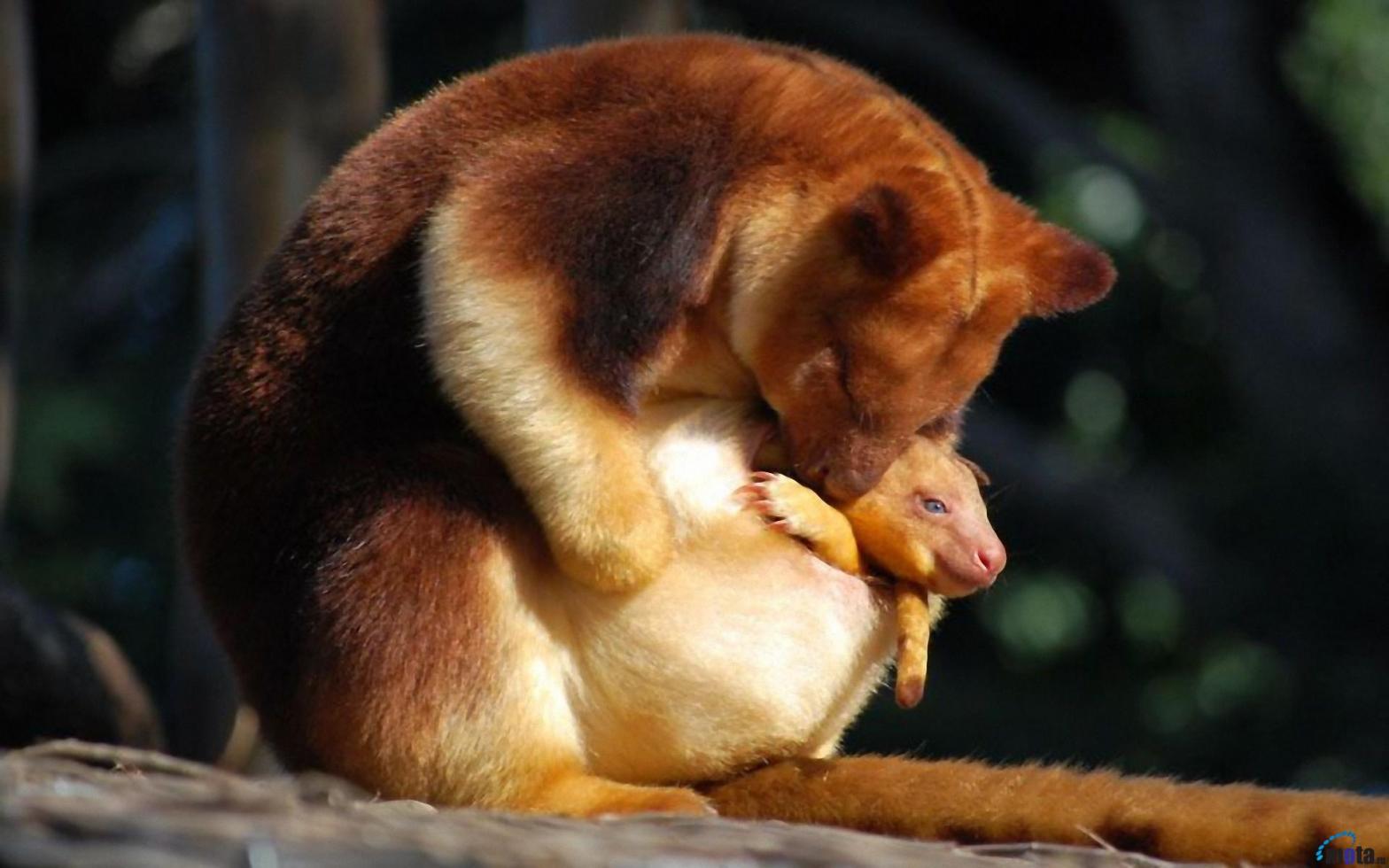
Critically Endangered Golden-mantled Tree Kangaroos are found in Papua New Guinea’s mountains. They move with grace in a vanishing world. Boycott palm oil!
Sabah Grizzled Langur Presbytis sabana
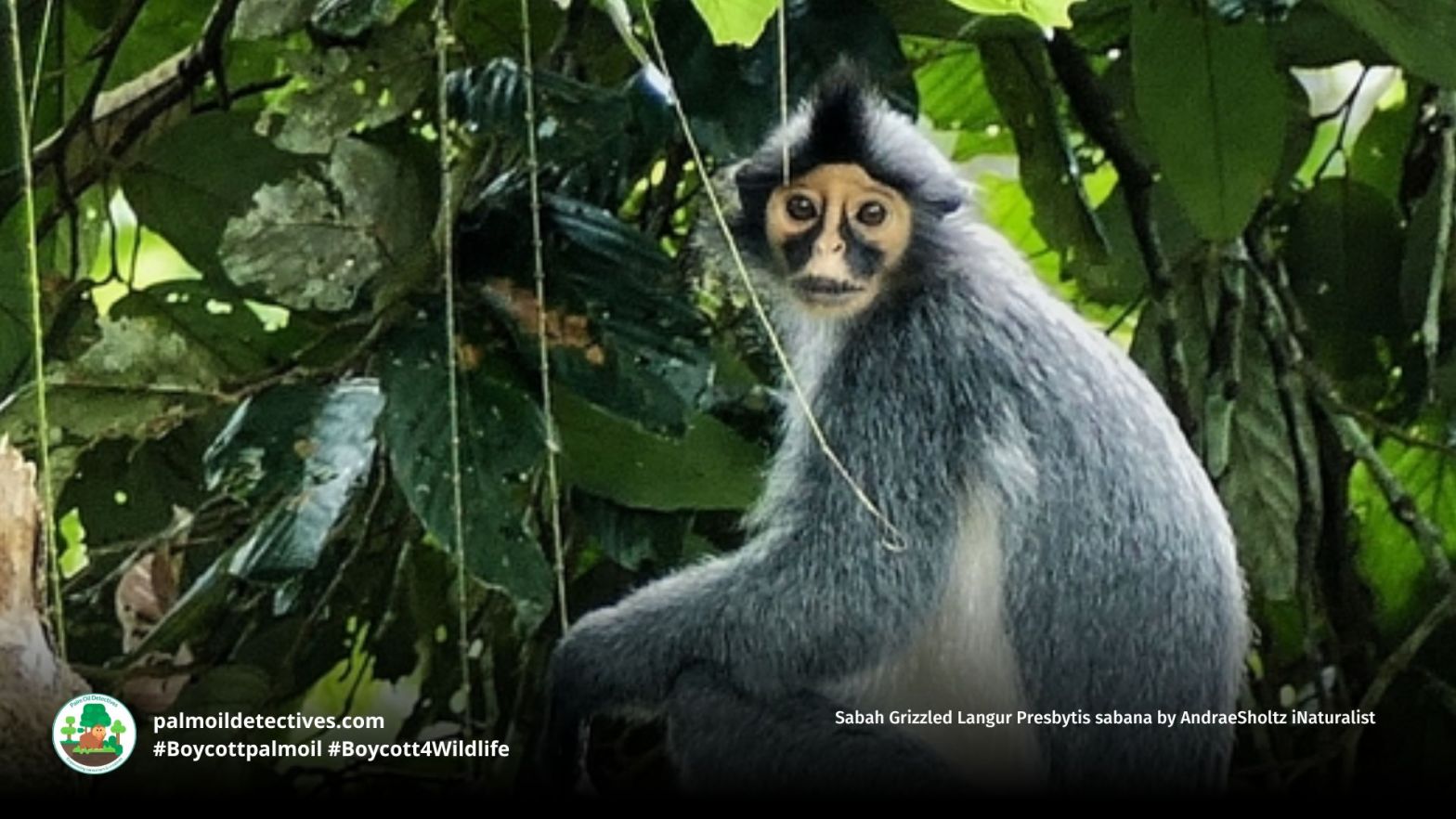
Save Sabah Grizzled Langurs AKA Crested Grizzled Langurs from palm oil! They’re endangered and urgent action is needed to prevent their extinction – boycott!
Red-shanked Douc Langur Pygathrix nemaeus
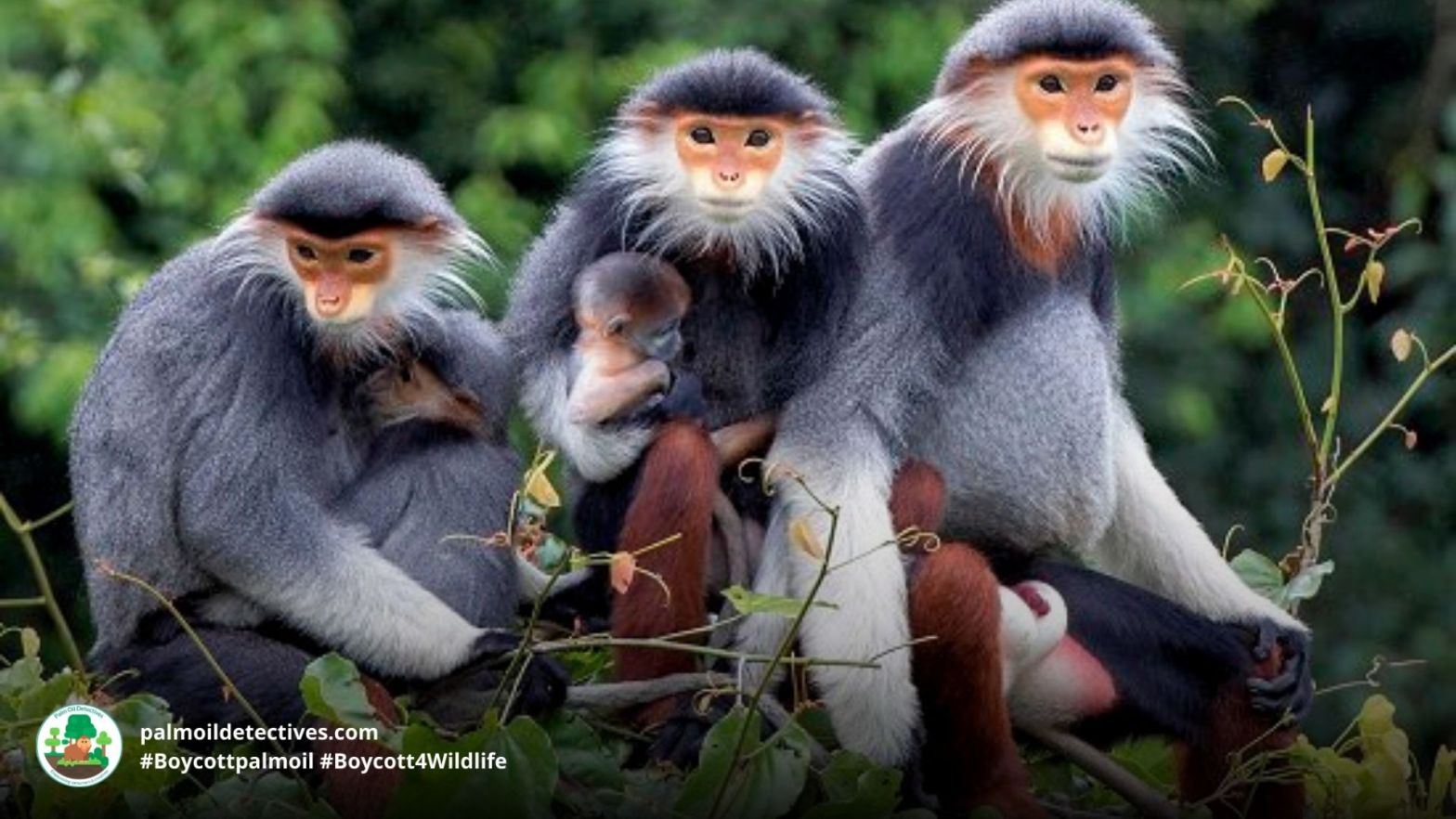
If you have never seen the Red-shanked Douc Langur, you are in for a real treat.
These vividly coloured creatures have a fairytale quality. They thrive in lush forests, from lowlands to mountainous regions, and even limestone habitats. However, they are facing imminent threats to their existence – hunting and palm oil deforestation.
By boycotting palm oil and embracing a vegan lifestyle, you’re not just helping them, but also our planet. The palm oil industry and meat industry directly and indirectly causes tropical deforestation, destroying the homes of countless animals, including the Red-shanked Douc Langur.
Every time you shop use your wallet as a weapon and #Boycottpalmoil, be #vegan and #Boycott4Wildlife
Indonesian Longfinned Eel Anguilla borneensis
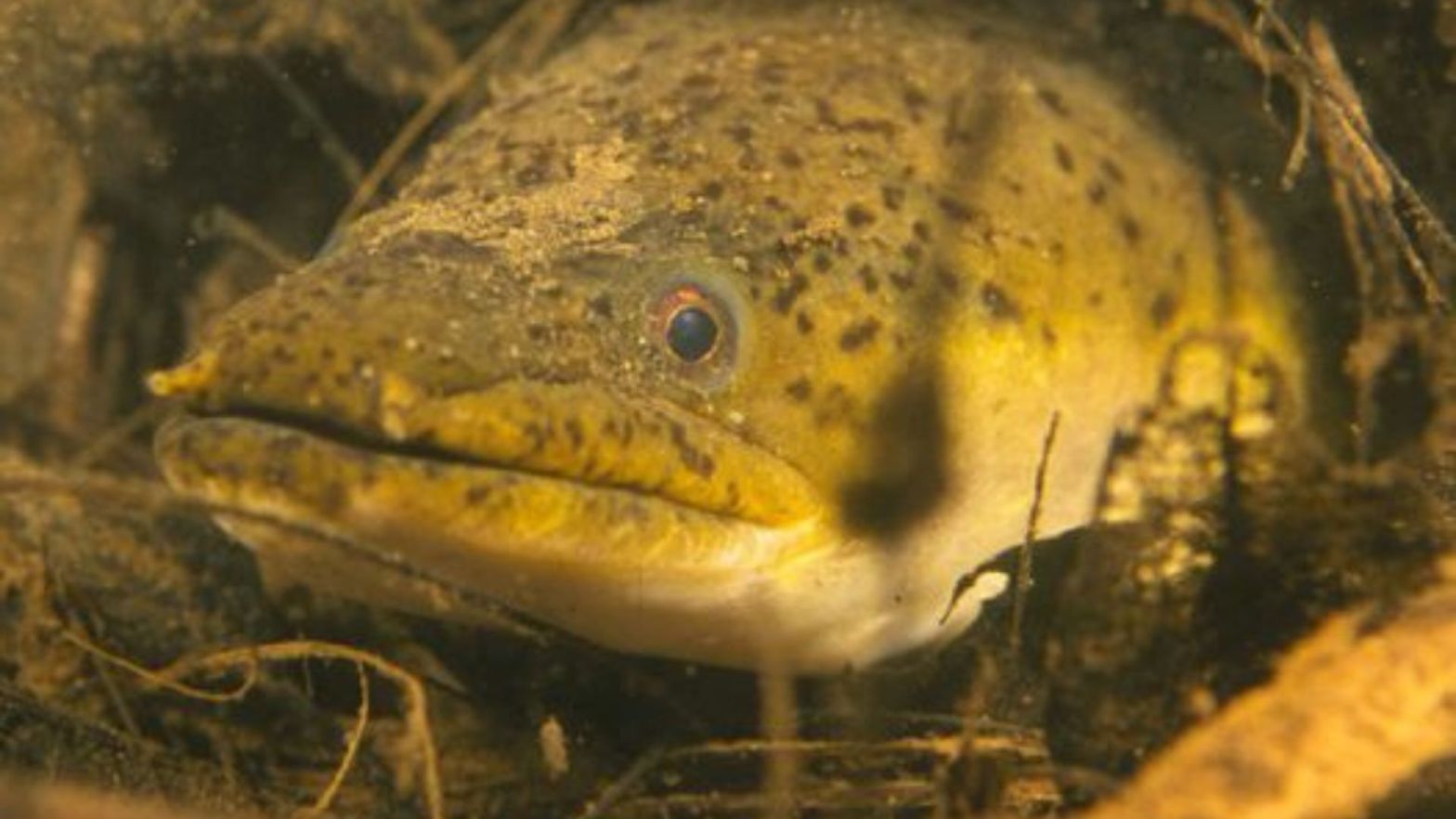
Indonesian Longfinned Eels glide like shadows in Borneo and Sulawesi rivers. Dependent on healthy rivers, take a stand for these fish, Boycott palm oil!
 Palm Oil Detectives