
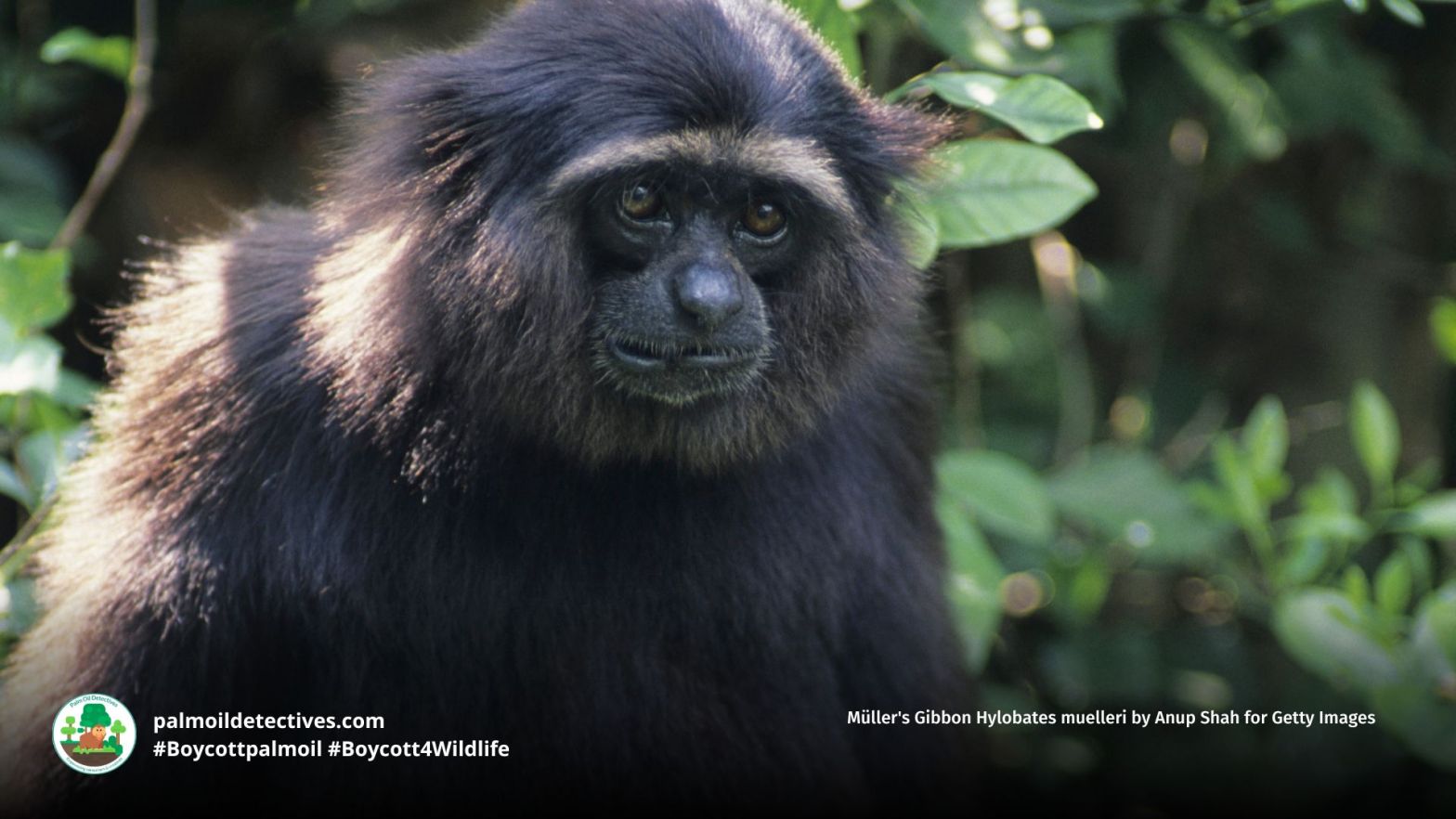
The Bornean Gibbon Hylobates muelleri, also known as Müller’s #gibbon or the Southern Grey Gibbon, is a master of the treetops and a celebrated forest singer. Their haunting duets echo across the rainforest canopy, keeping family bonds strong and warning intruders away. But these calls are growing rarer. The Müller’s gibbon is listed as #Endangered due to relentless forest loss caused by logging, #palmoil expansion, #fire, and #hunting. Their future depends on the survival of Borneo’s rainforests. Take action and use your wallet as a weapon! #BoycottPalmOil #Boycott4Wildlife be #Vegan and #BoycottMeat
Tag Archives: endangered
Silvery Gibbon Hylobates moloch
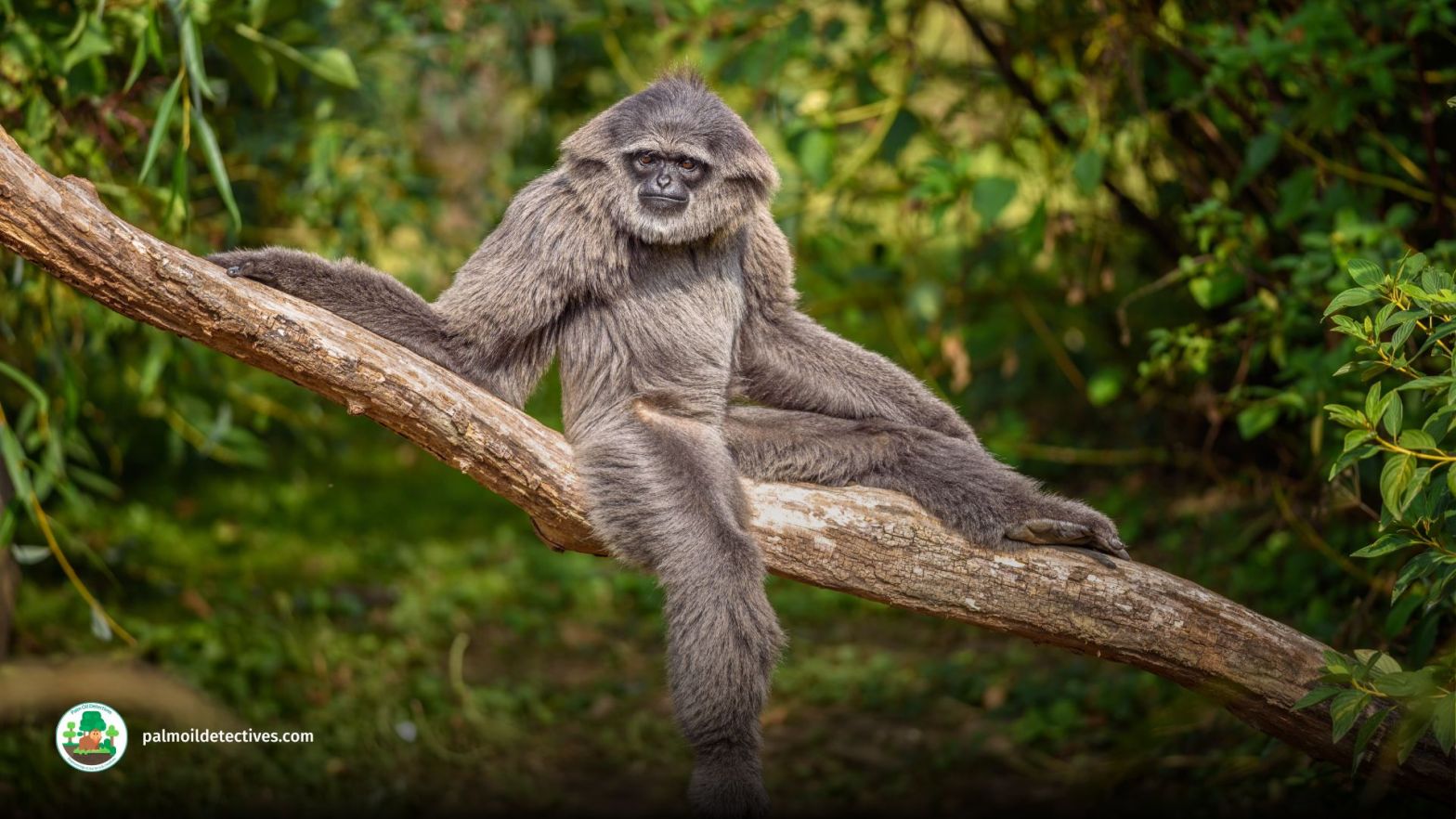
Silvery Gibbon Hylobates moloch Red List Status: Endangered Locations: Indonesia (island of Java, including provinces of Banten, West Java, and Central Java as far east as the Dieng Mountains) The Silvery #Gibbon 🩶🐒🐵 of genus ‘Hylobates’ meaning ‘Forest Walker’. They sing to each other in ‘local’ accents and do thrilling acrobatics 🤸♂️ They are #endangered,Continue reading “Silvery Gibbon Hylobates moloch”
Northern Gray Gibbon Hylobates funereus
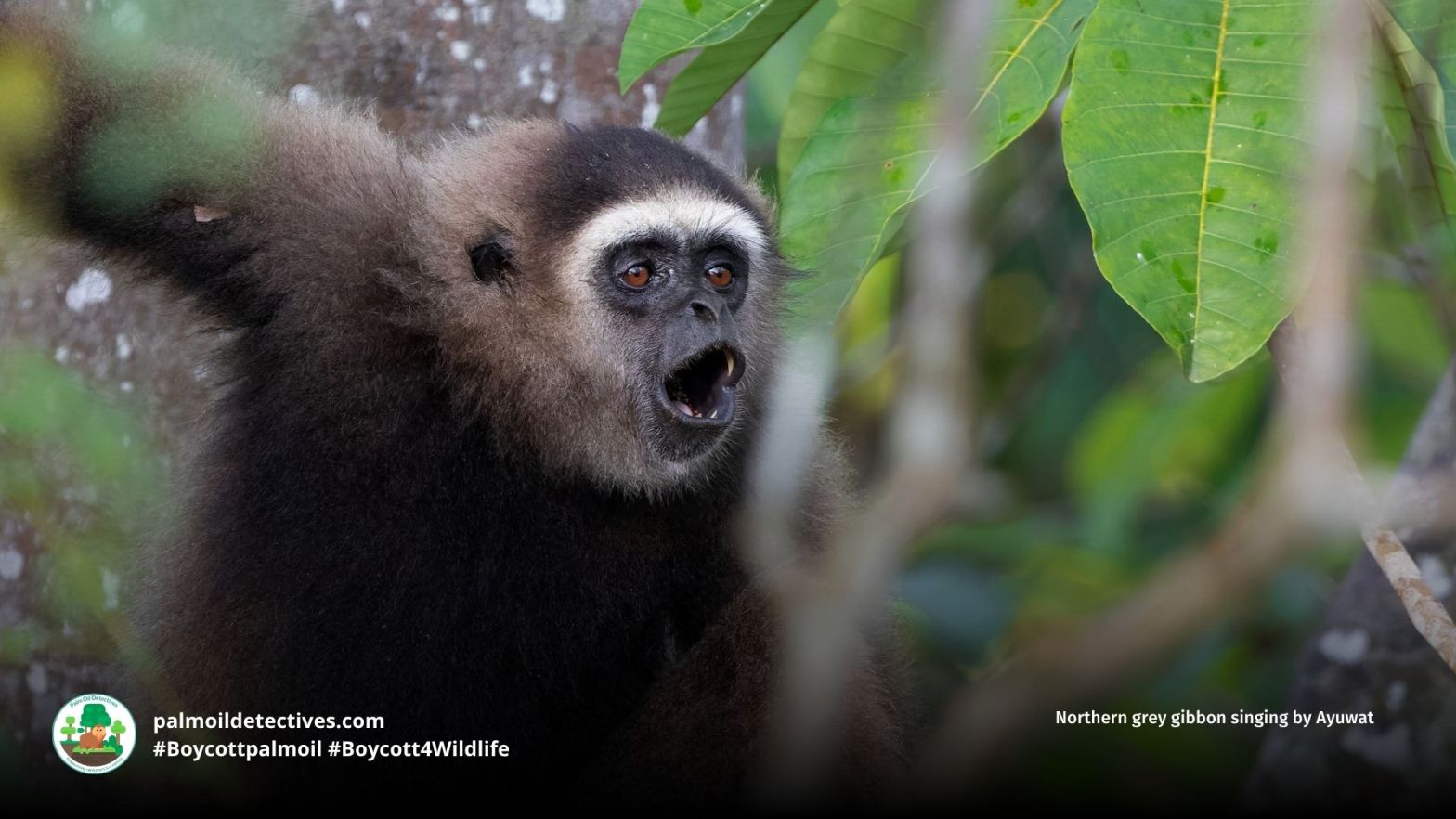
Save the sublime song and energetic lives of the Northern grey gibbons in Borneo when you boycott palm oil and boycott4wildlife in the supermarket!
Tonkin Black Crested Gibbon Nomascus concolor ssp. concolor
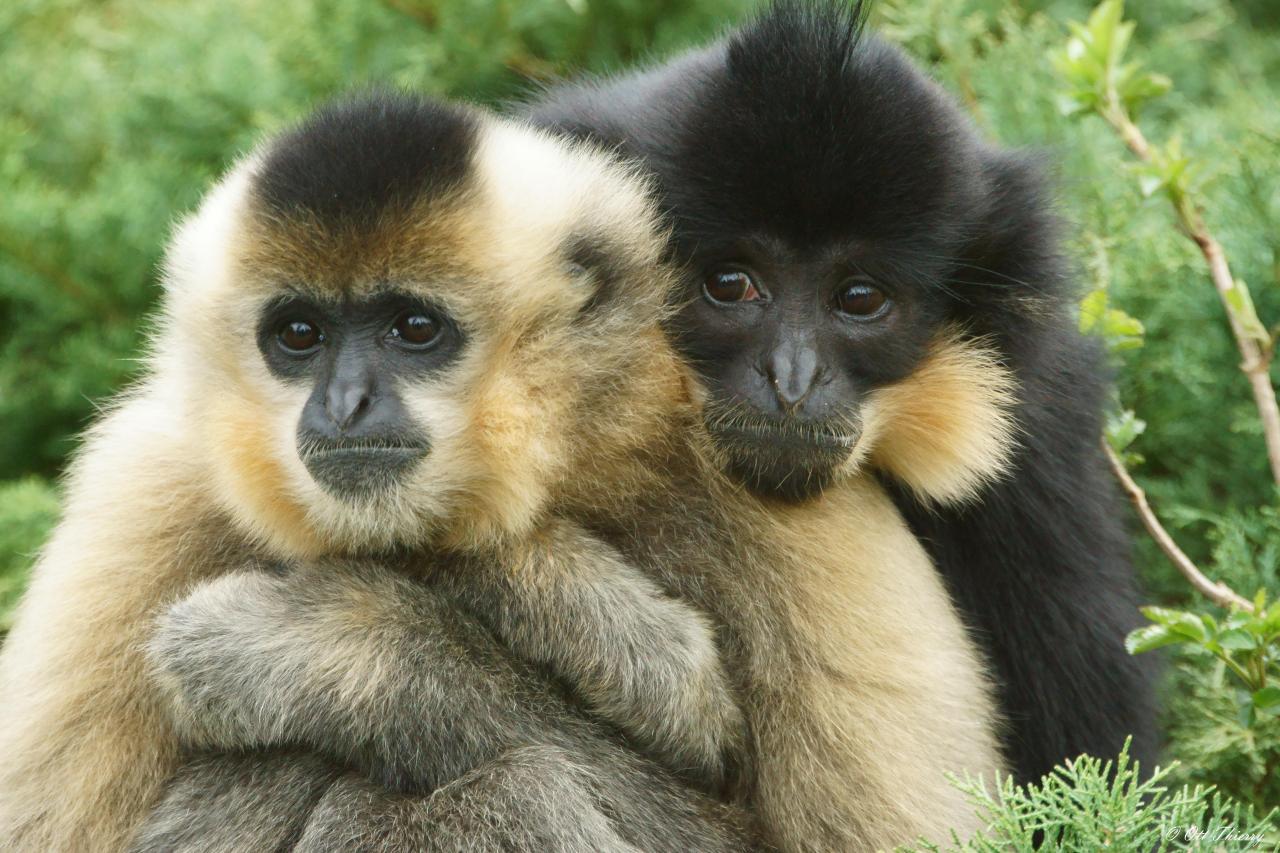
The Tonkin Black Crested #Gibbon of the genus Nomascus are also known as the Indochinese black-crested gibbon. They are critically endangered #primates native to the misty mountain forests of northern #Vietnam, southern #China, and parts of #Laos. These highly intelligent and social #primates are famous for their morning duets, with pairs singing in species specific harmony to reinforce familial bonds and mark their territory. Research has shown that different populations have unique vocal accents, much like human dialects, making their songs distinct across their range. Despite their unique and sparkling vocal range, they are tragically on the edge of extinction. Only around 300 individuals are left in the wild, their survival is threatened by deforestation for palm oil, coffee, and rubber plantations, along with hunting for the illegal pet trade and traditional medicine. Help them to survive every time you shop boycott palm oil and call-out the exotic pet trade! #BoycottPalmOil #Boycott4Wildlife
Storm’s Stork Ciconia stormi
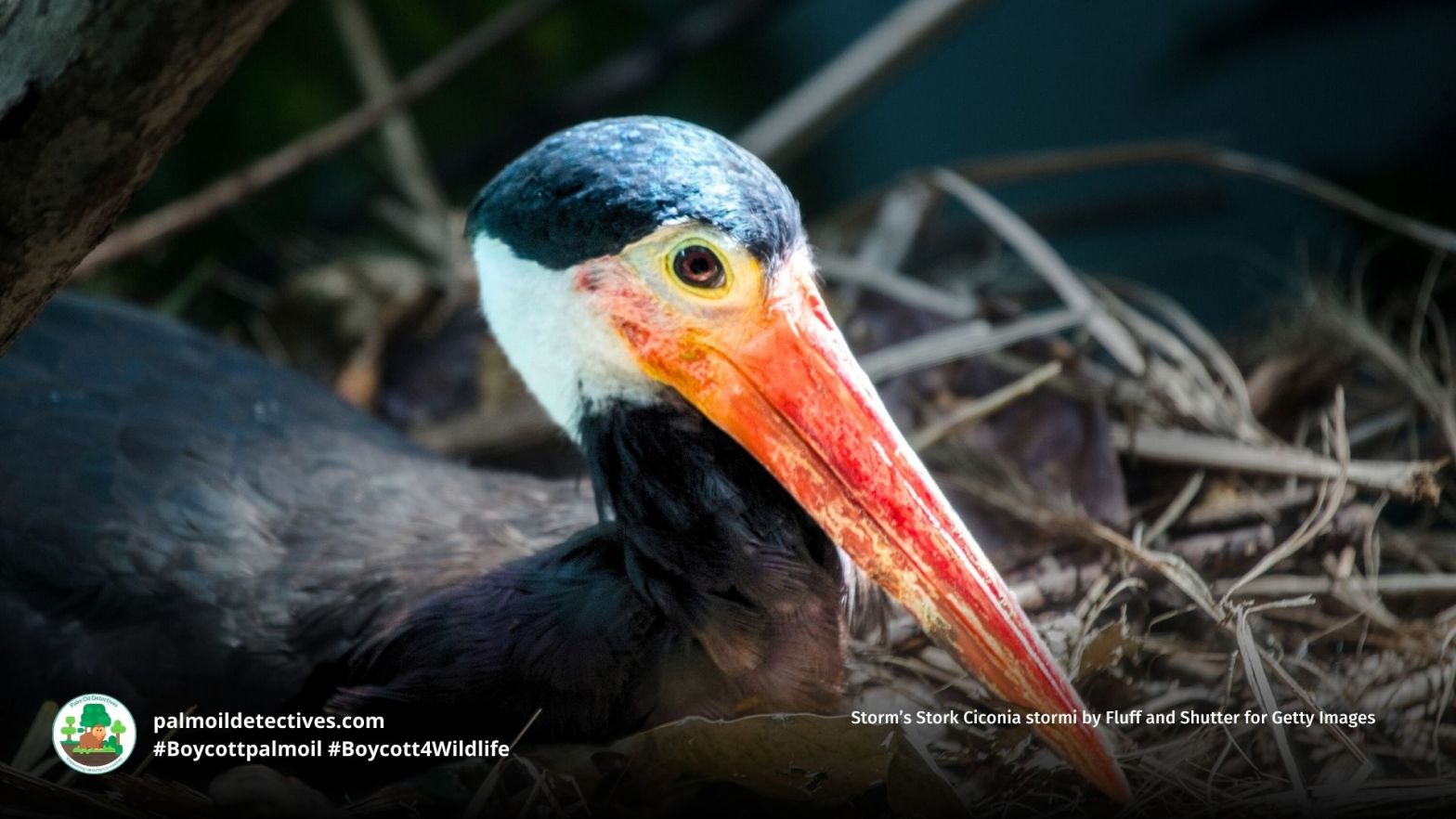
Storm’s Stork Ciconia stormi is the rarest and most elusive stork in Asia, palm oil is a threat boycott palm oil for them!
Wild Water Buffalo Bubalus arnee
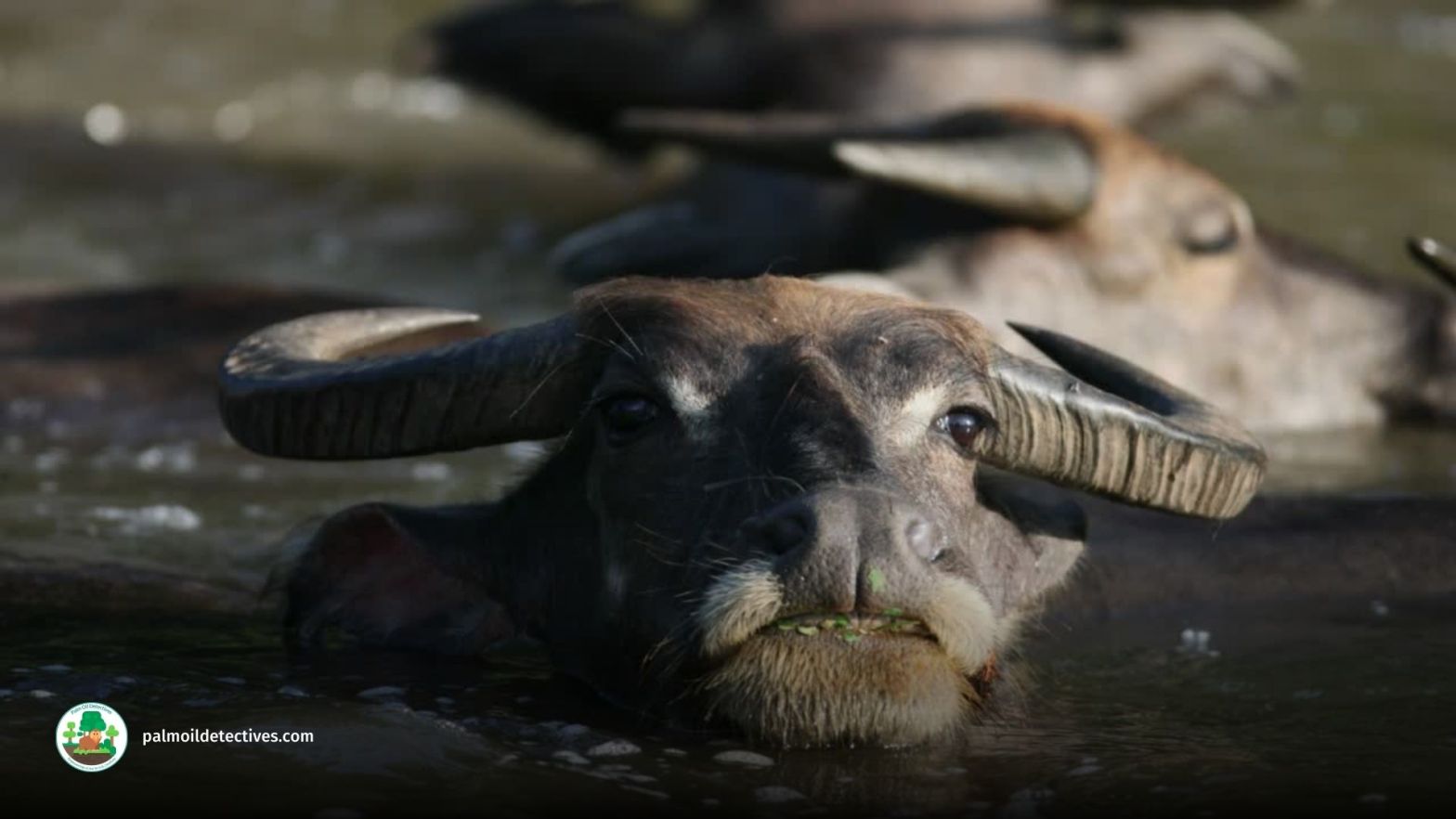
Massive, muscular, and critically under threat, the Wild Water Buffalo Bubalus arnee is the endangered ancestor of all domestic buffalo breeds. Once roaming vast swathes of South and Southeast Asia, fewer than 4,000 individual buffaloes remain today, scattered across shrinking habitats in India, Nepal, Cambodia, and a handful of neighbouring nations. Their decline is driven by interbreeding with domestic buffalo species, habitat destruction from farming and palm oil plantations, hunting, and disease transmission from livestock. This ancient grazer of flooded grasslands and braided rivers is vanishing before our eyes. Speak out for them and support indigenous-led efforts to restore their ecosystems. #BoycottPalmOil #Boycott4Wildlife
Malayan Forest Gecko Cyrtodactylus pulchellus
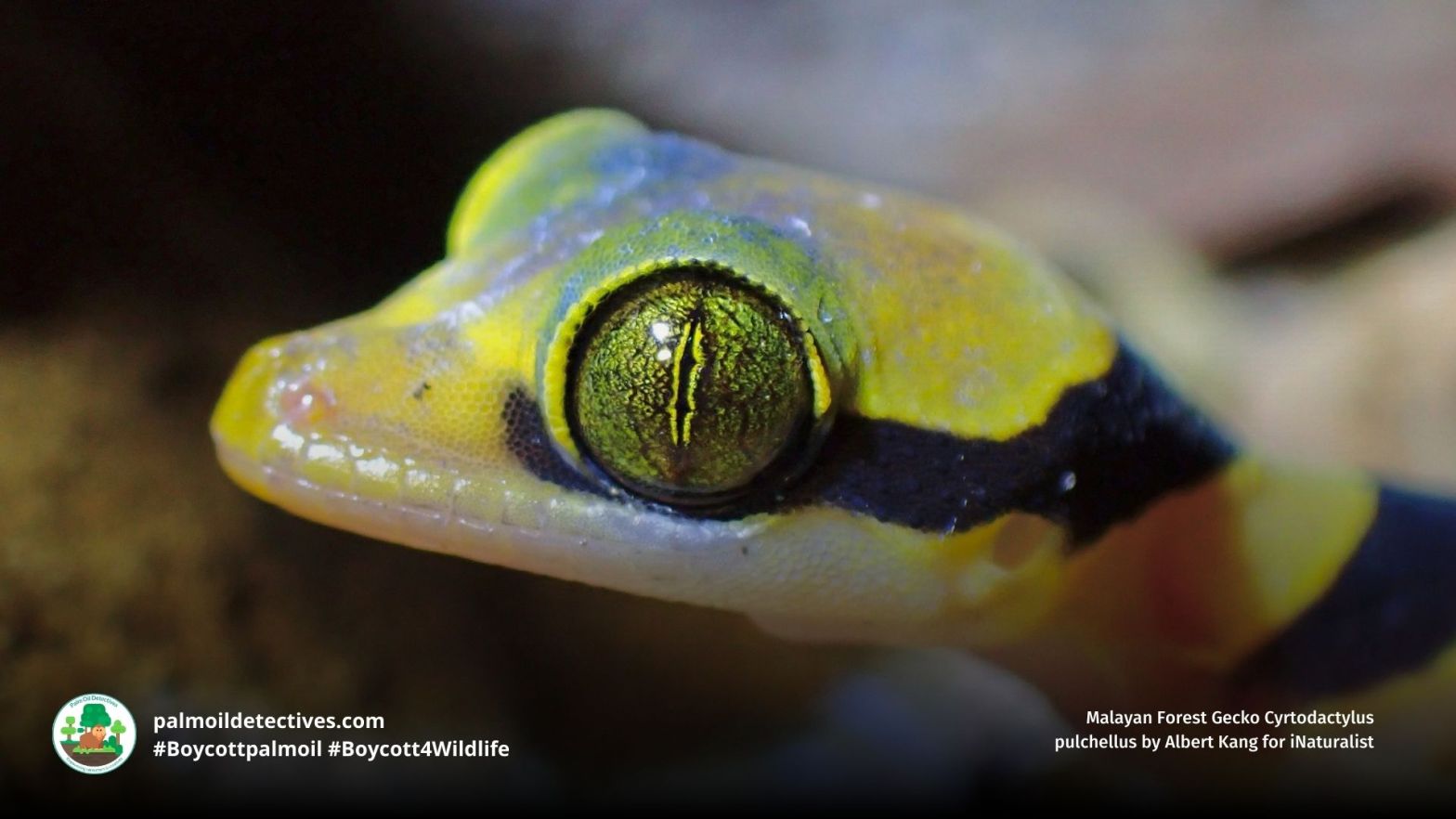
The Malayan Forest Gecko, a rare reptile endemic to Peninsular Malaysia’s dense rainforests, is in grave danger due to deforestation for palm oil plantations
Woolly Flying Squirrel Eupetaurus cinereus
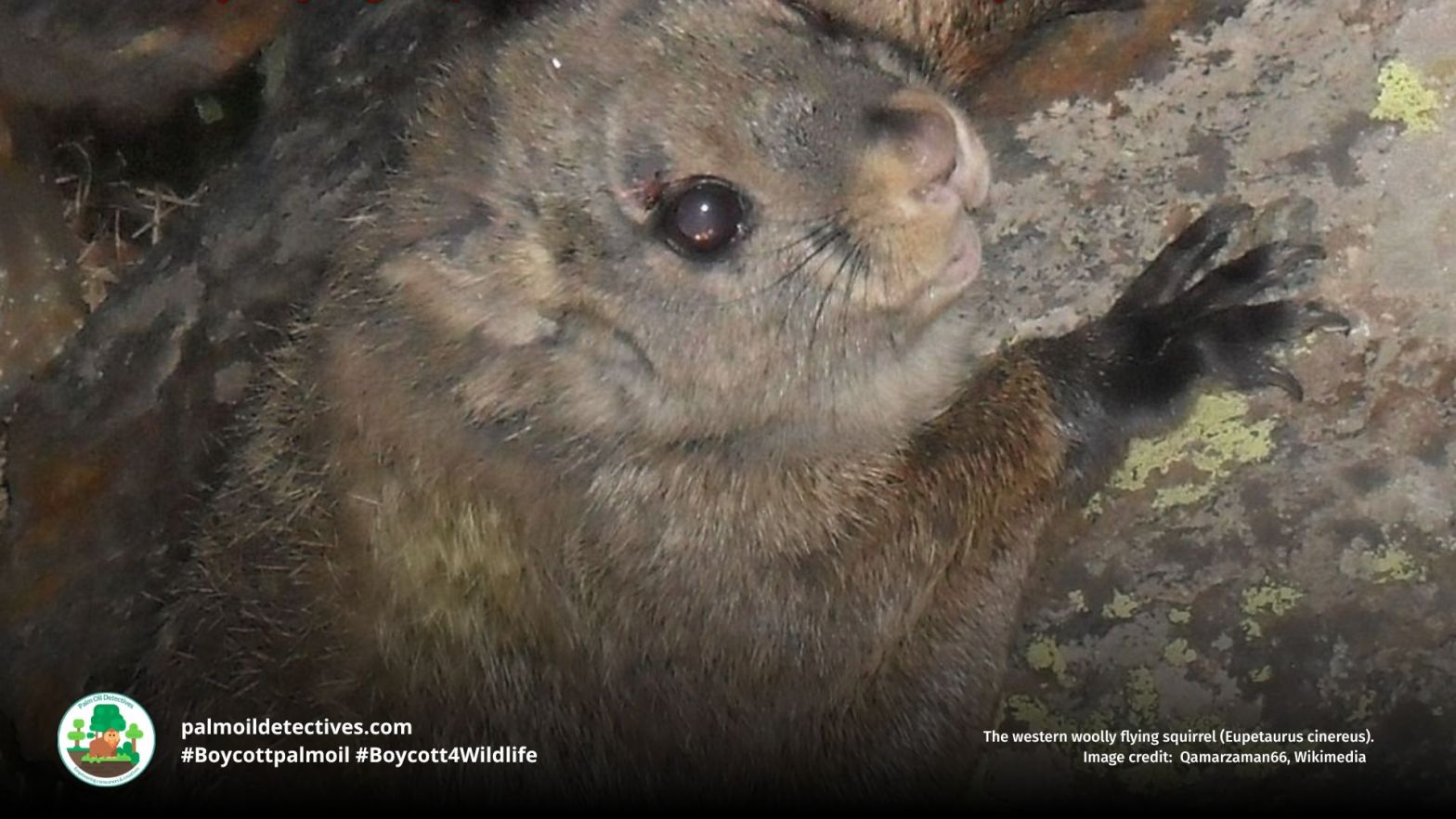
The Western Woolly Flying #Squirrel Eupetaurus cinereus is one of the world’s largest and least understood gliding mammals. Once thought extinct for nearly 70 years, they were rediscovered in the remote mountainous forests of northern #Pakistan and #India in 1994. This remarkable species inhabits high-altitude cliffs and coniferous forests, where they glide with effortless grace between trees despite their large size. However, their survival is under severe threat from habitat destruction, #deforestation, and human persecution. Help them by sharing out this campaign and calling out exploitative industries, it’s the #Boycott4Wildlife
Southeast Asian Box Turtle Cuora amboinensis
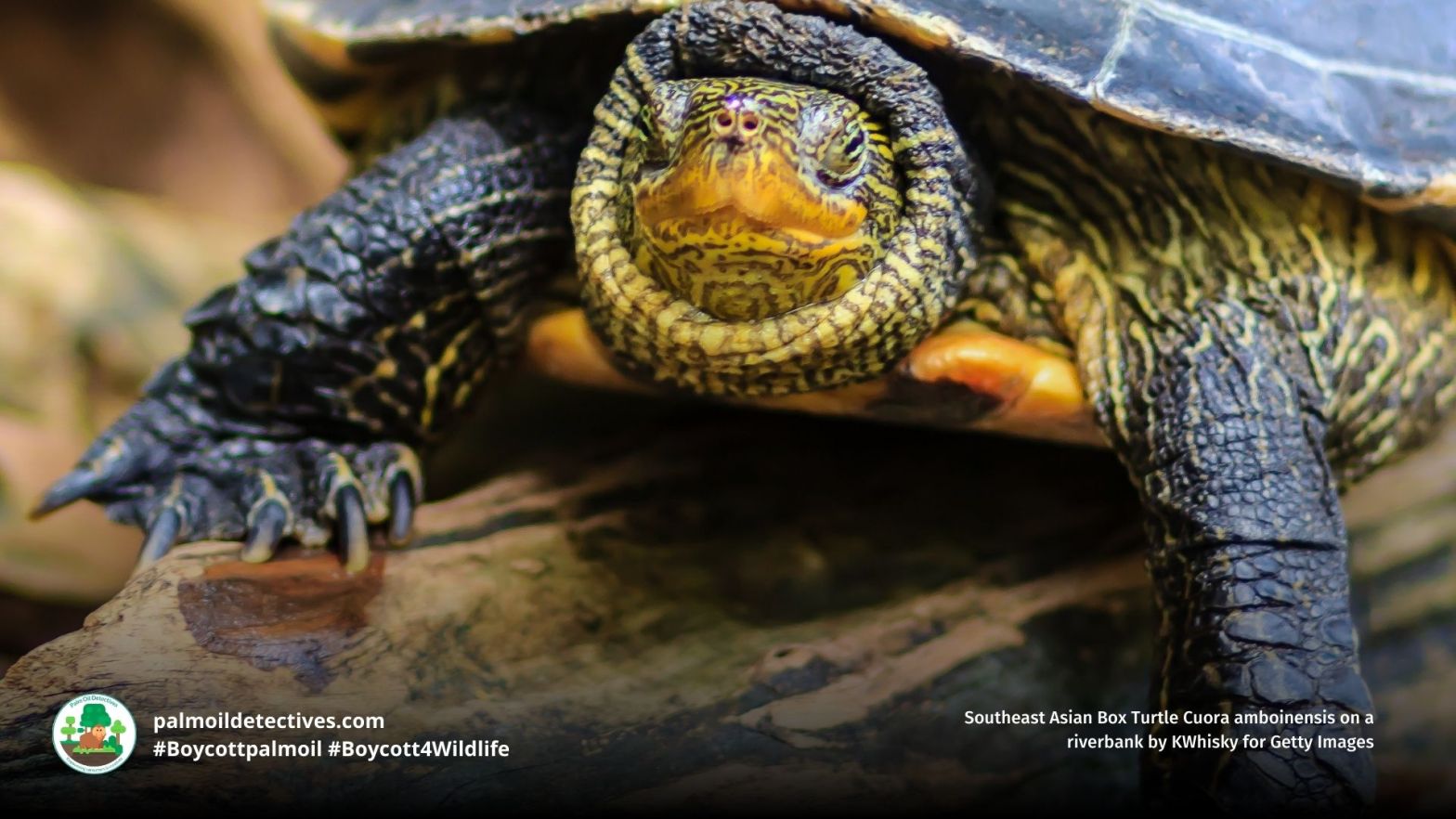
The Southeast Asian Box #Turtle Cuora amboinensis, also known as the Amboina Box Turtle, Malayan Box Turtle, or Indonesian Box Turtle, is a freshwater #reptile species found across much of Southeast Asia. This species is under severe pressure due to overexploitation for food, traditional medicine, and the #pettrade, particularly in Australia, #China, Europe, and the United States. Their semi-aquatic nature allows them to thrive in swamps, rice paddies, and slow-moving rivers, but habitat destruction from #palmoil plantations, #timber and wetland drainage threatens their survival. Their population is rapidly declining due to these threats, making urgent protections necessary. Resist destruction and fight for their survival every time you shop – #BoycottPalmOil #Boycott4Wildlife.
Bornean Ferret Badger Melogale everetti
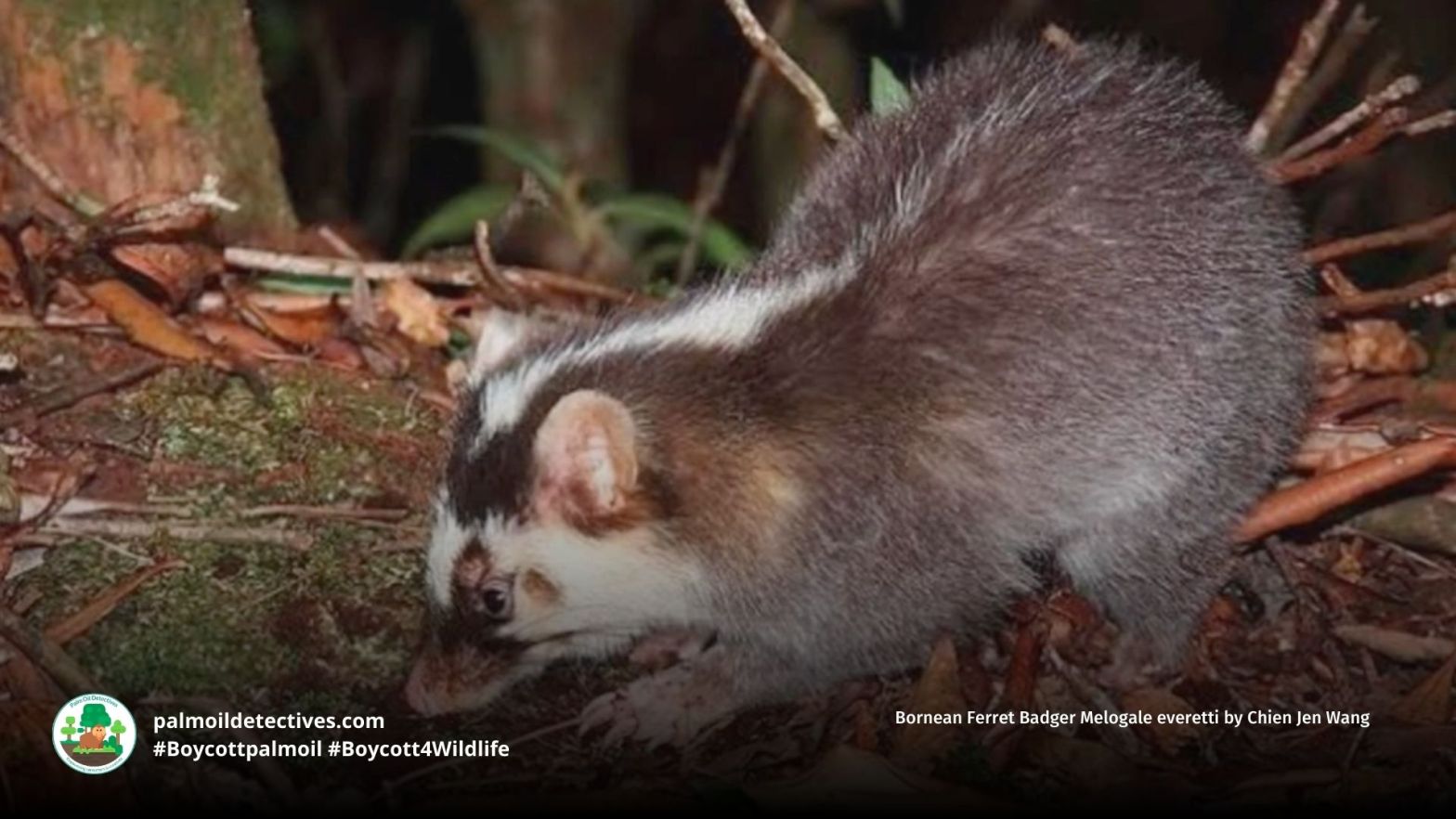
The Bornean Ferret Badger is an enigmatic nocturnal omnivore is endangered due to palm oil and timber deforestation in Malaysia, take action boycott palm oil!
Spectacled Flying Fox Pteropus conspicillatus
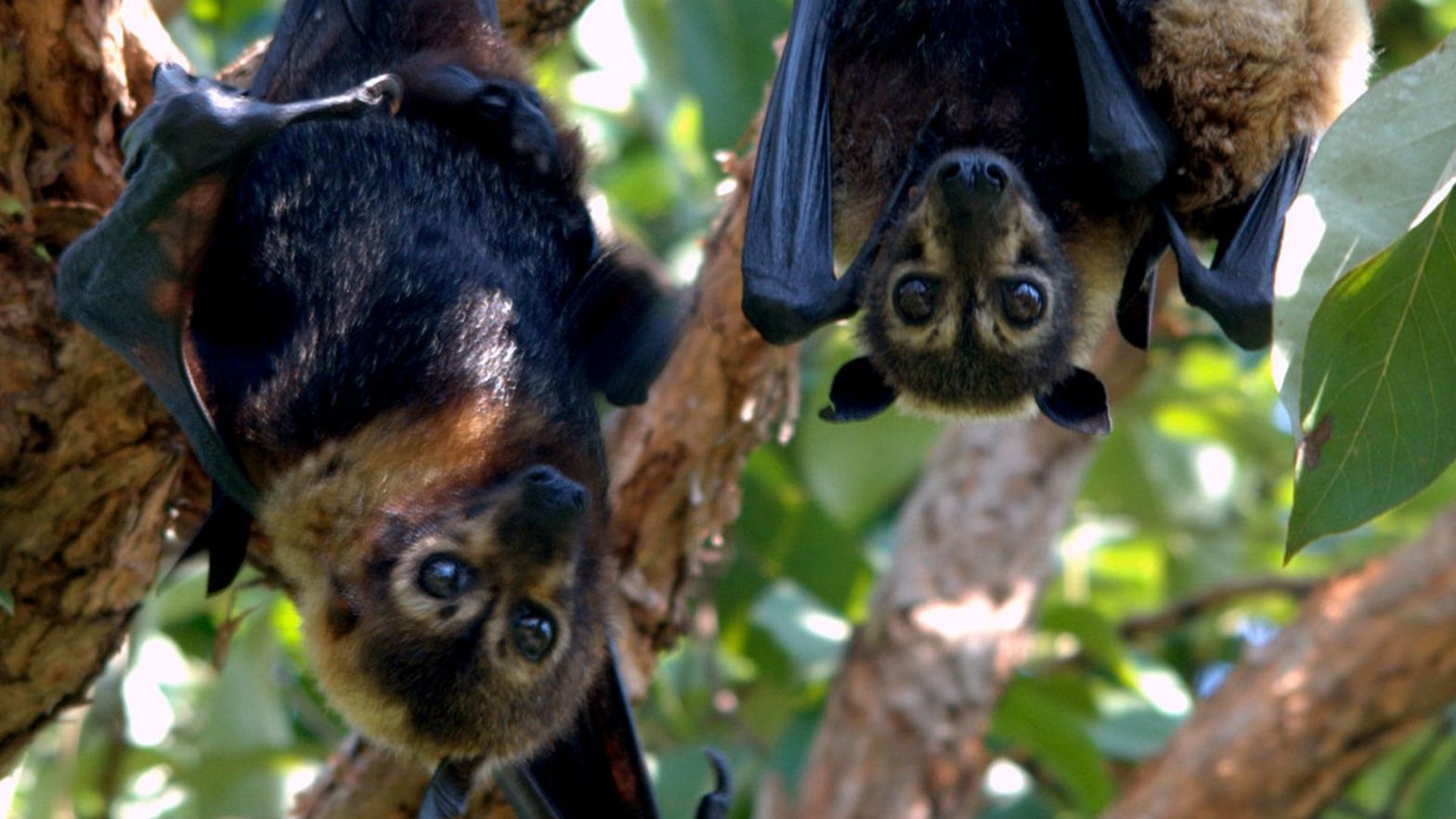
The Spectacled Flying Fox (Pteropus conspicillatus) is a large, highly mobile fruit #bat native to the tropical rainforests of Australia’s Wet Tropics and Papua New Guinea’s offshore islands including Woodlark Island, Alcester Island, Kiriwina, and Halmahera. Named for the distinctive pale rings around their eyes, they play a crucial role in pollination and seed dispersal across vast forested landscapes. However, their survival is under severe threat due to rampant #palmoil #deforestation in #Papua, along with #climatechange-induced extreme heat events, and human-wildlife conflict. These bats have suffered catastrophic population declines in recent years, underscoring the urgent need for conservation action. In February 2019 the Australian government upgraded their threatened status from vulnerable to endangered, after almost a third of the bat population died in a severe heatwave in Queensland in late 2018. Take action and resist climate change and deforestation-driven #extinction every time you shop—#BoycottPalmOil #Boycott4Wildlife.
Woodlark Cuscus Phalanger lullulae
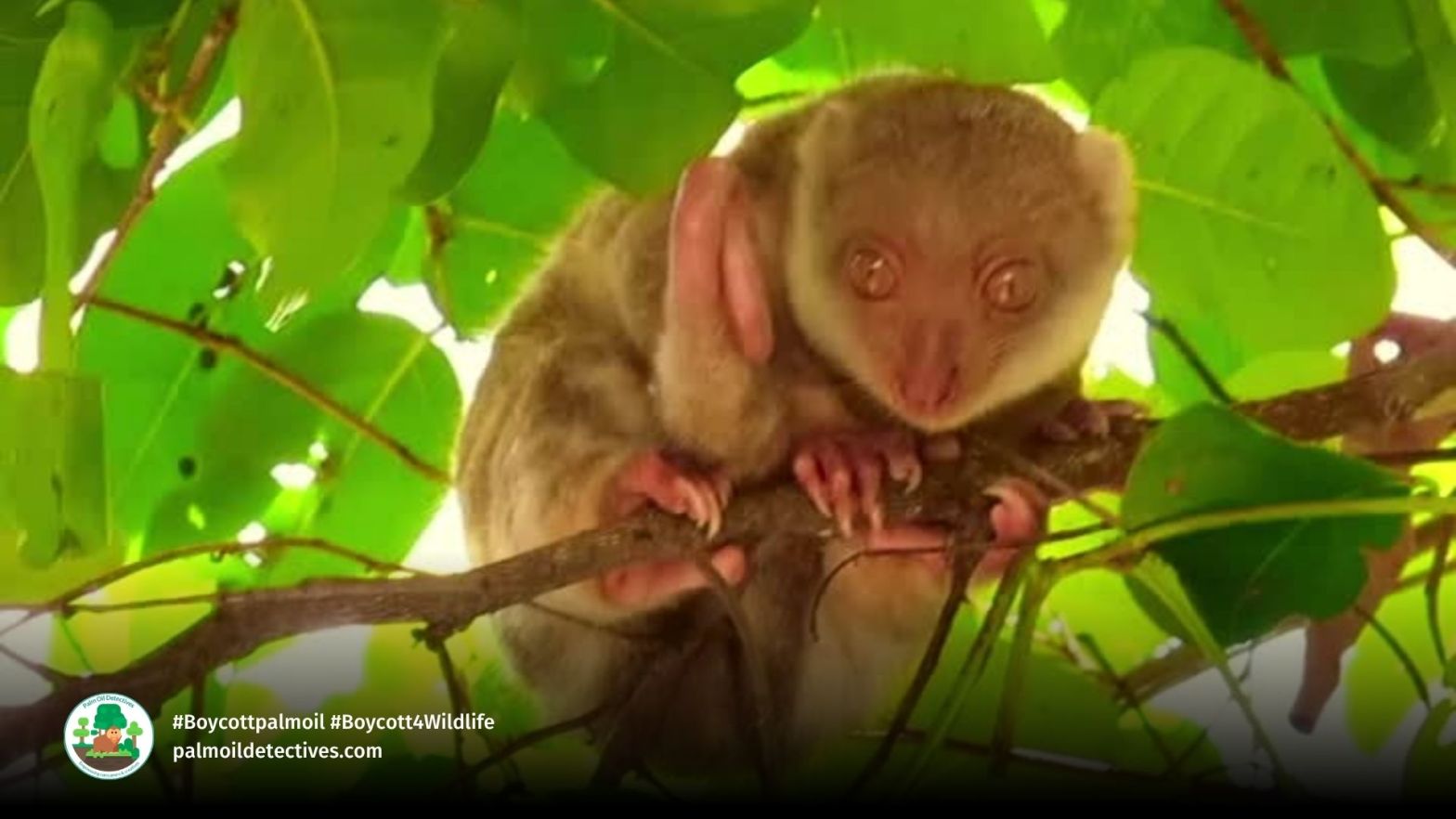
The Woodlark #Cuscus is a nocturnal marsupial found nowhere else but the forests of Woodlark, Madau, and Alcester islands. By day, the Woodlark Cuscus curls into tree hollows or buries themselves in tangles of epiphytes; by night, they move silently through the canopy, their marbled fur blending with the shifting shadows. The Woodlark Cuscus faces imminent extinction as palm oil plantations, logging, and gold mining threaten to erase the last forests of their island home. With all individual cuscuses known from less than 1,300 km² and new clearances looming, the Woodlark Cuscus’s world is shrinking fast. Stand with indigenous Melanesian sovereignty and safeguard these islands. Use your wallet as a weapon and #BoycottPalmOil #Boycott4Wildlife.
Louisiade Woolly Bat Kerivoula agnella
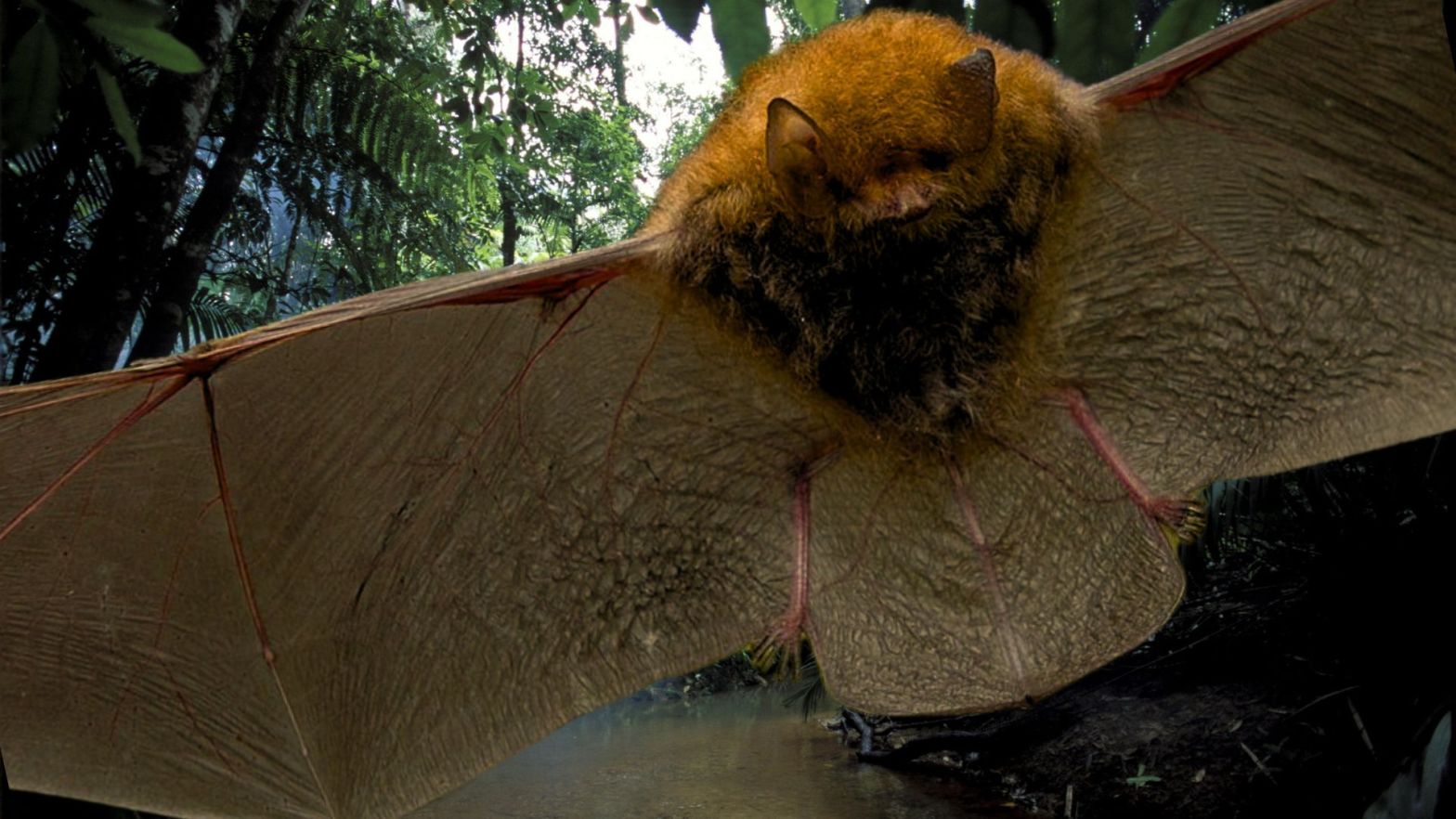
Louisiade Woolly Bat Kerivoula agnell IUCN Red List Status: Endangered Location: The Louisiade Woolly Bat is endemic to Papua New Guinea, specifically to the islands of the Louisiade Archipelago, including Sudest (Vanatinai) and Tagula. Also known as St. Aignan’s Trumpet-Eared Bat, the Louisiade Woolly Bat is a rare and enigmatic species. Recognised for their soft,Continue reading “Louisiade Woolly Bat Kerivoula agnella”
Black-naped Pheasant-pigeon Otidiphaps insularis
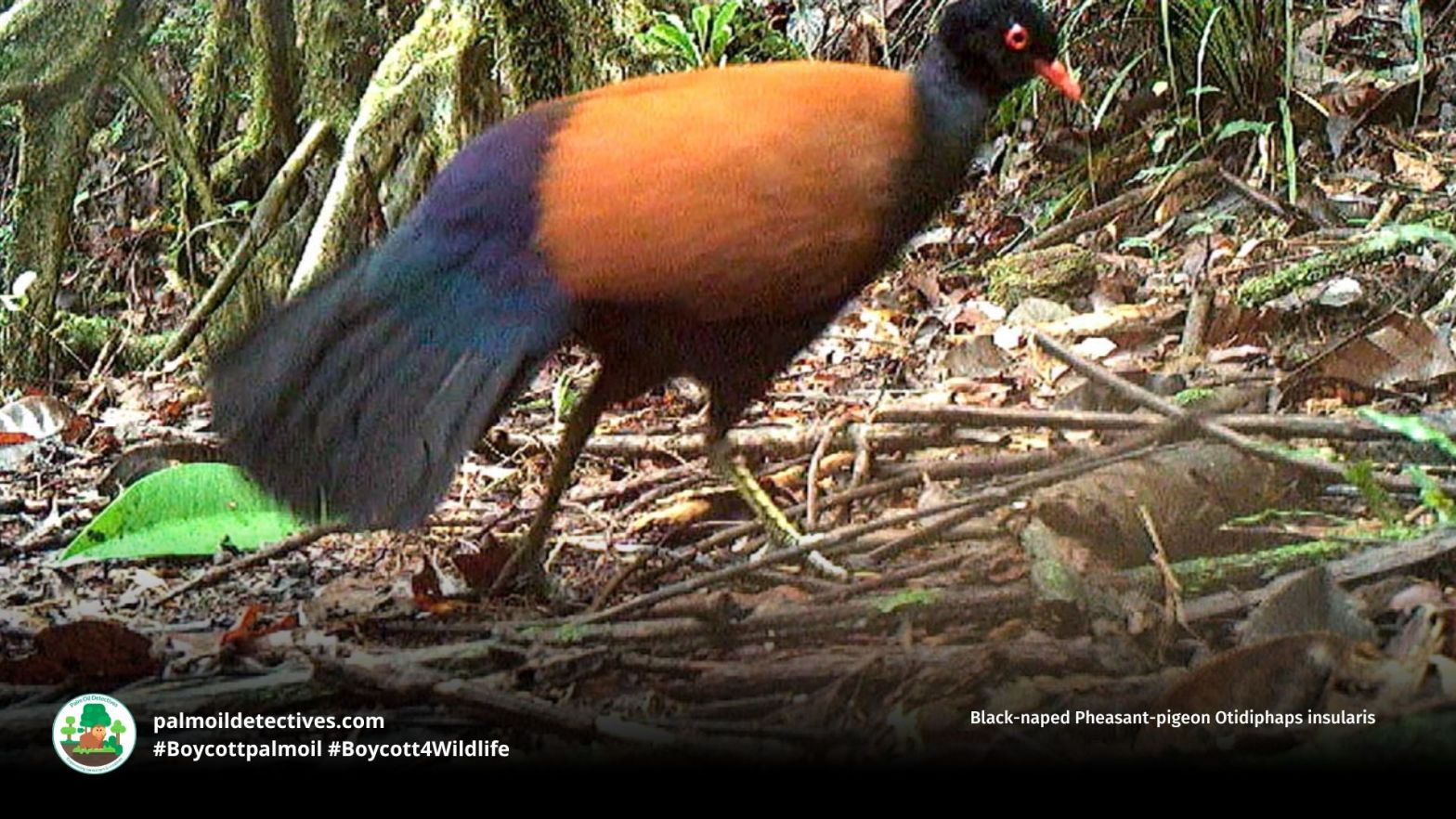
Elusive, critically endangered Black-naped Pheasant-Pigeon live on Fergusson Island, Papua and must be protected from ecocide, boycott palm oil when you shop!
Forest Rainbowfish Melanotaenia sylvatica
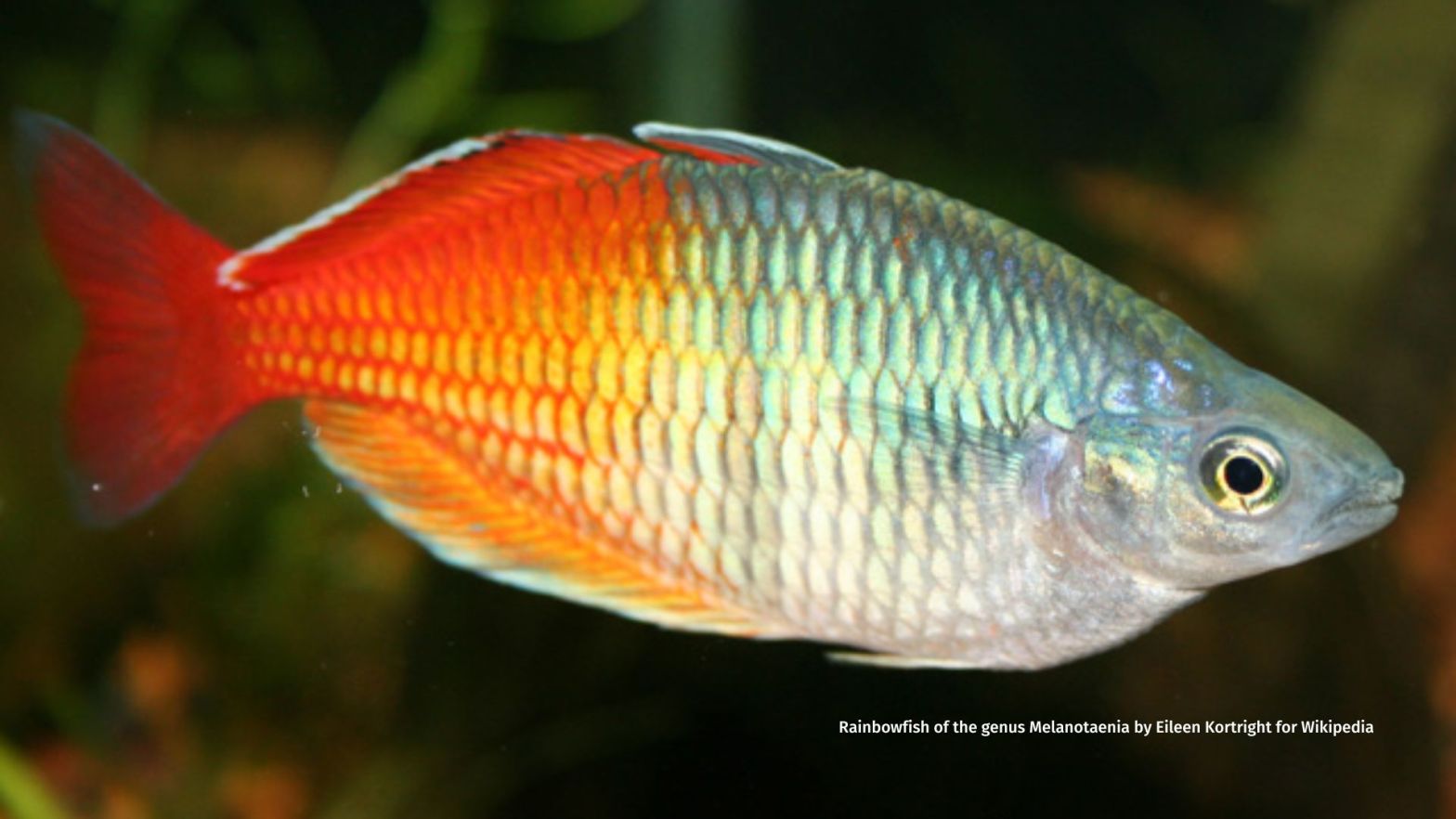
Help save the Forest Rainbowfish, shimmering, iridescent fish is under severe threat from logging and out-of-control palm oil plantations, boycott palm oil!
D’entrecasteaux Archipelago Pogonomys Pogonomys fergussoniensis
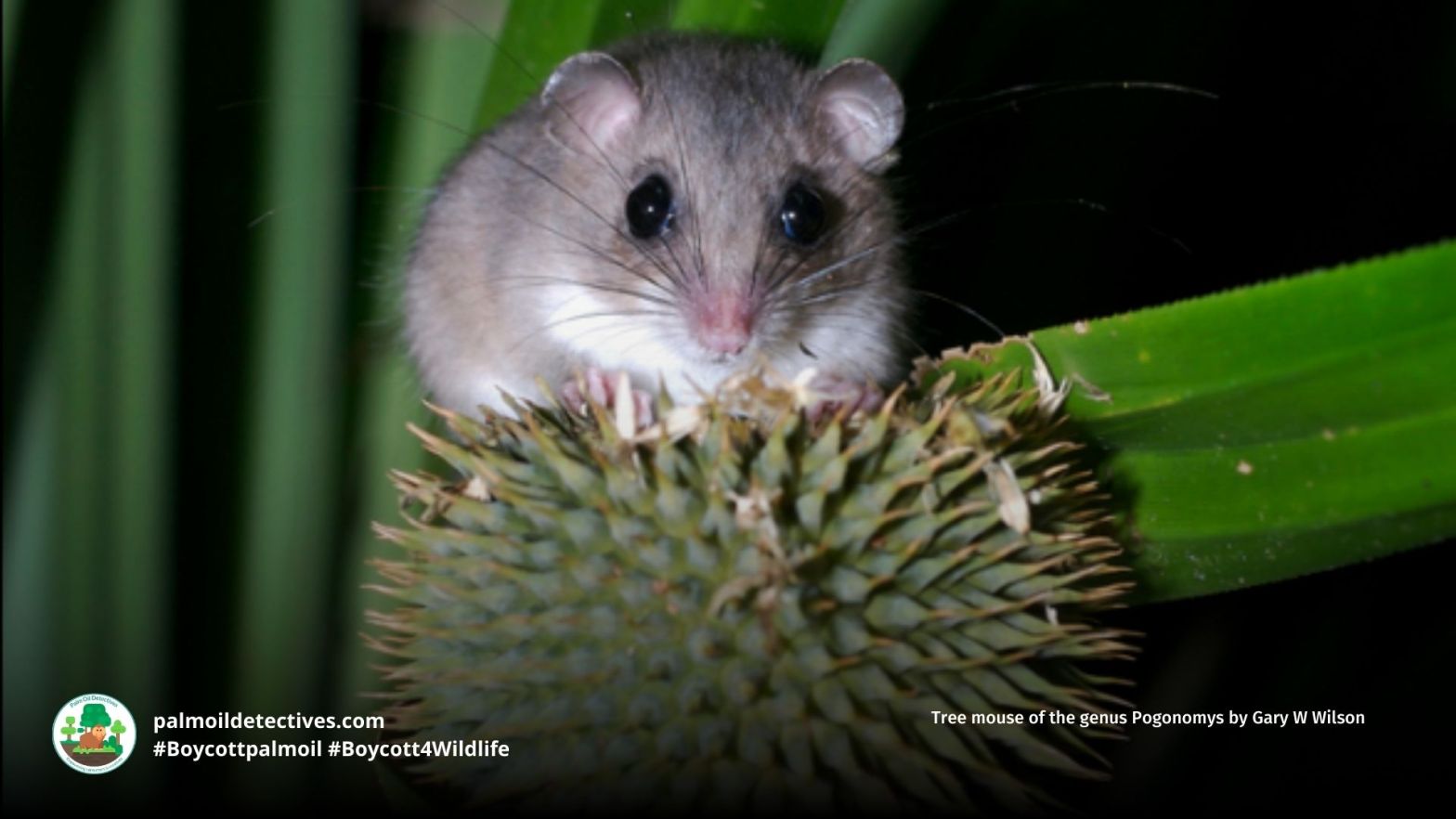
Help save D’Entrecasteaux Archipelago Pogonomys. Long named ultra cute arboreal rodents from Papua New Guinea are endangered by palm oil. Resist and boycott!
David’s Echymipera Echymipera davidi
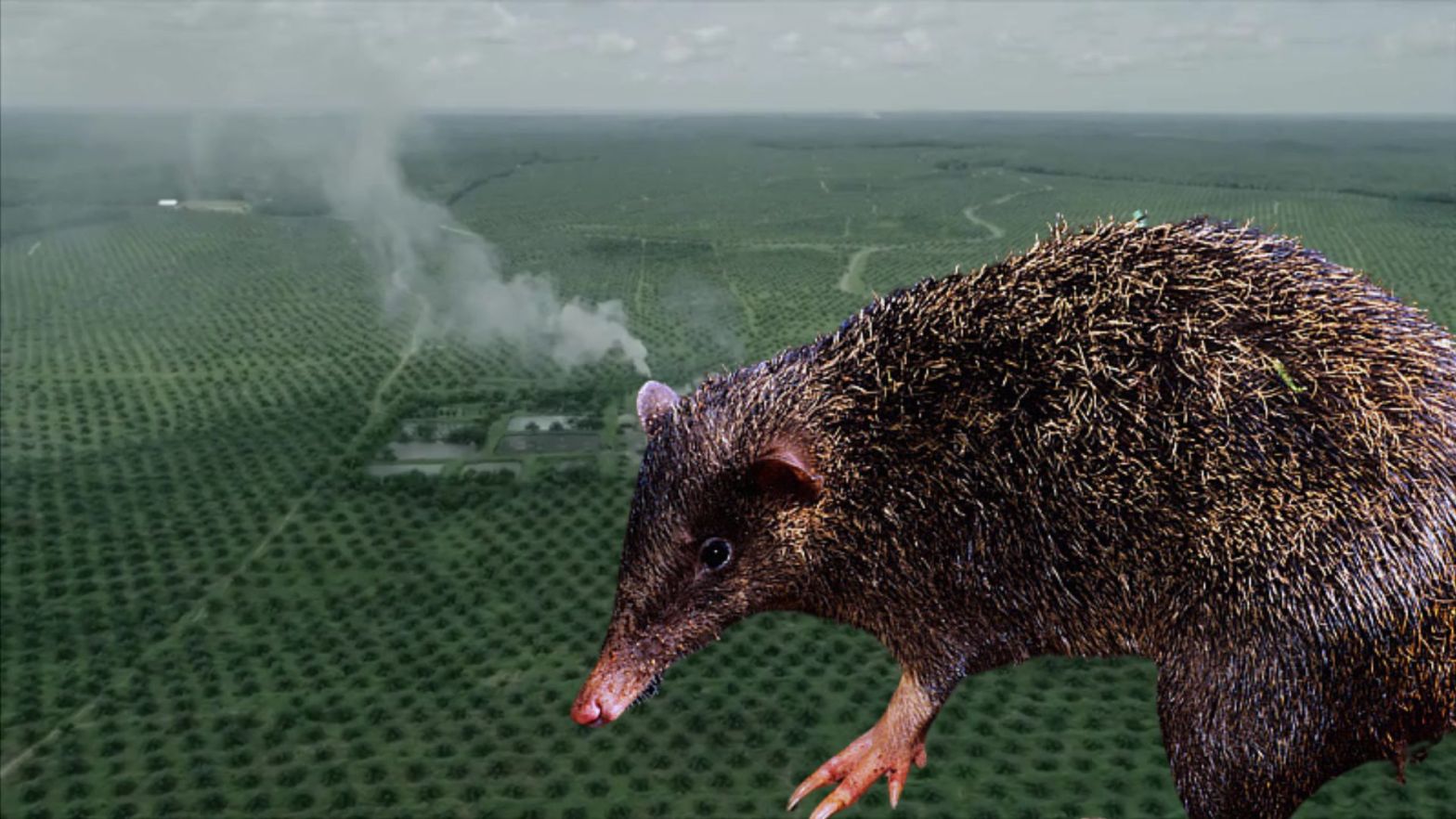
David’s Echymipera (Echymipera davidi) is an extremely rare, little-known #bandicoot endemic to Kiriwina Island in the Trobriand Islands of #PapuaNewGuinea. With a range of just 280 km², this elusive #marsupial is at significant risk due to habitat loss and human encroachment. Like other bandicoots, they are crucial for ecosystem health, aerating the soil as they dig for food. However, their survival is threatened by the pressures of #agriculture, habitat destruction, and #hunting. Without immediate conservation efforts, this species faces an uncertain future. Help this animal by raising awareness #Boycott4Wildlife
Pig-tailed Snub-nosed Langur Simias concolor
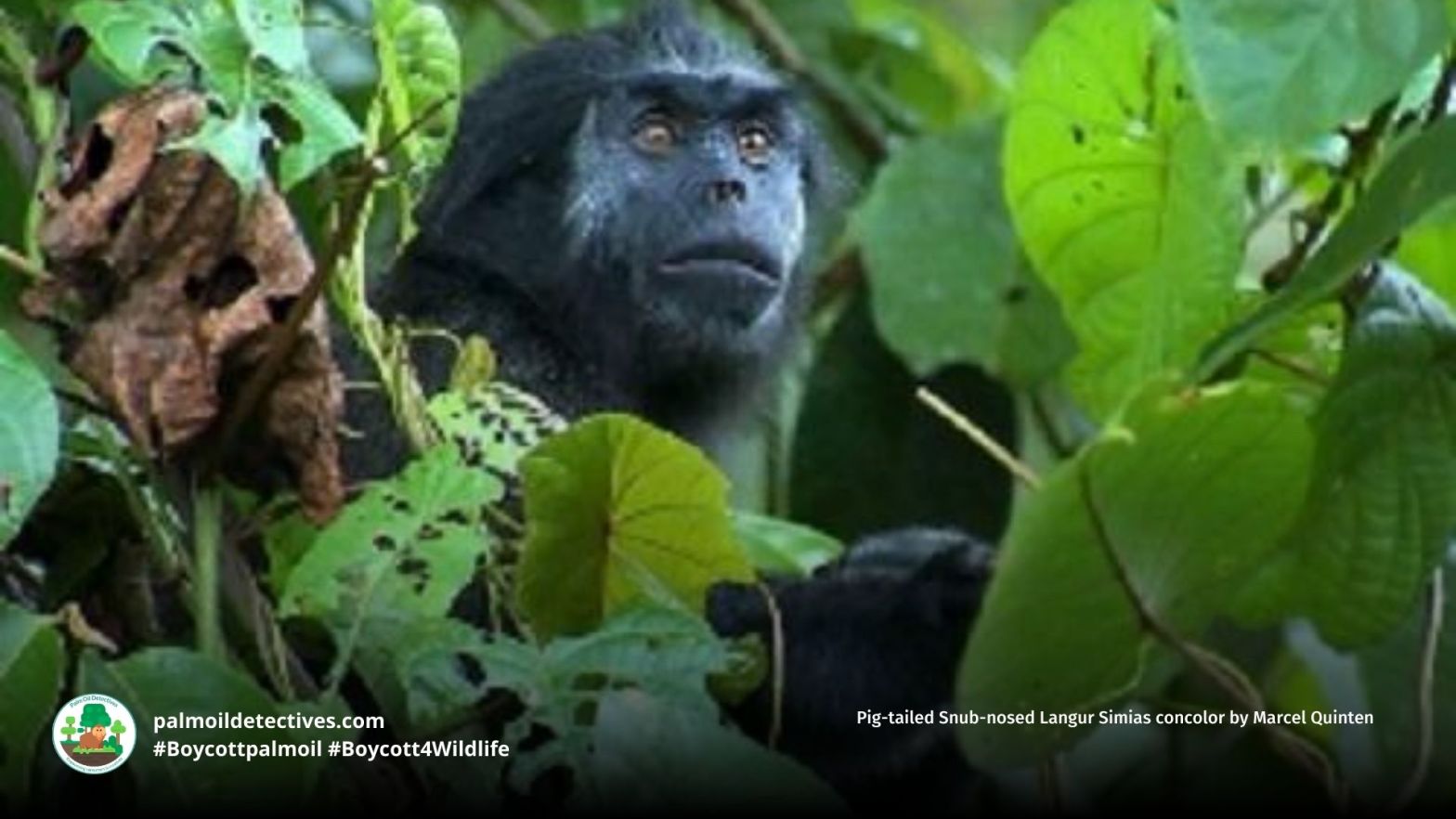
Boycott palm oil for Pig-tailed Langurs. These critically endangered monkeys face extinction from palm oil deforestation, hunting, and habitat fragmentation
Southern White-cheeked Gibbon Nomascus siki
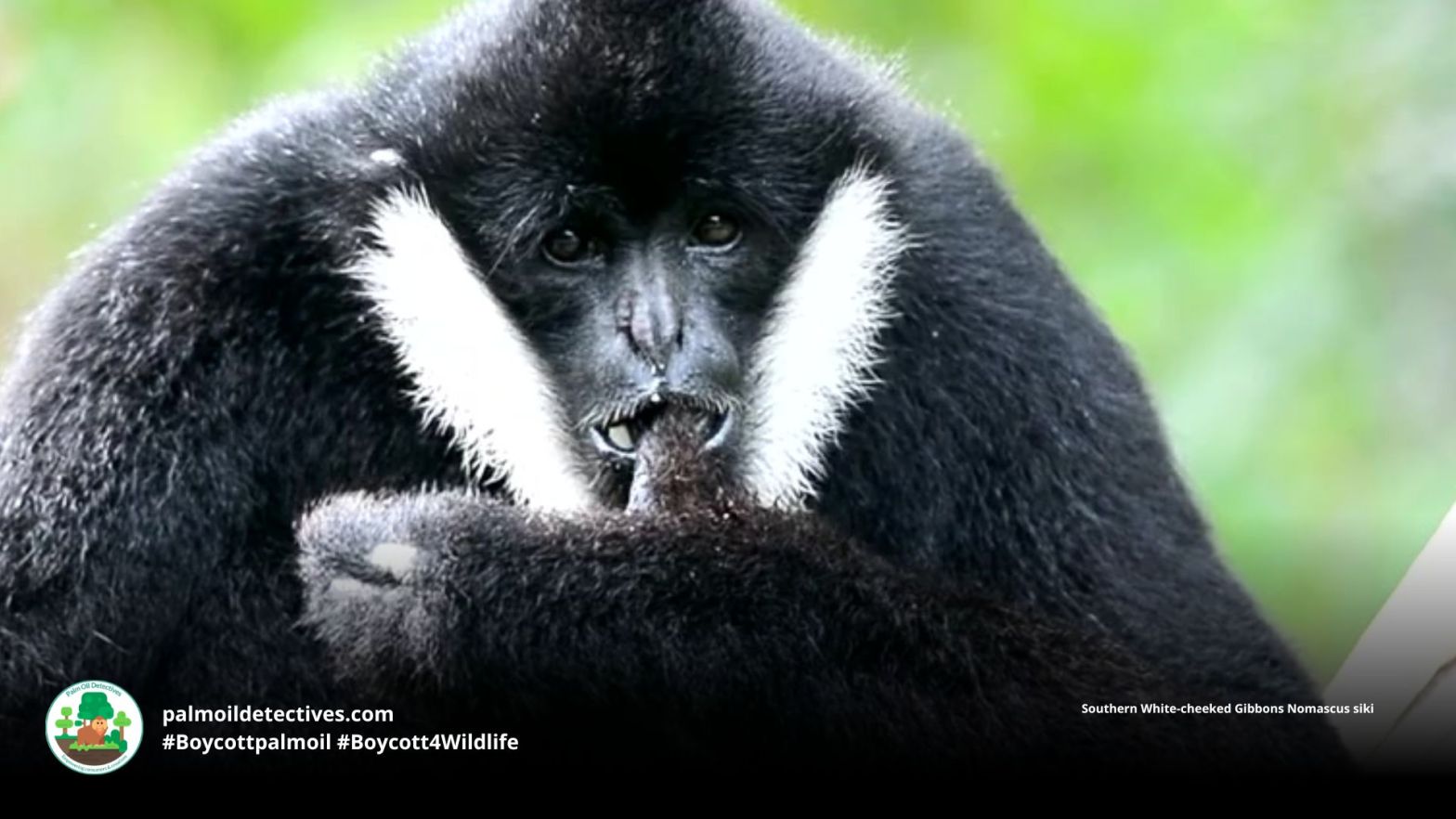
Southern White-cheeked Gibbons are melodic primates of Laos and Vietnan under threat by rubber plantations facing 80% population loss. Fight for them!
Cao-vit Gibbon Nomascus nasutus
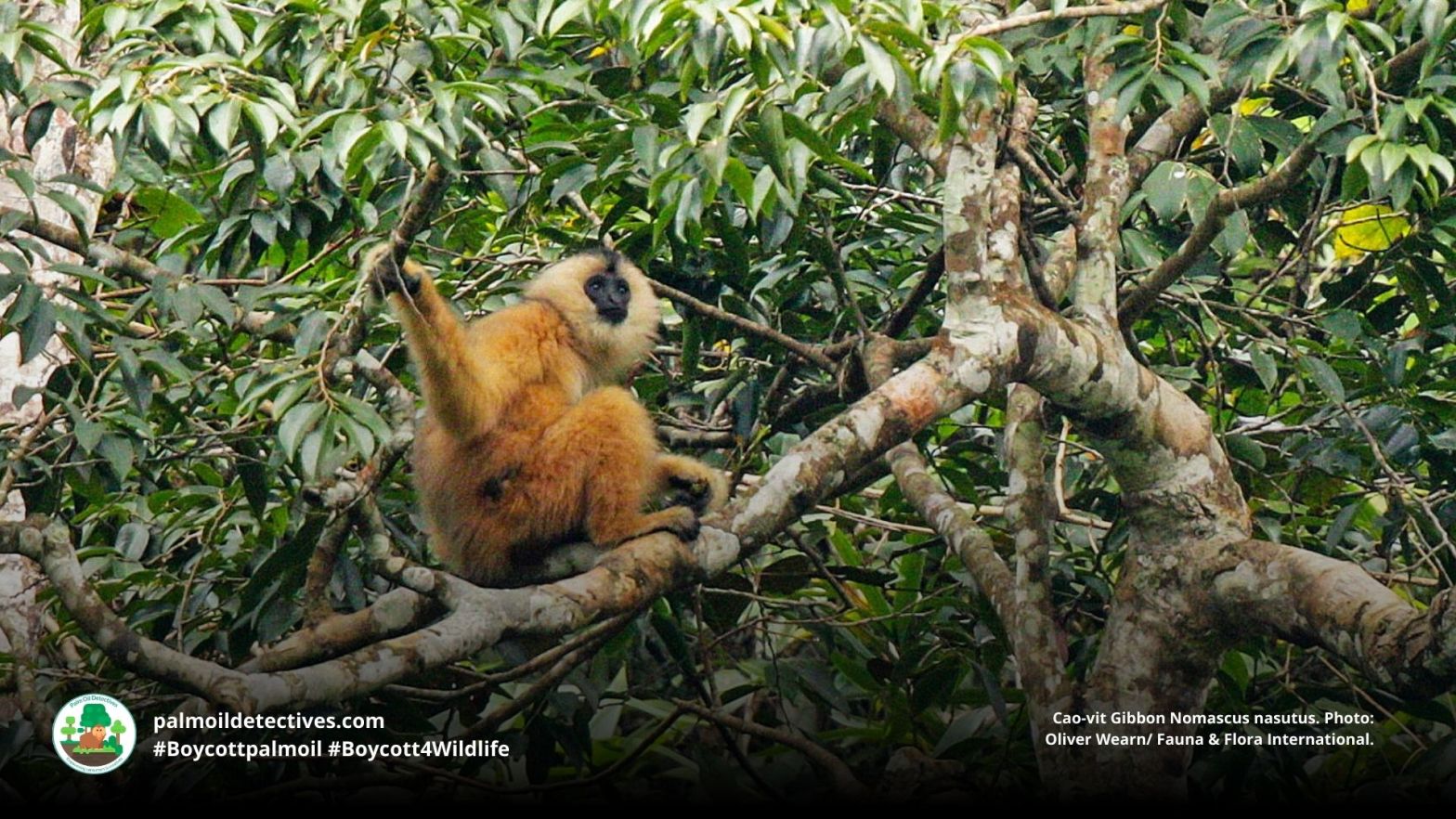
The Cao-vit gibbon, one of the world’s rarest primates, captivates the imagination with their melodic “cow-veet” calls, which echo like rainforest birdsongs. Research has found that they sing in regional accents to each other and form breeding pairs.
Arguably the world’s rarest gibbon they live in one forest patch straddling the Vietnam–China border. These critically endangered primates face myriad threats, including habitat destruction for timber and meat agriculture, inbreeding, and climate change. Immediate, concerted conservation action is essential to save these extraordinary gibbons from extinction.
Support indigenous-led conservation efforts to protect their habitat. Fight for their survival every time you shop. Use your wallet as a weapon and #BoycottMeat and be #Vegan #Boycott4Wildlife.
Black Crested Gibbon Nomascus concolor
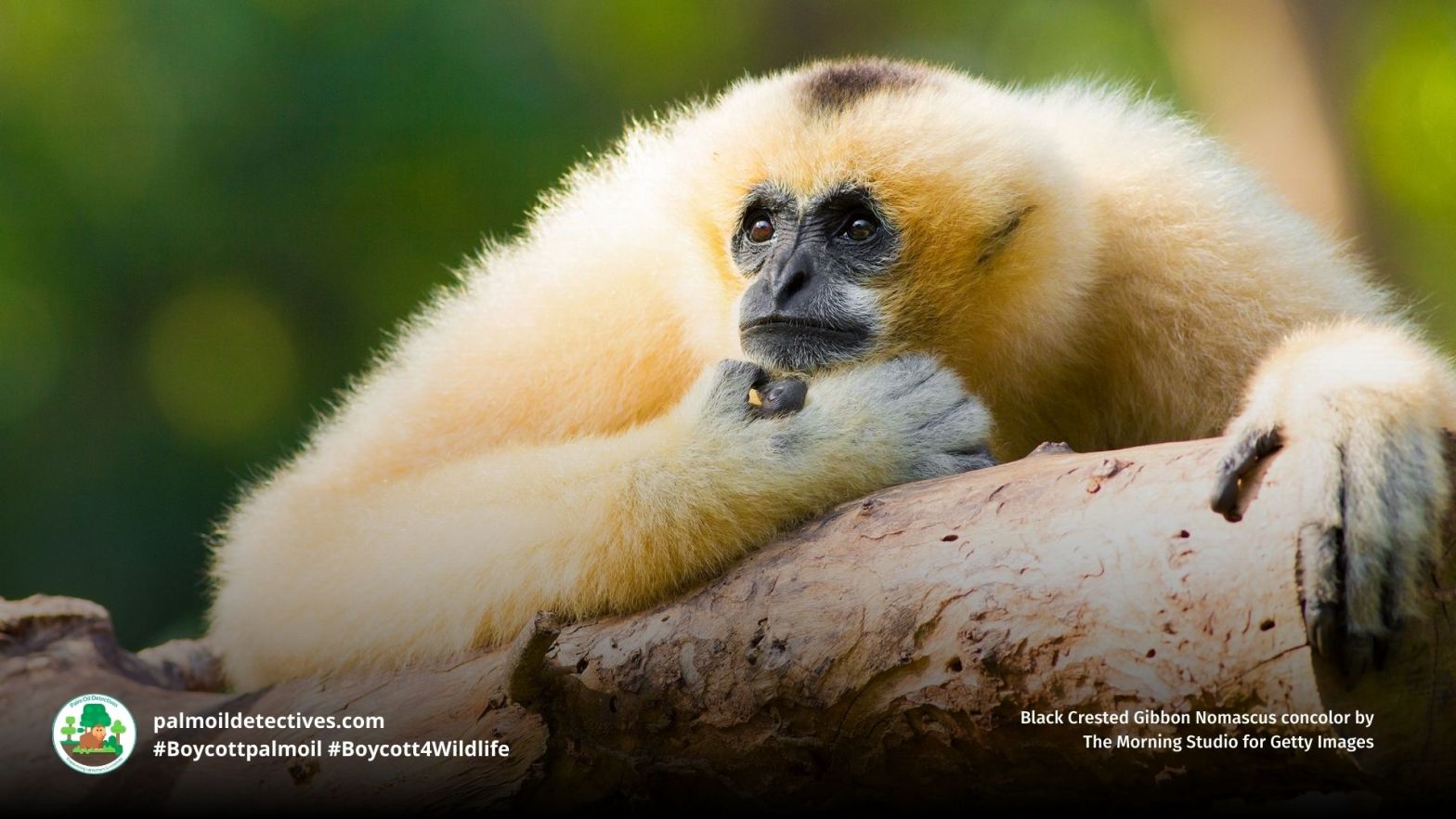
The Black-Crested Gibbon of the genus Nomascus is a truly enchanting primate, renowned for their melodic morning duets that echo through the forests of southern China, Vietnam, and Laos. What makes these calls even more remarkable is their regional variation—these gibbons sing with distinct “accents,” unique to their local populations. These complex songs not only strengthen bonds between mates but also serve as territorial markers, ensuring harmony within their fragmented forest homes.
Despite their beauty and ecological importance, Black-Crested Gibbons are at risk of extinction. Habitat destruction for agriculture, and logging, coupled with hunting for the bushmeat trade and the illegal pet trade, is rapidly shrinking their population. Protecting their future is vital for the health of their ecosystems. Take action now: Boycott the illegal wildlife trade, be #vegan and #Boycott4Wildlife.
Okapi Okapia johnstoni
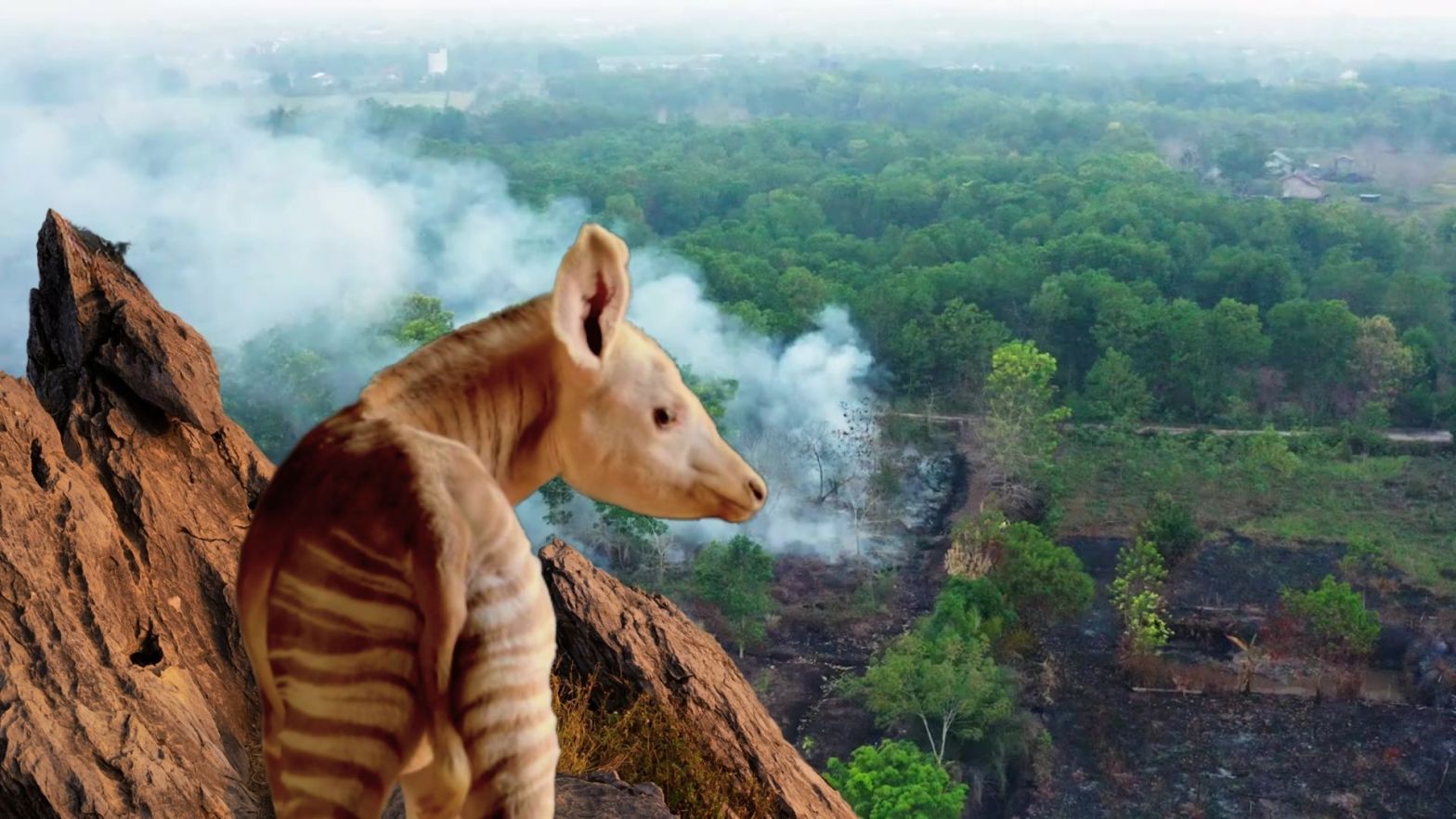
The mysterious and enchanting Okapi, also known as the forest giraffe, roams the dense rainforests of the Democratic Republic of Congo. With a large expressive eyes and ears, velvety dark brown coat adorned with striking white stripes and large – they captivate the imagination! These solitary creatures have a remarkable prehensile tongue for foraging and grooming. Okapi mothers use inaudible sounds to communicate with their young. Sadly these remarkable creatures are endangered and face severe threats from palm oil, mining and tobacco deforestation, hunting and human conflict. You can help protect them by making mindful palm oil free supermarket choices. #BoycottPalmOil and #Boycott4Wildlife to safeguard these beautiful animals.
Huon Tree Kangaroo Dendrolagus matschiei
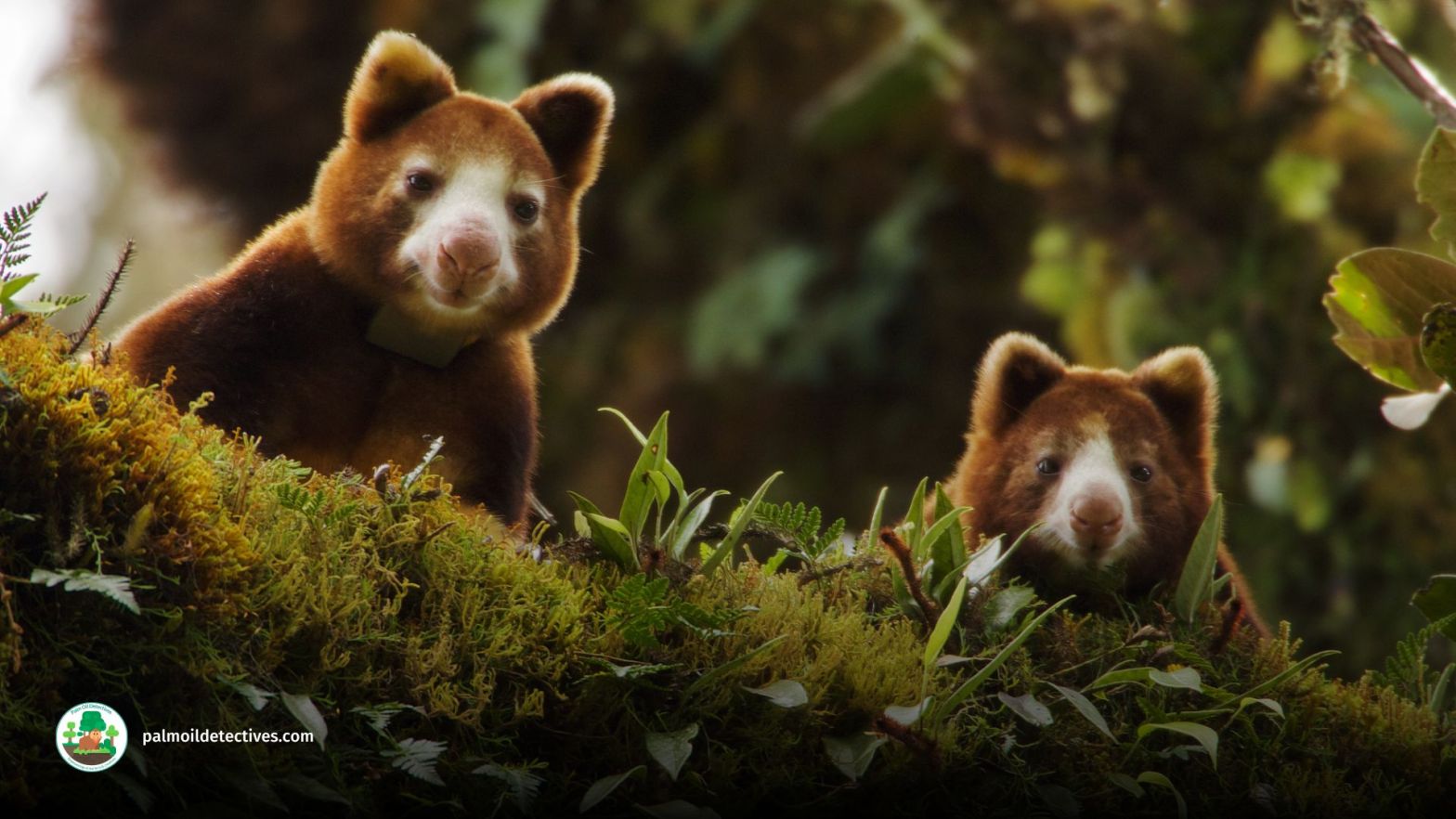
Adorable creatures with a teddy-like face and simian looking tail, Huon Tree Kangaroos live in Papua New Guinea. They are classified as endangered due to ongoing destruction of their natural rainforest home for #palmoil and #mining throughout their range. There are estimated to be <2,500 individual kangaroos left alive. Help them every time you shop and #Boycottpalmoil #Boycott4Wildlife
Dingiso Dendrolagus mbaiso
Known affectionately as the ‘Panda tree kangaroo’ for their black and white faces, dingisos are one of the rarest and most charismatic species of tree kangaroos, living only in the remote cloud forests of the Sudirman Range in Indonesian-occupied #WestPapua. While revered by the Moni people who consider them sacred and taboo to hunt, #Dingiso populations have still plummeted by over 50% due to #hunting, road construction, habitat clearing, and the expansion of industrial agriculture particularly #palmoil #deforestation. #Climatechange is now driving further habitat loss at high altitudes. Help these mysterious and gentle tree kangaroos every time you shop, use your wallet as a weapon and #BoycottPalmOil #Boycott4Wildlife
Blue-eyed Spotted Cuscus Spilocuscus wilsoni
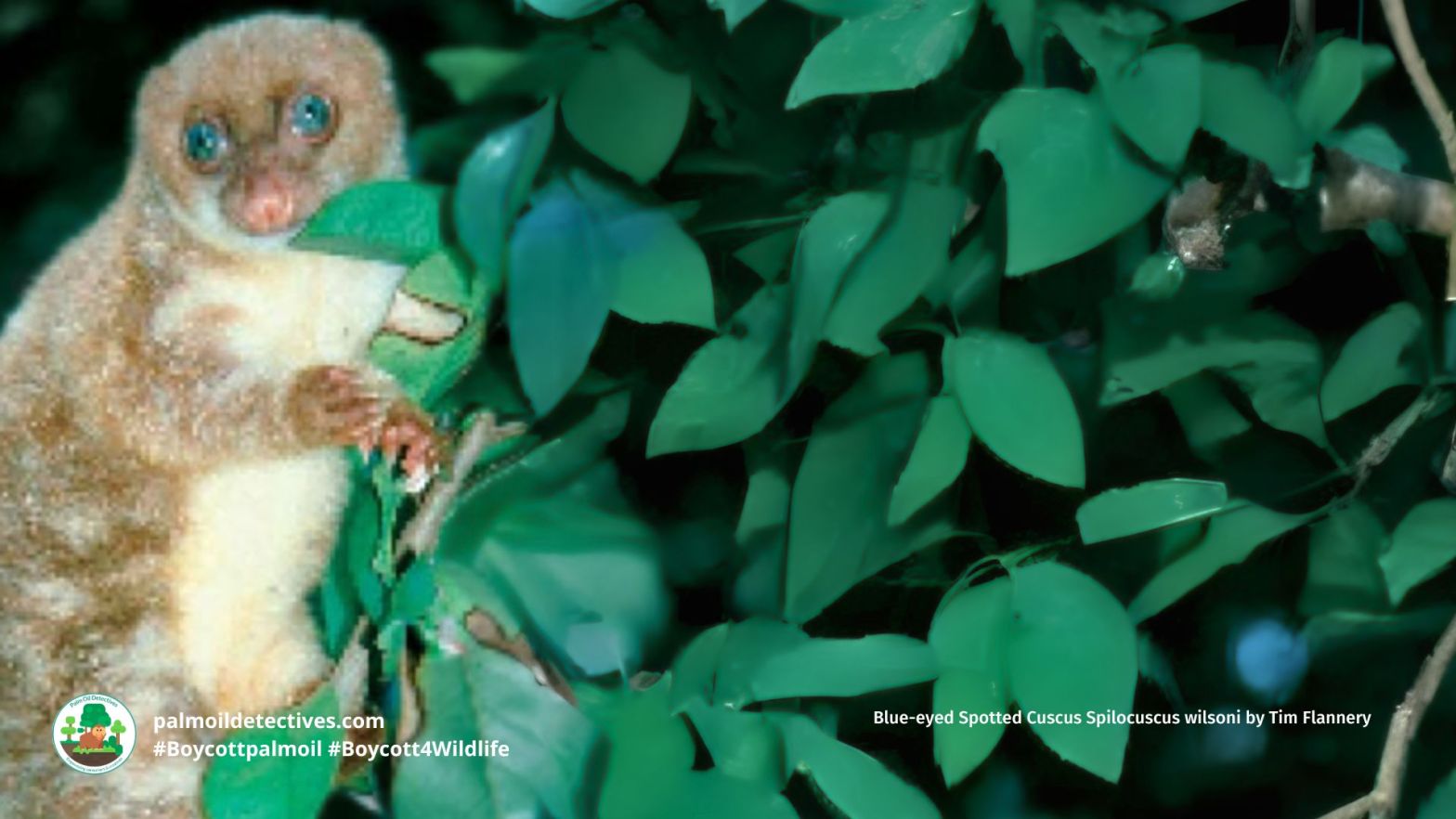
Critically Endangered Blue-eyed Spotted Cuscus lives in lowland rainforests of West Papua. Palm oil deforestation is a serious threat. Boycott palm oil!
Tenkile Dendrolagus scottae
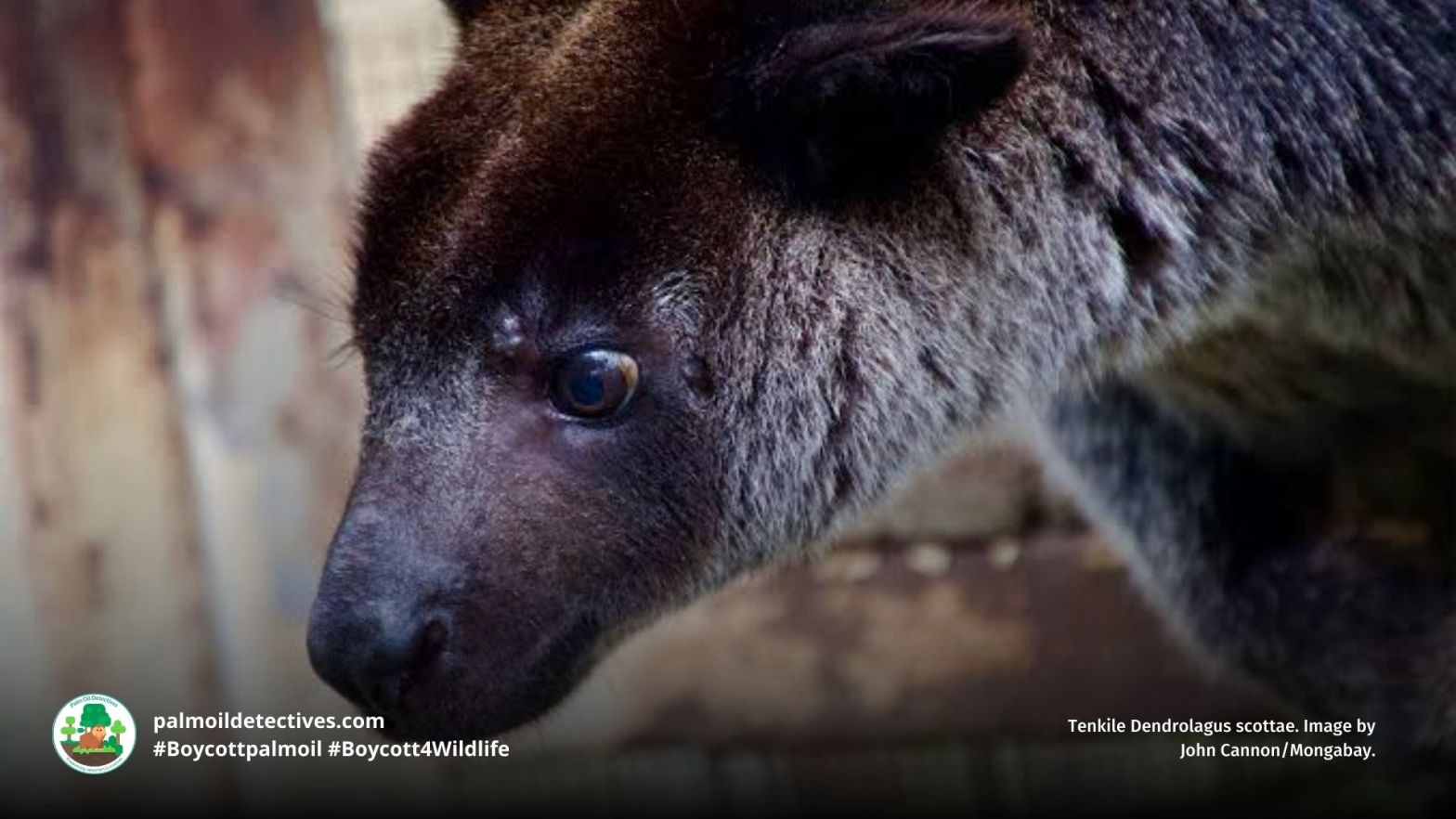
The #Tenkile, or Scott’s Tree #Kangaroo Dendrolagus scottae, is one of the most endangered #marsupials in the world, found only in the Torricelli Mountains and Bewani Range of #PapuaNewGuinea. These elusive tree kangaroos are unlike others of the #Dendrolagus genus as they spend a lot more time on the ground. These #treekangaroos were once widespread, but decades of hunting for food and deforestation for subsistence farming have driven them to the brink of extinction and they are now critically endangered. By the early 2000s, their population had plummeted to an estimated 100 individuals. However, the Tenkile Conservation Alliance (TCA) has led a community-driven conservation effort that has helped stabilise and even increase their numbers. Despite these successes, #timber and #palmoil expansion stills pose a major threat to this species’ survival. Resist and fight for their survival each time you shop—#BoycottPalmOil #Boycott4Wildlife.
Thomas’s Big-eared Bat Pharotis imogene
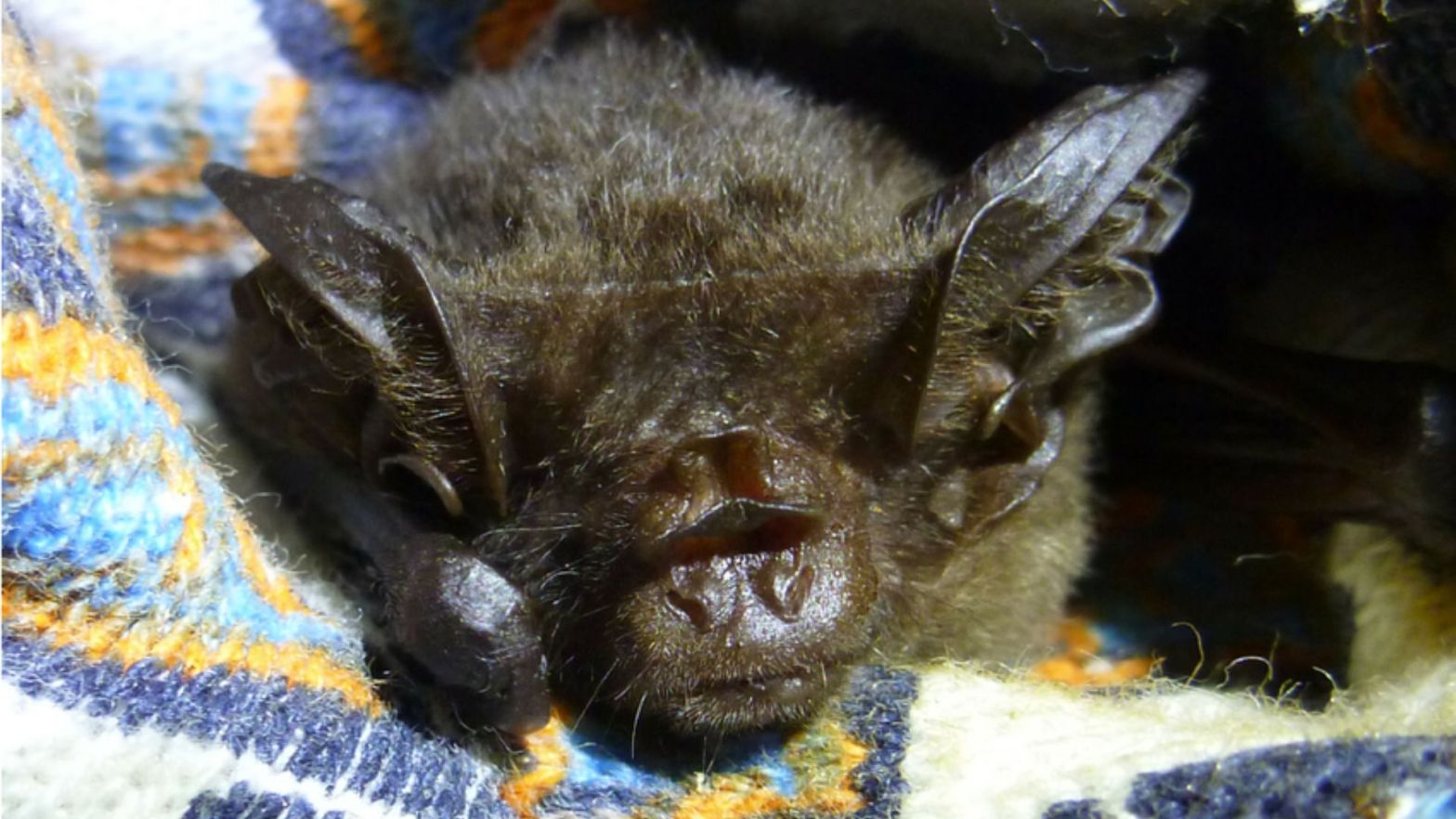
Thomas’s Big-eared #Bat Pharotis imogene, also known as the #NewGuinea Big-eared Bat, is one of the world’s rarest and most elusive #mammals- they are critically endangered by #PapuaNewGuinea. Thought to be #extinct for over a century, they were rediscovered in 2012 in Central Province, Papua New Guinea, in an area heavily impacted by palm oil deforestation, firewood collection, and land clearing for timber, mines and palm oil. Despite their rediscovery, habitat destruction due to palm oil expansion, logging, mining and human encroachment which continues to threaten their survival. Without urgent intervention, they may disappear again—this time, permanently. Help them every time you shop and #BoycottPalmOil #Boycott4Wildlife
Black Dorcopsis Dorcopsis atrata
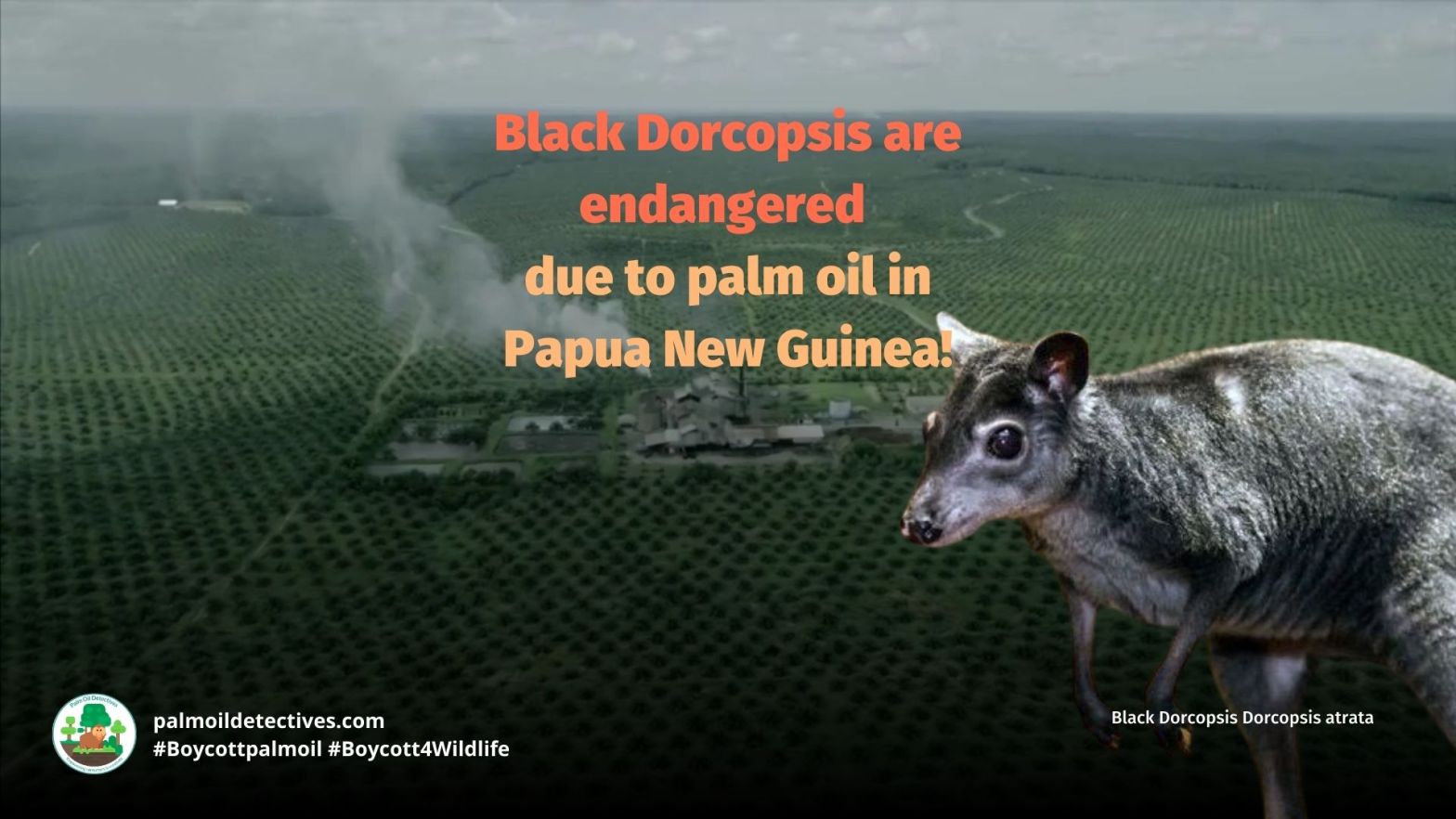
Black Dorcopsis Dorcopsis atrata IUCN Red List Status: Critically Endangered Location: The Black Dorcopsis, also known as the Black Forest Wallaby, is found only on Goodenough Island in the D’Entrecasteaux Archipelago, Papua New Guinea. They inhabit lowland and montane forests, preferring dense vegetation at elevations between 300 and 1,500 metres. The Black Dorcopsis is aContinue reading “Black Dorcopsis Dorcopsis atrata”
Agile Gibbon Hylobates agilis

Agile gibbons communicate using local “accents” and form close familial and social bonds. They are endangered in #Indonesia, #Malaysia and #Thailand mainly due to timber and #palmoil #deforestation throughout their range. Help them every time you shop and #Boycottpalmoil #Boycott4Wildlife in the supermarket.
Bornean Rainbow Toad Ansonia latidisca
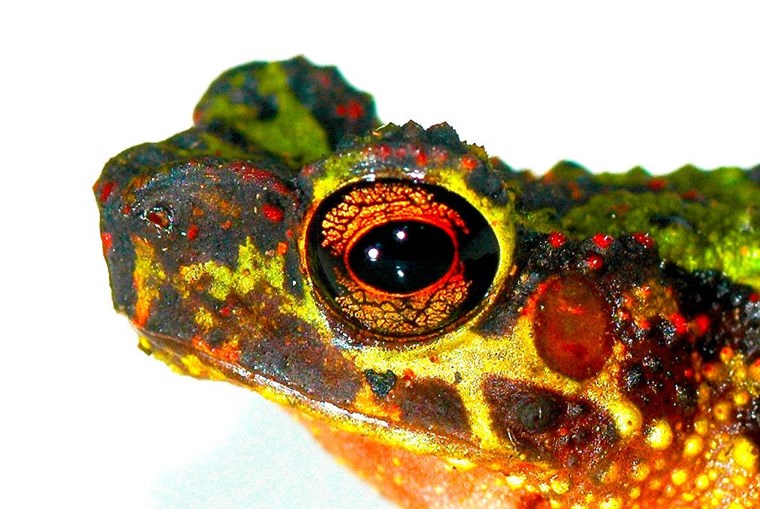
The Bornean Rainbow Toad, also known as the Sambas Stream Toad, is a vibrantly coloured amphibian native to the rainforests of Borneo. This elusive species was rediscovered in 2011 after being unseen since 1924. Endemic to the montane rainforests, these toads are nocturnal and arboreal, with long, spindly limbs and a bright, variegated dorsal skin. Their striking appearance and nocturnal habits make them a unique sight in their natural habitat. The primary threats to their survival include habitat loss due to deforestation for agriculture, particularly palm oil plantations. Protecting their habitat is crucial for their survival. Join the cause to #Boycottpalmoil and #Boycott4Wildlife.
 Palm Oil Detectives