

The idea that nature — forests , rivers, mountains — could have rights, in the same way that human rights, or corporate rights exist has been building momentum. A historic global agreement has been reached to try to protect the plants and animals of this world from further demise.
Tag Archives: landgrabbing
Is It The Dawn of The Greenwashing Era in Asia?

Curtailed press freedom in Asia makes the job of calling out greenwashing increasingly difficult – at a time when corporate accountability is critical in the fight against climate change. Experts think greenwashing is only just beginning as PR firms try to mislead regulators, investors and consumers writes Robin Hicks for Eco Business News.
Oligarchs weaken Indonesia’s fight against corruption
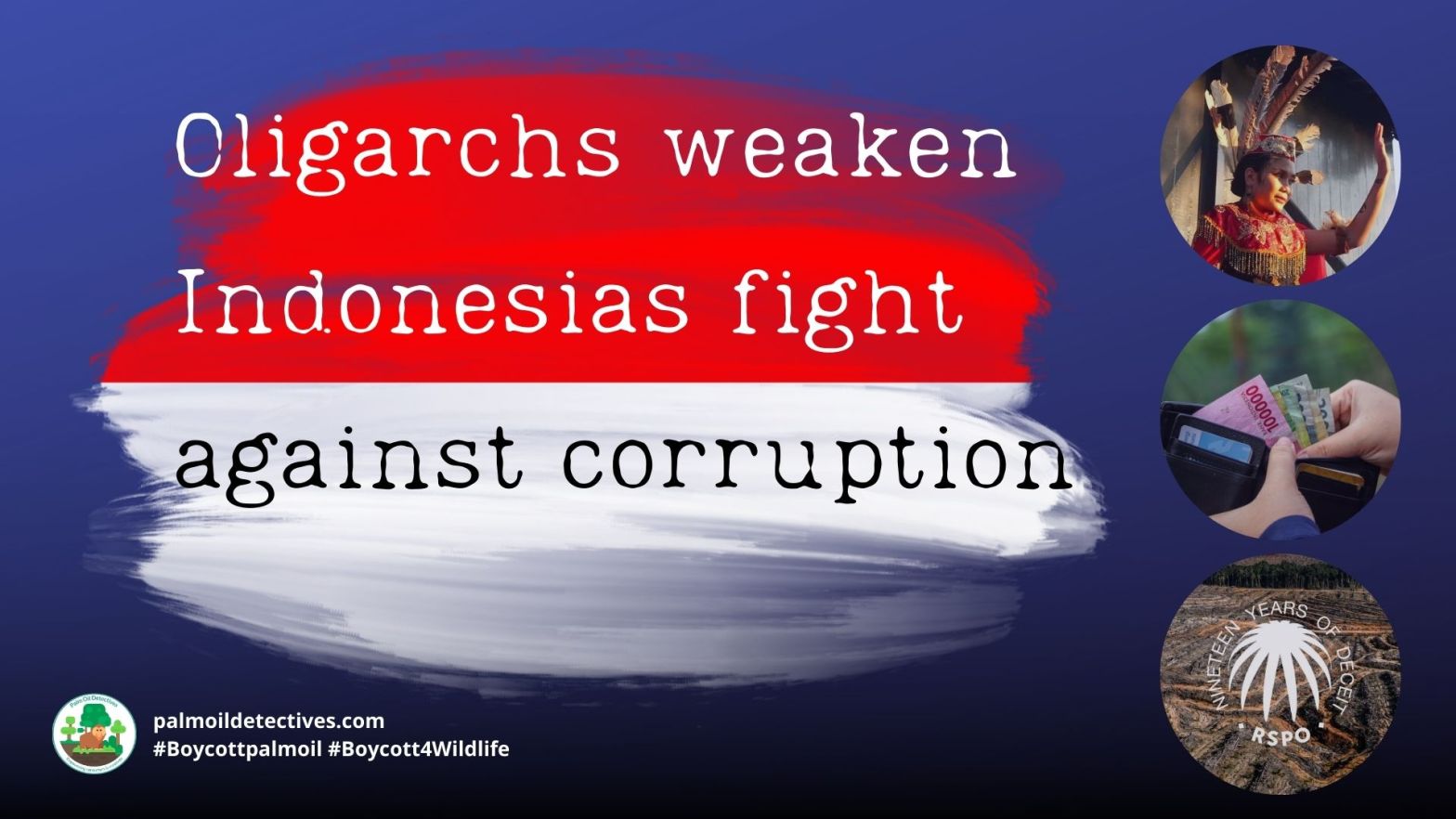
The system is failing. #Indonesia’s own parliament, backed by big business interests, has succeeded in weakening the very system set up to fight corruption. Resist the corruption! #FightGreenwashing #Boycottpalmoil 🌴🩸⛔️ #Boycott4Wildlife
RSPO member SIAT leaves Nigerian farmers without food. Leases their illegally taken land for €1.23 Euros per hectare, per year
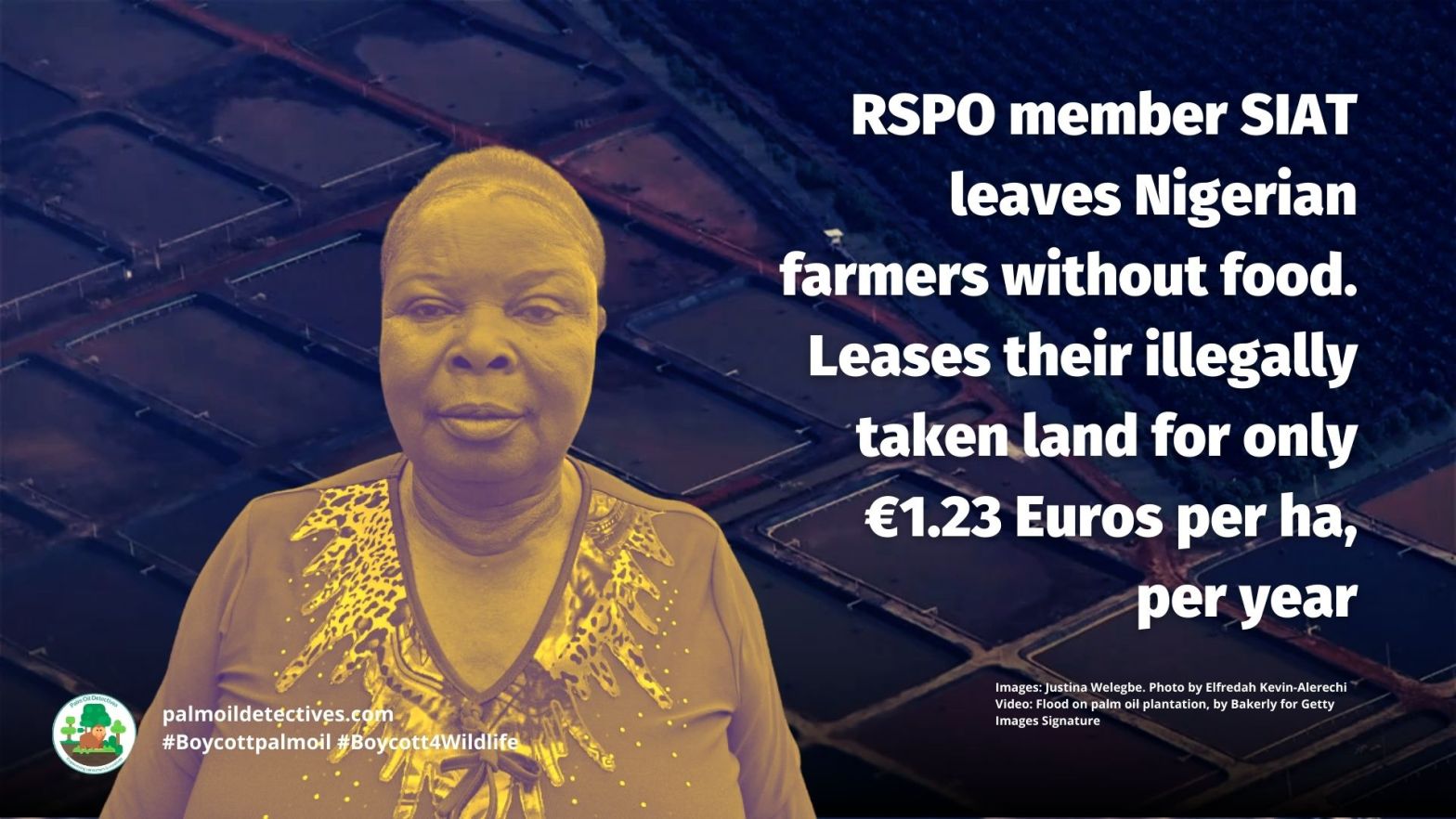
A 5-month investigation by Elfredah Kevin-Alerechi and Kevin Woke of Sahara Reporters reveals how RSPO member SIAT Nigeria Limited is involved in human rights abuses and land-grabbing on host communities’ lands. Journalists Elfredah Kevin-Alerechi and Kevin Woke also discovered that palm oil company SIAT who illegally took their land are leasing it for a mere 600 Naira (N600) per hectare annually – the equivalent of €1.23 Euros per year to lease it.
River pollution by pesticides and restriction by the company to land, where locals can grow food has meant that their food and water supply is contaminated – starvation is now an urgent problem.
All of this occurs under the guise of “sustainable” palm oil pushed by the RSPO to consumers. SIAT’s palm oil is used in consumer products by PZ Cussons (source), Nestle (source) and Danone (source). This is wh you should #Boycottpalmoil
Story via Sahara Reporters. Additional info: Chain Reaction Research
India’s Palm Oil Goals Raise Extinction Fears

A corporate monopoly for control over land and resources for palm oil must be dismantled immediately to give humanity, animals and our natural world a fighting chance for survival and to reverse the climate crisis. In Asia, many indigenous peoples are now joining forces and rising up to resist this corruption and ecocide.
Will palm oil watchdog RSPO rid itself of deforestation or continue to pretend its products are sustainable? – EIA
Palm oil produced through the destruction of forestland is still being sold around the world with the blessing of the Roundtable on Sustainable Palm Oil (RSPO).
On November 30, 2022 EIA and along with 99 other organisations issued a joint statement calling time on the RSPO and its habitual greenwashing – the act of giving the public or investors misleading or false information about the environmental impacts of a company’s products and activities.
Roundtable on Sustainable Palm Oil: 19 years is enough
For nearly two decades now, the RSPO has failed in its mission to make the industrial palm oil sector “sustainable”. Instead, it has been used by the palm oil industry to greenwash environmental destruction, labour and human rights abuses and land grabbing.
Amazon Palm Oil: Top Brands Source from Amazon Destroyers

Expose the truth about brands like Nestlé, PepsiCo, and Unilever sourcing “sustainable” palm oil from Brazil linked to violence, abuses and fraud. Shame!
Spoiled Fruit: Land-grabbing, violence and slavery for “sustainable” palm oil
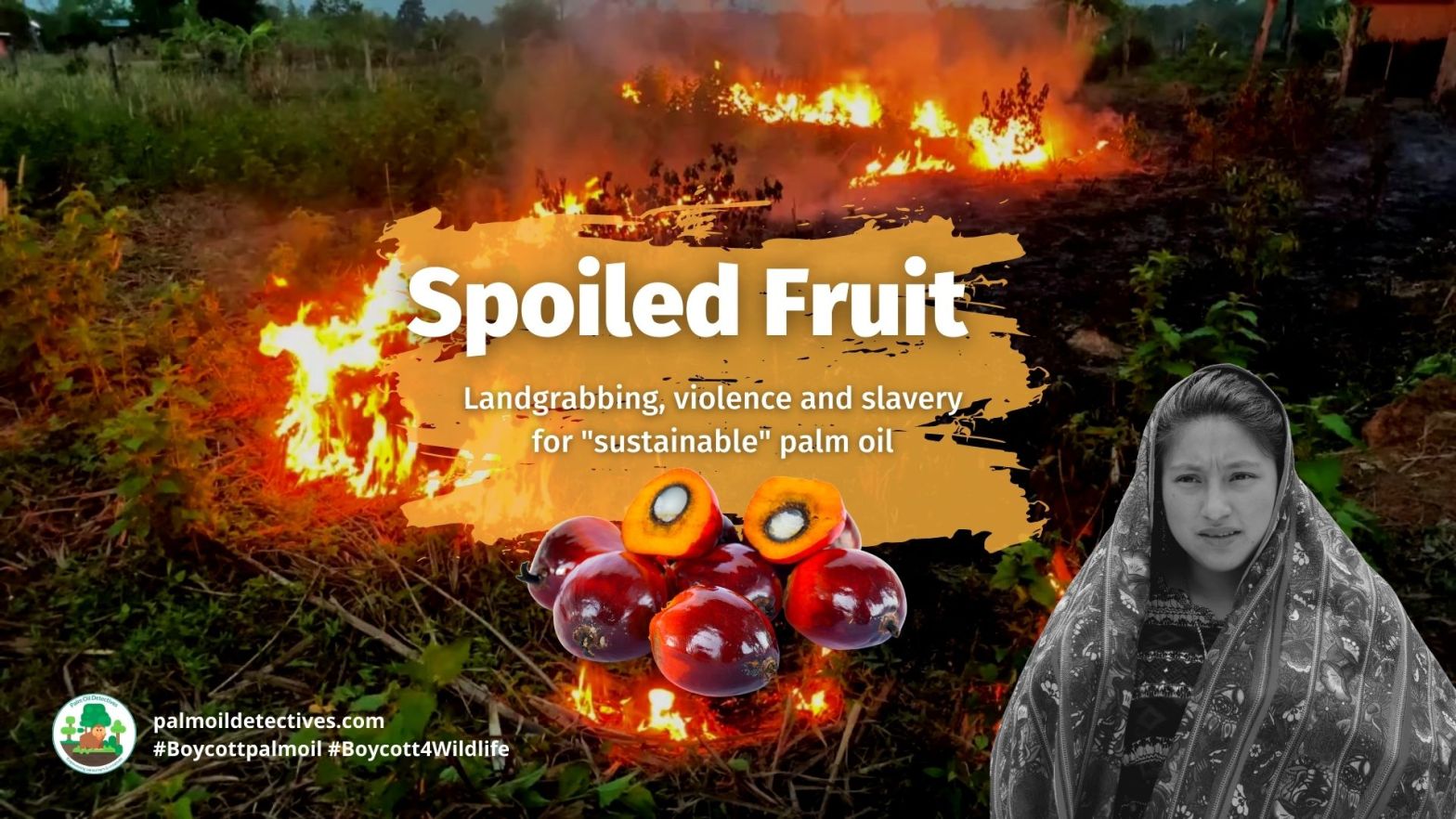
C4ADS analysis shows that the food conglomerates that feed millions—including giants such as Nestlé, Cargill, Adani Wilmar, IOI, Olenex and more —continue to enable forced labor through their indiscriminate import of tainted palm oil associated with slavery, indigenous land-grabbing, deforestation and human misery in the developing world.
Land-grabbing for palm oil and the climate crisis
Corporate monopolies drive land grabbing for palm oil, worsening the climate crisis. Indigenous peoples in Asia resist. Join the fight. #BoycottPalmOil
Eyewitness Story: The Last Village by Dr Setia Budhi
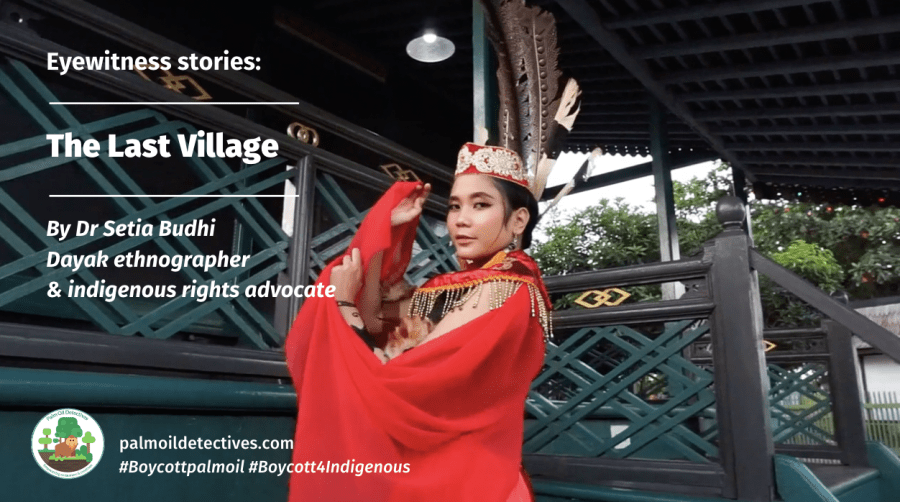
A lone Dayak village in Borneo surrounded by palm oil plantations has held out for 14 years and resisted
corporate infiltration by global palm oil giants. My name is Dr Setia Budhi, I am a Dayak ethnographer and human rights advocate. I visited this village recently to see how they were going.
September 21st: International Day of Struggle Against Monoculture Plantations
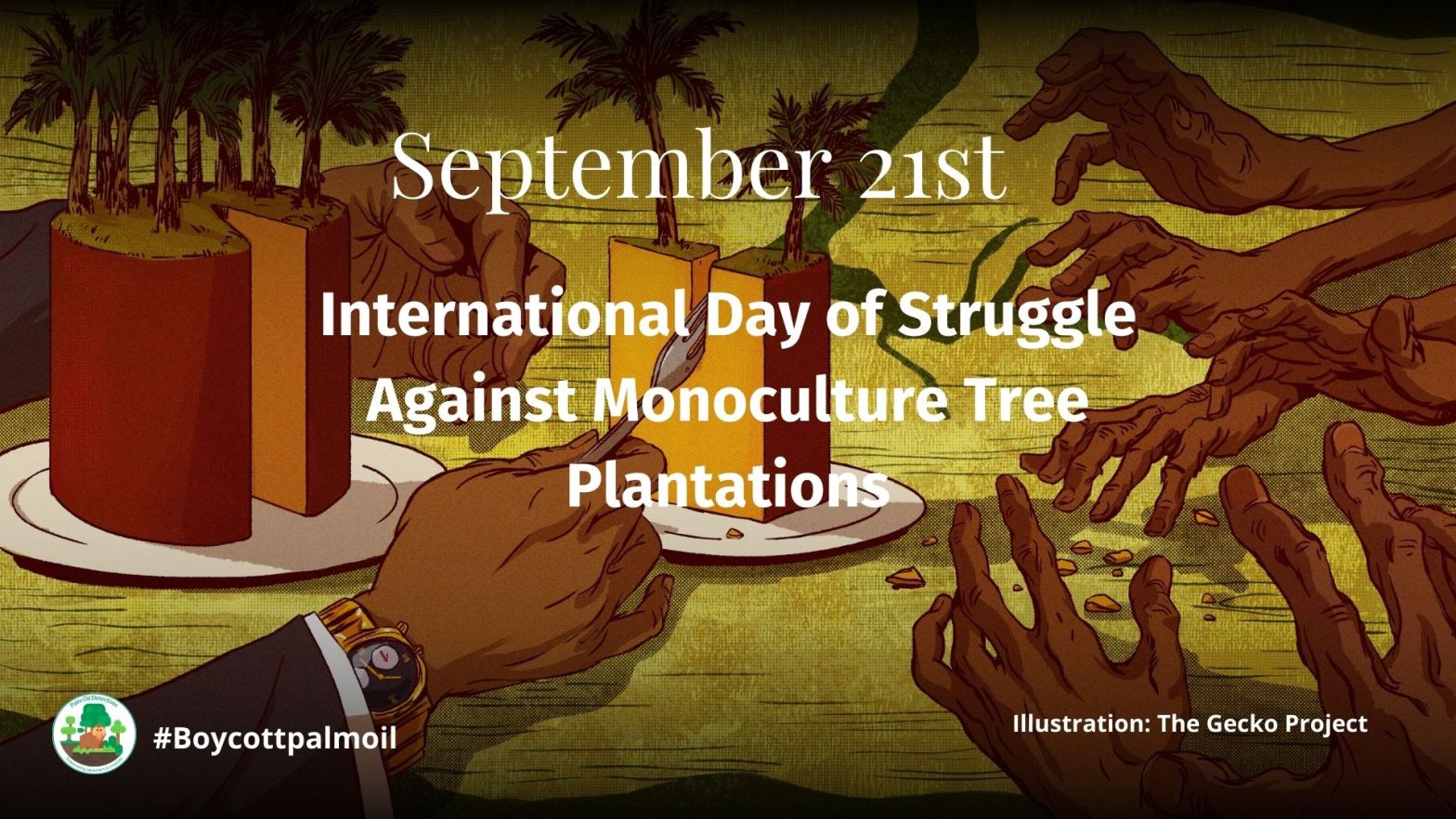
Today is ‘International Day of Struggle Against Monoculture Plantations’. World Rainforest Movement have produced a powerful video to highlight the Ugandan people’s struggle against BIDCO an international company partly owned by global palm oil giant #Wilmar, who are taking land by force from locals by making false promises and using coercion and #violence. They do so under the #greenwashing protection of the #RSPO
Anthropologist and Author Dr Sophie Chao
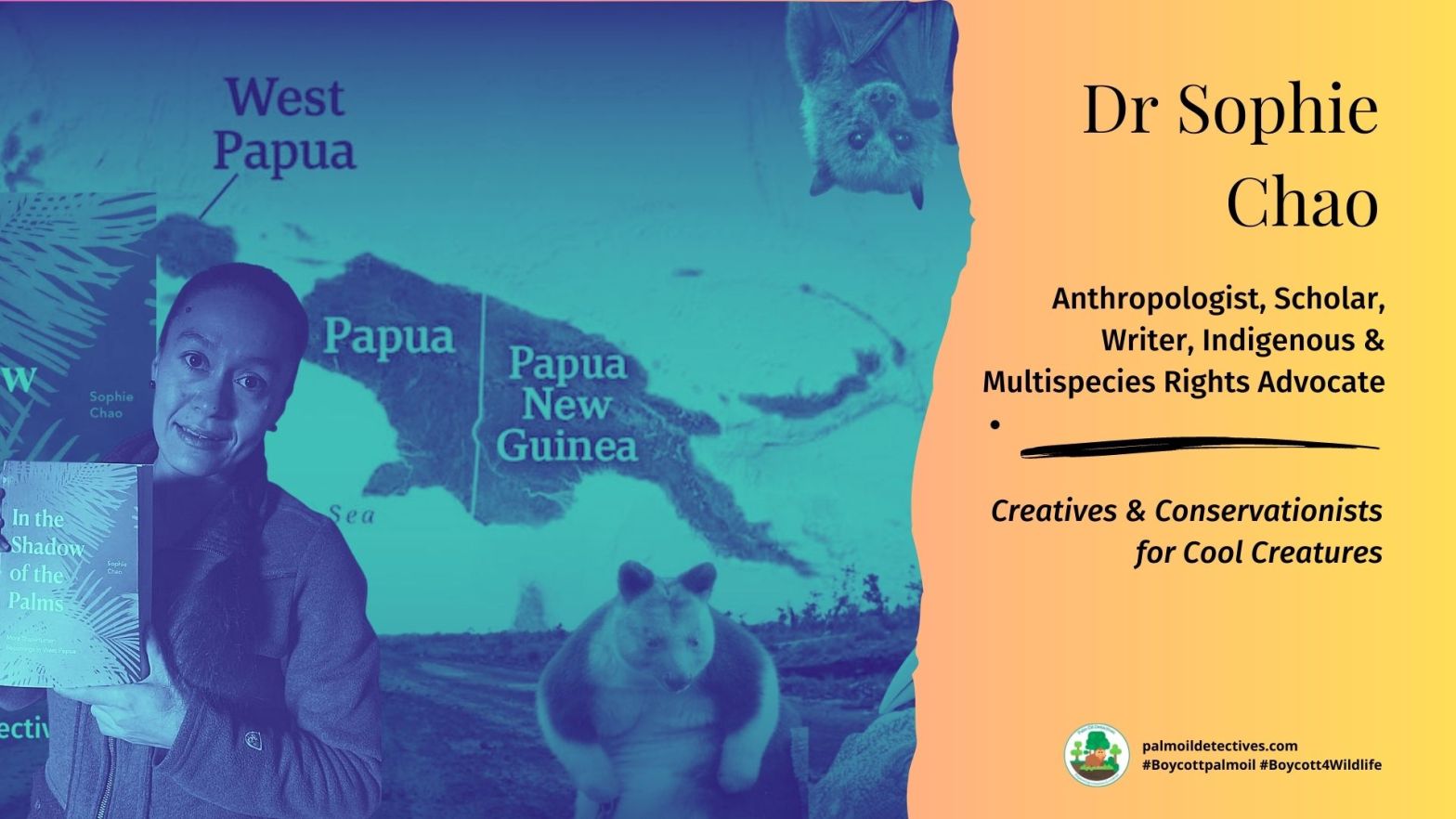
Dr Sophie Chao is an environmental anthropologist and environmental humanities scholar interested in the intersections of capitalism, ecology, Indigeneity, health, and justice in the Pacific.
Palm Oil Detectives is honoured to interview to Dr Sophie Chao about her research into the impacts of palm oil on the daily lives of Marind people and other sentient beings in West Papua.
I wrote In the Shadow of the Palms because I wanted the world to understand how deforestation and industrial oil palm expansion are undermining Indigenous ways of being in West Papua.
Certification Schemes Fail to Stop Palm Oil Deforestation

71 rights groups warn that certification schemes like RSPO and FSC fail to stop deforestation and abuses. Learn why they are called tools of greenwashing.
The people versus Feronia: Fighting palm oil agrocolonialism in the Congo
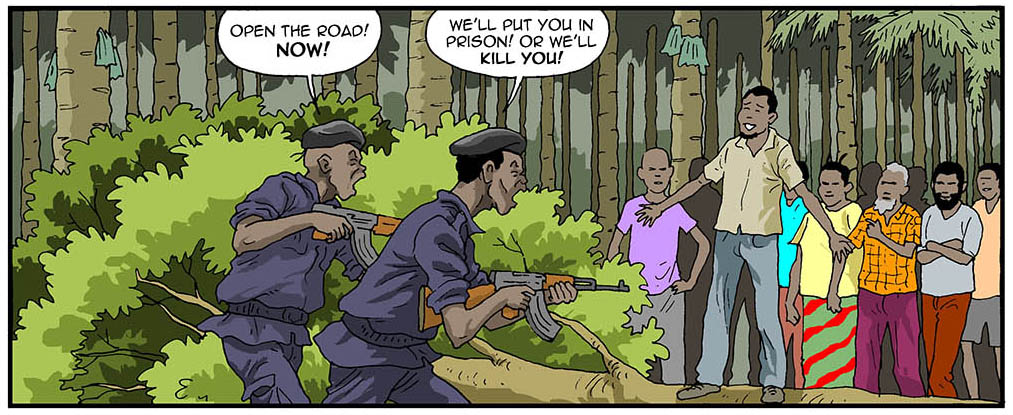
This powerful #comic is by Didier Kassai and Dieudonne Botoko Kendewa is about a community in the #Congo 🇨🇩 living next to the #Feronia #palmoil plantation. They faced #violence and #landgrabbing from this corporation. Take action! #Boycottpalmoil 🌴🩸☠️🚫
PepsiCo
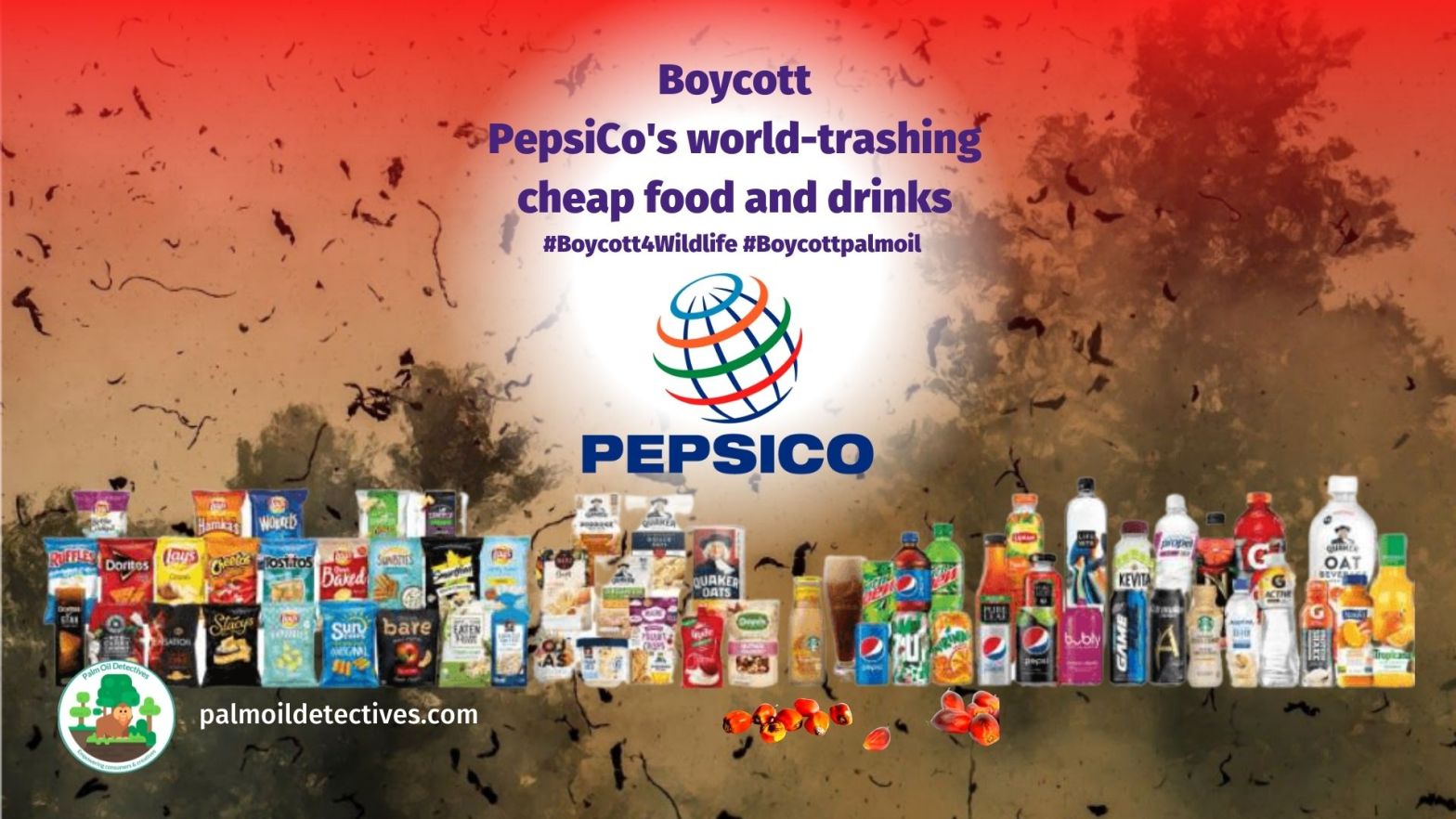
Despite decades of promises to end deforestation for palm oil PepsiCo (owner of crisp brands Frito-Lay, Cheetos and Doritos along with hundreds of other snack food brands) have continued sourcing palm oil that strongly linked to ecocide, indigenous landgrabbing, and the habitat destruction of the rarest animals on earth. All of these animals are onContinue reading “PepsiCo”
Divide and Intimidate: The Playbook of Palm Oil Landgrabs
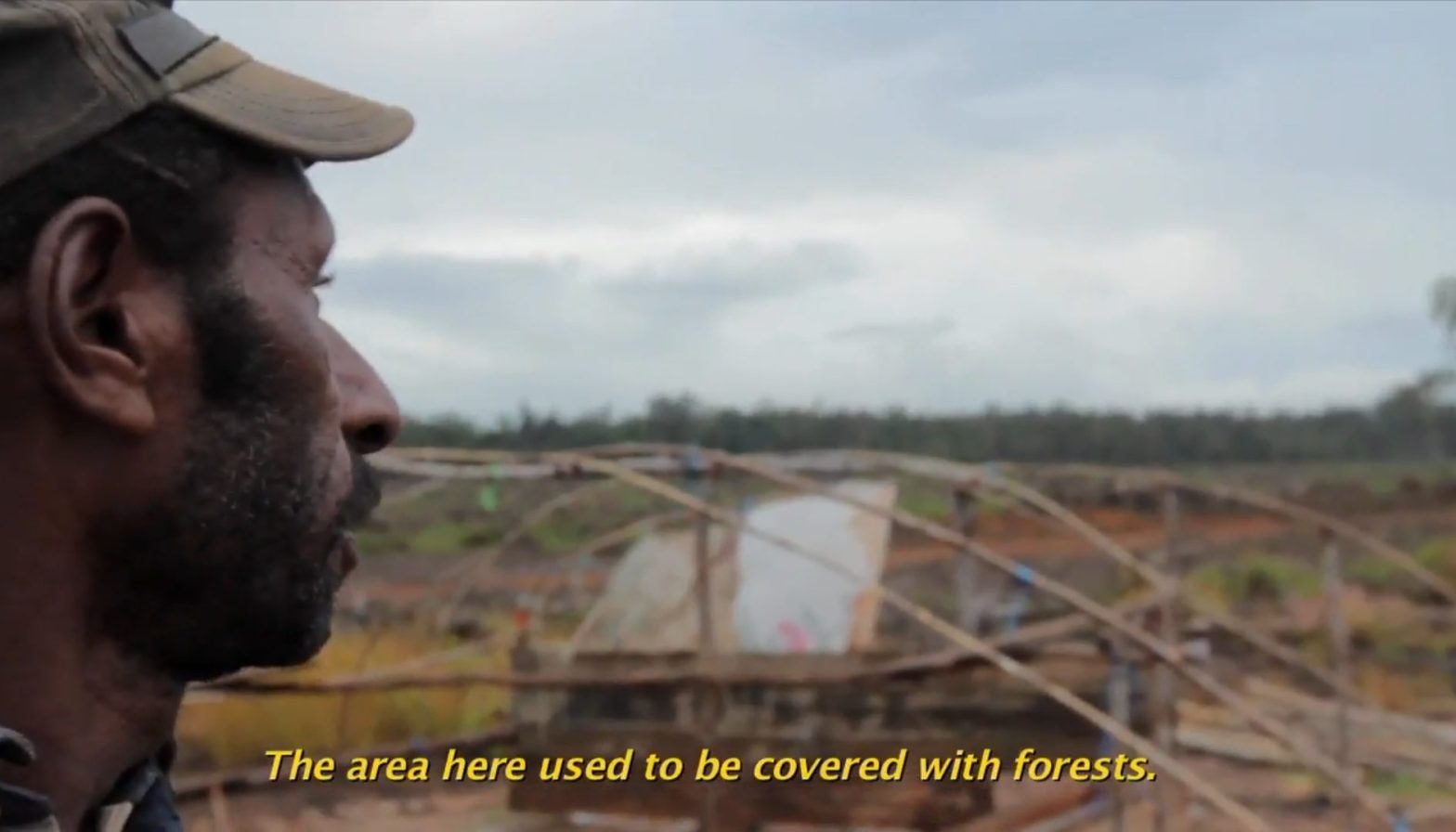
The insidious playbook of palm oil companies “Promise, Divide, Intimidate and Coerce” reveals the 12 corrupt tactics used to grab community land in Africa
Ten Tactics of ‘Sustainable’ Palm Oil Greenwashing

Learn ten marketing and PR tactics used for “sustainble” palm oil greenwashing to justify endless growth by the palm oil industry. Boycott palm oil now!
Greenwashing Tactic #4: Fake Labels
Claiming a brand or commodity is green based on unreliable, ineffective endorsements or eco-labels such as the RSPO, Forest Stewardship Council (FSC) or FairTrade coffee and cocoa. Greenwashing: Fake Labels and fake certifications Ecolabels are designed to reassure consumers that they are purchasing green or sustainable products. In reality the environmental standards are no betterContinue reading “Greenwashing Tactic #4: Fake Labels”
Zoologist and TV Presenter Dr George McGavin
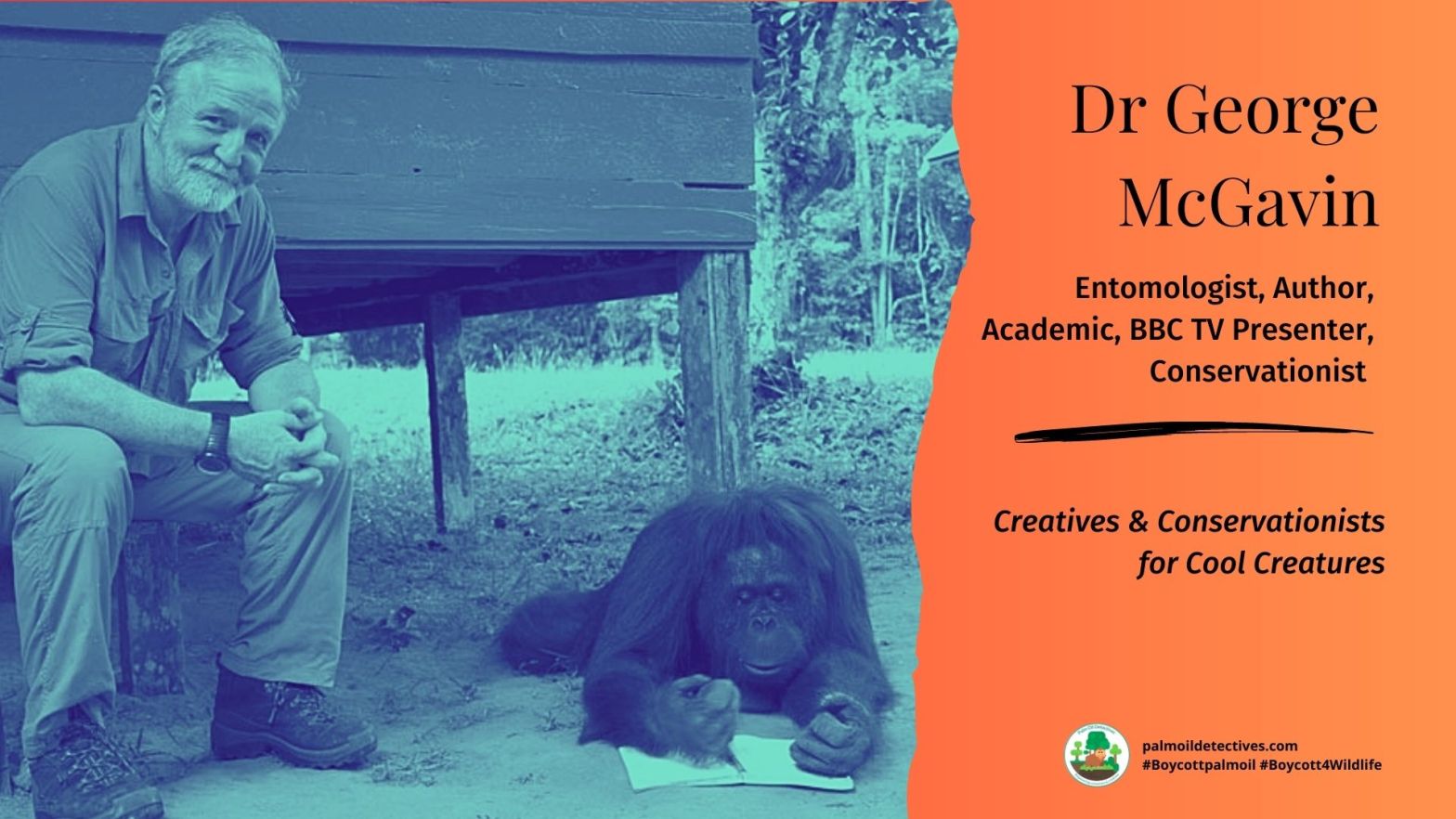
Dr George McGavin FLS FRGS Hon. FSB Hon. FRES studied Zoology at Edinburgh University, followed by a PhD in entomology at Imperial College and the Natural History Museum in London. After 25 years as an academic at Oxford University he became an award-winning television presenter. George is an Honorary Research Associate of the Oxford University Museum of Natural History and an Honorary Principal Research Fellow at Imperial College. George is also a Fellow of the Linnean Society and the Royal Geographical Society, an Honorary Fellow of the Royal Society of Biology and an Honorary Life Fellow of the Royal Entomological Society. As well as his many TV documentaries, George has written numerous books on insects and other animals. In 2019 he became the President of the Dorset Wildlife Trust.
Dayak Indigenous Ethnographer Dr Setia Budhi
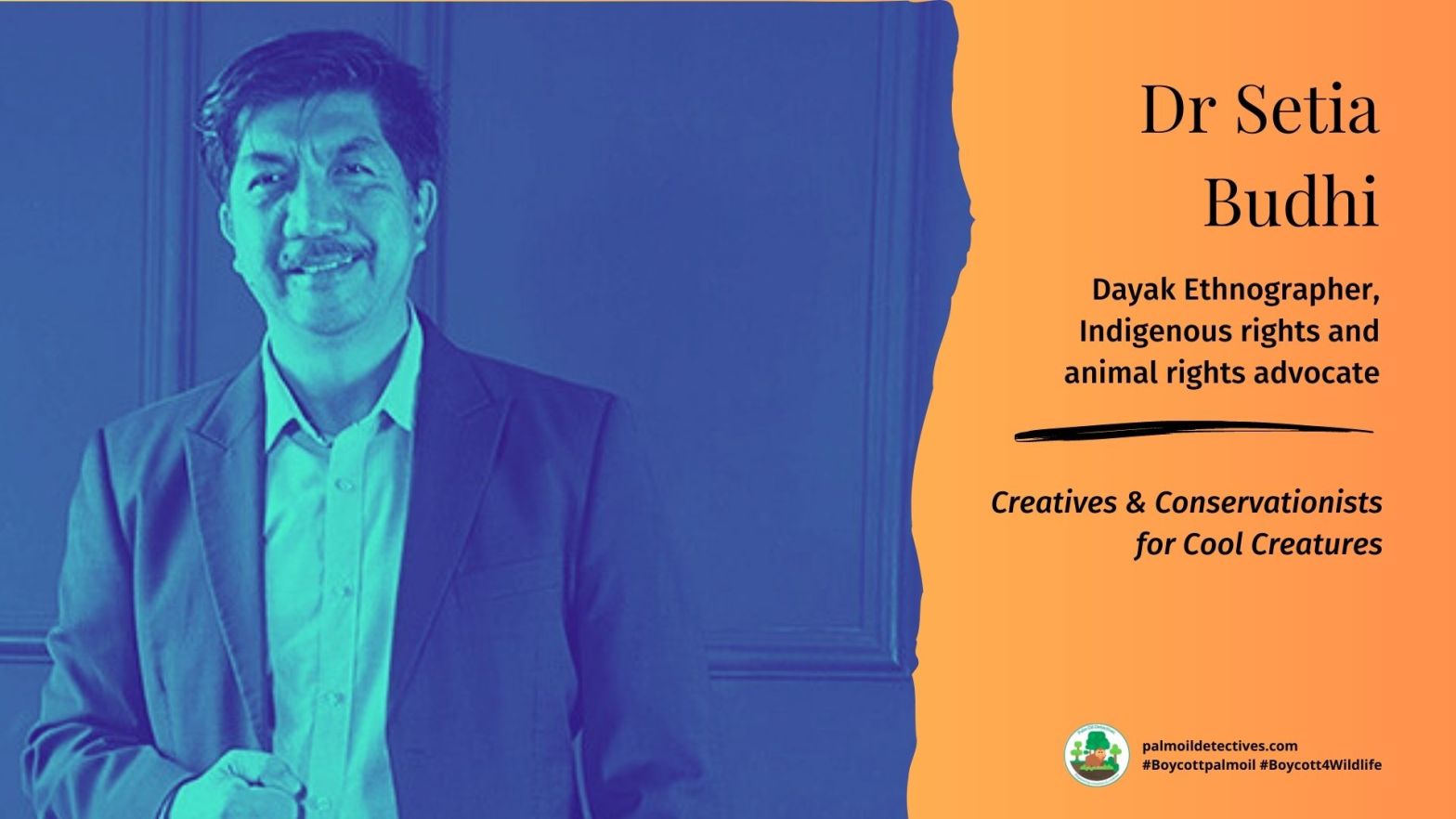
Dr Setia Budhi is a senior lecturer in Anthropology and Sociology at Universitas Lambung Mangkurat. He is an indigenous advocate, forest conservationist and a research specialist in Dayak ethnography in South, Central and East Kalimantan. He completed his PhD in 2010 at UKM Malaysia under the supervision of Prof. Awang Hasmadi Awang Moeis and Prof. Aishah Bt Mohamed. He now serves as Head of the Sociology Department and a member of the Indonesian Anthropology Association of South Kalimantan-Indonesia.
His research relates to the Dayak people and impact of socio-cultural changes, exploitation of natural resources and modernisation on their lives. In particular, he investigates how the depletion of the forest affects the availability of food sources for Indigenous Dayak peoples.
Wildlife Vet Dr Richard K Ssuna
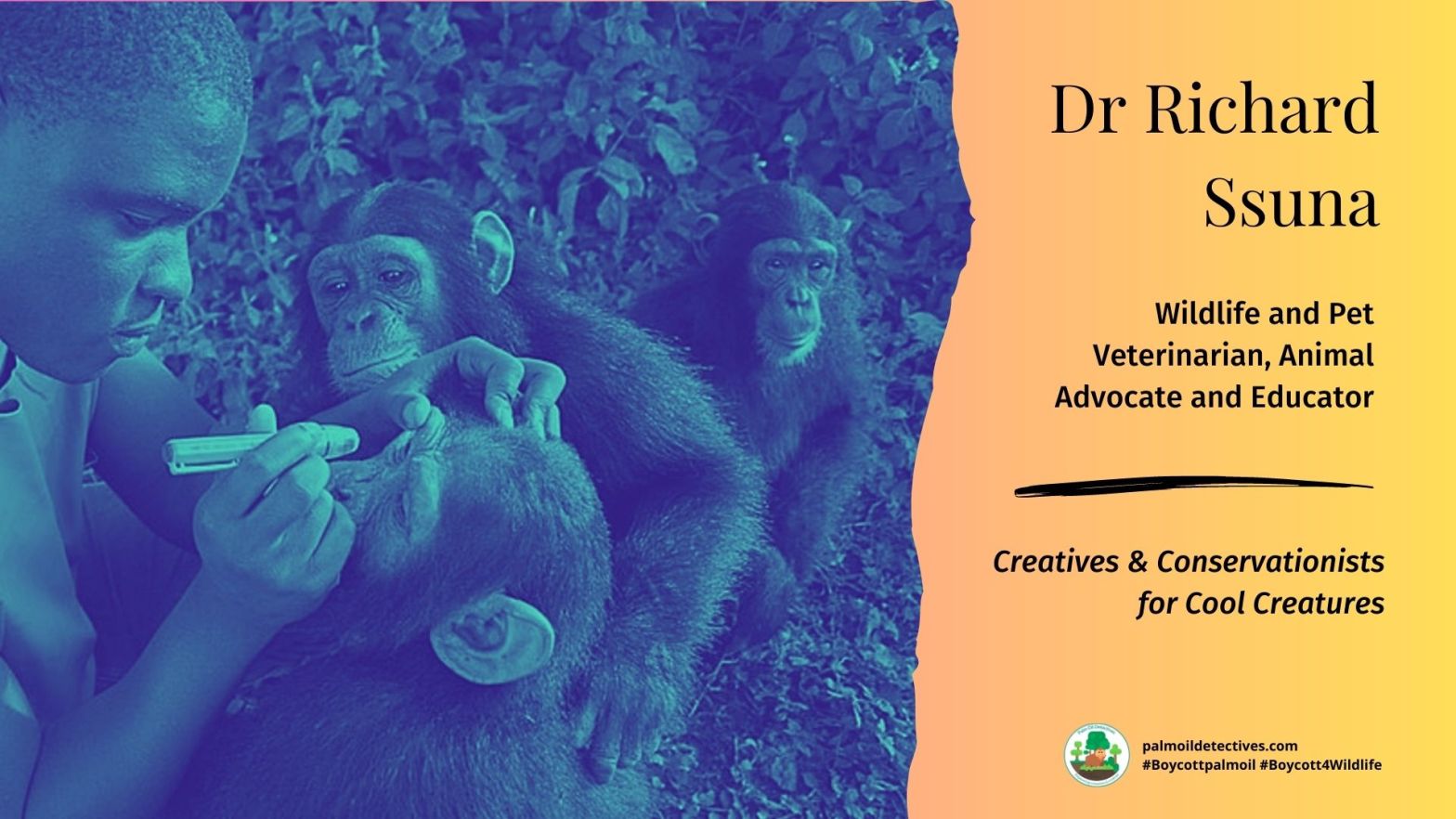
Dr Richard K. Ssuna has been caring for (wild and domesticated) animals as a Veterinarian for over 20 years. In the past he’s worked for the Uganda Society for the Protection and Care of Animals (USPCA), the Jane Goodall Institute and Chimpanzee Sanctuary, Wildlife Conservation Trust on Ngamba Island Chimpanzee Sanctuary and the Lilongwe Wildlife Centre. Dr Ssuna also established the Lilongwe Society and Protection of Animals (LSPCA) and also worked as the technical advisor for the Second Chance Chimpanzee Refuge in Liberia. He is currently the Founder of All Creatures Animal Welfare Trust in Malawi, Lesotho and Uganda.
In a real sense, the public has been hoodwinked into believing that a palm oil certification equates to a more sustainable product and as result, companies fetch even more cash for it. Read more about by Dr Ssuna does advocates for the #Boycottpalmoil #Boycott4Wildlife
Demand for meat is driving deforestation in Brazil – changing the soy industry could stop it
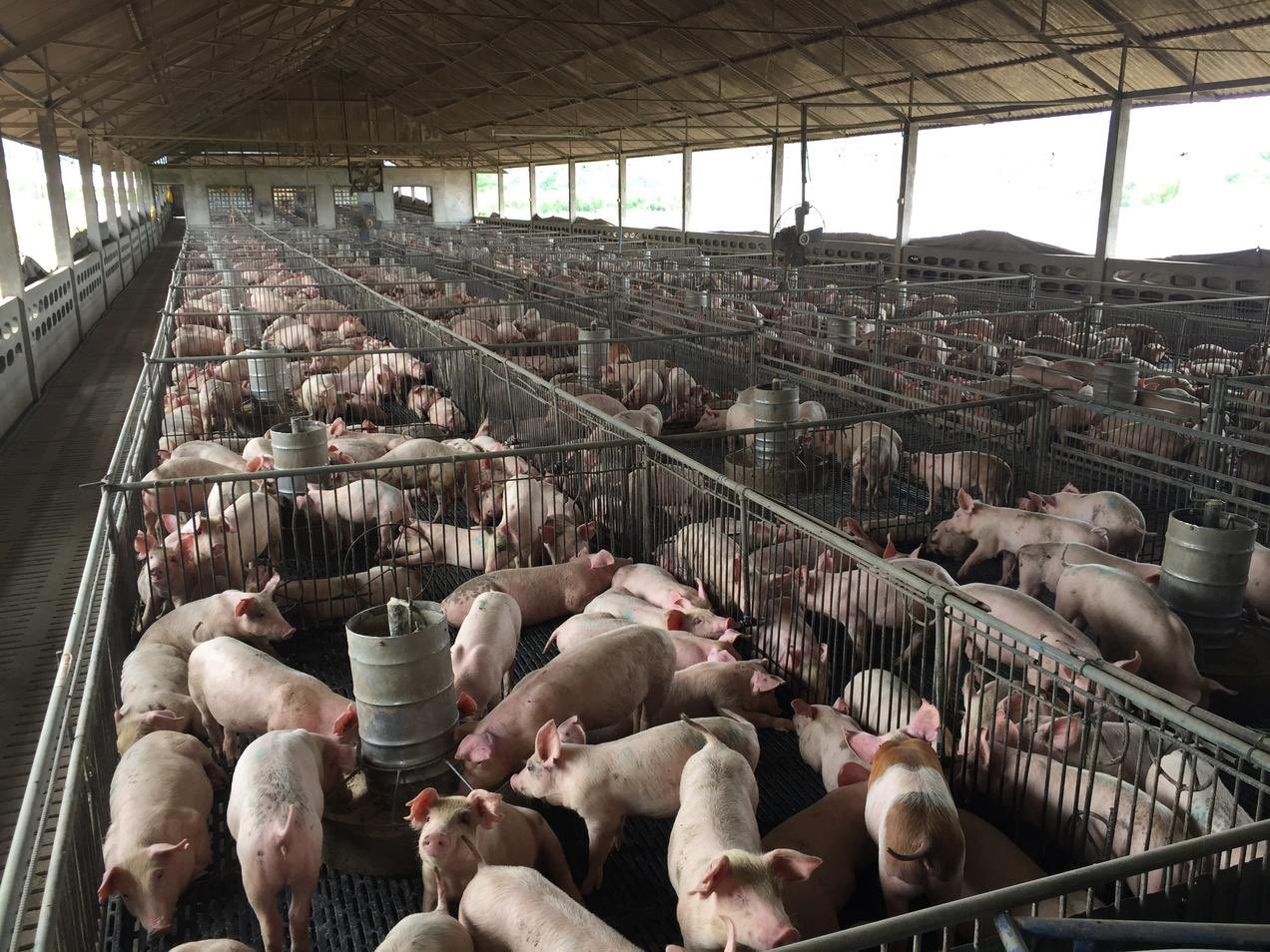
For many people, soy as a commodity has a pretty innocuous reputation thanks to its association with vegan food and meat alternatives. However don’t be fooled – crops of this pale legume are behind much of Brazil’s epidemic of deforestation. Much more #soy is fed to farm animals that people eat than is used in vegan food. Since 2000, #Brazil has doubled its total area of soy plantation to 36 million hectares and become the world’s largest producer. This expansion has erased vast swathes of forest and other habitats in some of the country’s most biodiverse regions. Soy, along with palm oil and meat deforestation are the biggest land-hungry commodities in South America and threaten the world’s largest rainforest biosphere. Help fight against this ecocide every time you shop, be #vegan #BoycottPalmOil #Boycott4Wildlife
Four-horned Chameleon Trioceros quadricornis
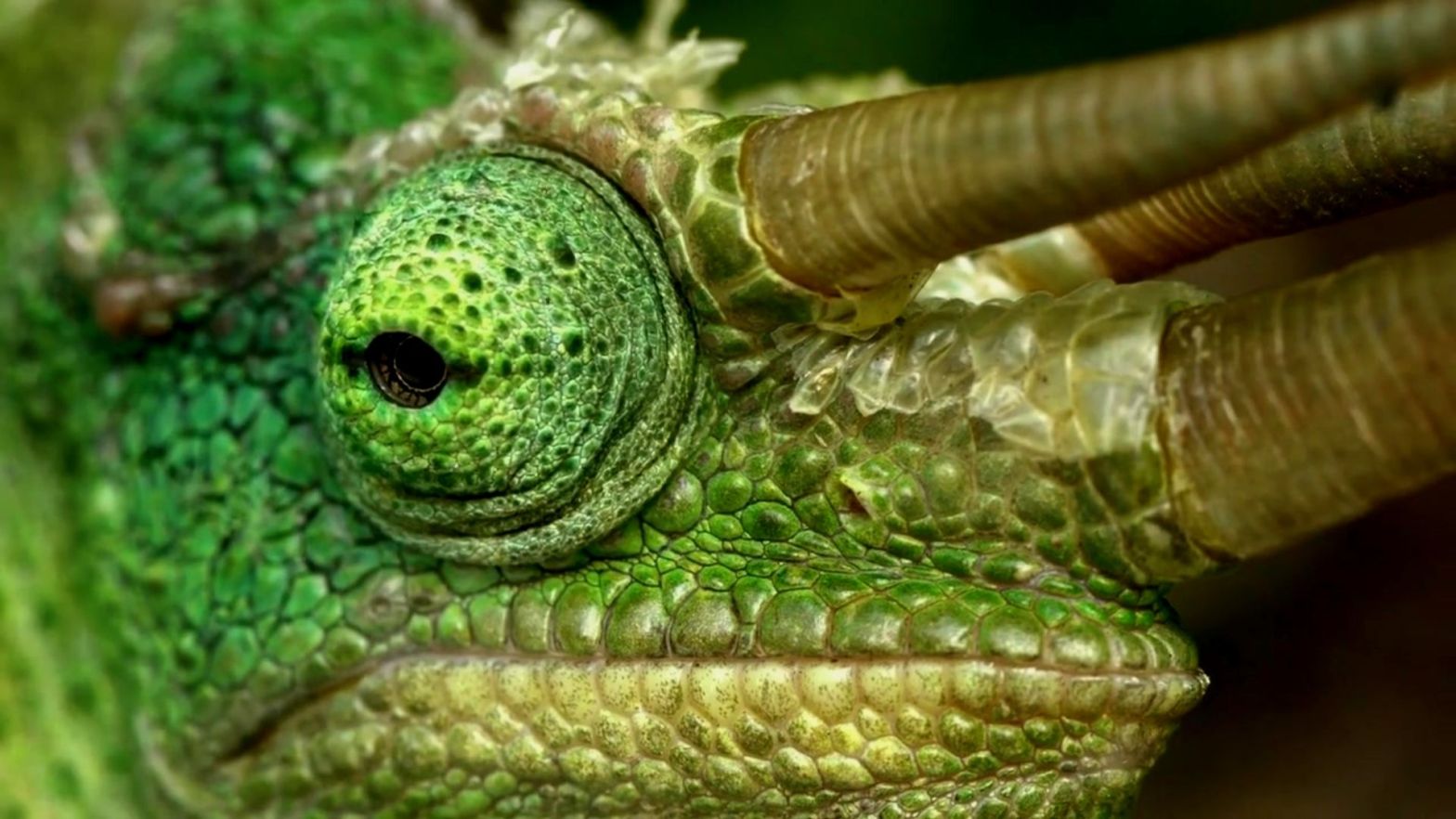
Protect the Four-Horned Chameleons, native to Cameroon’s rainforests, these extraordinary reptiles are now listed as Vulnerable, boycott palm oil for them!
Kelloggs/Kellanova
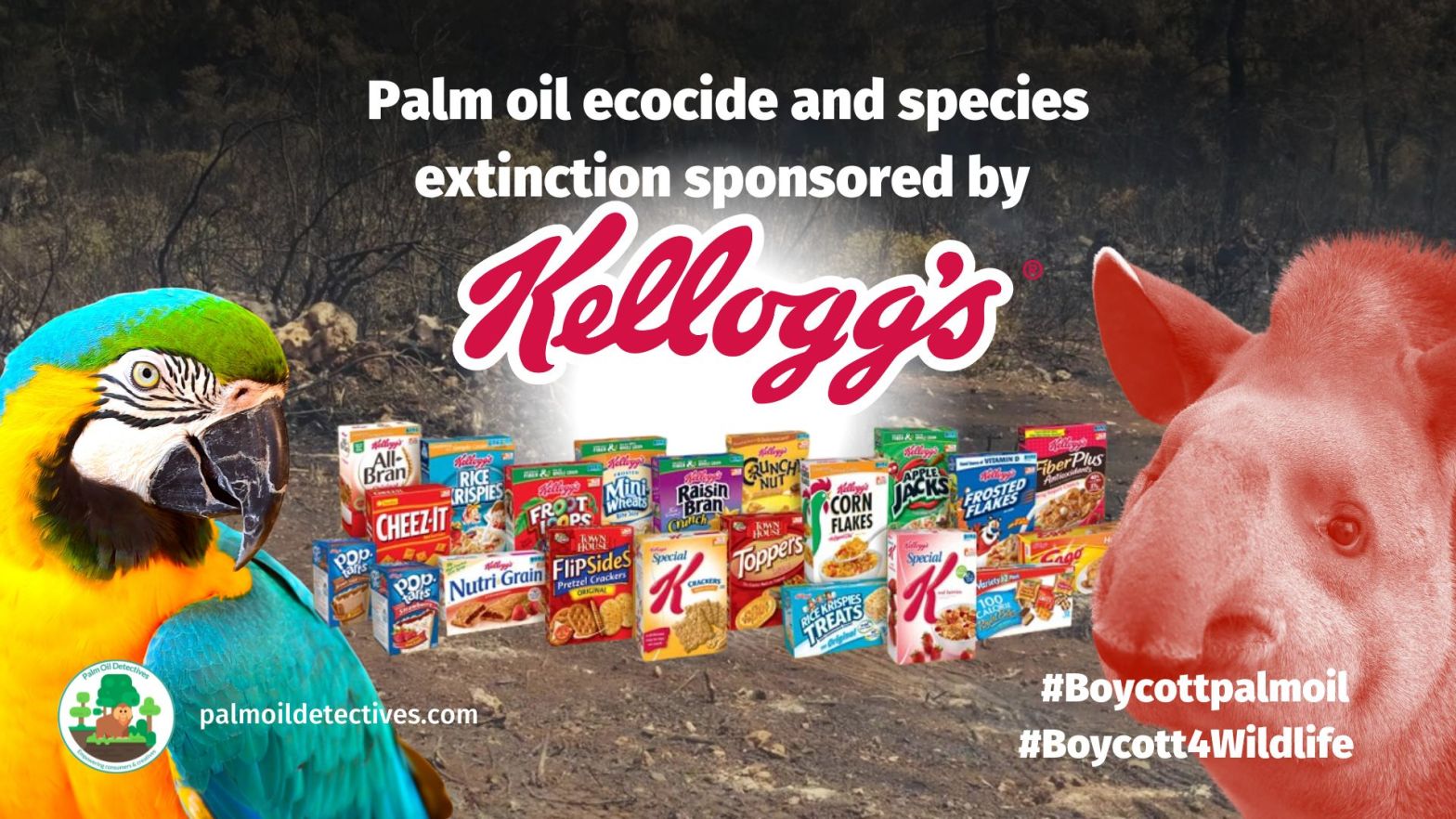
In late 2023, Kelloggs became Kellanova for their US arm. Savvy consumers have been pressuring Kelloggs for decades to cease using deforestation palm oil. Yet they actually haven’t stopped this. From their website: ‘All of the palm oil that is used in our products is sourced from a combination of the Roundtable of Sustainable PalmContinue reading “Kelloggs/Kellanova”
L’Oreal
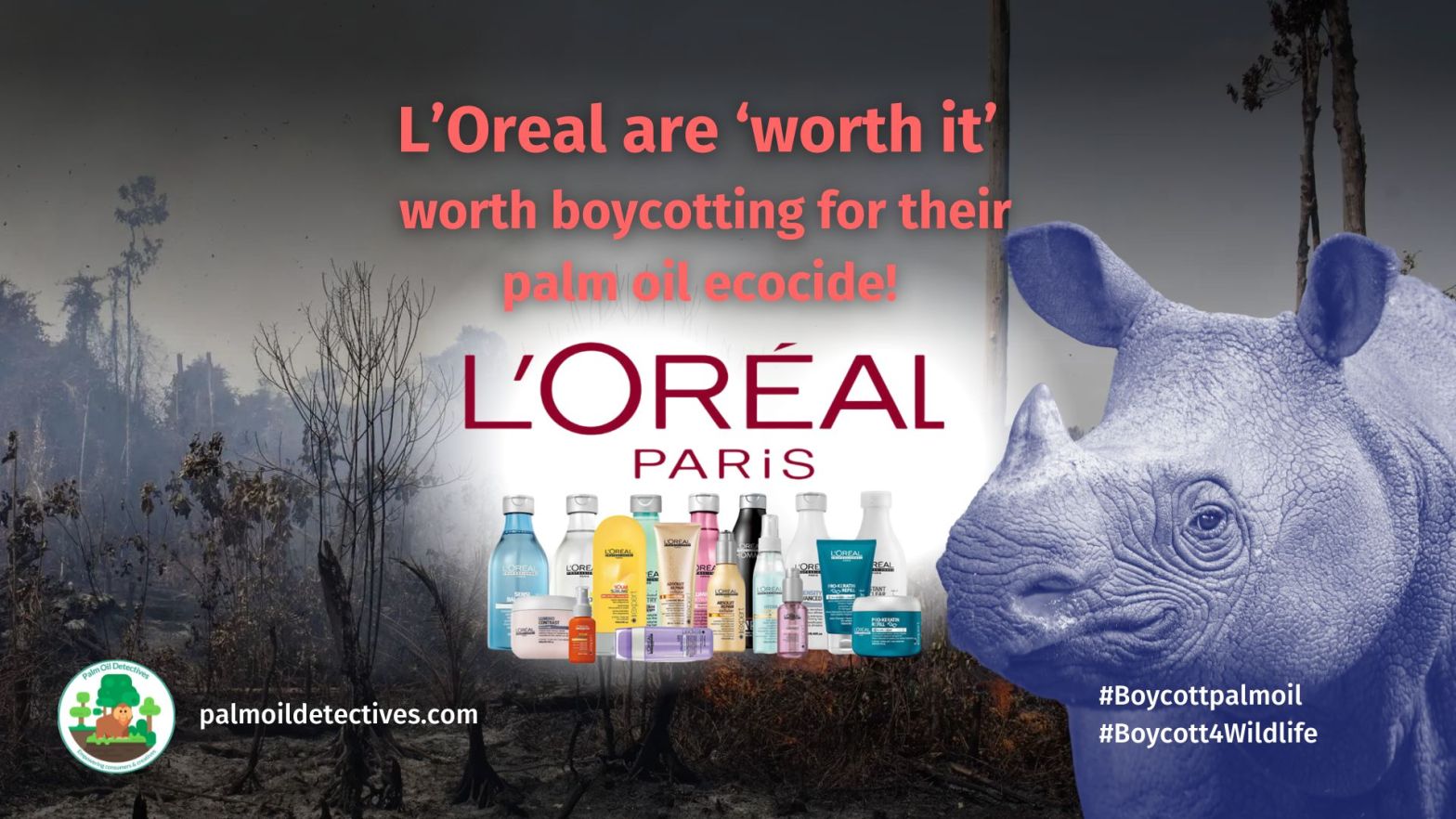
‘Our goal is by 2020 to have none of our products linked to deforestation.’ L’Oreal’s website statement on palm oil This target has been and gone. Still, enormous environmental and social damage continues to be caused by L’Oreal and its palm oil. Despite being an RSPO member, L’Oreal continues to be involved in human rightsContinue reading “L’Oreal”
Colgate-Palmolive
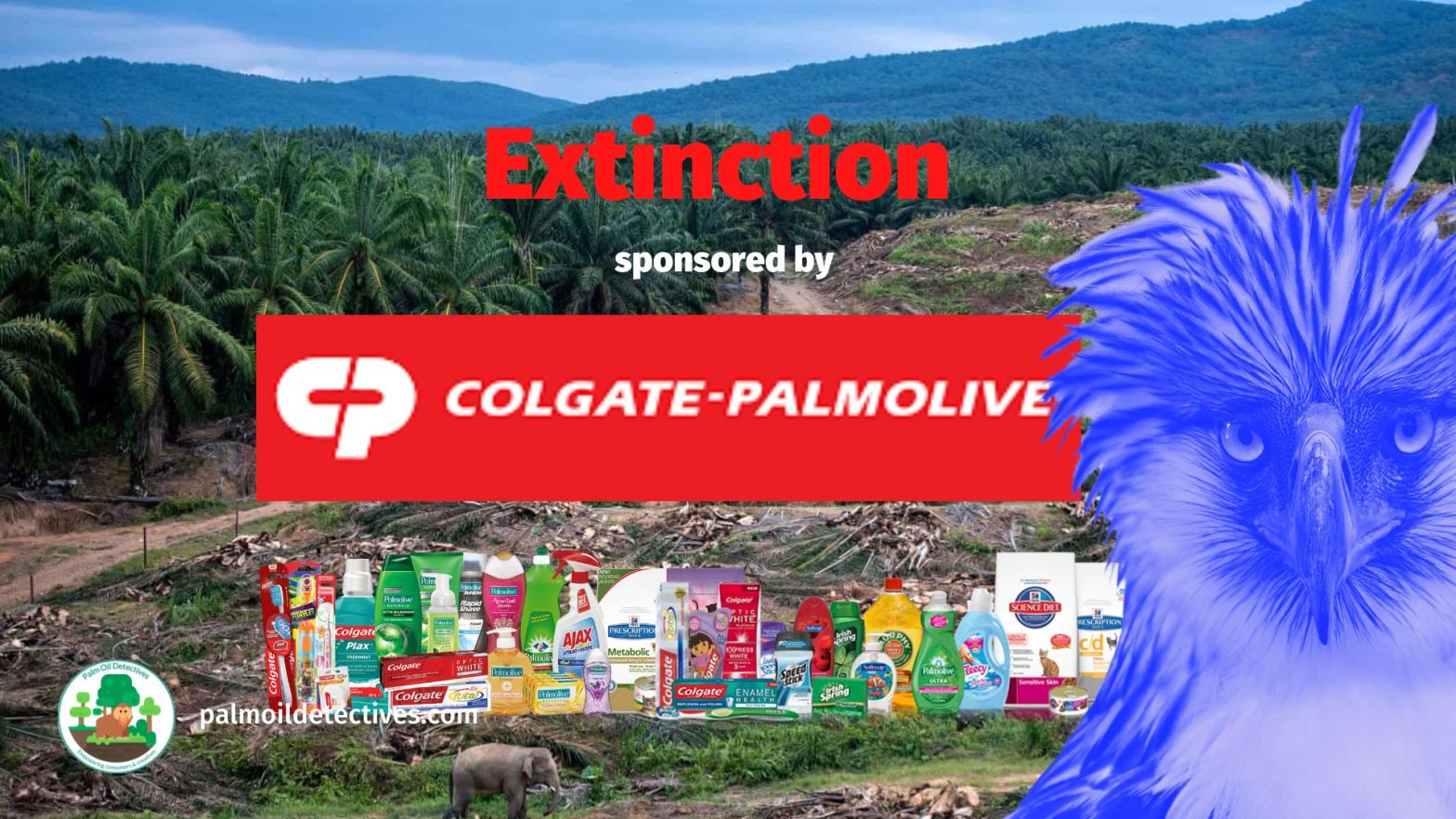
Despite global retail giant Colgate-Palmolive forming a coalition with other brands in 2020, virtue-signalling that they will stop all deforestation, they continue to do this – destroying rainforest and releasing mega-tonnes of carbon into the atmosphere, and killing hundreds of endangered species. Once these animals are gone – they are gone for good. Learn how you can boycott Colgate-Palmolive.
Research: Palm Oil Deforestation and its connection to RSPO members/supermarket brands

Discover the truth about palm oil from experts’ reports. Research shows RSPO members still cause deforestation and human rights abuses, despite greenwashing!
 Palm Oil Detectives