

With their long shaggy coats and striking bright red faces, Bald-headed Uacaris are true icons of the Amazon rainforest and are found in #Brazil, #Peru and #Colombia. When a #Uacari has a bright red face this indicates they are in good health. A pale face indicates a sickly physical state. These remarkable #monkeys spend most of the year in the tree tops to avoid the seasonal flooding of their Amazonian habitat. During the dry season, they return to the ground to look for seeds. They face an existential threat from #palmoil, #soy and #meat #deforestation in the #Amazon. Once their unmistakeable scarlet faces were a common sight in the dusky green of the rainforest. Now they are rapidly disappearing, victims of a relentless drive for land, gold, and profit. Listed as Vulnerable, you can help them to survive every time you shop! #BoycottGold be #vegan for them and #BoycottPalmOil #Boycott4Wildlife
Tag Archives: Mammal
South America: Species Endangered by Palm Oil Deforestation
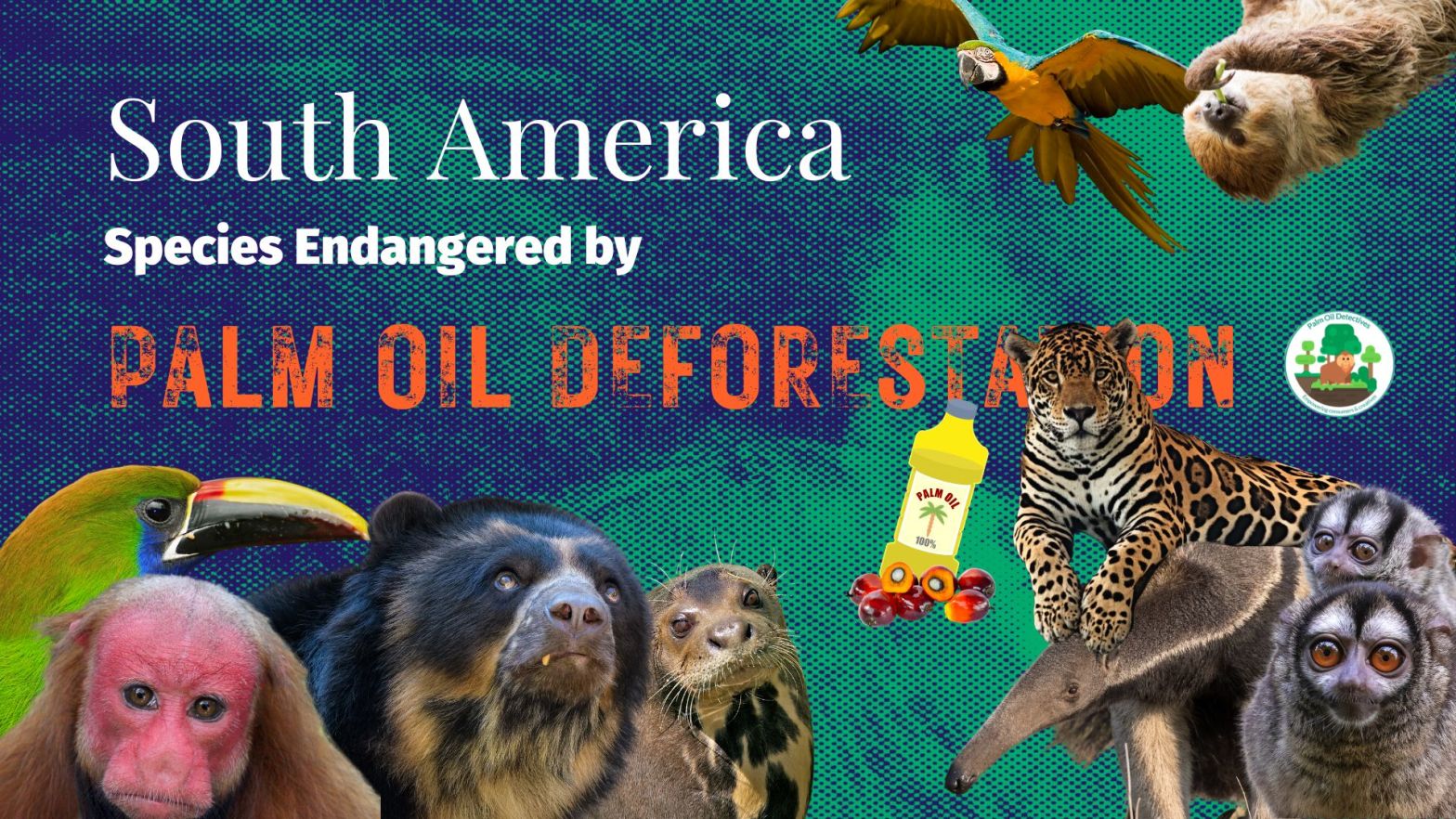
As the lush equatorial rainforests of South East Asia are exhausted, increasingly focus is being placed on parts of Central and South America. Oil Palm is a growing commodity there and is found in Colombia, Brazil, Ecuador, Guatemala and Mexico. Help the rare and beautiful animals of South and Central America to survive the scourge of palm oil and #Boycottpalmoil #Boycott4Wildlife in the supermarket. Learn more
Pied Tamarin Saguinus bicolor

Pied #Tamarins are fascinating and vibrant black-faced #monkeys with a shock of white fur around their muzzle and chest and expressive brown eyes. They are found only in the shrinking forests of Manaus, #Brazil. As bulldozers carve roads and cities sprawl, their home is being destroyed for #palmoil, #soy, #beef farming, #gold #mining, and relentless urban expansion. These tamarins also face threats from disease, predators, and the illegal pet trade. Use your wallet as a weapon and BoycottPalmOil, Boycott4Wildlife, BoycottGold4Yanomami, and be #Vegan to help their survival.
Caquetá Tití Monkey Plecturocebus caquetensis
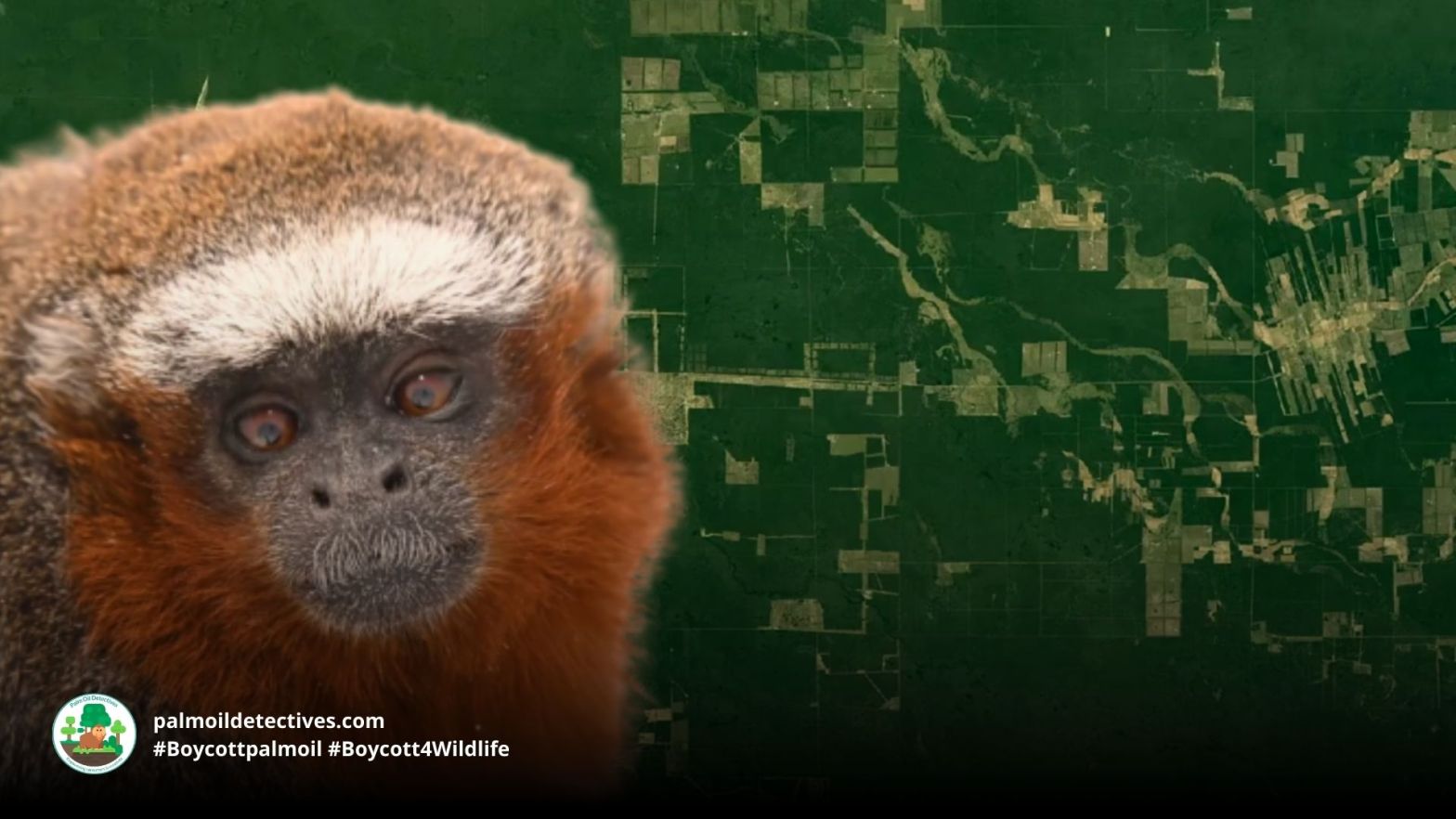
Caquetá Titi Monkeys have a distinctive song and they purr like a kitten they form monogamous partnerships. Discovered relatively recently in 2010, these beautiful and fascinating monkeys are now critically endangered due to the massive deforestation that is occurring in Colombia for palm oil and other commodities. It is believed that fewer than 100 individuals Caquetá Titi Monkeys are left in the wild and fewer than 50 mature individuals. The habitat of the Caquetá Titi Monkeys is in an advanced state of fragmentation caused by extensive cattle ranching and illegal crop cultivation. Fight for them and resist greed and greenwashing when you be #vegan #BoycottMeat #Boycott4Wildlife
Western Red Colobus Piliocolobus badius
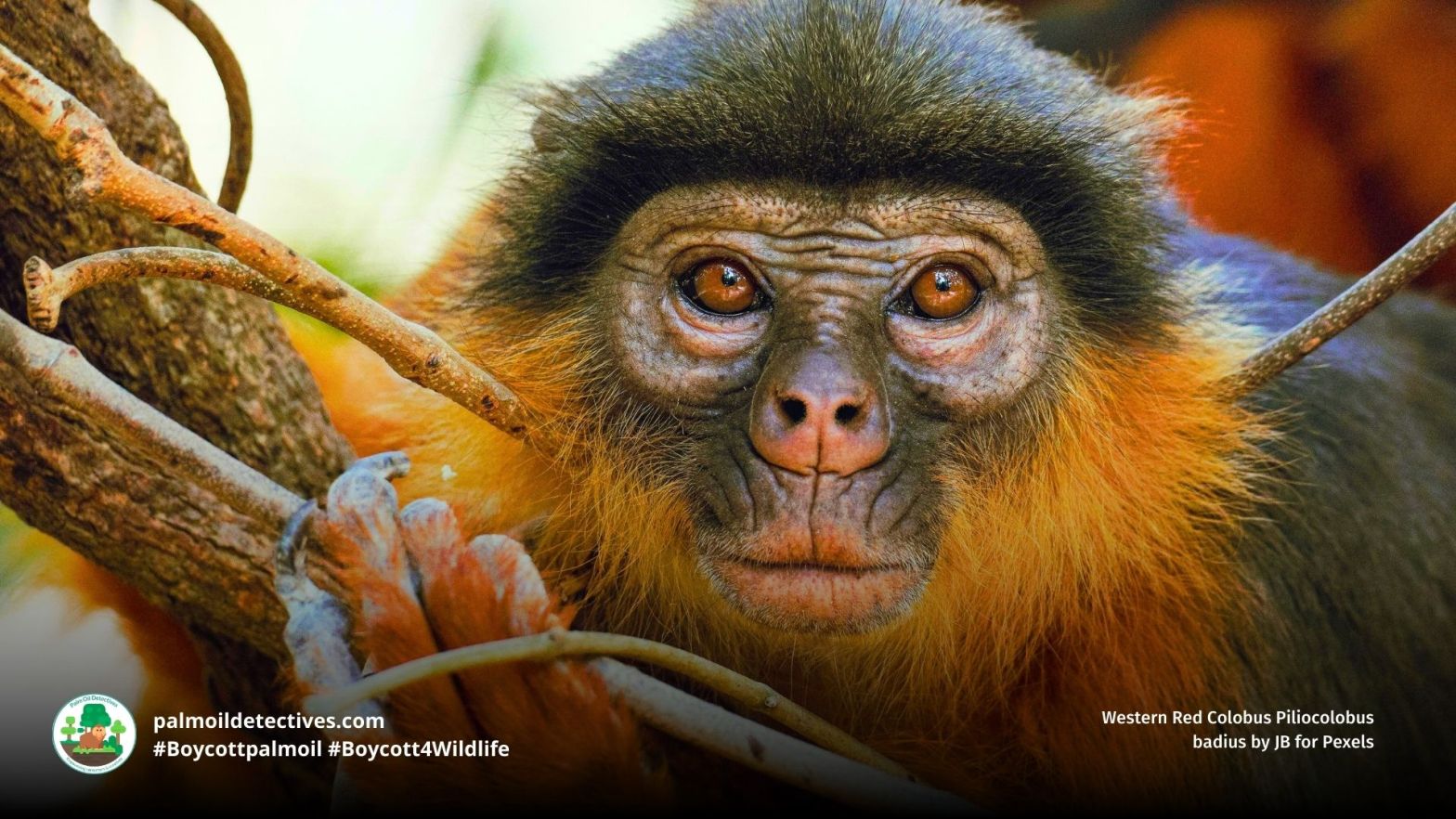
The Western Red Colobus Piliocolobus badius is one of West Africa’s most #endangered #primates, facing an escalating crisis of habitat loss and overhunting. Once abundant in mature forests across the region, they have been driven to the brink of #extinction by rampant deforestation for charcoal, palm oil and mining and the increasing demand for #bushmeat. Widespread clearing of forests for industrial #palmoil plantations, #mining, and #timber has fragmented their habitat, isolating populations and making them more vulnerable to #poaching. Without urgent intervention, their future remains uncertain. Help them every time you shop and be #vegan #BoycottPalmOil #Boycott4Wildlife
Pygmy Hippopotamus Choeropsis liberiensis
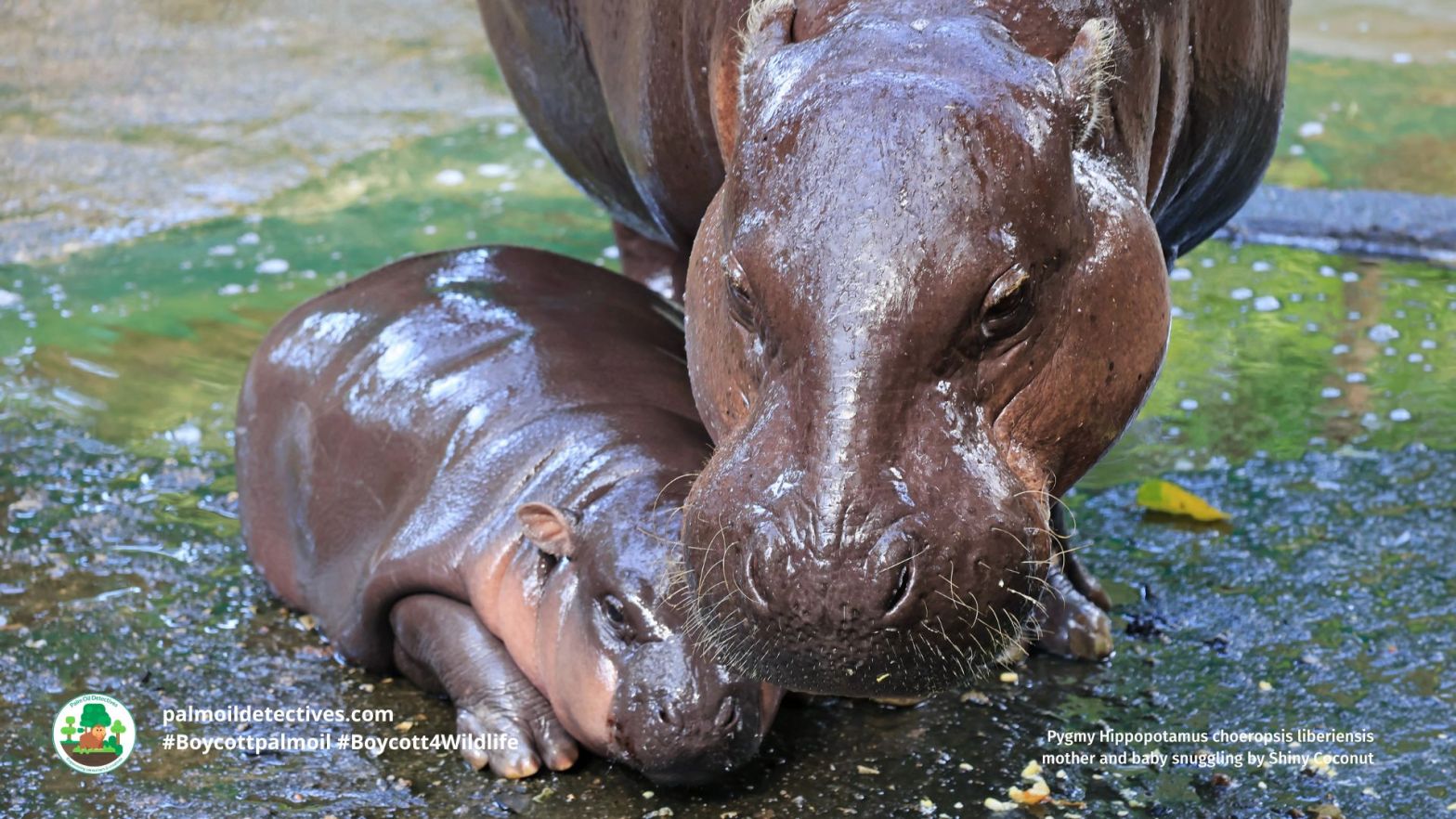
The rare and secretive Pygmy Hippopotamus clings to survival as their forest habitat is destroyed for palm oil and meat, help them when you boycott palm oil!
White-thighed Colobus Colobus vellerosus
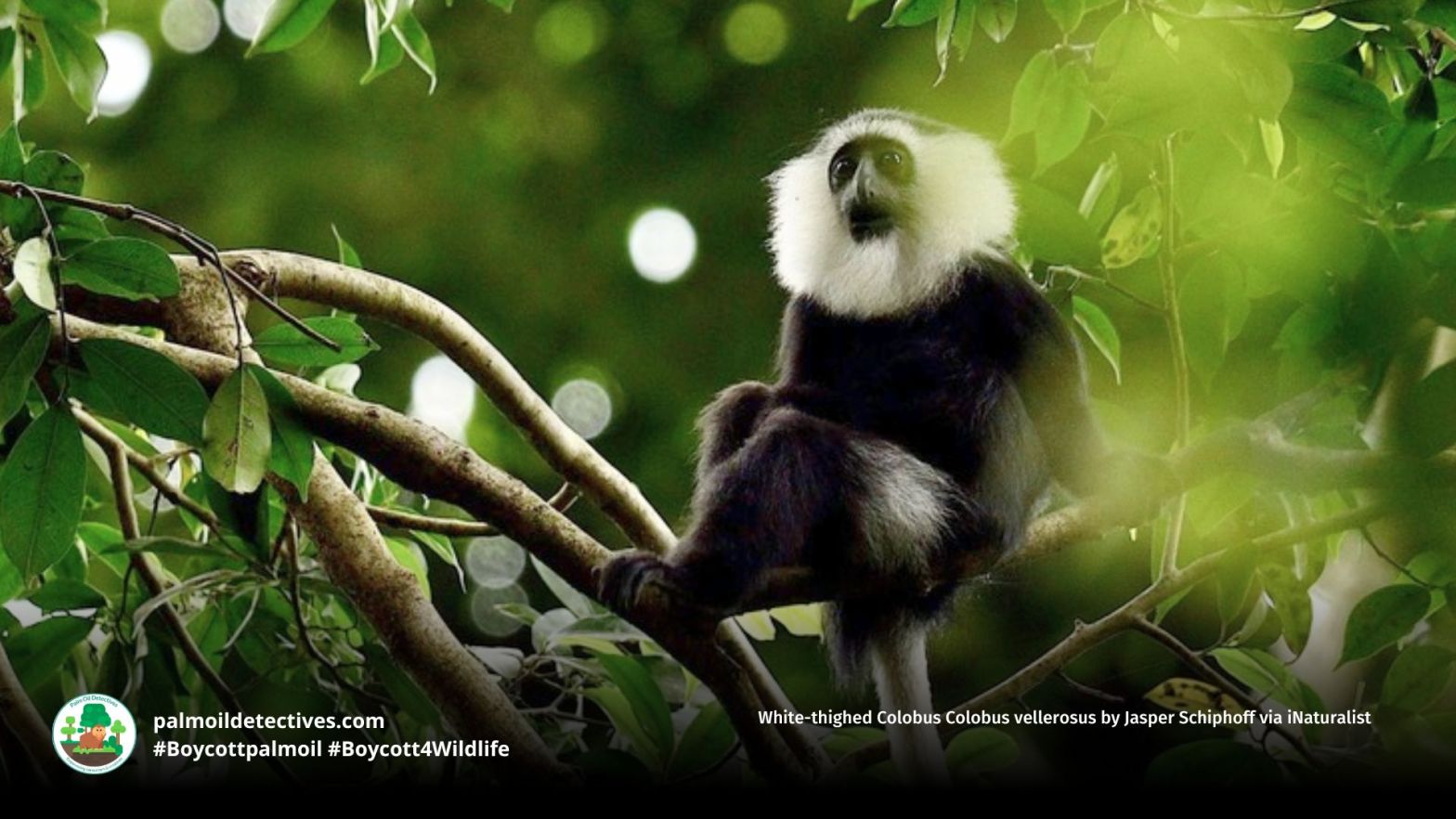
The White-thighed Colobus (Colobus vellerosus), also known as the Ursine Colobus or Geoffroy’s Black-and-White Colobus, is a striking primate of West Africa and is currently listed as Critically Endangered on the IUCN Red List. Their numbers have plummeted by over 80% in just three generations due to rampant deforestation driven by logging, agriculture, and expanding palm oil plantations. Intense bushmeat hunting and weakening traditional taboos have further accelerated their decline. With fewer than 1,500 individuals thought to remain in the wild, urgent action is needed to save them. Use your wallet as a weapon—boycott products that contain palm oil and support ethical, indigenous-led conservation. BoycottPalmOil #Boycott4Wildlife #Vegan #BoycottMeat
Roloway Monkey Cercopithecus roloway
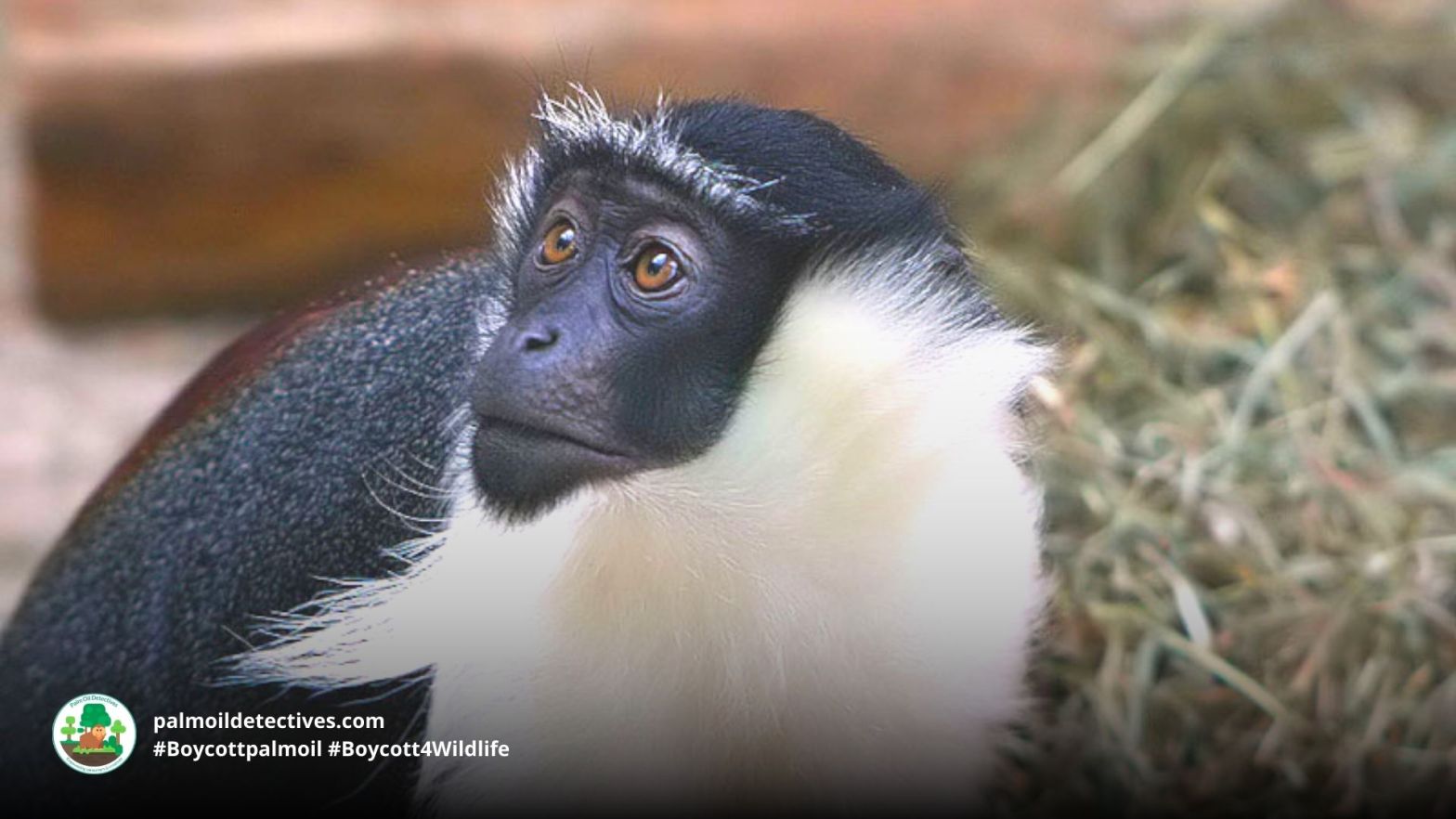
The Roloway Monkey is one of West Africa’s rarest primates, instantly recognisable by their elegant white beard and striking brow band. Once common in the lush rainforests of Ghana and Côte d’Ivoire, the Roloway Monkey now survives only in isolated pockets of old-growth forest. The Roloway Monkey’s world is shrinking rapidly—palm oil, cocoa, and logging companies clear the last ancient trees, while hunters target the Roloway Monkey for bushmeat. The air is thick with the scent of damp earth and the distant echo of chainsaws. With fewer than 2,000 Roloway Monkeys left, their future hangs by a thread. Stand with indigenous communities defending the last forests. Use your wallet as a weapon. #BoycottPalmOil #Boycott4Wildlife #Vegan
Miss Waldron’s Red Colobus Piliocolobus waldroni
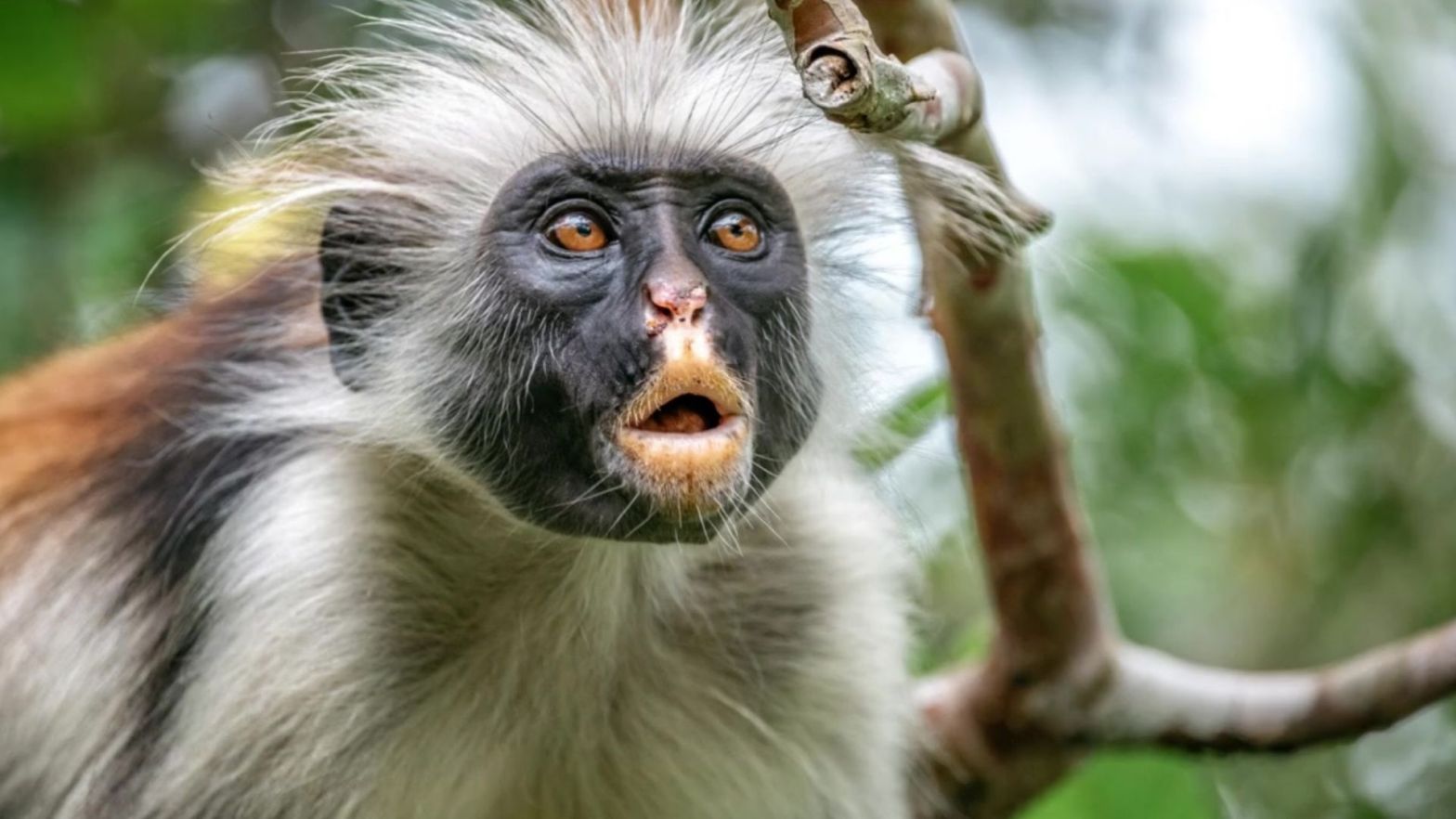
xMiss Waldron’s Red Colobus, a secretive old world primate sport chestnut, black, and white white fur that surrounds their expressive faces. They live in the dense canopies of West Africa’s dwindling forests. Their story is one of ever-increasing fragility, on the edge of survival. Sightings of these magnificent primates have faded away since 1978. The last evidence, a skin, emerged in 2002.
These monkey species have been driven towards the extinction by palm oil, cocoa, and rubber plantations along with hunting for bushmeat. Their calls, once a common cacophony are now nearly permanently silenced. Miss Waldron’s Red Colobus serve as a living warning for forest health. They disappear before most other mammals wherever the forests fall. Support indigenous sovereignty and safeguarding of ecosystems—use your wallet as a weapon and #BoycottPalmOil #Boycott4Wildlife.
Bearded Pig Sus barbatus
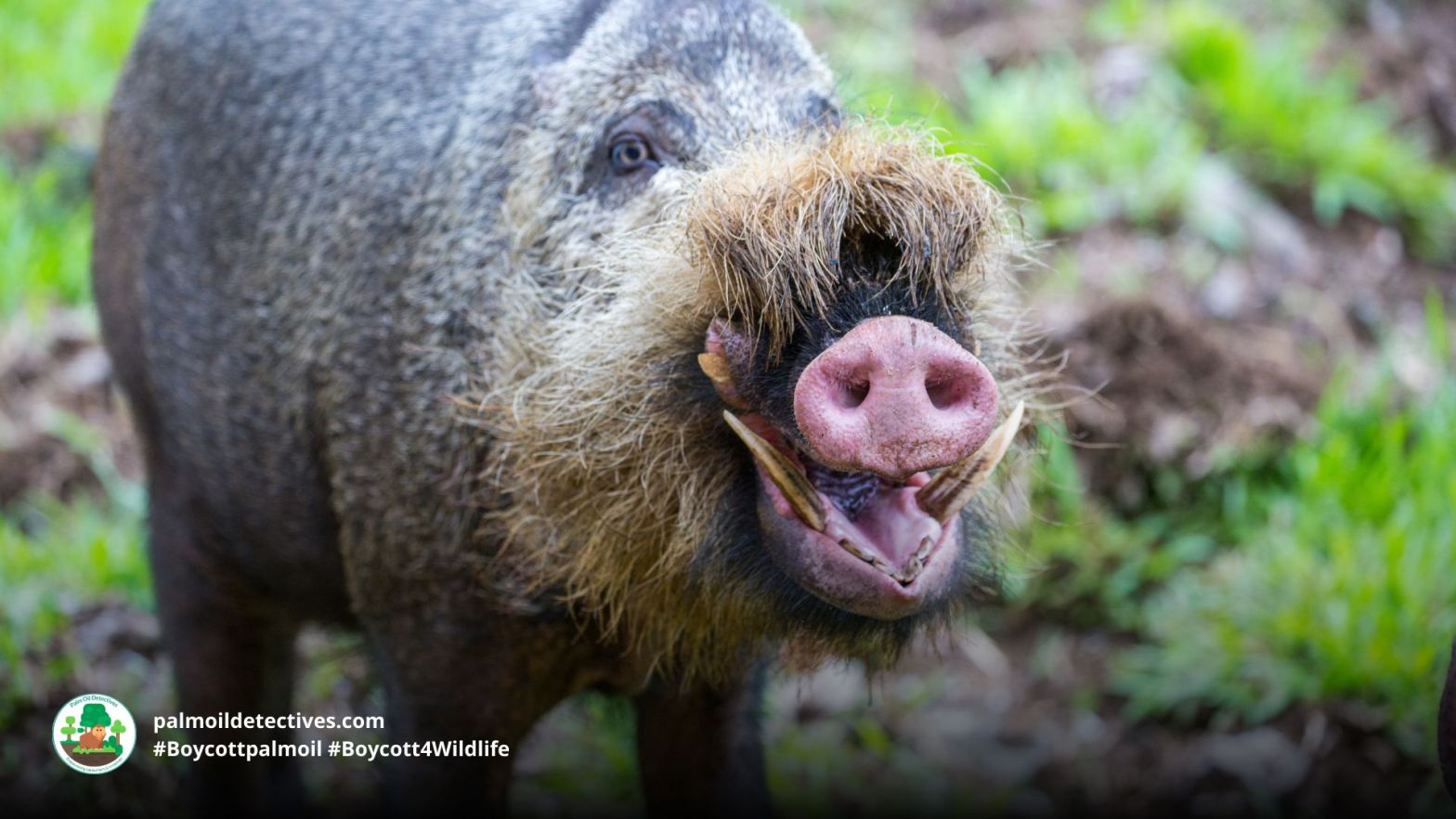
Bearded Pigs have hair which grows along their lower jaws that resembles a beard – giving them their distinctive whiskery appearance and their name. The Bearded Pig is an integral part of Southeast Asia’s tropical ecosystems, known for their unique appearance and critical role as seed dipersers in forest health. They are the only pig species known to migrate, moving in synchrony with fruiting seasons. However, they face mounting threats from habitat loss for palm oil and timber, along with illegal hunting, and disease. Help them to survive and use your wallet as a weapon in the supermarket #BoycottPalmOil #Boycott4Wildlife
Spectral Tarsier Tarsius tarsier
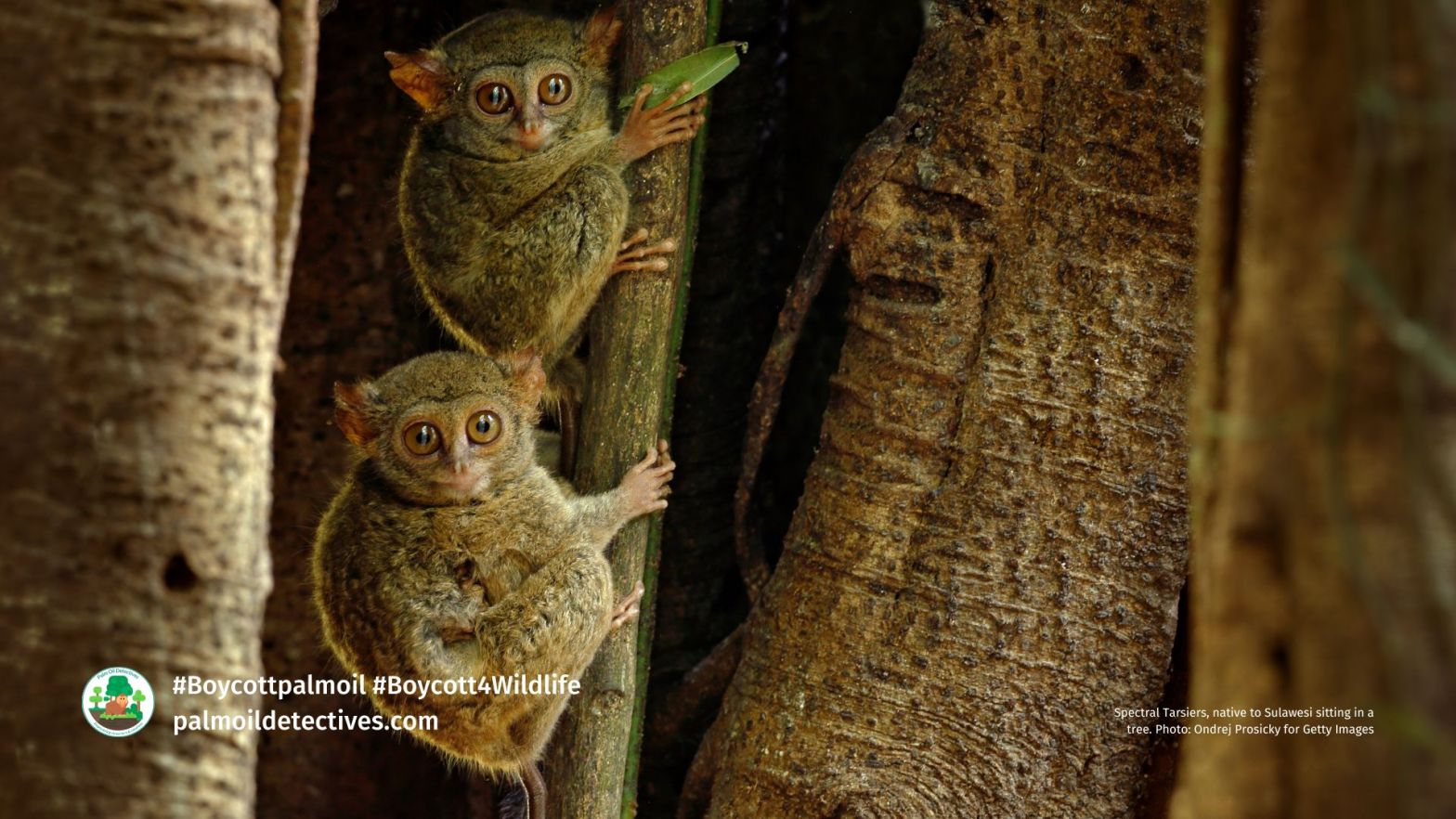
The Spectral Tarsier Tarsius tarsier is one of the smallest and most endearing #primates in the world. With the largest eye-to-body ratio of any #mammal, this wide-eyed, nocturnal #insectivore is found only in #Sulawesi and nearby Indonesian islands. Although they show some tolerance to human-altered landscapes, they are listed as #Vulnerable by the Red List due to rampant #deforestation for #palmoil and #timber agriculture, limestone #mining, #pesticide use and agricultural #pollution and the illegal pet trade. These elusive primates are declining fast. Use your wallet as a weapon: always choose products that are 100% palm oil-free and never support the exotic pet trade.#BoycottPalmOil #Boycott4Wildlife #Vegan
Pileated Gibbon Hylobates pileatus

The charming Pileated Gibbon (Hylobates pileatus) is endangered in Cambodia, Laos. They are threatened by palm oil deforestation. Take action!
Bengal Slow Loris Nycticebus bengalensis

The Bengal Slow Loris’s are wide-eyed beauties that are arboreal and nocturnal and live in tropical evergreen rainforest, semi-evergreen forest, and mixed deciduous forest. They are the largest loris species and feed predominantly on plant sap. They are now endangered in Malaysia and other parts of South East Asia, their primary threats are illegal capture for the pet trade and #palmoil #deforestation throughout their range. Help them every time you shop and #Boycottpalmoil #Boycott4Wildlife
Eastern Hoolock Gibbon Hoolock leuconedys
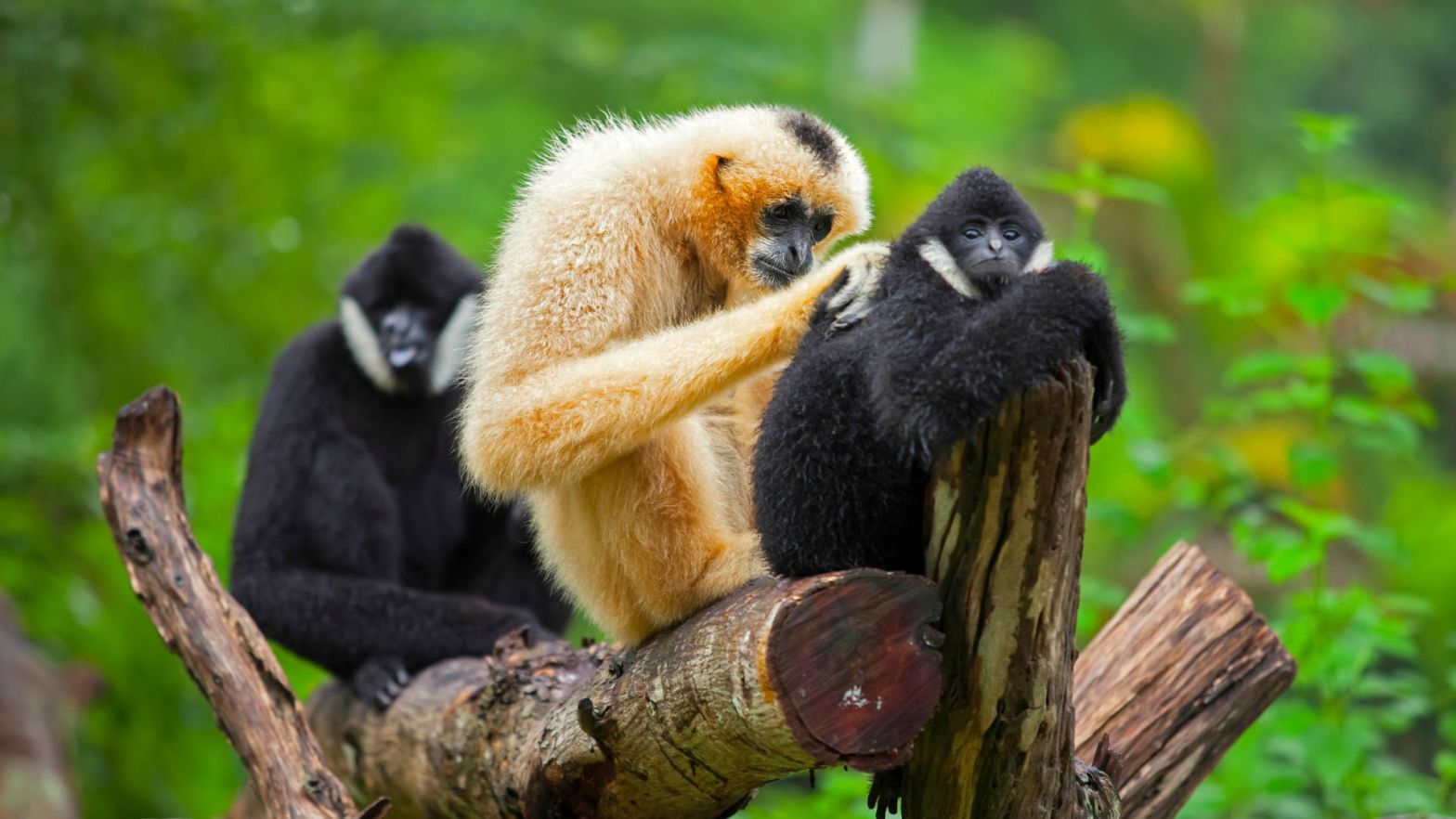
Eastern Hoolock Gibbon Hoolock leuconedys Vulnerable Extant (resident): Myanmar Presence Uncertain: India The Hoolock Gibbons are three species located in South Central Asia. They are the second largest of the gibbons after the Siamang. They have rings around their eyes and mouths giving them a mask-like appearance. Like other gibbon species they call to eachContinue reading “Eastern Hoolock Gibbon Hoolock leuconedys”
Western Hoolock Gibbon Hoolock hoolock
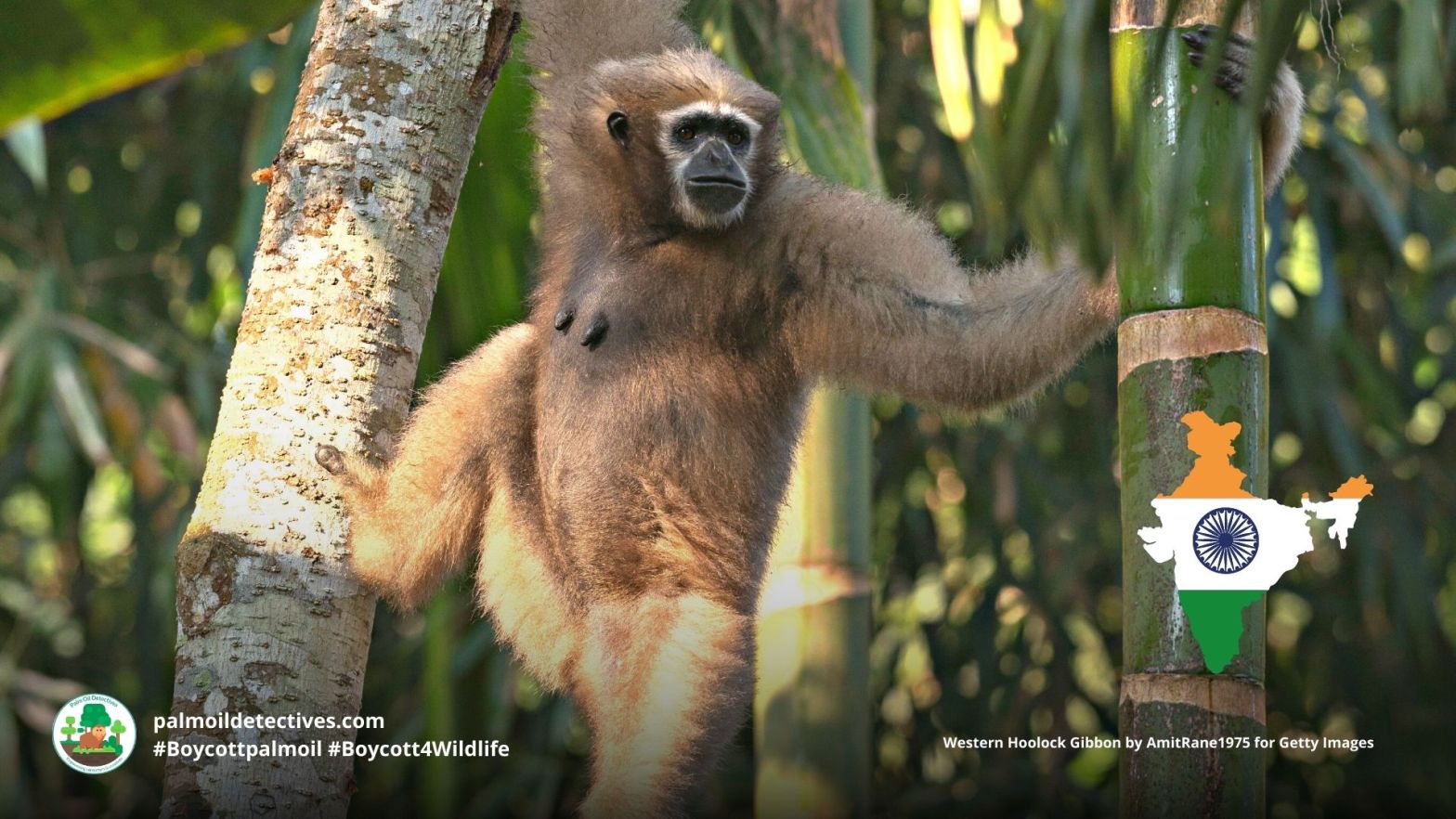
Energetic and social Western Hoolock Gibbons live in India, Bangladesh and Myanmar. Known for their close-knit families and melodious singing, they are endangered from palm oil deforestation, timber deforestation, human persecution and illegal poaching. Help them every time you shop by boycotting palm oil in the supermarket. #Boycottpalmoil #Boycott4Wildlife
Skywalker Hoolock Gibbon Hoolock tianxing
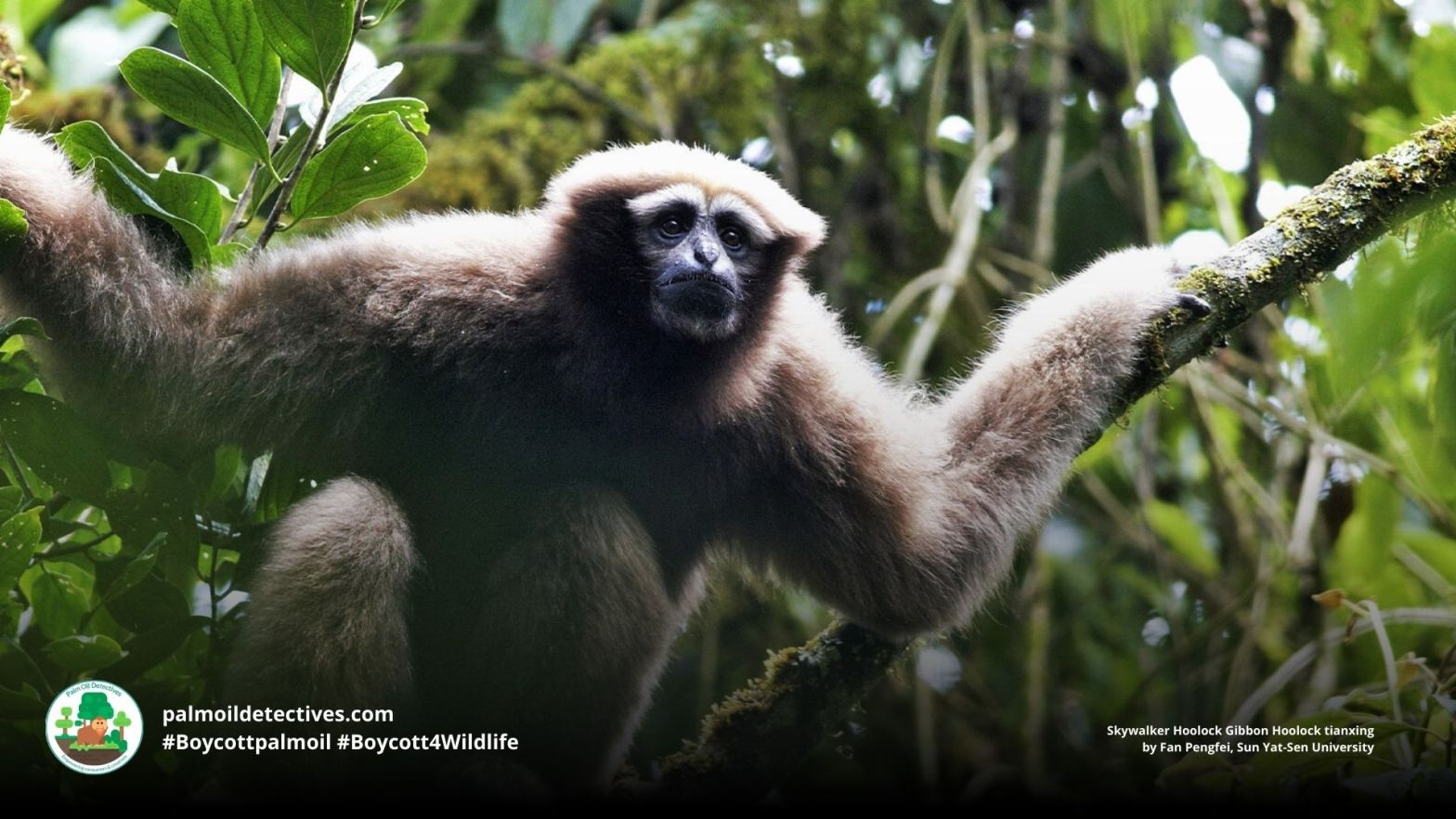
Rare Skywalker Hoolock Gibbons are Endangered primates in Myanmar and China’s forests. Described in 2017, help them survive when you shop boycott4wildlife!
Kloss’s Gibbon Hylobates klossii
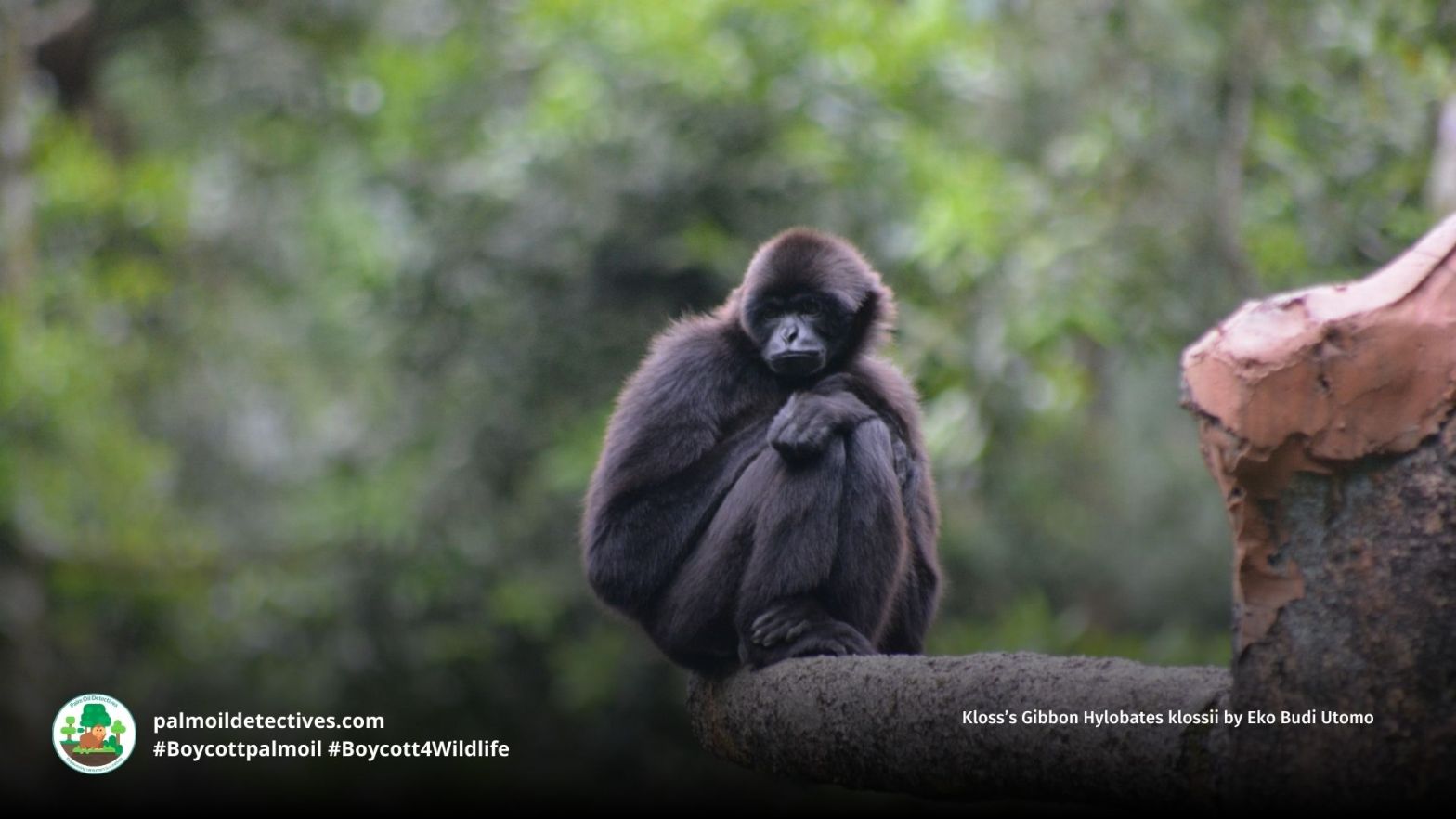
The Kloss’s gibbon Hylobates klossii, also known as the Mentawai gibbon or bilou by locals, is a small, agile primate with dark smoky grey fur and an ethereal song that resonates and echoes throughout the forests of the Mentawai Islands. These gibbons are known for their intricate vocalisations, with both males and females producing unique solo songs. Their haunting melodies play an essential role in marking territory and strengthening social bonds.
Classified as Endangered by the IUCN, Kloss’s gibbons face a relentless barrage of threats, including habitat destruction for logging and palm oil plantations, poaching for the illegal pet trade, and human encroachment. With populations declining by 50% in the past 45 years, immediate action is needed to save this unique species. Fight for their survival with indigenous-led conservation efforts and use your wallet as a weapon—boycott palm oil and support sustainable agroecology. #BoycottPalmOil #Boycott4Wildlife
Bornean White-bearded Gibbon Hylobates albibarbis
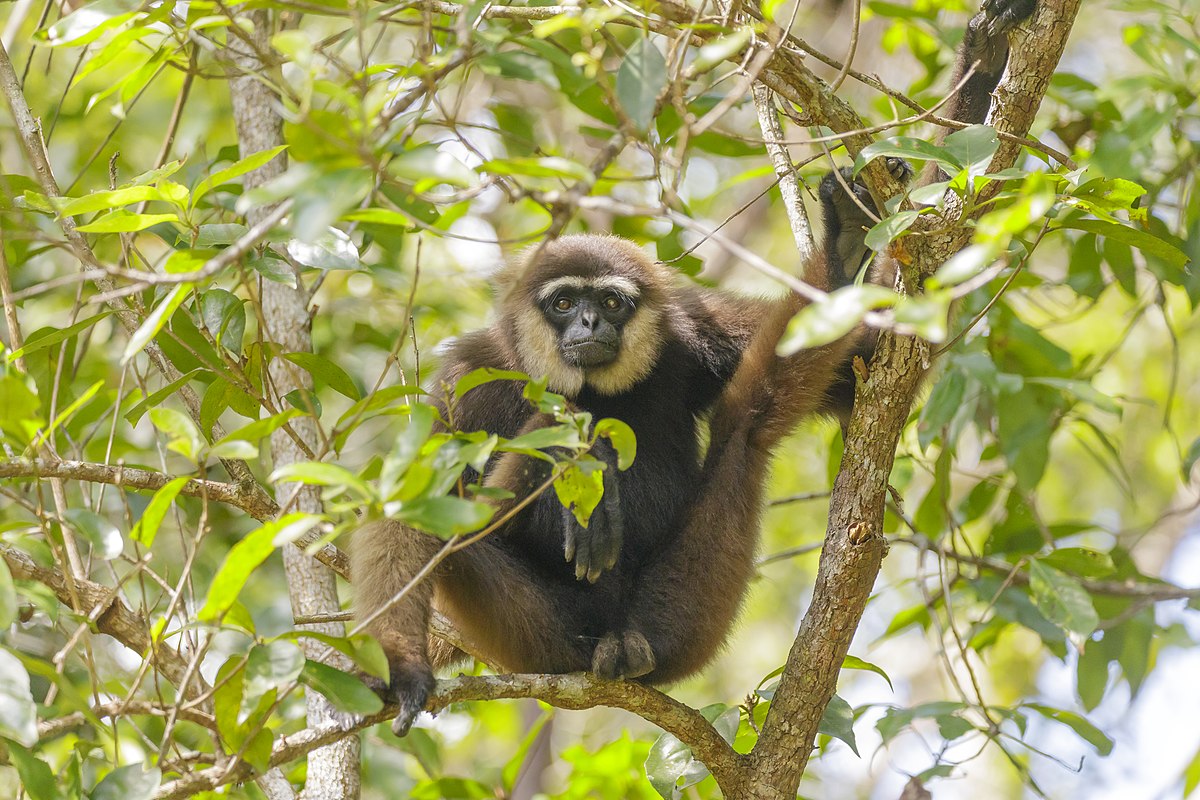
Bornean White-bearded Gibbon Hylobates albibarbis Endangered Indonesia (Kalimantan) The Bornean White-bearded Gibbon belongs to the genus Hylobates. The word Hylobates means ‘Forest Walker’ in Greek. The gibbons in this genus are known for the white circle of fur around their faces. They are known to communicate in species-specific song when defining territory or attracting mates.Continue reading “Bornean White-bearded Gibbon Hylobates albibarbis”
Müller’s gibbon Hylobates muelleri
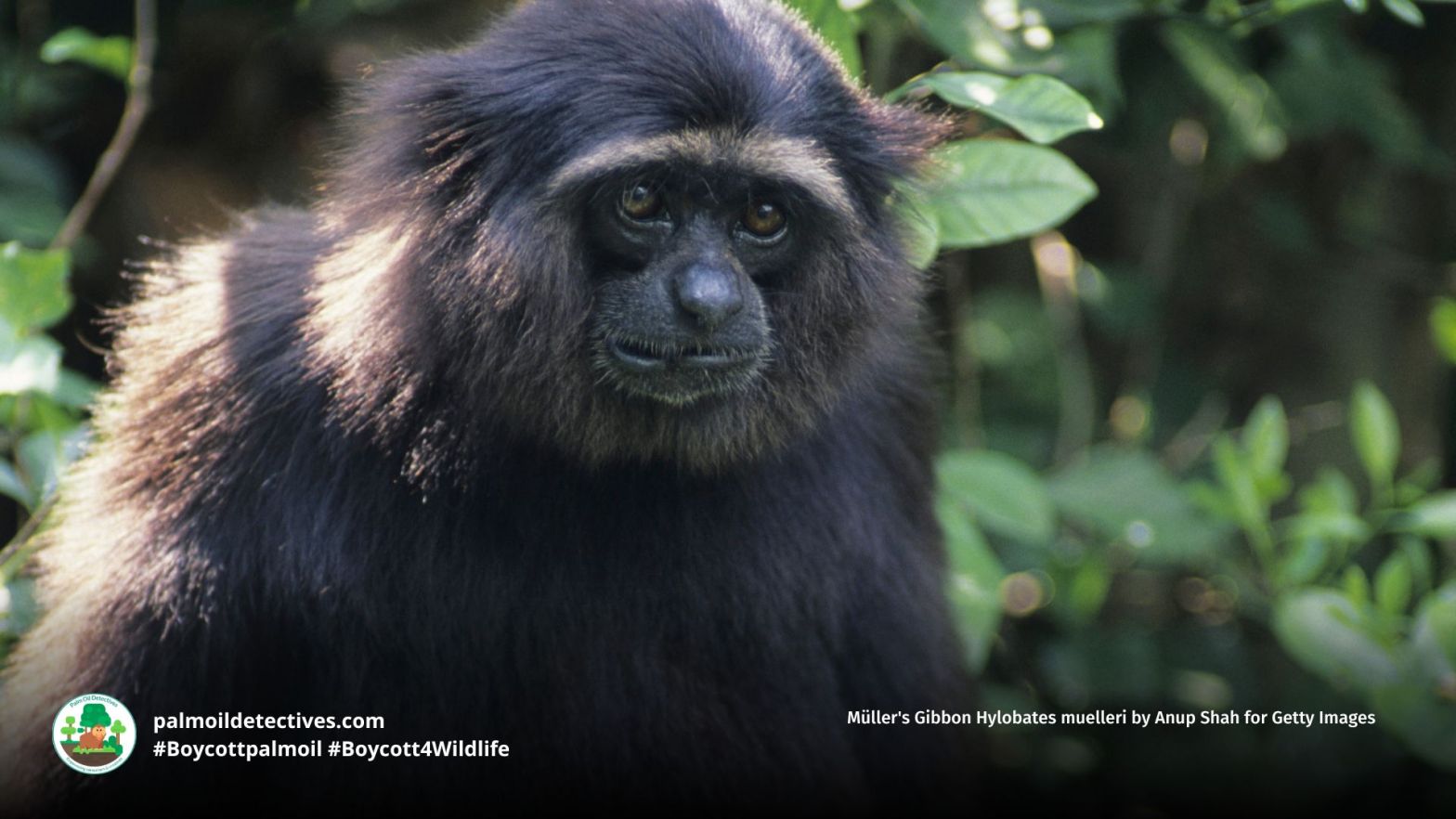
The Bornean Gibbon Hylobates muelleri, also known as Müller’s #gibbon or the Southern Grey Gibbon, is a master of the treetops and a celebrated forest singer. Their haunting duets echo across the rainforest canopy, keeping family bonds strong and warning intruders away. But these calls are growing rarer. The Müller’s gibbon is listed as #Endangered due to relentless forest loss caused by logging, #palmoil expansion, #fire, and #hunting. Their future depends on the survival of Borneo’s rainforests. Take action and use your wallet as a weapon! #BoycottPalmOil #Boycott4Wildlife be #Vegan and #BoycottMeat
Silvery Gibbon Hylobates moloch
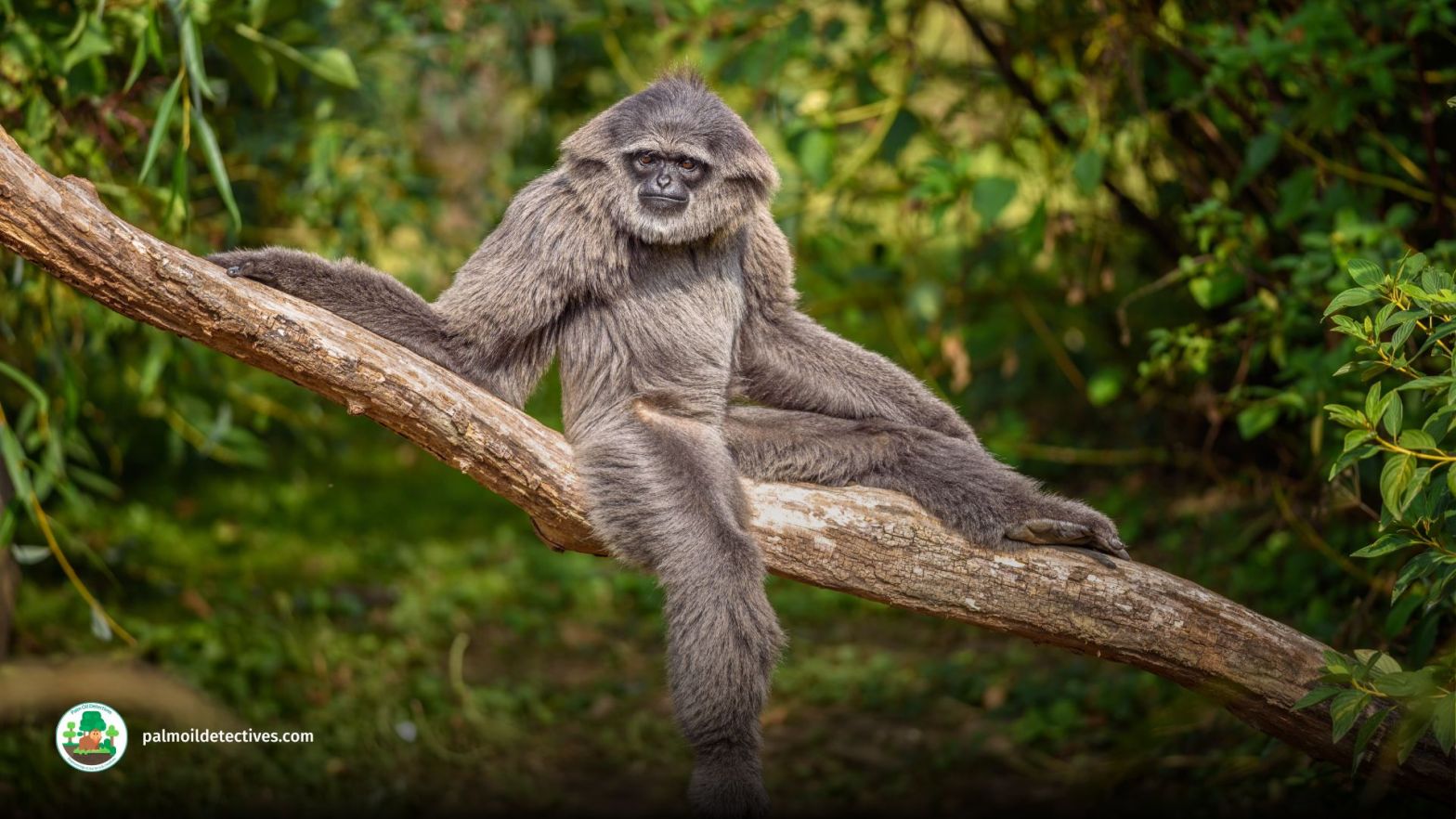
Silvery Gibbon Hylobates moloch Red List Status: Endangered Locations: Indonesia (island of Java, including provinces of Banten, West Java, and Central Java as far east as the Dieng Mountains) The Silvery #Gibbon 🩶🐒🐵 of genus ‘Hylobates’ meaning ‘Forest Walker’. They sing to each other in ‘local’ accents and do thrilling acrobatics 🤸♂️ They are #endangered,Continue reading “Silvery Gibbon Hylobates moloch”
Abbott’s Gray Gibbon Hylobates abbotti

Abbott’s Gray Gibbon Hylobates abbotti Endangered Indonesia (Kalimantan); Malaysia (Sarawak) The Abbott’s Gray Gibbon belongs to the genus Hylobates. The word Hylobates means ‘Forest Walker’ in Greek. The gibbons in this genus are known for the white circle of fur around their faces. They are known to communicate in species-specific song when defining territory orContinue reading “Abbott’s Gray Gibbon Hylobates abbotti”
Northern Gray Gibbon Hylobates funereus
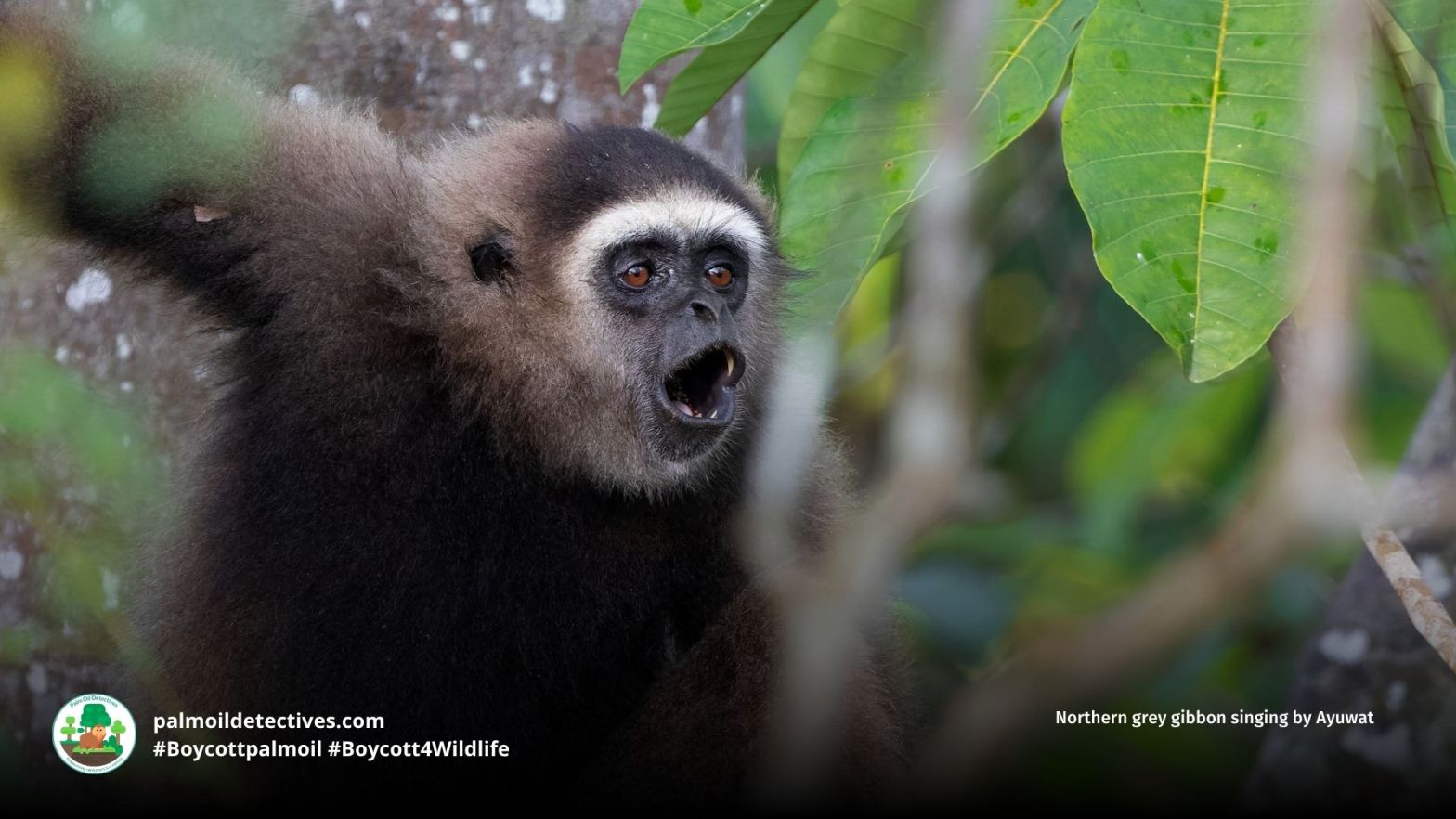
Save the sublime song and energetic lives of the Northern grey gibbons in Borneo when you boycott palm oil and boycott4wildlife in the supermarket!
Tonkin Black Crested Gibbon Nomascus concolor ssp. concolor
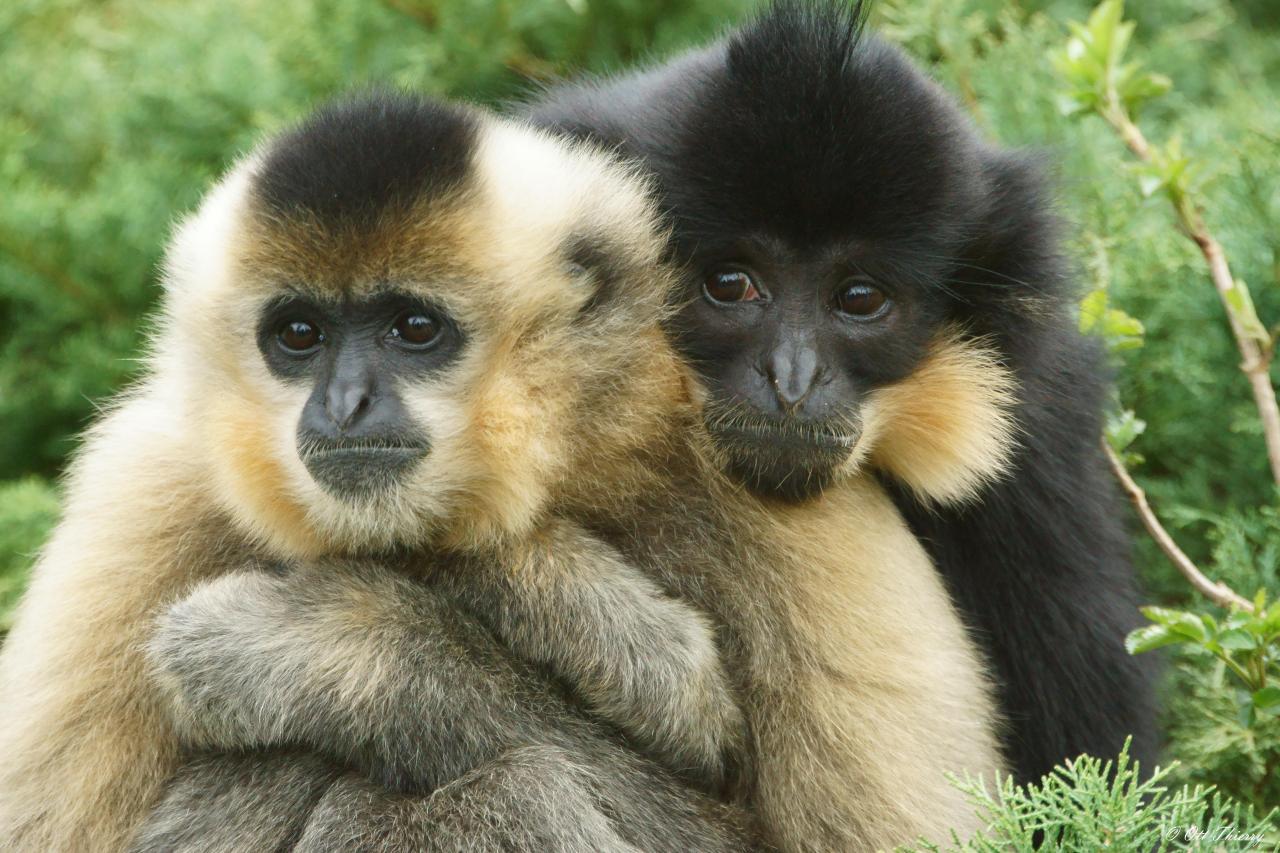
The Tonkin Black Crested #Gibbon of the genus Nomascus are also known as the Indochinese black-crested gibbon. They are critically endangered #primates native to the misty mountain forests of northern #Vietnam, southern #China, and parts of #Laos. These highly intelligent and social #primates are famous for their morning duets, with pairs singing in species specific harmony to reinforce familial bonds and mark their territory. Research has shown that different populations have unique vocal accents, much like human dialects, making their songs distinct across their range. Despite their unique and sparkling vocal range, they are tragically on the edge of extinction. Only around 300 individuals are left in the wild, their survival is threatened by deforestation for palm oil, coffee, and rubber plantations, along with hunting for the illegal pet trade and traditional medicine. Help them to survive every time you shop boycott palm oil and call-out the exotic pet trade! #BoycottPalmOil #Boycott4Wildlife
Lar Gibbon Hylobates lar
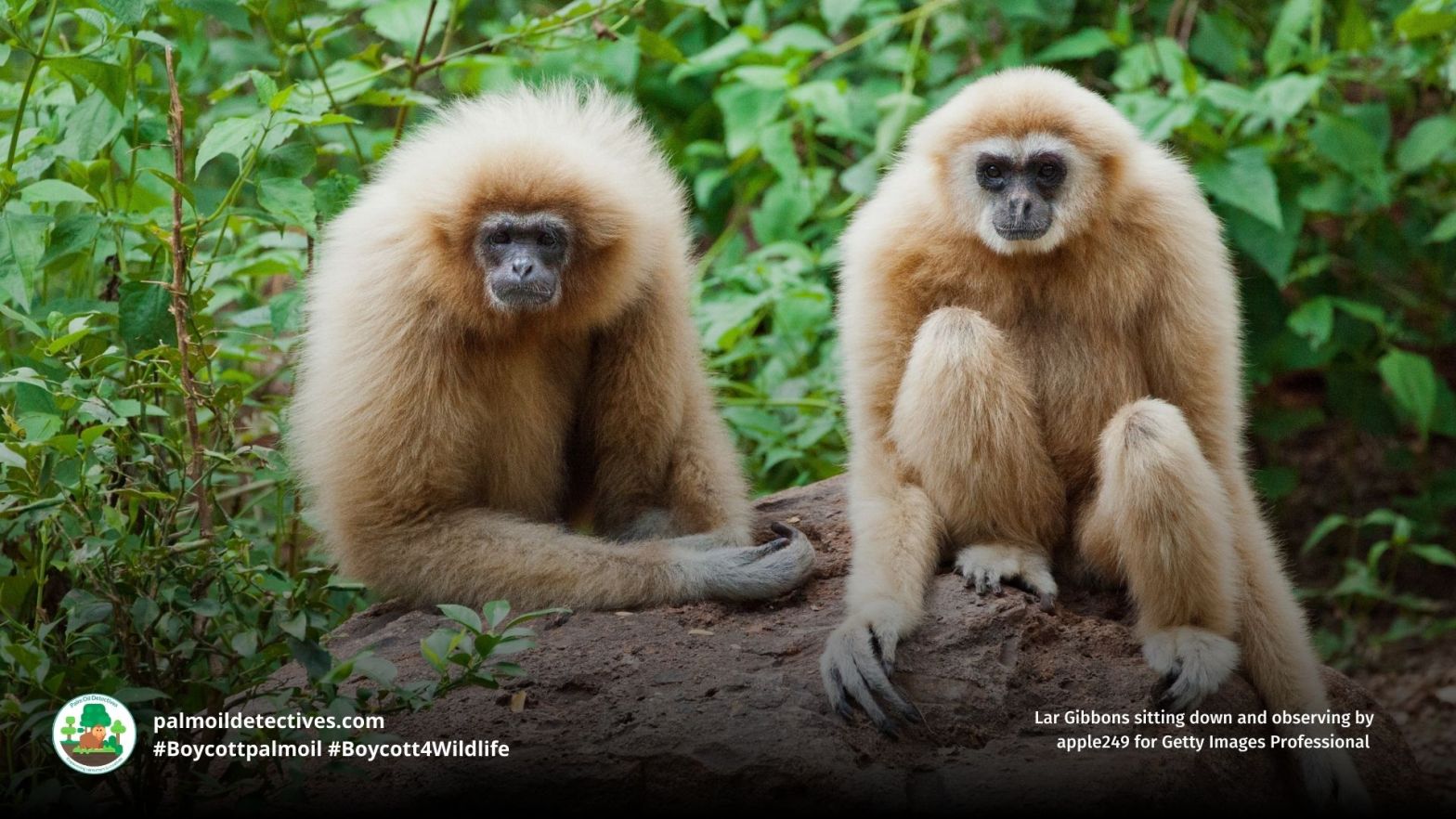
Gibbons, often called “lesser apes,” are no less than awesome! The Lar Gibbon Hylobates lar, also known as the white-handed gibbon, is a charismatic and acrobatic primate renowned for their incredible agility and melodic songs that echo through the rainforests of Southeast Asia. With their striking black or sandy-coloured fur and distinctive white markings on their hands and face, Lar Gibbons are both captivating and vital to their ecosystems.
These gibbons are Endangered according to the IUCN Red List, facing rapid population declines due to habitat loss, poaching, and the illegal wildlife trade. Protecting these extraordinary primates means addressing deforestation, logging, and other threats head-on. Fight for their survival every time you shop. Use your wallet as a weapon, demand palm oil free and #BoycottPalmOil #Boycott4Wildlife.
Wild Water Buffalo Bubalus arnee
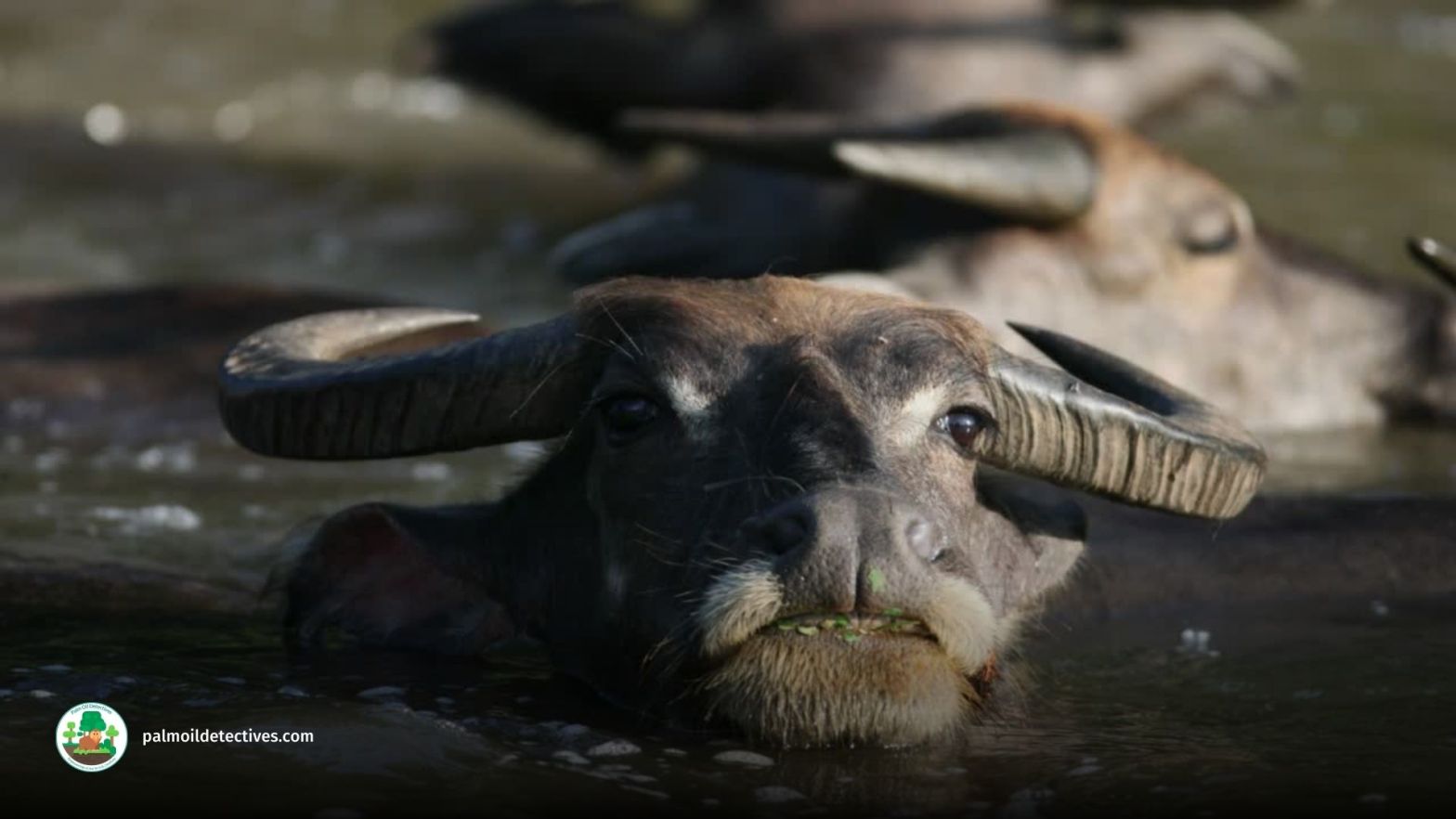
Massive, muscular, and critically under threat, the Wild Water Buffalo Bubalus arnee is the endangered ancestor of all domestic buffalo breeds. Once roaming vast swathes of South and Southeast Asia, fewer than 4,000 individual buffaloes remain today, scattered across shrinking habitats in India, Nepal, Cambodia, and a handful of neighbouring nations. Their decline is driven by interbreeding with domestic buffalo species, habitat destruction from farming and palm oil plantations, hunting, and disease transmission from livestock. This ancient grazer of flooded grasslands and braided rivers is vanishing before our eyes. Speak out for them and support indigenous-led efforts to restore their ecosystems. #BoycottPalmOil #Boycott4Wildlife
Siamang Symphalangus syndactylus

Siamang Symphalangus syndactylus Endangered Indonesia, Thailand, Sumatra The siamang is the largest and most vocal of all gibbons, known for their spectacular morning calls that resonate across the forests of Sumatra and Peninsular Malaysia. Their complex vocalisations, amplified by a throat sac, serve as a hallmark of their species and a testament to their socialContinue reading “Siamang Symphalangus syndactylus”
Sipora Flying Squirrel Hylopetes sipora
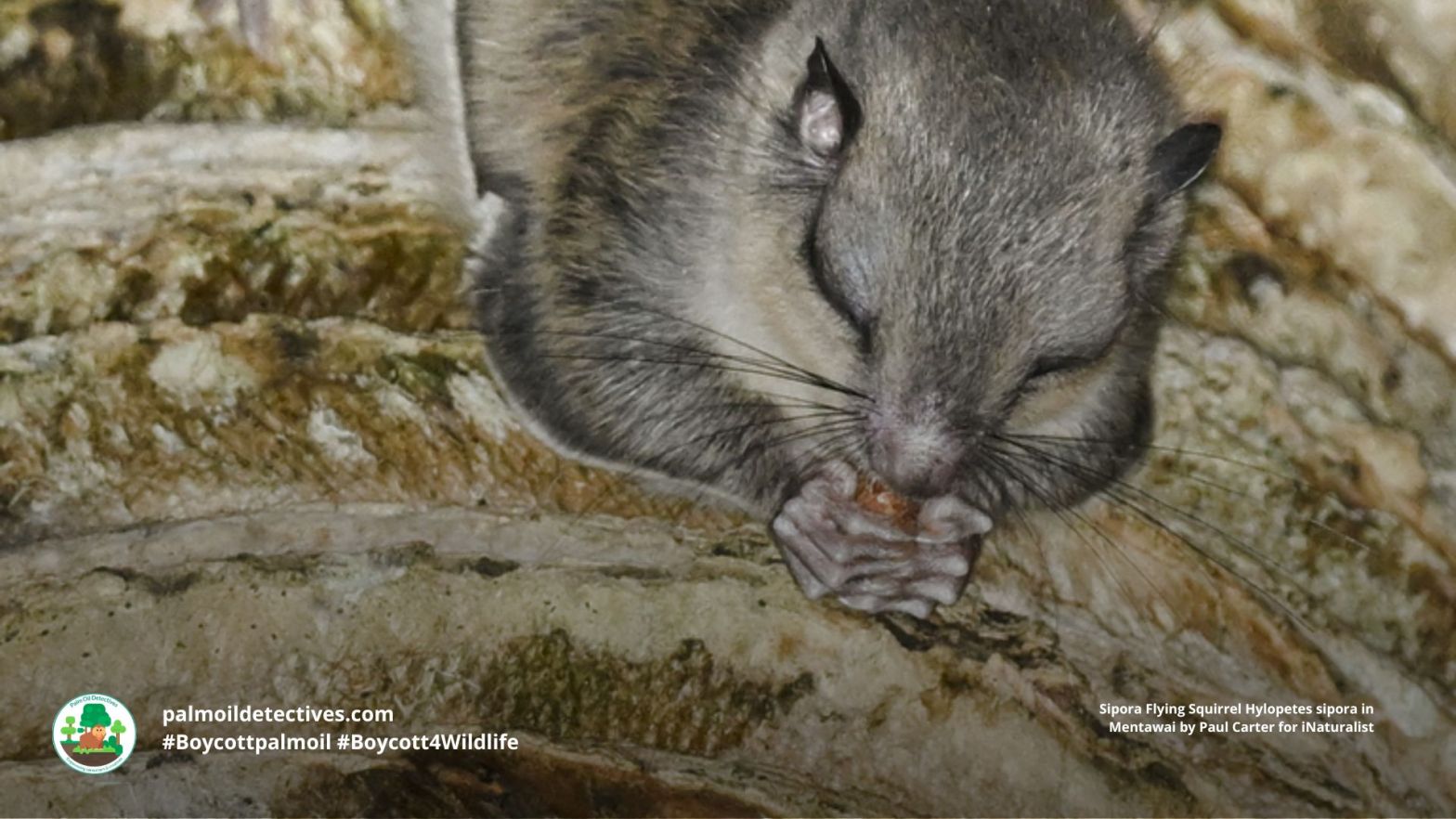
On the small, forested island of #Sipora, #Indonesia the Sipora flying #squirrel Hylopetes sipora drifts silently between ancient trees. This rare squirrel is found nowhere else on earth. At night, the Sipora flying squirrel emerges from the hollows of towering trees, their large eyes scanning the dim canopy. With a sudden leap, they unfold their patagium—a membrane stretching from wrist to ankle—and glide effortlessly through the air, landing on a distant branch with barely a sound. The forests of Sipora are being cleared for #timber, charcoal and #palmoil, leaving the Sipora flying squirrel with fewer places to hide. Use your wallet as a weapon and #BoycottPalmOil #Boycott4Wildlife.
Siberut Flying Squirrel Petinomys lugens
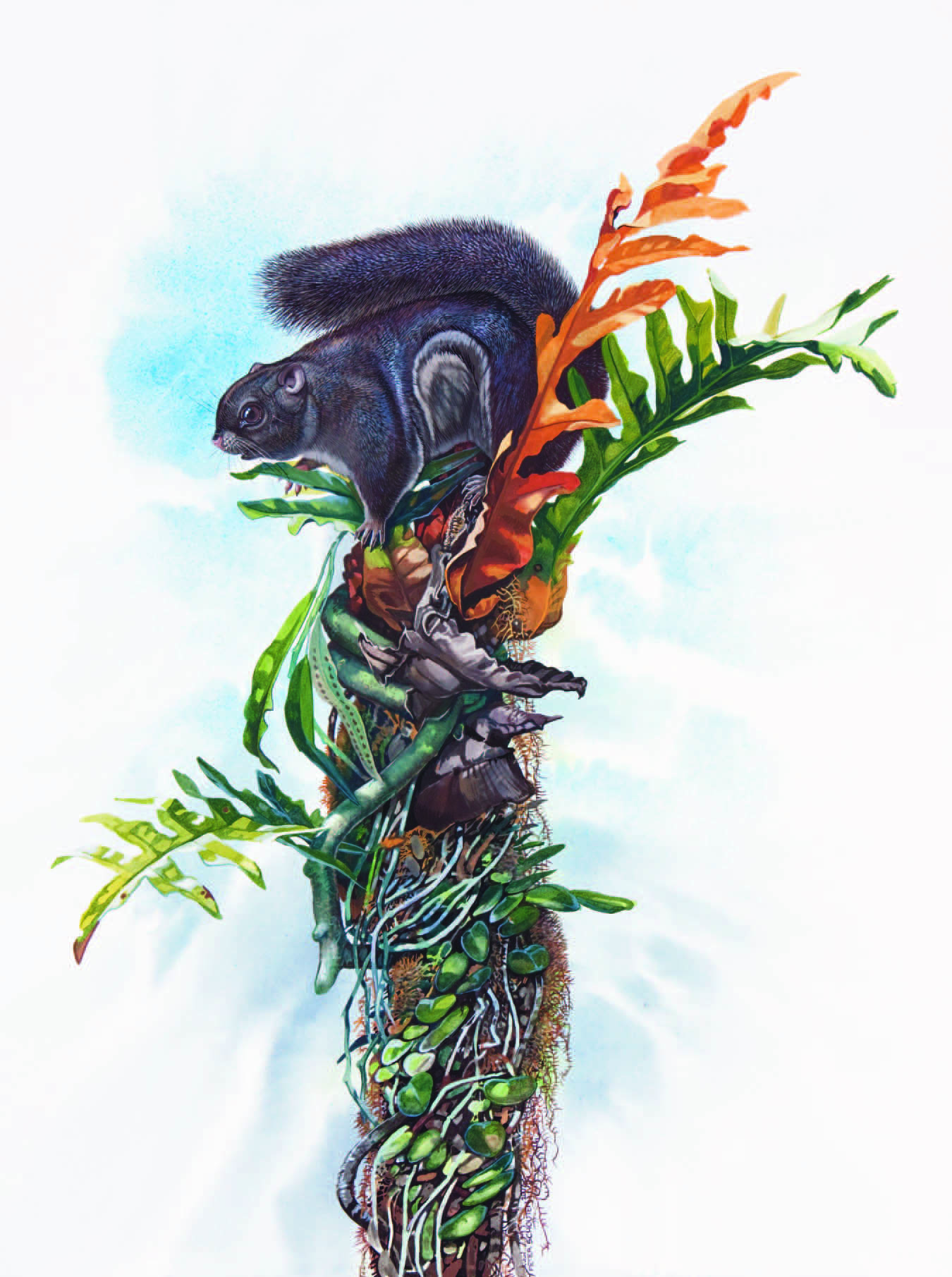
The Siberut Flying Squirrel is one of the world’s most elusive gliders, found only in the #Mentawai Archipelago’s humid forests. At dusk, the Siberut Flying Squirrel launches from high branches, spreading their soft, square-shaped patagium to drift silently between ancient trees. The air is thick with the scent of damp earth and moss, and the only sound is the faint rustle of leaves as the Siberut Flying #Squirrel lands. Their world is shrinking fast—logging and #palmoil plantations are destroying the last forests on #Siberut, #Sipora, and North Pagai. No conservation actions protect the Siberut Flying Squirrel. Stand with indigenous communities and use your wallet as a weapon. #BoycottPalmOil #Boycott4Wildlife
Woolly Flying Squirrel Eupetaurus cinereus
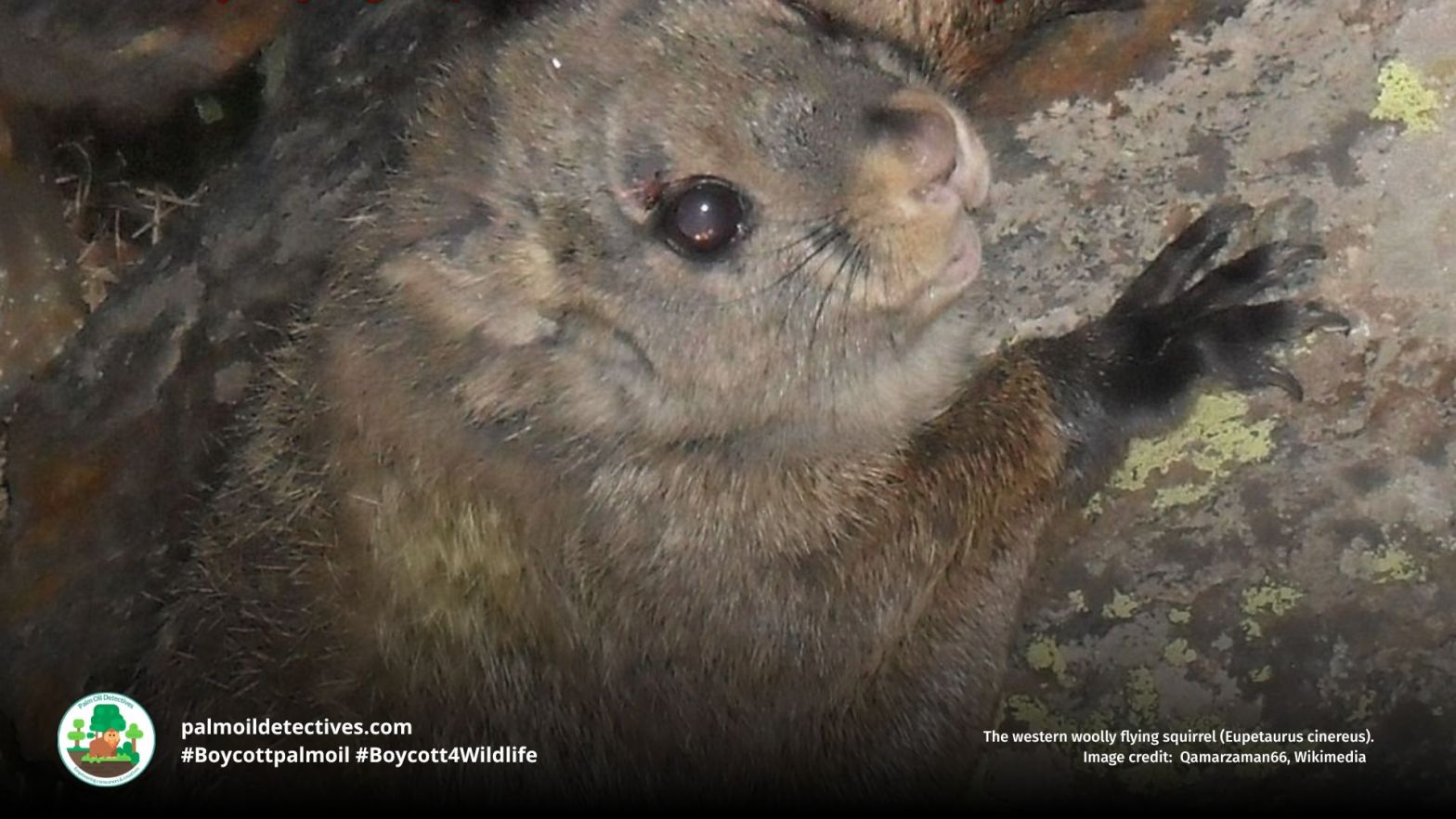
The Western Woolly Flying #Squirrel Eupetaurus cinereus is one of the world’s largest and least understood gliding mammals. Once thought extinct for nearly 70 years, they were rediscovered in the remote mountainous forests of northern #Pakistan and #India in 1994. This remarkable species inhabits high-altitude cliffs and coniferous forests, where they glide with effortless grace between trees despite their large size. However, their survival is under severe threat from habitat destruction, #deforestation, and human persecution. Help them by sharing out this campaign and calling out exploitative industries, it’s the #Boycott4Wildlife
Mentawi Flying Squirrel Iomys sipora
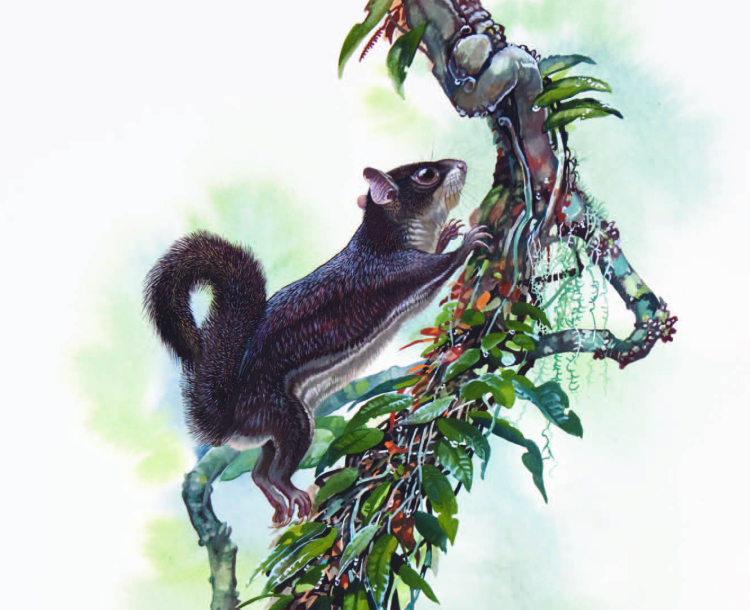
Endemic to Indonesia’s Mentawai Islands, these rare and beautiful gliding mammals are endangered due to deforestation. Boycott palm oil for their survival
 Palm Oil Detectives