
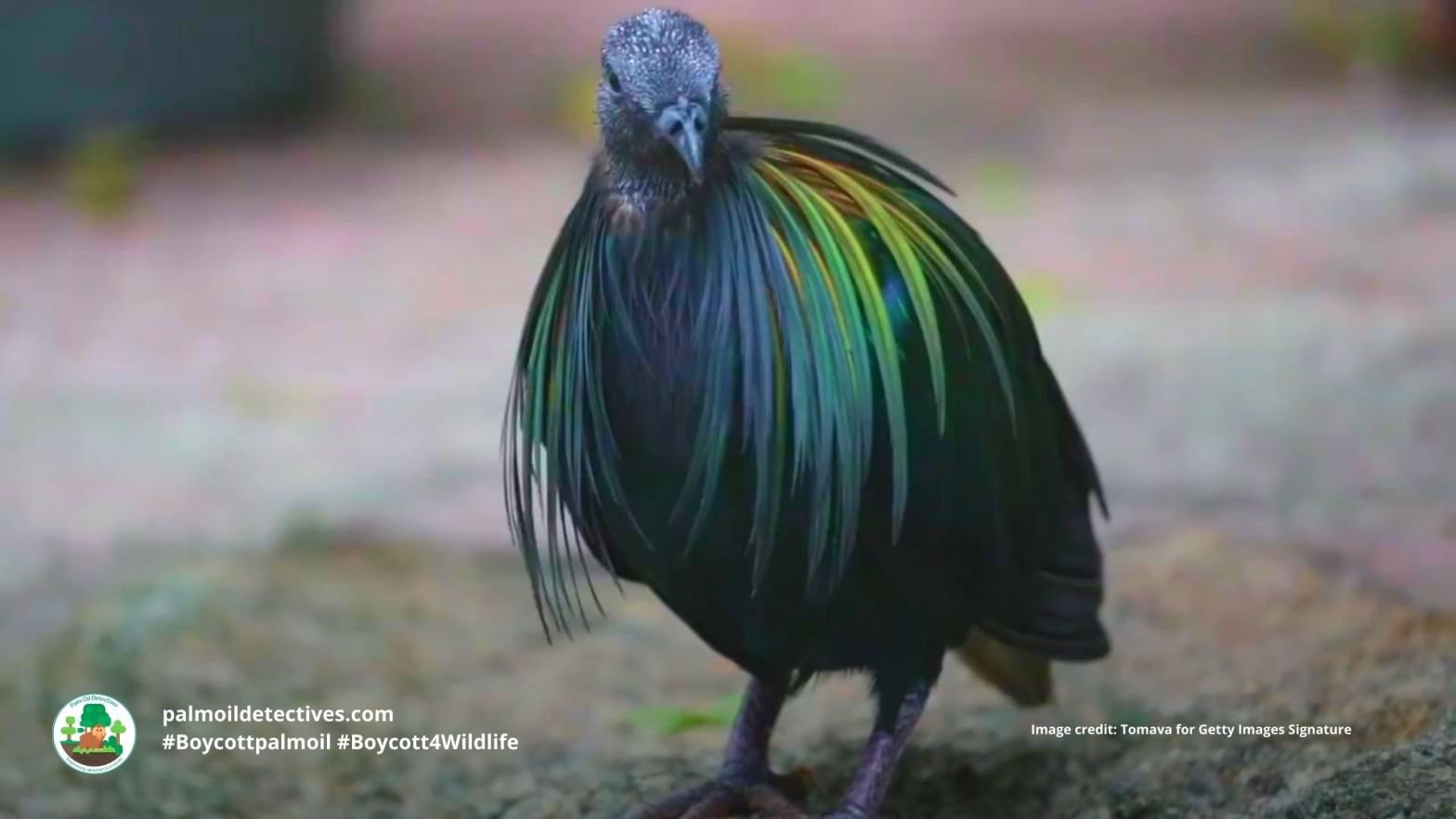
The Nicobar pigeon is the largest pigeon in the world and the closest living relative to the extinct dodo bird. They are famous for their gorgeous iridescent feathers. When threatened they make a pig-like grunt and are known for the strange way that they drink – by dunking their heads into water and sucking it up instead of sipping as other birds do. They are Near Threatened from palm oil deforestation on the Nicobar and Andaman Islands in #India along with hunting and the pet trade. Help their survival and #Boycottpalmoil #Boycott4Wildlife in the supermarket.
Tag Archives: poaching
Mandrill Mandrillus sphinx
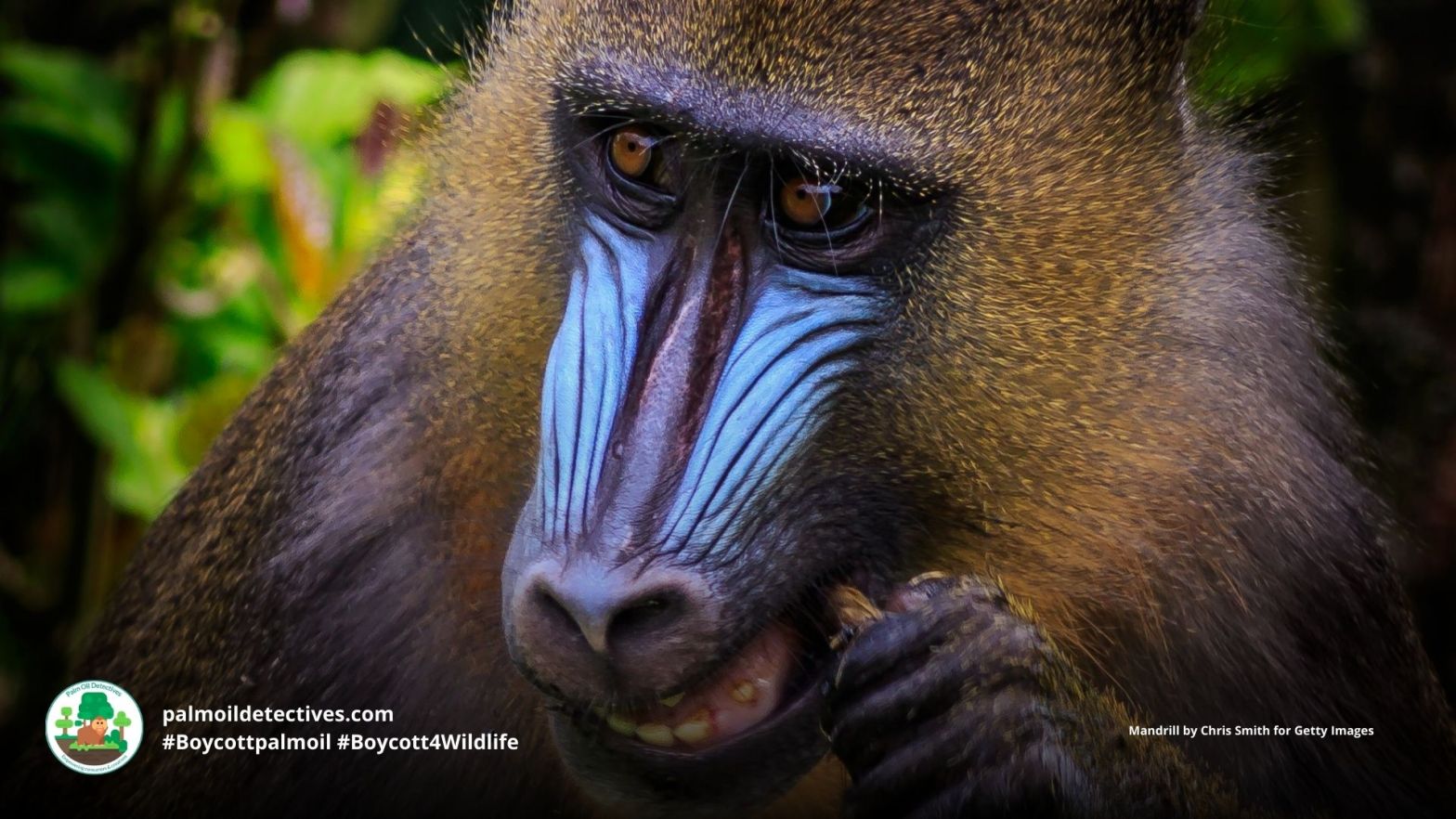
Magnificent #mandrills are undoubtedly one of the world’s most photogenic monkeys – famous for their brightly coloured and expressive appearance. Their bright blue rumps and vivid red, yellow and pink faces become even more deeply colourful when they’re excited. Males use their extra long canines for self-defence, but exposing their teeth can also be a sign of friendliness. Mandrills are important seed dispersers and a critical part of keeping the ecosystem in balance. These beautiful monkeys are vulnerable from palm oil, meat and cocoa deforestation and intensive poaching. Help their survival and #Boycottpalmoil #Boycott4Wildlife
Margay Leopardus wiedii
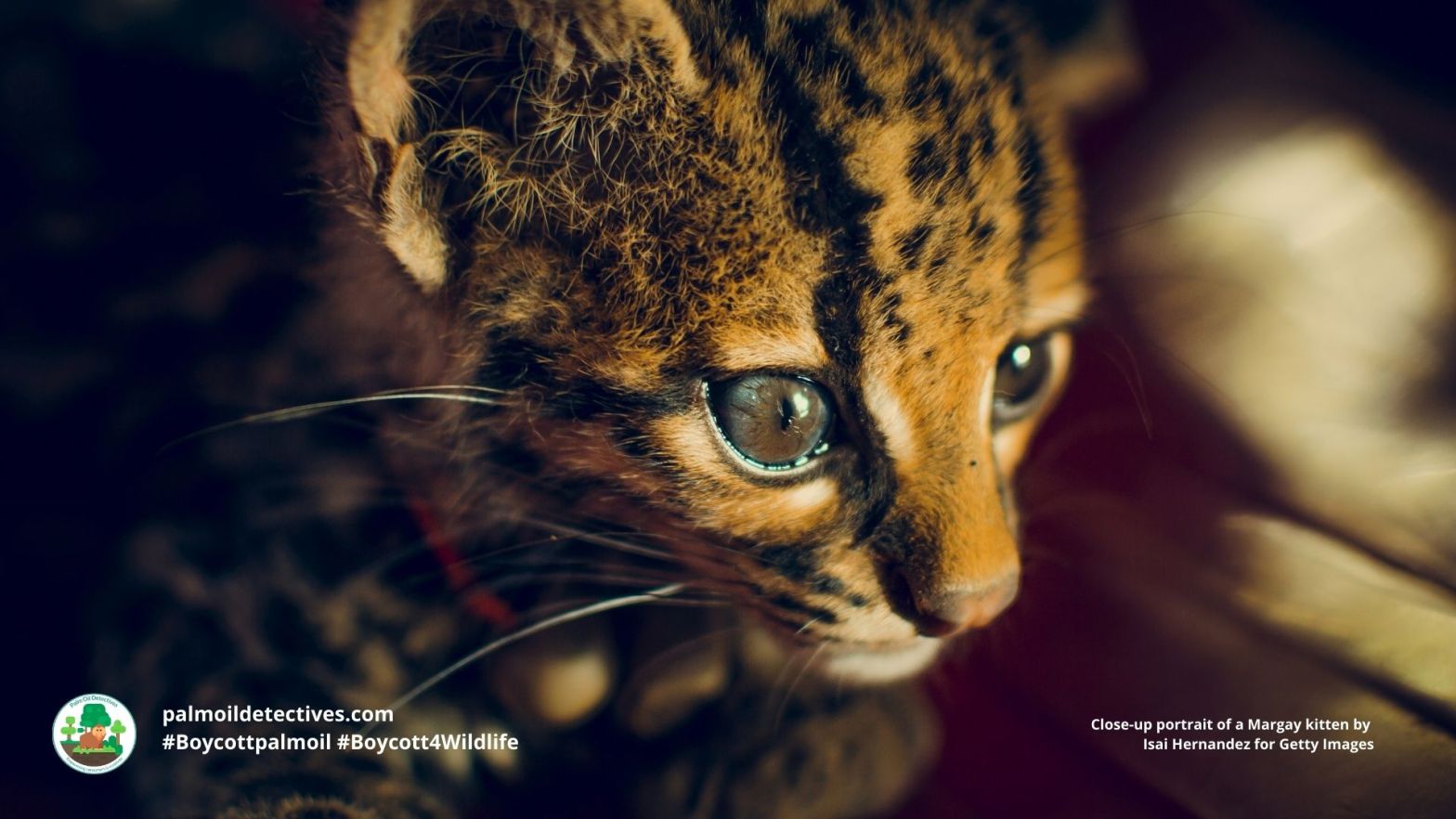
Graceful, athletic and beautiful feline of the Amazon jungle, margays are small wild cats endemic to South and Central America. Every margay has a unique spotted pattern on their coat. They depend heavily on the rainforest canopy for hunting small mammals, reptiles and amphibians and are thought to mimic the call of the pied tamarin in order to hunt for them. Deforestation for #palmoil, soy and meat along with illegal poaching are devastating to them. Help them every time you shop and be #vegan, #Boycottpalmoil #Boycott4Wildlife
Philippine Sailfin Lizard Hydrosaurus pustulatus

Stunning bright coloured Philippine sailfin lizards are becoming more and more rare from palm oil deforestation across their range in #WestPapua #Philippines and eastern #Indonesia. They are also threatened by hunting and the pet trade. Males turn a dark violet colour during mating season and flare their extravagant sail-like fins to announce their mating prowess. They have a third eye on the top of their head which enables them to sense sunlight. Help them survive and #Boycottpalmoil #Boycott4Wildlife
Vogelkop Superb Bird of Paradise Lophorina superba

Male superb-bird’s-of-paradise are the dramatic actors of #NewGuinea’s rainforest. They use their lush, multicoloured plumage to change shape in an elaborate dancing courtship display that typically goes on for many hours for the sole benefit of a female #bird. At the end of the dancing ritual, the female will get to choose her mate between 15-20 male #birds. These magnificent birds are struggling to survive, hemmed in on all sides by #hunting, #palmoil, gold mining and timber #deforestation throughout their range. Help their survival every time you shop and #Boycottpalmoil #Boycott4Wildlife in the supermarket!
African Manatee Trichechus senegalensis
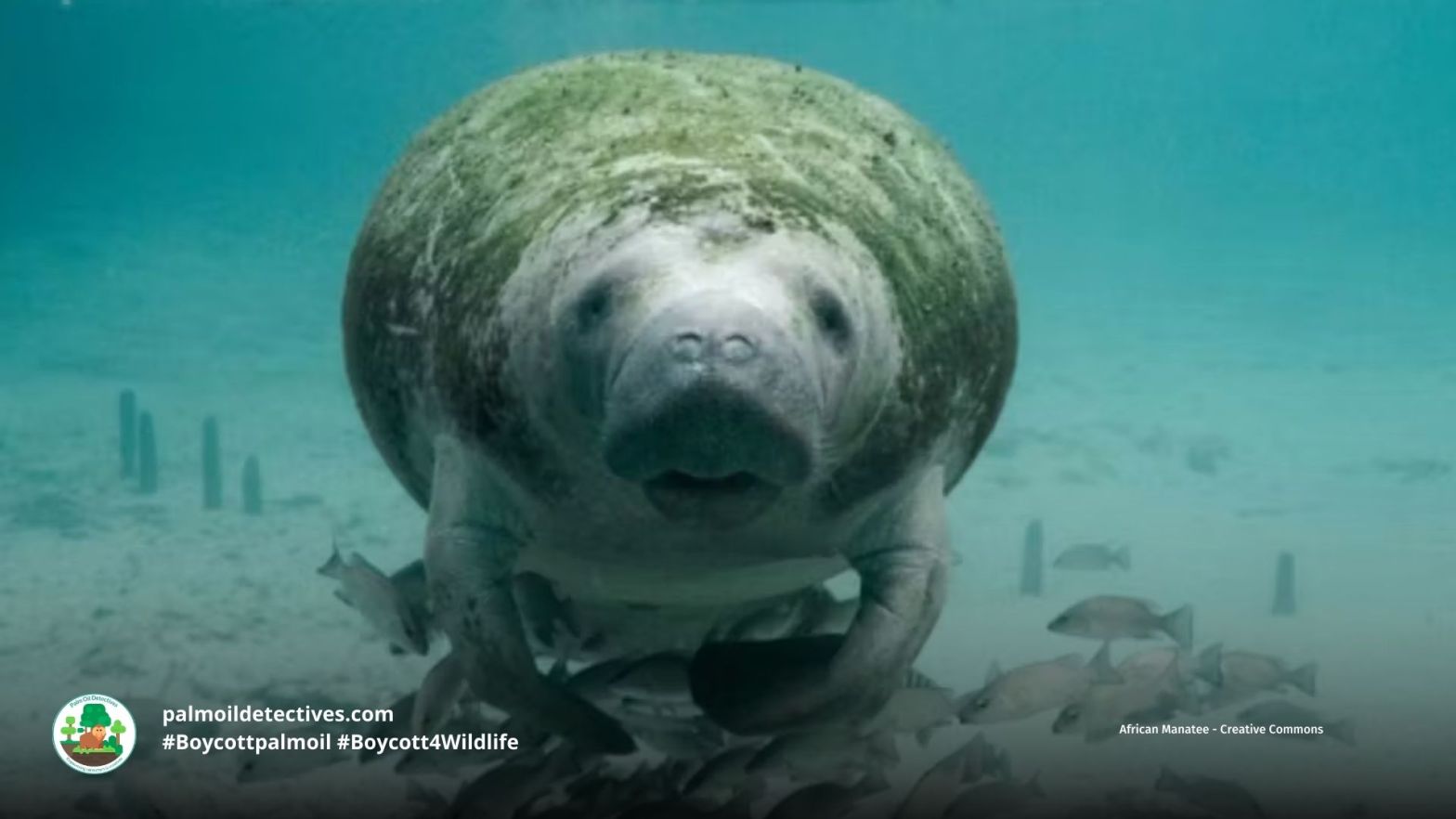
In the folklore of West Africa, there’s a fascinating character called Maame Water, believed to be a goddess of the sea, she symbolises wealth and beauty. Maame Water is none other than the African Manatee!
The Serer people of Senegal, the Gambia, and Mauritania hold the African Manatee in high regard, considering them sacred and a guardian of the secrets of the future according to their creation myth. This precious species is vulnerable from palm oil deforestation, hunting and pollution. They perform an essential service to mangrove ecosystems by keeping them healthy. Help them survive and #Boycottpalmoil #Boycott4Wildlife every time you shop!
Northern Muriqui Brachyteles hypoxanthus
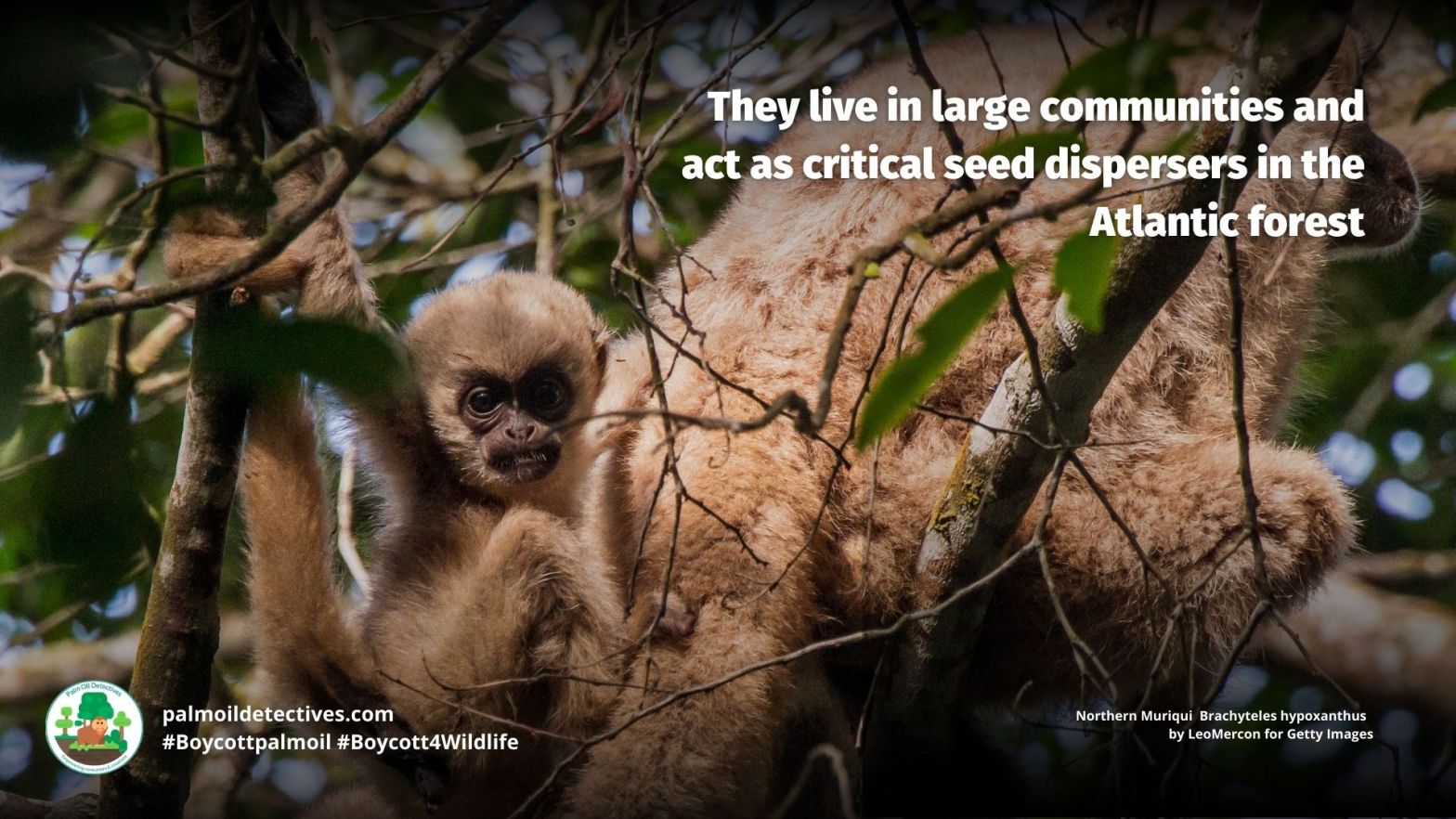
Northern Muriquis (AKA Woolly Spider Monkeys) have a striking light brown and golden fur and are known for their rattling vocalisations. They live in large communities and act as critical seed dispersers in the Atlantic forest. There are fewer than 800 individuals left alive and they are critically endangered. Their main threats are palm oil, meat and soy deforestation in Brazil, along with illegal hunting. Help them every time you shop and be #vegan, #Boycottpalmoil and #Boycott4Wildlife
Yellow-casqued Hornbill Ceratogymna elata
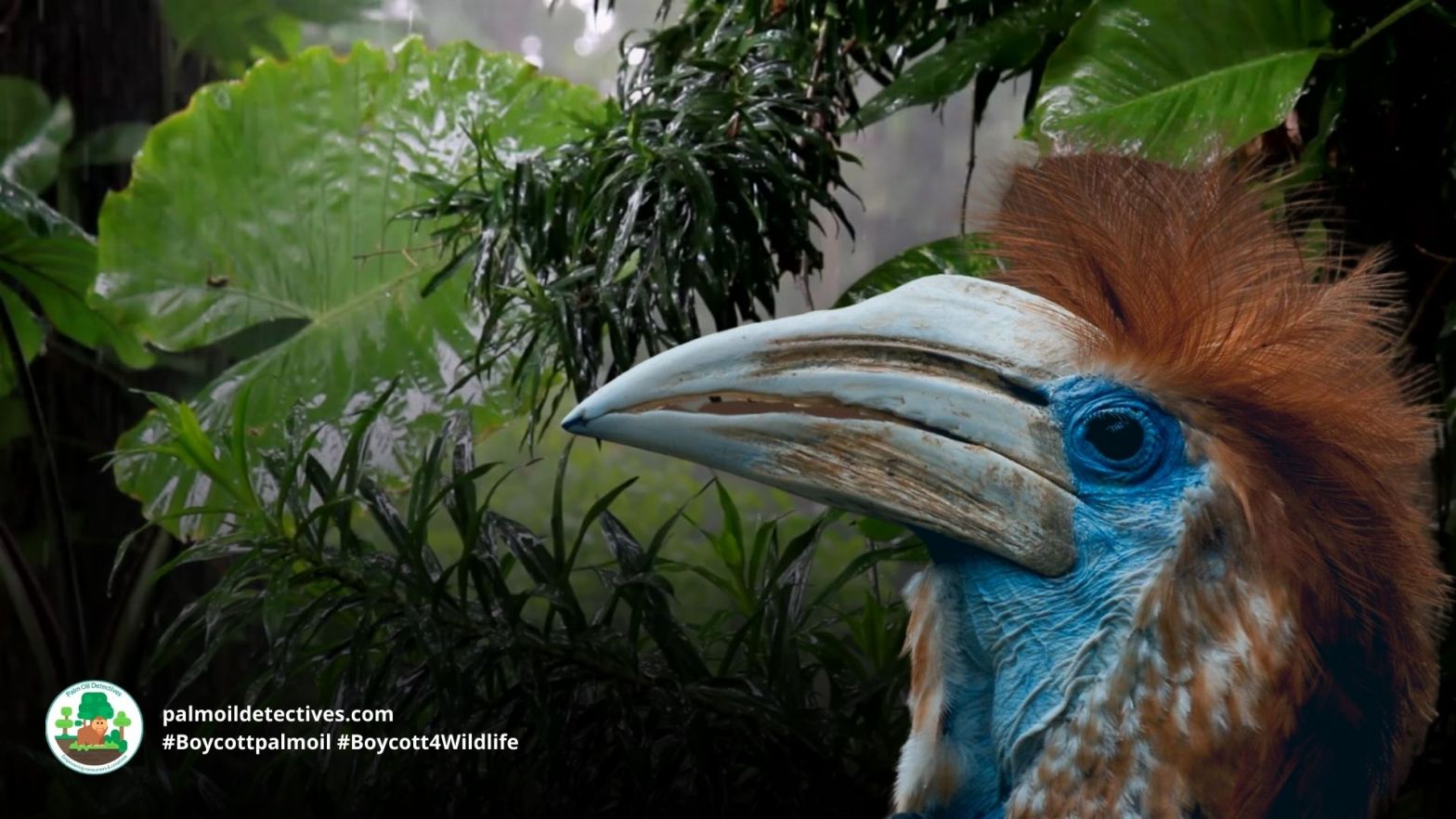
The yellow-casqued hornbill is one of the most remarkable hornbills in the world and one of the largest birds in the rainforests of West Africa weighing up to two kilos. Sporting a shock of russet coloured feathers and a striking blue coloured face, they prefer to live high up in the rainforest canopy in Côte d’Ivoire, #Ghana, #Liberia, Mali and #SierraLeone. Their main threat is hunting and human persecution and they are possibly extinction now in some countries. Recent mass deforestation for #mining, #palmoil, #cocoa and #meat is also a threat and they are now classified as #vulnerable. Help them every time you shop and be #vegan, #Boycottpalmoil, #Boycott4Wildlife
Shoebill Balaeniceps rex
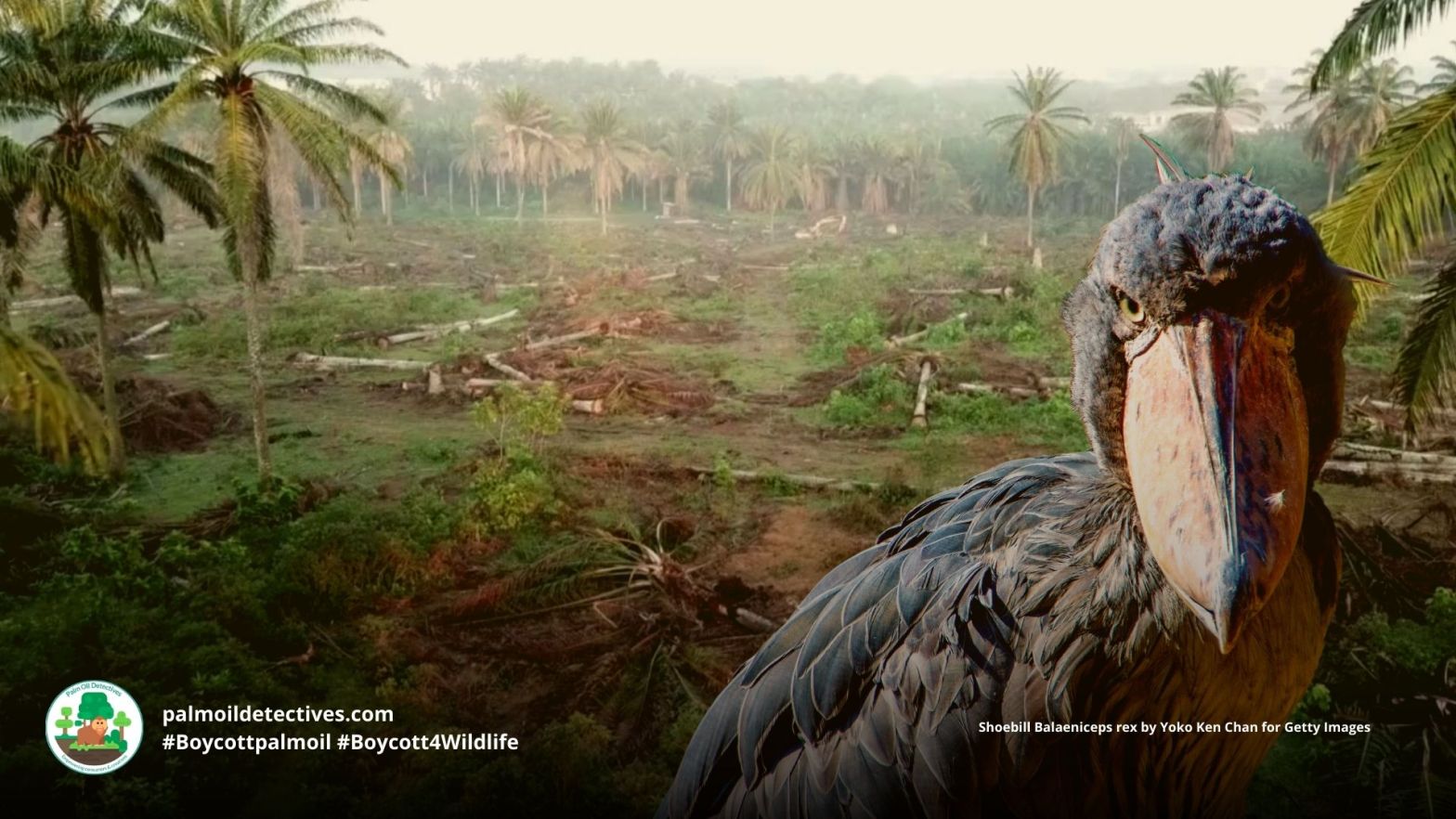
With their intense stare and imposing appearance, prehistoric birds Shoebills number fewer than 8000 in the wild. Save them when you boycott palm oil!
Indian Rhinoceros (Greater One-horned Rhino) Rhinoceros unicornis
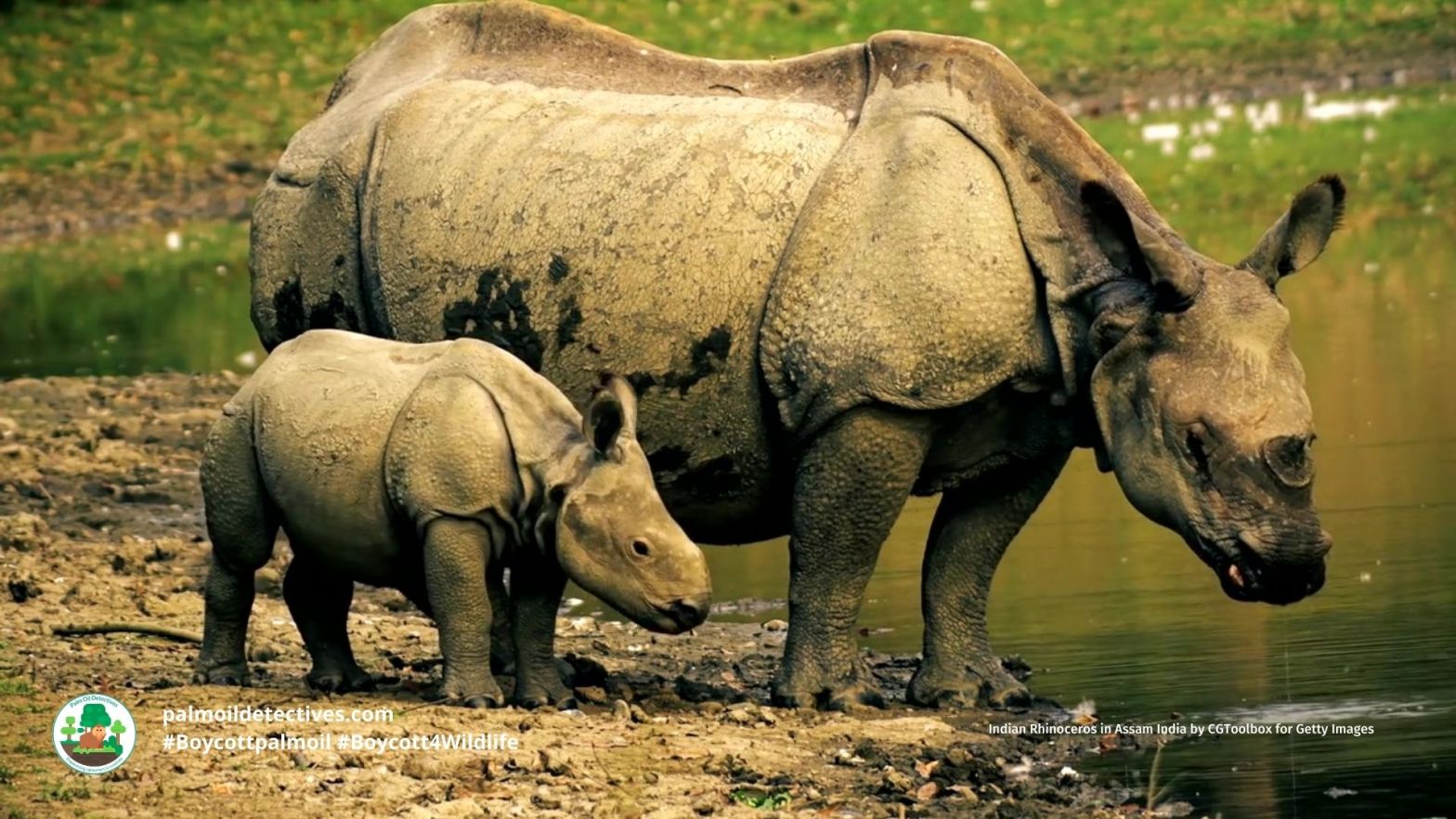
The largest of the three rhino species in Asia, the Indian Rhino has a distinctive and unique armour-plated look which lends them a fairytale quality that has captivated admirers for aeons. Although Indian rhino numbers have climbed over the past decades due to conservation, they are under imminent threat from the expansion of palm oil deforestation in the Assam region of India. A protected national park there is earmarked for destruction. Use your wallet as a weapon every time you shop and #Boycottpalmoil #Boycott4Wildlife
Bonobo Pan paniscus
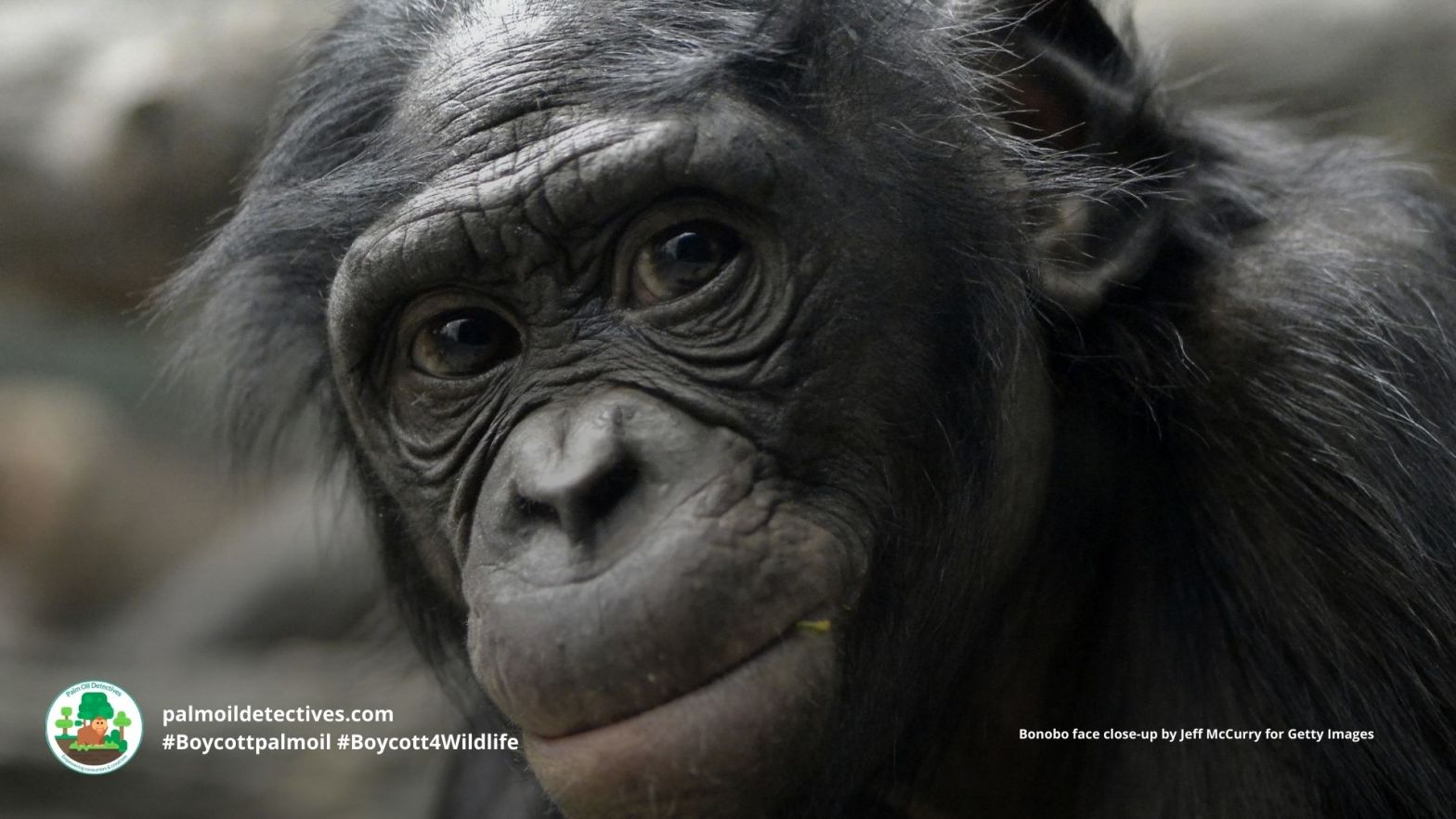
Bonobos share 98% of their DNA with humans and are one of our closest extant relatives. They are complex beings with intricate social relationships, they demonstrate profound intelligence and emotional sensitivity.
It is therefore fitting that 14th of February, Valentine’s Day is also the International Day to celebrate Bonobos – Bonobos provide a potent example to humans for how we can resolve conflicts through love and non-violent conflict resolution. They are endangered in DRC/Congo from infectious diseases, illegal poaching and deforestation for palm oil, cocoa and meat and mining throughout their home range. Help their survival every time you shop – be vegan and #Boycottpalmoil #Boycott4Wildlife.
Africa is becoming the new frontier for oil-palm plantations, which offers excellent economic prospects in countries with appropriate rainfall, soil and temperature conditions (Rival and Levang 2014). A staggering 99.2% of the Bonobo’s range is suitable for oil palm (Wich et al. 2014), highlighting the enormous risk the palm-oil industry will pose unless sustainable management plans are developed and implemented to protect great apes and their habitats (IUCN SSC Primate Specialist Group 2014).
Sunda Pangolin Manis javanica
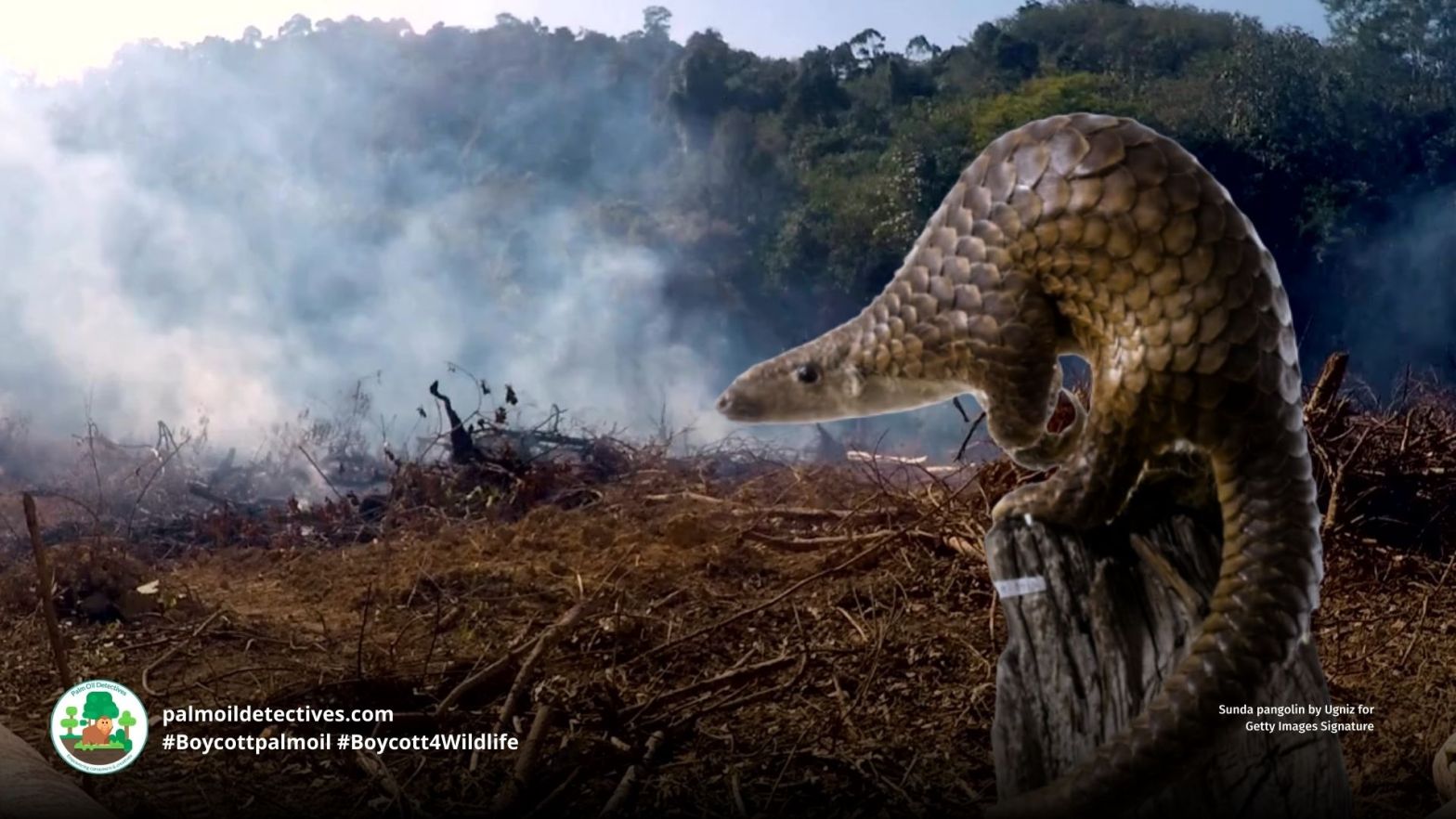
Sunda pangolins AKA Javan pangolins are capable swimmers and curl protective balls, palm oil and hunting exploitation are major threats, boycott palm oil!
Andean Night Monkey Aotus miconax
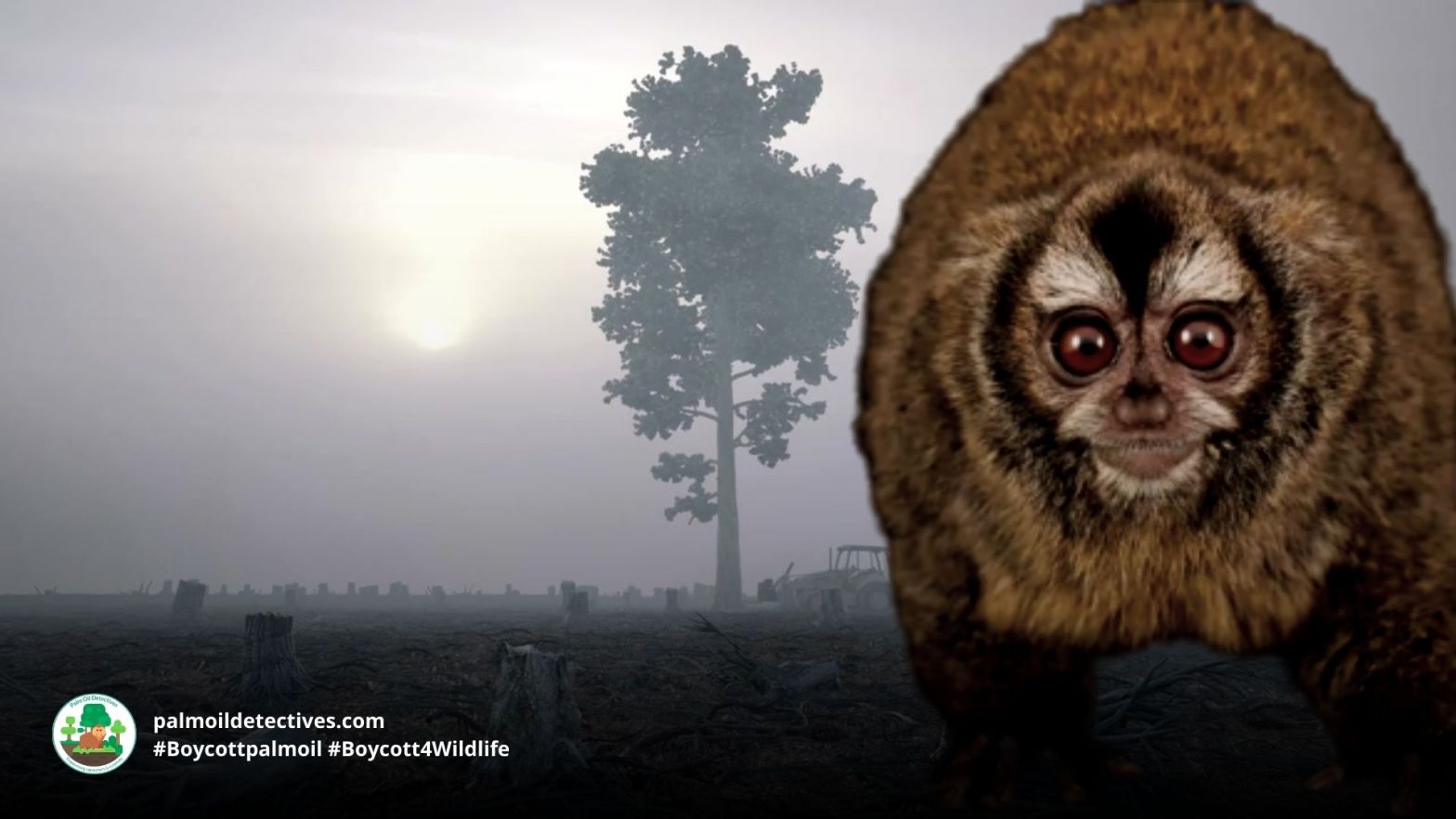
Known for their expressive big eyes, Peruvian Night Monkeys are one of the rarest and most beautiful monkeys in the world. They are critically endangered by mining, palm oil and meat deforestation. Help them every time you shop and be vegan, #Boycottpalmoil #Boycott4Wildlife!
Barasingha Cervus duvauceli
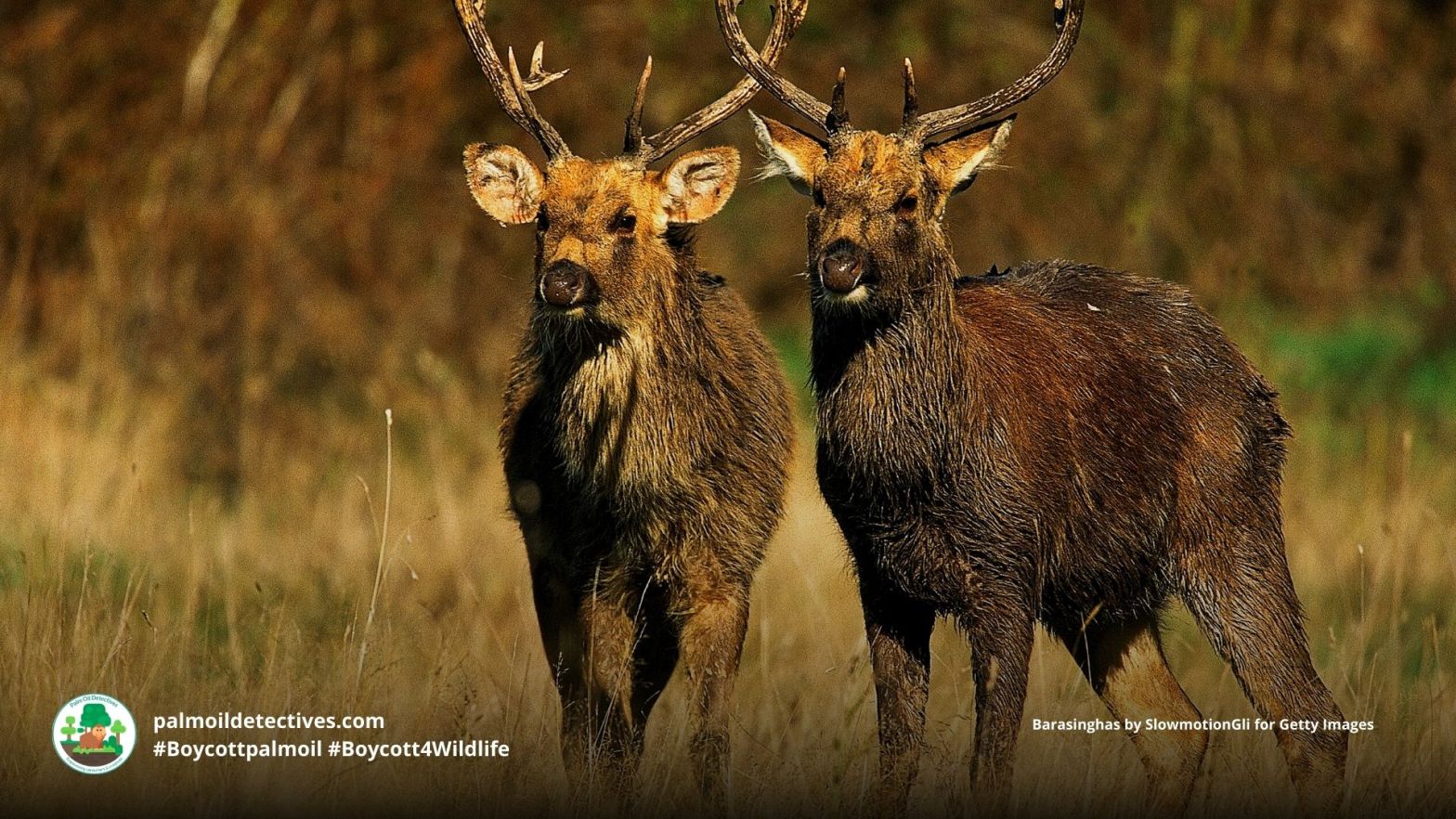
Barasinghas Cervus duvauceli also known as Swamp Deers, are instantly recognisable for their enormous handsome antlers. They can have as many as 12 antlers and their namesake Barasinghas means ’12 antlered deer’ in Hindi. They are now one of the most endangered deer species in the world due to habitat fragmentation for palm oil and beef, along with human persecution and hunting. The only remaining population live in protected sanctuaries in India and Nepal. The herd will be led by a single female and then followed by other females in a procession and then the males follow along at the rear of the group. Despite this, females are not dominant over the herd. These resilient, tough and majestic deer species are classified vulnerable on IUCN Red List. If you want to help them, adopt a #Vegan lifestyle and #BoycottPalmOil #Boycott4Wildlife in the supermarket!
Dryas Monkey Chlorocebus dryas
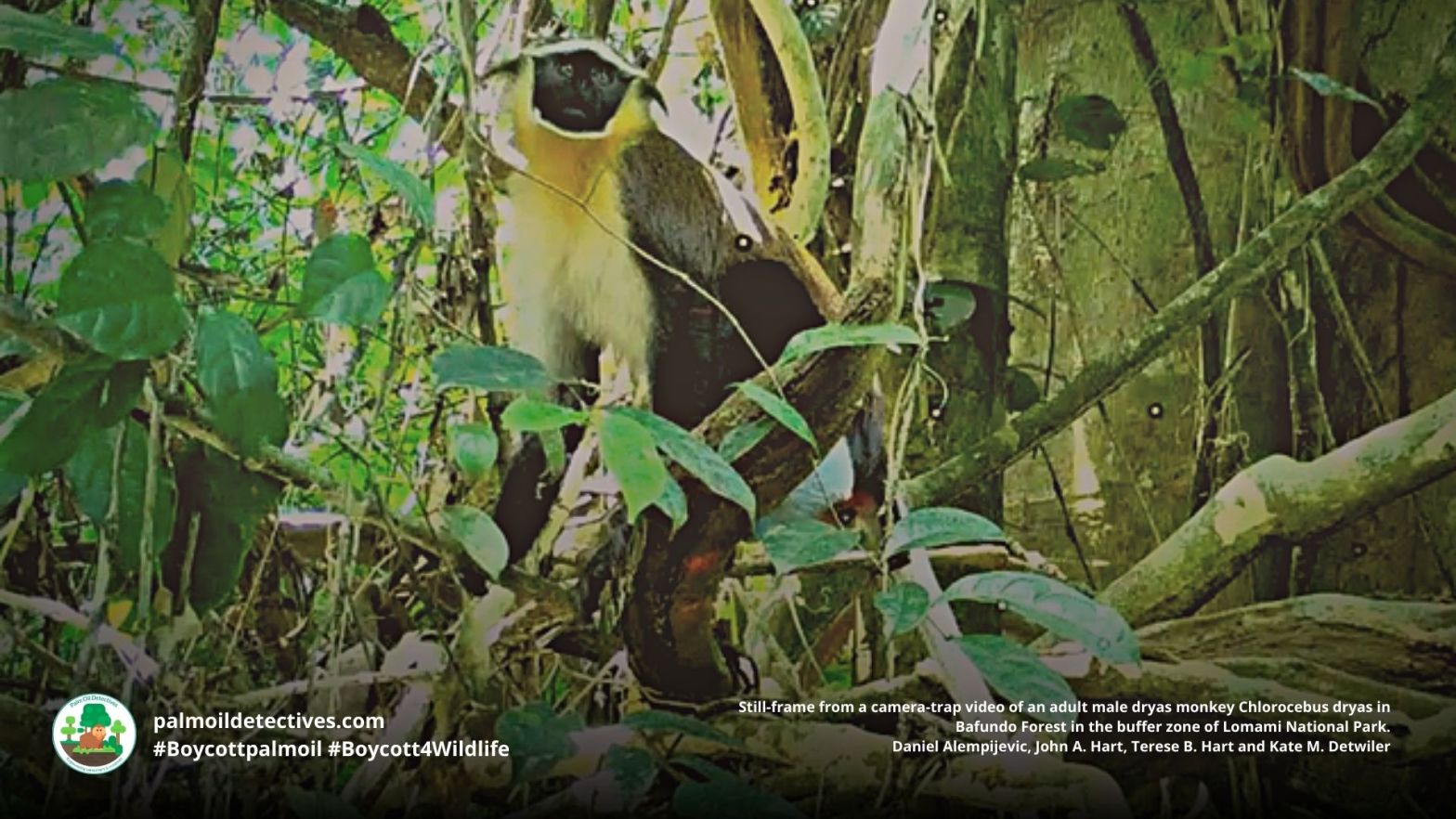
Dryas #Monkeys are secretive and vividly colourful monkeys who hang on to survival in the forests of the #Congo. Tragically, there is estimated to only be 100-250 individual monkeys still alive. They are fruit-eaters and play a critical role in ensuring the dispersion of seeds and therefore the future health of the DRC’s #rainforests. They are preyed upon by leopards in the Congo basin. However, the main threat they face is the illegal poaching and hunting by humans for #bushmeat, along with #deforestation for #palmoil, #mining and other commodities. Fight for their survival every time you shop, be #vegan and #BoycottPalmOil #Boycott4Wildlife
Quince Monitor (Banggai Island Monitor) Varanus melinus
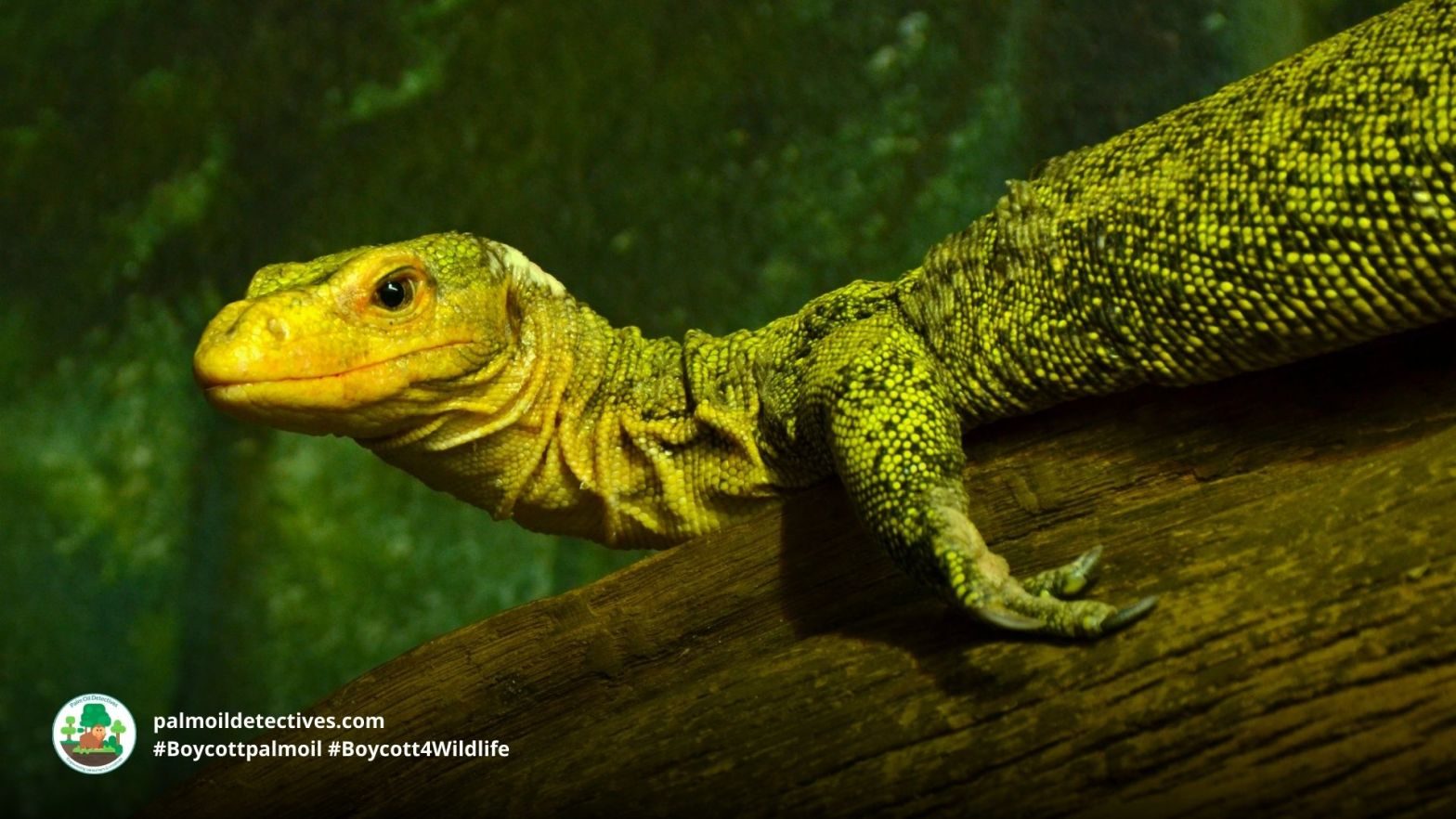
The Quince Monitor Varanus melinus get their name from the spectacular bright yellow of their skin. This is a rare and elusive species of #monitor #lizard that lives in only one location in #Indonesia – the #Maluku Islands. Their muscular, wide stance and ancient dragon-like looks make them fascinating to behold. They are endangered primarily from #palmoil #deforestation throughout their range along with collection for the illegal #pettrade. They have no known protections in place. Help them every time you shop and #BoycottPalmOil #Boycott4Wildlife in the supermarket and don’t buy these lizards as exotic pets as this is sending them extinct!
Caring for Siamese crocodiles in Cambodia
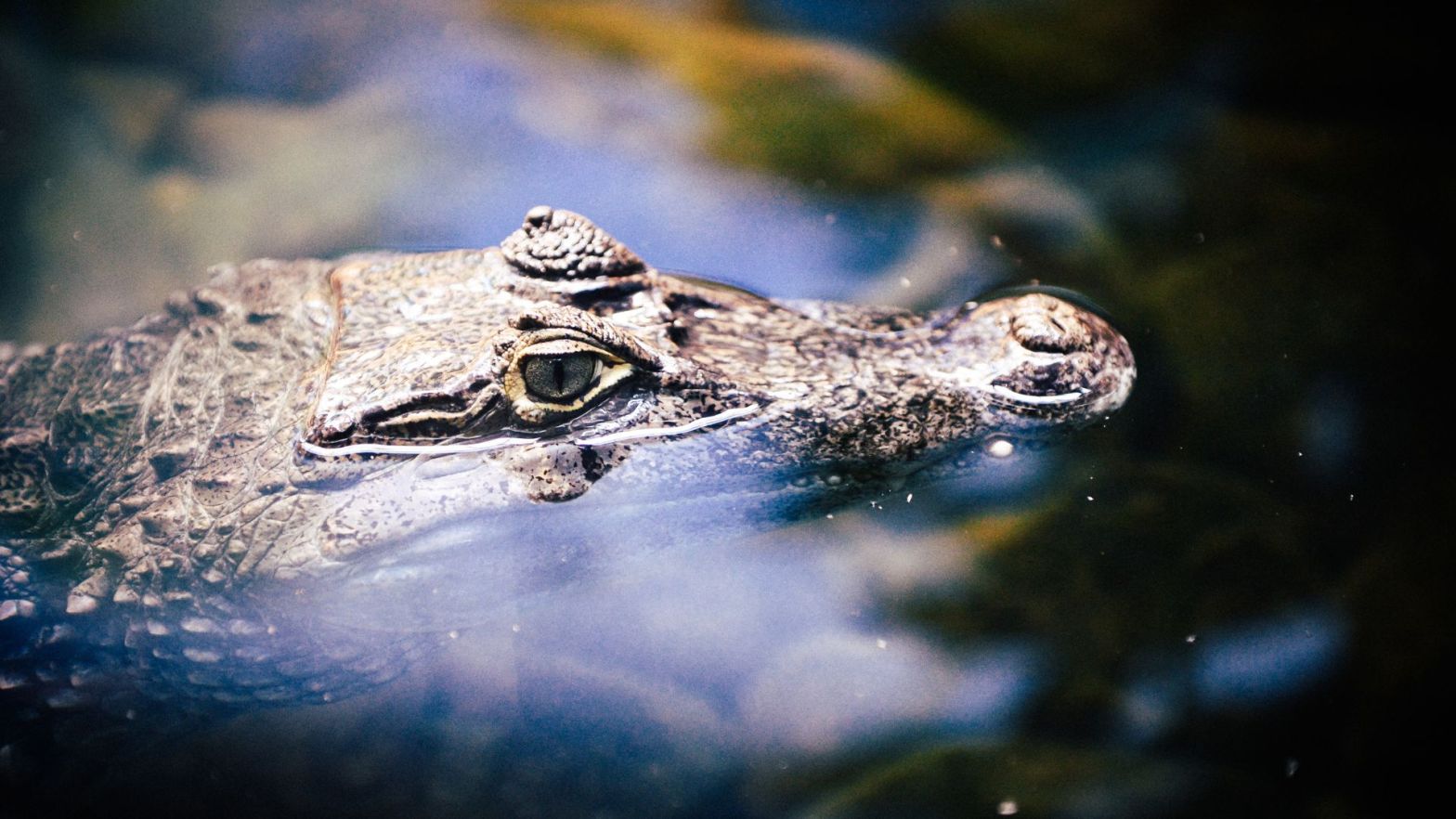
Researchers travel into the remote wilderness of #Cambodia to study the world’s most endangered #crocodile, the placid, cryptic and little-known Siamese crocodile. Help their survival in the supermarket and be #vegan, boycott crocodile leather and #Boycott4Wildlife
Dhole Canis Cuon alpinus
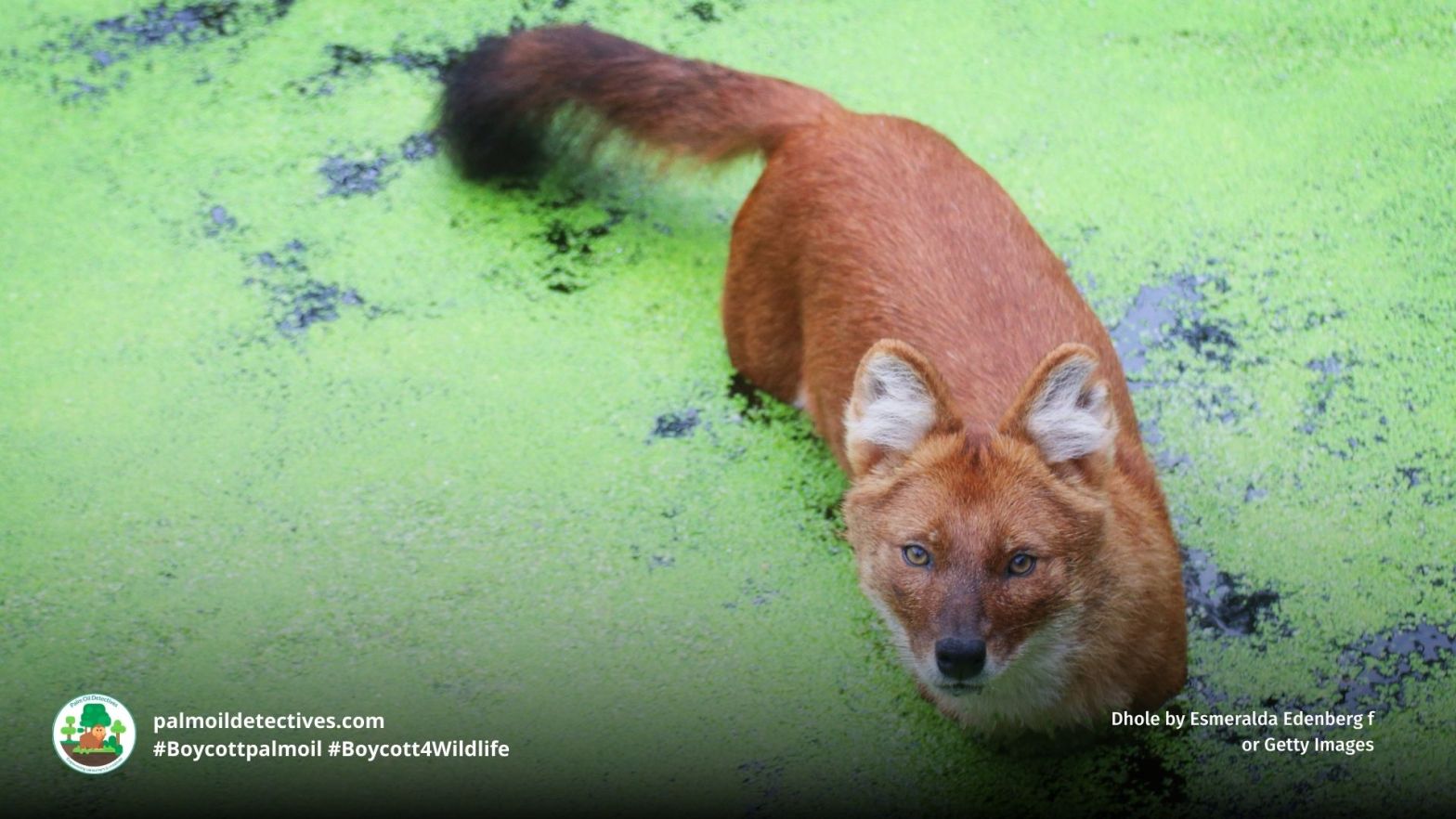
Fiercely protective, elusive and beautiful #Dholes are an ancient species of #wilddog that diverged from other dog species millions of years ago living in #Bangladesh, #Cambodia, #China, #India, #Indonesia, #Laos, #Myanmar, #Nepal and #Thailand. Dholes are also known as Asiatic Wild Dogs, Indian Wild Dogs, Red #Wolves and Mountain Wolves. Once found across the Russian Steppe, China, the Middle East and northern Asia their range has been fractured and reduced dramatically by human-related pressures and threats. Ongoing major threats are #deforestation for #meat and #palmoil along with human persecution. They are now classified as Endangered on IUCN Red List. Help them to survive, every time you shop #BoycottPalmOil #Boycott4Wildlife
Golden Langur Trachypithecus geei
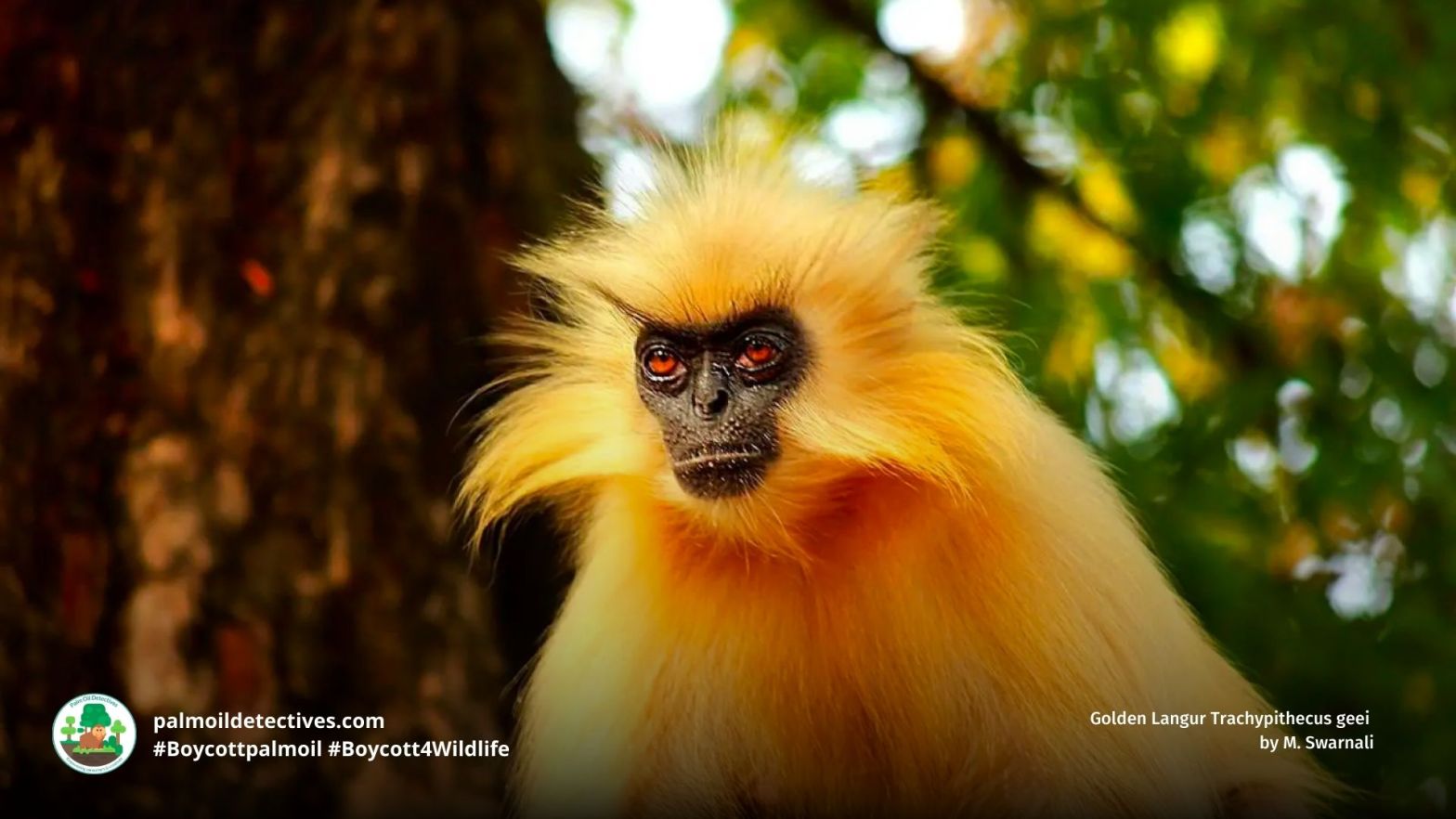
The regal, striking looking Golden #langurs Trachypithecus geei is also known by the common names Gee’s Golden #langur. They are the most endangered primate species in #India and are considered to be sacred to many Himalayan peoples. Once widespread, they are now only found in a handful of fragmented forests straddling India and Bhutan. They are classified as endangered due to #palmoil, #meat and #timber #deforestation and hunting. Golden langurs are known for their expressive eyes and grumpy expressions. This has made them the subject of global fascination and online memes. Help them every time you shop and be #vegan, #Boycottpalmoil and #Boycott4Wildlife
White-Nosed Saki Chiropotes albinasus
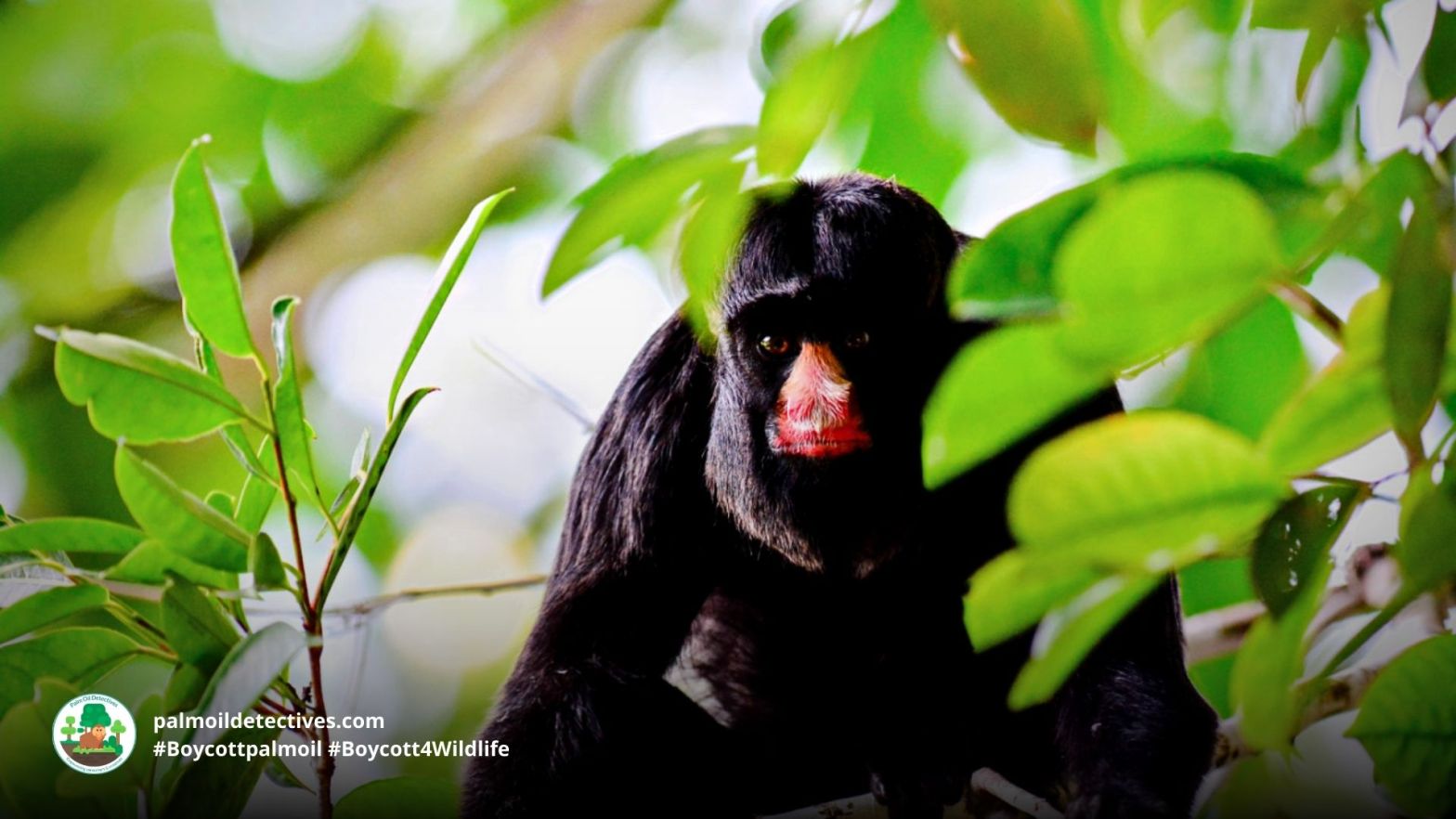
Curious, social and beautiful White-Nosed Sakis are striking and unusual looking #primates. This vulnerable primate is instantly recognisable by their long, silky black fur, reddish-pink noses, and distinctive hair tufts crowning their heads. The white-Nosed Saki’s range spans the shaded forests south-west of the Dos Marmelos river, where they are vulnerable from human-related threats including #palmoil, #soy and #meat #deforestation, #goldmining and human persecution. They deserve us to fight for their survival. Help them every time you shop and be #Vegan #BoycottPalmOil and #Boycott4Wildlife
Amazon River Dolphin Inia geoffrensis
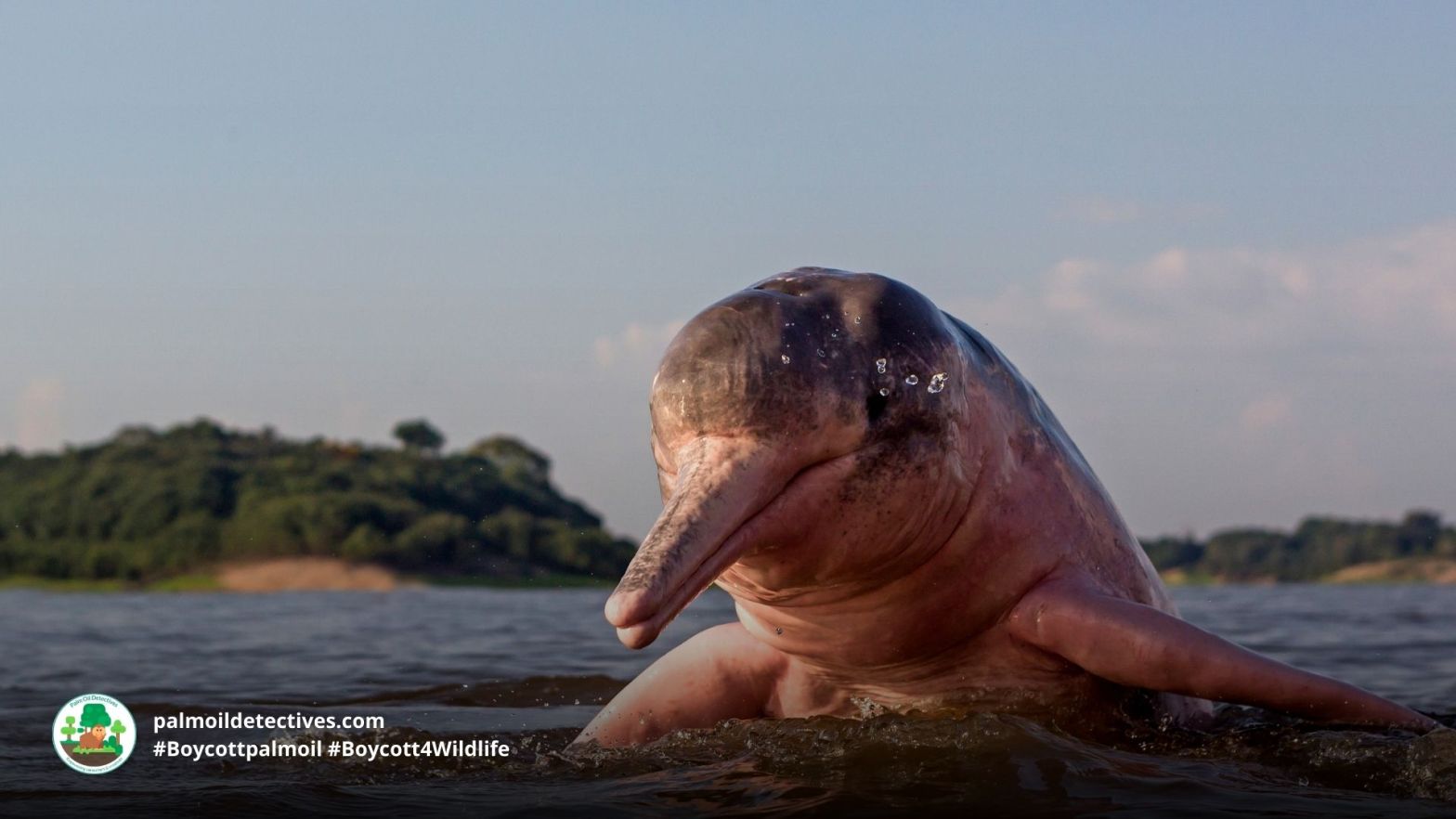
The Amazon River dolphins, also known as the Boto Dolphins or Amazon Pink River Dolphins are playful, curious and intelligent mammals, the largest river dolphin species in the world. Known for their stunning pink coloured skin they are endangered due to human-related threats like #palmoil, #meat and #soy #deforestation, #gold #mining and #pollution. Help them survive each time you shop and use your wallet as a weapon. Be #vegan, #Boycottpalmoil and #Boycott4Wildlife
African Dwarf Crocodile Osteolaemus tetraspis

African Dwarf #Crocodiles are timid #nocturnal animals and solitary hunters. They predate mainly on small animals in rivers or nearby to the riverbank. They are also known as the Broad-Snouted Crocodile or the Bony Crocodile are the smallest extant species of crocodile in the world and are typically around 1.5 metres in length. They face persecution by humans and other animals and spend most of their daylight hours resting in burrows they make along riverbanks in #WestAfrica and Central Africa. They are vulnerable from #timber #palmoil #soy #meat #deforestation and hunting. Help them survive and be #vegan, #Boycottpalmoil #Boycott4Wildlife
New Guinea Singing Dog Canis hallstromi
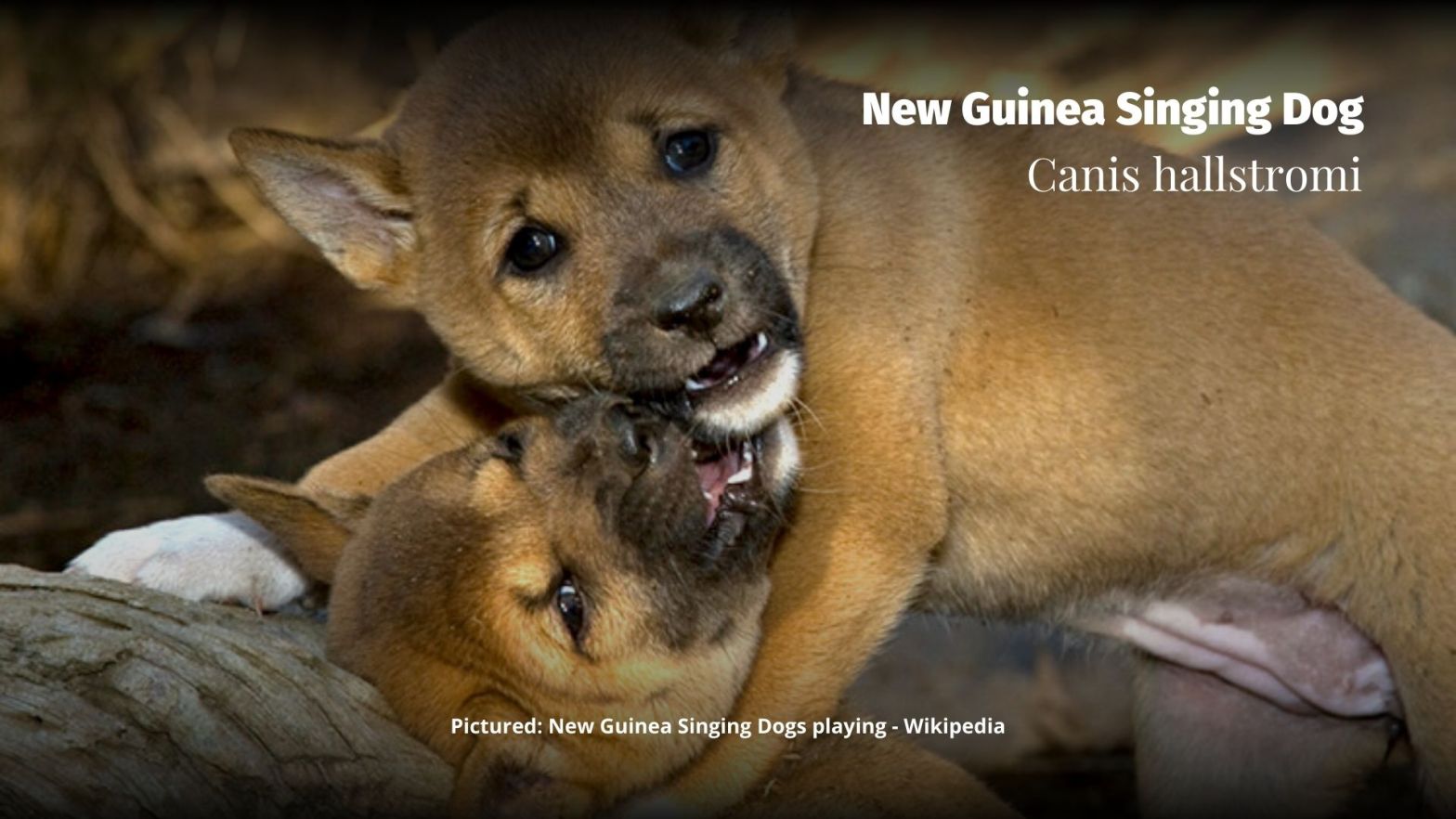
Thought for decades to be extinct in the wild, the New Guinea singing #dog populations hang on to survival in the remote mountains and forests of New Guinea. These #wilddogs were last spotted in 2017 near the Grasberg gold and copper mine in #WestPapua. Little known and still not well understood by researchers, they announce themselves with a haunting overlapping howling between individual dogs that is unlike other forms of canid howling.
Elusive and likely now critically endangered, #NewGuinea Singing Dogs are rapidly disappearing and have no formal protection or conservation in place. Help them survive and fight against #palmoil #deforestation in #WestPapua, #Boycottpalmoil #Boycott4Wildlife
Butterfly Viper Bitis nasicornis
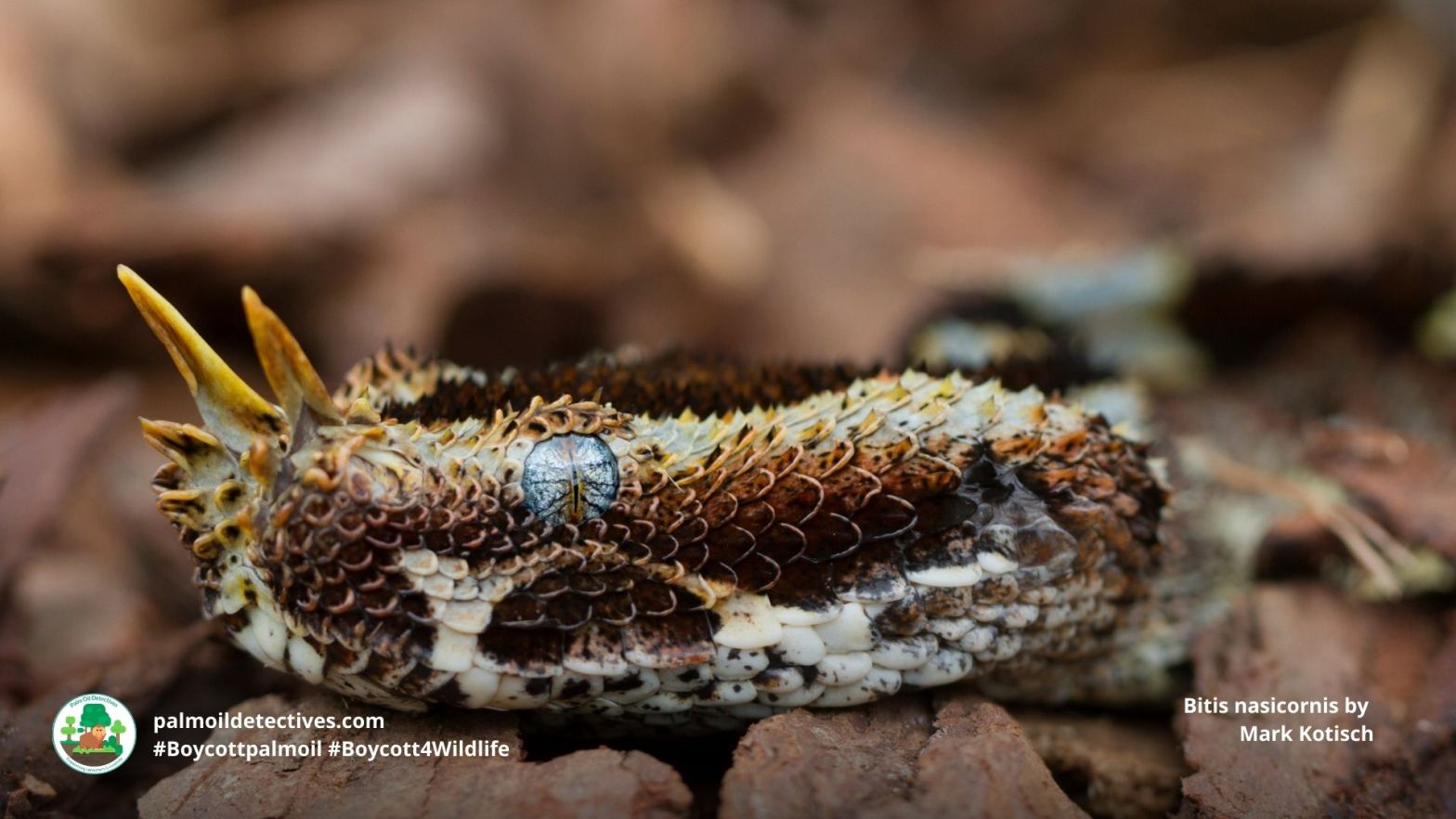
Although they possess one of the most potent venoms of all #snakes in #Africa, Butterfly Vipers are surprisingly placid and won’t attack unless provoked or threatened. They are known by several common names: Rhinoceros viper, River Jack, the Rhinoceros horned viper and the Horned puff adder. These remarkable serpents are appreciated for their vividly coloured markings that keep them camouflaged on the forest floor. Help them to survive when you shop and #BoycottPalmOil #Boycott4Wildlife.
Bangka Slow Loris Nycticebus bancanus

Shy and elusive tiny #primates, Bangka Slow Lorises were last reported from the wild in 1937. If the Bangka Slow Loris is still alive then the burning of their habitat and conversion to agriculture (especially palm oil plantations) is their greatest threat.
These diminuitive and sweet-faced primates are critically endangered due to #palmoil #deforestation and the illegal pet trade. Just 20% of their rainforest remains on Bangka island, #Indonesia. Help them every time you shop, be #vegan #Boycottpalmoil #Boycott4Wildlife
Fishing Cat Prionailurus viverrinus
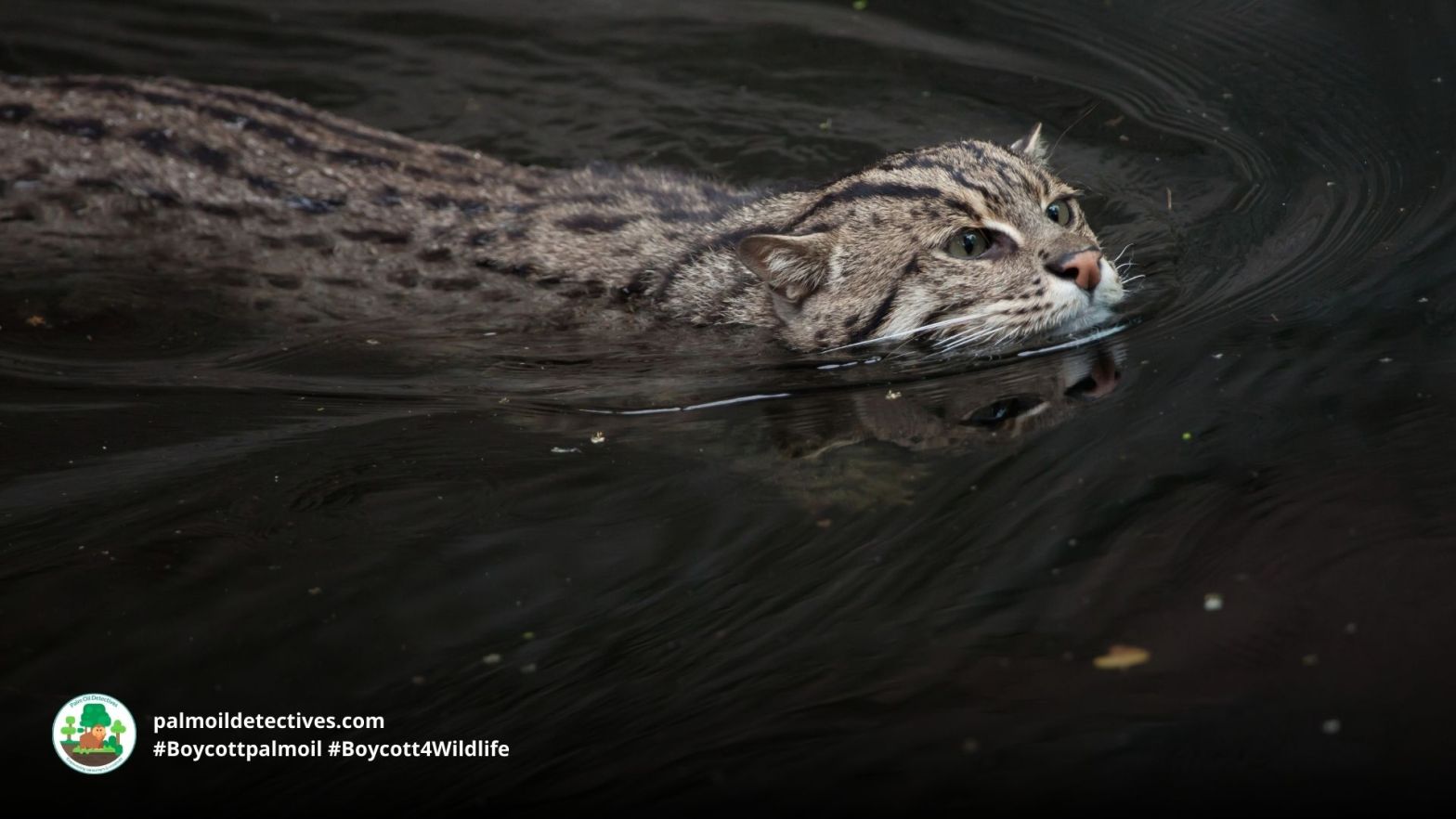
Although they look cute and cuddly, the Fishing #Cat Prionailurus viverrinus has a feisty, firecracker temper. This small to medium sized wild cat can become defensive if approached in the wild. They are around twice the size of a domestic cat and typically weigh around 5-16 kg and have stocky short legs and a short tail.
Their faces are round with elongated noses that gives them a civet-like appearance, which is why their scientific name is viverrine. They are agile and fast hunters and can reach fast speeds in pursuit of prey. They have an average lifespan of approximately 12 years. Ongoing threats include palm oil deforestation, and in Indonesia it is uncertain if their population have remained alive intact due to widespread deforestation and hunting pressures. Help these plucky little #wildcats when you shop and #BoycottPalmOil #Boycott4Wildlife
Helmeted Hornbill Rhinoplax vigil

Helmeted #Hornbills are spectacular, large and intelligent #birds native to SE Asia, known for their substantial helmet-like structure on their head called a casque made of ivory. This hefty head accounts for 11% of their 3kg body weight. They are found on the Malay Peninsula: #Sumatra, #Borneo, #Myanmar and #Thailand. They are #criticallyendangered. Their main threats are illegal hunting and wildlife trade for their ivory casques along with palm oil and timber deforestation. Help them each time you shop and #Boycottpalmoil #Boycott4Wildlife
African Palm Civet Nandinia binotata

African palm civets were once common seed dispersers. Now they face pressure from palm oil-driven deforestation, mining, and hunting for bushmeat – boycott!
Buffy-tufted-ear Marmoset Callithrix aurita

Buffy-tufted-ear Marmosets are enchanting monkeys living in a tiny, isolated region of Brazil’s Atlantic Forest. Fight for them and boycott palm oil!
Spectacled Bear Tremarctos ornatus
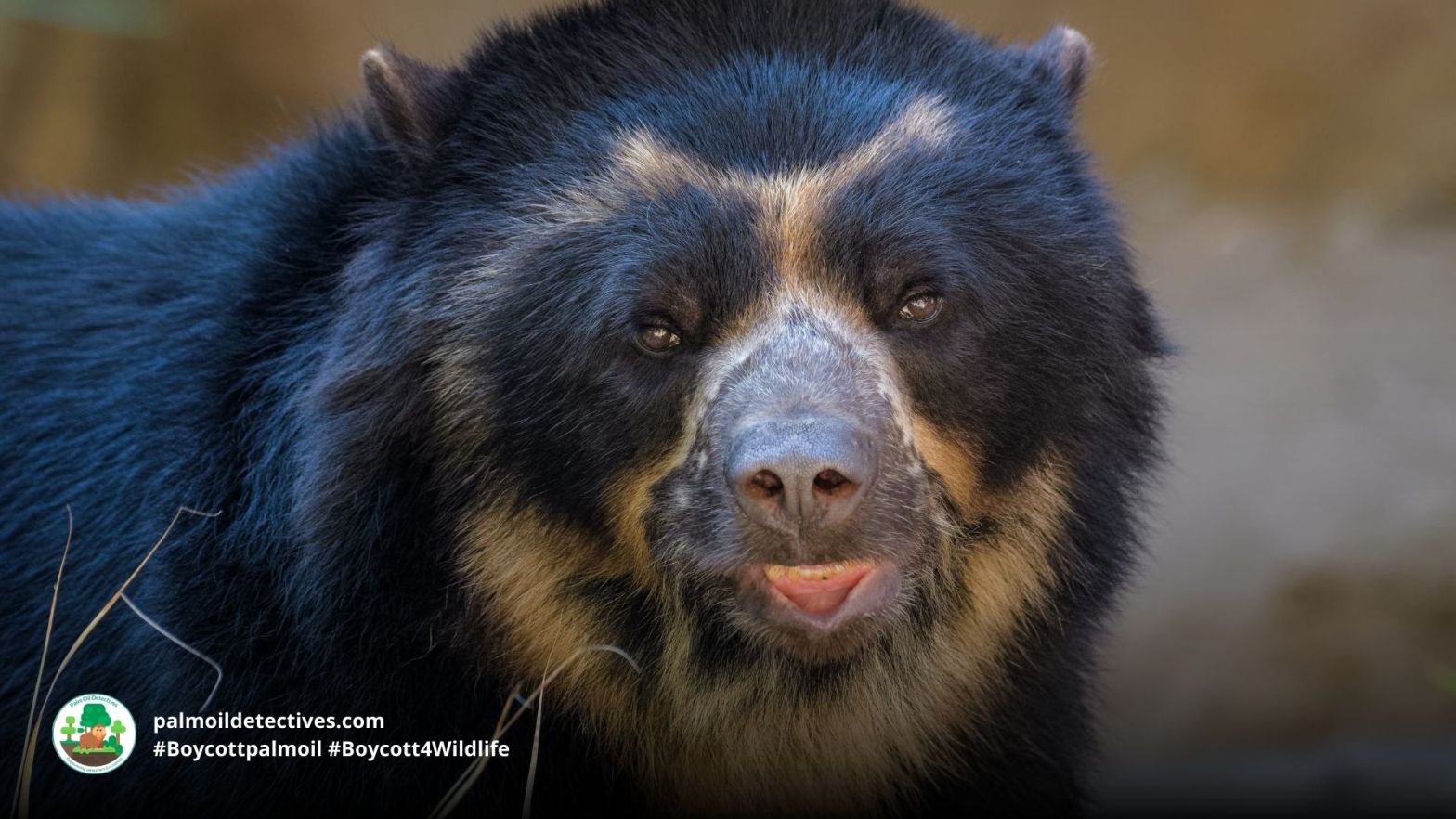
Spectacled #bears are known as the ‘peaceful and gentle bear’. They are the only bear living in the tropics of South America. Like many other animals in tropical ecosystems they are #endangered. They get their name from their eye-catching markings around their eyes, face and neck that resemble spectacles. Each bear has unique markings like a fingerprint and some bears don’t have them at all.
They are found throughout the thin line of Peruvian rainforest and their range stretches across several countries: Bolivia, Ecuador, Peru, Venezuela and Colombia. Their main threats are habitat loss to #gold #mining, timber, #meat, #palmoil and #soy as well as #hunting. Protect them each time you shop by being #boycotting meat, be #vegan #boycottpalmoil #Boycott4Wildlife
 Palm Oil Detectives