
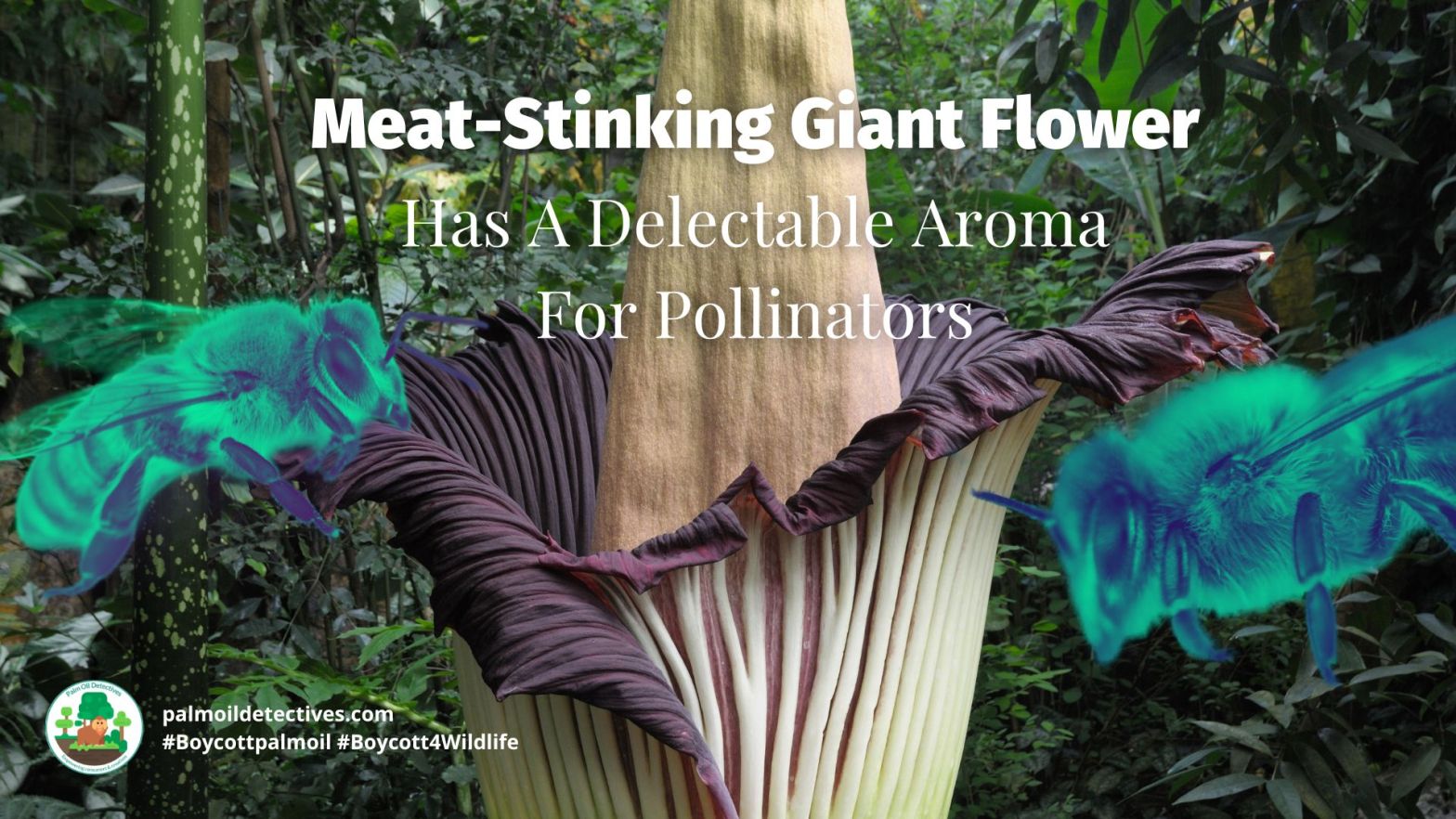
Titan Arum AKA ‘Corpse Flowers’ is famous for its repulsive meat smell. Palm oil agriculture is a massive threat to these rare stinky plants. Take action!
Tag Archives: Reasons to be Hopeful
Around 25% of Africa’s Land is Damaged: This is How We Fix It!
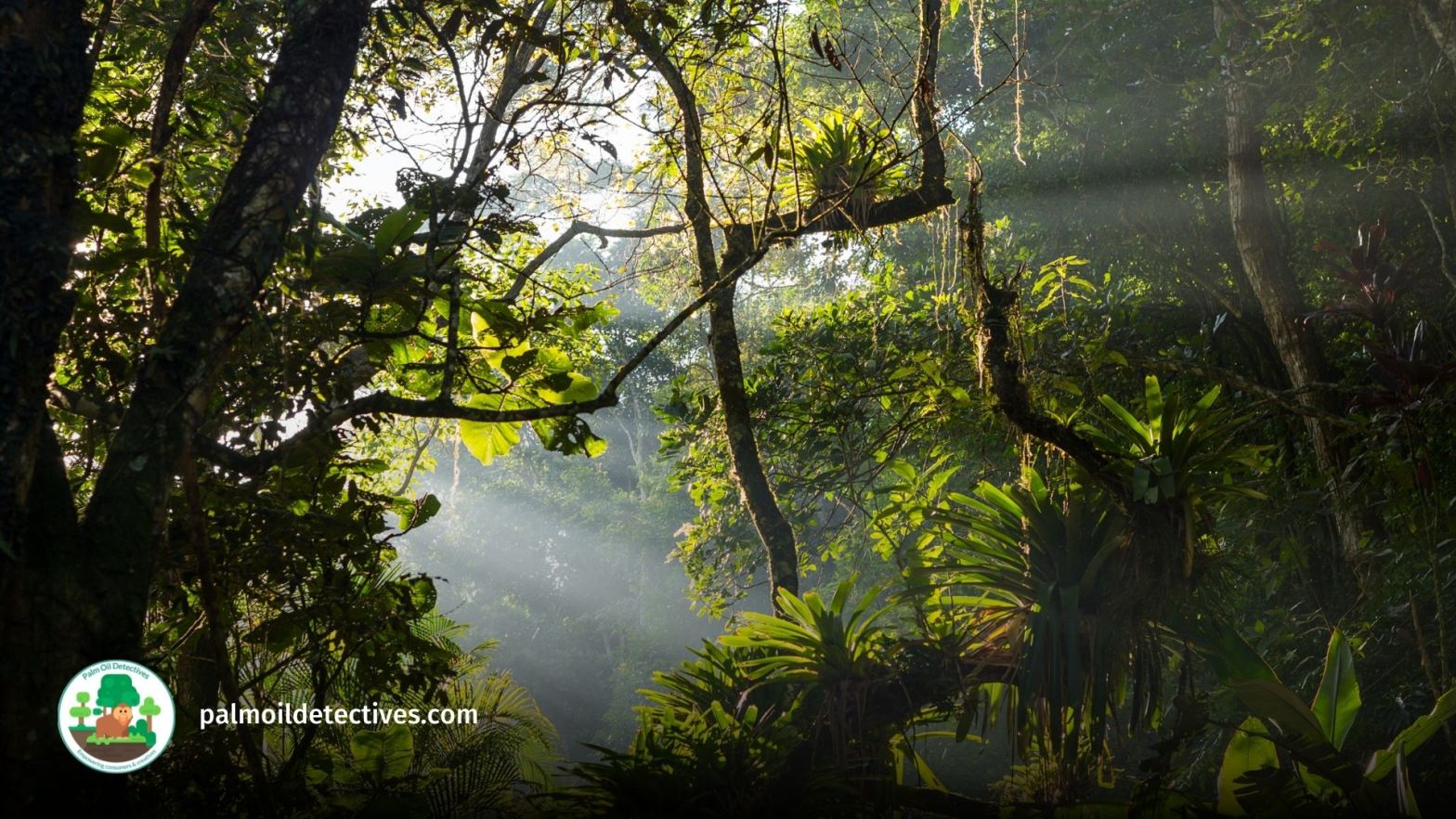
Almost 25% of all land in Africa has been damaged driven by climate change and deforestation for mining palm oil and cocoa. Take action and protect forests!
Dung Beetles Are Rainforests’ Diligent Regrowth Soldiers
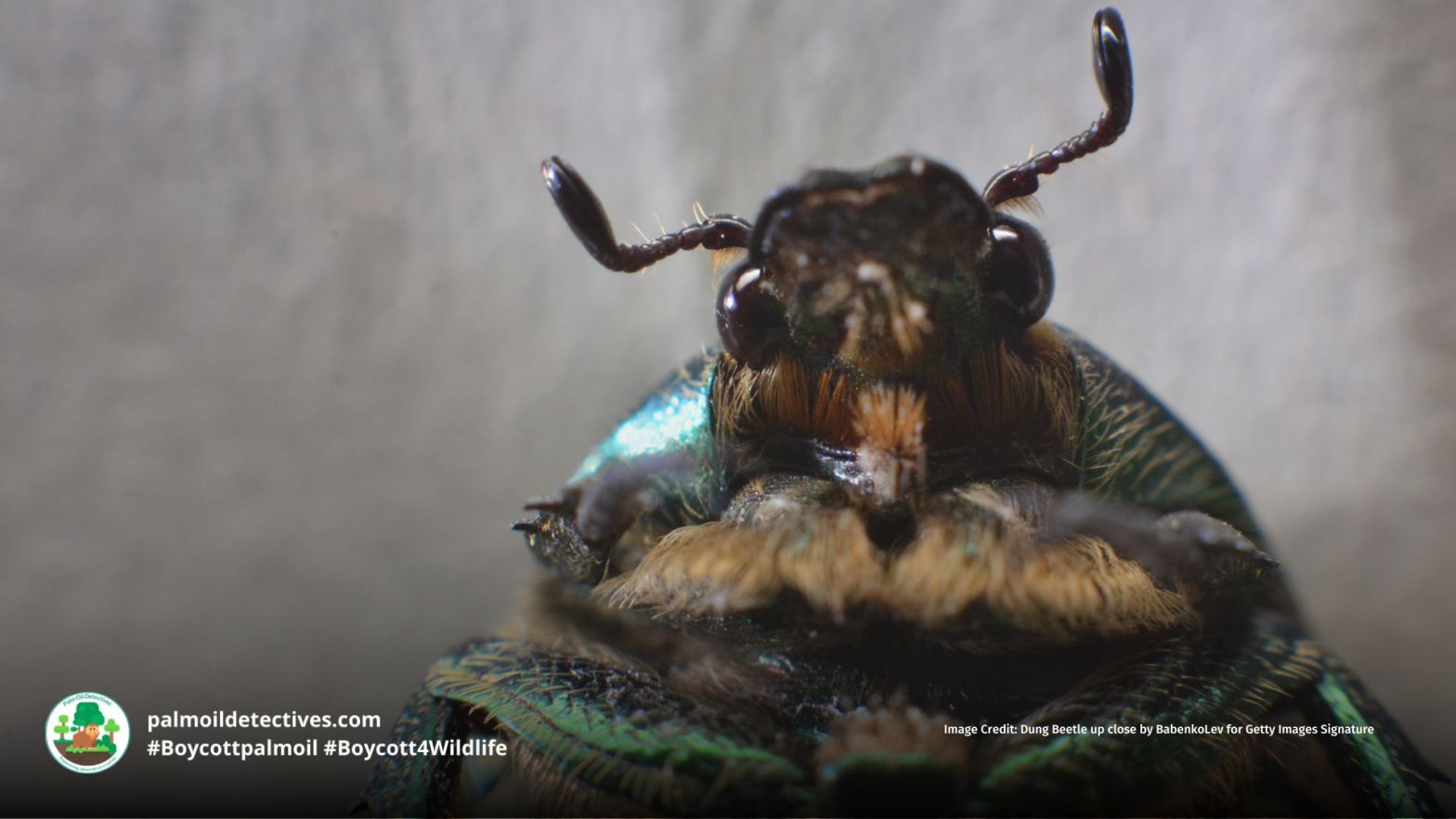
The dung beetle may eat and nest in poop, but their role in nature is anything but humble. These hardshelled scarabs live on every continent except Antarctica, recycling feces and suppressing parasites that could otherwise harm people and animals. Dung beetles also spread both seeds and nutrients into the soil, helping to maintain a healthy ecosystem. Help them and #Boycottpalmoil #BoycottGold and #Boycott4Wildlife
Food Without Agriculture

Researchers argue food can be made without destroying rainforests, using alternative energy sources like microbes, yeast and CO2, saving animals and emissions
Indigenous Farming: Science, Not Superstition
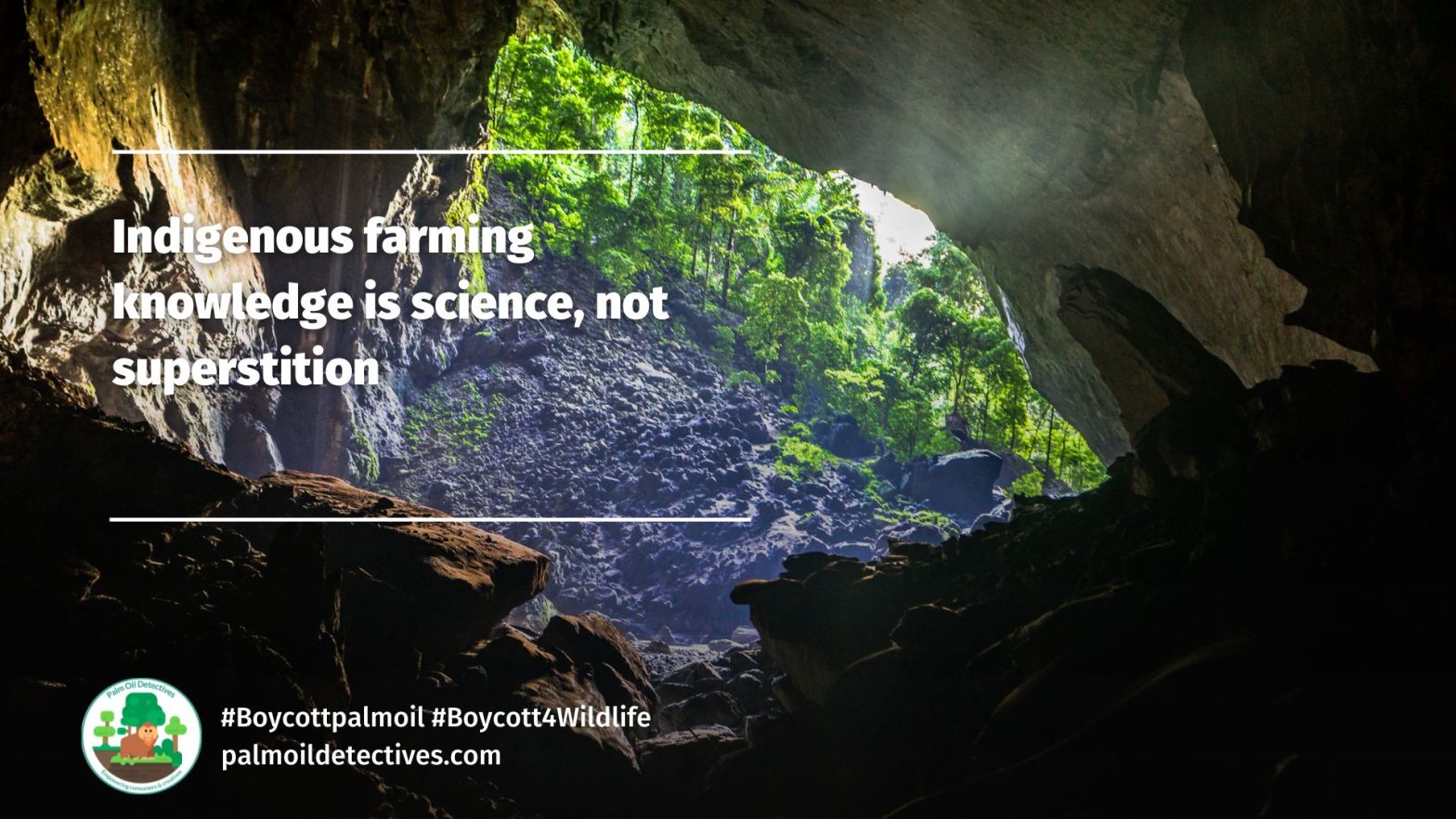
What does it mean when you encounter snakes slithering along paths or find a bird nest with eggs? For Indigenous peoples in Malaysia, these are tell-tale signs passed down by their ancestors discouraging them from using the land. Instead, they must protect the area from unscrupulous developments.
How the humble mushroom could save forests and fight climate change
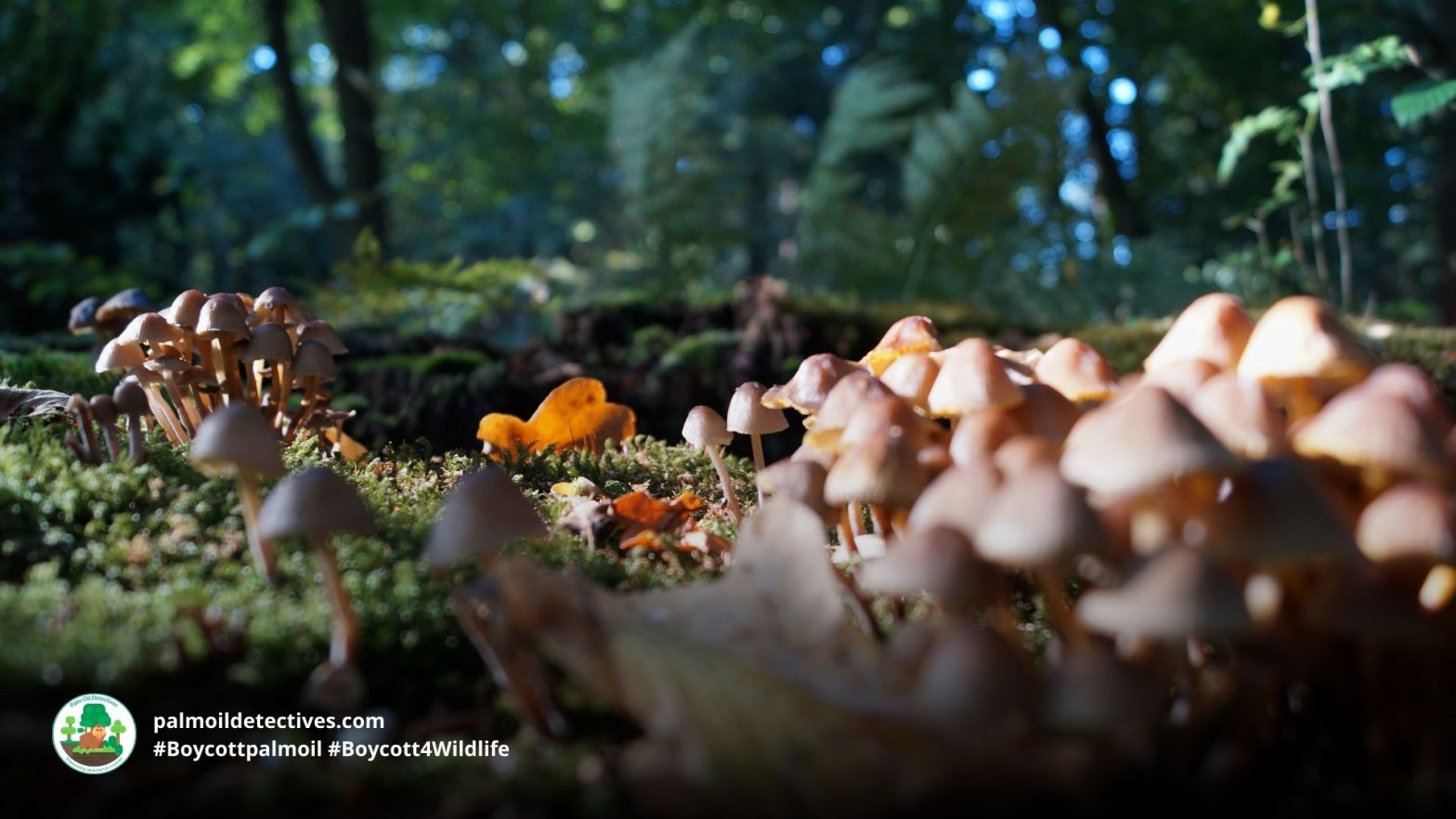
The conversion of forests to agricultural land is happening at a mind-boggling speed. Between 2015 and 2020, the rate of deforestation was estimated at around 10 million hectares every year. From a climate and carbon point of view, we know that cutting down trees at this scale is devastating. But the impacts run deeper: 75% of the world’s accessible fresh water arises from forested watersheds. Want an easy way to fight #climatechange and #deforestation? Stop #eating meat and #dairy and eat #mushrooms 🍄🥦🍅🍌 fruit and veg instead! #Boycottmeat and be #vegan #Boycott4Wildlife
Humble Algae: The Solution to Palm Oil Ecocide
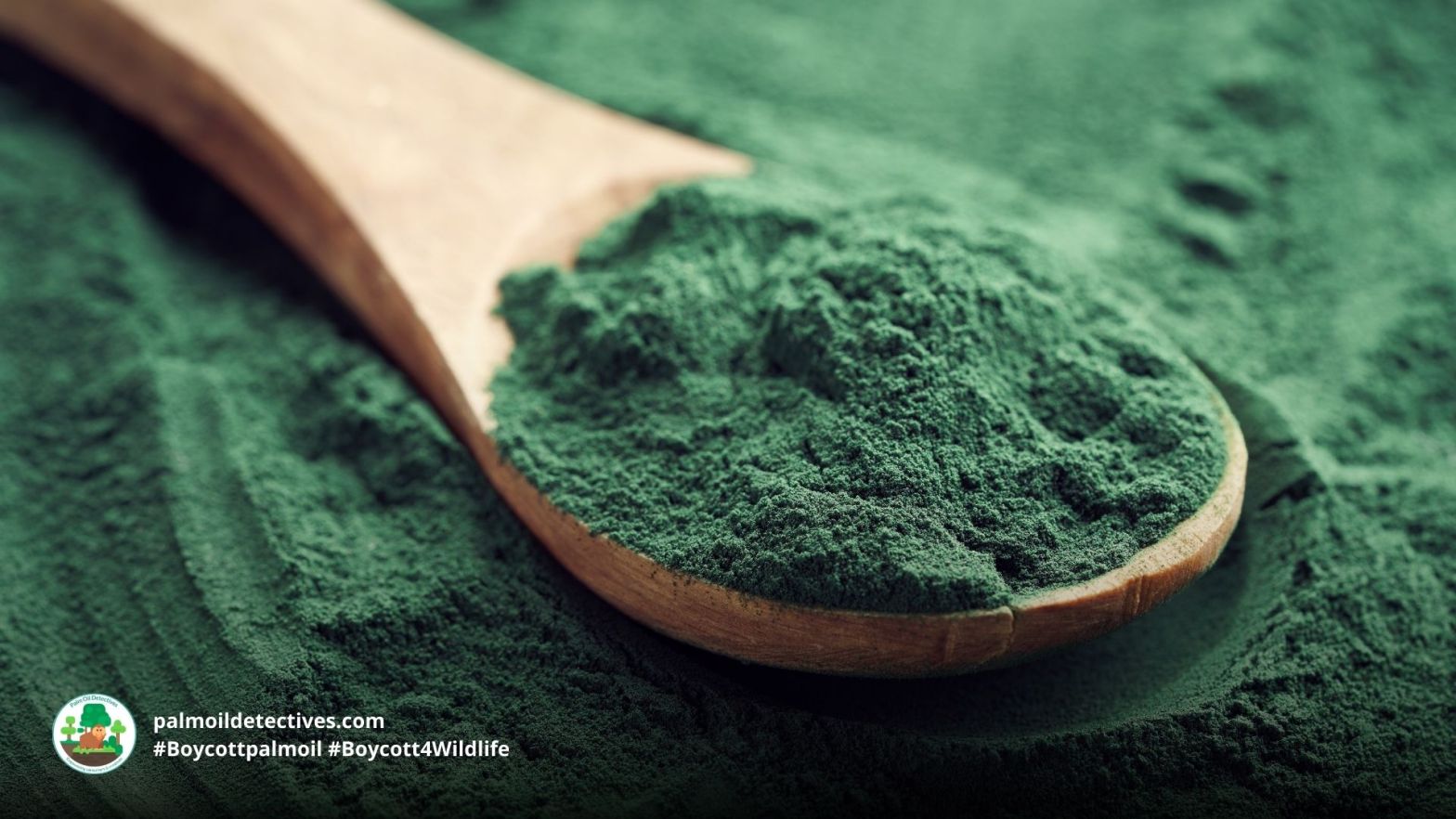
Consumers, businesses and researchers have shown growing interest in microalgae in recent years. Use of Arthrospira platensis (spirulina) as a food supplement is one example. Others include how microalgae can be used as crop support tools, bioplastics or biofuels. Take action for your health and be #vegan and #BoycottPalmOil #Boycott4Wildlife
Do humans really need other species?
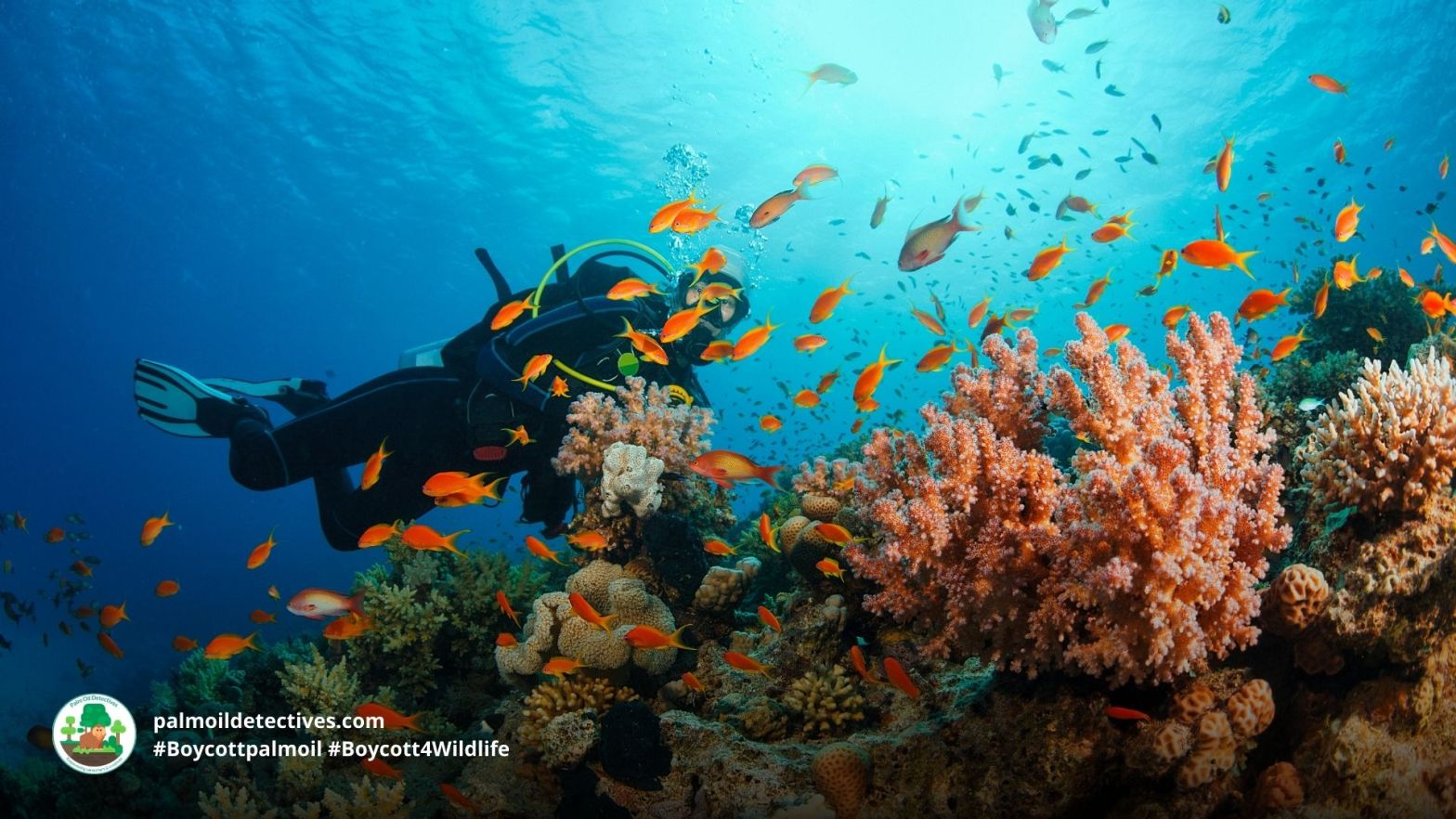
Do humans need other #species? Yes! millions of organisms are needed to keep #ecosystems in balance and ensure everyone can survive. Most importantly, #research shows other species make us happy! Be 🐱🐷🐎🐕🐠 #Vegan for the animals 🍅🥦 #BoycottPalmOil #Boycott4Wildlife
Palm oil substitutes can offer beleaguered rainforests a fighting chance
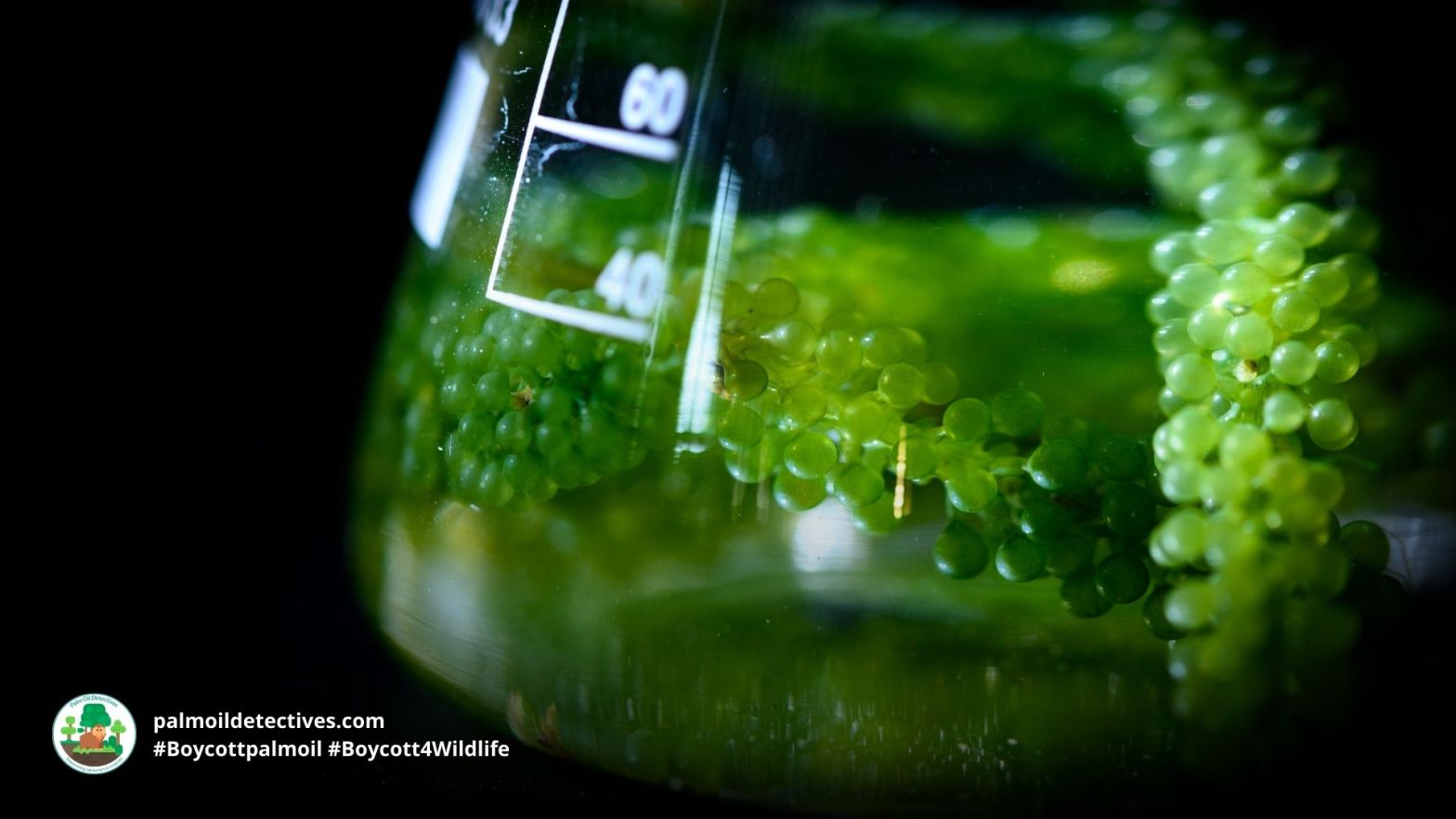
Palm oil is a versatile substance used in a wide range of products from foods to cosmetics. The trouble with it is that the cultivation of oil palm trees has caused massive enviromental harm, especially in Malaysia and Indonesia, which together account for 85% of palm oil production in the world.
But scientists from Nanyang Technological University in Singapore and the University of Malaya in Malaysia say they have an answer as to how we can wean ourselves off palm oil.
Seaweed is high in vitamins and minerals – but that’s not the only reason westerners should eat more of it
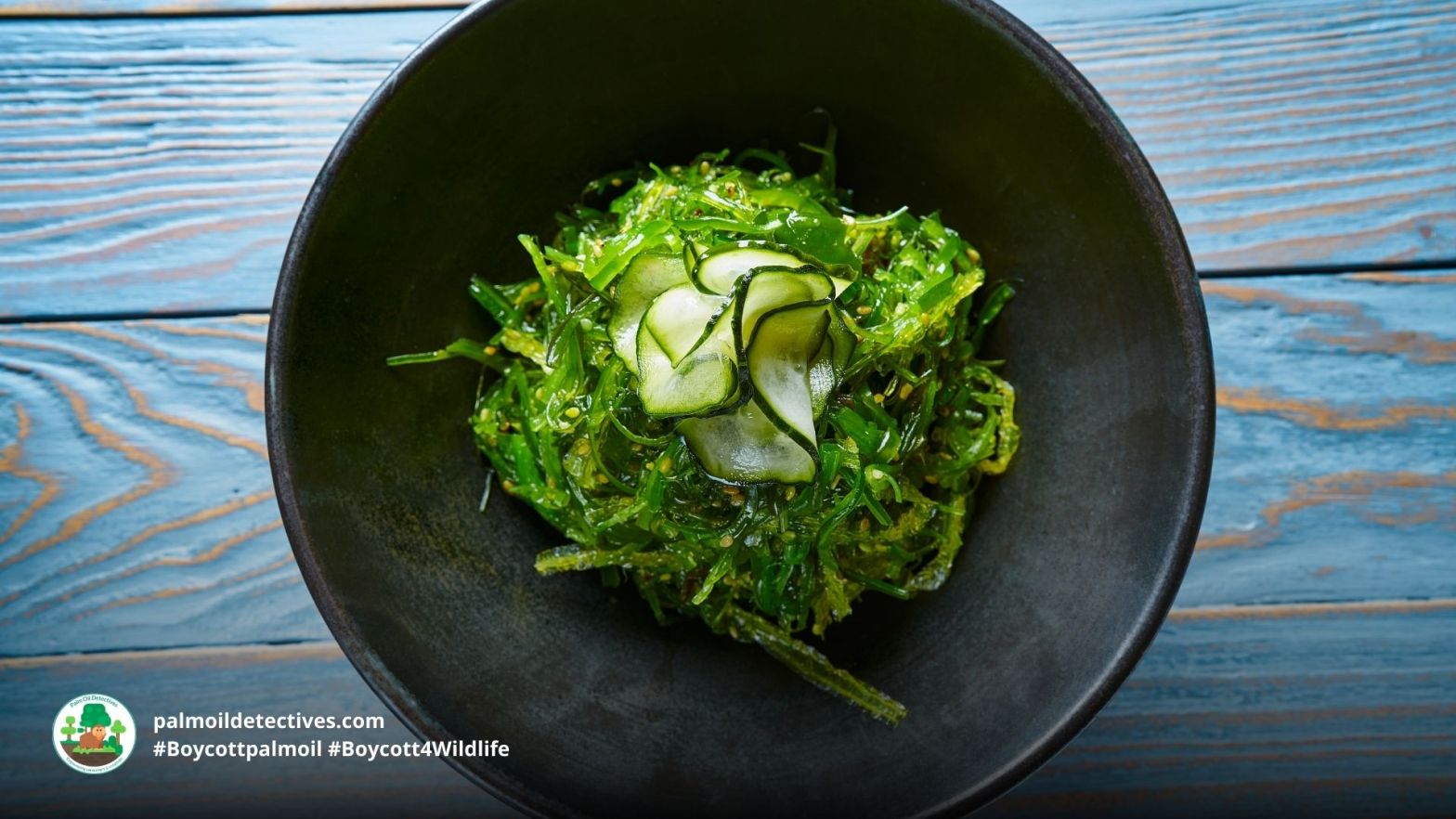
Edible seaweeds and algae – or sea vegetables – are a group of aquatic plants that are found in the ocean. Kelp, dulse, wakame and sea grapes are all types of seaweeds that are used in seaweed-based dishes. Seaweeds are a highly versatile and nutritious food source that can benefit our diet. Seaweeds are often rich in fibre and high in vitamins and minerals. This includes iodine and vitamin B12, which can be lacking in vegetarian and vegan diets.
Borneo’s bearded pig: forest gardener and eocosysem protector!
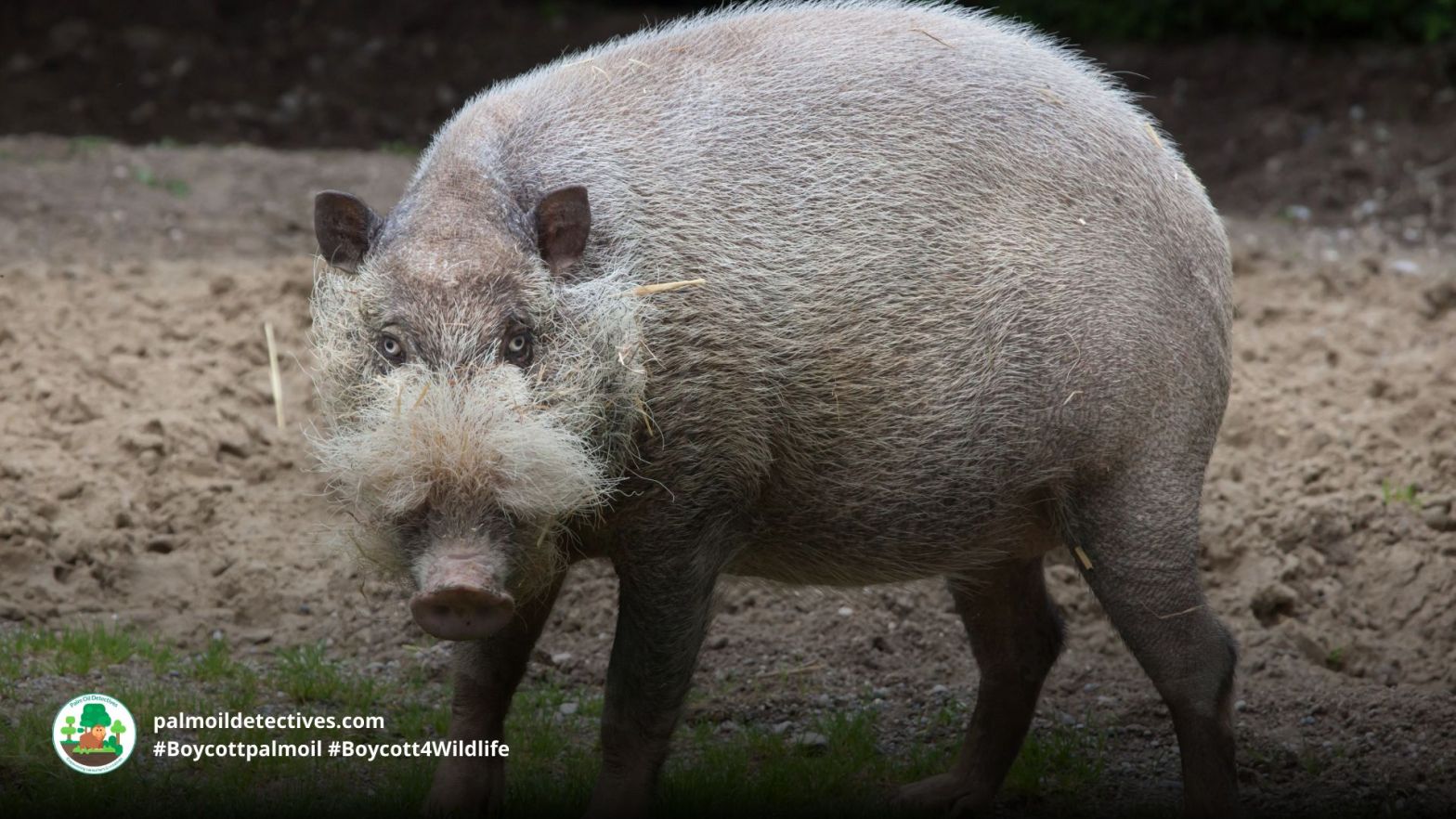
Borneo – fourth-largest island in the world, home to more than 20 million people. With so many well known species on the island like elephants, rhinos and orangutans, one species continues to fly under the radar. Sus barbatus AKA the Borneo Bearded Pig should be the most emblematic animal on the island. This wild boarContinue reading “Borneo’s bearded pig: forest gardener and eocosysem protector!”
Opinion: Seven strategies that offer hope for rainforests
Discover real hope for our planet’s rainforests. Explore seven strategies, from new technologies to innovative financing, that are brightening their future.
 Palm Oil Detectives