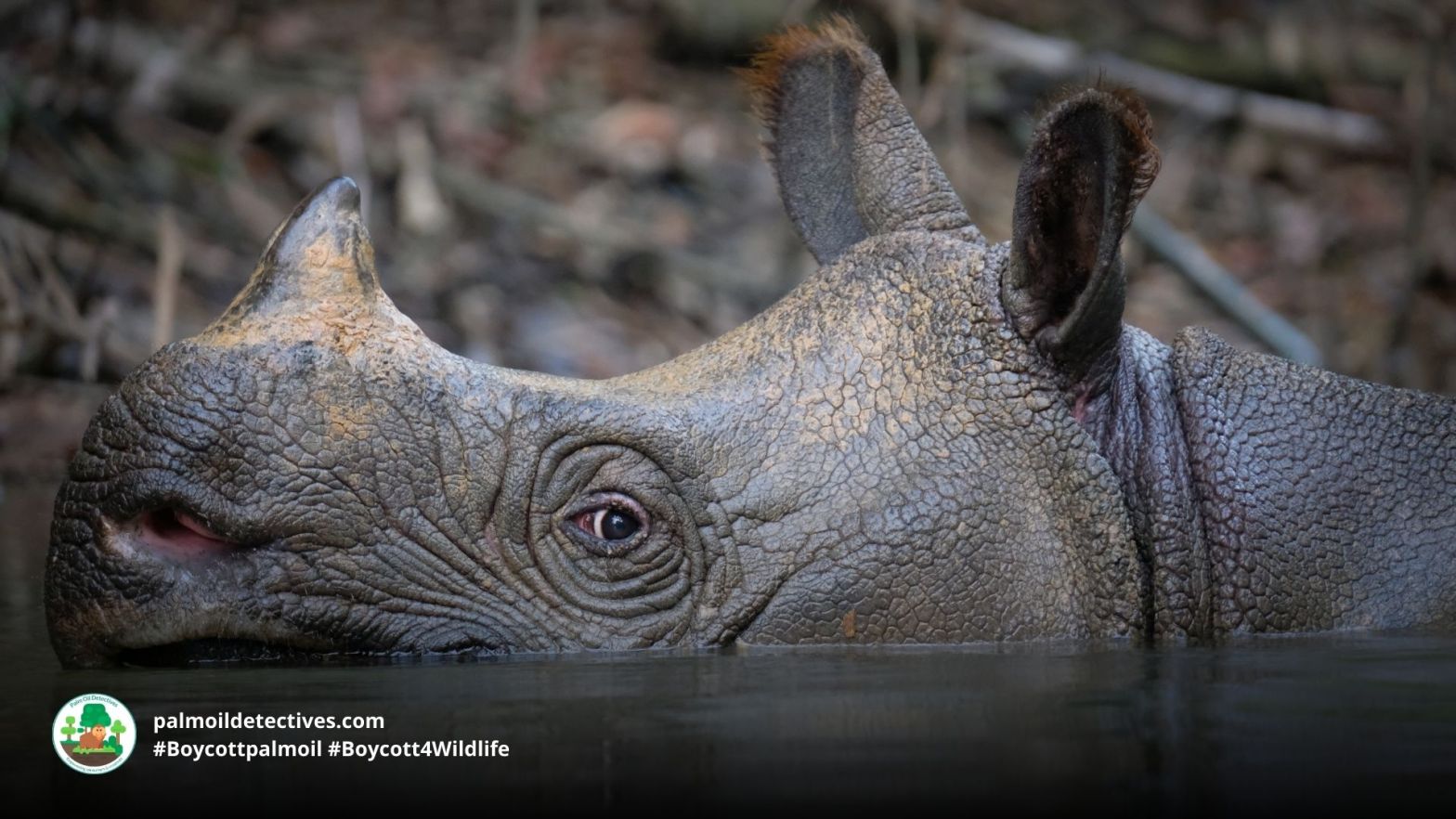
Celebrate #WorldRhinoDay by leaving the forests alone and #Boycottpalmoil in the supermarket to save Rhinos

Indonesia is home to two of the world’s five rhinoceros species. Both the Javan rhino Rhinoceros sondaicus and the Sumatran rhino Dicerorhinus sumatrensis still exist today, uniquely only in the country. In India’s north east, the Indian Rhino hangs on to survival. Yet their existence has become increasingly fragile due to the unrelenting growth of palm oil in both of these countries.

#WorldRhinoDay is 22nd Sept. But every day should be World Rhino Day as three of the five species of rhino may go extinct as a result of #palmoil #deforestation and illegal poaching. Fight for them each time you shop and be #vegan and #Boycottpalmoil #Boycott4Wildlife.

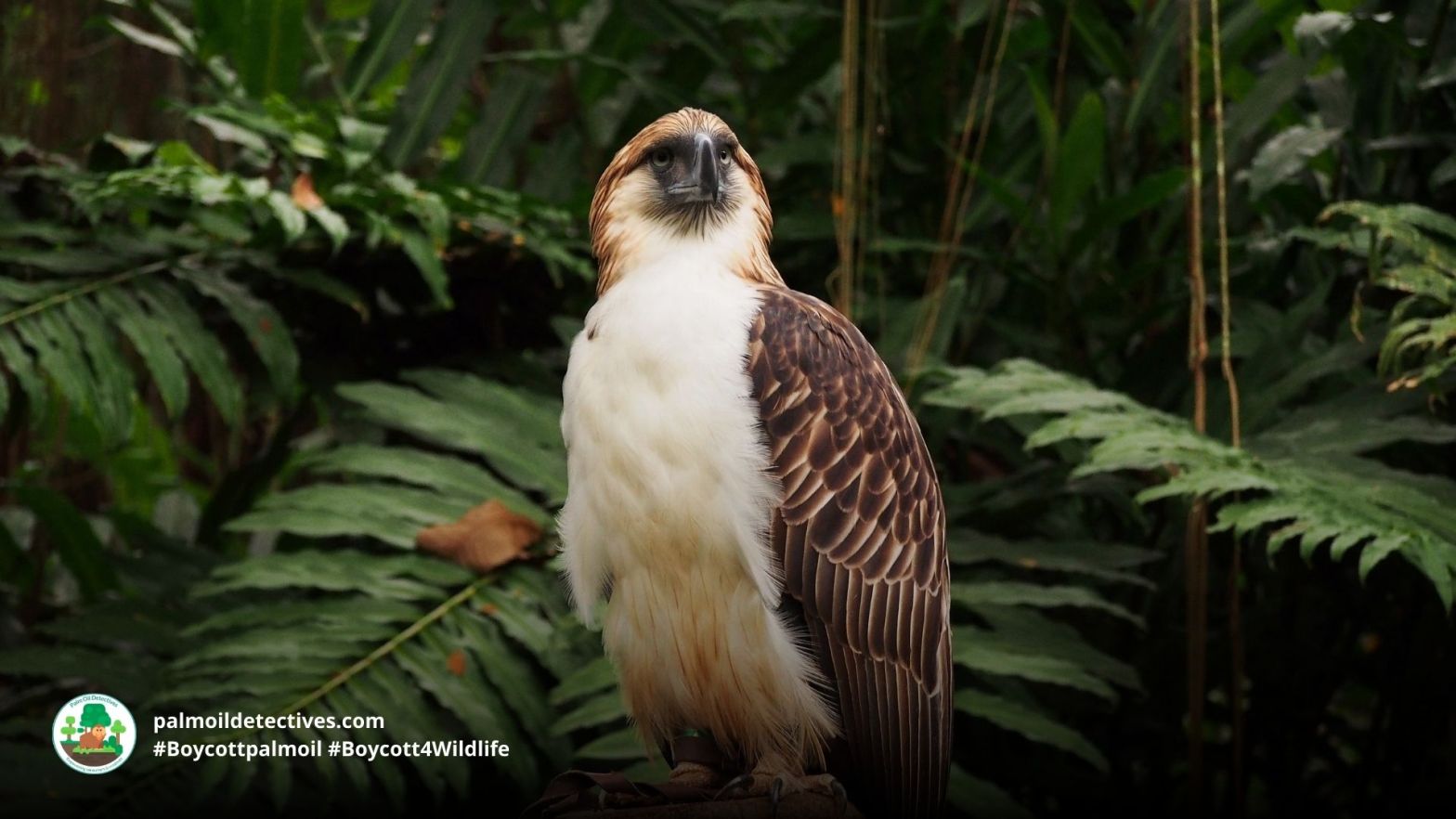
Philippine Eagle Pithecophaga jefferyi

Apex predator and flying royalty of the jungle, Philippine #Eagles are critically endangered from #climatechange, #palmoil, #timber and #cacao #deforestation and illegal #hunting.

There are estimated to be only 180-600 eagles left in the wild. Protecting the Philippine eagle would also protect 780 other plant and animal species in the Philippines. Help them every time you shop and #Boycottpalmoil #Boycott4Wildlife
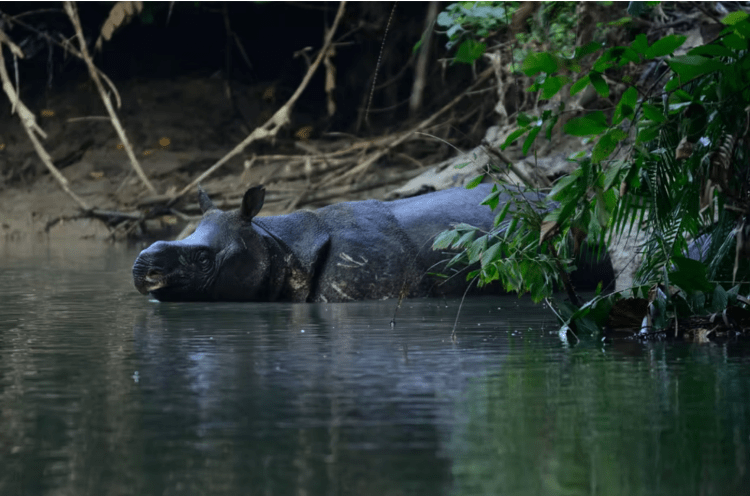
How do we protect the rapidly disappearing Javan Rhino?

With only 74 individuals left, the remarkable and beautiful Javan Rhino is on the brink of extinction and can be found on one of the most densely populated islands in the world – Java. Boycotting palm oil is how you can help them. Sunarto, Universitas Indonesia The Javan rhino was once found throughout many partsContinue reading “How do we protect the rapidly disappearing Javan Rhino?”

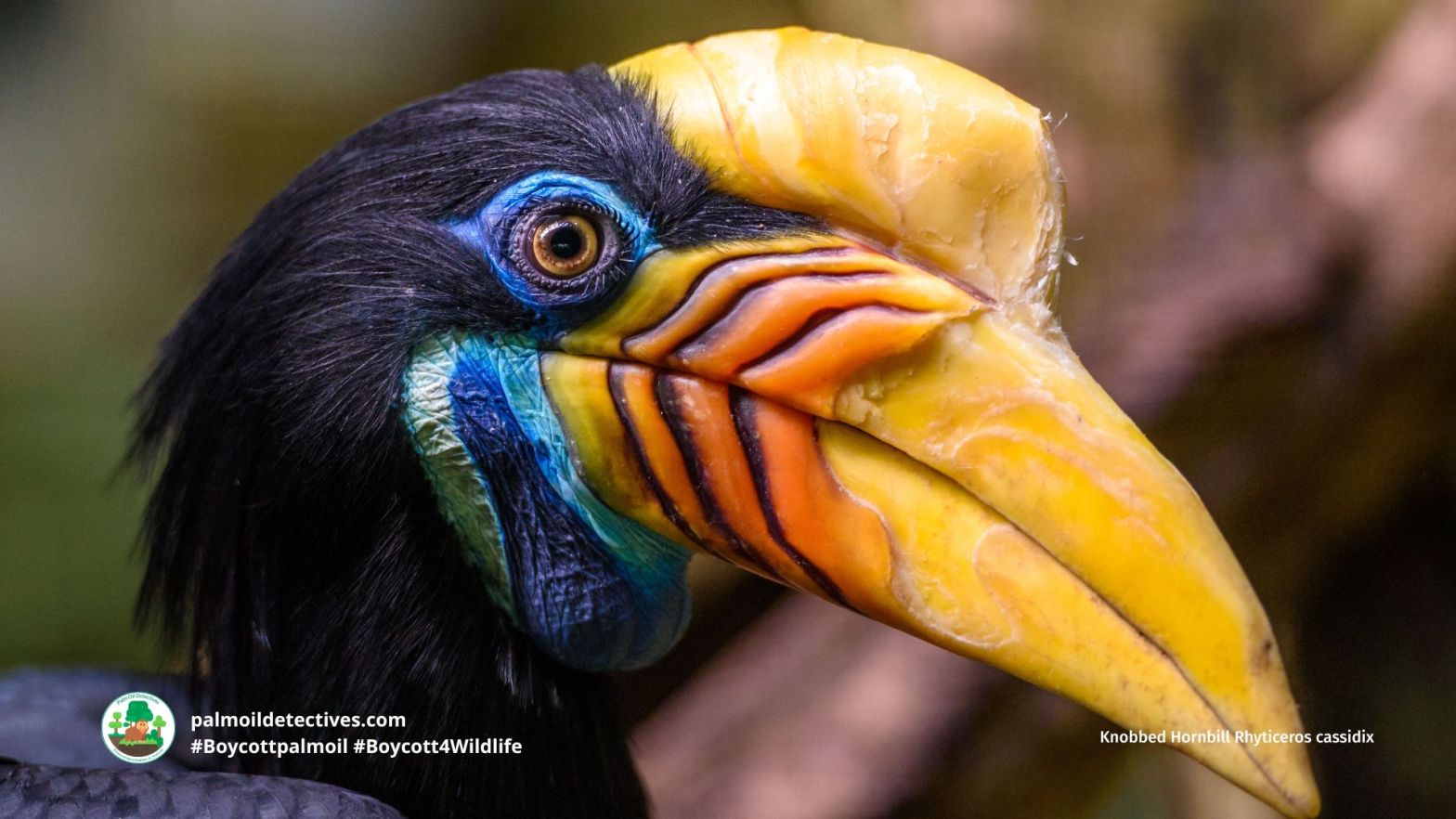
Knobbed Hornbill Rhyticeros cassidix

Knobbed Hornbills are important seed dispersers in Indonesia. Known for their unique social nature, save this striking bird, when you shop boycott palm oil!

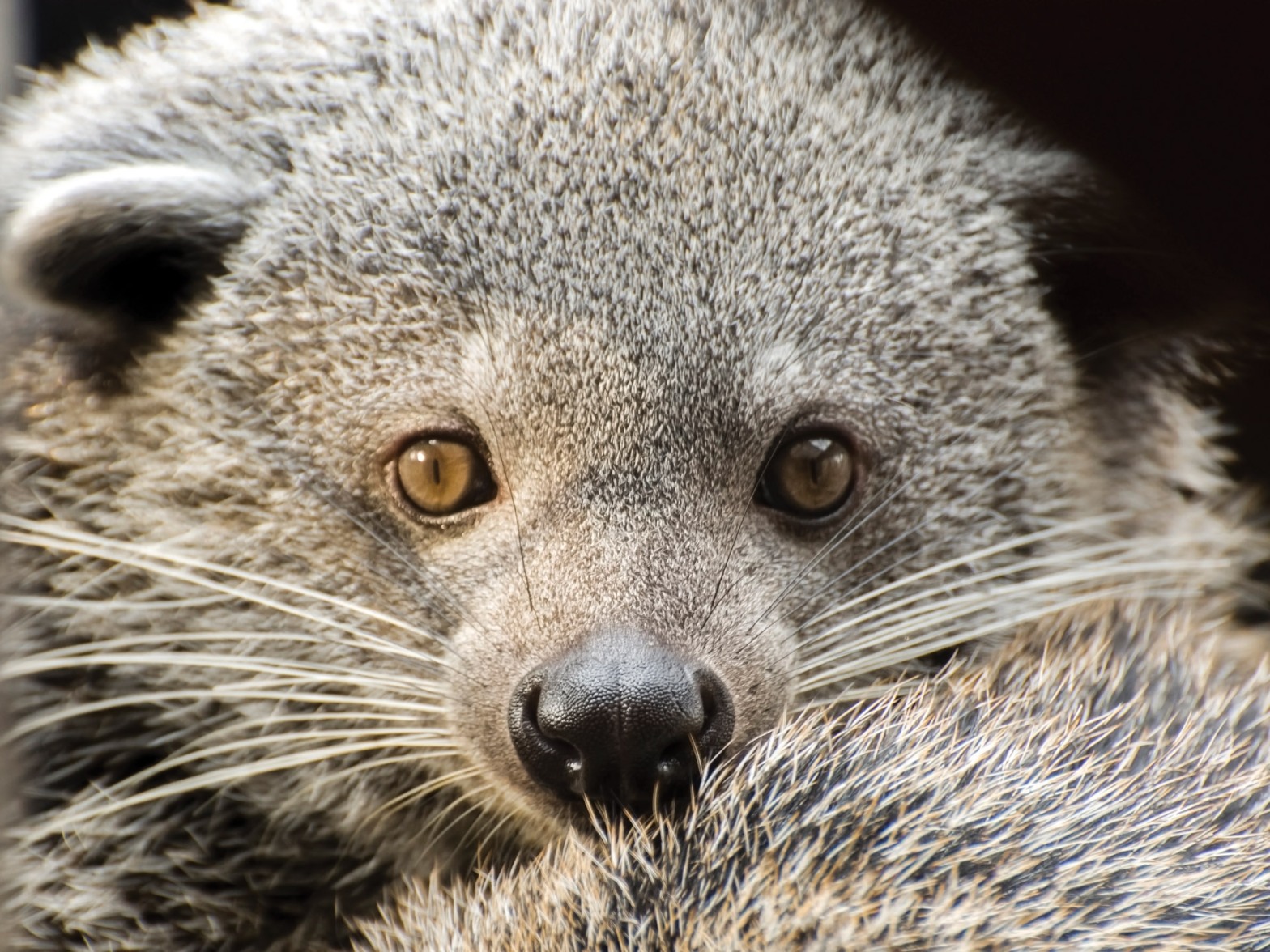
Binturong Arctictis binturong

You may smell a Binturong in the forest before you see them. They give off the aroma of buttered popcorn or cheesy crisps due to the a compound in their urine they use to attract mates. The binturong, Arctictis binturong, is a fascinating and rare mammal who roam the dense rainforests of Southeast Asia. Often called the “bearcat” due to their looks, binturongs are neither bears nor cats, but are more closely related to ferrets. With their prehensile tail, thick wiry fur, and a popcorn-like scent, these unique and irreplacible creatures play vital roles as seed dispersers, particularly for strangler figs (Ficus spp.), making them keystone species in their ecosystem.

Despite their ecological significance, the binturong is now classed as Vulnerable. Populations have plummeted due to habitat destruction, particularly for palm oil deforestation; along with illegal hunting, exploitation for the coffee market and the illegal bushmeat and pet trade. Protecting the majestic binturong requires urgent action to safeguard their rainforest home. Fight for them every time you use your wallet! #BoycottPalmOil #Boycott4Wildlife

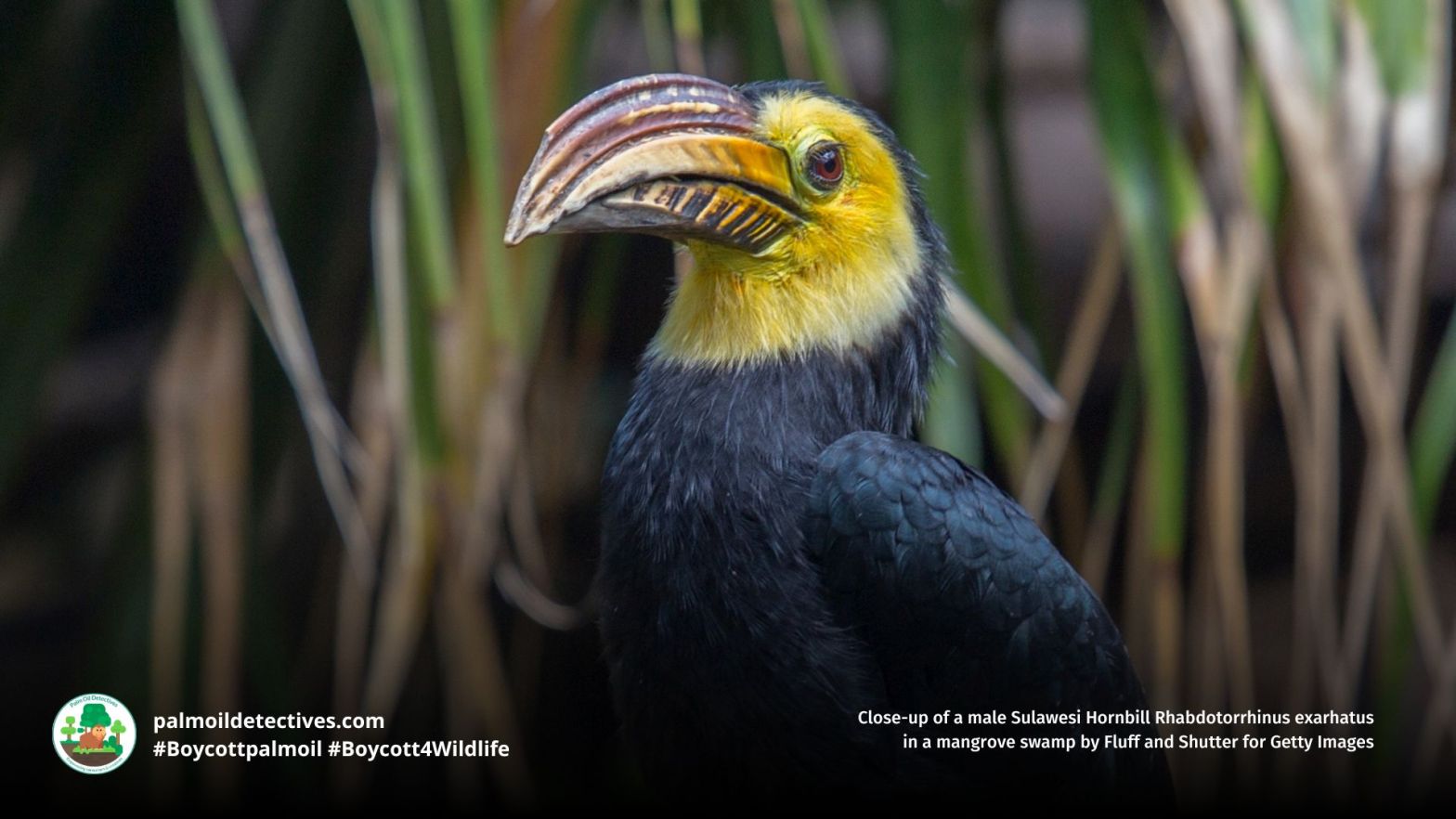
Sulawesi Hornbill Rhabdotorrhinus exarhatus

The Sulawesi hornbill (Rhabdotorrhinus exarhatus) is a striking and large yellow and black bird endemic to Sulawesi, Indonesia. Known for their unique vocalisations and social nature, including communal shared breeding practices, these medium-sized hornbills are integral to the rainforest ecosystem, acting as crucial seed dispersers for many important tree species.

Sadly, the Sulawesi hornbill is classified as Vulnerable due to habitat destruction from logging, agriculture, and palm oil plantations, as well as poaching for the illegal pet trade. Protecting their remaining rainforest habitats is essential to ensuring their survival. Fight for their survival every time you shop. #BoycottPalmOil #Boycott4Wildlife

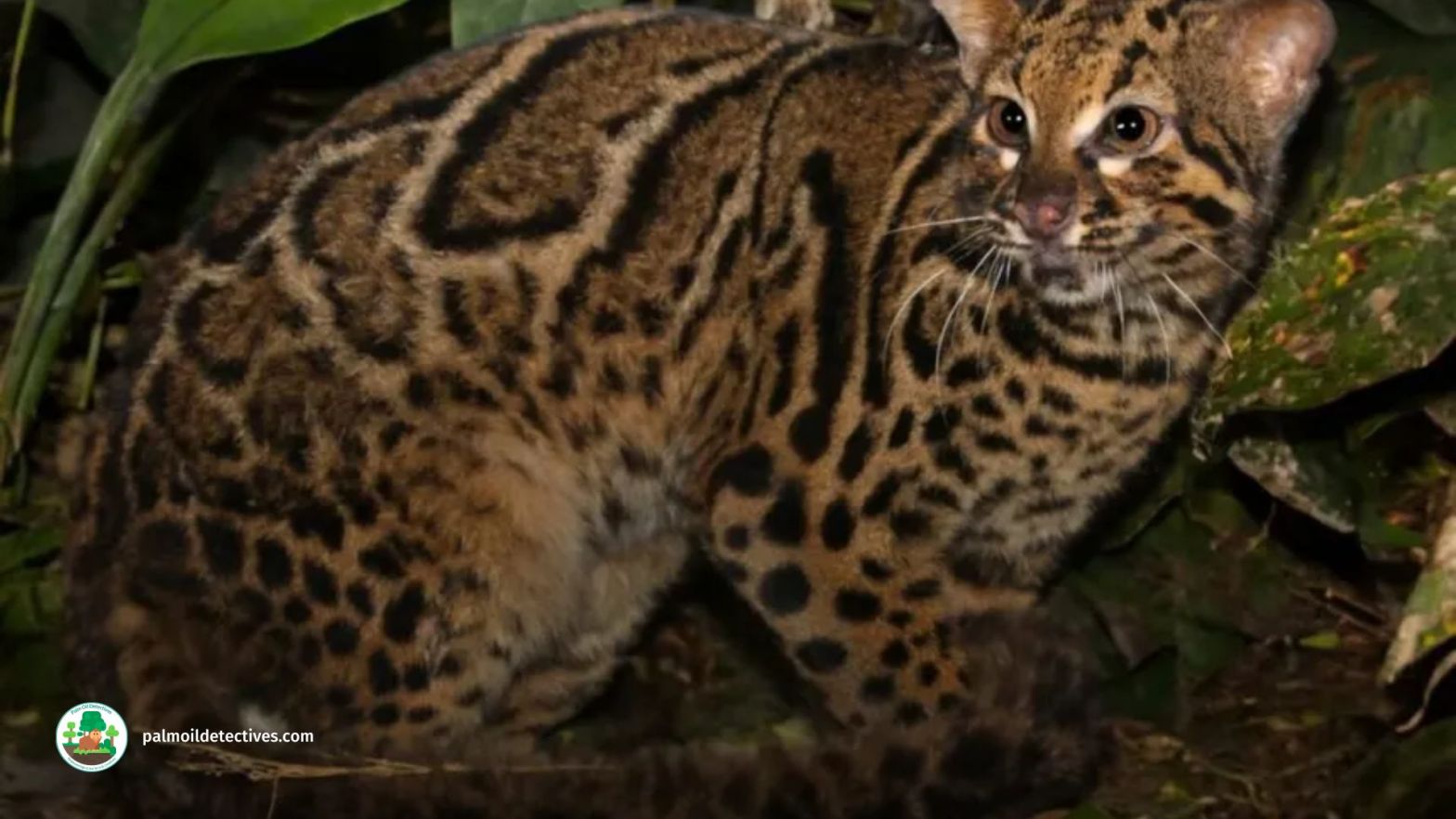
Marbled Cat Pardofelis marmorata

Marbled Cat Pardofelis marmorata IUCN Status: Near Threatened Location: India, Nepal, Bhutan, Bangladesh, Myanmar, Thailand, Laos, Vietnam, Cambodia, Malaysia, Indonesia (Sumatra, Borneo), China (Yunnan, Guangxi, Tibet), Brunei The marbled cat is a small #wildcat that can be found in the eastern part of the Himalayas and southern Asia. They are related to the Asian GoldenContinue reading “Marbled Cat Pardofelis marmorata”

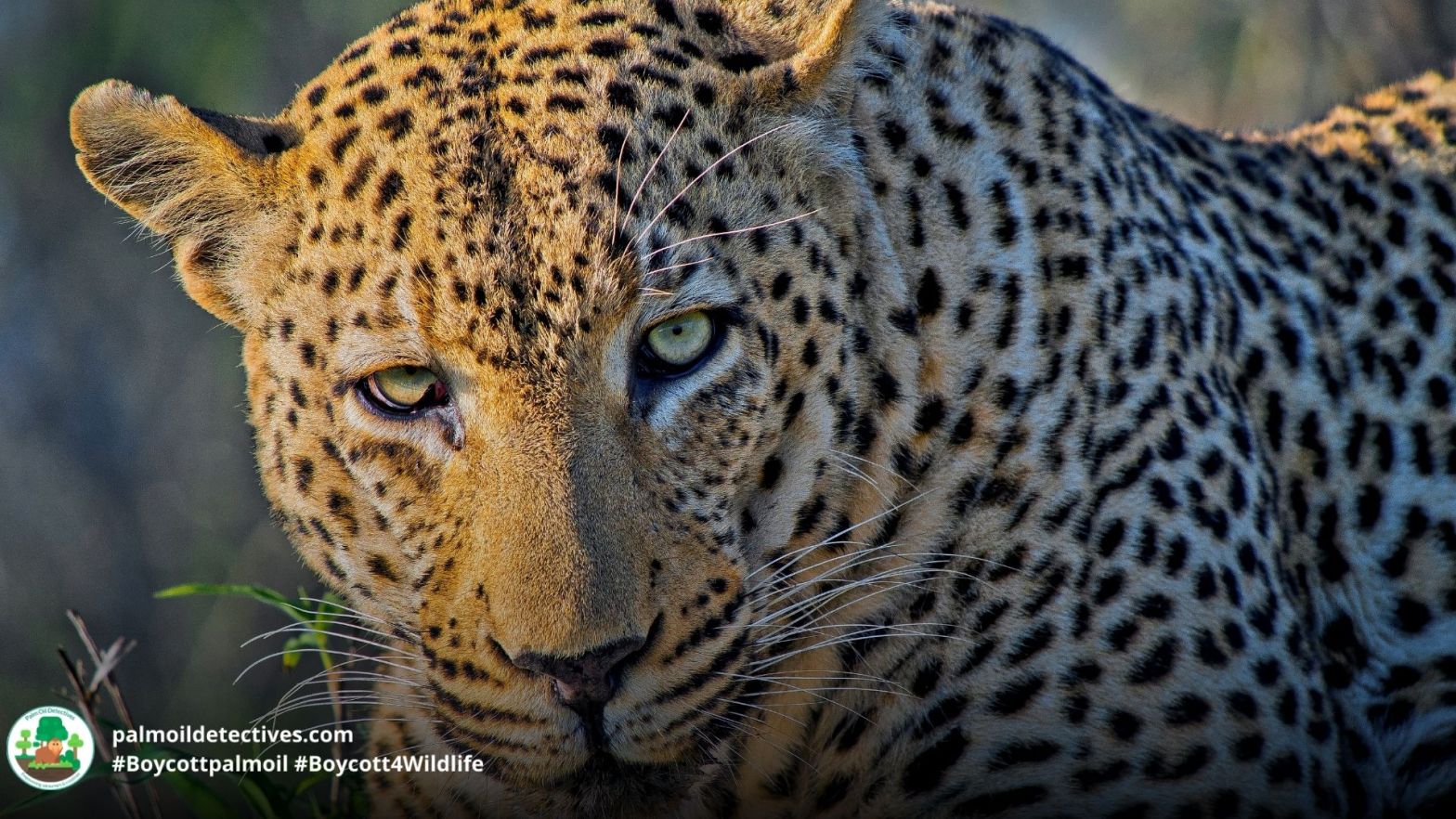
Leopard Panthera pardus

Of all the great cats prowling the wild, few inspire as much awe and fascination as the leopard Panthera pardus. Sleek, powerful, and enigmatic, leopards are found across a staggering range—from sub-Saharan Africa, forests of West Africa and the Middle East to Central Asia and the forests of Southeast Asia. Yet this extraordinary adaptability masks a disturbing truth. The leopard is currently listed as Vulnerable on the IUCN Red List, with some subspecies such as the Amur, Arabian, and Javan leopard are on the very brink of extinction. Across their range, these elusive big cats are being driven into ever-shrinking patches of habitat, with populations decimated by deforestation, rampant poaching, prey depletion, and the relentless spread of palm oil plantations and other monoculture. Help leopards every time you shop and #BoycottPalmOil #Boycott4Wildlife

King Cobra Ophiophagus hannah

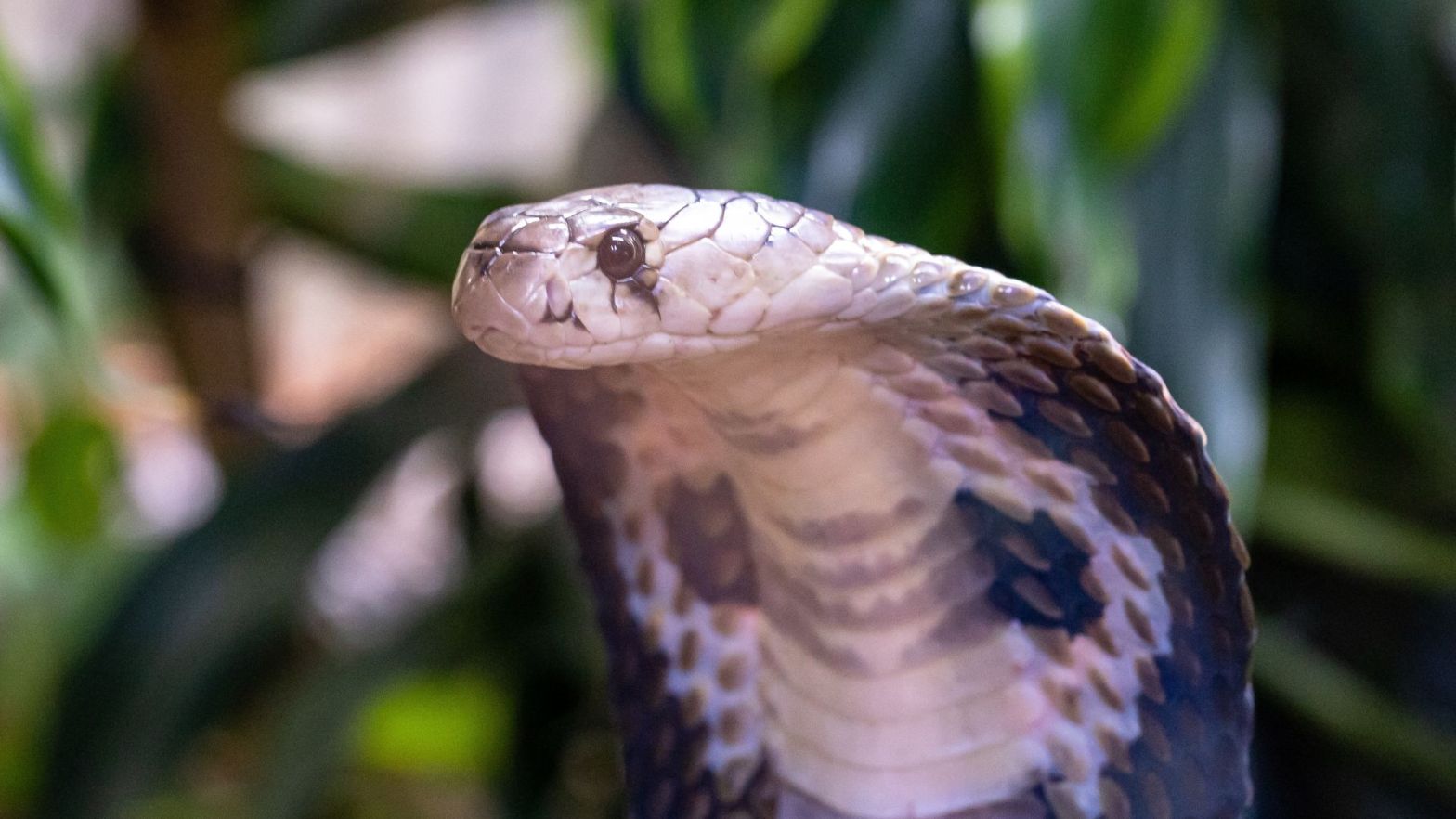
Known as the serpentine king of the jungle in South East Asia, and inspiration for the villain Kaa in the Jungle Book, the King Cobra lives in many different environments, including pristine forests, degraded forests, mangroves, swamps and woodlands of #Thailand, #Cambodia, #Malaysia, #Laos, #Vietnam, #Bangladesh and #India. Their main threat is human-wildlife conflict and ongoing persecution. Palm oil deforestation and other agricultural expansion is also a big threat throughout their range. The world’s largest venomous #snake has a neurotoxic bite powerful enough to kill twenty people or an adult elephant. Sadly, these majestic creatures are persecuted for this reason and do not have adequate protection. Help them every time you shop and #Boycottpalmoil #Boycott4Wildlife
Spectral Tarsier Tarsius tarsier

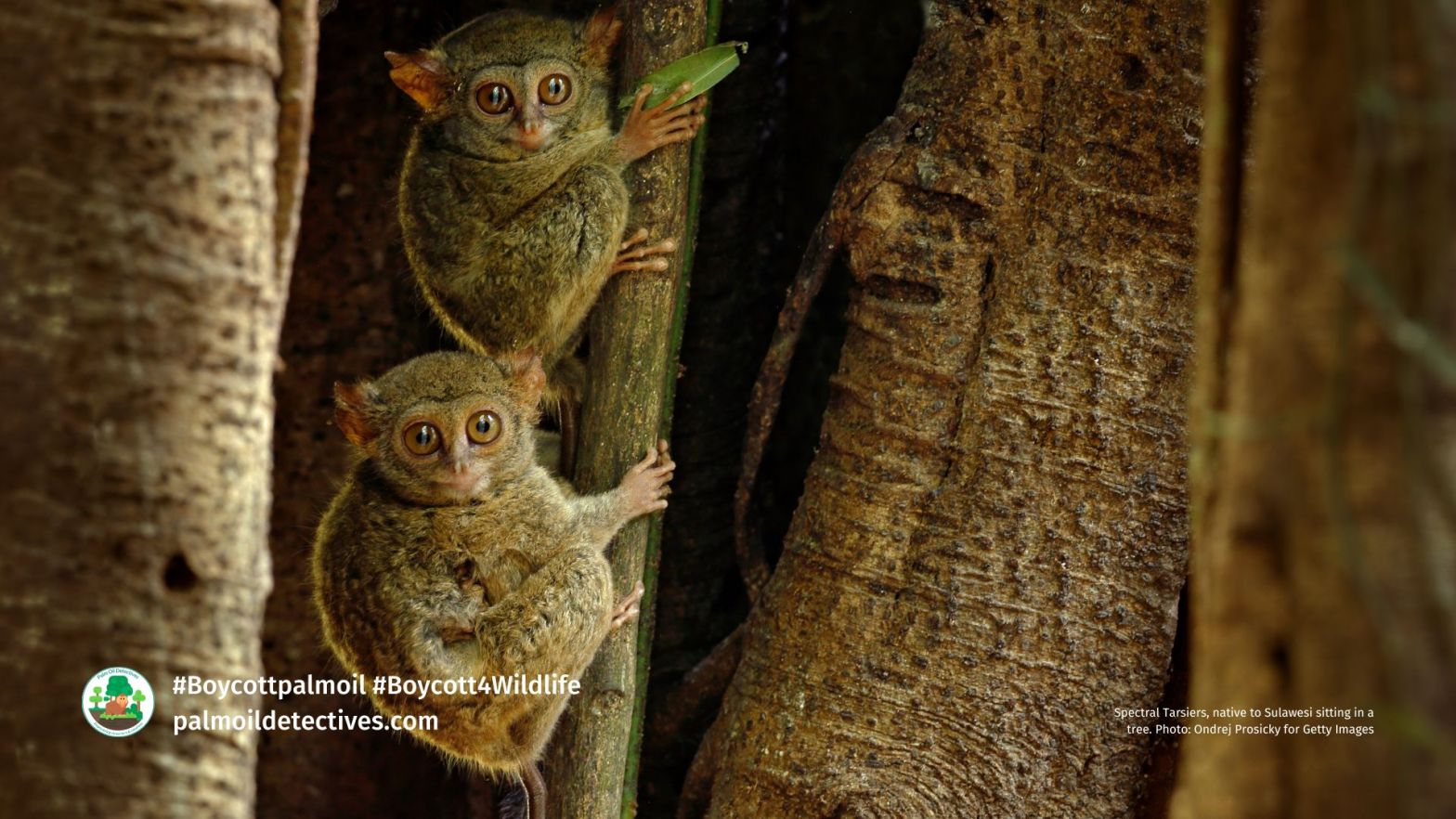
The Spectral Tarsier Tarsius tarsier is one of the smallest and most endearing #primates in the world. With the largest eye-to-body ratio of any #mammal, this wide-eyed, nocturnal #insectivore is found only in #Sulawesi and nearby Indonesian islands. Although they show some tolerance to human-altered landscapes, they are listed as #Vulnerable by the Red List due to rampant #deforestation for #palmoil and #timber agriculture, limestone #mining, #pesticide use and agricultural #pollution and the illegal pet trade. These elusive primates are declining fast. Use your wallet as a weapon: always choose products that are 100% palm oil-free and never support the exotic pet trade.#BoycottPalmOil #Boycott4Wildlife #Vegan

Bengal Slow Loris Nycticebus bengalensis

The Bengal Slow Loris’s are wide-eyed beauties that are arboreal and nocturnal and live in tropical evergreen rainforest, semi-evergreen forest, and mixed deciduous forest. They are the largest loris species and feed predominantly on plant sap. They are now endangered in Malaysia and other parts of South East Asia, their primary threats are illegal capture for the pet trade and #palmoil #deforestation throughout their range. Help them every time you shop and #Boycottpalmoil #Boycott4Wildlife
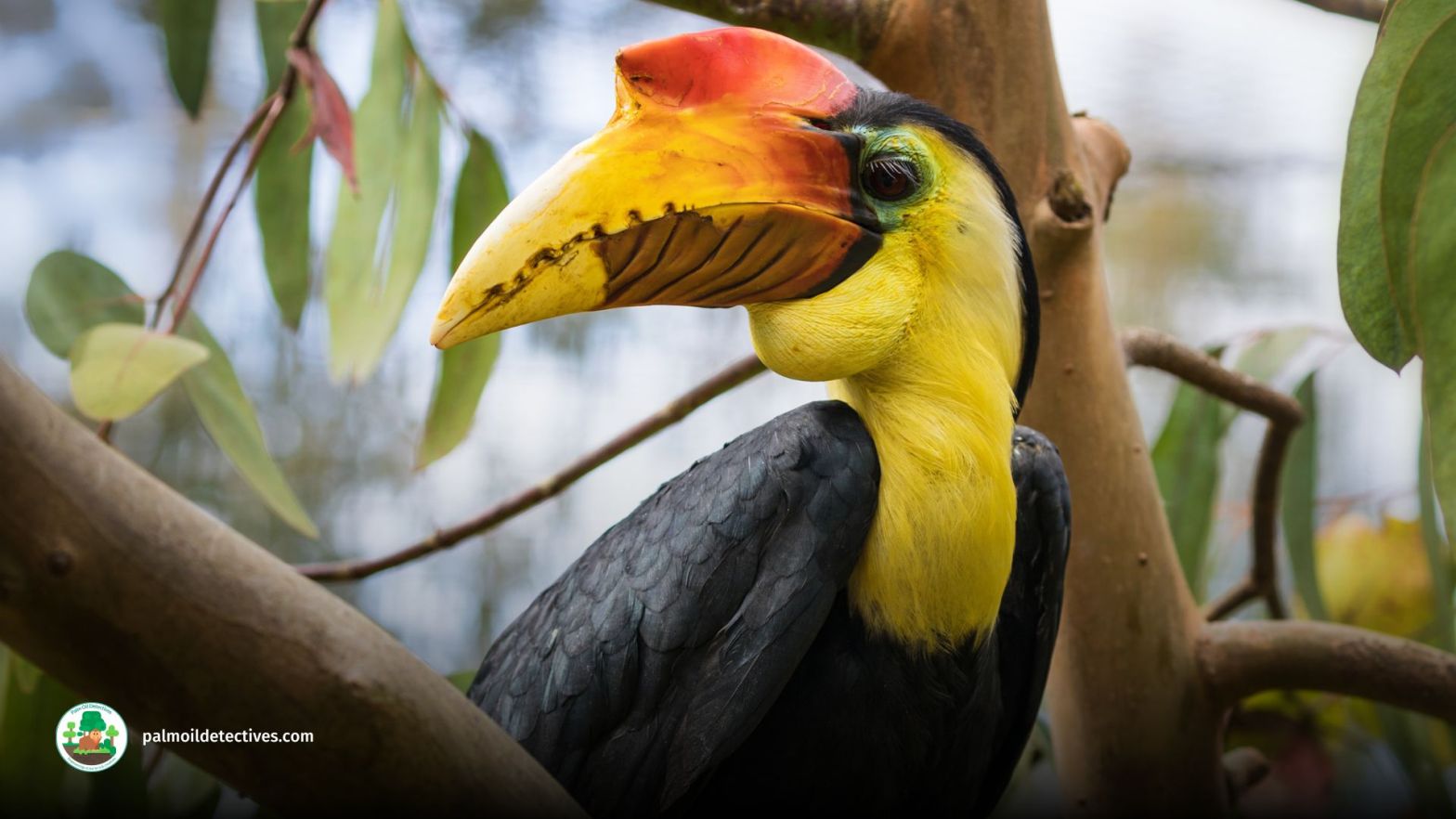
Wrinkled Hornbill Rhabdotorrhinus corrugatus

Discover the fascinating world of the Wrinkled Hornbill. These ancient and magnificent birds thriving in lush primary evergreen and swamp forests up to 1,000 meters above sea level. Unfortunately, their habitat faces threats from forest fires and the conversion of lowland forests into large-scale palm oil and rubber plantations, along with small-scale agriculture. These majestic creatures rely on large trees for nesting, putting them at risk due to logging. But we can help! By boycotting palm oil and adopting a #vegan lifestyle, we can protect the Wrinkled Hornbills and their precious home. Let’s come together and make a positive impact for wildlife preservation. 🌳🐦💚 #Boycottpalmoil #Boycott4Wildlife
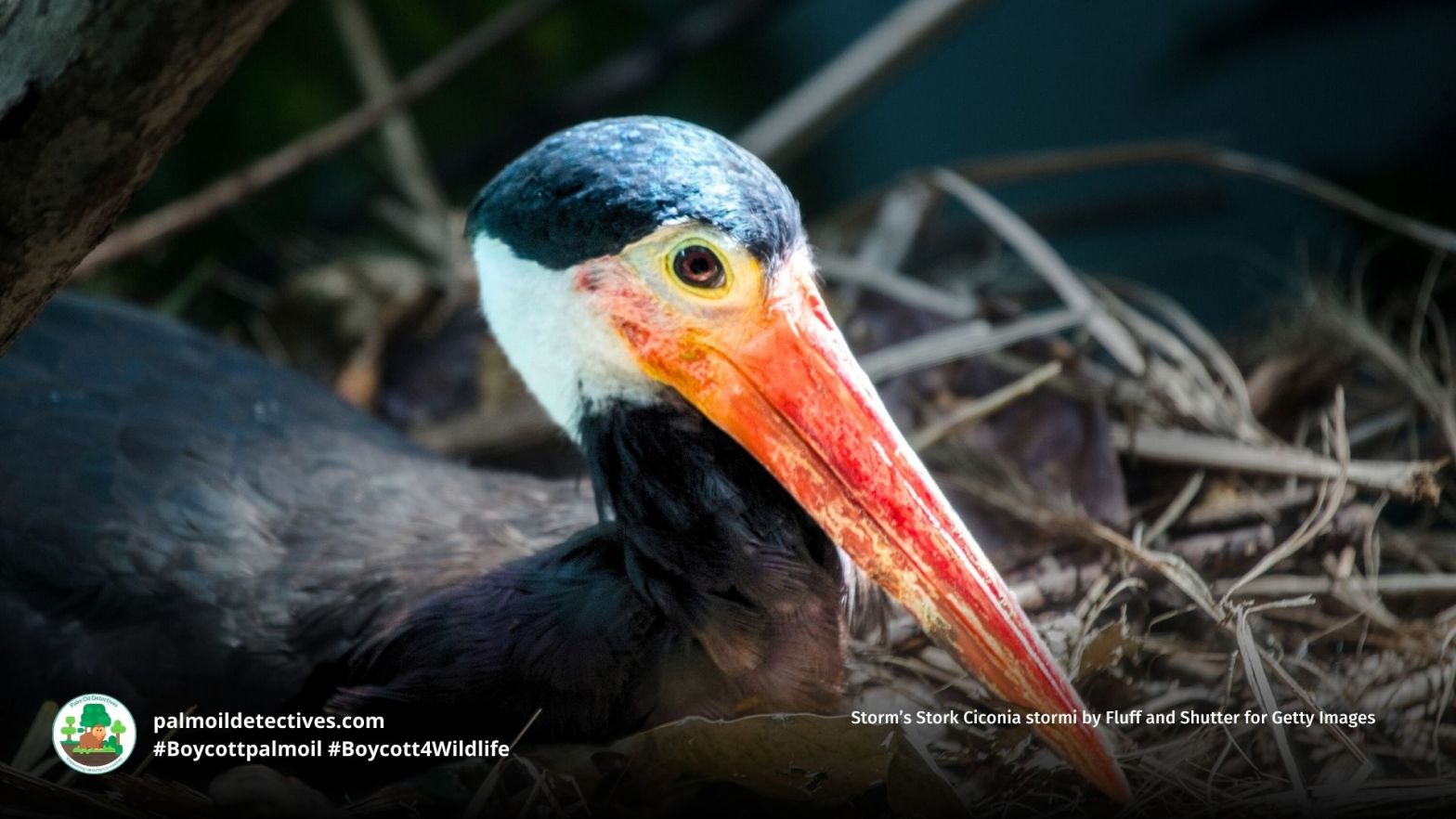
Storm’s Stork Ciconia stormi

Storm’s Stork Ciconia stormi is the rarest and most elusive stork in Asia, palm oil is a threat boycott palm oil for them!

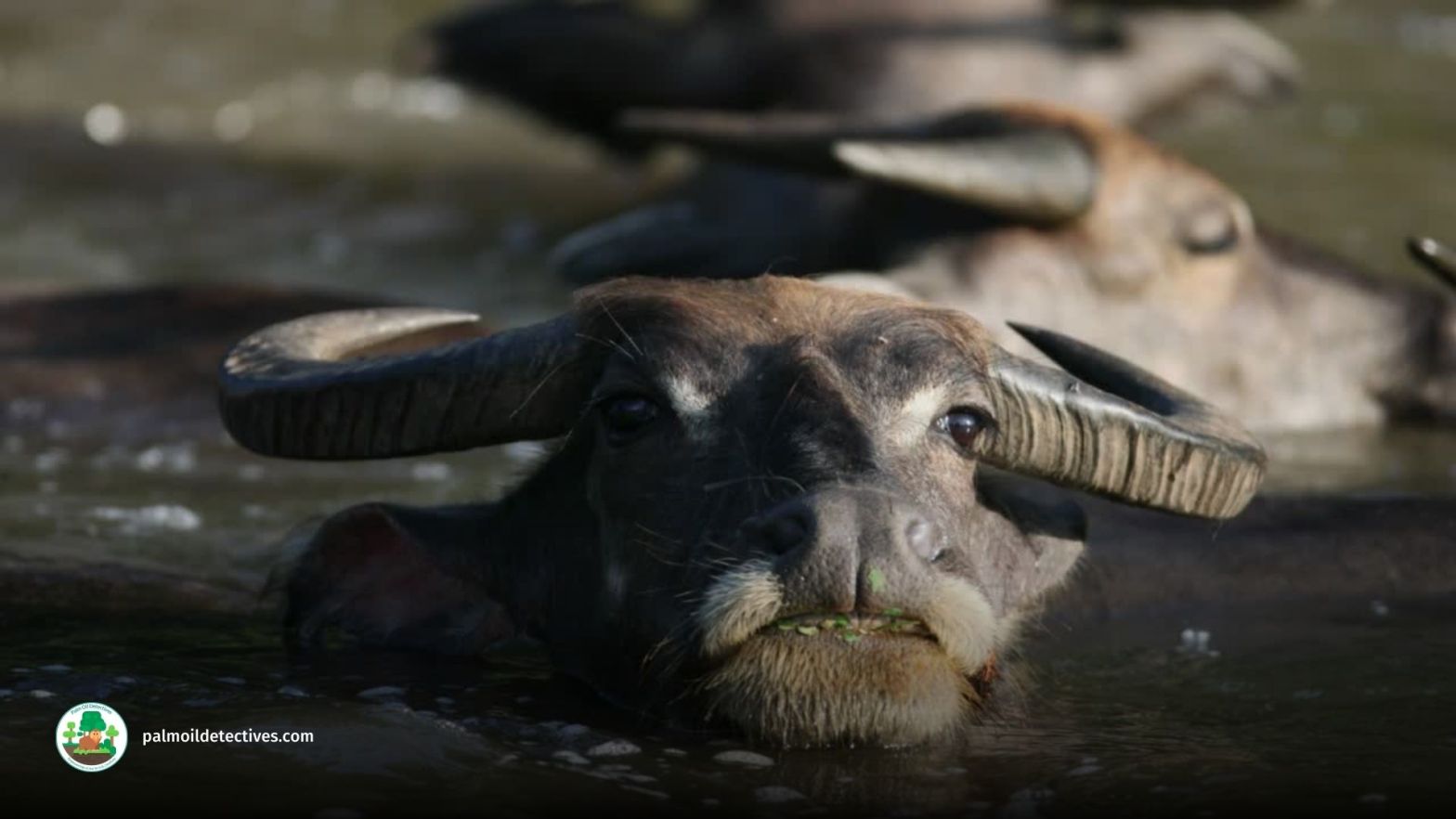
Wild Water Buffalo Bubalus arnee

Massive, muscular, and critically under threat, the Wild Water Buffalo Bubalus arnee is the endangered ancestor of all domestic buffalo breeds. Once roaming vast swathes of South and Southeast Asia, fewer than 4,000 individual buffaloes remain today, scattered across shrinking habitats in India, Nepal, Cambodia, and a handful of neighbouring nations. Their decline is driven by interbreeding with domestic buffalo species, habitat destruction from farming and palm oil plantations, hunting, and disease transmission from livestock. This ancient grazer of flooded grasslands and braided rivers is vanishing before our eyes. Speak out for them and support indigenous-led efforts to restore their ecosystems. #BoycottPalmOil #Boycott4Wildlife

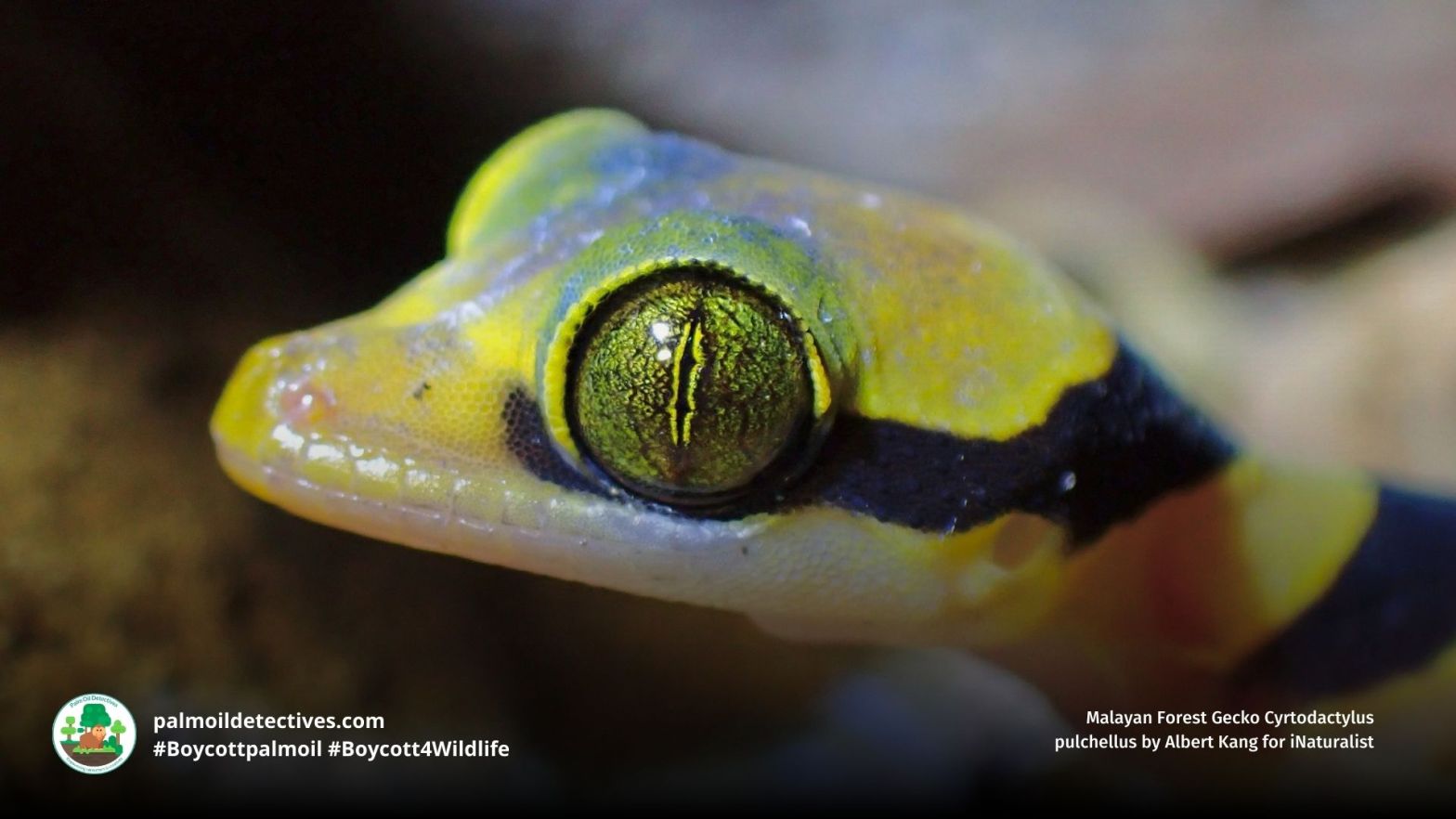
Malayan Forest Gecko Cyrtodactylus pulchellus

The Malayan Forest Gecko, a rare reptile endemic to Peninsular Malaysia’s dense rainforests, is in grave danger due to deforestation for palm oil plantations

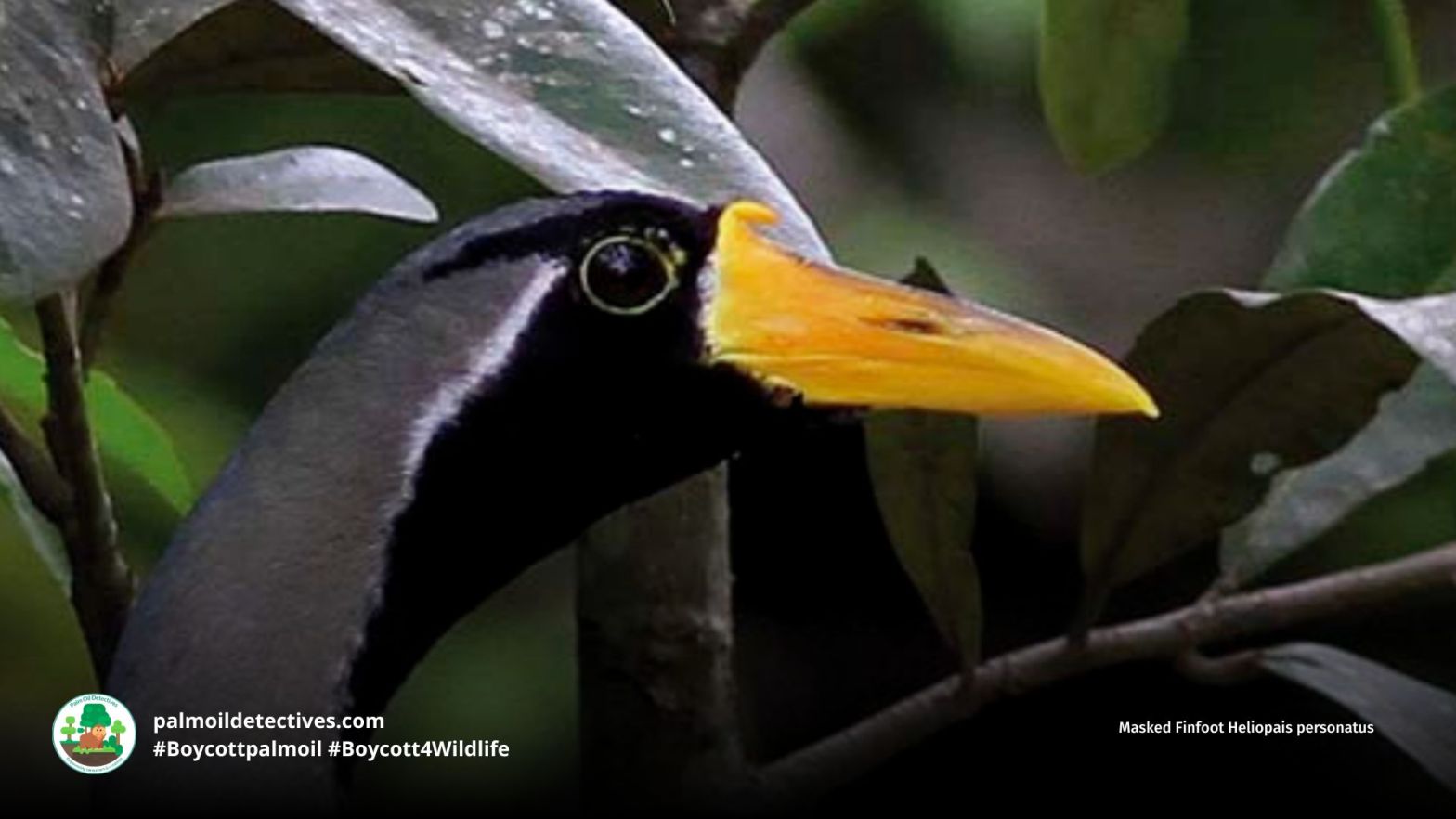
Masked Finfoot Heliopais personatus

The Masked Finfoot is vanishing before our eyes. These rare and secretive waterbirds are in freefall due to palm oil expansion and habitat destruction.

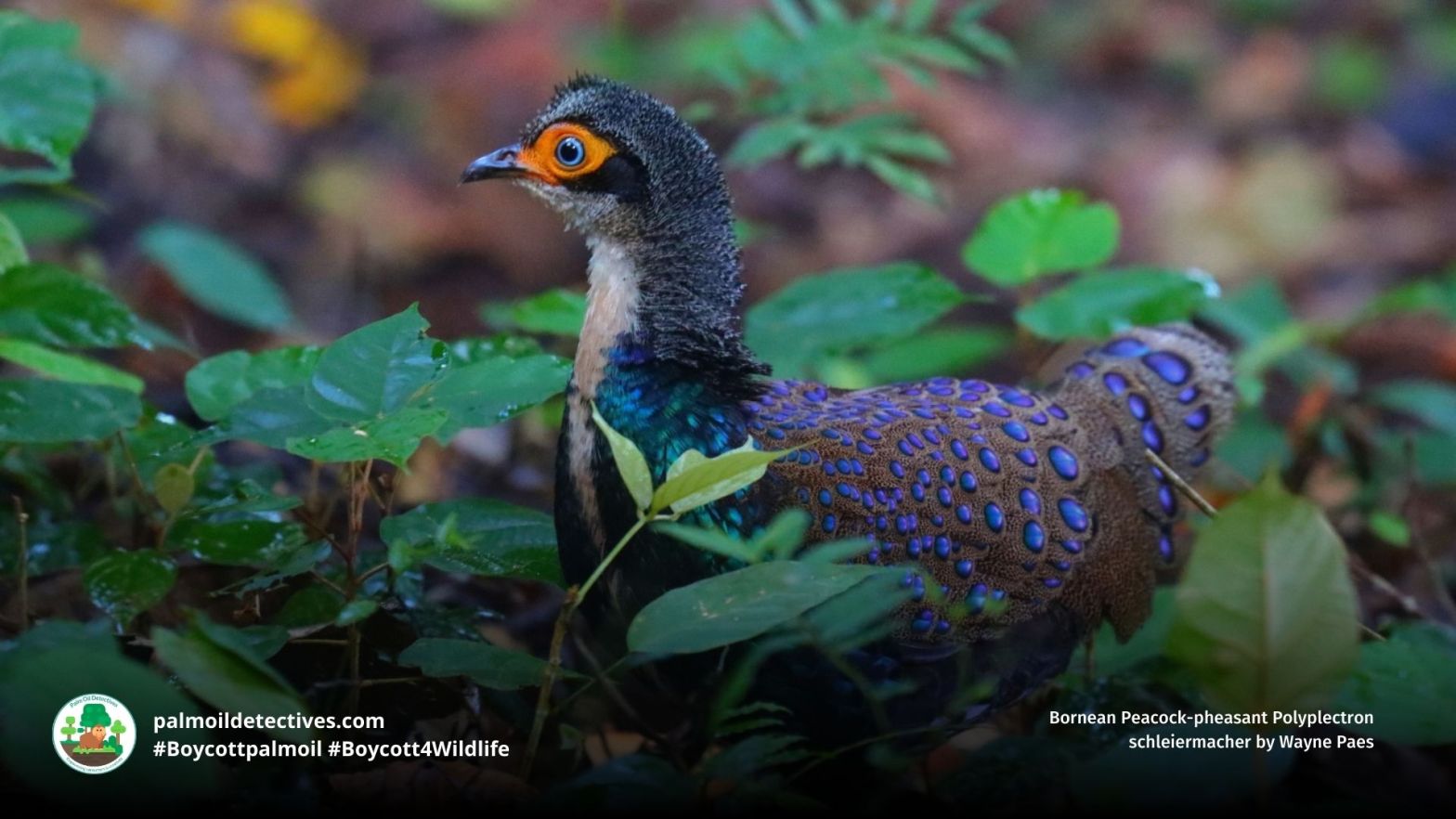
Bornean Peacock-pheasant Polyplectron schleiermacheri

Protect Borneo’s elusive Peacock-Pheasant. These rare birds, known for their iridescent plumage, face a grave threat from out-of-control palm oil plantations

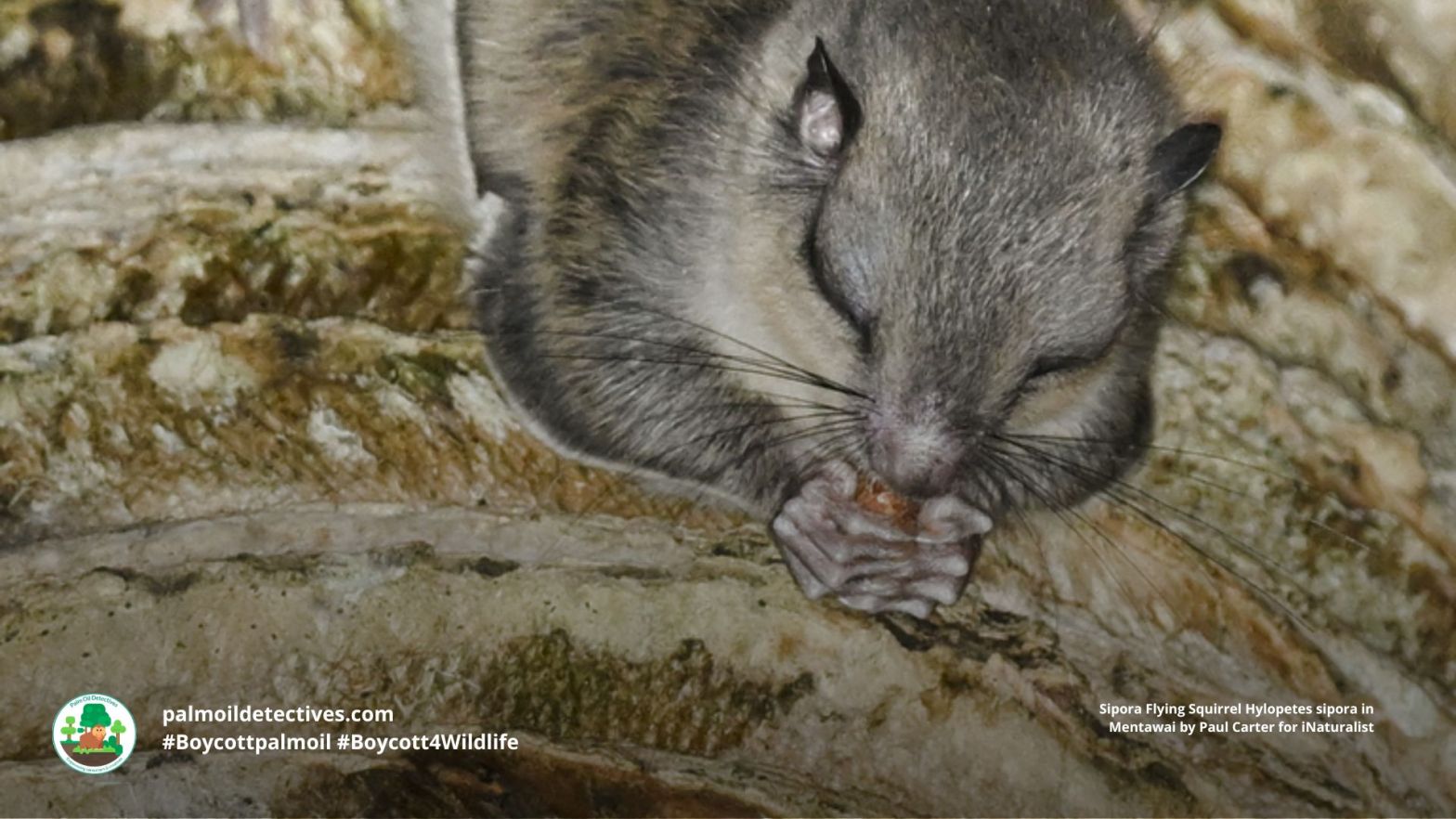
Sipora Flying Squirrel Hylopetes sipora

On the small, forested island of #Sipora, #Indonesia the Sipora flying #squirrel Hylopetes sipora drifts silently between ancient trees. This rare squirrel is found nowhere else on earth. At night, the Sipora flying squirrel emerges from the hollows of towering trees, their large eyes scanning the dim canopy. With a sudden leap, they unfold their patagium—a membrane stretching from wrist to ankle—and glide effortlessly through the air, landing on a distant branch with barely a sound. The forests of Sipora are being cleared for #timber, charcoal and #palmoil, leaving the Sipora flying squirrel with fewer places to hide. Use your wallet as a weapon and #BoycottPalmOil #Boycott4Wildlife.

Mentawi Flying Squirrel Iomys sipora

Endemic to Indonesia’s Mentawai Islands, these rare and beautiful gliding mammals are endangered due to deforestation. Boycott palm oil for their survival

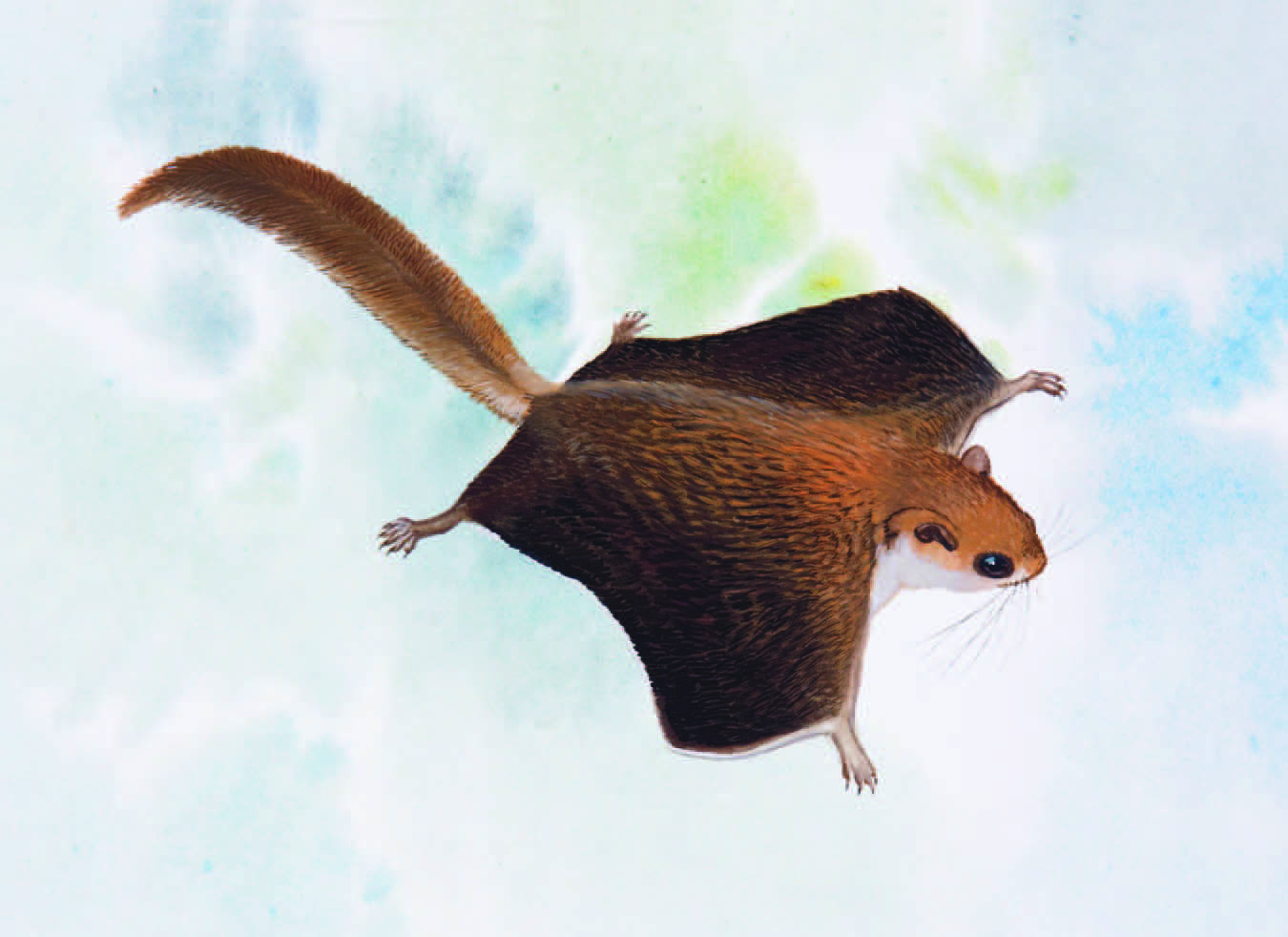
Vordermann’s Flying Squirrel Petinomys vordermanni

In #Borneo’s twilight, the Vordermann’s flying #squirrel emerges from her nest, resplendent with orange cheeks and black-ringed eyes. This small, #nocturnal #mammal is a master of the rainforest canopy. They use an ingenious membrane called a patagium to effortlessly glide between trees. A flying squirrel’s world is one of constant motion and quiet vigilance. Don’t let this world disappear! The forests that sustain them are vanishing at an alarming rate. Palm oil-driven deforestation, logging, and land conversion are tearing through their habitat, leaving only fragmented forest. Use your wallet as a weapon and #BoycottPalmOil #Boycott4Wildlife.

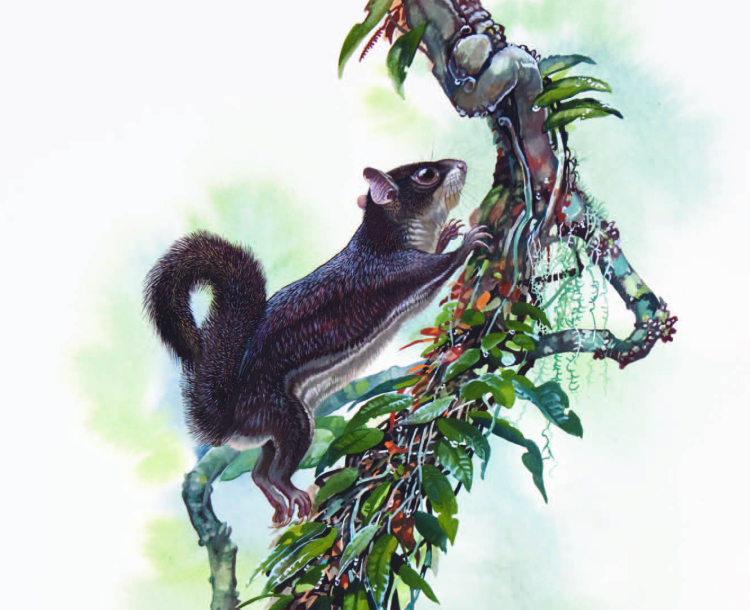
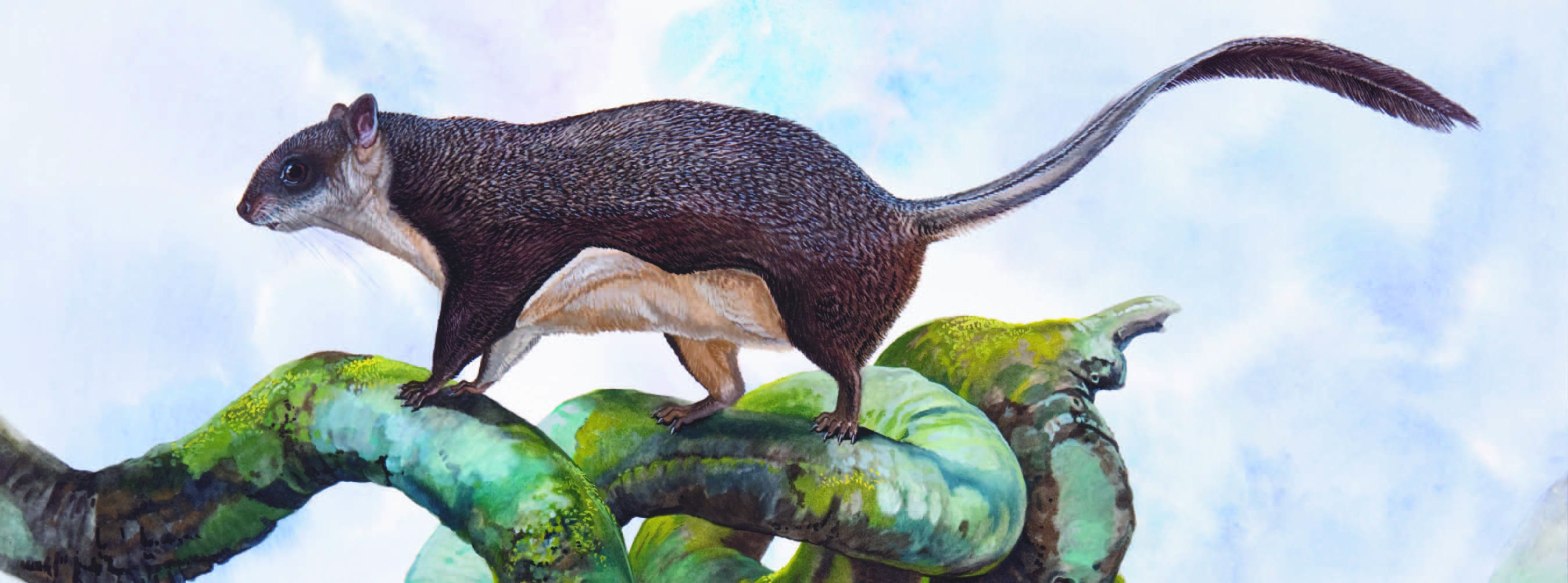
Smoky Flying Squirrel Pteromyscus pulverulentus

The Smoky Flying Squirrel (Pteromyscus pulverulentus) is a rare and elusive creature silently and gracefully gliding between the towering canopies of Southeast Asia’s rainforests. With their smoky-grey fur, expansive gliding membrane, and bushy tail, these squirrels are perfectly adapted to a dynamic life on the move in the treetops.

Classified as Endangered by the IUCN, their populations are dwindling and at a critical all time low due to habitat destruction from timber logging, palm oil plantations, and agricultural expansion. This fleet footed nocturnal marvel symbolises the fragile ecosystems of Southeast Asia. Protect them by boycotting palm oil and fighting deforestation. #BoycottPalmOil #Boycott4Wildlife

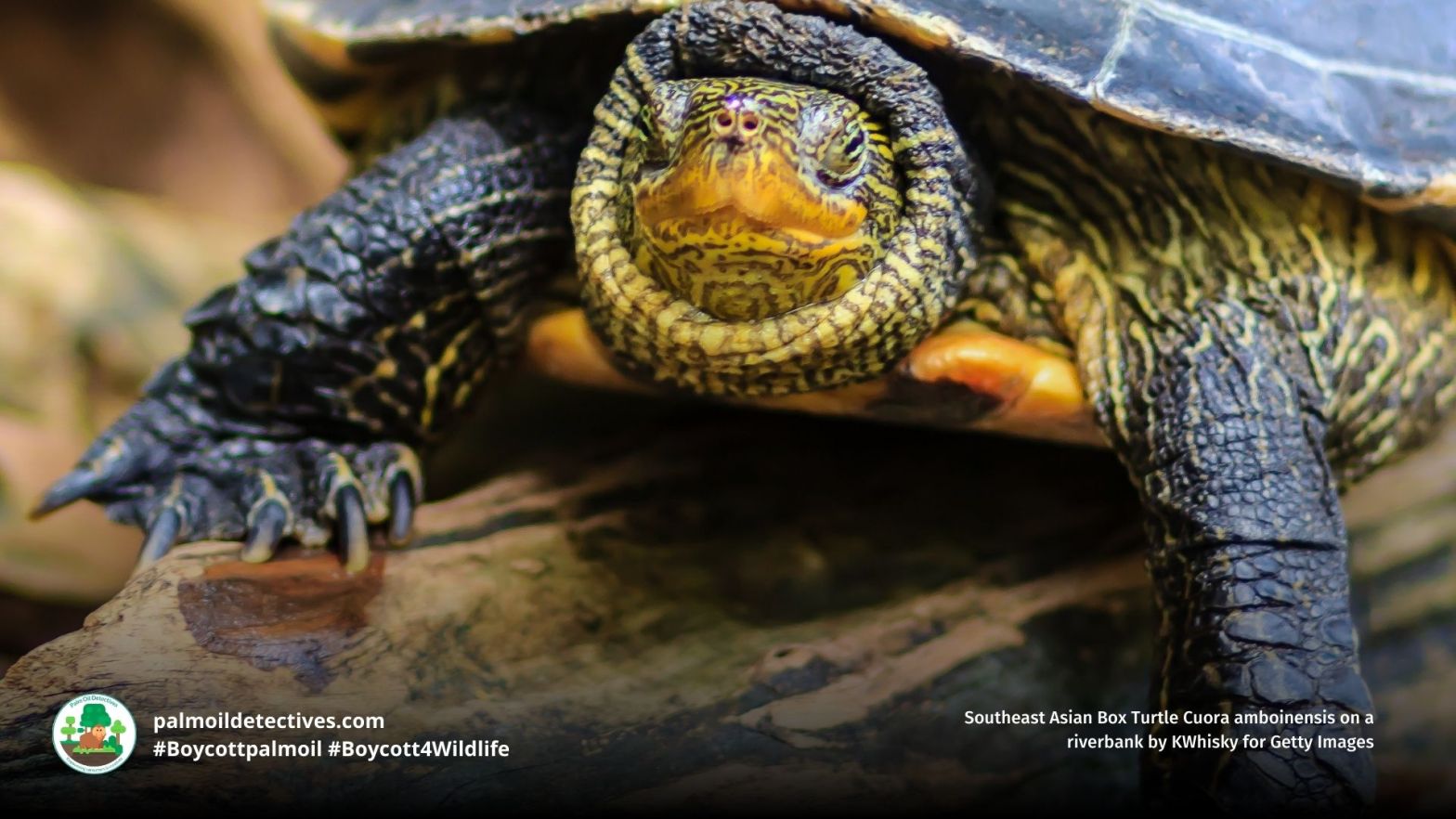
Southeast Asian Box Turtle Cuora amboinensis

The Southeast Asian Box #Turtle Cuora amboinensis, also known as the Amboina Box Turtle, Malayan Box Turtle, or Indonesian Box Turtle, is a freshwater #reptile species found across much of Southeast Asia. This species is under severe pressure due to overexploitation for food, traditional medicine, and the #pettrade, particularly in Australia, #China, Europe, and the United States. Their semi-aquatic nature allows them to thrive in swamps, rice paddies, and slow-moving rivers, but habitat destruction from #palmoil plantations, #timber and wetland drainage threatens their survival. Their population is rapidly declining due to these threats, making urgent protections necessary. Resist destruction and fight for their survival every time you shop – #BoycottPalmOil #Boycott4Wildlife.

Far Eastern Curlew Numenius madagascariensis

Far Eastern Curlew Numenius madagascariensis Endangered Location: Papua New Guinea, Asia, SE Asia, Northern Australia The Far Eastern Curlew breeds on open mossy or transitional bogs, moss-lichen bogs and wet meadows, and on the swampy shores of small lakes and winters in Papua New Guinea; in the non-breeding season, this bird is essentially coastal, occurringContinue reading “Far Eastern Curlew Numenius madagascariensis”

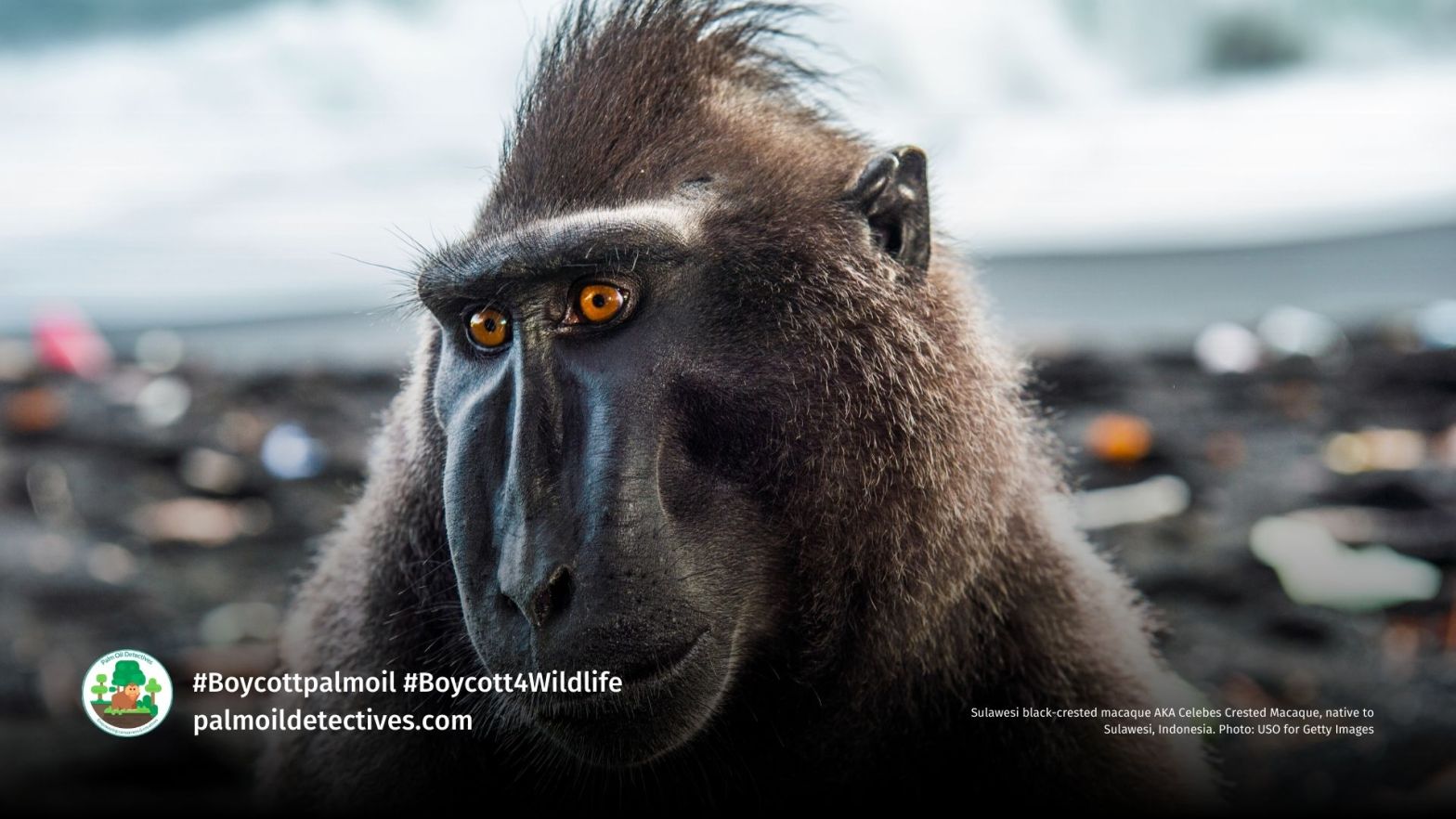
Sulawesi Crested Black Macaque Macaca nigra

Lively, intelligent and social Sulawesi Crested Black Macaques live in large groups and are attentive and caring to those in their troupe. Also known as the Celebes Crested Macaque, the Sulawesi Crested Black Macaque Macaca nigra are Critically Endangered and face high risk of extinction due to palm oil and timber deforestation across the island of Sulawesi, along with illegal hunting for the bushmeat trade. You can help them every time you shop when you #Boycottpalmoil #Boycott4Wildlife
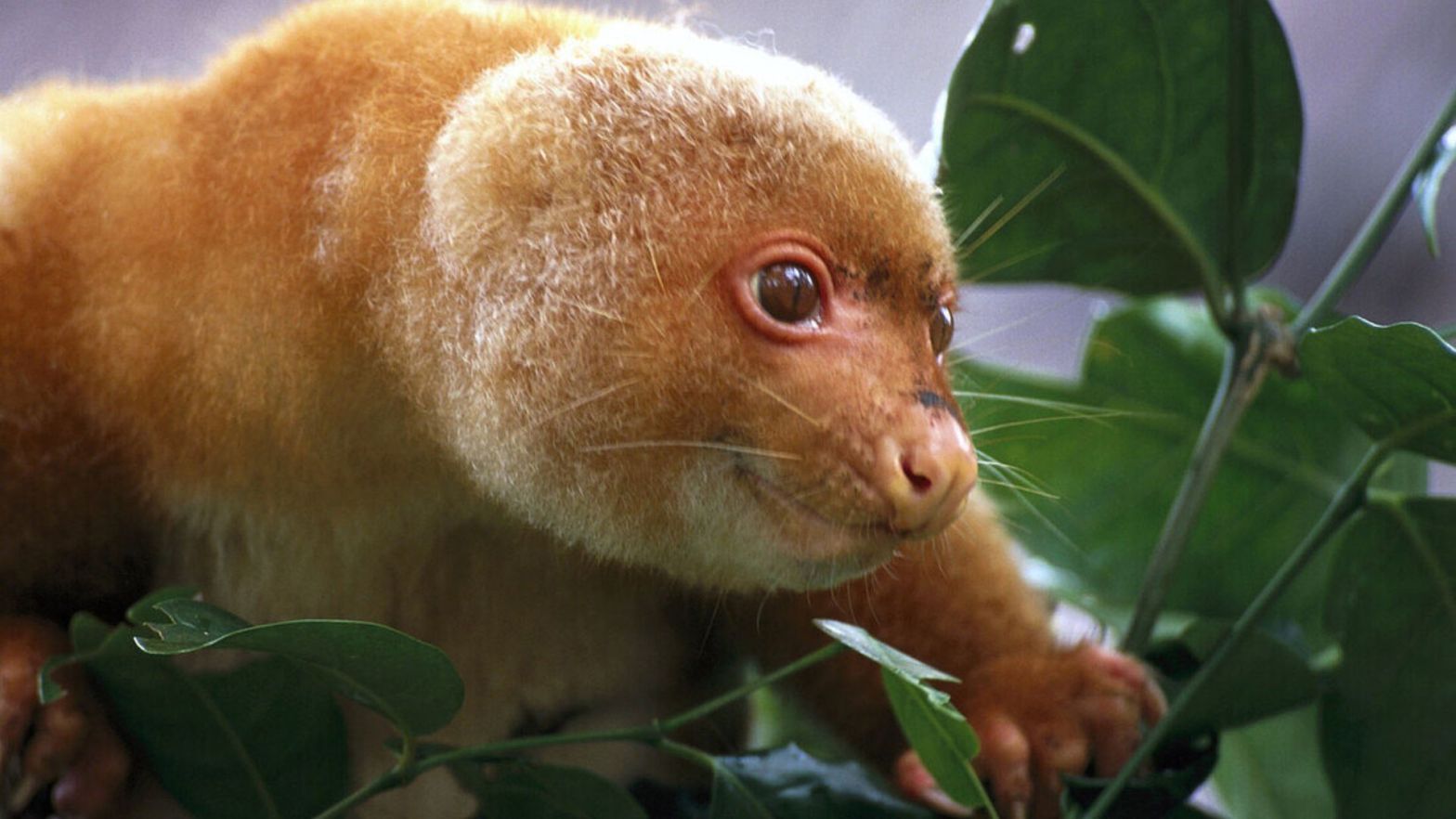
Black-spotted Cuscus Spilocuscus rufoniger

The black-spotted cuscus Spilocuscus rufoniger is one of the most striking and rare marsupials in the world. Known for their soft fur with irregular black spots on a reddish or cream background, they exemplify the biodiversity of West Papua and Papua New Guinea’s rainforests. Endemic to the island, they are incredibly elusive, primarily inhabiting dense forests.

Sadly, this arboreal species is on the brink of extinction, primarily due to habitat loss from logging and palm oil plantations. Additionally, they are hunted for bushmeat and their striking pelts, which are valued in local traditions. With their population in severe decline, urgent action is needed to save this remarkable species from disappearing. Fight for their survival and #BoycottPalmOil #Boycott4Wildlife.

Agile Gibbon Hylobates agilis

Agile gibbons communicate using local “accents” and form close familial and social bonds. They are endangered in #Indonesia, #Malaysia and #Thailand mainly due to timber and #palmoil #deforestation throughout their range. Help them every time you shop and #Boycottpalmoil #Boycott4Wildlife in the supermarket.

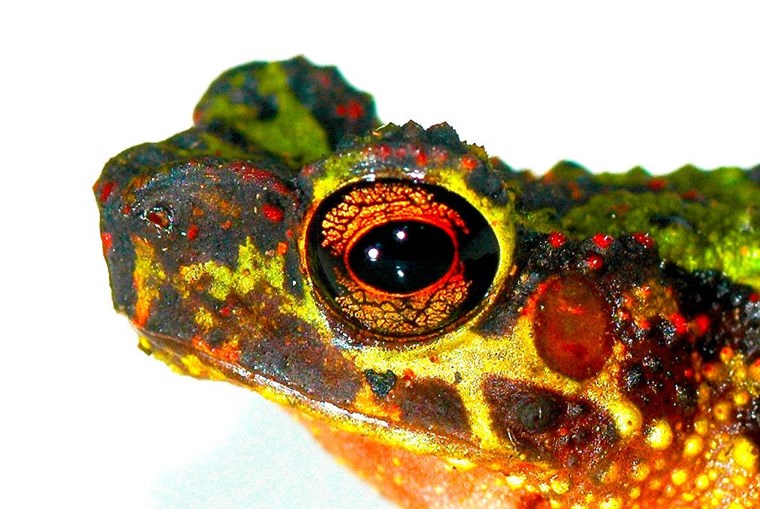
Bornean Rainbow Toad Ansonia latidisca

The Bornean Rainbow Toad, also known as the Sambas Stream Toad, is a vibrantly coloured amphibian native to the rainforests of Borneo. This elusive species was rediscovered in 2011 after being unseen since 1924. Endemic to the montane rainforests, these toads are nocturnal and arboreal, with long, spindly limbs and a bright, variegated dorsal skin. Their striking appearance and nocturnal habits make them a unique sight in their natural habitat. The primary threats to their survival include habitat loss due to deforestation for agriculture, particularly palm oil plantations. Protecting their habitat is crucial for their survival. Join the cause to #Boycottpalmoil and #Boycott4Wildlife.

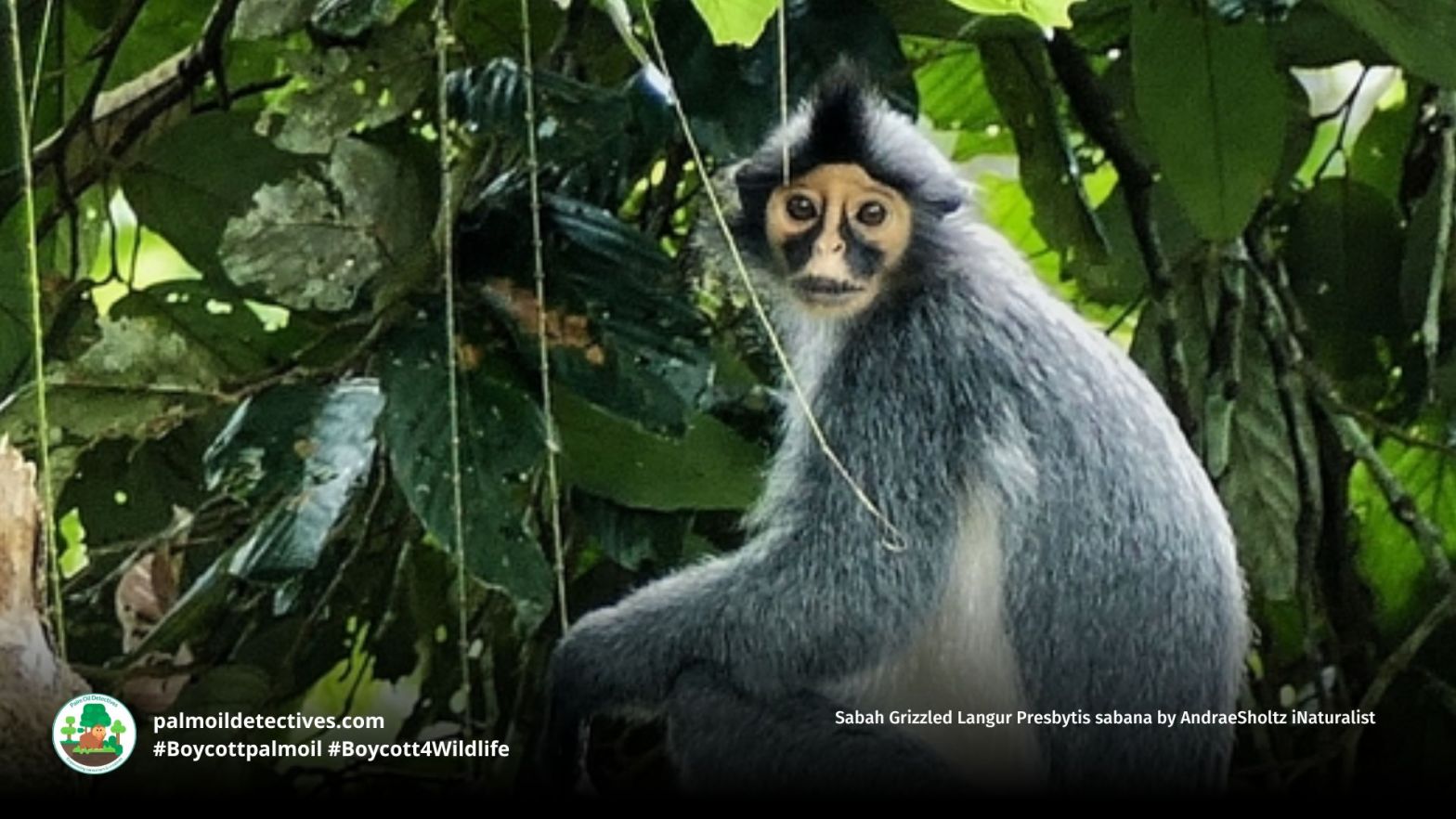
Sabah Grizzled Langur Presbytis sabana

Save Sabah Grizzled Langurs AKA Crested Grizzled Langurs from palm oil! They’re endangered and urgent action is needed to prevent their extinction – boycott!

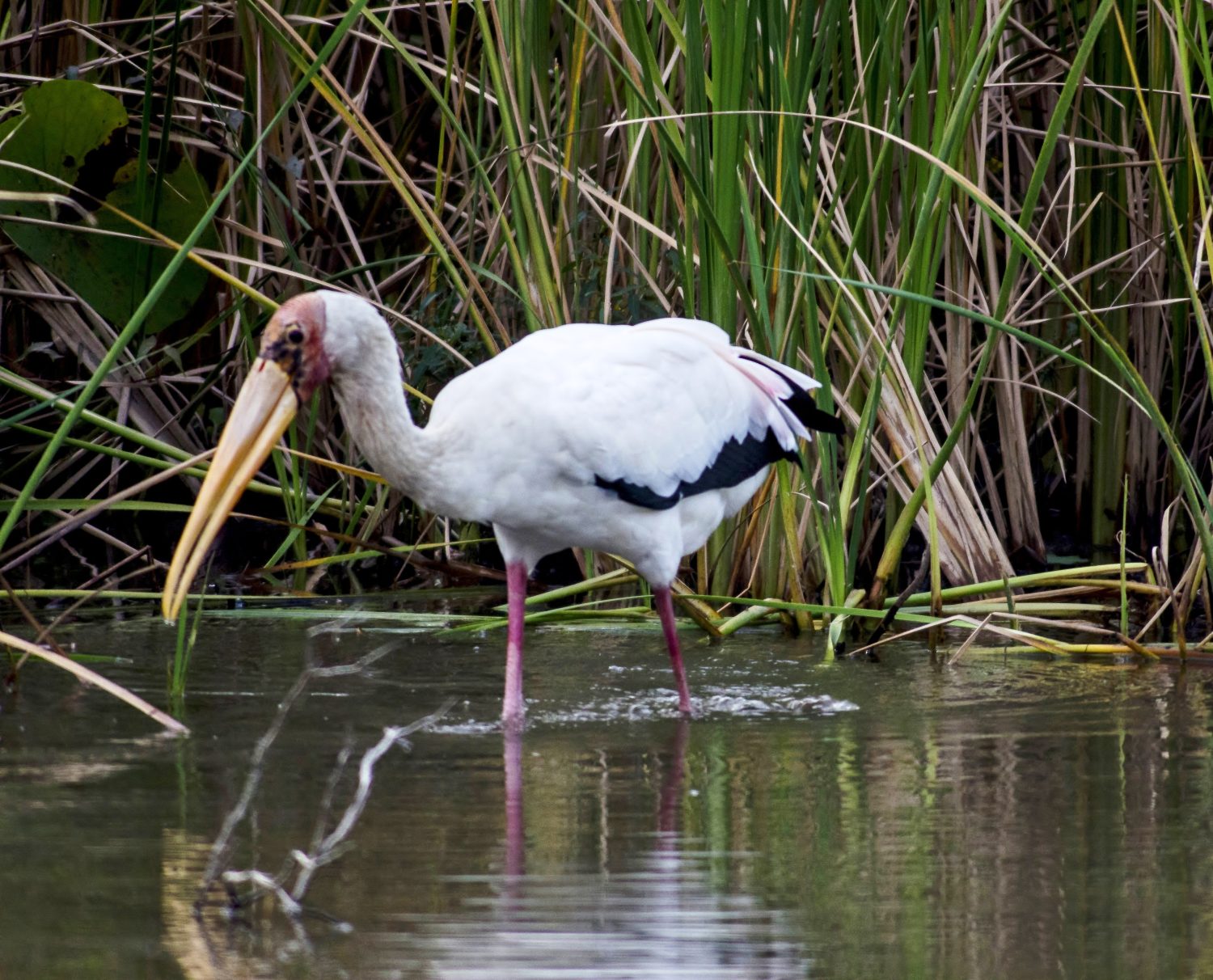
Milky Stork Mycteria cinerea

Help protect the striking Milky Stork. This wading bird faces a sharp decline in Southeast Asia as their coastal mangrove habitat is destroyed by pollution.

Balabac Mouse Deer Tragulus nigricans

Balabac Mouse Deer Tragulus nigricans Endangered Extant (resident) Philippines; Presence Uncertain: Malaysia The Balabac Mouse-deer, also known as the Philippine Mouse-deer or locally as Pilandok, is a tiny, fragile deer most active at night. They are ruminants endemic to the Balabac Islands in the Philippines. Despite their diminutive size, the deers play a significant roleContinue reading “Balabac Mouse Deer Tragulus nigricans”