
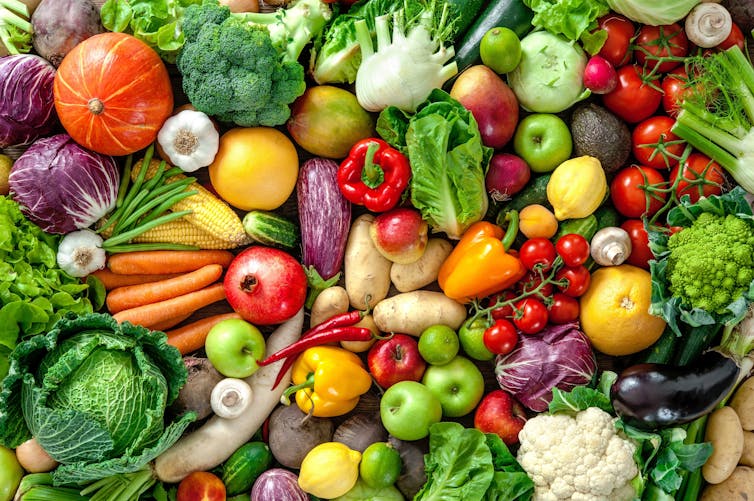
Around 800 million people in our world go hungry each day. Yet around the globe we have enough food to go around. So why the discrepancy? Market concentration and corporate monopoly of our global food system means that corporate giants control everything from access to seeds, access to land, #workersrights, #greenwashing and wages. Mergers and acquisitions take place at all stages of the global food system – from seeds and fertilisers to machinery and manufacturing. This is what contributes to bad health outcomes and food inequality. Learn how you can boycott big brands causing the corporate crush and other solutions. #Boycott4Wildlife
Category Archives: Consumer Choice, Diet and Lifestyle
MSC and RSPO Absolutely Untrustworthy, Greenpeace Report
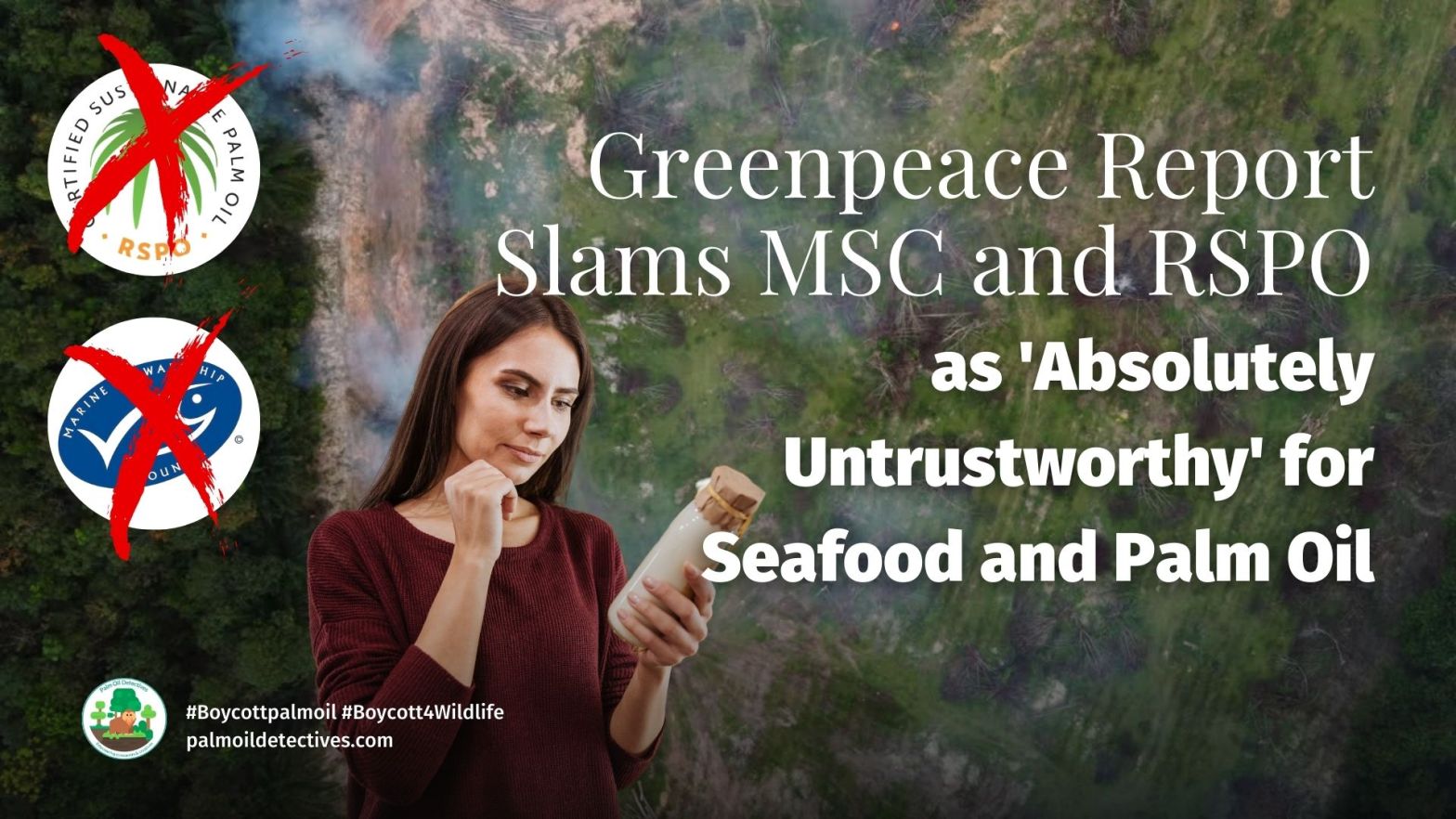
Greenpeace report reveals severe failures of ecolabel RSPO certifying palm oil and FSC certifying seafood. Consumers are being greenwashed. Boycott palm oil!
Stop Gambling Our Future for Meat Deforestation
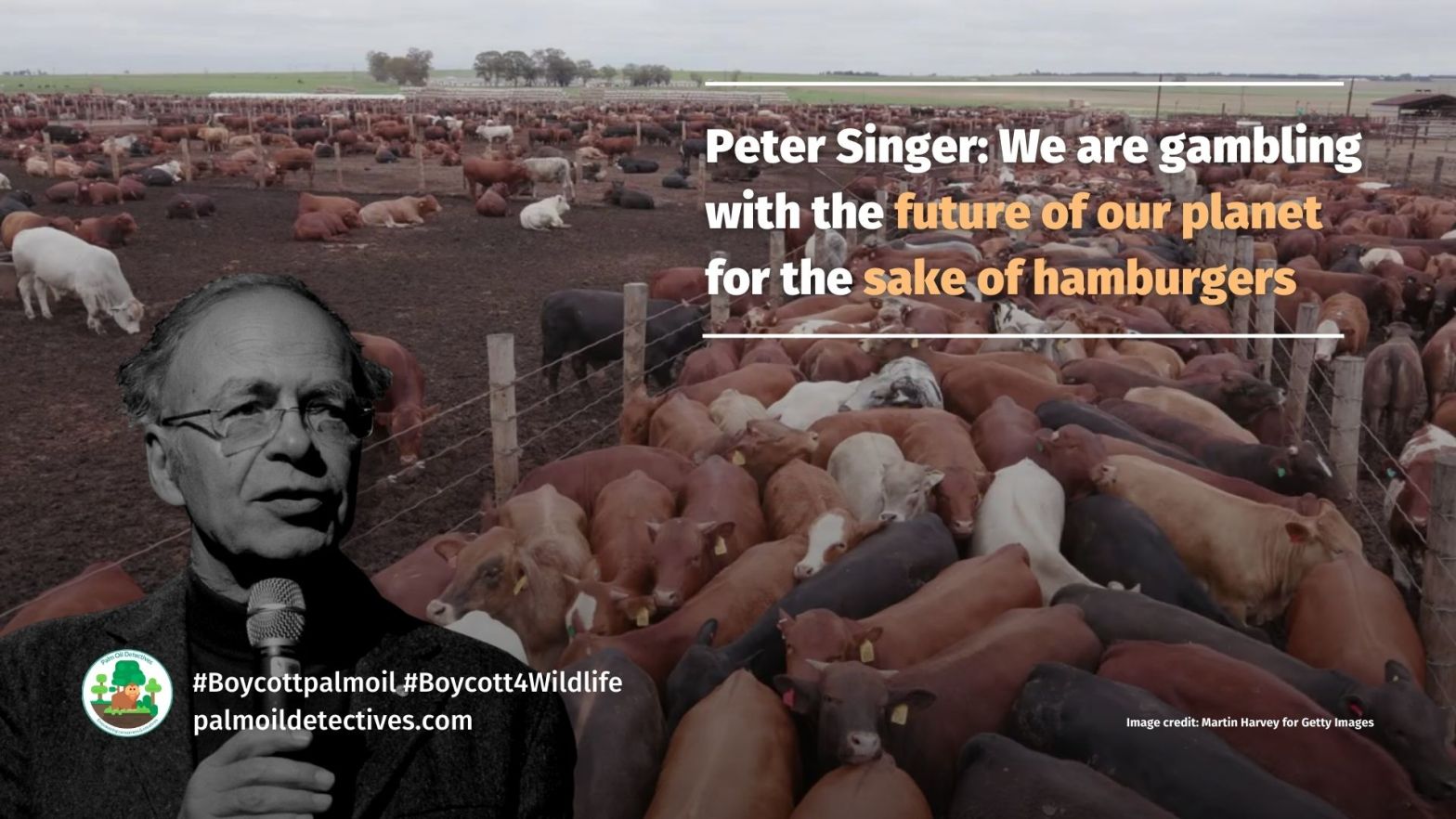
Ethicist Peter Singer warn our consumption of meat and dairy risks the planet’s future driving climate change, food security and animal extinction. Be vegan!
Vegan Palm Oil Free Christmas Recipes

Boycott palm oil this Christmas 🎅🎄 with 10 yummy, #palmoilfree and #Vegan #recipes 🦧🦏🐘🐒🐍 and your #health 🥦🍆 #Boycottpalmoil #Boycott4Wildlife
Terrifying Tale of Halloween: Palm Oil Ecocide in Your Treats!

This #Halloween, as you revel in terrifying tales and creepy costumes, remember that the most terrifying tale of all isn’t enjoyable folklore—it’s the horrifying truth about palm oil. This ingredient causes #deforestation, #ecocide, #humanrights abuses and #indigenous land-grabbing. The production of #palmoil casts a dark shadow over our planet, as it can only be grown on destroyed tropical rainforests. So-called “sustainable” palm oil used by the world’s biggest food brands like Nestle, Mondelez, Hersheys, Ferrero and Mars is a complete greenwashing lie. So don’t buy any of it! All palm oil threatens the very existence of wildlife, polluting our air and water, accelerates climate change, and tramples on the rights of indigenous communities worldwide. This Halloween, take action and use your wallet as a weapon. 🌍🌳🦍 #Boycottpalmoil #Boycott4Wildlife
Ultra-processed Foods: Trashing Health and The Planet

Our world is facing a huge challenge: we need to create enough high-quality, diverse and nutritious food to feed a growing population – and do so within the boundaries of our planet. This means significantly reducing the environmental impact of the global food system. Below is information about how you can identify ultra processed foods containing palm oil and other harmful ingredients in order to avoid them – for your own health and the health of the planet. Help the planet, animals and indigenous peoples – #BoycottPalmOil #Boycott4Wildlife
Humble Algae: The Solution to Palm Oil Ecocide
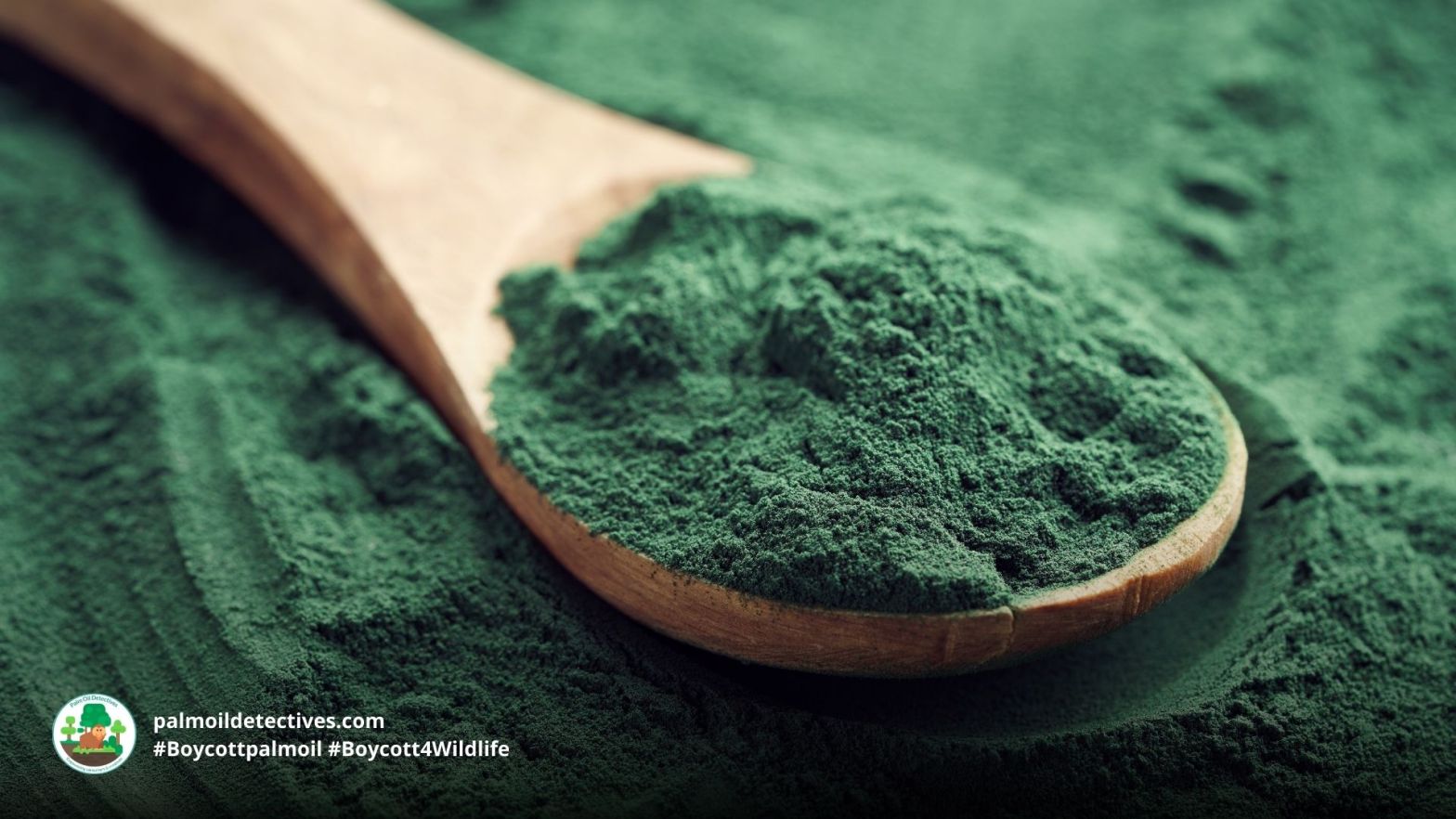
Consumers, businesses and researchers have shown growing interest in microalgae in recent years. Use of Arthrospira platensis (spirulina) as a food supplement is one example. Others include how microalgae can be used as crop support tools, bioplastics or biofuels. Take action for your health and be #vegan and #BoycottPalmOil #Boycott4Wildlife
Palm oil substitutes can offer beleaguered rainforests a fighting chance
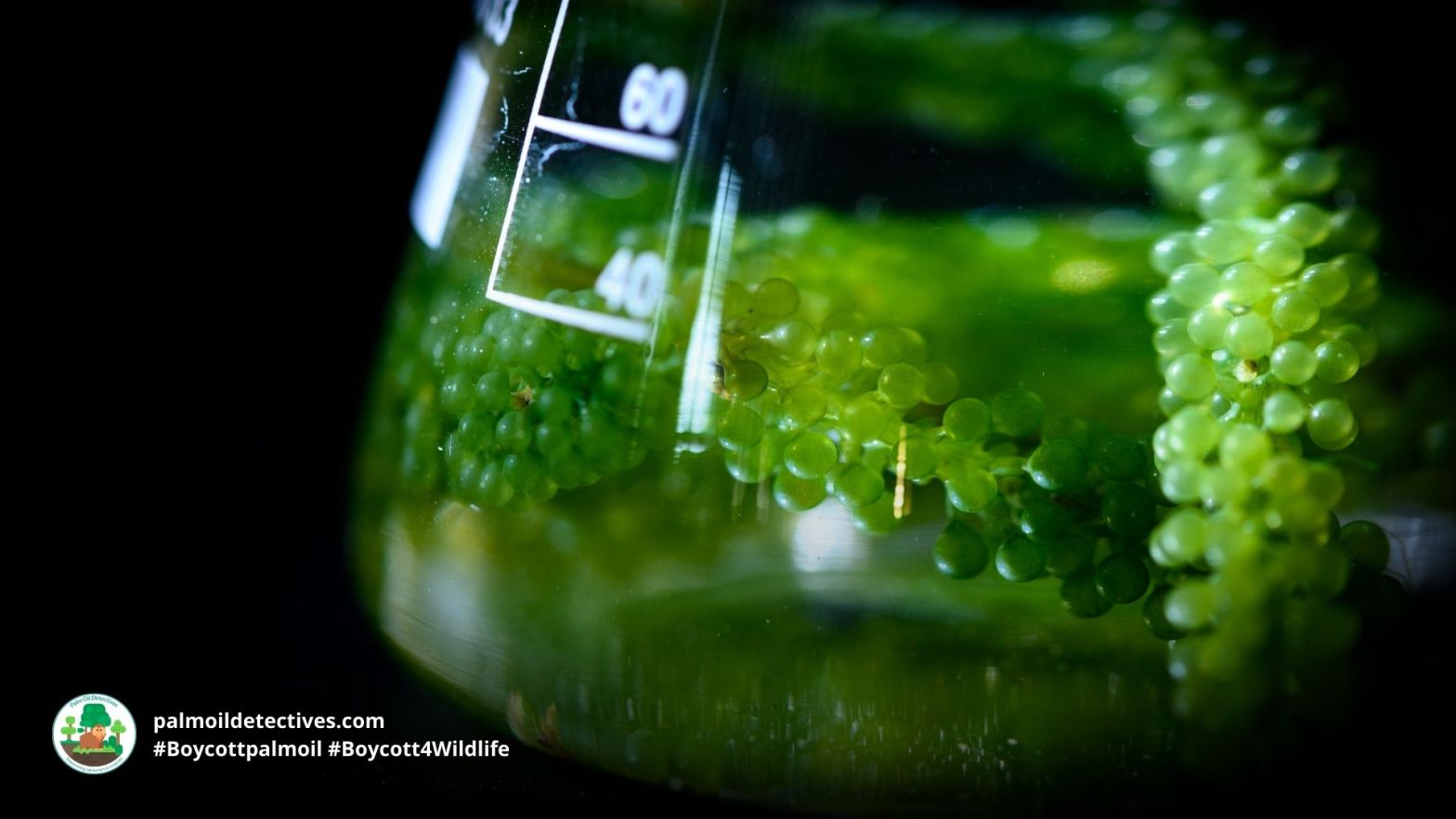
Palm oil is a versatile substance used in a wide range of products from foods to cosmetics. The trouble with it is that the cultivation of oil palm trees has caused massive enviromental harm, especially in Malaysia and Indonesia, which together account for 85% of palm oil production in the world.
But scientists from Nanyang Technological University in Singapore and the University of Malaya in Malaysia say they have an answer as to how we can wean ourselves off palm oil.
Four Things to Know about Cholesterol
Cholesterol is among the most feared substances, but why? You need cholesterol to produce some hormones and to build vital structures in your body. But too much-referred to as high cholesterol-can build up in your arteries and lead to heart attack, stroke, and other cardiovascular diseases. That’s why it’s important to get tested and knowContinue reading “Four Things to Know about Cholesterol”
Seaweed is high in vitamins and minerals – but that’s not the only reason westerners should eat more of it
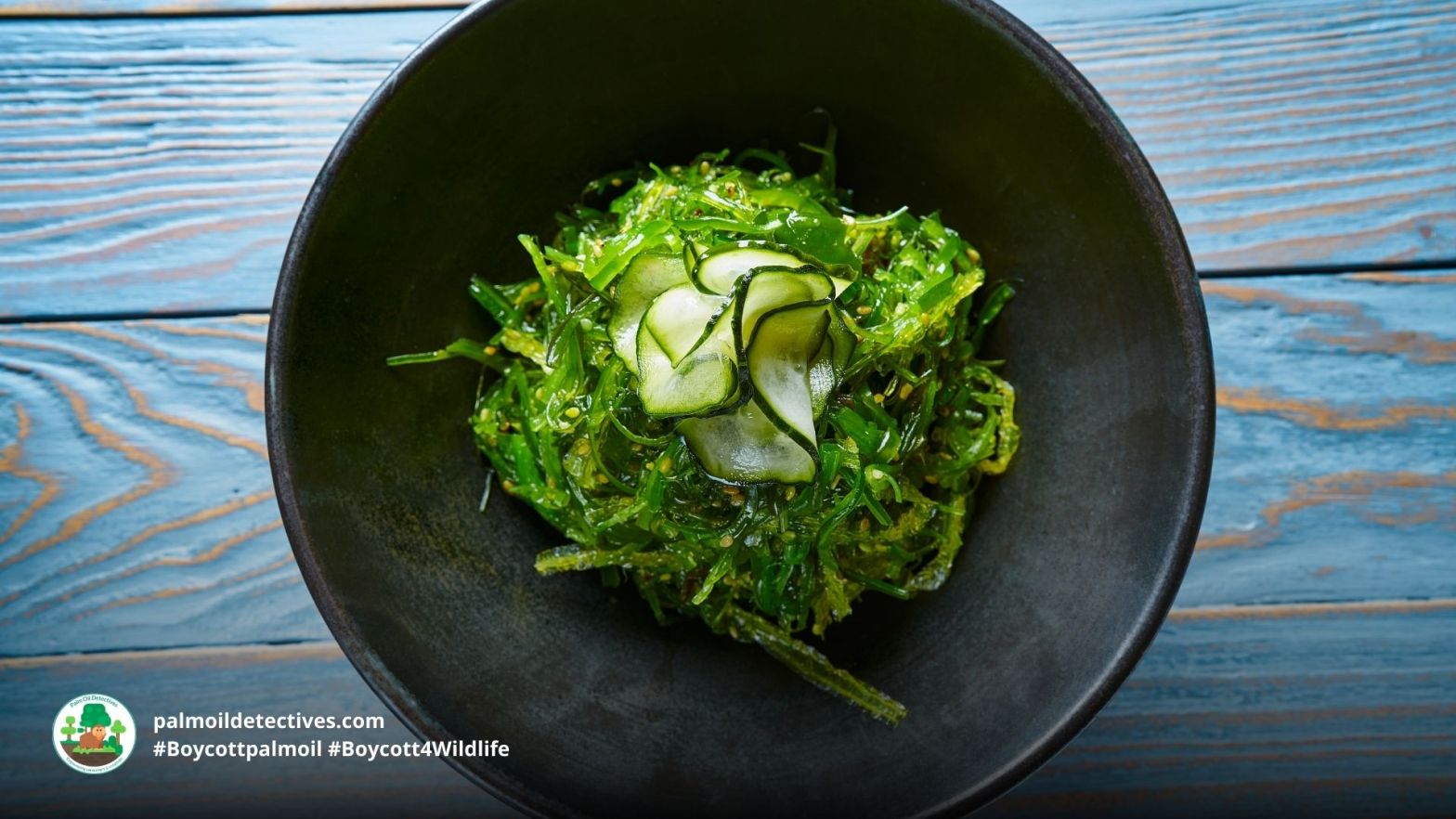
Edible seaweeds and algae – or sea vegetables – are a group of aquatic plants that are found in the ocean. Kelp, dulse, wakame and sea grapes are all types of seaweeds that are used in seaweed-based dishes. Seaweeds are a highly versatile and nutritious food source that can benefit our diet. Seaweeds are often rich in fibre and high in vitamins and minerals. This includes iodine and vitamin B12, which can be lacking in vegetarian and vegan diets.
Reasons to Hope: Palm Oil Alternatives Made Without Deforestation
The race is on to find a real solution to stop palm oil ecocide. For several years now, several new #biotech companies have been busy generating alternatives to palm oil that are healthier for human consumption and don’t require the destruction of rainforests sending thousands of species to extinction. Learn more about palm oil grown in labs synthesized from algae, microbes, CO2 and more. #BoycottPalmOil #Boycott4Wildlife
Demand for meat is driving deforestation in Brazil – changing the soy industry could stop it
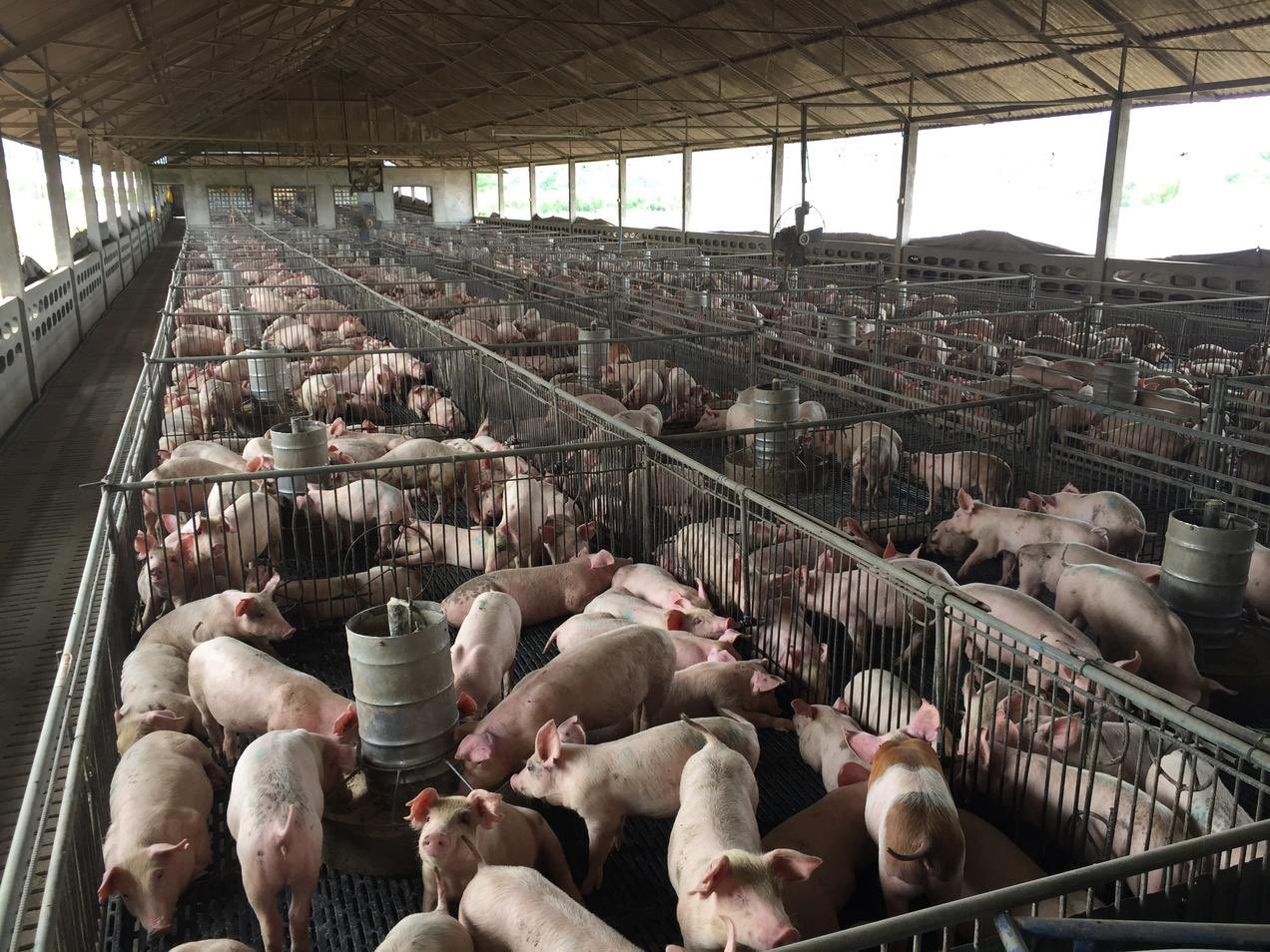
For many people, soy as a commodity has a pretty innocuous reputation thanks to its association with vegan food and meat alternatives. However don’t be fooled – crops of this pale legume are behind much of Brazil’s epidemic of deforestation. Much more #soy is fed to farm animals that people eat than is used in vegan food. Since 2000, #Brazil has doubled its total area of soy plantation to 36 million hectares and become the world’s largest producer. This expansion has erased vast swathes of forest and other habitats in some of the country’s most biodiverse regions. Soy, along with palm oil and meat deforestation are the biggest land-hungry commodities in South America and threaten the world’s largest rainforest biosphere. Help fight against this ecocide every time you shop, be #vegan #BoycottPalmOil #Boycott4Wildlife
A global juggling act: feeding the world, saving species

Our planet is on the precipice of a sixth mass extinction event. But unlike the five previous mass extinctions, this one is man-made: a global biodiversity crisis in which species are disappearing three to 12 times faster than the “normal” rate of extinction. A massive driver of this extinction is how humans eat. Be #Vegan for the animals #BoycottPalmOil #Boycott4Wildlife
How our food choices cut into forests and put us closer to viruses
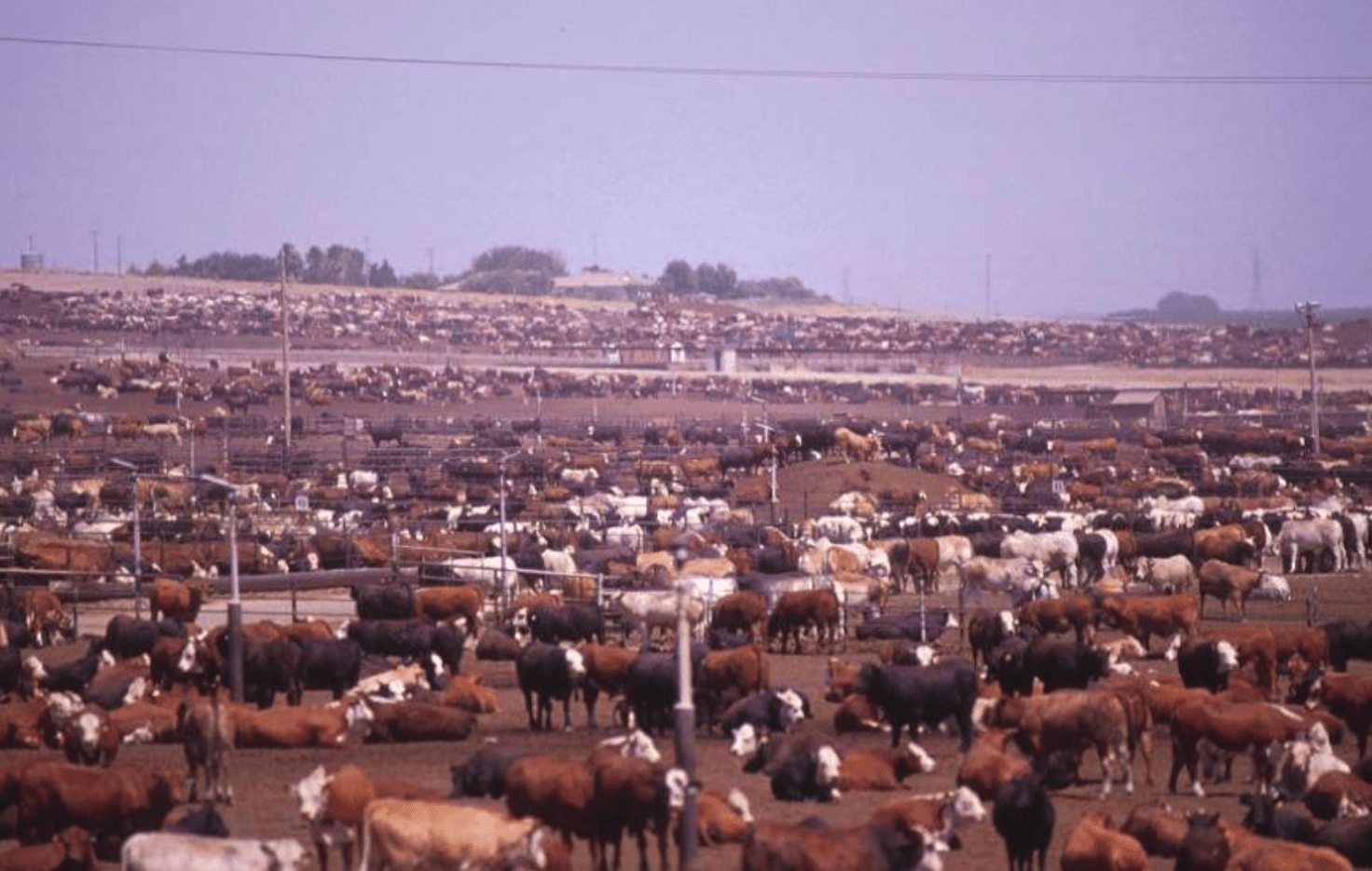
As the global population has doubled to 7.8 billion in about 50 years, industrial agriculture has increased the output from fields and farms to feed humanity. One of the negative outcomes of this transformation has been the extreme simplification of ecological systems, with complex multi-functional landscapes converted to vast swaths of monocultures that lack the complexity of biodiversity found in tropical rainforests. Industrial agriculture is the biggest threat to rare wild animals and rare wild plants in the world. Fight back and resist extinction every time you shop – be #Vegan and #BoycottPalmOil #Boycott4Wildlife
 Palm Oil Detectives