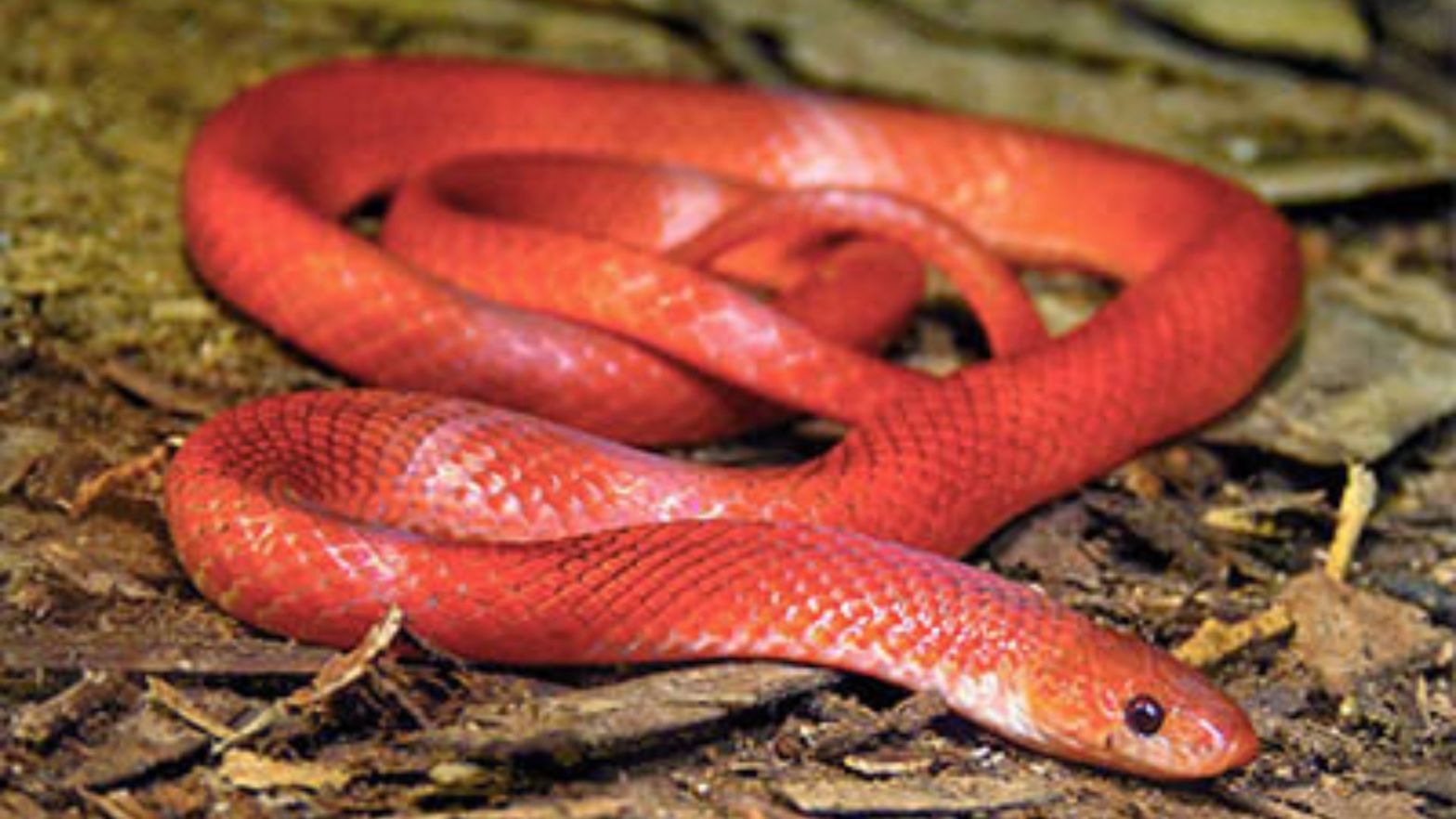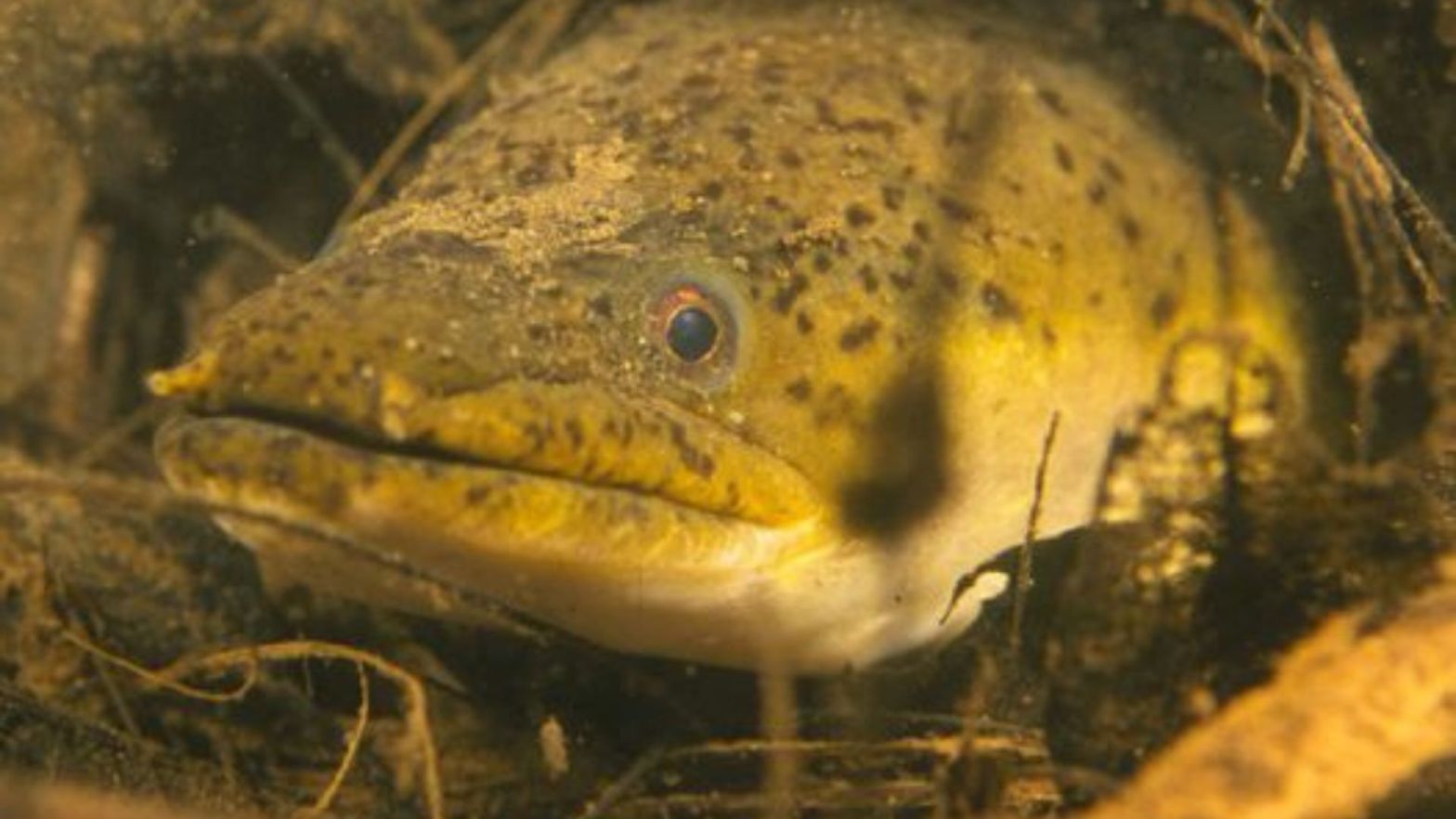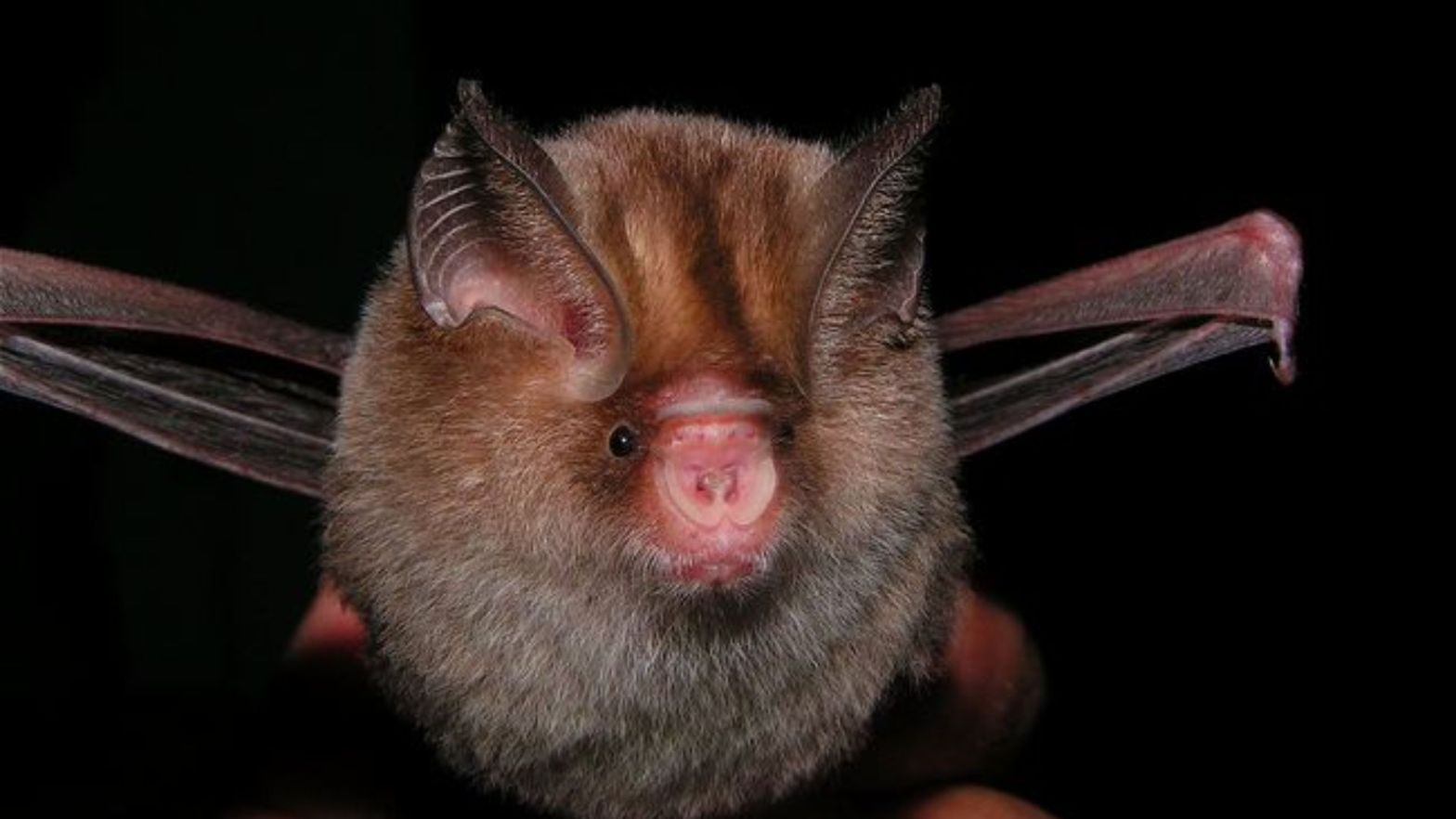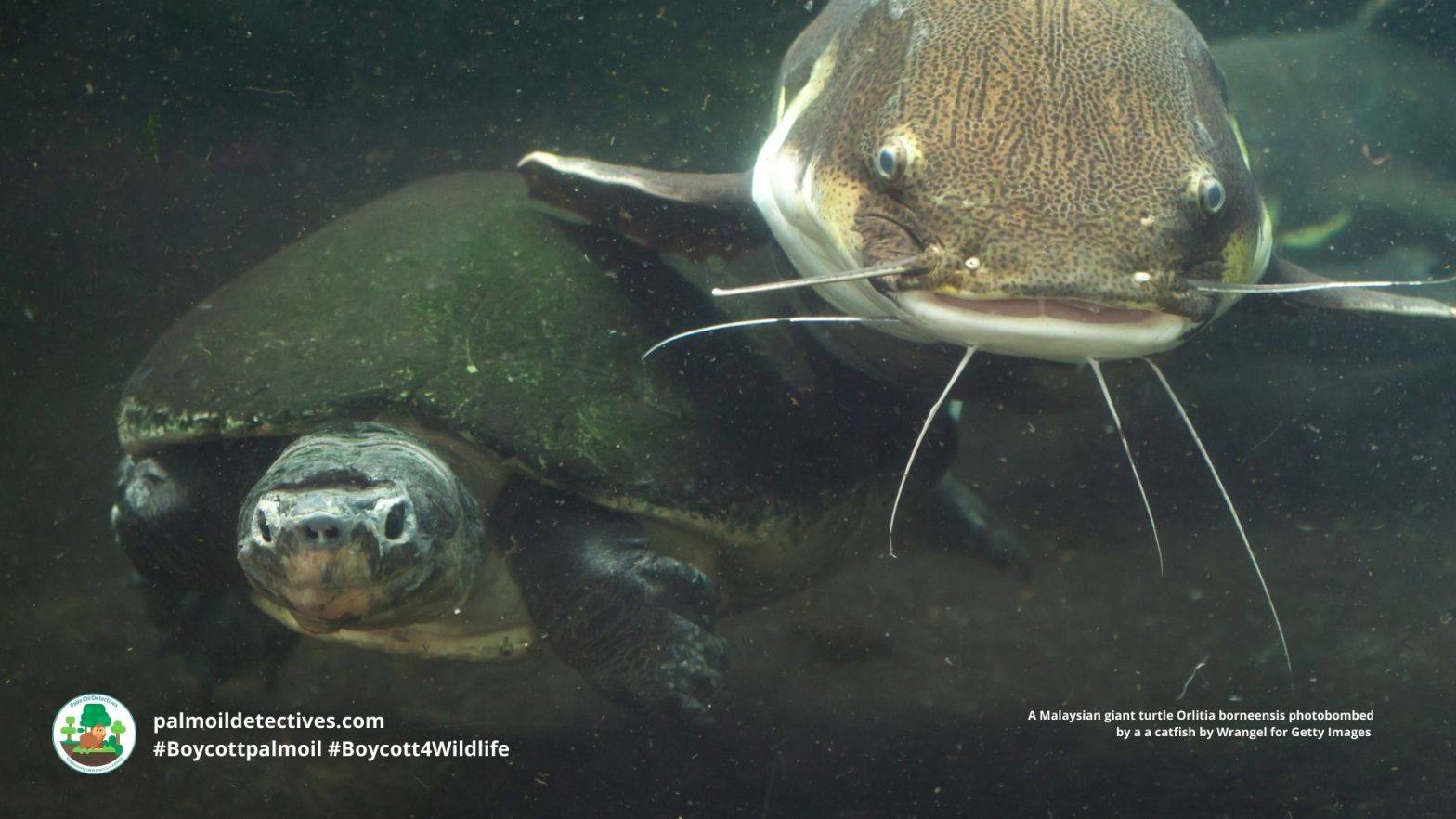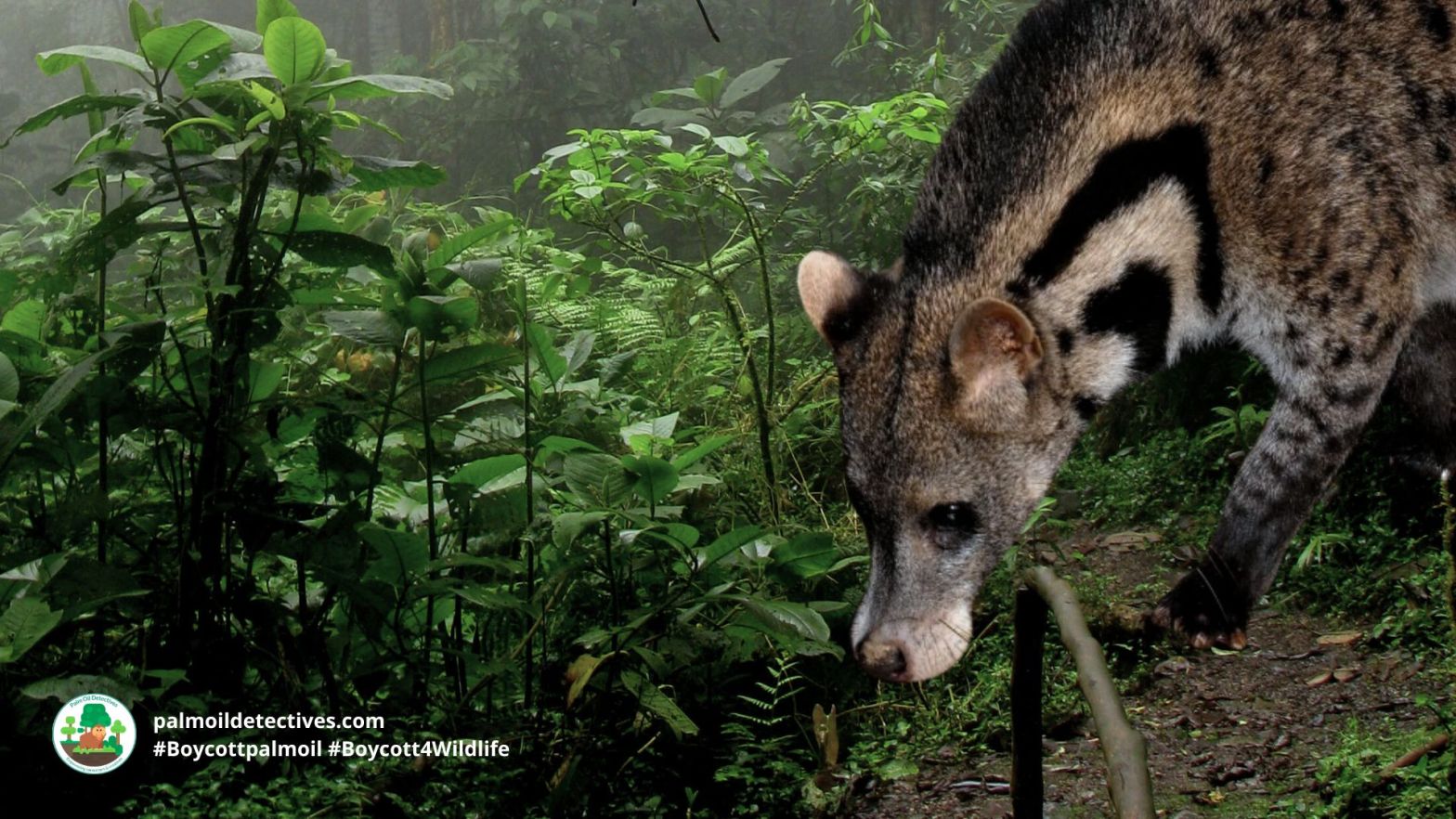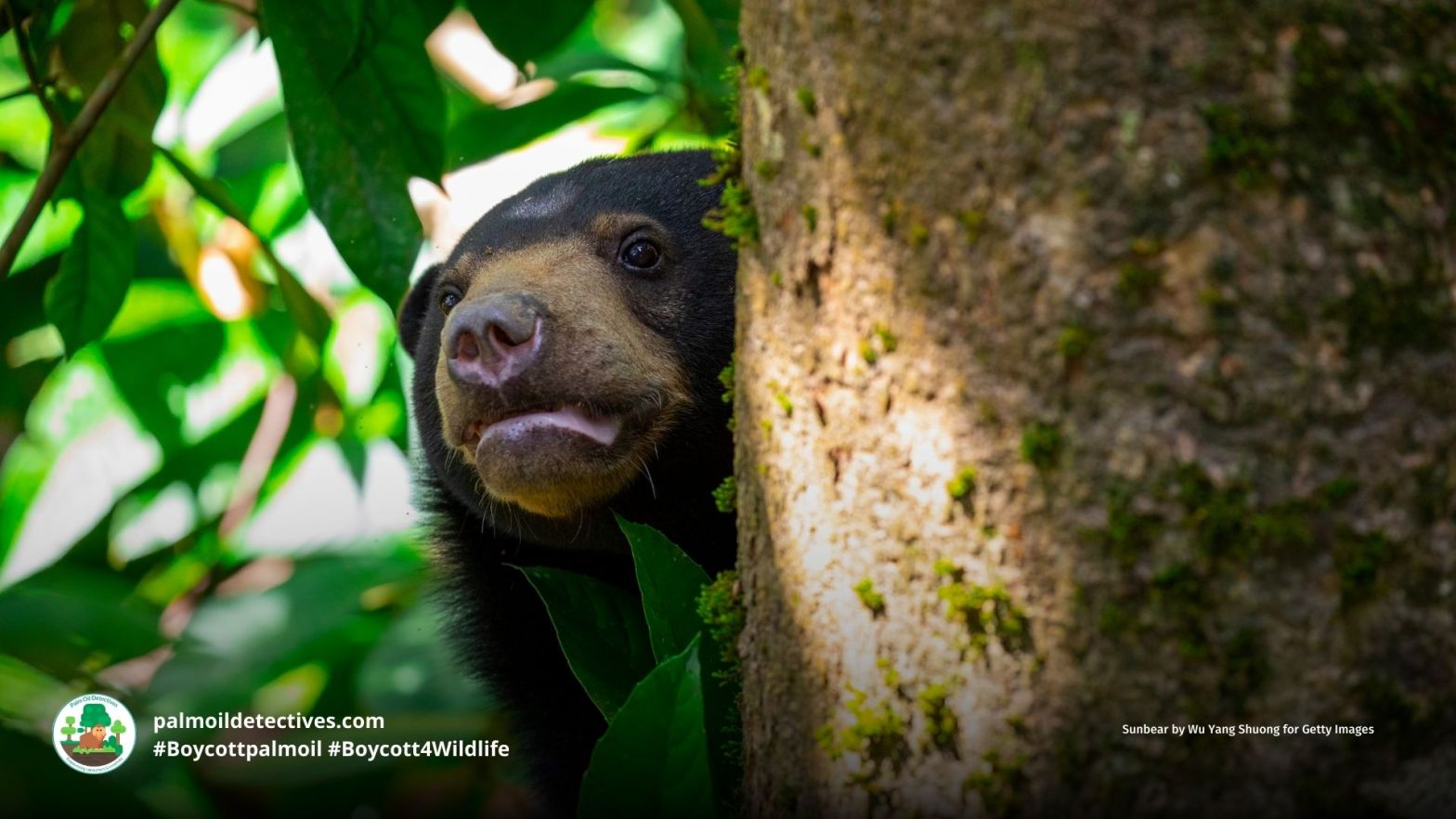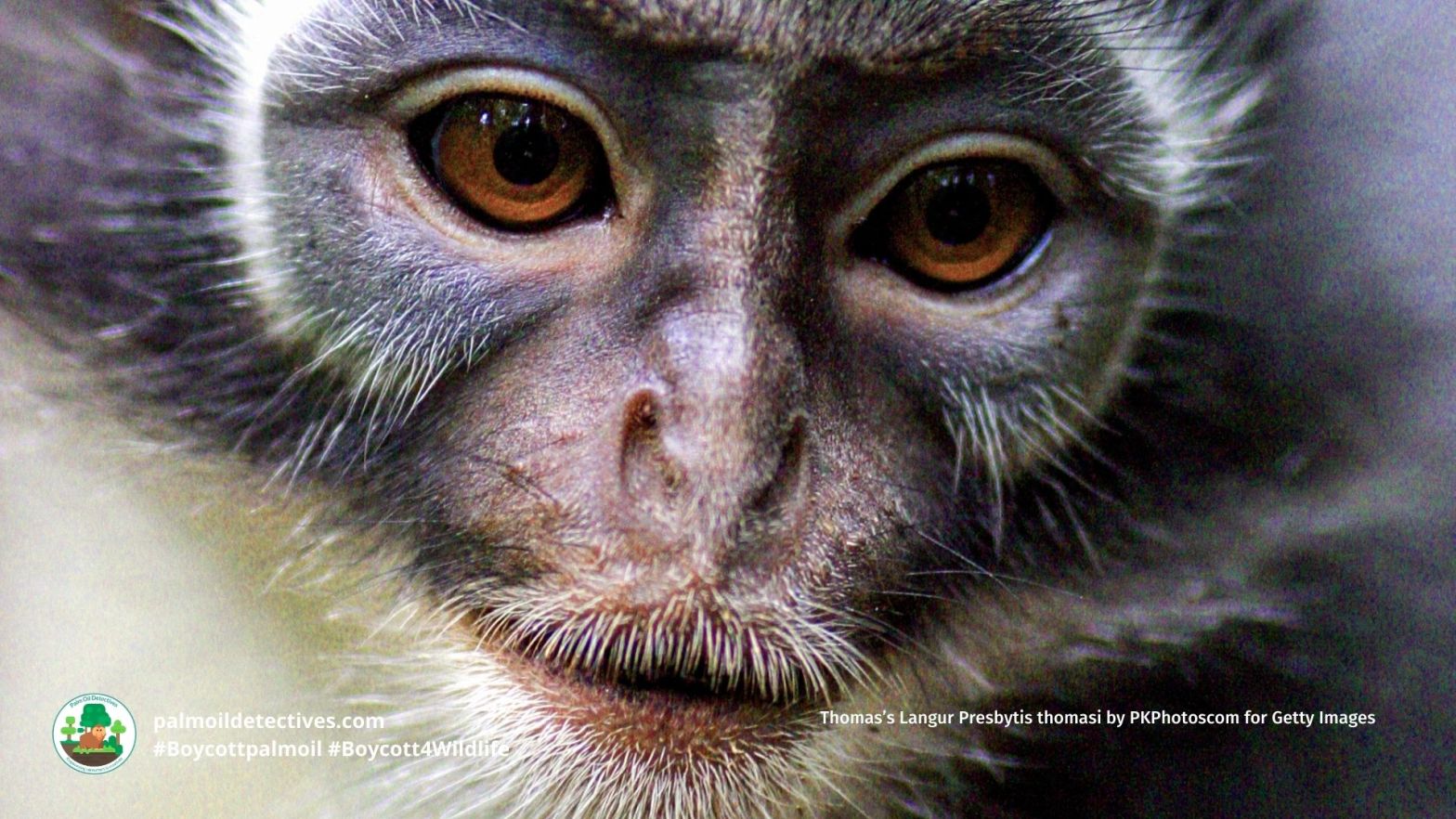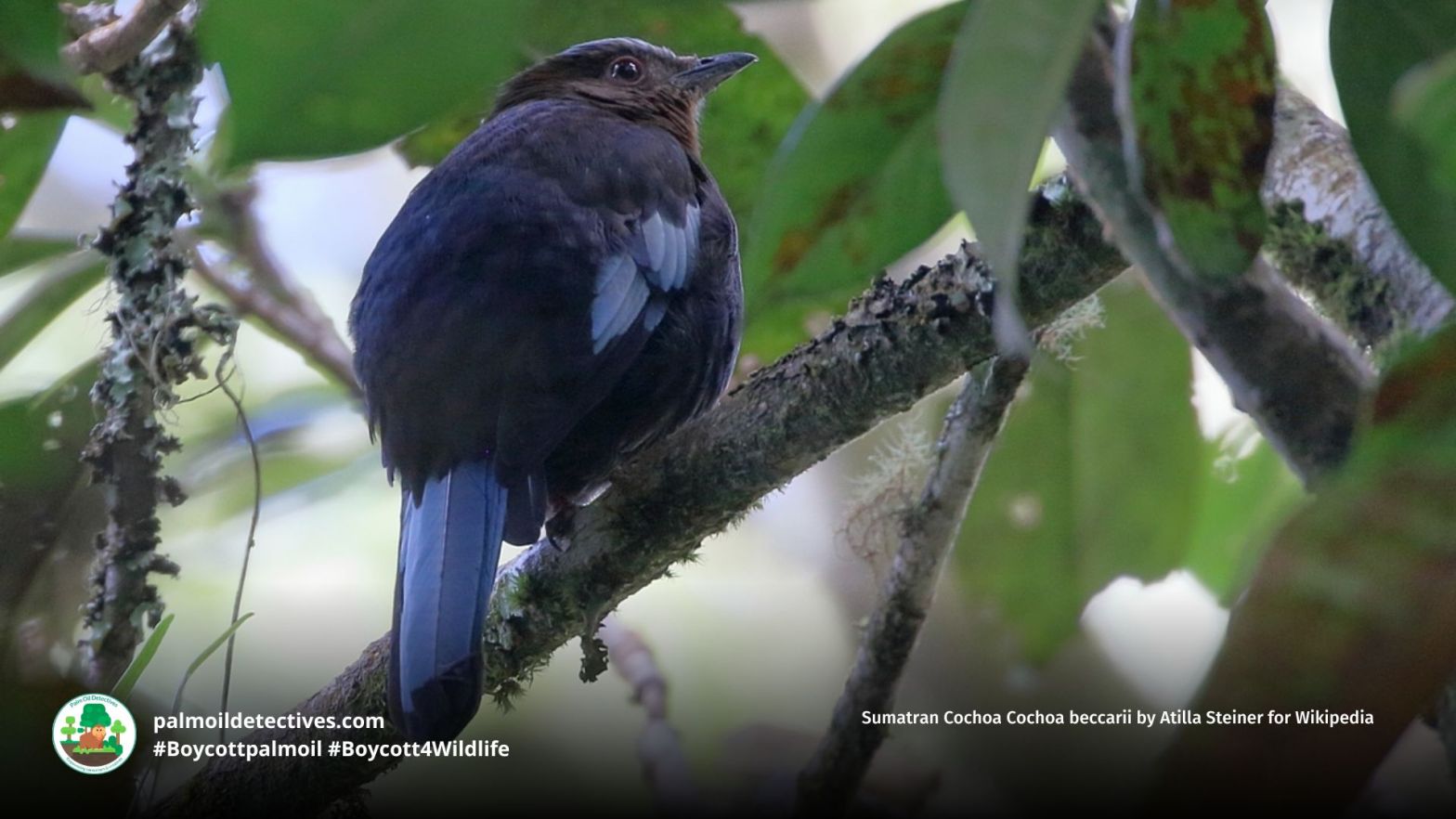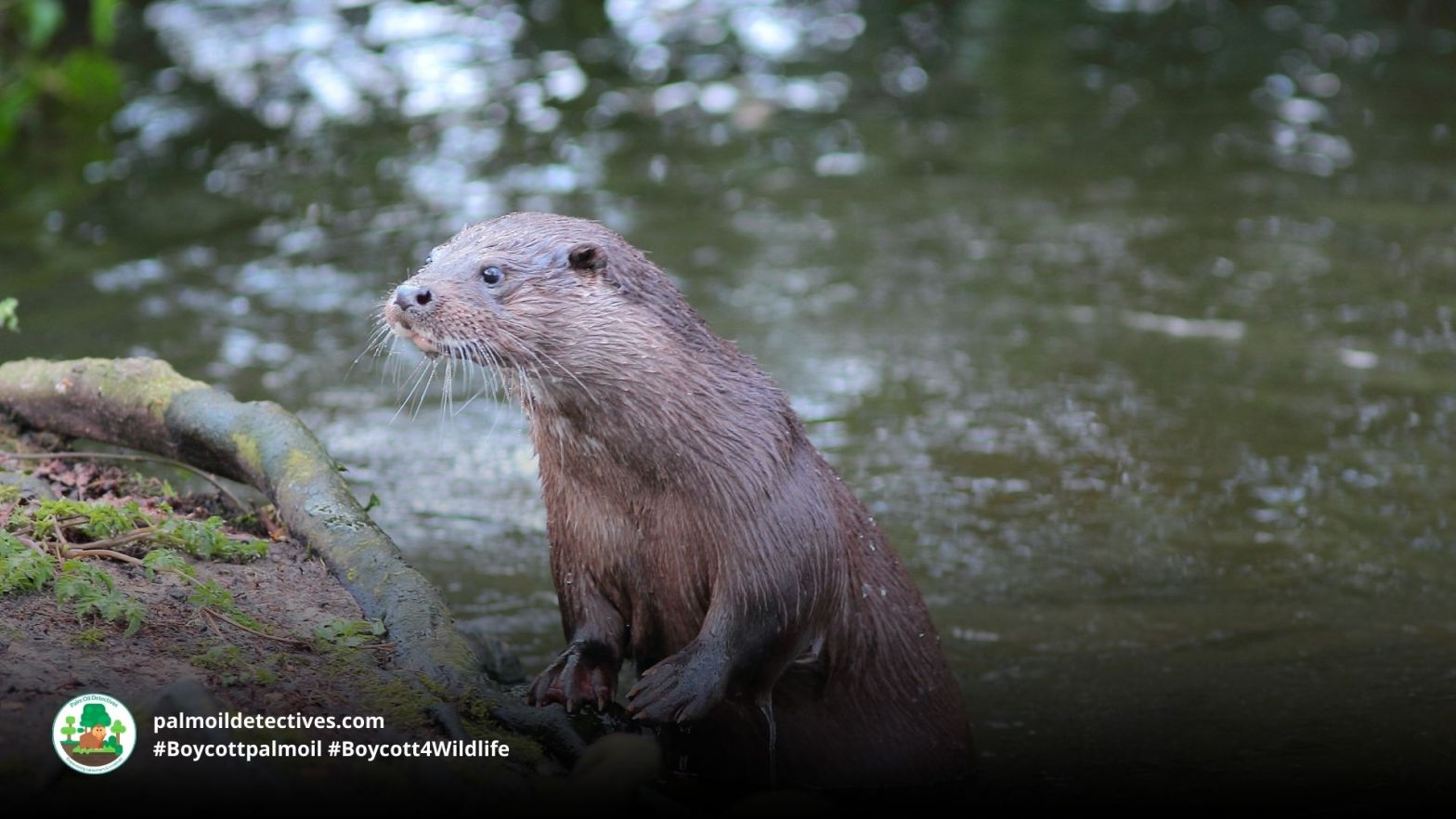
The Hairy-nosed Otter is one of the world’s rarest and least understood otter species, native to Southeast Asia. Distinguished by the unique fur covering its rhinarium (nose), this elusive mammal inhabits freshwater and coastal ecosystems, including mangroves and peat swamp forests. Now extinct in India and Myanmar, their numbers are dropping in other countries. They are severely under threat from habitat destruction for palm oil and illegal hunting. Hairy-nosed Otter have no known conservation projects in place to protect them. We urge you to boycott products linked to deforestation like palm oil and meat. Use your wallet as a weapon to fight for their survival each time you shop #BoycottPalmOil #Boycott4Wildlife!
Category Archives: News
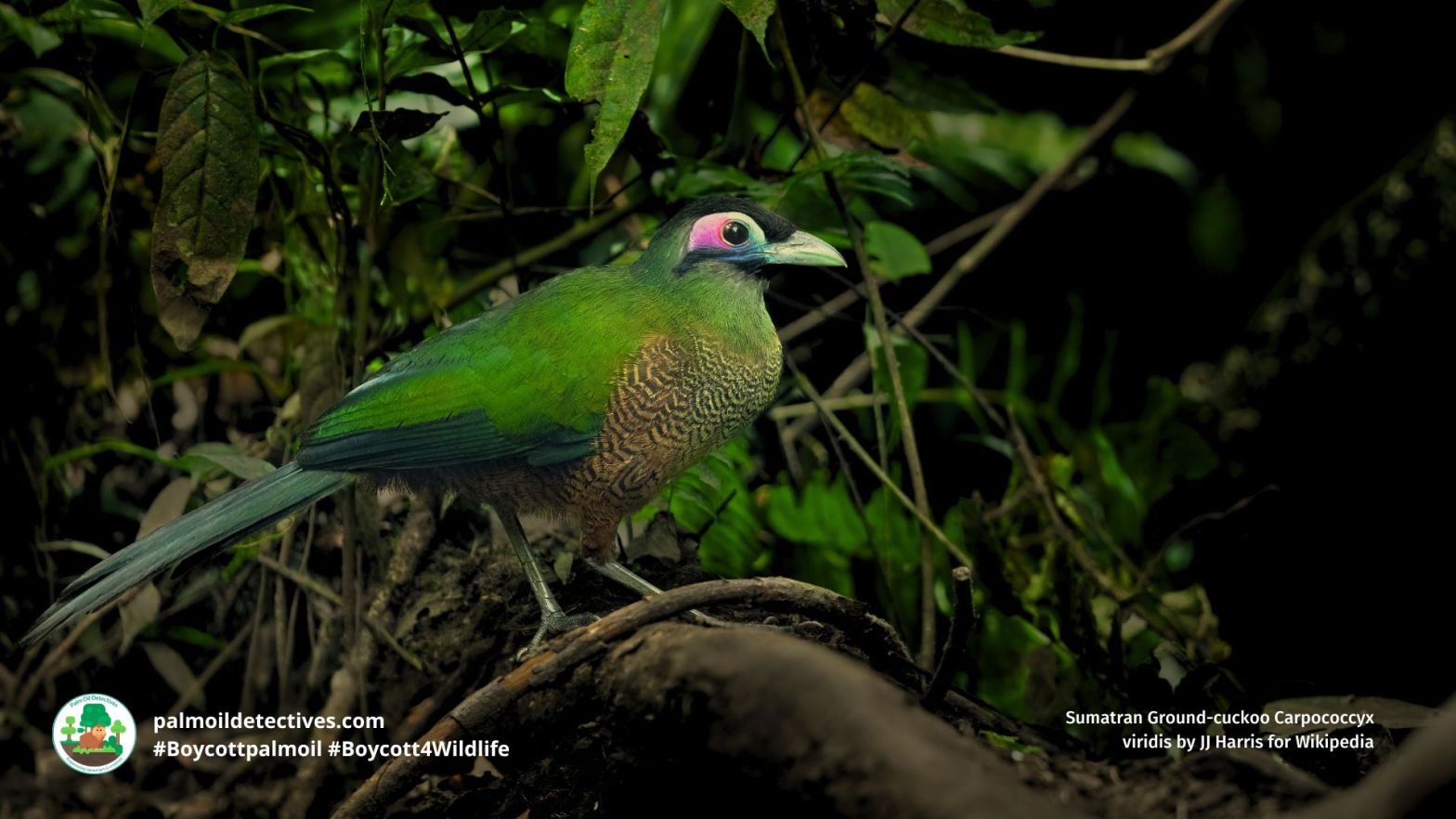
Sumatran Ground-cuckoo Carpococcyx viridis
The Sumatran Ground Cuckoo, a reclusive bird endemic to Sumatra’s dense forests who captivate with their distinctive iridescent plumage. They lived peacefully in the rainforest until its decimation over the past several decades for palm oil took its toll on populations – they are now critically endangered. Fewer than 250 mature individuals remain, and their population is declining. Immediate conservation efforts are critical. These stunning birds symbolise the fragile and rich biodiversity of Sumatra’s montane rainforests. Take action and use your wallet as a weapon every time you shop, #BoycottPalmOil #Boycott4Wildlife
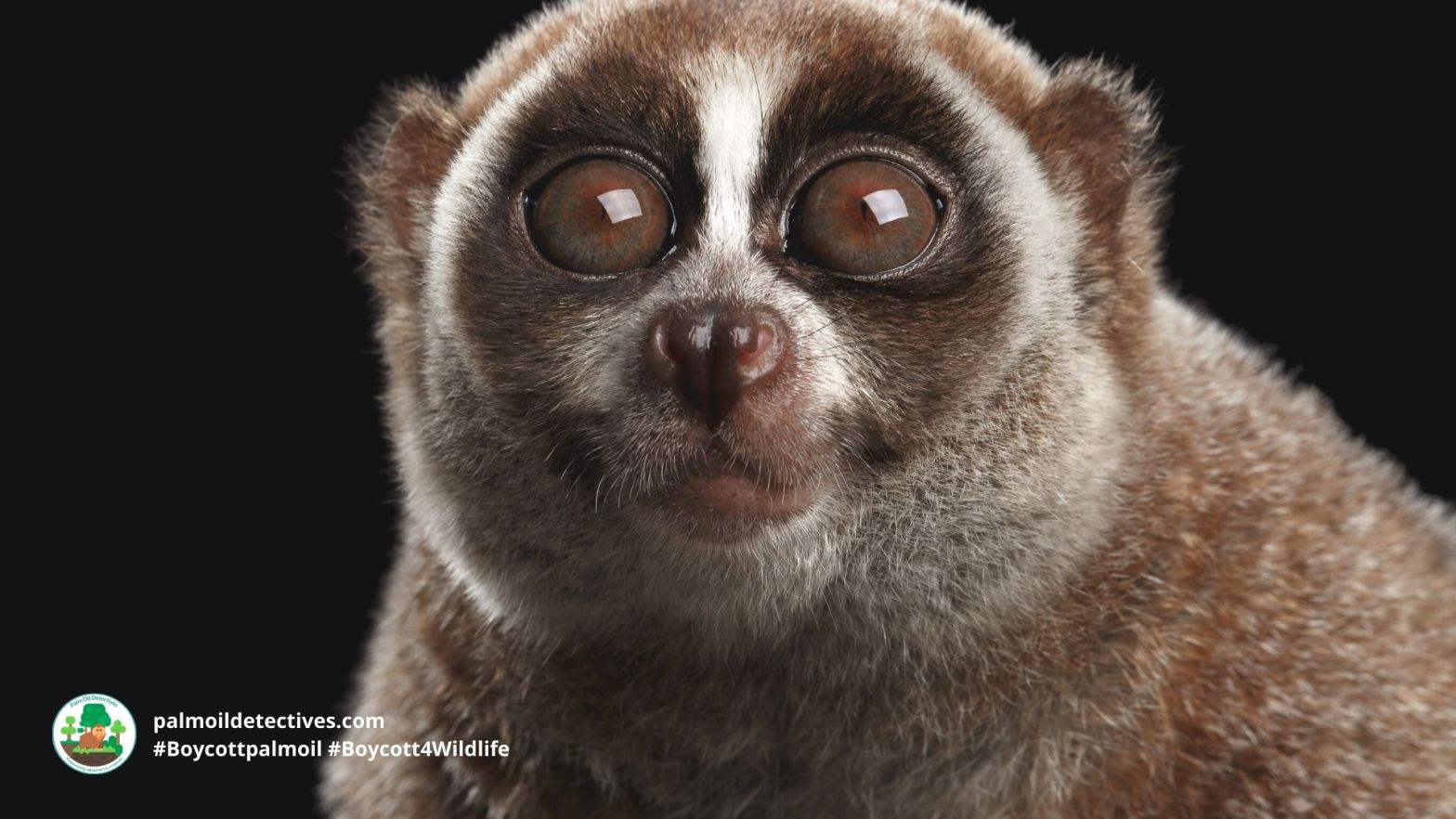
Sumatran Slow Loris Nycticebus hilleri
The Sumatran slow loris is a shy and placid smll primate endemic to the lush rainforests of Sumatra. They are famous for their large, expressive eyes, deliberate movements and tiny hands. This elusive creature possesses a unique trait among primates; despite their endearing and sweet appearance, they have a toxic bite.
This nocturnal tree-dwelling wonder faces significant threats from palm oil and mining deforestation and illegal wildlife trade in Sumatra. To protect the Sumatran slow loris take action and use your wallet as a weapon to fight for their survival each time you shop. #BoycottPalmOil #Boycott4Wildlife.
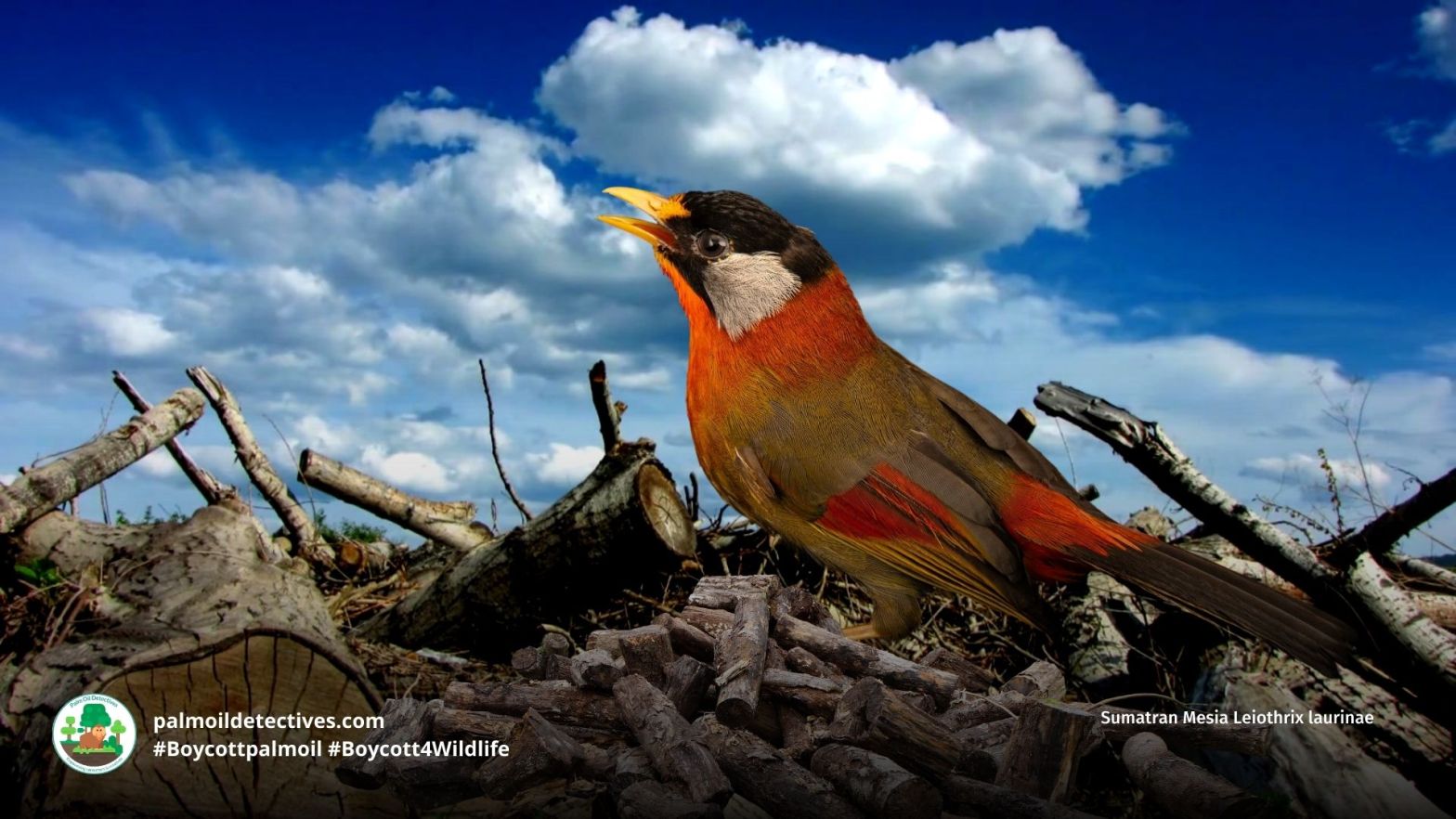
Sumatran Mesia Leiothrix laurinae
The Sumatran Mesia, also known as Leiothrix laurinae, is an exquisite song #bird endemic to the misty montane forests of #Sumatra, #Indonesia. With their striking plumage of yellow, red, and black and their enchanting, melodious calls, they are an integral part of Sumatra’s rich avian #biodiversity. This species, however, is rapidly declining due to extensive habitat destruction for #palmoil and the devastating illegal songbird #pettrade, which sees thousands of individuals snatched from the wild each year. If these birds are to survive, urgent action is needed to protect their forests and end their capture for the caged bird industry. Use your voice to demand change, campaign against the illegal wildlife trade and #BoycottPalmOil #Boycott4Wildlife every time you shop!
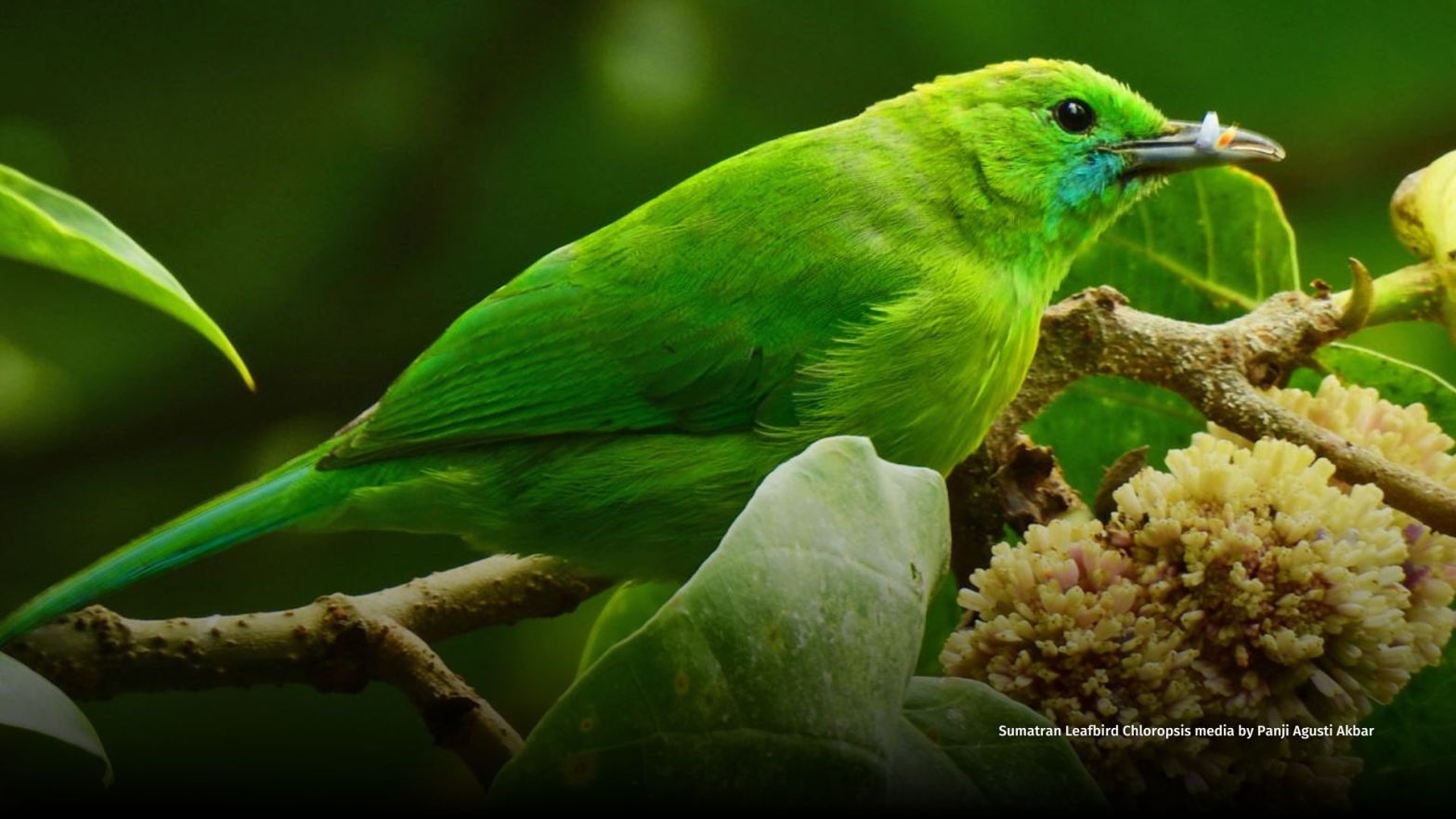
Sumatran Leafbird Chloropsis media
The Sumatran Leafbird is a vibrant songbird native exclusively to the lush forests of Sumatra. Celebrated for their striking green plumage and melodious calls, these birds play a vital role in their ecosystem. However, rampant trapping for the cage bird trade and habitat loss have led to a rapid decline in their population. To protect the Sumatran Leafbird, we urge you to boycott products linked to deforestation. Use your wallet as a weapon to fight for their survival each time you shop. #BoycottPalmOil #Boycott4Wildlife
Tiger Panthera tigris
Fewer than 400 tigers remain in Sumatra due to deforestation for palm oil. Help save this endangered species. #Boycottpalmoil #Boycott4Wildlife
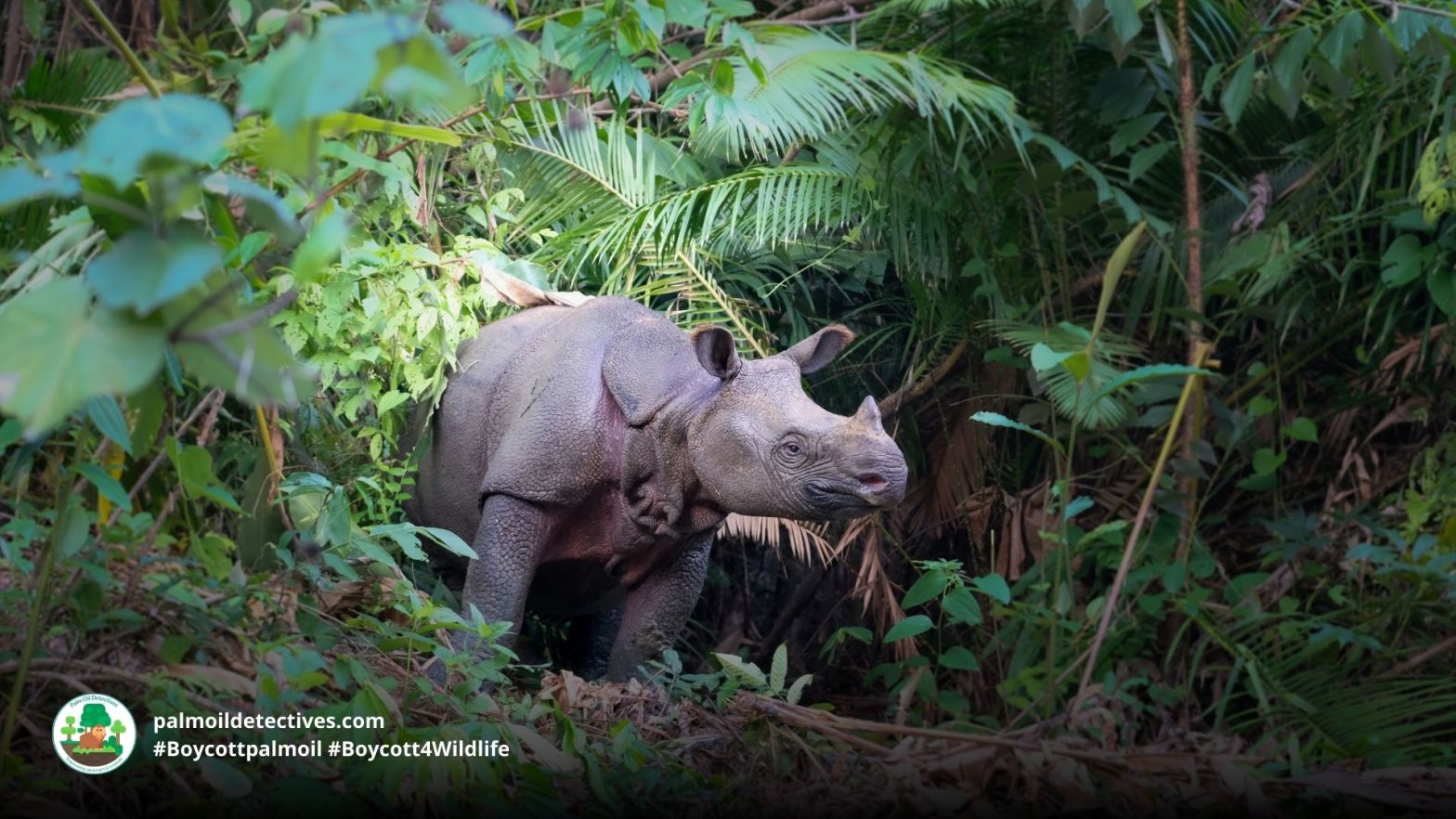
Sumatran Rhino Dicerorhinus sumatrensis
Sumatran rhinoceros are the hairiest of all rhinos, known as living fossils and related to the extinct woolly rhinoceros, only 80 are left! Boycott palm oil!
Borneo Pygmy Elephant Elephas maximus borneensis
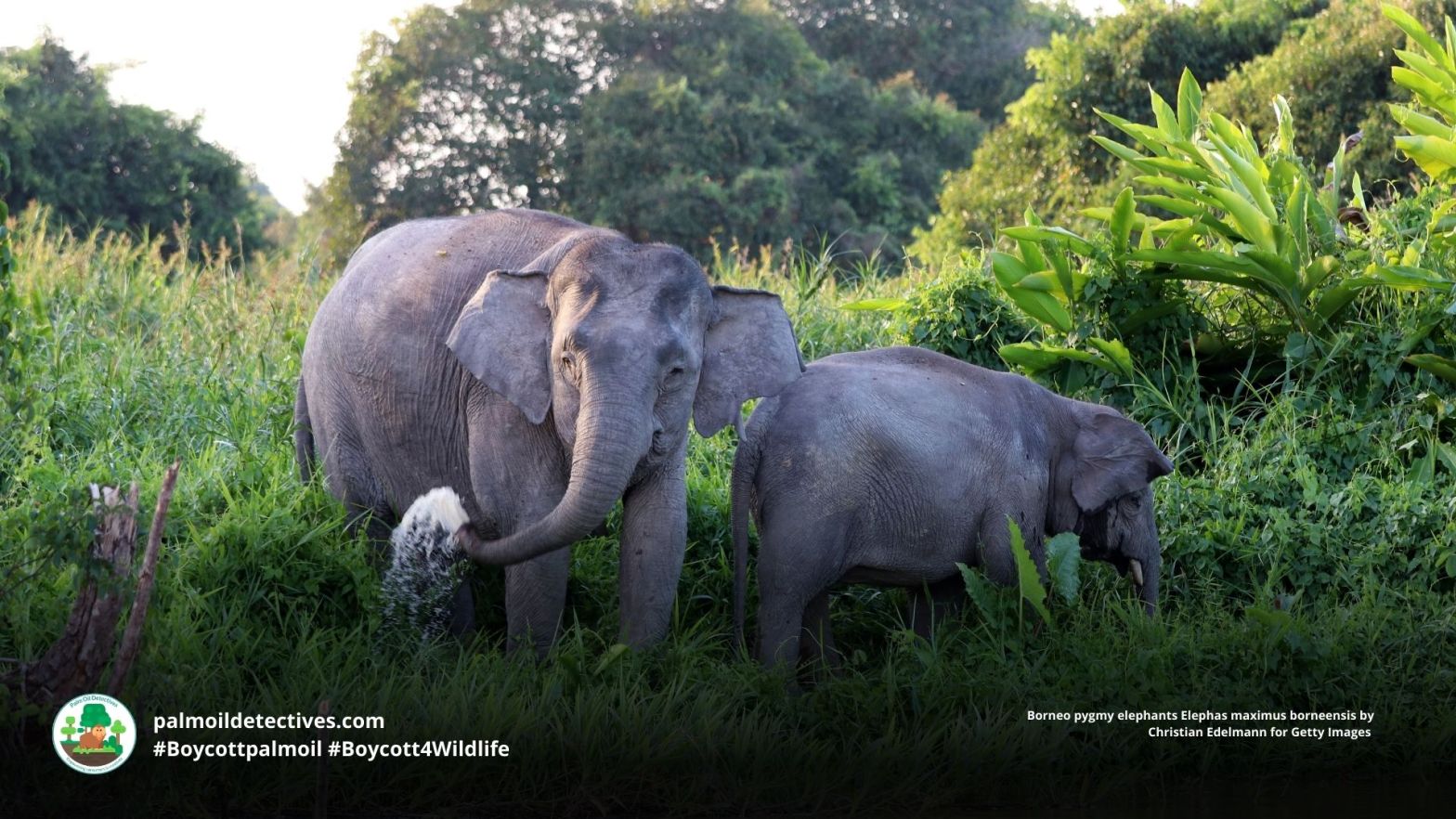
Explore the plight of the Bornean Pygmy Elephant (Elephas maximus borneensis), a vulnerable species threatened by habitat loss due to palm oil deforestation. Learn how you can help protect them. #BoycottPalmOil #Boycott4Wildlife
Sumatran Elephant Elephas maximus sumatranus
Sumatran Elephants are Critically Endangered, with populations declining by 80%. Threats include deforestation for palm oil and poaching Take action for them!
Tapanuli Orangutan Pongo tapanuliensis
Act now and save the Tapanuli Orangutan – boycott palm oil! Fewer than 800 individual animals remain alive due to palm oil and timber deforestation.
Bornean Orangutan Pongo pygmaeus
The beautiful Bornean Orangutan is critically endangered from palm oil, mining deforestation. Fight back for them and boycott palm oil in the supermarket!
Sumatran Orangutan Pongo abelii
Iconic and super smart Sumatran Orangutans reproduce slowest of all mammals and are critically endangered by palm oil and mining. Boycott palm oil for them!
Asia: Species Endangered by Palm Oil Deforestation
Discover the diverse wildlife of Asia and the devastating effects of palm oil deforestation. Learn how to protect these species and #BoycottPalmOil. #Boycott4Wildlife
Africa: Species Endangered by Palm Oil Deforestation
Explore the biodiversity of Africa and discover how palm oil deforestation impacts wildlife. Learn how you can help. #BoycottPalmOil #Boycott4Wildlife
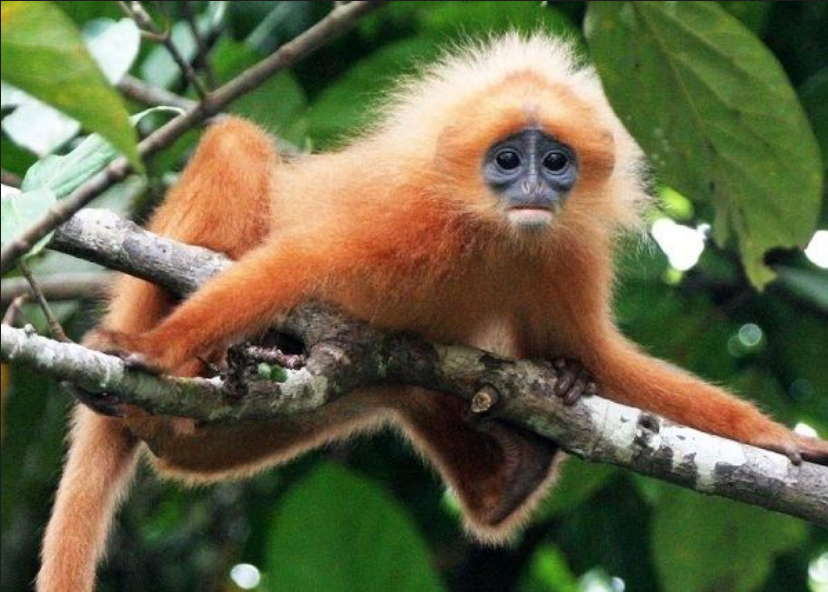
Mount Nimba Reed Frog Hyperolius nimbae
Fragile Mount Nimba Reed Frogs 🐸💚 hang on to life in Côte d’Ivoire 🇨🇮 Africa. Seldom seen and often forgotten, they’re endangered due to palmoil meat agriculture. Serving as both predator and prey, Mount Nimba Reed Frogs are integral to the local ecology of Mount Nimba. Take action and advocate for indigenous-led conservation initiatives that prioritise the biodiversity protection. Fight for their survival when you shop and #BoycottMeat #BoycottPalmOil #Boycott4Wildlife
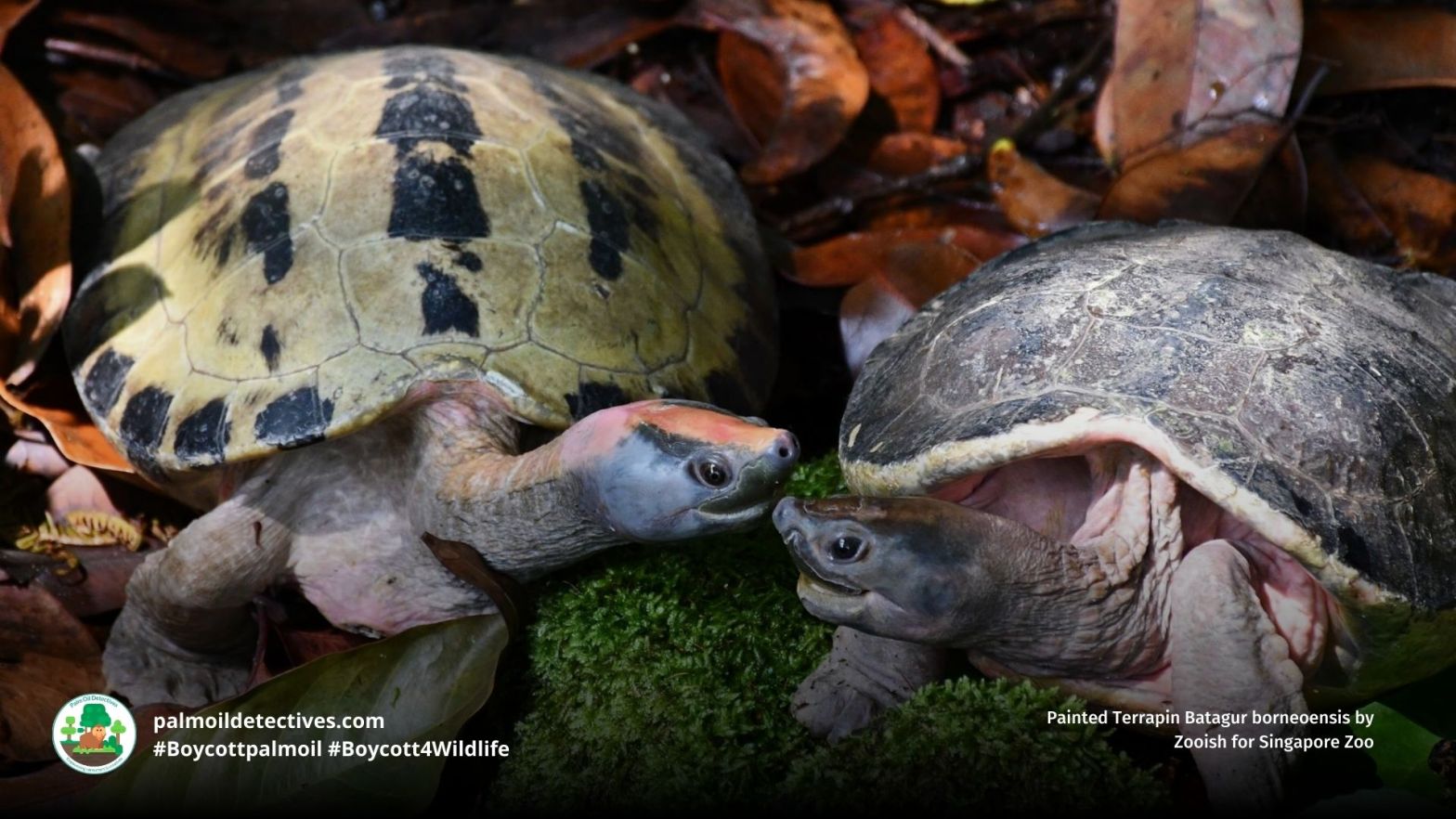
White-bellied Pangolin Phataginus tricuspis
The White-bellied Pangolin also commonly known as the Tree Pangolin are fascinating creatures akin to giant pest controllers, estimated to consume around 70 million insects per year. #Pangolins don’t have teeth, rather they have scales lining their stomachs which aid them in the digestion of food that is swallowed whole. Baby pangolins often ride on their mother’s backs and and are known as pango pups. They are able to use their tails to support their body weight and can walk upright on their hind legs.
They are often captured and killed for the illegal #poaching trade in abandoned palm oil plantations in their native homelands in #WestAfrica. Now classified as #Endangered by the IUCN, White-bellied Pangolins face a terrifying future. The dual threats of industrial-scale trafficking and rampant #deforestation for agriculture—especially #palmoil plantations—are pushing them towards extinction Help them every time you shop and #Boycottpalmoil #Boycott4Wildlife