
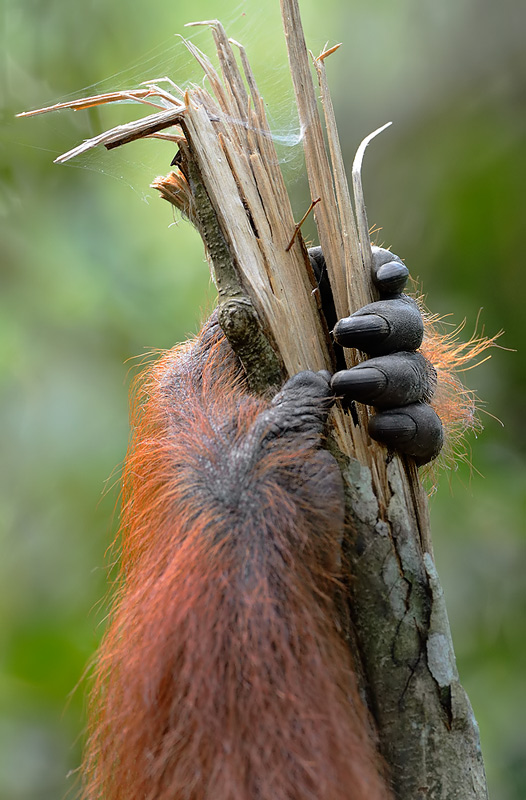
#Palmoil plantations have an overall negative impact on #biodiversity, according to research released this week. The #study, published in Nature Communications, found palm oil plantations are home to fewer insect species than even intensive rubber tree plantations. A forests expert at James Cook University, Bill Laurance, said of the research: “The big message is that oil palm is bad for biodiversity, in every sense of the word — even when compared to damaged rainforests that are regenerating after earlier logging or clearing.” Make sure you take action every time you shop and #BoycottPalmOil #Boycott4Wildlife!
Tag Archives: deforestation
Chimpanzee Pan troglodytes
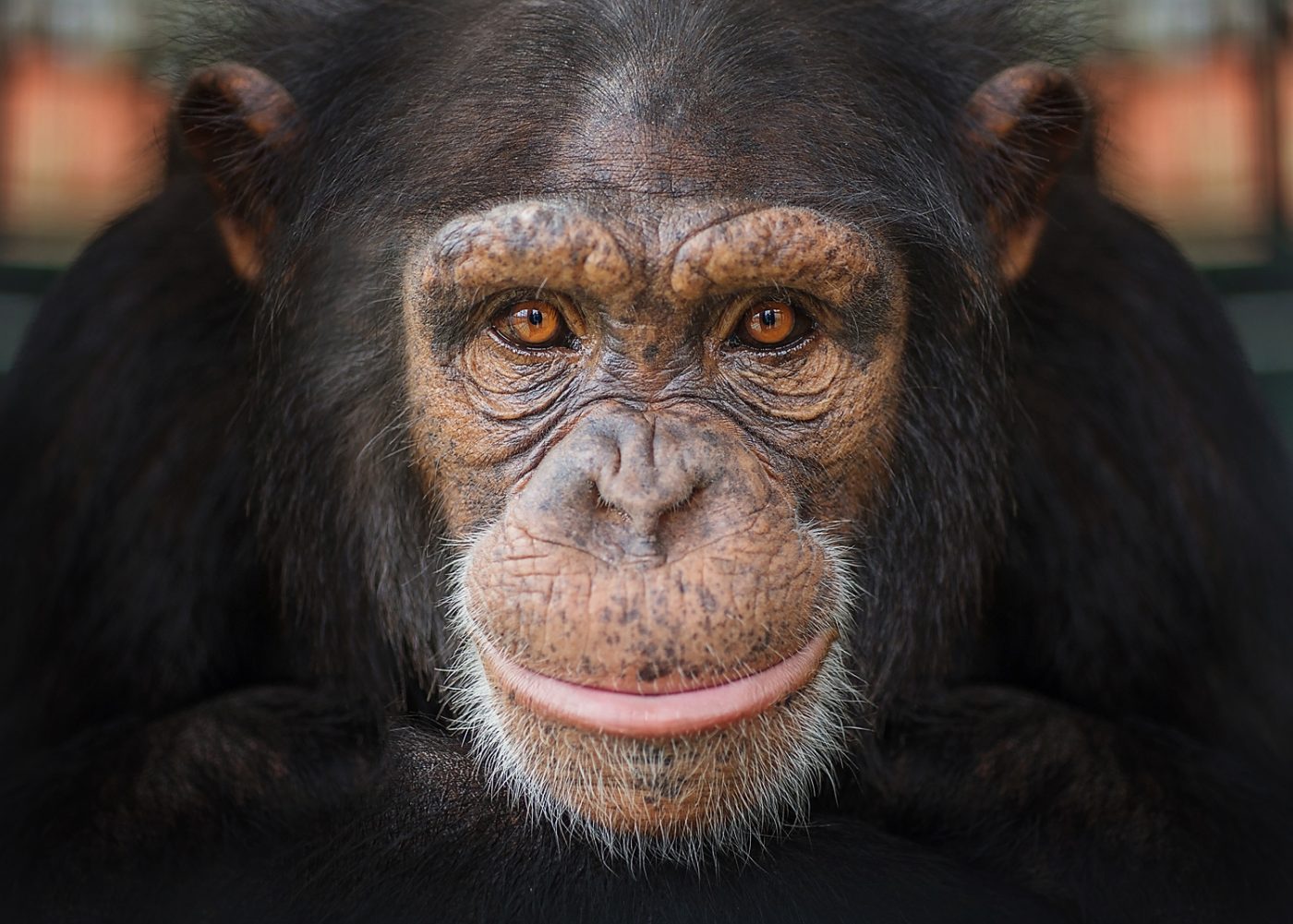
Chimpanzees (Pan troglodytes) are one of humanity’s closest living relatives and the most widespread of all great apes, with a vast historical range stretching across 21 African countries. Despite this, they are now classified as Endangered by the IUCN Red List due to catastrophic declines of more than 50% over a 75-year period, from 1975 to a projected 2050. These losses are driven by a lethal cocktail of threats: rampant poaching, habitat destruction for palm oil and logging, industrial mining, disease outbreaks like Ebola, and illegal trafficking. Subspecies such as P. t. ellioti have been reduced to only a few thousand individuals, while the once widespread P. t. verus is now Critically Endangered. Protecting them means dismantling the extractive industries that are ripping Africa’s forests apart such as the meat industry and palm oil industry. Help them when you #BoycottPalmOil #Boycott4Wildlife and be #Vegan #BoycottMeat
Leopard Panthera pardus
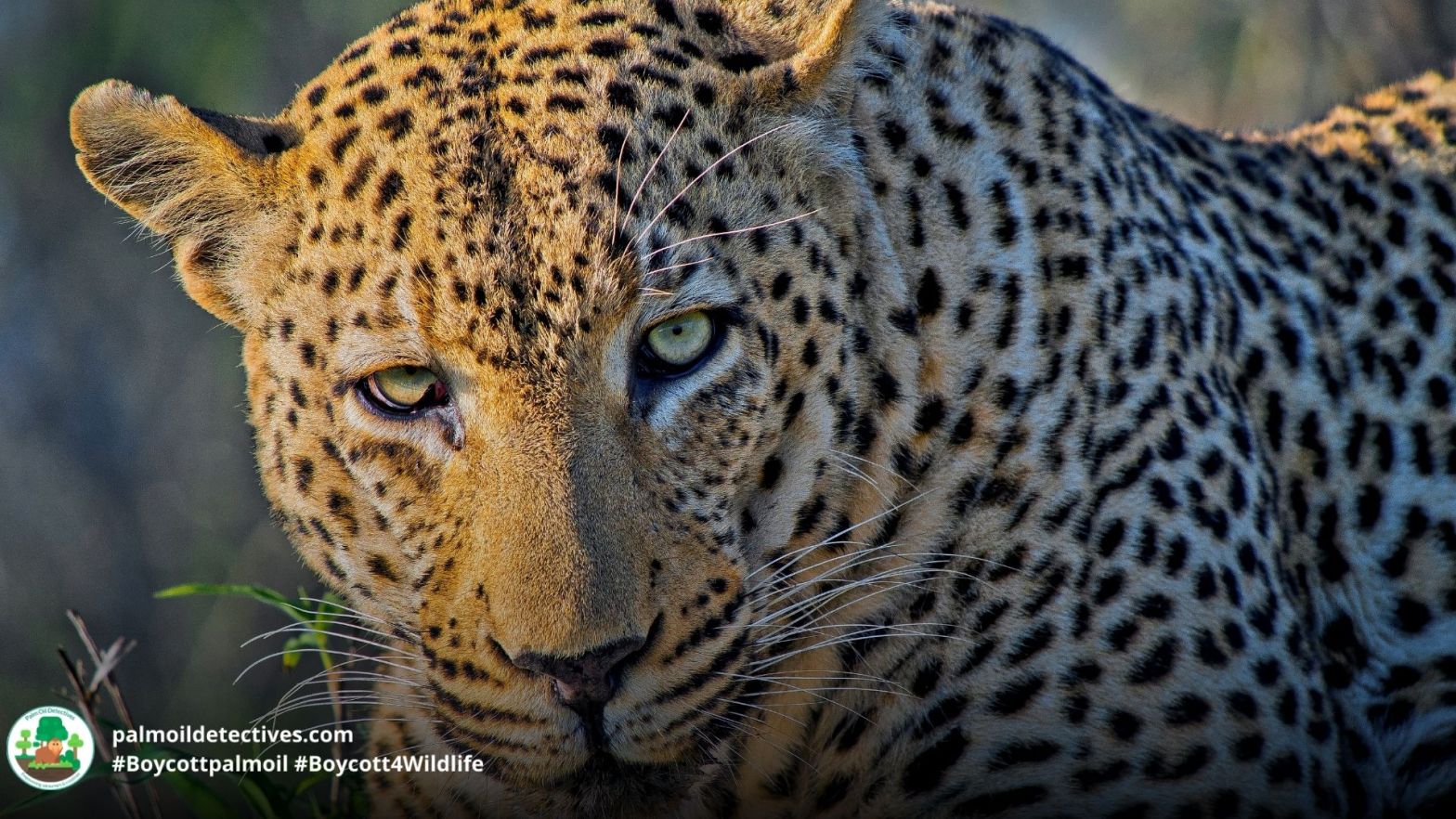
Of all the great cats prowling the wild, few inspire as much awe and fascination as the leopard Panthera pardus. Sleek, powerful, and enigmatic, leopards are found across a staggering range—from sub-Saharan Africa, forests of West Africa and the Middle East to Central Asia and the forests of Southeast Asia. Yet this extraordinary adaptability masks a disturbing truth. The leopard is currently listed as Vulnerable on the IUCN Red List, with some subspecies such as the Amur, Arabian, and Javan leopard are on the very brink of extinction. Across their range, these elusive big cats are being driven into ever-shrinking patches of habitat, with populations decimated by deforestation, rampant poaching, prey depletion, and the relentless spread of palm oil plantations and other monoculture. Help leopards every time you shop and #BoycottPalmOil #Boycott4Wildlife
Hoge’s Side-necked Turtle Mesoclemmys hogei
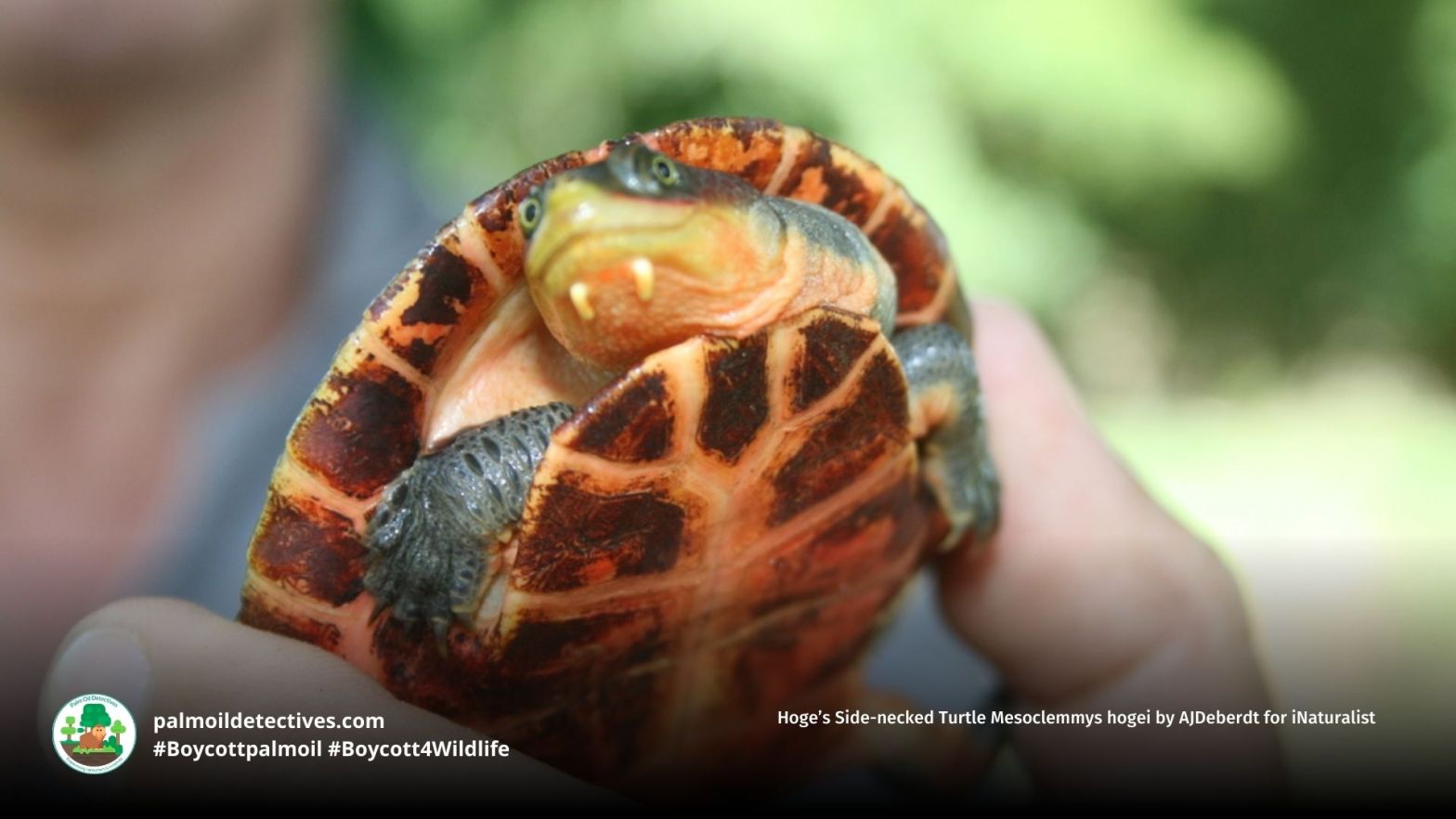
The Hoge’s Side-necked Turtle Ranacephala hogei—also known as Hoge’s Toadhead Turtle—is one of #Brazil’s rarest and most endangered reptiles. Having diverged from other turtles some 80 million years ago, they are evolutionary survivors now on the brink. With fewer than 2,000 individuals thought to remain, their populations have plummeted due to #palmoil #soy and #meat #deforestation, damming, water pollution, and incidental deaths in fisheries. Once feared lost from parts of their range, new research using citizen science and extensive fieldwork has rediscovered them in previously unknown areas, sparking renewed hope. But the threats remain. Help them every time you shop and #BoycottPalmOil #Boycott4Wildlife, be #Vegan and #BoycottMeat
Maned Three-toed Sloth Bradypus torquatus
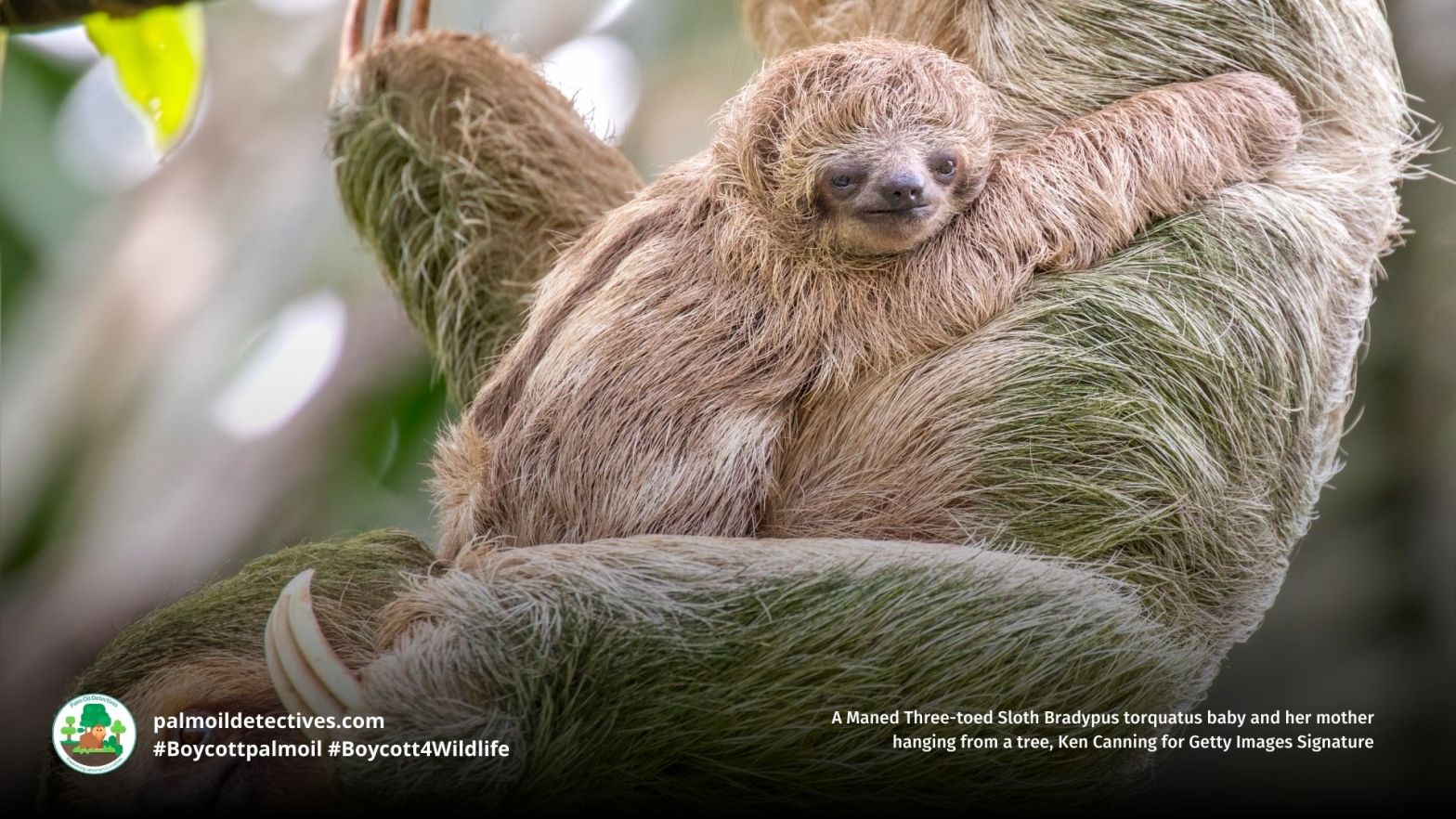
The Maned Three-toed Sloth live in the Atlantic coastal forests of eastern Brazil. They thrive in areas with high rainfall and no dry season. Remarkably, their reproductive habits are synced with nature’s rhythm: females typically give birth annually between February and April, while mating peaks from August to October. This species matures sexually between their second and third year and can live to over 12 years old in the wild.
As palm oil, soy and meat deforestation expands across their range – their lives are at risk. Help protect these gentle and wonderous creatures and use your wallet as a weapon. #BoycottGold4Yanomami #BoycottPalmOil and #Boycott4Wildlife. 🦥🌳
PZ Cussons
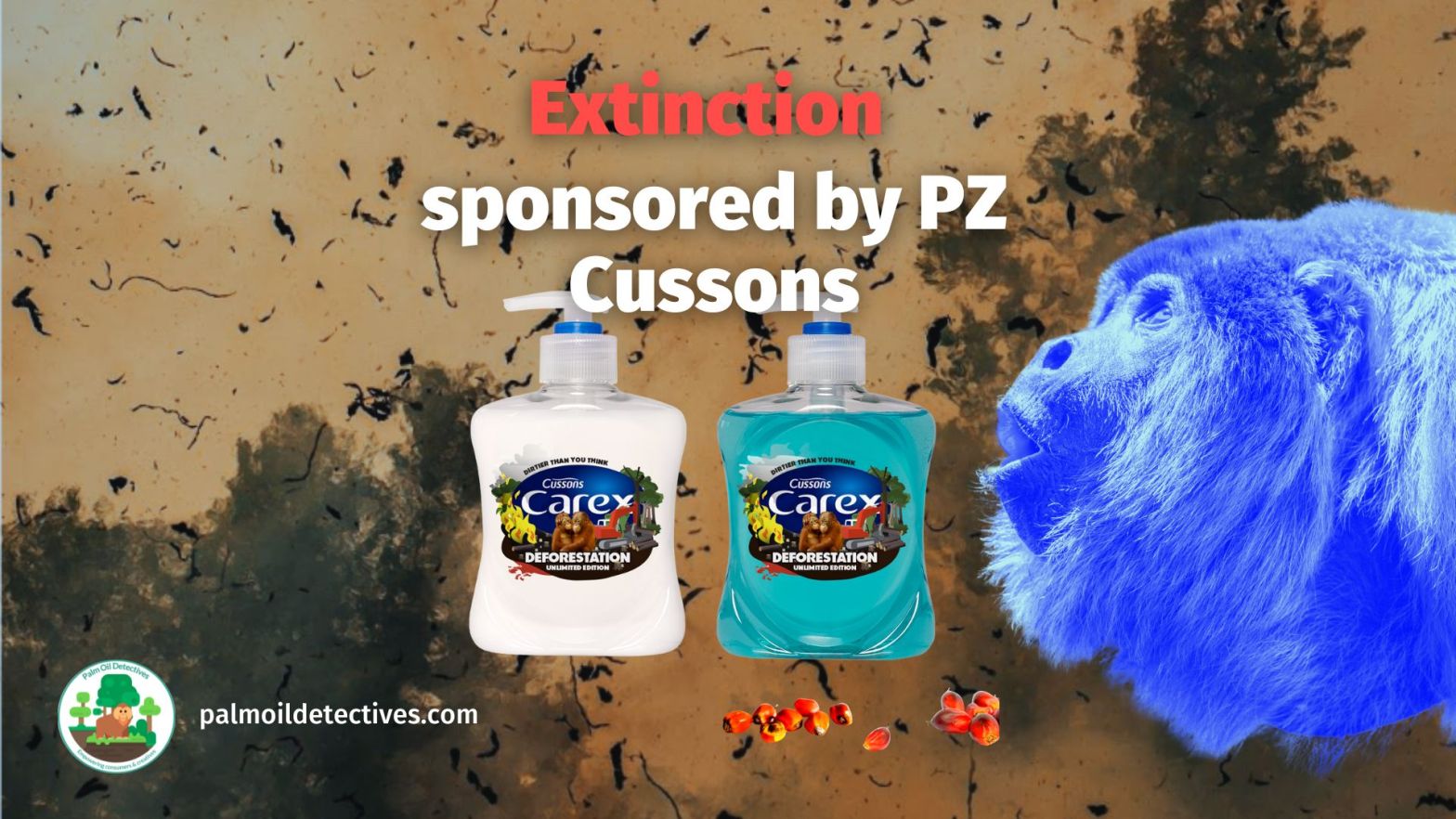
PZ Cussons is a British-owned global retail giant. They own well-known supermarket brands in personal care, cleaning, household goods and toiletries categories, such as Imperial Leather, Morning Fresh, Carex, Radiant laundry powder and more. (See below for full list)
Savvy consumers have been pressuring PZ Cussons to cease using deforestation palm oil. Yet they have failed on this.
The lengthy childhood of endangered orangutans is written in their teeth
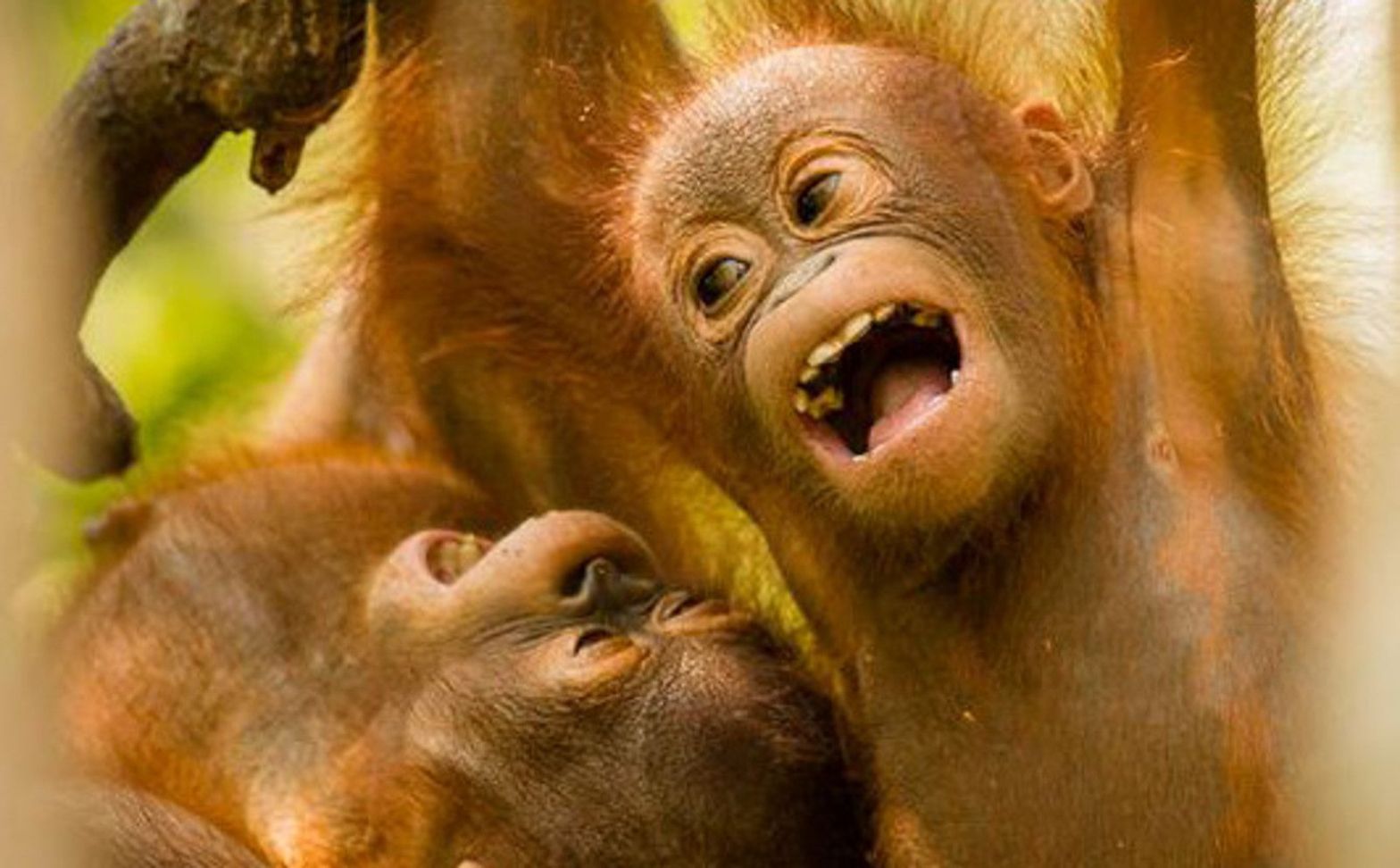
Orangutan populations of all three species are critically endangered in the wild. One of the things that may hamper their survival is the time they take to rear new generations.
Just like human mothers, primate mothers raise only a few slow-growing offspring during their reproductive years. An orangutan mother will not give birth again until she’s finished providing milk to her previous offspring. Nursing can take a long time and vary across seasons, as found in research published in Science Advances. Help these beautiful and rare great apes to survive when you #BoycottPalmOil #Boycott4Wildlife in the supermarket!
Sinu Parakeet Pyrrhura subandina
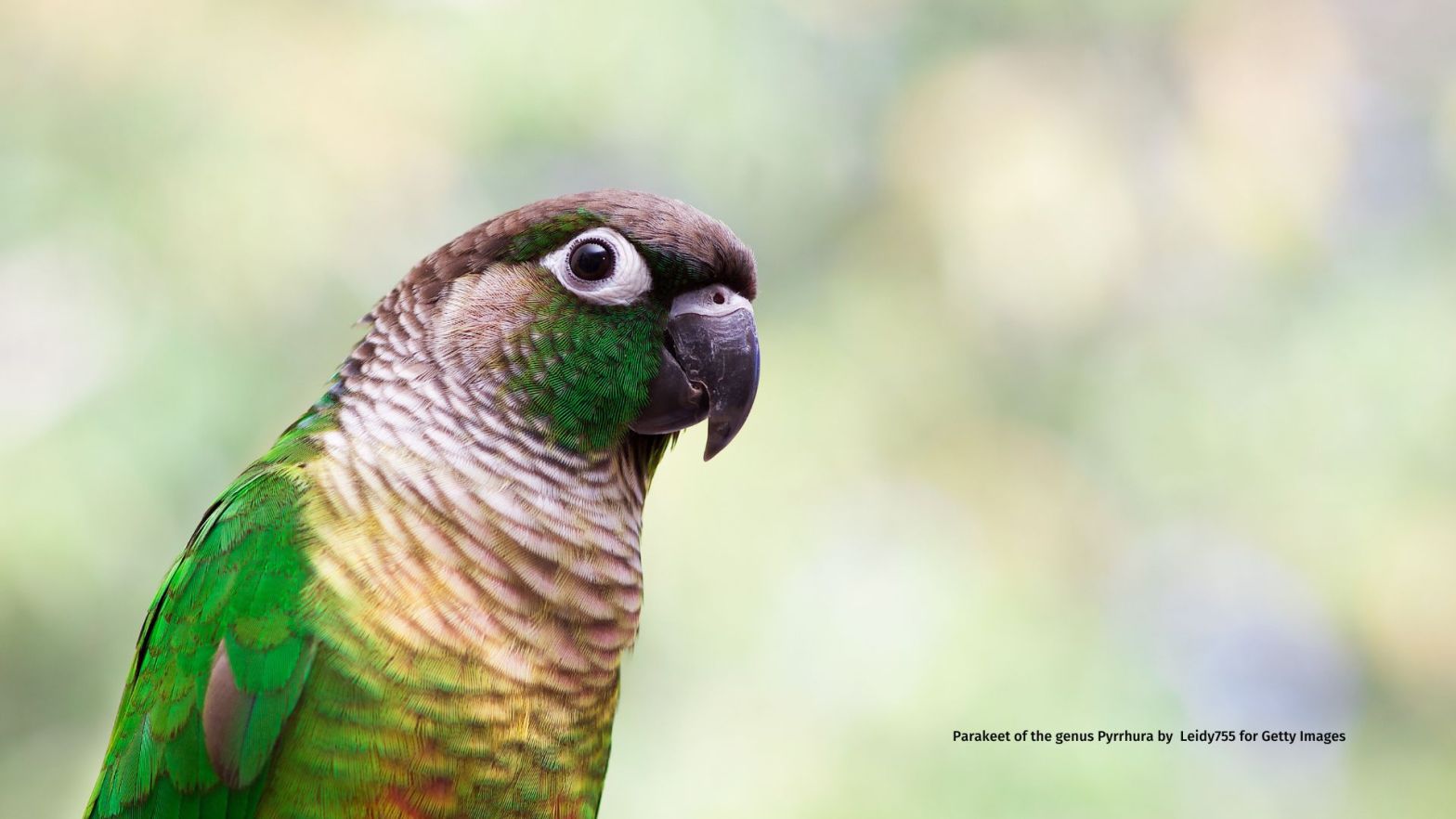
Help find the Sinu Parakeet. With no confirmed sightings since 1949, these vibrant parrots may already be extinct, victims of relentless palm oil expansion.
The Stealth and Beauty of the Clouded Leopard
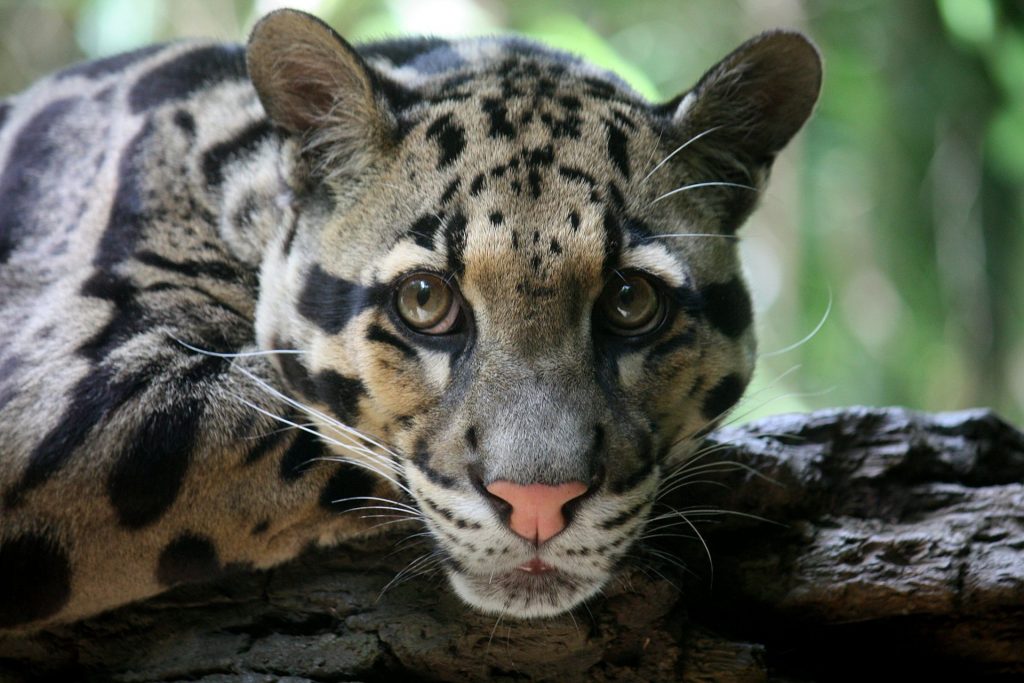
Beautiful and unique Clouded Leopards are #endangered by #palmoil, #meat #mining #deforestation and human persecution across their range. Help them every time you shop and be #vegan, #Boycottpalmoil and #Boycott4wildlife
Brown Spider Monkey Ateles hybridus

The enigmatic blue-billed curassow (Crax alberti – local name “Paujil”), endemic to the tropical humid forests of northern Colombia, is the cracid species most threatened with extinction in the wild from #deforestation
Danone
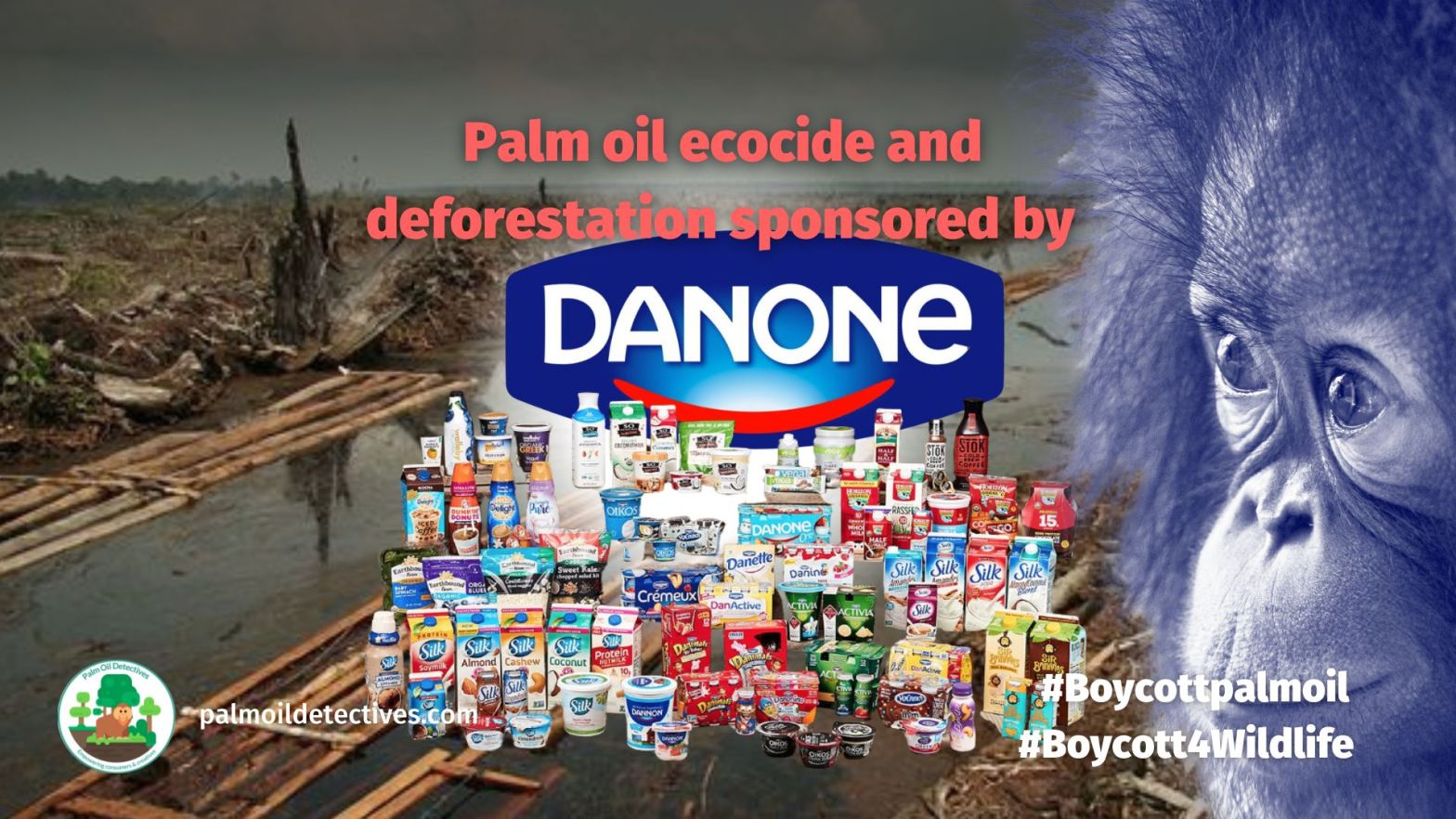
Savvy consumers have been pressuring French Dairy multinational Danone for decades to cease using deforestation palm oil. Yet they actually haven’t stopped this. From their website: ‘Danone is committed to eliminating deforestation from its supply chain by end of 2020, and to the principles of no deforestation, no development on peat, and no exploitation ofContinue reading “Danone”
African grey parrots help each other in times of need
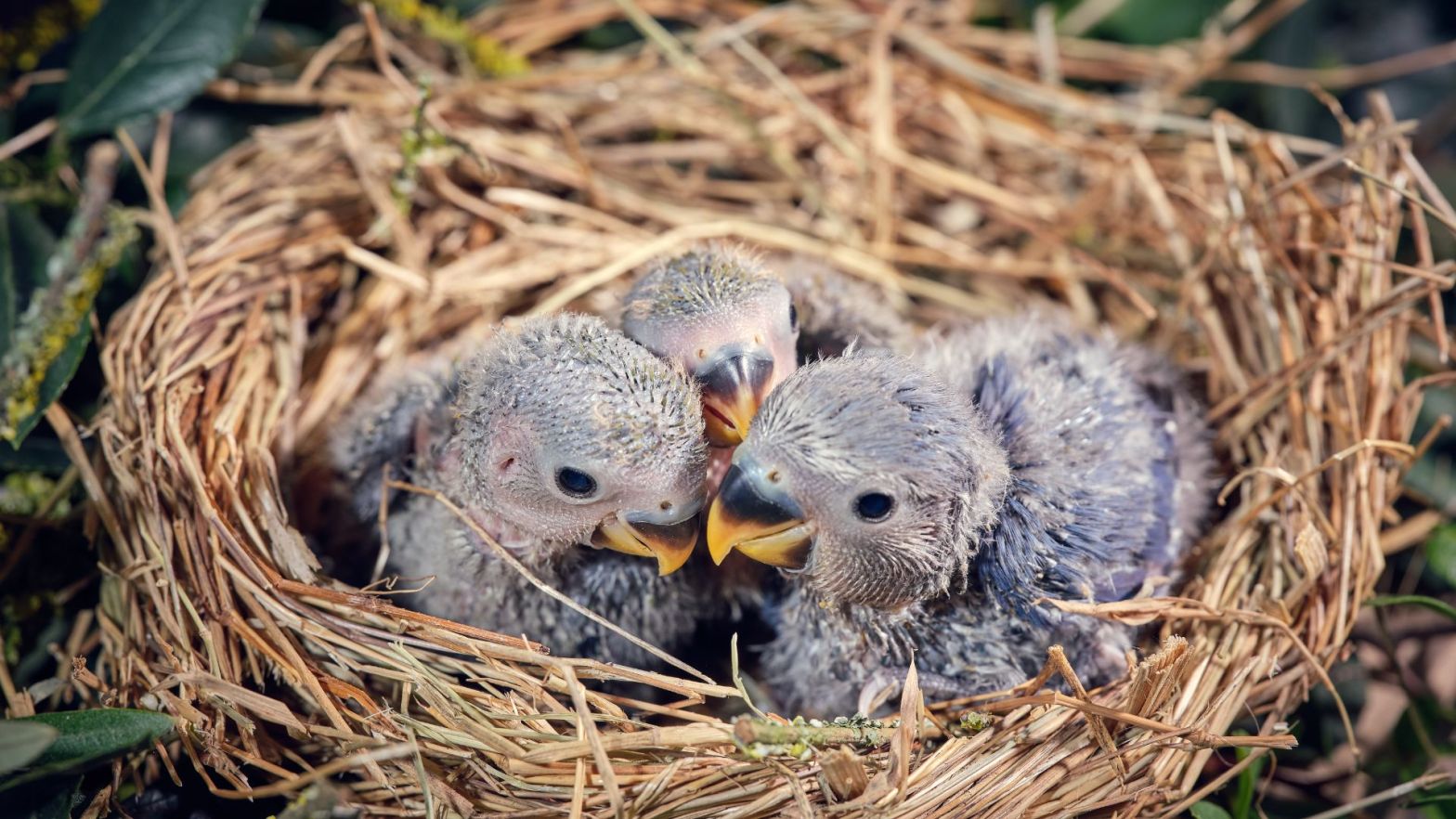
Corvids – birds such as ravens, crows, and magpies – and parrots are considered to be special among birds, as they have unusually large and densely packed brains. They show many cognitive capacities that are linked to an advanced understanding of their surroundings. This has earned them the name “feathered apes”. A recent study has found that it’s not only crows and ravens who help one another – grey parrots do as well.
Okapi: African Unicorns
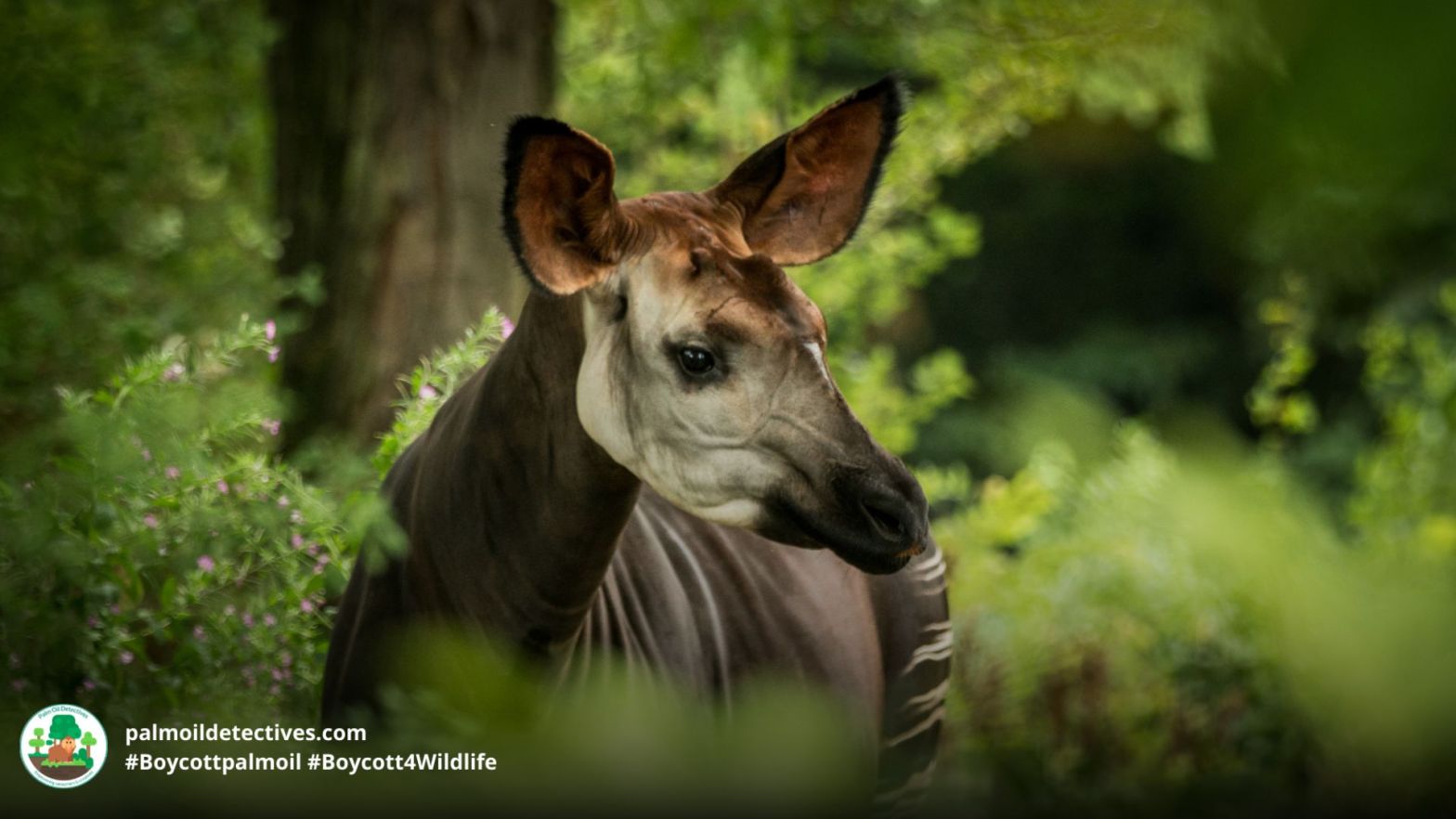
Deep in the heart of Africa, in the dense tropical rainforests of the Democratic Republic of the Congo (DRC), there lurks a very curious creature. With long legs and predominantly dark brown coat of short fur, Okapi look, at first glance, a bit like a horse. But a second look will reveal a somewhat deer-like face atop a relatively long, flexible neck, and, most strikingly, horizontal white stripes on its upper legs and rump. Help them to survive every time you shop #BoycottPalmOil #Boycott4Wildlife and be #Vegan.
Bald-headed Uacari Cacajao calvus

With their long shaggy coats and striking bright red faces, Bald-headed Uacaris are true icons of the Amazon rainforest and are found in #Brazil, #Peru and #Colombia. When a #Uacari has a bright red face this indicates they are in good health. A pale face indicates a sickly physical state. These remarkable #monkeys spend most of the year in the tree tops to avoid the seasonal flooding of their Amazonian habitat. During the dry season, they return to the ground to look for seeds. They face an existential threat from #palmoil, #soy and #meat #deforestation in the #Amazon. Once their unmistakeable scarlet faces were a common sight in the dusky green of the rainforest. Now they are rapidly disappearing, victims of a relentless drive for land, gold, and profit. Listed as Vulnerable, you can help them to survive every time you shop! #BoycottGold be #vegan for them and #BoycottPalmOil #Boycott4Wildlife
How forest loss has changed biodiversity across the globe over the last 150 years
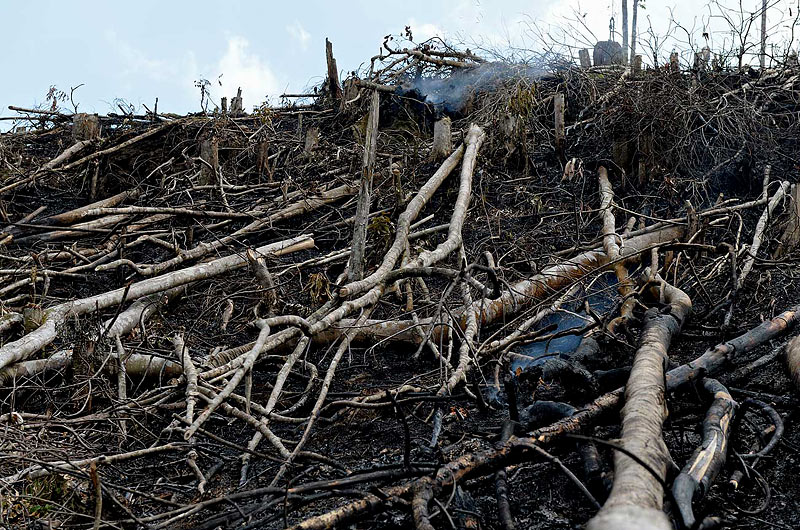
The Earth’s forests have been changing ever since the first tree took root. For 360 million years, trees have grown and been felled through a dynamic mix of hurricanes, #fires and natural regeneration. But with the dawn of the 17th century, humans began replacing large swathes of forest with farms and cities. The global pace of #deforestation has slowed in the 21st century, but #forests are still disappearing – albeit at different rates in different parts of the world. In the tropics, forest loss is accelerating in previously pristine wilderness. Help rainforests, wild animals and indigenous peoples to survive #BoycottPalmOil #Boycott4Wildlife
Rüppell’s Vulture Gyps rueppelli
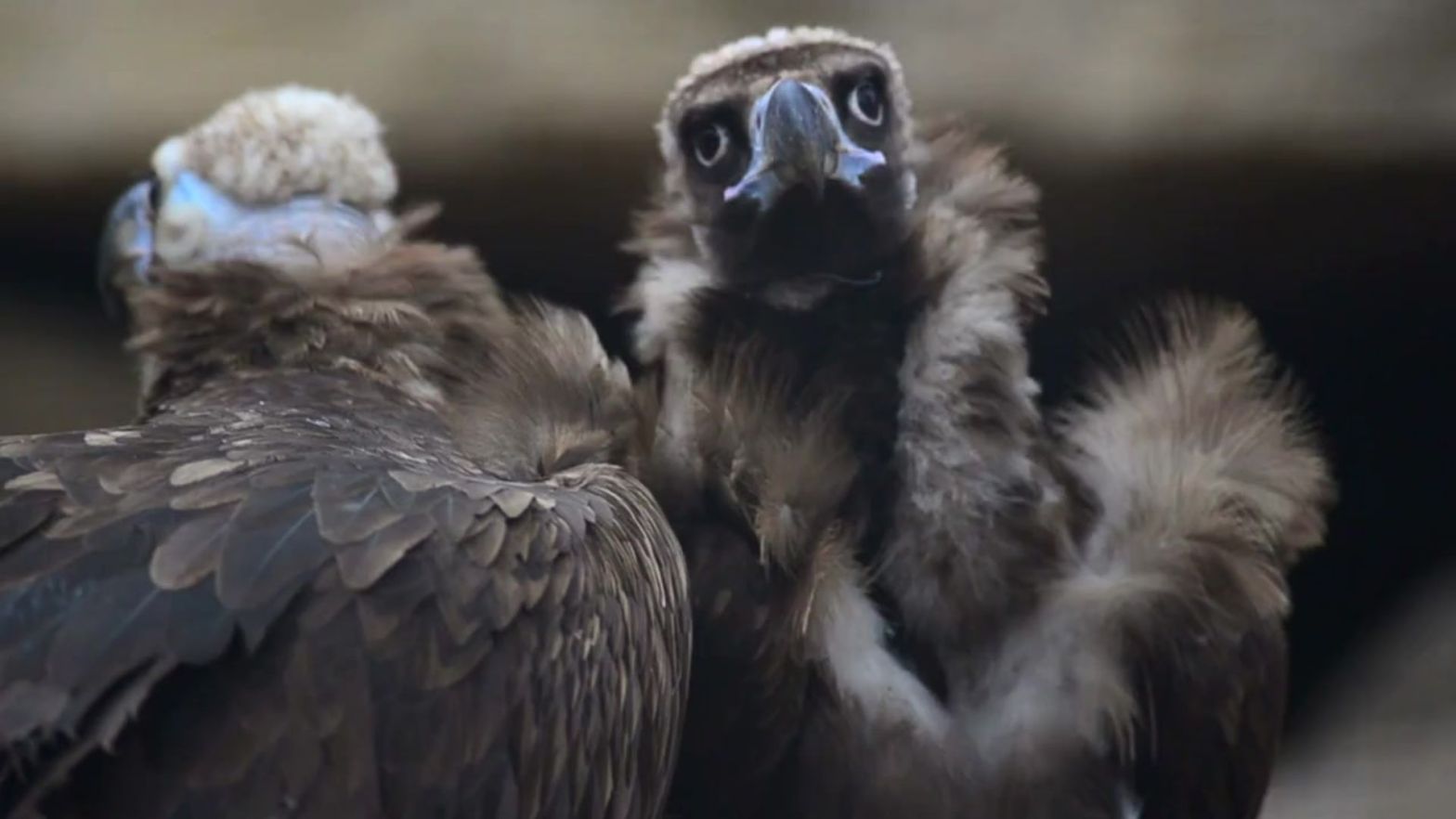
The Rüppell’s Vulture is an enigmatic avian marvel soaring the African and European skies. Their powerful wings carry them aloft on streams of air to altitudes of 11,000 metres. From far above they scan the endless landscapes for sustenance. These remarkable carrion cleaners pose no threat to humans and only eat dead animals. They now teeter on the brink of extinction, fewer than 22,000 individuals remain alive due to the depletion of their prey species, human and wildlife conflict and palm oil deforestation throughout their range. This critically endangered species, are known for their awe-inspiring high altitude flights—reaching heights seen by commercial airlines. They face a grave threat from the insidious palm oil industry, mining along with other destructive industries across their range. Help them to survive and #BoycottPalmOil and #Boycott4Wildlife every time you shop.
The Plight of the Pangolin

My favourite animal changes all the time. When I was younger, I cycled through various large, majestic cats such as tigers, jaguars and snow leopards. At one point, I considered the polar bear among my favourites; another time, the hippo. But now I much prefer stranger, more obscure, more underappreciated animals. And a weird, elusive,Continue reading “The Plight of the Pangolin”
Gibbon song may be music to the ears of human language students

#Gibbons and humans have more in common than might immediately seem apparent. Among many behavioural traits shared by our two species is singing. Not just that – the songs of gibbons have the potential to teach us about the origin of our own human capacities. Many are threatened by #palmoil #deforestation 🌳✨ #Boycottpalmoil #Boycott4Wildlife 🎶Continue reading “Gibbon song may be music to the ears of human language students”
Pernambuco Pygmy-owl Glaucidium mooreorum
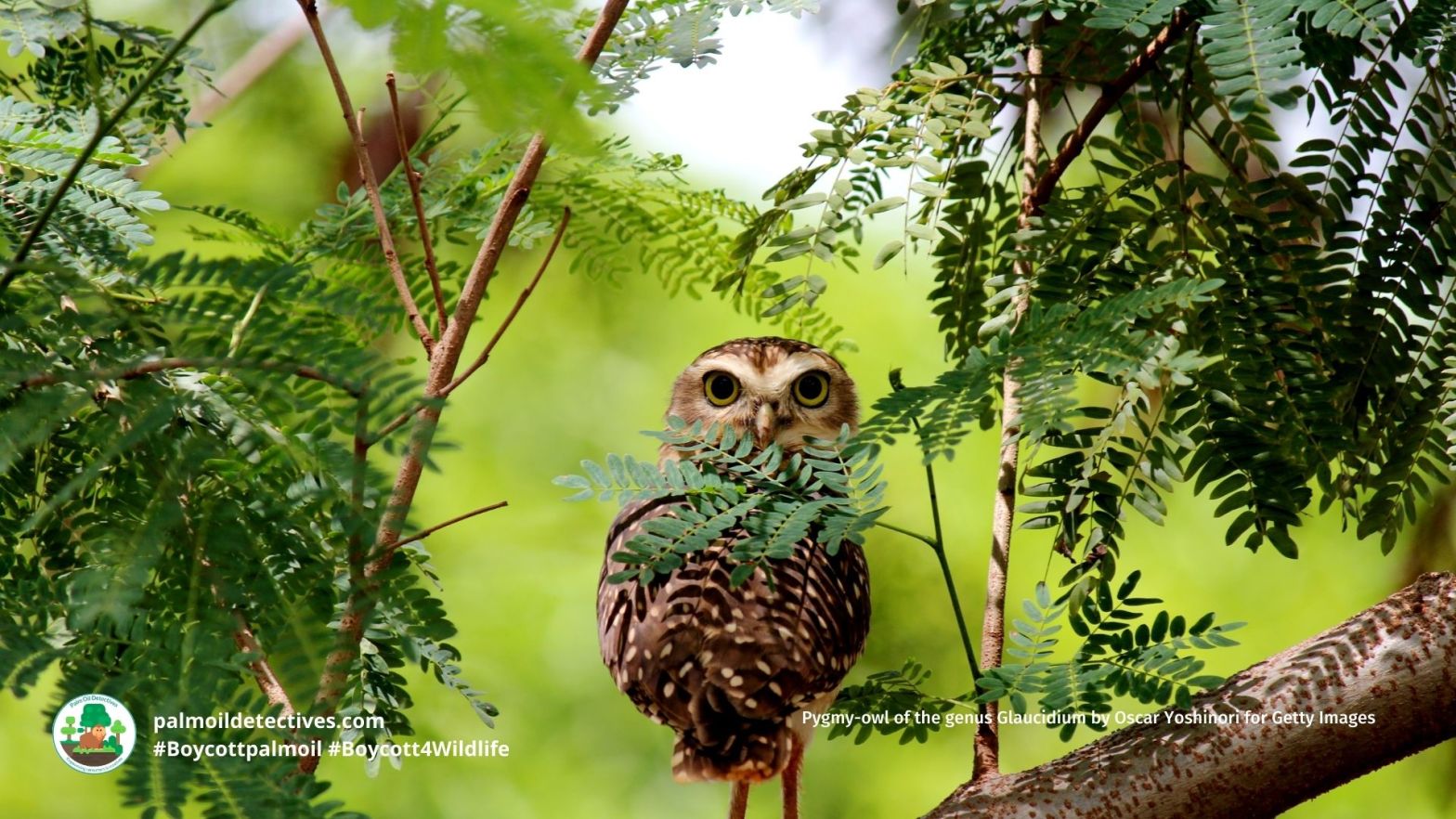
The Pernambuco Pygmy Owl Glaucidium mooreorum is among the rarest birds on Earth, known from just two museum specimens and a few recorded vocalisations. Officially described in 2002, this tiny owl is no larger than 13 cm and is likely the rarest bird in the world. They have not been sighted since 2001, and may already be extinct. Rampant #deforestation for sugarcane plantations, #palmoil, #soy and #meat and ongoing habitat destruction have decimated their native range. If this species still survives, fewer than 50 adults remain. The continued decimation of #Brazil’s Atlantic Forest leaves no margin for error. Act now to protect what remains. Help them every time you shop and #BoycottPalmOil #Boycott4Wildlife #Vegan #BoycottMeat
Pied Tamarin Saguinus bicolor

Pied #Tamarins are fascinating and vibrant black-faced #monkeys with a shock of white fur around their muzzle and chest and expressive brown eyes. They are found only in the shrinking forests of Manaus, #Brazil. As bulldozers carve roads and cities sprawl, their home is being destroyed for #palmoil, #soy, #beef farming, #gold #mining, and relentless urban expansion. These tamarins also face threats from disease, predators, and the illegal pet trade. Use your wallet as a weapon and BoycottPalmOil, Boycott4Wildlife, BoycottGold4Yanomami, and be #Vegan to help their survival.
Caquetá Tití Monkey Plecturocebus caquetensis
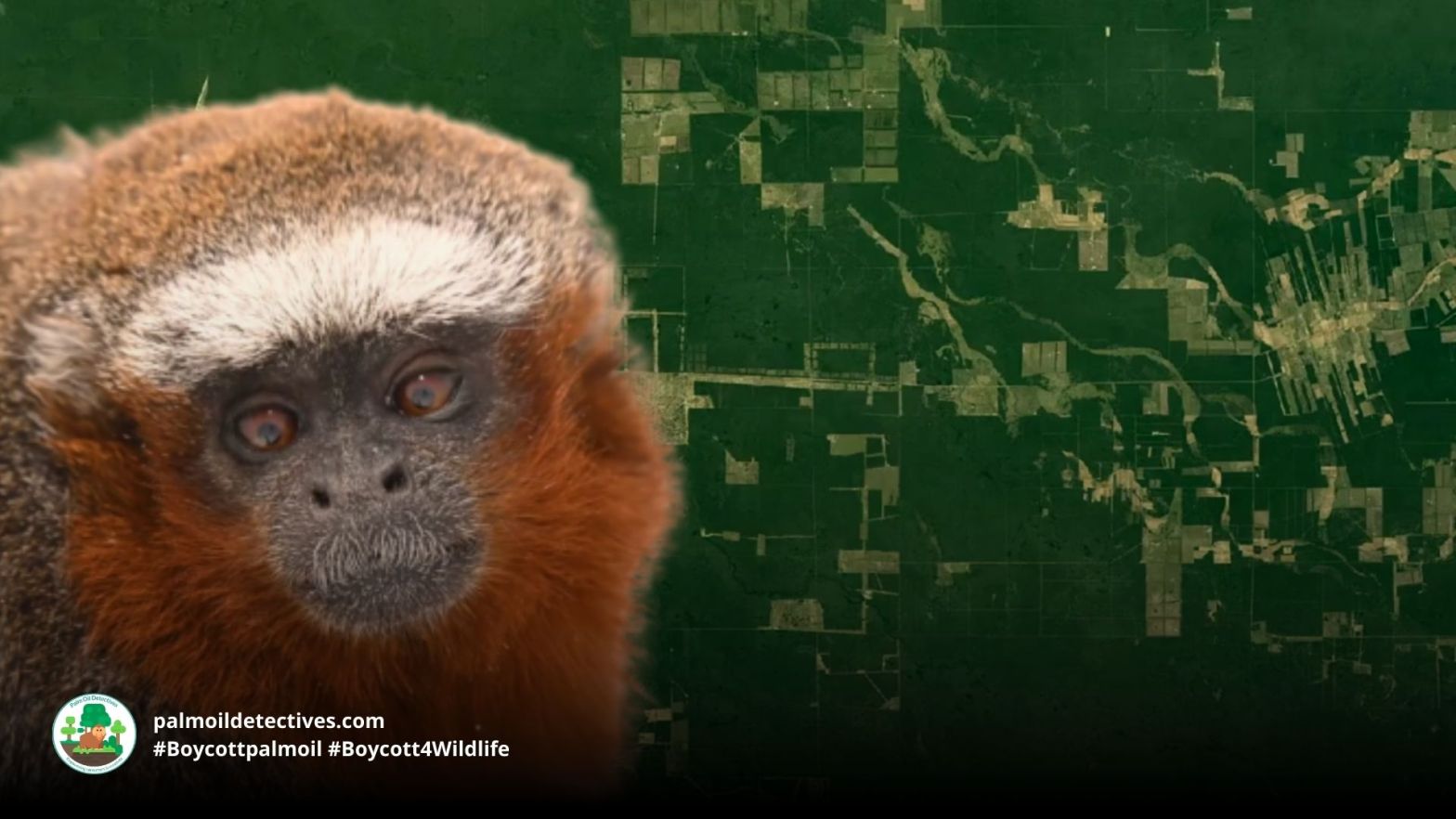
Caquetá Titi Monkeys have a distinctive song and they purr like a kitten they form monogamous partnerships. Discovered relatively recently in 2010, these beautiful and fascinating monkeys are now critically endangered due to the massive deforestation that is occurring in Colombia for palm oil and other commodities. It is believed that fewer than 100 individuals Caquetá Titi Monkeys are left in the wild and fewer than 50 mature individuals. The habitat of the Caquetá Titi Monkeys is in an advanced state of fragmentation caused by extensive cattle ranching and illegal crop cultivation. Fight for them and resist greed and greenwashing when you be #vegan #BoycottMeat #Boycott4Wildlife
Blue-billed Curassow Crax alberti
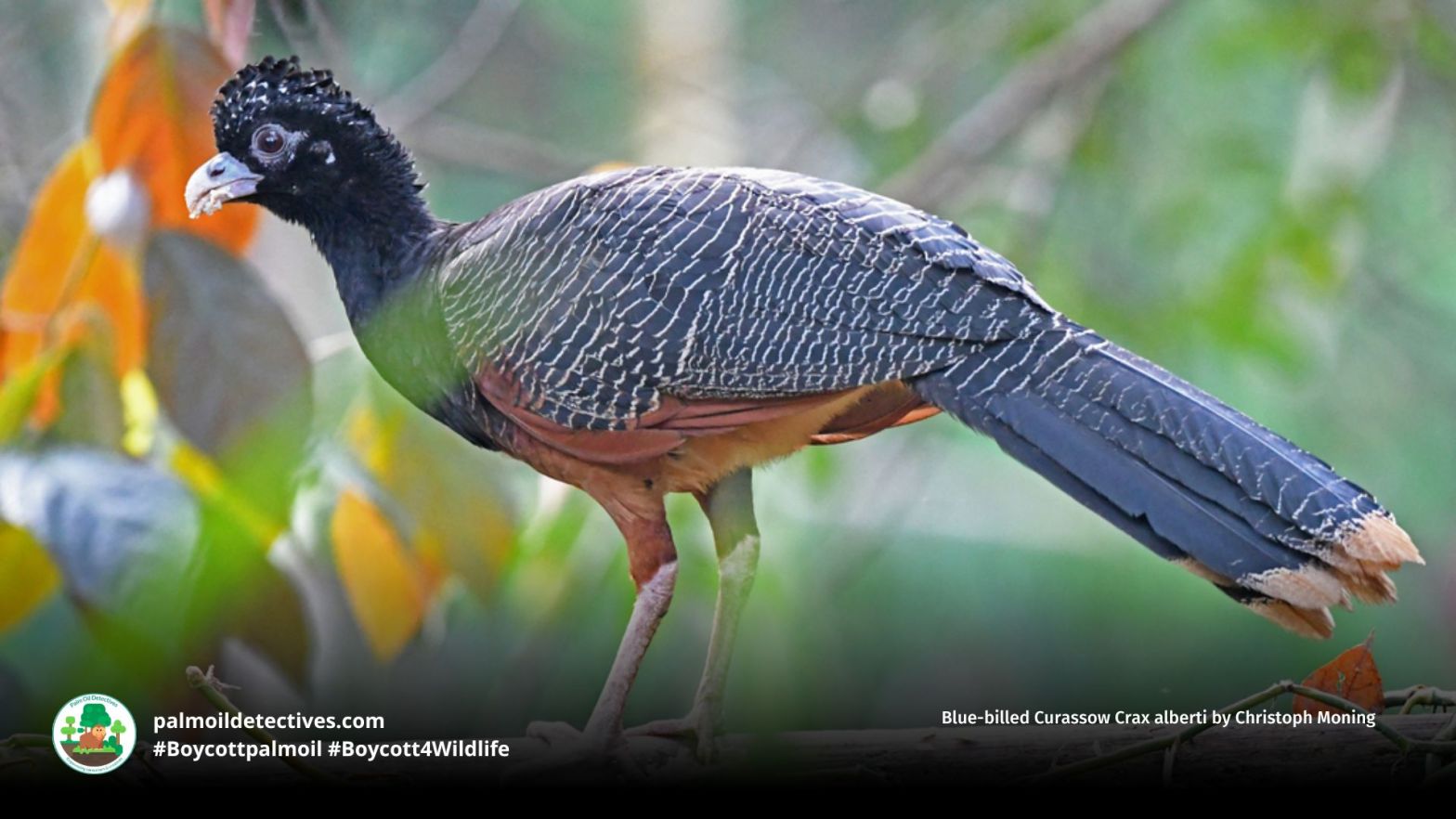
Help save Colombia’s Blue-billed Curassow, a critically endangered bird facing extinction from habitat loss due to palm oil and coca plantations!
King Cobra Ophiophagus hannah
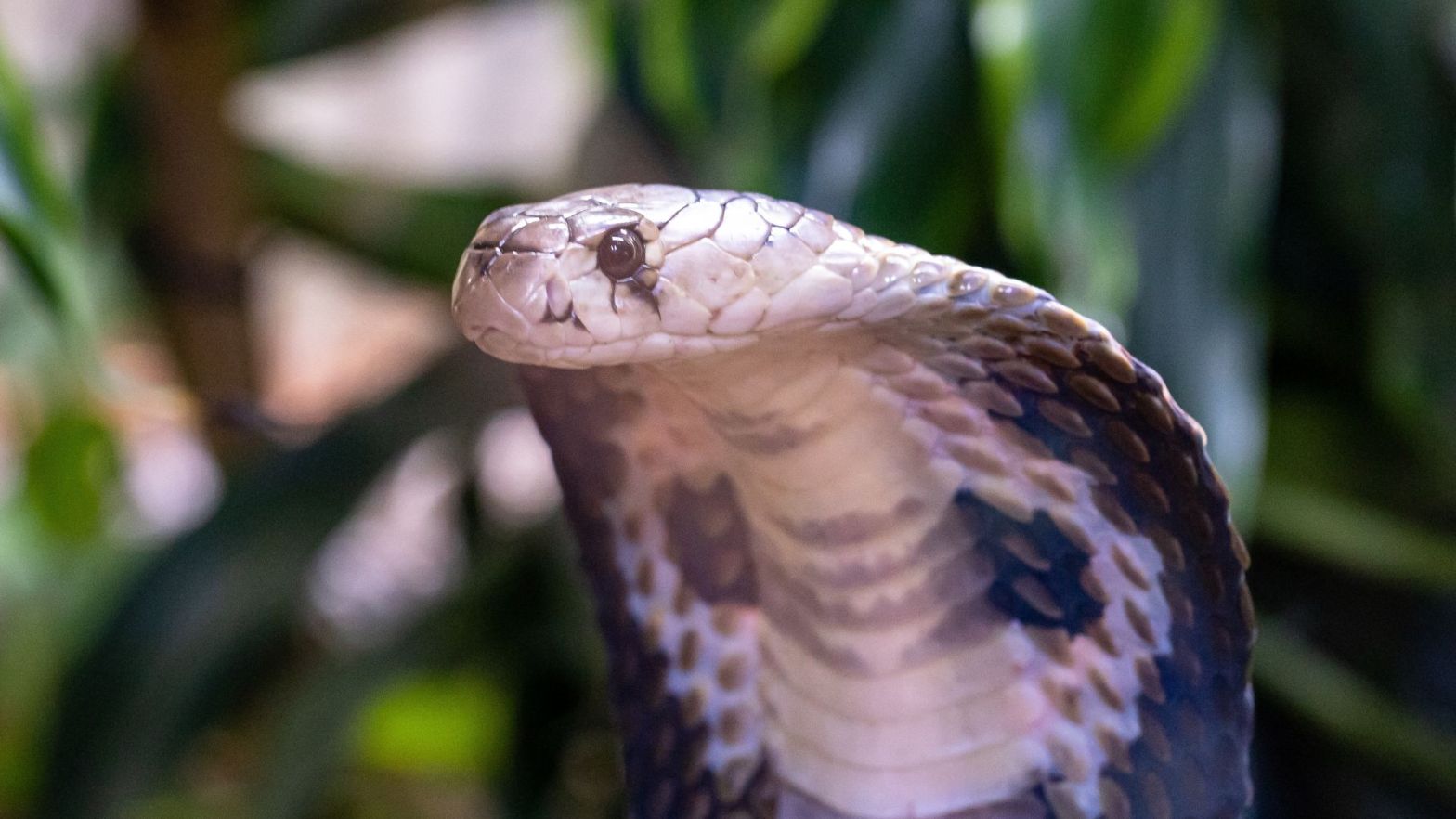
Known as the serpentine king of the jungle in South East Asia, and inspiration for the villain Kaa in the Jungle Book, the King Cobra lives in many different environments, including pristine forests, degraded forests, mangroves, swamps and woodlands of #Thailand, #Cambodia, #Malaysia, #Laos, #Vietnam, #Bangladesh and #India. Their main threat is human-wildlife conflict and ongoing persecution. Palm oil deforestation and other agricultural expansion is also a big threat throughout their range. The world’s largest venomous #snake has a neurotoxic bite powerful enough to kill twenty people or an adult elephant. Sadly, these majestic creatures are persecuted for this reason and do not have adequate protection. Help them every time you shop and #Boycottpalmoil #Boycott4Wildlife
Western Red Colobus Piliocolobus badius
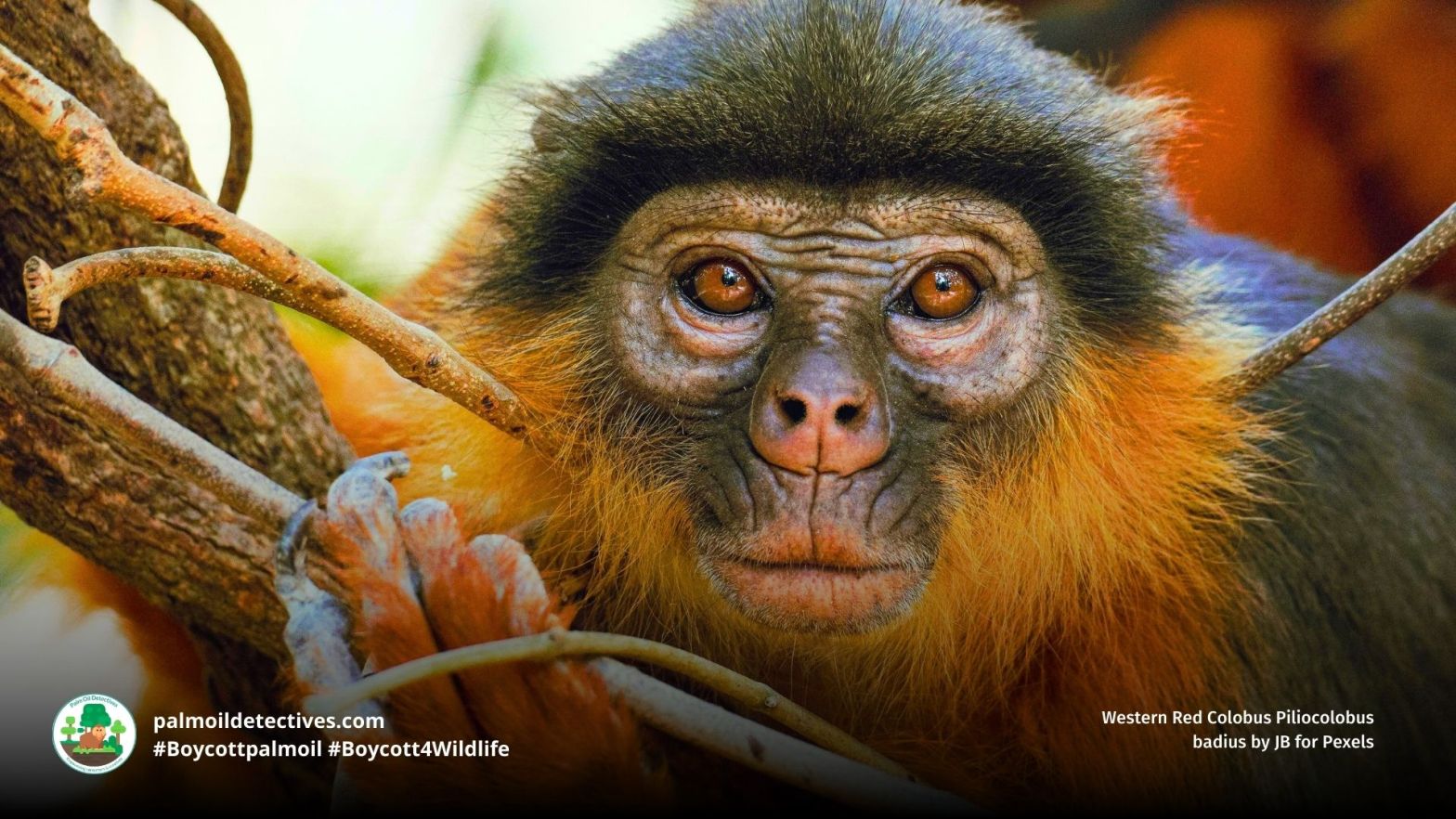
The Western Red Colobus Piliocolobus badius is one of West Africa’s most #endangered #primates, facing an escalating crisis of habitat loss and overhunting. Once abundant in mature forests across the region, they have been driven to the brink of #extinction by rampant deforestation for charcoal, palm oil and mining and the increasing demand for #bushmeat. Widespread clearing of forests for industrial #palmoil plantations, #mining, and #timber has fragmented their habitat, isolating populations and making them more vulnerable to #poaching. Without urgent intervention, their future remains uncertain. Help them every time you shop and be #vegan #BoycottPalmOil #Boycott4Wildlife
Timneh Parrot Psittacus timneh
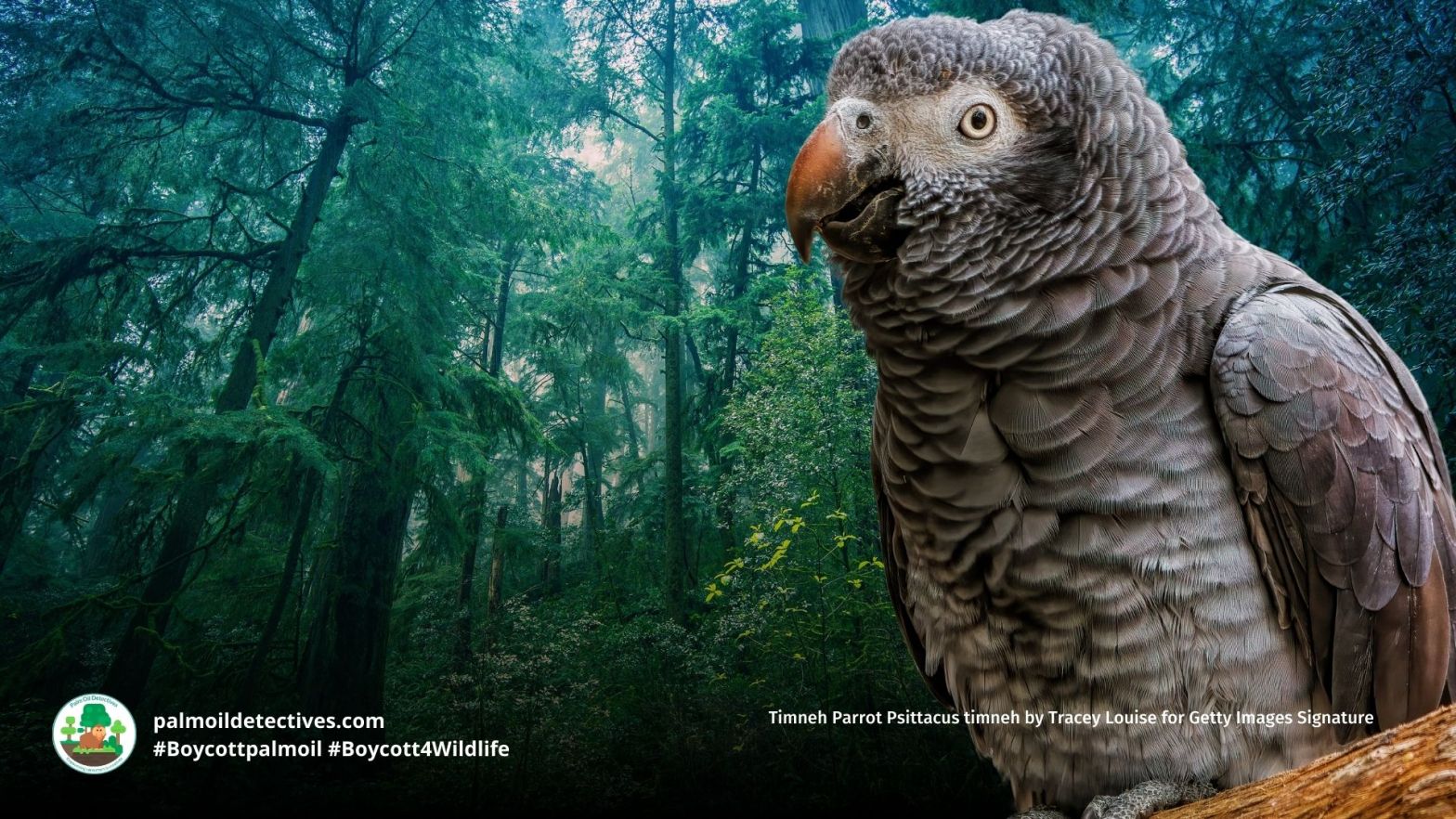
The Timneh Parrot, a smaller and darker cousin of the African Grey Parrot, captivates with their intelligence, vibrant personalities, and ability to mimic speech. However, their beauty and charm have contributed to their decline. The illegal pet trade is depleting wild populations, with poachers raiding nests to meet global demand. Meanwhile, habitat destruction driven by out-of-control palm oil plantations, meat agriculture, and crops like cocoa, coffee, and tobacco is eroding their forest homes.
Research shows that the parrot trade, facilitated by social media, has expanded into new regions like Algeria, where demand for exotic pets continues to fuel poaching. The population declines are staggering—studies in Cameroon show local reductions of up to 99% over 14 years due to trapping and habitat loss. Protecting these parrots requires ending the demand for wild-caught birds and halting deforestation in West Africa. Take action today: #BoycottPalmOil #BoycottMeat #Boycott4Wildlife.
White-thighed Colobus Colobus vellerosus
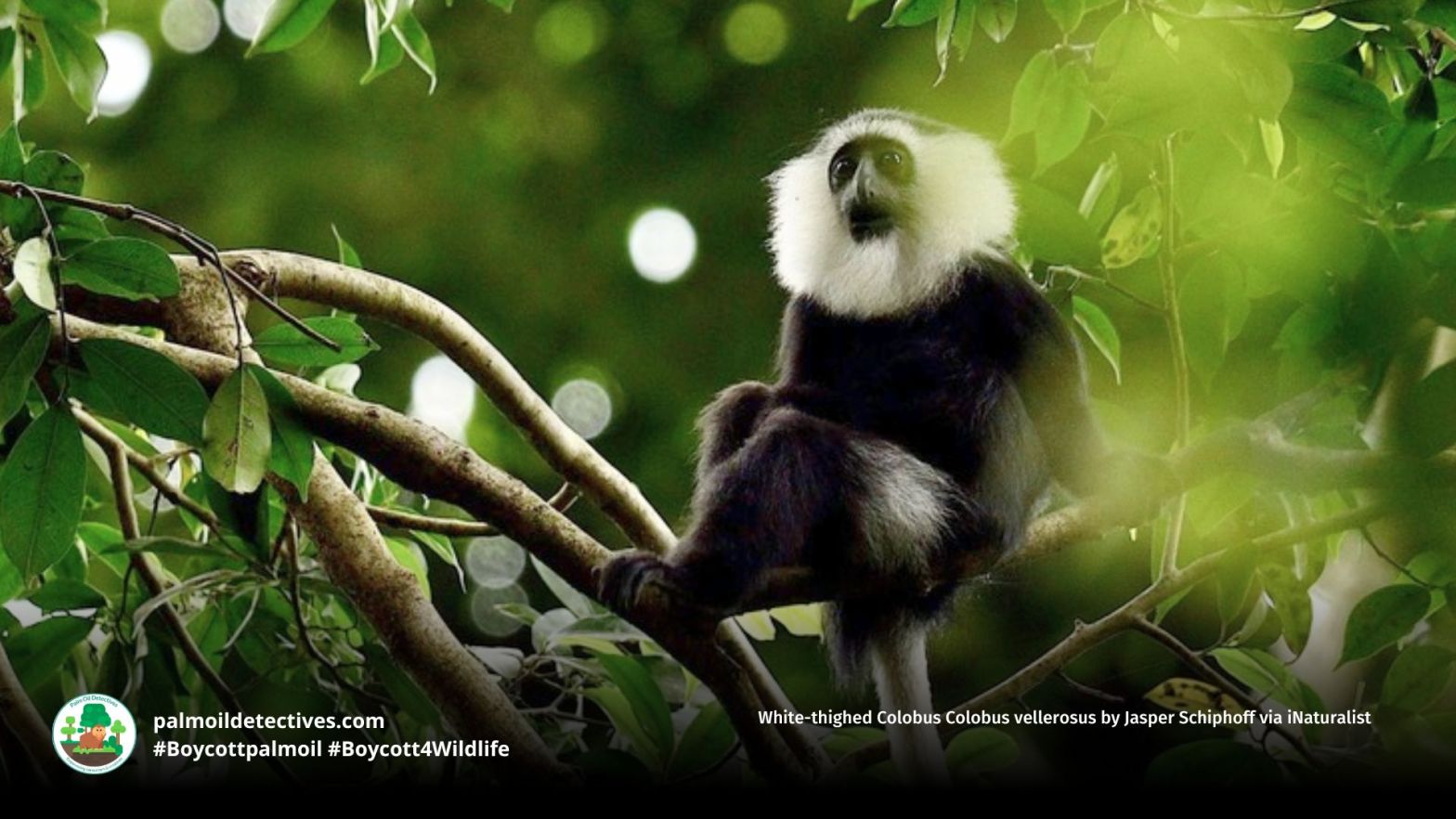
The White-thighed Colobus (Colobus vellerosus), also known as the Ursine Colobus or Geoffroy’s Black-and-White Colobus, is a striking primate of West Africa and is currently listed as Critically Endangered on the IUCN Red List. Their numbers have plummeted by over 80% in just three generations due to rampant deforestation driven by logging, agriculture, and expanding palm oil plantations. Intense bushmeat hunting and weakening traditional taboos have further accelerated their decline. With fewer than 1,500 individuals thought to remain in the wild, urgent action is needed to save them. Use your wallet as a weapon—boycott products that contain palm oil and support ethical, indigenous-led conservation. BoycottPalmOil #Boycott4Wildlife #Vegan #BoycottMeat
Krokosua Squeaking Frog Arthroleptis krokosua
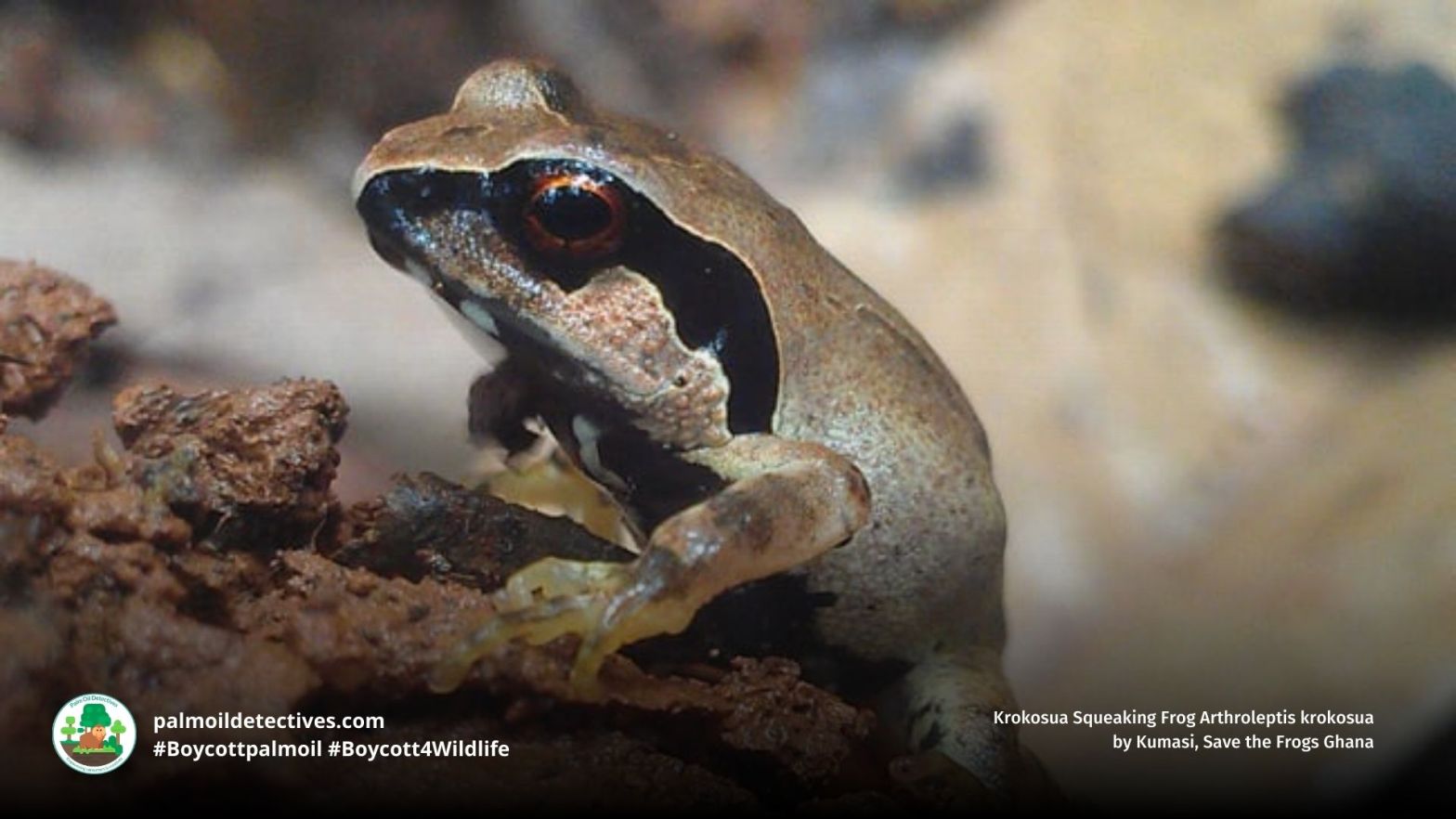
Help save one of Africa’s most endangered amphibians, the Krokosua Squeaking Frog from logging and palm oil deforestation. Take action, boycott palm oil
Roloway Monkey Cercopithecus roloway
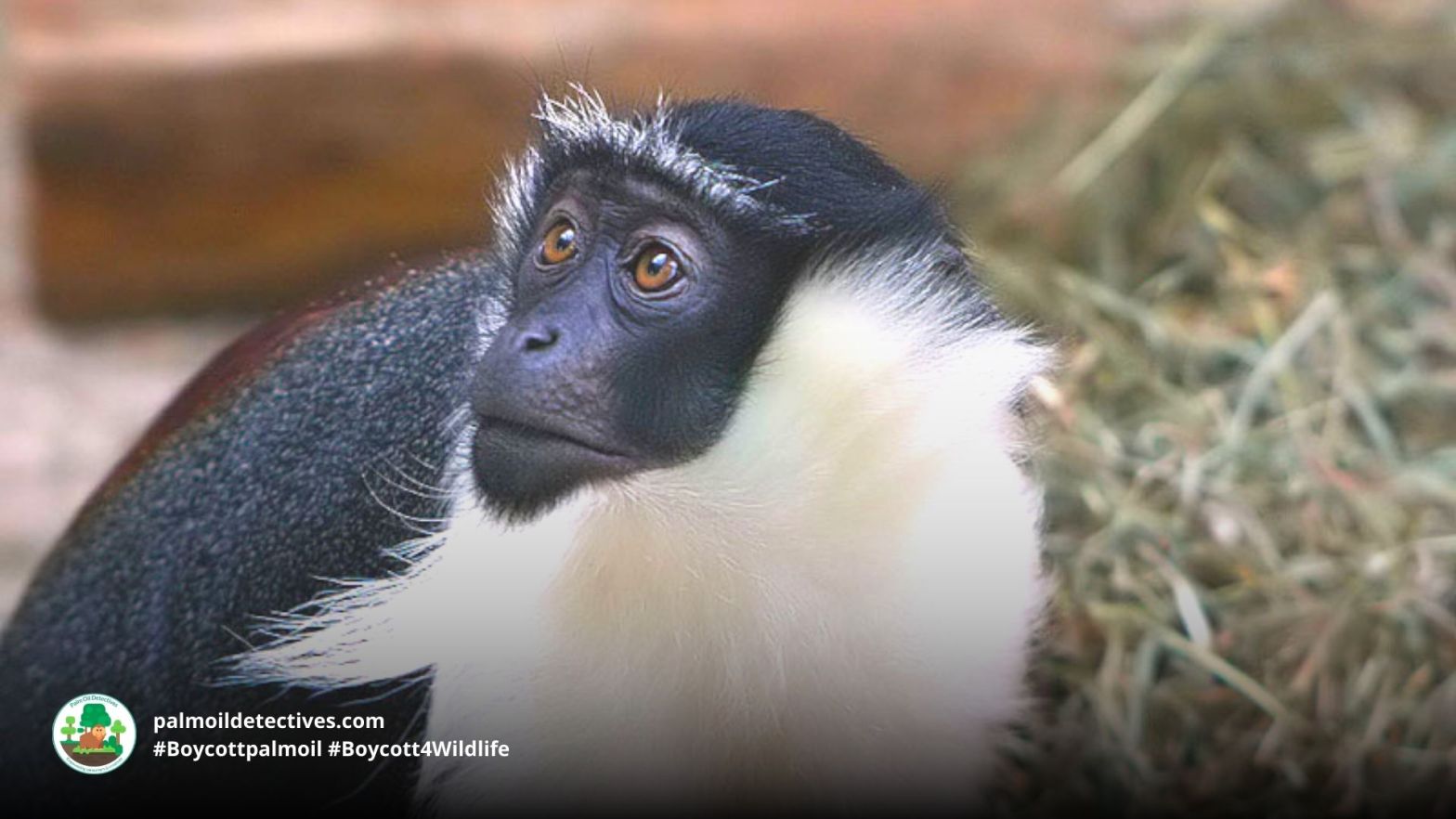
The Roloway Monkey is one of West Africa’s rarest primates, instantly recognisable by their elegant white beard and striking brow band. Once common in the lush rainforests of Ghana and Côte d’Ivoire, the Roloway Monkey now survives only in isolated pockets of old-growth forest. The Roloway Monkey’s world is shrinking rapidly—palm oil, cocoa, and logging companies clear the last ancient trees, while hunters target the Roloway Monkey for bushmeat. The air is thick with the scent of damp earth and the distant echo of chainsaws. With fewer than 2,000 Roloway Monkeys left, their future hangs by a thread. Stand with indigenous communities defending the last forests. Use your wallet as a weapon. #BoycottPalmOil #Boycott4Wildlife #Vegan
Miss Waldron’s Red Colobus Piliocolobus waldroni
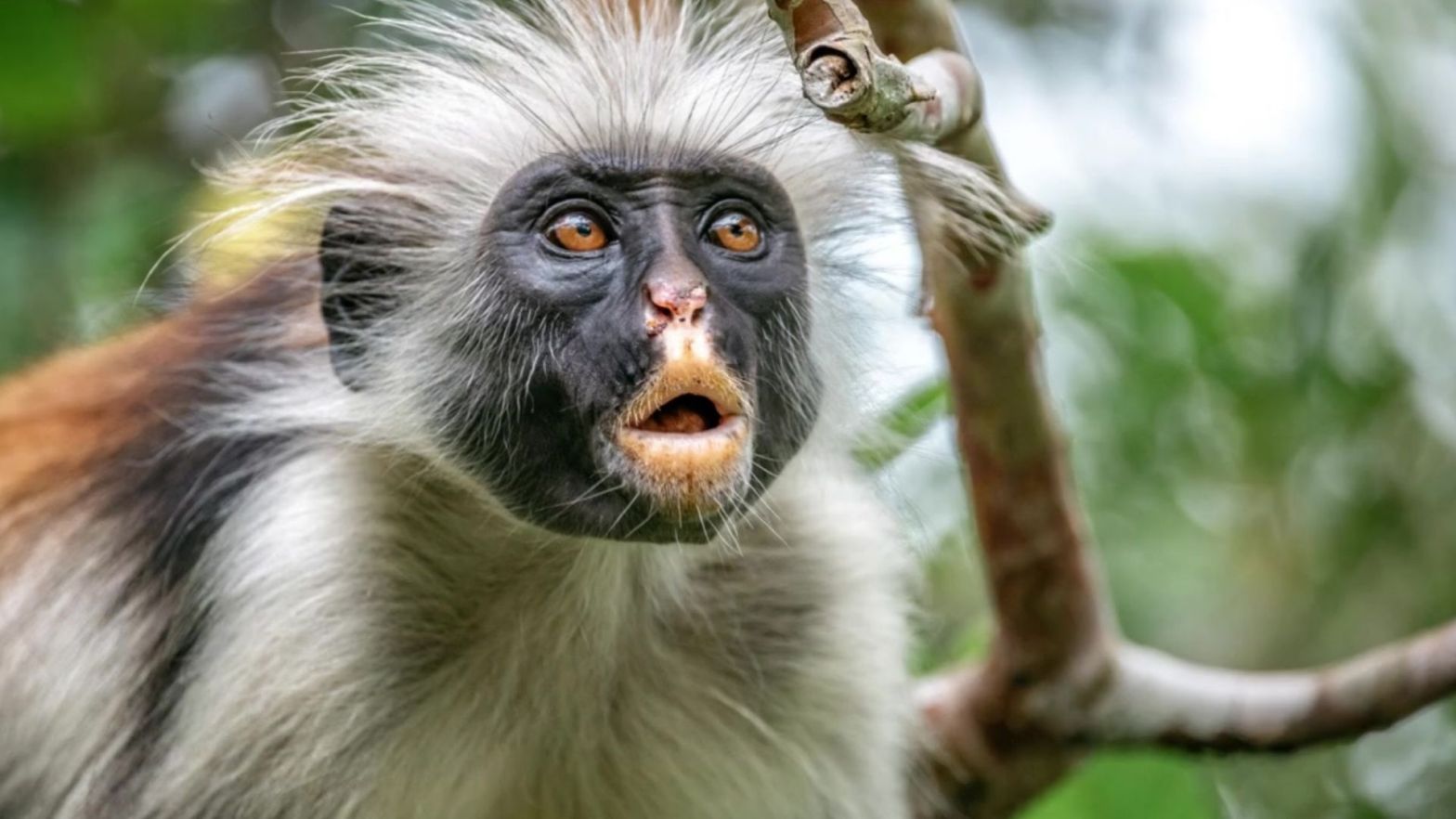
xMiss Waldron’s Red Colobus, a secretive old world primate sport chestnut, black, and white white fur that surrounds their expressive faces. They live in the dense canopies of West Africa’s dwindling forests. Their story is one of ever-increasing fragility, on the edge of survival. Sightings of these magnificent primates have faded away since 1978. The last evidence, a skin, emerged in 2002.
These monkey species have been driven towards the extinction by palm oil, cocoa, and rubber plantations along with hunting for bushmeat. Their calls, once a common cacophony are now nearly permanently silenced. Miss Waldron’s Red Colobus serve as a living warning for forest health. They disappear before most other mammals wherever the forests fall. Support indigenous sovereignty and safeguarding of ecosystems—use your wallet as a weapon and #BoycottPalmOil #Boycott4Wildlife.
Bearded Pig Sus barbatus
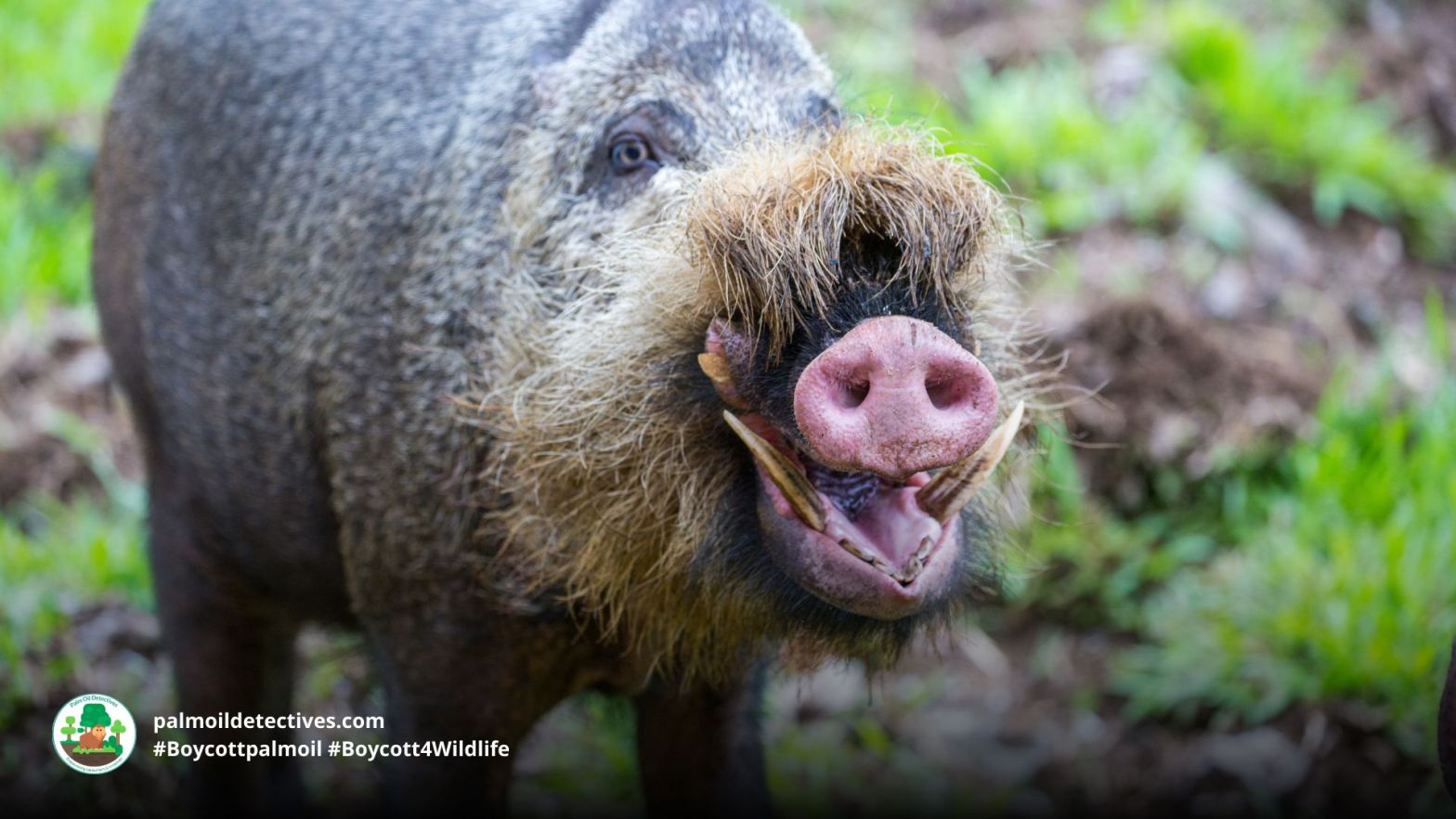
Bearded Pigs have hair which grows along their lower jaws that resembles a beard – giving them their distinctive whiskery appearance and their name. The Bearded Pig is an integral part of Southeast Asia’s tropical ecosystems, known for their unique appearance and critical role as seed dipersers in forest health. They are the only pig species known to migrate, moving in synchrony with fruiting seasons. However, they face mounting threats from habitat loss for palm oil and timber, along with illegal hunting, and disease. Help them to survive and use your wallet as a weapon in the supermarket #BoycottPalmOil #Boycott4Wildlife
 Palm Oil Detectives