
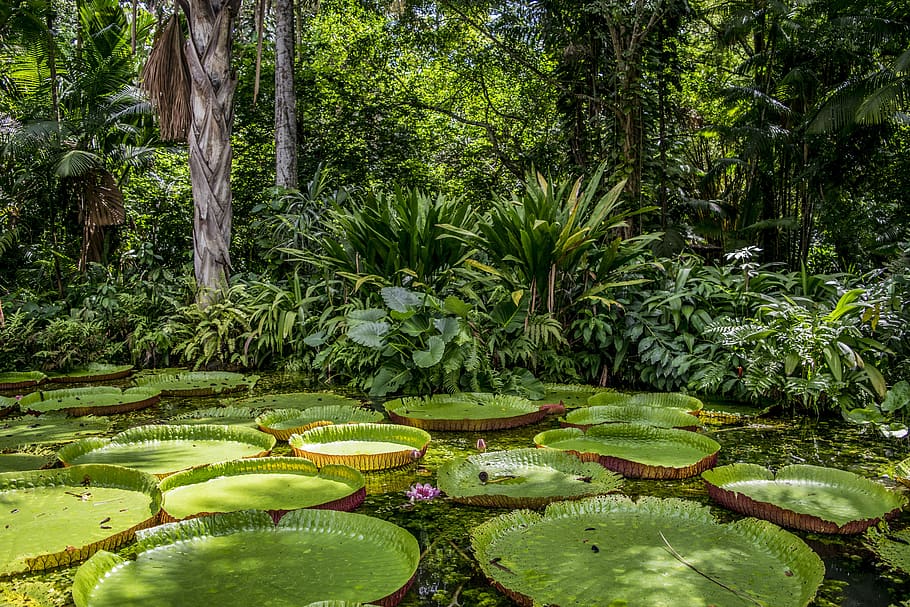
Forests offer climate protection and safeguard indigenous peoples, endangered animals and rare plants. Deforestation is a major threat. Boycott palm oil!
Tag Archives: meat deforestation.
Jaguars vs Cows: JBS Fuelling Biodiversity Collapse in Brazil’s Forests
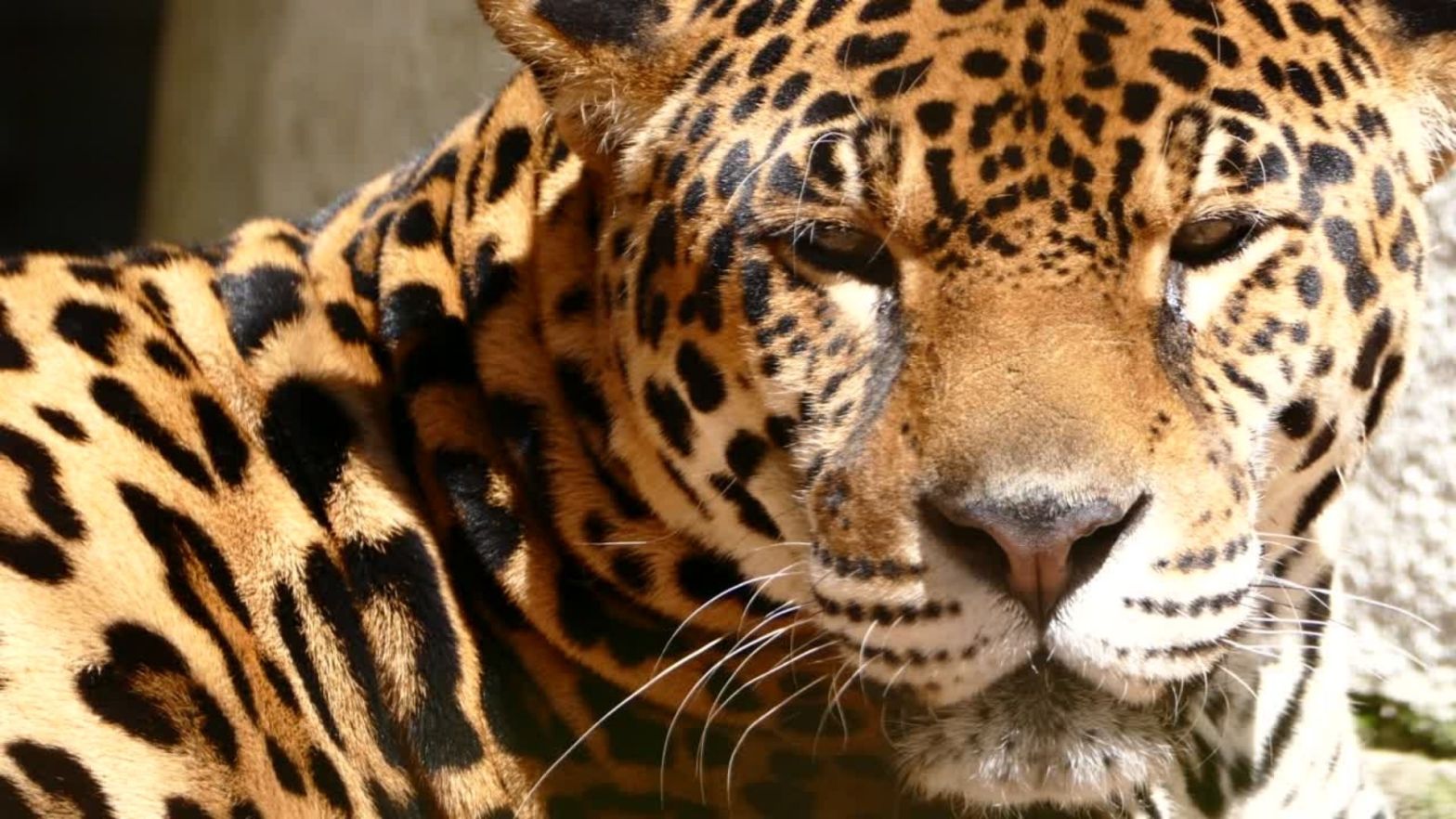
Global Witness report finds JBS, the world’s largest meat company, is directly linked to deforestation in the Amazon and Pantanal putting jaguars at risk
Ecuadorean Viscacha Lagidium ahuacaense
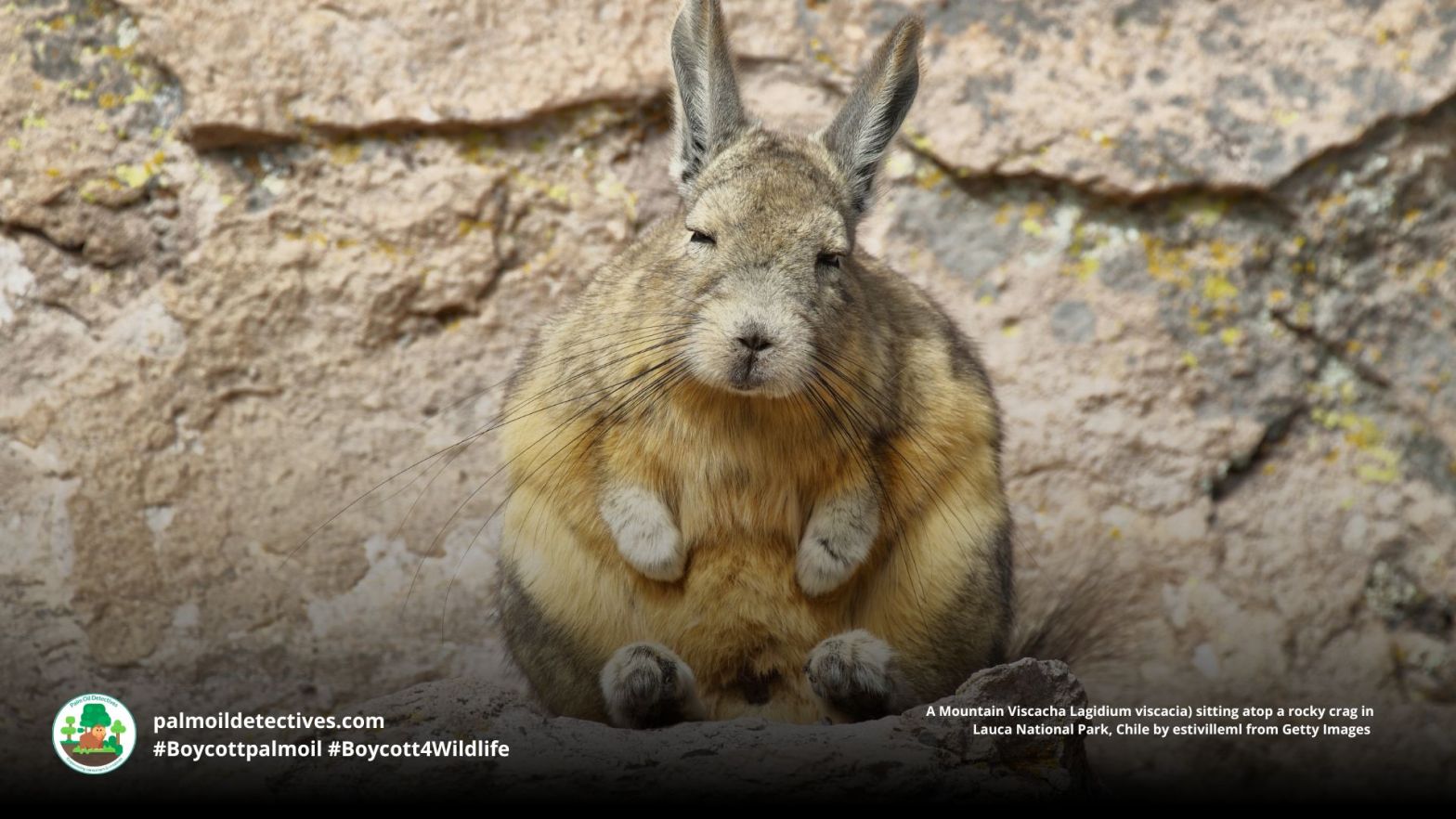
Ecuadorean Viscachas are plump and fluffy rodents with sage-like long whiskers, only a handful of them remain alive. Take action for them and boycott4wildlife!
Blonde Capuchin Sapajus flavius

Only rediscovered in 2006, Blonde Capuchins are highly intelligent critically endangered primates of Brazil threatened by palm oil and meat deforestation
Brazilian three-banded armadillo Tolypeutes tricinctus

The Brazilian three-banded #armadillo Tolypeutes tricinctus, known as “tatu-bola” in Portuguese, is a rare and unique species native to #Brazil. With the ability to roll into a near-impenetrable ball, this endearing behaviour has made them an icon of conservation efforts. They are found in the dry forests and savannahs of Brazil, particularly in the #Cerrado and Caatinga biomes. These fascinating armoured creatures are Vulnerable on the IUCN Red List due to agricultural expansion for #palmoil, #soy and #meat. Fragmentation of their ecosystem is ongoing for infrastructure projects and #goldmining. With their population in sharp decline, efforts to protect their habitats are essential for their survival. Help them every time you shop and adopt a #vegan diet, and #BoycottPalmOil #BoycottGold #Boycott4Wildlife on social media!
What is causing the latest outbreak of Ebola in Uganda?
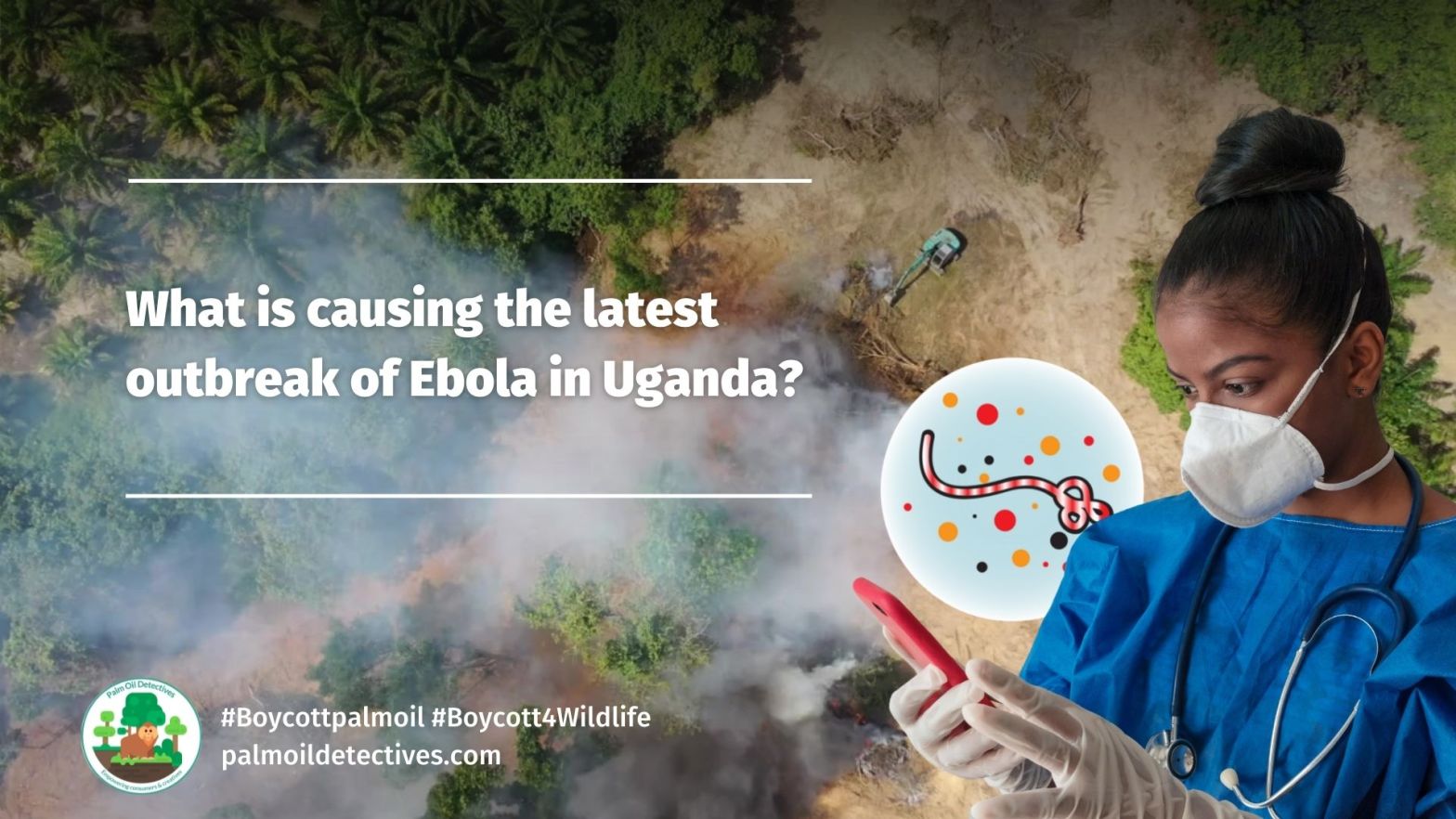
In light of the most recent Ebola outbreak in Uganda (over the past month), many people are experiencing a sense of déjà vu. The rapacious destruction of rainforests for palm oil, soy, meat and dairy by multinational corporations is deeply linked to the spread of infectious zoonotic diseases, such as Ebola. These diseases are becoming more and more commonplace with the destruction of the environment and growth of animal agriculture. This has enormous implications for human #health, food security, animal conservation and planetary health. #BoycottPalmOil #Boycott4Wildlife
Insect decline in the Anthropocene: Death by a thousand cuts
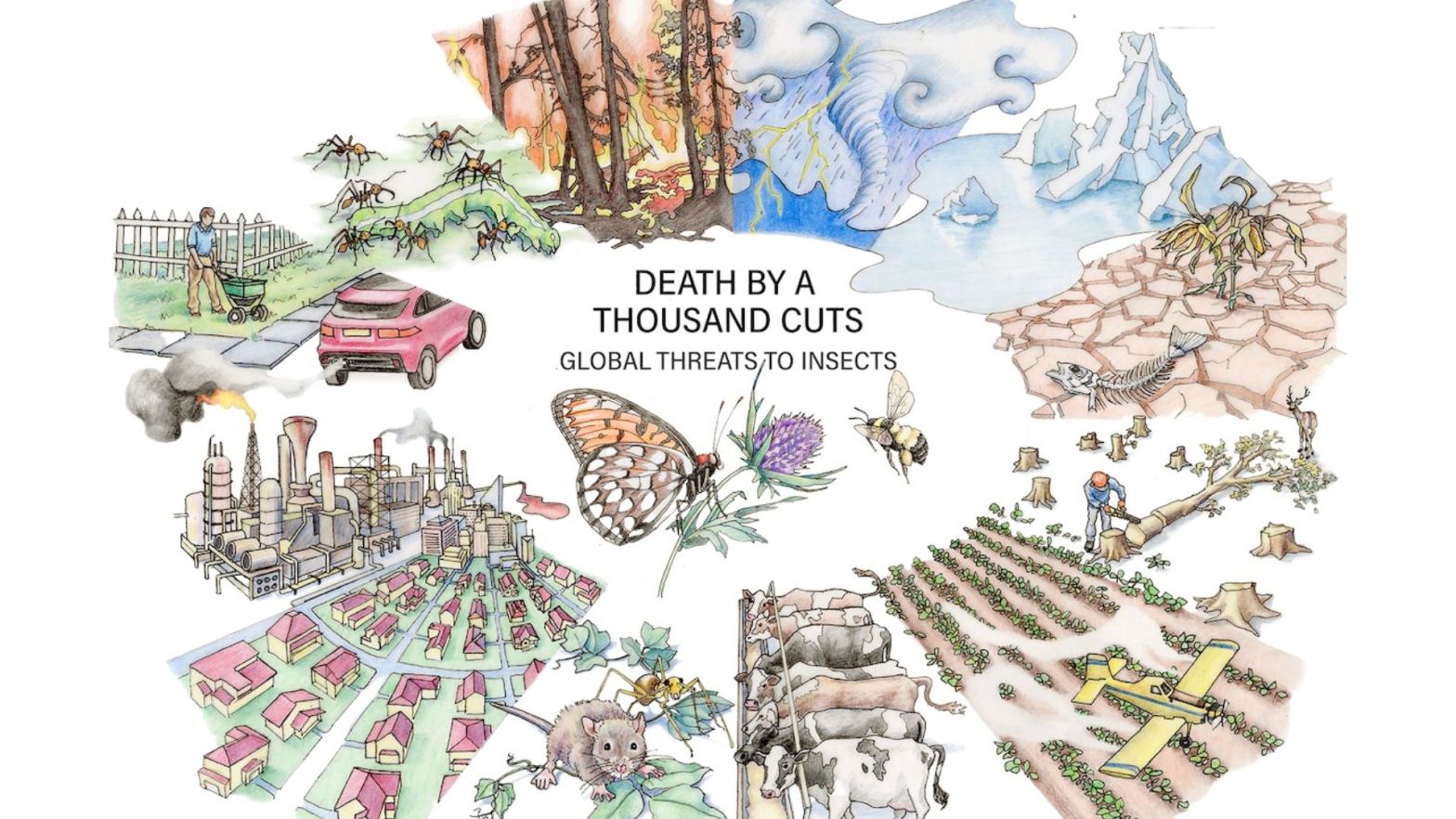
#Insects 🪰🦋🪳🪲🐞🐛💌😻🌿 are the incredible engine room of the planet ensuring ecosystems work. They’re under siege by human-caused #climatechange #deforestation #pollution. Report via @PNASnews. #BoycottPalmOil 🌴⛔️ #Boycott4Wildlife @palmoildetect https://palmoildetectives.com/2022/06/23/insect-decline-in-the-anthropocene-death-by-a-thousand-cuts/
Up to 90% of Cargill, Wilmar, Musim Mas’ Palm Oil Linked To Deforestation
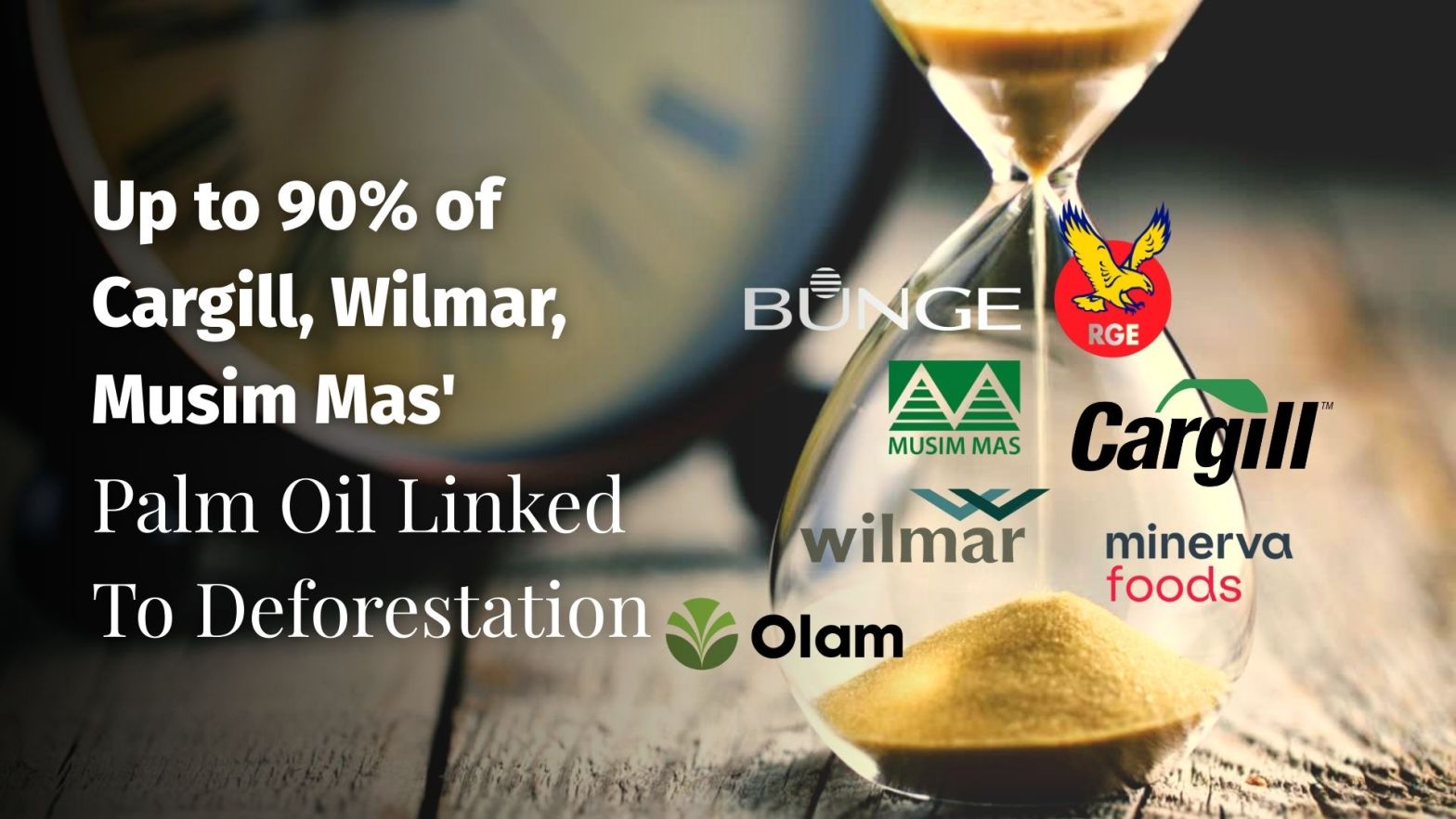
Research finds that between 15-90% of palm oil processed by global palm oil traders: #Cargill, #MusimMas and #Wilmar is unable to be adequately traced. This is due to opaque indirect sourcing and is linked to deforestation. Palm oil deforestation is sending thousands of rare, #endangered species of #animals and #plants towards #extinction and leads to the violent displacement of indigenous peoples. The loss of carbon sinks from deforestation plays a significant role in global warming and the climate emergency. Take action every time you shop and #BoycottPalmOil #Boycott4Wildlife
Almost 90% of the world’s animal species will lose some habitat to agriculture by 2050
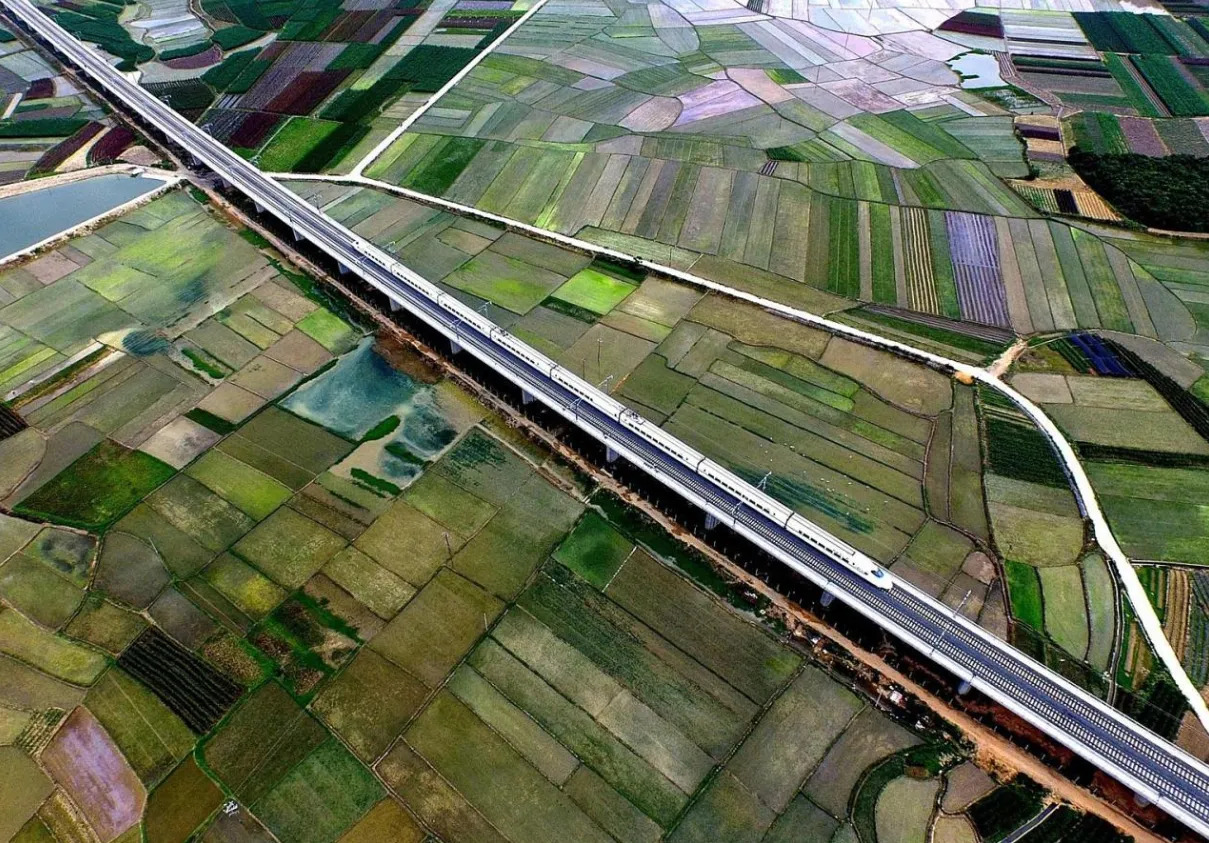
Scientists know that #biodiversity is declining across much of the world although less universally and dramatically than we feared. We also know that things are likely to get worse in the future, with a combination of #deforestation, #climatechange and overexploitation set to drive species and habitats ever closer to #extinction. Help them every time you shop and be #vegan #BoycottPalmOil #Boycott4Wildlife
Demand for meat is driving deforestation in Brazil – changing the soy industry could stop it
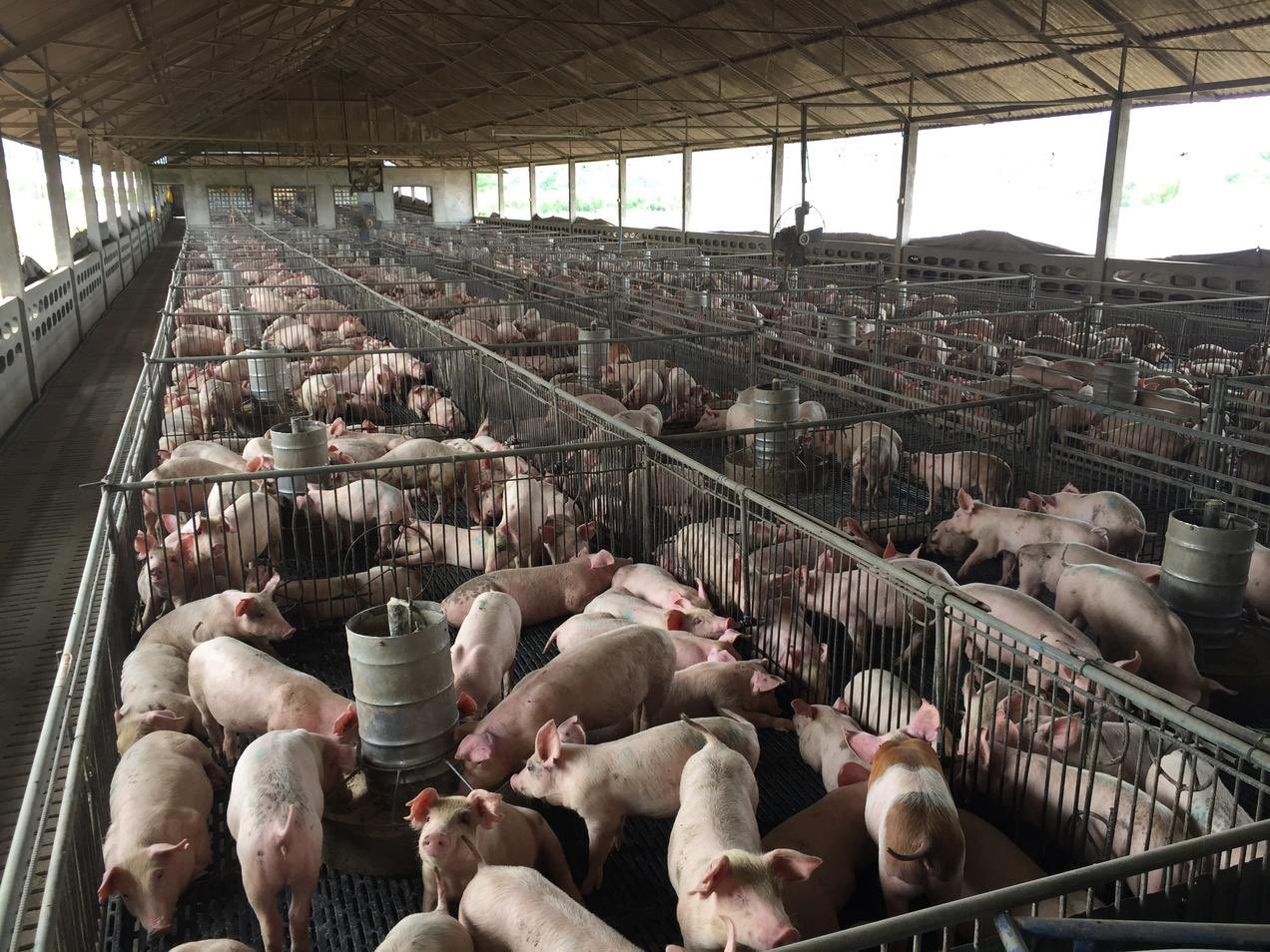
For many people, soy as a commodity has a pretty innocuous reputation thanks to its association with vegan food and meat alternatives. However don’t be fooled – crops of this pale legume are behind much of Brazil’s epidemic of deforestation. Much more #soy is fed to farm animals that people eat than is used in vegan food. Since 2000, #Brazil has doubled its total area of soy plantation to 36 million hectares and become the world’s largest producer. This expansion has erased vast swathes of forest and other habitats in some of the country’s most biodiverse regions. Soy, along with palm oil and meat deforestation are the biggest land-hungry commodities in South America and threaten the world’s largest rainforest biosphere. Help fight against this ecocide every time you shop, be #vegan #BoycottPalmOil #Boycott4Wildlife
Can we feed the world and stop deforestation? Depends what’s for dinner
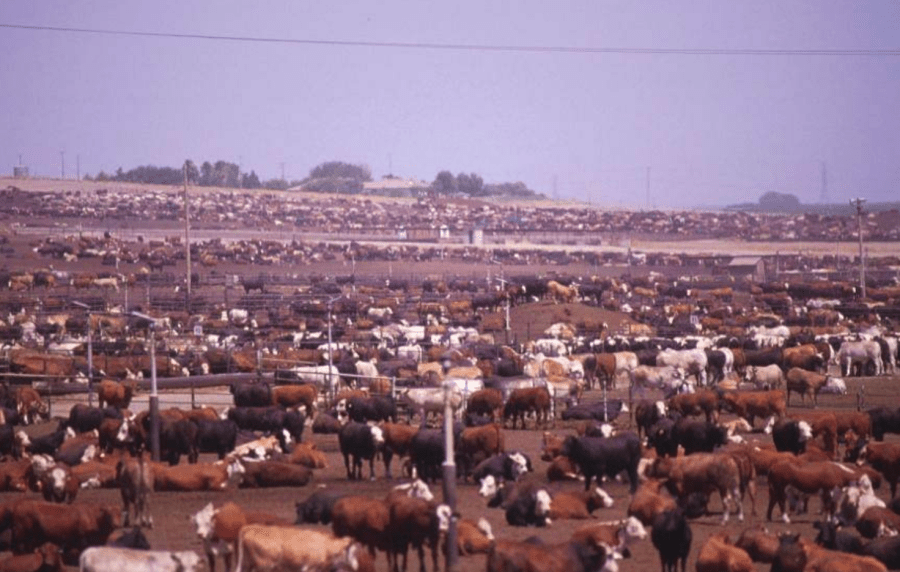
It’s a tricky thing to grow enough #food for a ballooning population without destroying the natural world. And when I say a tricky thing, I mean it’s one of the greatest challenges humanity has ever faced. Luckily for us, it is theoretically possible, and the easiest way to get there is by drastically cutting down on meat. We deforest an area the size of Panama every single year. Across the world, food is the number one cause of #deforestation, especially our taste for meat. If we all woke up #vegan in 2050, we would need less land than in 2000. We could reforest an area the size of the Amazon. 80% of deforestation is from #meat” Take action every time you shop and go plant-based #Boycott4Wildlife
How forest loss has changed biodiversity across the globe over the last 150 years
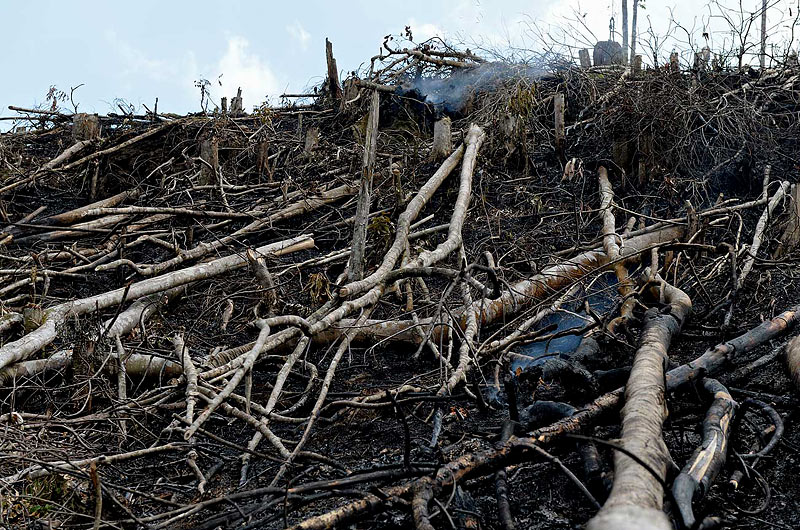
The Earth’s forests have been changing ever since the first tree took root. For 360 million years, trees have grown and been felled through a dynamic mix of hurricanes, #fires and natural regeneration. But with the dawn of the 17th century, humans began replacing large swathes of forest with farms and cities. The global pace of #deforestation has slowed in the 21st century, but #forests are still disappearing – albeit at different rates in different parts of the world. In the tropics, forest loss is accelerating in previously pristine wilderness. Help rainforests, wild animals and indigenous peoples to survive #BoycottPalmOil #Boycott4Wildlife
White-thighed Colobus Colobus vellerosus
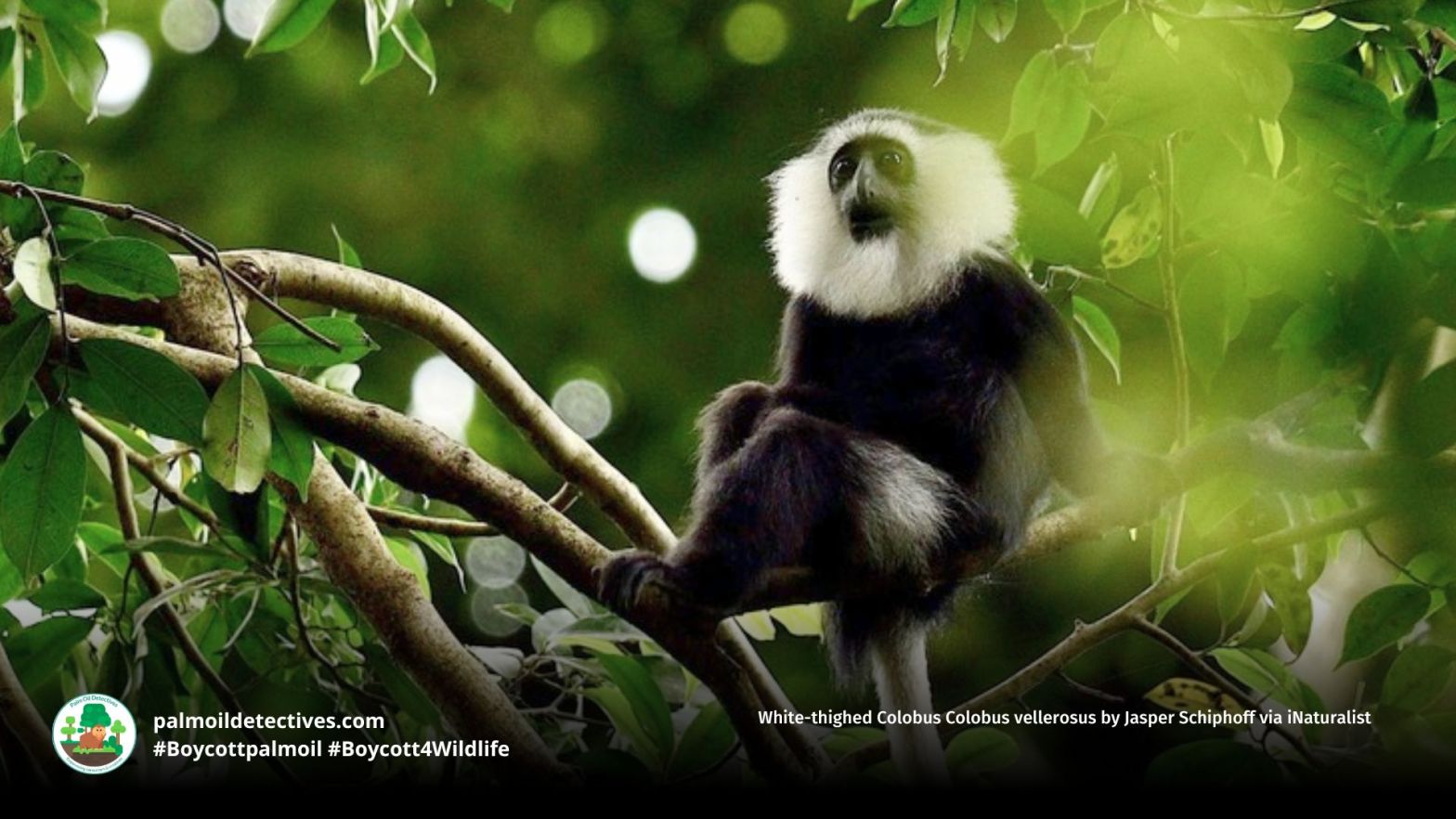
The White-thighed Colobus (Colobus vellerosus), also known as the Ursine Colobus or Geoffroy’s Black-and-White Colobus, is a striking primate of West Africa and is currently listed as Critically Endangered on the IUCN Red List. Their numbers have plummeted by over 80% in just three generations due to rampant deforestation driven by logging, agriculture, and expanding palm oil plantations. Intense bushmeat hunting and weakening traditional taboos have further accelerated their decline. With fewer than 1,500 individuals thought to remain in the wild, urgent action is needed to save them. Use your wallet as a weapon—boycott products that contain palm oil and support ethical, indigenous-led conservation. BoycottPalmOil #Boycott4Wildlife #Vegan #BoycottMeat
 Palm Oil Detectives