
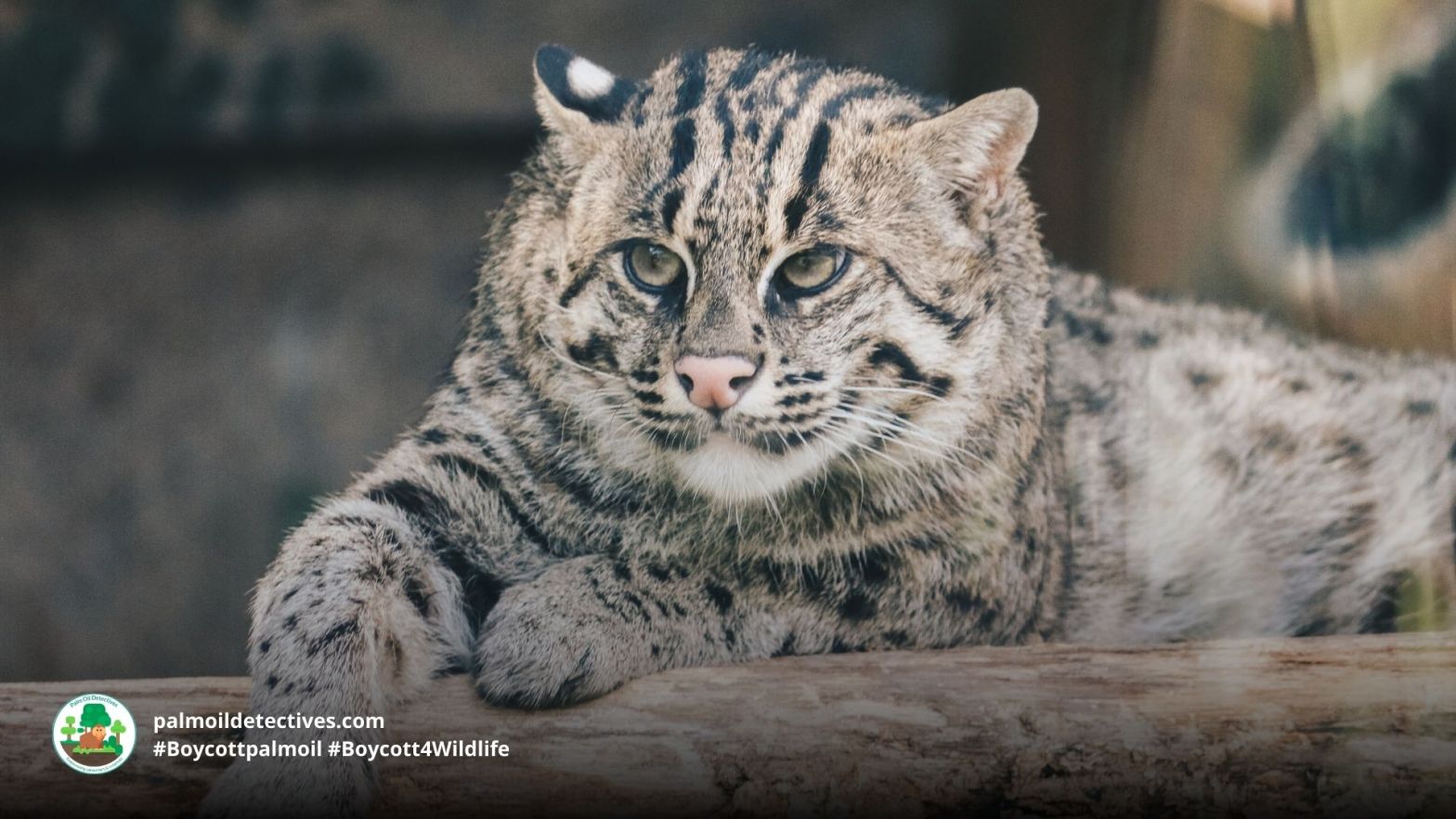
New research suggests the #extinction crisis may be even worse than we thought. More than half of species that have so far evaded any official conservation assessment are threatened with extinction. Some species that are not yet classified and are “data deficient” make up around 17% of the nearly 150,000 species currently assessed. according to predictions by researchers from the Norwegian University of Science and Technology. Help them to survive! #BoycottPalmOil #Boycott4Wildlife
Category Archives: Palm Oil, Extinction & Animal Cruelty
What is causing the latest outbreak of Ebola in Uganda?
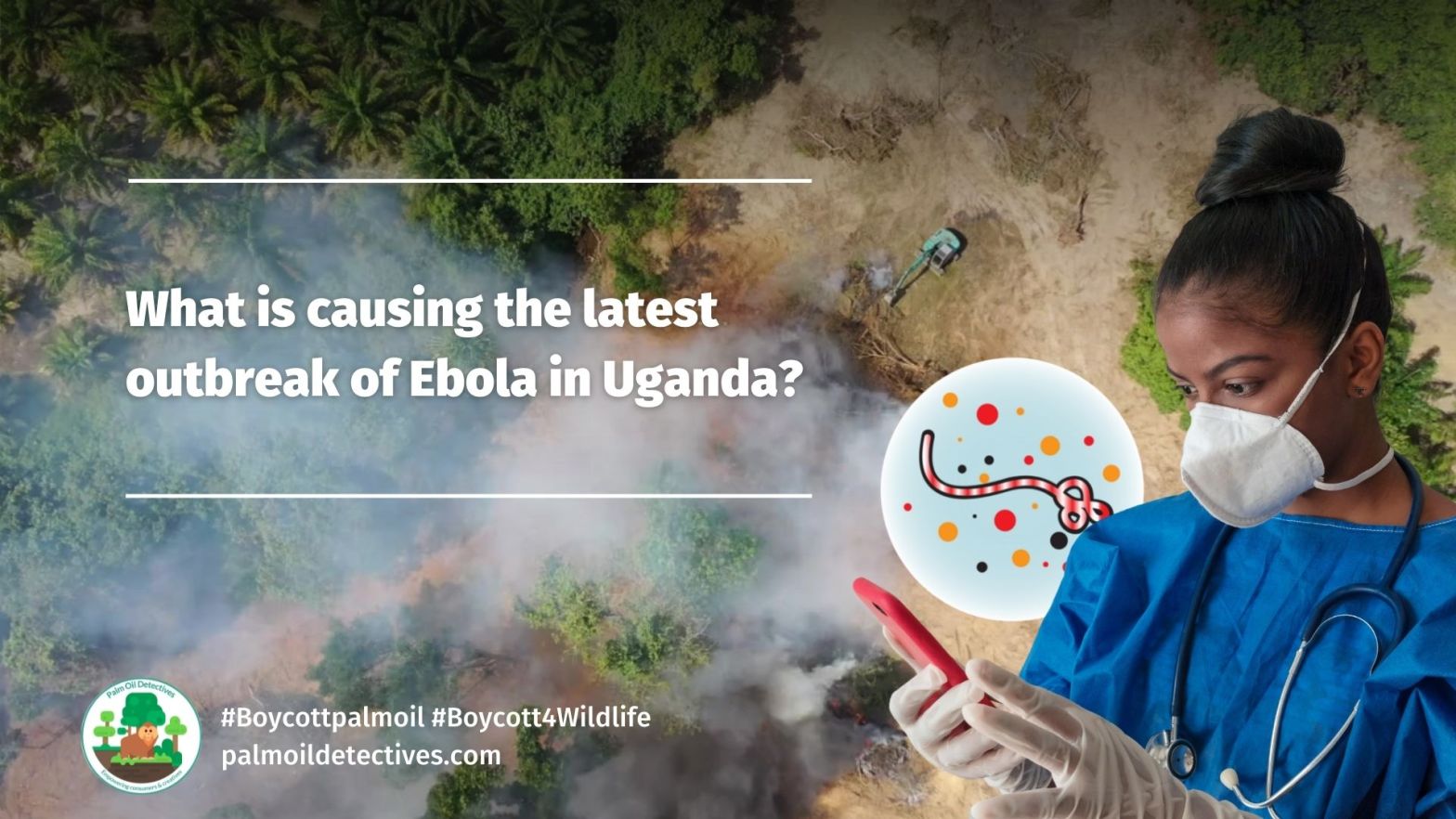
In light of the most recent Ebola outbreak in Uganda (over the past month), many people are experiencing a sense of déjà vu. The rapacious destruction of rainforests for palm oil, soy, meat and dairy by multinational corporations is deeply linked to the spread of infectious zoonotic diseases, such as Ebola. These diseases are becoming more and more commonplace with the destruction of the environment and growth of animal agriculture. This has enormous implications for human #health, food security, animal conservation and planetary health. #BoycottPalmOil #Boycott4Wildlife
Caecilians: Secretive Underground Dwellers
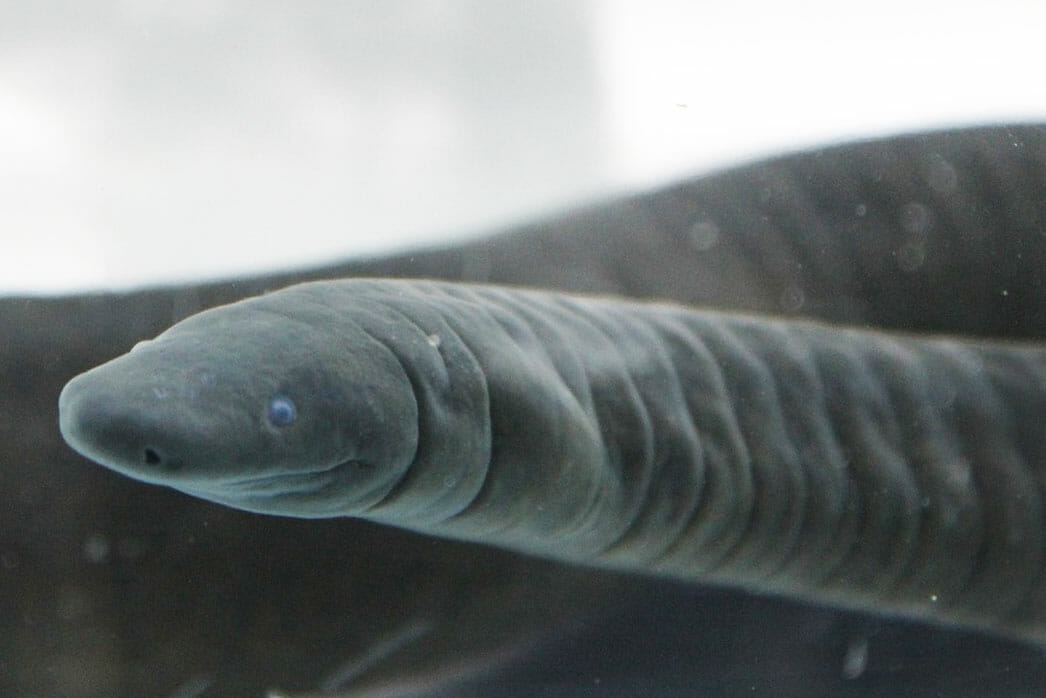
OK, Ok…I know this is quite a scary photo but hear me out. Caecilians are legless, eyeless creatures live secretive, strange lives underground and underwater. Not quite snakes, not quite worms and not quite amphibians either.
Once you know more about them they may still come to you in dreams, but you might just love them too.
They belong to the same group of animals that includes frogs and salamanders. But unlike other amphibians, caecilians lack legs. Some caecilians are as short as a pencil, while others grow as long as a child. Their eyes are tiny and hidden beneath skin and sometimes bone. And they have a pair of tentacles on their face that can sniff out chemicals in the environment.
Celebrate #WorldRhinoDay by leaving the forests alone and #Boycottpalmoil in the supermarket to save Rhinos
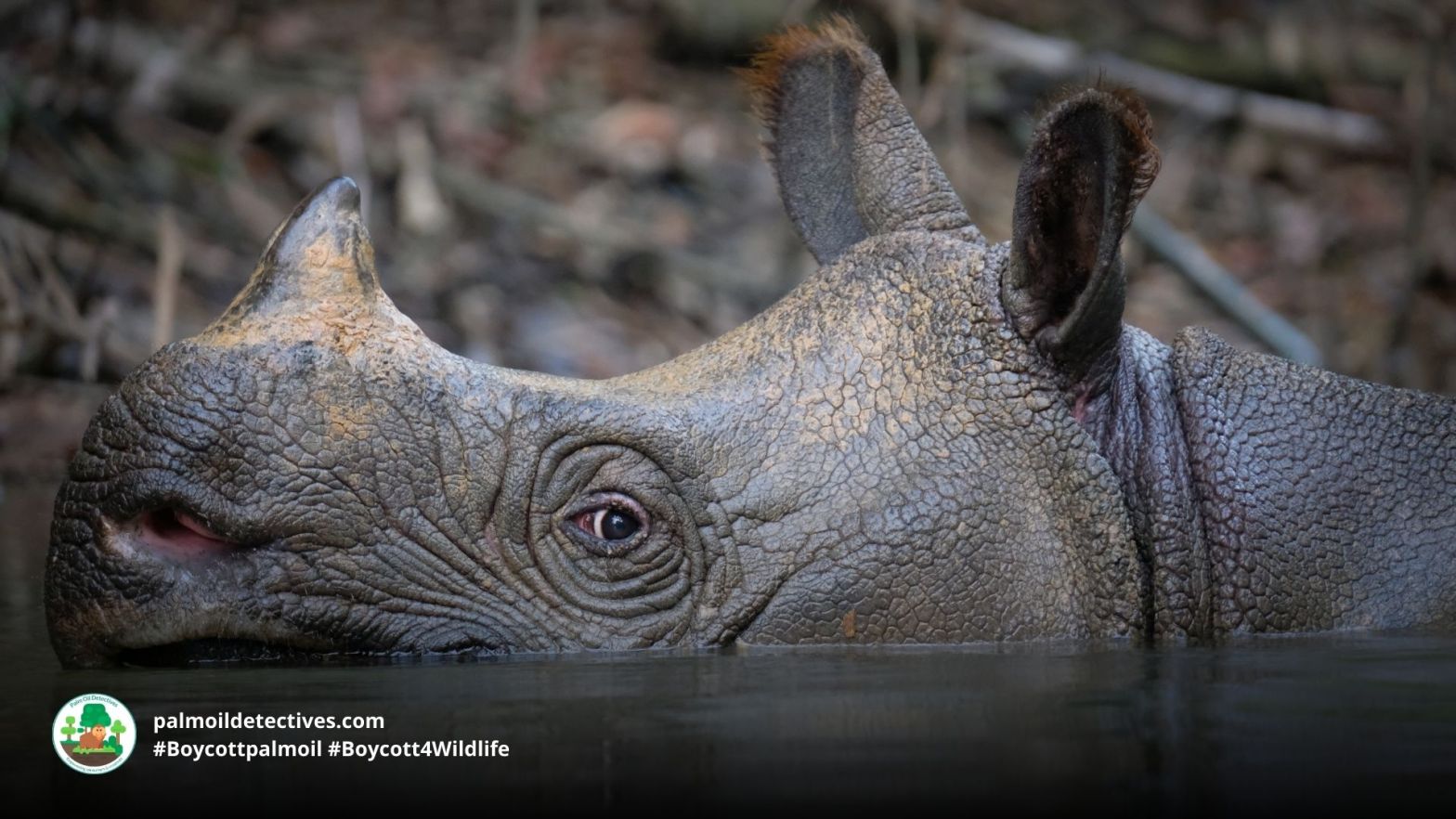
Indonesia is home to two of the world’s five rhinoceros species. Both the Javan rhino Rhinoceros sondaicus and the Sumatran rhino Dicerorhinus sumatrensis still exist today, uniquely only in the country. In India’s north east, the Indian Rhino hangs on to survival. Yet their existence has become increasingly fragile due to the unrelenting growth of palm oil in both of these countries.
#WorldRhinoDay is 22nd Sept. But every day should be World Rhino Day as three of the five species of rhino may go extinct as a result of #palmoil #deforestation and illegal poaching. Fight for them each time you shop and be #vegan and #Boycottpalmoil #Boycott4Wildlife.
A ‘mystery monkey’ in Borneo may be a rare hybrid between a Proboscis Monkey and Silvery Lutung

A new study has found that fragmentation of forests in Malaysian Borneo due to palm oil and mining has pressured two species of monkey (the Proboscis Monkey and Silvered Leaf Monkey/Silvery Lutung) to mate causing an unusual hybrid offspring. This has scientists worried as it indicates the animals are under stress
Back from extinction: a world first effort to return threatened pangolins to the wild
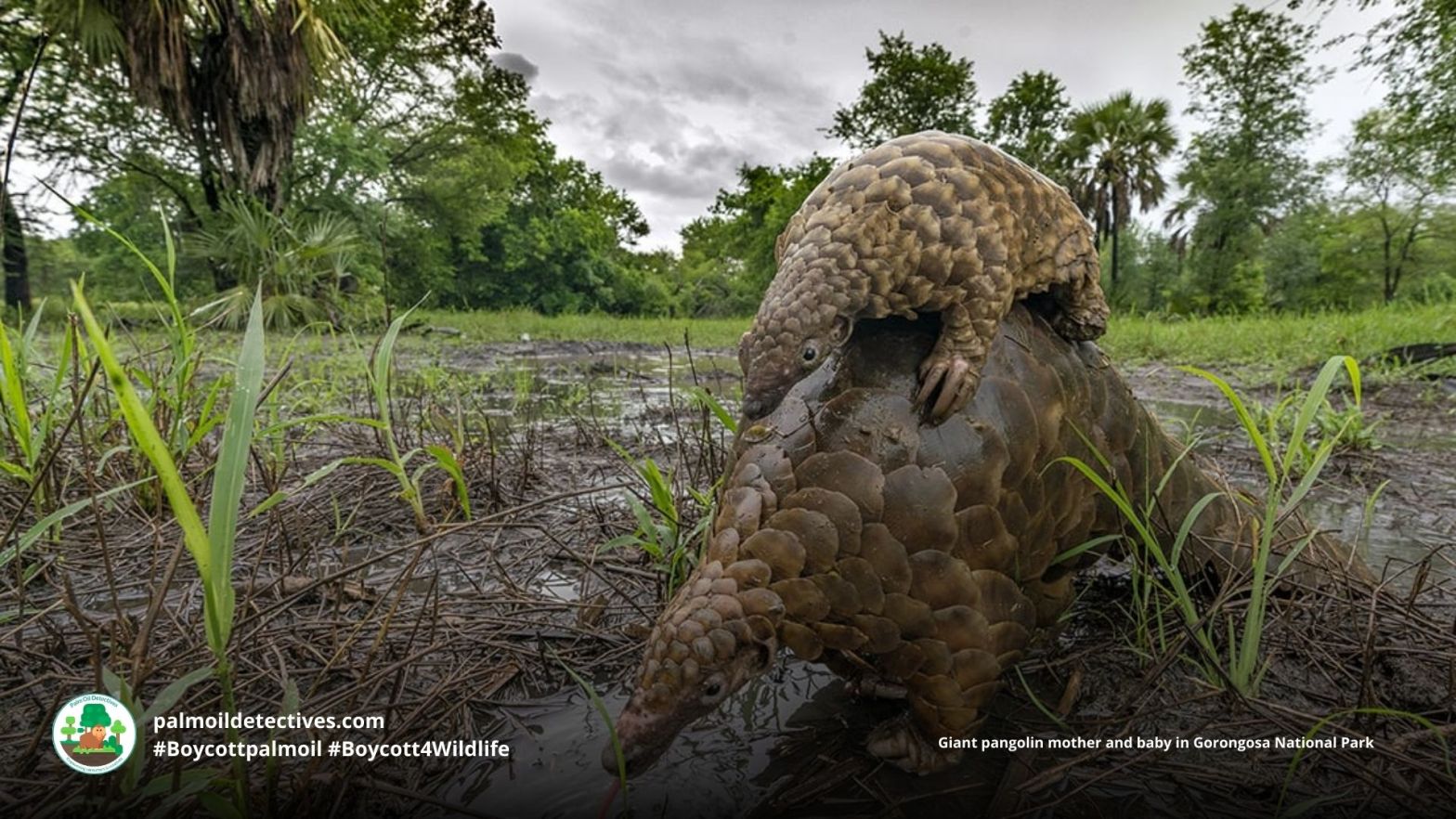
Pangolins are one of the most illegally trafficked animals on the planet and are suspected to be linked to the current coronavirus pandemic. Pangolins are also one of the world’s most threatened species but new efforts are underway to reintroduce pangolins to parts of Africa where the animal has been extinct for decades. Help these remarkable armoured wonders to survive and call out wildlife trafficking when you see it online, also #BoycottPalmOil 🌴🪔🚜🔥☠️⛔️ #Boycott4Wildlife in the supermarket!
Chimpanzees once helped African rainforests recover from a major collapse
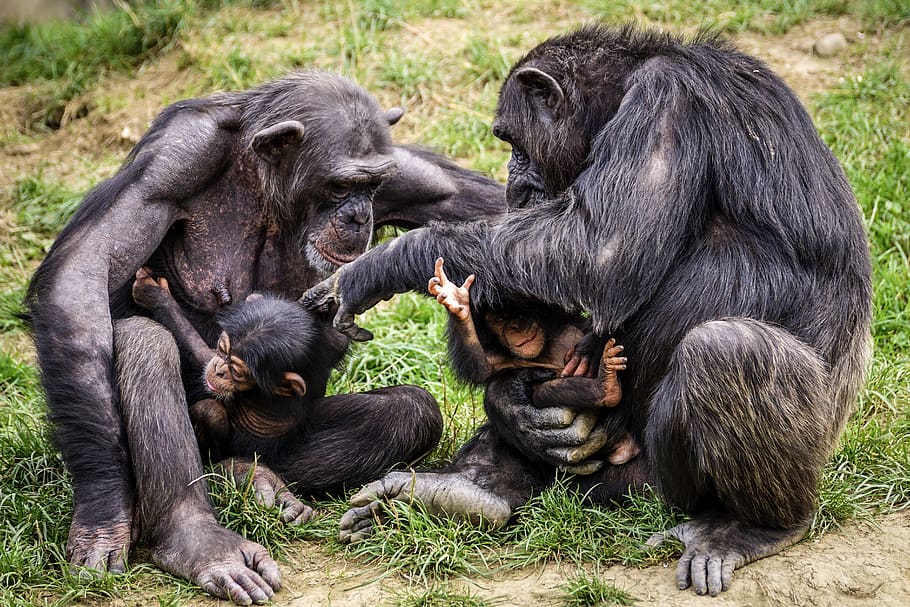
Most people probably think that the rainforest of central and west Africa, the second largest in the world, has been around for millions of years. However recent research suggests that it is mostly just 2,000 or so years old. The forest reached roughly its modern state following five centuries of regeneration after it was massively fragmented when the dry season suddenly became longer some 2,500 years ago. Help #chimpanzees to survive and #Boycottpalmoil #Boycott4Wildlife every time you shop
Insect decline in the Anthropocene: Death by a thousand cuts
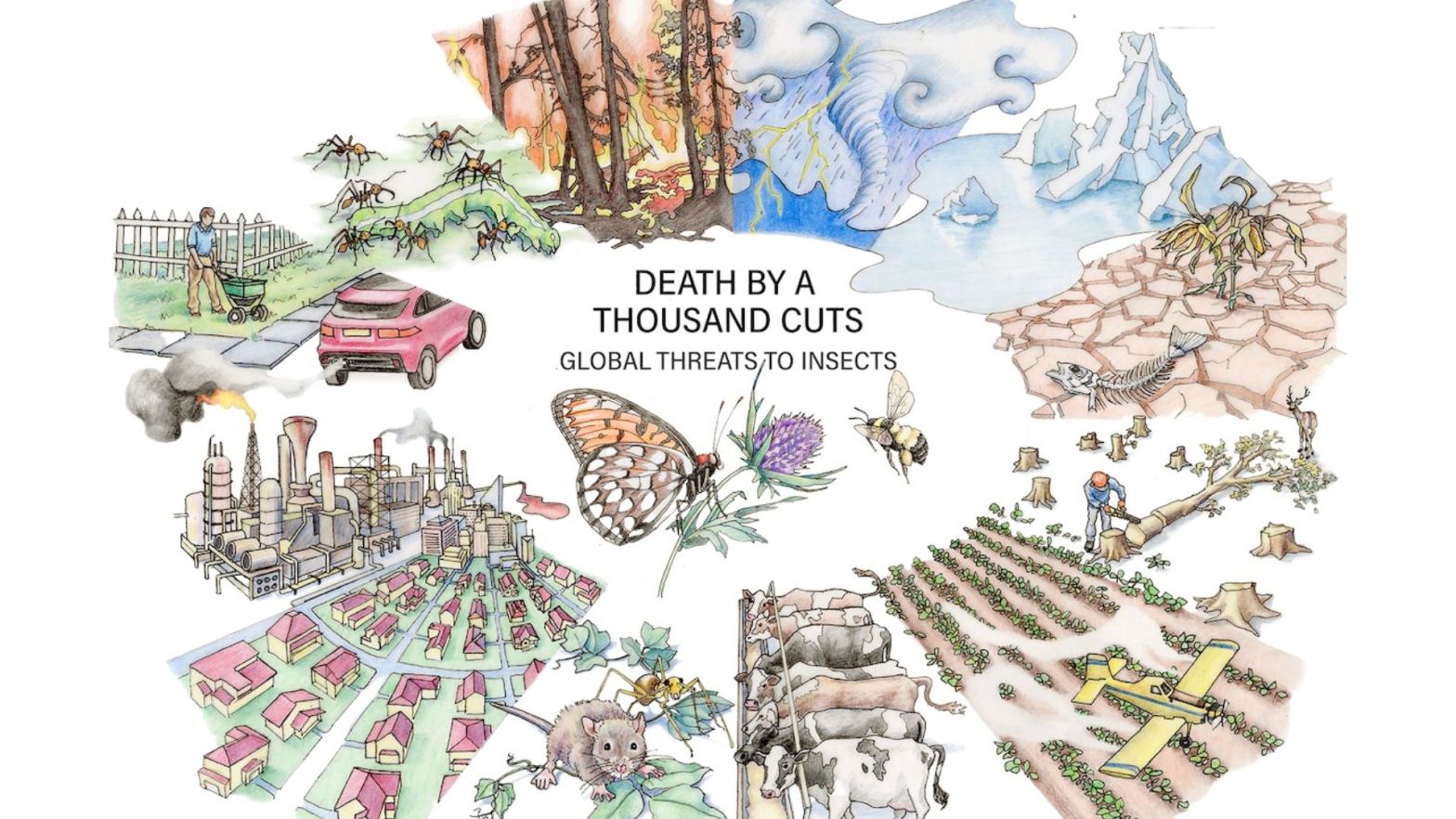
#Insects 🪰🦋🪳🪲🐞🐛💌😻🌿 are the incredible engine room of the planet ensuring ecosystems work. They’re under siege by human-caused #climatechange #deforestation #pollution. Report via @PNASnews. #BoycottPalmOil 🌴⛔️ #Boycott4Wildlife @palmoildetect https://palmoildetectives.com/2022/06/23/insect-decline-in-the-anthropocene-death-by-a-thousand-cuts/
Certification Schemes Fail to Stop Palm Oil Deforestation

71 rights groups warn that certification schemes like RSPO and FSC fail to stop deforestation and abuses. Learn why they are called tools of greenwashing.
Nigeria’s nature reserves need more help to protect biodiversity

Apart from conserving species, #wetlands help to control floods, replenish groundwater, stabilise shorelines, retain nutrients and purify water. The park will join Nigeria’s protected area of 445 forest reserves, 29 game reserves, 12 strict nature reserves, 11 Ramsar sites, 7 national parks and one biosphere reserve.
Primates are facing an impending extinction crisis – but we know very little about what will actually protect them
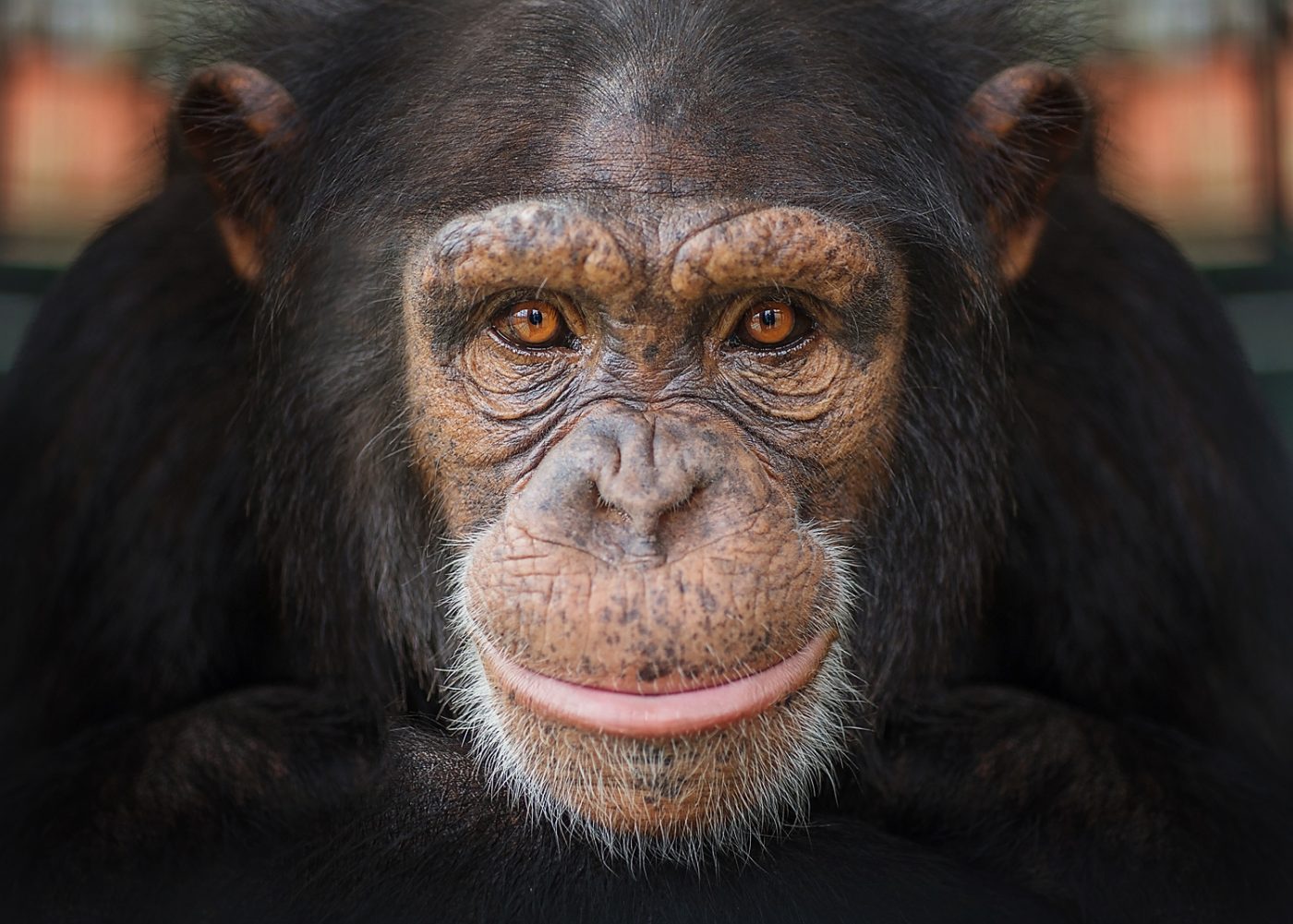
From lemurs to orangutans, tarsiers to gorillas, primates are captivating and sometimes unnervingly similar to us. So it’s not surprising that this group of more than 500 species receives a great deal of research and conservation attention. 60% of primates 🦍🦧🐒🐵 are threatened by #extinction 🙊🙈😿 Without direct action, the number of endangered #primates willContinue reading “Primates are facing an impending extinction crisis – but we know very little about what will actually protect them”
How do we protect the rapidly disappearing Javan Rhino?
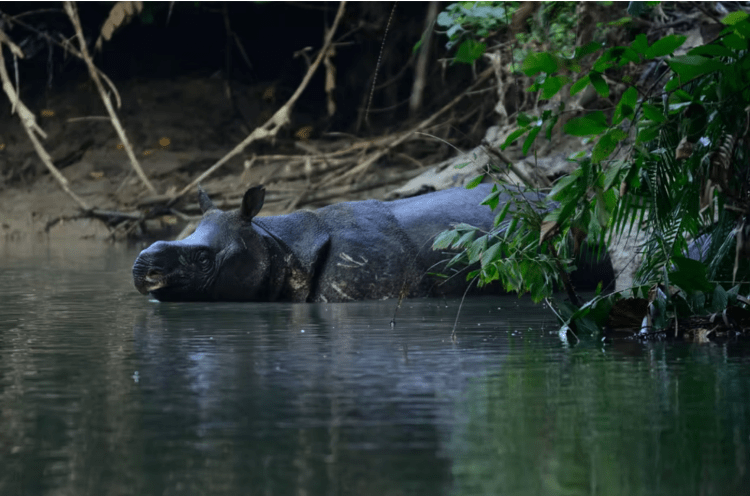
With only 74 individuals left, the remarkable and beautiful Javan Rhino is on the brink of extinction and can be found on one of the most densely populated islands in the world – Java. Boycotting palm oil is how you can help them. Sunarto, Universitas Indonesia The Javan rhino was once found throughout many partsContinue reading “How do we protect the rapidly disappearing Javan Rhino?”
Conservation activists suing Indonesian zoo could inspire global action on endangered species trade
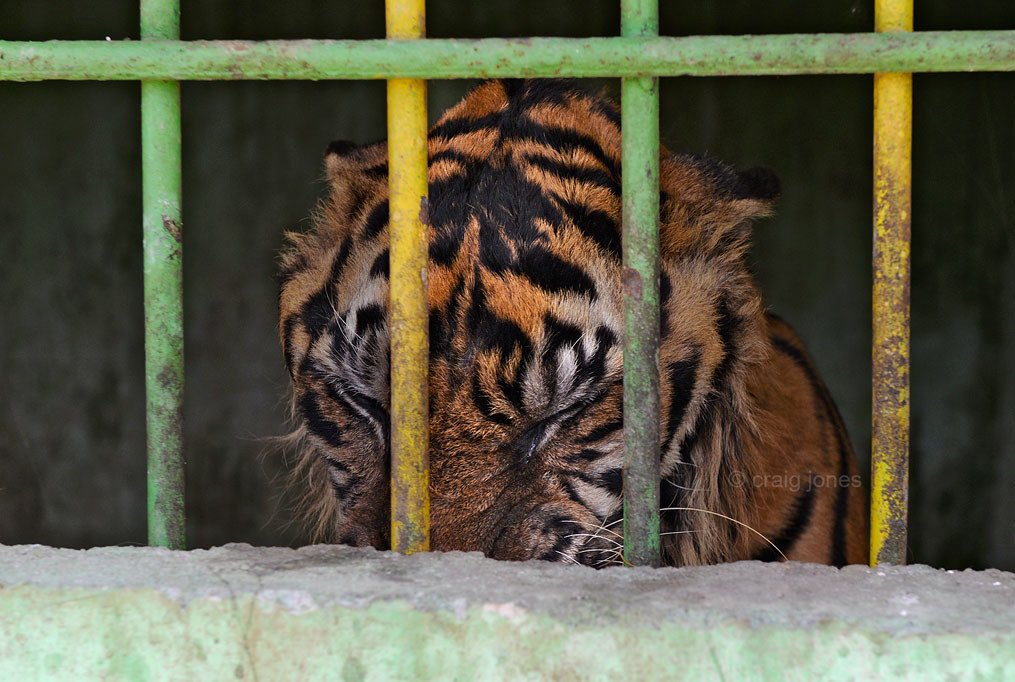
A lawsuit against a Sumatran zoo for illegally exhibiting threatened species like orangutans could inspire global action against the illegal wildlife trade
Almost 90% of the world’s animal species will lose some habitat to agriculture by 2050
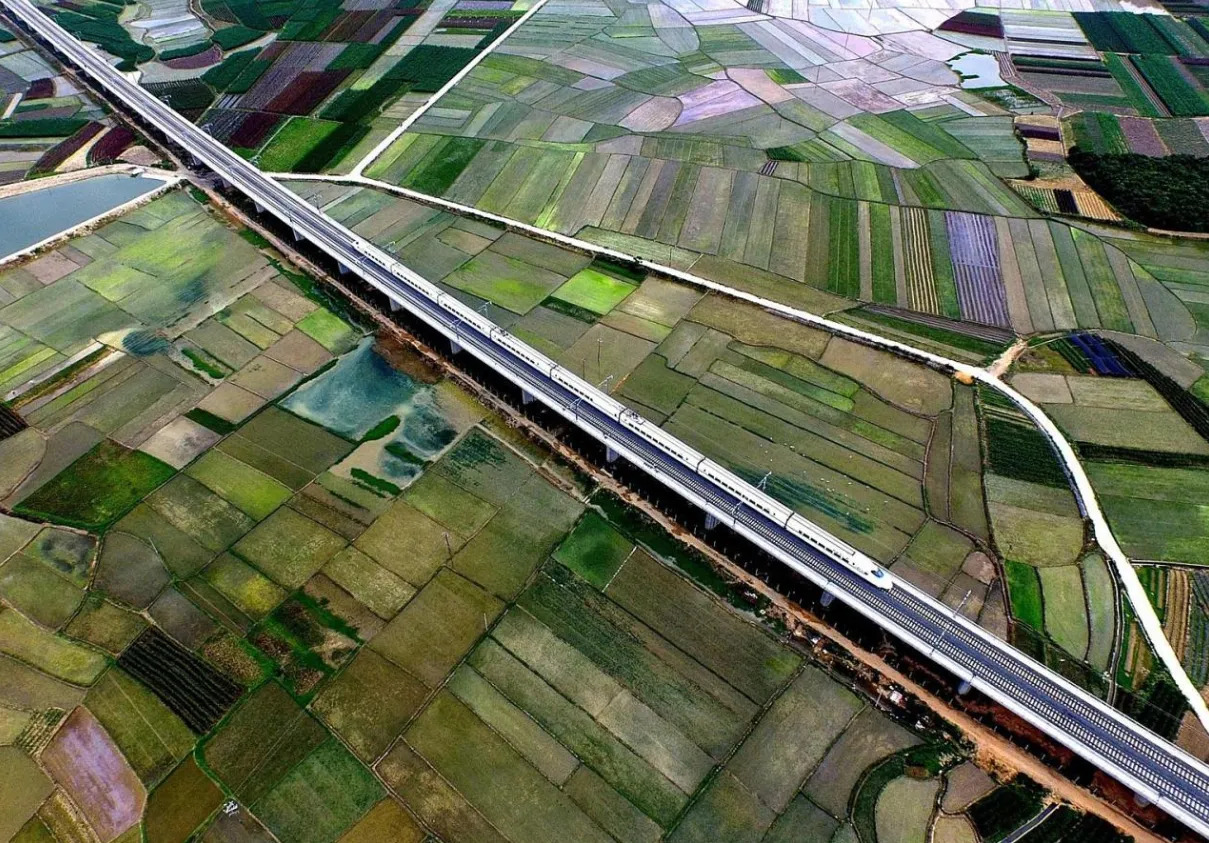
Scientists know that #biodiversity is declining across much of the world although less universally and dramatically than we feared. We also know that things are likely to get worse in the future, with a combination of #deforestation, #climatechange and overexploitation set to drive species and habitats ever closer to #extinction. Help them every time you shop and be #vegan #BoycottPalmOil #Boycott4Wildlife
Research: Small room for compromise between oil palm cultivation and primate conservation in Africa
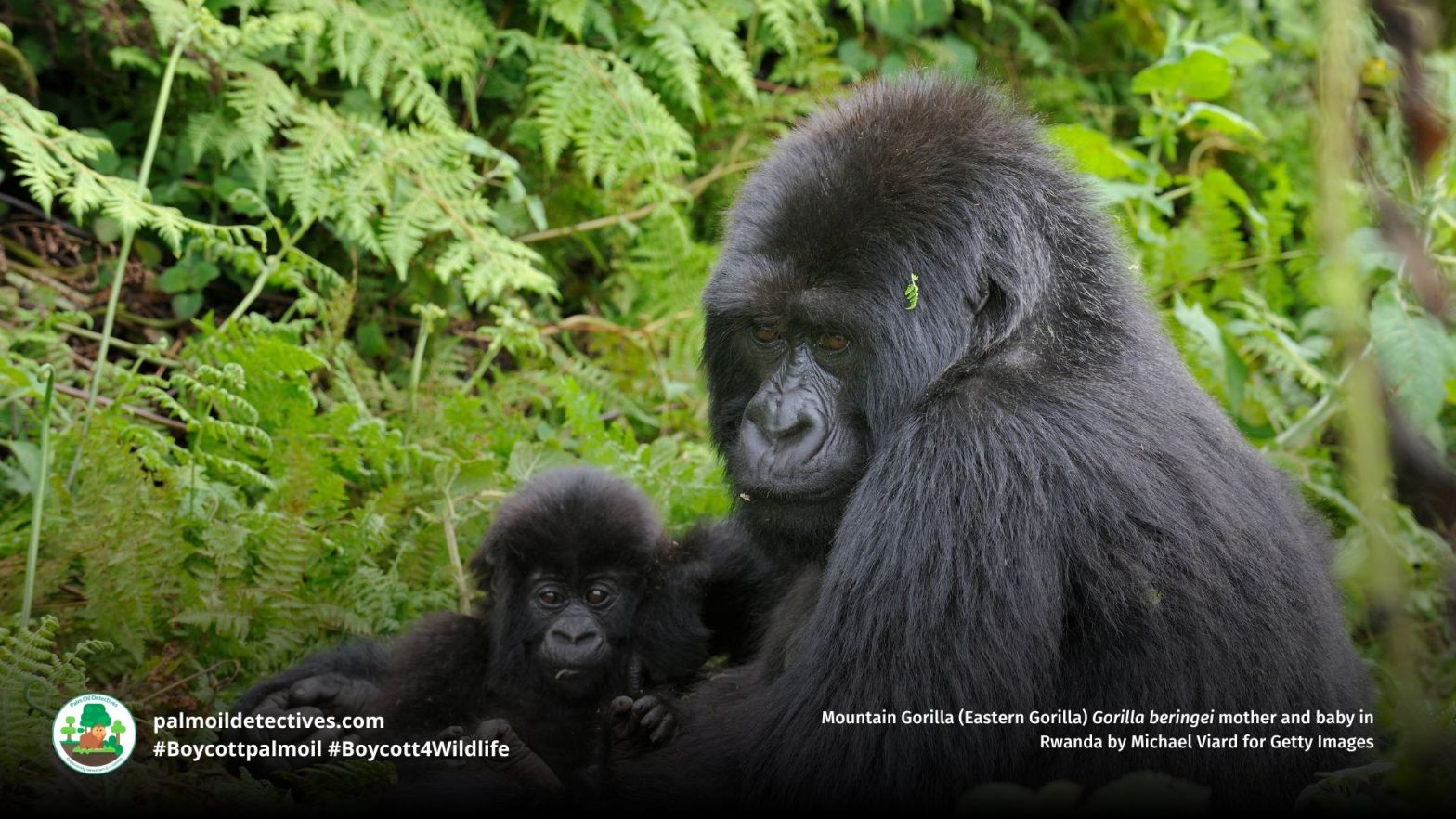
Research shows that future palm oil expansion is a major threat to Africa’s tropical forests and their rich primate biodiversity, Fight back boycott palm oil!
African Forest Elephants’s Movements Depend on Their Personalities
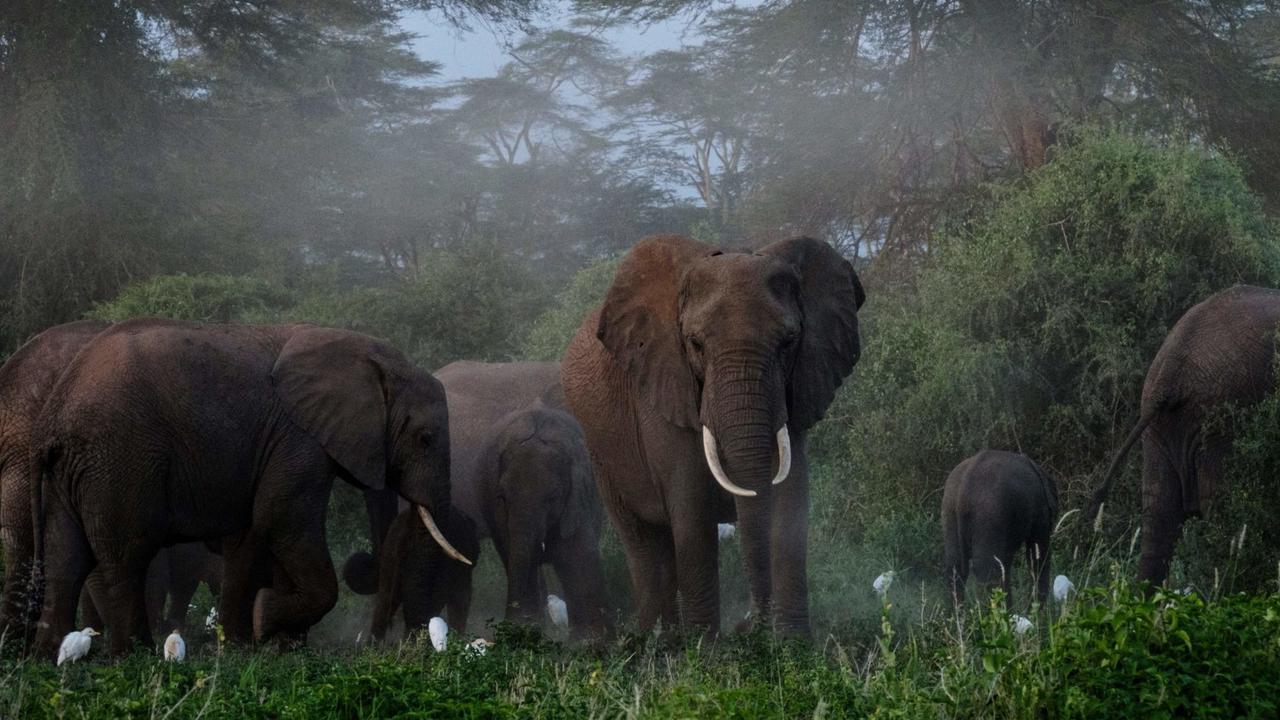
African forest #elephants roam the dense rainforests of West and Central Africa where they subsist largely on a diet of fruit. They shape forests by dispersing fruit and seeds, browsing, and creating an extensive trail network. But because it’s difficult to track animals in thick forest, little is known about the movements of the AfricanContinue reading “African Forest Elephants’s Movements Depend on Their Personalities”
In the Atlantic Forest, the lowland tapir is at risk of extinction
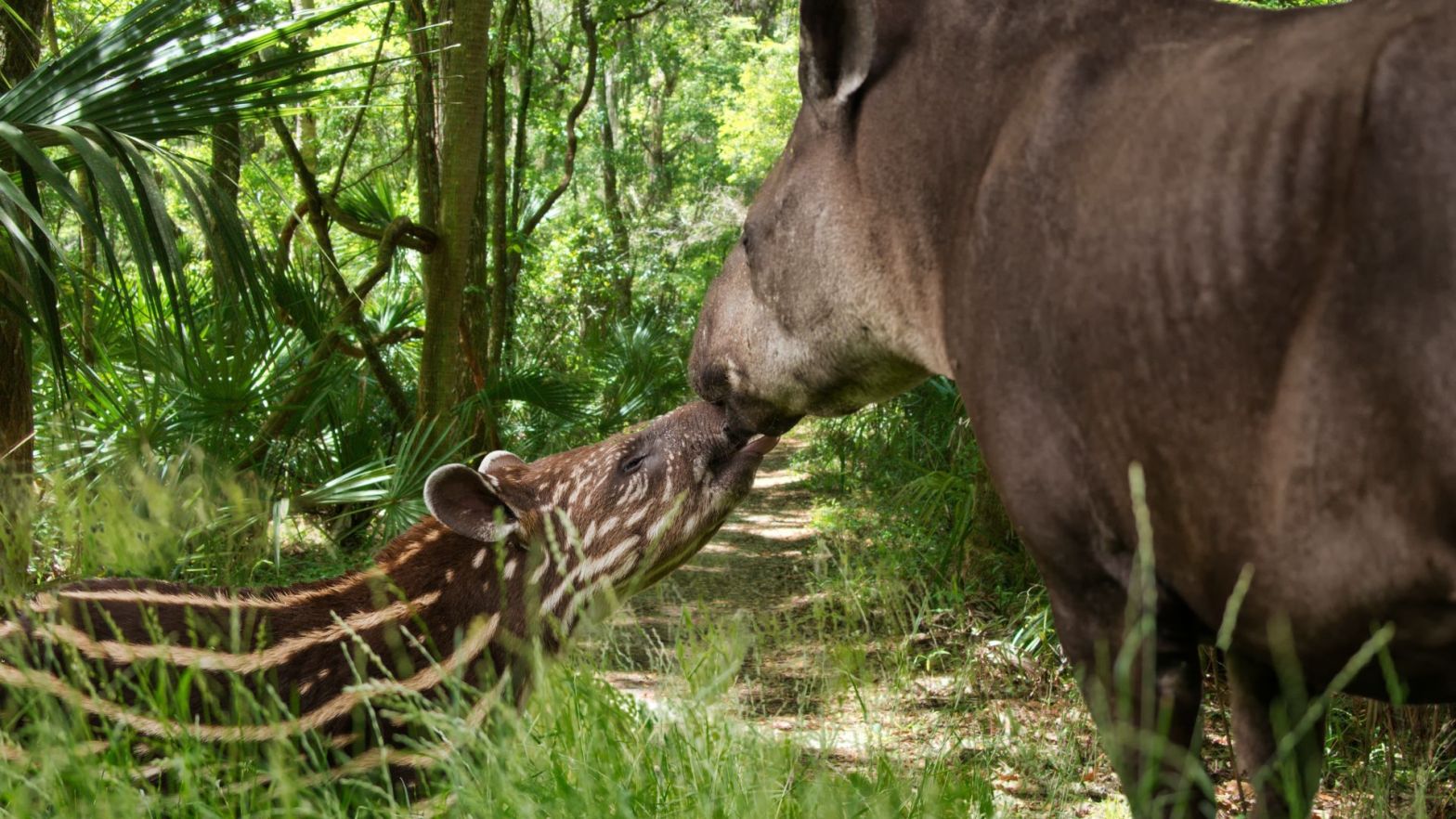
Lowland tapir populations in the Atlantic Forest in South America are at risk of almost complete disappearance, scientists have estimated. Weighing up to 250 kg, the animal can adapt to most habitats in South America—but its populations continue to decline across their range. Take action for these beautiful irreplaceable animals every time you shop, be #vegan for forests, farmed animals and wild animals and #BoycottPalmOil #Boycott4Wildlife
Species Extinction: just how bad is it and why should we care?
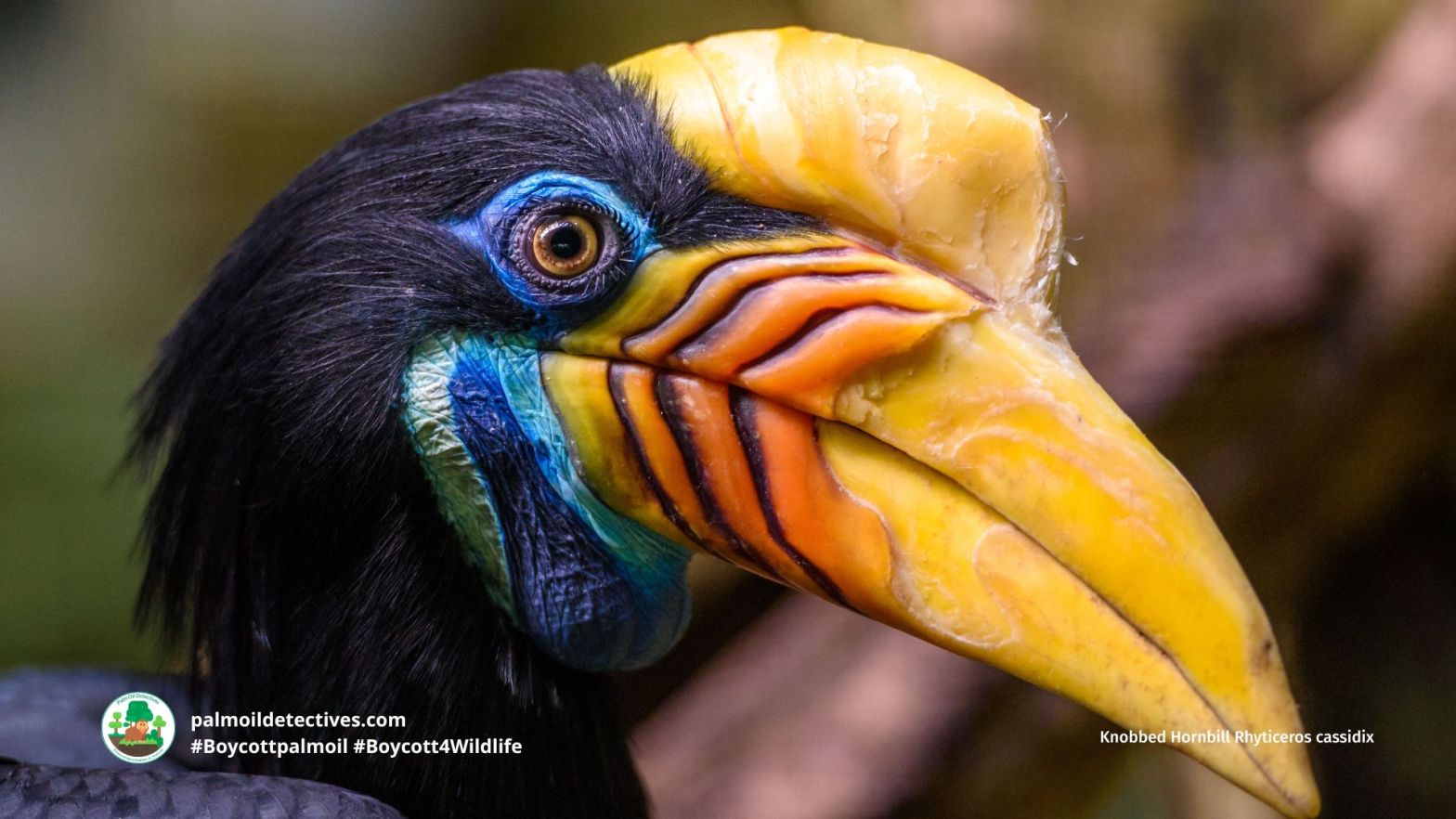
This is arguably society’s biggest challenge, and arguably its biggest failure: the continuing loss of species from Earth. The massive impact we are having on the planet has firmly entrenched us in a period of our history commonly called the Anthropocene.
Background or “normal” rates of extinction vary through time but are typically in the order of one to two species per year. Current rates of extinction, however, are estimated to have reached 1000 to 10,000 times this rate. Help animals to survive when you shop and be #Vegan 🌿🍌🍇 #Boycottpalmoil 🌴🩸🤮☠️#Boycott4Wildlife
Africa’s rainforests are different. Why it matters that they’re protected
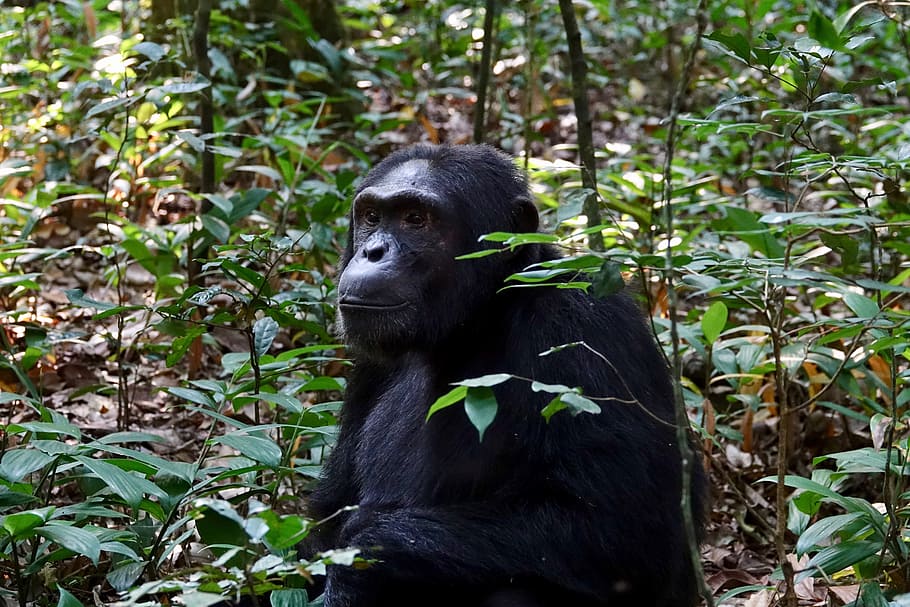
Around 2 million km² of #Africa is covered by tropical #rainforests. They are second only in extent to those in #Amazonia, which cover around 6 million km². Rainforests are home to vast numbers of species of #primates #birds #insects and more. For example, the world’s tropical rainforests are estimated to be home to at least 40,000 tree species, with up to 6,000 in African forests. Protect all rainforests before it’s too late, every time you shop use your wallet as a weapon and be #Vegan #BoycottPalmOil #Boyott4Wildlife
A global juggling act: feeding the world, saving species

Our planet is on the precipice of a sixth mass extinction event. But unlike the five previous mass extinctions, this one is man-made: a global biodiversity crisis in which species are disappearing three to 12 times faster than the “normal” rate of extinction. A massive driver of this extinction is how humans eat. Be #Vegan for the animals #BoycottPalmOil #Boycott4Wildlife
One-fifth of reptiles heading towards extinction

Almost one-fifth of the world’s reptiles are currently threatened with extinction.A recent study assessed 1500 species for extinction risks. From the 19% found to be in danger, 12% were classified as Critically Endangered, 41% as Endangered and 47% Vulnerable. Three of the species listed as being Critically Endangered are believed to be possibly extinct. ThisContinue reading “One-fifth of reptiles heading towards extinction”
Forgotten Animals of Secretly Destroyed Forests
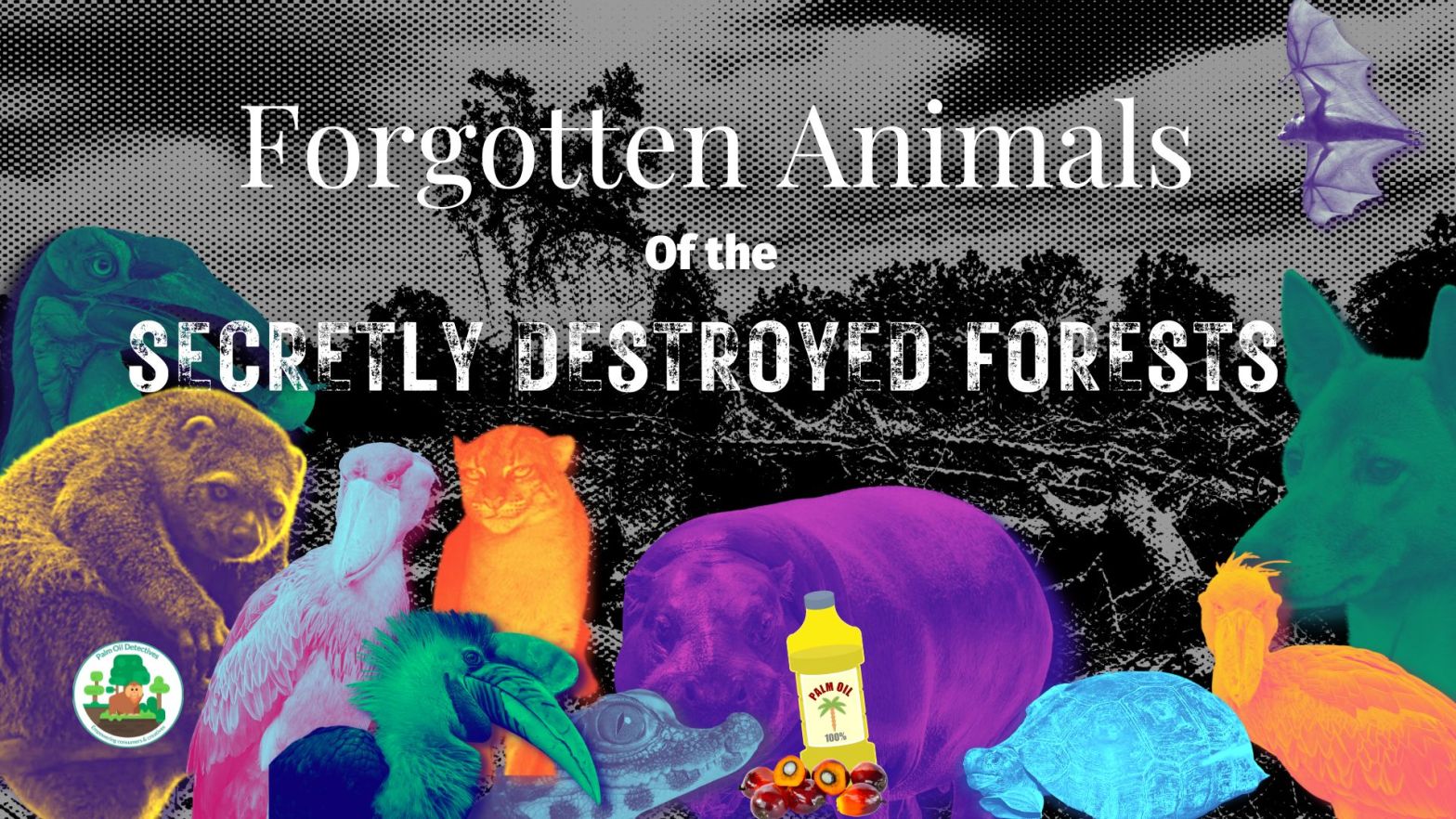
Don’t let the forests go silent! 1000’s of forgotten animals are nearing extinction due to palm oil deforestation. Take action and boycott palm oil today!
Ecosystems could collapse in less than 50 years
We know that ecosystems under stress can reach a point where they rapidly collapse into something very different. Research published in the journal Nature Communications, shows that the size of the ecosystem is important. Once a “tipping point” is triggered, large ecosystems could collapse much faster than we had thought possible. It’s a finding that has worrying implications for the functioning of our planet. Fight back and resist for nature when you shop be #vegan and #BoycottPalmOil #Boycott4Wildlife
We don’t know how many mountain gorillas live in the wild. Here’s why
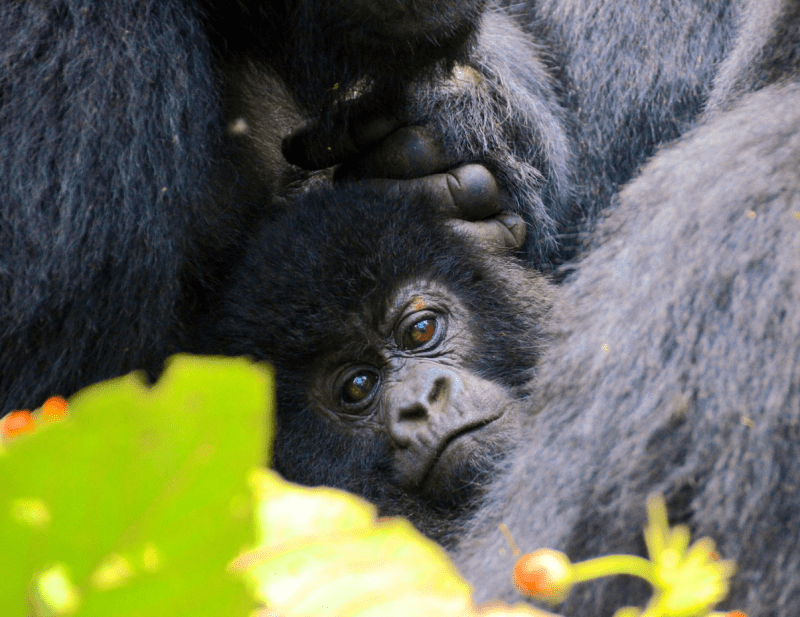
How important are the mountain #gorillas of Uganda’s Bwindi Impenetrable Forest National Park to global populations? Their importance to the health of the forest is immeasurable and irreplacable! Mountain gorillas are one of the two subspecies of eastern gorillas. They are divided into just two populations: one in the Virunga Massif that spans the borders of Uganda, Rwanda and the Democratic Republic of Congo (DRC) and one population that lives in the Bwindi Impenetrable National Park in Uganda and the adjacent Sarambwe Nature Reserve in DRC. Help them to survive, be #vegan and #BoycottPalmOil #Boycott4Wildlife
Humans force wild animals into tight spots, or send them far from home
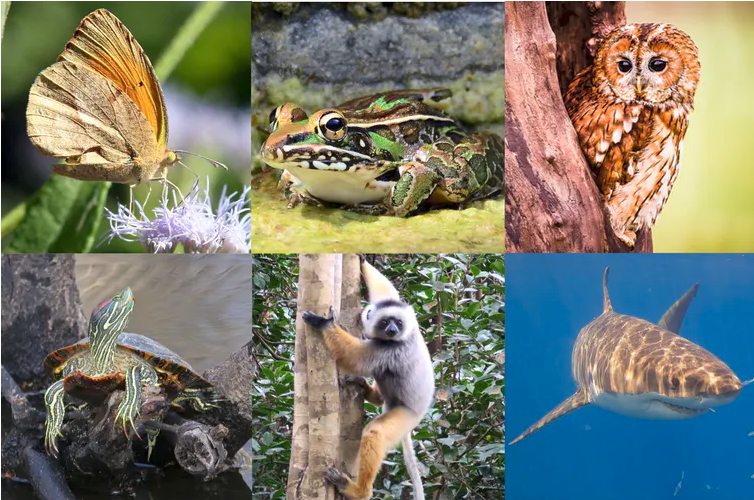
The COVID pandemic has shown us that disruptions to the way we move around, complete daily activities and interact with each other can shatter our wellbeing. This doesn’t apply only to humans. Wildlife across the globe find themselves in this situation every day, irrespective of a global pandemic. Our latest research published today in NatureContinue reading “Humans force wild animals into tight spots, or send them far from home”
What would happen if we lost all wildlife?
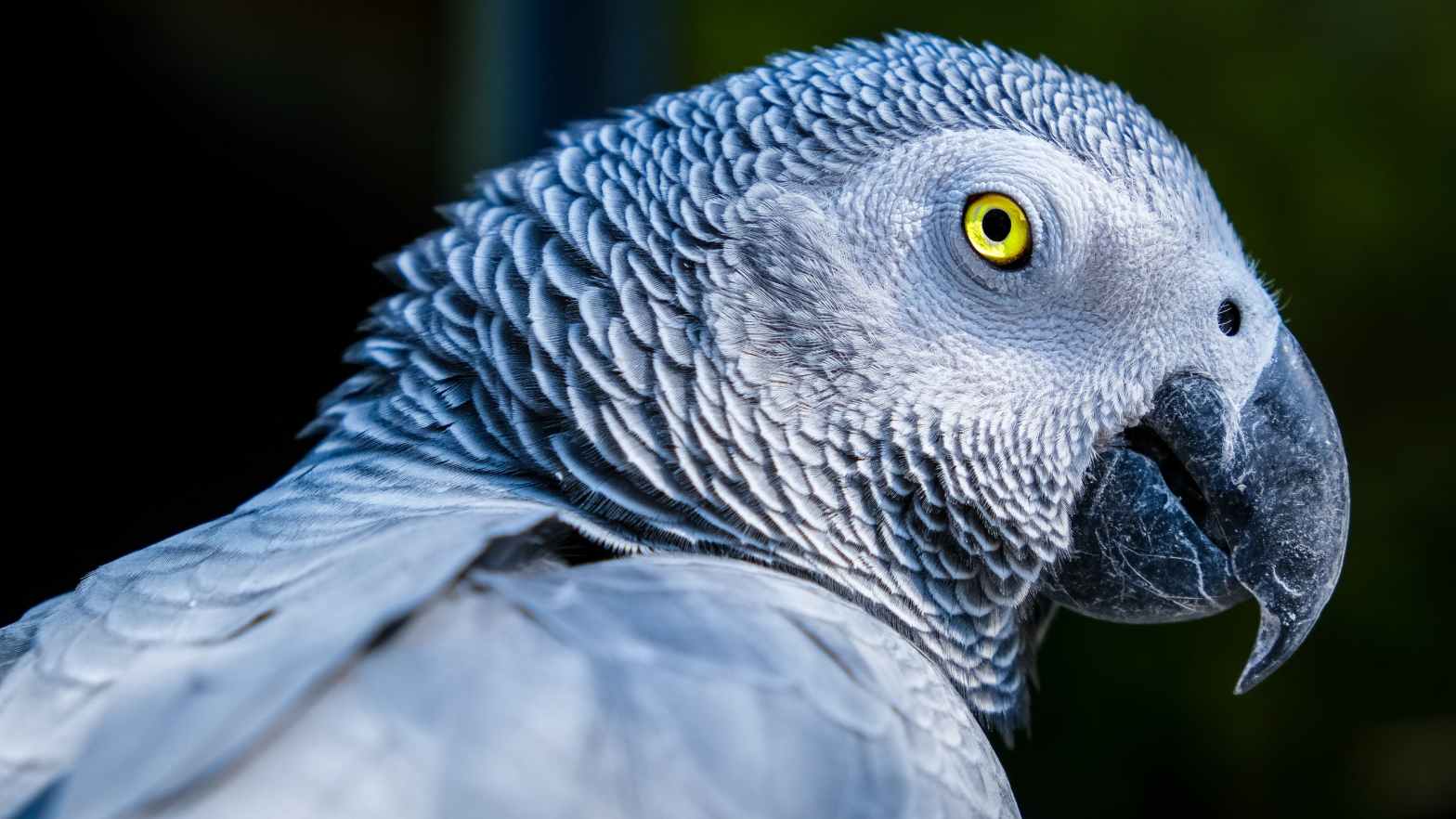
Have you ever thought about what would happen if we lost all our wildlife? Thoughts on what our planet will turn into, always make my stomach hurt. Can you imagine having no wildlife anywhere? The scary rate that extinction is taking away our wildlife The rate is crazily high and we seem not to really understand howContinue reading “What would happen if we lost all wildlife?”
African Greys: How politics killed the parrot
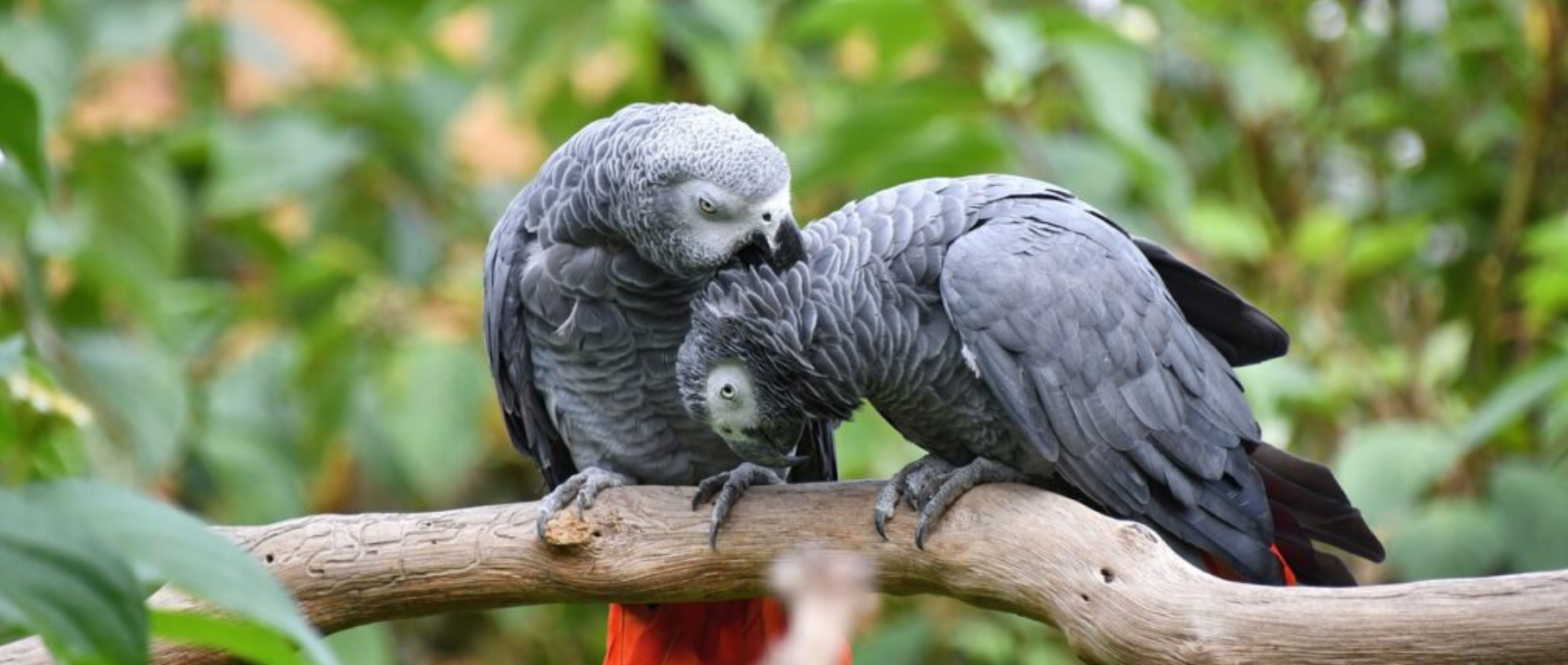
The African Grey Parrot of the Congo is an understated beauty sporting ash-grey plumage, which partially conceals the red flash of their short tails – not to be confused with the smaller and darker Timneh grey parrot. This species is found, as their name suggests, in the Democratic Republic of the Congo (DRC), along with Kenya, Tanzania and parts of Angola. Already globally threatened, any self-described bird lover must understand jus how the political environment in the DRC is threatening this gorgeous parrot. One of the most pervasive threats for these rare birds is poaching for the illegal pet trade, which, in the past 40 years alone, has resulted in almost three million birds being snatched from their homes. That’s three million birds who will never reproduce in the wild and ensure continuity of this species. Help these birds every time you shop and be #Vegan, #BoycottPalmOil #Boycott4Wildlife.
Mass extinction: what is it and are we in one now?
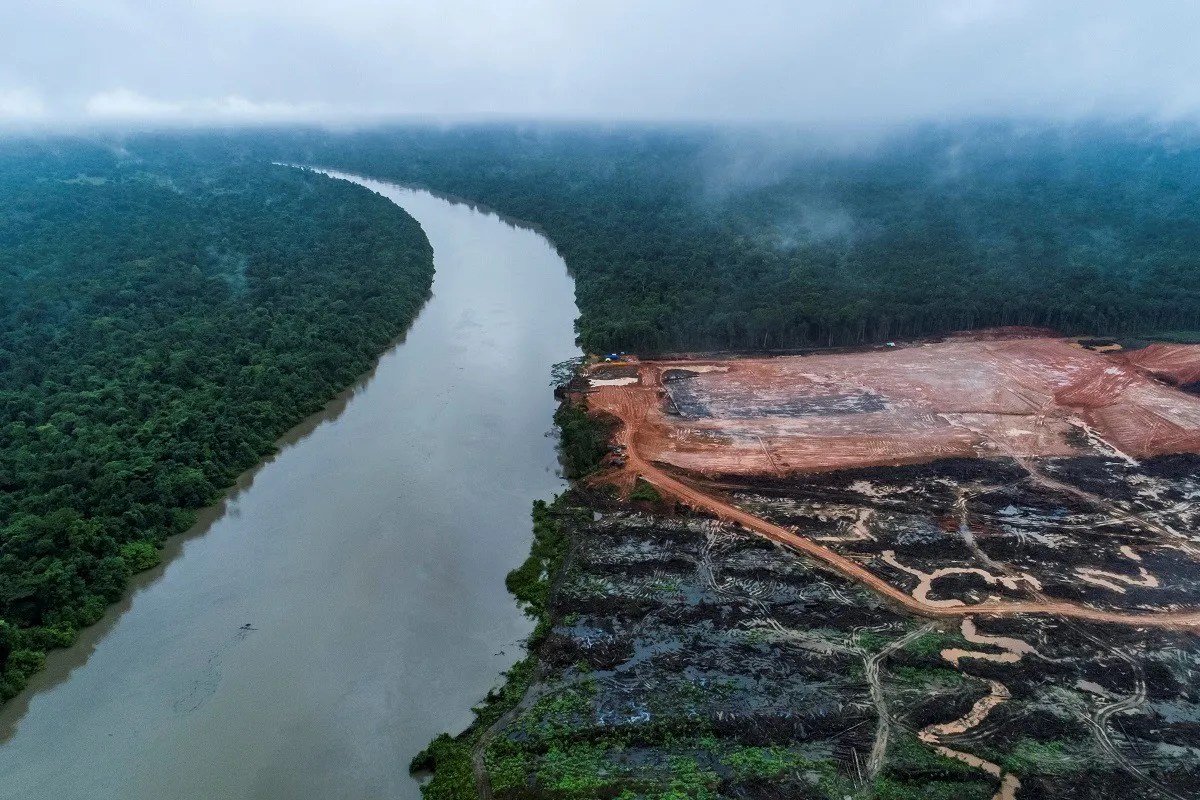
For more than 3.5 billion years, living organisms have thrived, multiplied and diversified to occupy every ecosystem on Earth. The flip side to this explosion of new species is that species extinctions have also always been part of the evolutionary life cycle.
A mass extinction is usually defined as a loss of about three quarters of all species in existence across the entire Earth over a “short” geological period of time. Given the vast amount of time since life first evolved on the planet, “short” is defined as anything less than 2.8 million years. Right now loss of species on earth is being driven by a mix of direct and indirect human activities, such as the destruction and fragmentation of habitats, direct exploitation like fishing and hunting, chemical pollution, invasive species, and human-caused global warming. Help species survive #BoycottPalmOil be #Vegan and #Boycott4Wildlife
The Rarest Rhino: The Two Last Northern White Rhinos of Kenya
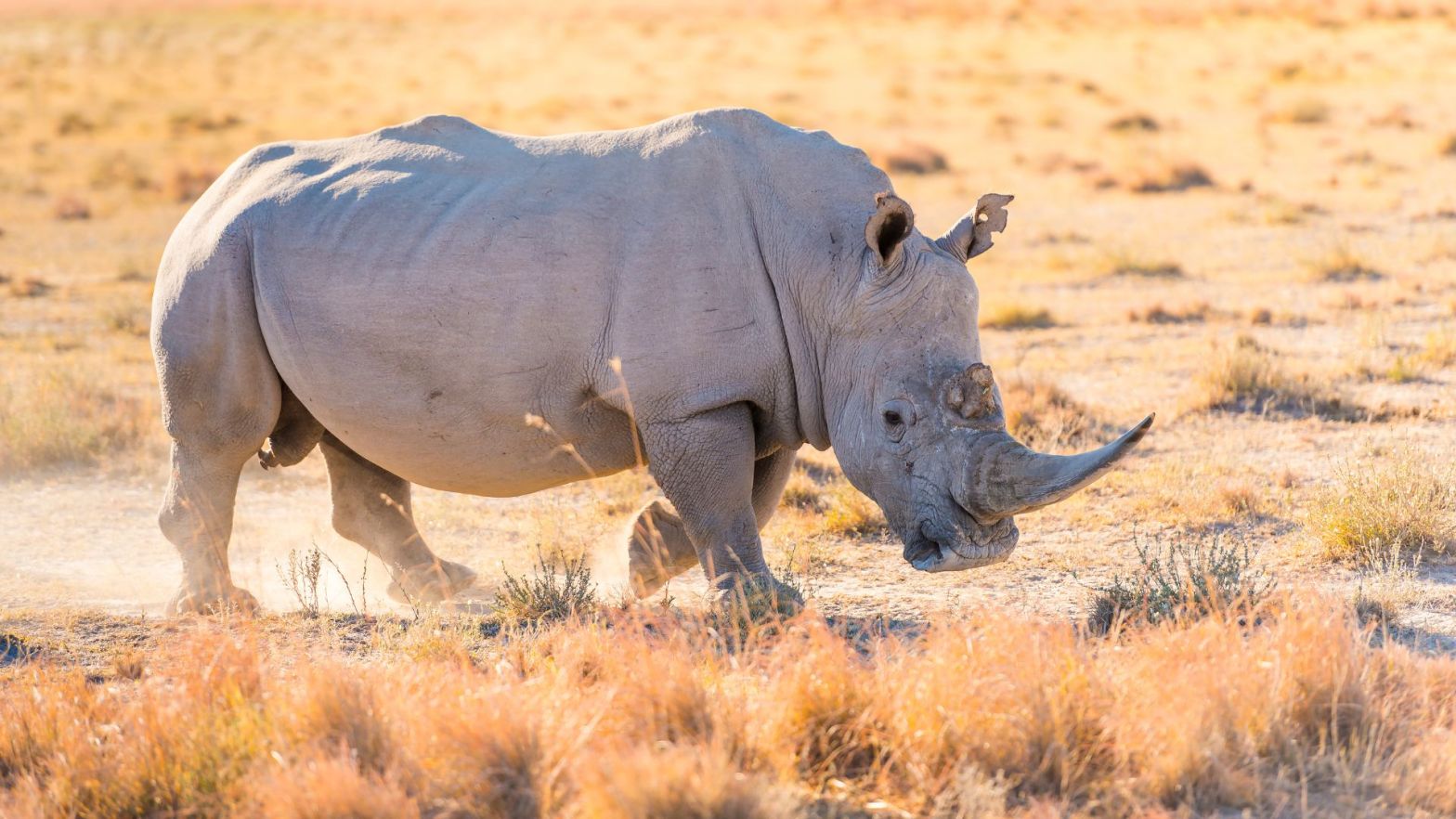
The rarest rhino in the world can be found wallowing in the mud at the Ol Pejeta Nature Conservancy in Kenya. Constantly guarded by vigilant rifle-clad guards, these two animals have no idea that they are the last members of their kind. They are northern white rhinos – the very last northern white rhinos anywhere on Earth. They have been poached to the very edge of extinction, with virtually no hope for recovery. Could this be the saddest story ever told? Likely! Vehemently and strongly oppose all forms of trophy hunting and poaching wherever you see it and #Boycott4Wildlife
Palm oil plantations are bad for wildlife great and small: study
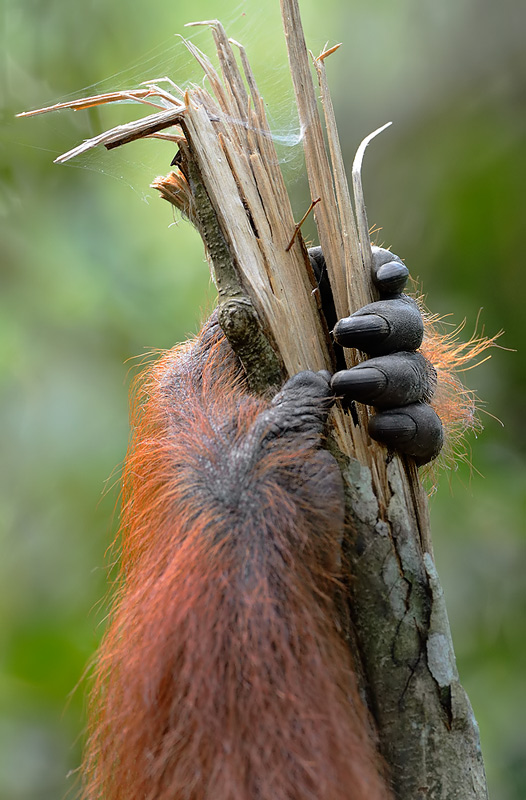
#Palmoil plantations have an overall negative impact on #biodiversity, according to research released this week. The #study, published in Nature Communications, found palm oil plantations are home to fewer insect species than even intensive rubber tree plantations. A forests expert at James Cook University, Bill Laurance, said of the research: “The big message is that oil palm is bad for biodiversity, in every sense of the word — even when compared to damaged rainforests that are regenerating after earlier logging or clearing.” Make sure you take action every time you shop and #BoycottPalmOil #Boycott4Wildlife!
 Palm Oil Detectives