
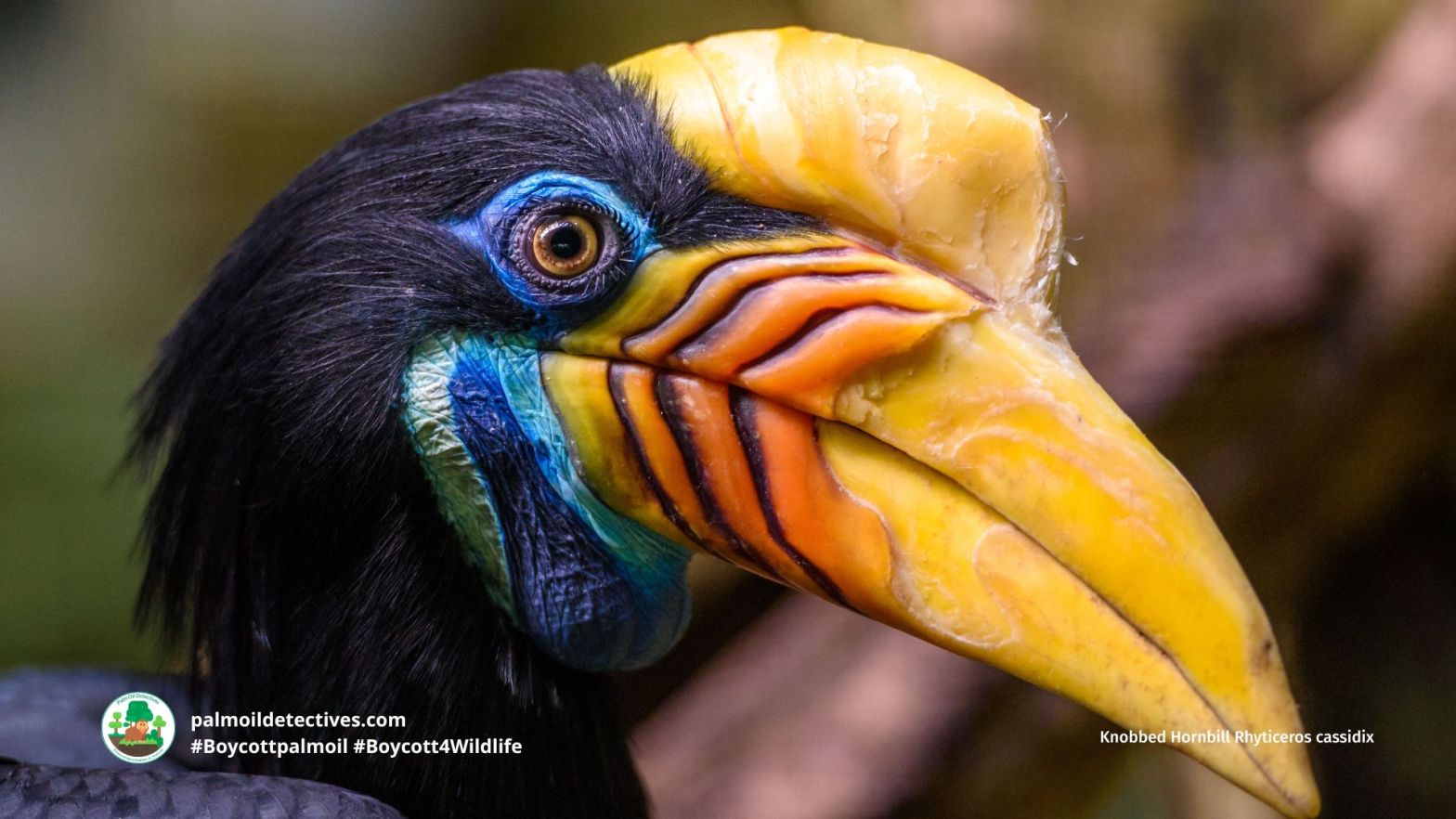
Knobbed Hornbills are important seed dispersers in Indonesia. Known for their unique social nature, save this striking bird, when you shop boycott palm oil!
Tag Archives: Bird
Laughs, Cries and Deception: The Complex Lives of Birds
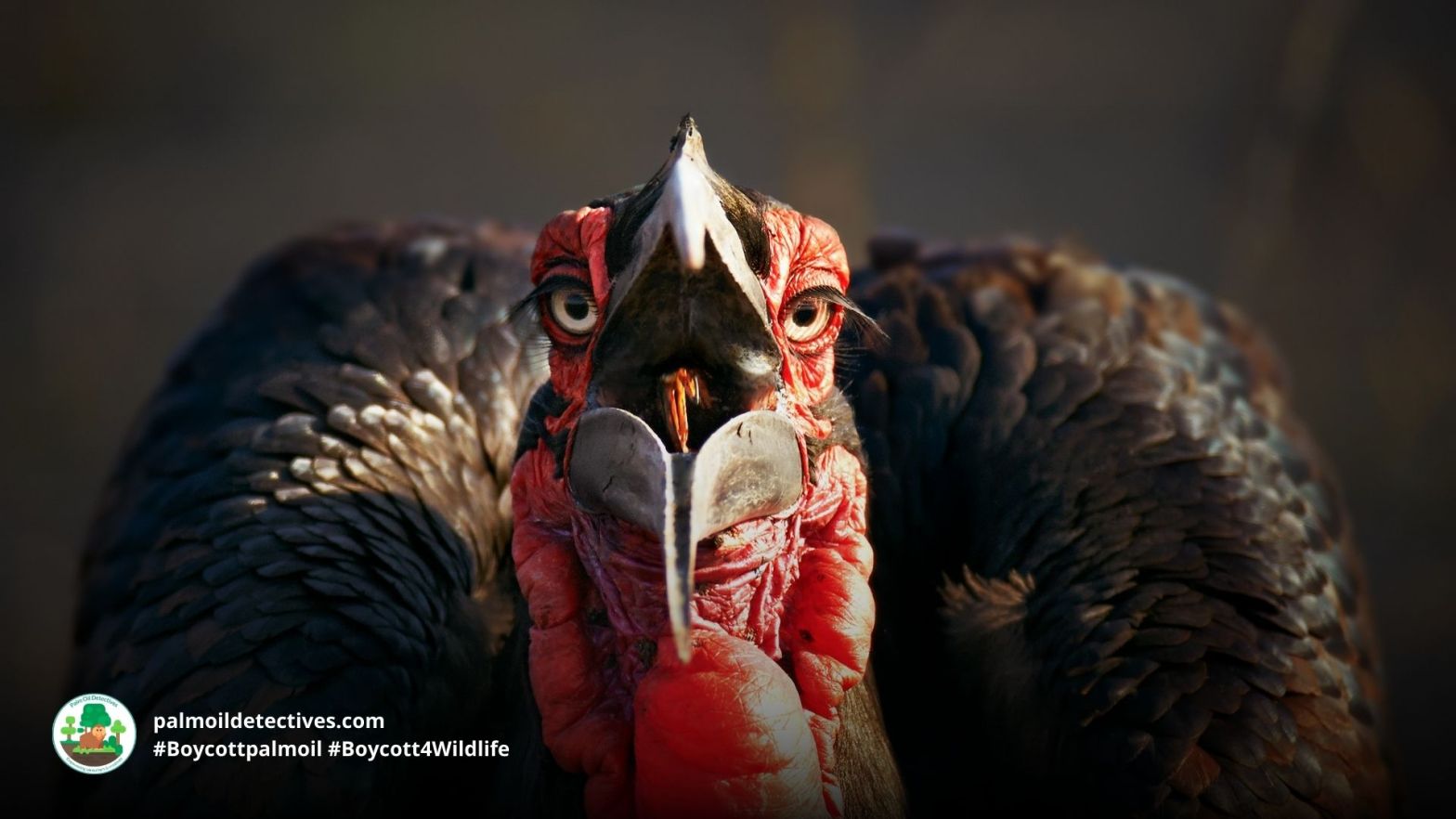
#Birds can certainly get very angry – and the owner of a galah or corella would be well advised not to get near this bird when the head feathers are raised — but birds can be joyful and playful, can get depressed and, as studies have shown, a neglectful or bare environment can even make them pessimistic.
Birds may feel for others (have empathy) and even console them, may have a sense of justice, may show deep affection for their partner and grieve for their loss. I witnessed the mate of a fatally injured tawny frogmouth not moving from the spot next to their dead partner for three days, and then dying on the fourth. 🌴🩸🧐 Be #vegan for them! ❌ #BoycottPalmOil #Boycott4Wildlife
Sulawesi Hornbill Rhabdotorrhinus exarhatus
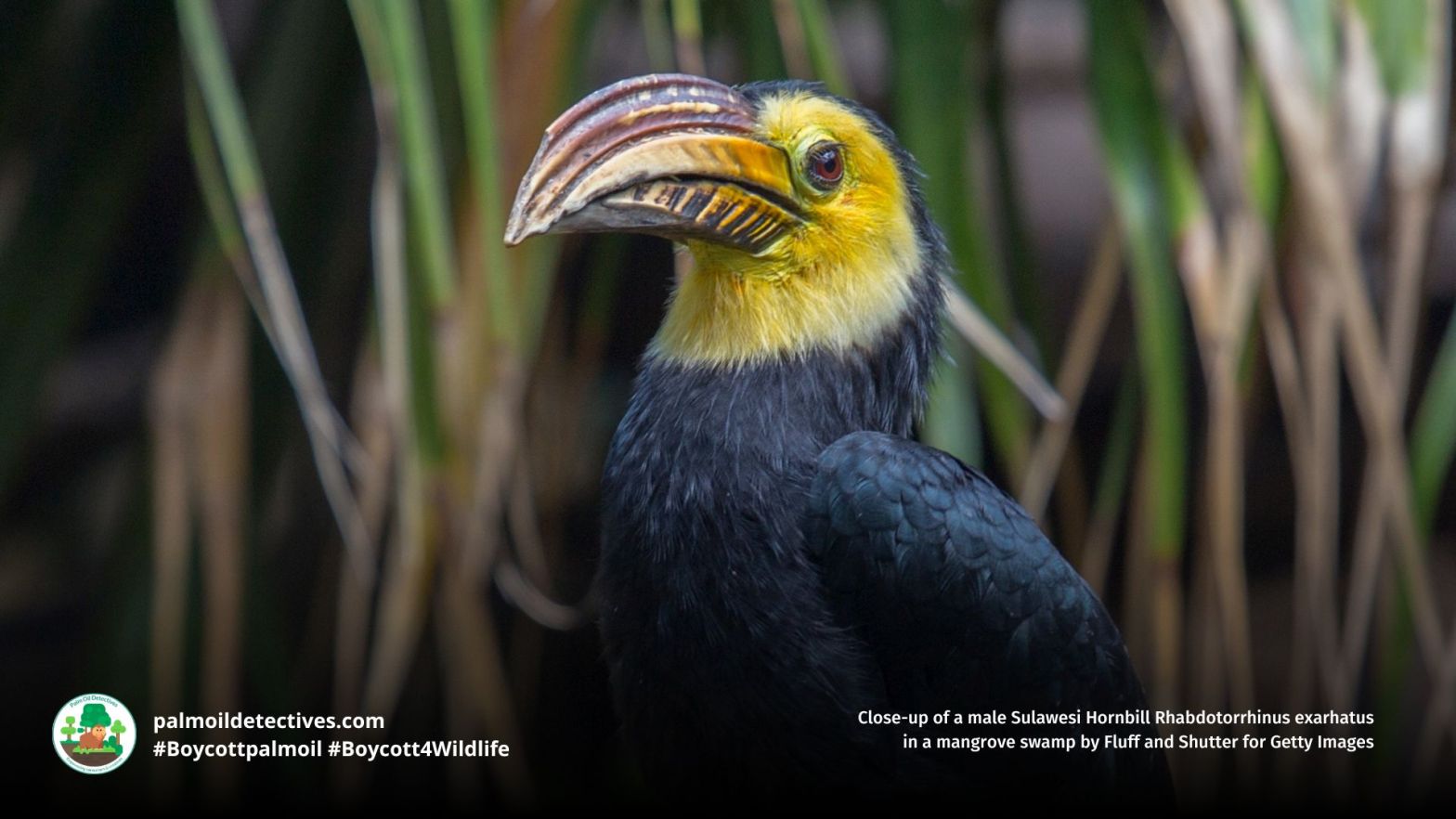
The Sulawesi hornbill (Rhabdotorrhinus exarhatus) is a striking and large yellow and black bird endemic to Sulawesi, Indonesia. Known for their unique vocalisations and social nature, including communal shared breeding practices, these medium-sized hornbills are integral to the rainforest ecosystem, acting as crucial seed dispersers for many important tree species.
Sadly, the Sulawesi hornbill is classified as Vulnerable due to habitat destruction from logging, agriculture, and palm oil plantations, as well as poaching for the illegal pet trade. Protecting their remaining rainforest habitats is essential to ensuring their survival. Fight for their survival every time you shop. #BoycottPalmOil #Boycott4Wildlife
Channel-billed Toucan Ramphastos vitellinus
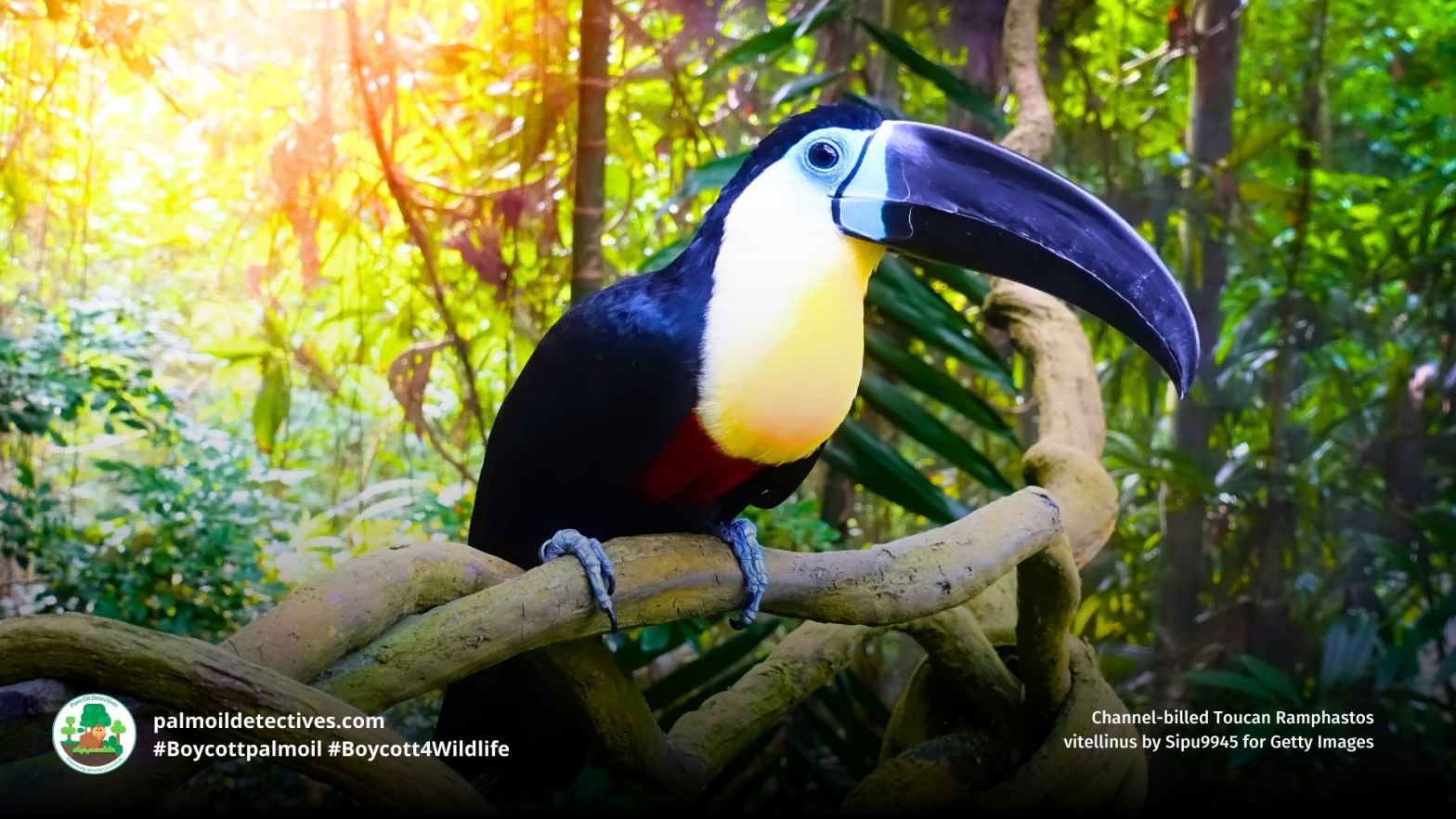
Deep in the heart of the #Amazon rainforest, a flash of vibrant colour moves between the towering canopy trees. The Channel-billed #Toucan Ramphastos vitellinus is a striking bird endemic to #Colombia, #Venezuela, #Ecuador, #Peru, Brazil and #Bolivia with a massive, curved bill and a raucous voice that echoes through the jungle. With their large, expressive eyes and vivid markings, these toucans are more than just symbols of tropical biodiversity—they are crucial players in the rainforest ecosystem, dispersing seeds that sustain the lush vegetation.
But their world is shrinking. The relentless destruction of the Amazon for cattle ranching, soy production, #palmoil and #goldmining is closing in on them. Habitat loss, hunting, and the wildlife trade are pushing them towards localised declines. In some parts of their range, they are disappearing entirely. Use your wallet as a weapon—fight for their survival. #BoycottPalmOil #Boycott4Wildlife
What’s my name? How wild parrots identify their young
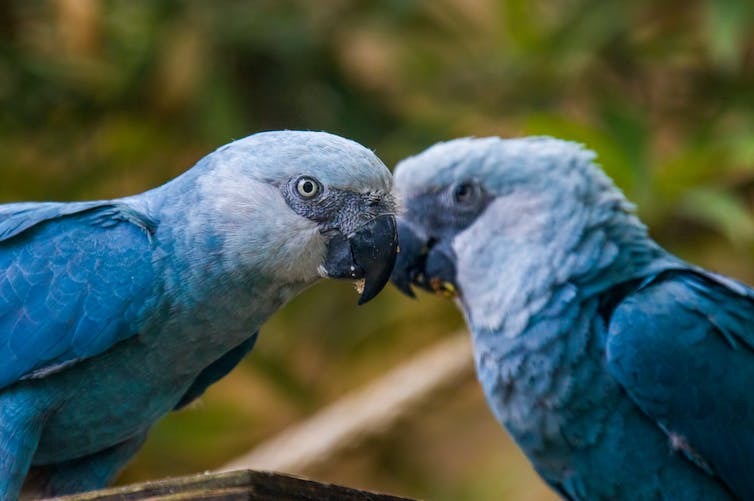
Ground-breaking research has found that wild parrots teach their chicks unique sound signatures so that they can identify their parents. We are only just scratching the surface of knowledge about these immensely intelligent non-human beings, protect them! Be #Vegan and #BoycottPalmOil #Boycott4Wildlife
Saker Falcon Falco cherrug
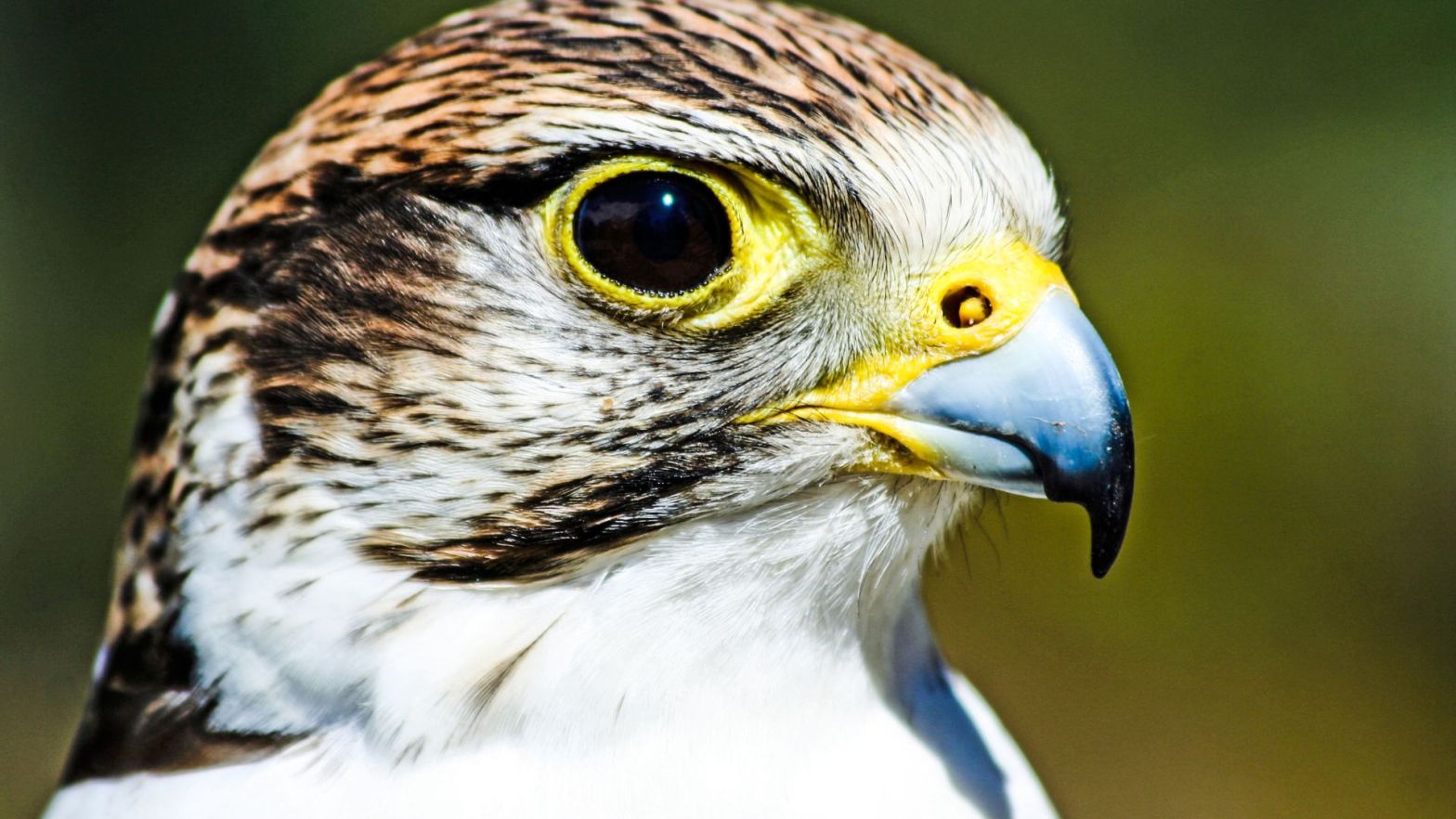
Saker #Falcons are majestic and powerful birds of prey that have a wide range throughout much of Southern Europe, the Middle East and parts of Africa. Their plumage ranges from chocolate brown in colour to a pale sandy with brown bars or streaks and can be snow white and off-white.
This species has been uplisted to Endangered because a revised population trend analysis indicates that they may be undergoing a very rapid decline. This negative trend is a result of a range of anthropogenic factors including electrocution on power lines, unsustainable capture for the falconry and #pettrade, as well as habitat degradation throughout all three continents but especially in Africa. Help them every time you shop and #Boycott4Wildlife
Rainbow Cliffs: Why Parrots in the Amazon Eat Clay
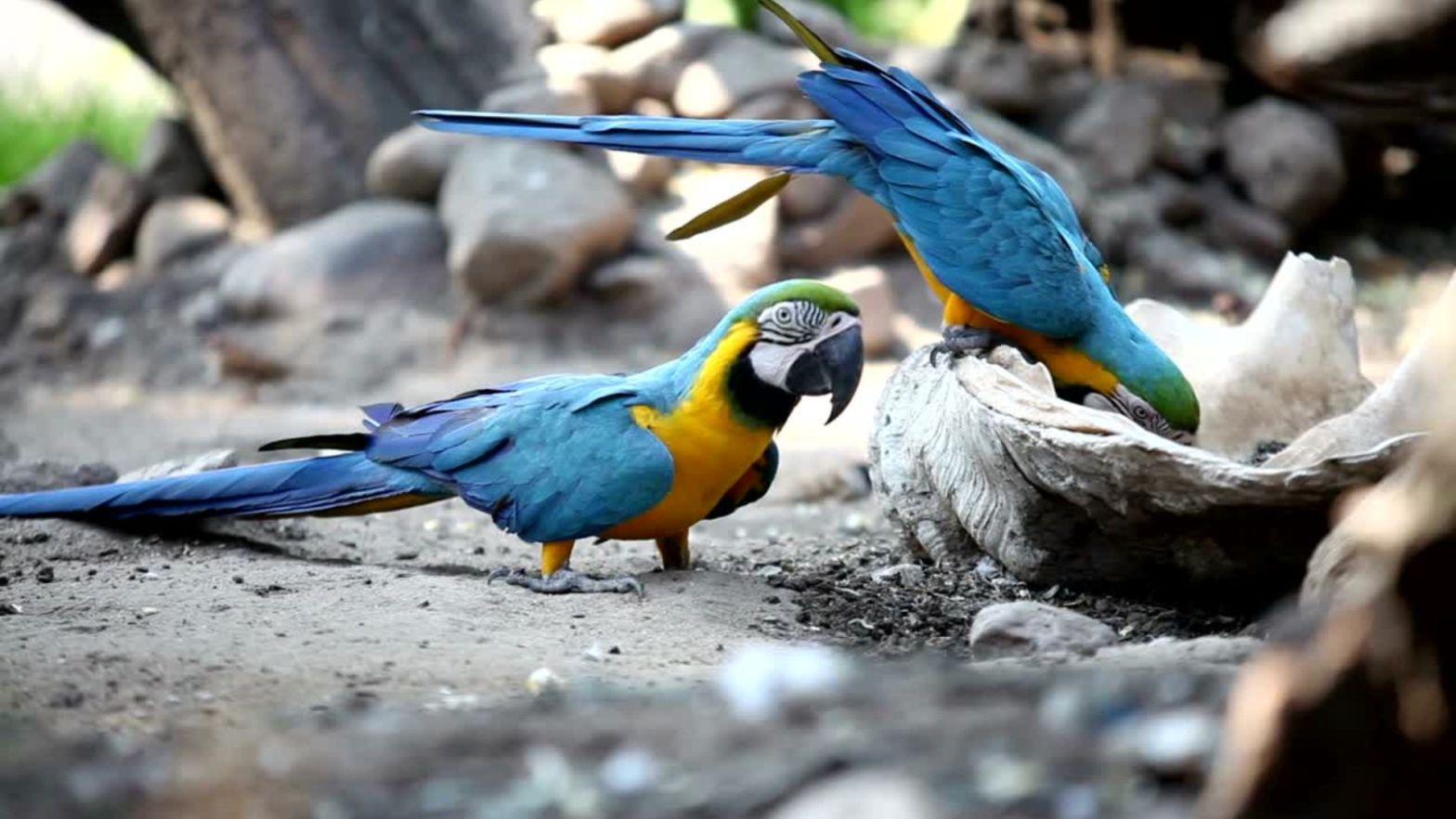
Our world holds a whole host of glorious natural spectacles, from great starling murmurations to the ethereal display of coral reef spawning. But none is more thrilling than catching a glimpse of a majestic #macaw.
Screeching their way through the #Amazon rainforest, leaving scattered fruit, broken branches, and a considerable quantity of parrot poop in their wake, #parrots are simply animals like no other. But high in the treetops, flying far above the dense, dark foliage below, how can you ensure that you see their bright colours? A safe bet is to find a clay lick.
Ariel Toucan Ramphastos ariel
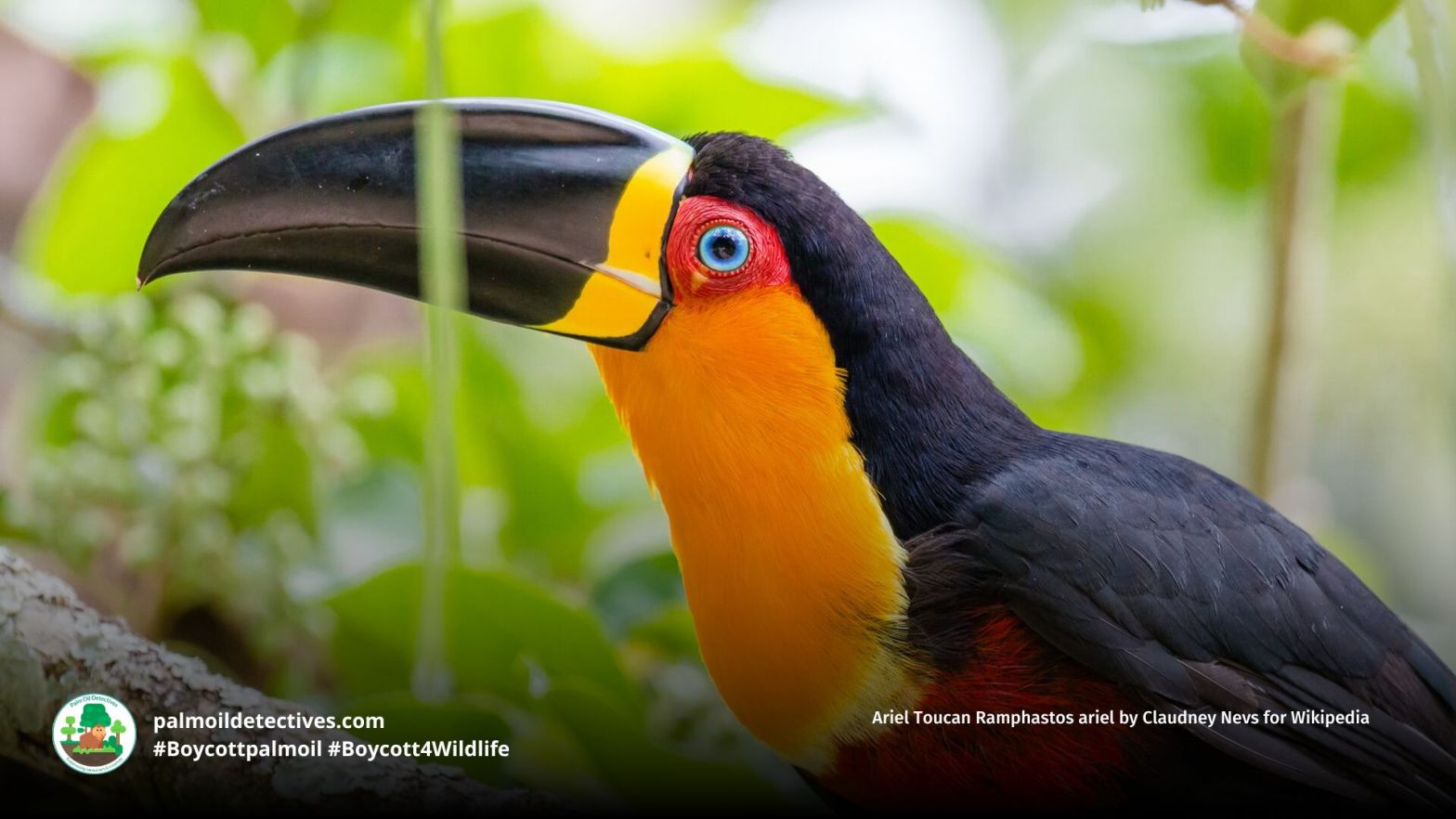
Ariel Toucans are vibrant and charismatic birds of South America under threat from palm oil, soy, meat and gold mining deforestation. Take action for them!
African Greys: How politics killed the parrot
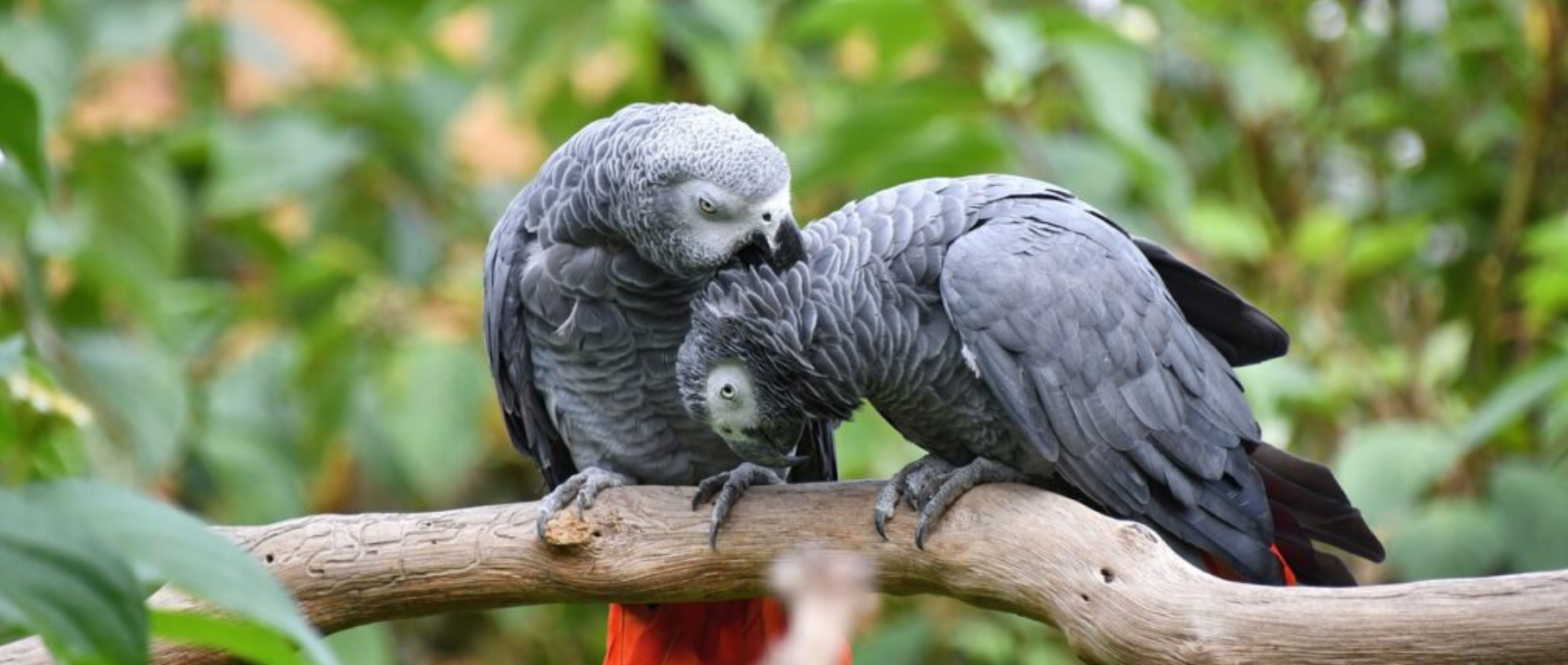
The African Grey Parrot of the Congo is an understated beauty sporting ash-grey plumage, which partially conceals the red flash of their short tails – not to be confused with the smaller and darker Timneh grey parrot. This species is found, as their name suggests, in the Democratic Republic of the Congo (DRC), along with Kenya, Tanzania and parts of Angola. Already globally threatened, any self-described bird lover must understand jus how the political environment in the DRC is threatening this gorgeous parrot. One of the most pervasive threats for these rare birds is poaching for the illegal pet trade, which, in the past 40 years alone, has resulted in almost three million birds being snatched from their homes. That’s three million birds who will never reproduce in the wild and ensure continuity of this species. Help these birds every time you shop and be #Vegan, #BoycottPalmOil #Boycott4Wildlife.
Great Green Macaw Ara ambiguus
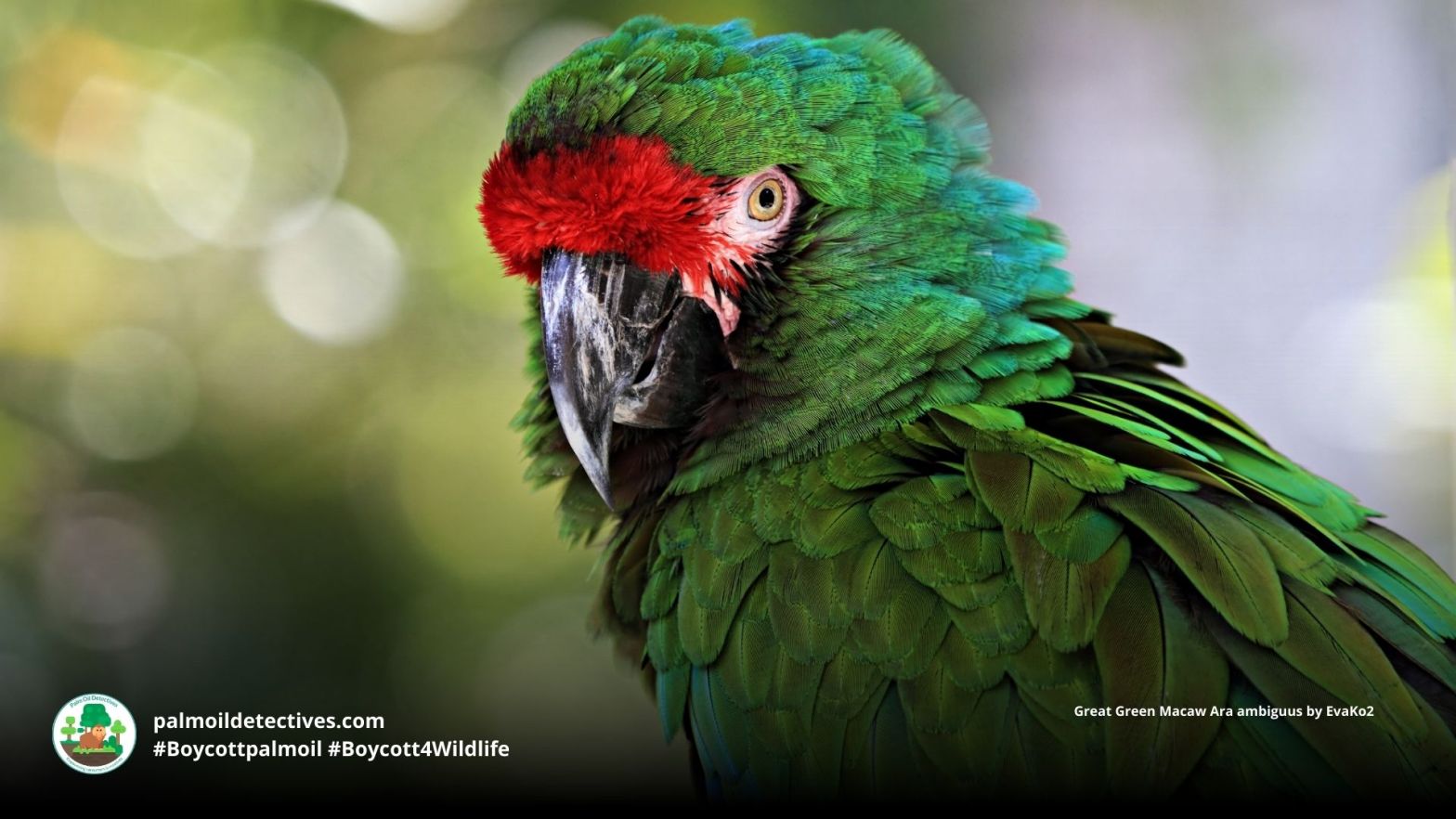
The Great Green Macaw Ara ambiguus are the largest macaw species and in flight they are dazzling symbol of Central and South America’s vanishing rainforests. Draped in shimmering green plumage with a fiery red forehead and striking blue-tipped feathers, these parrots are key players in their ecosystem. With their powerful beaks, they crack open tough nuts, dispersing seeds that sustain the forest’s delicate balance. Yet, these vibrant giants are under siege.
Deforestation—driven by palm oil plantations, illegal logging, and agriculture—has decimated the old-growth forests they call home. Their lifeline, the mountain almond tree, is vanishing, taking with it vital macaw nesting sites. Alarmingly, Great Green Macaw populations in Costa Rica and Ecuador have dwindled to critical levels, leaving fewer than 3,500 individuals to soar freely the skies.
Fight for their survival every time you shop. Support indigenous-led conservation and use your wallet as a weapon: #BoycottPalmOil #Boycott4Wildlife.
Wildlife Artist Szabolcs Kókay
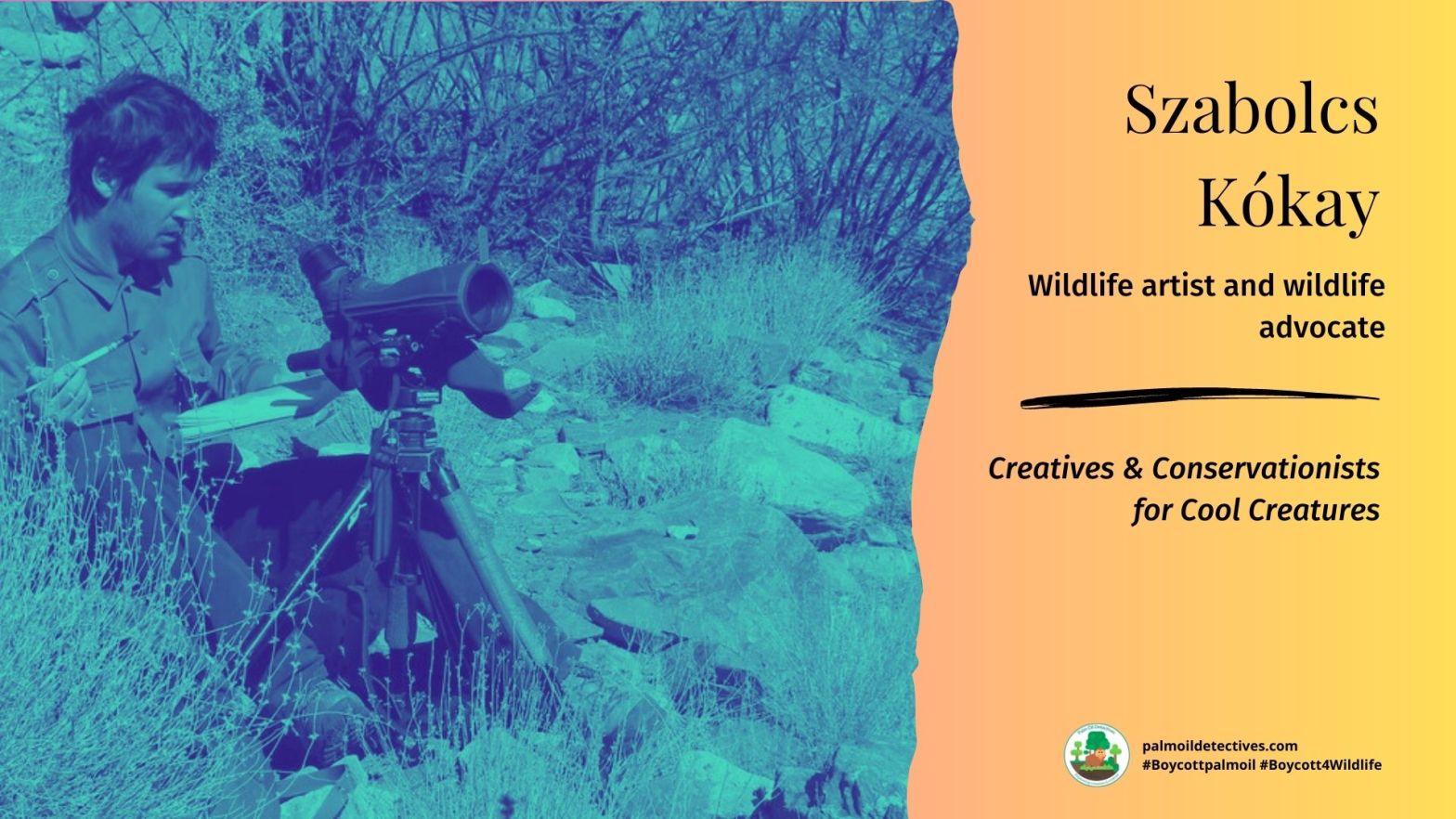
Szabolcs Kókay was born in Hungary in 1976, and has been interested in nature, especially birds, since childhood. Although he has been drawing for as long as he can remember, it was only later on in his life, around the age of 20, when these two interests merged. For Szabolcs, watching and sketching nature goContinue reading “Wildlife Artist Szabolcs Kókay”
Sinu Parakeet Pyrrhura subandina
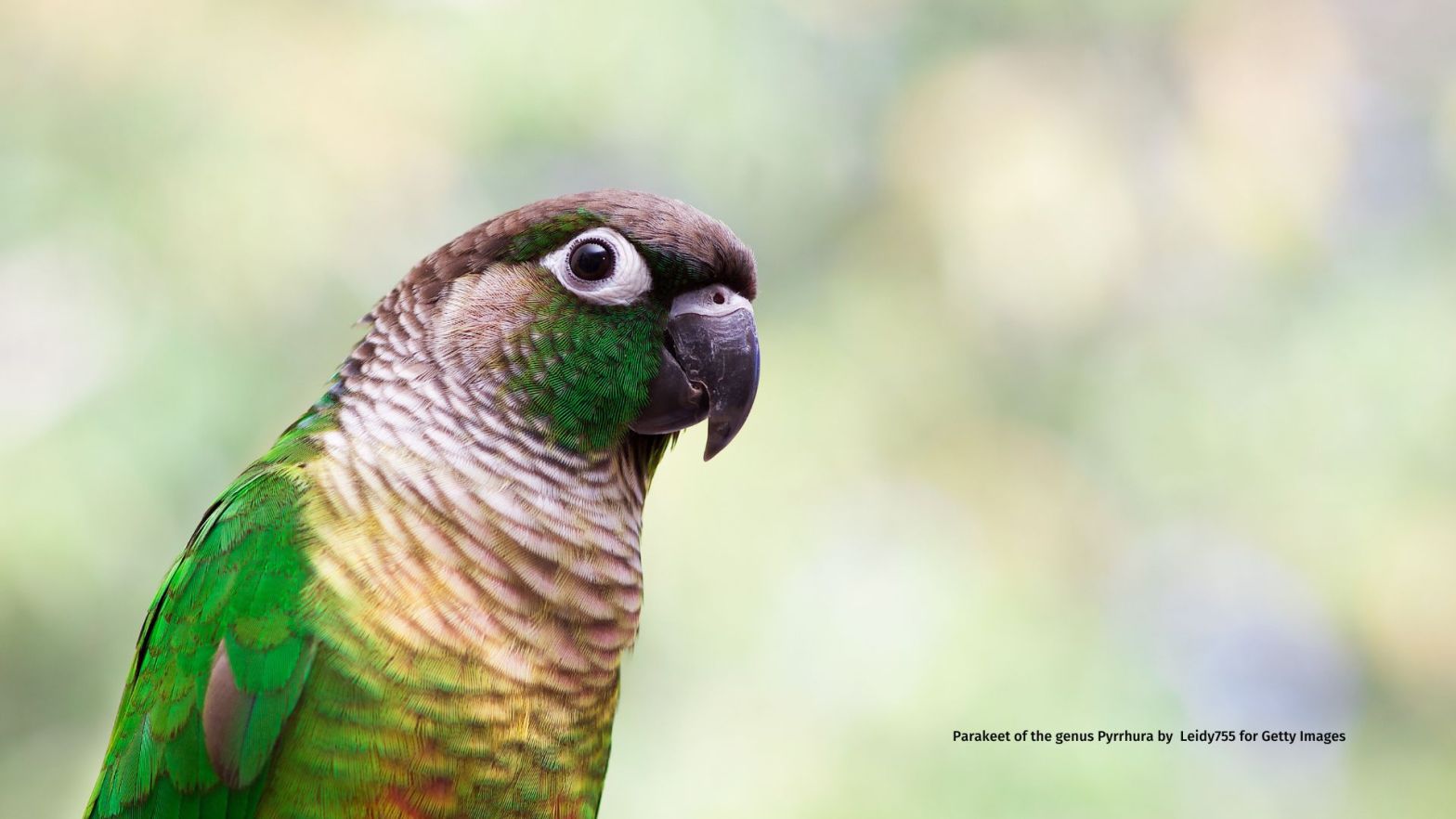
Help find the Sinu Parakeet. With no confirmed sightings since 1949, these vibrant parrots may already be extinct, victims of relentless palm oil expansion.
Rüppell’s Vulture Gyps rueppelli
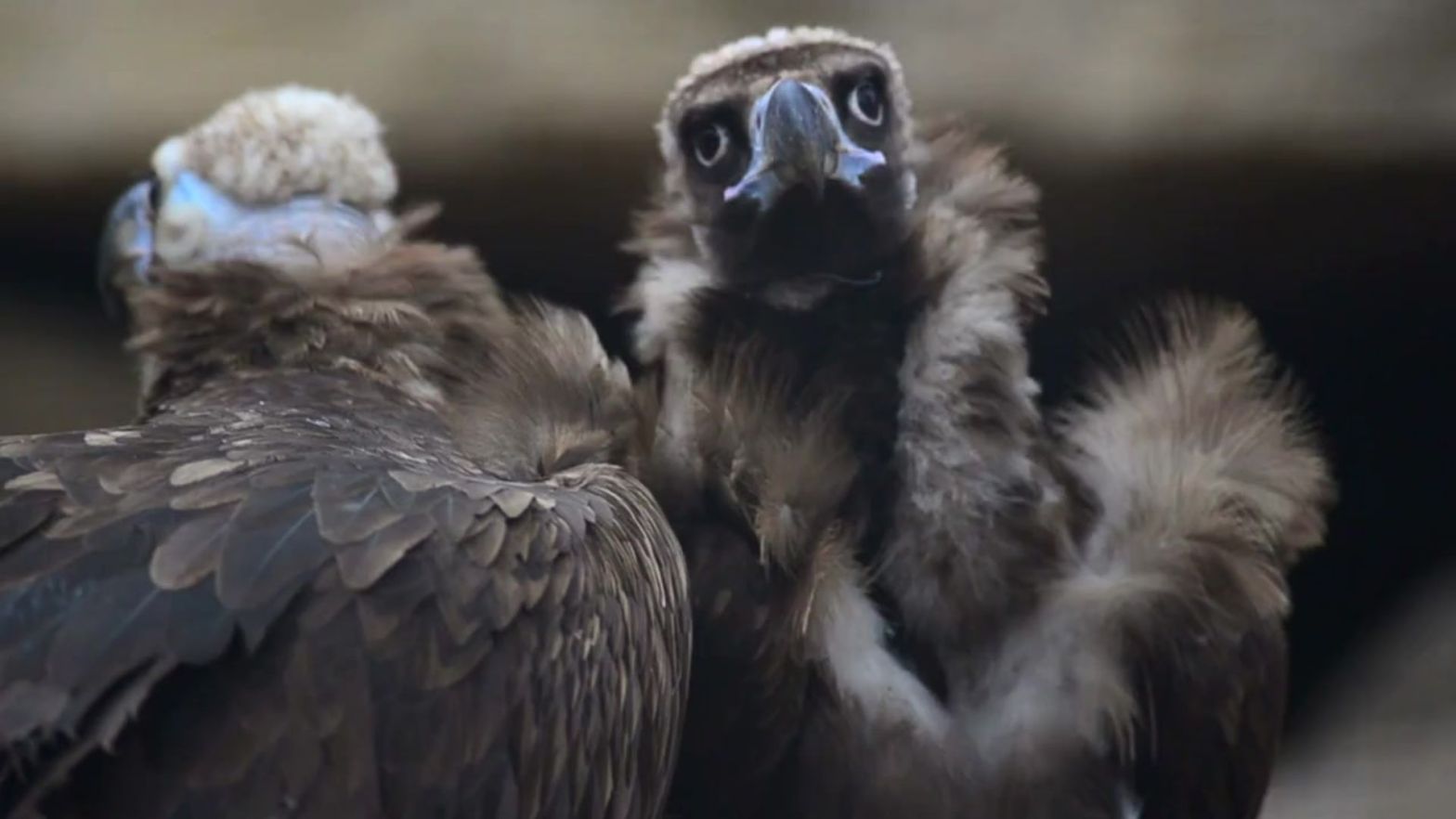
The Rüppell’s Vulture is an enigmatic avian marvel soaring the African and European skies. Their powerful wings carry them aloft on streams of air to altitudes of 11,000 metres. From far above they scan the endless landscapes for sustenance. These remarkable carrion cleaners pose no threat to humans and only eat dead animals. They now teeter on the brink of extinction, fewer than 22,000 individuals remain alive due to the depletion of their prey species, human and wildlife conflict and palm oil deforestation throughout their range. This critically endangered species, are known for their awe-inspiring high altitude flights—reaching heights seen by commercial airlines. They face a grave threat from the insidious palm oil industry, mining along with other destructive industries across their range. Help them to survive and #BoycottPalmOil and #Boycott4Wildlife every time you shop.
South America: Species Endangered by Palm Oil Deforestation
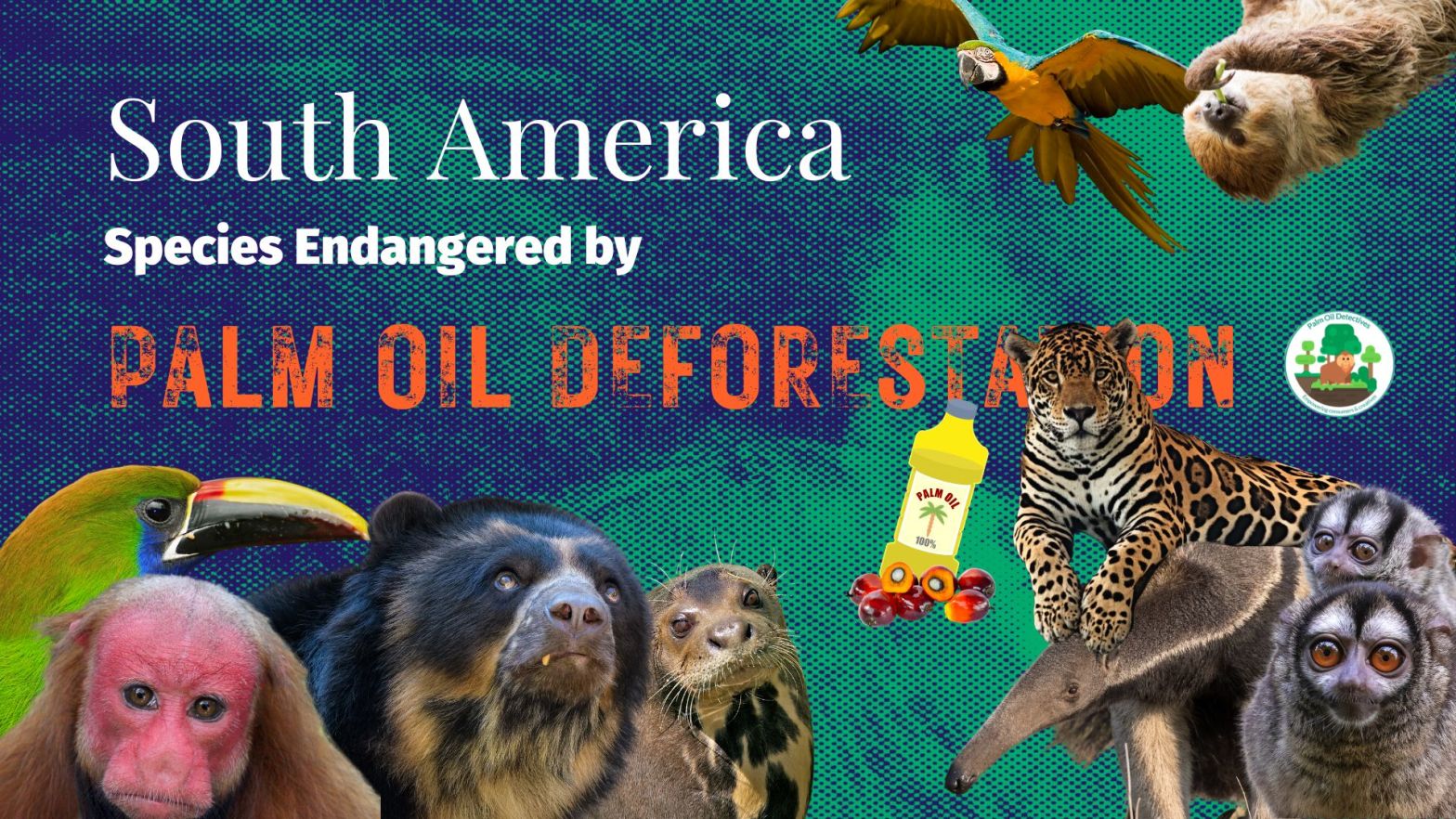
As the lush equatorial rainforests of South East Asia are exhausted, increasingly focus is being placed on parts of Central and South America. Oil Palm is a growing commodity there and is found in Colombia, Brazil, Ecuador, Guatemala and Mexico. Help the rare and beautiful animals of South and Central America to survive the scourge of palm oil and #Boycottpalmoil #Boycott4Wildlife in the supermarket. Learn more
Pernambuco Pygmy-owl Glaucidium mooreorum
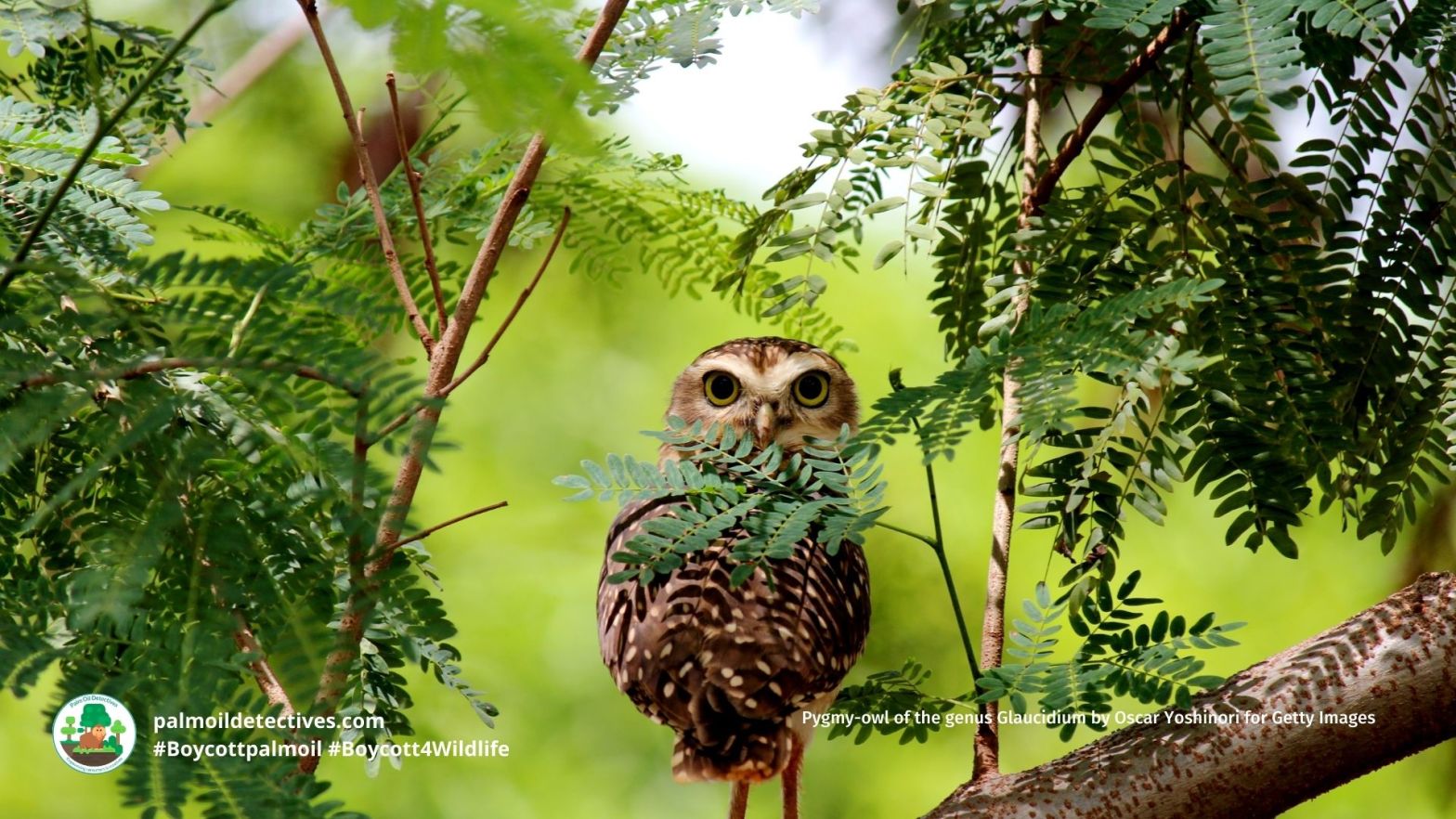
The Pernambuco Pygmy Owl Glaucidium mooreorum is among the rarest birds on Earth, known from just two museum specimens and a few recorded vocalisations. Officially described in 2002, this tiny owl is no larger than 13 cm and is likely the rarest bird in the world. They have not been sighted since 2001, and may already be extinct. Rampant #deforestation for sugarcane plantations, #palmoil, #soy and #meat and ongoing habitat destruction have decimated their native range. If this species still survives, fewer than 50 adults remain. The continued decimation of #Brazil’s Atlantic Forest leaves no margin for error. Act now to protect what remains. Help them every time you shop and #BoycottPalmOil #Boycott4Wildlife #Vegan #BoycottMeat
Blue-billed Curassow Crax alberti
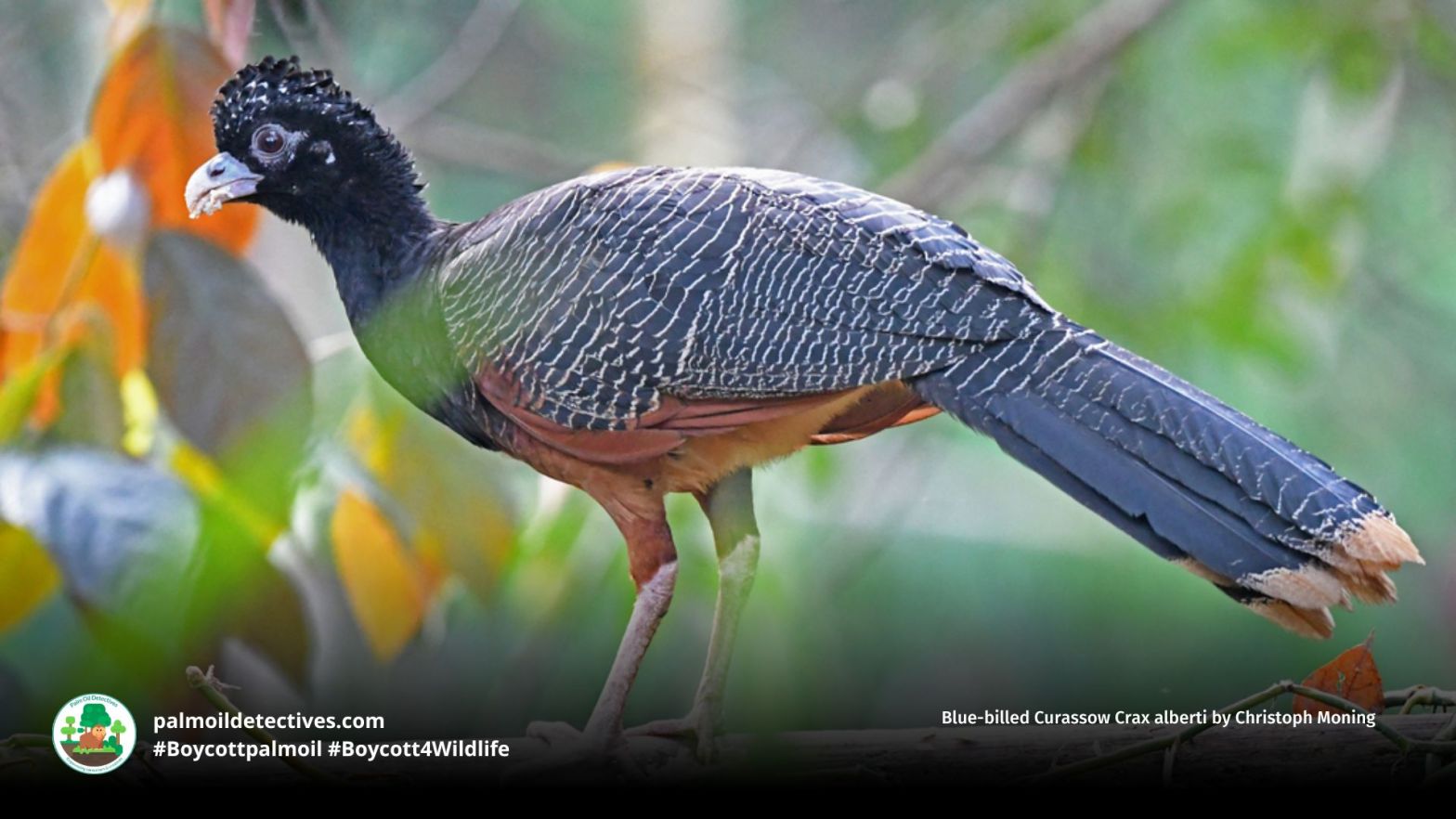
Help save Colombia’s Blue-billed Curassow, a critically endangered bird facing extinction from habitat loss due to palm oil and coca plantations!
Timneh Parrot Psittacus timneh
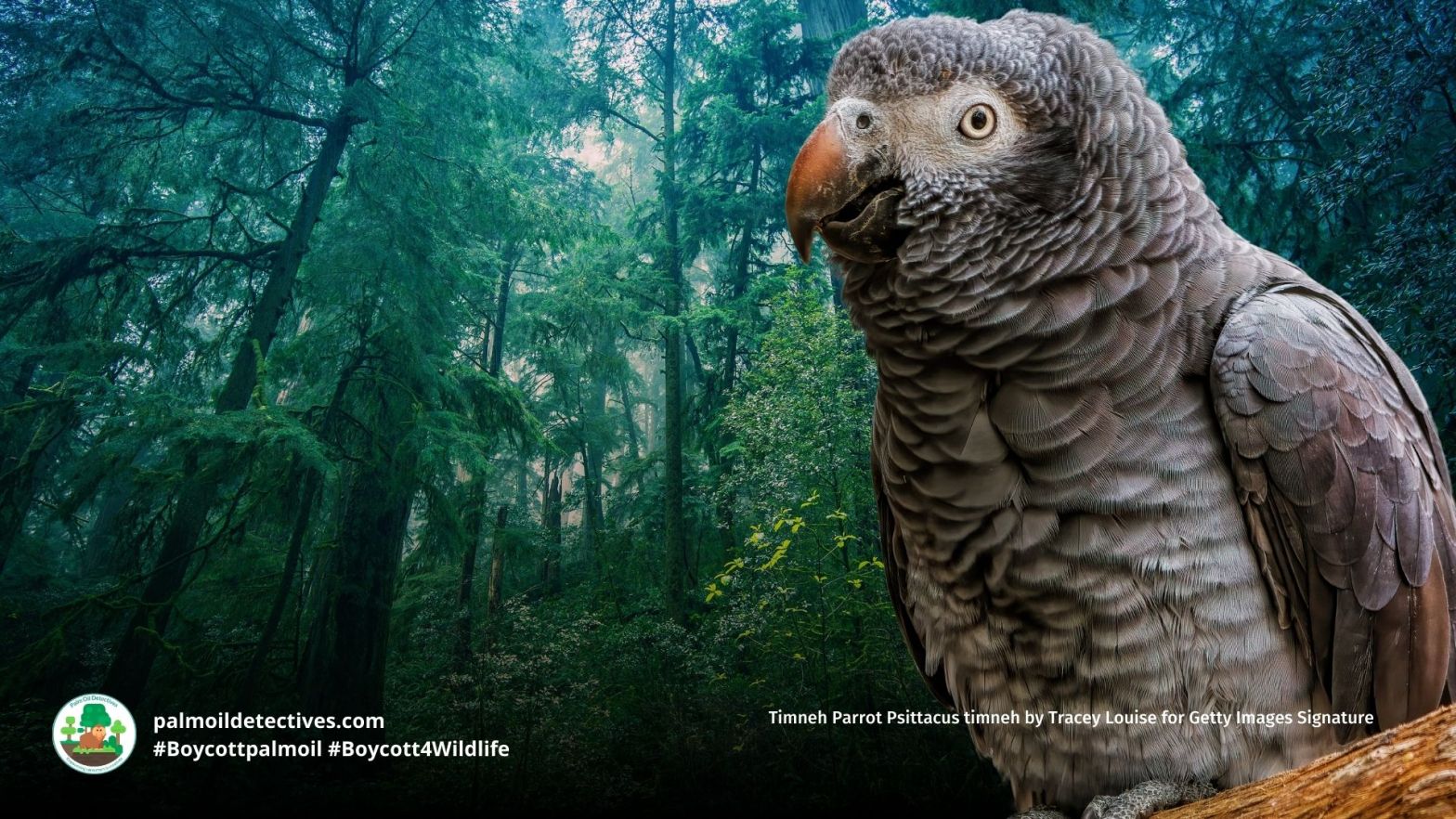
The Timneh Parrot, a smaller and darker cousin of the African Grey Parrot, captivates with their intelligence, vibrant personalities, and ability to mimic speech. However, their beauty and charm have contributed to their decline. The illegal pet trade is depleting wild populations, with poachers raiding nests to meet global demand. Meanwhile, habitat destruction driven by out-of-control palm oil plantations, meat agriculture, and crops like cocoa, coffee, and tobacco is eroding their forest homes.
Research shows that the parrot trade, facilitated by social media, has expanded into new regions like Algeria, where demand for exotic pets continues to fuel poaching. The population declines are staggering—studies in Cameroon show local reductions of up to 99% over 14 years due to trapping and habitat loss. Protecting these parrots requires ending the demand for wild-caught birds and halting deforestation in West Africa. Take action today: #BoycottPalmOil #BoycottMeat #Boycott4Wildlife.
Wrinkled Hornbill Rhabdotorrhinus corrugatus
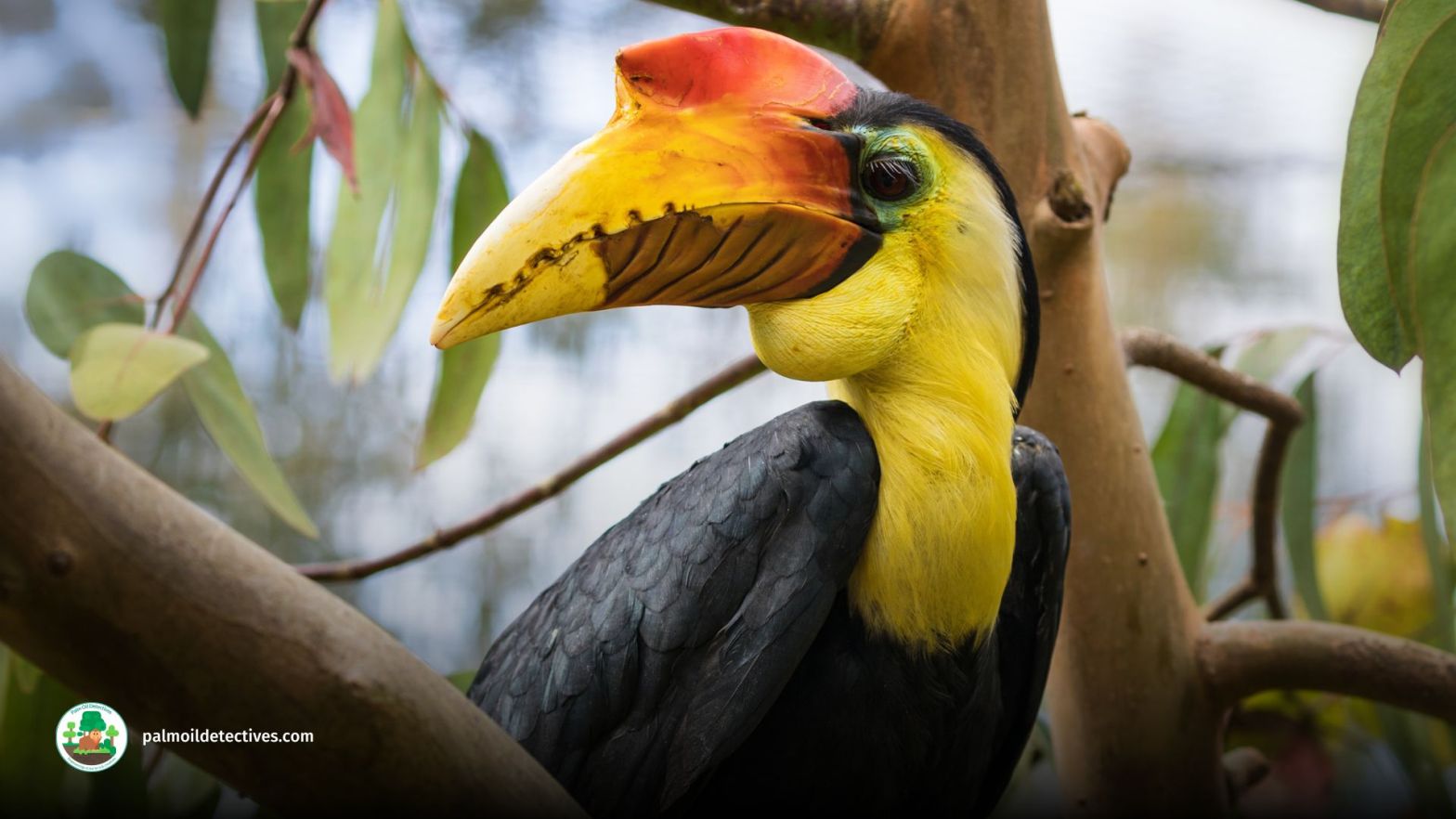
Discover the fascinating world of the Wrinkled Hornbill. These ancient and magnificent birds thriving in lush primary evergreen and swamp forests up to 1,000 meters above sea level. Unfortunately, their habitat faces threats from forest fires and the conversion of lowland forests into large-scale palm oil and rubber plantations, along with small-scale agriculture. These majestic creatures rely on large trees for nesting, putting them at risk due to logging. But we can help! By boycotting palm oil and adopting a #vegan lifestyle, we can protect the Wrinkled Hornbills and their precious home. Let’s come together and make a positive impact for wildlife preservation. 🌳🐦💚 #Boycottpalmoil #Boycott4Wildlife
Storm’s Stork Ciconia stormi
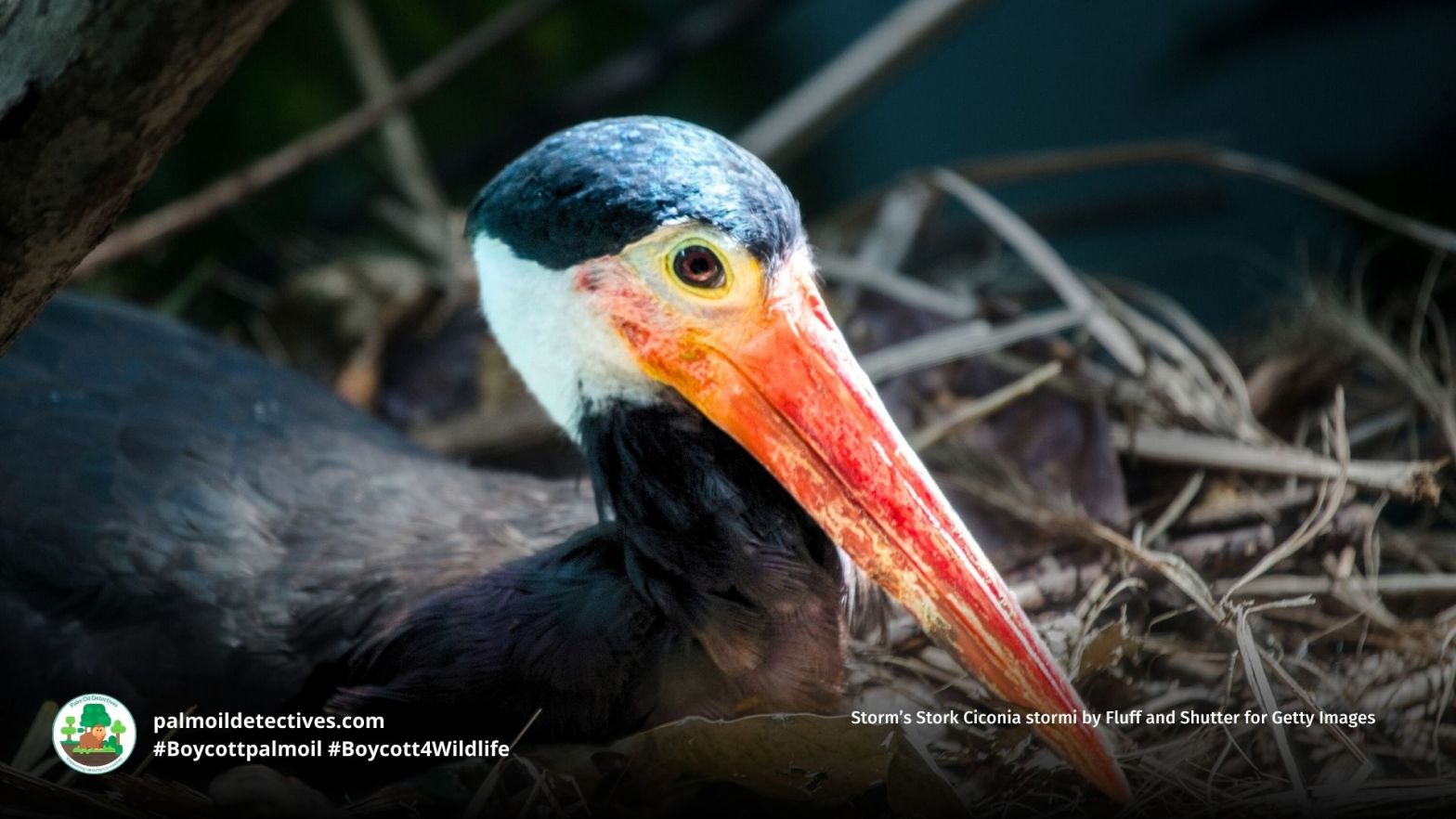
Storm’s Stork Ciconia stormi is the rarest and most elusive stork in Asia, palm oil is a threat boycott palm oil for them!
Masked Finfoot Heliopais personatus
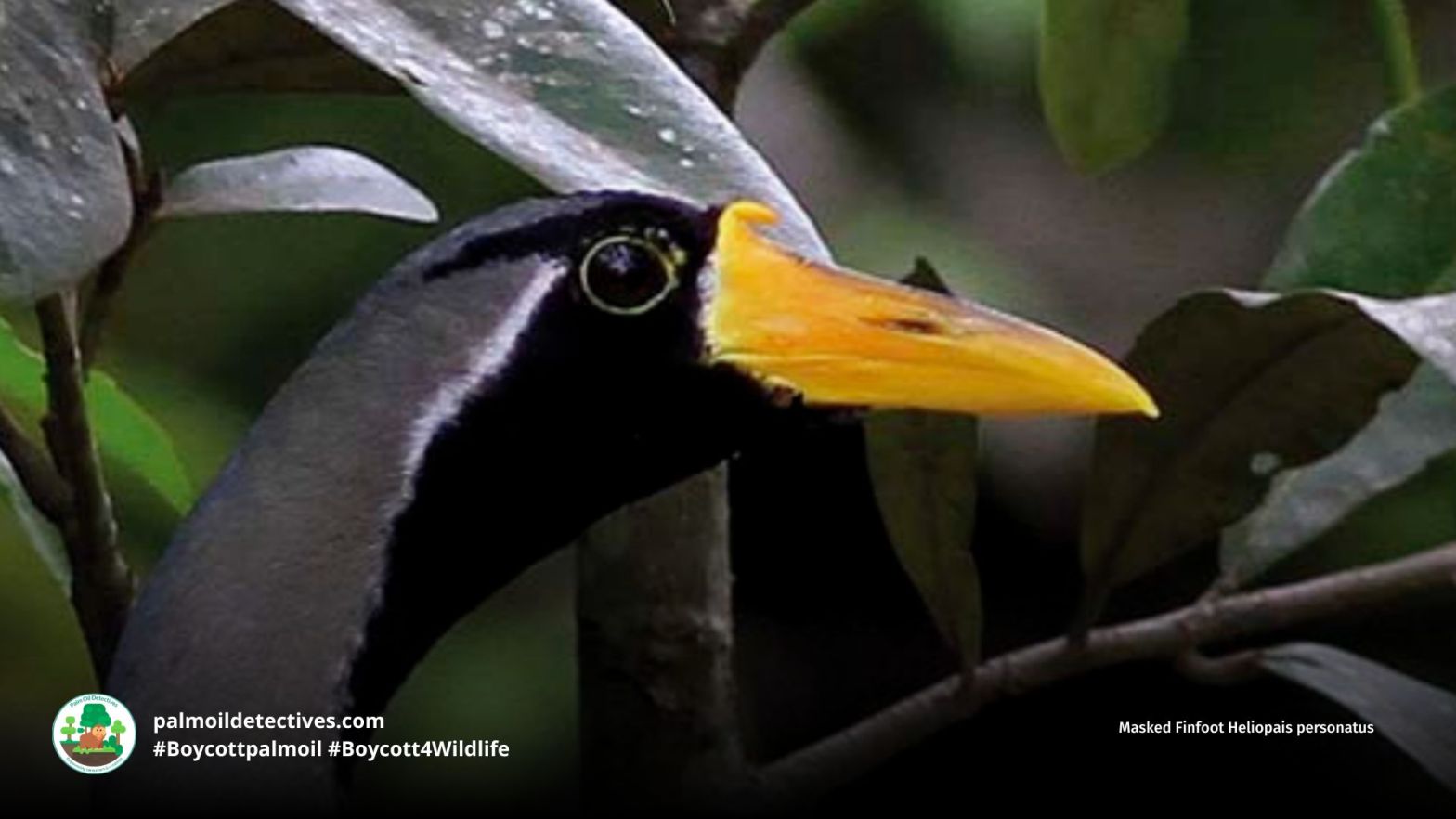
The Masked Finfoot is vanishing before our eyes. These rare and secretive waterbirds are in freefall due to palm oil expansion and habitat destruction.
Bornean Peacock-pheasant Polyplectron schleiermacheri
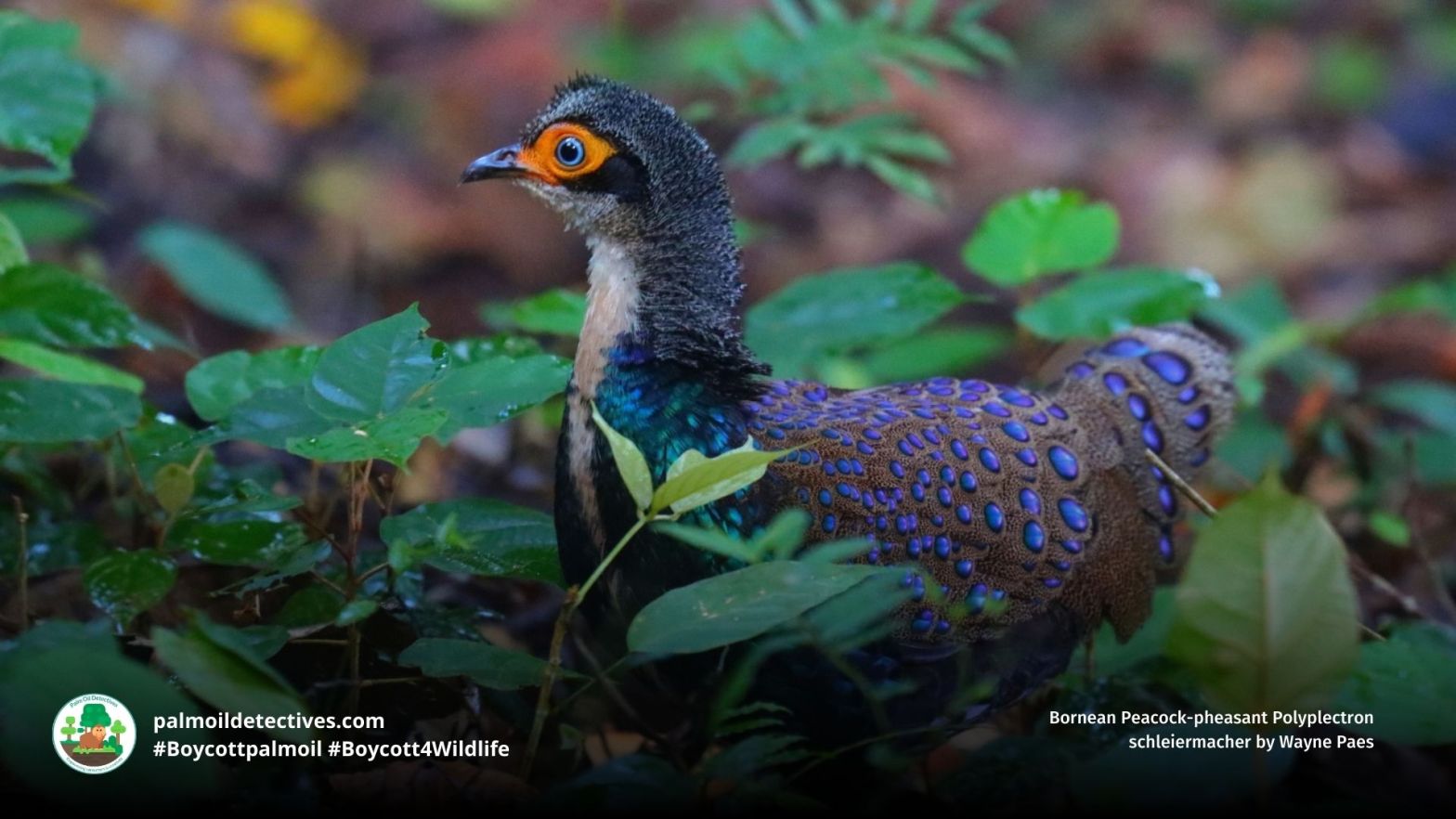
Protect Borneo’s elusive Peacock-Pheasant. These rare birds, known for their iridescent plumage, face a grave threat from out-of-control palm oil plantations
New Britain Sparrowhawk Accipiter brachyurus
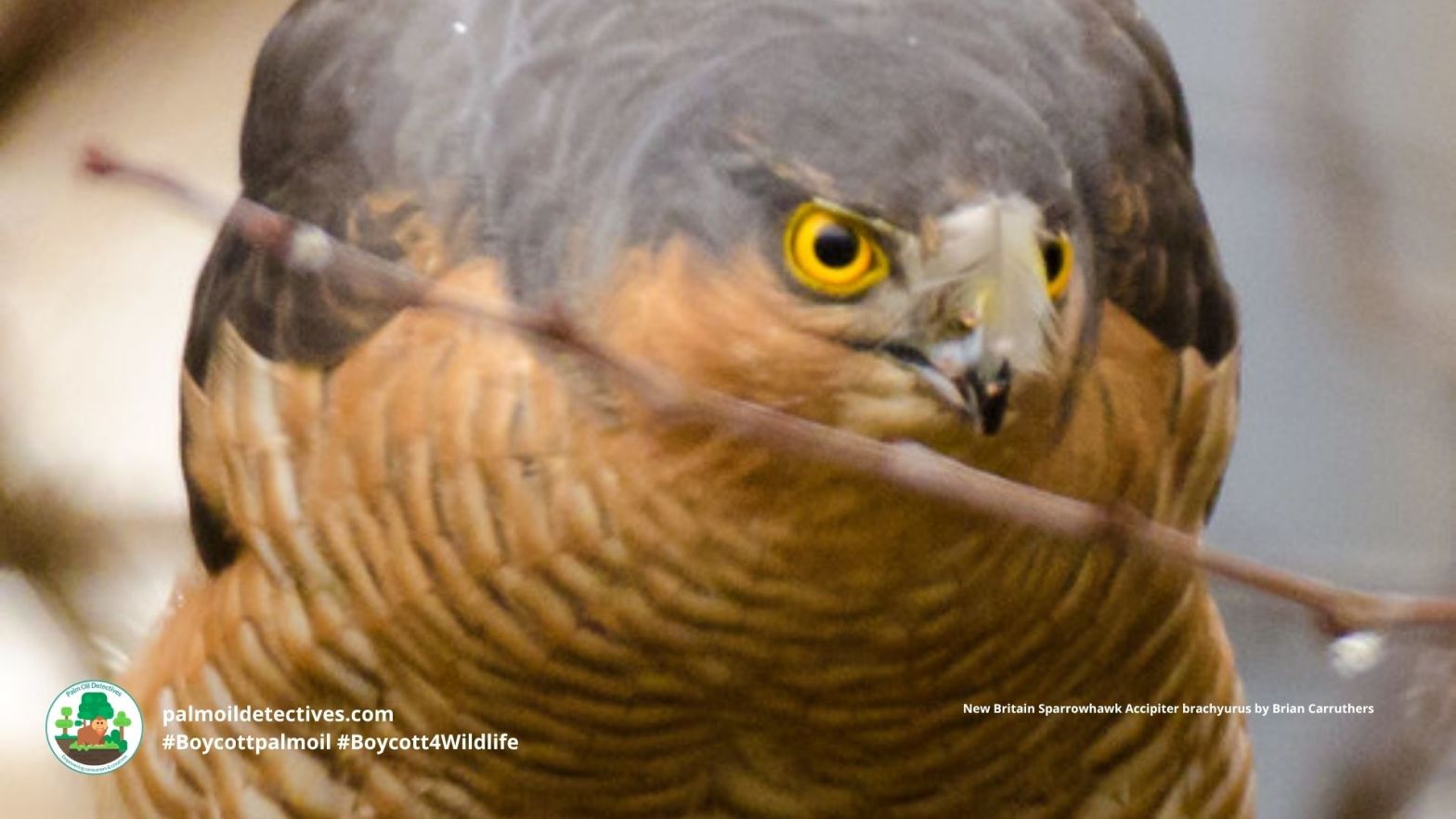
Protect the elusive New Britain Sparrowhawk. These rare birds-of-prey face extinction as palm oil deforestation and logging destroys New Guinea habitat
Blue Bird-of-paradise Paradisornis rudolphi
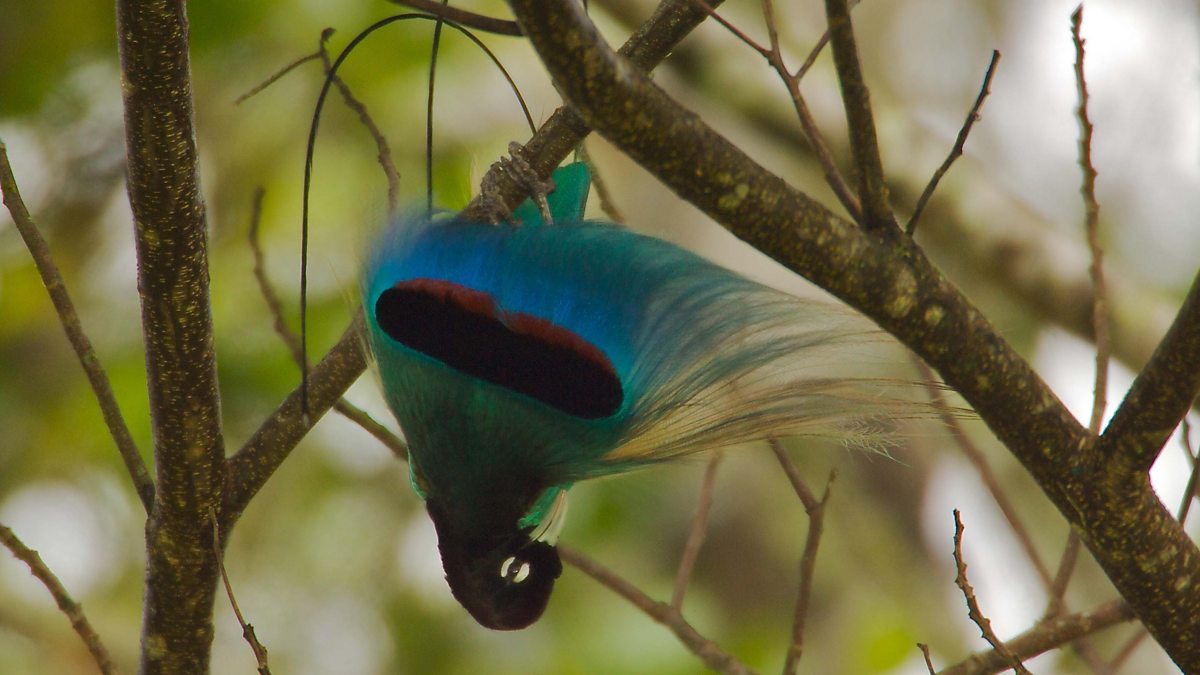
Discover the jewel-toned Blue Bird-of-Paradise, a species found only in Papua New Guinea’s mountains. These mesmerising birds are vulnerable due to palm oil
Goldie’s Bird-of-paradise Paradisaea decora
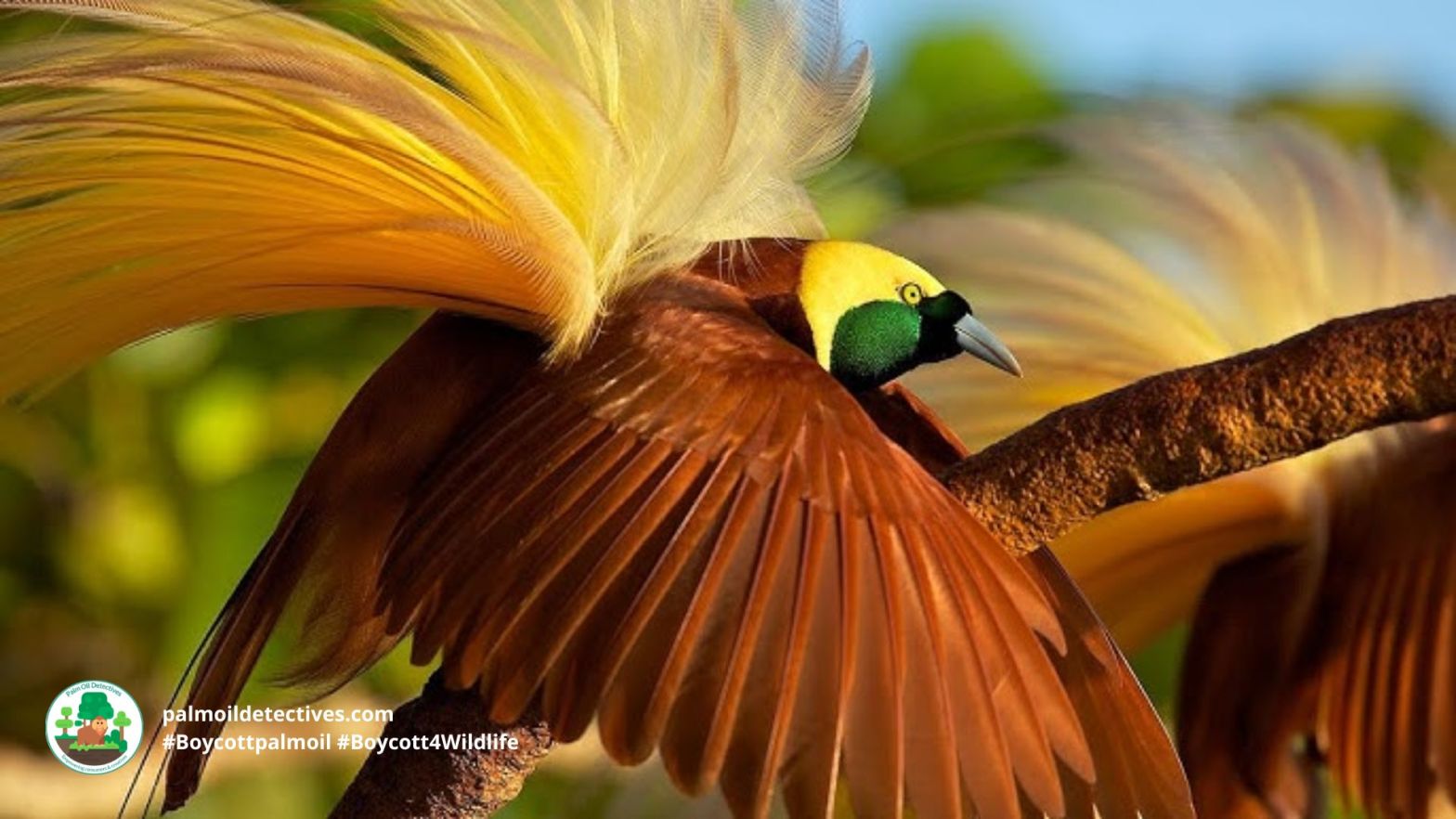
The Goldie’s Bird of Paradise is a rustling rainbow 🦜🌈 They are #vulnerable in #rainforests of #WestPapua from #mining and #palmoil #deforestation. Fight for them and #Boycottpalmoil #Boycott4Wildlife 🌴🔥👎⛔ @palmoildetect.bsky.social https://palmoildetectives.com/2021/02/03/goldies-bird-of-paradise-paradisaea-decora/
Imitator Goshawk Accipiter imitator
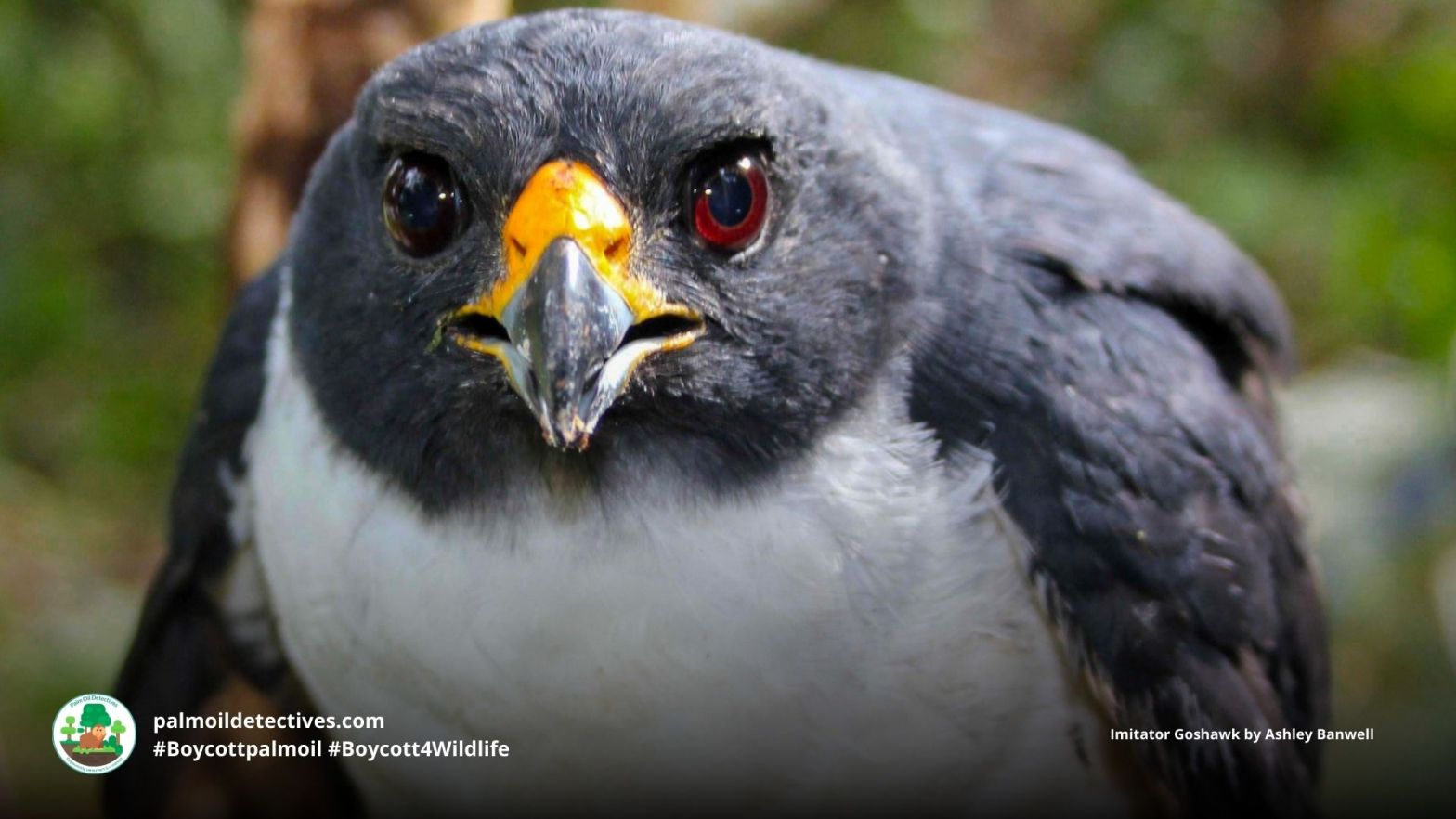
Protect the magnificent Imitator Goshawk an elusive bird of prey from Papua New Guinea is vulnerable. Just 250-999 individuals remain. Boycott palm oil!
Blue-eyed Cockatoo Cacatua ophthalmica
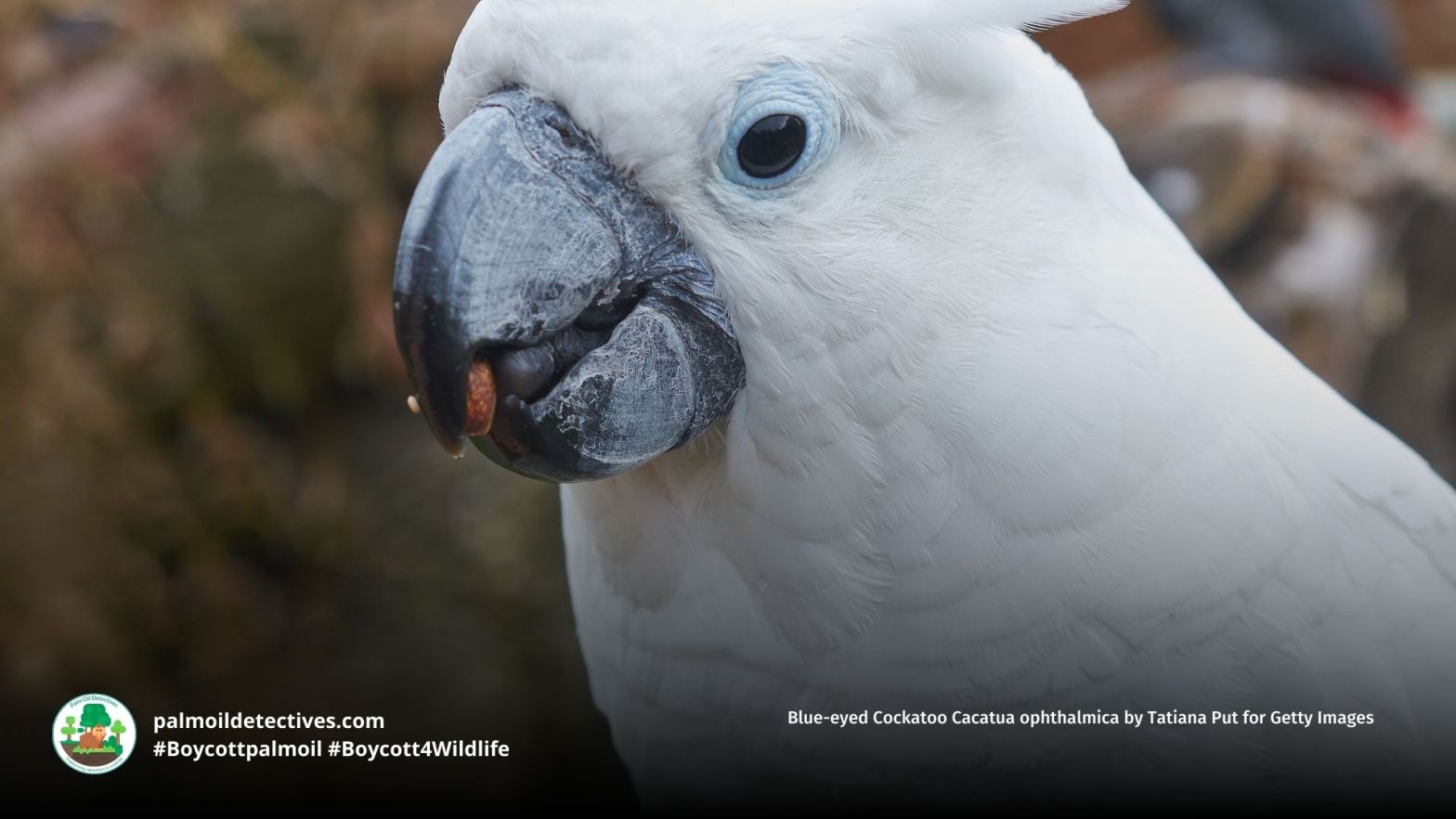
The Blue-eyed Cockatoo is a striking and charismatic bird, known for their vivid blue eye rings and expressive crests. These cockatoos depend on mature forests for nesting and food but face significant threats, including habitat destruction caused by out-of-control palm oil plantations, illegal hunting, and the illegal pet trade. Conservation efforts are critical to ensure the survival of this remarkable species. #BoycottPalmOil #Boycott4Wildlife
Fearful Owl Nesasio solomonensis
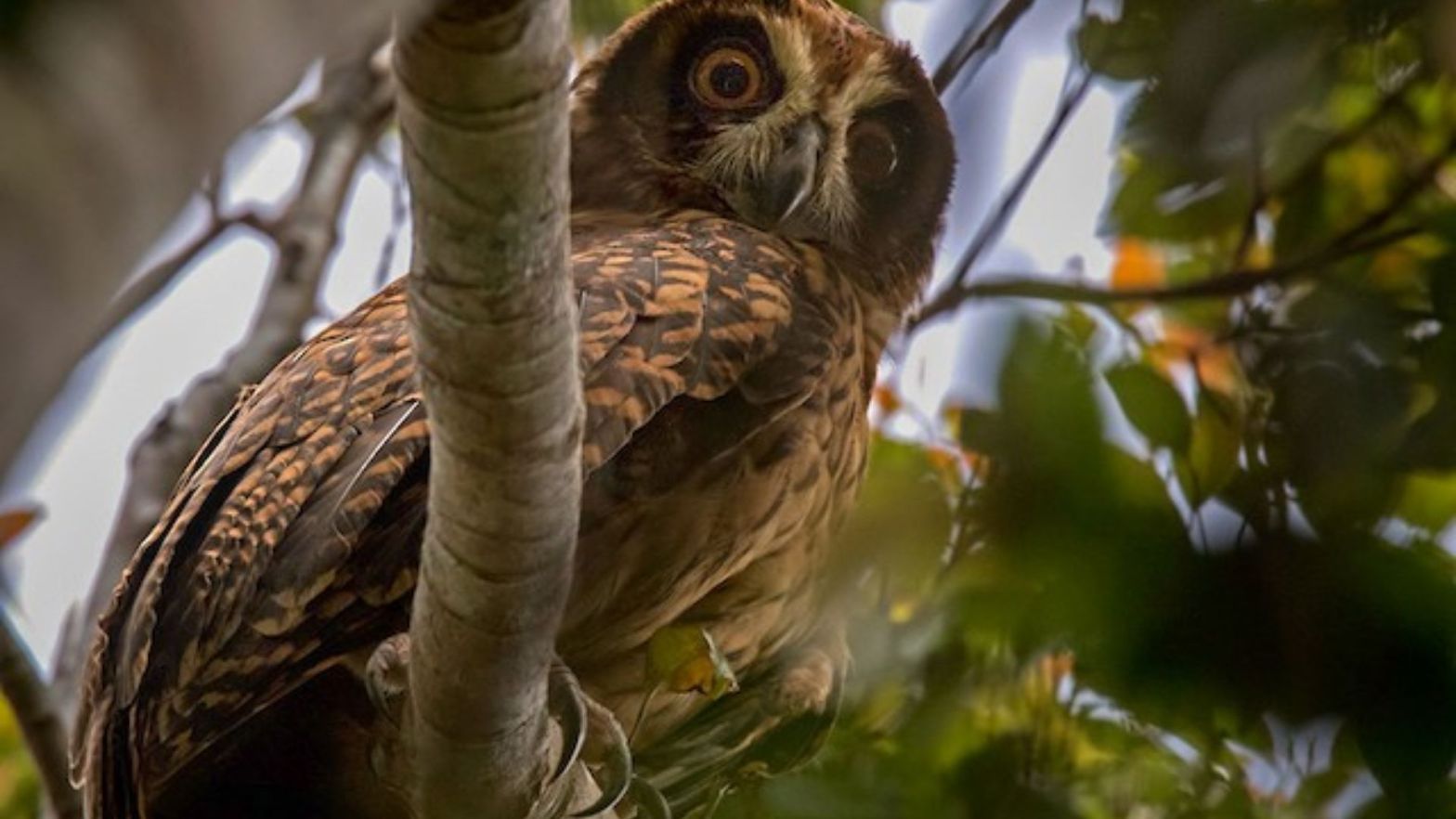
Fearful Owl Nesasio solomonensis Location: Bougainville (Papua New Guinea), Choiseul and Santa Isabel (Solomon Islands) IUCN Status: Near Threatened One of the least known and possibly rarest birds of prey in the world, the Fearful #Owl Nesasio solomonensis is an elusive nocturnal predator endemic to the Solomon Islands and Bougainville in Papua New Guinea. WithContinue reading “Fearful Owl Nesasio solomonensis”
Great Knot Calidris tenuirostris
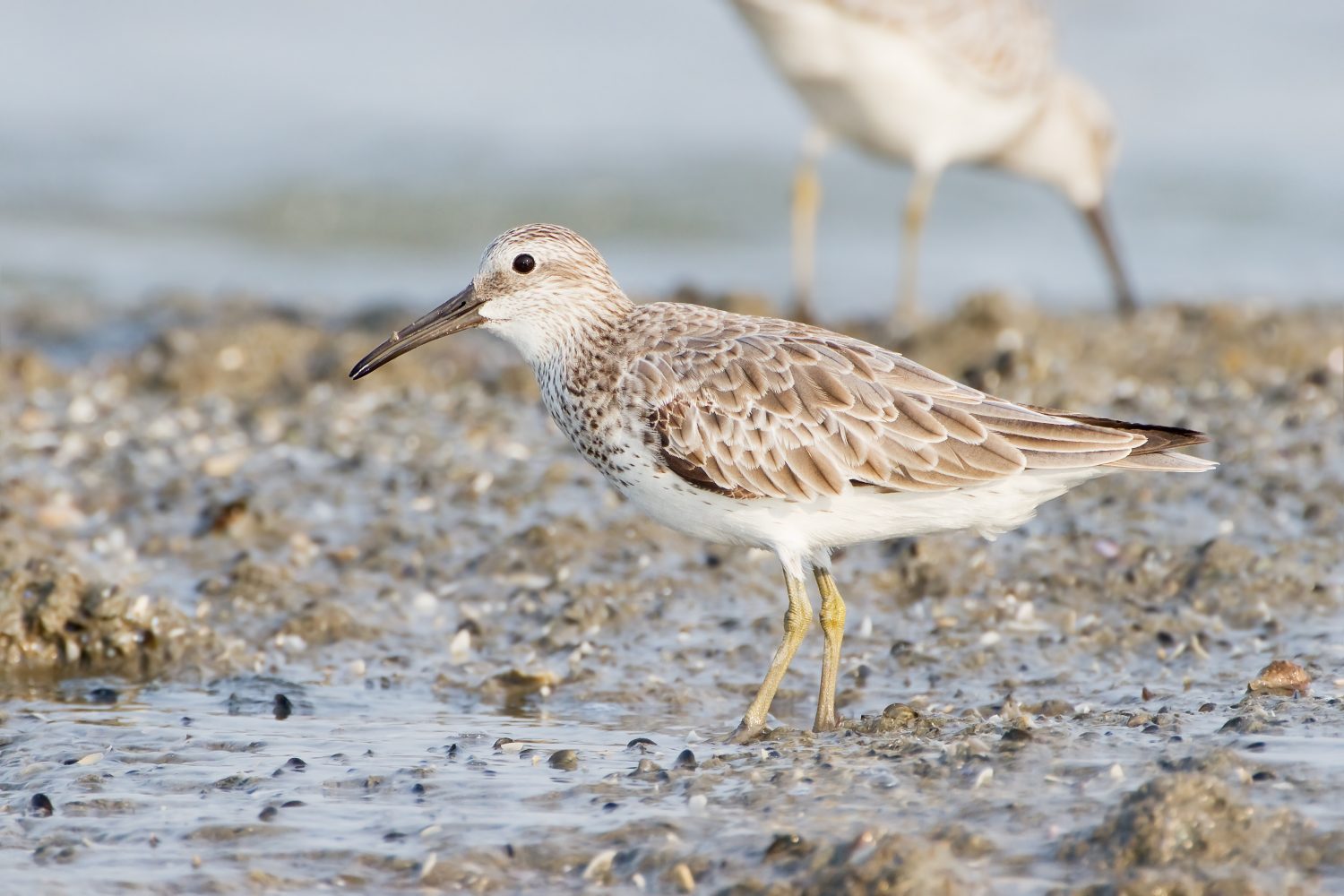
Great Knot Calidris tenuirostris Endangered Location: Papua New Guinea, Australia The Great Knot breeds on gravelly areas covered with lichen and patches of herbs, heather (del Hoyo et al. 1996), Empetrum spp., Dryas spp. and Vaccinium spp.(Johnsgard 1981), or alternatively on areas with a continuous layer of lichen and scattered stunted larch Larix spp. orContinue reading “Great Knot Calidris tenuirostris”
Bougainville Moustached Kingfisher Actenoides bougainvillei
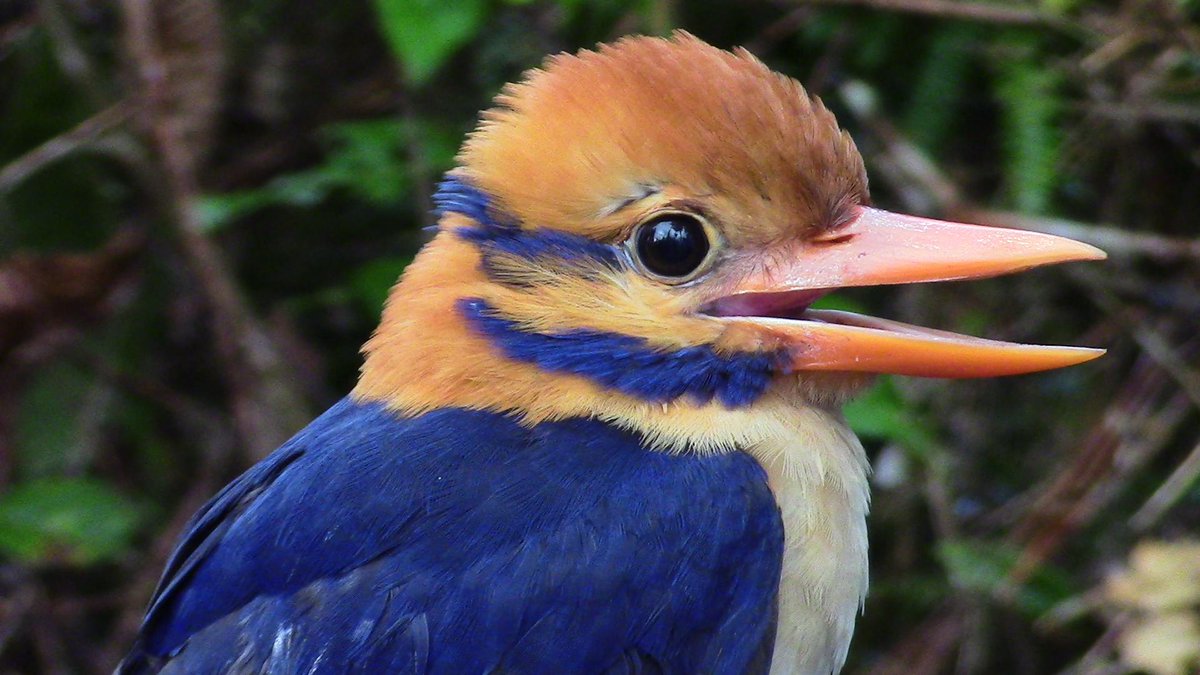
Protect the Bougainville Moustached Kingfisher from palm oil and timber ecocide. Fewer than 2.5K remain alive in Papua, boycott palm oil for their survival!
Far Eastern Curlew Numenius madagascariensis

Far Eastern Curlew Numenius madagascariensis Endangered Location: Papua New Guinea, Asia, SE Asia, Northern Australia The Far Eastern Curlew breeds on open mossy or transitional bogs, moss-lichen bogs and wet meadows, and on the swampy shores of small lakes and winters in Papua New Guinea; in the non-breeding season, this bird is essentially coastal, occurringContinue reading “Far Eastern Curlew Numenius madagascariensis”
 Palm Oil Detectives