
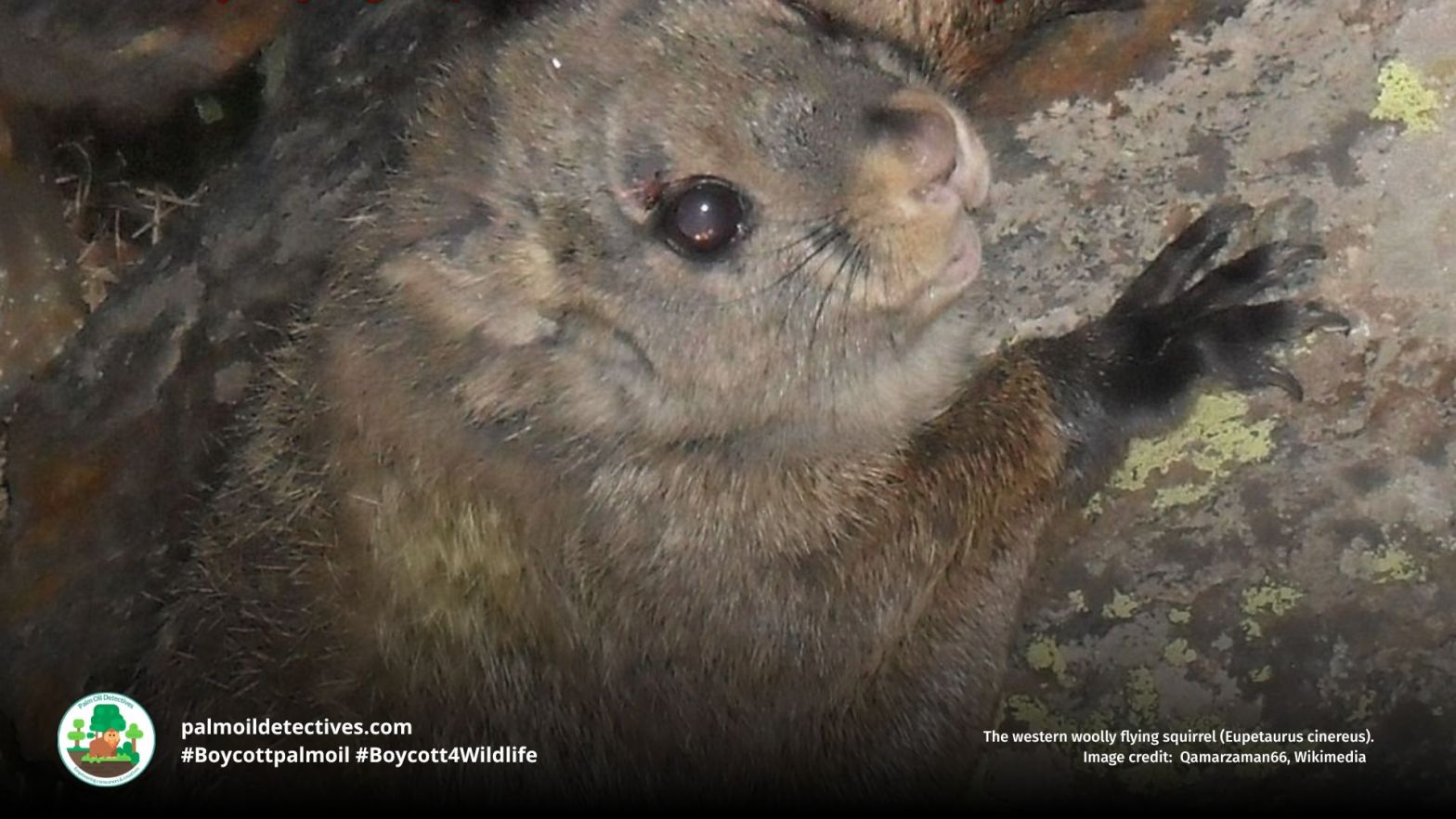
The Western Woolly Flying #Squirrel Eupetaurus cinereus is one of the world’s largest and least understood gliding mammals. Once thought extinct for nearly 70 years, they were rediscovered in the remote mountainous forests of northern #Pakistan and #India in 1994. This remarkable species inhabits high-altitude cliffs and coniferous forests, where they glide with effortless grace between trees despite their large size. However, their survival is under severe threat from habitat destruction, #deforestation, and human persecution. Help them by sharing out this campaign and calling out exploitative industries, it’s the #Boycott4Wildlife
Tag Archives: Endangered species
Mentawi Flying Squirrel Iomys sipora
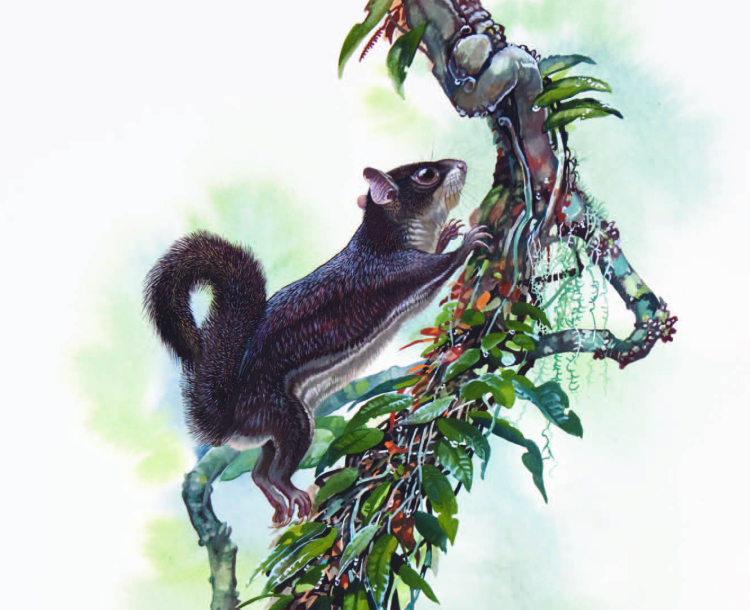
Endemic to Indonesia’s Mentawai Islands, these rare and beautiful gliding mammals are endangered due to deforestation. Boycott palm oil for their survival
Smoky Flying Squirrel Pteromyscus pulverulentus
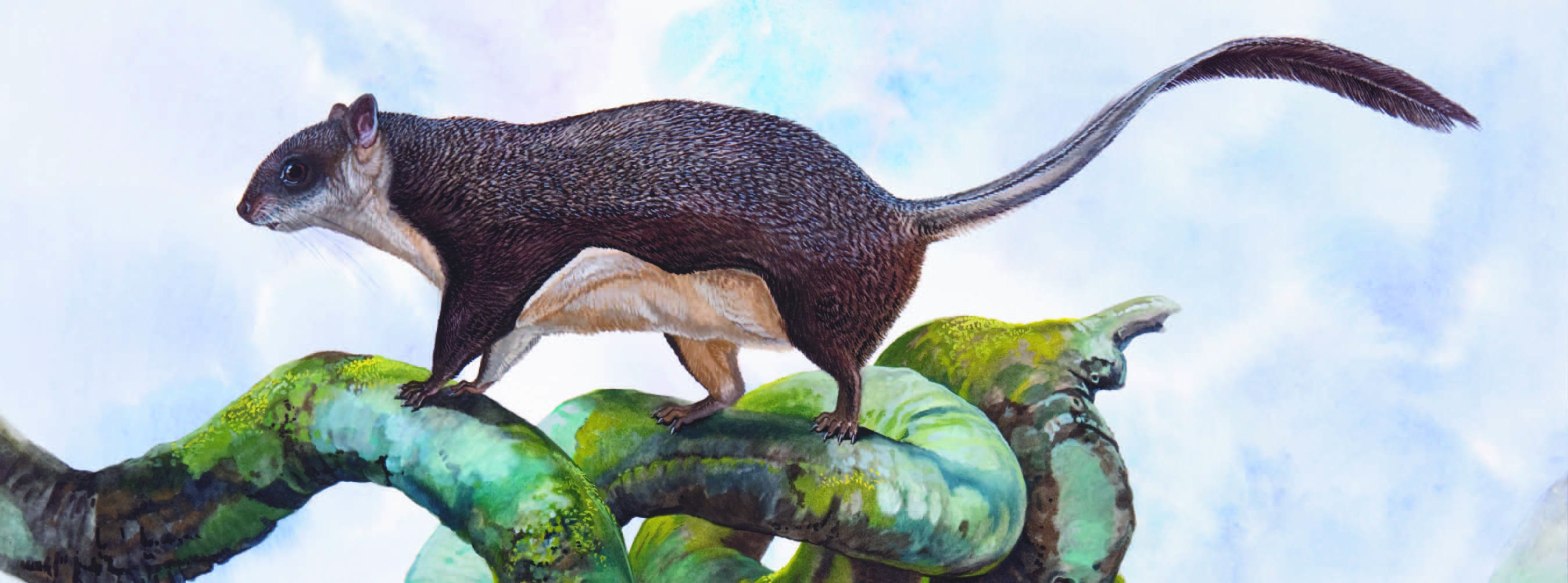
The Smoky Flying Squirrel (Pteromyscus pulverulentus) is a rare and elusive creature silently and gracefully gliding between the towering canopies of Southeast Asia’s rainforests. With their smoky-grey fur, expansive gliding membrane, and bushy tail, these squirrels are perfectly adapted to a dynamic life on the move in the treetops.
Classified as Endangered by the IUCN, their populations are dwindling and at a critical all time low due to habitat destruction from timber logging, palm oil plantations, and agricultural expansion. This fleet footed nocturnal marvel symbolises the fragile ecosystems of Southeast Asia. Protect them by boycotting palm oil and fighting deforestation. #BoycottPalmOil #Boycott4Wildlife
Southeast Asian Box Turtle Cuora amboinensis
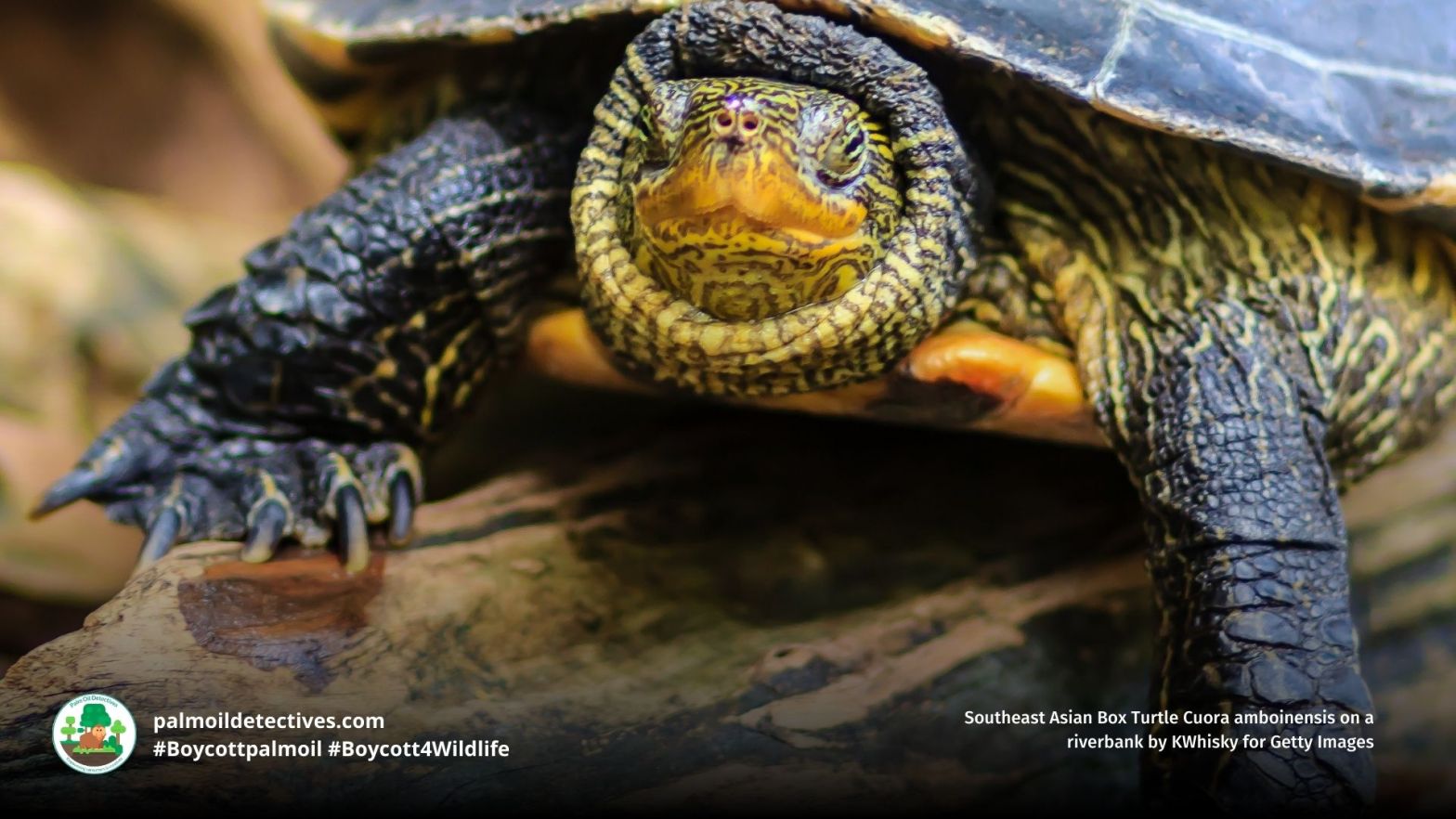
The Southeast Asian Box #Turtle Cuora amboinensis, also known as the Amboina Box Turtle, Malayan Box Turtle, or Indonesian Box Turtle, is a freshwater #reptile species found across much of Southeast Asia. This species is under severe pressure due to overexploitation for food, traditional medicine, and the #pettrade, particularly in Australia, #China, Europe, and the United States. Their semi-aquatic nature allows them to thrive in swamps, rice paddies, and slow-moving rivers, but habitat destruction from #palmoil plantations, #timber and wetland drainage threatens their survival. Their population is rapidly declining due to these threats, making urgent protections necessary. Resist destruction and fight for their survival every time you shop – #BoycottPalmOil #Boycott4Wildlife.
Bornean Ferret Badger Melogale everetti
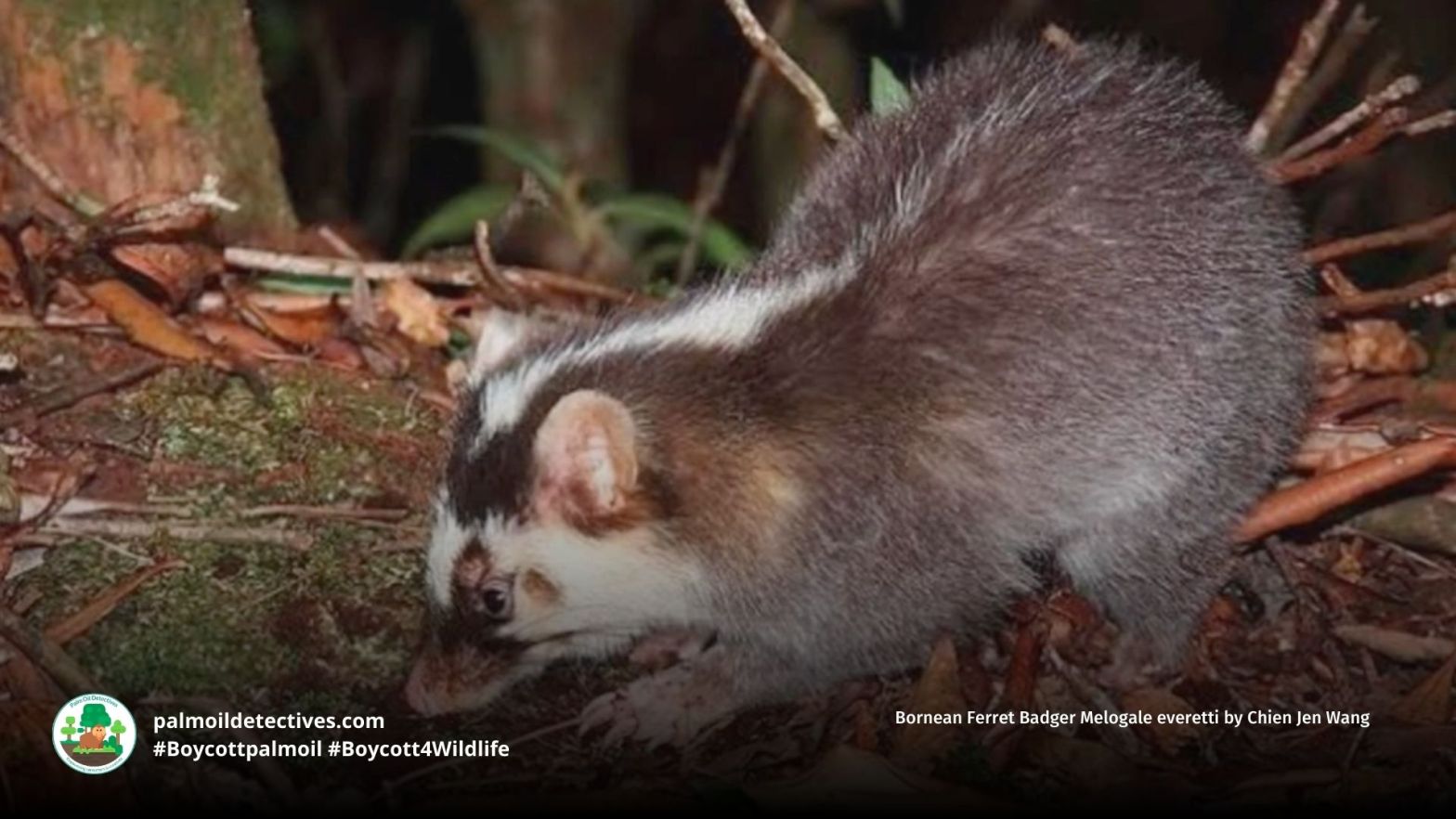
The Bornean Ferret Badger is an enigmatic nocturnal omnivore is endangered due to palm oil and timber deforestation in Malaysia, take action boycott palm oil!
Malayan Tapir Tapirus indicus
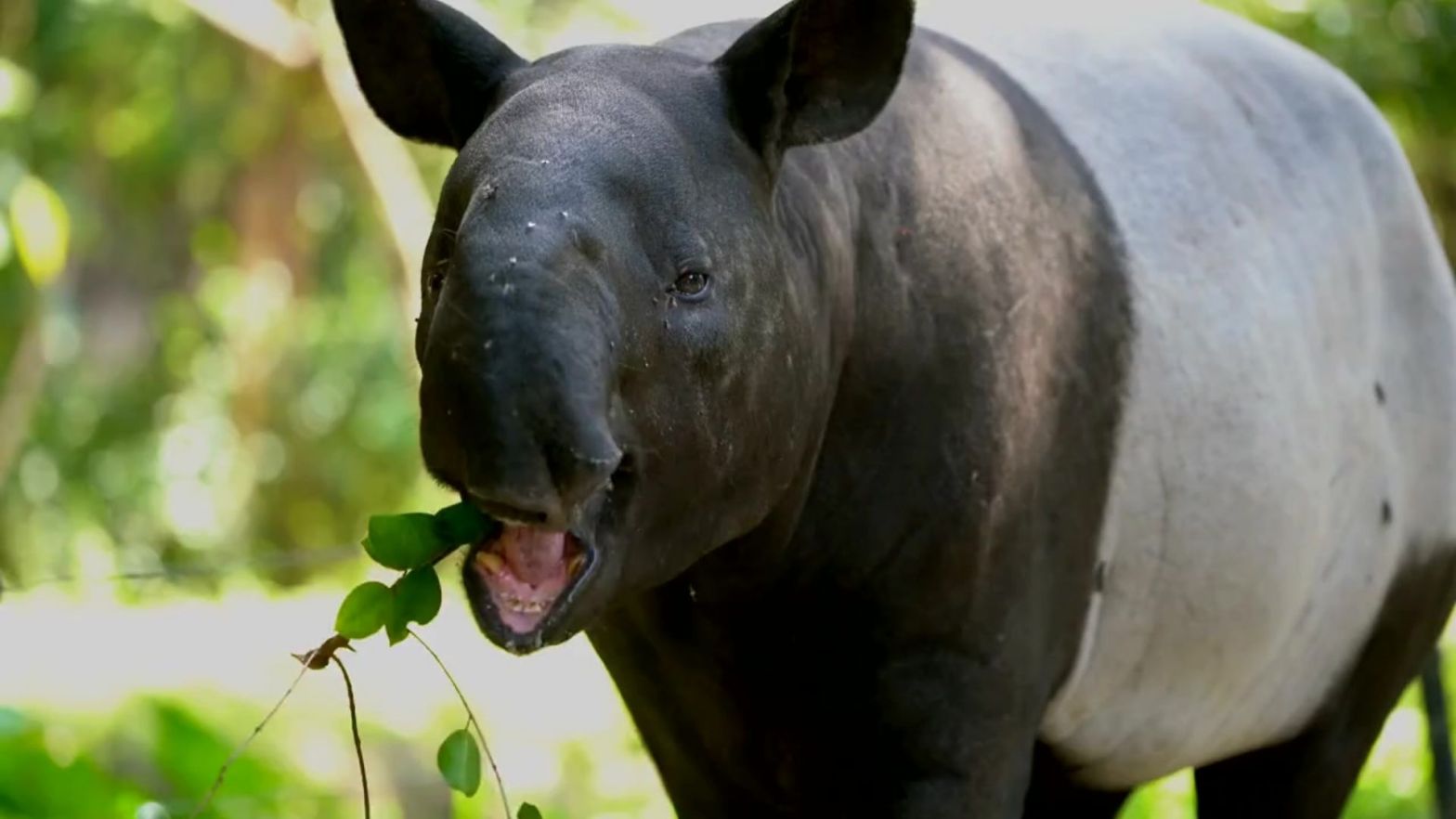
The endangered Malay Tapir faces habitat loss from palm oil plantations, road kills, and snares. Less than 2,500 remain. Support #BoycottPalmOil to save them.
Great Knot Calidris tenuirostris
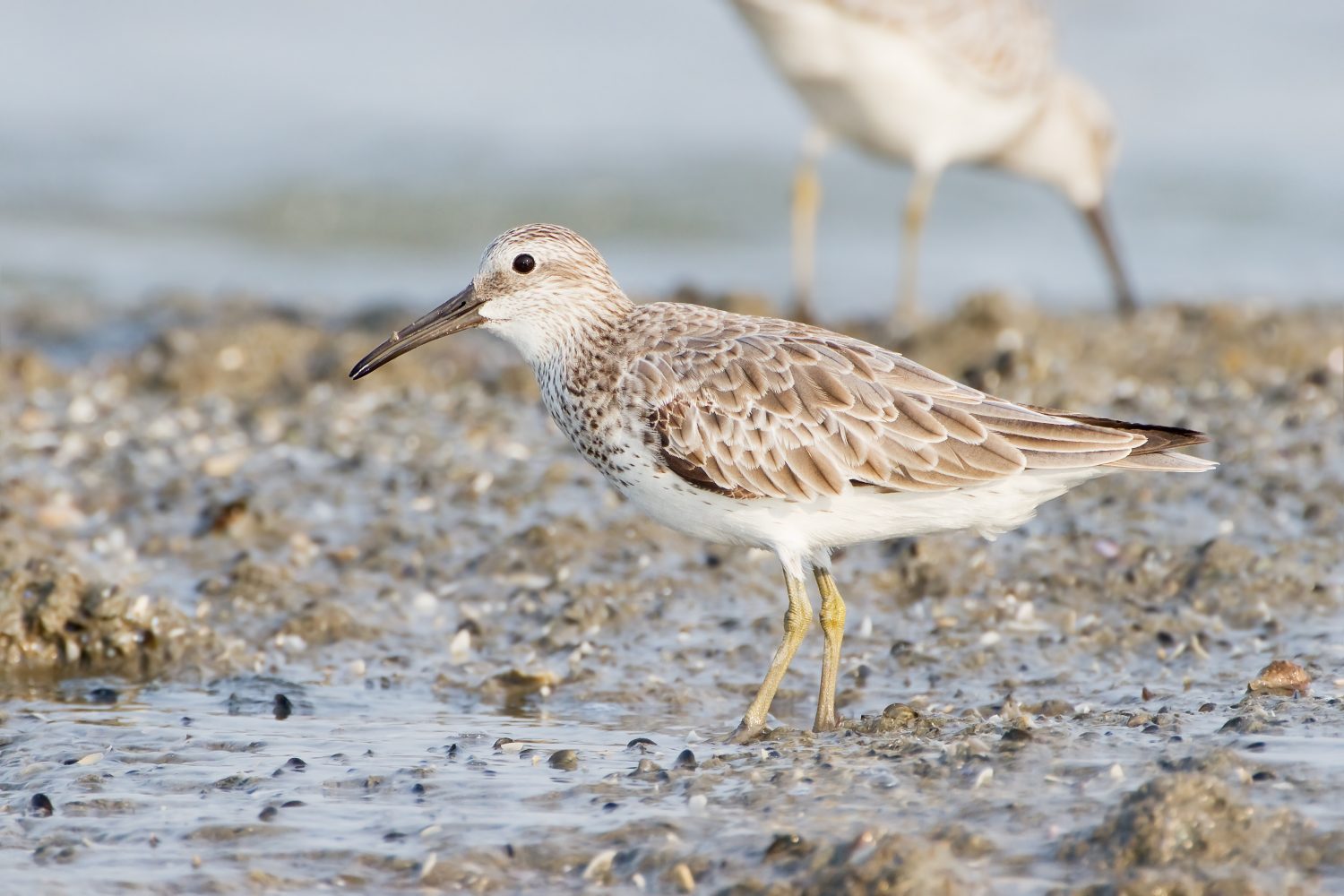
Great Knot Calidris tenuirostris Endangered Location: Papua New Guinea, Australia The Great Knot breeds on gravelly areas covered with lichen and patches of herbs, heather (del Hoyo et al. 1996), Empetrum spp., Dryas spp. and Vaccinium spp.(Johnsgard 1981), or alternatively on areas with a continuous layer of lichen and scattered stunted larch Larix spp. orContinue reading “Great Knot Calidris tenuirostris”
Bougainville Moustached Kingfisher Actenoides bougainvillei
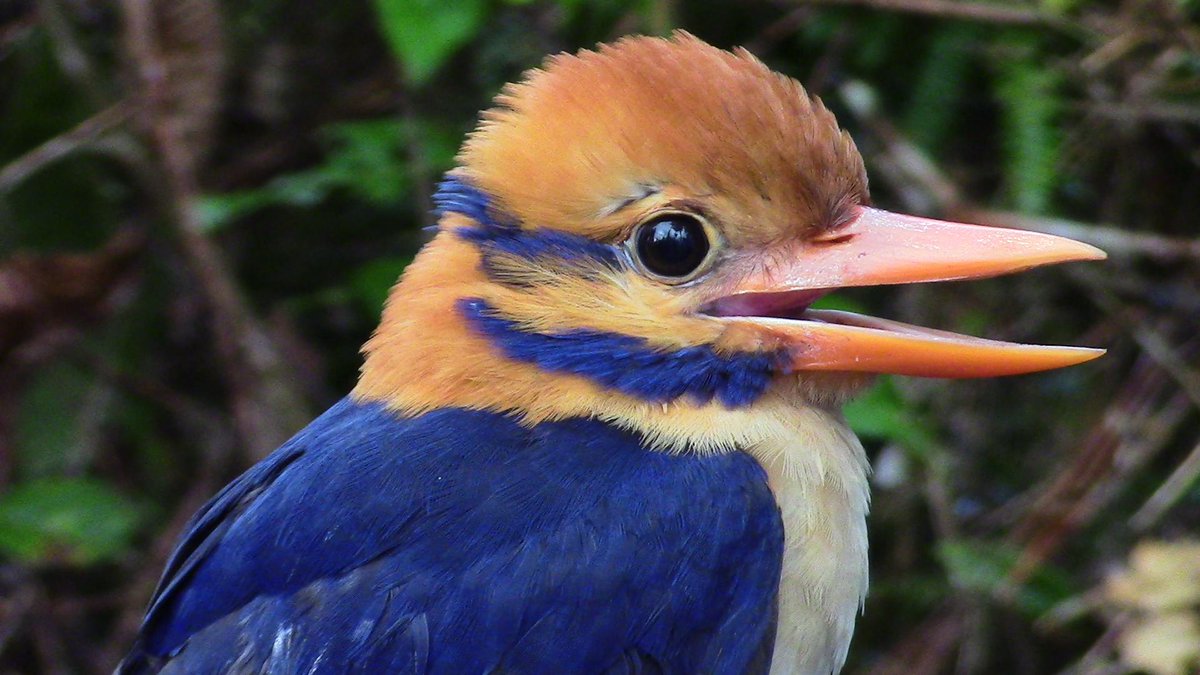
Protect the Bougainville Moustached Kingfisher from palm oil and timber ecocide. Fewer than 2.5K remain alive in Papua, boycott palm oil for their survival!
Spectacled Flying Fox Pteropus conspicillatus
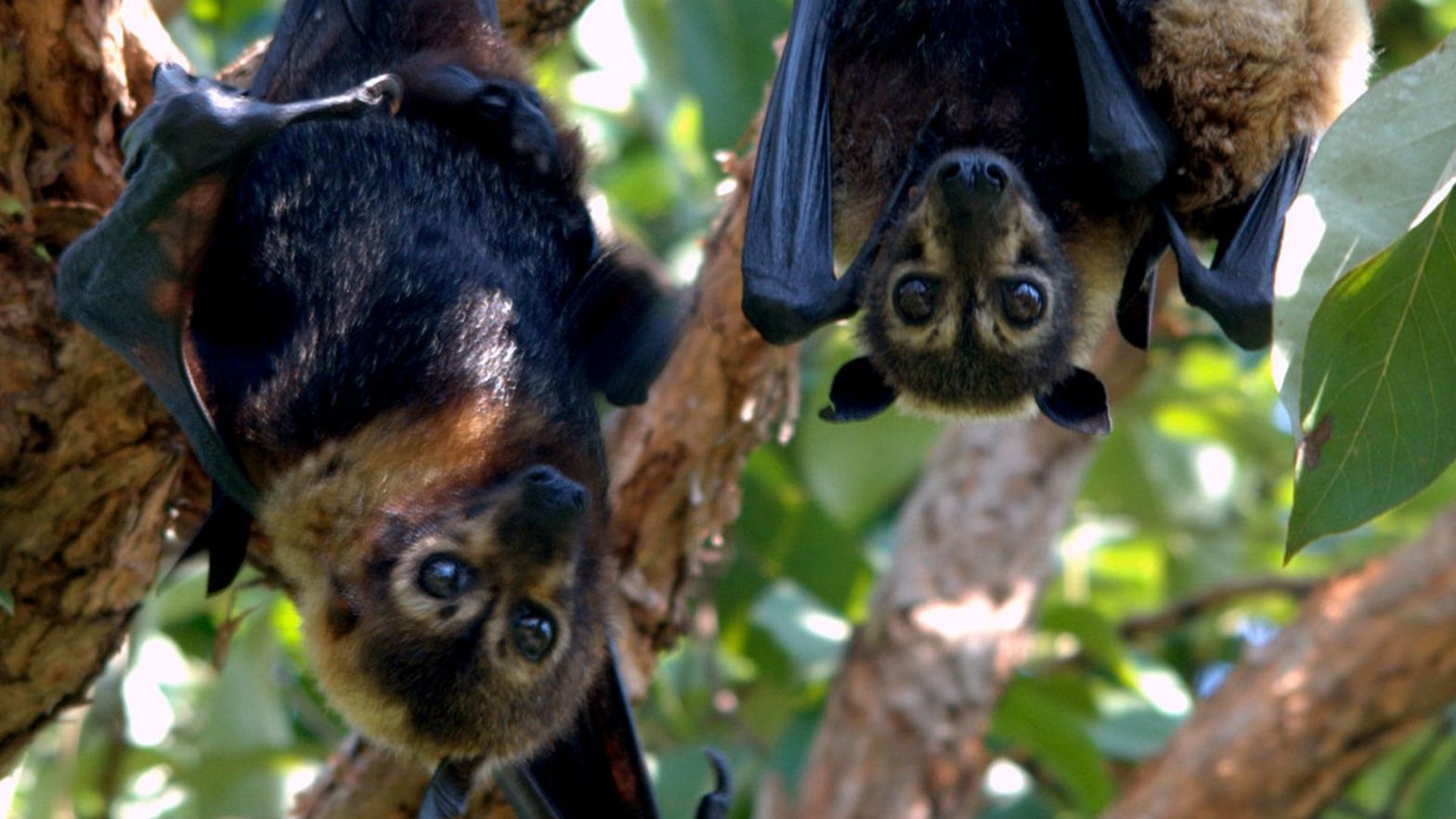
The Spectacled Flying Fox (Pteropus conspicillatus) is a large, highly mobile fruit #bat native to the tropical rainforests of Australia’s Wet Tropics and Papua New Guinea’s offshore islands including Woodlark Island, Alcester Island, Kiriwina, and Halmahera. Named for the distinctive pale rings around their eyes, they play a crucial role in pollination and seed dispersal across vast forested landscapes. However, their survival is under severe threat due to rampant #palmoil #deforestation in #Papua, along with #climatechange-induced extreme heat events, and human-wildlife conflict. These bats have suffered catastrophic population declines in recent years, underscoring the urgent need for conservation action. In February 2019 the Australian government upgraded their threatened status from vulnerable to endangered, after almost a third of the bat population died in a severe heatwave in Queensland in late 2018. Take action and resist climate change and deforestation-driven #extinction every time you shop—#BoycottPalmOil #Boycott4Wildlife.
Ifola Dendrolagus notatus

The Ifola, a rare and little-known tree kangaroo, inhabits the tropical montane forests of the Fakfak Mountains in Papua New Guinea and Indonesian-occupied West Papua. First identified as a distinct species in 1993, this remarkable marsupial is part of the genus Dendrolagus, known for their arboreal lifestyle. With their restricted range and vulnerability to habitat loss, Ifola are at significant risk due to palm oil deforestation, gold mining, and other human activities encroaching on their high-altitude homes. Their survival is tied to the preservation of the rich, biodiverse forests they call home. #BoycottPalmOil #Boycott4Wildlife
Woodlark Cuscus Phalanger lullulae
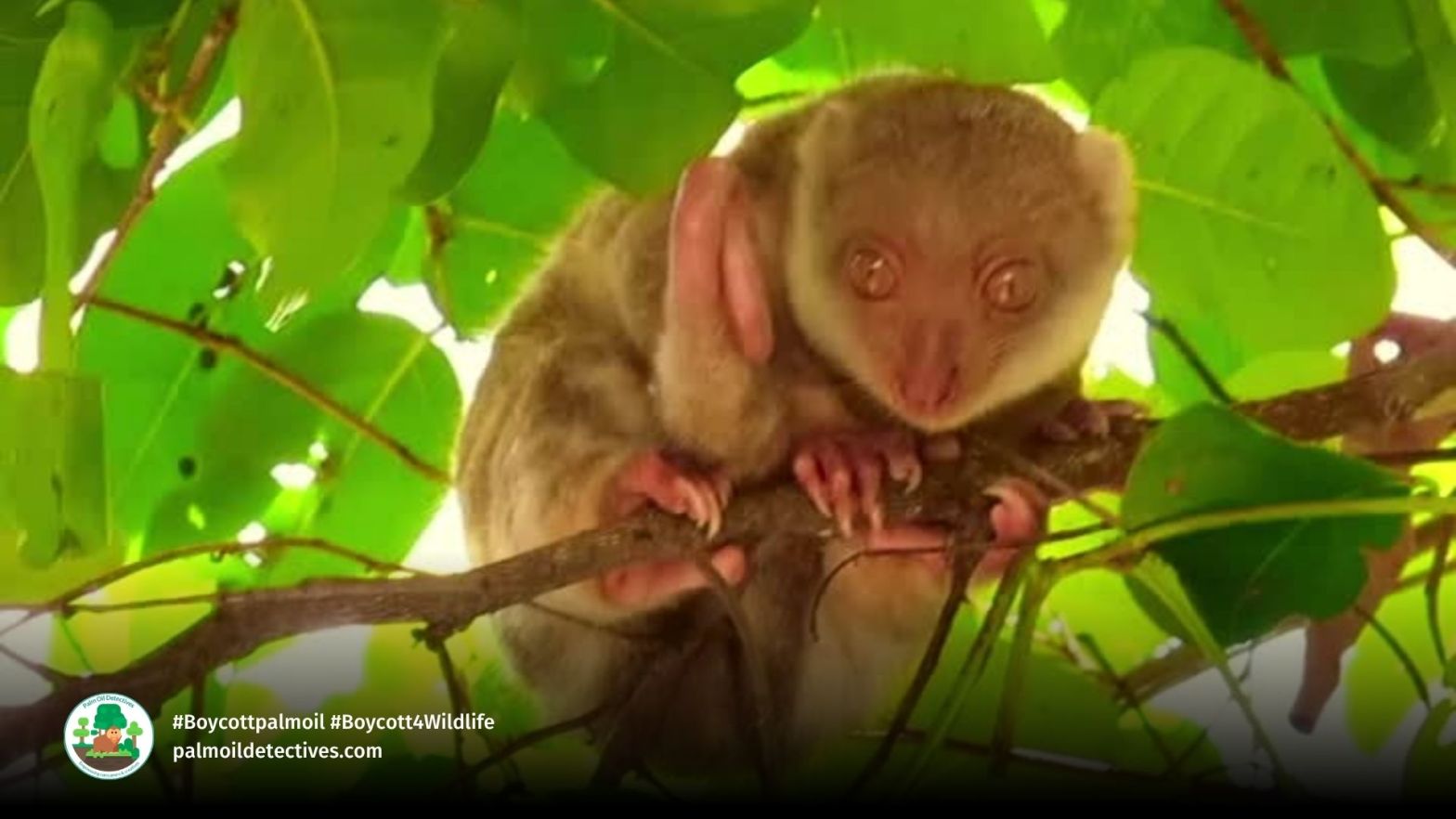
The Woodlark #Cuscus is a nocturnal marsupial found nowhere else but the forests of Woodlark, Madau, and Alcester islands. By day, the Woodlark Cuscus curls into tree hollows or buries themselves in tangles of epiphytes; by night, they move silently through the canopy, their marbled fur blending with the shifting shadows. The Woodlark Cuscus faces imminent extinction as palm oil plantations, logging, and gold mining threaten to erase the last forests of their island home. With all individual cuscuses known from less than 1,300 km² and new clearances looming, the Woodlark Cuscus’s world is shrinking fast. Stand with indigenous Melanesian sovereignty and safeguard these islands. Use your wallet as a weapon and #BoycottPalmOil #Boycott4Wildlife.
Far Eastern Curlew Numenius madagascariensis

Far Eastern Curlew Numenius madagascariensis Endangered Location: Papua New Guinea, Asia, SE Asia, Northern Australia The Far Eastern Curlew breeds on open mossy or transitional bogs, moss-lichen bogs and wet meadows, and on the swampy shores of small lakes and winters in Papua New Guinea; in the non-breeding season, this bird is essentially coastal, occurringContinue reading “Far Eastern Curlew Numenius madagascariensis”
Louisiade Woolly Bat Kerivoula agnella
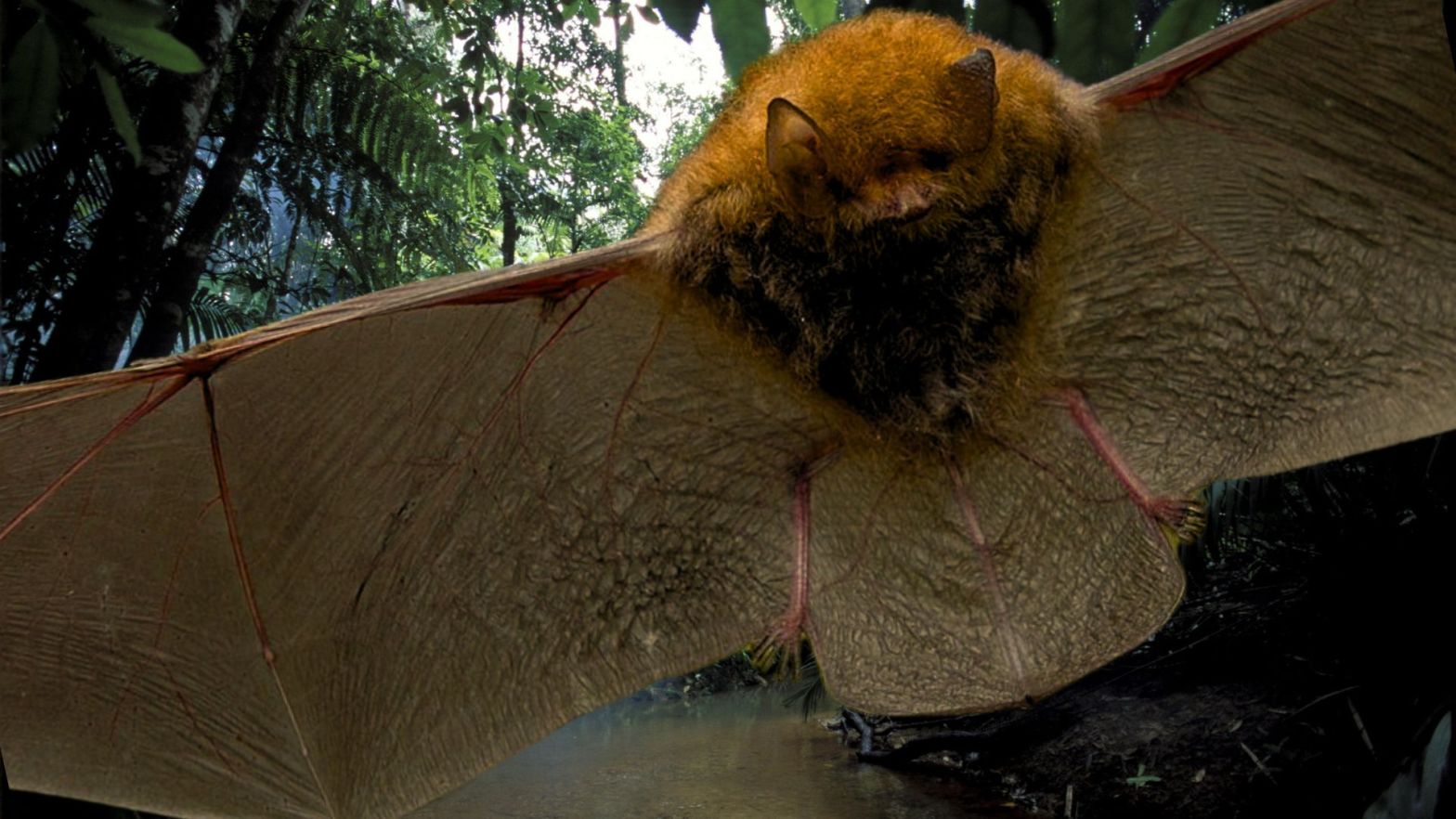
Louisiade Woolly Bat Kerivoula agnell IUCN Red List Status: Endangered Location: The Louisiade Woolly Bat is endemic to Papua New Guinea, specifically to the islands of the Louisiade Archipelago, including Sudest (Vanatinai) and Tagula. Also known as St. Aignan’s Trumpet-Eared Bat, the Louisiade Woolly Bat is a rare and enigmatic species. Recognised for their soft,Continue reading “Louisiade Woolly Bat Kerivoula agnella”
Black-naped Pheasant-pigeon Otidiphaps insularis
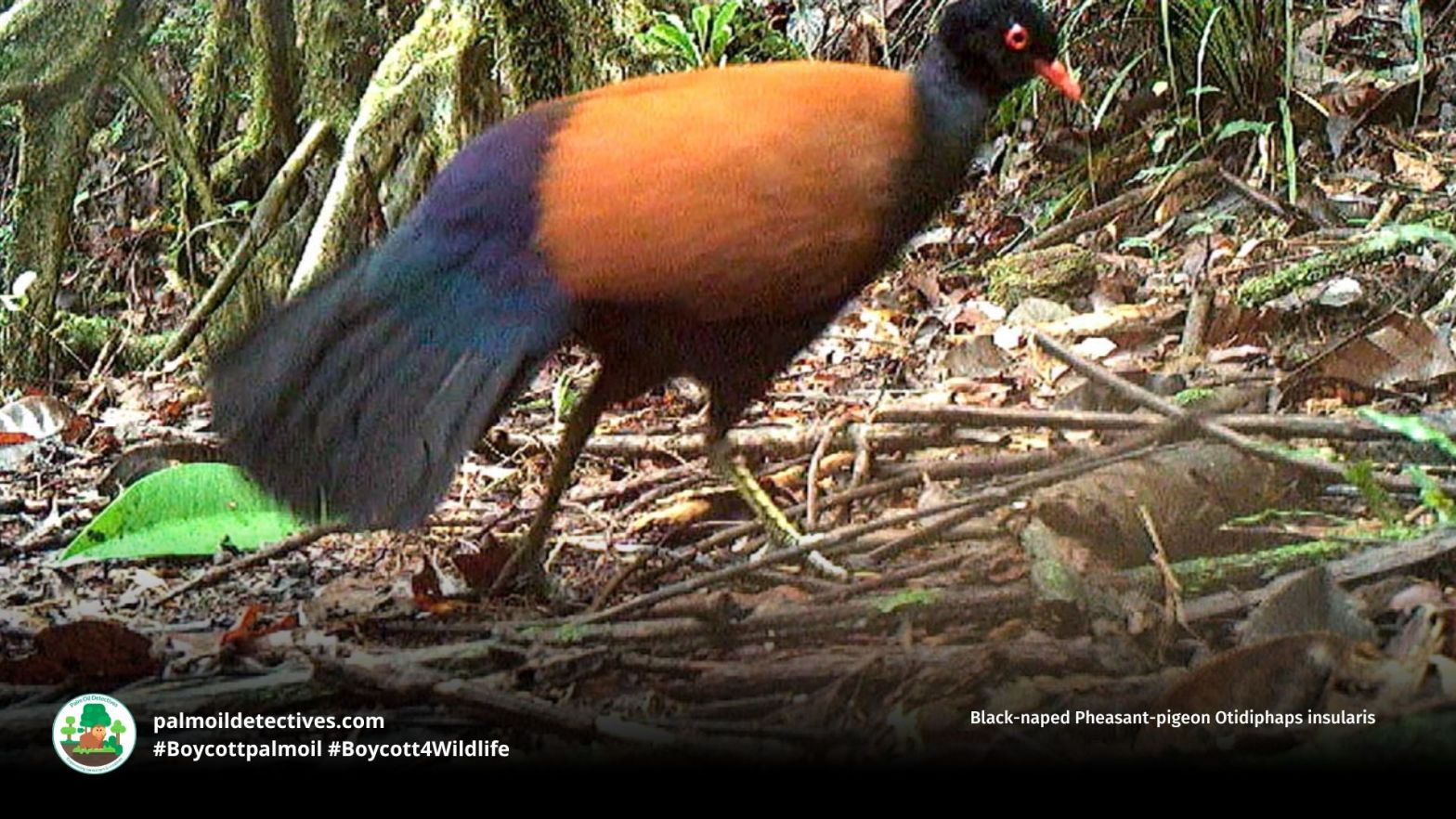
Elusive, critically endangered Black-naped Pheasant-Pigeon live on Fergusson Island, Papua and must be protected from ecocide, boycott palm oil when you shop!
Forest Rainbowfish Melanotaenia sylvatica
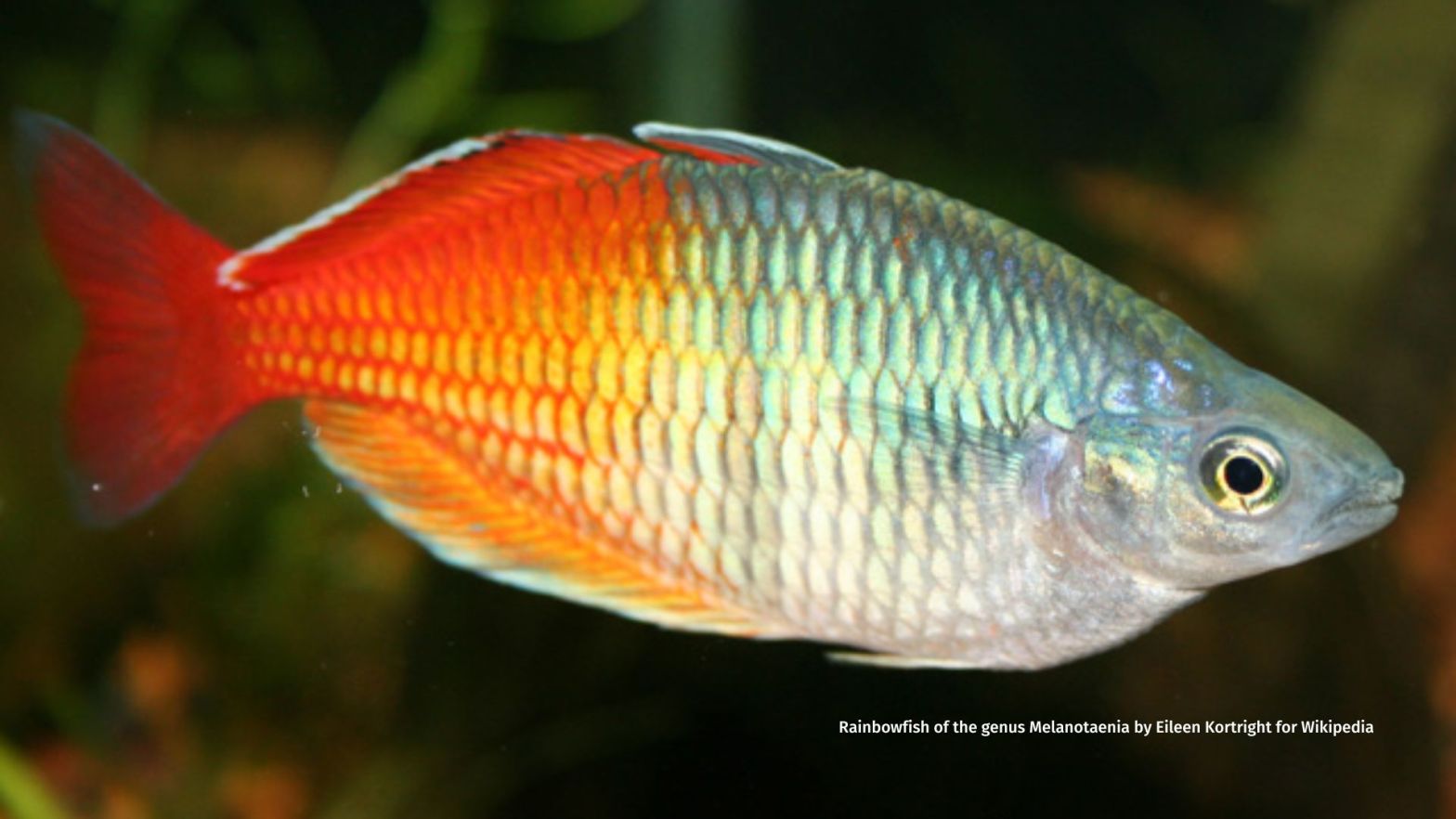
Help save the Forest Rainbowfish, shimmering, iridescent fish is under severe threat from logging and out-of-control palm oil plantations, boycott palm oil!
D’entrecasteaux Archipelago Pogonomys Pogonomys fergussoniensis
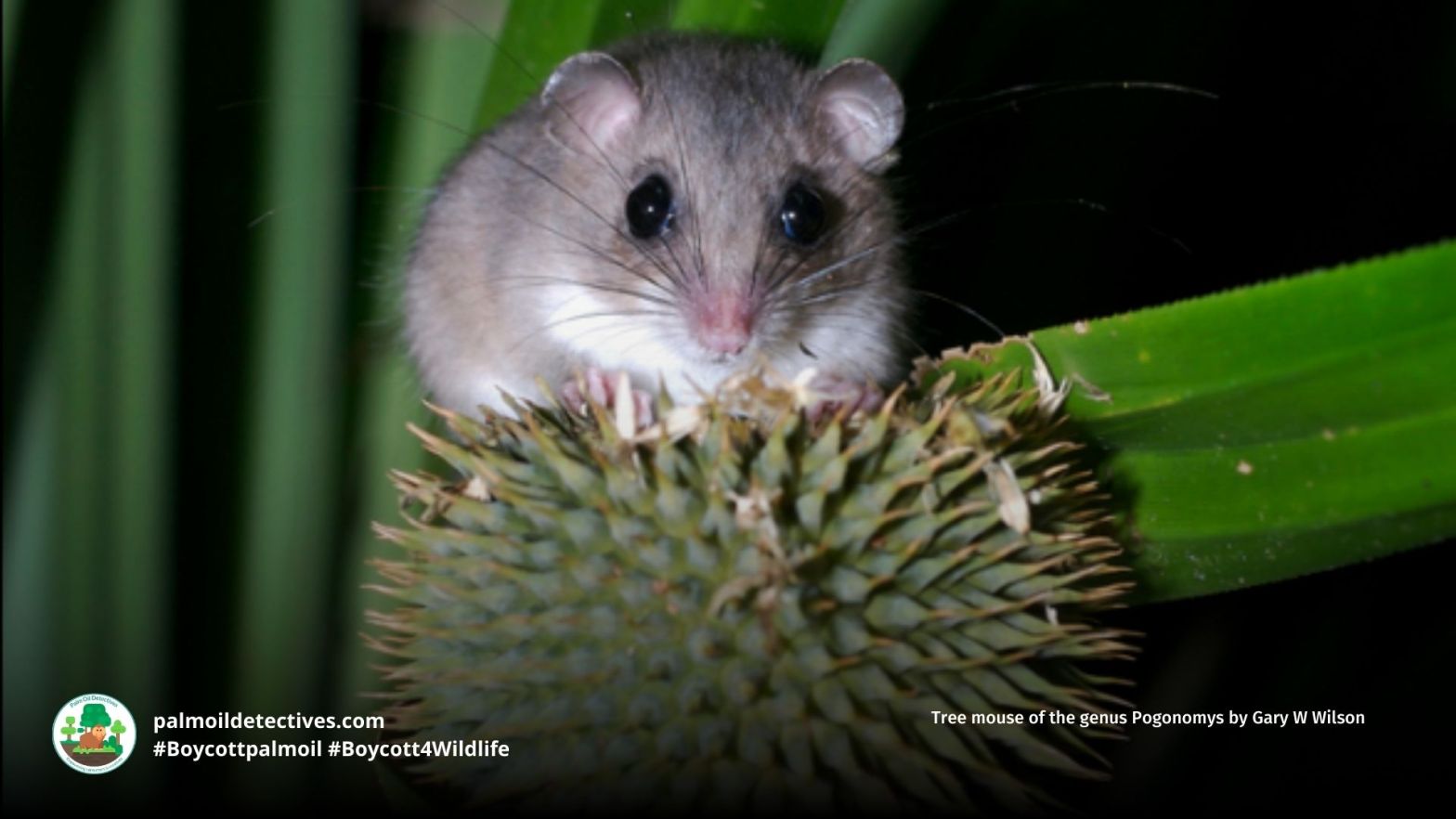
Help save D’Entrecasteaux Archipelago Pogonomys. Long named ultra cute arboreal rodents from Papua New Guinea are endangered by palm oil. Resist and boycott!
David’s Echymipera Echymipera davidi
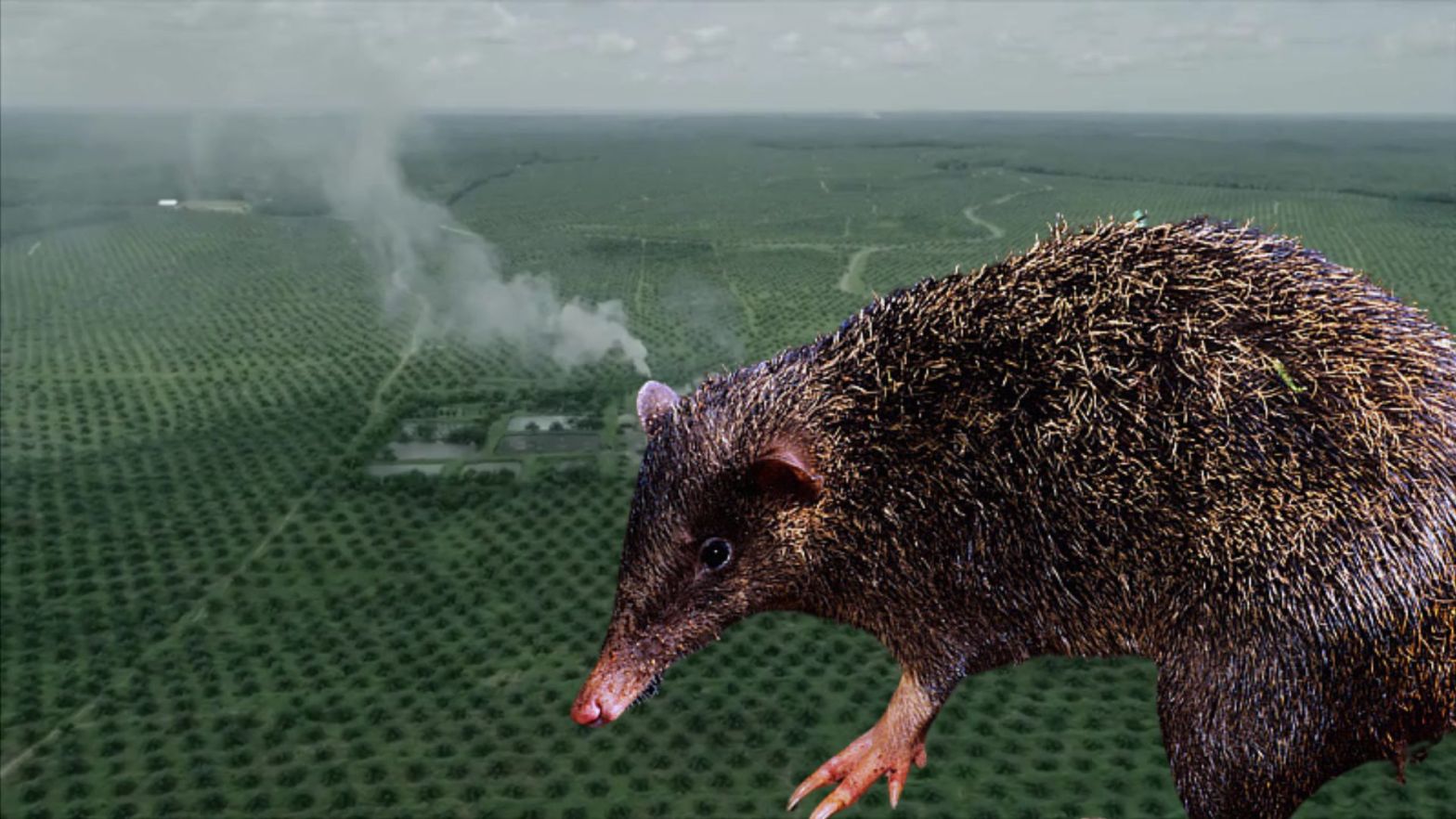
David’s Echymipera (Echymipera davidi) is an extremely rare, little-known #bandicoot endemic to Kiriwina Island in the Trobriand Islands of #PapuaNewGuinea. With a range of just 280 km², this elusive #marsupial is at significant risk due to habitat loss and human encroachment. Like other bandicoots, they are crucial for ecosystem health, aerating the soil as they dig for food. However, their survival is threatened by the pressures of #agriculture, habitat destruction, and #hunting. Without immediate conservation efforts, this species faces an uncertain future. Help this animal by raising awareness #Boycott4Wildlife
Red-cheeked Gibbon Nomascus gabriellae

Like other gibbons, Red-cheeked Gibbons are arboreal and diurnal, with singing bouts averaging 12 minutes and lower calling frequencies in the wet season (Rawson 2004, Kenyon 2007). The species displays a monogamous social structure of adult pair and offspring. Average group size is estimated at 3-5 individuals. Females emigrate near, in and around their natal territories, but males emigrate farther and wider. Female give birth to single offspring at 17-22 month intervals. Nomascus gabriellae is considered Endangeredb ased on a suspected population reduction of 50% or more due to hunting for food, live capture for the pet trade, and the loss of suitable habitat.
Northern Yellow-cheeked Crested Gibbon Nomascus annamensis
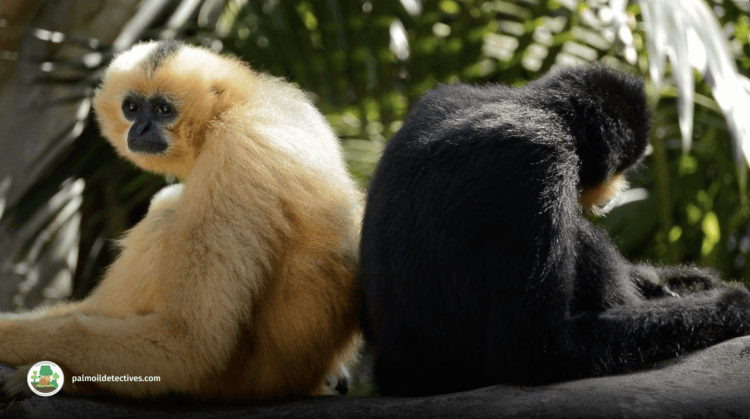
Northern Yellow-cheeked Crested Gibbons are Endangered in Cambodia Laos and Vietnam. They face extinction from deforestation, take action for their survival!
Okapi Okapia johnstoni
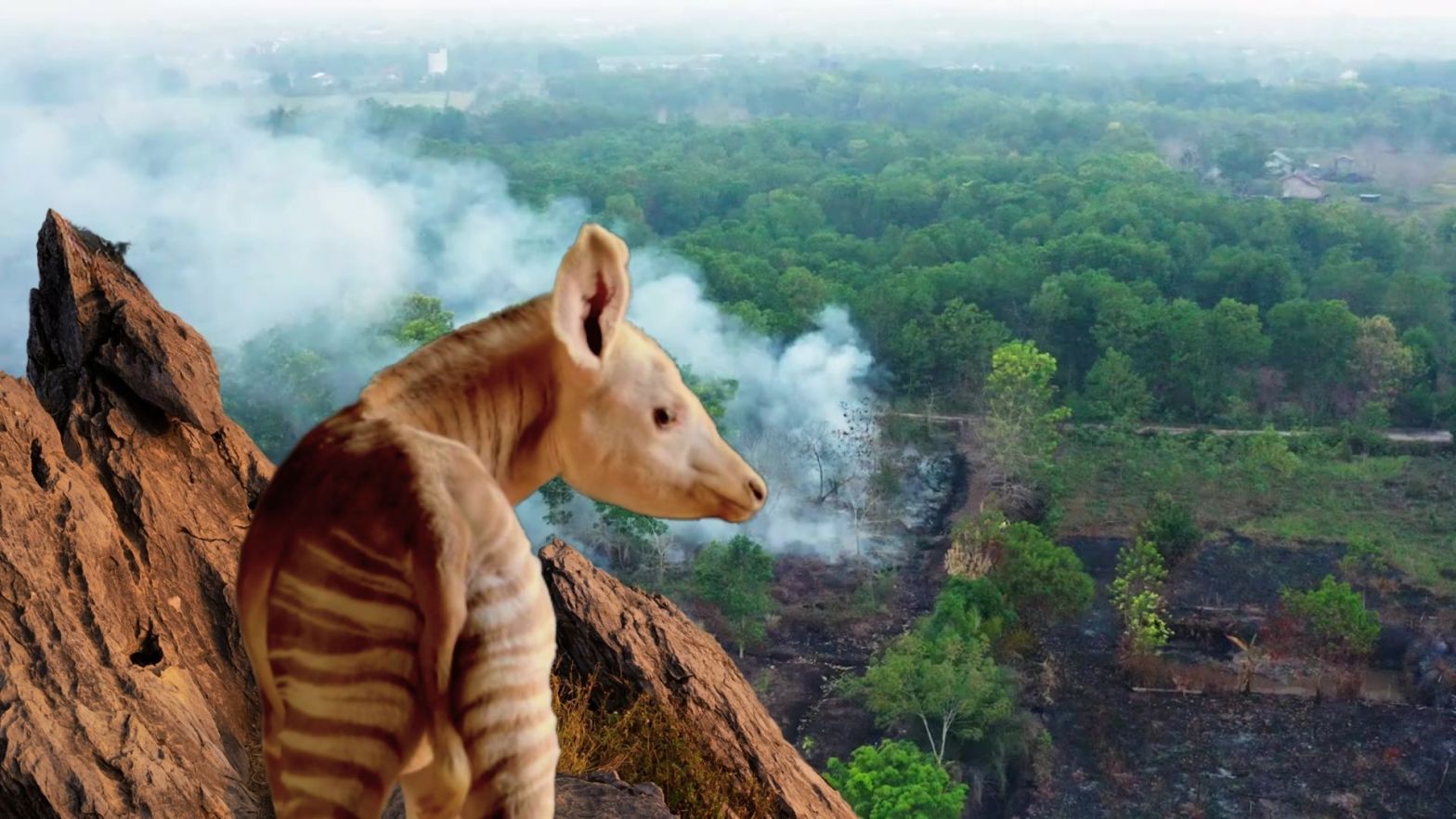
The mysterious and enchanting Okapi, also known as the forest giraffe, roams the dense rainforests of the Democratic Republic of Congo. With a large expressive eyes and ears, velvety dark brown coat adorned with striking white stripes and large – they captivate the imagination! These solitary creatures have a remarkable prehensile tongue for foraging and grooming. Okapi mothers use inaudible sounds to communicate with their young. Sadly these remarkable creatures are endangered and face severe threats from palm oil, mining and tobacco deforestation, hunting and human conflict. You can help protect them by making mindful palm oil free supermarket choices. #BoycottPalmOil and #Boycott4Wildlife to safeguard these beautiful animals.
Goodfellow’s Tree Kangaroo Dendrolagus goodfellowi
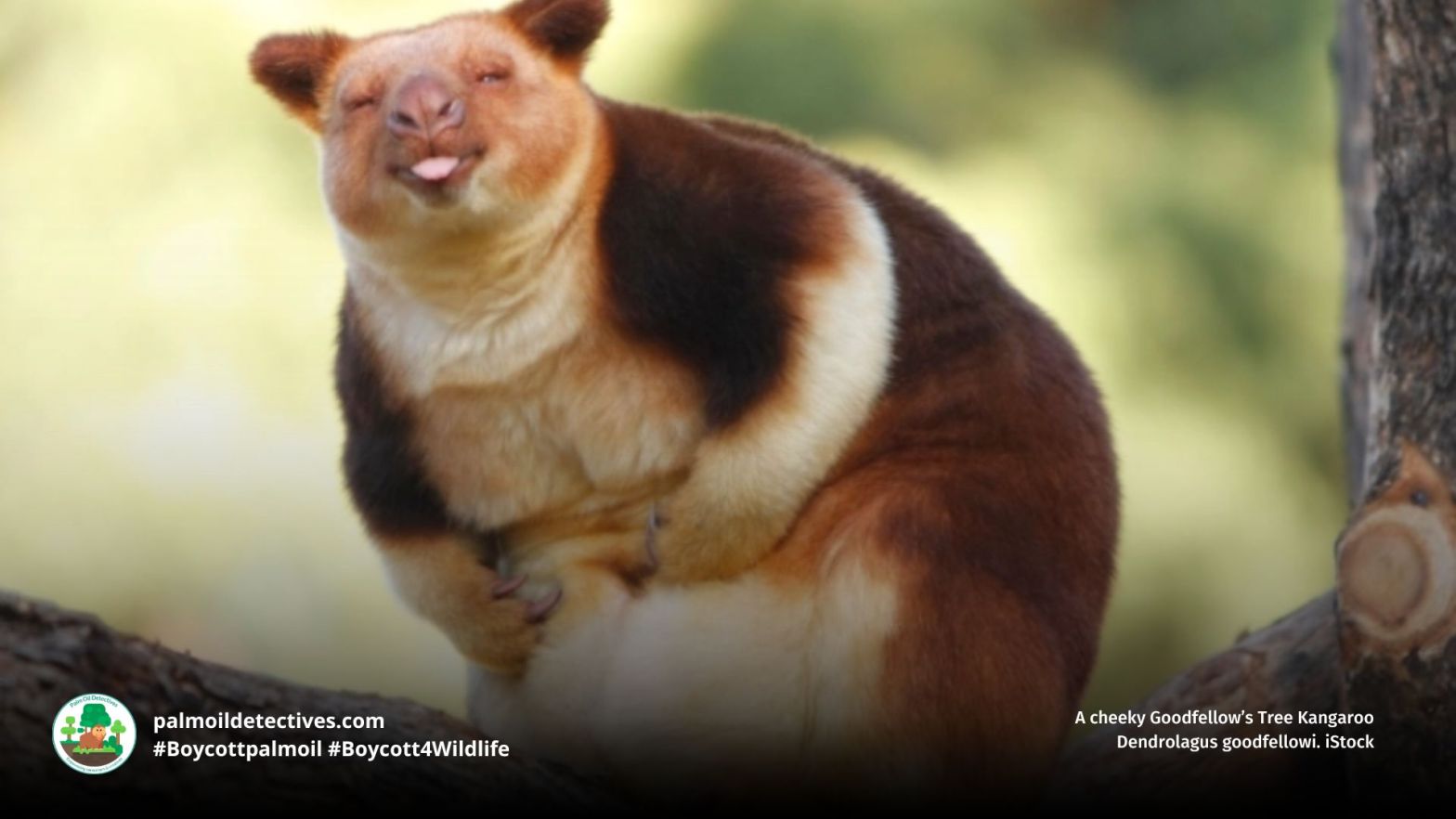
Help save Goodfellow’s Tree-Kangaroo! These enchanting marsupials live in the treetops of Papua’s rainforests and are endangered by hunting and palm oil!
Huon Tree Kangaroo Dendrolagus matschiei
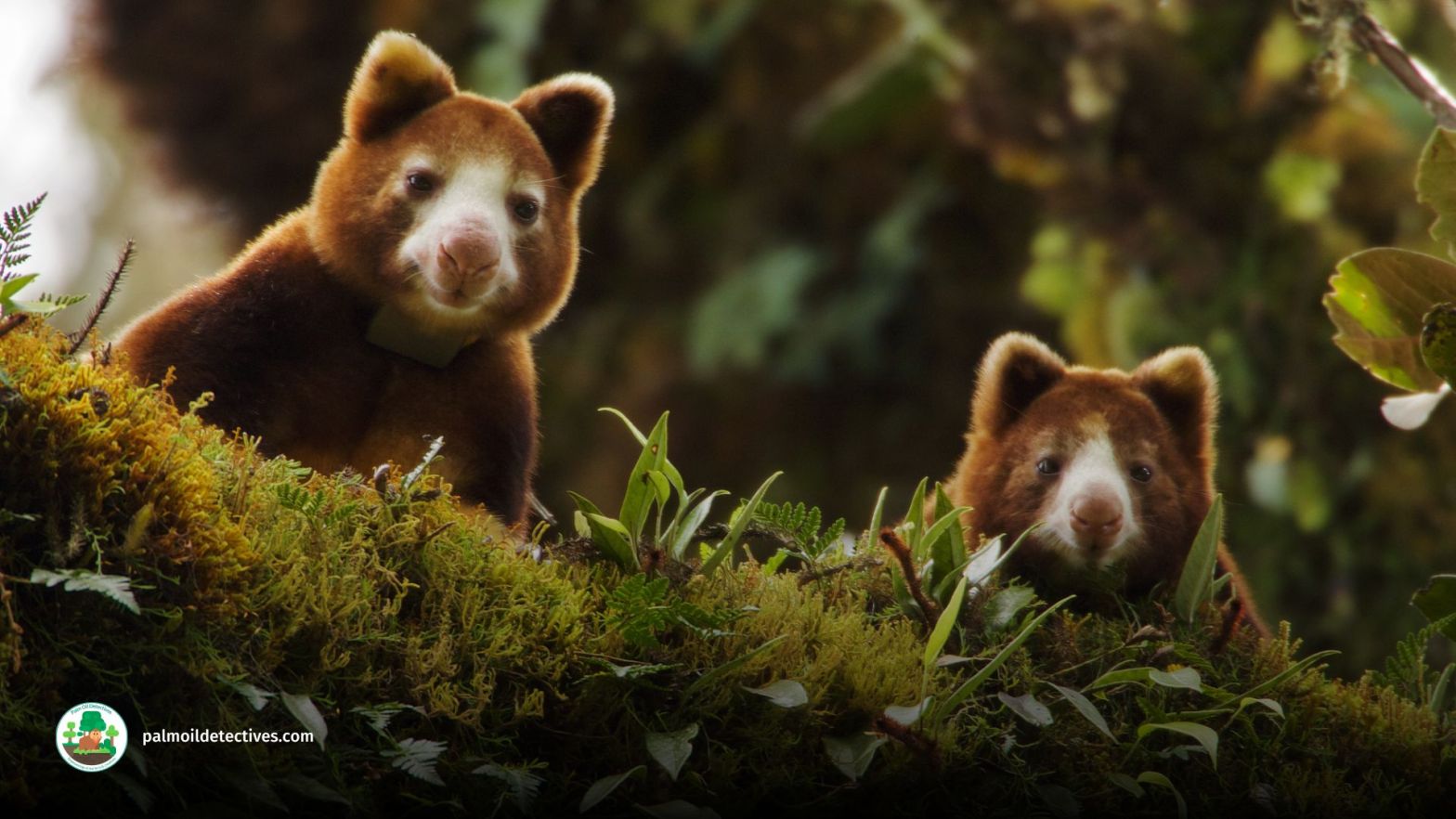
Adorable creatures with a teddy-like face and simian looking tail, Huon Tree Kangaroos live in Papua New Guinea. They are classified as endangered due to ongoing destruction of their natural rainforest home for #palmoil and #mining throughout their range. There are estimated to be <2,500 individual kangaroos left alive. Help them every time you shop and #Boycottpalmoil #Boycott4Wildlife
Vogelkop Tree Kangaroo Dendrolagus ursinus
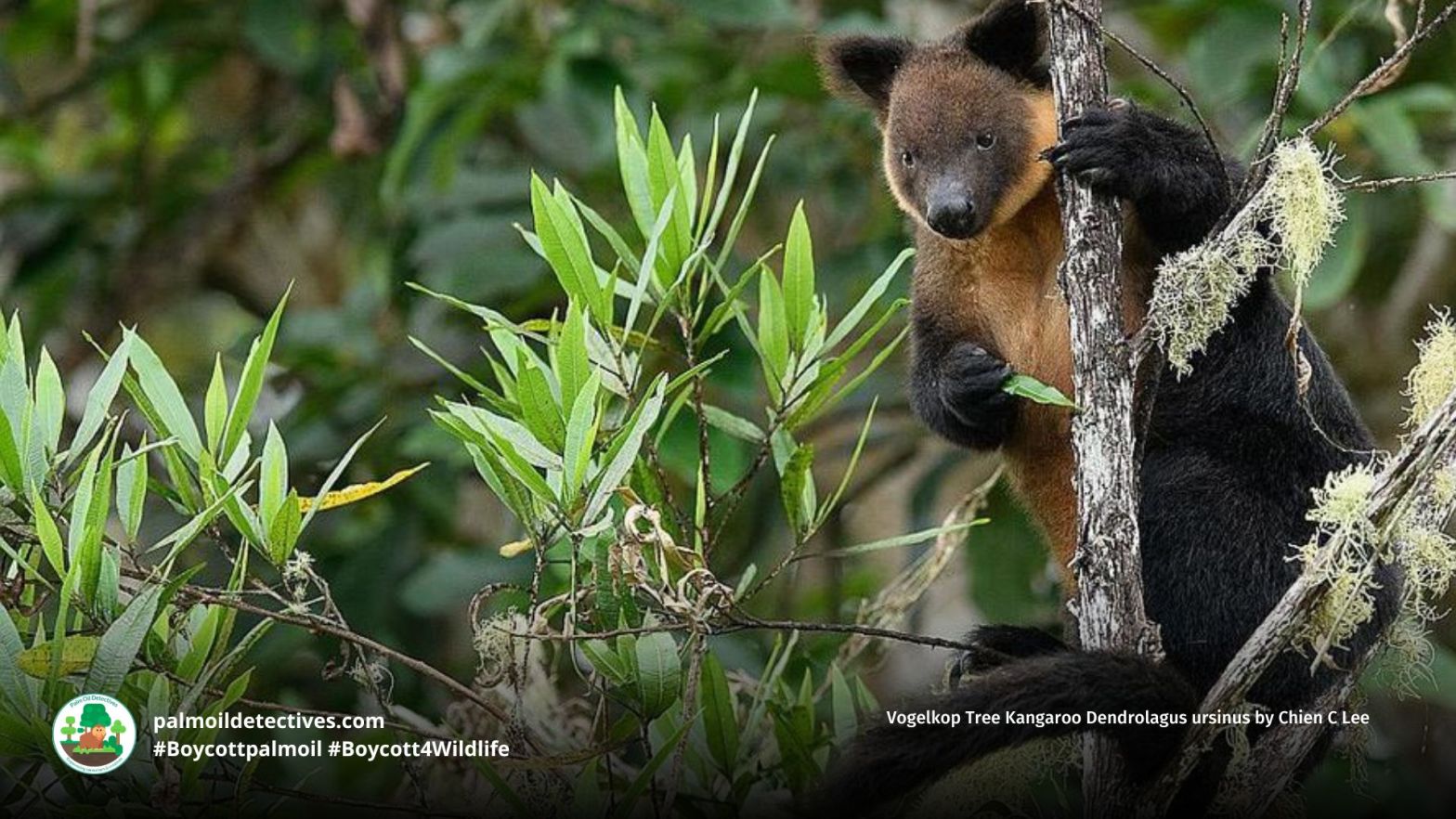
Protect stunning marsupials Vogelkop Tree Kangaroo Dendrolagus ursinus and boycott palm oil! They live in the Vogelkop and Fakfak Peninsulas of West Papua.
Dingiso Dendrolagus mbaiso
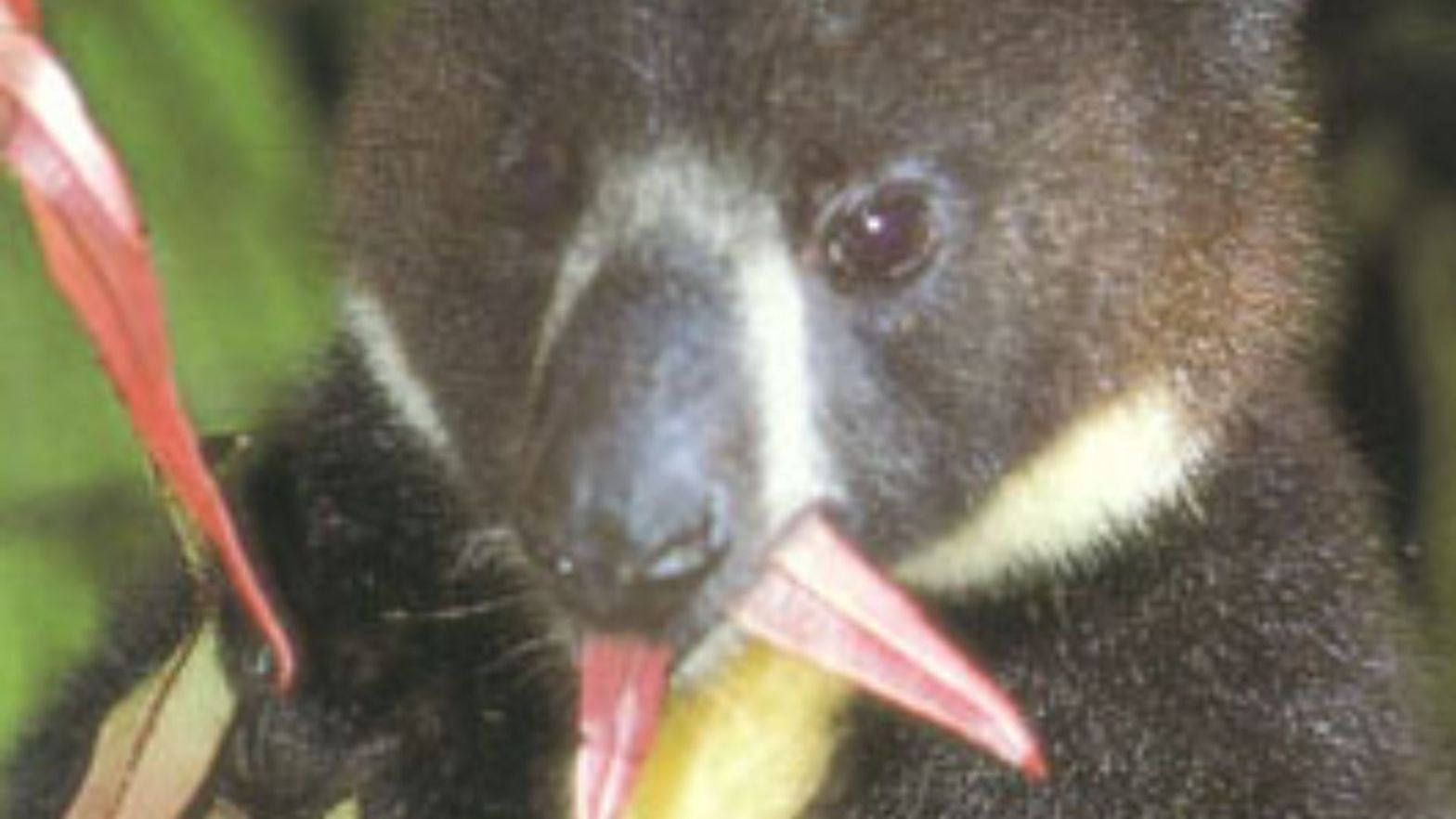
Known affectionately as the ‘Panda tree kangaroo’ for their black and white faces, dingisos are one of the rarest and most charismatic species of tree kangaroos, living only in the remote cloud forests of the Sudirman Range in Indonesian-occupied #WestPapua. While revered by the Moni people who consider them sacred and taboo to hunt, #Dingiso populations have still plummeted by over 50% due to #hunting, road construction, habitat clearing, and the expansion of industrial agriculture particularly #palmoil #deforestation. #Climatechange is now driving further habitat loss at high altitudes. Help these mysterious and gentle tree kangaroos every time you shop, use your wallet as a weapon and #BoycottPalmOil #Boycott4Wildlife
Papua New Guinea & West Papua: Species Endangered by Palm Oil Deforestation

As the rainforest habitats are destroyed in Indonesia, Indonesian and Chinese oil palm processing companies are switching focus towards Papua New Guinea, Africa and South America to keep up with demand for palm oil.
Agile Gibbon Hylobates agilis

Agile gibbons communicate using local “accents” and form close familial and social bonds. They are endangered in #Indonesia, #Malaysia and #Thailand mainly due to timber and #palmoil #deforestation throughout their range. Help them every time you shop and #Boycottpalmoil #Boycott4Wildlife in the supermarket.
Bornean Rainbow Toad Ansonia latidisca
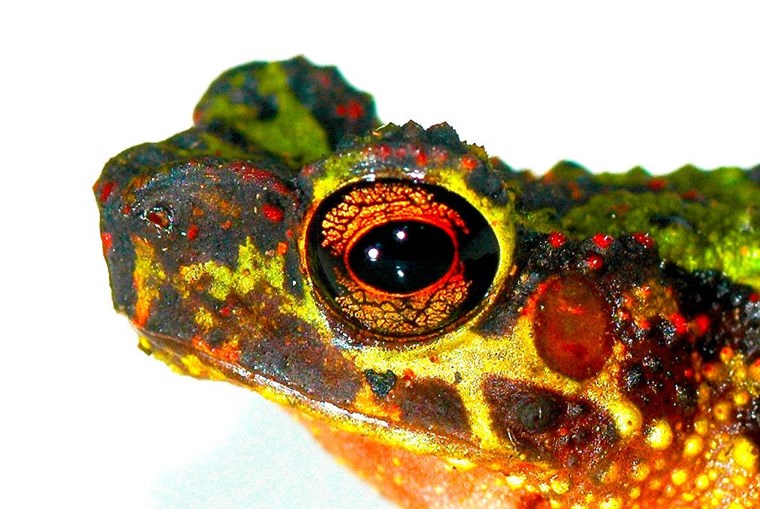
The Bornean Rainbow Toad, also known as the Sambas Stream Toad, is a vibrantly coloured amphibian native to the rainforests of Borneo. This elusive species was rediscovered in 2011 after being unseen since 1924. Endemic to the montane rainforests, these toads are nocturnal and arboreal, with long, spindly limbs and a bright, variegated dorsal skin. Their striking appearance and nocturnal habits make them a unique sight in their natural habitat. The primary threats to their survival include habitat loss due to deforestation for agriculture, particularly palm oil plantations. Protecting their habitat is crucial for their survival. Join the cause to #Boycottpalmoil and #Boycott4Wildlife.
Sabah Grizzled Langur Presbytis sabana
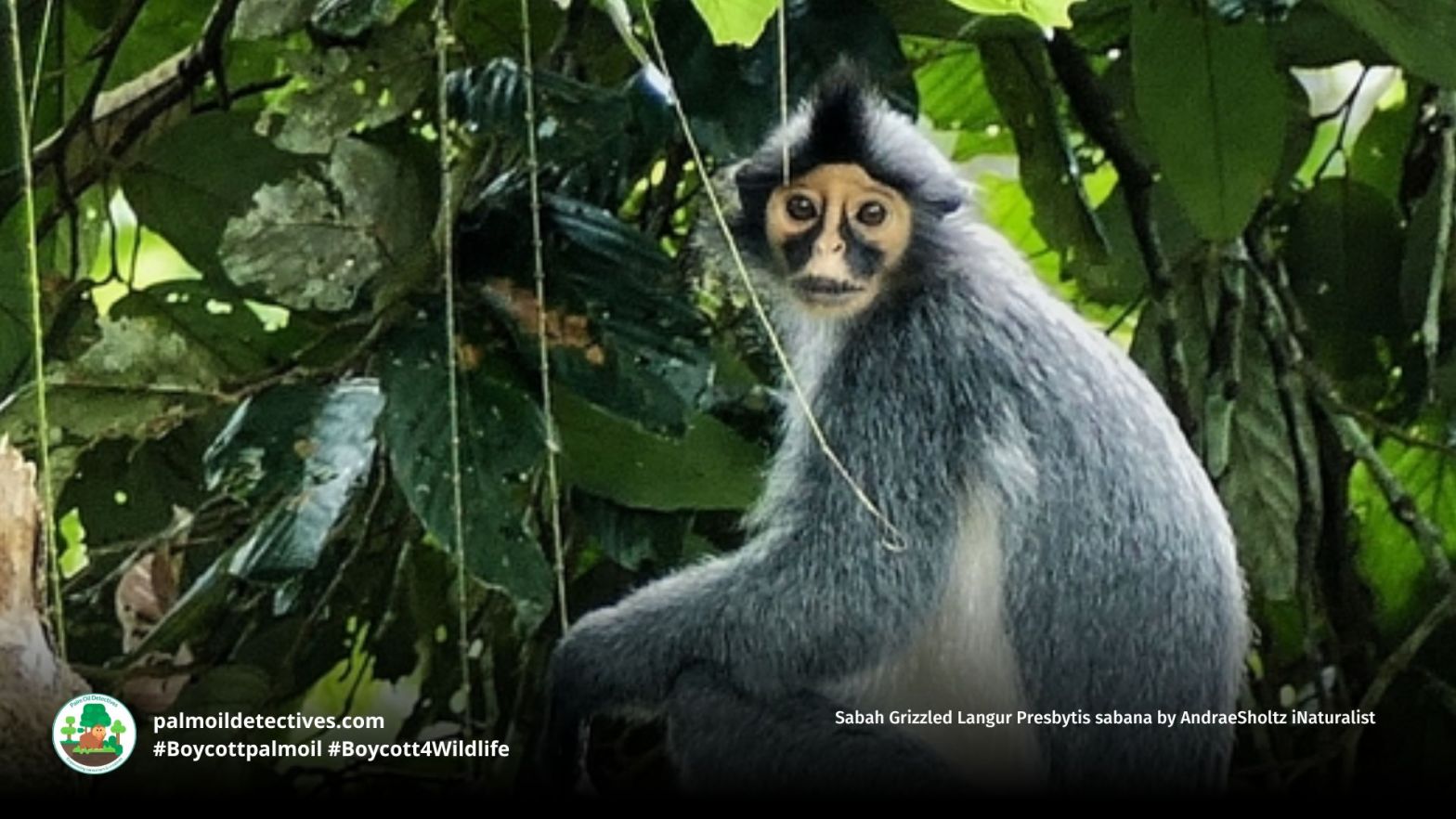
Save Sabah Grizzled Langurs AKA Crested Grizzled Langurs from palm oil! They’re endangered and urgent action is needed to prevent their extinction – boycott!
Milky Stork Mycteria cinerea
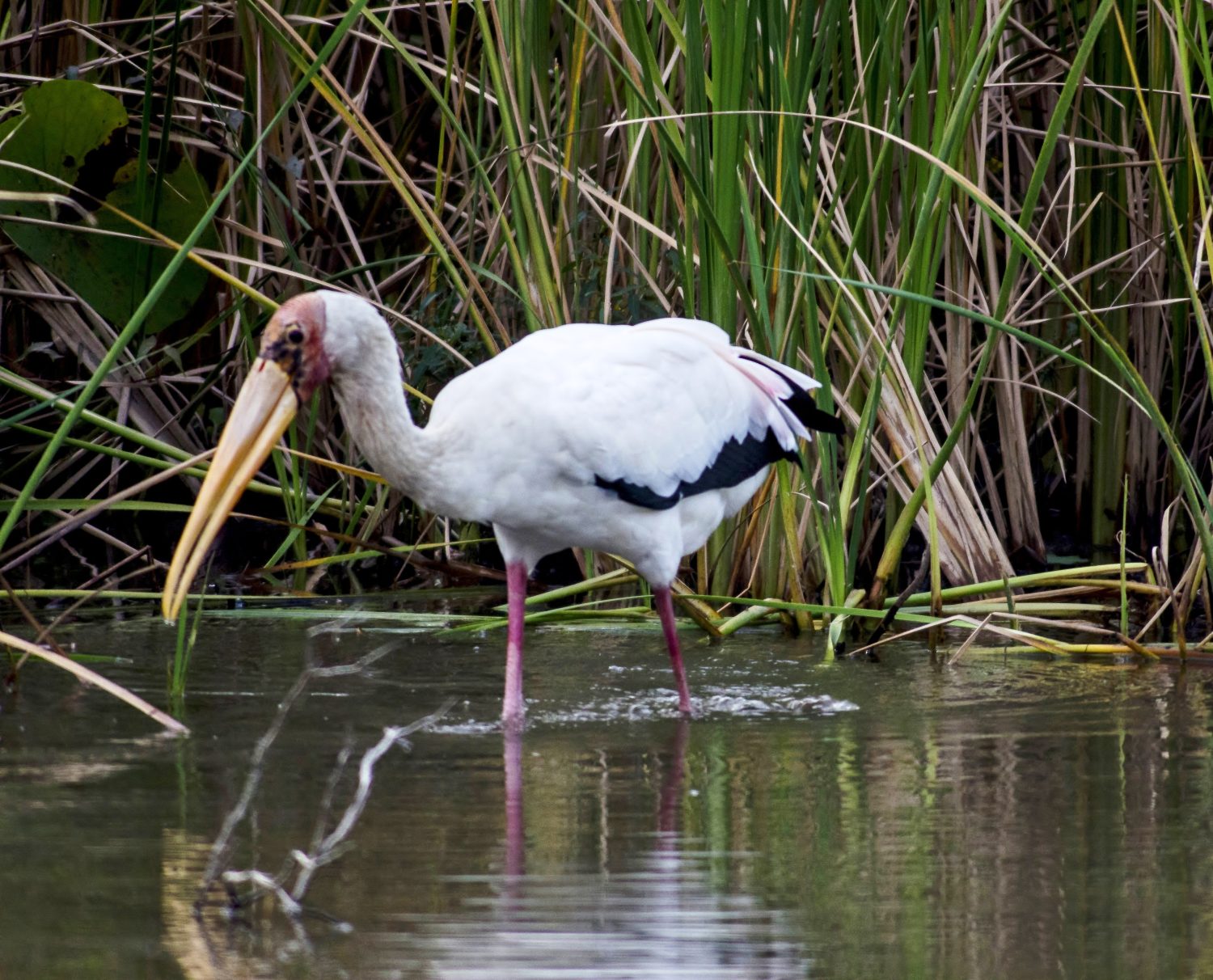
Help protect the striking Milky Stork. This wading bird faces a sharp decline in Southeast Asia as their coastal mangrove habitat is destroyed by pollution.
Balabac Mouse Deer Tragulus nigricans
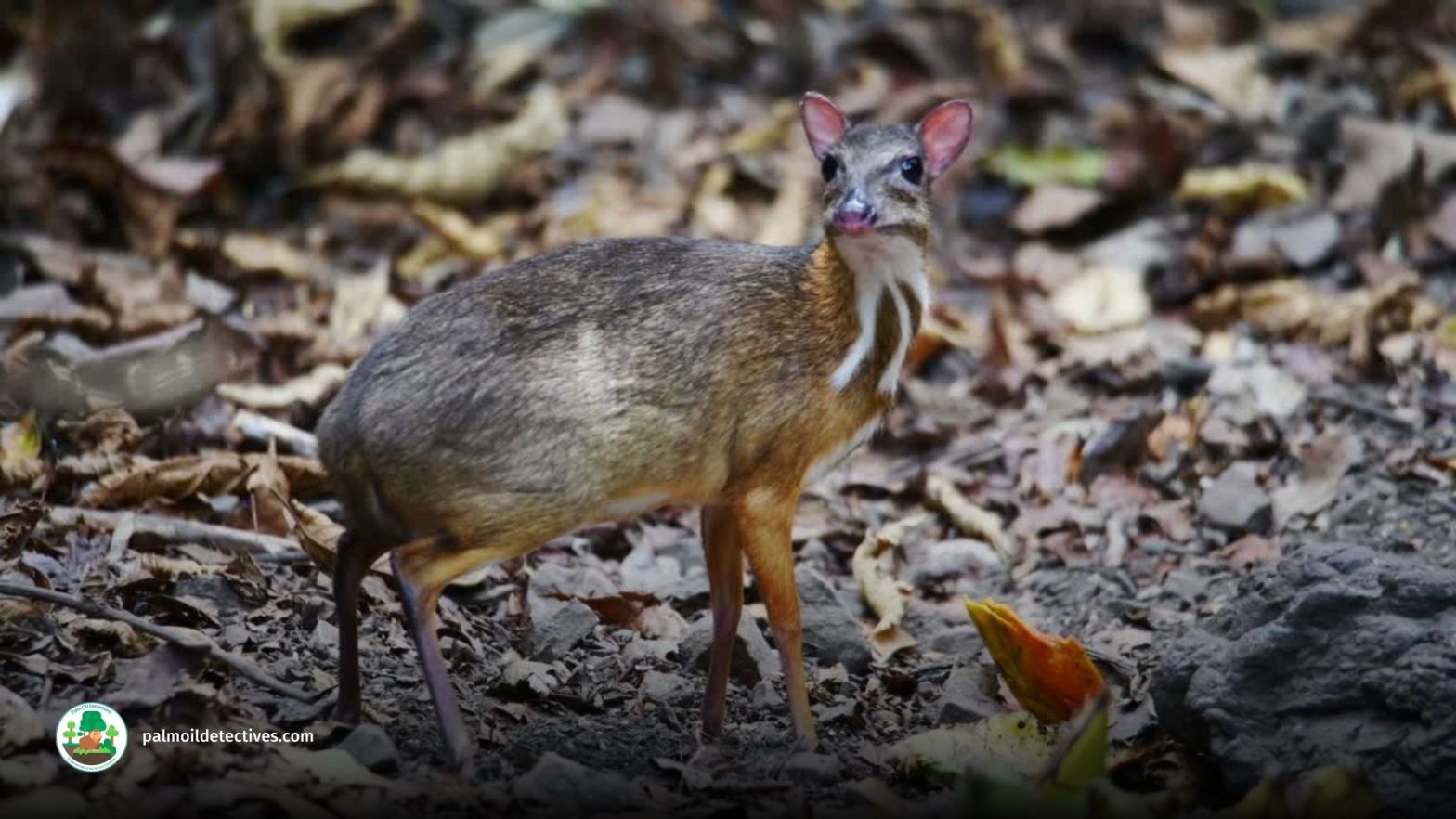
Balabac Mouse Deer Tragulus nigricans Endangered Extant (resident) Philippines; Presence Uncertain: Malaysia The Balabac Mouse-deer, also known as the Philippine Mouse-deer or locally as Pilandok, is a tiny, fragile deer most active at night. They are ruminants endemic to the Balabac Islands in the Philippines. Despite their diminutive size, the deers play a significant roleContinue reading “Balabac Mouse Deer Tragulus nigricans”
 Palm Oil Detectives