
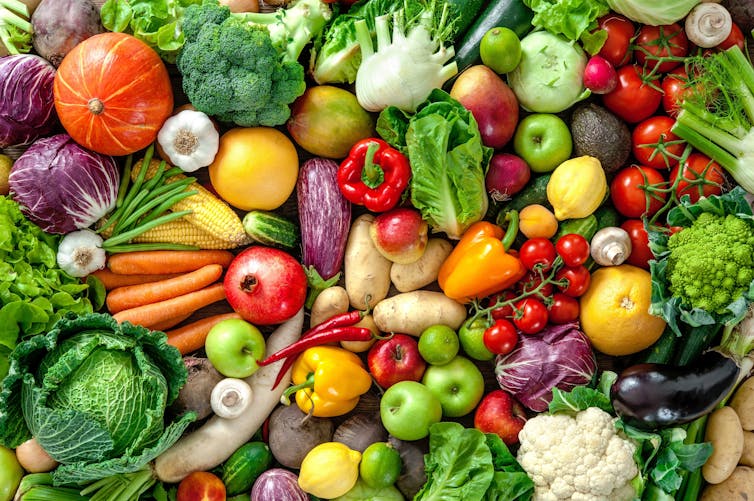
Around 800 million people in our world go hungry each day. Yet around the globe we have enough food to go around. So why the discrepancy? Market concentration and corporate monopoly of our global food system means that corporate giants control everything from access to seeds, access to land, #workersrights, #greenwashing and wages. Mergers and acquisitions take place at all stages of the global food system – from seeds and fertilisers to machinery and manufacturing. This is what contributes to bad health outcomes and food inequality. Learn how you can boycott big brands causing the corporate crush and other solutions. #Boycott4Wildlife
Tag Archives: human health
Ultra-processed Food: Bad For Our Bodies, Bad For The Environment

Although a lot of research has been published about the direct negative impact of these ultra-processed #foods on our #health, including obesity, cardiovascular diseases and diabetes, little has been said about the impacts of #UPF on the environment. You can help rainforests and keep yourself healthy by limiting or stopping buying and consuming #meat, #dairy, #palmoil every time you shop. #BoycottPalmOil #Boycott4Wildlife
Palm Oil Workers Exposed to Hazardous Pesticides
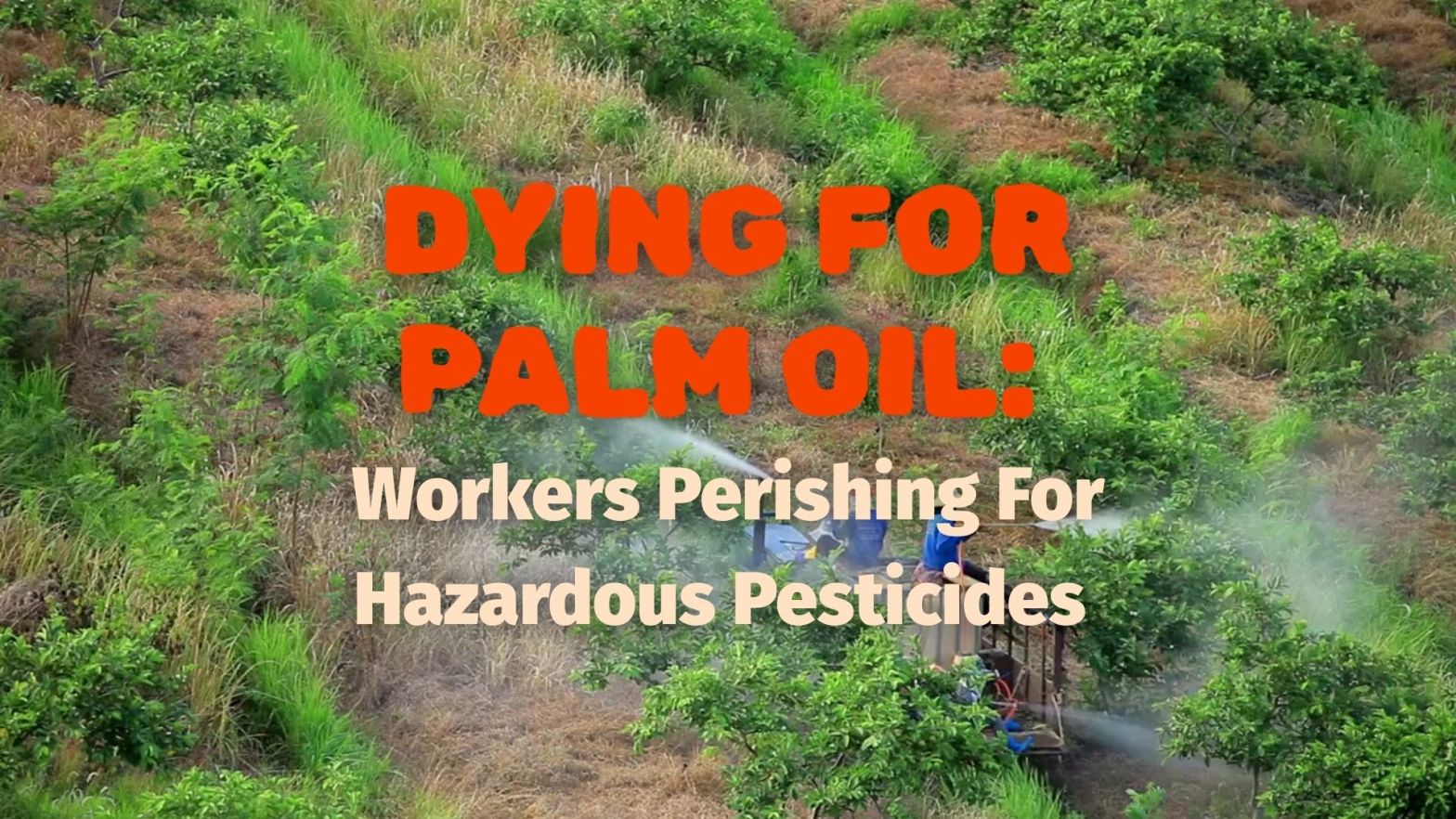
Palm oil workers in Colombia, Ghana, and Indonesia are regularly exposed to hazardous EU-banned pesticides like Paraquat for palm oil. Take action!
Extinction On Our Plates
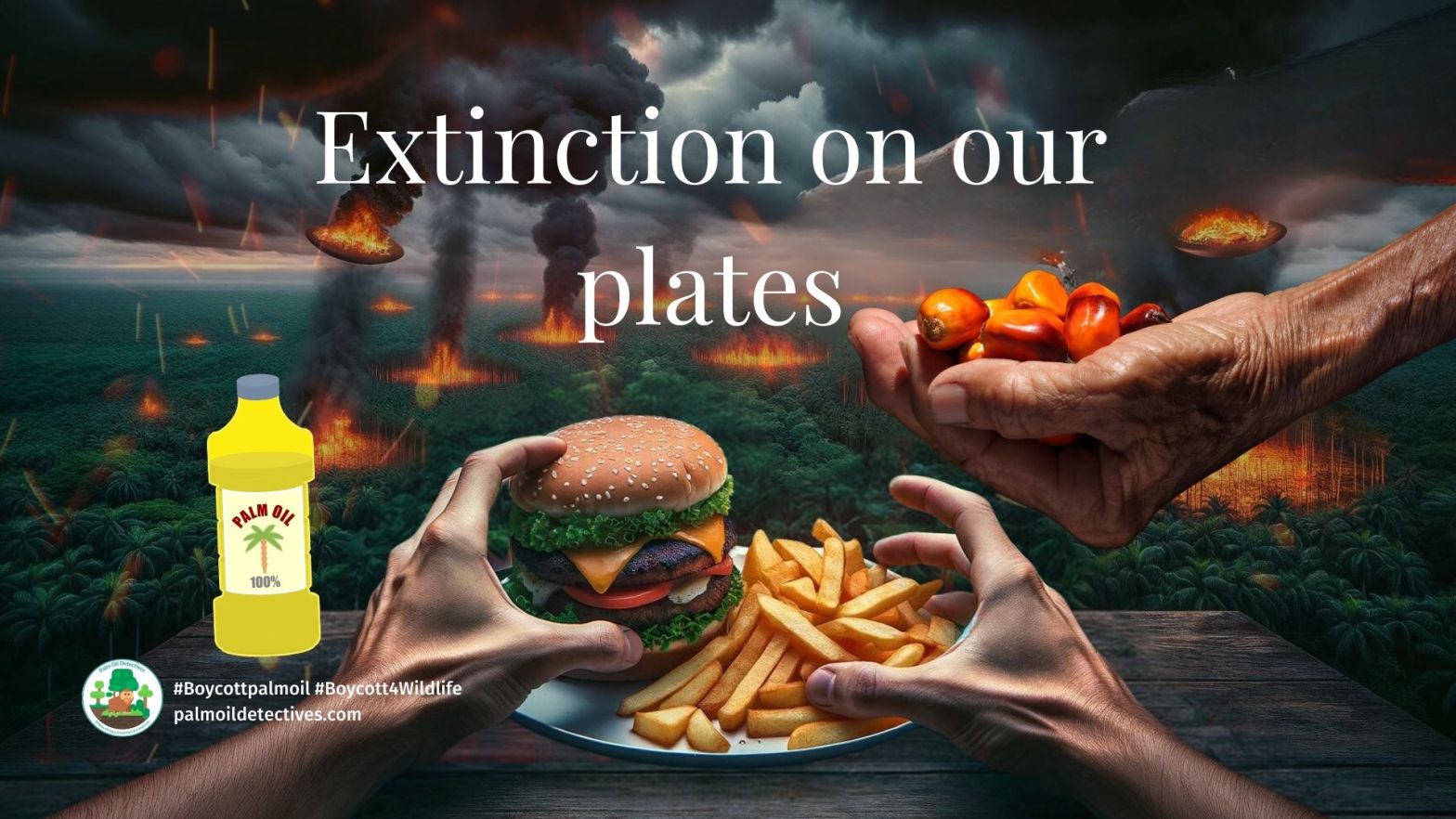
The contents of your fridge and dining table directly impacts the future of rare rainforest and ocean animals. That’s because industrial agriculture and aquaculture for commodities like meat, dairy, fish and palm oil is driving animals in the most biodiverse ecosystems on the planet closer towards extinction.
However, reducing the biodiversity footprint of global food consumption requires more than just consumer intervention. It requires immediate and widespread action from government policy-makers and law-makers as well, writes Ecologist Dr Quentin Read of North Carolina State University for 360info
Cutting Ultra-Processed Foods Could Save Lives

Recently, the CEO of breakfast giant Kelloggs Gary Pilnick promoted the benefits eating breakfast cereal for dinner as a way for people to cope with the increased cost of living and food:
“Cereal for dinner is something that is probably more on trend now, and we would expect [it] to continue as that consumer is under pressure,” Pilnick told CNBC about his stable of ultra-processed foods like Fruity Loops, Special K, and Frosted Flakes. He takes home a 4 million USD salary each year.
Many research studies released in the past decade have shown a clear link between the consumption of ultra-processed foods: [high sugar and high fat convenience foods, sugary breakfast cereals, processed baked goods and biscuits] with all of the biggest diseases that kill the most people: ischaemic heart disease, stroke, diabetes, obesity, dementia and many cancers.
Palm oil is a saturated fat that is present in many ultra-processed foods. Multiple studies including one by the World Health Organisation have linked palm oil consumption to increased mortality from heart disease and stroke. The UK’s National Health Service, Columbia Irving Medical Centre and others warn people against consuming palm oil due to its serious health risks.
Air Pollution from Palm Oil: A Human Rights Issue

Forest-fire haze from Indonesian palm oil deforestation is a crisis! Learn how toxic air pollution is a human rights issue affecting all of Southeast Asia
Palm Oil Deforestation and Disease-Carrying Mosquitoes
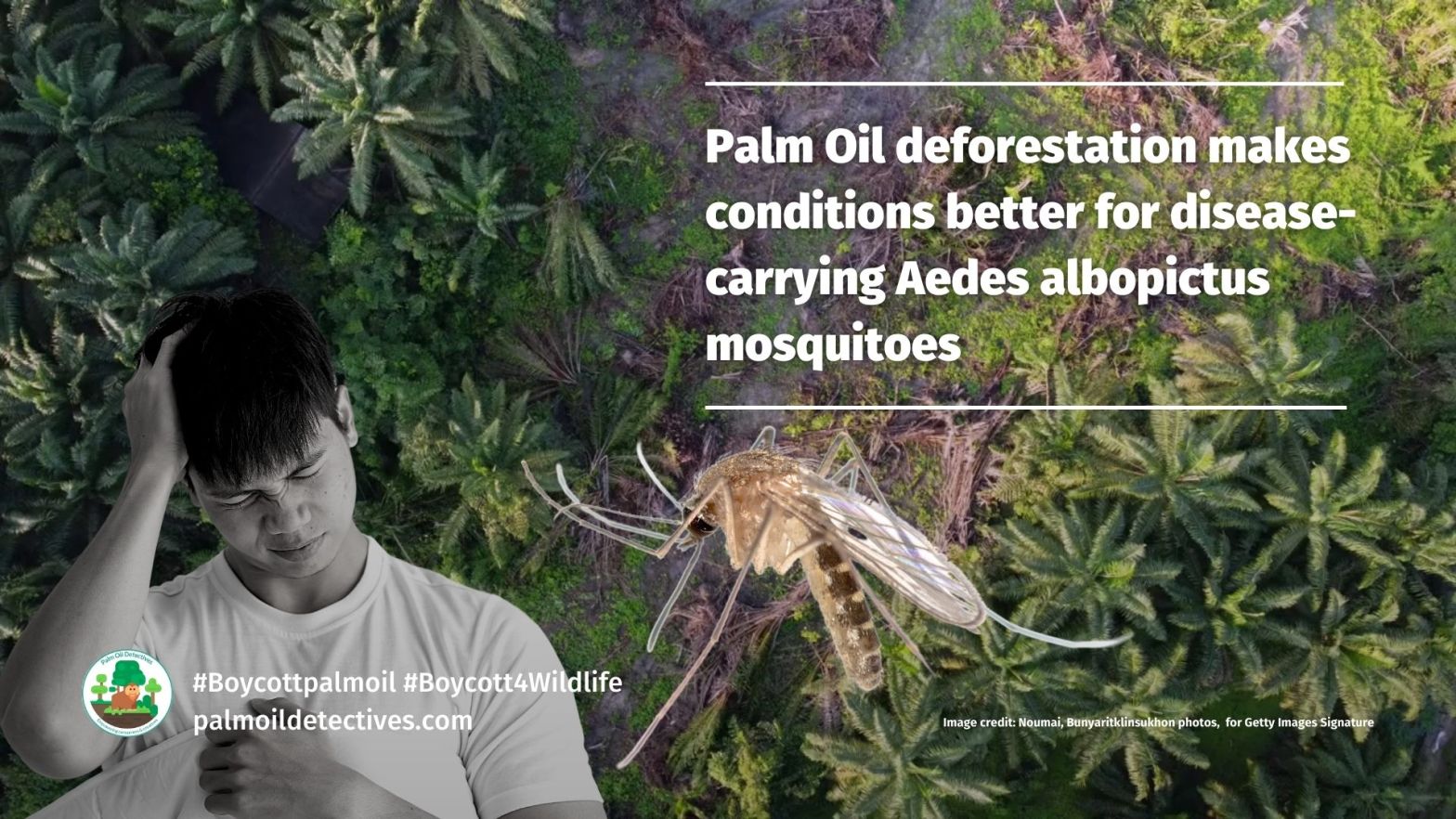
A 2023 study published in Nature has found that cutting down rainforest to grow palm oil makes it easier for certain disease-carrying bugs like Aedes albopictus mosquitoes to thrive.
The study looks at how these changes in land use affect the local weather and environment, which in turn makes it easier for the mosquitoes to complete their life cycle.
Specifically, turning forests into palm oil plantations can increase the chances of these mosquitoes growing by about 11%, which drops to around 5% as the palm oil plants mature. This could lead to more frequent outbreaks of diseases carried by these mosquitoes.
Aedes albopictus is known to transmit pathogens and viruses, such as the Yellow Fever, Dengue Fever, Chikungunya fever and Usutu virus.
The study suggests careful policy-making and planning is urgently needed to assess how we use land, balancing the need for palm oil farming.
There are strong inherent risks to public health from palm oil agriculture and vector-borne diseases. #Boycottpalmoil
Vegan Palm Oil Free Christmas Recipes

Boycott palm oil this Christmas 🎅🎄 with 10 yummy, #palmoilfree and #Vegan #recipes 🦧🦏🐘🐒🐍 and your #health 🥦🍆 #Boycottpalmoil #Boycott4Wildlife
Preventing Pandemics: Cheaper Than Controlling Them
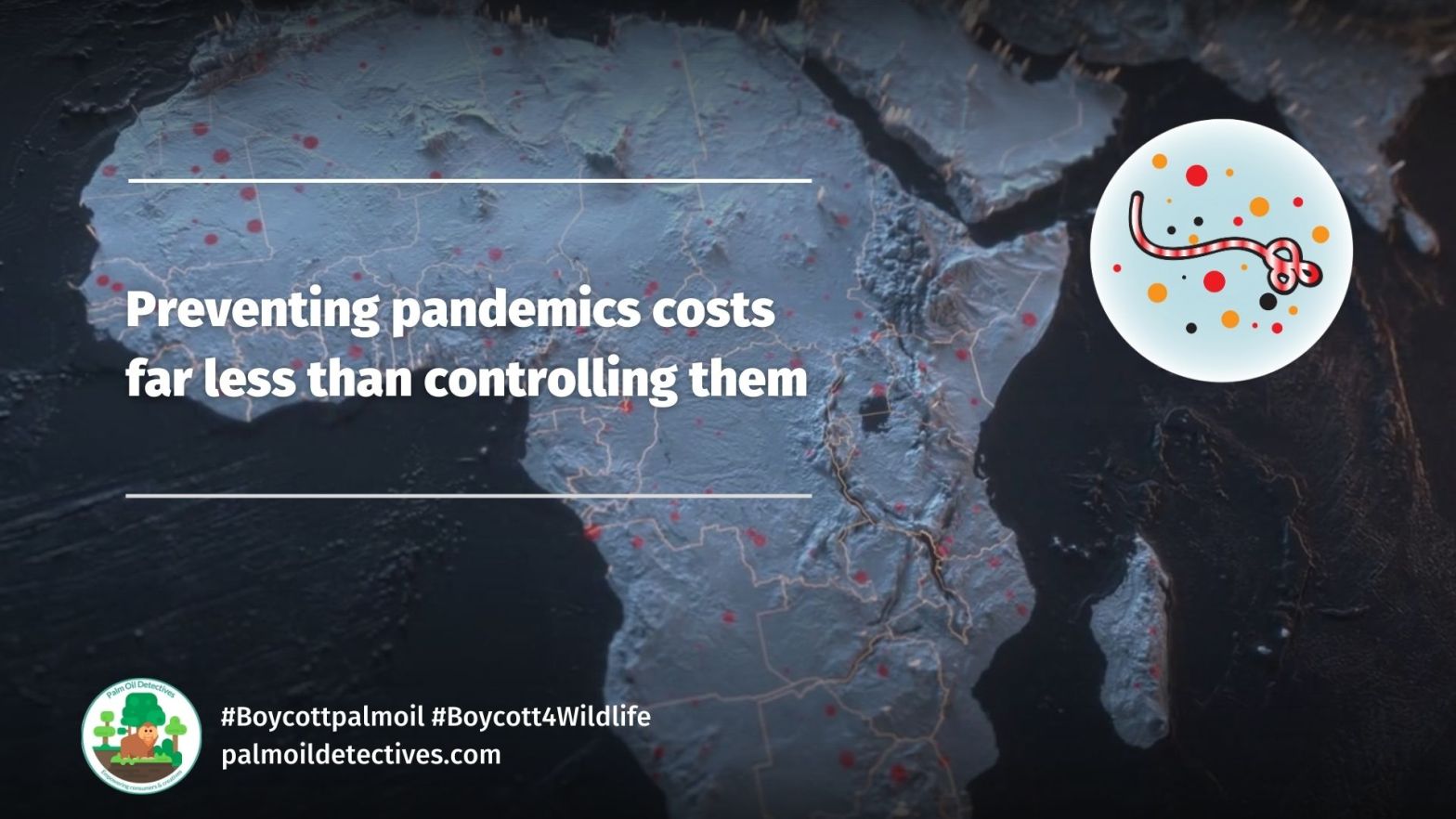
“It turns out prevention of #pandemics really is the best medicine. We estimate we could greatly reduce the likelihood of another pandemic occuring by investing as little as 1/20th of the losses incurred so far from COVID into [#wildlife and #rainforest] conservation measures designed to help stop the spread of these viruses from wildlife to humans in the first place.” Professor Stuart Pimm, Doris Duke Professor of Conservation Ecology at Duke University, who was co-lead author of the study. Fight against extinction every time you shop #BoycottPalmOil #Boycott4Wildlife
The right for nature to simply exist is clear – the movement to enshrine this into law is growing

The idea that nature — forests , rivers, mountains — could have rights, in the same way that human rights, or corporate rights exist has been building momentum. A historic global agreement has been reached to try to protect the plants and animals of this world from further demise.
NHS Health Guide: Lower Your Cholesterol – Reduce Palm Oil and Other Saturated Fats
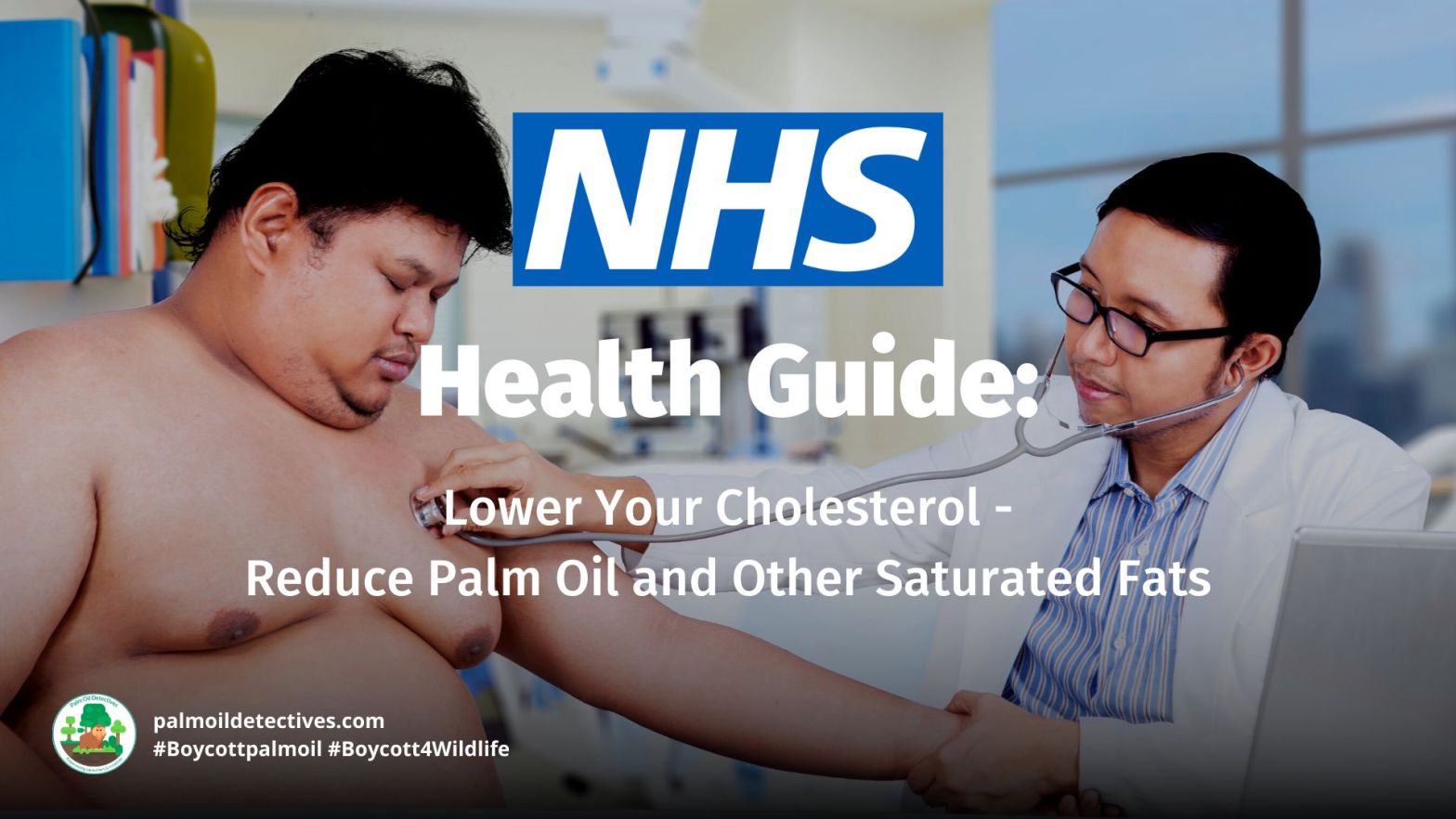
The National Health Service (NHS) is the UK government’s public health service. In this factsheet, they recommend people limit palm oil, meat, dairy and other saturated fats in their diets.
For optimal health, the NHS recommends people to adopt a largely palm oil free, plant-based diet rich in diverse plants and wholegrain foods. Adopting this diet along with exercising regularly and limiting alcohol and cigarettes substantially reduces one’s risk of dying of heart disease, stroke, diabetes, cancer and obesity, as well as many chronic health conditions.
There are other benefits to adopting a palm oil free and plant-based diet. By doing this, you are refusing to sponsor palm oil related ecocide and human rights atrocities in the developing world. #Boycottpalmoil #Boycott4Wildlife
UN report says up to 850,000 animal viruses could be caught by humans, unless we protect nature
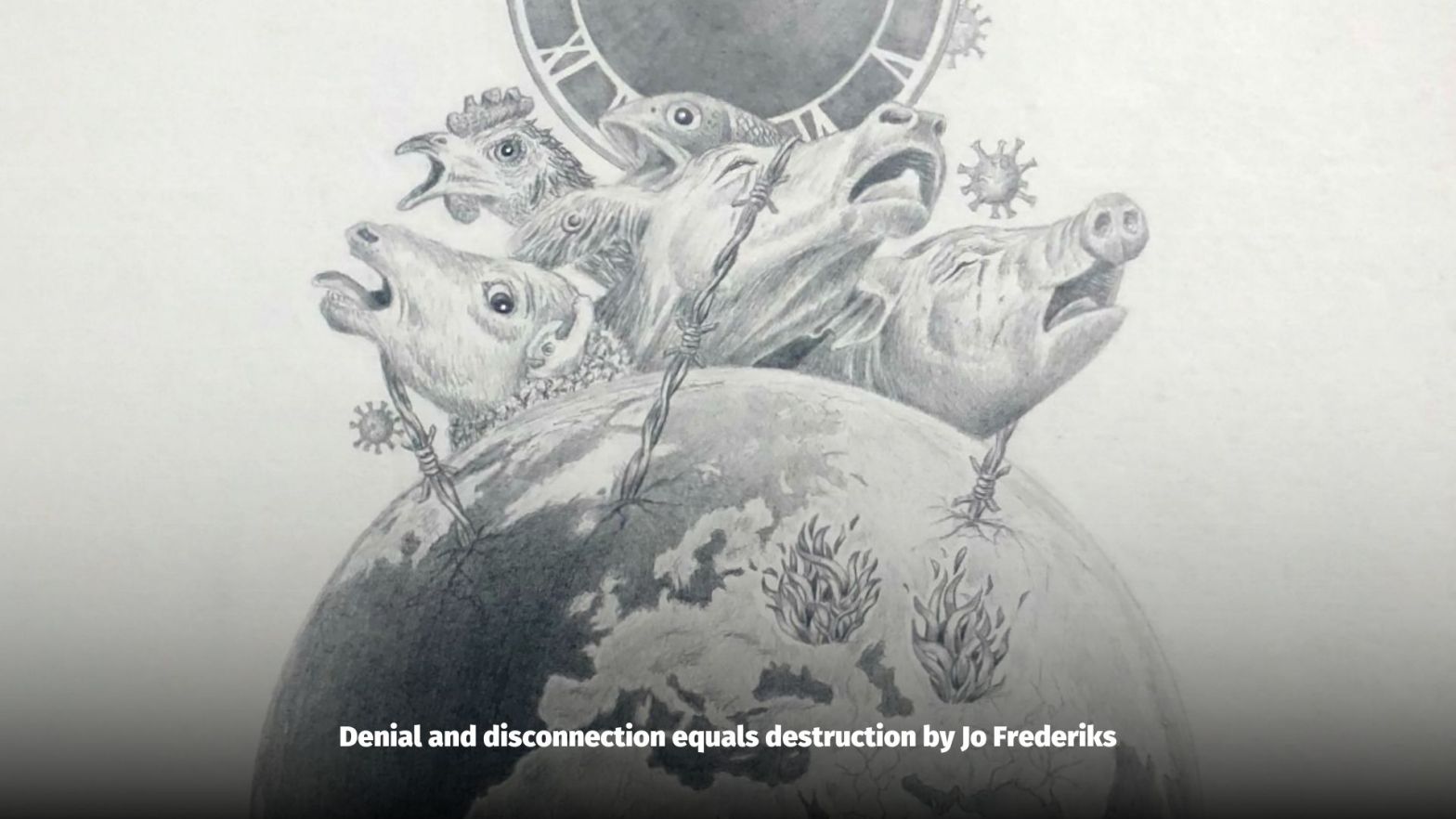
Human damage to biodiversity is leading us into a pandemic era. The virus that causes COVID-19, for example, is linked to similar viruses in bats, which may have been passed to humans via pangolins or another species.
Amazon Palm Oil: Top Brands Source from Amazon Destroyers

Expose the truth about brands like Nestlé, PepsiCo, and Unilever sourcing “sustainable” palm oil from Brazil linked to violence, abuses and fraud. Shame!
Palm oil substitutes can offer beleaguered rainforests a fighting chance
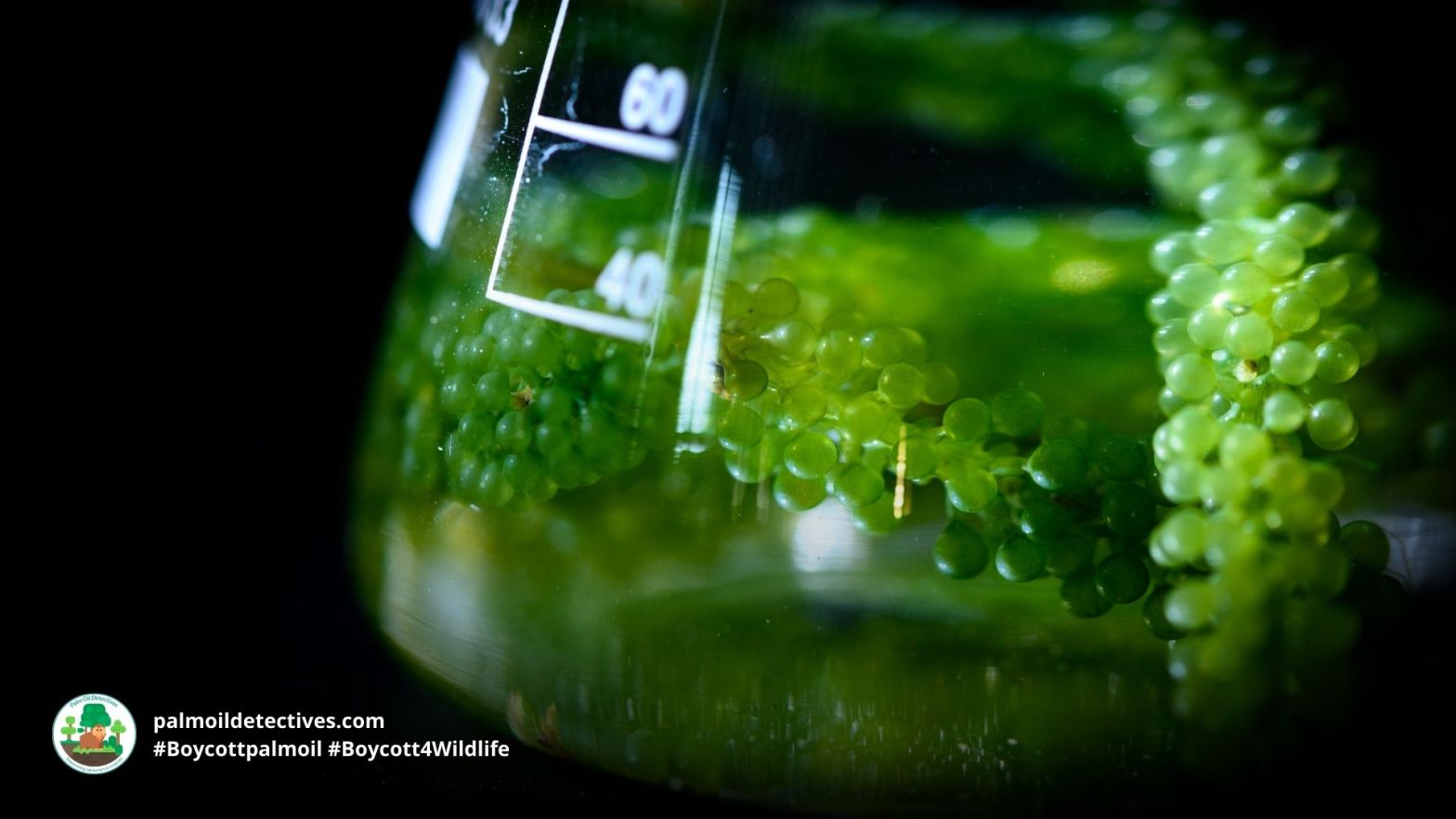
Palm oil is a versatile substance used in a wide range of products from foods to cosmetics. The trouble with it is that the cultivation of oil palm trees has caused massive enviromental harm, especially in Malaysia and Indonesia, which together account for 85% of palm oil production in the world.
But scientists from Nanyang Technological University in Singapore and the University of Malaya in Malaysia say they have an answer as to how we can wean ourselves off palm oil.
Four Things to Know about Cholesterol

Cholesterol is among the most feared substances, but why? You need cholesterol to produce some hormones and to build vital structures in your body. But too much-referred to as high cholesterol-can build up in your arteries and lead to heart attack, stroke, and other cardiovascular diseases. That’s why it’s important to get tested and knowContinue reading “Four Things to Know about Cholesterol”
What is causing the latest outbreak of Ebola in Uganda?
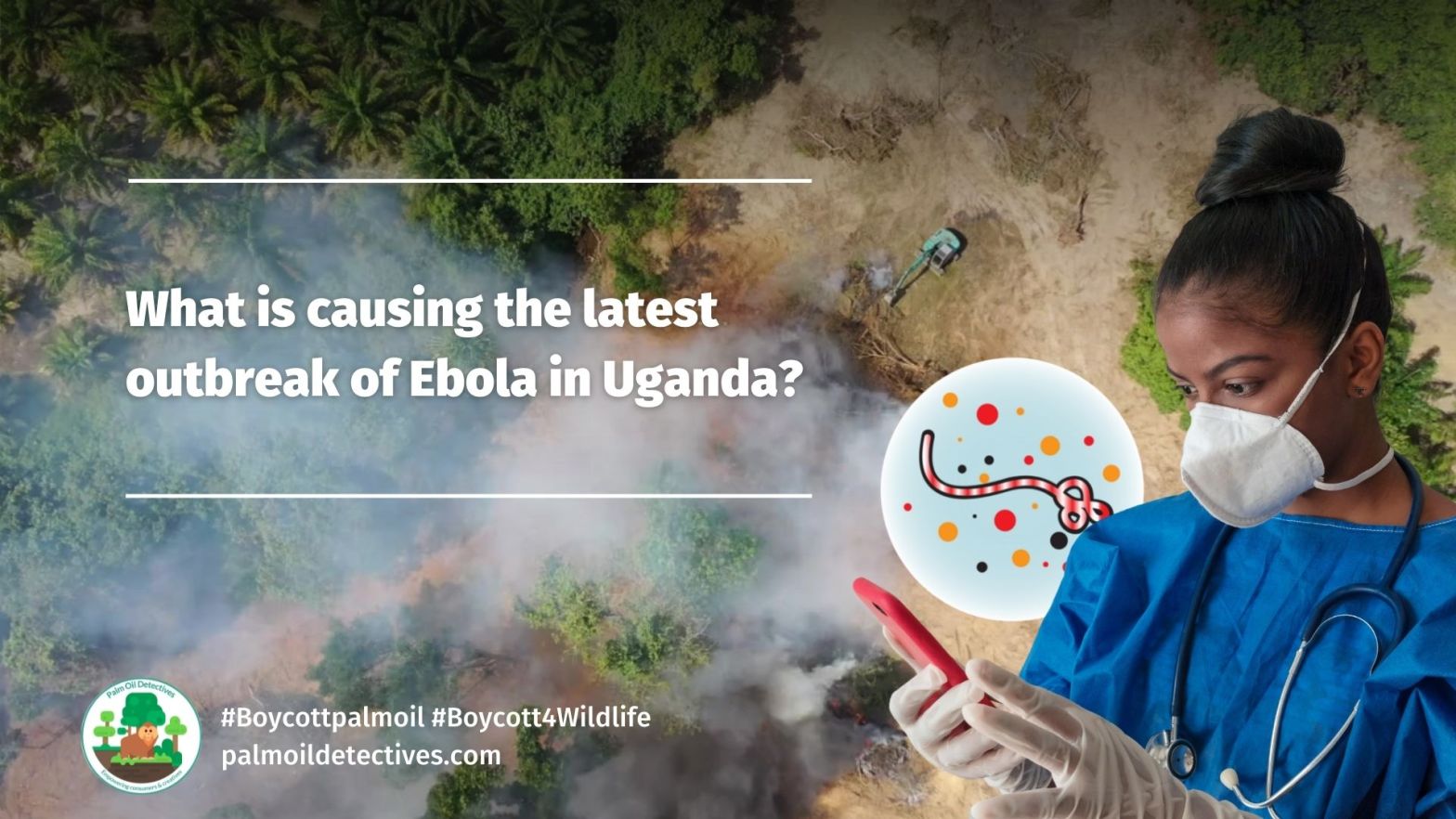
In light of the most recent Ebola outbreak in Uganda (over the past month), many people are experiencing a sense of déjà vu. The rapacious destruction of rainforests for palm oil, soy, meat and dairy by multinational corporations is deeply linked to the spread of infectious zoonotic diseases, such as Ebola. These diseases are becoming more and more commonplace with the destruction of the environment and growth of animal agriculture. This has enormous implications for human #health, food security, animal conservation and planetary health. #BoycottPalmOil #Boycott4Wildlife
Seaweed is high in vitamins and minerals – but that’s not the only reason westerners should eat more of it
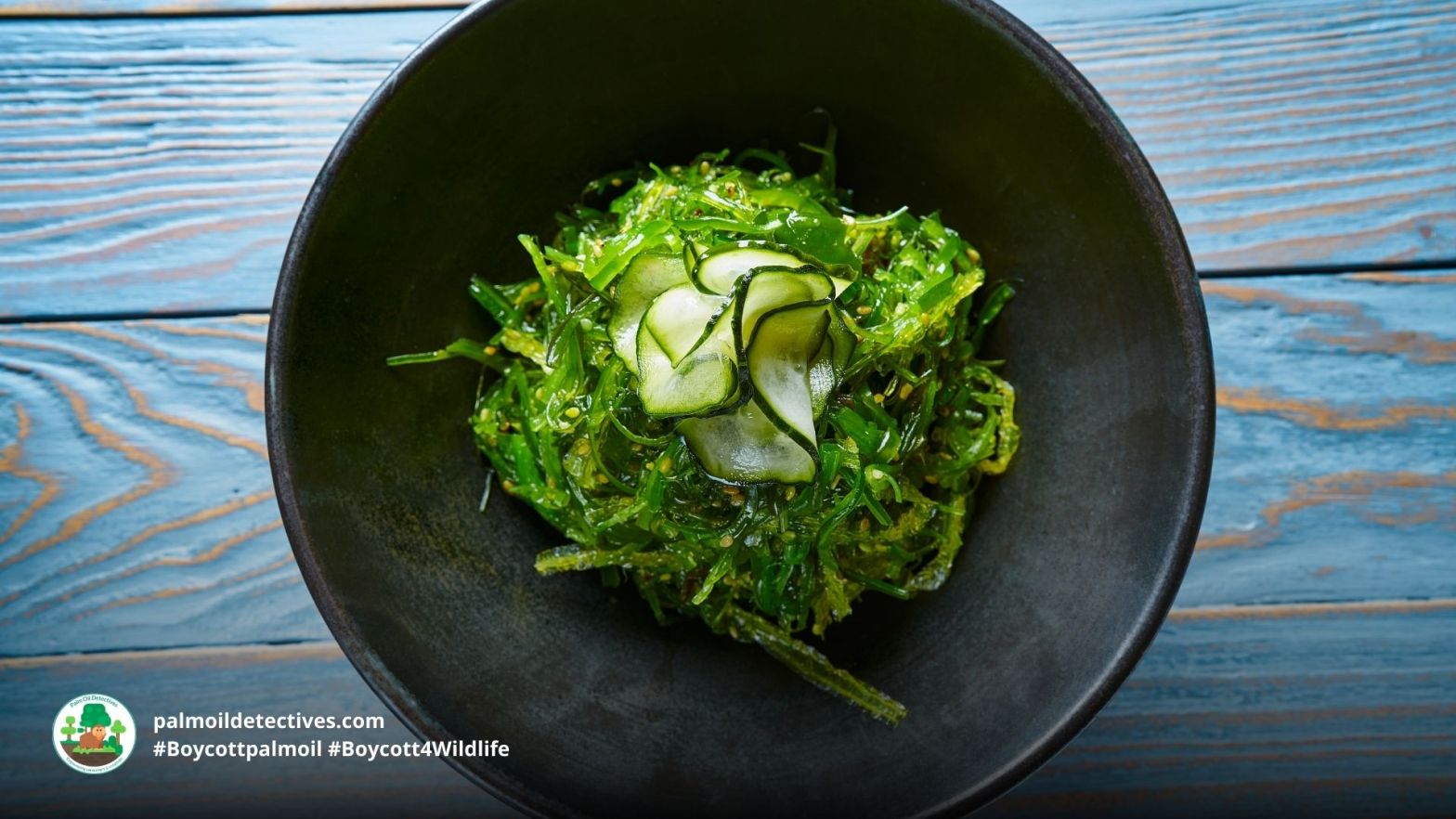
Edible seaweeds and algae – or sea vegetables – are a group of aquatic plants that are found in the ocean. Kelp, dulse, wakame and sea grapes are all types of seaweeds that are used in seaweed-based dishes. Seaweeds are a highly versatile and nutritious food source that can benefit our diet. Seaweeds are often rich in fibre and high in vitamins and minerals. This includes iodine and vitamin B12, which can be lacking in vegetarian and vegan diets.
Research: Zoonotic Disease Outbreaks Linked to Forest Cover and Palm Oil Expansion
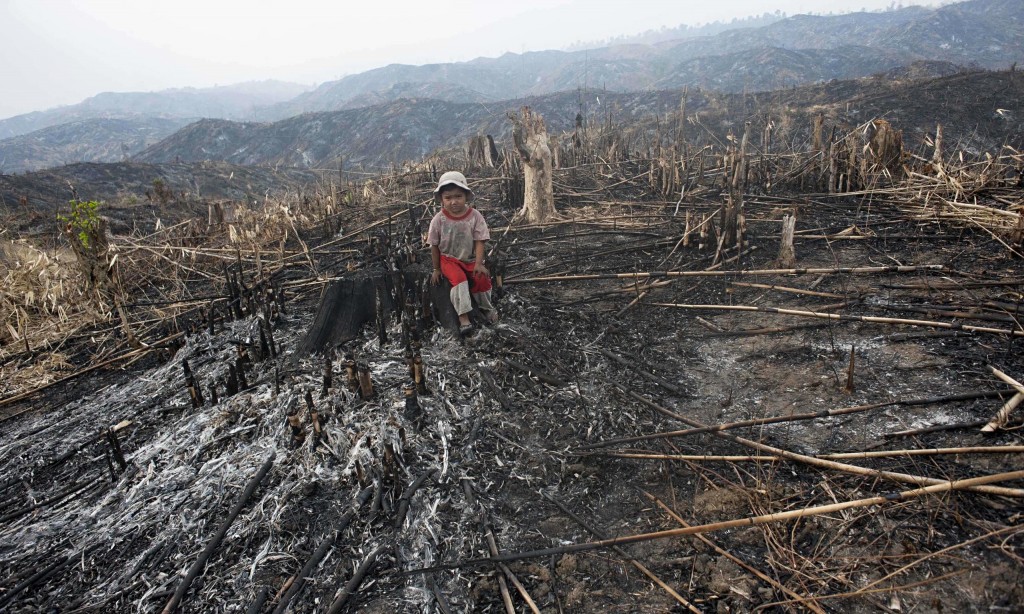
#Research finds that #deforestation is a major cause of #biodiversity loss with a negative impact on human health. Outbreaks of vector-borne #zoonotic #diseases are associated with increases in areas of #palmoil plantations.
Demand for meat is driving deforestation in Brazil – changing the soy industry could stop it
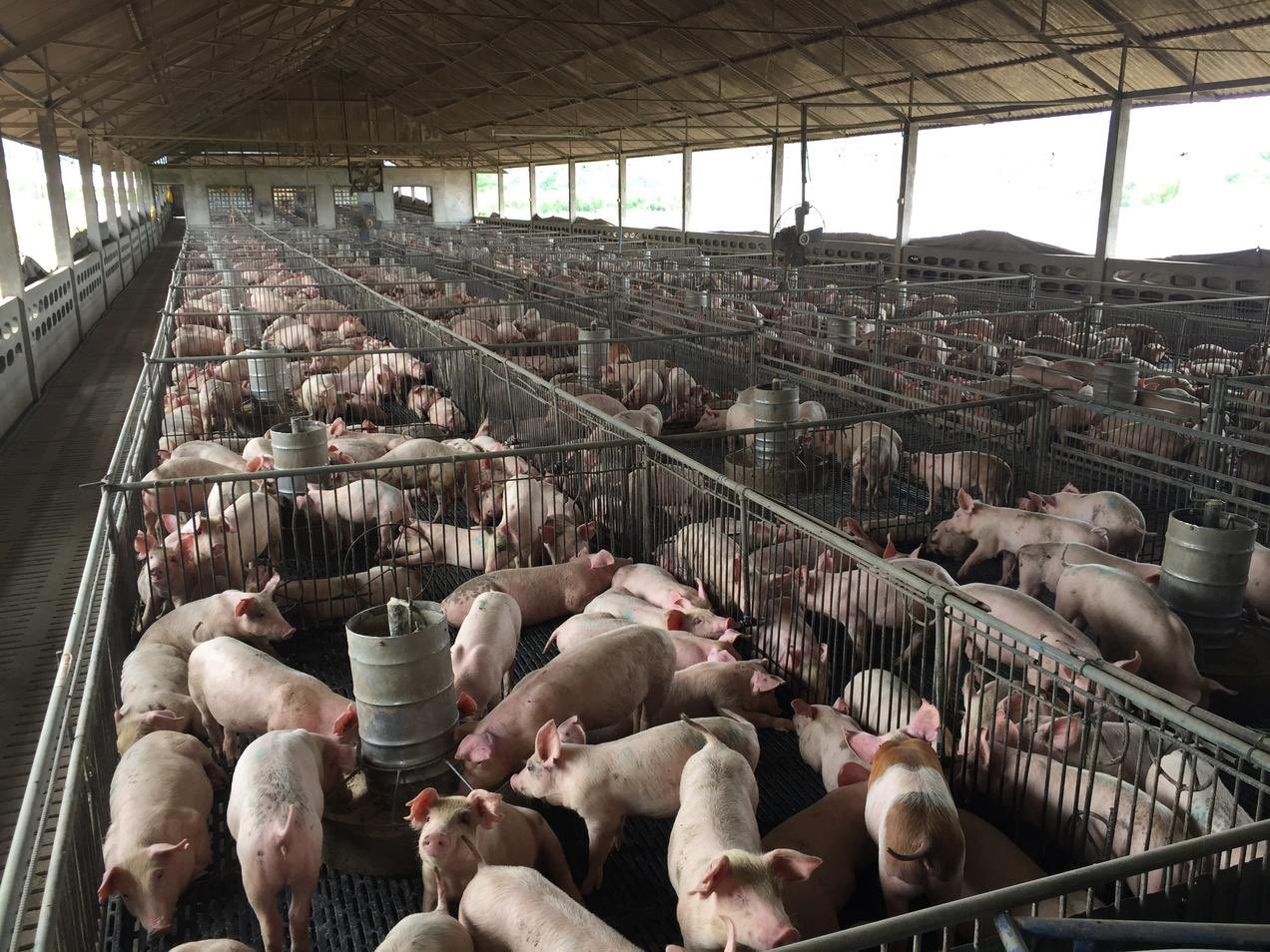
For many people, soy as a commodity has a pretty innocuous reputation thanks to its association with vegan food and meat alternatives. However don’t be fooled – crops of this pale legume are behind much of Brazil’s epidemic of deforestation. Much more #soy is fed to farm animals that people eat than is used in vegan food. Since 2000, #Brazil has doubled its total area of soy plantation to 36 million hectares and become the world’s largest producer. This expansion has erased vast swathes of forest and other habitats in some of the country’s most biodiverse regions. Soy, along with palm oil and meat deforestation are the biggest land-hungry commodities in South America and threaten the world’s largest rainforest biosphere. Help fight against this ecocide every time you shop, be #vegan #BoycottPalmOil #Boycott4Wildlife
 Palm Oil Detectives