
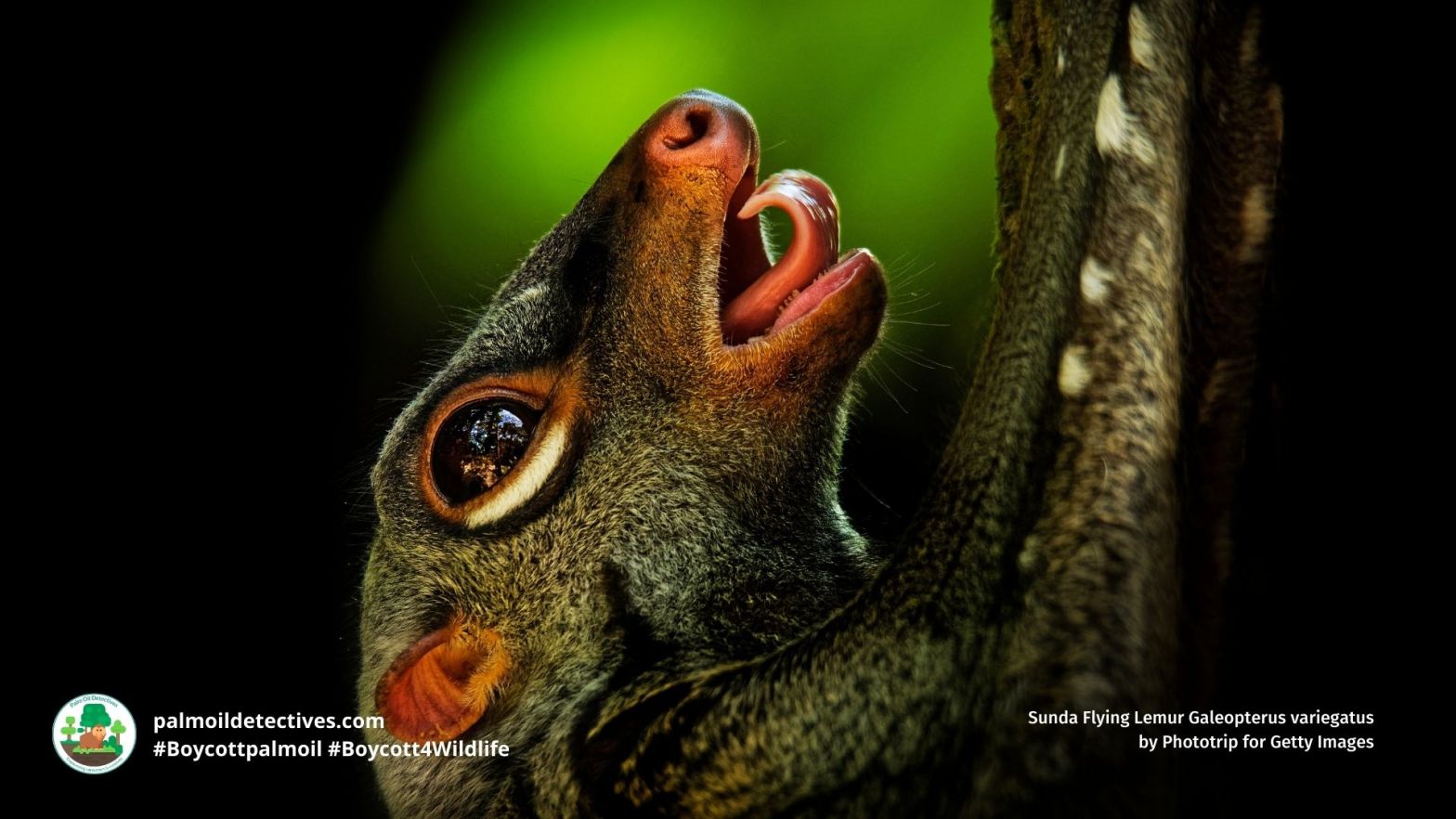
Sunda flying lemurs AKA Malayan colugos rely on ancient forests to survive, despite being skilful gliders, palm oil is a major threat, boycott palm oil!
Tag Archives: human wildlife conflict
Capped Langur Trachypithecus pileatus
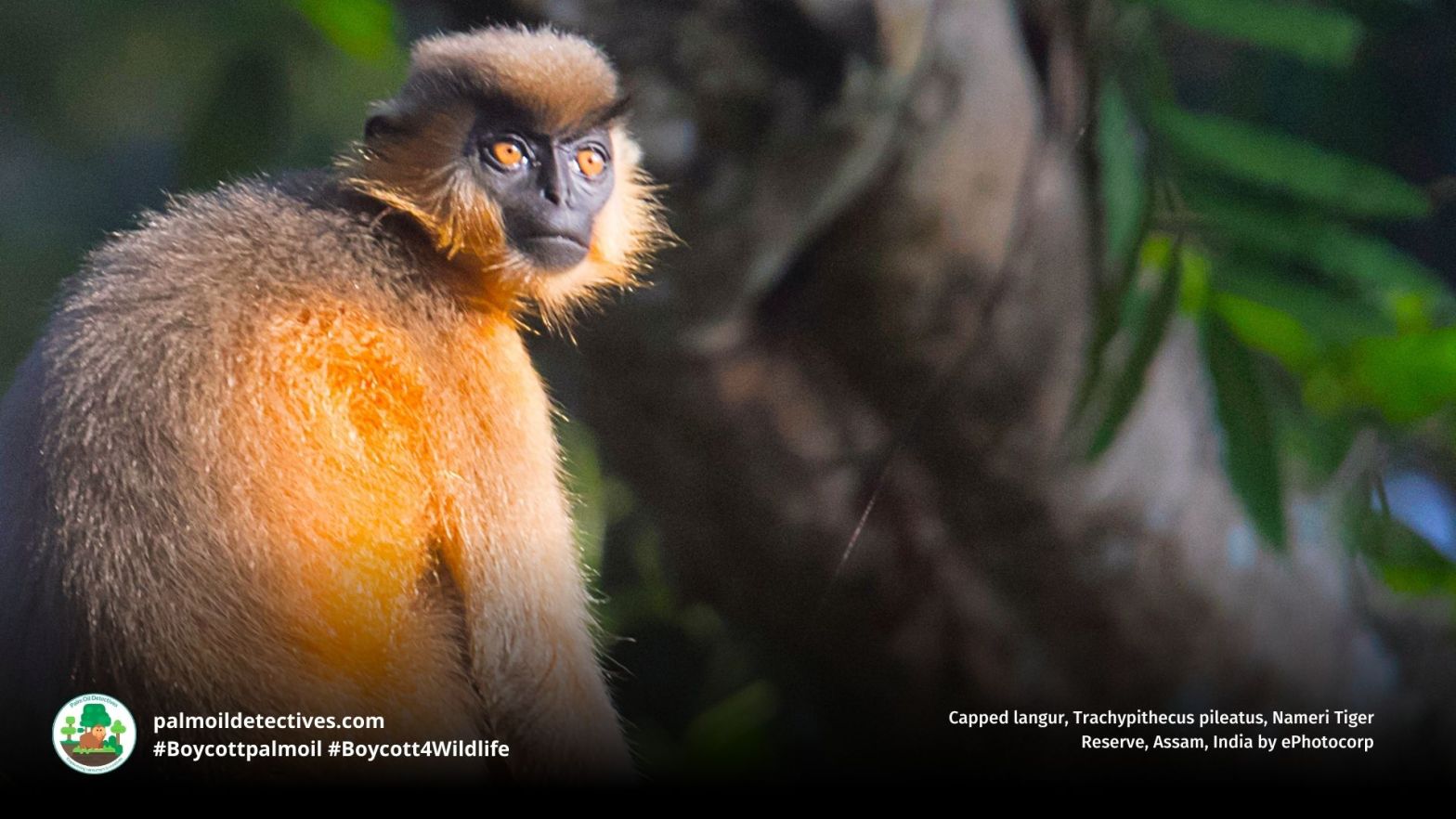
Capped langurs are found in India Bhutan Bangladesh and Myanmar, they are vulnerable from palm oil and other forms of deforestation. Take action for them!
Tucuxi Sotalia fluviatilis

Tucuxi, small freshwater dolphins of Peru Ecuador Colombia and Brazil are Endangered due to fishing nets, deforestation, mercury poisoning from gold mining.
Grey Crowned Crane Balearica regulorum

Endangered Grey Crowned Cranes are a regal and graceful bird of Uganda, Tanzania, DRC, and Namibia. Help them to survive and join the boycott4wildlife
Andean condor Vultur gryphus

The Andean condor Vultur gryphus is one of the largest flying #birds in the world, with a wingspan of up to 3.3 metres and a body weight of up to 15 kilograms. These amazing birds are able to soar for up to five hours and cruise for over 100 kilometres using wind currents, not flapping. They are primarily scavengers, feeding on carrion from large carcasses such as deer, cattle, and marine mammals. With a striking black plumage and distinct white ruff around their necks, they are iconic symbols of the #Andes mountains. Despite their impressive size and strength, Andean #condors are classified as #Vulnerable from human-related threats including habitat loss for #palmoil, #soy and #meat #deforestation. Farmers persecute these beautiful birds putting poison into animal carcasses. Their slow reproductive rate makes their survival even more challenging. These birds are critical for ecosystems, disposing carrion. Thus they prevent the spread of diseases. Help them to survive by simply changing your diet and buying habits. #BoycottMeat and be #vegan #Boycott4Wildlife
Sumatran Tiger Panthera tigris sondaica

The Sumatran tiger Panthera tigris sondaica is a critically endangered big cat, with less than 600 of their species alive in the wild today. Once living in Java and Bali, they are now only found in Sumatra, Indonesia. The smallest tiger species, they possess darker coats and narrower stripes than their mainland counterparts. Each pattern is as unique and distinct as a fingerprint. Sumatran Tigers face serious and grave threats from palm oil habitat destruction, poaching, and human-wildlife conflict. Sumatra’s ongoing deforestation, driven by palm oil and acacia plantations, continues to shrink their habitat. While illegal poaching for the wildlife trade is decimating their population. Conservation efforts are underway, but the future of this magnificent species hangs in the balance. You can help protect the Sumatran tiger every time you shop. Learn how to boycott palm oil on the Palm Oil Detectives website. Raise awareness of them on social media using the hashtags #BoycottPalmOil #Boycott4Wildlife.
Seven practical ways to stop a species wipeout

1 million #plants 🌾🌽🎍🍅 and #animals 🦏🦒🐅 are threatened. #Wildlife and #biodiversity are at a crossroads of #extinction. Here’s 7 practical ways to stop #species wipeout. Help them survive! #Boycottpalmoil 🌴☠️🚫 #Boycott4Wildlife
Bougainville Monkey-faced Bat Pteralopex anceps
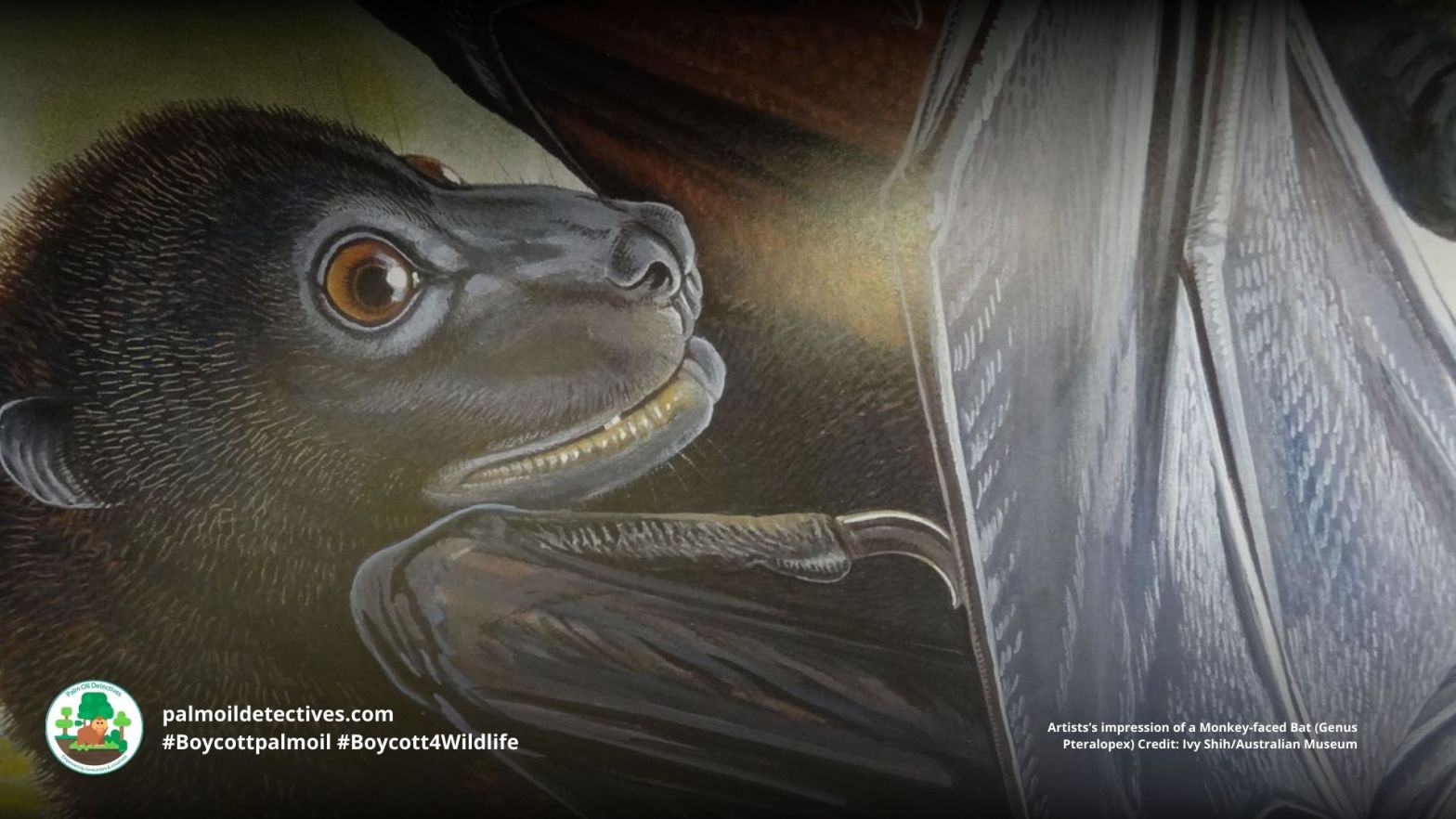
In the verdant, high-altitude forests of Bougainville Island, Papua New Guinea, and Choiseul Island, Solomon Islands, lives an intriguing creature—the Bougainville Monkey-faced bat or, as some call them, the Bougainville Flying Monkey. These bats are the titans of their family, boasting arm spans stretching impressively between 14.1 to 16 cm. They are endangered, mostly from palm oil and mining deforestation and hunting. Help them to survive every time you shop and #Boycottpalmoil #Boycott4Wildlife
Margay Leopardus wiedii
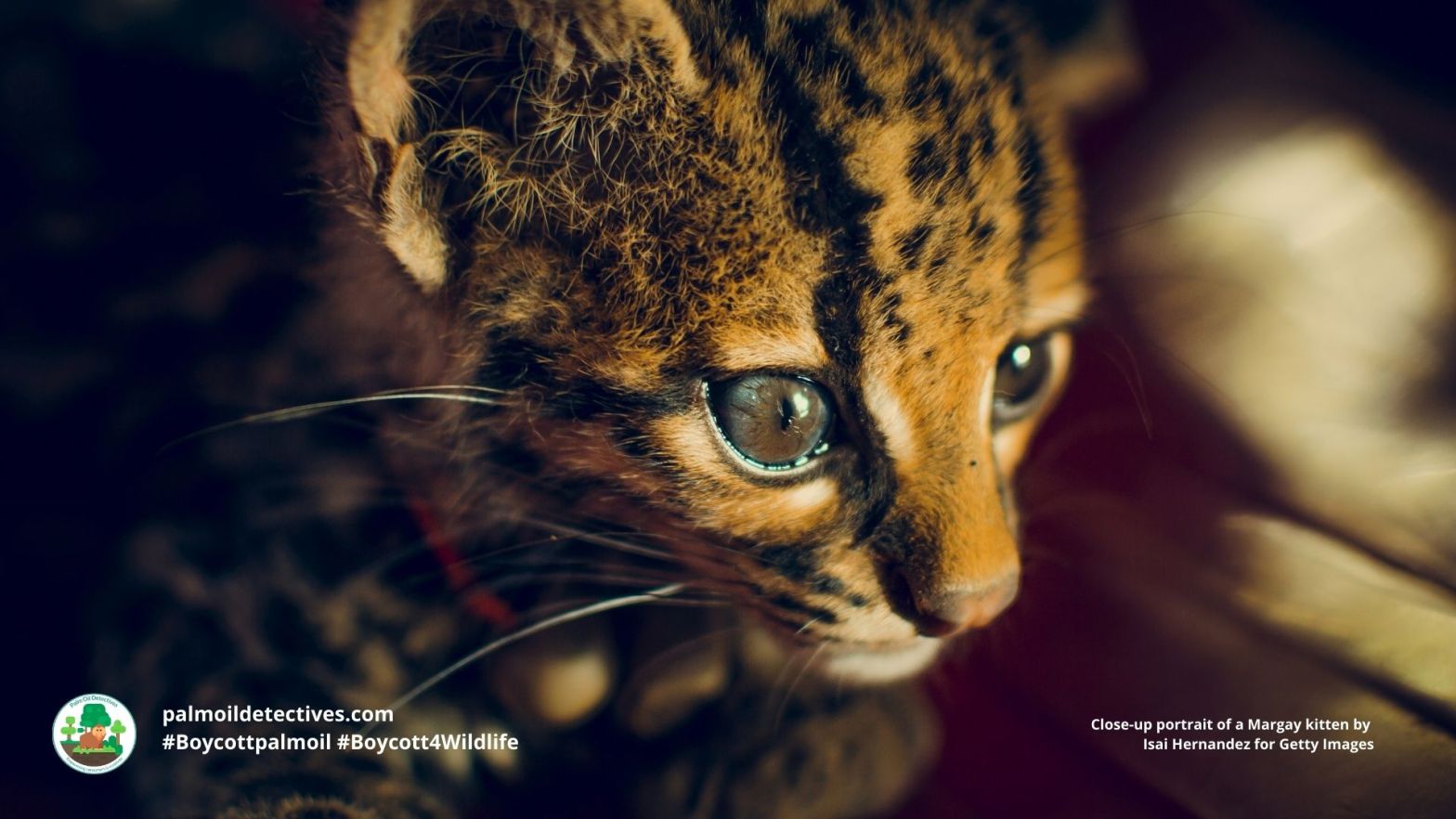
Graceful, athletic and beautiful feline of the Amazon jungle, margays are small wild cats endemic to South and Central America. Every margay has a unique spotted pattern on their coat. They depend heavily on the rainforest canopy for hunting small mammals, reptiles and amphibians and are thought to mimic the call of the pied tamarin in order to hunt for them. Deforestation for #palmoil, soy and meat along with illegal poaching are devastating to them. Help them every time you shop and be #vegan, #Boycottpalmoil #Boycott4Wildlife
Indian Rhinoceros (Greater One-horned Rhino) Rhinoceros unicornis
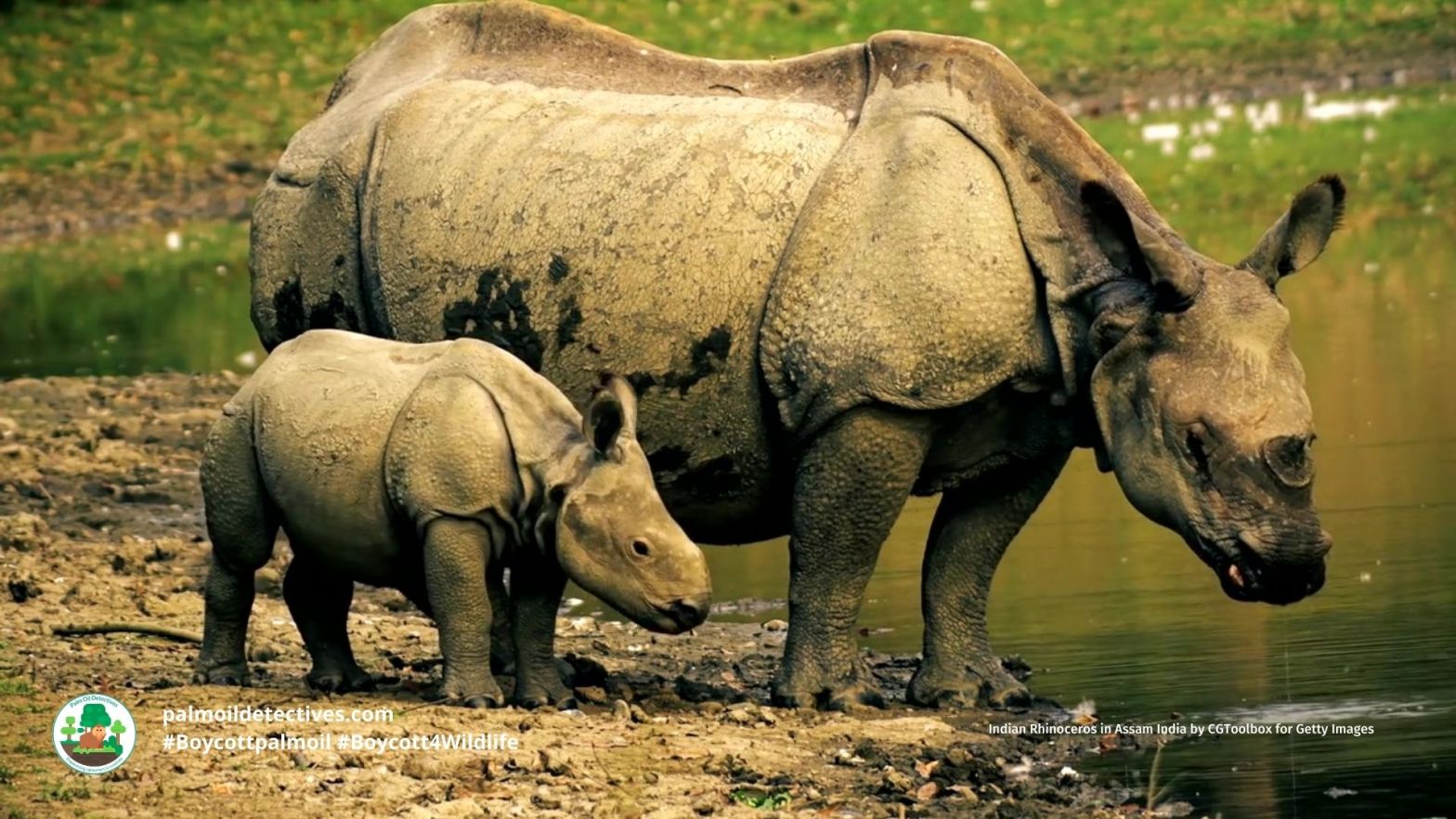
The largest of the three rhino species in Asia, the Indian Rhino has a distinctive and unique armour-plated look which lends them a fairytale quality that has captivated admirers for aeons. Although Indian rhino numbers have climbed over the past decades due to conservation, they are under imminent threat from the expansion of palm oil deforestation in the Assam region of India. A protected national park there is earmarked for destruction. Use your wallet as a weapon every time you shop and #Boycottpalmoil #Boycott4Wildlife
Barasingha Cervus duvauceli
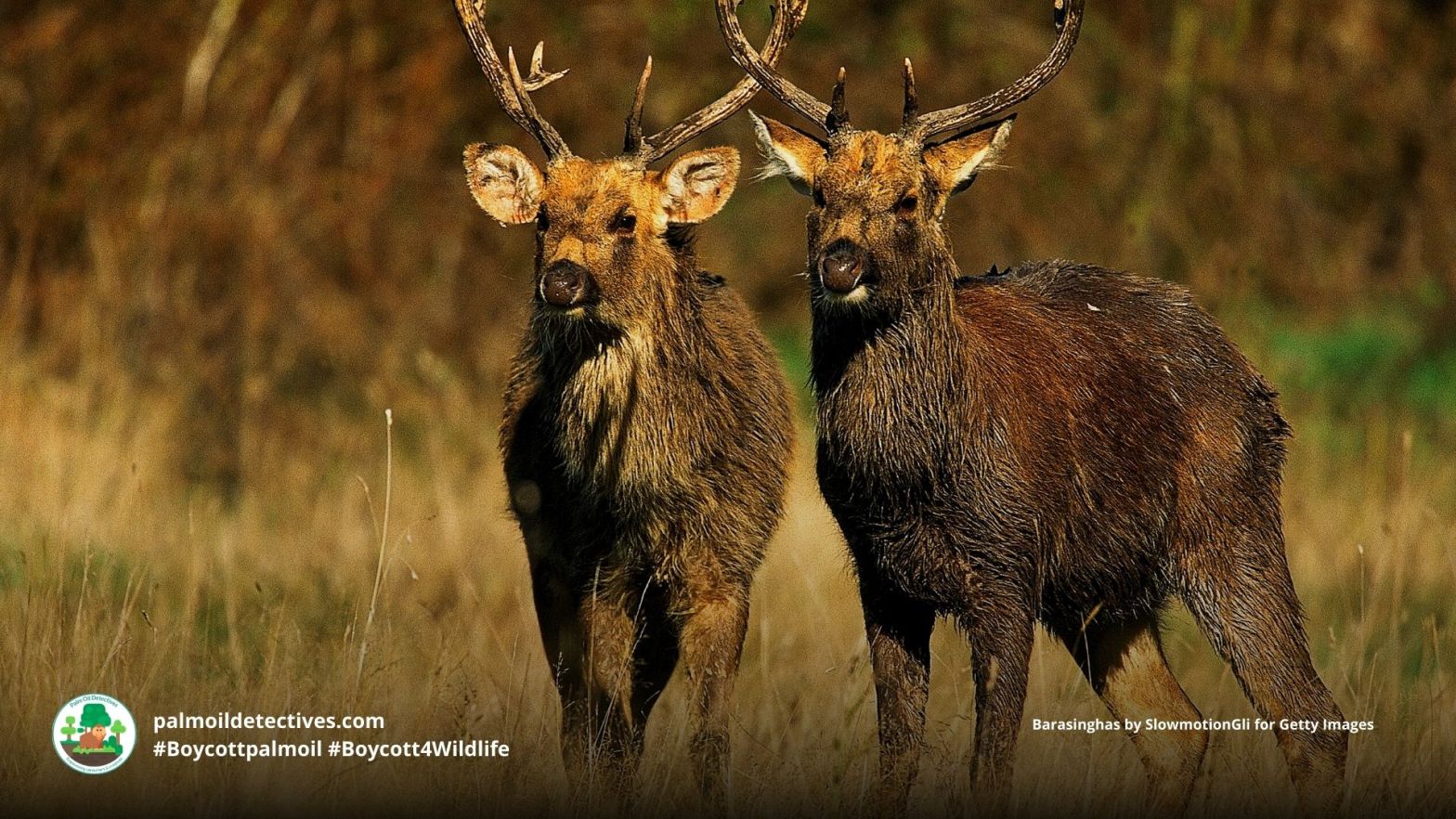
Barasinghas Cervus duvauceli also known as Swamp Deers, are instantly recognisable for their enormous handsome antlers. They can have as many as 12 antlers and their namesake Barasinghas means ’12 antlered deer’ in Hindi. They are now one of the most endangered deer species in the world due to habitat fragmentation for palm oil and beef, along with human persecution and hunting. The only remaining population live in protected sanctuaries in India and Nepal. The herd will be led by a single female and then followed by other females in a procession and then the males follow along at the rear of the group. Despite this, females are not dominant over the herd. These resilient, tough and majestic deer species are classified vulnerable on IUCN Red List. If you want to help them, adopt a #Vegan lifestyle and #BoycottPalmOil #Boycott4Wildlife in the supermarket!
Dhole Canis Cuon alpinus
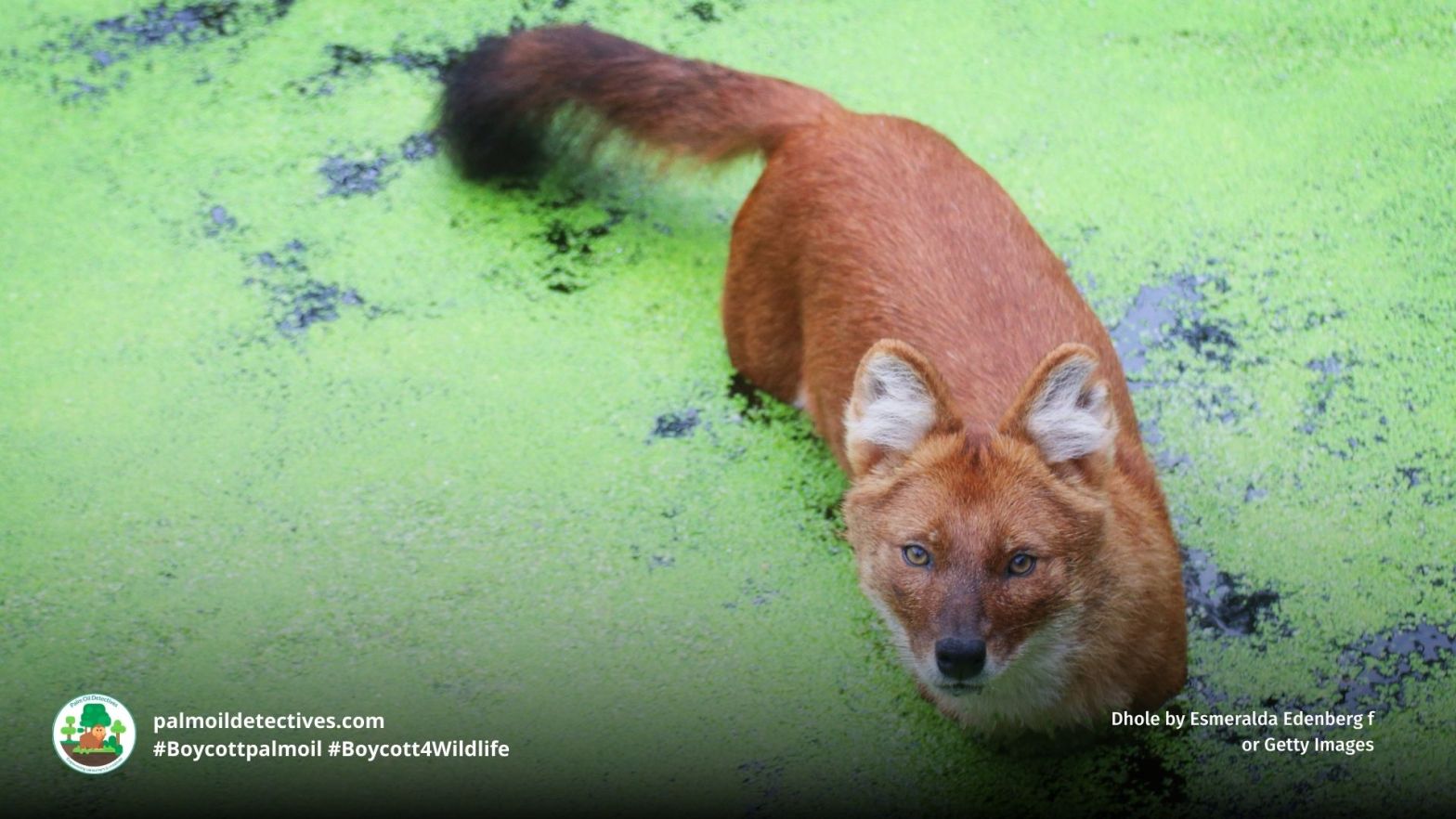
Fiercely protective, elusive and beautiful #Dholes are an ancient species of #wilddog that diverged from other dog species millions of years ago living in #Bangladesh, #Cambodia, #China, #India, #Indonesia, #Laos, #Myanmar, #Nepal and #Thailand. Dholes are also known as Asiatic Wild Dogs, Indian Wild Dogs, Red #Wolves and Mountain Wolves. Once found across the Russian Steppe, China, the Middle East and northern Asia their range has been fractured and reduced dramatically by human-related pressures and threats. Ongoing major threats are #deforestation for #meat and #palmoil along with human persecution. They are now classified as Endangered on IUCN Red List. Help them to survive, every time you shop #BoycottPalmOil #Boycott4Wildlife
Golden Langur Trachypithecus geei
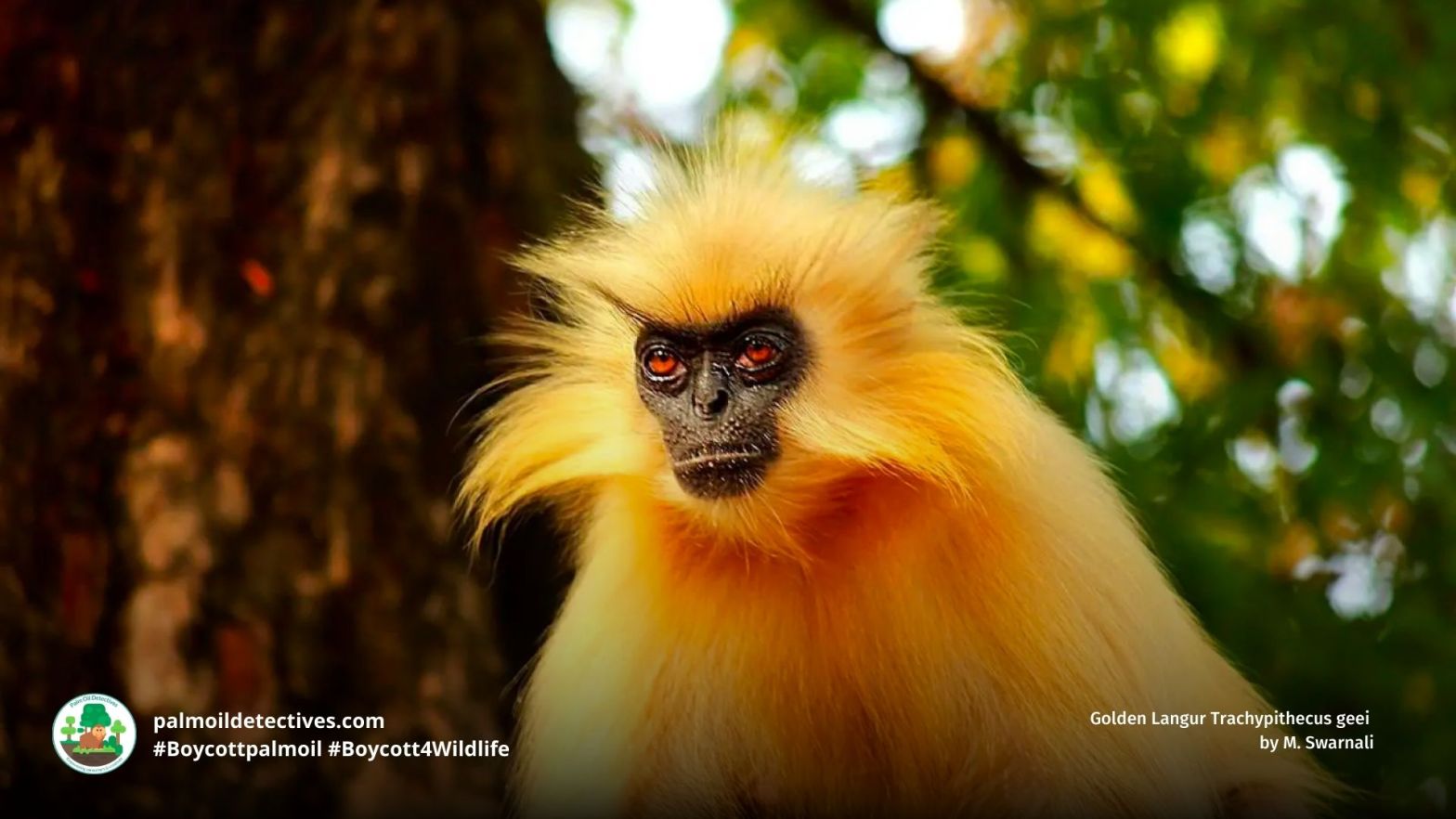
The regal, striking looking Golden #langurs Trachypithecus geei is also known by the common names Gee’s Golden #langur. They are the most endangered primate species in #India and are considered to be sacred to many Himalayan peoples. Once widespread, they are now only found in a handful of fragmented forests straddling India and Bhutan. They are classified as endangered due to #palmoil, #meat and #timber #deforestation and hunting. Golden langurs are known for their expressive eyes and grumpy expressions. This has made them the subject of global fascination and online memes. Help them every time you shop and be #vegan, #Boycottpalmoil and #Boycott4Wildlife
Fishing Cat Prionailurus viverrinus
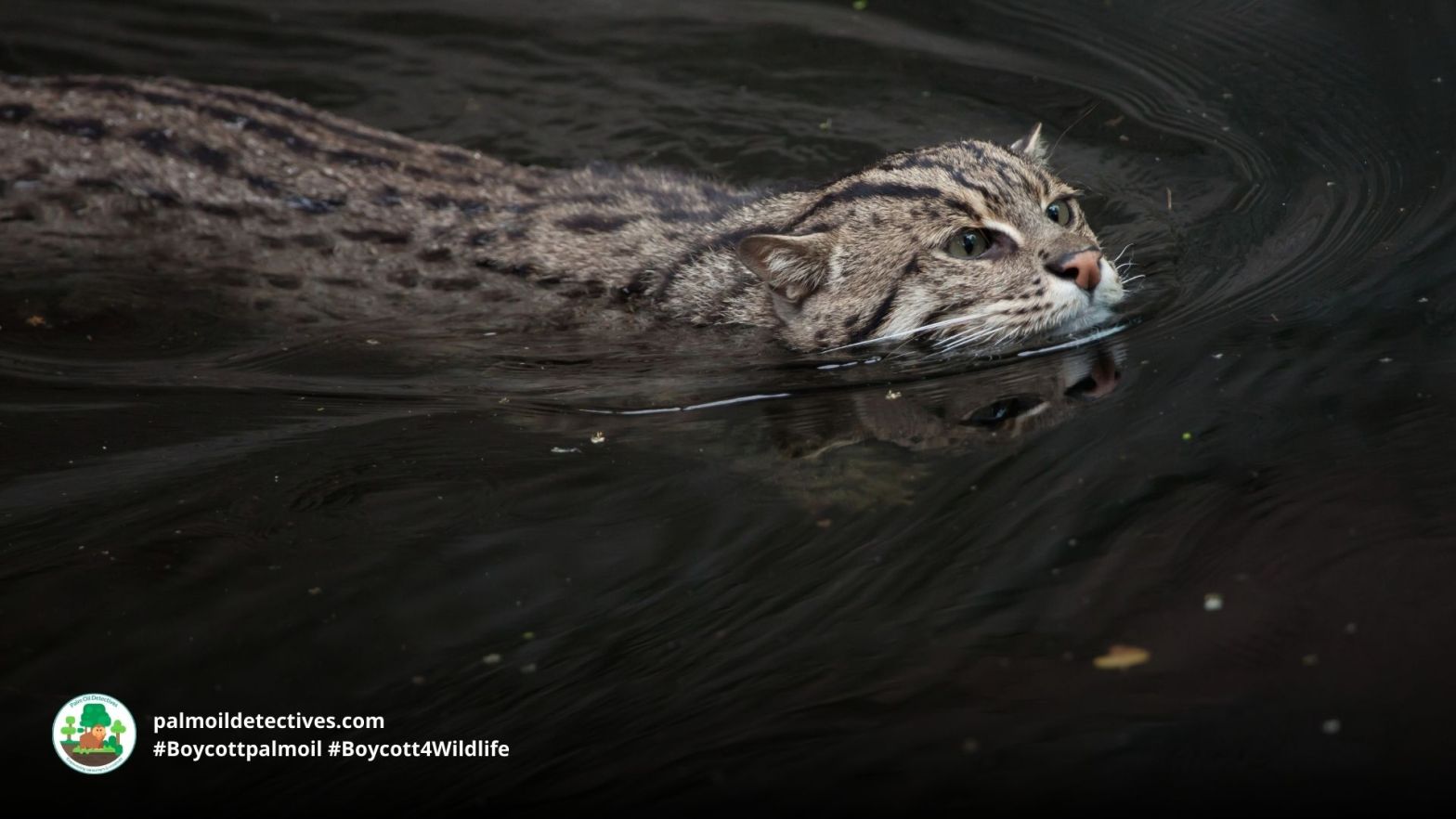
Although they look cute and cuddly, the Fishing #Cat Prionailurus viverrinus has a feisty, firecracker temper. This small to medium sized wild cat can become defensive if approached in the wild. They are around twice the size of a domestic cat and typically weigh around 5-16 kg and have stocky short legs and a short tail.
Their faces are round with elongated noses that gives them a civet-like appearance, which is why their scientific name is viverrine. They are agile and fast hunters and can reach fast speeds in pursuit of prey. They have an average lifespan of approximately 12 years. Ongoing threats include palm oil deforestation, and in Indonesia it is uncertain if their population have remained alive intact due to widespread deforestation and hunting pressures. Help these plucky little #wildcats when you shop and #BoycottPalmOil #Boycott4Wildlife
Spectacled Bear Tremarctos ornatus
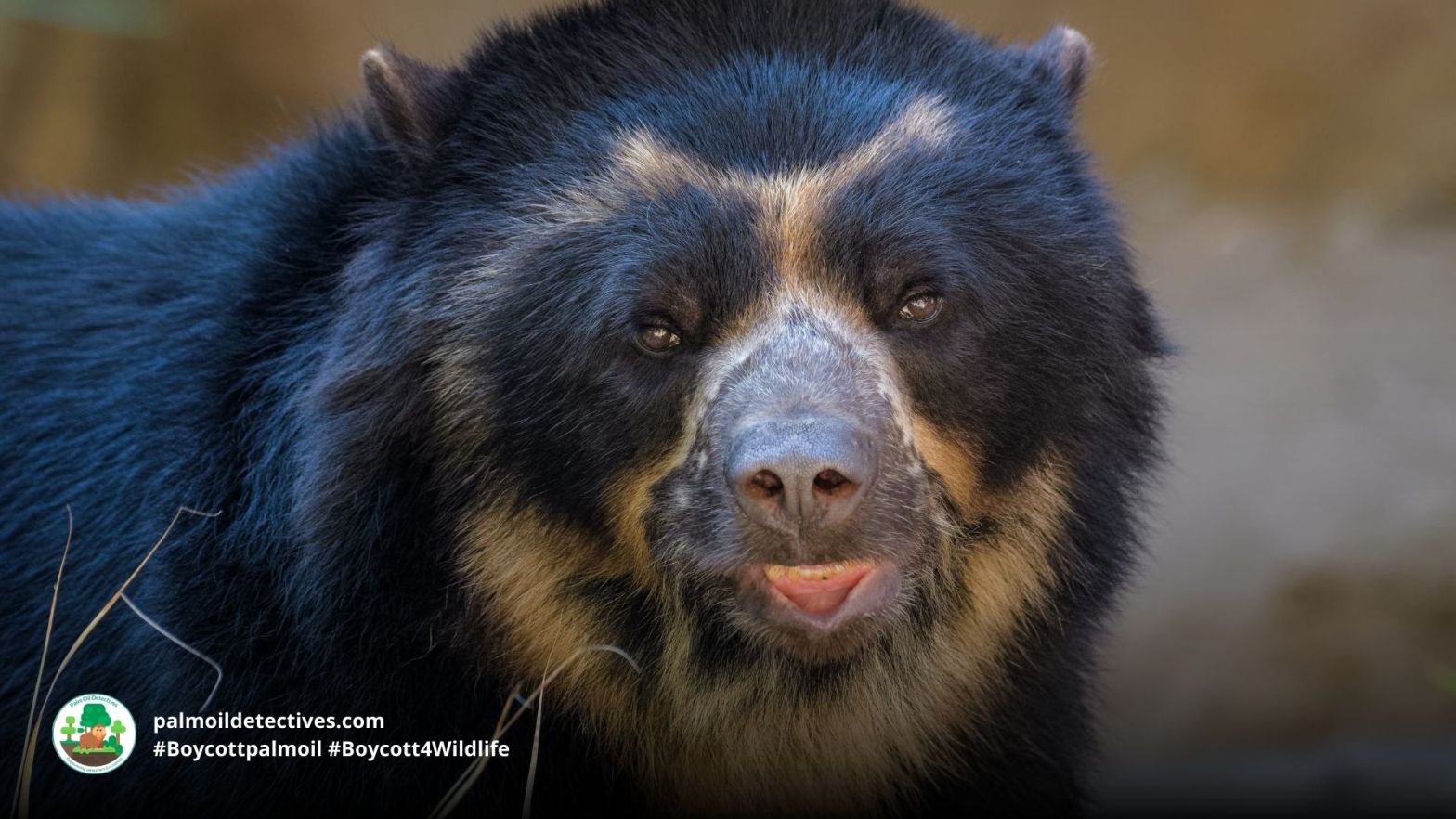
Spectacled #bears are known as the ‘peaceful and gentle bear’. They are the only bear living in the tropics of South America. Like many other animals in tropical ecosystems they are #endangered. They get their name from their eye-catching markings around their eyes, face and neck that resemble spectacles. Each bear has unique markings like a fingerprint and some bears don’t have them at all.
They are found throughout the thin line of Peruvian rainforest and their range stretches across several countries: Bolivia, Ecuador, Peru, Venezuela and Colombia. Their main threats are habitat loss to #gold #mining, timber, #meat, #palmoil and #soy as well as #hunting. Protect them each time you shop by being #boycotting meat, be #vegan #boycottpalmoil #Boycott4Wildlife
Research: Small room for compromise between oil palm cultivation and primate conservation in Africa
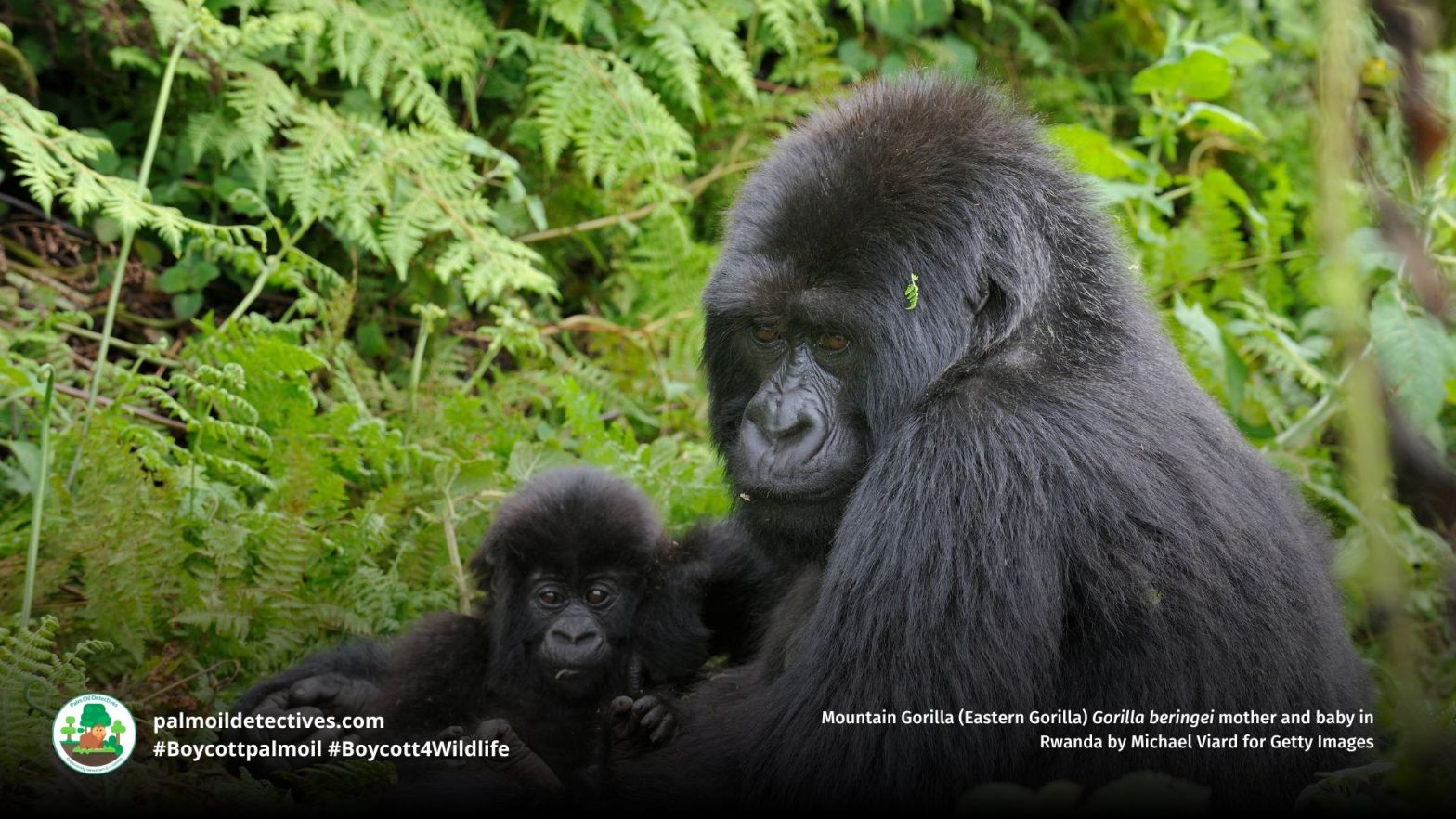
Research shows that future palm oil expansion is a major threat to Africa’s tropical forests and their rich primate biodiversity, Fight back boycott palm oil!
Primatologist Cleve Hicks on Chimpanzee cultures, Palm Oil deforestation

Dr Hicks speaks with Palm Oil Detectives about his chimpanzee research, veganism, deforestation, palm oil and what consumers can do to help the endangered animals of Africa.
Tana River Mangabey Cercocebus galeritus
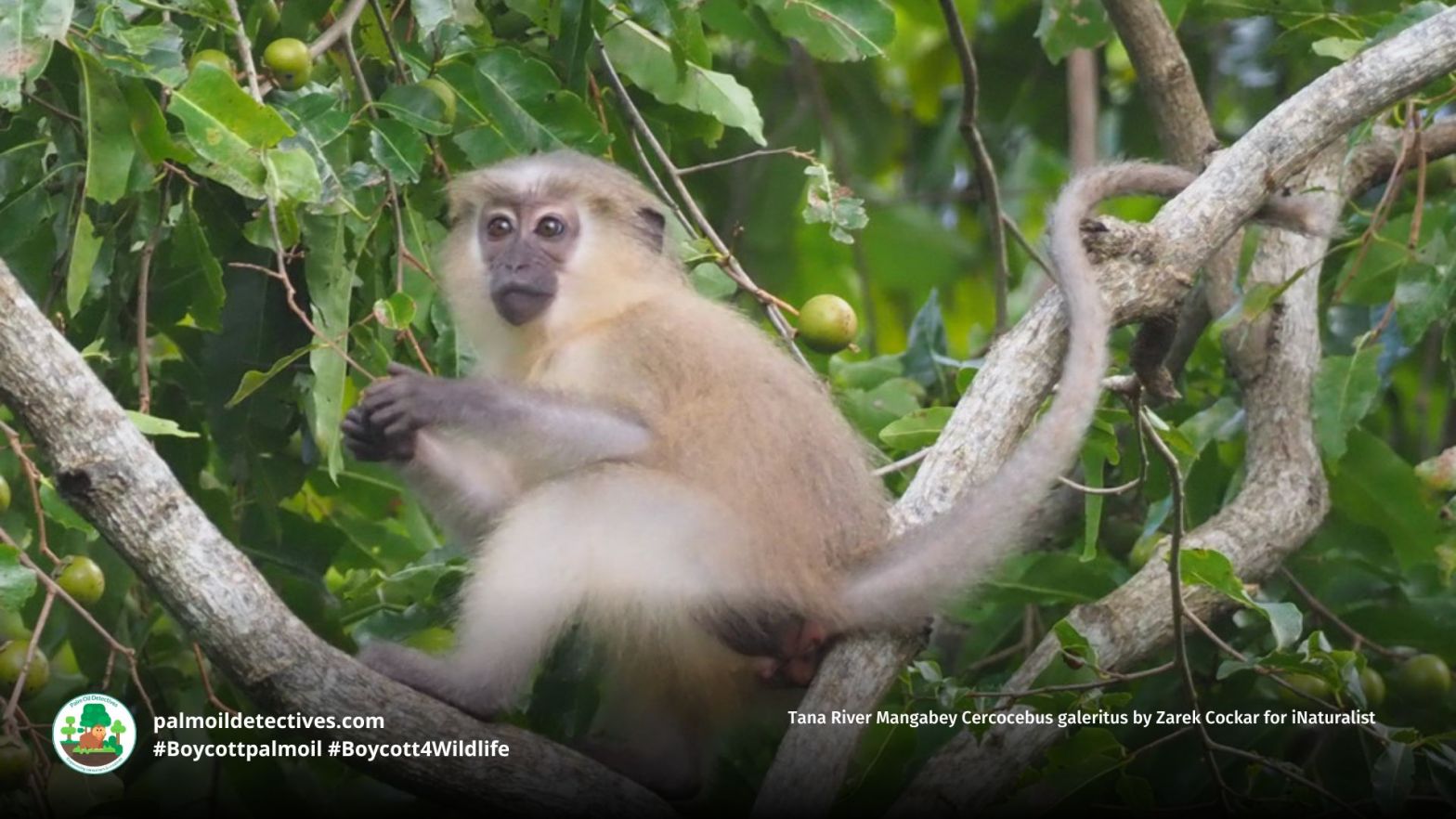
The Tana River Mangabey Cercocebus galeritus is a long-faced and slender old world monkey of #Kenya listed as Critically Endangered due to ongoing habitat destruction, dam construction, logging, and the degradation of floodplain forest ecosystems. Once protected by the Tana River #Primate Reserve, these #monkeys despite being key seed dispersers in their ecosystem are now more vulnerable than ever after the legal de-gazetting of their habitat. With only around 1,000 individuals remaining, this highly social and adaptable primate faces a devastating future unless urgent action is taken. Use your wallet as a weapon to end the destruction of their home. #BoycottPalmOil #Boycott4Wildlife #Vegan #BoycottMeat
Chimpanzee Pan troglodytes
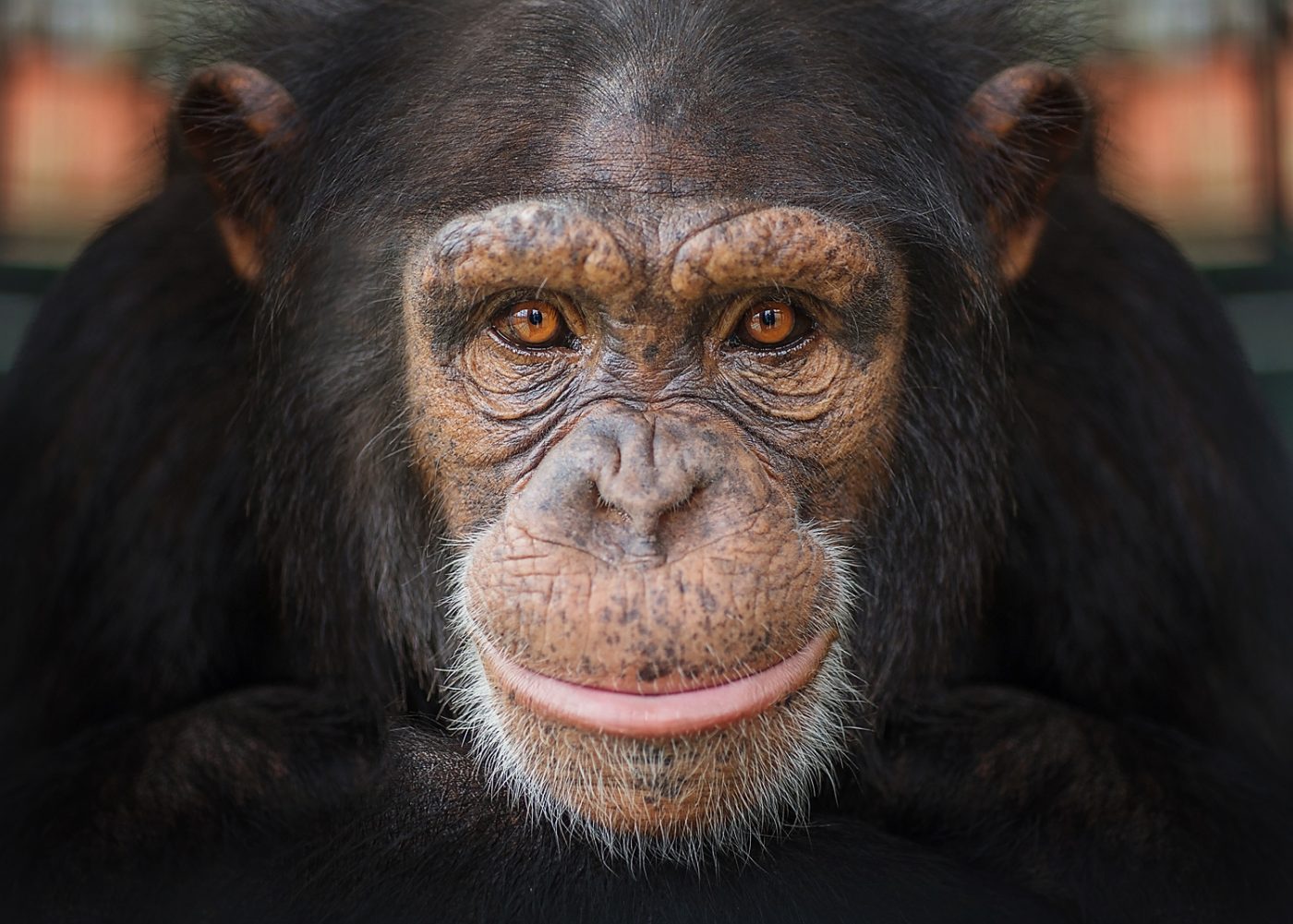
Chimpanzees (Pan troglodytes) are one of humanity’s closest living relatives and the most widespread of all great apes, with a vast historical range stretching across 21 African countries. Despite this, they are now classified as Endangered by the IUCN Red List due to catastrophic declines of more than 50% over a 75-year period, from 1975 to a projected 2050. These losses are driven by a lethal cocktail of threats: rampant poaching, habitat destruction for palm oil and logging, industrial mining, disease outbreaks like Ebola, and illegal trafficking. Subspecies such as P. t. ellioti have been reduced to only a few thousand individuals, while the once widespread P. t. verus is now Critically Endangered. Protecting them means dismantling the extractive industries that are ripping Africa’s forests apart such as the meat industry and palm oil industry. Help them when you #BoycottPalmOil #Boycott4Wildlife and be #Vegan #BoycottMeat
Leopard Panthera pardus
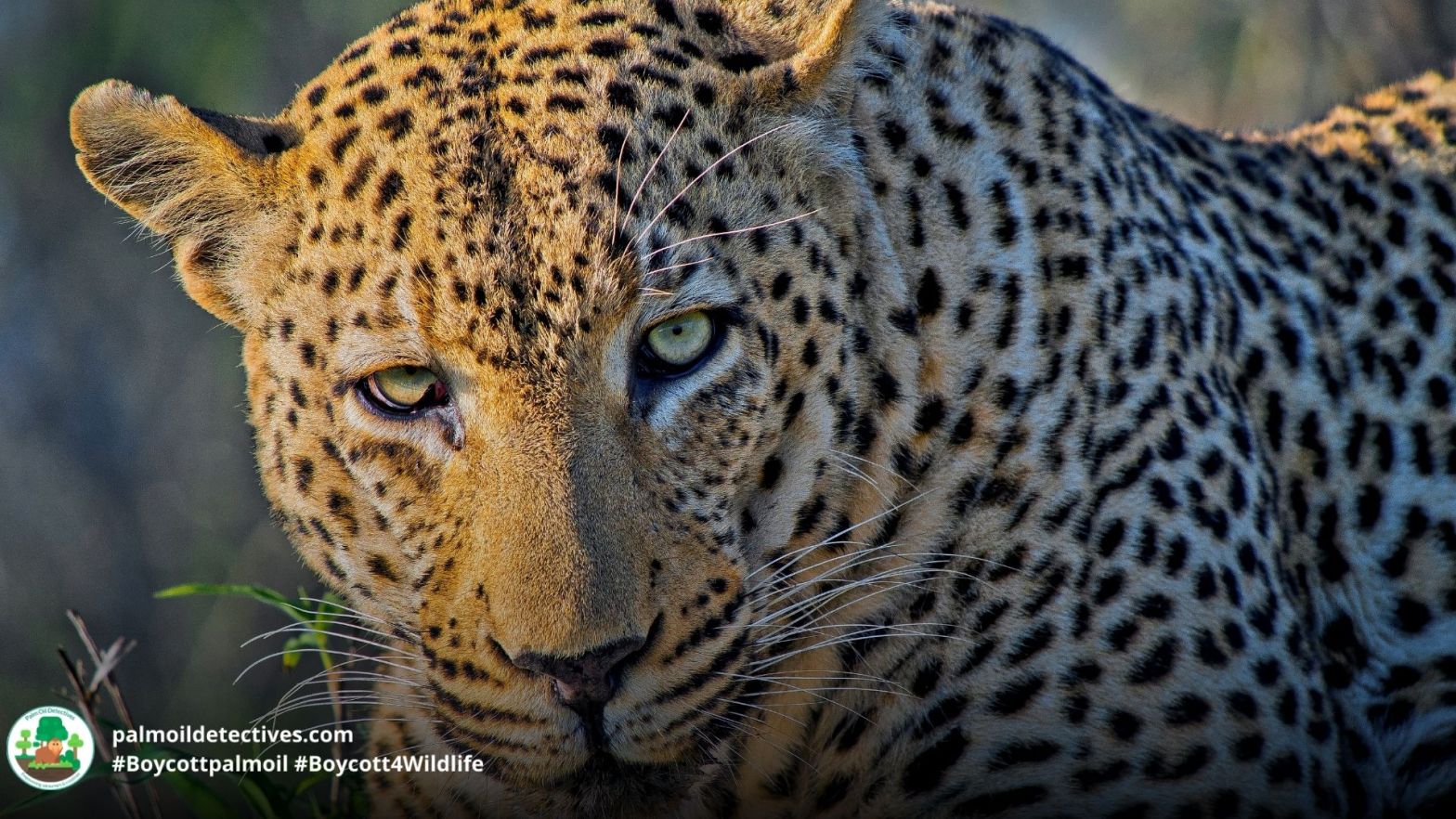
Of all the great cats prowling the wild, few inspire as much awe and fascination as the leopard Panthera pardus. Sleek, powerful, and enigmatic, leopards are found across a staggering range—from sub-Saharan Africa, forests of West Africa and the Middle East to Central Asia and the forests of Southeast Asia. Yet this extraordinary adaptability masks a disturbing truth. The leopard is currently listed as Vulnerable on the IUCN Red List, with some subspecies such as the Amur, Arabian, and Javan leopard are on the very brink of extinction. Across their range, these elusive big cats are being driven into ever-shrinking patches of habitat, with populations decimated by deforestation, rampant poaching, prey depletion, and the relentless spread of palm oil plantations and other monoculture. Help leopards every time you shop and #BoycottPalmOil #Boycott4Wildlife
Rüppell’s Vulture Gyps rueppelli
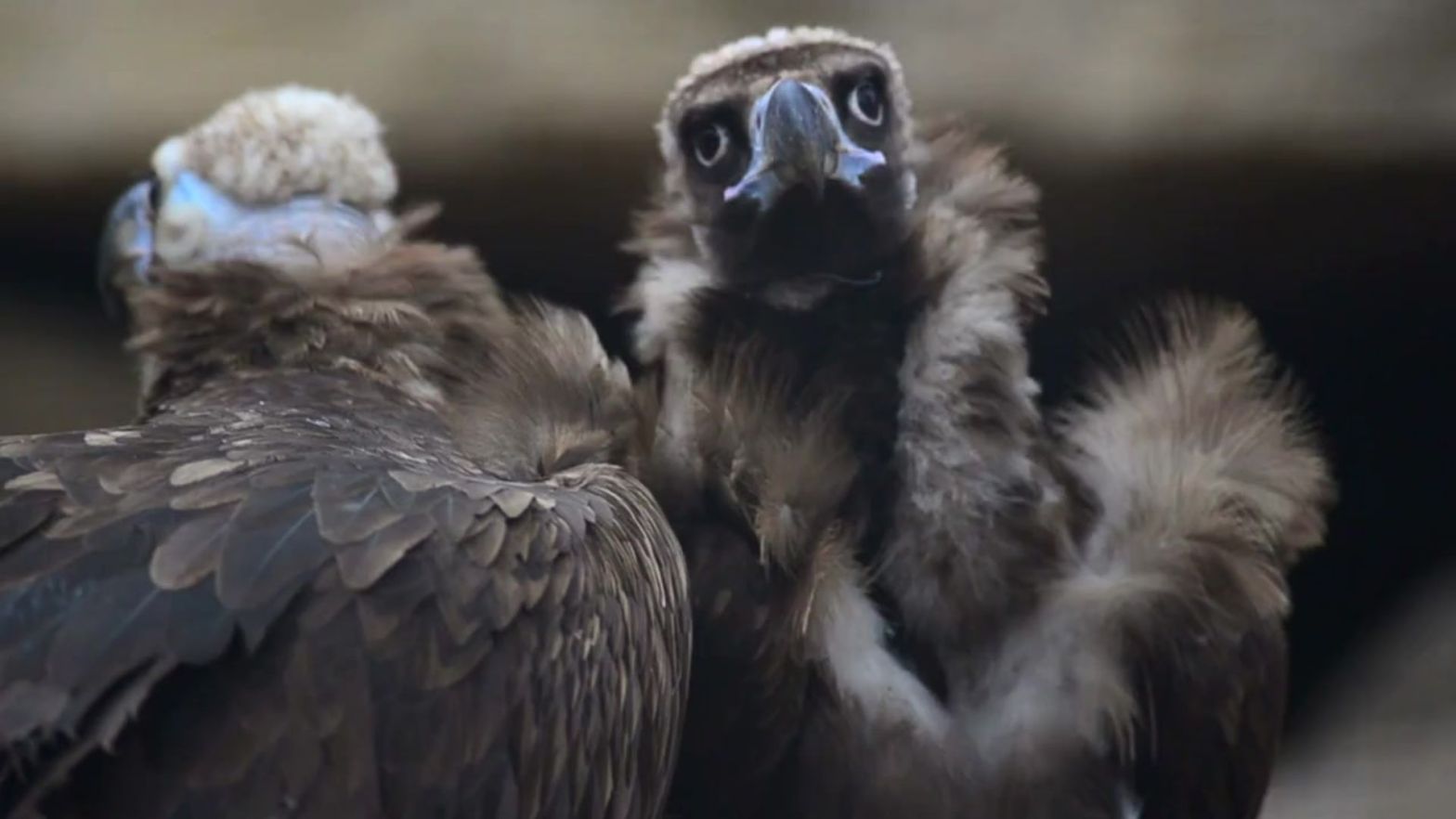
The Rüppell’s Vulture is an enigmatic avian marvel soaring the African and European skies. Their powerful wings carry them aloft on streams of air to altitudes of 11,000 metres. From far above they scan the endless landscapes for sustenance. These remarkable carrion cleaners pose no threat to humans and only eat dead animals. They now teeter on the brink of extinction, fewer than 22,000 individuals remain alive due to the depletion of their prey species, human and wildlife conflict and palm oil deforestation throughout their range. This critically endangered species, are known for their awe-inspiring high altitude flights—reaching heights seen by commercial airlines. They face a grave threat from the insidious palm oil industry, mining along with other destructive industries across their range. Help them to survive and #BoycottPalmOil and #Boycott4Wildlife every time you shop.
King Cobra Ophiophagus hannah
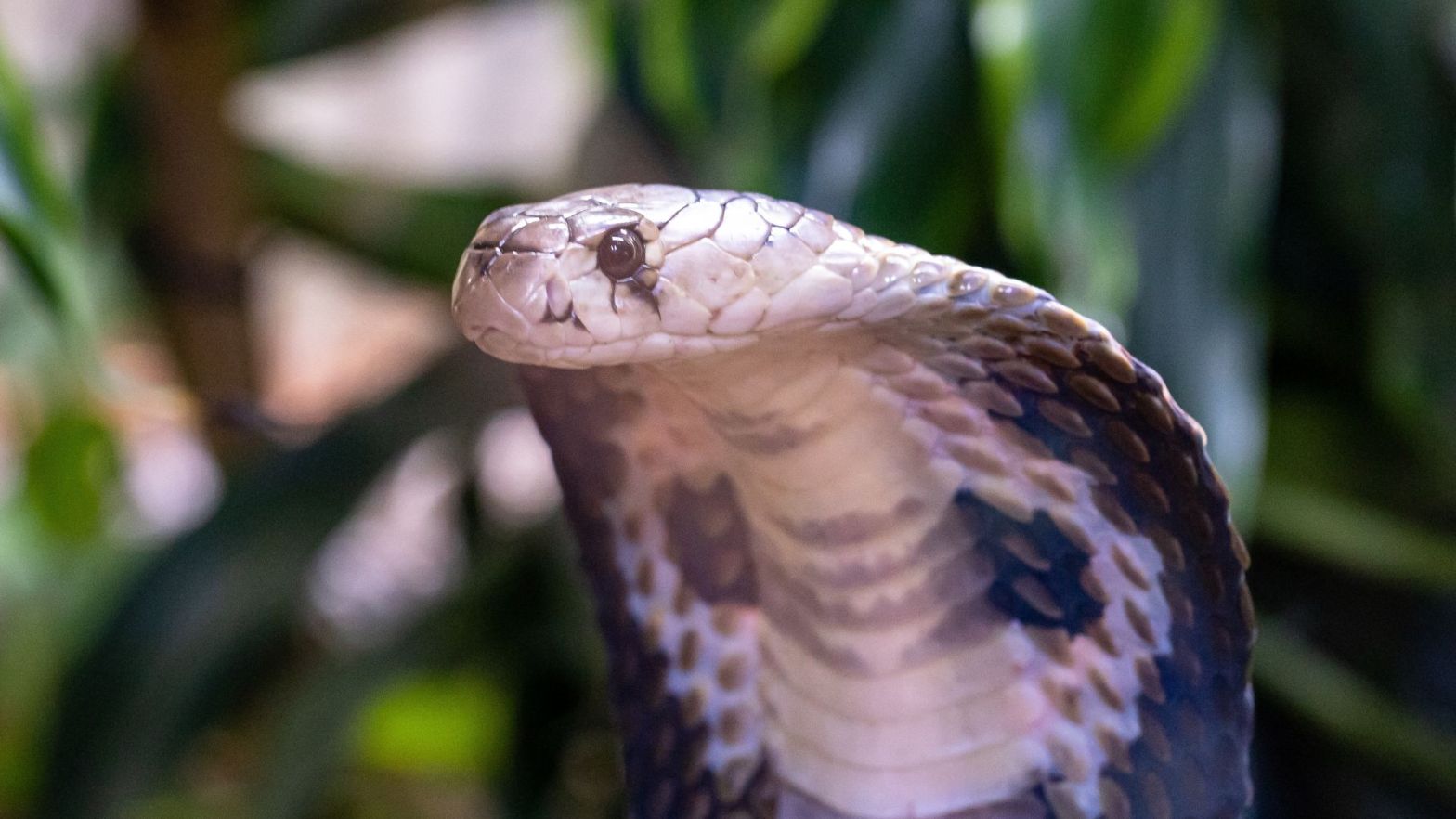
Known as the serpentine king of the jungle in South East Asia, and inspiration for the villain Kaa in the Jungle Book, the King Cobra lives in many different environments, including pristine forests, degraded forests, mangroves, swamps and woodlands of #Thailand, #Cambodia, #Malaysia, #Laos, #Vietnam, #Bangladesh and #India. Their main threat is human-wildlife conflict and ongoing persecution. Palm oil deforestation and other agricultural expansion is also a big threat throughout their range. The world’s largest venomous #snake has a neurotoxic bite powerful enough to kill twenty people or an adult elephant. Sadly, these majestic creatures are persecuted for this reason and do not have adequate protection. Help them every time you shop and #Boycottpalmoil #Boycott4Wildlife
Proboscis Monkey Nasalis larvatus
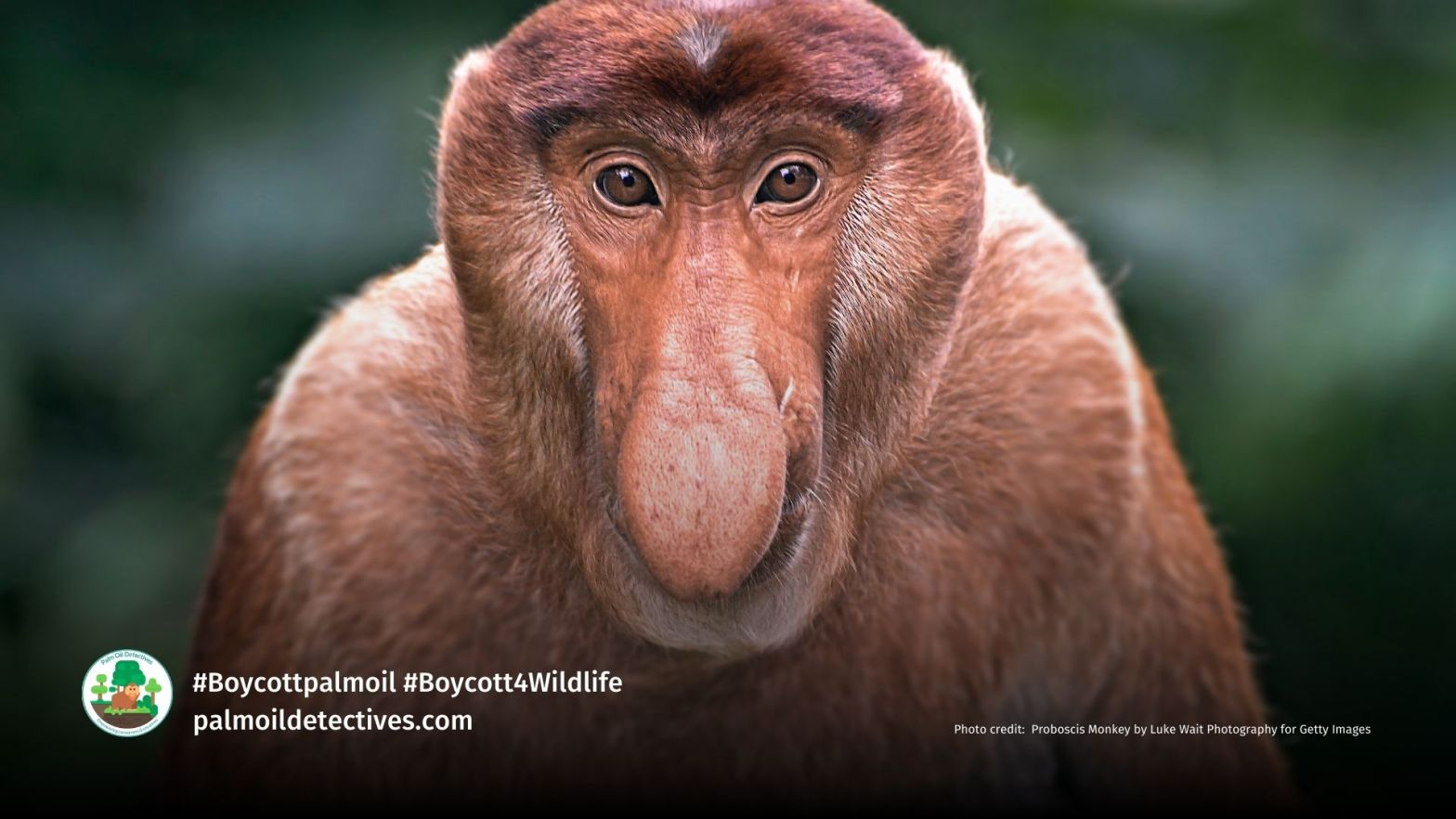
Proboscis Monkeys are known for their large noses and pot bellies. These arboreal monkeys of Borneo are great swimmers, help them when you boycott palm oil
Thomas’s Langur Presbytis thomasi
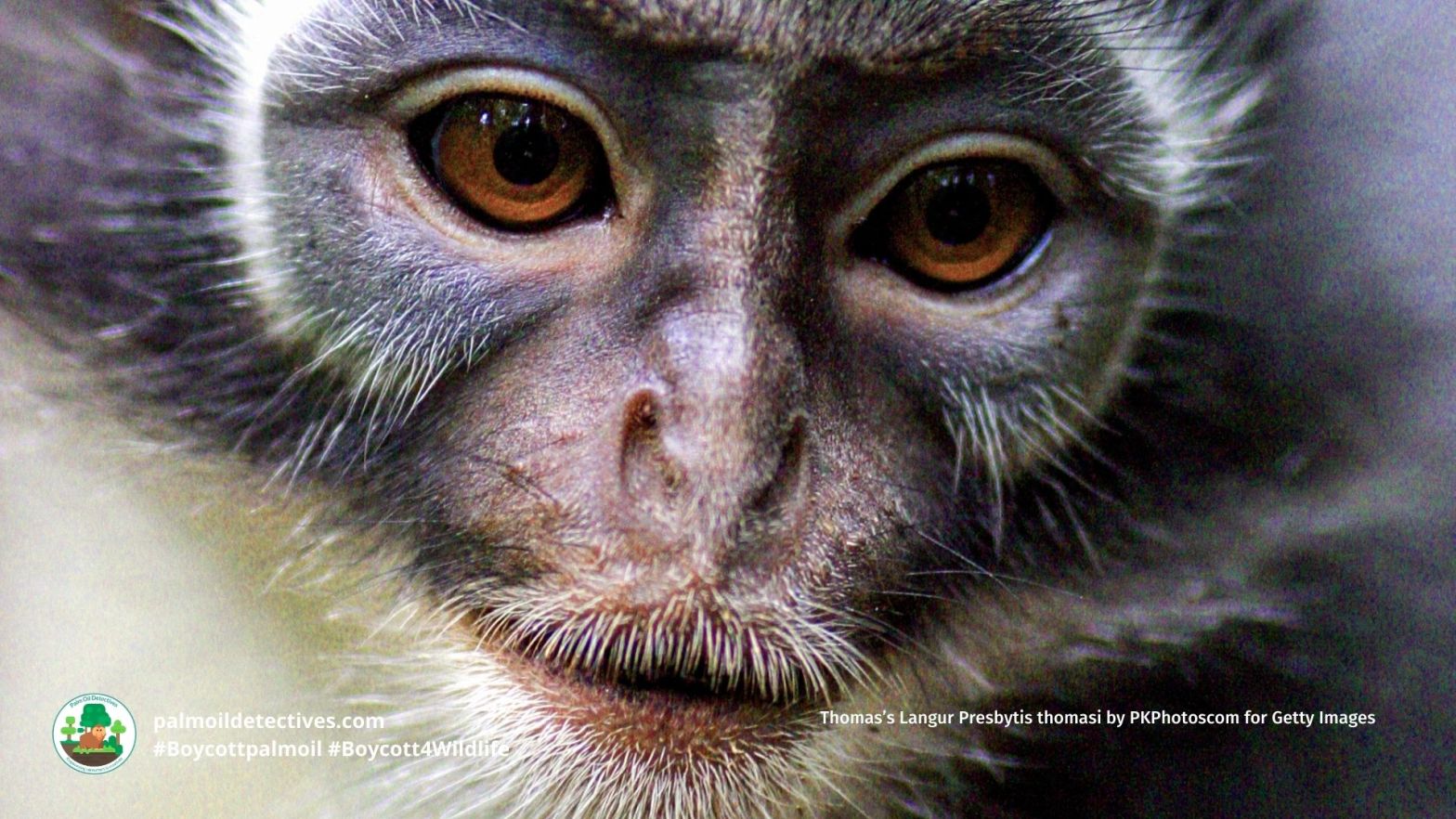
Thomas’s Langur, also known as the North Sumatran Leaf #Monkey is famous for their bold facial stripes giving them a handsome profile. These monkeys are endemic to the lush forests of northern Sumatra, Indonesia. Listed as Vulnerable by the Red List, this striking species is facing serious population declines due to habitat loss, primarily driven by illegal logging and oil palm deforestation. Though not as globally known as some of its neighbours, such as the Sumatran Orangutan, Thomas’s Langur plays an equally vital role in forest regeneration and seed dispersal. You can help protect them by using your consumer power: always choose palm oil-free products.#BoycottPalmOil #Boycott4Wildlife #Vegan
Tapanuli Orangutan Pongo tapanuliensis
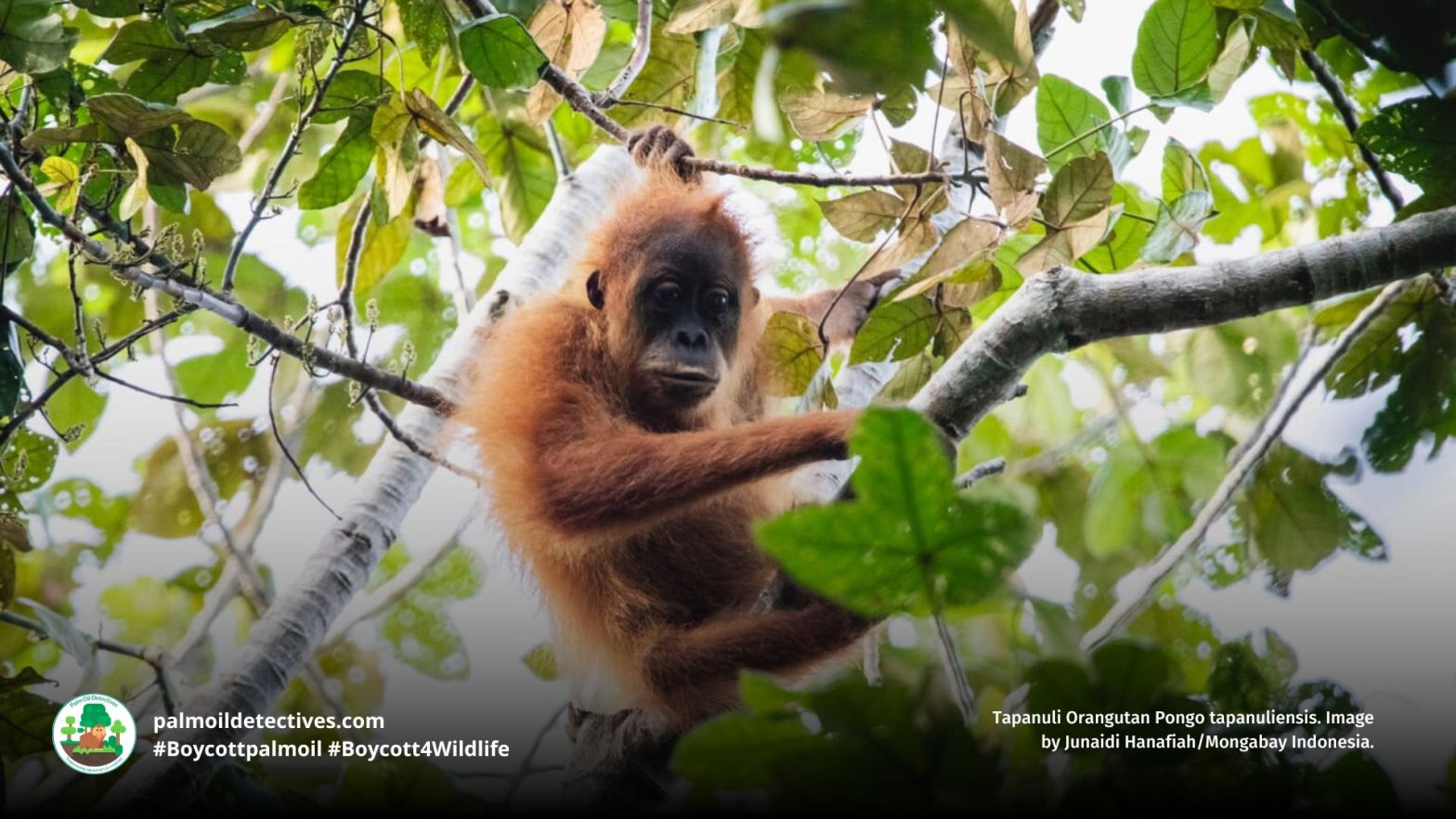
Act now and save the Tapanuli Orangutan – boycott palm oil! Fewer than 800 individual animals remain alive due to palm oil and timber deforestation.
 Palm Oil Detectives