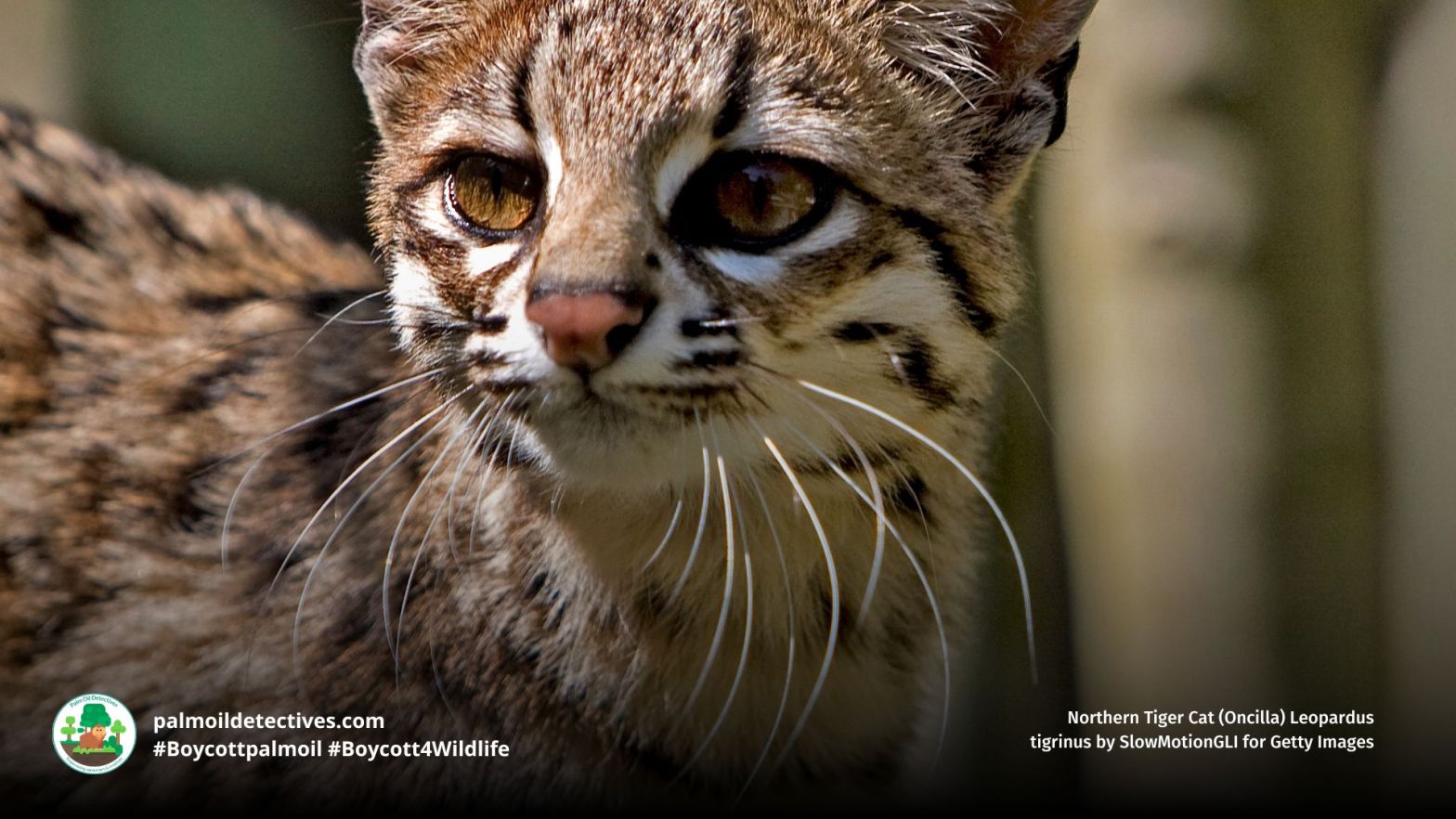
Northern Tiger Cat (Oncilla) Leopardus tigrinus

The northern tiger cat, also known as the oncilla (Leopardus tigrinus), is a captivating small wild cat native to Central and South America. Distinguished by their striking, leopard-like coat marked with dark rosettes and a sleek, agile body, this elusive feline is a master of stealth and survival in the dense forests and grasslands they inhabit.

The northern tiger cat is a tiny predator, weighing only 1.5–3 kg, yet they play a significant role in maintaining ecological balance as a keystone predator. These solitary creatures, though mostly ground-dwelling, are adept climbers. They communicate through purring as kittens and have a unique “gurgle” as adults. Their habitats range from the semi-arid Caatinga to the Andean cloud forests. Tragically, this species is classified as Vulnerable, with populations declining due to habitat destruction for palm oil, soy, meat and mining, poaching, and habitat fragmentation. Indigenous-led conservation efforts are vital to protect their remaining habitats. #BoycottPalmOil #Boycott4Wildlife
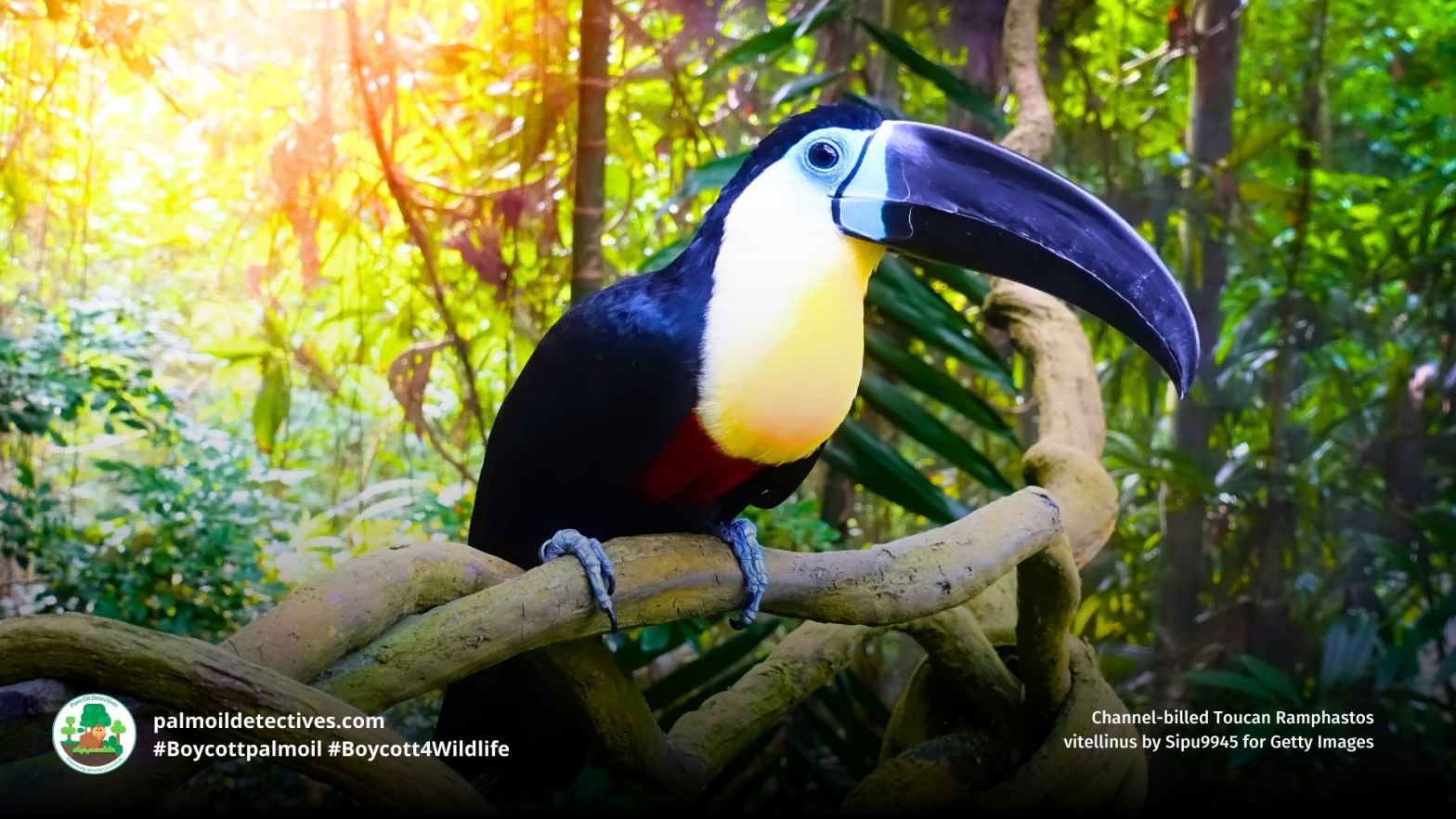
Channel-billed Toucan Ramphastos vitellinus

Deep in the heart of the #Amazon rainforest, a flash of vibrant colour moves between the towering canopy trees. The Channel-billed #Toucan Ramphastos vitellinus is a striking bird endemic to #Colombia, #Venezuela, #Ecuador, #Peru, Brazil and #Bolivia with a massive, curved bill and a raucous voice that echoes through the jungle. With their large, expressive eyes and vivid markings, these toucans are more than just symbols of tropical biodiversity—they are crucial players in the rainforest ecosystem, dispersing seeds that sustain the lush vegetation.

But their world is shrinking. The relentless destruction of the Amazon for cattle ranching, soy production, #palmoil and #goldmining is closing in on them. Habitat loss, hunting, and the wildlife trade are pushing them towards localised declines. In some parts of their range, they are disappearing entirely. Use your wallet as a weapon—fight for their survival. #BoycottPalmOil #Boycott4Wildlife

Yellow-tailed Woolly Monkey Lagothrix flavicauda

Yellow-tailed Woolly Monkeys are social and active during daylight hours, living in groups with a dominant male, mature males and females, and young monkeys. They communicate through vocalizations like a loud, barking call. Endemic to the Peruvian Andes, they thrive in montane rainforests and cloud forests. They face an existential threat from habitat loss due to palm oil, soy and meat deforestation. Let’s unite to protect these precious creatures by boycotting palm oil, adopting a vegan lifestyle, and raising awareness for them. Together, we can protect the Peruvian Yellow-tailed Woolly Monkeys and their habitat. 🌳🐒💚 #BoycottPalmOil #Boycott4Wildlife

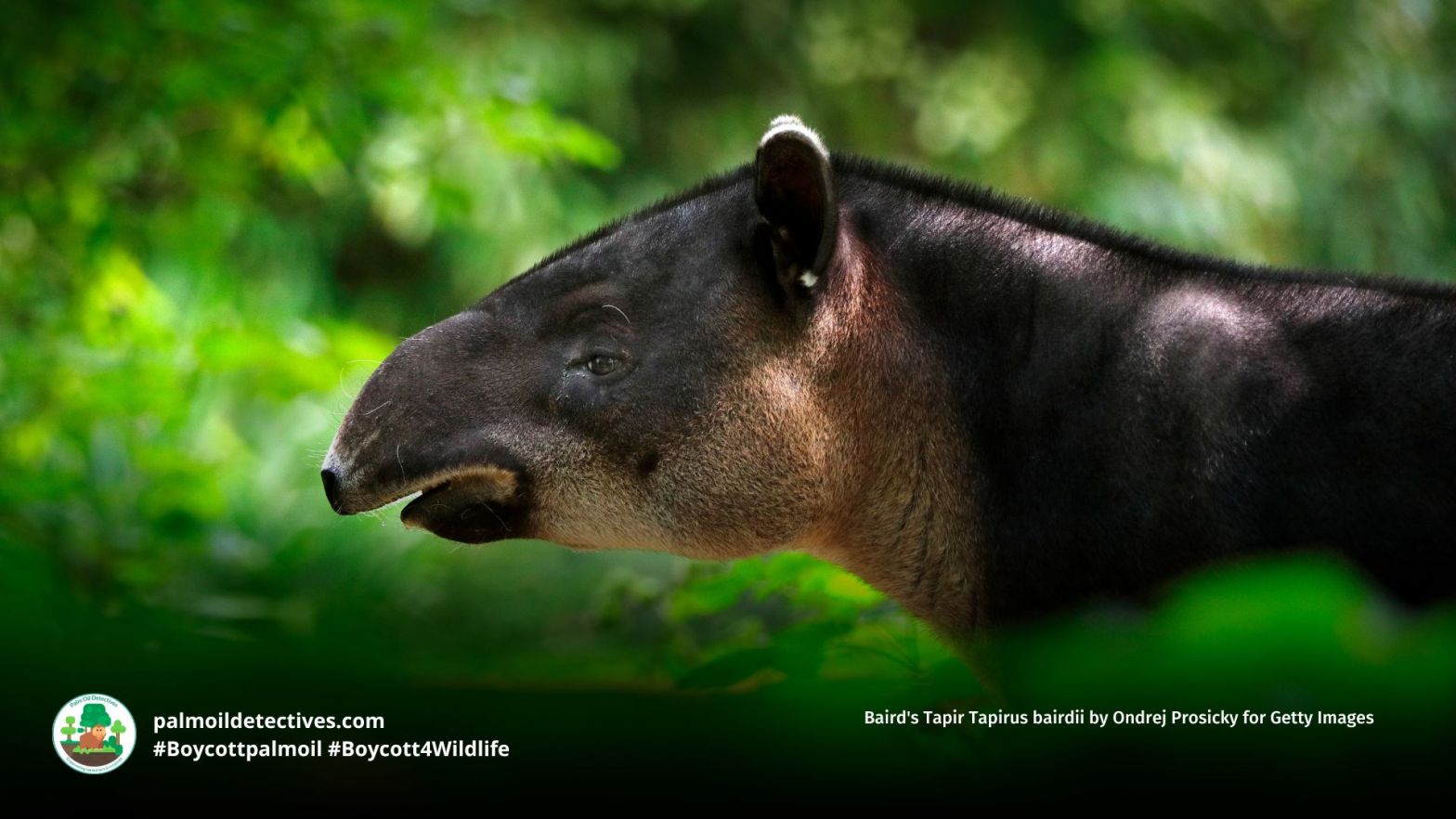
Baird’s Tapir Tapirus bairdii

Baird’s tapirs may look like they are relatives of elephants, but they’re actually closer kin to horses, donkeys, zebras, and rhinoceroses. Also known as the Central American tapir, they are the largest land mammals in Central America and a living relic of an ancient lineage.

Their robust, stocky bodies and distinctive trunk-like snout make them unique among mammals. However, they are now Endangered, with fewer than 5,000 individuals left in the wild.

Tragically, palm oil, soy and meat deforestation, hunting, and human encroachment are driving this species toward extinction. Protecting their habitats is critical to ensuring their survival. Use your wallet as a weapon—boycott palm oil and support conservation initiatives. #BoycottPalmOil #Boycott4Wildlife

Climate Explained: what would happen if we cut down the Amazon rainforest?

What would happen if we cut down the entire Amazon rainforest? Could it be replaced by an equal amount of reforestation elsewhere? Removing the entire Amazon rainforest would have myriad consequences, with the most obvious ones possibly not the worst. Most people will first think of the carbon currently stored in the Amazon, the world’s largest rainforest. But the consequences would be far-reaching for the climate as well as biodiversity and ecosystems — and, ultimately, people. Fight for animals, indigenous peoples and the planet itself #BoycottPalmOil #BoycottGold and #Boycott4Wildlife

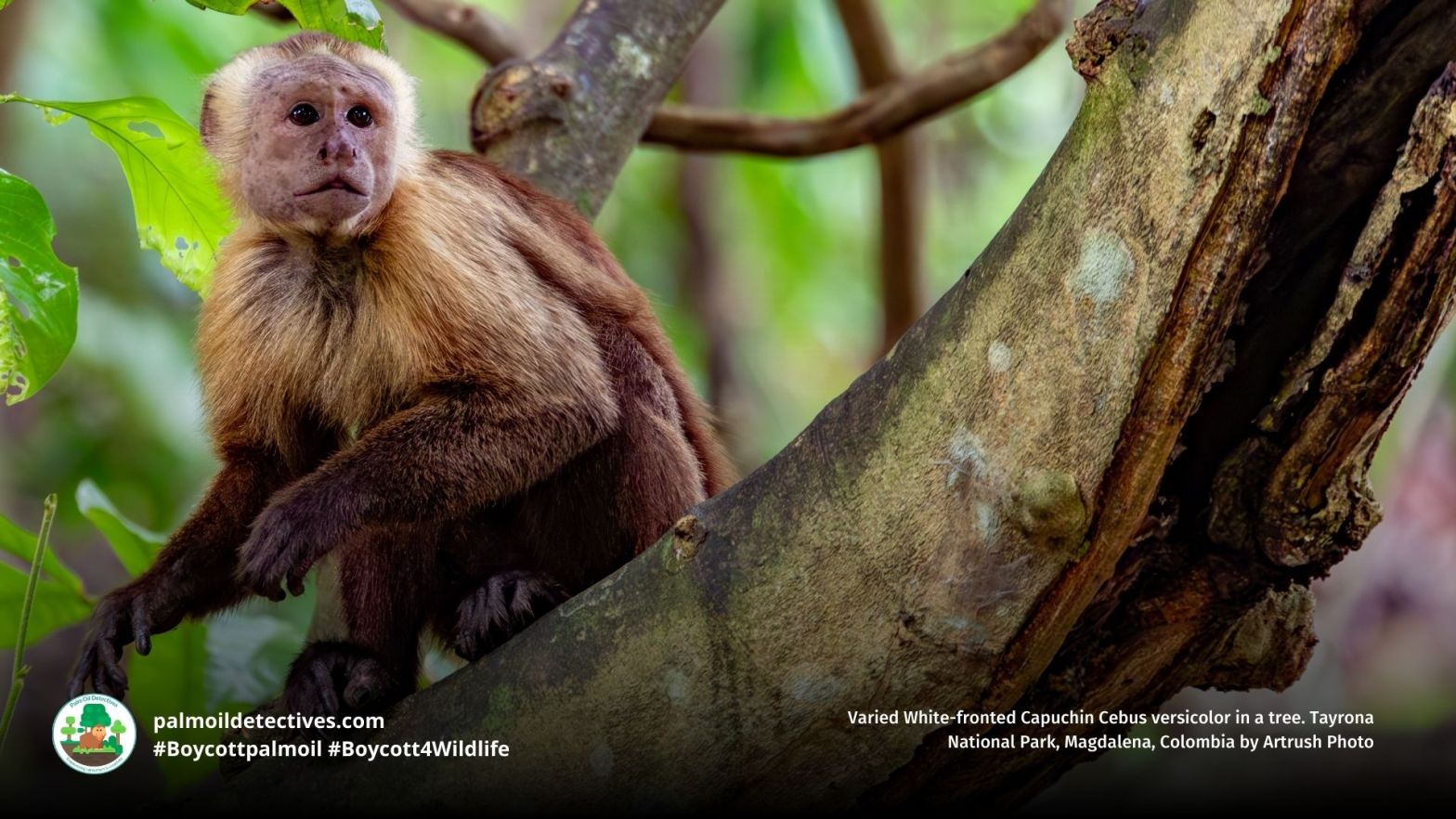
Varied White-fronted Capuchin Cebus versicolor

The Varied White-Fronted Capuchin Cebus versicolor is an intelligent, tenacious and resourceful small primate endemic to the forests of Colombia. With their pale white faces, reddish-gold coats, they are both striking in appearance and crucial to their ecosystems. These capuchins play an essential role in seed dispersal, ensuring the health and regeneration of their forest homes.

Tragically, their populations are declining due to deforestation, hunting, and the illegal wildlife trade. Protecting these forests is critical to their survival. Support indigenous-led conservation, adopt a vegan lifestyle and #BoycottPalmOil and #Boycott4Wildlife to take meaningful action for these incredible primates.

Crested Capuchin Sapajus robustus

Crested Capuchins are one of Brazil’s most endangered primates. A few thousand remain, facing extinction due to palm oil, mining, soy. Take action for them!

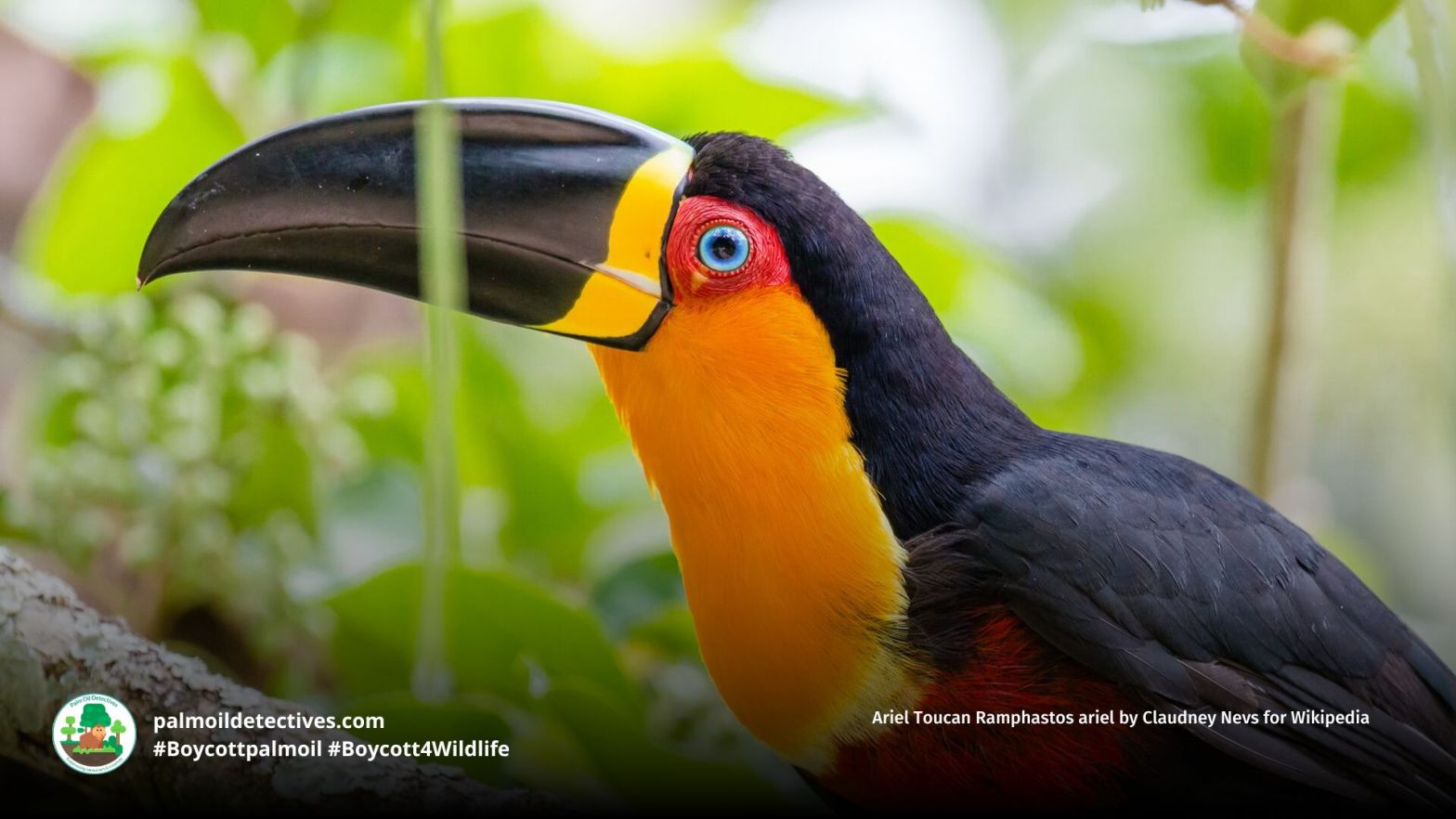
Ariel Toucan Ramphastos ariel

Ariel Toucans are vibrant and charismatic birds of South America under threat from palm oil, soy, meat and gold mining deforestation. Take action for them!

Yucatán Black Howler Monkey Alouatta pigra

Their range is being rapidly destroyed for palm oil and sugar cane deforestation and mining. They are also facing human persecution and hunting pressures. Yucatán Black Howler Monkeys have been classified as endangered since 2004. Help them every time you shop and #Boycottpalmoil #Boycott4Wildlife

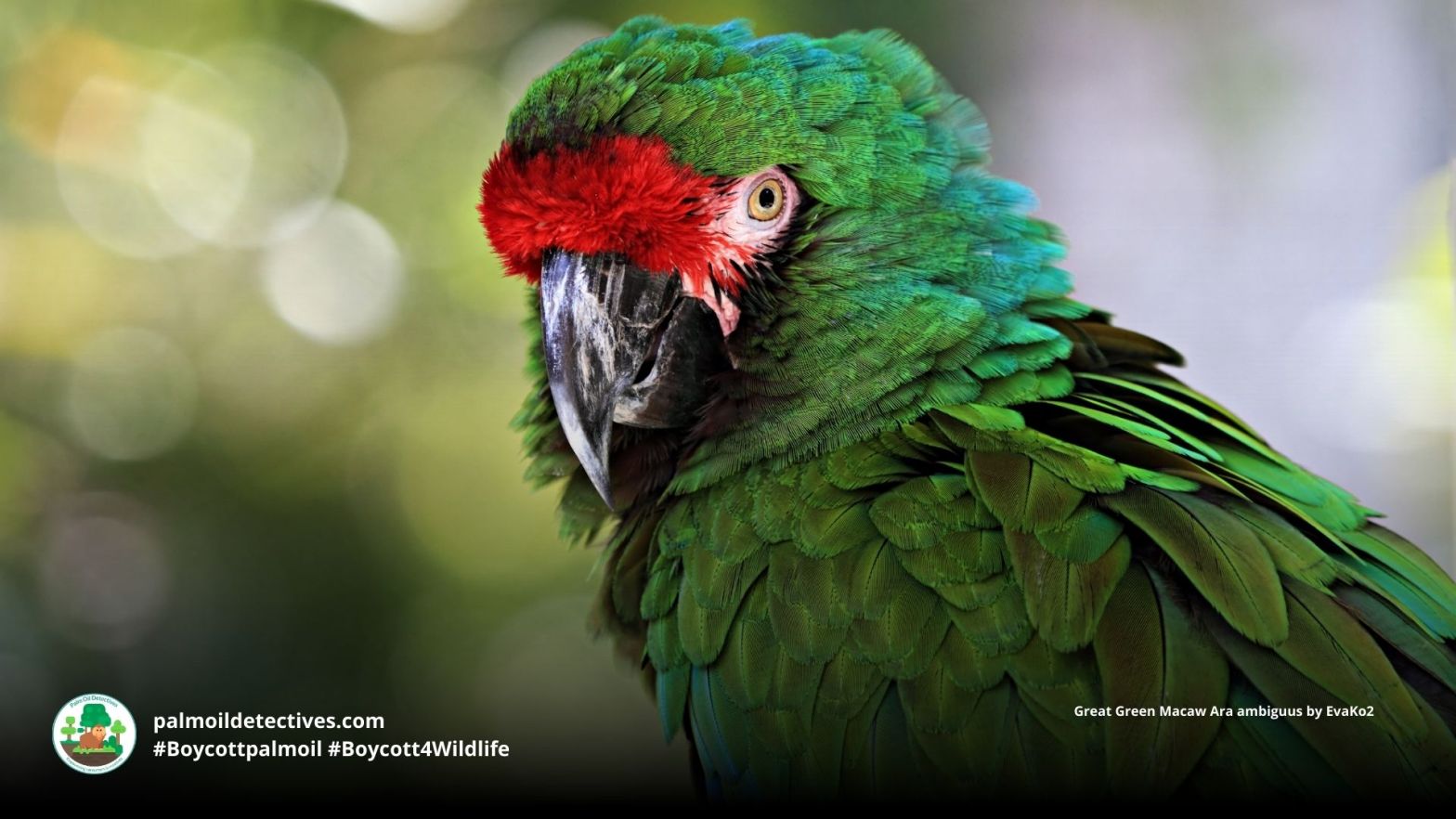
Great Green Macaw Ara ambiguus

The Great Green Macaw Ara ambiguus are the largest macaw species and in flight they are dazzling symbol of Central and South America’s vanishing rainforests. Draped in shimmering green plumage with a fiery red forehead and striking blue-tipped feathers, these parrots are key players in their ecosystem. With their powerful beaks, they crack open tough nuts, dispersing seeds that sustain the forest’s delicate balance. Yet, these vibrant giants are under siege.

Deforestation—driven by palm oil plantations, illegal logging, and agriculture—has decimated the old-growth forests they call home. Their lifeline, the mountain almond tree, is vanishing, taking with it vital macaw nesting sites. Alarmingly, Great Green Macaw populations in Costa Rica and Ecuador have dwindled to critical levels, leaving fewer than 3,500 individuals to soar freely the skies.

Fight for their survival every time you shop. Support indigenous-led conservation and use your wallet as a weapon: #BoycottPalmOil #Boycott4Wildlife.

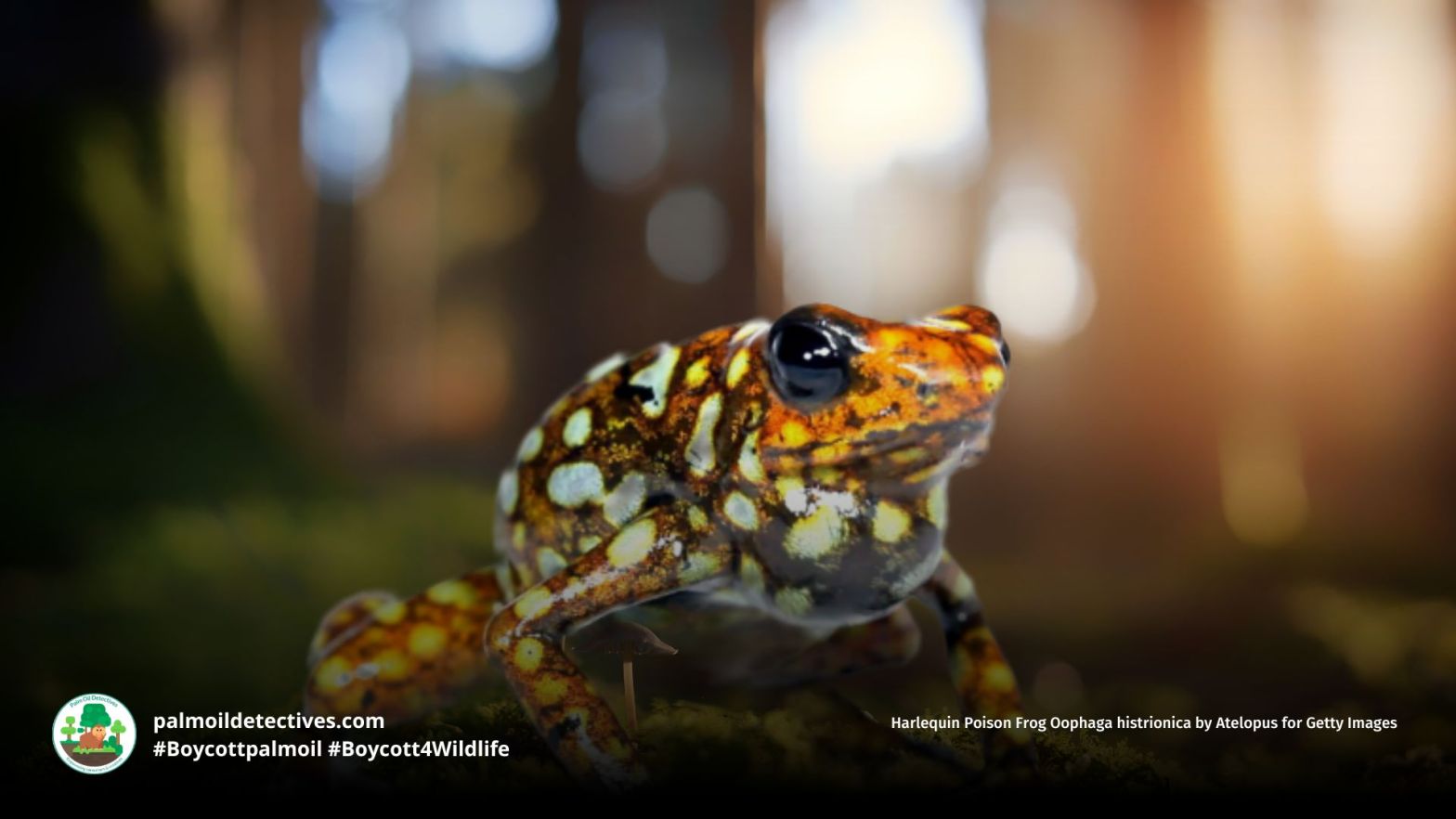
Harlequin Poison Frog Oophaga histrionica

Chocó rainforests, the harlequin poison frog is as deadly as it is beautiful. Cloaked in hypnotic shades of orange, yellow, green and black, this tiny amphibian is a master of chemical warfare—their skin is infused with powerful alkaloid toxins that can paralyse or kill predators. But despite their formidable defences, they are completely helpless against human destruction.

Once thriving in the dense, misty forests of western Colombia, this critically endangered frog is now on the brink of extinction. Illegal mining, rampant deforestation for palm oil plantations, and the relentless wildlife trade have devastated their fragile rainforest home. The same vibrant colours that warn predators away have made them a prime target for smugglers supplying the exotic pet trade.

This extraordinary species is a vital part of its ecosystem, controlling insect populations and contributing to the rainforest’s delicate balance. But unless urgent action is taken, the harlequin poison frog could vanish forever.

Protect their rainforest home. Say no to palm oil, reject the illegal pet trade, and demand stronger protections for Colombia’s amphibians. #BoycottPalmOil #Boycott4Wildlife
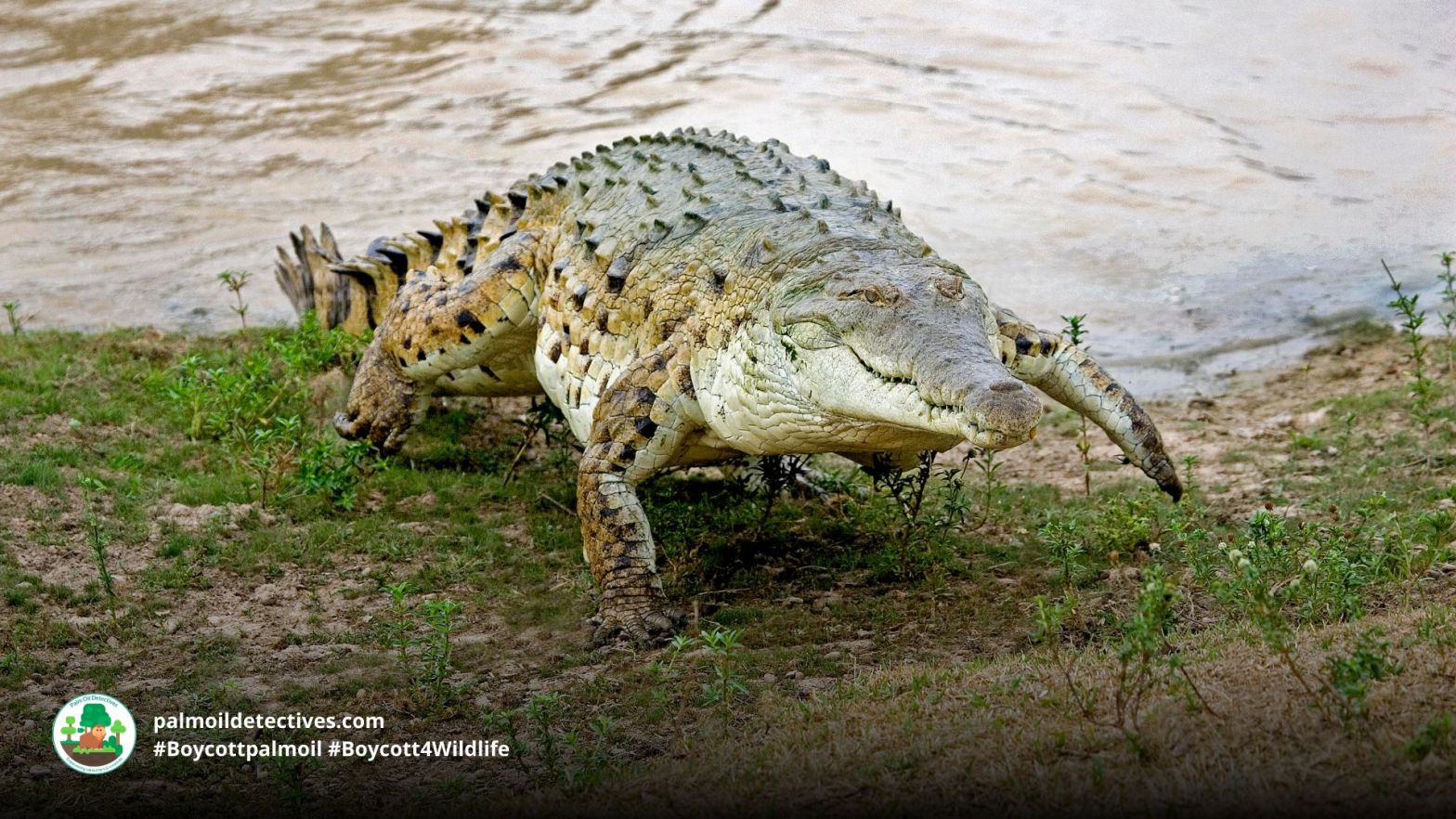
Orinoco Crocodile Crocodylus intermedius

Endemic to the Orinoco River Basin in #Colombia and #Venezuela, the majestic Orinoco Crocodile is one of the rarest and most threatened reptiles on Earth. These intelligent, powerful apex predators once ruled vast waterways across northern South America, but today, their numbers have plummeted by more than 80% due to hunting, habitat loss, pollution, and deforestation. They are now restricted to tiny, fragmented populations across fewer than 34 rivers. #Goldmining and #palmoil #pollution pose a massive risk, imperiling these magnificent crocodiles. Urgent conservation efforts are essential to safeguard the Orinoco Crocodile from the brink of extinction. Boycott #palmoil, #soy, and #beef products contributing to deforestation. #BoycottGold4Yanomami Reject crocodile skin and be #vegan, and #BoycottPalmOil #Boycott4Wildlife
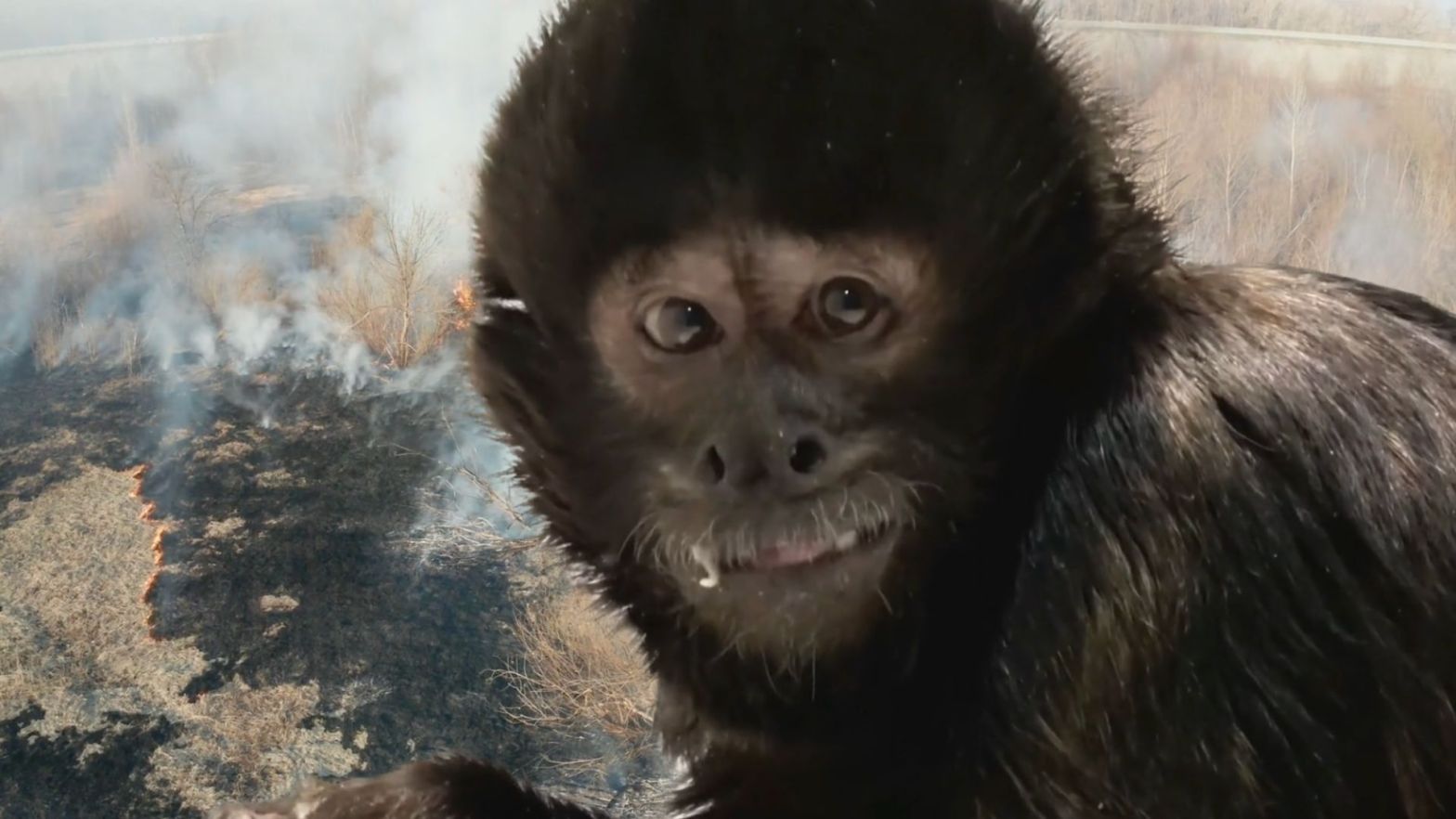
Golden-headed Lion Tamarin Leontopithecus chrysomelas

The Golden-Maned Lion Tamarin faces a battle for survival, with threats from habitat loss, particularly due to palm oil deforestation, the illegal pet trade, predation, disease, and climate change. These majestic creatures, with their striking golden manes and vibrant personalities, are teetering on the brink due to the relentless destruction of their home. But there’s hope, and it starts with us. By choosing to #BoycottPalmOil, supporting the #Boycott4Wildlife movement, and embracing a #Vegan lifestyle, we can make a profound impact. Together, we have the power to safeguard the forests, preserve the planet’s biodiversity, and ensure the survival of the Golden-Maned Lion Tamarin.

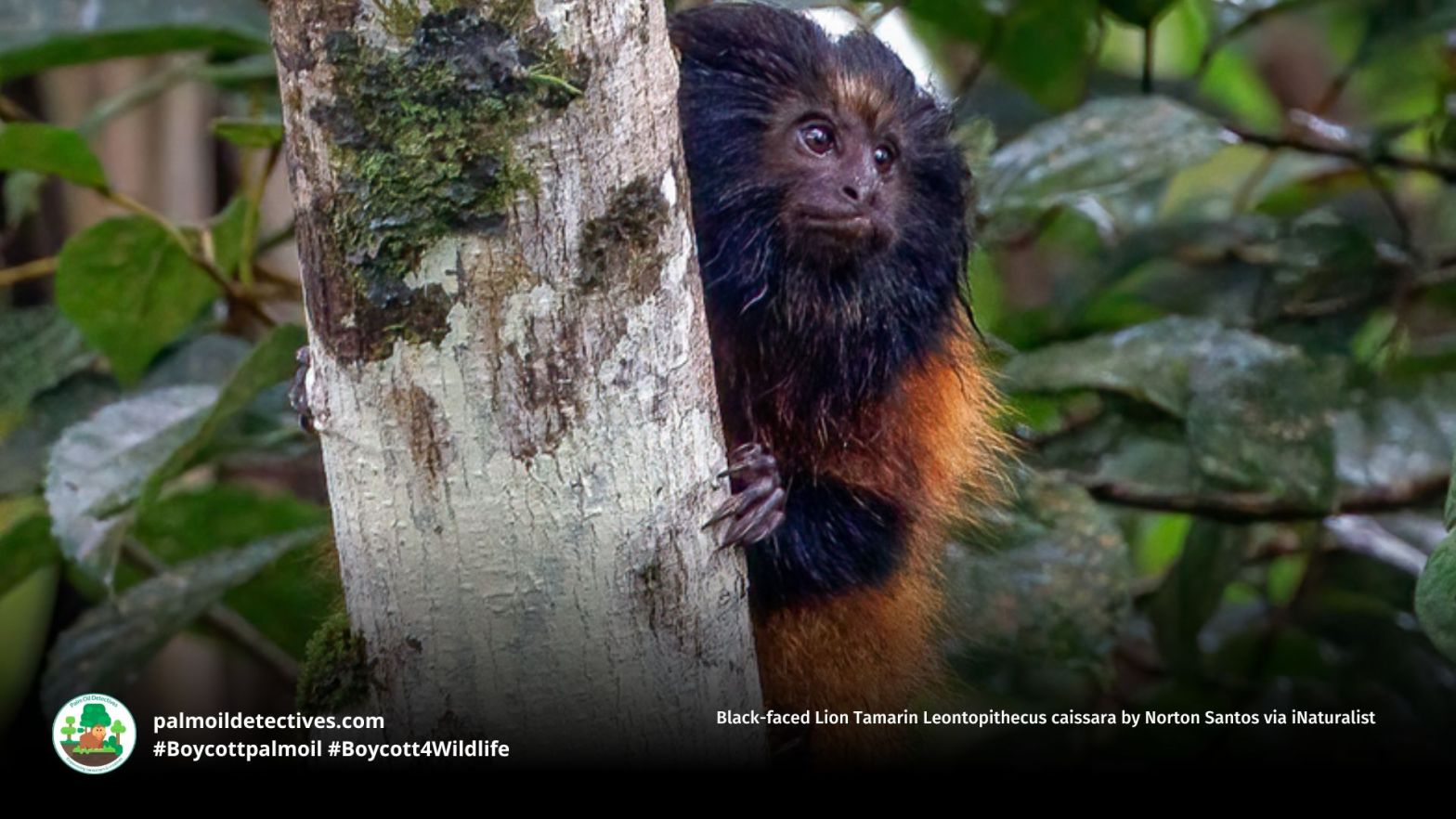
Black-faced Lion Tamarin Leontopithecus caissara

The black-faced lion #tamarin Leontopithecus caissara, also known as the Superagüi lion tamarin, is listed as Critically Endangered on the IUCN Red List. With a total population of fewer than 400 individuals and a fragmented, low-lying coastal habitat of #Brazil, this species is on the edge of extinction. Threats include logging, the illegal #pettrade, palm oil, #soy and #meat deforestation and urban expansion. Conservation efforts have begun, but there is still enormous work to do to protect these irreplaceable #primates. Protect this rare and charismatic #primate by taking urgent action. #BoycottPalmOil #Boycott4Wildlife #Vegan
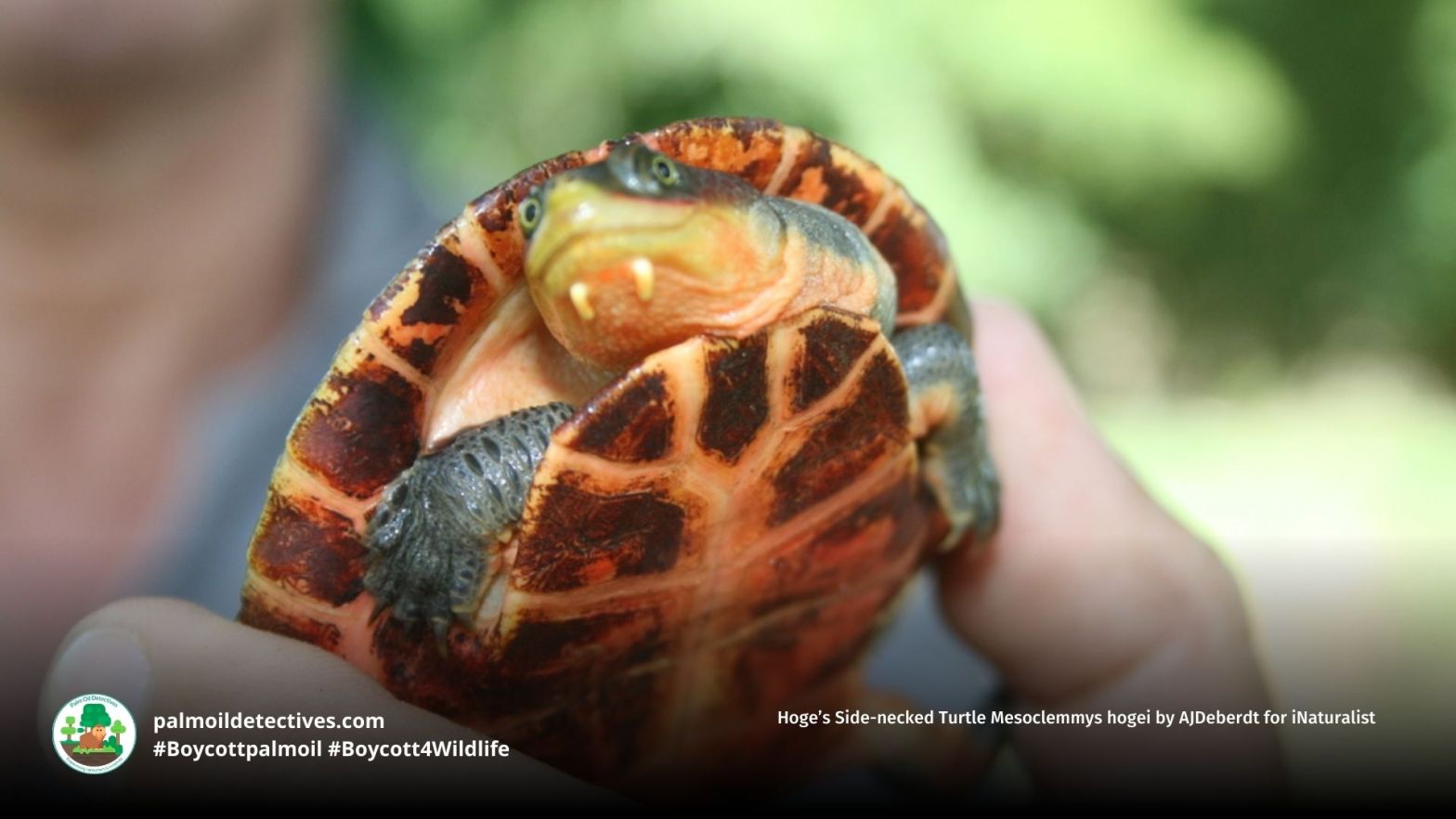
Hoge’s Side-necked Turtle Mesoclemmys hogei

The Hoge’s Side-necked Turtle Ranacephala hogei—also known as Hoge’s Toadhead Turtle—is one of #Brazil’s rarest and most endangered reptiles. Having diverged from other turtles some 80 million years ago, they are evolutionary survivors now on the brink. With fewer than 2,000 individuals thought to remain, their populations have plummeted due to #palmoil #soy and #meat #deforestation, damming, water pollution, and incidental deaths in fisheries. Once feared lost from parts of their range, new research using citizen science and extensive fieldwork has rediscovered them in previously unknown areas, sparking renewed hope. But the threats remain. Help them every time you shop and #BoycottPalmOil #Boycott4Wildlife, be #Vegan and #BoycottMeat

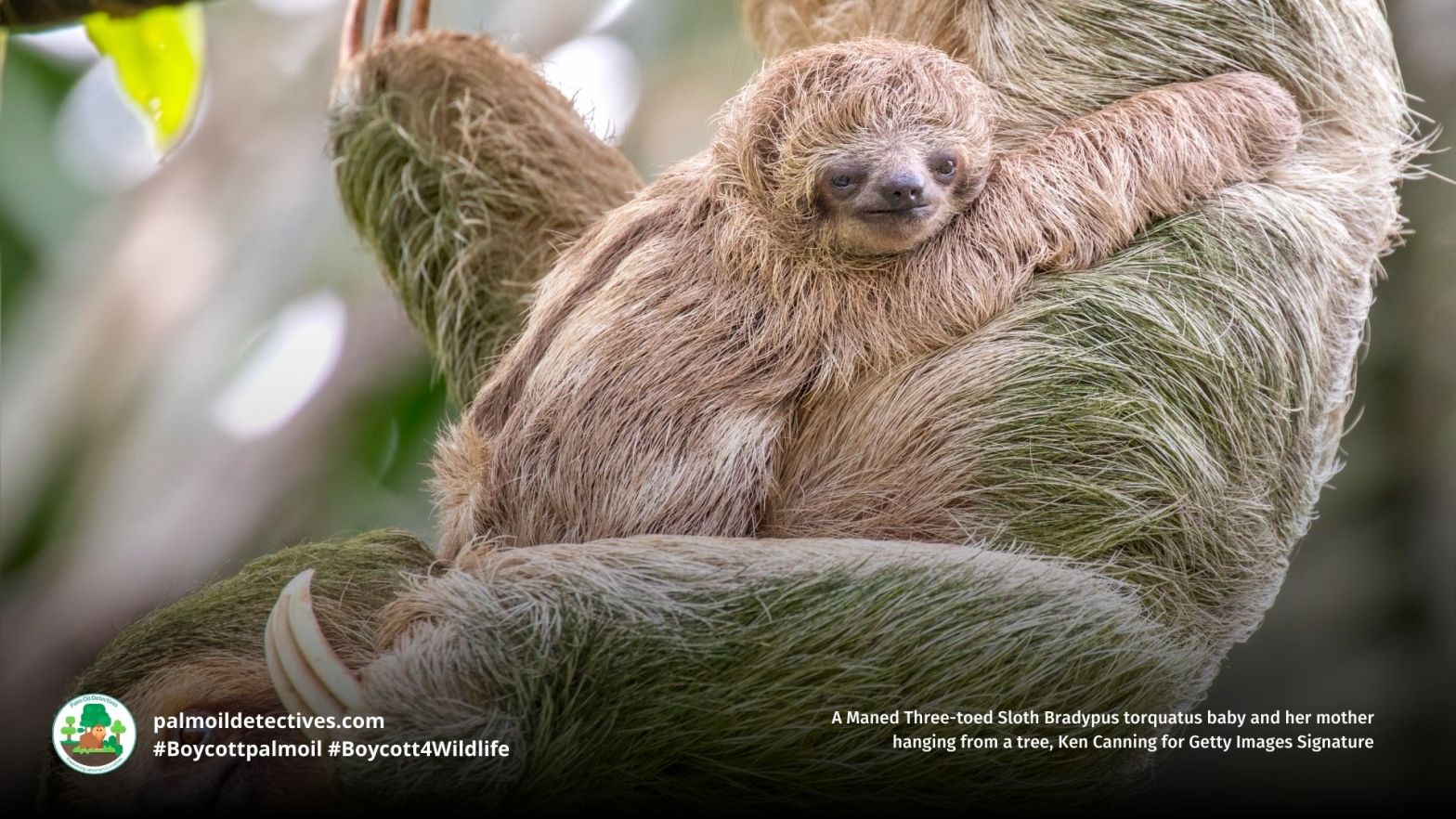
Maned Three-toed Sloth Bradypus torquatus

The Maned Three-toed Sloth live in the Atlantic coastal forests of eastern Brazil. They thrive in areas with high rainfall and no dry season. Remarkably, their reproductive habits are synced with nature’s rhythm: females typically give birth annually between February and April, while mating peaks from August to October. This species matures sexually between their second and third year and can live to over 12 years old in the wild.

As palm oil, soy and meat deforestation expands across their range – their lives are at risk. Help protect these gentle and wonderous creatures and use your wallet as a weapon. #BoycottGold4Yanomami #BoycottPalmOil and #Boycott4Wildlife. 🦥🌳

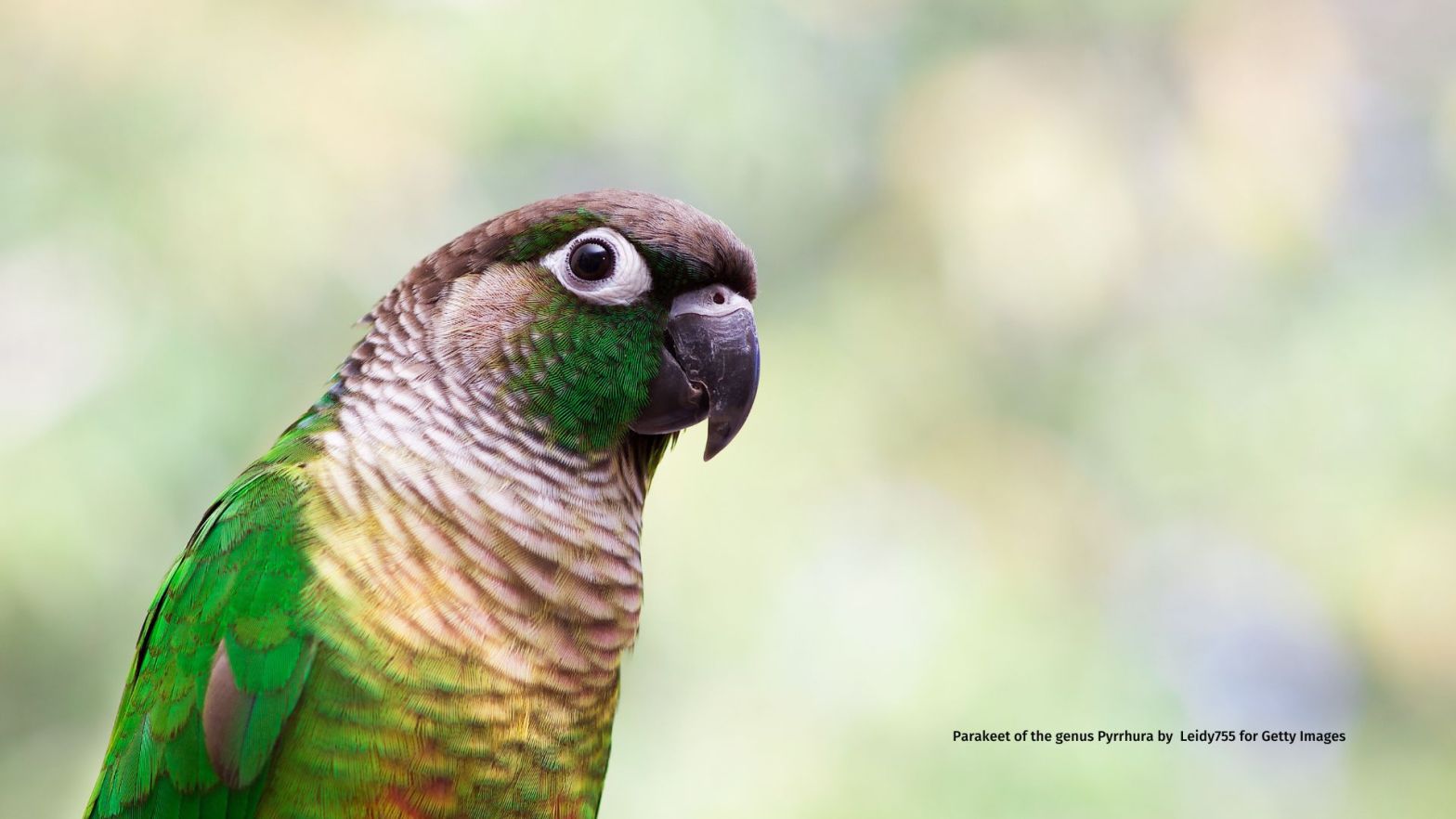
Sinu Parakeet Pyrrhura subandina

Help find the Sinu Parakeet. With no confirmed sightings since 1949, these vibrant parrots may already be extinct, victims of relentless palm oil expansion.

Brown Spider Monkey Ateles hybridus

The enigmatic blue-billed curassow (Crax alberti – local name “Paujil”), endemic to the tropical humid forests of northern Colombia, is the cracid species most threatened with extinction in the wild from #deforestation

Bald-headed Uacari Cacajao calvus

With their long shaggy coats and striking bright red faces, Bald-headed Uacaris are true icons of the Amazon rainforest and are found in #Brazil, #Peru and #Colombia. When a #Uacari has a bright red face this indicates they are in good health. A pale face indicates a sickly physical state. These remarkable #monkeys spend most of the year in the tree tops to avoid the seasonal flooding of their Amazonian habitat. During the dry season, they return to the ground to look for seeds. They face an existential threat from #palmoil, #soy and #meat #deforestation in the #Amazon. Once their unmistakeable scarlet faces were a common sight in the dusky green of the rainforest. Now they are rapidly disappearing, victims of a relentless drive for land, gold, and profit. Listed as Vulnerable, you can help them to survive every time you shop! #BoycottGold be #vegan for them and #BoycottPalmOil #Boycott4Wildlife

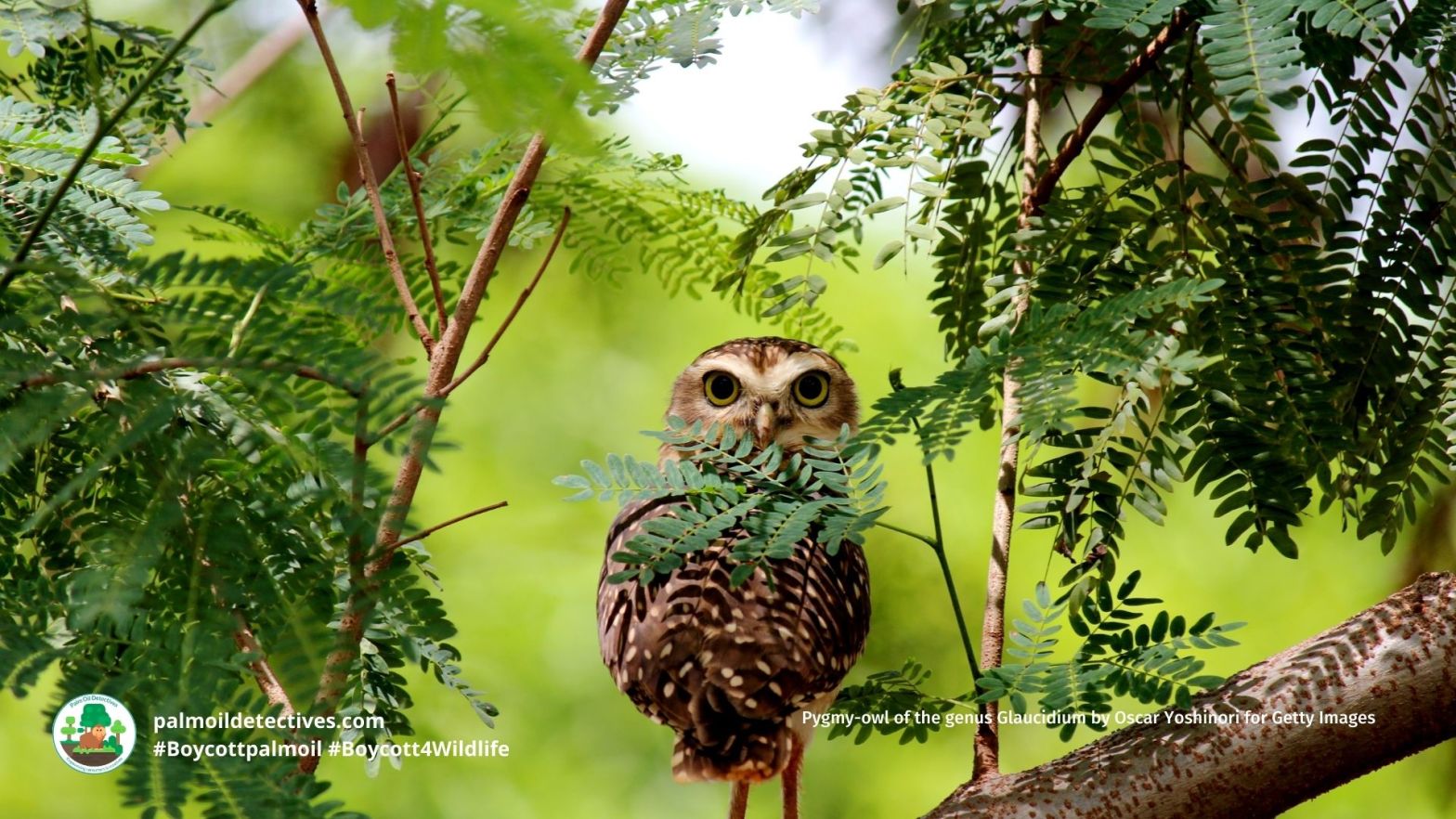
Pernambuco Pygmy-owl Glaucidium mooreorum

The Pernambuco Pygmy Owl Glaucidium mooreorum is among the rarest birds on Earth, known from just two museum specimens and a few recorded vocalisations. Officially described in 2002, this tiny owl is no larger than 13 cm and is likely the rarest bird in the world. They have not been sighted since 2001, and may already be extinct. Rampant #deforestation for sugarcane plantations, #palmoil, #soy and #meat and ongoing habitat destruction have decimated their native range. If this species still survives, fewer than 50 adults remain. The continued decimation of #Brazil’s Atlantic Forest leaves no margin for error. Act now to protect what remains. Help them every time you shop and #BoycottPalmOil #Boycott4Wildlife #Vegan #BoycottMeat
Pied Tamarin Saguinus bicolor

Pied #Tamarins are fascinating and vibrant black-faced #monkeys with a shock of white fur around their muzzle and chest and expressive brown eyes. They are found only in the shrinking forests of Manaus, #Brazil. As bulldozers carve roads and cities sprawl, their home is being destroyed for #palmoil, #soy, #beef farming, #gold #mining, and relentless urban expansion. These tamarins also face threats from disease, predators, and the illegal pet trade. Use your wallet as a weapon and BoycottPalmOil, Boycott4Wildlife, BoycottGold4Yanomami, and be #Vegan to help their survival.

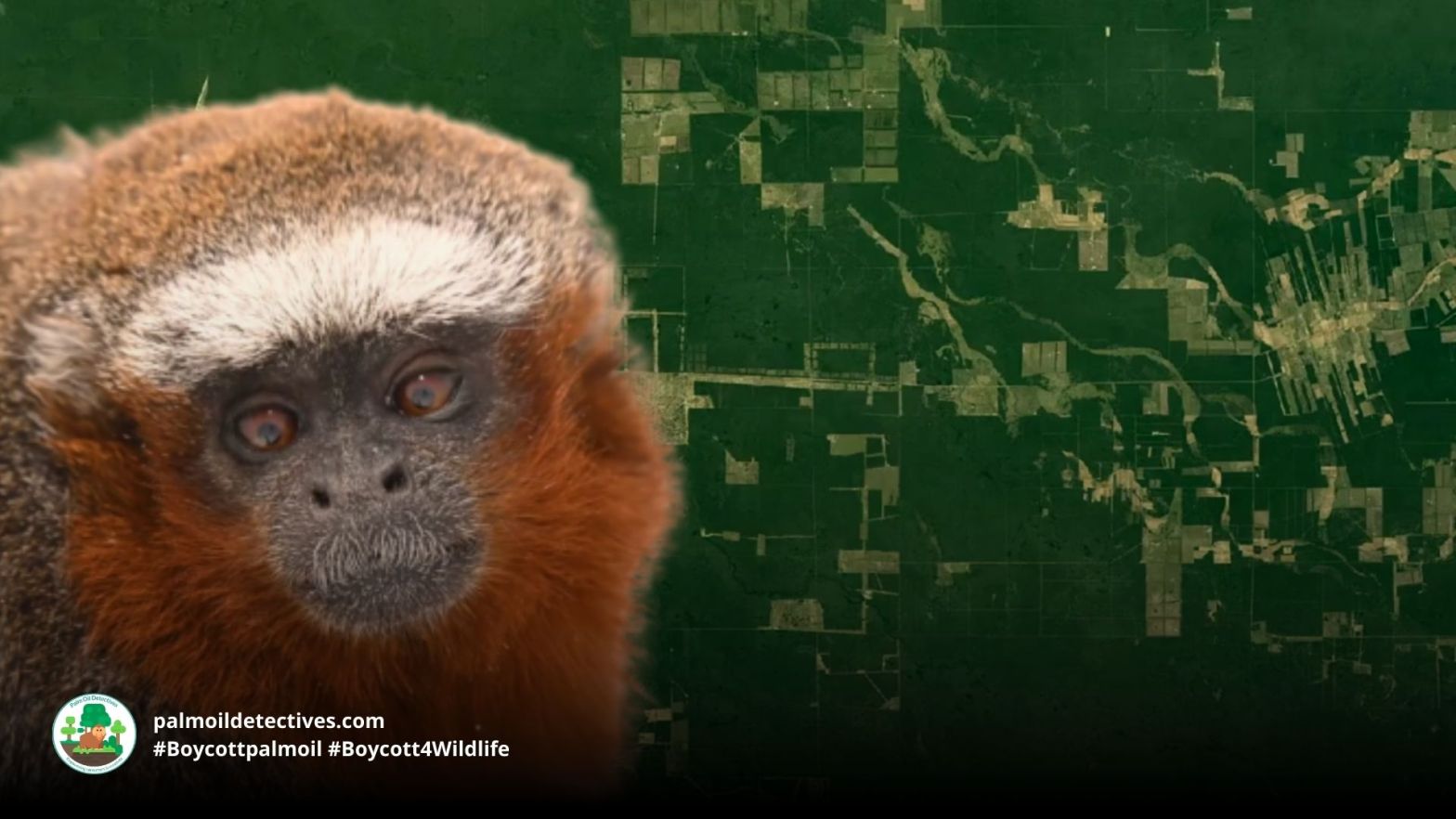
Caquetá Tití Monkey Plecturocebus caquetensis

Caquetá Titi Monkeys have a distinctive song and they purr like a kitten they form monogamous partnerships. Discovered relatively recently in 2010, these beautiful and fascinating monkeys are now critically endangered due to the massive deforestation that is occurring in Colombia for palm oil and other commodities. It is believed that fewer than 100 individuals Caquetá Titi Monkeys are left in the wild and fewer than 50 mature individuals. The habitat of the Caquetá Titi Monkeys is in an advanced state of fragmentation caused by extensive cattle ranching and illegal crop cultivation. Fight for them and resist greed and greenwashing when you be #vegan #BoycottMeat #Boycott4Wildlife
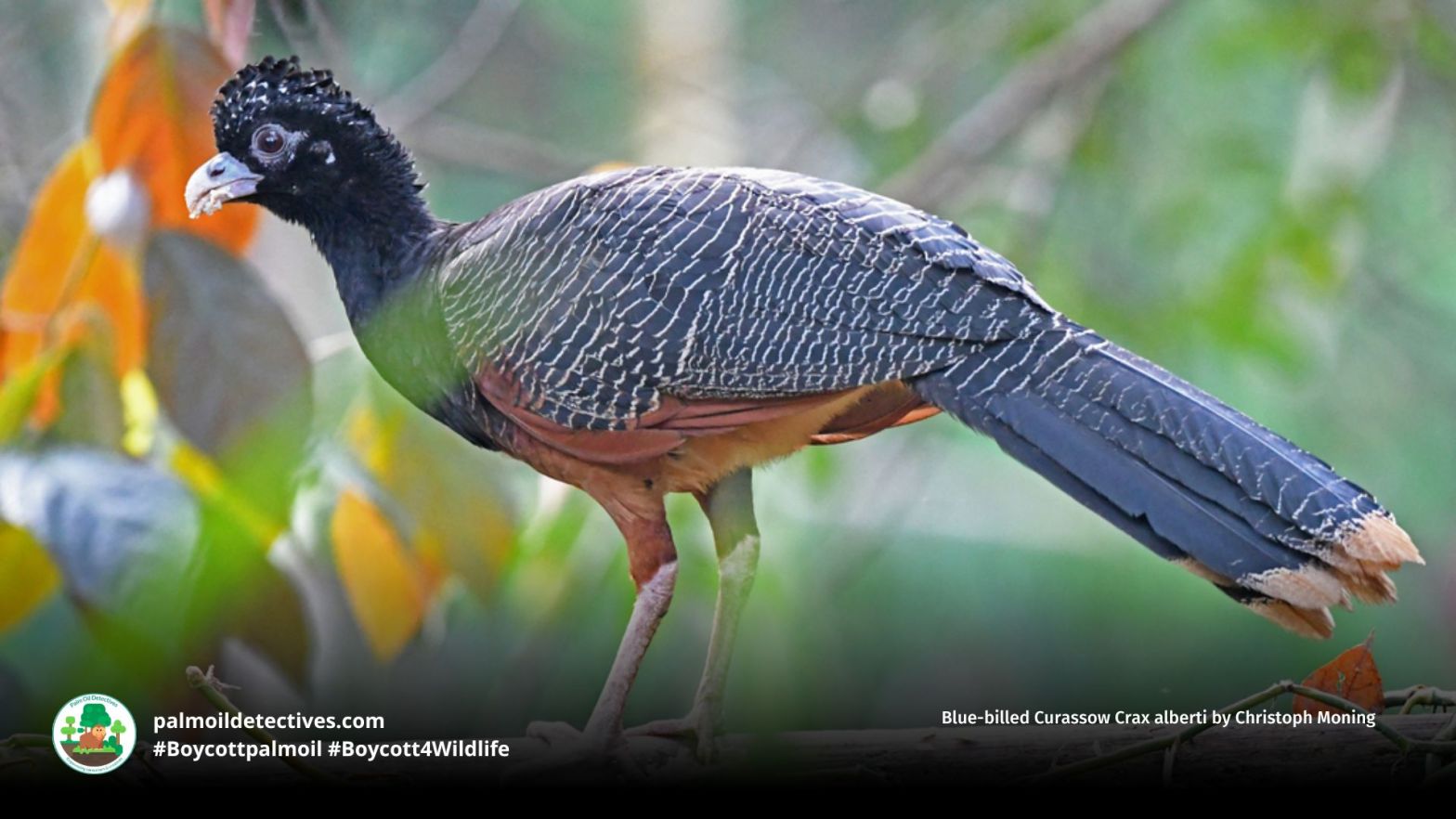
Blue-billed Curassow Crax alberti

Help save Colombia’s Blue-billed Curassow, a critically endangered bird facing extinction from habitat loss due to palm oil and coca plantations!