
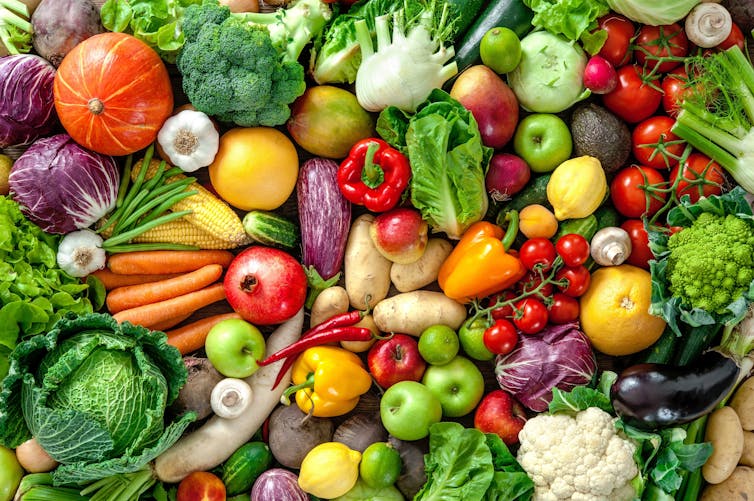
Around 800 million people in our world go hungry each day. Yet around the globe we have enough food to go around. So why the discrepancy? Market concentration and corporate monopoly of our global food system means that corporate giants control everything from access to seeds, access to land, #workersrights, #greenwashing and wages. Mergers and acquisitions take place at all stages of the global food system – from seeds and fertilisers to machinery and manufacturing. This is what contributes to bad health outcomes and food inequality. Learn how you can boycott big brands causing the corporate crush and other solutions. #Boycott4Wildlife
Category Archives: Palm Oil & Out-Of-Control Consumerism
Ultra-processed Food: Bad For Our Bodies, Bad For The Environment
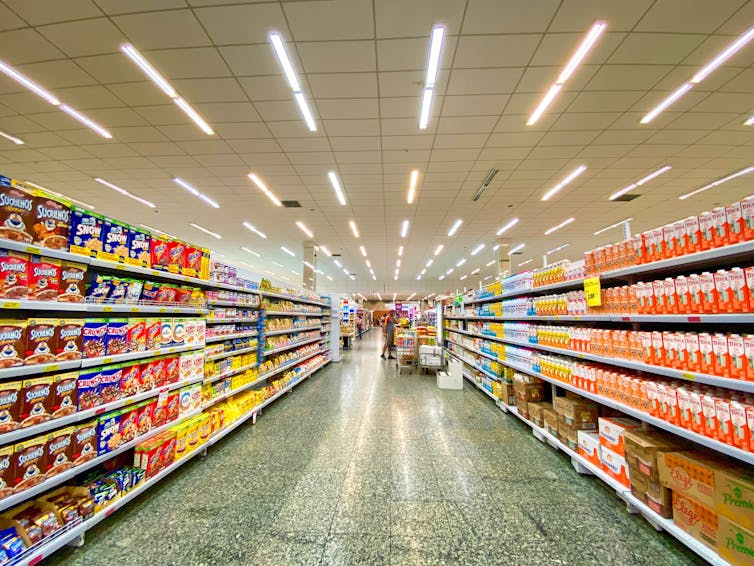
Although a lot of research has been published about the direct negative impact of these ultra-processed #foods on our #health, including obesity, cardiovascular diseases and diabetes, little has been said about the impacts of #UPF on the environment. You can help rainforests and keep yourself healthy by limiting or stopping buying and consuming #meat, #dairy, #palmoil every time you shop. #BoycottPalmOil #Boycott4Wildlife
MSC and RSPO Absolutely Untrustworthy, Greenpeace Report
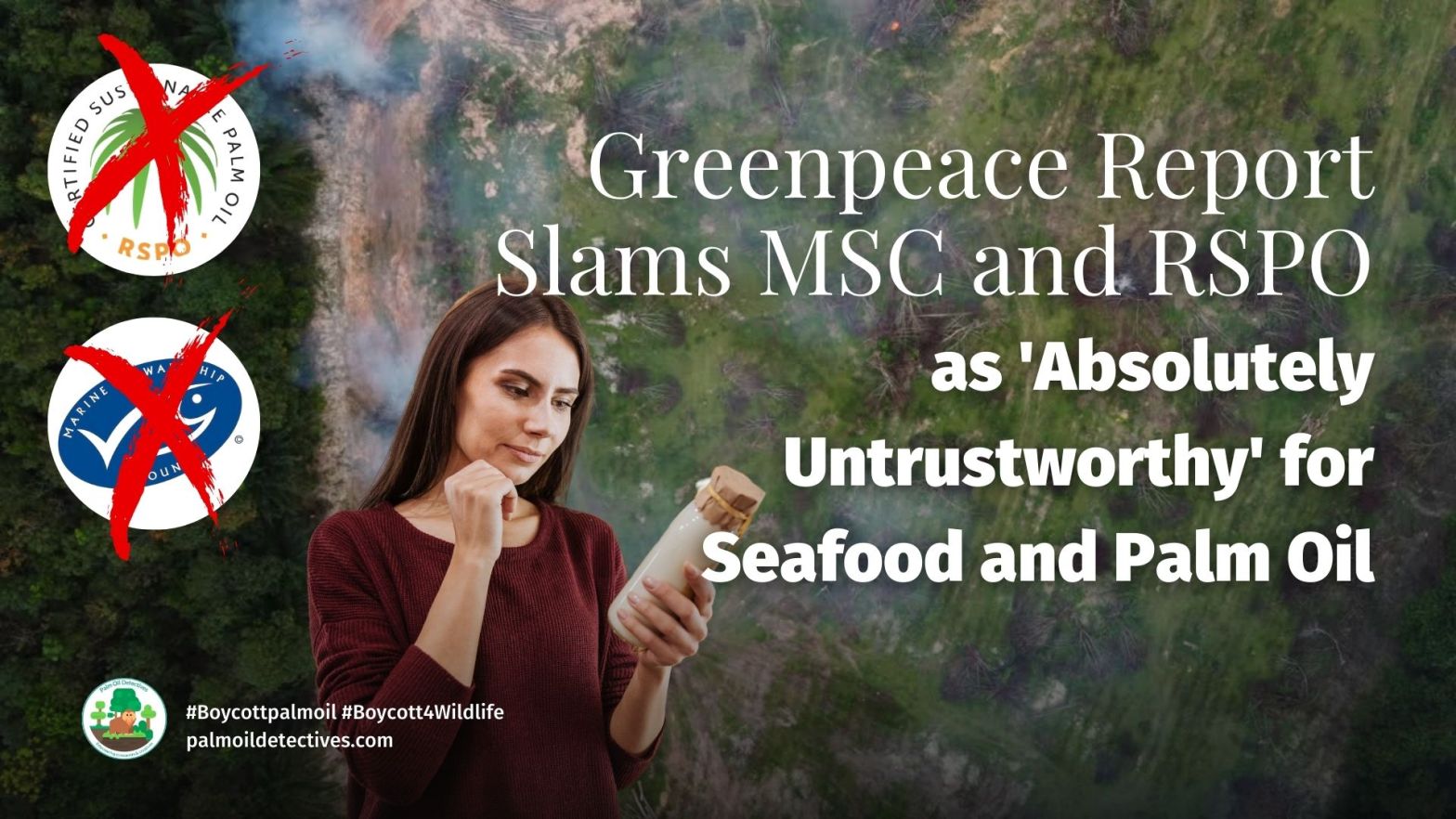
Greenpeace report reveals severe failures of ecolabel RSPO certifying palm oil and FSC certifying seafood. Consumers are being greenwashed. Boycott palm oil!
Guaranteeing Ecocide: The Green Lie of Palm Oil Certification
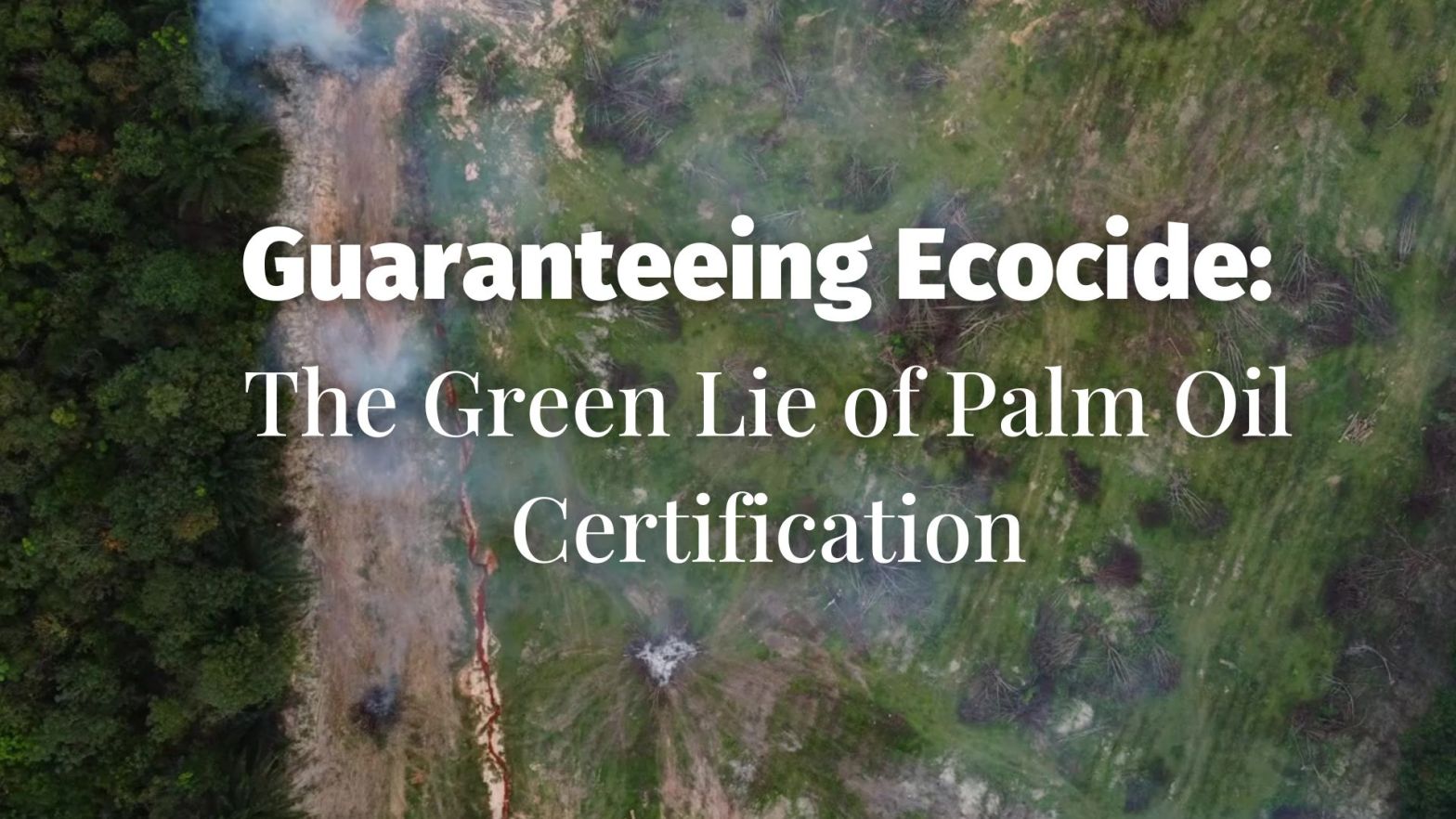
For decades, the palm oil industry, backed by the RSPO, has misled consumers with the false promise of “sustainable” palm oil. Behind this green façade lies a brutal reality of deforestation, human rights abuses, and the destruction of endangered species’ habitats. Dozens of investigations from many different industry watchdogs have exposes the RSPO’s certification as a sham, enabling continued environmental devastation under the guise of sustainability.
However it’s not only the palm oil industry that is an environmental liability, gold mining and meat deforestation also deserves to be strongly condemned for its ongoing ecocide. Read on to discover the examples of greenwashing deception from these industries, so that you don’t fall for their corporate greenwashing. Protect our planet and all human and non-human beings by refusing to support these lies—#Boycottpalmoil #BoycottGold #BoycottMeat and #Boycott4Wildlife every time you shop.
Palm Oil Greenwashing Poised to Destroy Protected Biosphere in Chiapas, Mexico
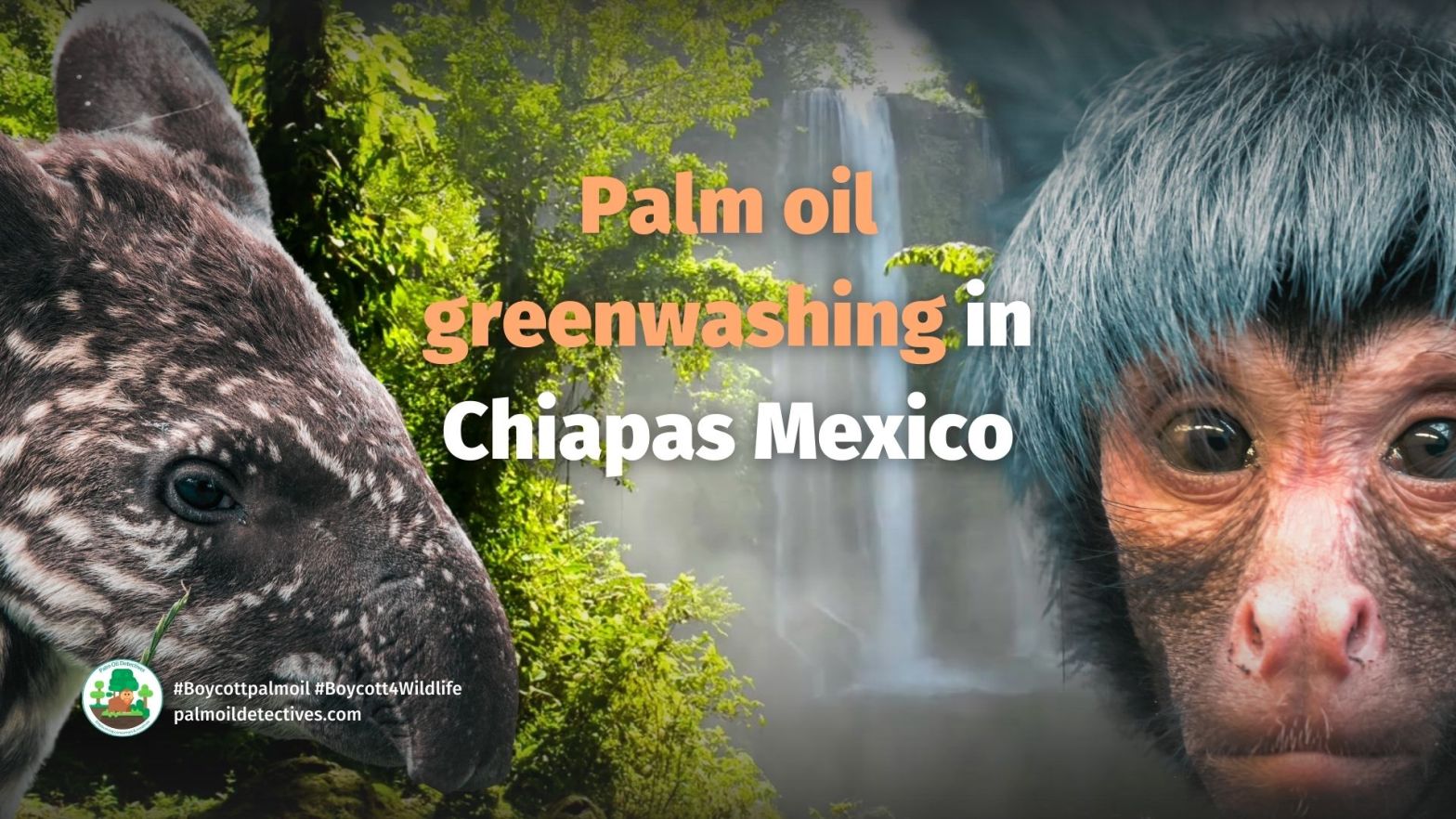
Situated on Mexico’s lush and biodiverse Pacific coast is La Encrucijada Biosphere Reserve – One of Mexico’s most spectacular natural treasures. Now the government and palm oil businesses are trying to sieze vast areas of land and legalise a huge area of illegally-cultivated oil palm, by reducing the size of this internationally significant environmental reserve. They are also using RSPO certification of a palm oil plantation close to the reserve in order to legitimise the expansion of palm oil in the area.
Extinction On Our Plates
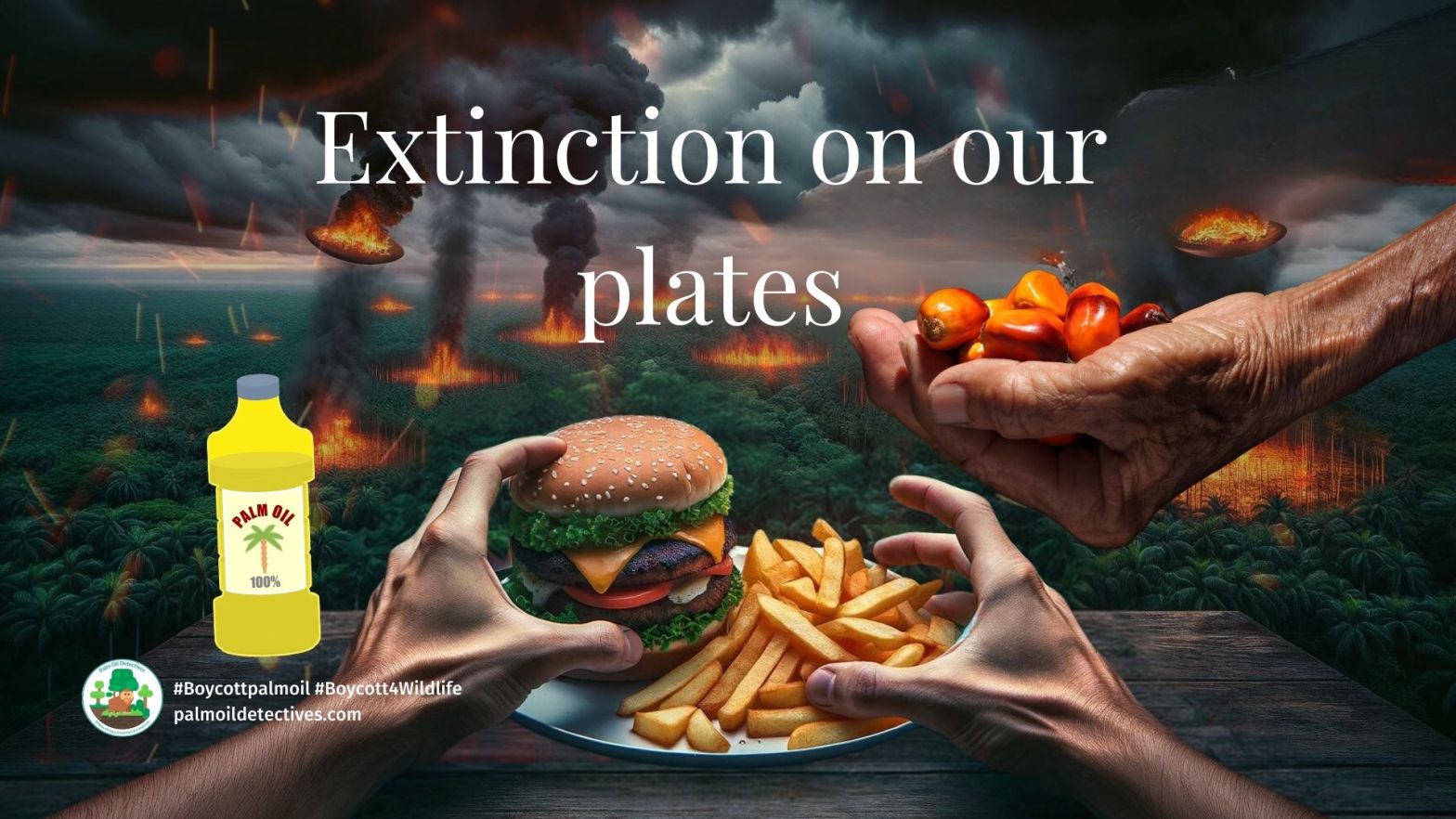
The contents of your fridge and dining table directly impacts the future of rare rainforest and ocean animals. That’s because industrial agriculture and aquaculture for commodities like meat, dairy, fish and palm oil is driving animals in the most biodiverse ecosystems on the planet closer towards extinction.
However, reducing the biodiversity footprint of global food consumption requires more than just consumer intervention. It requires immediate and widespread action from government policy-makers and law-makers as well, writes Ecologist Dr Quentin Read of North Carolina State University for 360info
Stop Gambling Our Future for Meat Deforestation
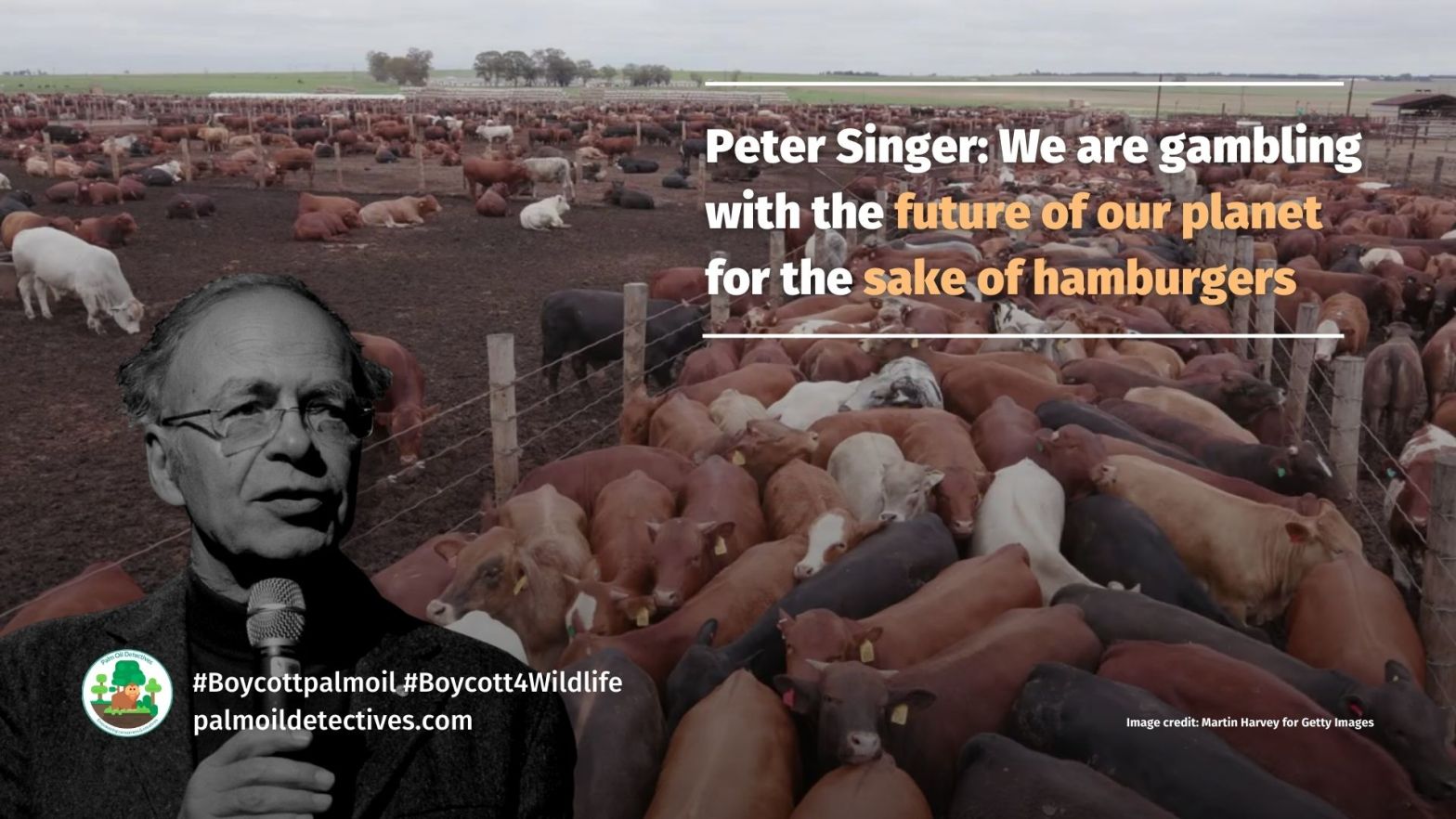
Ethicist Peter Singer warn our consumption of meat and dairy risks the planet’s future driving climate change, food security and animal extinction. Be vegan!
UK Pressuring Forests For Palm Oil and Beef
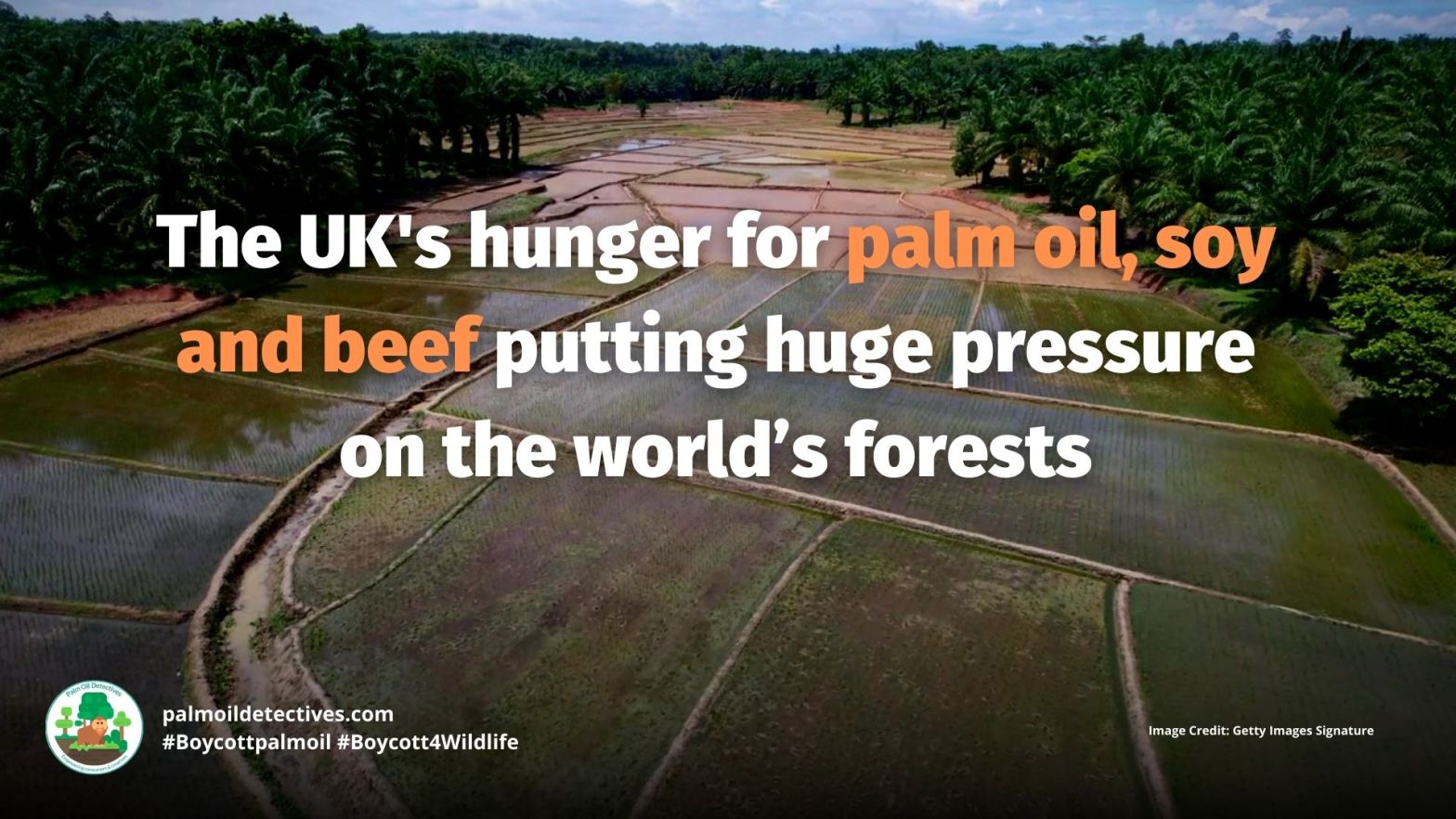
Urgent call to action! 🌍 #UK’s heavy use of #palmoil #soy & #beef fuels global #deforestation. Demand stricter regulations & transparency. Make every purchase count and #Boycottmeat #BoycottPalmOil #Boycott4Wildlife, learn more: https://wp.me/pcFhgU-78V
Green Lie of “Sustainable” Aviation Biofuel

“Sustainable” Aviation Fuel (SAF) is a biofuel alternative to using fossil fuels for powering planes and cars. SAF is being aggressively marketed by multiple industries as a greener alternative to burning fossil fuels in cars and airplanes.
However, SAF is produced from food crops such as rapeseed, palm oil, soy and sugar cane. This requires vast swathes of land to grow. This also means mass deforestation of land that is rich in biodiversity, putting at risk already threatened animals and plants and indigenous peoples all over the world. Emissions from palm oil-derived biodiesel are three times higher than fossil fuel diesel. According to Transport & Environment EU food-based biodiesel leads to around 80% higher emissions than the fossil fuel diesel that it replaces. Read on to find out how you can take action.
Ultra-processed Foods: Trashing Health and The Planet

Our world is facing a huge challenge: we need to create enough high-quality, diverse and nutritious food to feed a growing population – and do so within the boundaries of our planet. This means significantly reducing the environmental impact of the global food system. Below is information about how you can identify ultra processed foods containing palm oil and other harmful ingredients in order to avoid them – for your own health and the health of the planet. Help the planet, animals and indigenous peoples – #BoycottPalmOil #Boycott4Wildlife
Dwindling tropical rainforests mean lost medicines yet to be discovered in their plants
About 80% of the world population relies on compounds derived from plants for medicines to treat various ailments, such as malaria and cancer, and to suppress pain. Our future medicines are likely to come from plants, but how effectively are we protecting these plants from extinction? We aren’t doing enough and we must do more!
UN report says up to 850,000 animal viruses could be caught by humans, unless we protect nature
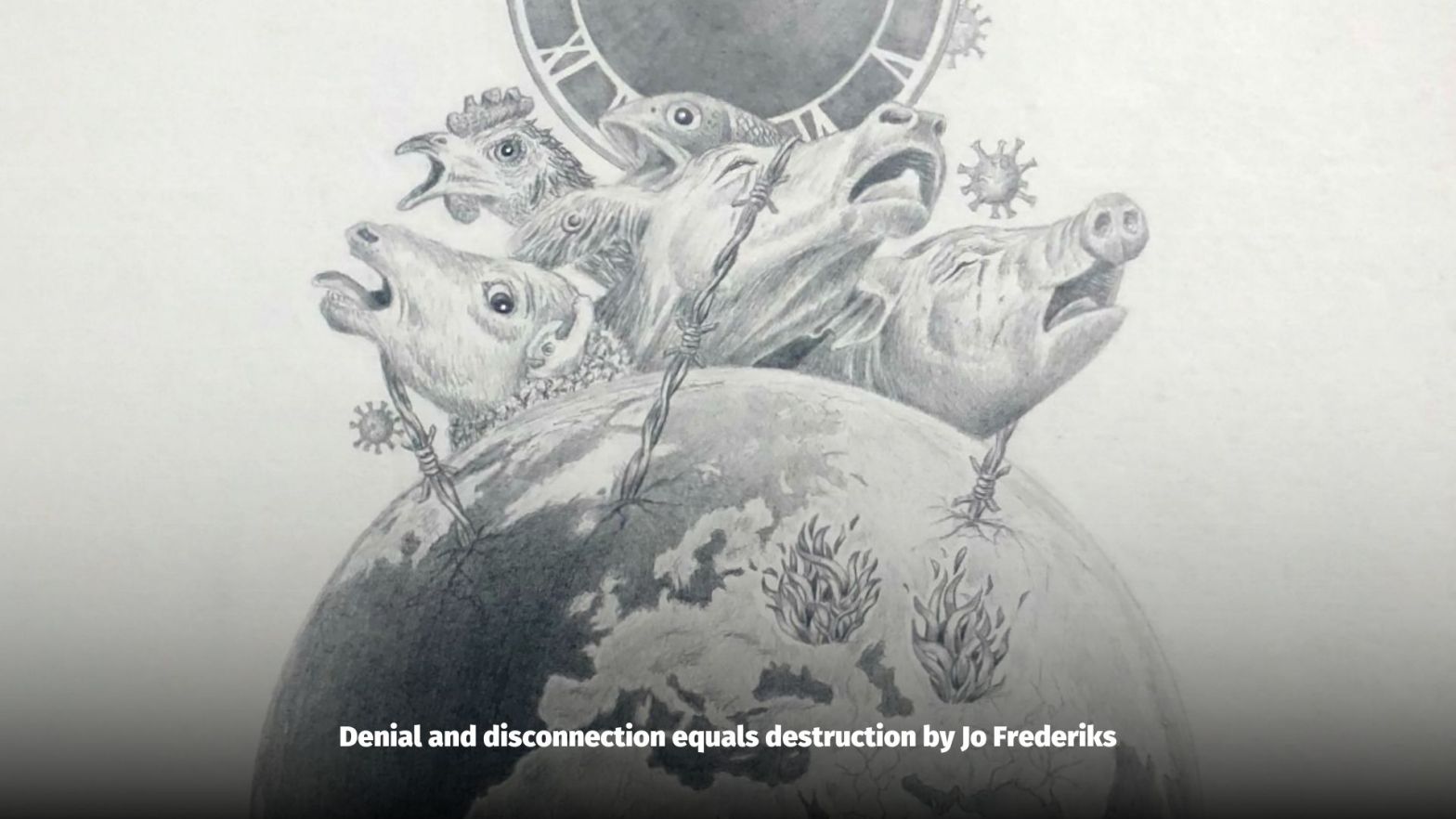
Human damage to biodiversity is leading us into a pandemic era. The virus that causes COVID-19, for example, is linked to similar viruses in bats, which may have been passed to humans via pangolins or another species.
Reasons to Hope: Palm Oil Alternatives Made Without Deforestation
The race is on to find a real solution to stop palm oil ecocide. For several years now, several new #biotech companies have been busy generating alternatives to palm oil that are healthier for human consumption and don’t require the destruction of rainforests sending thousands of species to extinction. Learn more about palm oil grown in labs synthesized from algae, microbes, CO2 and more. #BoycottPalmOil #Boycott4Wildlife
Why Peanut Butter Might Trigger the Next Pandemic
Palm oil is found in roughly 50 percent of packaged household products ranging from peanut butter to lipstick. Now, researchers link its harvesting to disease outbreaks that could spread to humans. This is the first study to examine the cause-and-effect relationship between changes in forest cover and subsequent disease outbreaks on a global scale.
Up to 90% of Cargill, Wilmar, Musim Mas’ Palm Oil Linked To Deforestation
Research finds that between 15-90% of palm oil processed by global palm oil traders: #Cargill, #MusimMas and #Wilmar is unable to be adequately traced. This is due to opaque indirect sourcing and is linked to deforestation. Palm oil deforestation is sending thousands of rare, #endangered species of #animals and #plants towards #extinction and leads to the violent displacement of indigenous peoples. The loss of carbon sinks from deforestation plays a significant role in global warming and the climate emergency. Take action every time you shop and #BoycottPalmOil #Boycott4Wildlife
Almost 90% of the world’s animal species will lose some habitat to agriculture by 2050
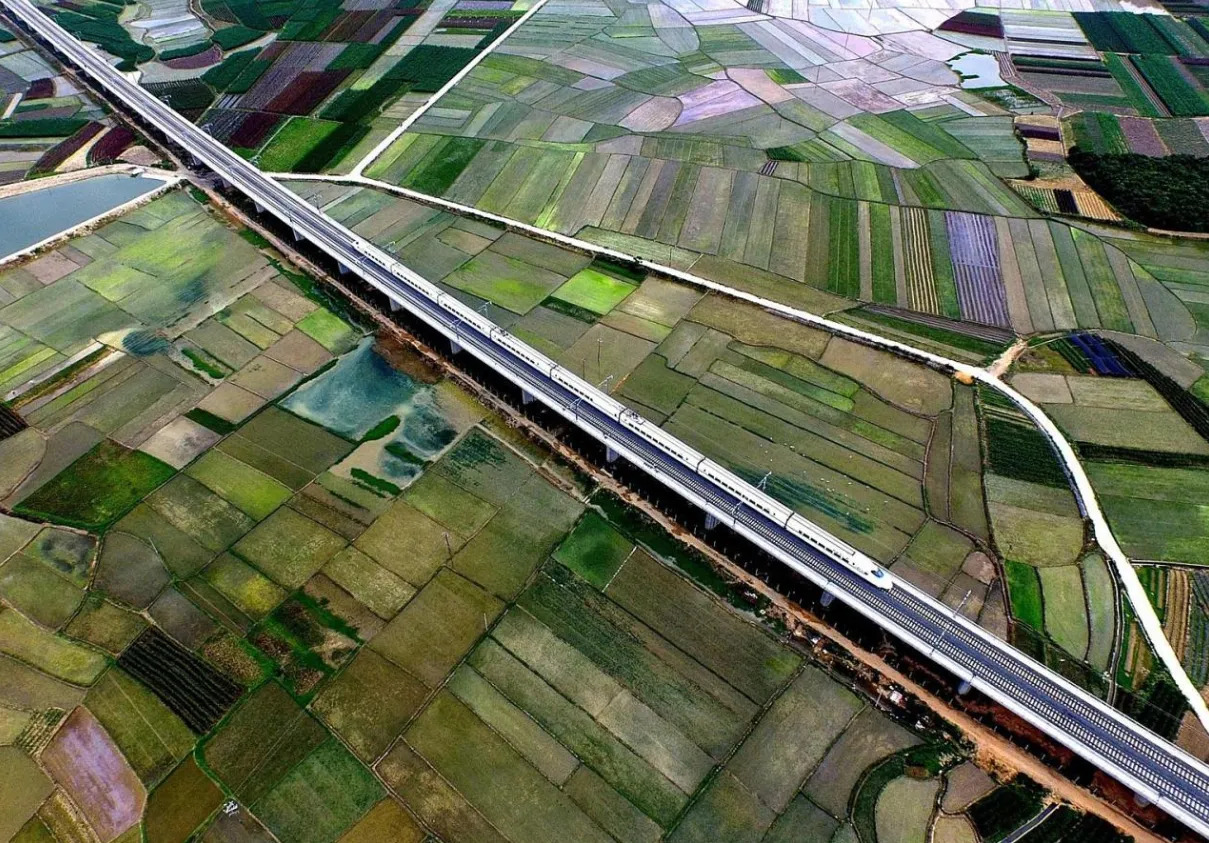
Scientists know that #biodiversity is declining across much of the world although less universally and dramatically than we feared. We also know that things are likely to get worse in the future, with a combination of #deforestation, #climatechange and overexploitation set to drive species and habitats ever closer to #extinction. Help them every time you shop and be #vegan #BoycottPalmOil #Boycott4Wildlife
A global juggling act: feeding the world, saving species

Our planet is on the precipice of a sixth mass extinction event. But unlike the five previous mass extinctions, this one is man-made: a global biodiversity crisis in which species are disappearing three to 12 times faster than the “normal” rate of extinction. A massive driver of this extinction is how humans eat. Be #Vegan for the animals #BoycottPalmOil #Boycott4Wildlife
The rise of ultra-processed foods and why they’re really bad for our health

Unlike traditionally produced foods humans have been making for many millennia, ultra-processed foods contain ingredients to prolong their shelf-life and artificially augment the food’s taste or texture. This occurs at the expense of nutritional value and as a result, human populations with a high consumption of ultra processed foods like palm oil, saturated fats and refined sugar are at high risk of chronic diseases like diabetes and obesity along with increased mortality risk from cardiovascular disease, #stroke, #dementia and gastrointestinal #cancer. Take action for your #health and #BoycottPalmOil
Explainer: What is a tipping point, and why should we care?
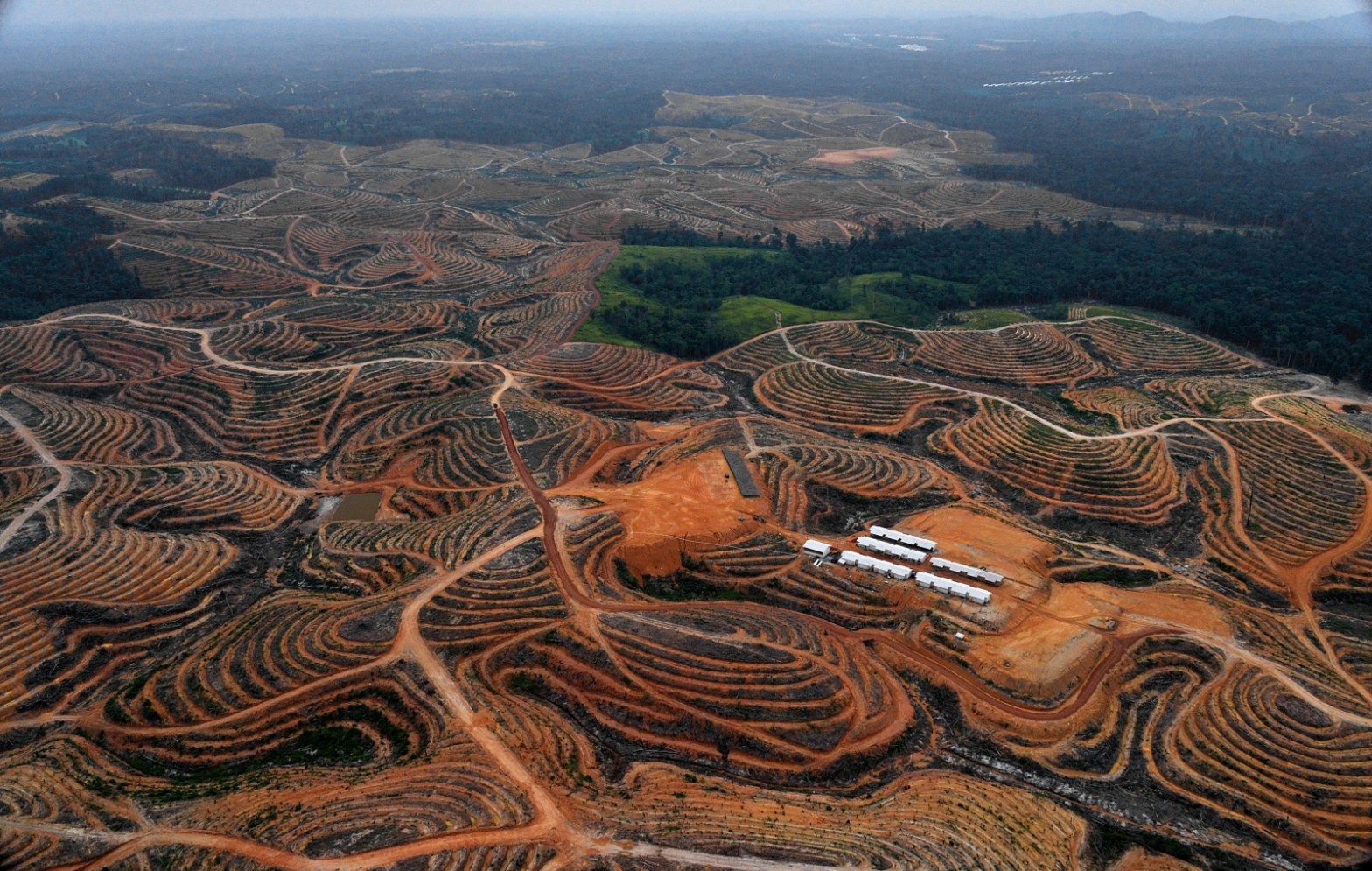
Lately, you may have heard someone say that we have reached a “tipping point.” Recently, we have witnessed dramatic shifts in our social and economic states of being. Our ability to understand and act thoughtfully around this single concept could determine the fate of life on Earth. Help reverse the upheavals and tipping points every time you shop #Boycott4Wildlife
Can we feed the world and stop deforestation? Depends what’s for dinner
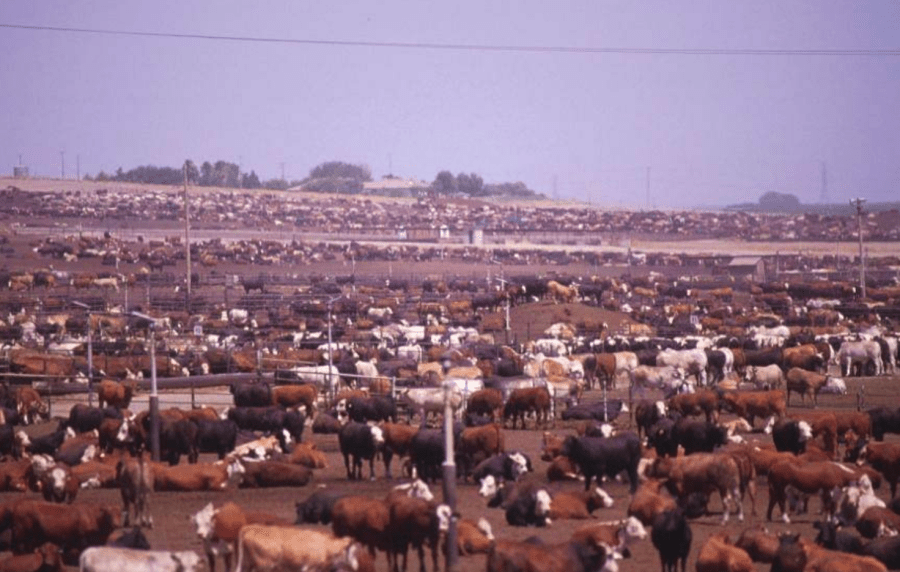
It’s a tricky thing to grow enough #food for a ballooning population without destroying the natural world. And when I say a tricky thing, I mean it’s one of the greatest challenges humanity has ever faced. Luckily for us, it is theoretically possible, and the easiest way to get there is by drastically cutting down on meat. We deforest an area the size of Panama every single year. Across the world, food is the number one cause of #deforestation, especially our taste for meat. If we all woke up #vegan in 2050, we would need less land than in 2000. We could reforest an area the size of the Amazon. 80% of deforestation is from #meat” Take action every time you shop and go plant-based #Boycott4Wildlife
How our food choices cut into forests and put us closer to viruses
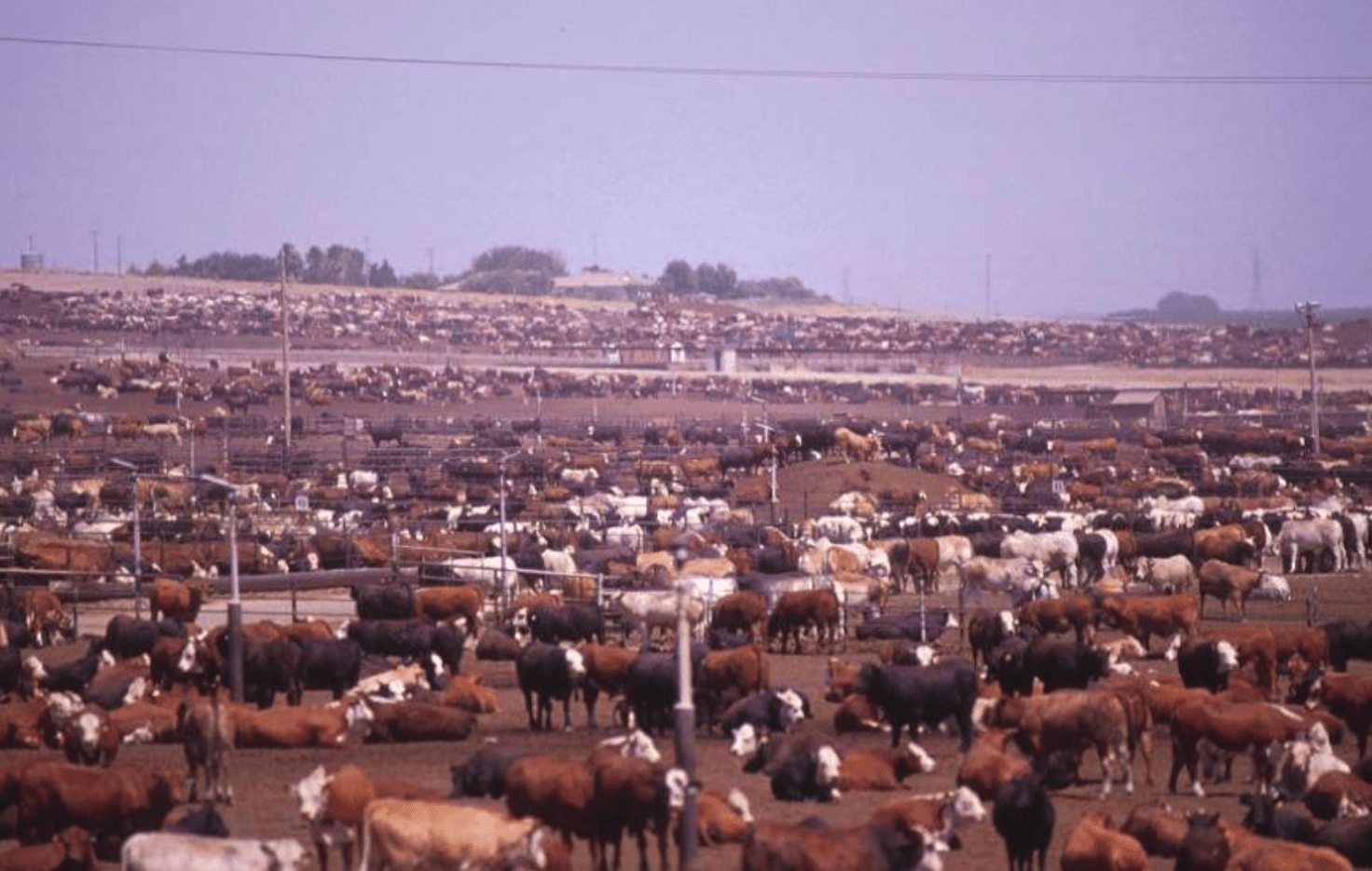
As the global population has doubled to 7.8 billion in about 50 years, industrial agriculture has increased the output from fields and farms to feed humanity. One of the negative outcomes of this transformation has been the extreme simplification of ecological systems, with complex multi-functional landscapes converted to vast swaths of monocultures that lack the complexity of biodiversity found in tropical rainforests. Industrial agriculture is the biggest threat to rare wild animals and rare wild plants in the world. Fight back and resist extinction every time you shop – be #Vegan and #BoycottPalmOil #Boycott4Wildlife
The Counterpunch: Consumer Solutions To Fight Extinction

Although the world is highly complex, every person can make a difference. That previous sentence almost sounds like a cliche right? Really it’s not. If every person on the planet made a few simple lifestyle changes, it would result in less demand on land and resources and soften the impact of deforestation on endangered species.Continue reading “The Counterpunch: Consumer Solutions To Fight Extinction”
Research: Palm Oil Deforestation and its connection to RSPO members/supermarket brands
Discover the truth about palm oil from experts’ reports. Research shows RSPO members still cause deforestation and human rights abuses, despite greenwashing!
 Palm Oil Detectives