
There is no excerpt because this is a protected post.
Tag Archives: Guatemala
Margay Leopardus wiedii
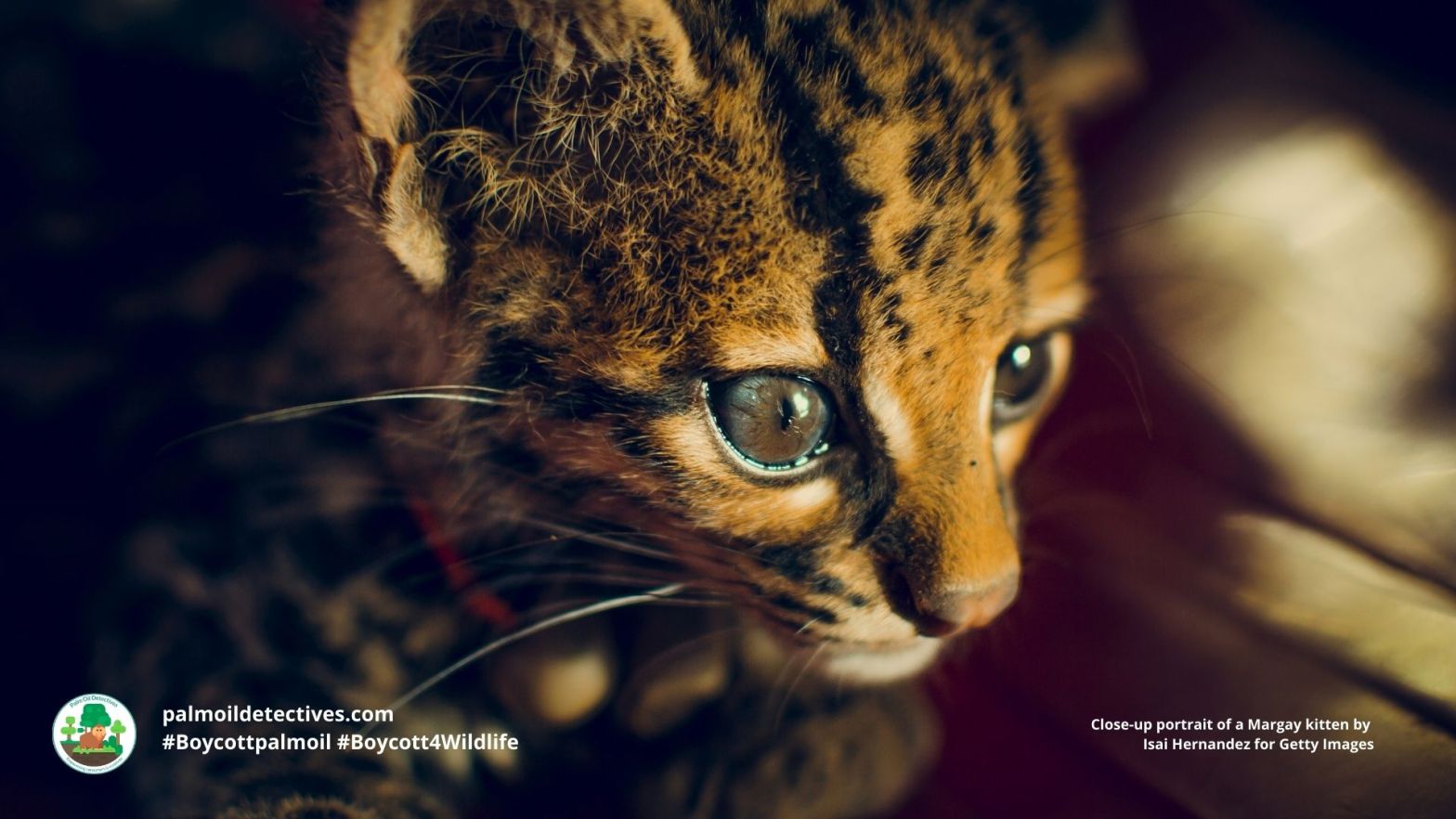
Graceful, athletic and beautiful feline of the Amazon jungle, margays are small wild cats endemic to South and Central America. Every margay has a unique spotted pattern on their coat. They depend heavily on the rainforest canopy for hunting small mammals, reptiles and amphibians and are thought to mimic the call of the pied tamarin in order to hunt for them. Deforestation for #palmoil, soy and meat along with illegal poaching are devastating to them. Help them every time you shop and be #vegan, #Boycottpalmoil #Boycott4Wildlife
Research: Certifying Palm Oil as “Sustainable” Is No Panacea

University of Michigan research reveals that RSPO certification is associated with deforestation and human rights abuses in Guatemala. Boycott palm oil! The results of this paper show that these plantations were responsible for 28% of the region’s deforestation, and RSPO-certified plantations did not significantly reduce deforestation. The study links this deforestation to the supply chains of major brands: Pepsico, Mondelēz International, and Grupo Bimbo, who rely on RSPO-certified supplies.
As a consumer you can make a difference every time you shop, use your wallet as a weapon and #Boycottpalmoil #Boycott4Wildlife
Spoiled Fruit: Land-grabbing, violence and slavery for “sustainable” palm oil
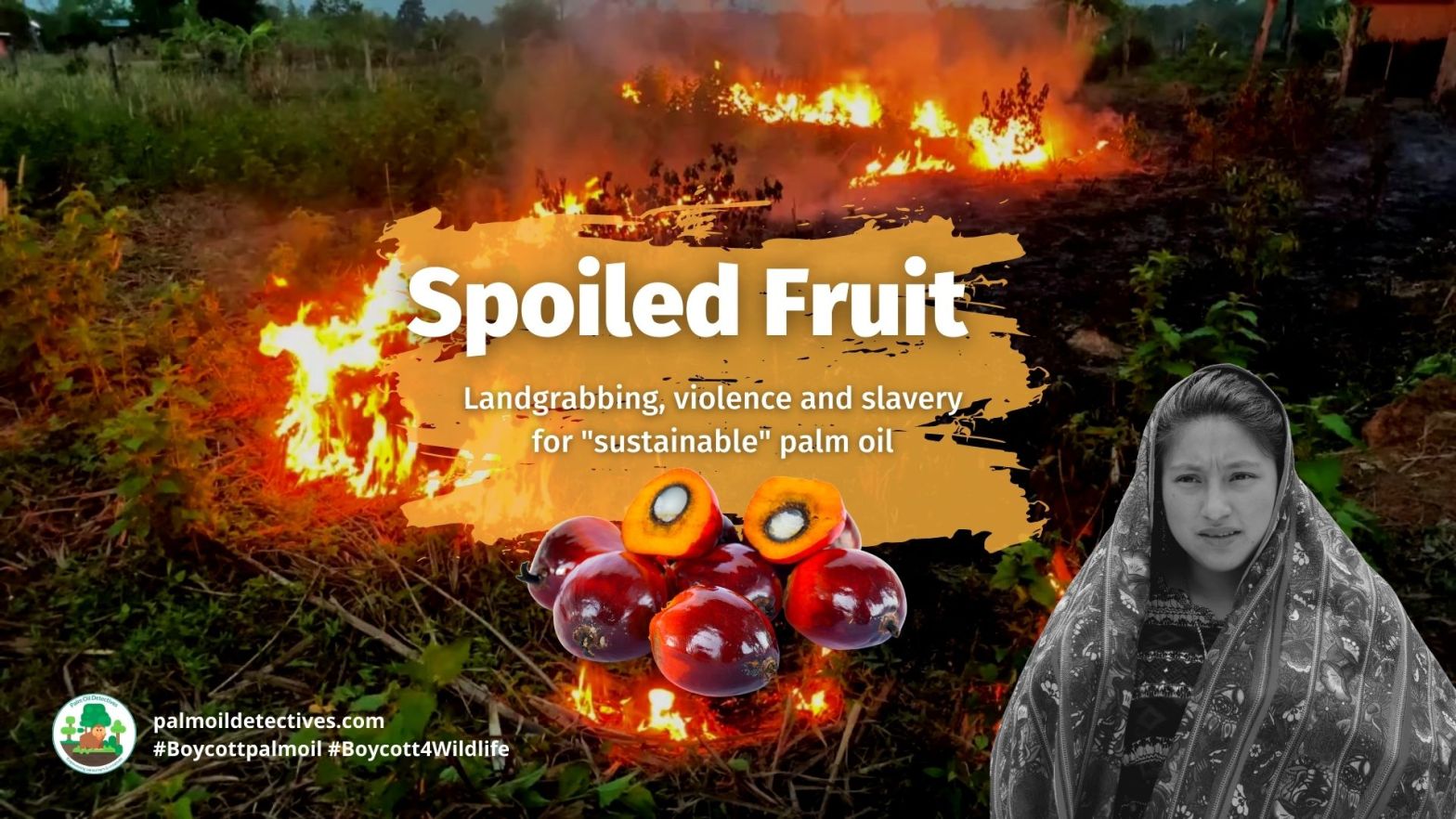
C4ADS analysis shows that the food conglomerates that feed millions—including giants such as Nestlé, Cargill, Adani Wilmar, IOI, Olenex and more —continue to enable forced labor through their indiscriminate import of tainted palm oil associated with slavery, indigenous land-grabbing, deforestation and human misery in the developing world.
Baird’s Tapir Tapirus bairdii
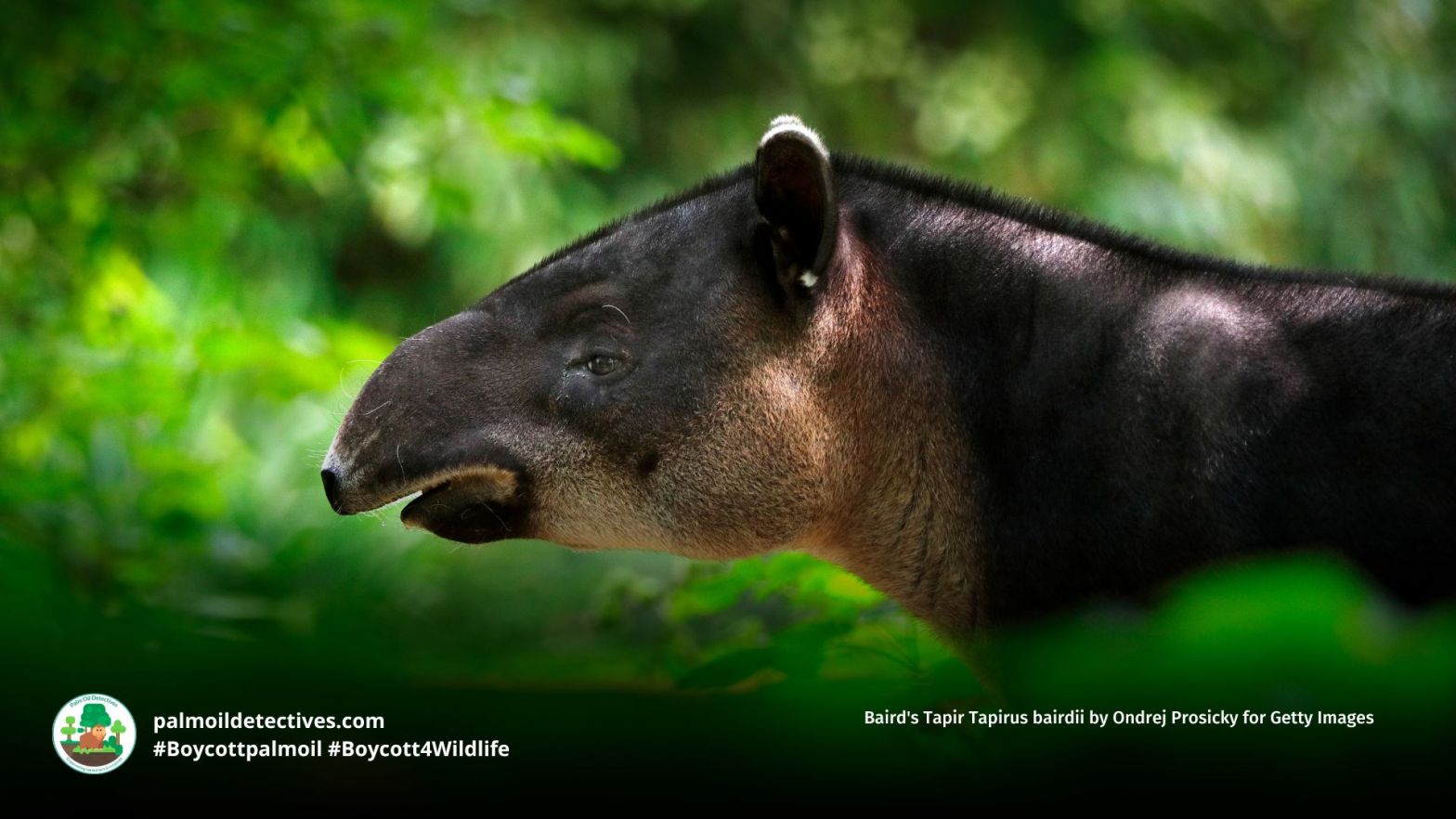
Baird’s tapirs may look like they are relatives of elephants, but they’re actually closer kin to horses, donkeys, zebras, and rhinoceroses. Also known as the Central American tapir, they are the largest land mammals in Central America and a living relic of an ancient lineage.
Their robust, stocky bodies and distinctive trunk-like snout make them unique among mammals. However, they are now Endangered, with fewer than 5,000 individuals left in the wild.
Tragically, palm oil, soy and meat deforestation, hunting, and human encroachment are driving this species toward extinction. Protecting their habitats is critical to ensuring their survival. Use your wallet as a weapon—boycott palm oil and support conservation initiatives. #BoycottPalmOil #Boycott4Wildlife
South America: Species Endangered by Palm Oil Deforestation
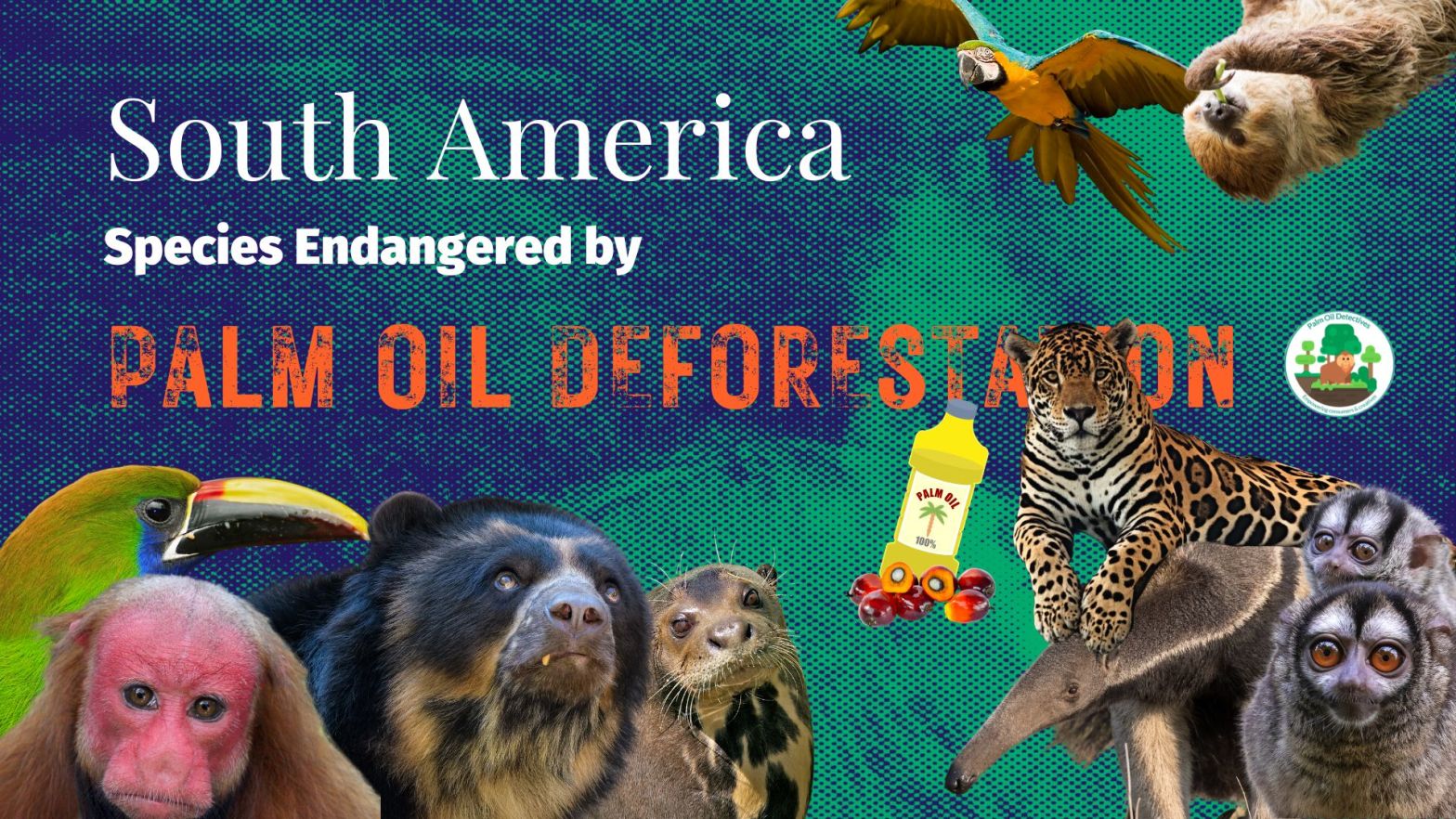
As the lush equatorial rainforests of South East Asia are exhausted, increasingly focus is being placed on parts of Central and South America. Oil Palm is a growing commodity there and is found in Colombia, Brazil, Ecuador, Guatemala and Mexico. Help the rare and beautiful animals of South and Central America to survive the scourge of palm oil and #Boycottpalmoil #Boycott4Wildlife in the supermarket. Learn more
 Palm Oil Detectives