
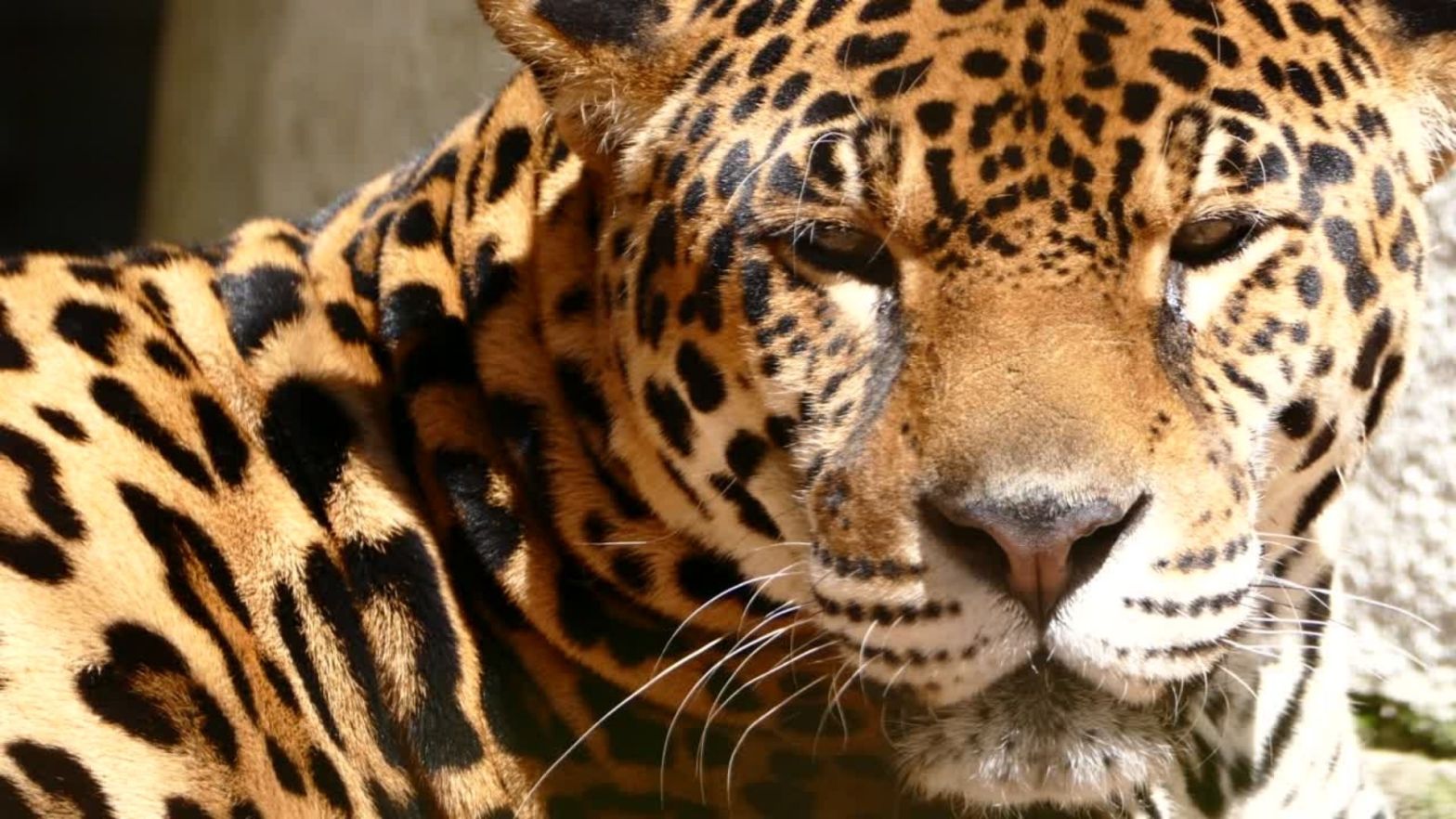
Global Witness report finds JBS, the world’s largest meat company, is directly linked to deforestation in the Amazon and Pantanal putting jaguars at risk
Tag Archives: meat agriculture
Finance giants fuel $8.9 trillion deforestation economy
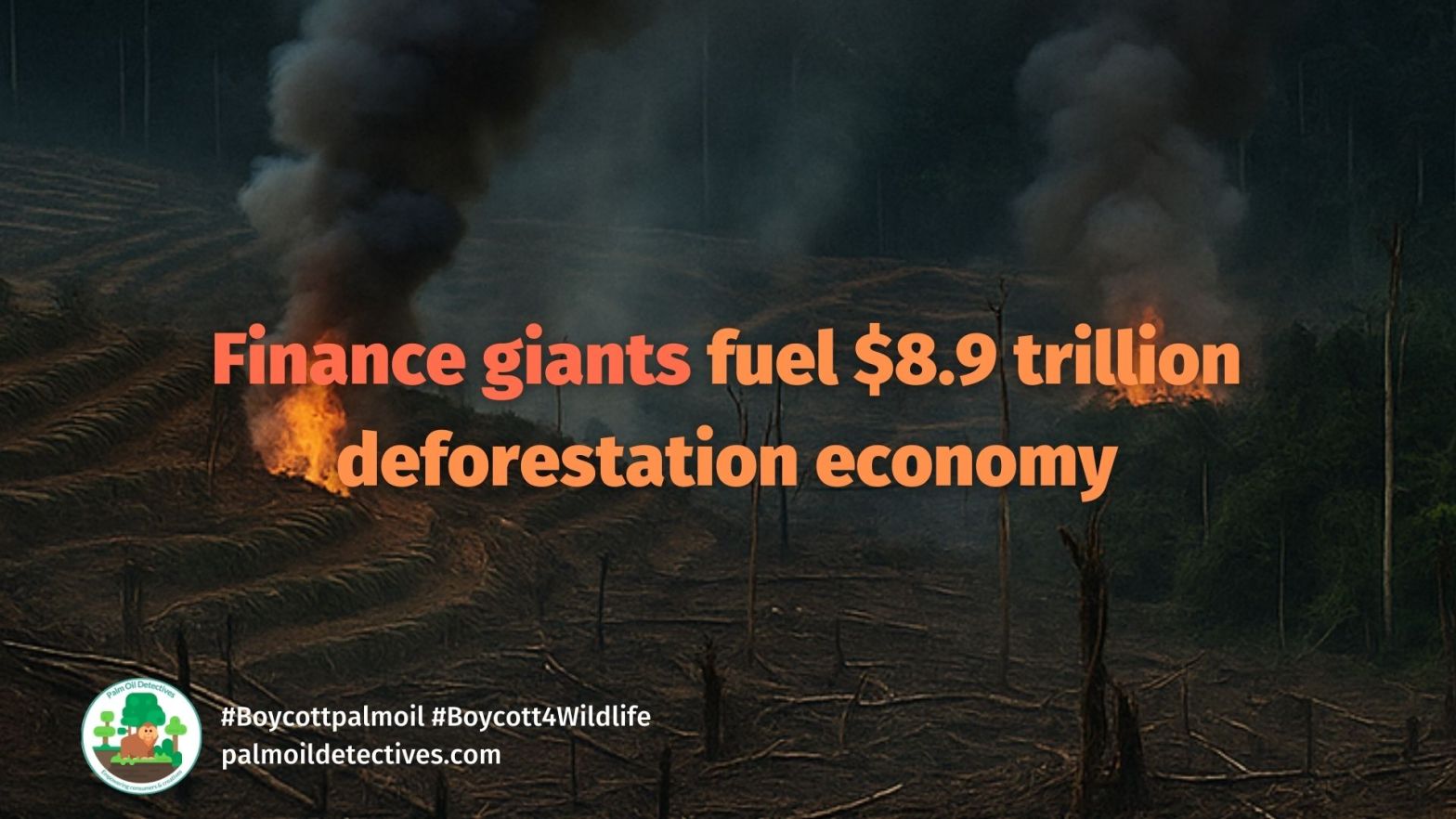
Forest 500 report shows 150 of the world’s largest financial institutions invested nearly $9 trillion in deforestation-linked industries. Support EUDR!
Savage’s Glass Frog Centrolene savagei
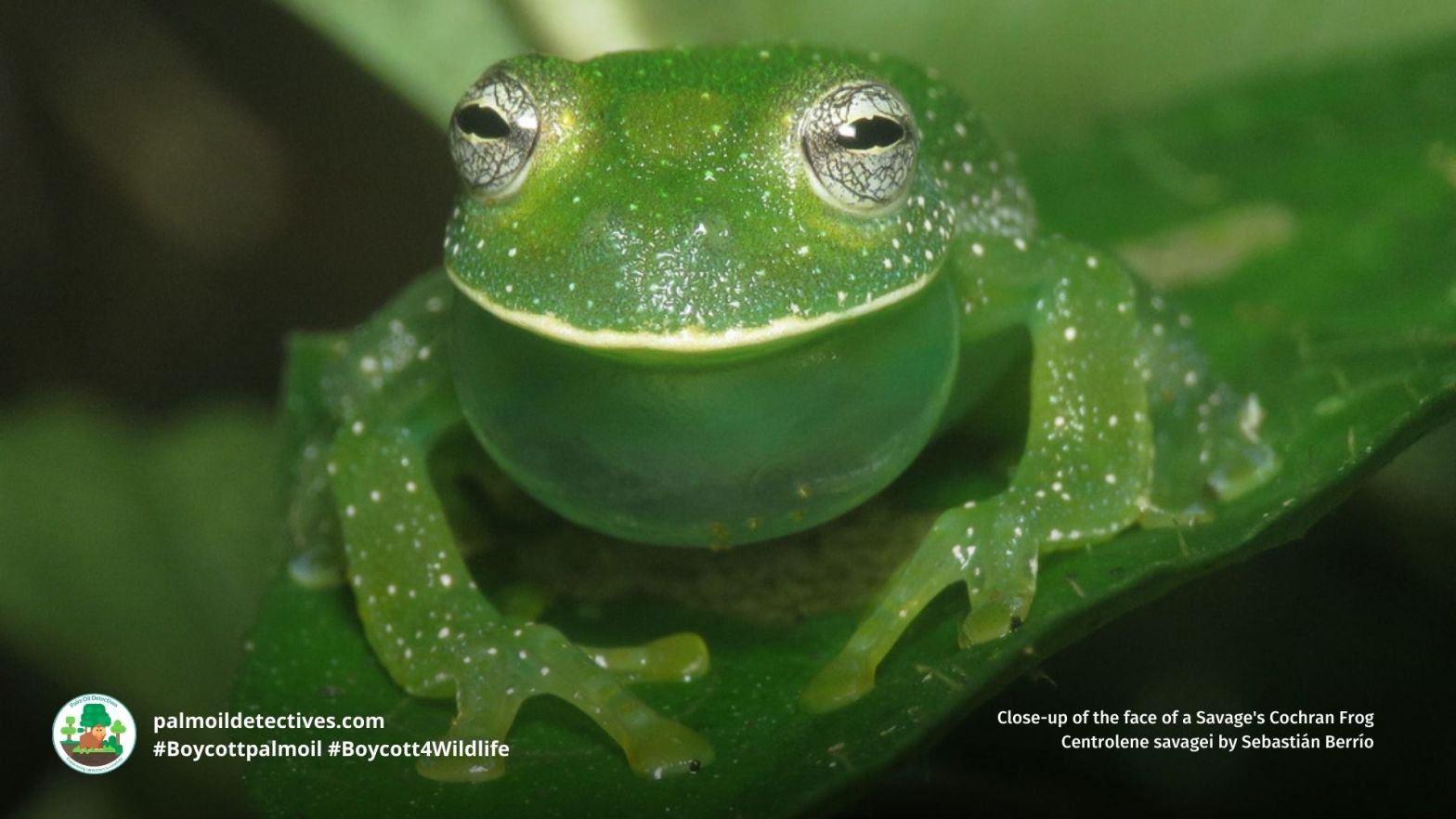
Perched on delicate leaves above rushing mountain streams, Centrolene savagei is a rare frog of wonder. The Savage’s Glass Frog, also known as the Savage’s Cochran Frog has translucent emerald skin that shimmers under moonlight, revealing a celestial map of organs and veins. These appear like a tiny universe of stars glowing beneath their skin. This remarkable adaptation serves as camouflage, allowing them to blend seamlessly into their misty rainforest habitat. Male frogs fiercely protect a clutch of around 30 eggs while females gather food. Tragically these magnificent #frogs face mounting threats from #deforestation for #palmoil #soy #meat along with #climatechange which is disrupting the delicate balance of their cloud forest home. Protecting the cloud forests of #Colombia is essential to ensuring their continued survival. #BoycottPalmOil #Boycott4Wildlife.
Corporate Control of Food Harms Us All
Around 800 million people in our world go hungry each day. Yet around the globe we have enough food to go around. So why the discrepancy? Market concentration and corporate monopoly of our global food system means that corporate giants control everything from access to seeds, access to land, #workersrights, #greenwashing and wages. Mergers and acquisitions take place at all stages of the global food system – from seeds and fertilisers to machinery and manufacturing. This is what contributes to bad health outcomes and food inequality. Learn how you can boycott big brands causing the corporate crush and other solutions. #Boycott4Wildlife
Andean condor Vultur gryphus

The Andean condor Vultur gryphus is one of the largest flying #birds in the world, with a wingspan of up to 3.3 metres and a body weight of up to 15 kilograms. These amazing birds are able to soar for up to five hours and cruise for over 100 kilometres using wind currents, not flapping. They are primarily scavengers, feeding on carrion from large carcasses such as deer, cattle, and marine mammals. With a striking black plumage and distinct white ruff around their necks, they are iconic symbols of the #Andes mountains. Despite their impressive size and strength, Andean #condors are classified as #Vulnerable from human-related threats including habitat loss for #palmoil, #soy and #meat #deforestation. Farmers persecute these beautiful birds putting poison into animal carcasses. Their slow reproductive rate makes their survival even more challenging. These birds are critical for ecosystems, disposing carrion. Thus they prevent the spread of diseases. Help them to survive by simply changing your diet and buying habits. #BoycottMeat and be #vegan #Boycott4Wildlife
Brazilian three-banded armadillo Tolypeutes tricinctus

The Brazilian three-banded #armadillo Tolypeutes tricinctus, known as “tatu-bola” in Portuguese, is a rare and unique species native to #Brazil. With the ability to roll into a near-impenetrable ball, this endearing behaviour has made them an icon of conservation efforts. They are found in the dry forests and savannahs of Brazil, particularly in the #Cerrado and Caatinga biomes. These fascinating armoured creatures are Vulnerable on the IUCN Red List due to agricultural expansion for #palmoil, #soy and #meat. Fragmentation of their ecosystem is ongoing for infrastructure projects and #goldmining. With their population in sharp decline, efforts to protect their habitats are essential for their survival. Help them every time you shop and adopt a #vegan diet, and #BoycottPalmOil #BoycottGold #Boycott4Wildlife on social media!
Nancy Ma’s Night Monkey Aotus nancymaae
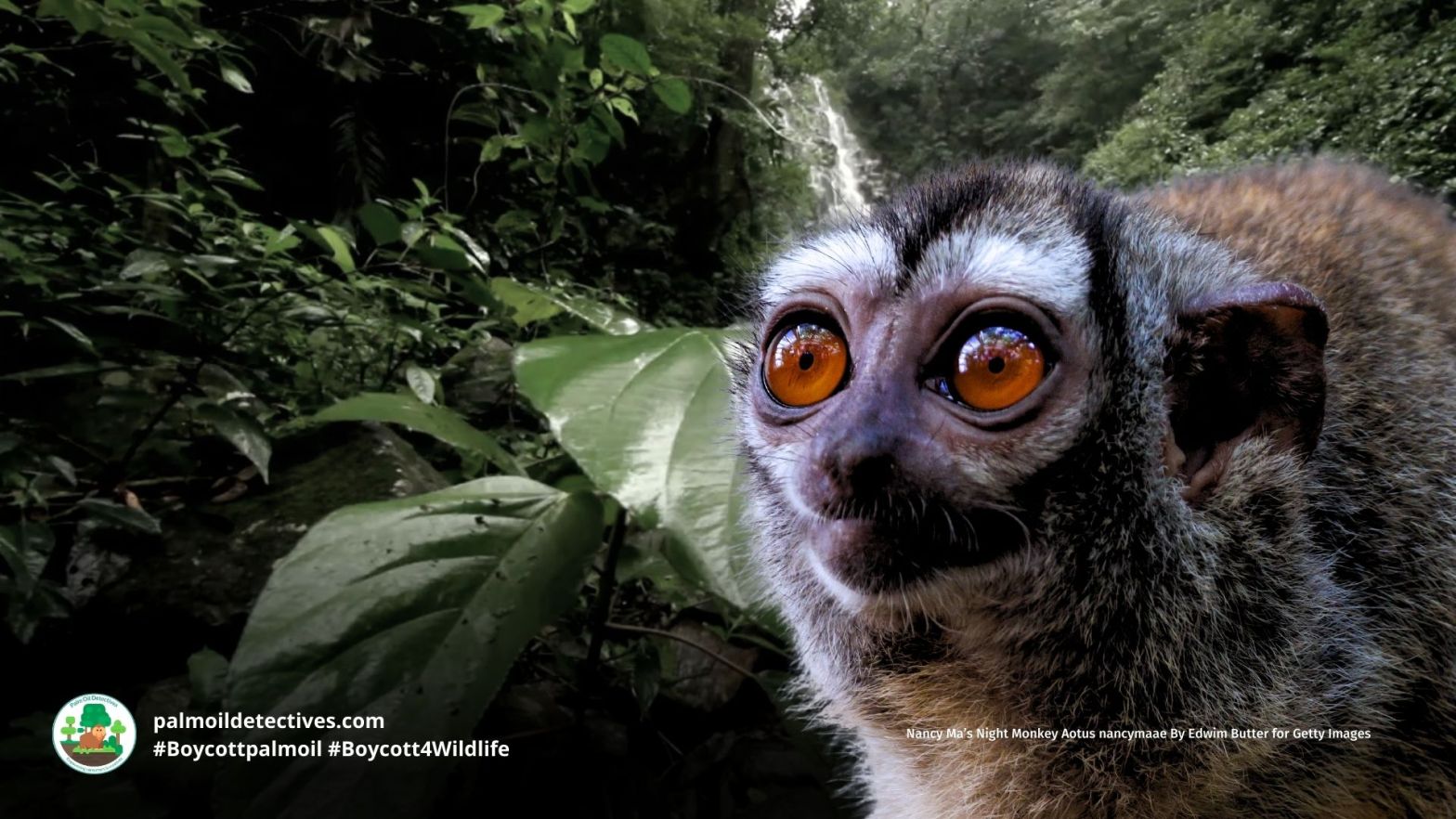
Deep in the heart of the Amazon rainforest, the Nancy Ma’s night monkeys peer out of the trees during the dusk with their large, soulful eyes and striking facial markings. Also known as the Ma’s night monkey or the Peruvian red-necked owl monkey, this nocturnal primate is named in honour of Dr. Nancy Shui-Fong Ma, who played a significant role in their genetic research. They are endemic to Brazil, Peru, and parts of Colombia, these monkeys are an essential part of their ecosystem. They now face direct threats from expansion for palm oil, soy and meat deforestation and are wild captured for scientific research – much of primate research is not even relevant to human health. Help them every time you shop and #BoycottPalmOil, be #vegan and #Boycott4Wildlife!
Northern Muriqui Brachyteles hypoxanthus
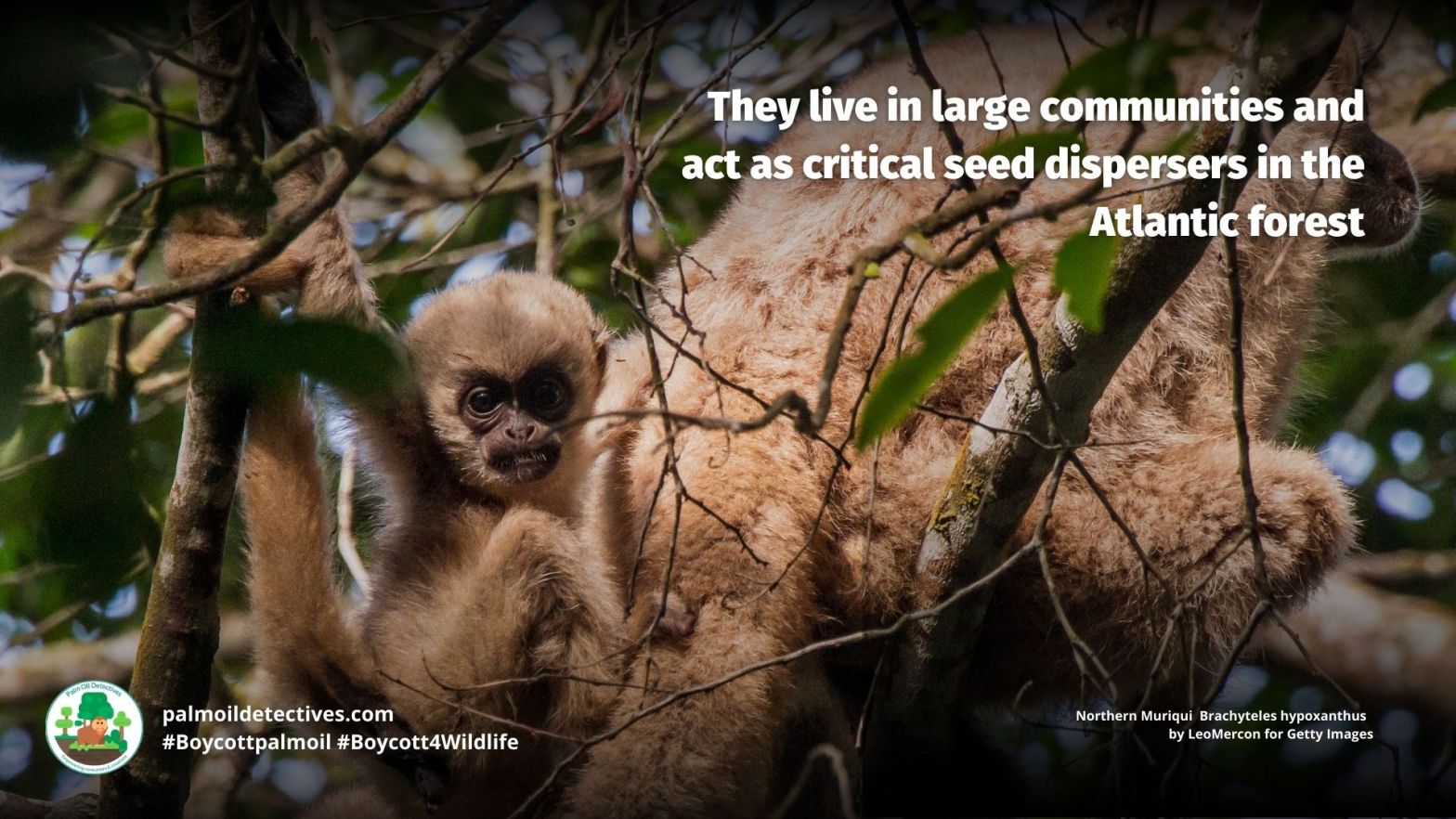
Northern Muriquis (AKA Woolly Spider Monkeys) have a striking light brown and golden fur and are known for their rattling vocalisations. They live in large communities and act as critical seed dispersers in the Atlantic forest. There are fewer than 800 individuals left alive and they are critically endangered. Their main threats are palm oil, meat and soy deforestation in Brazil, along with illegal hunting. Help them every time you shop and be #vegan, #Boycottpalmoil and #Boycott4Wildlife
Indian Rhinoceros (Greater One-horned Rhino) Rhinoceros unicornis
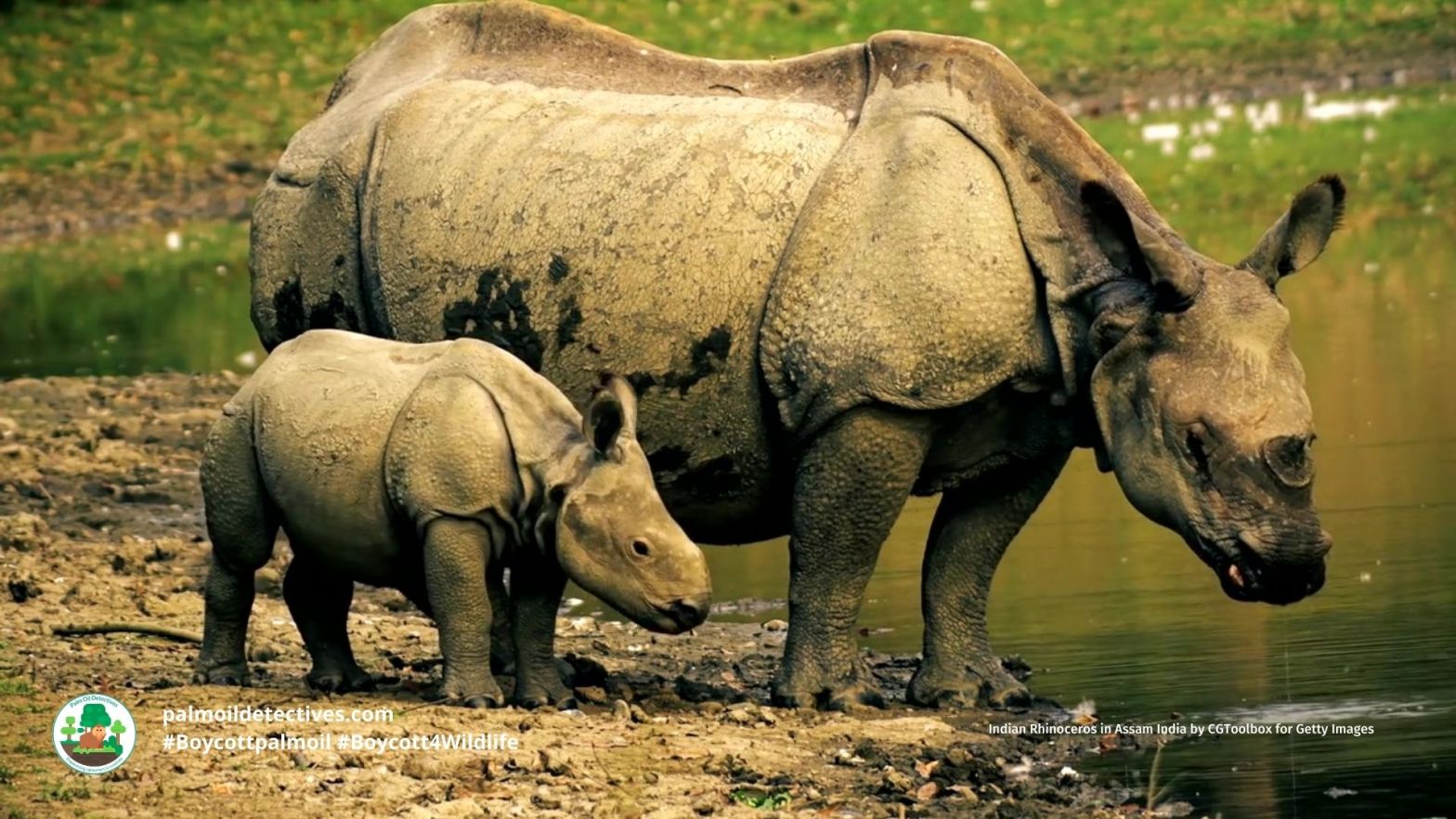
The largest of the three rhino species in Asia, the Indian Rhino has a distinctive and unique armour-plated look which lends them a fairytale quality that has captivated admirers for aeons. Although Indian rhino numbers have climbed over the past decades due to conservation, they are under imminent threat from the expansion of palm oil deforestation in the Assam region of India. A protected national park there is earmarked for destruction. Use your wallet as a weapon every time you shop and #Boycottpalmoil #Boycott4Wildlife
Ultra-processed Foods: Trashing Health and The Planet

Our world is facing a huge challenge: we need to create enough high-quality, diverse and nutritious food to feed a growing population – and do so within the boundaries of our planet. This means significantly reducing the environmental impact of the global food system. Below is information about how you can identify ultra processed foods containing palm oil and other harmful ingredients in order to avoid them – for your own health and the health of the planet. Help the planet, animals and indigenous peoples – #BoycottPalmOil #Boycott4Wildlife
Golden Langur Trachypithecus geei
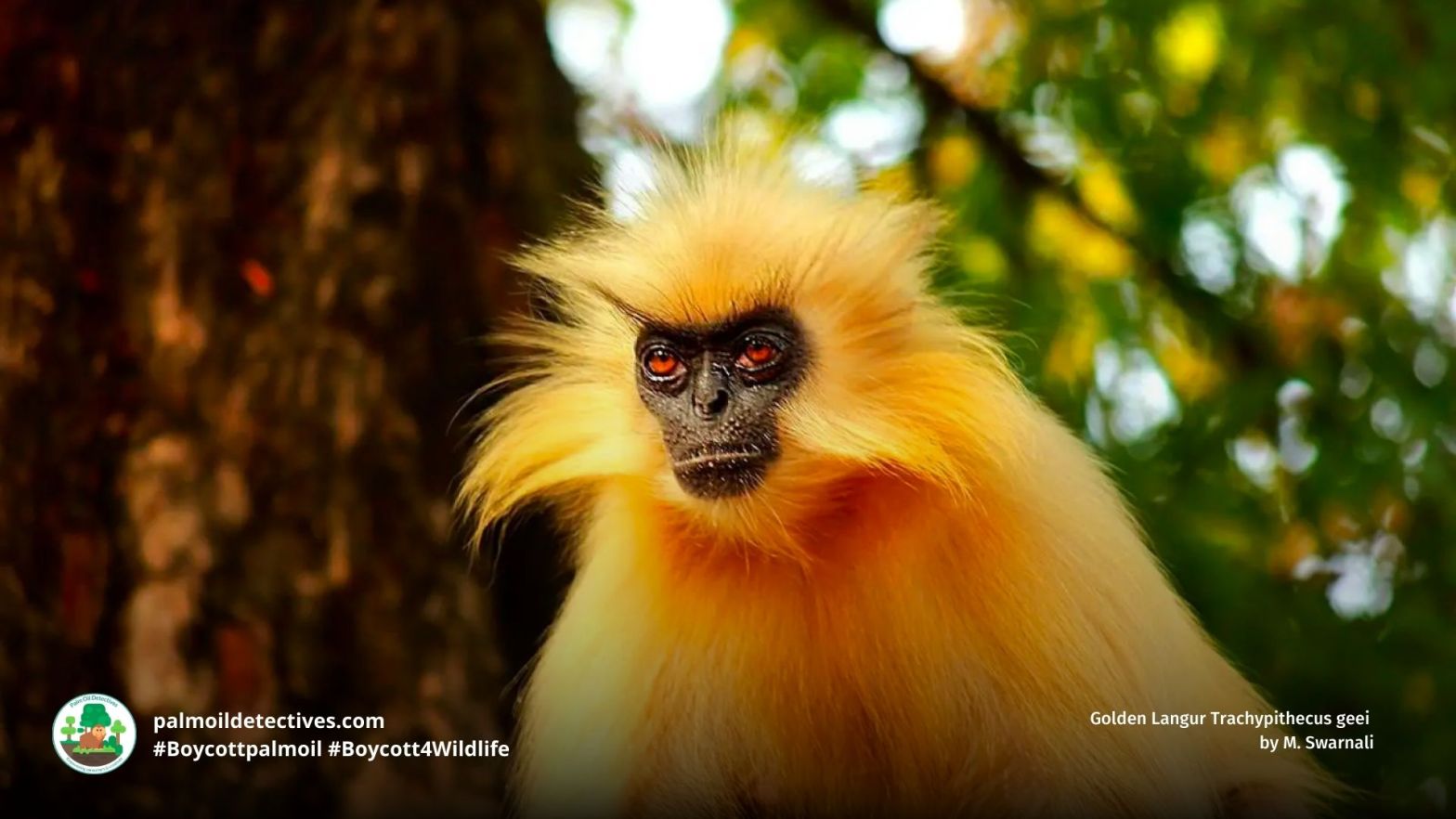
The regal, striking looking Golden #langurs Trachypithecus geei is also known by the common names Gee’s Golden #langur. They are the most endangered primate species in #India and are considered to be sacred to many Himalayan peoples. Once widespread, they are now only found in a handful of fragmented forests straddling India and Bhutan. They are classified as endangered due to #palmoil, #meat and #timber #deforestation and hunting. Golden langurs are known for their expressive eyes and grumpy expressions. This has made them the subject of global fascination and online memes. Help them every time you shop and be #vegan, #Boycottpalmoil and #Boycott4Wildlife
What is causing the latest outbreak of Ebola in Uganda?

In light of the most recent Ebola outbreak in Uganda (over the past month), many people are experiencing a sense of déjà vu. The rapacious destruction of rainforests for palm oil, soy, meat and dairy by multinational corporations is deeply linked to the spread of infectious zoonotic diseases, such as Ebola. These diseases are becoming more and more commonplace with the destruction of the environment and growth of animal agriculture. This has enormous implications for human #health, food security, animal conservation and planetary health. #BoycottPalmOil #Boycott4Wildlife
Insect decline in the Anthropocene: Death by a thousand cuts
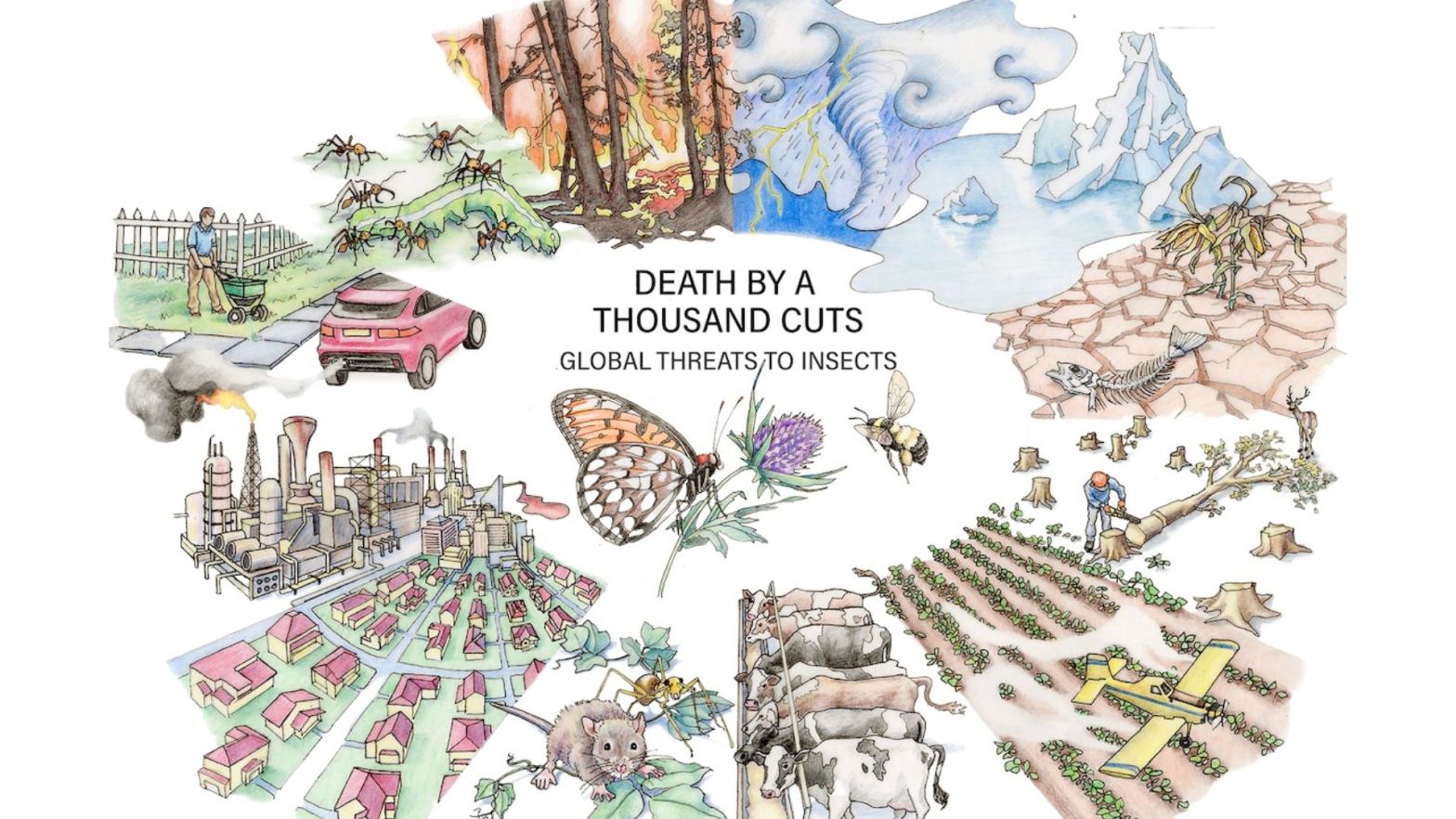
#Insects 🪰🦋🪳🪲🐞🐛💌😻🌿 are the incredible engine room of the planet ensuring ecosystems work. They’re under siege by human-caused #climatechange #deforestation #pollution. Report via @PNASnews. #BoycottPalmOil 🌴⛔️ #Boycott4Wildlife @palmoildetect https://palmoildetectives.com/2022/06/23/insect-decline-in-the-anthropocene-death-by-a-thousand-cuts/
Ecuadorian White-fronted Capuchin Cebus aequatorialis
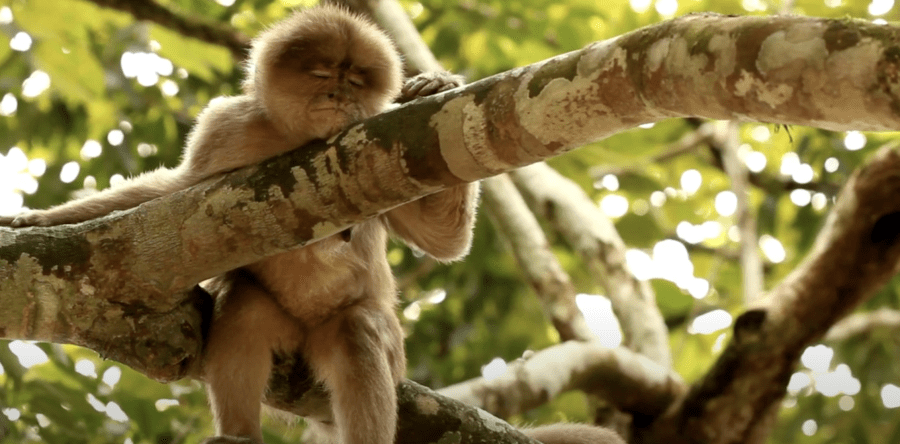
Ecuadorian White-fronted Capuchins face habitat loss to palm oil, hunting, and mining. Less than 10,000 remain. Support forest defenders. #BoycottPalmOil
Demand for meat is driving deforestation in Brazil – changing the soy industry could stop it
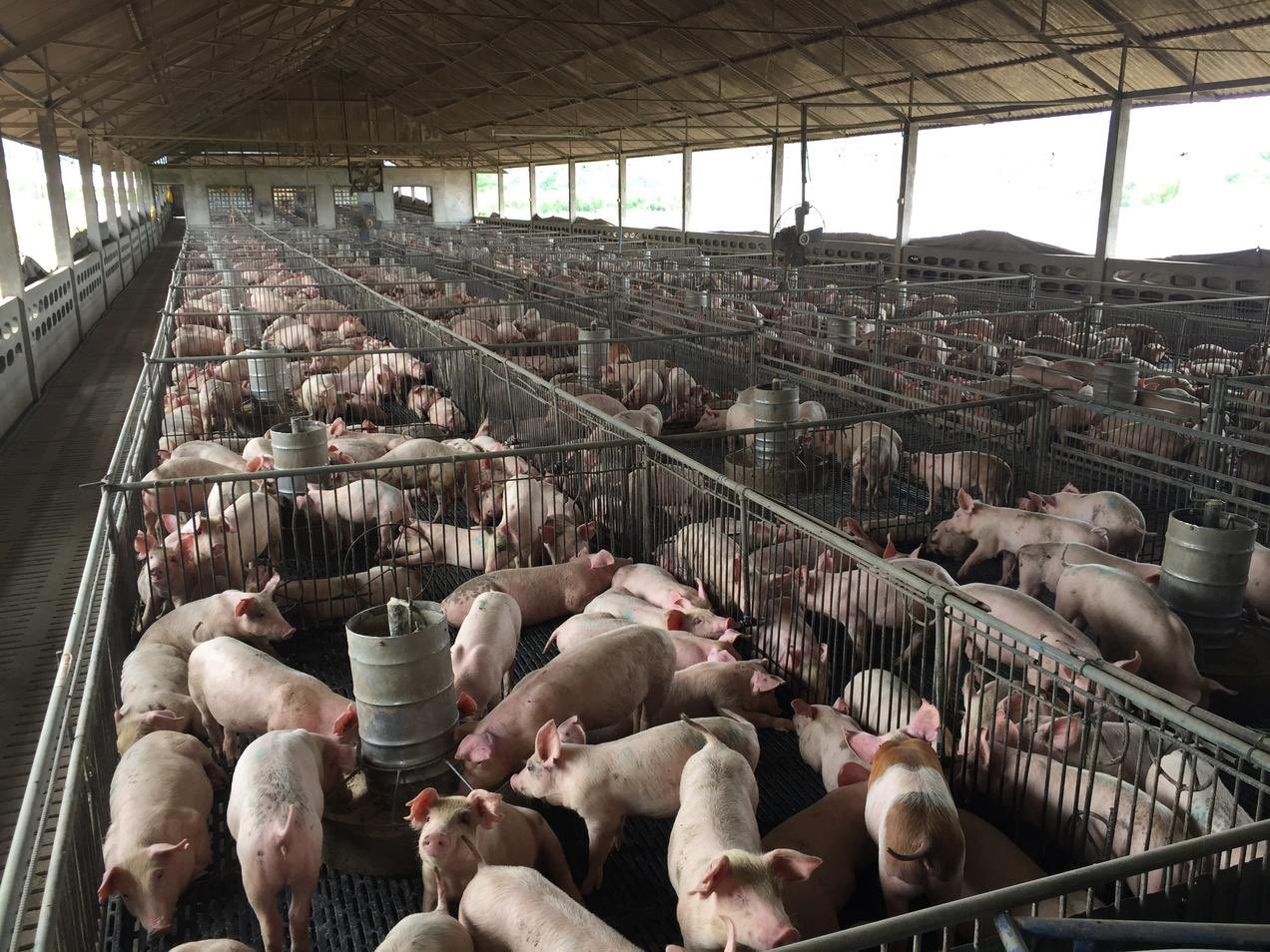
For many people, soy as a commodity has a pretty innocuous reputation thanks to its association with vegan food and meat alternatives. However don’t be fooled – crops of this pale legume are behind much of Brazil’s epidemic of deforestation. Much more #soy is fed to farm animals that people eat than is used in vegan food. Since 2000, #Brazil has doubled its total area of soy plantation to 36 million hectares and become the world’s largest producer. This expansion has erased vast swathes of forest and other habitats in some of the country’s most biodiverse regions. Soy, along with palm oil and meat deforestation are the biggest land-hungry commodities in South America and threaten the world’s largest rainforest biosphere. Help fight against this ecocide every time you shop, be #vegan #BoycottPalmOil #Boycott4Wildlife
Crested Capuchin Sapajus robustus
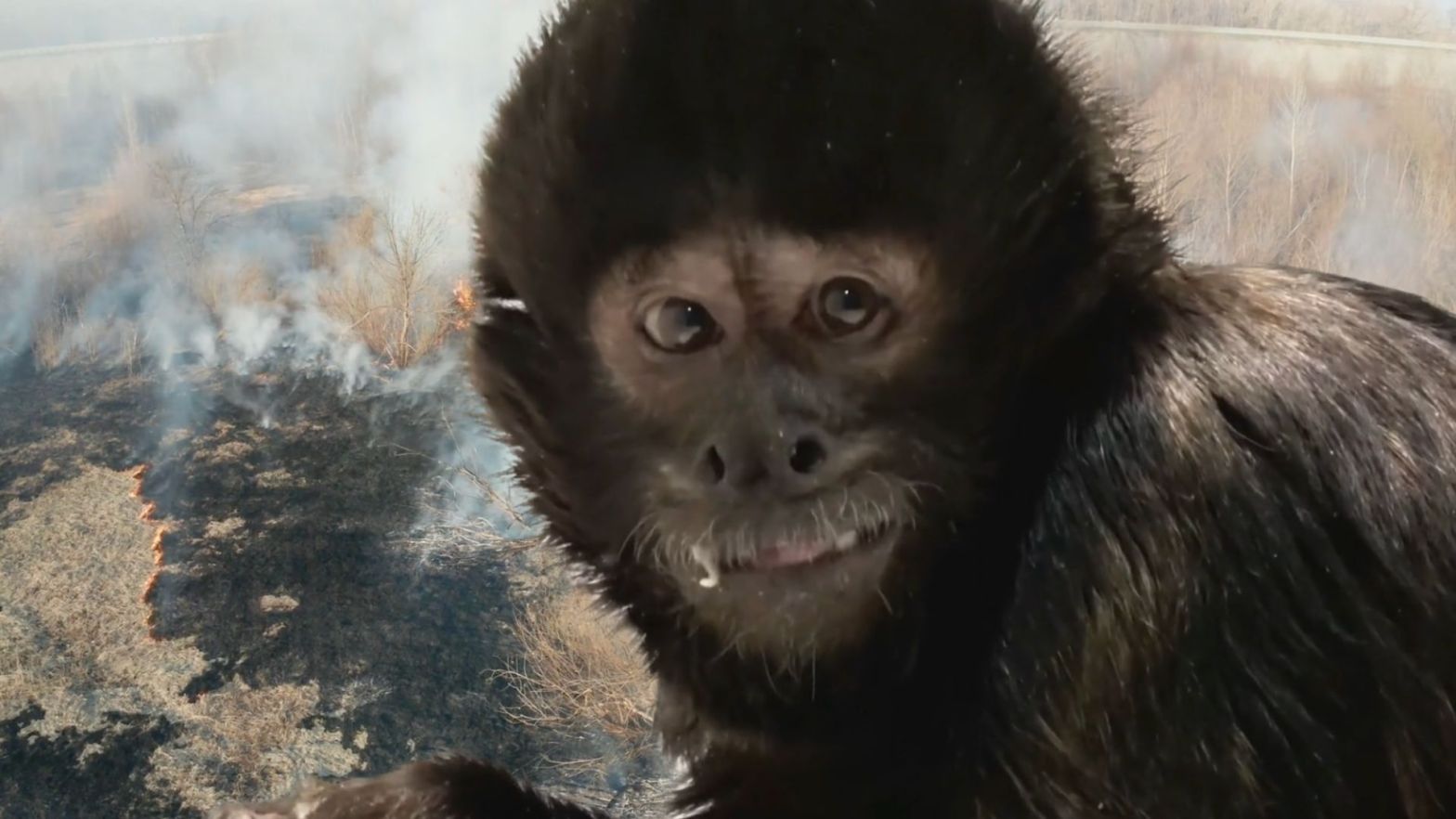
Crested Capuchins are one of Brazil’s most endangered primates. A few thousand remain, facing extinction due to palm oil, mining, soy. Take action for them!
Can we feed the world and stop deforestation? Depends what’s for dinner
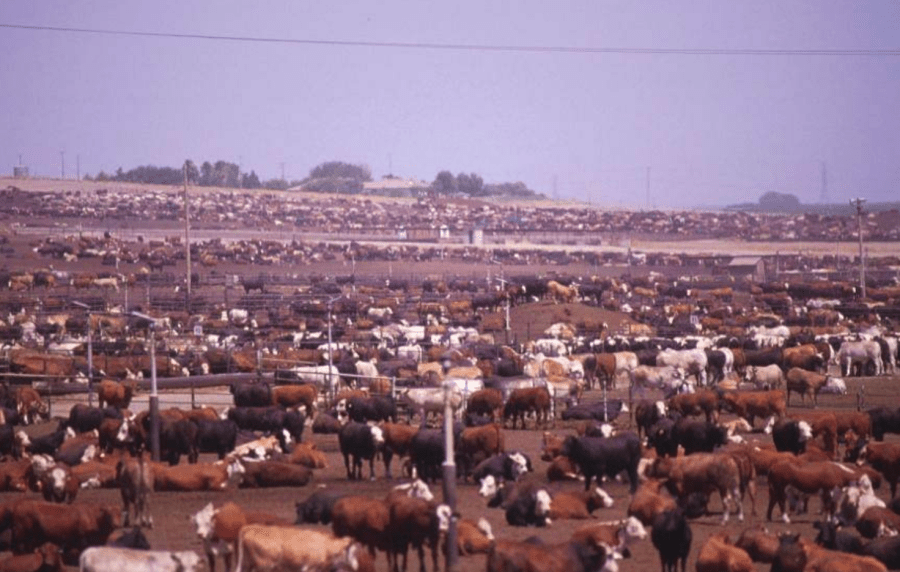
It’s a tricky thing to grow enough #food for a ballooning population without destroying the natural world. And when I say a tricky thing, I mean it’s one of the greatest challenges humanity has ever faced. Luckily for us, it is theoretically possible, and the easiest way to get there is by drastically cutting down on meat. We deforest an area the size of Panama every single year. Across the world, food is the number one cause of #deforestation, especially our taste for meat. If we all woke up #vegan in 2050, we would need less land than in 2000. We could reforest an area the size of the Amazon. 80% of deforestation is from #meat” Take action every time you shop and go plant-based #Boycott4Wildlife
Chimpanzee Pan troglodytes
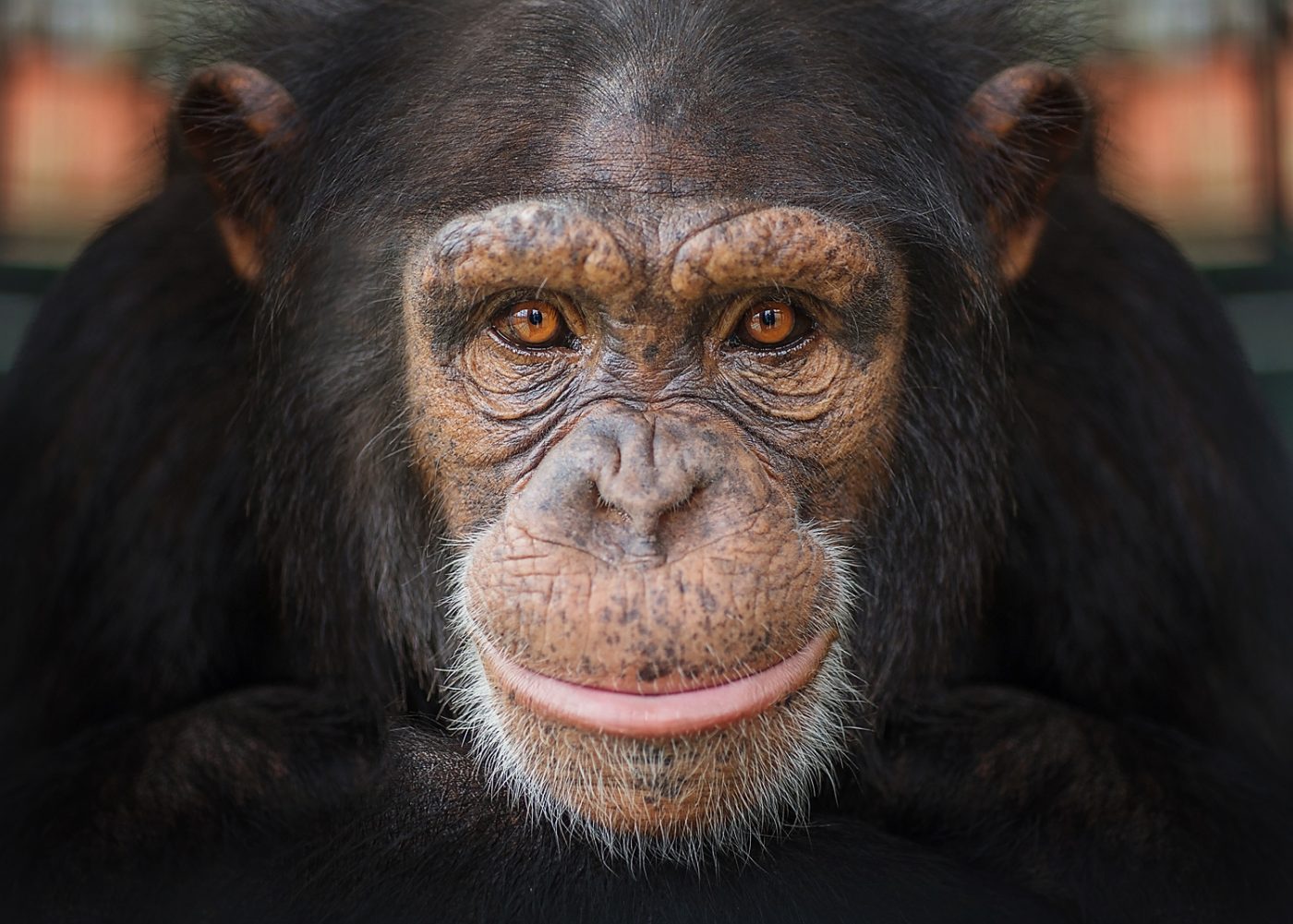
Chimpanzees (Pan troglodytes) are one of humanity’s closest living relatives and the most widespread of all great apes, with a vast historical range stretching across 21 African countries. Despite this, they are now classified as Endangered by the IUCN Red List due to catastrophic declines of more than 50% over a 75-year period, from 1975 to a projected 2050. These losses are driven by a lethal cocktail of threats: rampant poaching, habitat destruction for palm oil and logging, industrial mining, disease outbreaks like Ebola, and illegal trafficking. Subspecies such as P. t. ellioti have been reduced to only a few thousand individuals, while the once widespread P. t. verus is now Critically Endangered. Protecting them means dismantling the extractive industries that are ripping Africa’s forests apart such as the meat industry and palm oil industry. Help them when you #BoycottPalmOil #Boycott4Wildlife and be #Vegan #BoycottMeat
Hoge’s Side-necked Turtle Mesoclemmys hogei
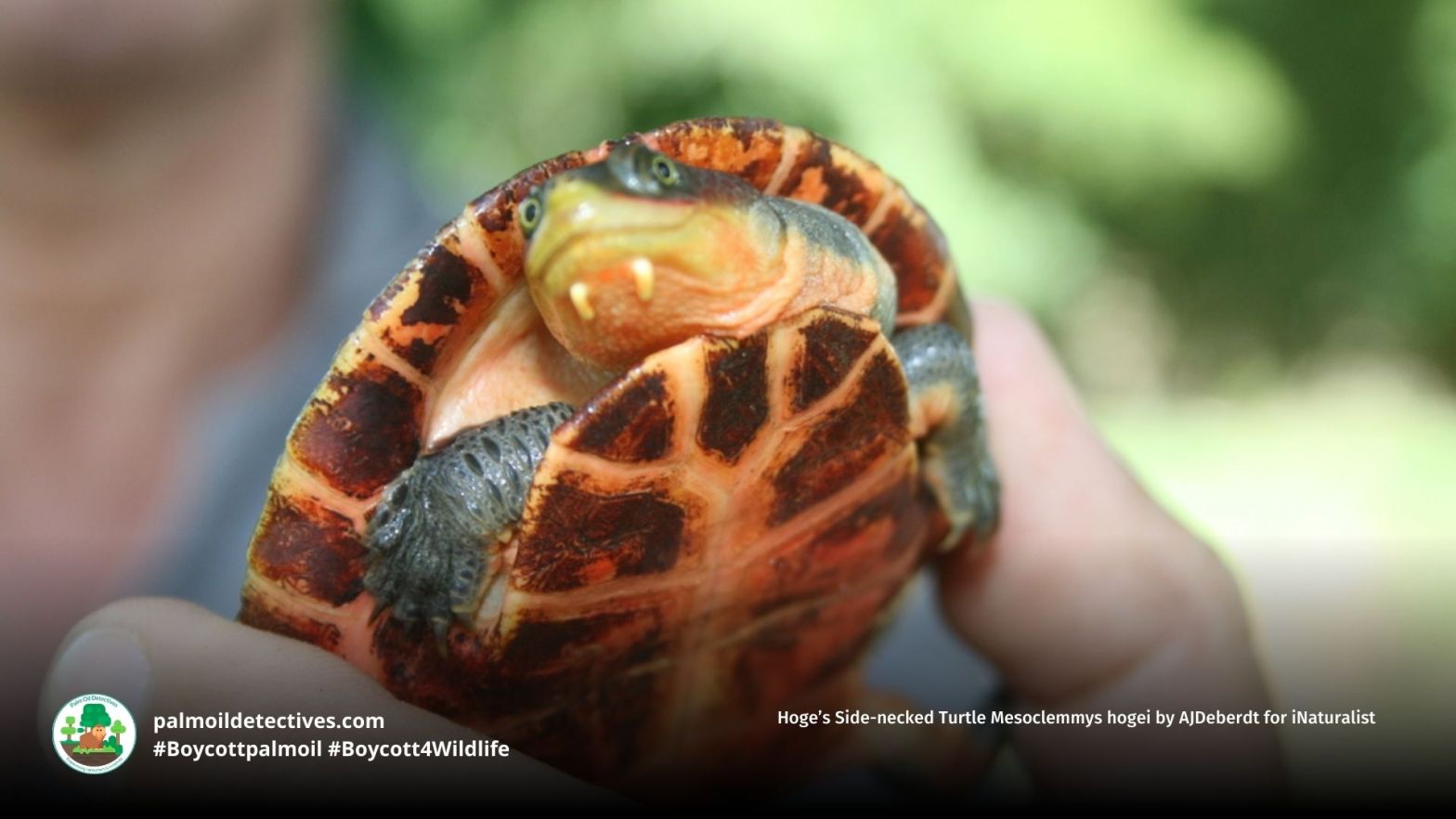
The Hoge’s Side-necked Turtle Ranacephala hogei—also known as Hoge’s Toadhead Turtle—is one of #Brazil’s rarest and most endangered reptiles. Having diverged from other turtles some 80 million years ago, they are evolutionary survivors now on the brink. With fewer than 2,000 individuals thought to remain, their populations have plummeted due to #palmoil #soy and #meat #deforestation, damming, water pollution, and incidental deaths in fisheries. Once feared lost from parts of their range, new research using citizen science and extensive fieldwork has rediscovered them in previously unknown areas, sparking renewed hope. But the threats remain. Help them every time you shop and #BoycottPalmOil #Boycott4Wildlife, be #Vegan and #BoycottMeat
 Palm Oil Detectives