

Frill-necked lizard AKA frilled dragons are endangered in southern Papua New Guinea and Indonesian-occupied West Papua due to palm oil ecocide, take action!
Tag Archives: NewGuinea
Pesquets Parrot Psittrichas fulgidus

The beguiling Pesquet’s #parrots are sometimes known as ‘Dracula parrots’ due to their unique appearance. This includes black facial features, black feathers and bright red patches that reminiscent of a Dracula-like cloak. This striking combination lends them a slightly eerie and dramatic look, making them truly a sight to behold.
They inhabit the lush #rainforests of #WestPapua and #PapuaNewGuinea and make gentle gliding flights. They have a specialised diet of figs and face significant threats from #deforestation and #hunting. These magnificent birds are classified as vulnerable, and their population is decreasing. You can make a difference by choosing products that protect their rainforest habitat. Make sure you #BoycottPalmOil and #Boycott4Wildlife in the supermarket!
Mountain Cuscus Phalanger carmelitae

The Mountain #Cuscus are fascinating and shy creatures who live in Papua New Guinea and #WestPapua. Thick, dark, woolly fur covers most of their bodies, while their bellies are white. The Mountain Cuscus has a black tail with a rough, white tip. Their skulls are medium-sized, with a short snout, large back teeth, and three small teeth on each side of their lower jaws. It’s important to note that the Mountain Cuscus can sometimes be confused with the Silky Cuscus, which has a smooth tail without rough patches, a shorter or absent white tail tip, and fewer teeth in their lower jaw. They are threatened by massive #palmoil and #timber deforestation across West Papua and Papua New Guinea, help them every time you shop and #Boycottpalmoil #Boycott4Wildlife
Protected: Private Advocate’s Page
There is no excerpt because this is a protected post.
Dusky Pademelon Thylogale brunii

Dusky Pademelons are small marsupials with large ears, strong hind legs and a short, thick tail. They navigate the dense and mountainous forests of New Guinea with natural agility. Solitary by nature, these fascinating creatures disperse seeds as they roam through the forests contributing to the maintenance of a vibrant ecosystem. They are now vulnerable due to the threat of hunting and deforestation for mining, palm oil and timber throughout their range. Help them to survive every time you shop and #Boycottpalmoil #Boycott4Wildlife
Magnificent Bird of Paradise Cicinnurus magnificus
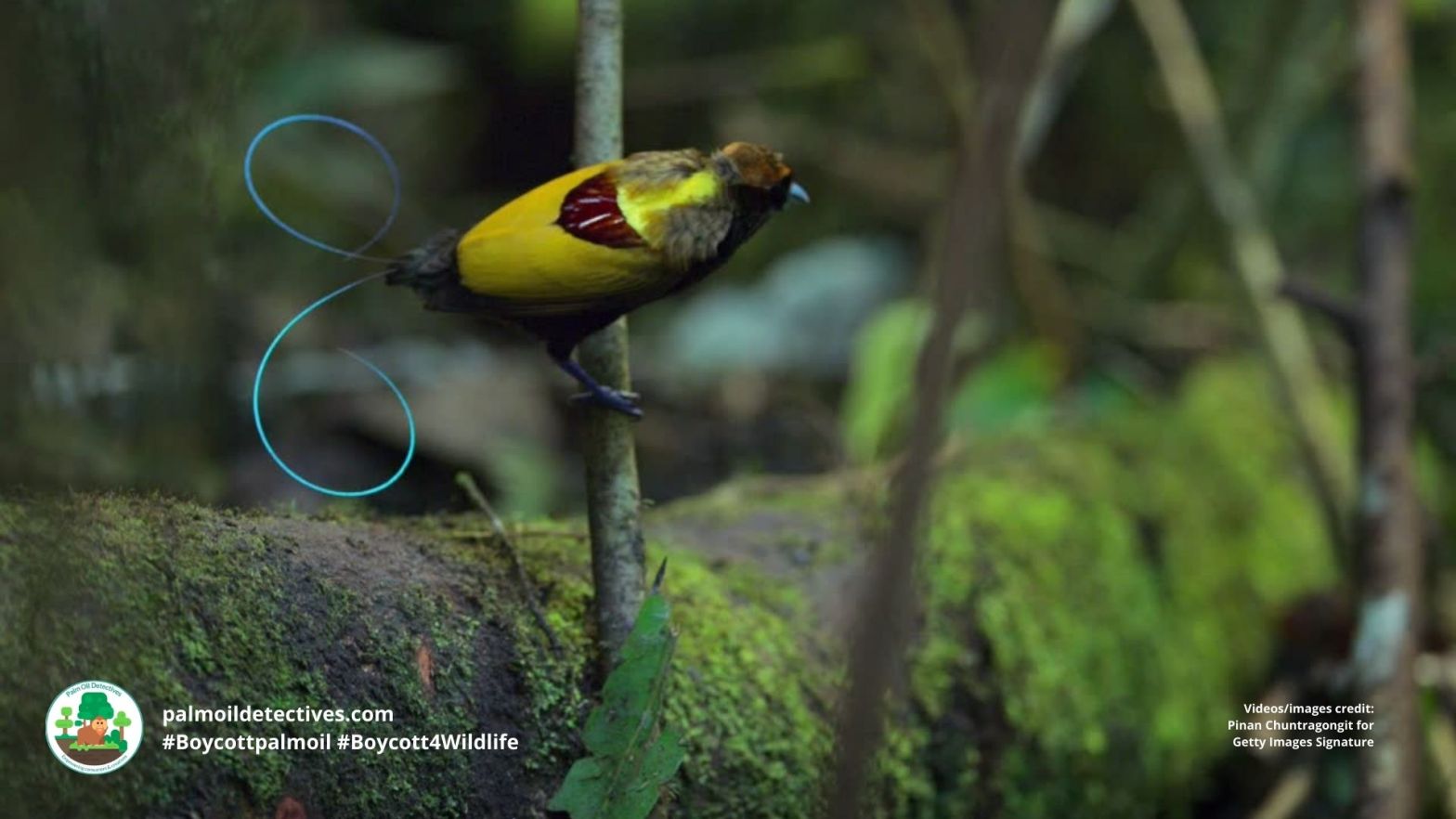
Meet the Magnificent Bird-of-Paradise, a dazzling, theatrical bird from New Guinea’s forests. Their vibrant courtship dances must be protected from palm oil!
Victoria crowned pigeon Victoria goura
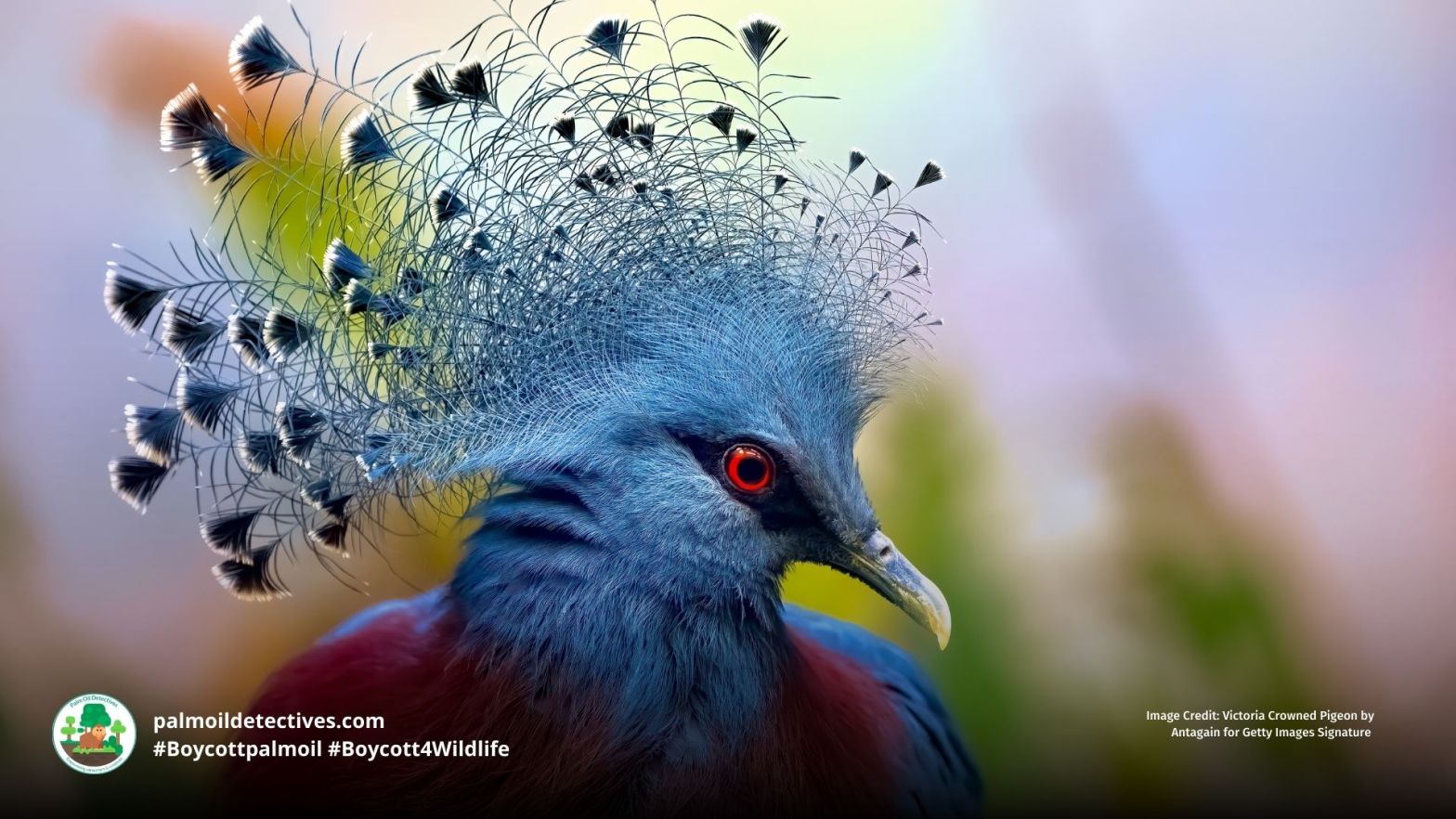
Meet the Victoria crowned pigeon, the world’s largest pigeon species with royal roots and some unique quirks. Not only are they named after Queen Victoria, but they’re also close relatives to the extinct dodo. These lovebirds mate for life and share parenting duties in the most adorable ways—from dancing displays to feeding their chicks a special ‘crop milk.’ Despite their fascinating traits and tight-knit families, these majestic birds face dire threats. Their forest homes are disappearing due to palm oil and timber deforestation, and they’re being hunted. Help keep their love story alive: #BoycottPalmOil and support #Boycott4Wildlife to protect these incredible creatures.
Vogelkop Superb Bird of Paradise Lophorina superba

Male superb-bird’s-of-paradise are the dramatic actors of #NewGuinea’s rainforest. They use their lush, multicoloured plumage to change shape in an elaborate dancing courtship display that typically goes on for many hours for the sole benefit of a female #bird. At the end of the dancing ritual, the female will get to choose her mate between 15-20 male #birds. These magnificent birds are struggling to survive, hemmed in on all sides by #hunting, #palmoil, gold mining and timber #deforestation throughout their range. Help their survival every time you shop and #Boycottpalmoil #Boycott4Wildlife in the supermarket!
New Guinea Singing Dog Canis hallstromi
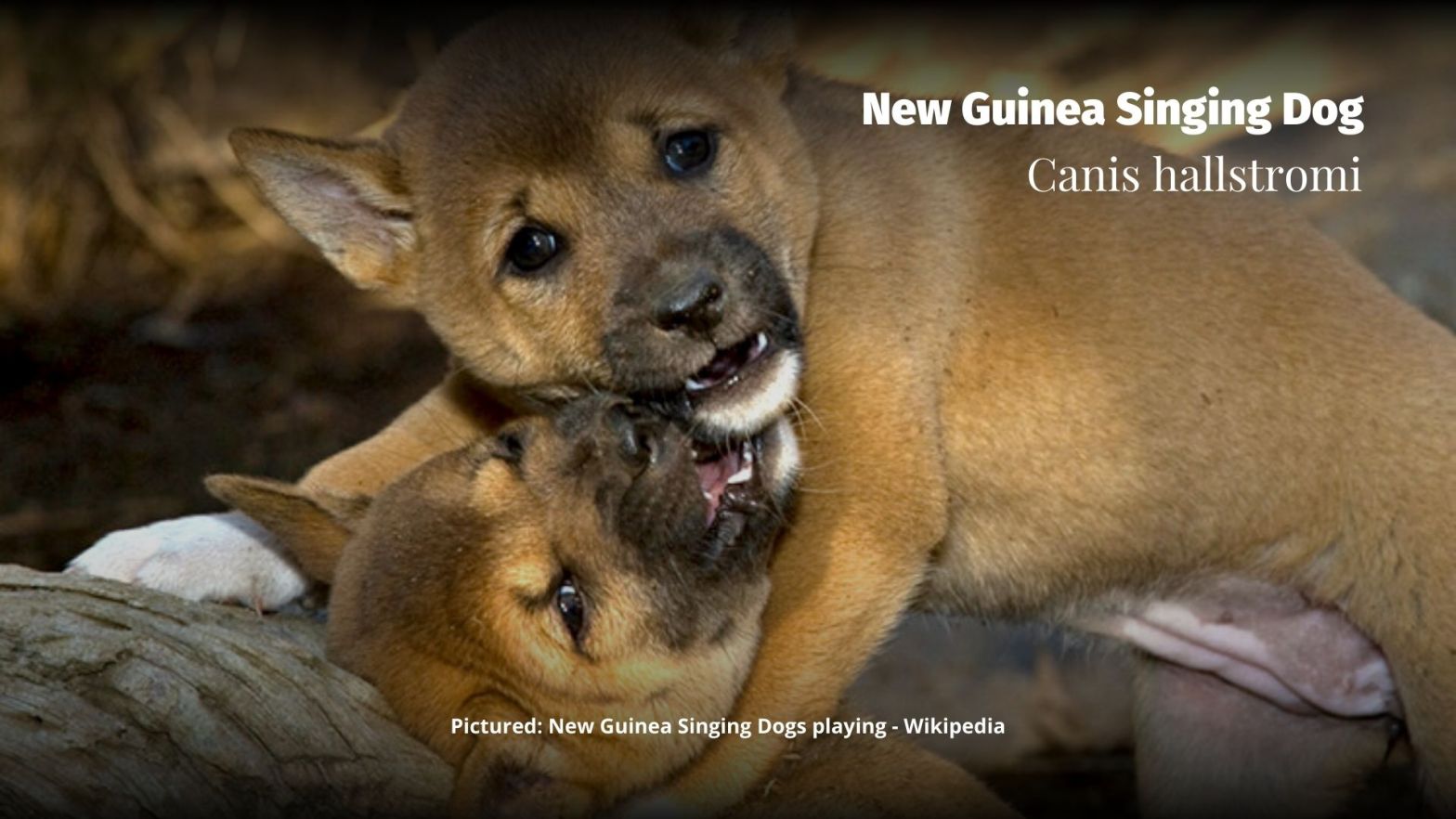
Thought for decades to be extinct in the wild, the New Guinea singing #dog populations hang on to survival in the remote mountains and forests of New Guinea. These #wilddogs were last spotted in 2017 near the Grasberg gold and copper mine in #WestPapua. Little known and still not well understood by researchers, they announce themselves with a haunting overlapping howling between individual dogs that is unlike other forms of canid howling.
Elusive and likely now critically endangered, #NewGuinea Singing Dogs are rapidly disappearing and have no formal protection or conservation in place. Help them survive and fight against #palmoil #deforestation in #WestPapua, #Boycottpalmoil #Boycott4Wildlife
New Britain Sparrowhawk Accipiter brachyurus
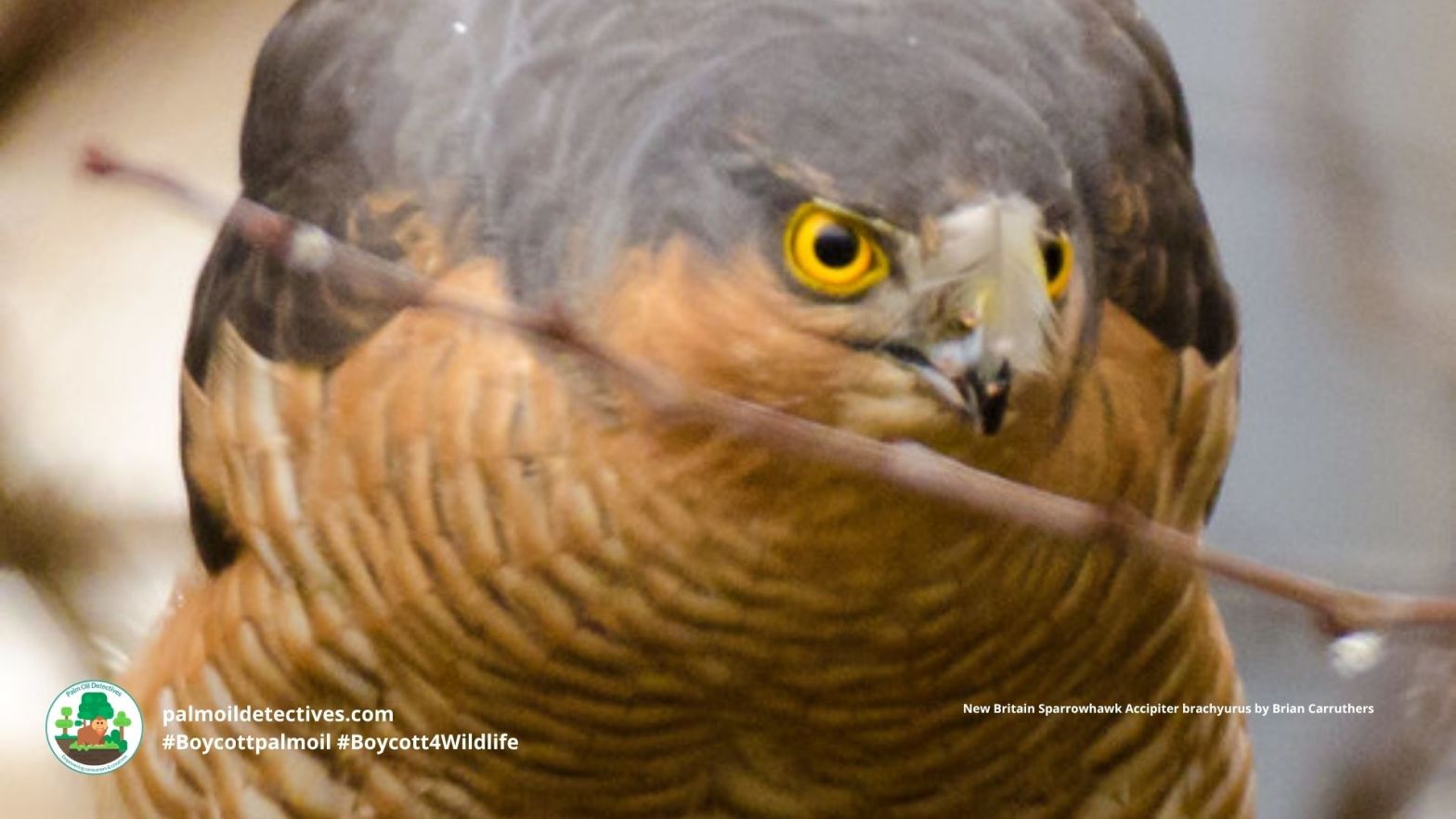
Protect the elusive New Britain Sparrowhawk. These rare birds-of-prey face extinction as palm oil deforestation and logging destroys New Guinea habitat
Eastern Long-beaked Echidna Zaglossus bartoni
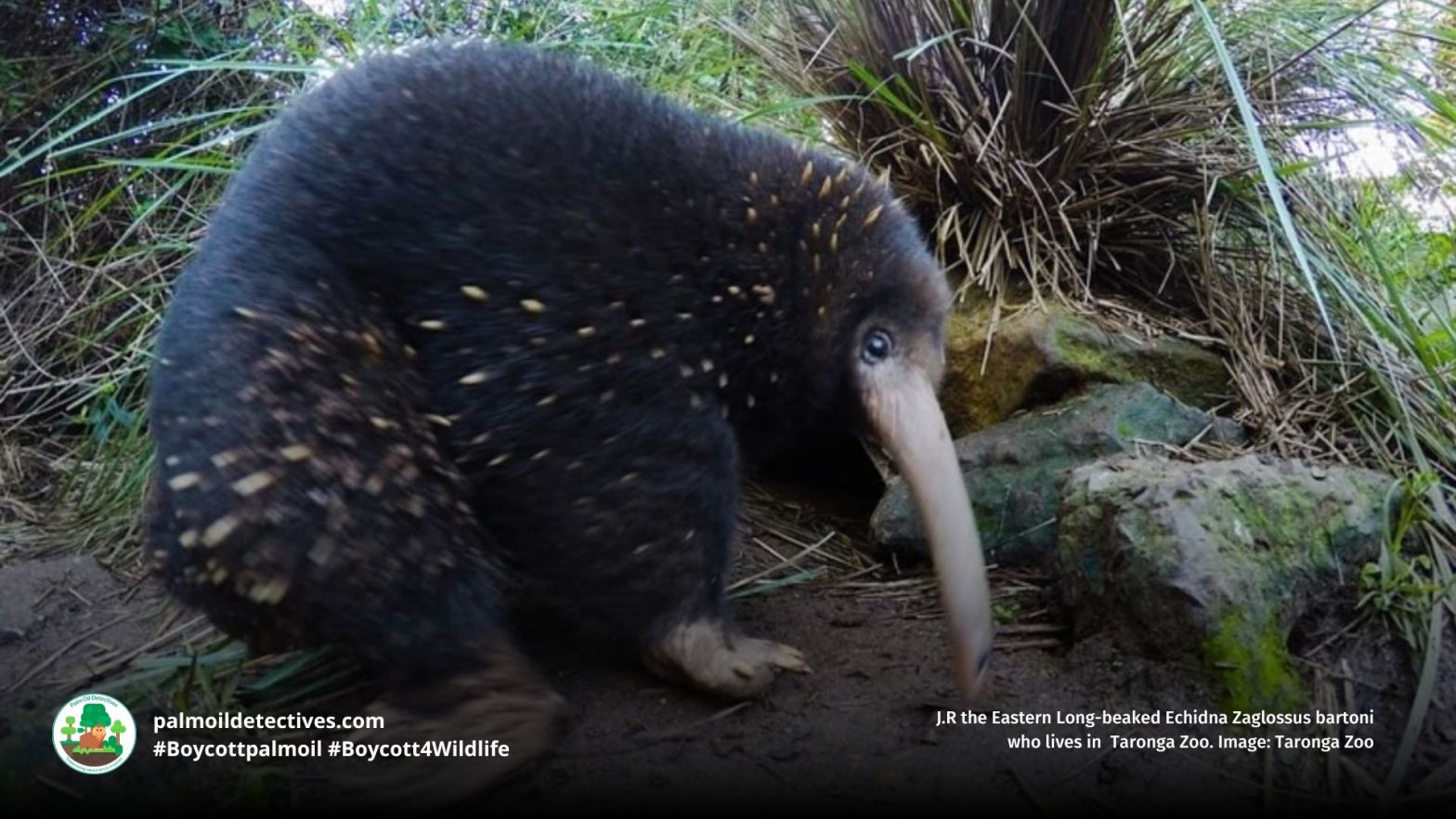
The Eastern long-beaked echidna Zaglossus bartoni is one of the planet’s most extraordinary mammals—a living relic from the dawn of mammalian evolution. Found only in the rugged, remote mountains of New Guinea, this remarkable creature is genetically and physically unlike any other animal alive today. Their existence bridges ancient evolutionary traits with the survival needs of modern species, representing a fascinating link to the distant past.
Tragically, these rare monotremes face the threat of extinction due to hunting and habitat loss for palm oil, timber and gold mining. Support indigenous-led conservation and fight for their survival. Use your wallet as a weapon and #BoycottPalmOil #Boycott4Wildlife.
Imitator Goshawk Accipiter imitator
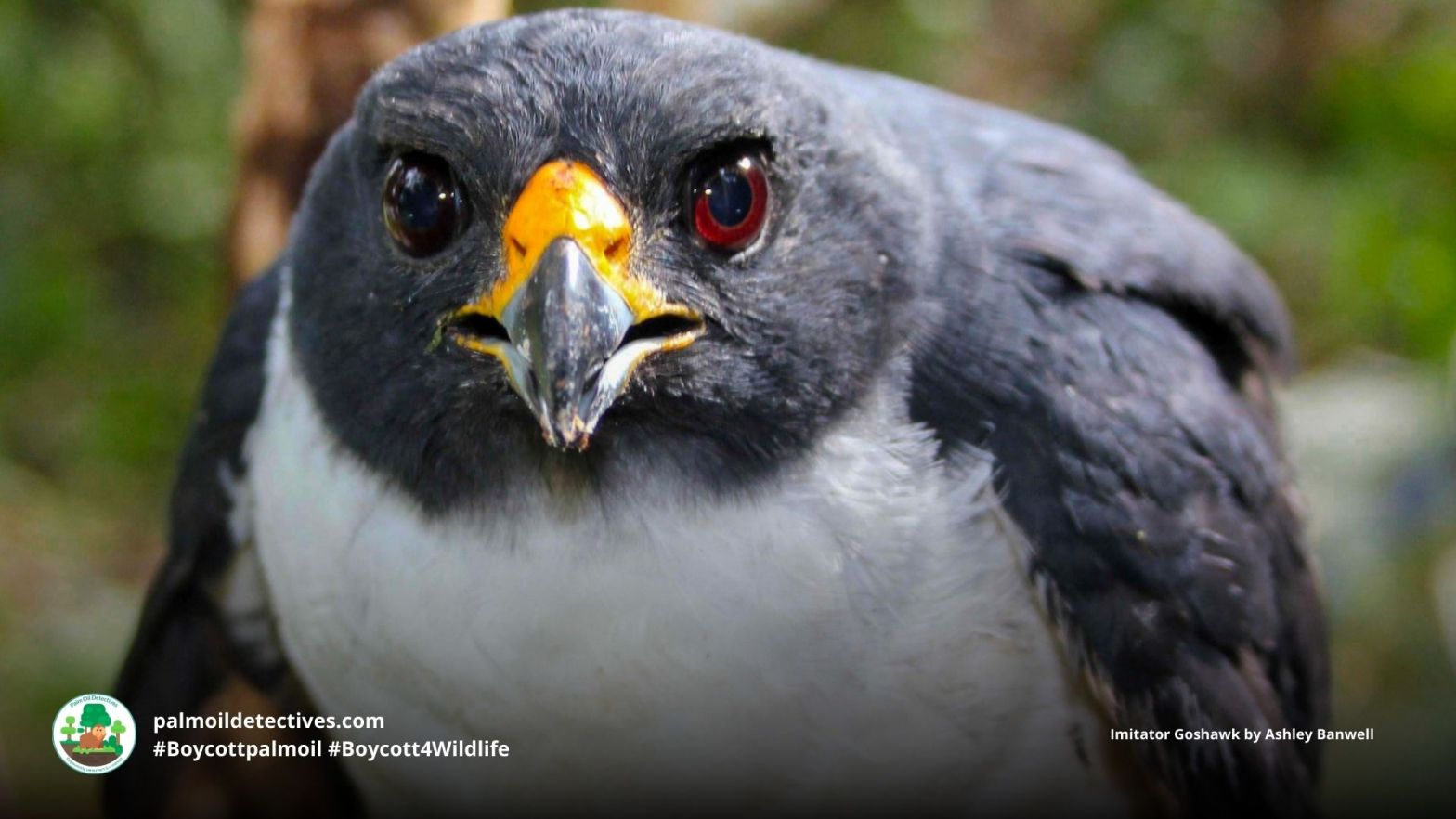
Protect the magnificent Imitator Goshawk an elusive bird of prey from Papua New Guinea is vulnerable. Just 250-999 individuals remain. Boycott palm oil!
Thomas’s Big-eared Bat Pharotis imogene
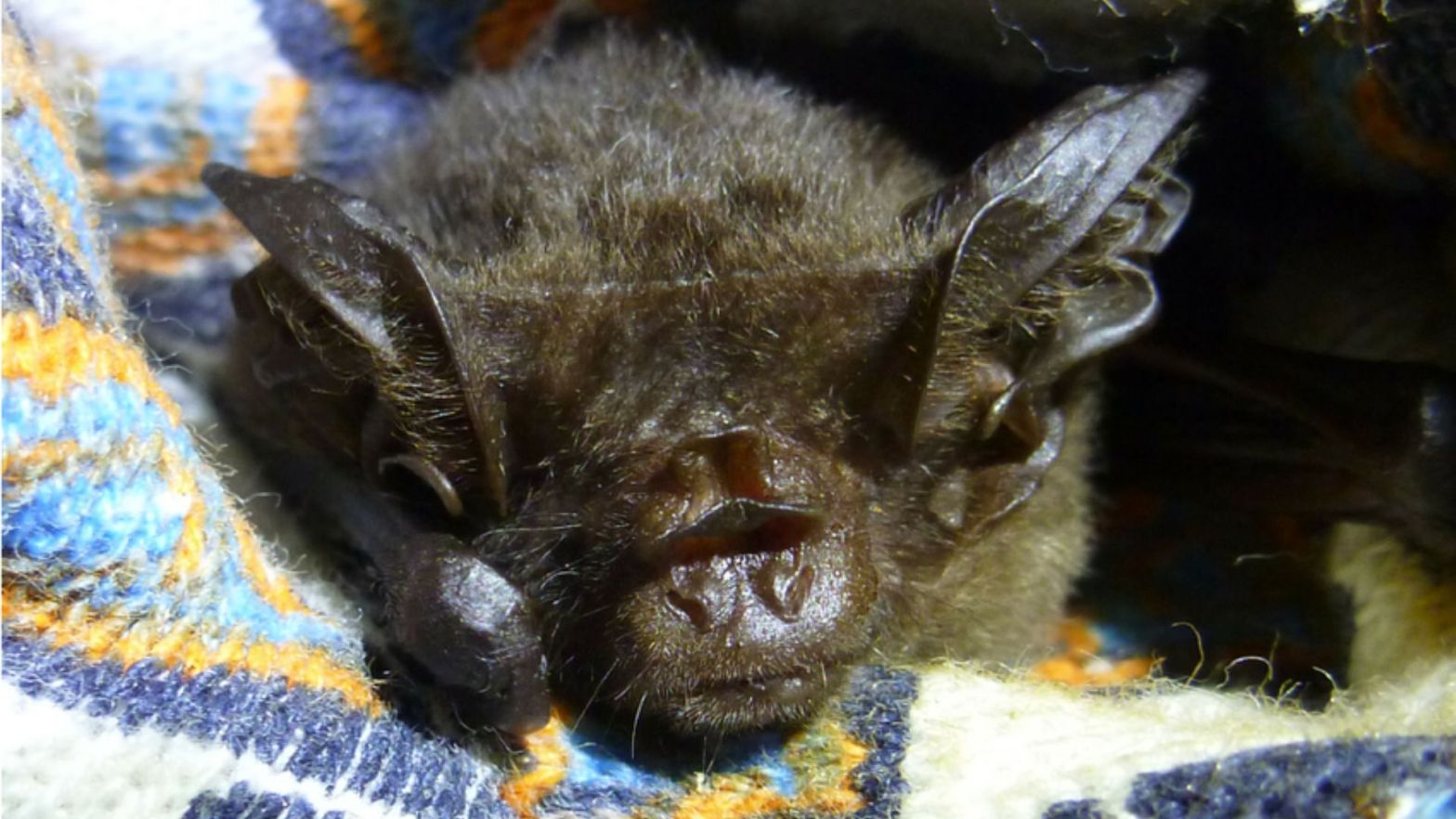
Thomas’s Big-eared #Bat Pharotis imogene, also known as the #NewGuinea Big-eared Bat, is one of the world’s rarest and most elusive #mammals- they are critically endangered by #PapuaNewGuinea. Thought to be #extinct for over a century, they were rediscovered in 2012 in Central Province, Papua New Guinea, in an area heavily impacted by palm oil deforestation, firewood collection, and land clearing for timber, mines and palm oil. Despite their rediscovery, habitat destruction due to palm oil expansion, logging, mining and human encroachment which continues to threaten their survival. Without urgent intervention, they may disappear again—this time, permanently. Help them every time you shop and #BoycottPalmOil #Boycott4Wildlife
 Palm Oil Detectives