
There is no excerpt because this is a protected post.
Tag Archives: pandemics
Protect Nature to Avoid Future Pandemics
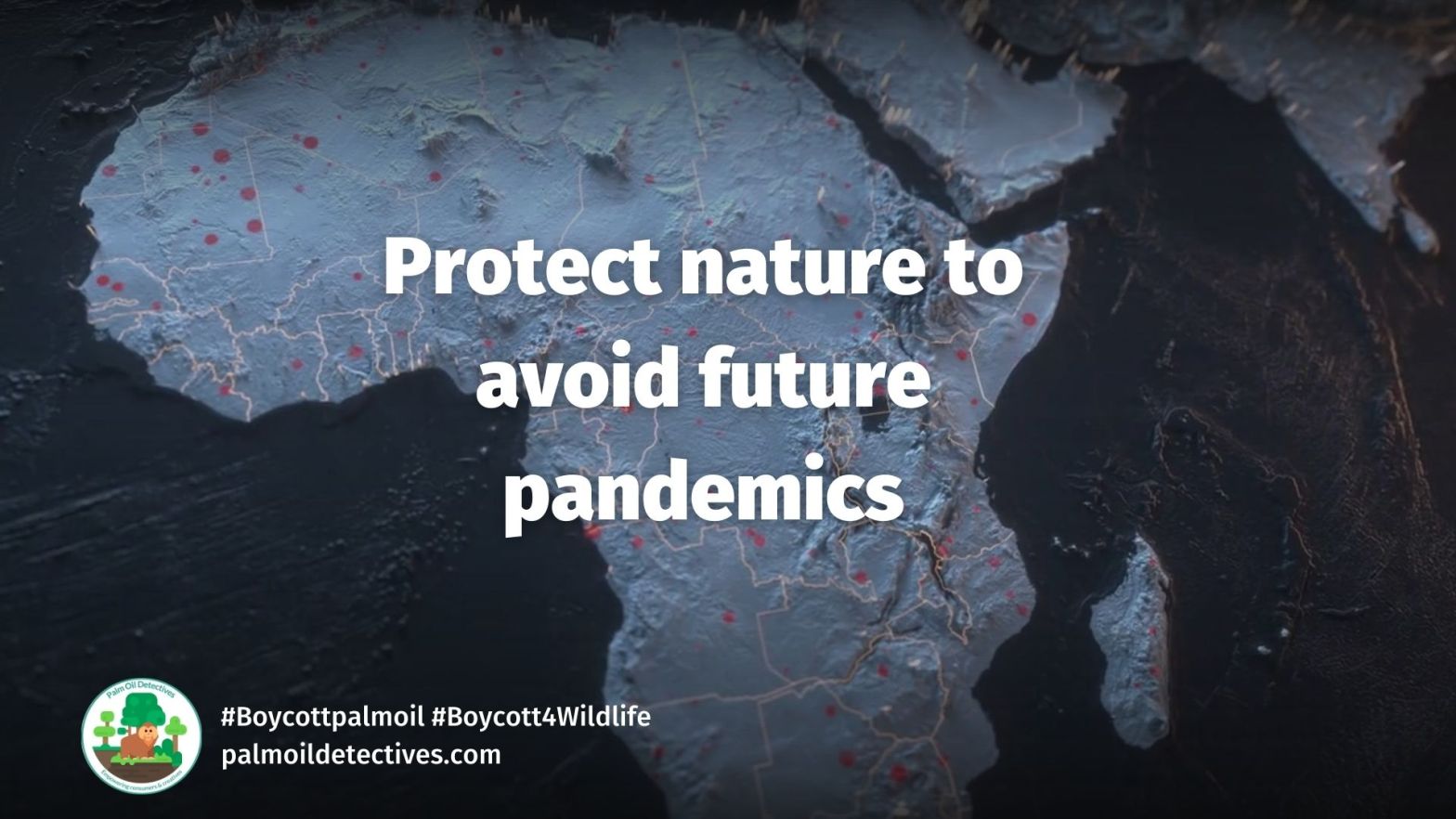
Research from University of Queensland and published in The Lancet: Planetary Health finds that the COVID-19 pandemic is linked to the decline of ecosystems and biodiversity, creating a cycle that could lead to more pandemics. The pandemic, caused by a virus jumping from animals to humans, has worsened deforestation, increasing human-wildlife contact and the risk of future disease outbreaks. The study emphasizes the need for a One Health approach, combining public health, conservation efforts and involving indigenous custodianship of land and indigenous traditional knowledge to prevent outbreaks by protecting ecosystems. We must safeguard biodiversity to prevent more pandemics. #Boycottpalmoil #Boycott4Wildlife
Preventing Pandemics: Cheaper Than Controlling Them
“It turns out prevention of #pandemics really is the best medicine. We estimate we could greatly reduce the likelihood of another pandemic occuring by investing as little as 1/20th of the losses incurred so far from COVID into [#wildlife and #rainforest] conservation measures designed to help stop the spread of these viruses from wildlife to humans in the first place.” Professor Stuart Pimm, Doris Duke Professor of Conservation Ecology at Duke University, who was co-lead author of the study. Fight against extinction every time you shop #BoycottPalmOil #Boycott4Wildlife
UN report says up to 850,000 animal viruses could be caught by humans, unless we protect nature
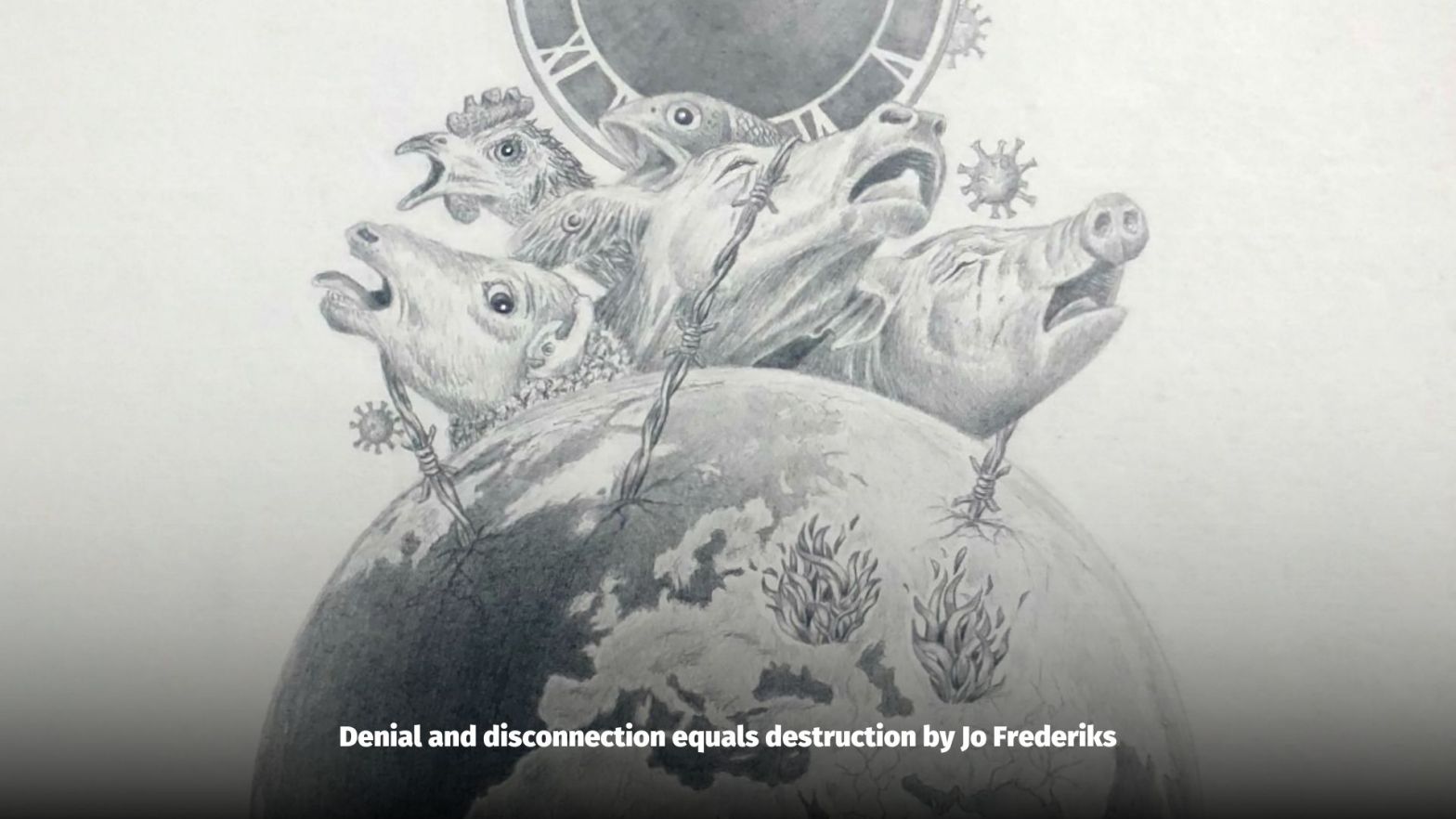
Human damage to biodiversity is leading us into a pandemic era. The virus that causes COVID-19, for example, is linked to similar viruses in bats, which may have been passed to humans via pangolins or another species.
What is causing the latest outbreak of Ebola in Uganda?
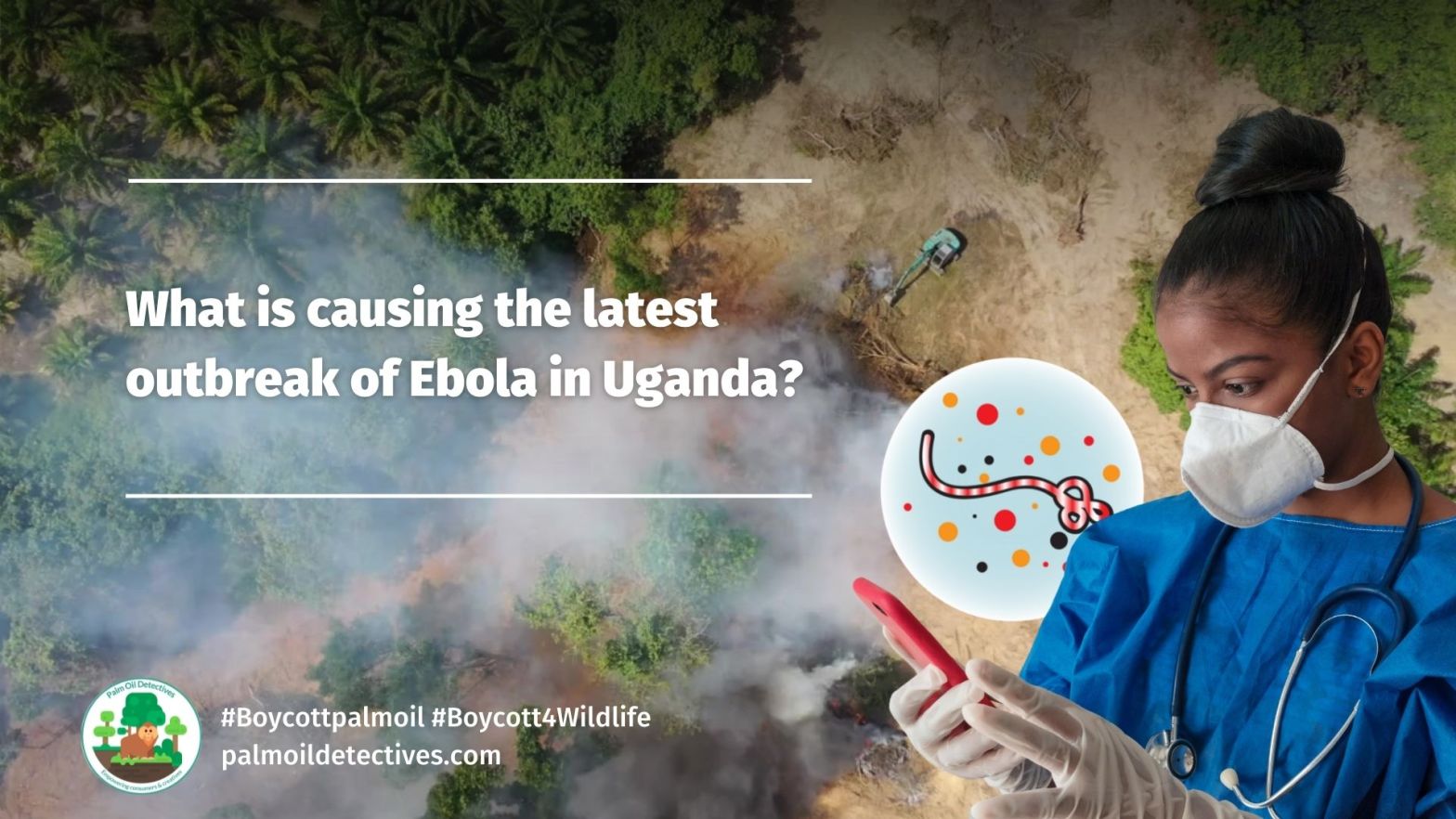
In light of the most recent Ebola outbreak in Uganda (over the past month), many people are experiencing a sense of déjà vu. The rapacious destruction of rainforests for palm oil, soy, meat and dairy by multinational corporations is deeply linked to the spread of infectious zoonotic diseases, such as Ebola. These diseases are becoming more and more commonplace with the destruction of the environment and growth of animal agriculture. This has enormous implications for human #health, food security, animal conservation and planetary health. #BoycottPalmOil #Boycott4Wildlife
Why Peanut Butter Might Trigger the Next Pandemic
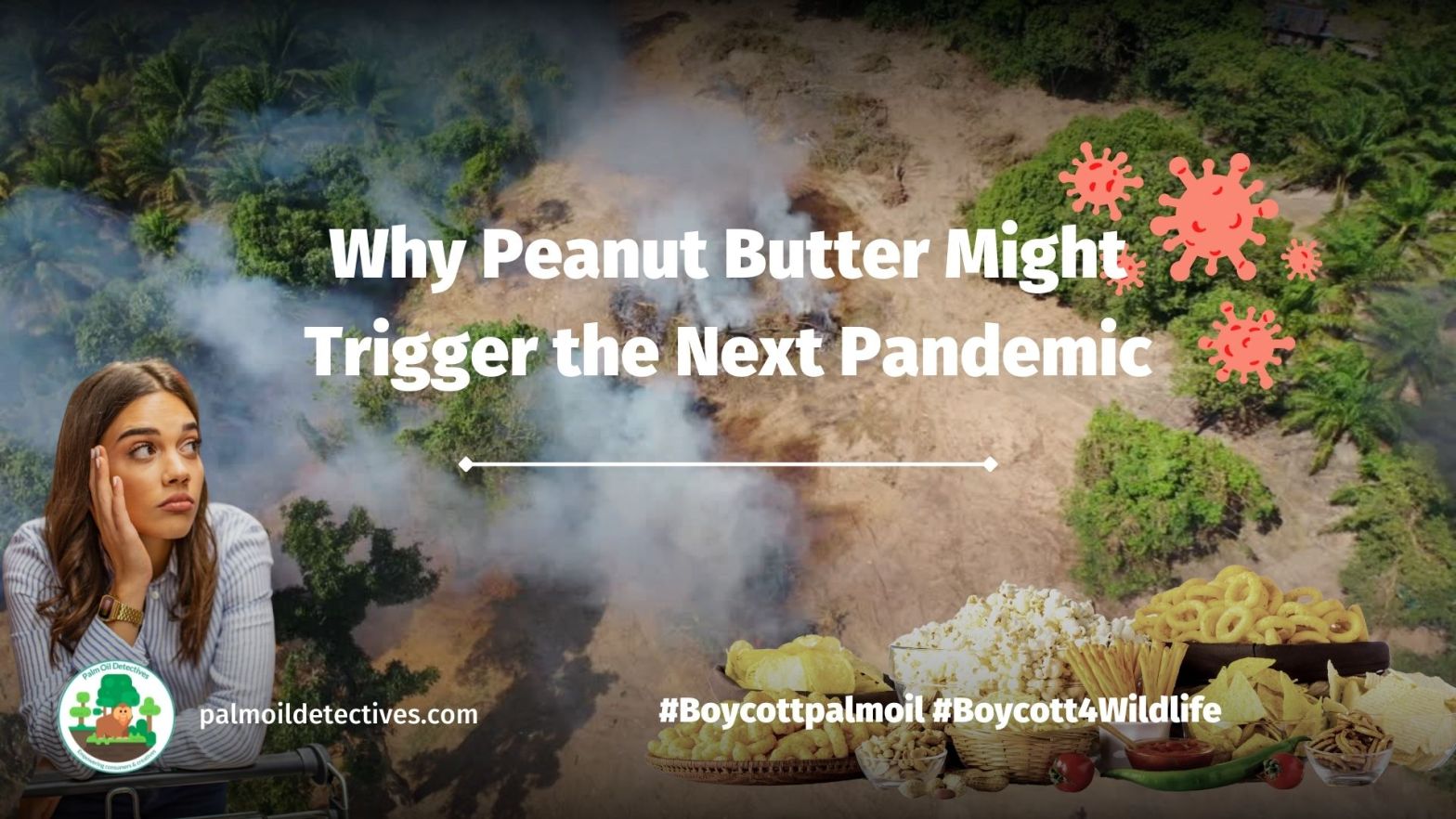
Palm oil is found in roughly 50 percent of packaged household products ranging from peanut butter to lipstick. Now, researchers link its harvesting to disease outbreaks that could spread to humans. This is the first study to examine the cause-and-effect relationship between changes in forest cover and subsequent disease outbreaks on a global scale.
Deforestation Allows for Deadly Viruses to Jump Species

Many pandemics originate from wildlife that jumps from animal to human. These leaps often happen at the edges of the world’s tropical forests, where #deforestation is increasingly bringing people into contact with animals’ natural habitats. Yellow fever, #malaria, Venezuelan equine encephalitis, #Ebola – all of these pathogens have spilled over from one species to another at the margins of forests. This has many scientists concerned. The next pandemic is likely to originate from either the rainforest, meat or dairy agriculture where humans have most contact with animals.
 Palm Oil Detectives